THE FLASHCARDS FOR IHUM 201 FINAL
 Call Kai
 Learn
Learn Practice Test
 Spaced Repetition
 Match
Match Flashcards
 Knowt Play
1/109

There's no tags or description
Looks like no tags are added yet.
Name | Mastery | Learn | Test | Matching | Spaced | Call with Kai |
|---|
No analytics yet
Send a link to your students to track their progress
110 Terms
Thomas Aquinas, Summa Theologica
a foundational theological and philosophical text. Written as an instructional manual, it harmonizes Christian doctrine with Aristotelian logic, using structured questions and logical reasoning to explore the nature of God, morality, and humanity's ultimate purpose. The Goal: To reconcile human reason with God's revealed truth and scriptural doctrine.Structure: The Summa uses a strict scholastic format. It breaks topics down into Questions, which are further divided into Articles.
Andreas Capellanus' Rules of Love
A medieval text that outlines the principles of courtly love, emphasizing romantic ideals, social norms, and the complexities of relationships during the time period.
Ars Nova
A 14th-century style of music characterized by freedom and variety of melody, as contrasted with stricter 13th century music.
Avignon Papacy
A period from 1309 to 1377 when seven successive popes resided in Avignon, France, rather than in Rome, significantly impacting the authority of the Papacy and the Catholic Church.
Bernard of Clairvaux
A prominent 12th-century French abbot and theologian known for his influence on monastic reform, his writings on mysticism, and his role in promoting the Second Crusade.
Black Death (Bubonic Plague)
A devastating pandemic that struck Europe in the 14th century, resulting in the death of an estimated one-third of the population, leading to profound social, economic, and cultural changes in the aftermath.
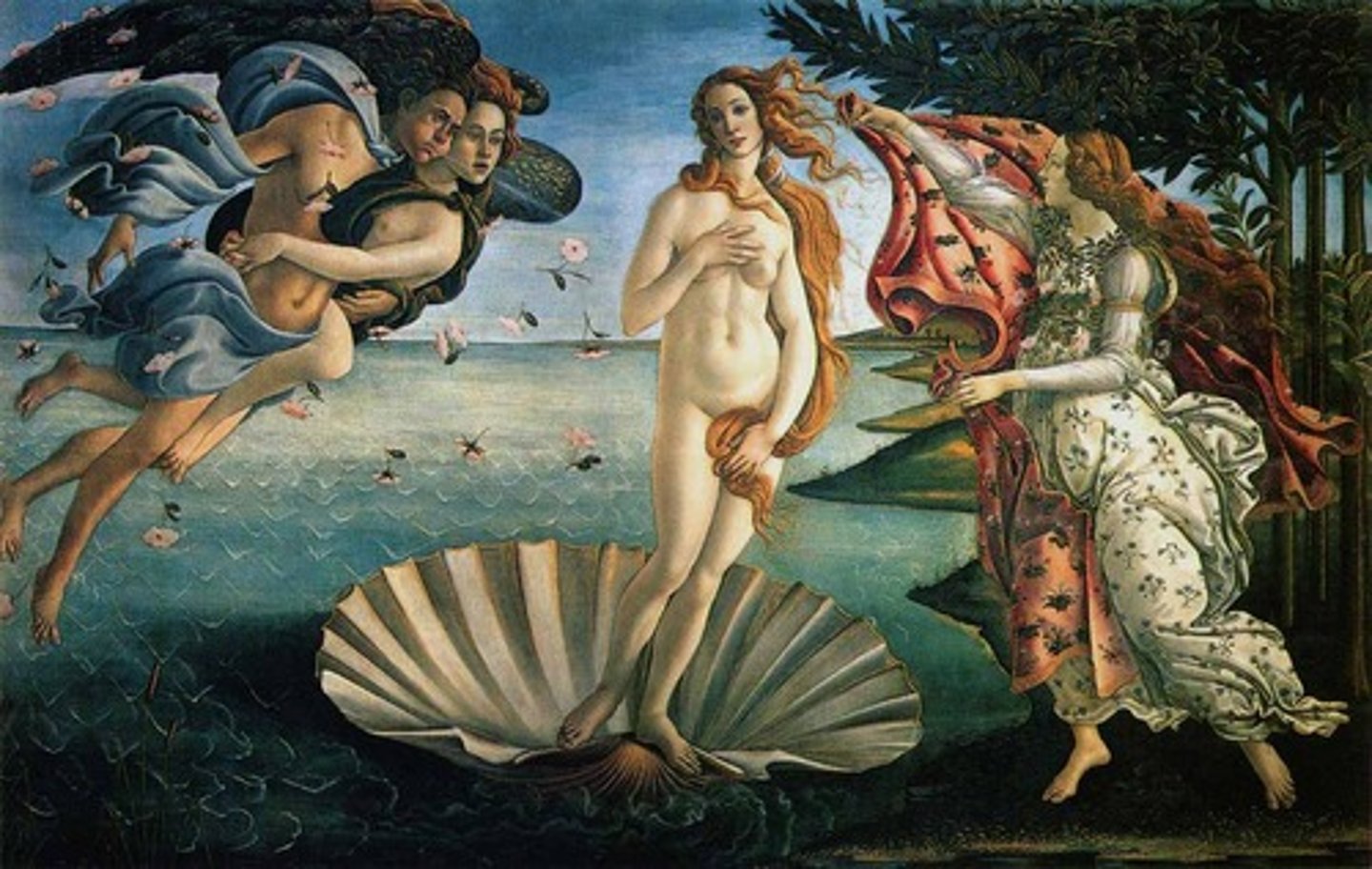
Main ideas of Botticelli’s Birth of Venus
They merge classical mythology with contemporary ideas about ideal beauty, love, and marriage. The Roman goddess of love emerges from seafoam on a scallop shell, driven ashore by the wind gods Zephyr and Chloris, where she is welcomed by a Grace. Neoplatonic Love, Classical Revival
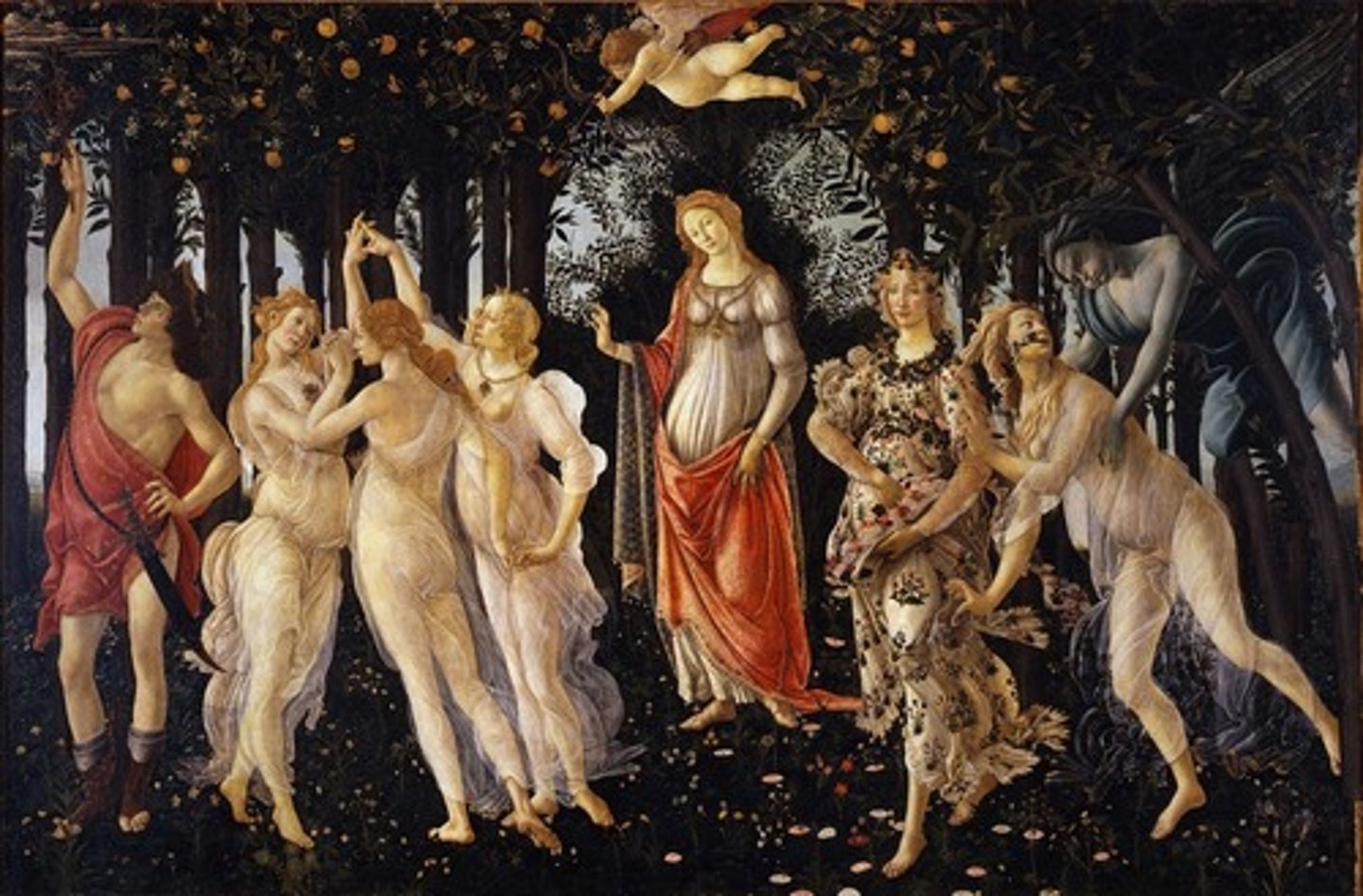
Main Ideas of Botticelli’s Primavera
They merge classical mythology with contemporary ideas about ideal beauty, love, and marriage.An enigmatic, allegorical scene set in a lush orange grove populated by nine mythological figures: Zephyr and Chloris, Flora, Venus, Cupid, the Three Graces, and Mercury. Marriage and fertility, the power of love.
Brunelleschi (innovations and developments)
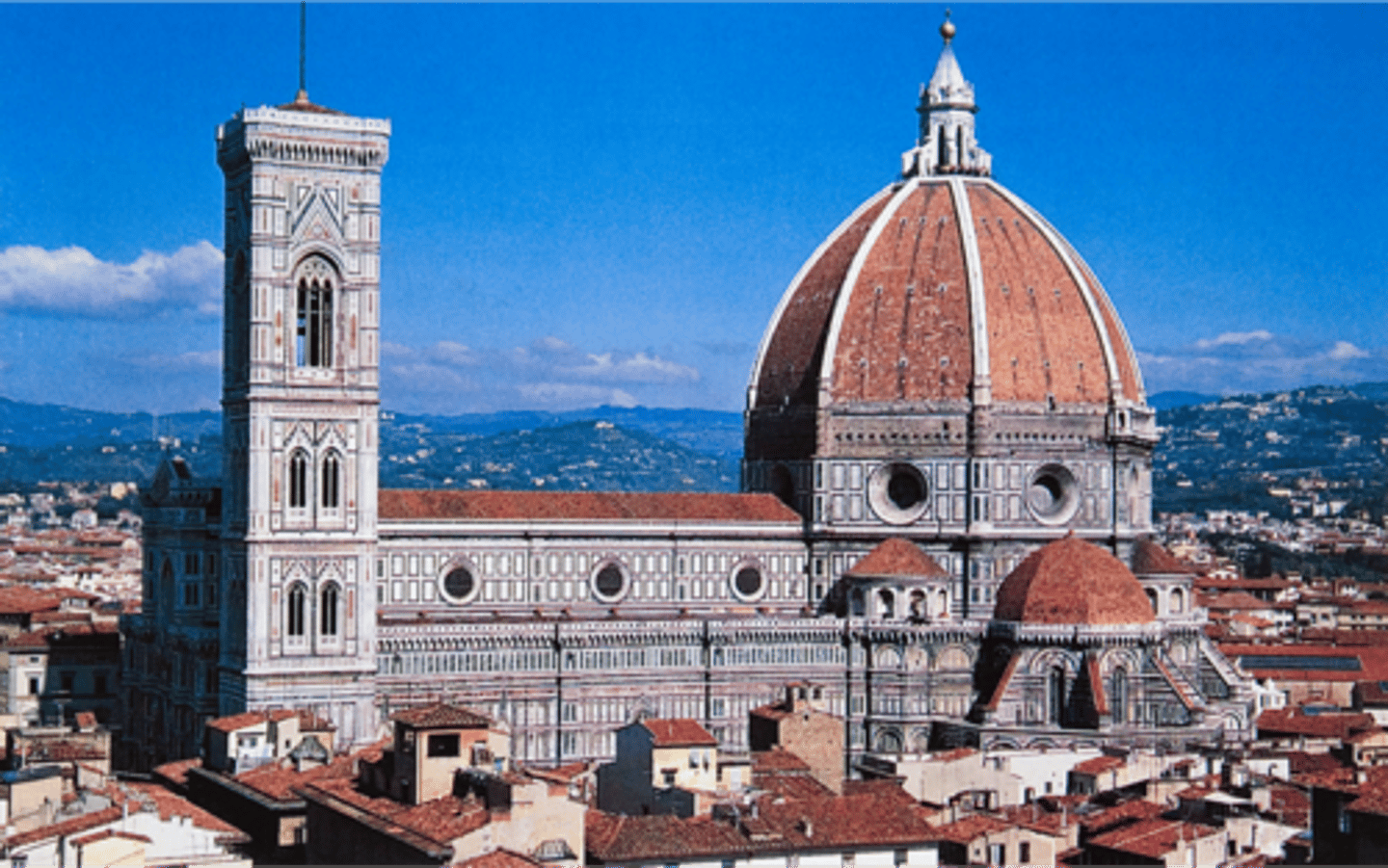
An Italian Architect and engineer of the Renaissance, known for innovations in perspective and architecture, including the dome of the Florence Cathedral. The sacrifice of Isaac (young Isaac, Abraham holding his head about to stab his neck)
Canto
A principal division of a long poem
cantus firmus mass
a Renaissance musical technique where all five movements of the Mass Ordinary share a single, pre-existing melody. Cyclical Unity, Sacred Meets Secular, Tension of the Era
Canzoniere
A songbook
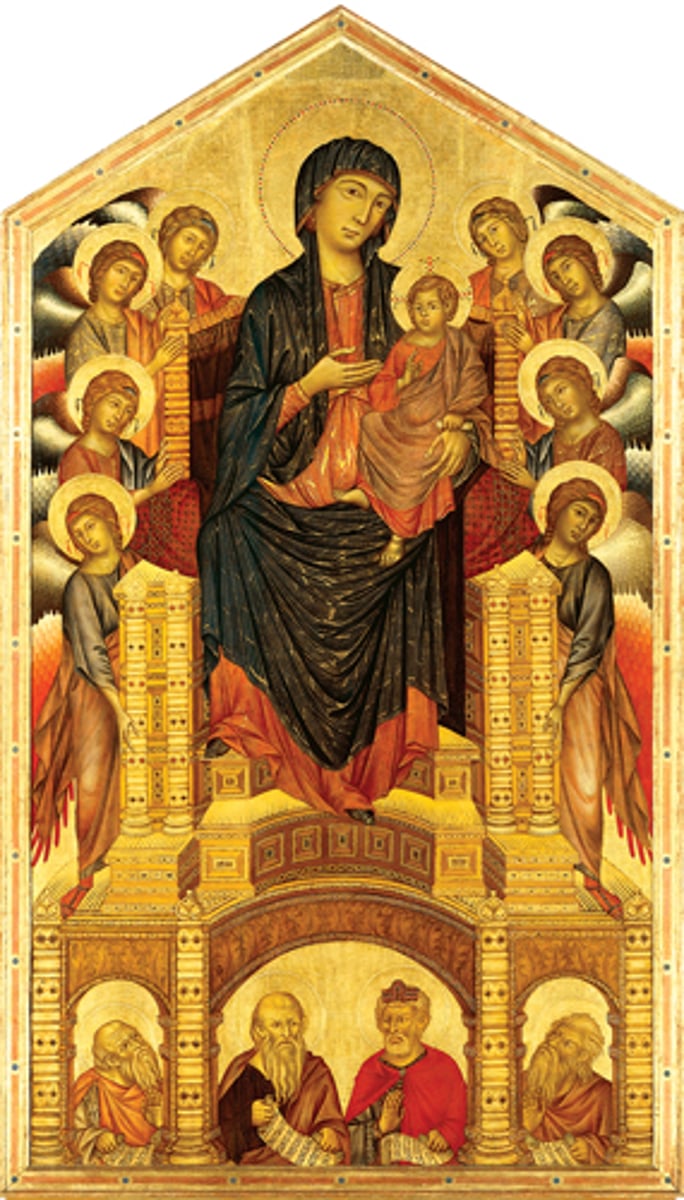
Cimabue, "Madonna Enthroned" (10.8)
Late Medieval
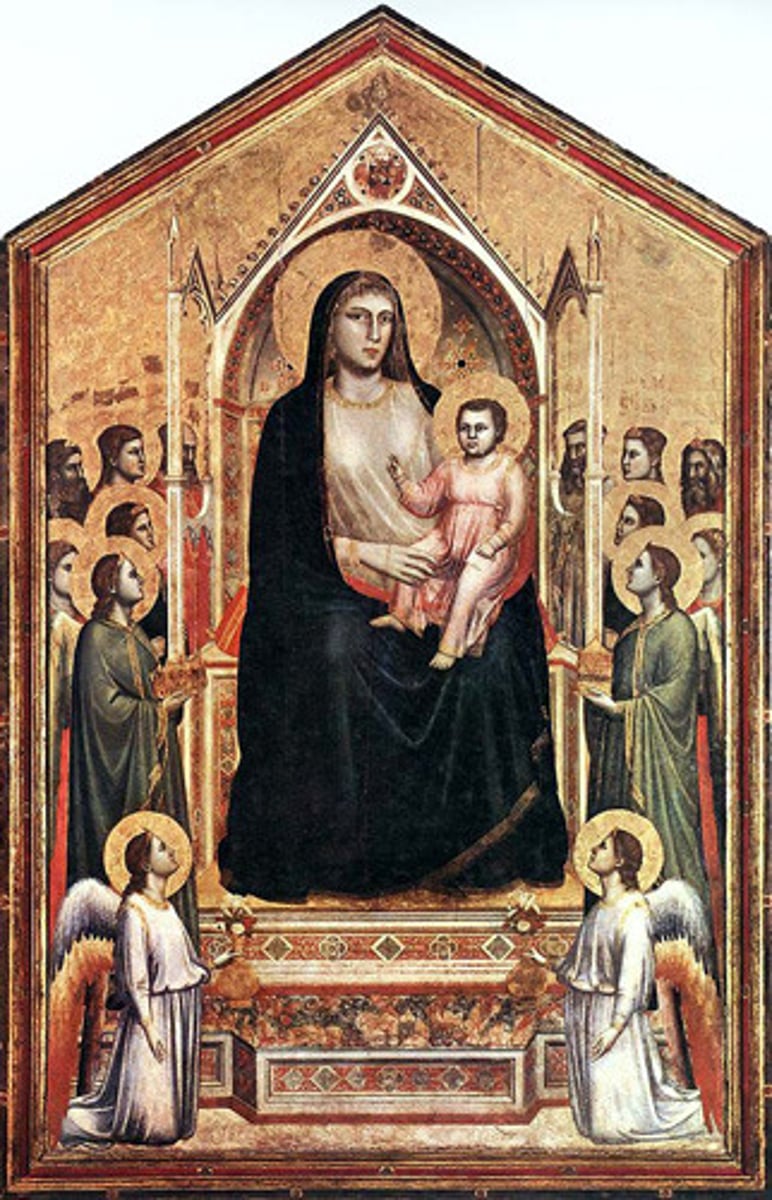
Giotto, "Madonna Enthroned" (10.9)
Late Medieval
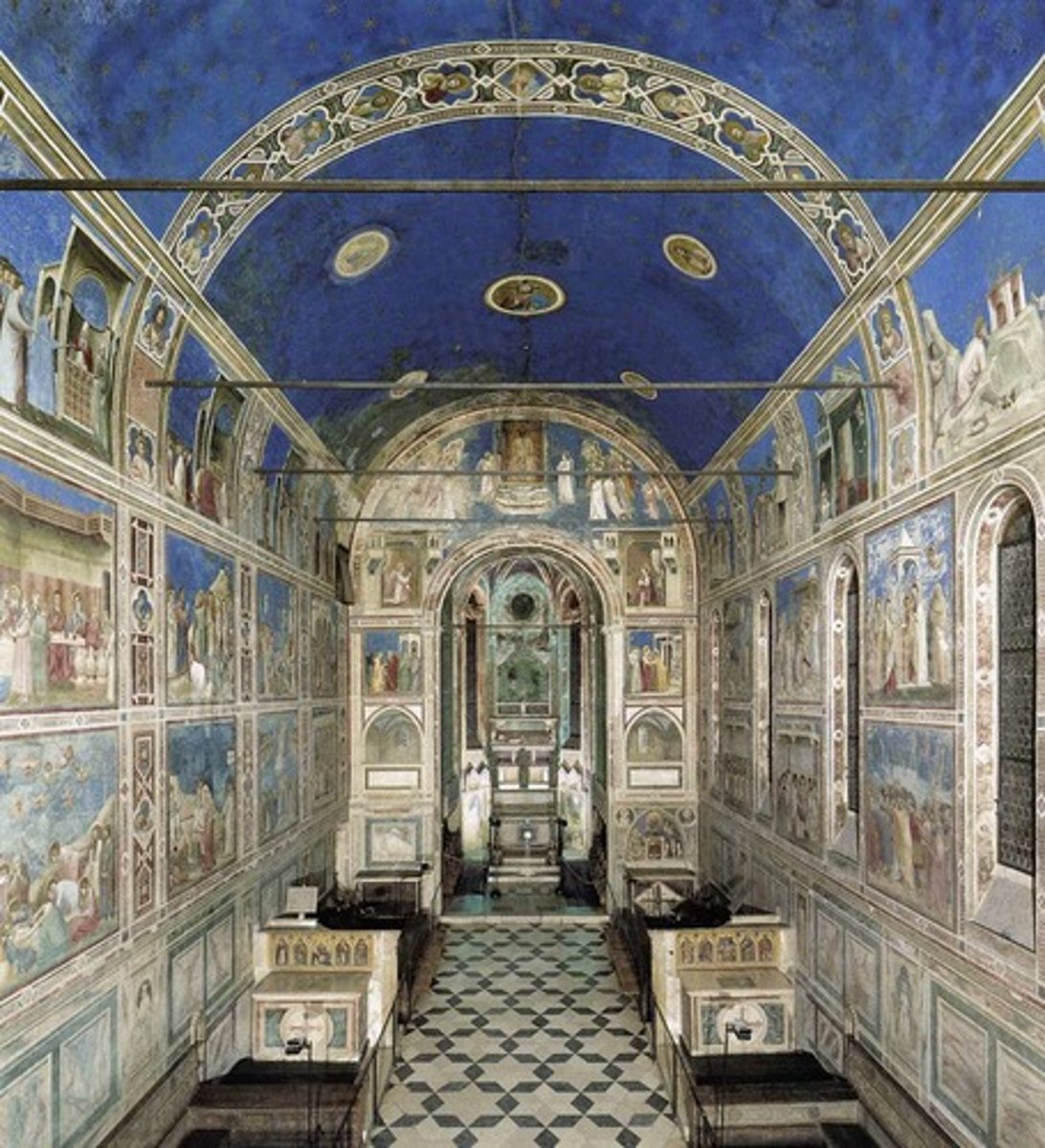
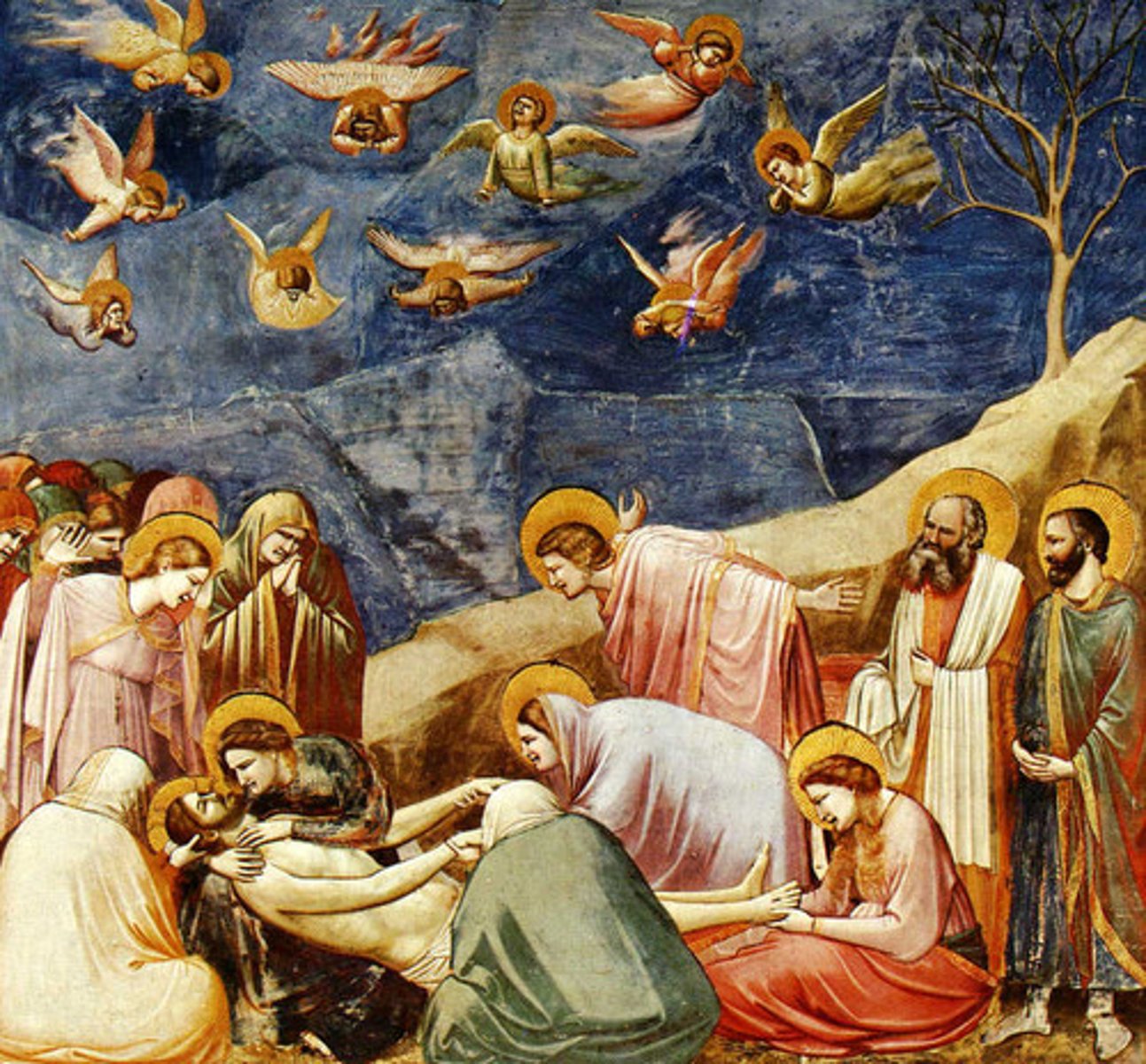
Giotto, Arena Chapel (10.10) with "Lamentation" panel
Late Medieval
Giotto "Betrayal" panel (10.11)
Late Medieval
Giotto Second Betrayal Panel (10.17)
Late Medieval
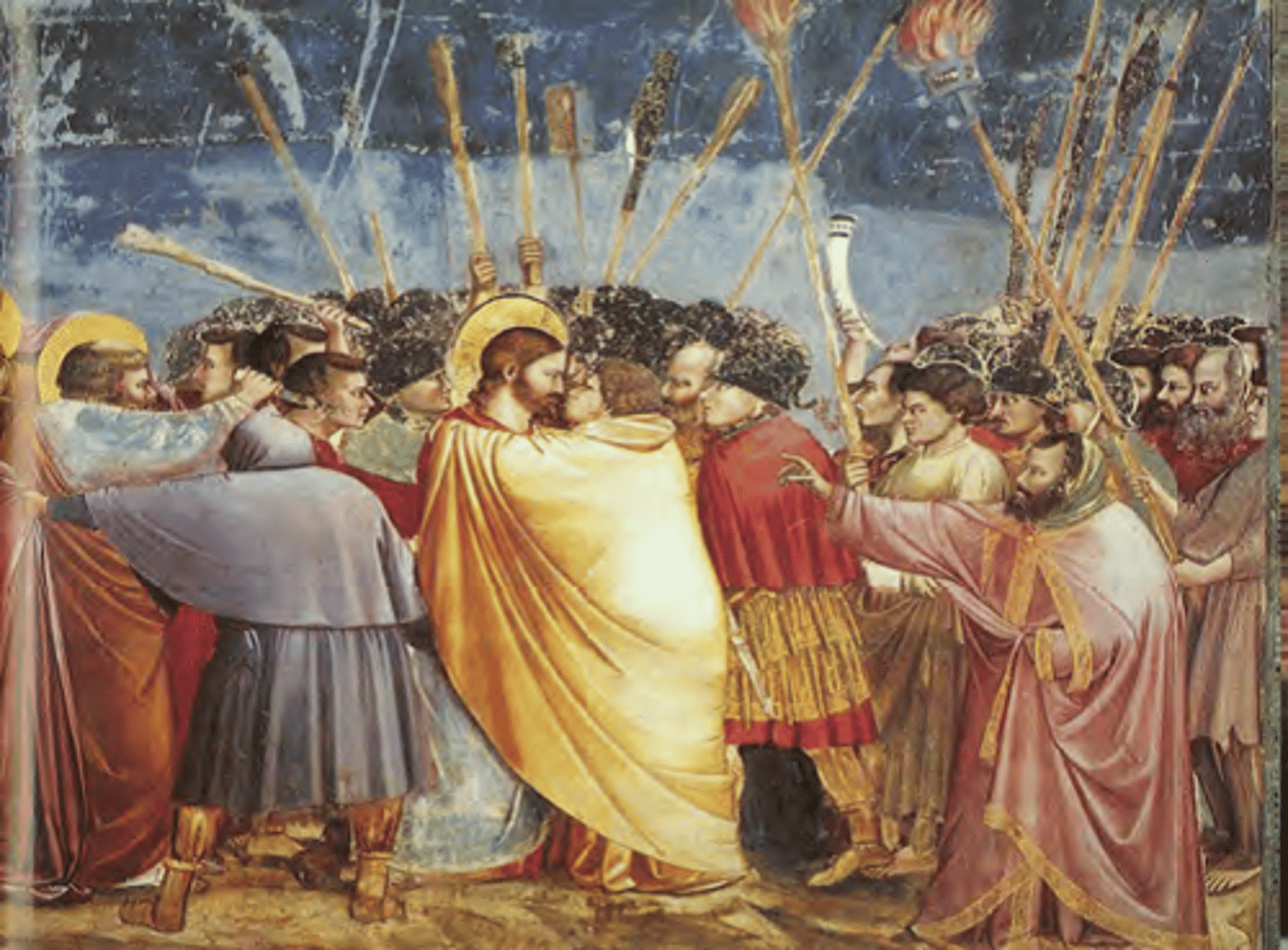
Doge's Palace, Venice (10.22)
Late Medieval
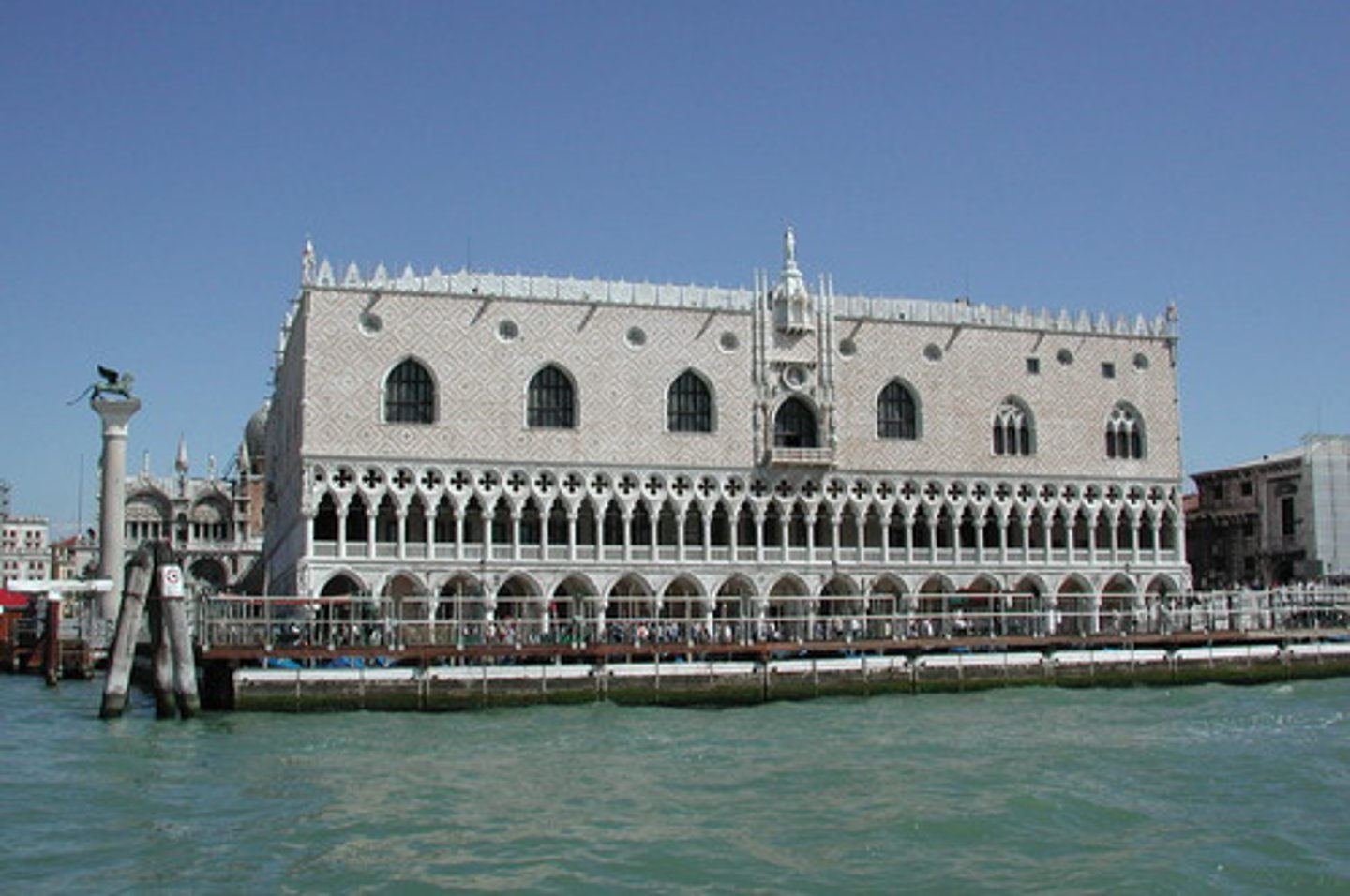
Gloucester cathedral, England (10.23)
Late Medieval
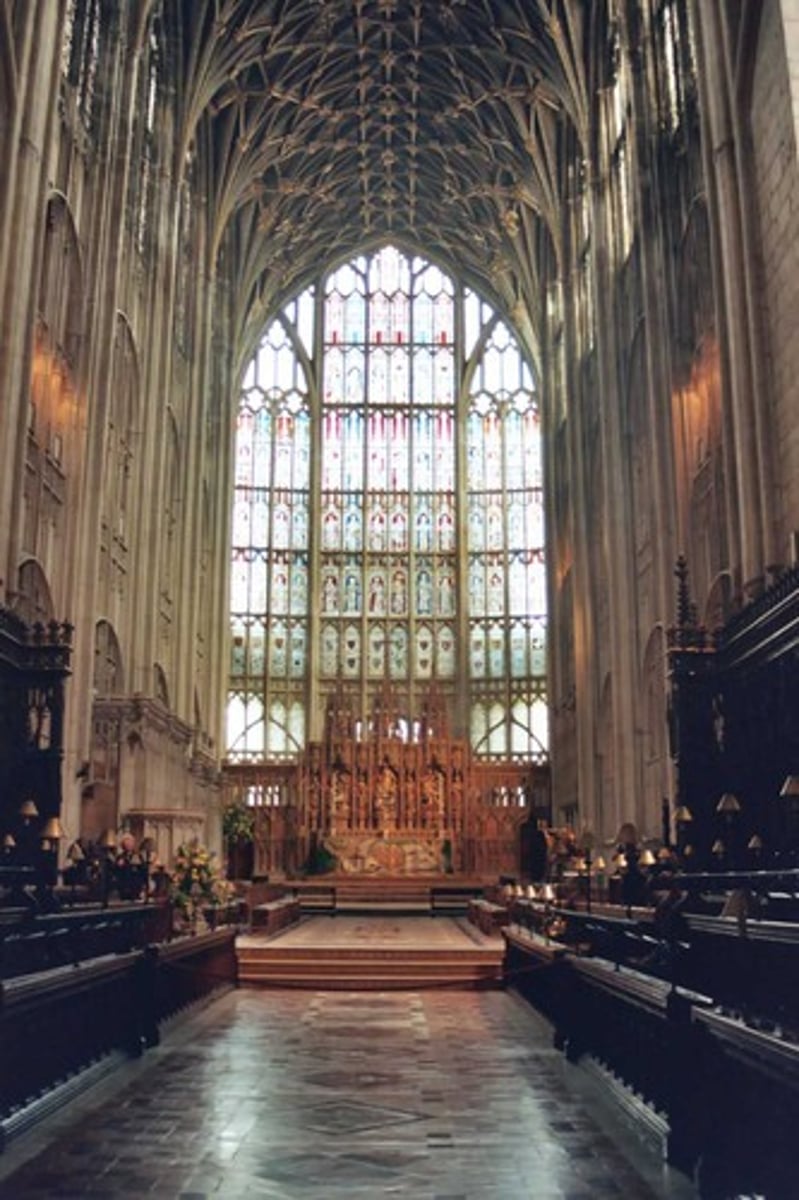
Florence cathedral (the Duomo) (10.24)
Late Medieval
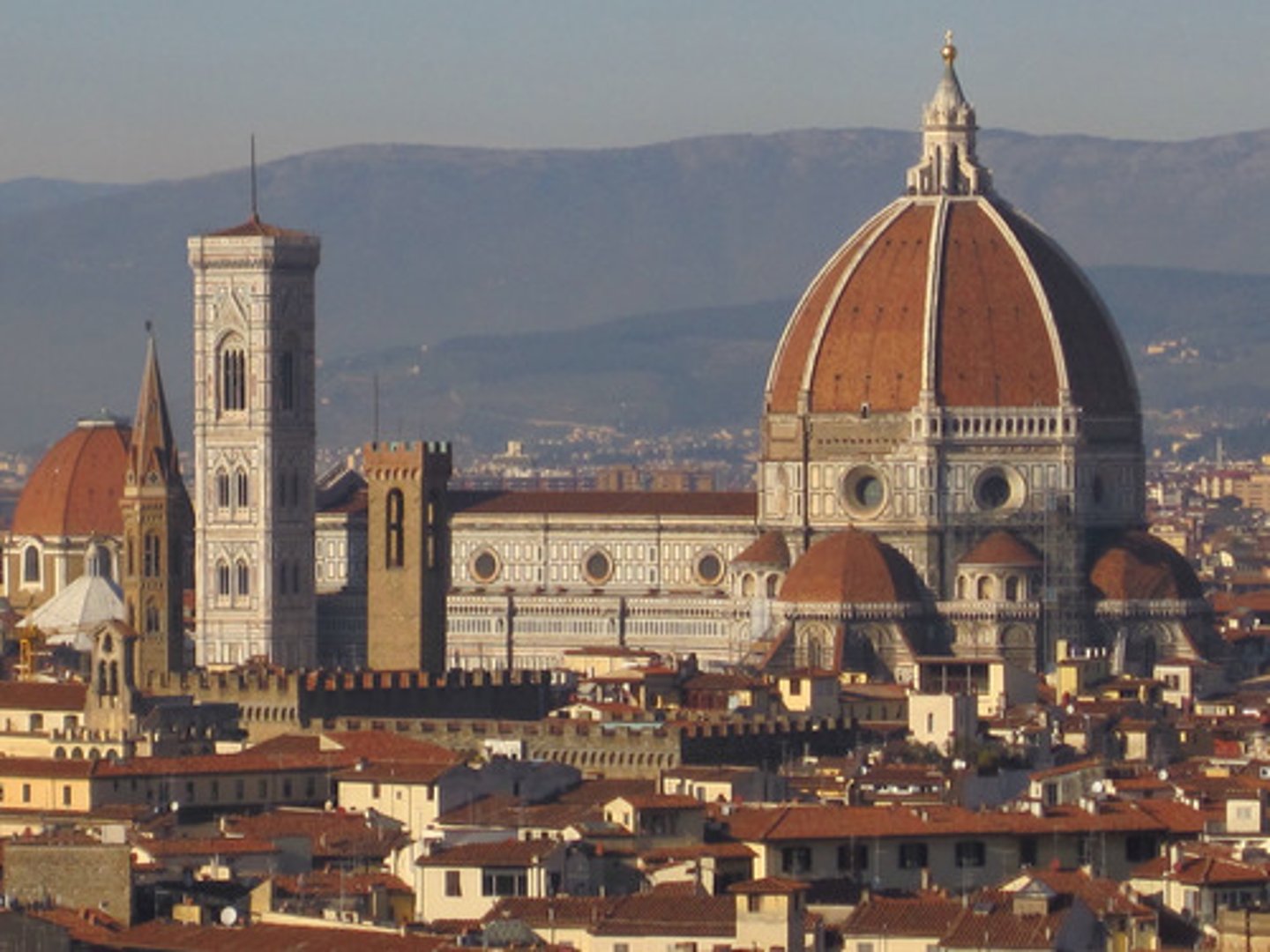
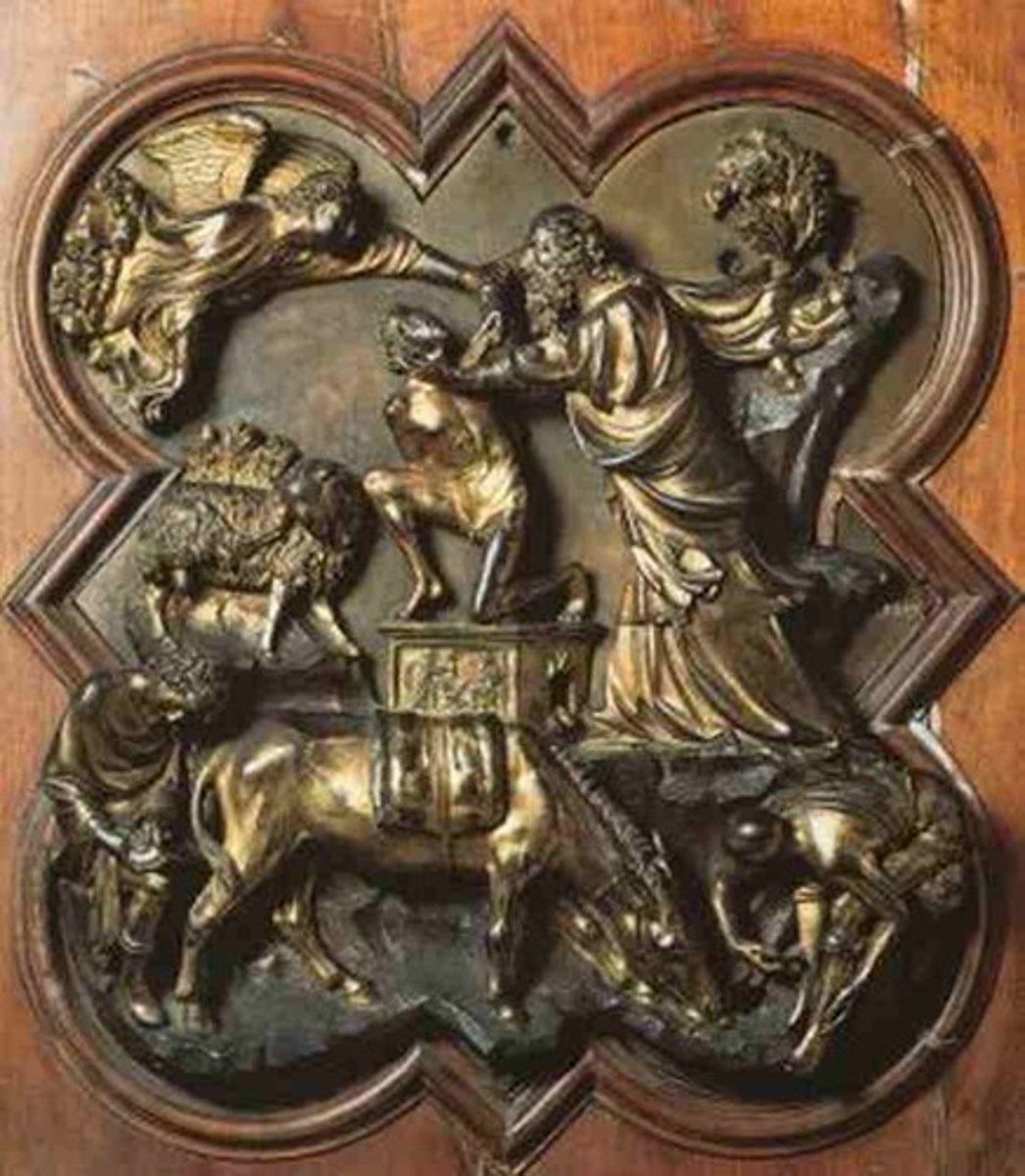
Filippo Brunelleschi, Sacrifice of Isaac panel for Florence baptistery (11.11)
Florentine Renaissance
Filippo Brunelleschi, Florence cathedral dome (11.30)
Florentine Renaissance
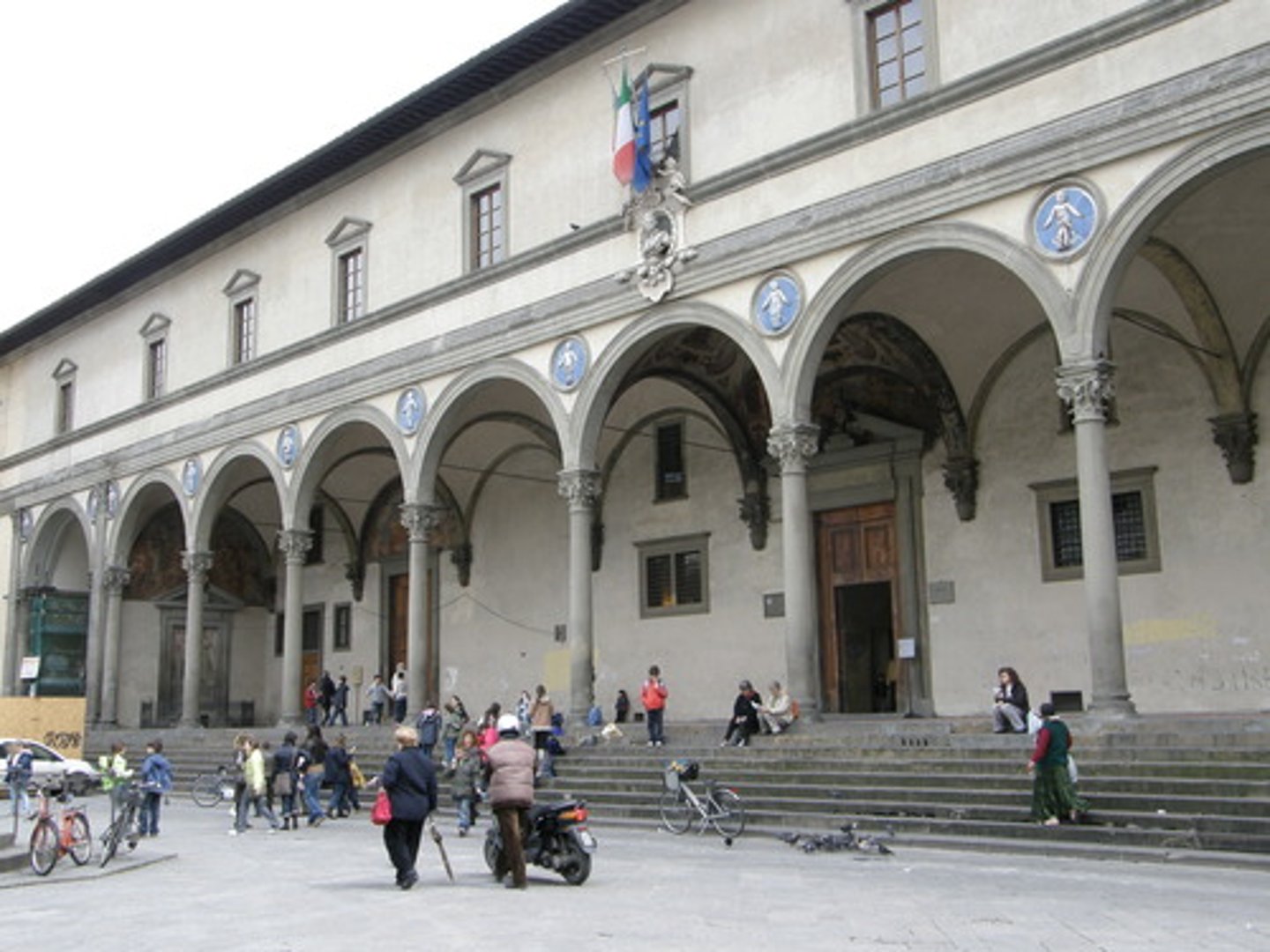
Filippo Brunelleschi, loggia of the Hospital of the Innocents (11.32)
Florentine Renaissance
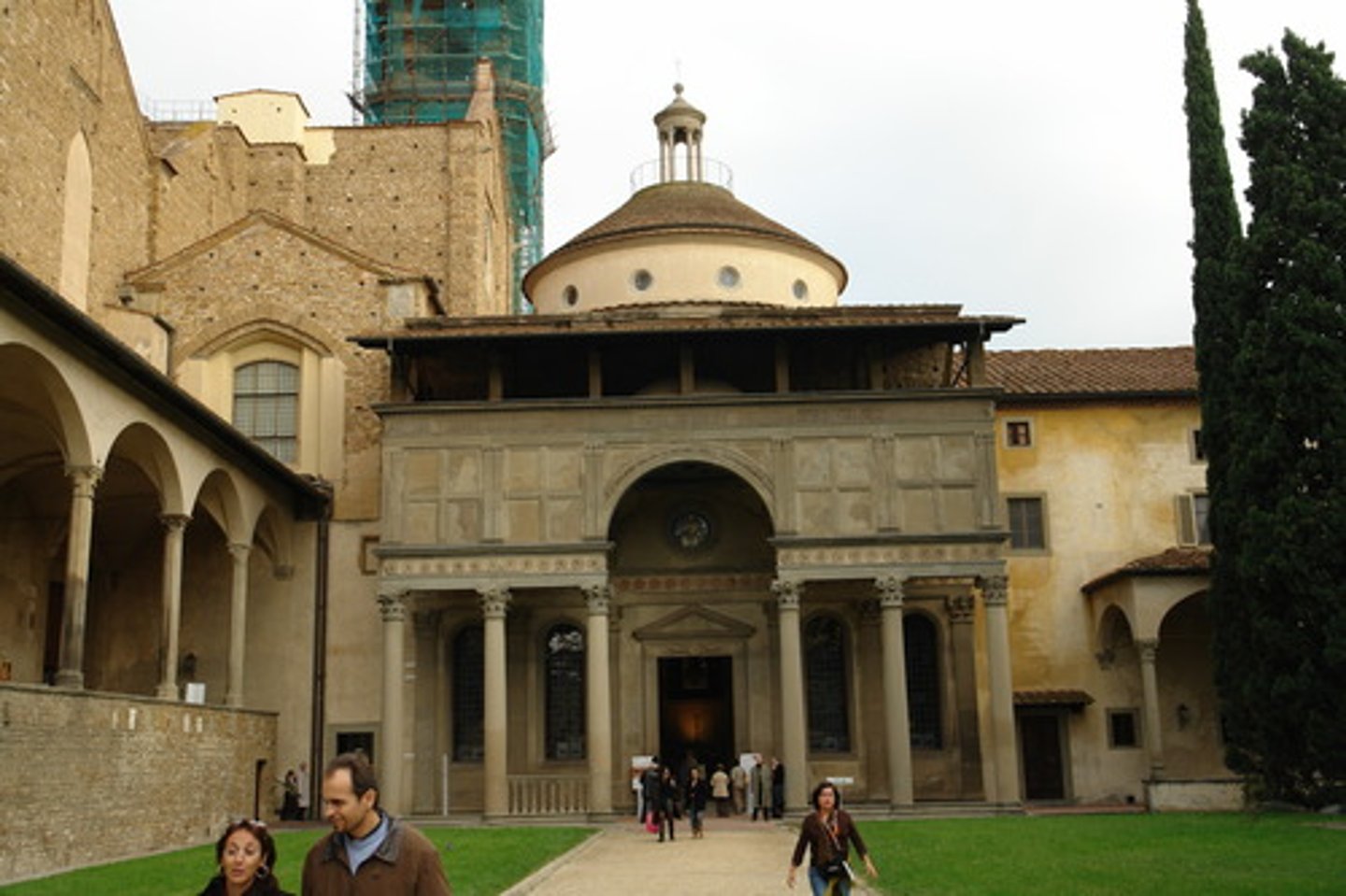
Filippo Brunelleschi, Pazzi chapel (11.33)
Florentine Renaissance
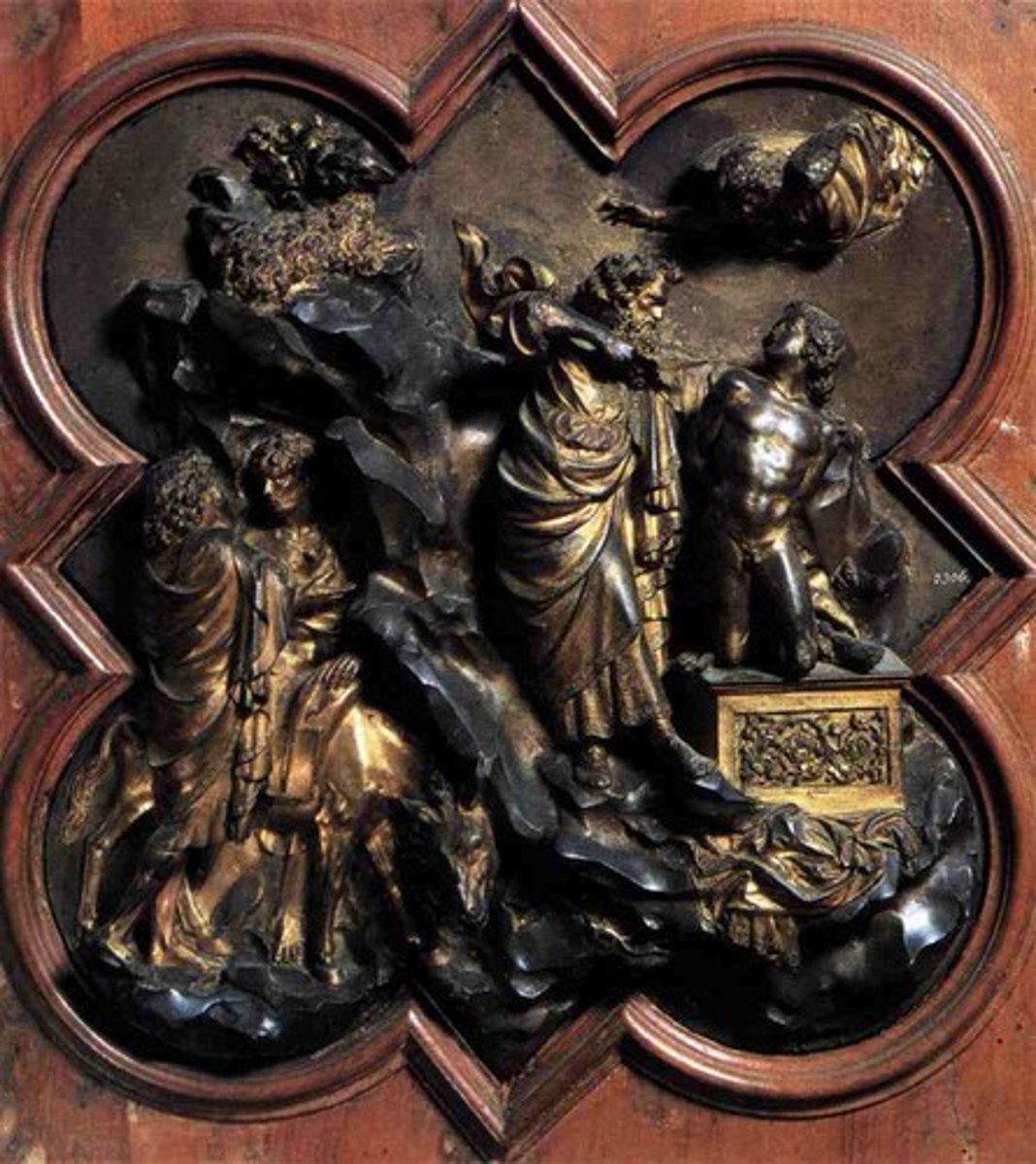
Lorenzo Ghiberti, Sacrifice of Isaac panel for Florence baptistery (11.12)
Florentine Renaissance
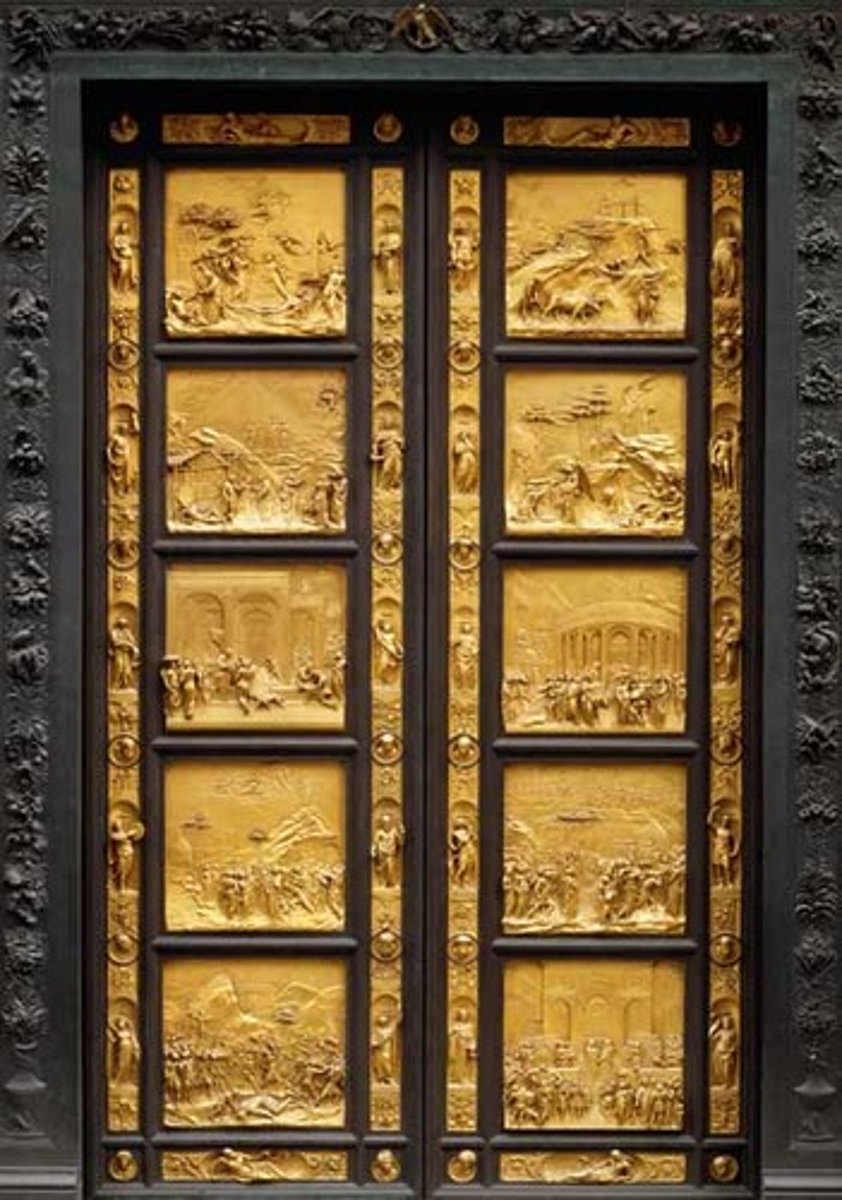
Lorenzo Ghiberti, Florentine Baptistery doors ("Gates of Paradise; 11.13)
Florentine Renaissance
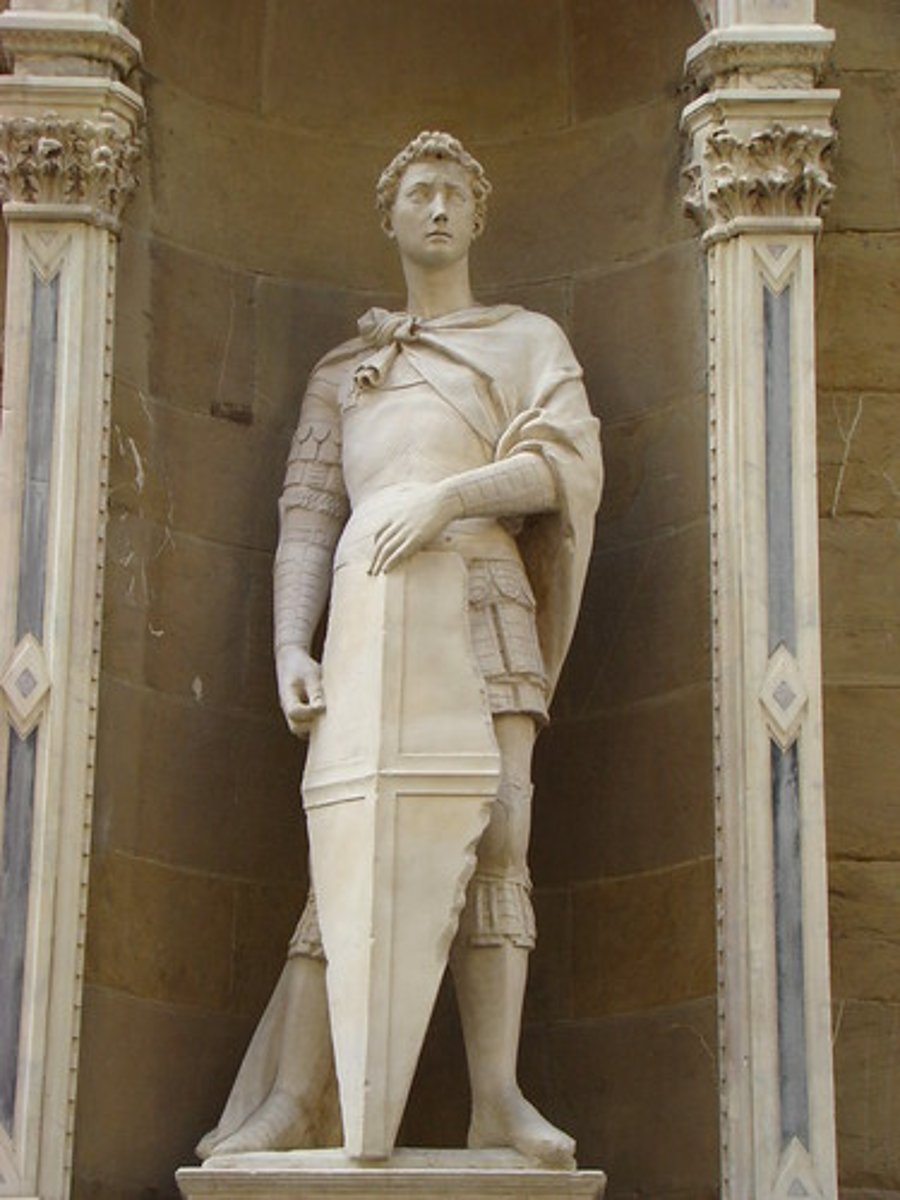
Donatello, George (11.14)
Florentine Renaissance
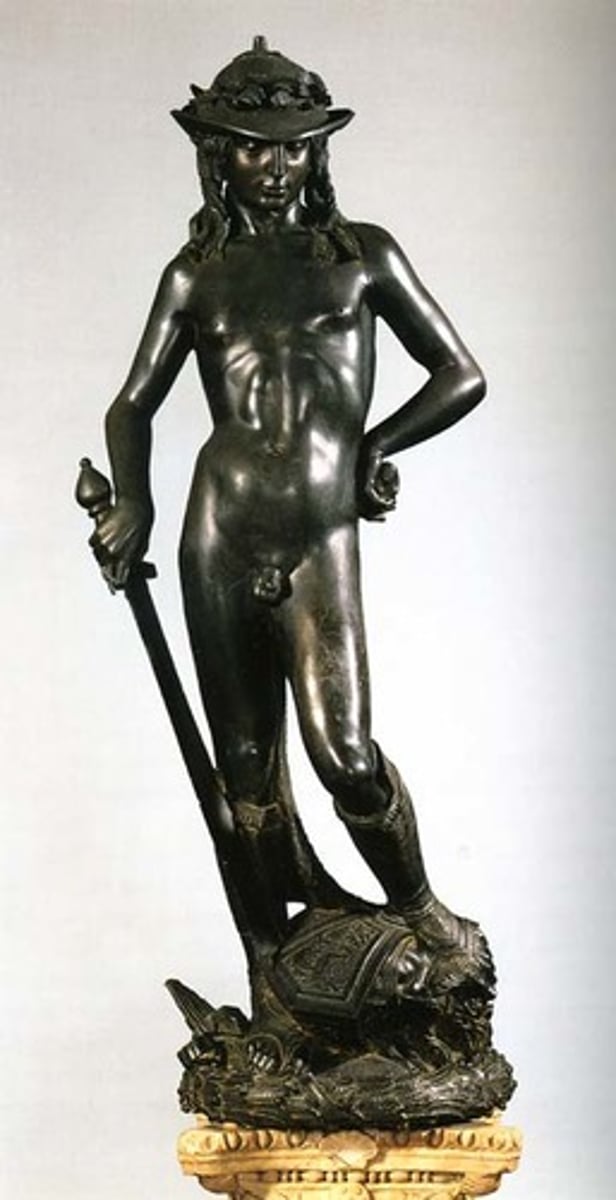
Donatello, David (11.15)
Florentine Renaissance
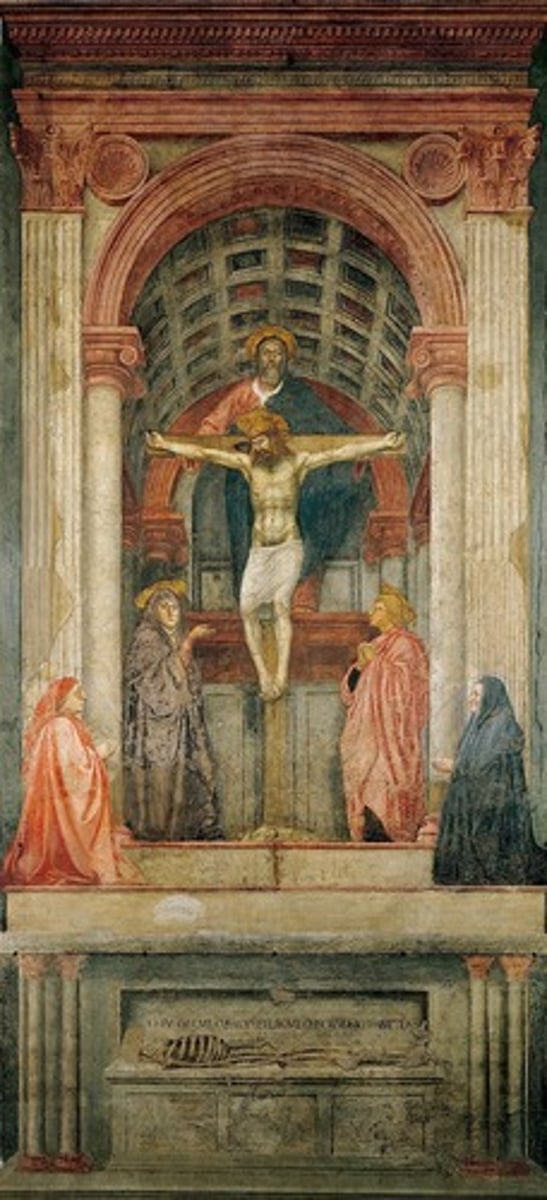
Masaccio, The Holy Trinity (11.20)
Florentine Renaissance
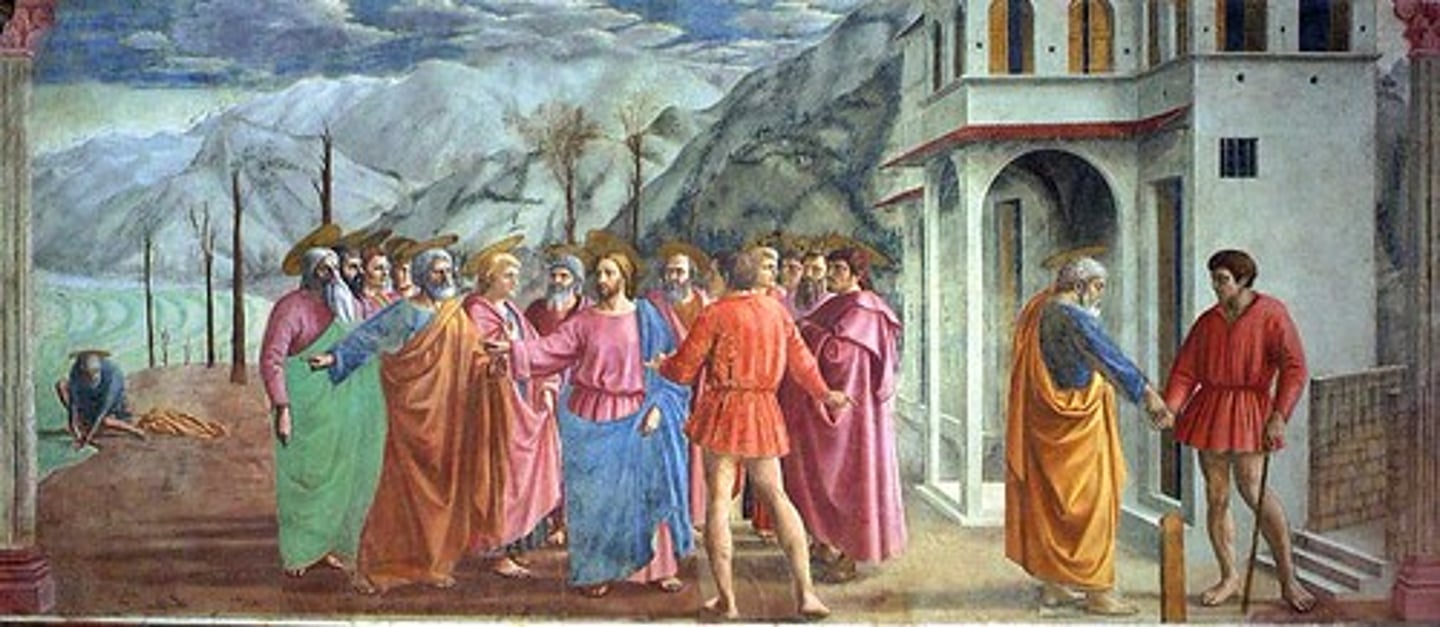
Masaccio, Tribute Money (11.22)
Florentine Renaissance
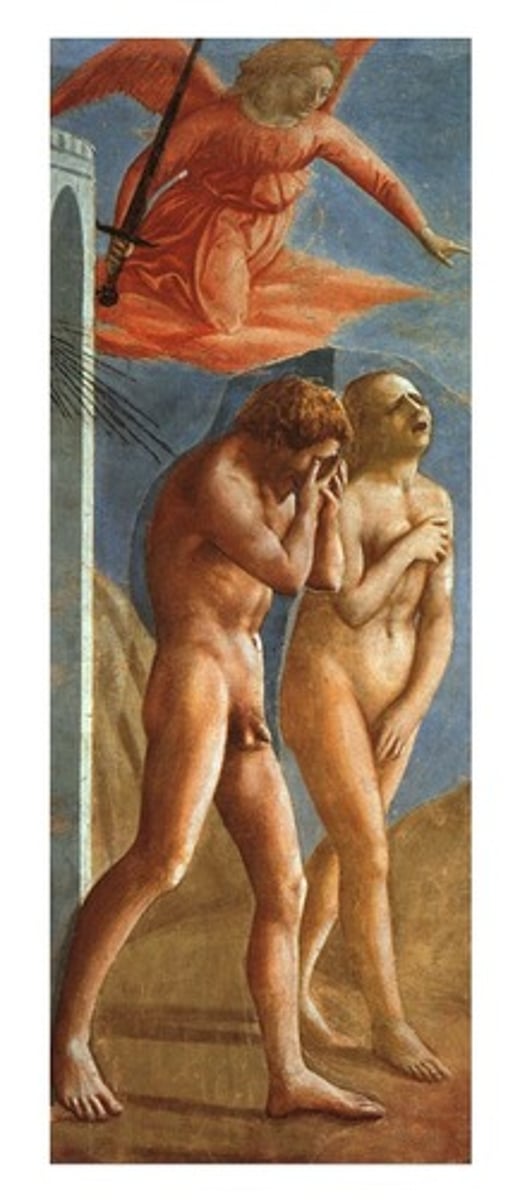
Masaccio, Expulsion of Adam and Eve from the Garden (11.23)
Florentine Renaissance
Botticelli, Primavera (11.27)
Florentine Renaissance
Botticelli, The Birth of Venus (11.28)
Florentine Renaissance
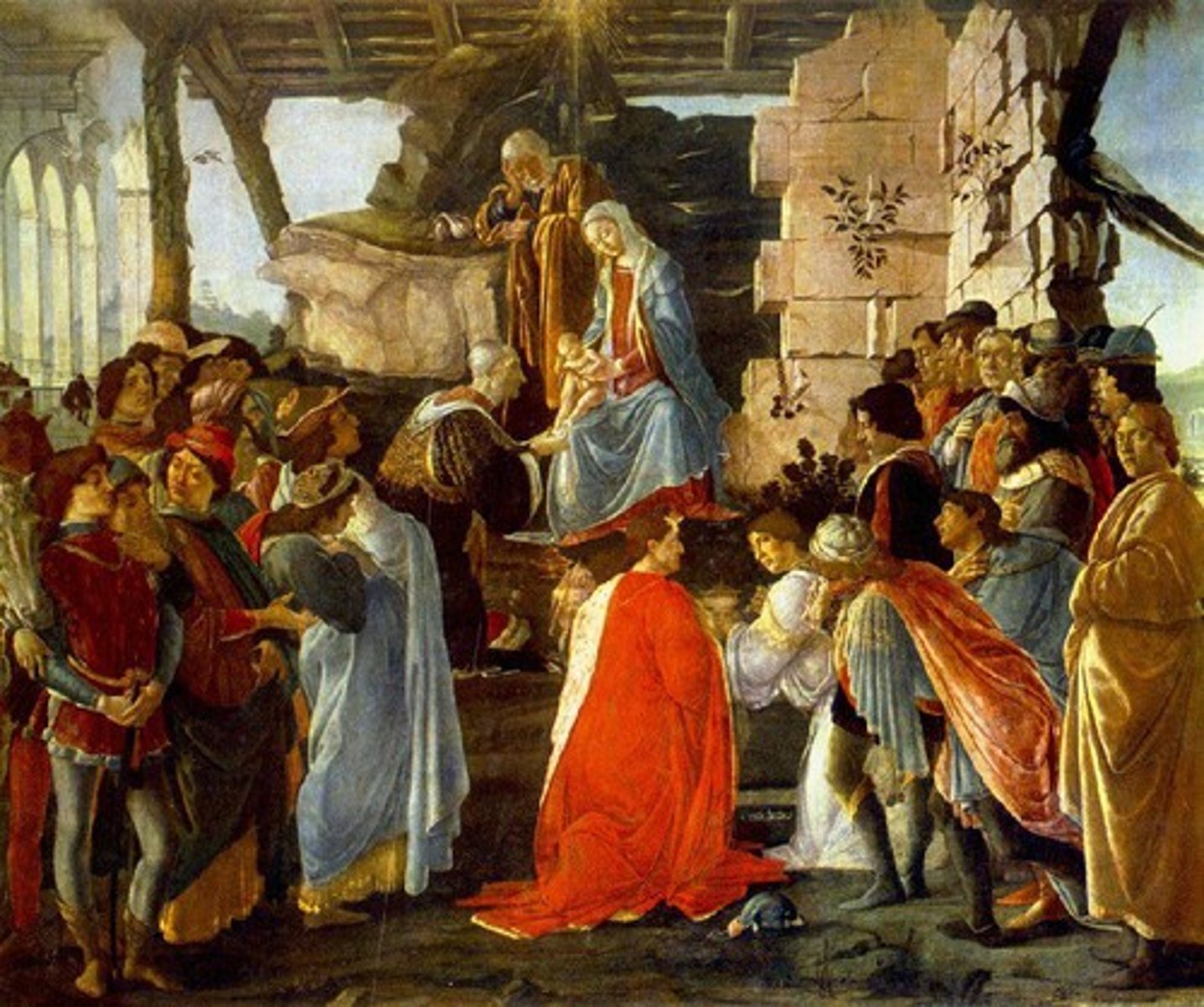
Botticelli, Adoration of the Magi (11.29)
Florentine Renaissance
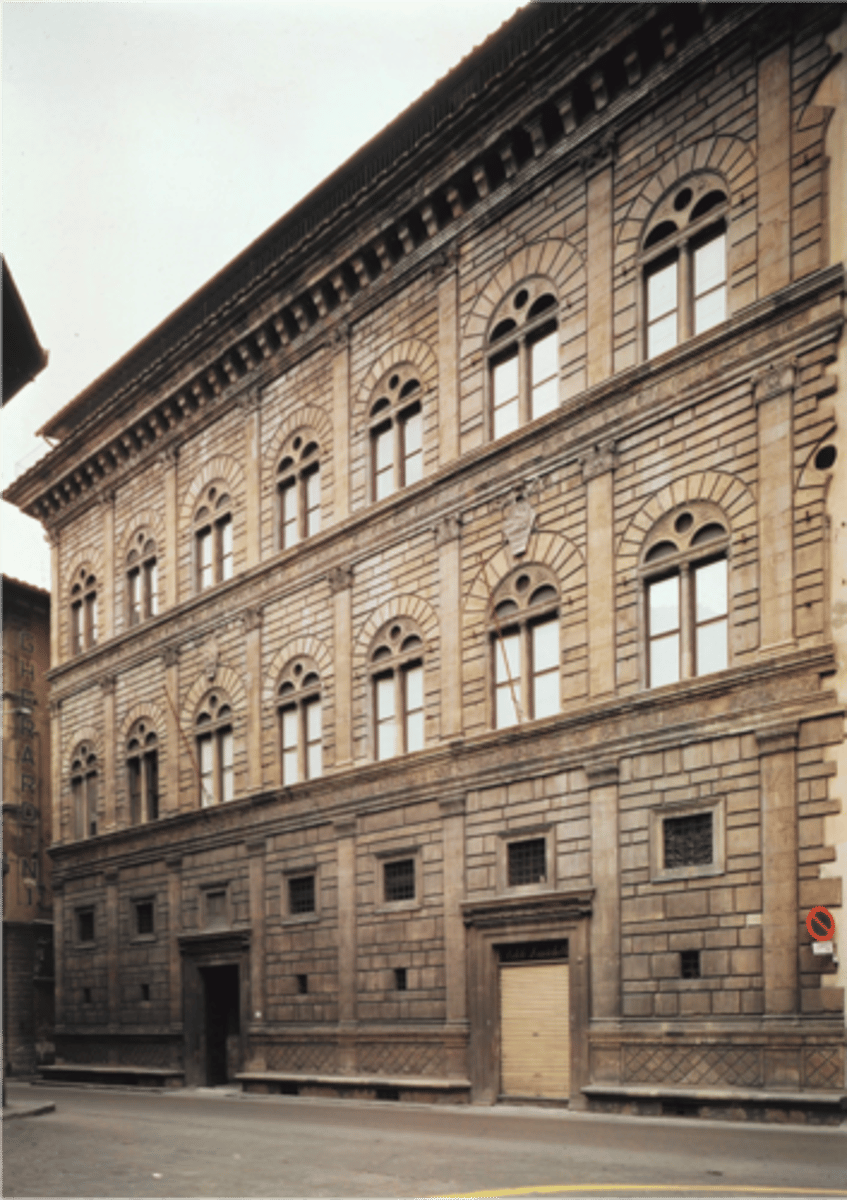
Alberti and Rossellino, Palazzo Rucellai (11.34)
Florentine Renaissance
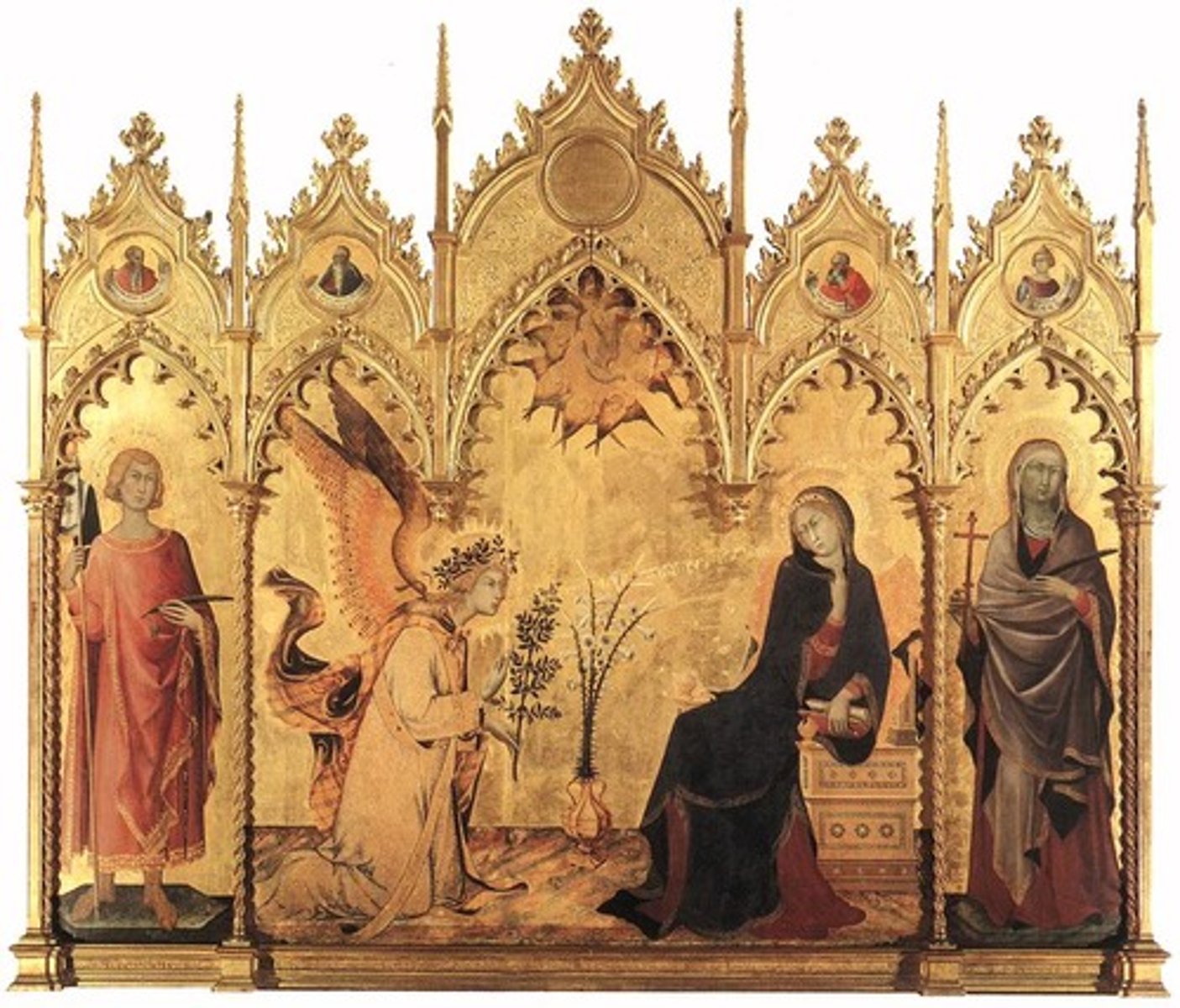
Martini, "Annunciation," (10.18)
International Style
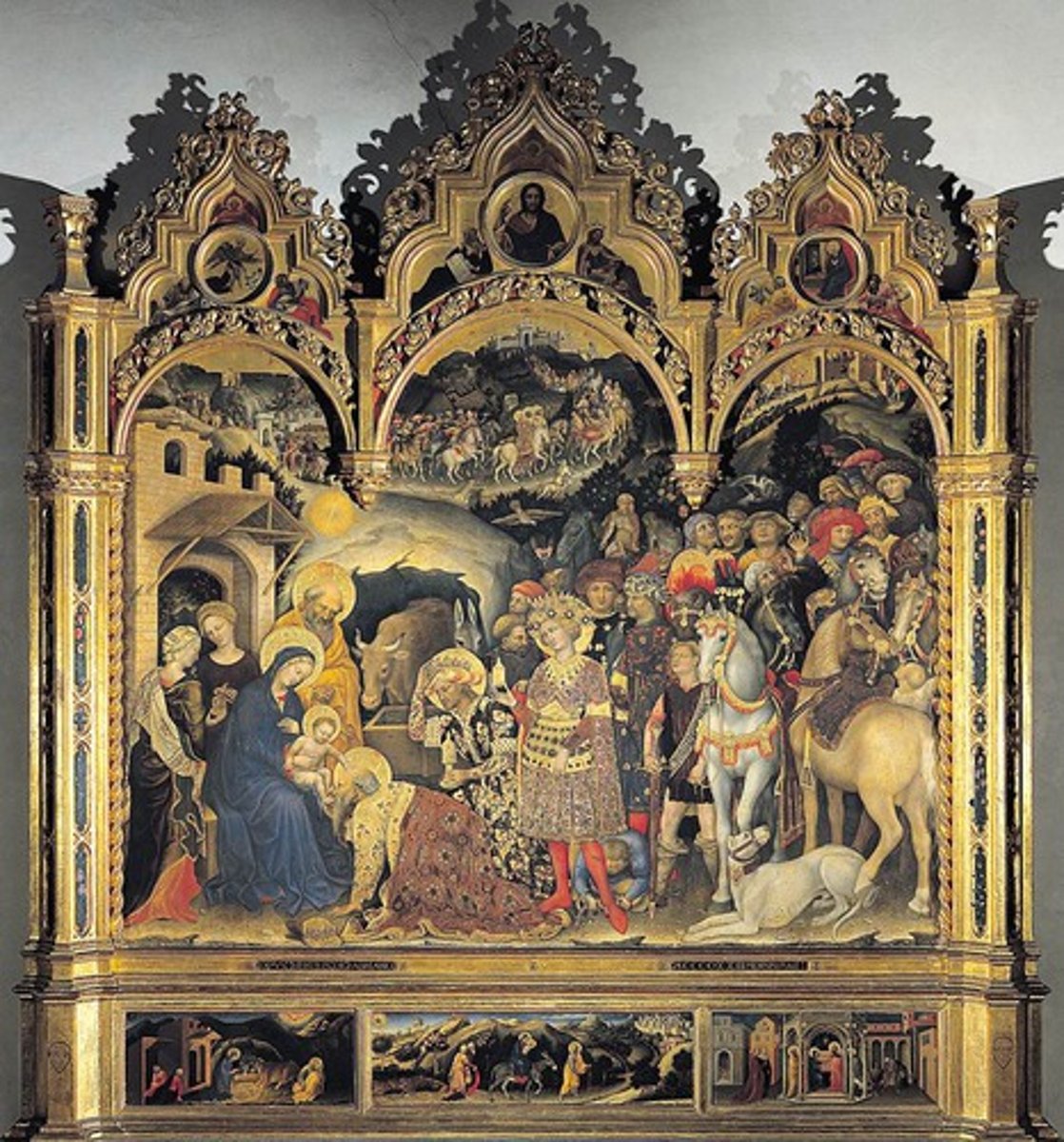
Gentile da Fabriano, Adoration of the Magi (11.19)
International Style
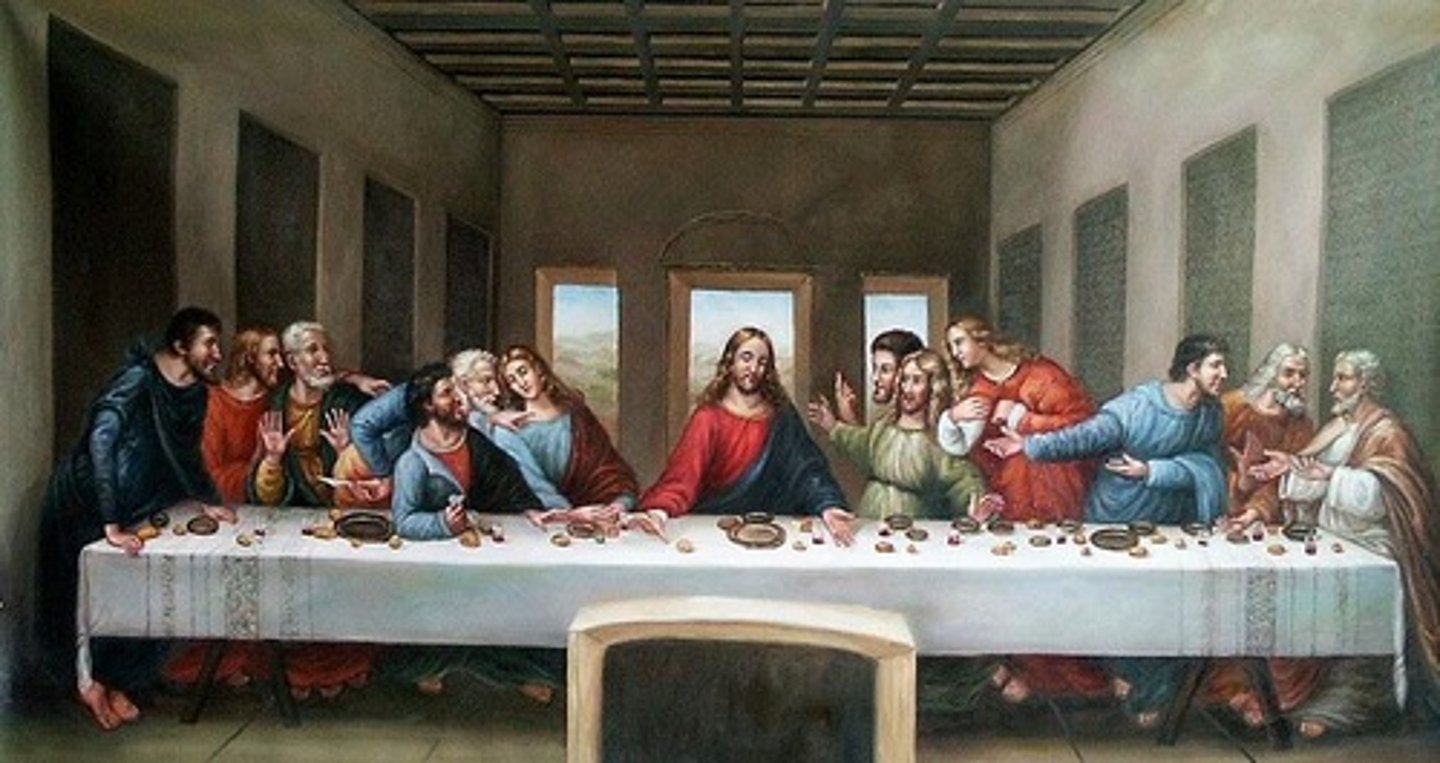
Leonardo da Vinci, The Last Supper (12.3)
High Renaissance
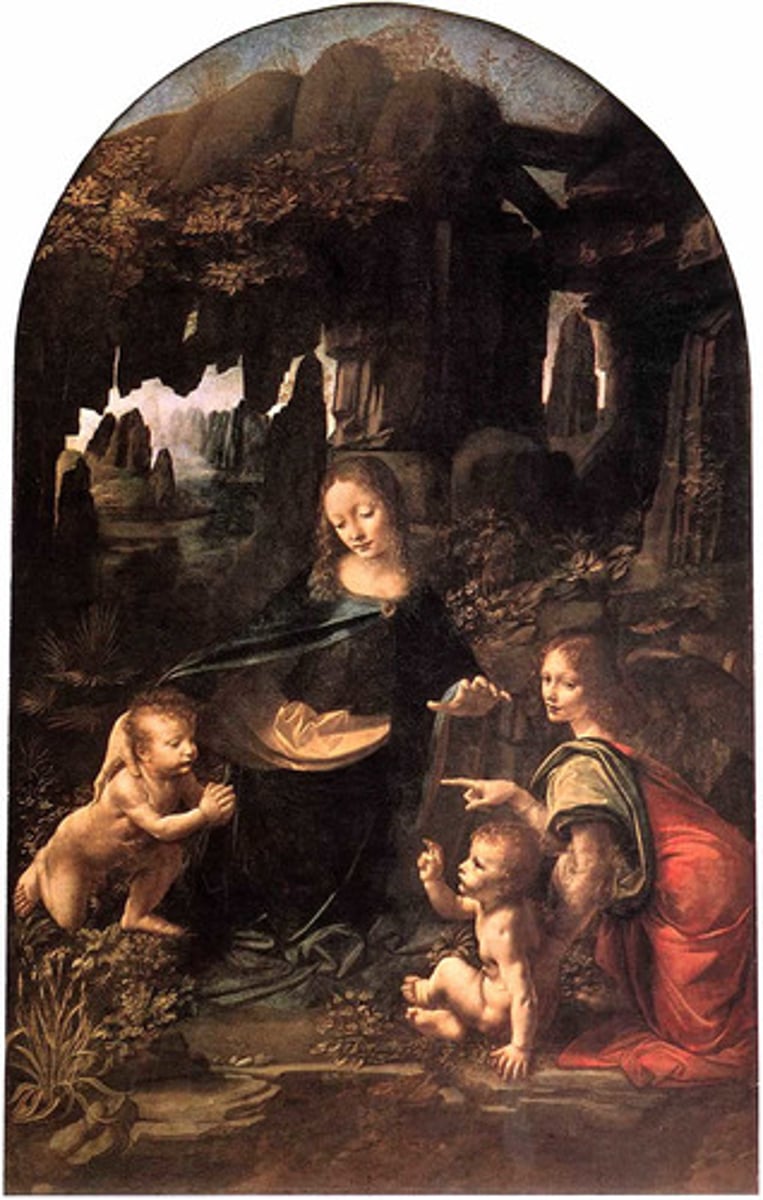
Leonardo da Vinci, Madonna of the Rocks (12.4 A&B)
High Renaissance
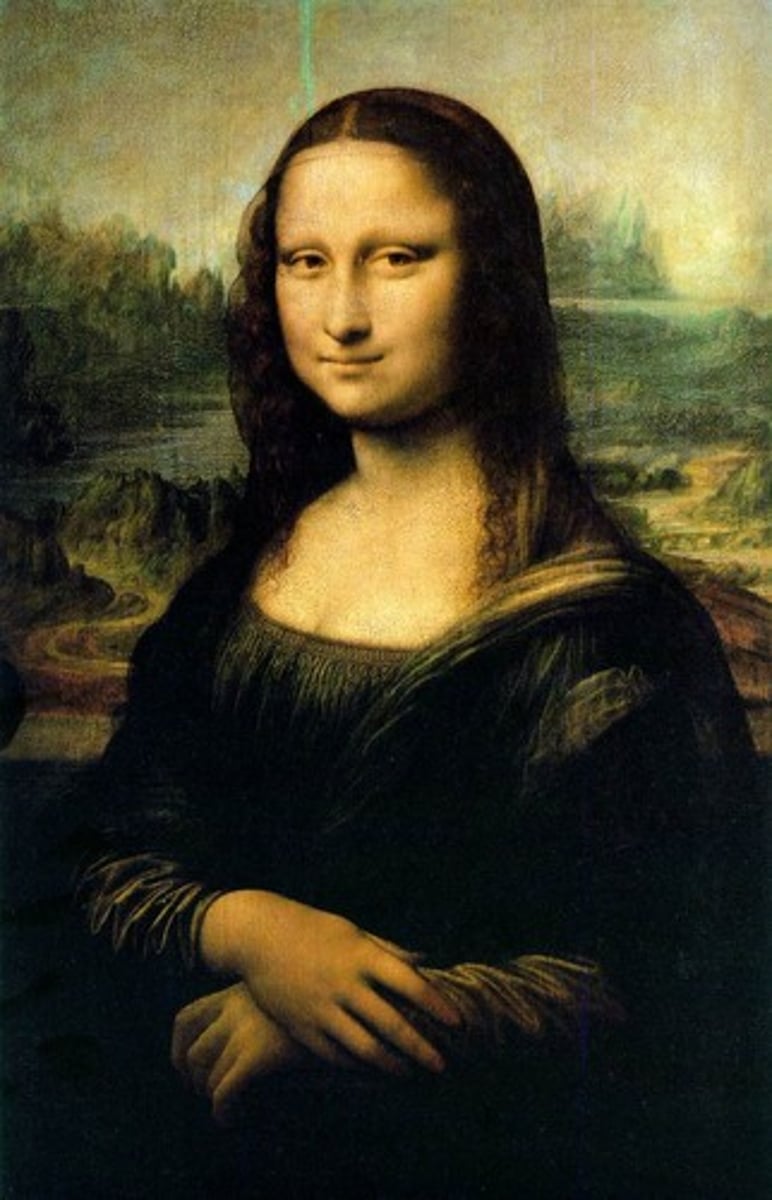
Leonardo da Vinci, Mona Lisa (12.5)
High Renaissance
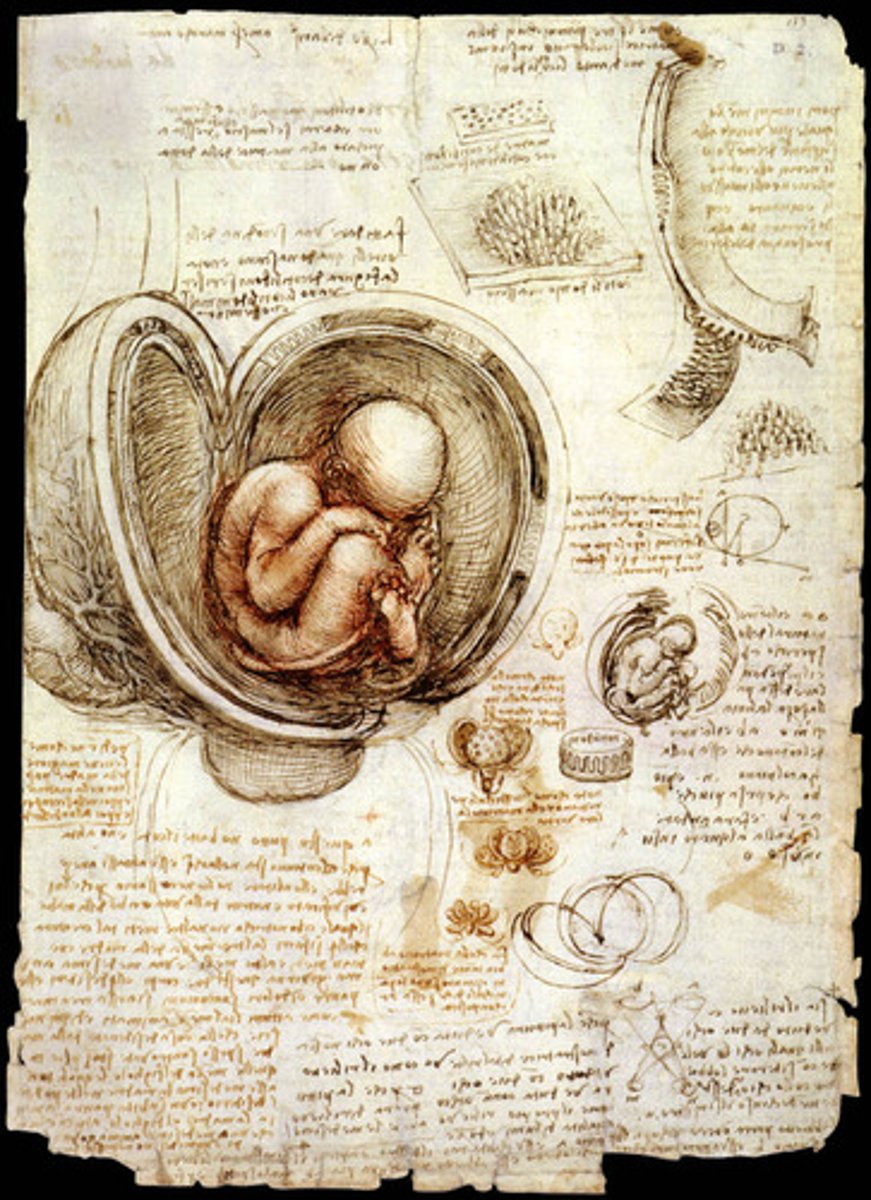
Leonardo da Vinci, anatomical drawing (12.6)
High Renaissance
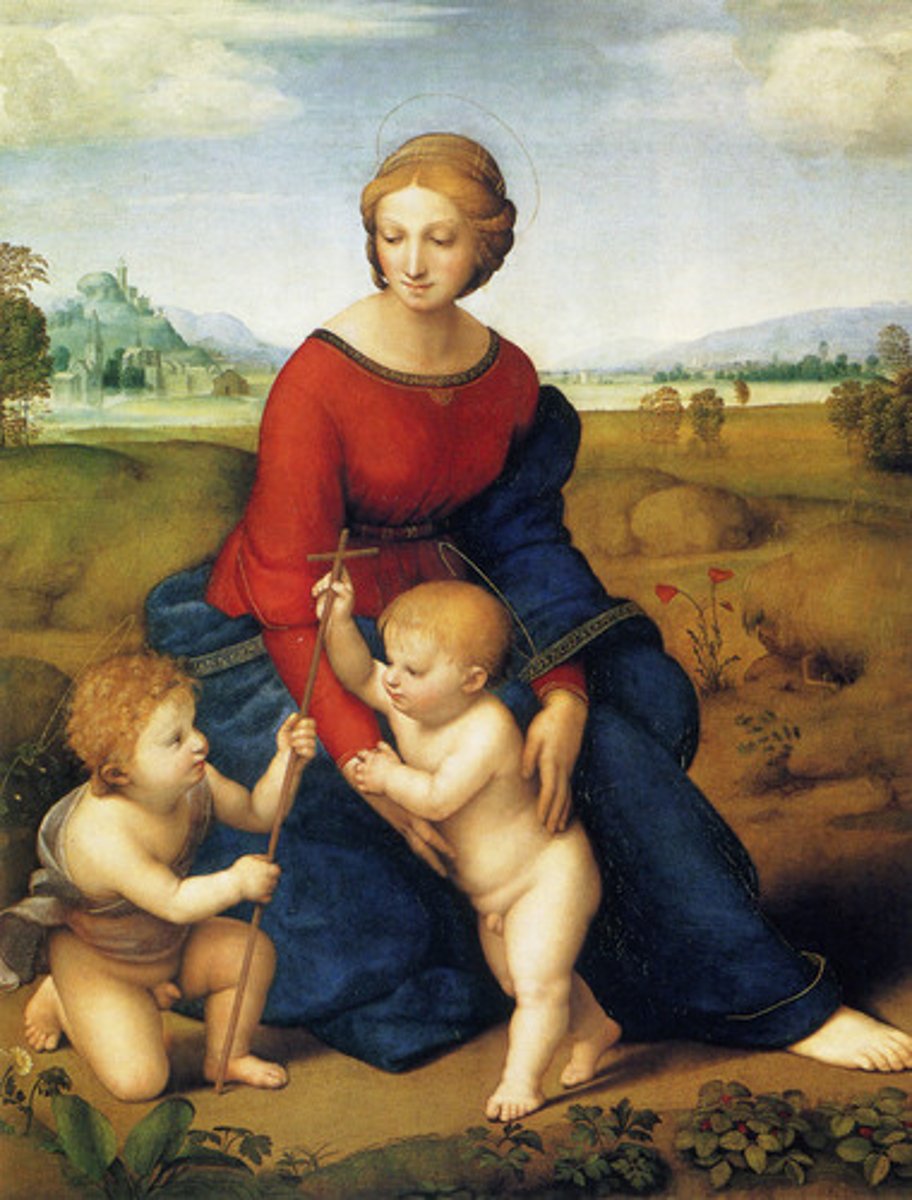
Raphael Sanzio, Madonna of the Meadow (12.7)
High Renaissance
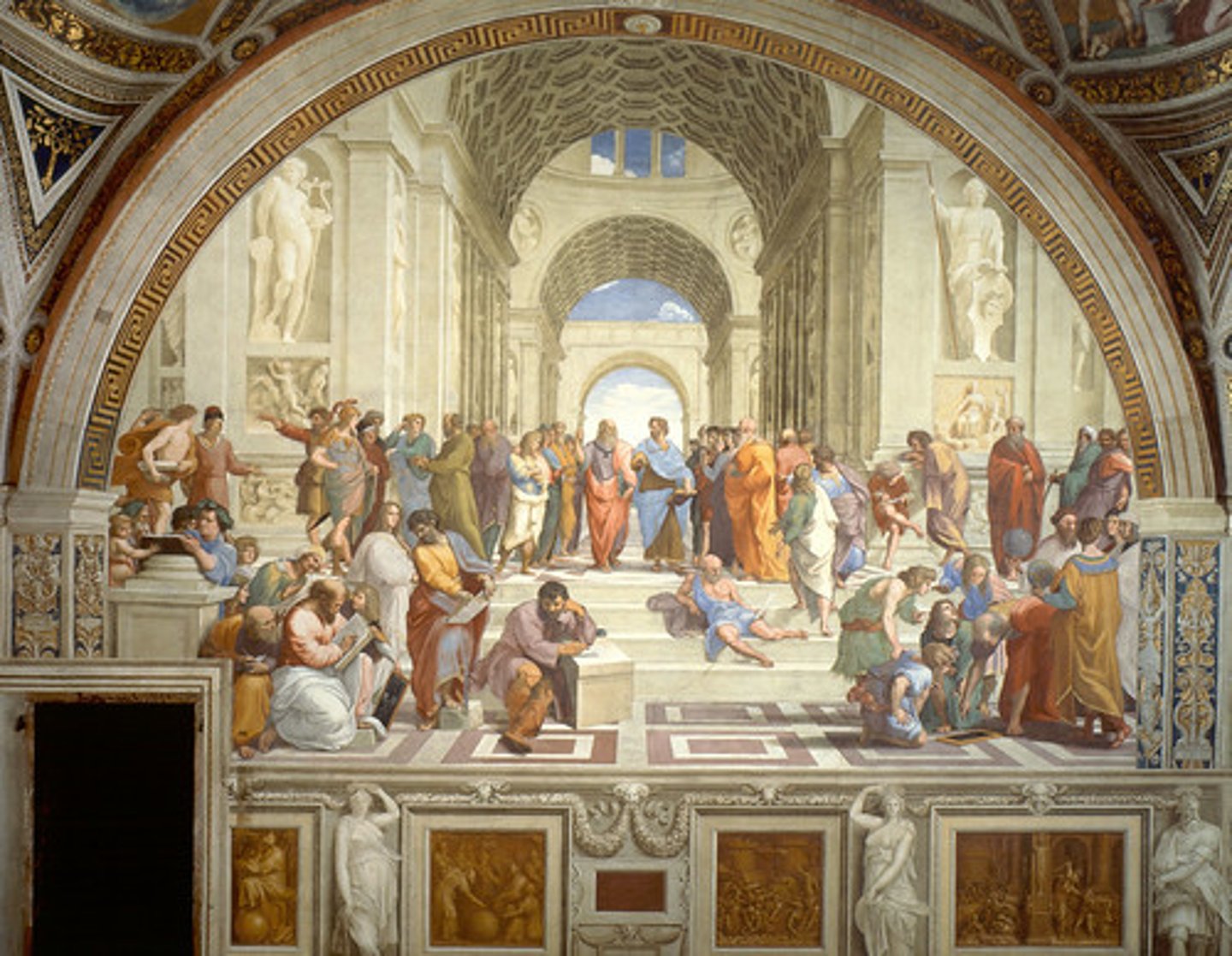
Raphael Sanzio, The School of Athens (12.8 A&B)
High Renaissance
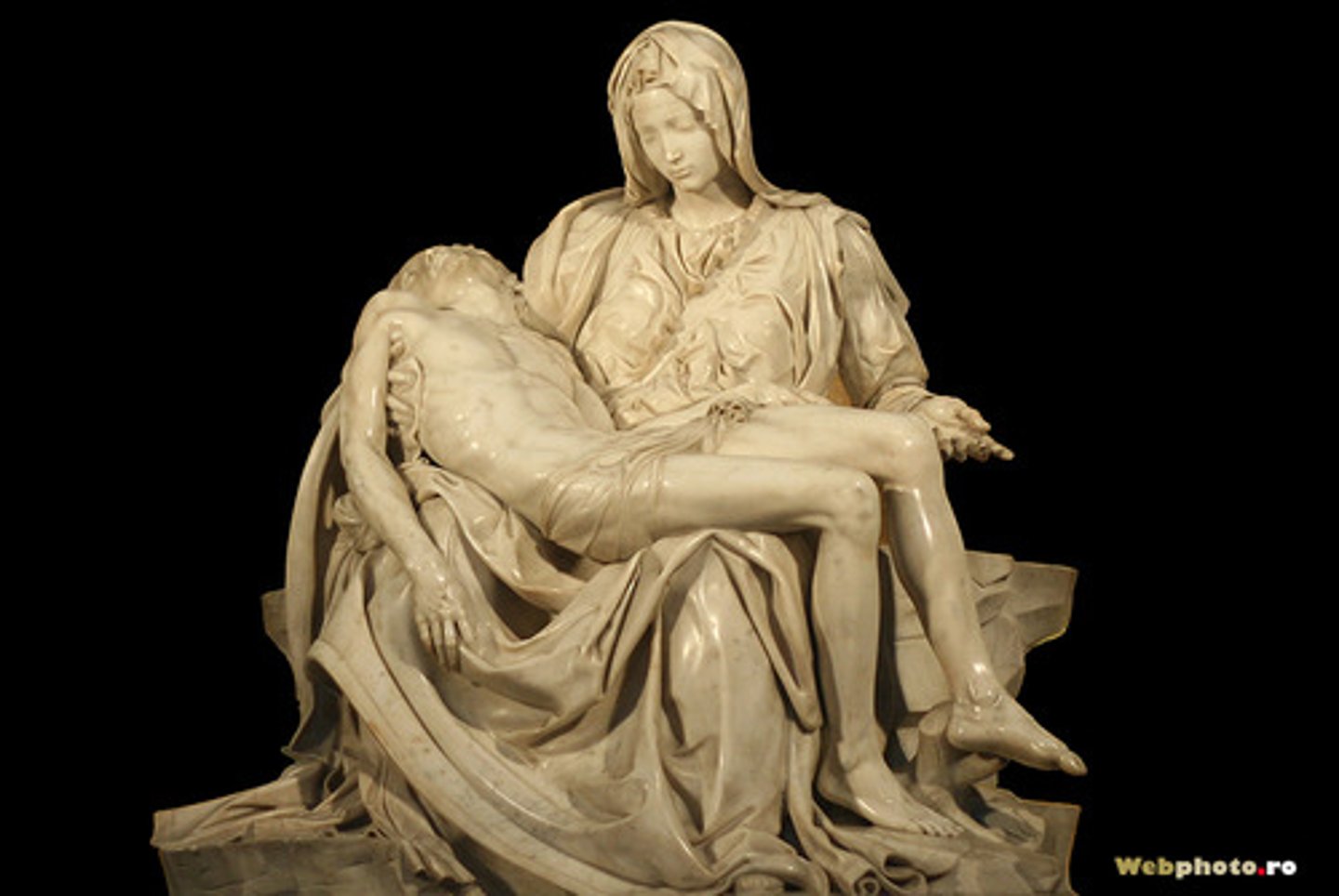
Michelangelo Buonarrotti, Pietà (12.9)
High Renaissance
Michelangelo Buonarrotti, David (12.10)
High Renaissance
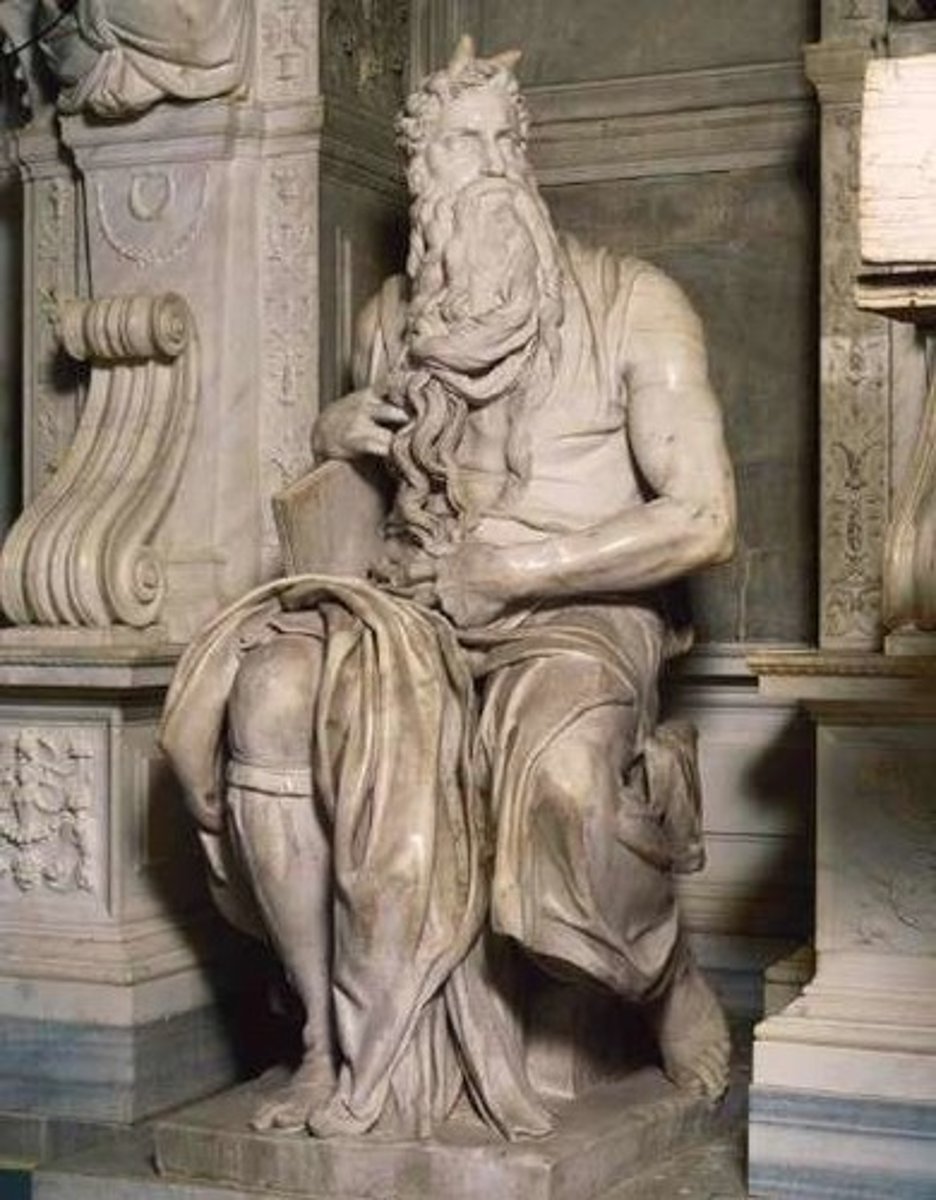
Michelangelo Buonarrotti, Moses (12.11)
High Renaissance
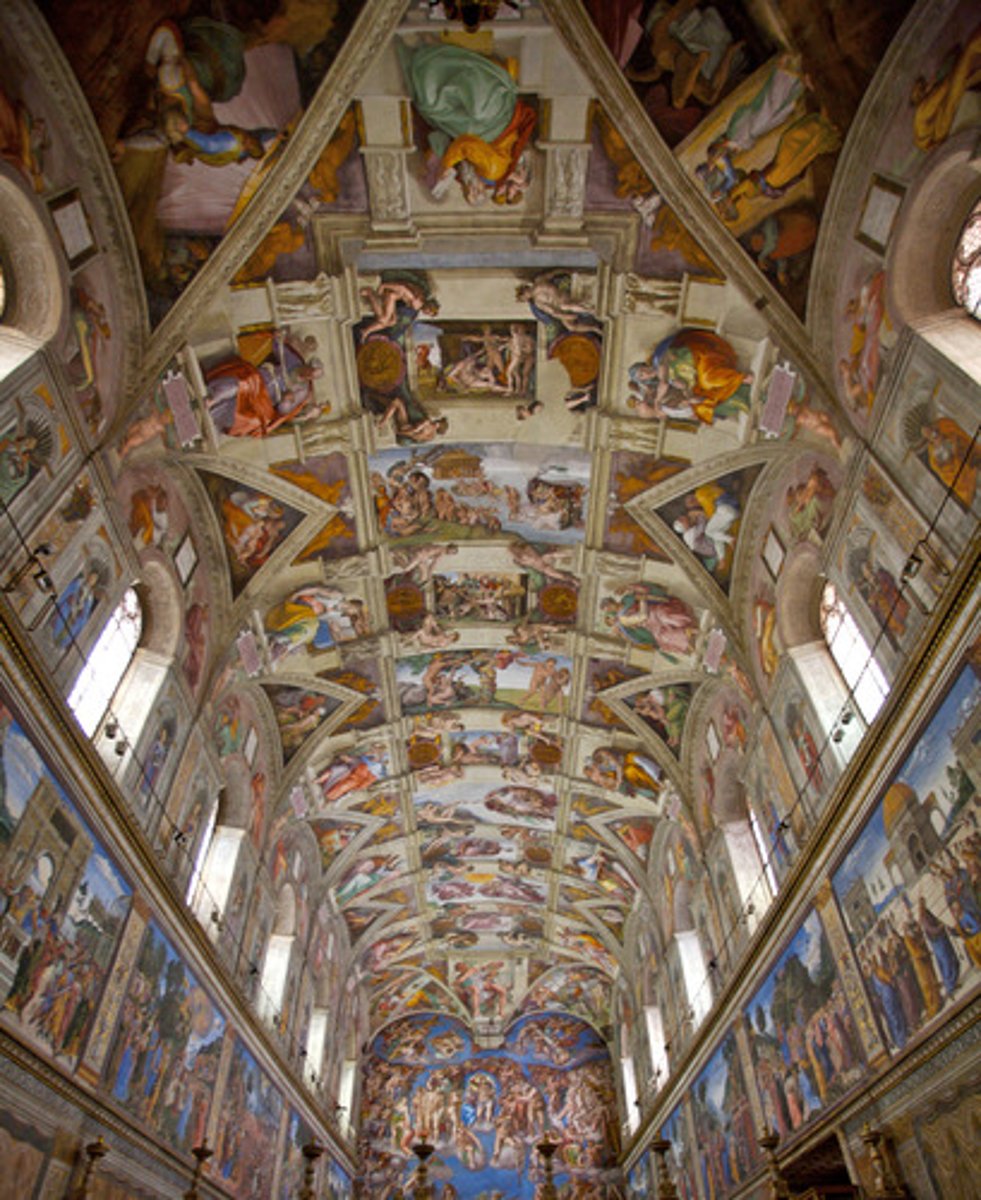
Michelangelo Buonarrotti, Sistine Chapel Ceiling (12.12 A&B, 12.13)
High Renaissance
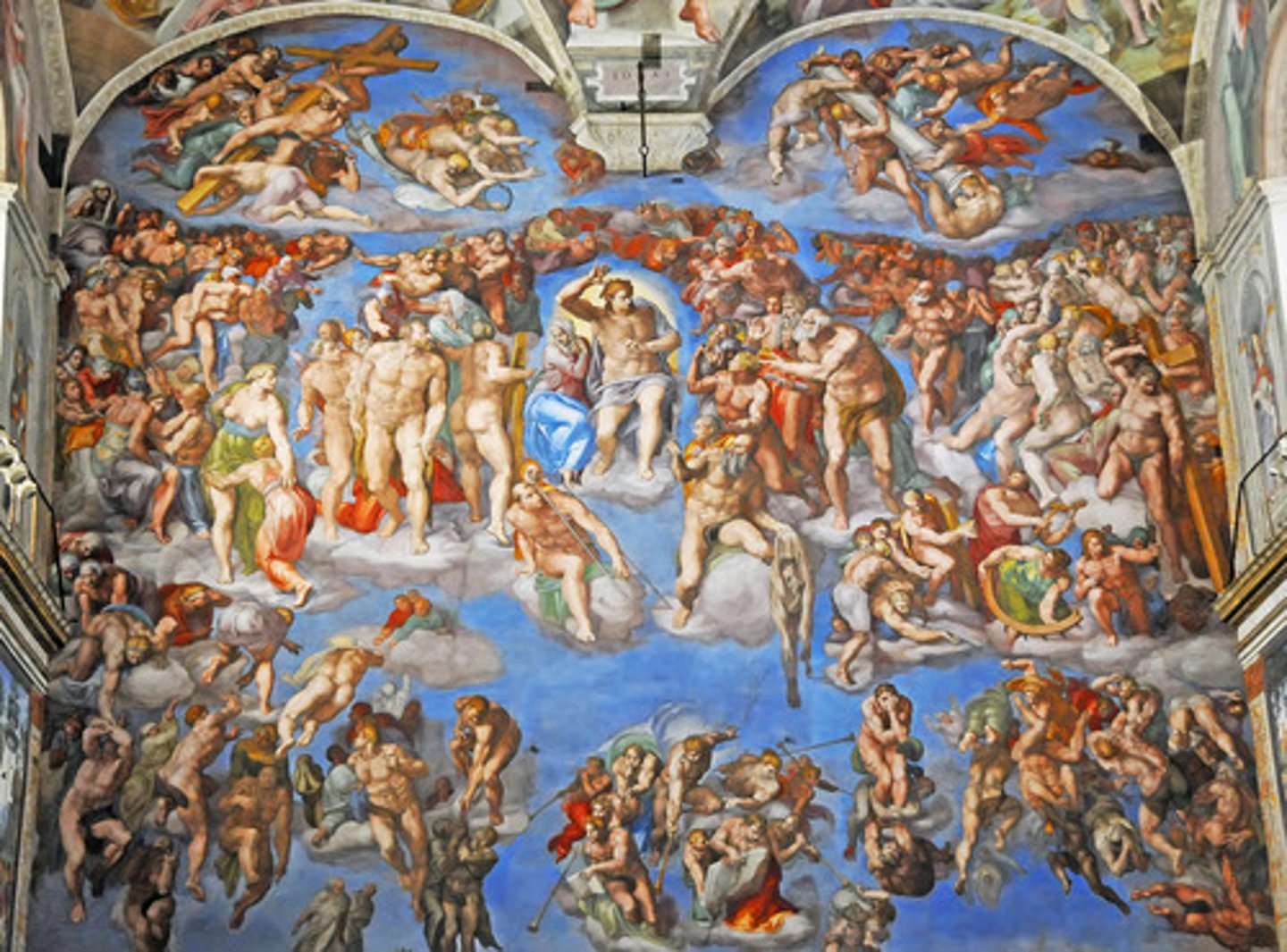
Michelangelo Buonarrotti, The Last Judgment (12.14)
High Renaissance
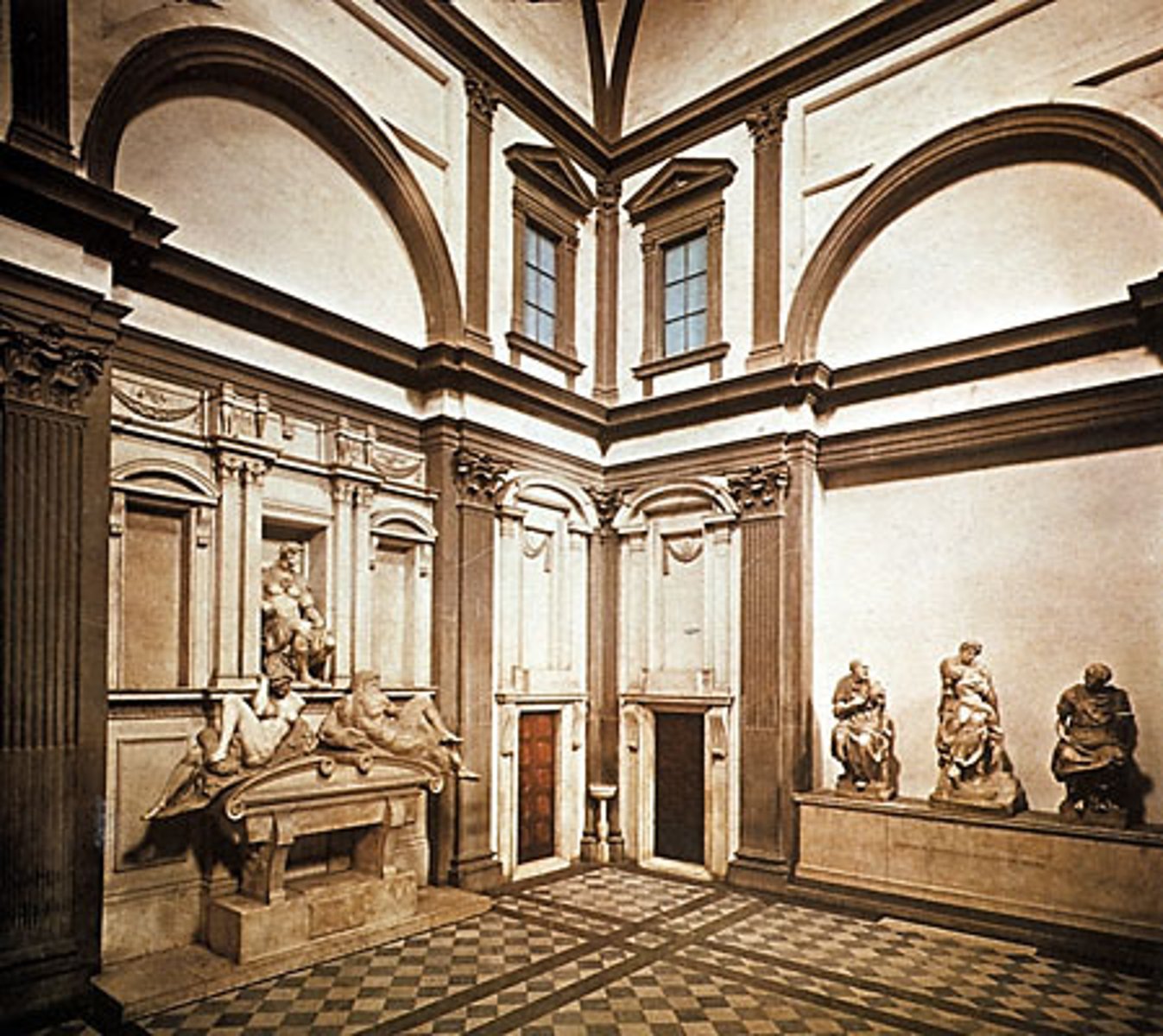
Michelangelo Buonarrotti, Medici Chapel (12.15)
High Renaissance
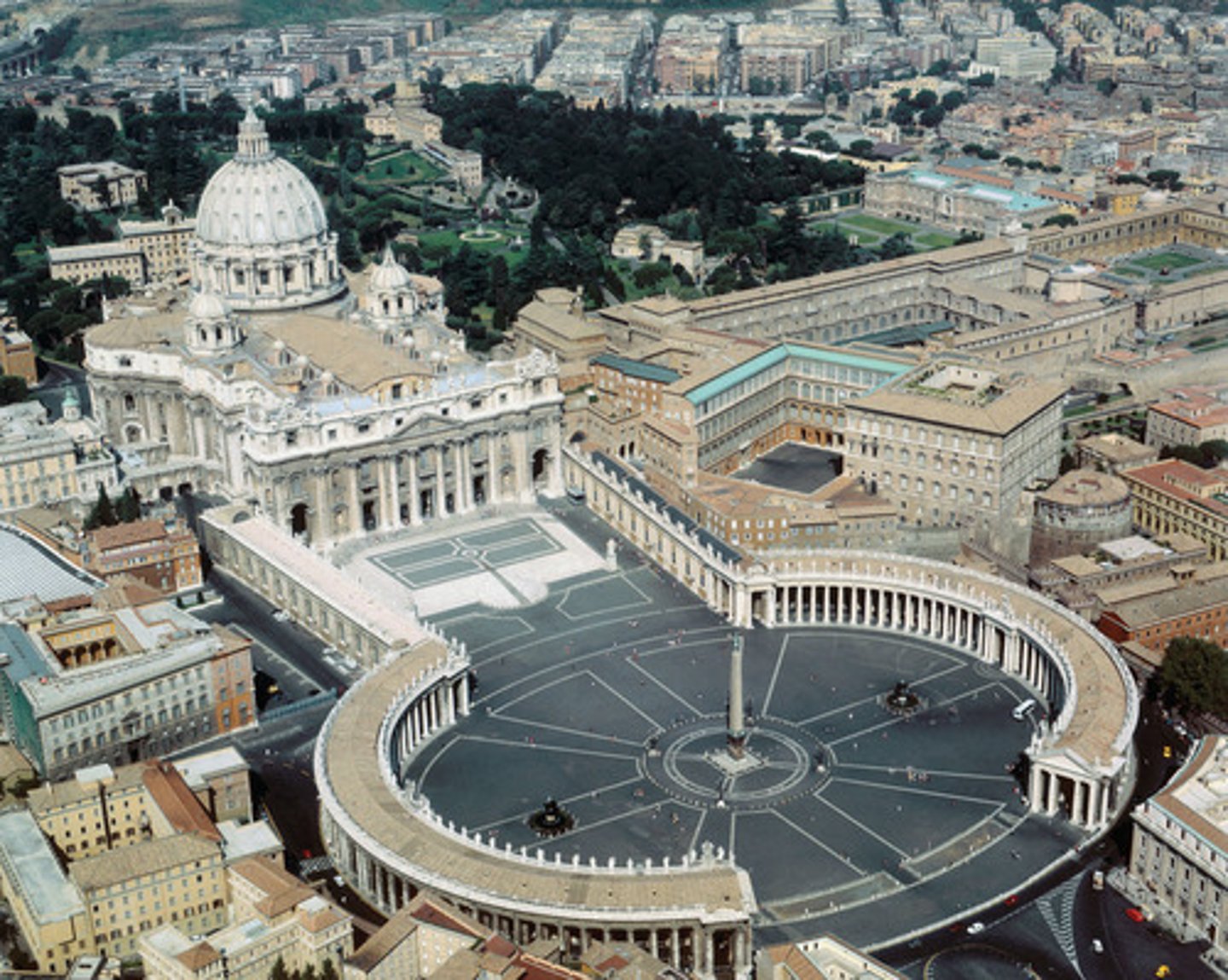
Michelangelo Buonarrotti, Plan for St. Peter's (dome) (12.17, 12.18)
High Renaissance
Guillaume Dufay (“L’homme armé mass: a motet mass)
Early Renaissance composer who helped transition music from the medieval to Renaissance style. Known for the L’homme armé Mass, a cantus firmus mass based on the popular secular tune “L’homme armé” (“The Armed Man”). Also composed motets and sacred polyphonic music blending medieval complexity with Renaissance harmony and balance.
Josquin des Prez (composer of madrigals and polyphonic motets)
One of the most influential High Renaissance composers, admired for expressive polyphony and text clarity. Composed motets, masses, chansons, and some madrigals. Known for imitation between voices and emotional expression of text. His music reflects Renaissance humanist emphasis on communication and meaning.
Giovanni Pierluigi da Palestrina (composer of polyphony, especially the Mass for Pope Marcellus, role in Renaissance music)
Leading late Renaissance composer of sacred music, especially polyphonic masses and motets. Famous for the Mass for Pope Marcellus (Missa Papae Marcelli), traditionally associated with showing that polyphony could preserve textual clarity in church music after concerns during the Counter-Reformation. Seen as a model of balanced, smooth Renaissance polyphony and an important figure in Catholic sacred music.
Castiglione's The Courtier
Written by Baldassare Castiglione (1528); describes the ideal Renaissance courtier. Audience: nobles/courtiers in aristocratic courts. Main ideas: grace, education, skill in arms and arts, eloquence, virtue, and sprezzatura (effortless mastery). Women should also be educated and virtuous. Reflects Renaissance humanism and court culture.
Cellini's autobiographical excerpt
Benvenuto Cellini’s autobiography presents the Renaissance ideal of the talented, ambitious individual artist. Themes include self-promotion, genius, pride, adventure, patronage, and the growing status of artists as individuals rather than anonymous craftsmen.
chanson mass
A Renaissance mass composition in which musical material from a secular French chanson (song) is used as the basis for the Mass Ordinary. Demonstrates blending of sacred and secular influences in Renaissance music.
chiaroscuro
Artistic technique using strong contrasts of light and dark to create depth, realism, and dramatic effect; heavily used during the Renaissance by artists like Leonardo da Vinci.
contrapposto
A sculpture stance in which weight shifts onto one leg, creating a natural S-curve and more realistic posture; revived from classical antiquity during the Renaissance.
courtly love
A medieval/Renaissance literary ideal of noble, often unattainable romantic love emphasizing devotion, admiration, virtue, and service to a lady; associated with troubadours and chivalric culture.
Dante's Divine Comedy and Inferno
The Divine Comedy follows Dante through Hell (Inferno), Purgatory, and Heaven (Paradiso). Guide in Inferno and Purgatorio: Virgil (reason); guide in Paradiso: Beatrice (divine love/faith). Inferno contains 9 circles of Hell organized by severity of sin using contrapasso (punishment fitting the crime). Located symbolically beneath Jerusalem.
dialectic
Method of learning through logical debate, questioning, and resolving opposing ideas; central to medieval scholasticism and universities.
Donatello (sculptures, importance)
Early Renaissance sculptor from Florence known for realism and revival of classical styles. Major works: David (first free-standing nude bronze since antiquity), St. George, Gattamelata. Important for realism, emotion, and contrapposto.
Eleanor of Aquitaine
Powerful medieval noblewoman; queen of France then England, patron of courtly culture, associated with troubadours and courtly love traditions. Mother of Richard the Lionheart and King John.
Erasmus (intellectual contributions and ideas)
Dutch Christian humanist who emphasized education, morality, and reform within Christianity. Wrote In Praise of Folly, criticized Church corruption, promoted studying original biblical texts, and emphasized free will and inner devotion.
Florence, Italy (role in the Renaissance, figures from)
Center of the Italian Renaissance due to trade wealth, banking, republican politics, and patronage (especially the Medici). Home to figures like Dante, Petrarch, Donatello, Brunelleschi, Leonardo da Vinci, Michelangelo, and Machiavelli.
Florentine Baptistry Doors competition
1401 competition to design bronze doors for Florence Baptistry depicting the Sacrifice of Isaac. Major competitors: Lorenzo Ghiberti (winner) and Filippo Brunelleschi. Marked beginning of Renaissance artistic developments.
Fourteenth Century, major events and changes
Key events: Black Death (1347–1351), Hundred Years’ War, Great Schism, rise of vernacular literature, decline of feudalism, social mobility, growth of cities, and early Renaissance humanism.
Fra Savonarola
Dominican friar in Florence who preached against corruption, luxury, and secular Renaissance excess. Led the “Bonfire of the Vanities.” Criticized the Medici and papacy; eventually executed in 1498.
fresco
Painting technique using pigment applied to wet plaster so paint becomes part of the wall surface; used extensively in Renaissance Italy (e.g., Michelangelo’s Sistine Chapel).
frottola
Secular Italian song form popular before the madrigal; simpler texture, clear melody, and homophonic style.
Great Schism
1378–1417 split in the Catholic Church during which multiple popes claimed authority (Rome and Avignon). Damaged Church authority and contributed to later reform movements.
guilds
Organizations of artisans and merchants regulating trade, training, quality, and economic activity in medieval/Renaissance cities. Powerful in Florence and often sponsored artistic commissions.
humanism
Renaissance intellectual movement emphasizing classical learning (Greek and Roman texts), education, rhetoric, moral philosophy, and human potential. Focused on studia humanitatis and ad fontes (“back to the sources”).
The Hundred Years' War
Conflict (1337–1453) primarily between England and France over succession and territory. Helped shape national identity, weakened feudalism, and featured figures like Joan of Arc.
International style
Late medieval artistic style characterized by elegance, bright colors, decorative detail, elongated figures, and courtly sophistication; common across European courts around 1400.
isorhythm
Medieval musical technique involving repeating rhythmic patterns (talea) and melodic patterns (color), especially in motets of the Ars Nova period.
Jan van Eyck, major works and themes
Northern Renaissance painter known for oil painting techniques and realism. Major works: Ghent Altarpiece and Arnolfini Portrait. Themes include symbolism, religious devotion, realism, and detailed observation.
linear perspective
Mathematical system for creating illusion of depth in art. Includes vanishing point (where lines converge), horizon line (viewer’s eye level), orthogonal lines (lines leading to vanishing point), and transversal lines (horizontal depth markers).
loggia
Architectural structure/open gallery with arches and columns, often open to the outside; common in Renaissance civic and domestic architecture.
lost wax bronze casting
Method for making bronze sculptures by creating wax model, covering with mold, melting wax away, and pouring molten metal into the space; used for works like Donatello’s David.
Machiavelli, main ideas in The Prince
Political treatise arguing rulers should prioritize stability and power over morality when necessary. Better to be feared than loved if one cannot be both. Emphasized realism, pragmatism, and political effectiveness.
madrigal
Renaissance secular vocal music for several voices; expressive, polyphonic, often based on poetry, and known for word painting.
Medici Family (location, source of wealth, influence)
Powerful banking family from Florence whose wealth came from banking and commerce. Major patrons of Renaissance art, architecture, politics, and scholarship; supported artists like Michelangelo and Botticelli.
motet (changes from the Middle Ages to the Renaissance)
Medieval motets often featured multiple texts and isorhythm; Renaissance motets became smoother, more unified sacred choral works using polyphony and clear text expression.
moveable type
Printing technology developed by Johannes Gutenberg around 1450 using reusable metal letters; increased literacy, spread ideas, and accelerated Renaissance and Reformation movements.
organum
Early form of polyphonic music in which an additional voice is added to Gregorian chant; important development in medieval sacred music.
Chaucer's Pardoner's Tale
Story from The Canterbury Tales warning against greed. Three men seek Death but find gold and betray one another, leading to all their deaths. Famous theme: “Radix malorum est cupiditas” (“greed is the root of evil”).
Perpendicular style
English Gothic architectural style characterized by strong vertical lines, fan vaulting, and large windows; exemplified in late medieval cathedrals and chapels.
Petrarch (poetry style and themes, his main profession, Laura)
Italian poet and scholar known as the “Father of Humanism.” Wrote sonnets in vernacular Italian about Laura, an idealized and largely unattainable beloved. Themes: love, longing, virtue, inner struggle, and classical influence.
Pico della Mirandola's ideas on freedom and from Oration on the Dignity of Man
Argued humans have unique freedom to shape themselves because God gave no fixed place in creation. Emphasized human dignity, free will, and intellectual potential; major humanist text.
polyphony
Music with multiple independent melodic lines sounding simultaneously; hallmark of medieval and Renaissance sacred and secular music.
polyptych
Painted altarpiece consisting of multiple hinged panels; common in medieval and Northern Renaissance religious art.
Pope Julius II (qualities of, patron of which artists, etc.)
“Warrior Pope” known for ambition, politics, and patronage of the arts. Supported Michelangelo (Sistine Chapel ceiling, tomb), Raphael (School of Athens), and rebuilding of St. Peter’s Basilica.
relief
Sculptural technique where figures project from a background surface; includes low relief (bas-relief) and high relief.
pyramidal composition (da Vinci, Raphael)
Renaissance compositional technique arranging figures in triangular form for balance, unity, and stability; used by Leonardo da Vinci and Raphael.
School of Athens, major figures of
Raphael fresco representing philosophy and classical learning. Central figures: Plato (pointing upward, modeled after Leonardo) and Aristotle (hand level to earth). Includes Socrates, Pythagoras, Euclid, Diogenes, Heraclitus (modeled after Michelangelo), and possibly Raphael himself.