6- Colour
 Call Kai
 Learn
Learn Practice Test
 Spaced Repetition
 Match
Match Flashcards
 Knowt Play
1/21

There's no tags or description
Looks like no tags are added yet.
Name | Mastery | Learn | Test | Matching | Spaced | Call with Kai |
|---|
No analytics yet
Send a link to your students to track their progress
22 Terms
What 3 main factors condition colour? What is colour?
Light, object, observant
Light strikes an object and will absorb a certain wavelengths and reflect other
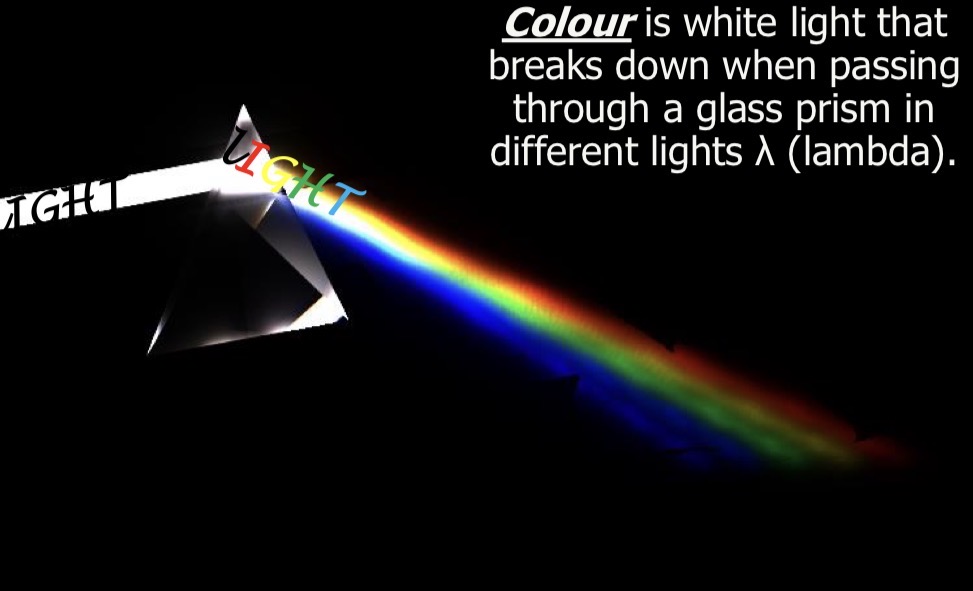
What wavelength range roughly represents visible light from blue to red? What range is visible to eye?
About 400 nm (blue/UV side) to 700 nm (red/infrared side)
360-720nm
What is reflection?
Light aiming on non-transparent surface and changes direction
What artificial light sources should be avoided vs used?
Incandescent- alter chromatic appreciation
Fluorescent or LED better- provides ideal observation conditions
What is refraction? What does it depend on? (2)
Some light is reflected, the rest passes through the object and changes direction
Depends on density of the object and wavelength of incident light
What is translucency, how does it apply to teeth?
Gradient between transparent and opaque
Increased translucency of crown, lowers value- less light returns to eye
What does the translucency of enamel depend on?(5)
Angle of incidence
Surface texture
Luster (gloss/shine)
Wavelength
Level of dehydration
What is fluorescence? Where does it occur in the tooth and why?
Ability to absorb light energy and then emit (give off) light at a longer wavelength
Occurs mainly in dentin due to more organic material
The more dentin fluoresces, lower the chroma
Fluorescent powders added to crowns to increases amount of light returned- blocks discolourations and decreases chroma
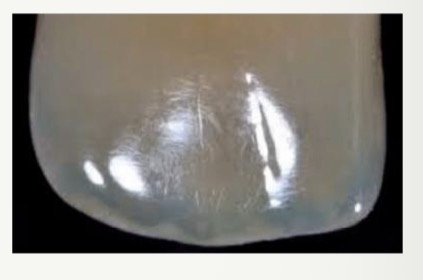
What is opalescence? In enamel…
Material appears to be one colour when light reflected from it, another when light transmitted through it- transilluminates reds and scatters blue within- so appears blueish
Enamel opalescent effects brighten tooth- give optical depth and vitality
What is phosphorescence?
Duration of light emission lasts after stimuli removed
What is metamerism? How to avoid this issue?
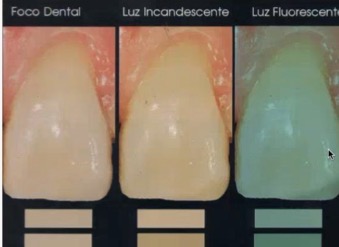
Different colour according to light source- two colours look the same under one light source but look different under another light source
By selecting shade in diff conditions- daylight and fluorescent
How does the observant perceive colour? When staring at a colour for a while what happens and how can you avoid?
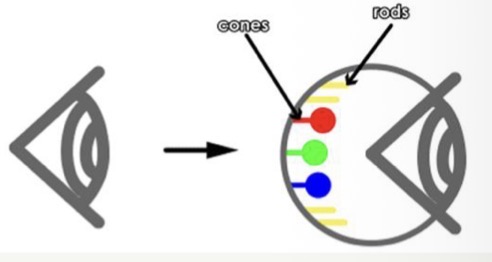
Cones in the macula interpret colour
Rods in periphery interpret brightness or luminosity
When staring at colour for a while- ability to perceive tone decreases (adaptation)- negative persisting image- AFTERIMAGE
avoid by looking a blue cardboard for 5 secs
Hue, value, chroma
Colour tone- how we distinguish groups of colours
Relative lightness/darkness- max value (white) vs min (black)- middle 1/3> cervical > incisal
Saturation- canine most saturated, determined by dentin
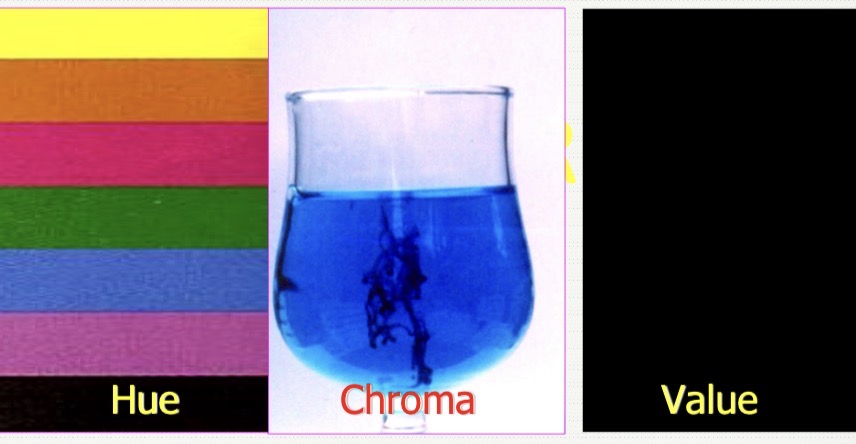
What 2 groups are the colours of the visible spectrum classified into?
Primary- blue, yellow, red
Secondary- violet, orange
Tooth colour in dentin goes from- yellow, reddish yellow, orange
What objective methods can be used to select shade?
Spectrophotometer
Colorimeter
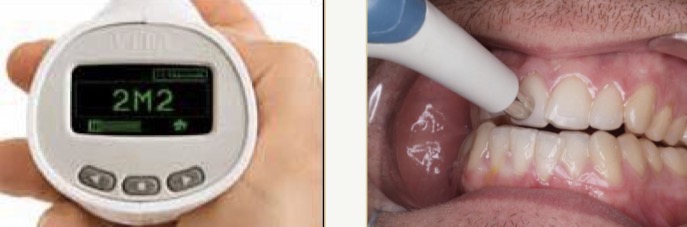
What factors may influence subjective methods to select shade?
Clinic
Patient- opinion, wet and clean teeth, eliminate distractors (glasses)
Observer- must be between patient and light source, at beginning of visit, try many times, quick observations
What are 4 limitations of shade/colour guides?
It does not cover the entire scale of natural teeth
The order of colours does not follow logical arrangement
The materials are different from the ceramic powders
Porcelain from the guides are thicker than the crown
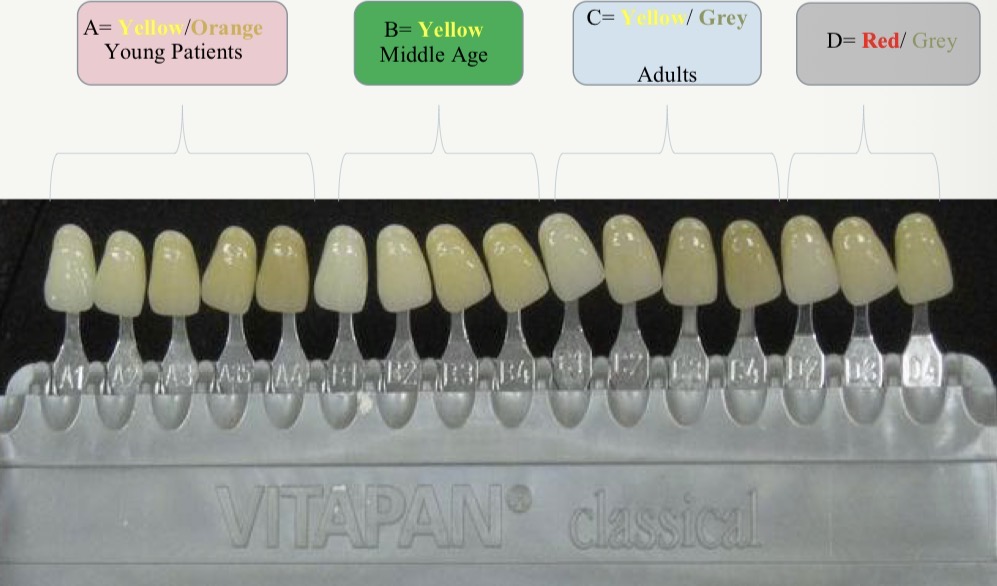
What’s the 4 colour technique? (vitapan classic)
Lumin-VACUUM guide from VITA CLASSIC
Guide ordered by hue, saturation and luminosity
4 colours- saturation 1-4
A-D- hue
A- yellow-orange- young, CI, LI
B- yellow- middle age
C- yellow- gray- mature
D- red-gray
Use diff guide for luminosity
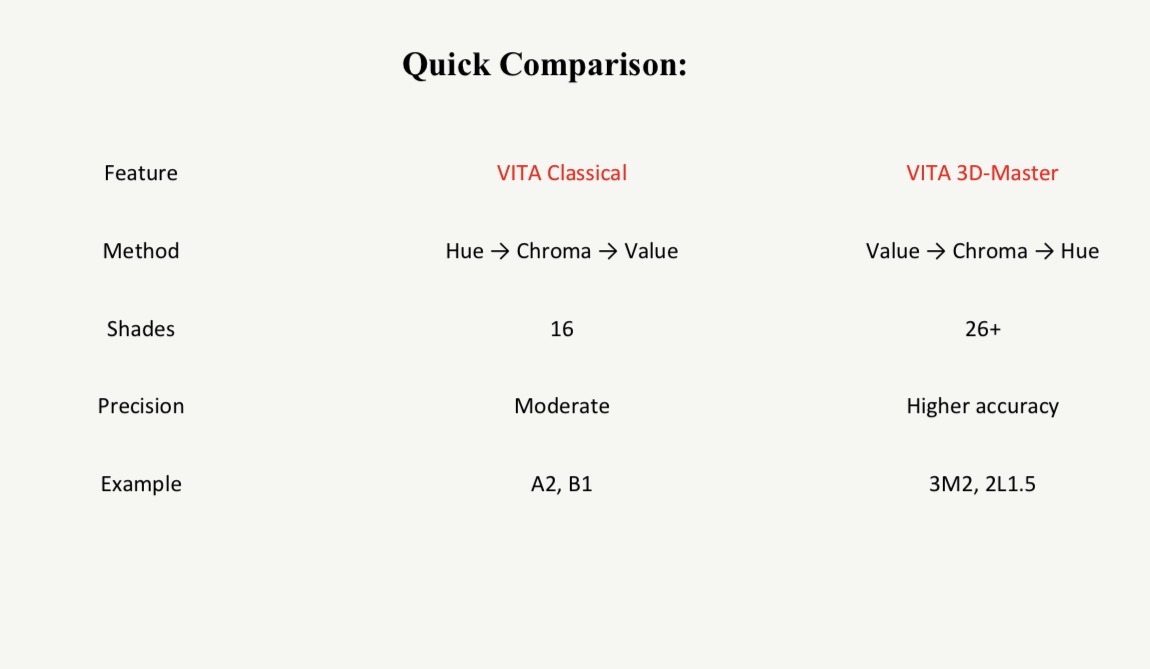
How is VITAPAN 3D master ordered?
Value (1 most white - 5), chroma (1 least saturated - 3), hue
(More accurate)
Determine correct lightness 0-5
Select chroma
Select hue- on L yellow- on R reddish
Comparison between VITA classical and 3d master
When should you select the shade?(5)
Before anaesthesia and tooth prep
Natural light between 10am and 2pm
Look for 5 secs at a time
Eyes narrow
Orient on central 1/3
What’s the order you should determine shade select procedure? What to consider?
Brightness, saturation, hue
Close eyes a little and determine luminosity
Consider texture , natural light, orient on central 1/3