Terrestrial Vertebrate ID Field Practical 2 Review
 Call Kai
 Learn
Learn Practice Test
 Spaced Repetition
 Match
Match Flashcards
 Knowt Play
1/69

There's no tags or description
Looks like no tags are added yet.
Name | Mastery | Learn | Test | Matching | Spaced | Call with Kai |
|---|
No analytics yet
Send a link to your students to track their progress
70 Terms
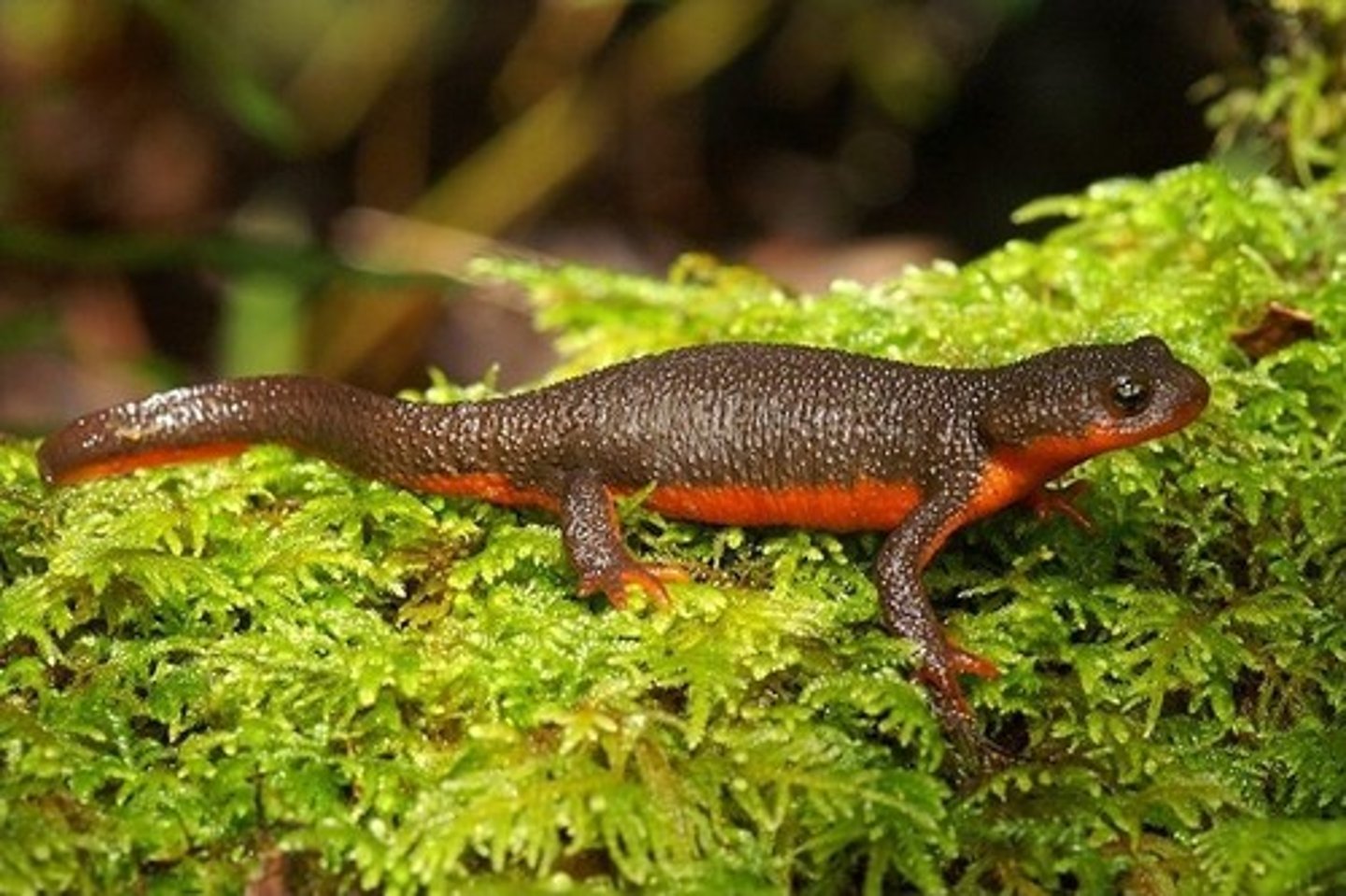
Common Name:
Class:
Order:
Family:
Rough-skinned Newt
Amphibia
Caudata
Salamandridae
Pointer: Newts are a little confusing because their Family is "Salamandridae", because the name sounds like it should be for a salamander family. Try and use this to your advantage, remembering that newts have the family name that starts with "salamand...".
Pointer: Rough-skinned newts can be ID'd by their rough skin (surprise!) and brightly-colored belly.
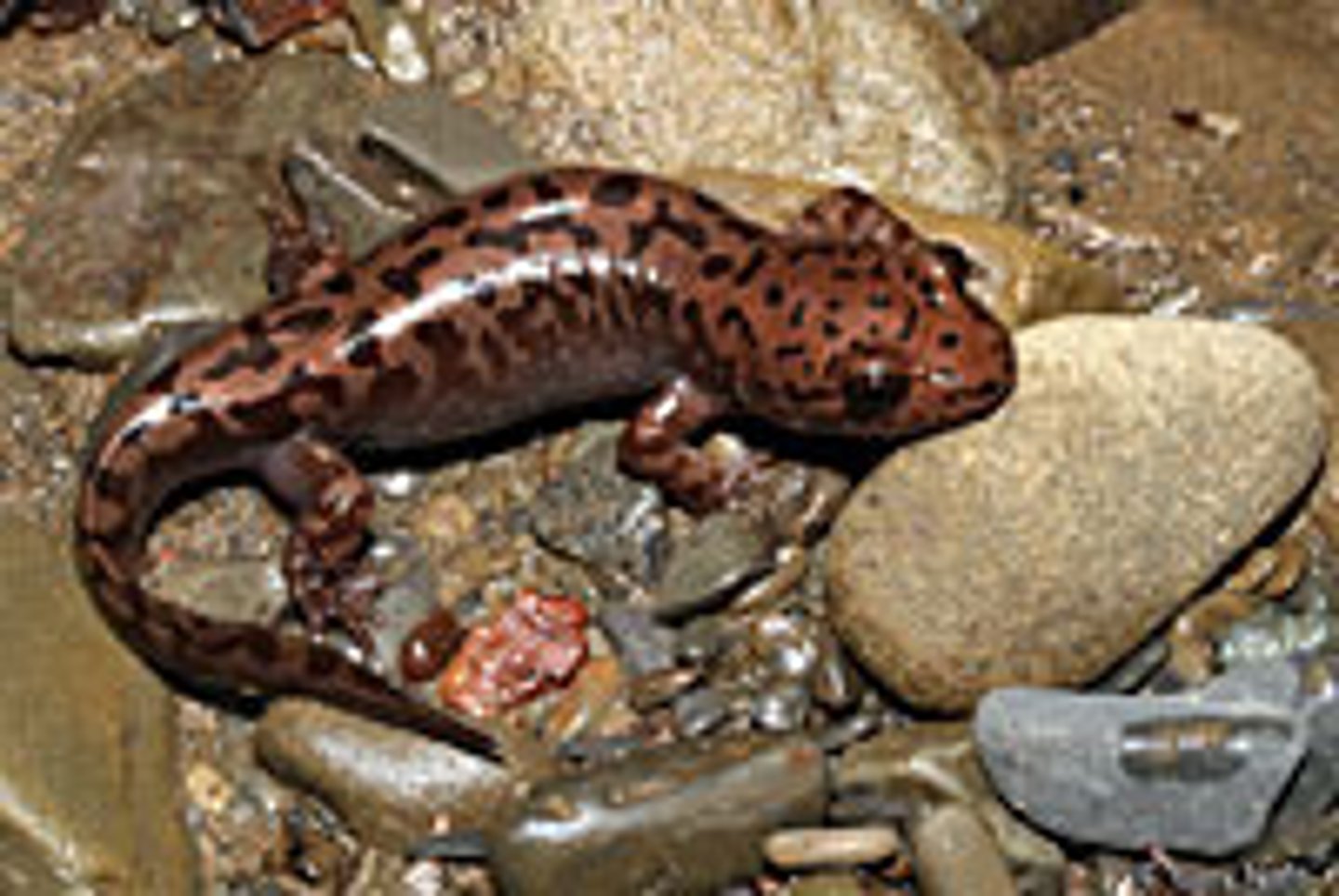
Common Name:
Class:
Order:
Family:
Pacific Giant Salamander
Amphibia
Caudata
Dicamptodontidae
Pointer: All salamanders are in the Family Caudata, which refers to "tails".
Pointer: Coastal Giant Salamanders are big, with large heads and spots.
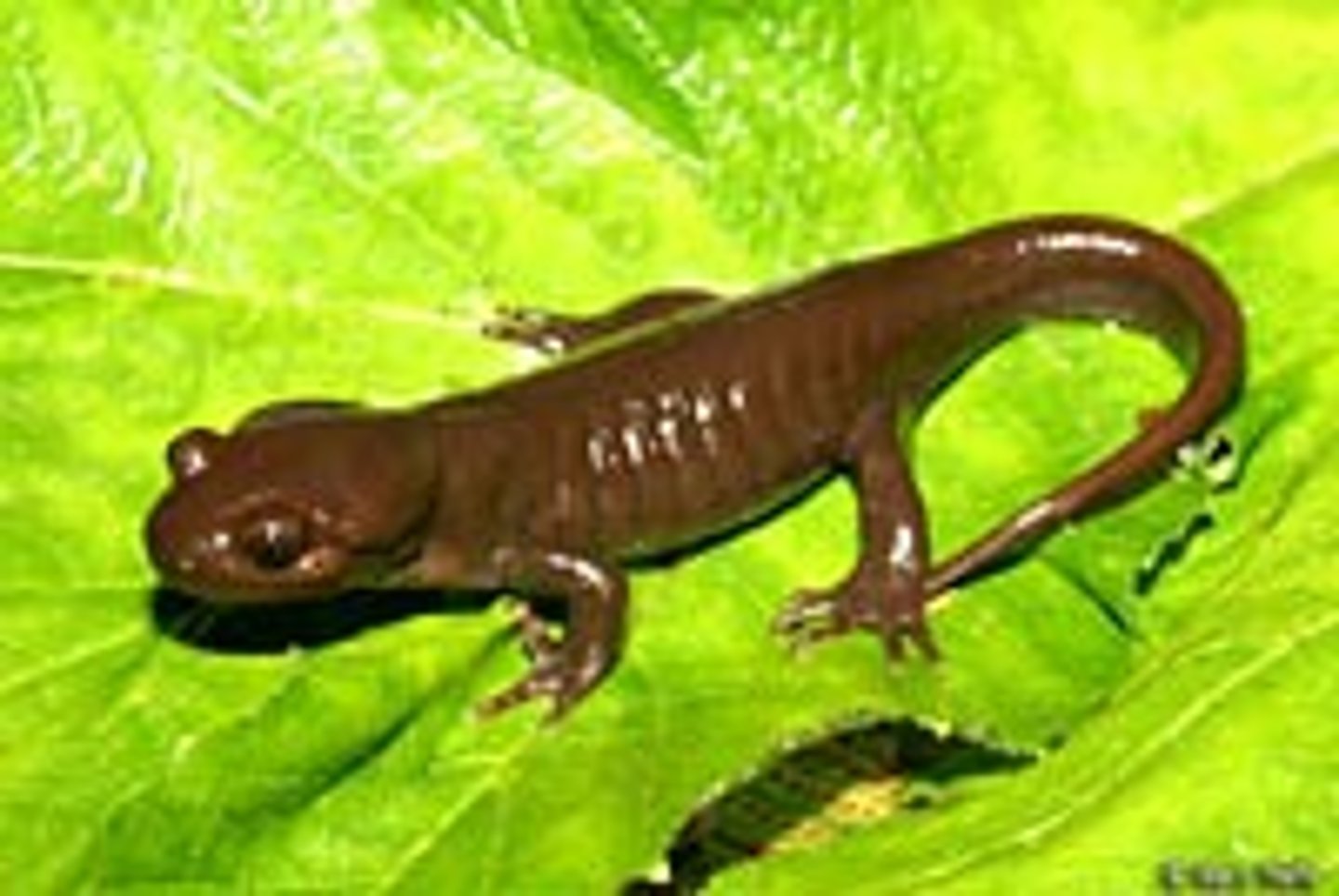
Common Name:
Class:
Order:
Family:
Northwestern Salamander
Amphibia
Caudata
Ambystomatidae
Pointer: ID this species by its large poison glands behind the eyes.
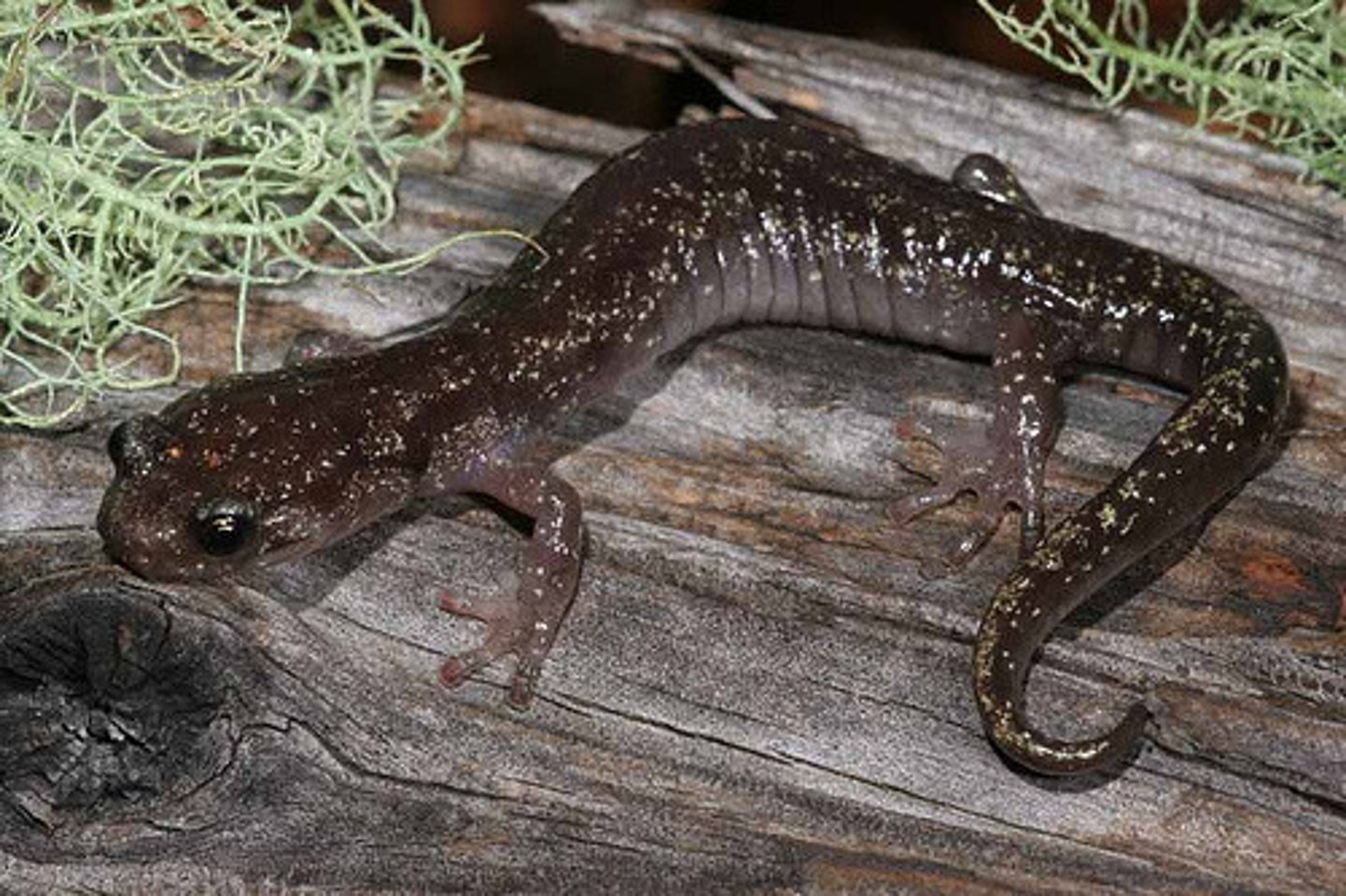
Common Name:
Class:
Order:
Family:
Clouded Salamander
Amphibia
Caudata
Plethodontidae
Pointer: ID this species by its fine white spots ("clouded").
Pointer: Plethodontidae salamanders are known as the lungless salamanders, and encompass many species. The family has a nasolabial groove under the nostril that is helpful for ID.
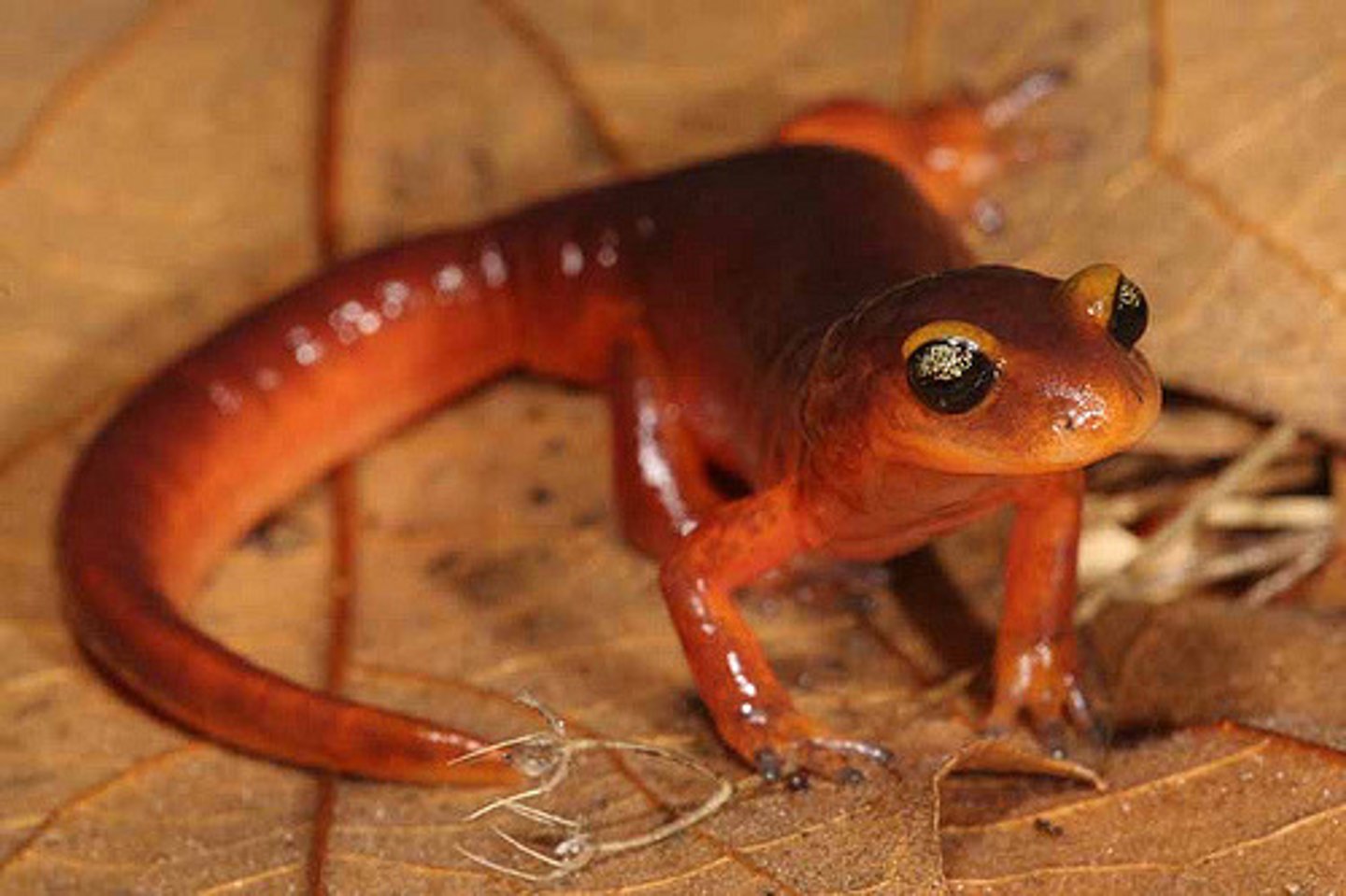
Common Name:
Class:
Order:
Family:
Ensatina
Amphibia
Caudata
Plethodontidae
Pointer: This species has variable color, so it is best to ID it by the constricted base of the tail. It is a lungless salamander (Plethodontidae).
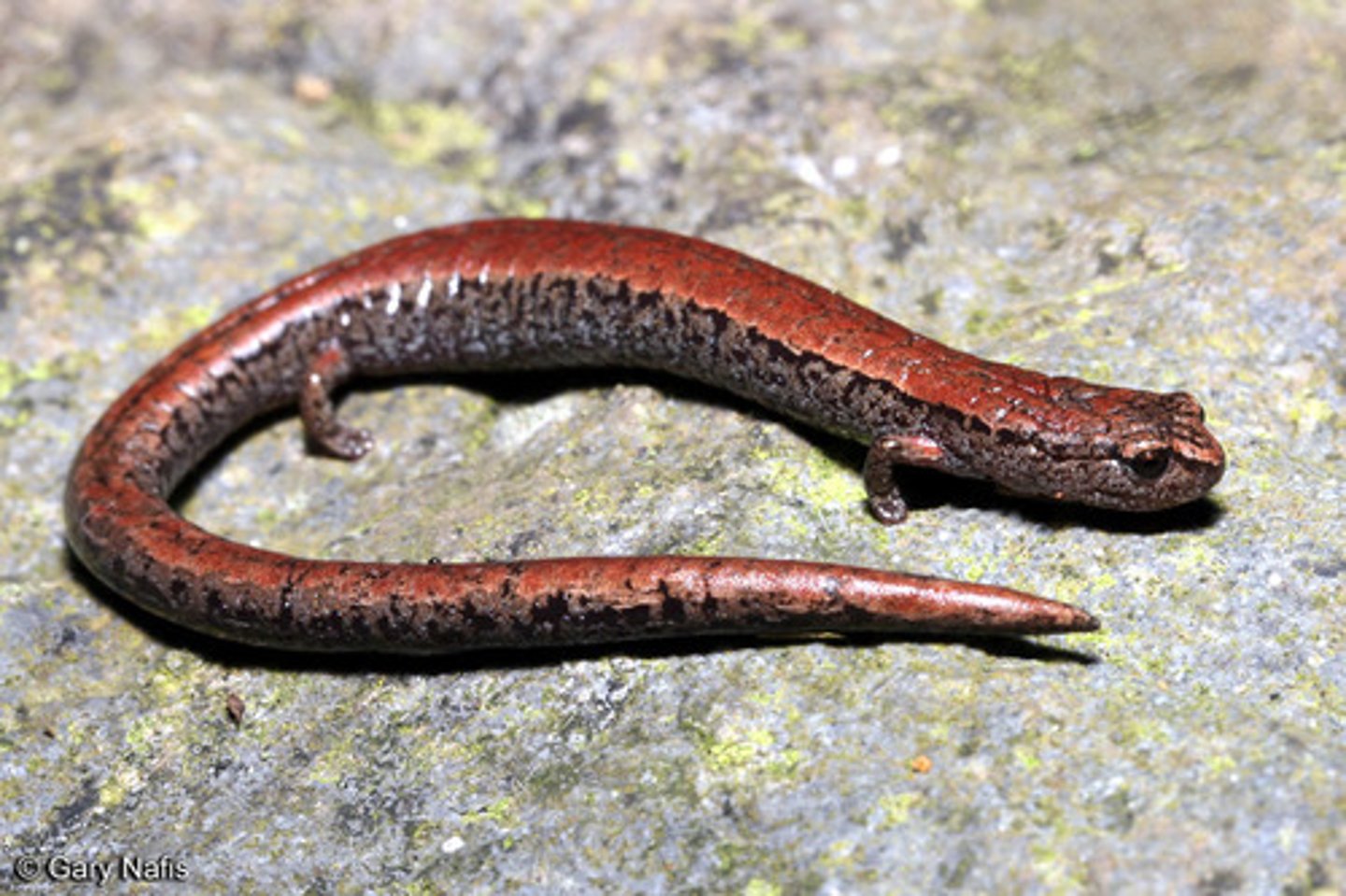
Common Name:
Class:
Order:
Family:
Oregon Slender Salamander
Amphibia
Caudata
Plethodontidae
Pointer: This species has tiny limbs and a long, thin body with a red dorsal stripe. It is a lungless salamander (Plethodontidae).
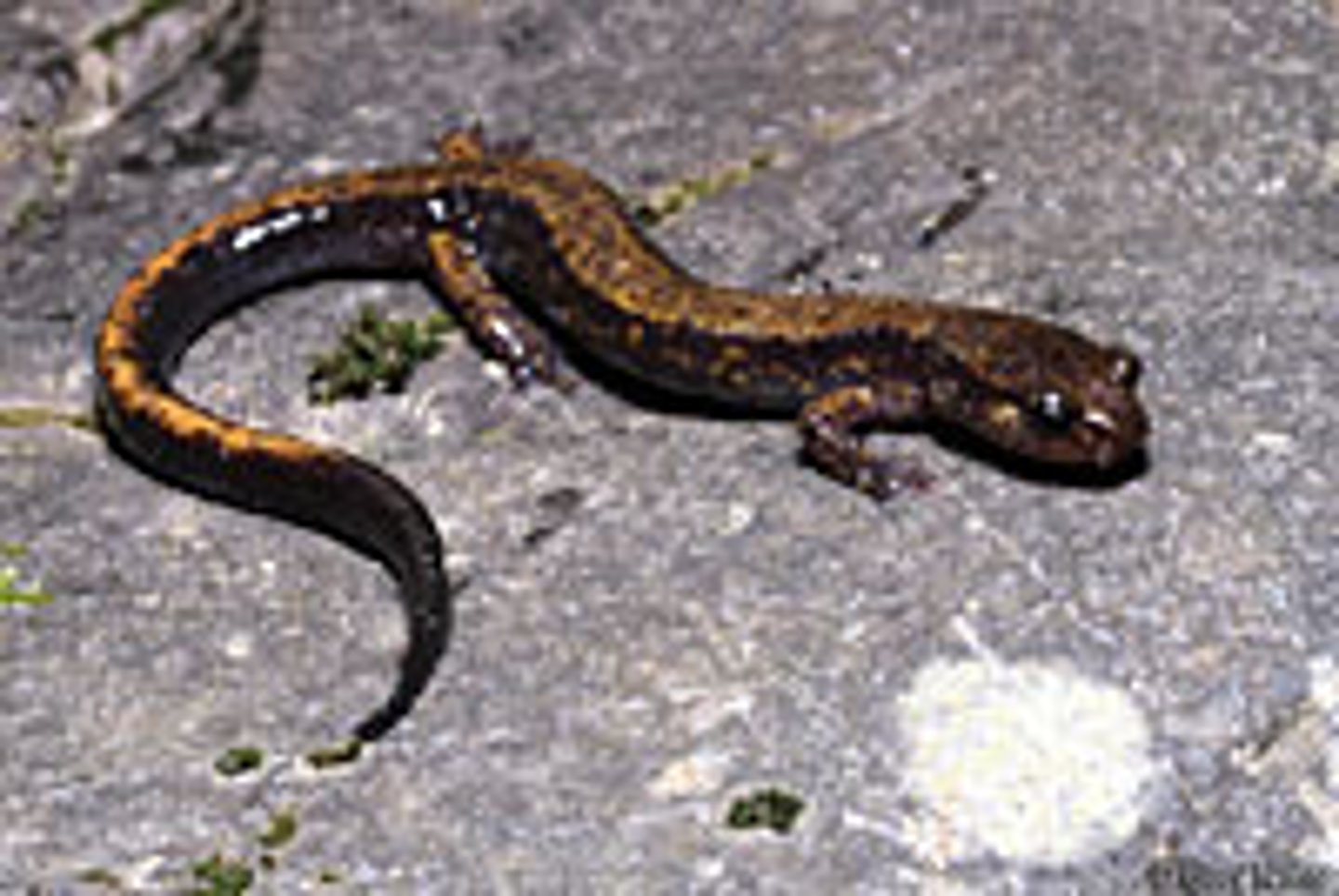
Common Name:
Class:
Order:
Family:
Dunn's Salamander
Amphibia
Caudata
Plethodontidae
Pointer: This species is similar to the Western Red-backed Salamander, but has a yellowish dorsal stripe that doesn't extend to the tail tip. It is a lungless salamander (Plethodontidae).
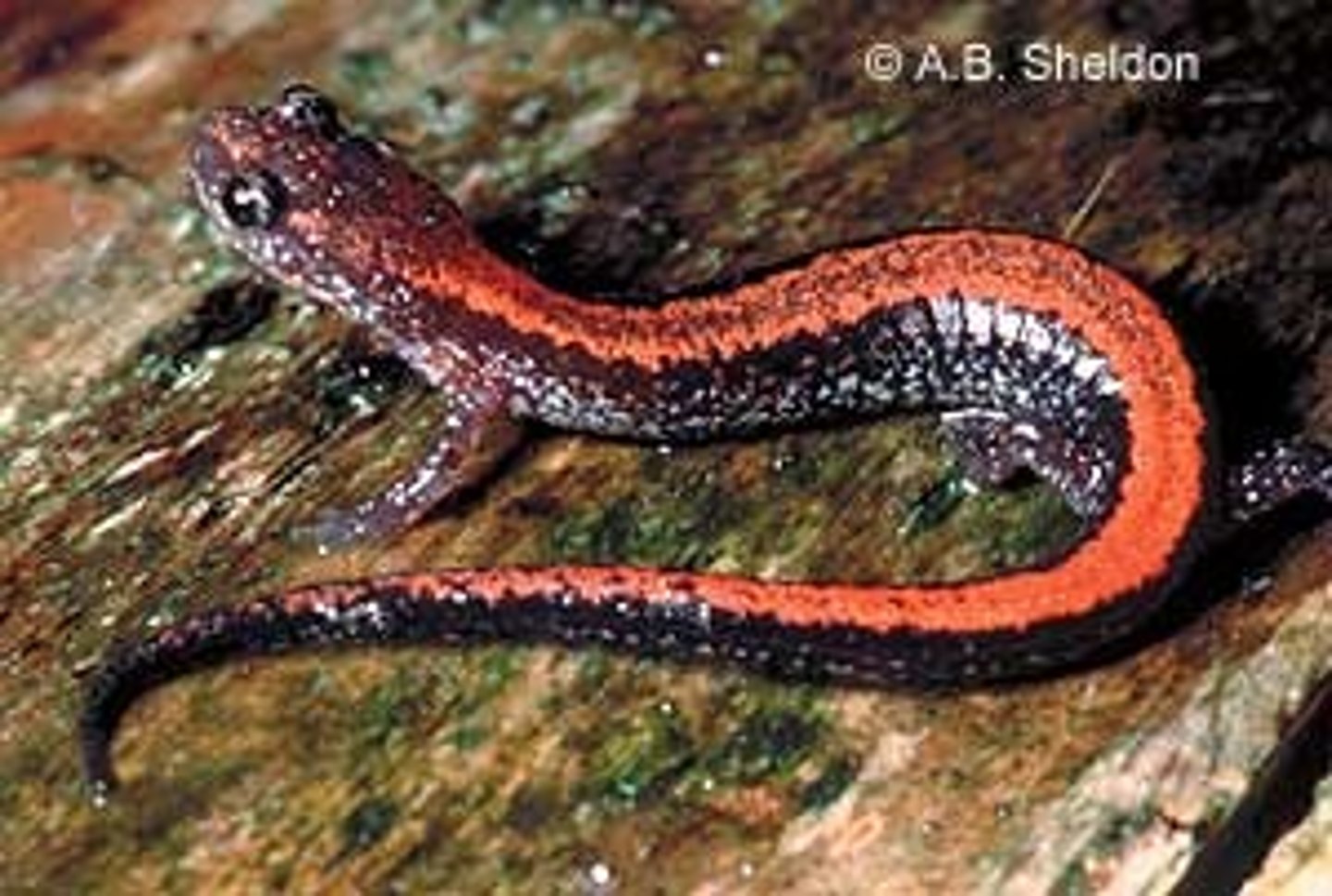
Common Name:
Class:
Order:
Family:
Western Red-backed Salamander
Amphibia
Caudata
Plethodontidae
Pointer: This species is similar to the Dunn's Salamander, but has a reddish dorsal stripe that reaches the tail tip. It is a lungless salamander (Plethodontidae).
Common Name:
Class:
Order:
Family:
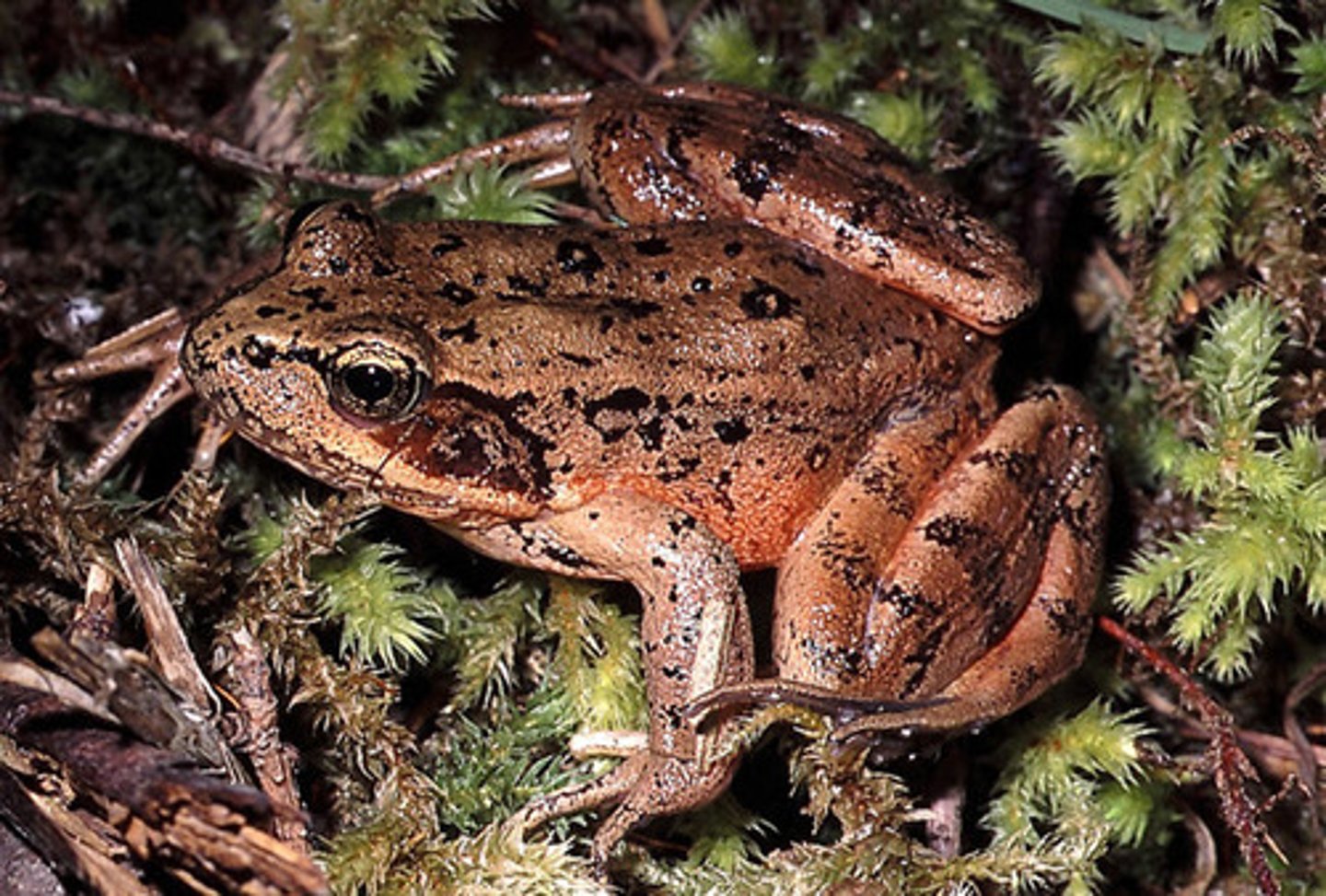
Northern Red-legged Frog
Amphibia
Anura
Ranidae
Pointer: Has inconspicuous dorsolateral folds and eyes that are angled upwards. Red legs may not be visible.
Pointer: All frogs and toads are in Order Anura.
Common Name:
Class:
Order:
Family:
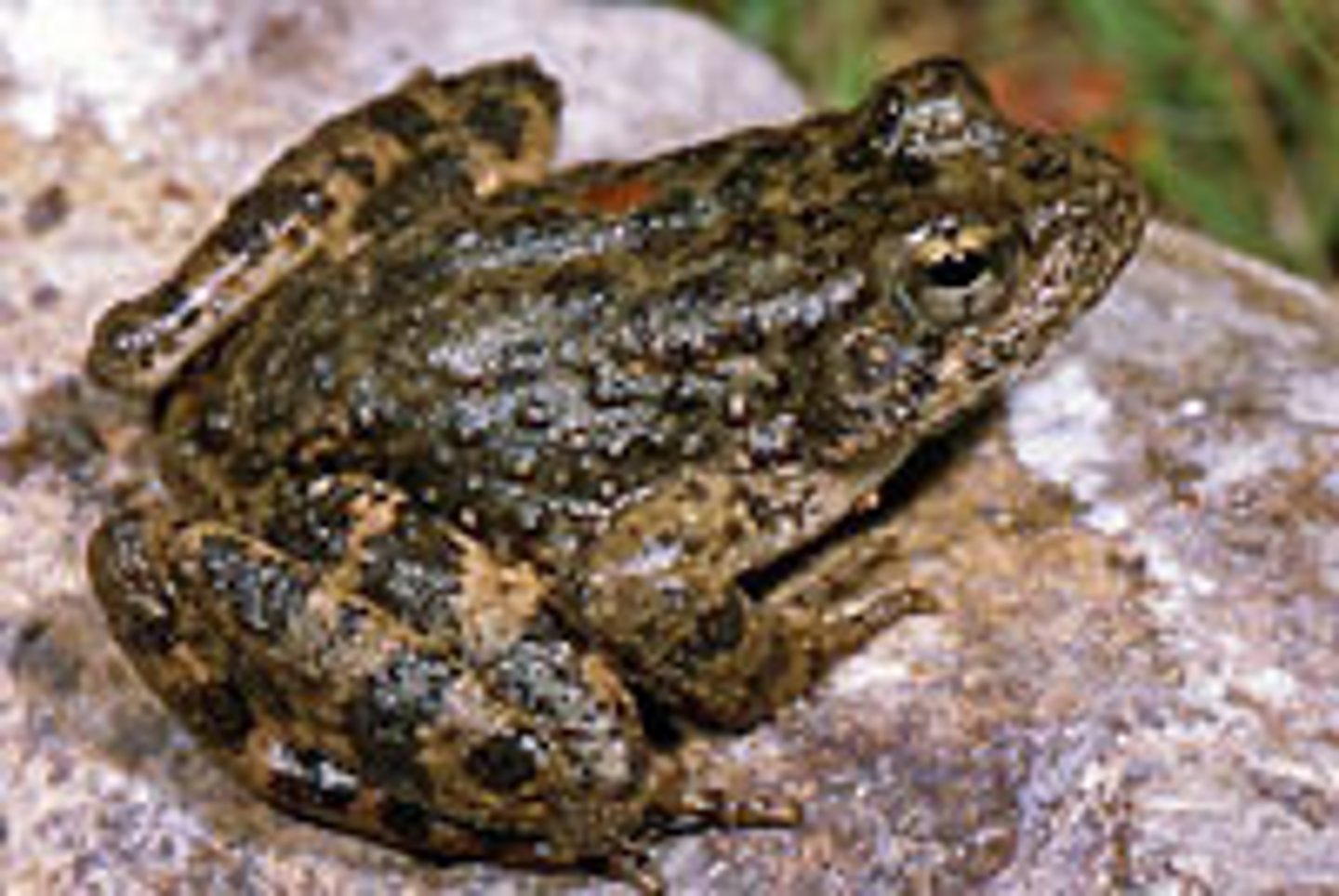
Foothill Yellow-legged Frog
Amphibia
Anura
Ranidae
Pointer: Pebbly skin, no dorsolateral folds.
Common Name:
Class:
Order:
Family:
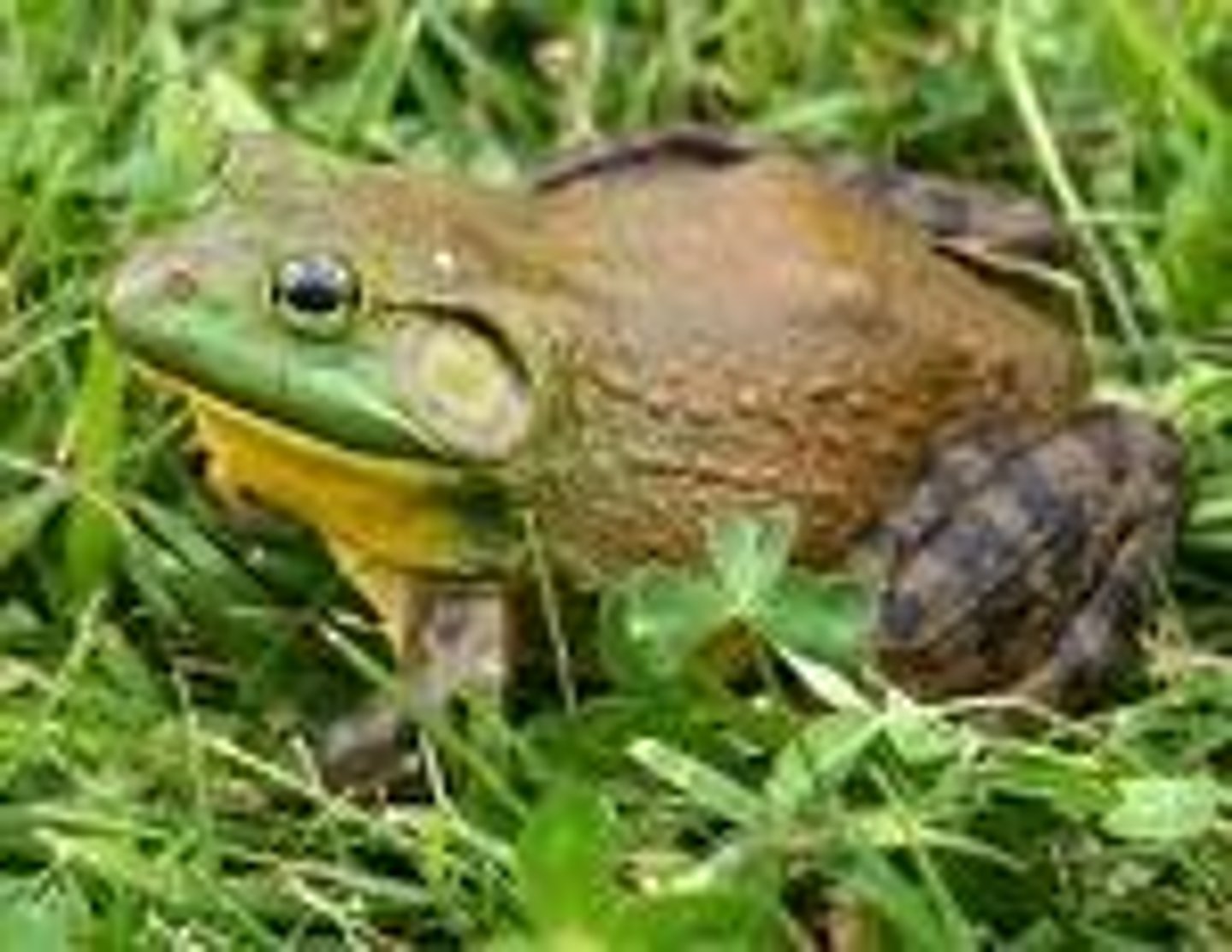
American Bullfrog
Amphibia
Anura
Ranidae
Pointer: Large frog with green lips and no dorsolateral fold. L-shaped fold around the tympanum (ear membrane).
Fun Fact: Ranidae contains many common North American frog species, including the bullfrog.
Common Name:
Class:
Order:
Family:
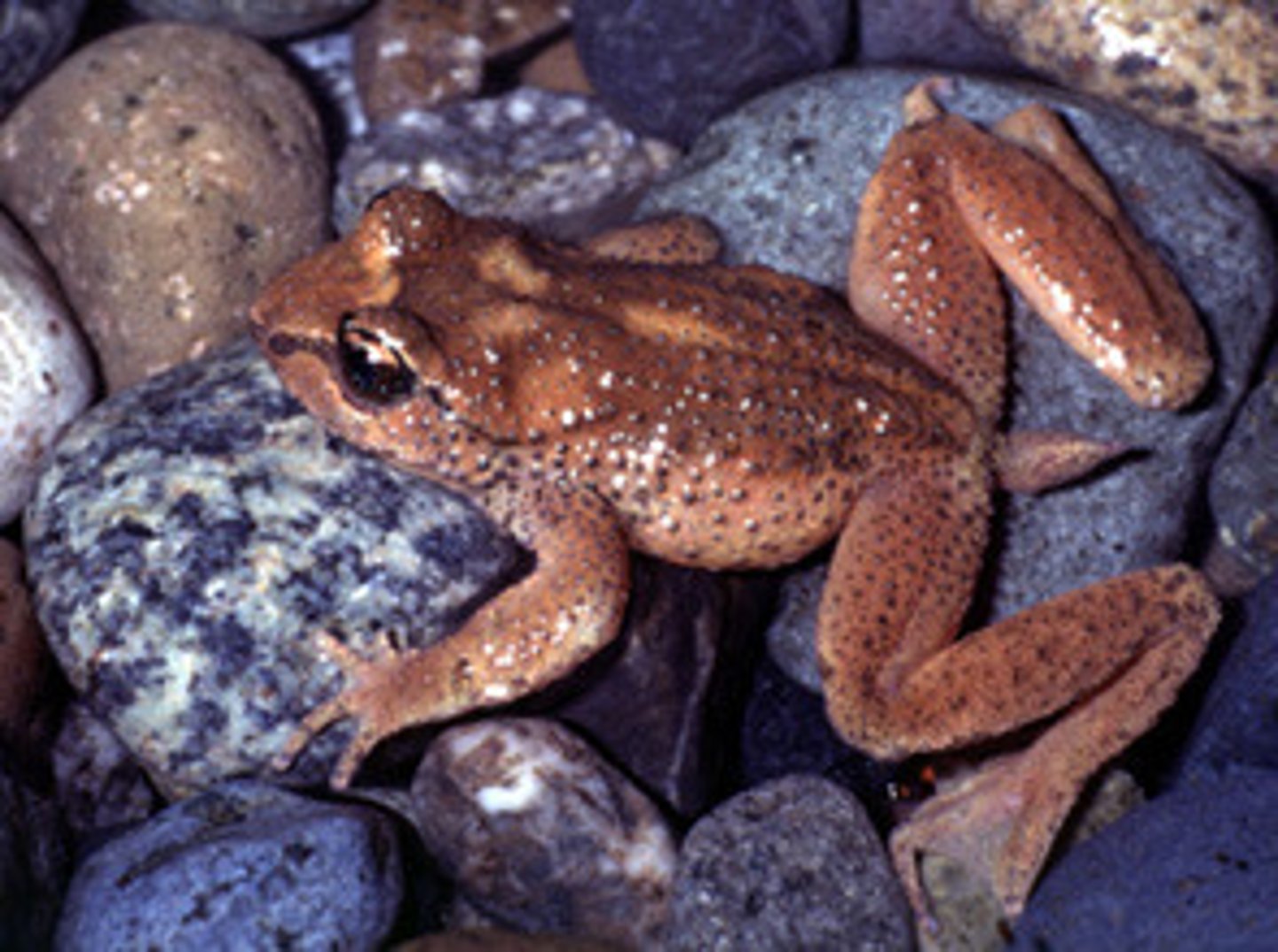
Coastal Tailed Frog
Amphibia
Anura
Ascaphidae
Pointer: This species has a small mating organ that resembles a tail.
Common Name:
Class:
Order:
Family:
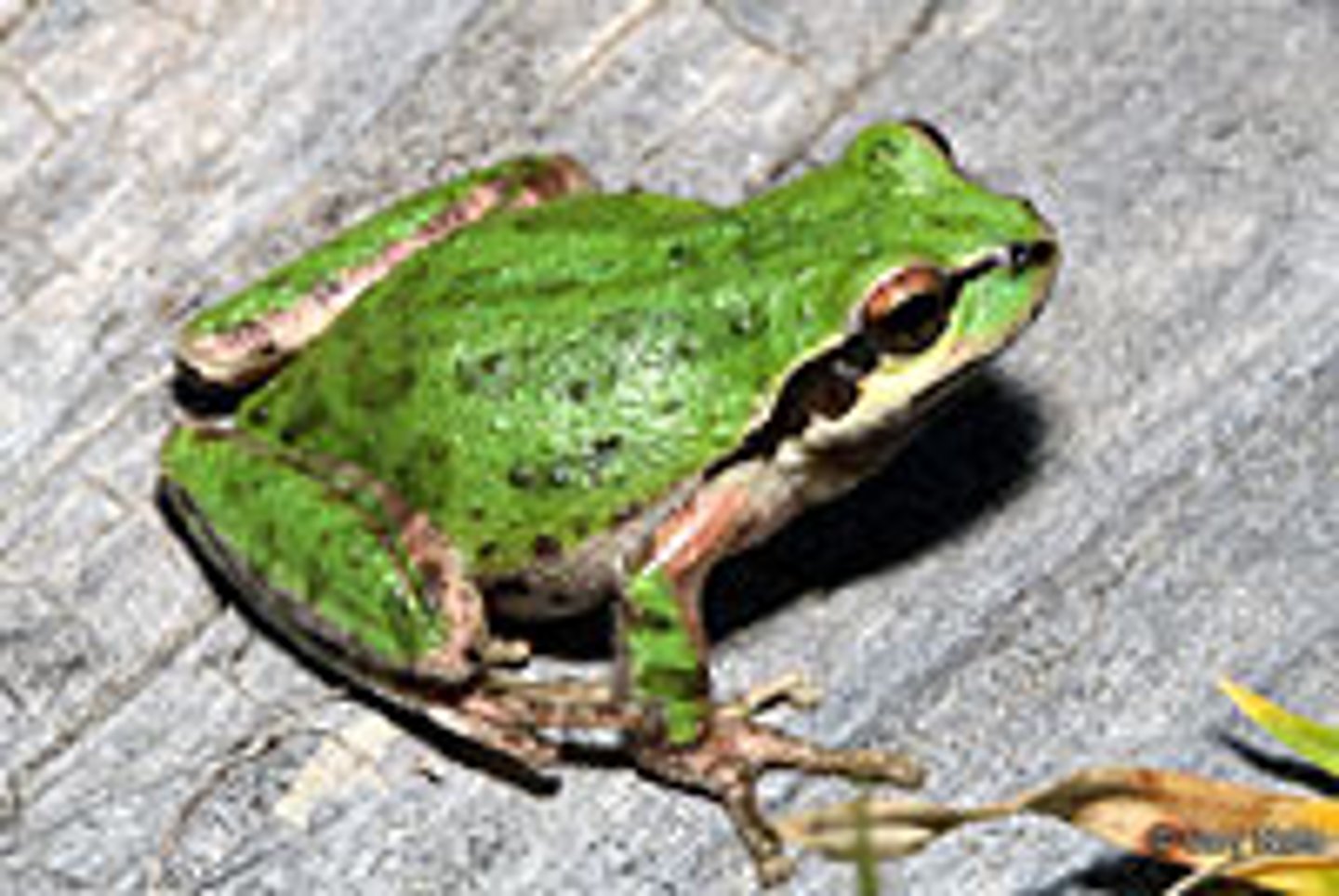
Pacific Treefrog
Amphibia
Anura
Hylidae
Pointer: Black mask through eye, variable body coloration.
Common Name:
Class:
Order:
Family:
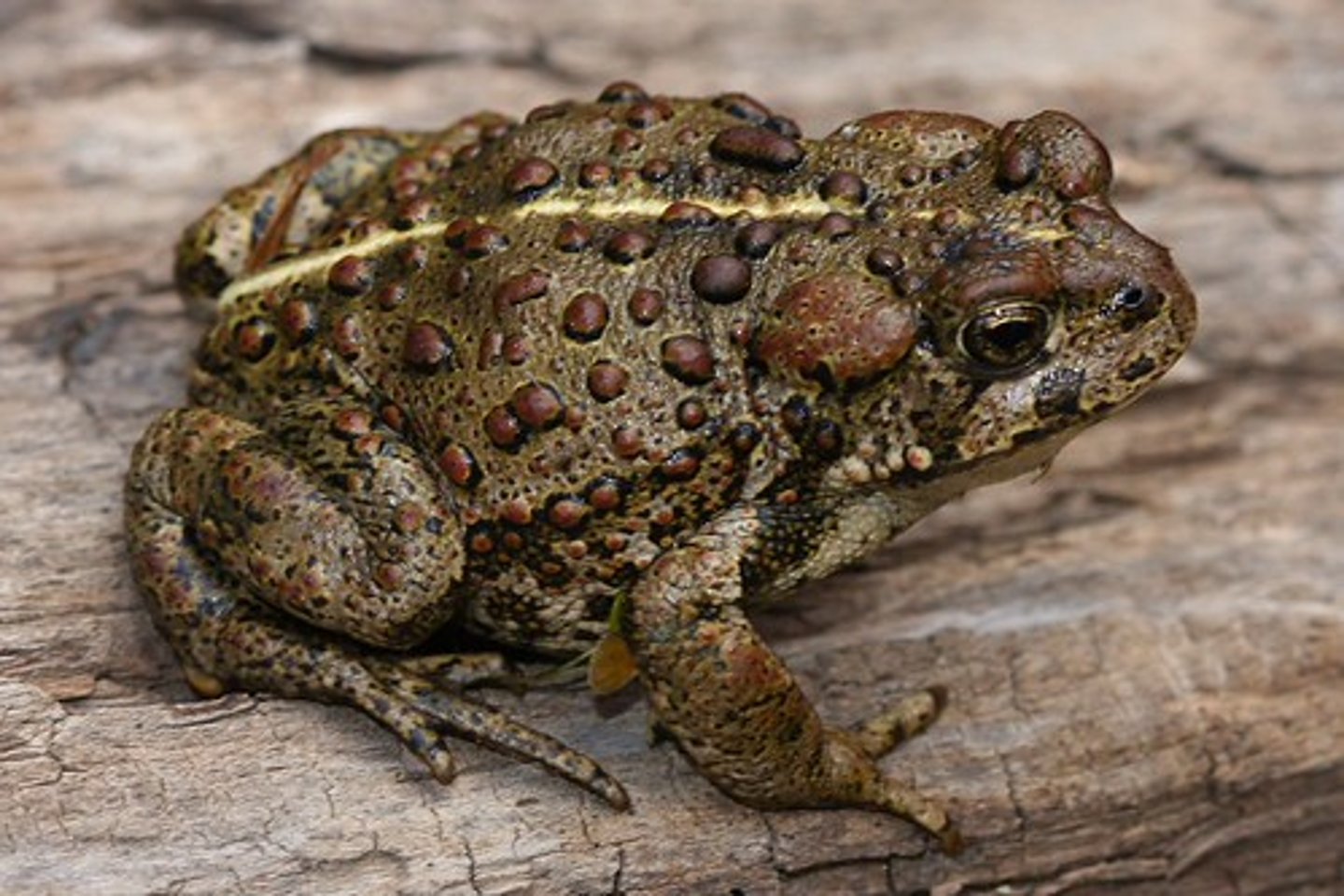
Western Toad
Amphibia
Anura
Bufonidae
Pointer: Most toads are in the family Bufonidae. They have warty skin and prominent parotoid (toxin) glands behind the eye.
Common Name:
Class:
Order:
Family:
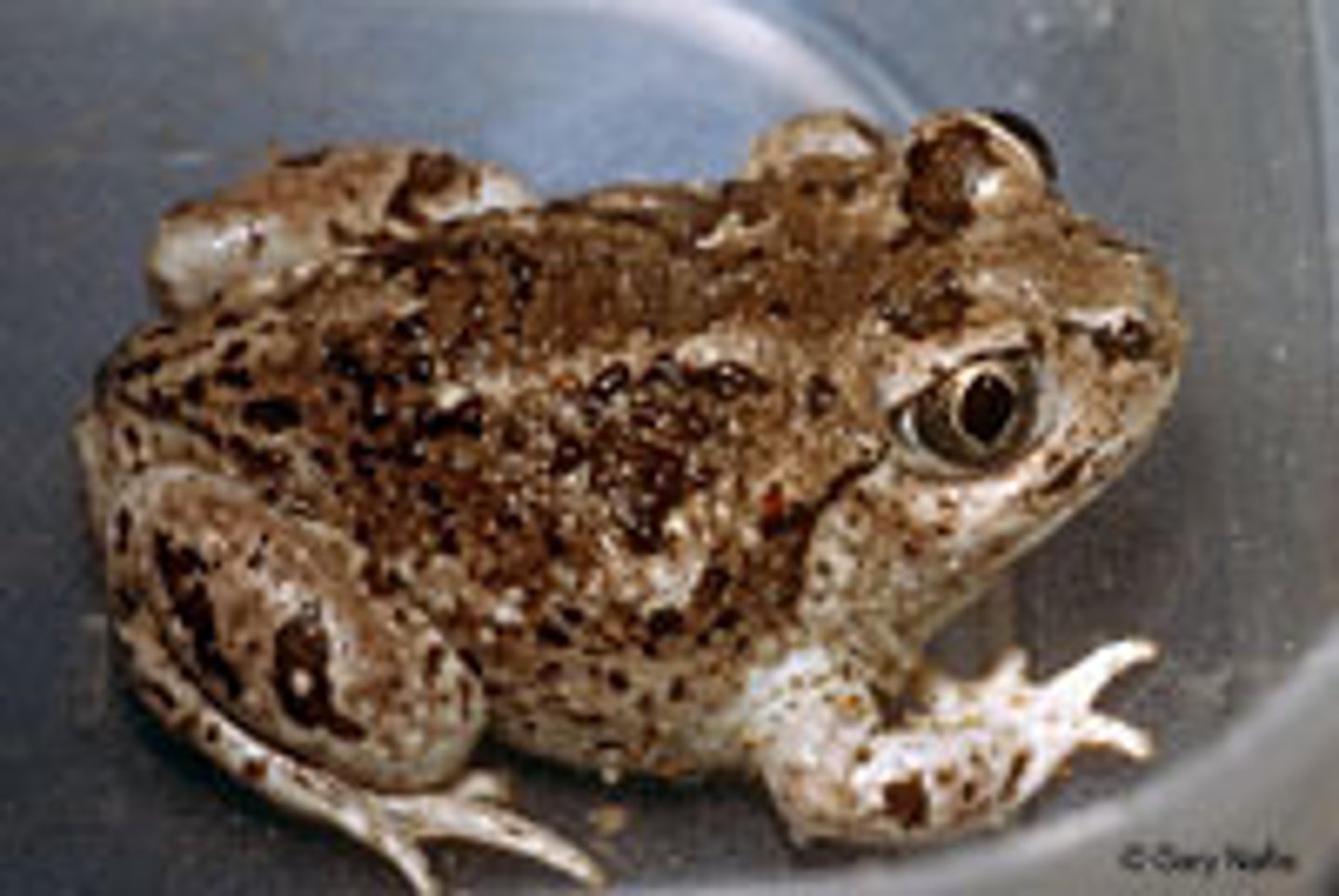
Great Basin Spadefoot Toad
Amphibia
Anura
Scaphiopodidae
Pointer: No parotoid gland like Bufonid toads, but has a distinctive black "spade" knob on hind leg. The family name can be remembered by "Scaphio" (bowl, spade) + "podidae" (foot).
Common Name:
Class:
Order:
Family:
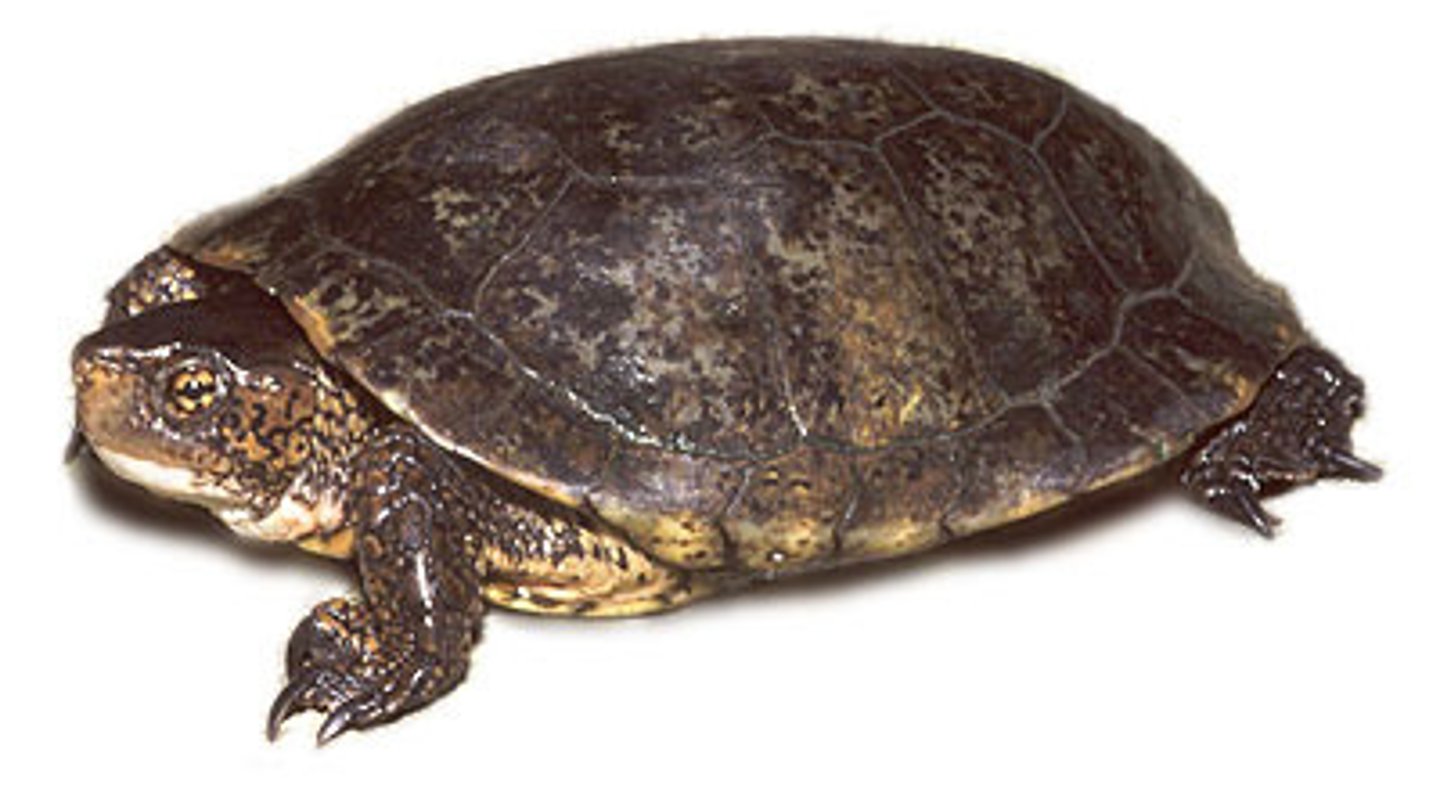
Northwestern Pond Turtle
Reptilia
Testudines
Emydidae
Pointer: Dark flecks and faint mottling on shell. Dark carapace, light plastron.
Pointer: All turtles are in Order Testudines, and the Family Emydidae encompasses most aquatic turtle species.
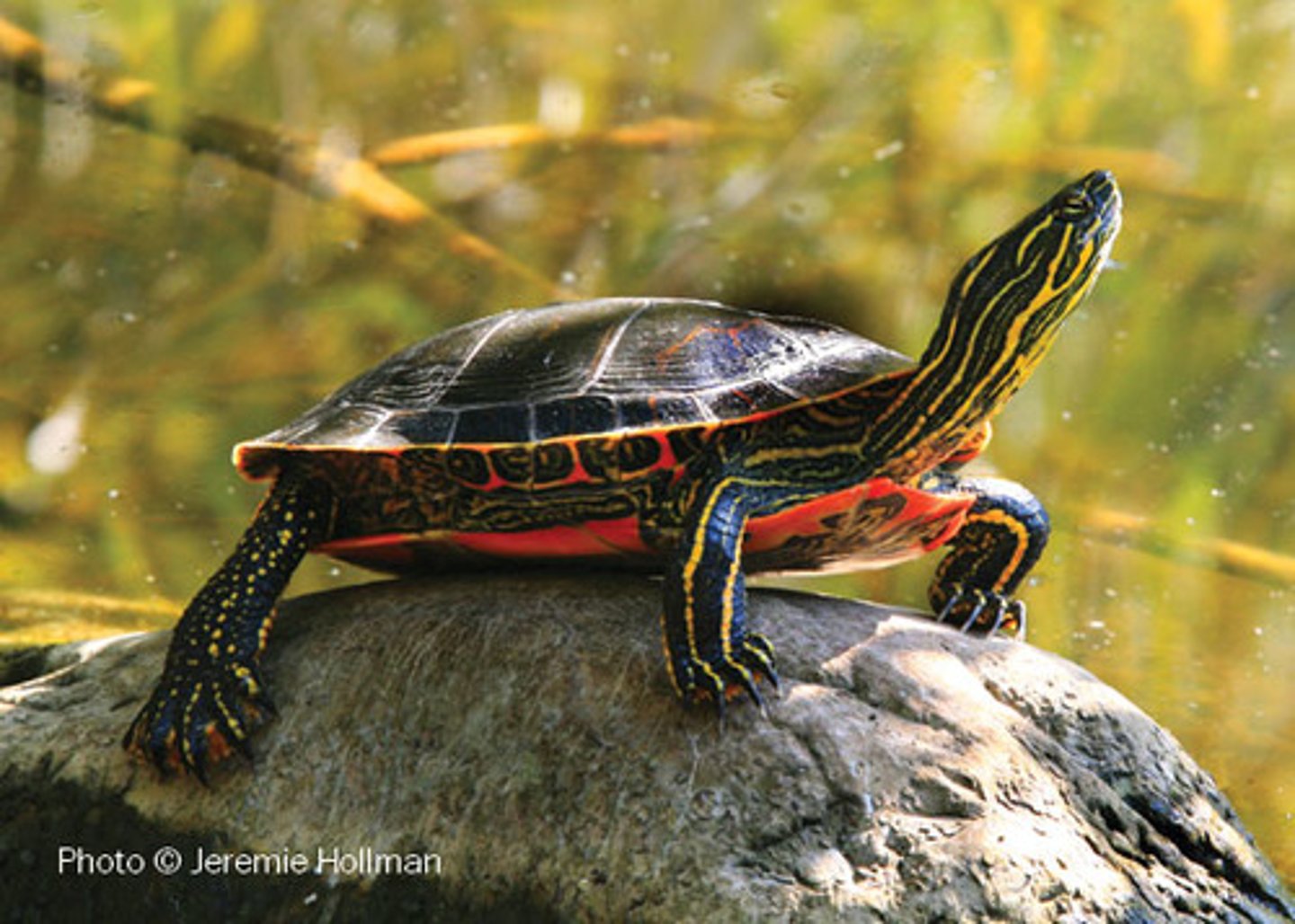
Common Name:
Class:
Order:
Family:
Western Painted Turtle
Reptilia
Testudines
Emydidae
Pointer: Olive carapace with red plastron. Yellow stripes on head/neck.
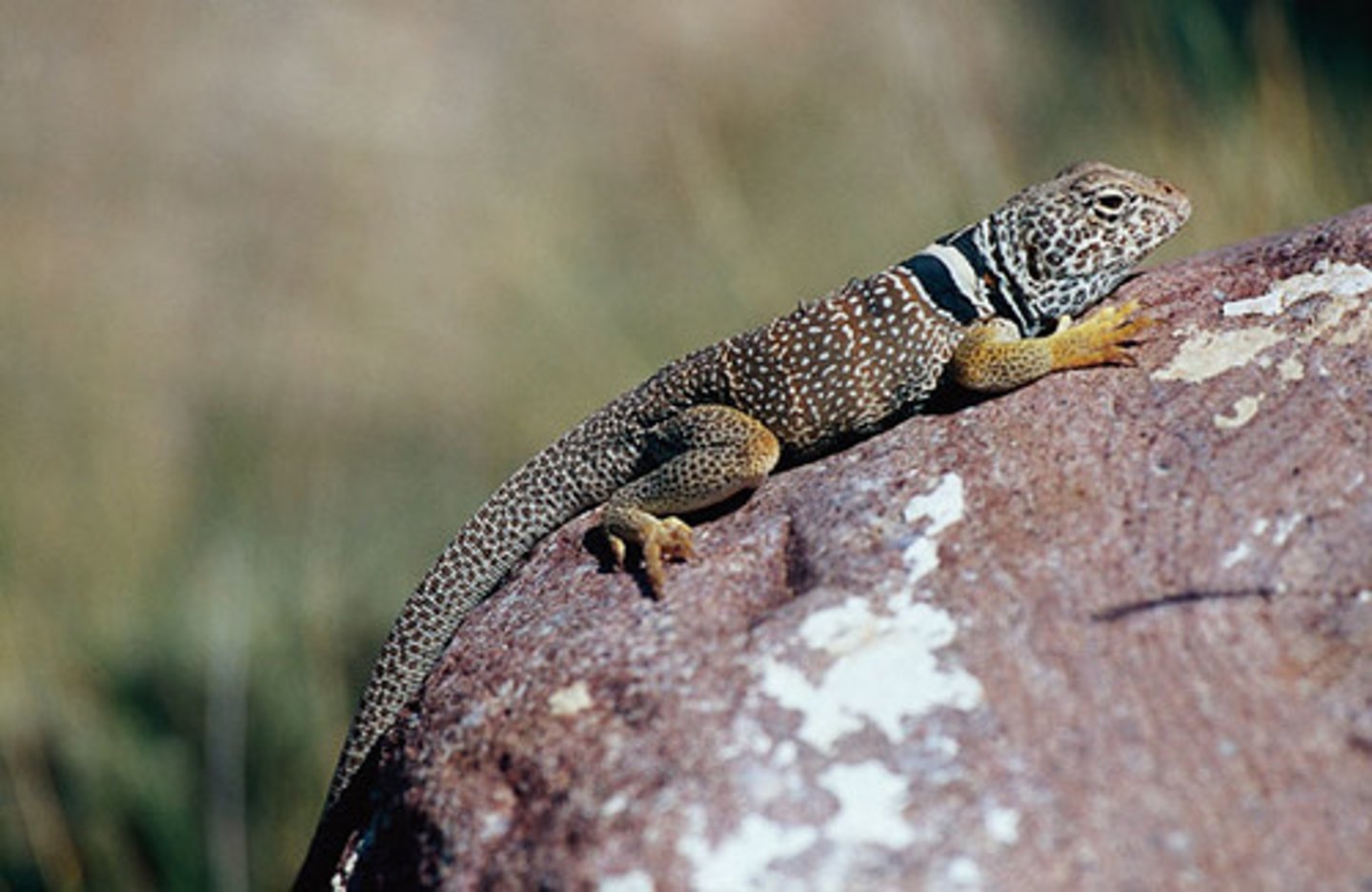
Common Name:
Class:
Order:
Family:
Great Basin Collared Lizard
Reptilia
Squamata
Crotaphytidae
Pointer: Black and white collar on neck, large head.
Pointer: All lizards are in Order Squamata.
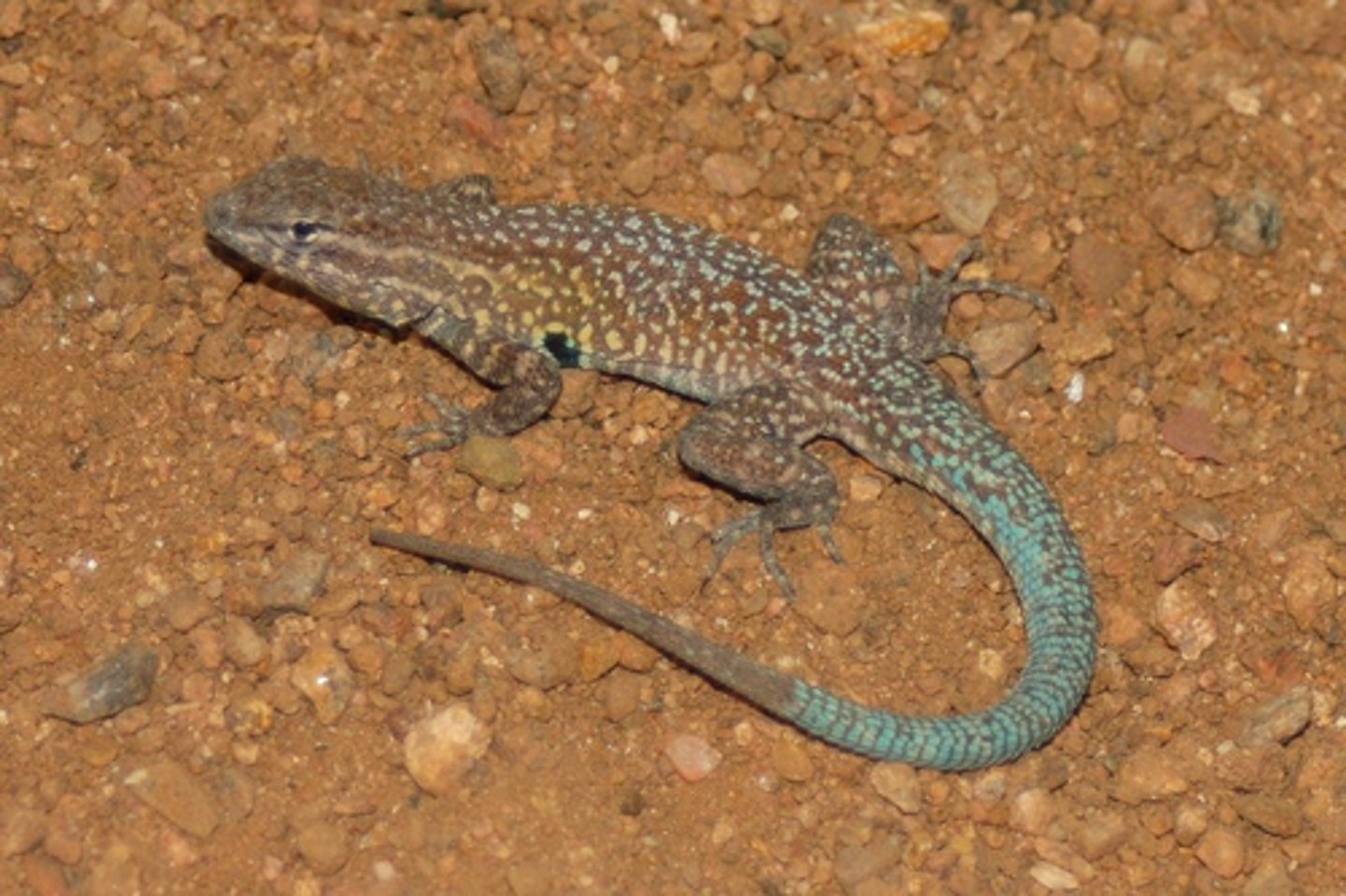
Common Name:
Class:
Order:
Family:
Common Side-blotched Lizard
Reptilia
Squamata
Phrynosomatidae
Pointer: Black spot in "armpit" - use to remember common name. Males have blue areas on underside, but these may be hard to see.
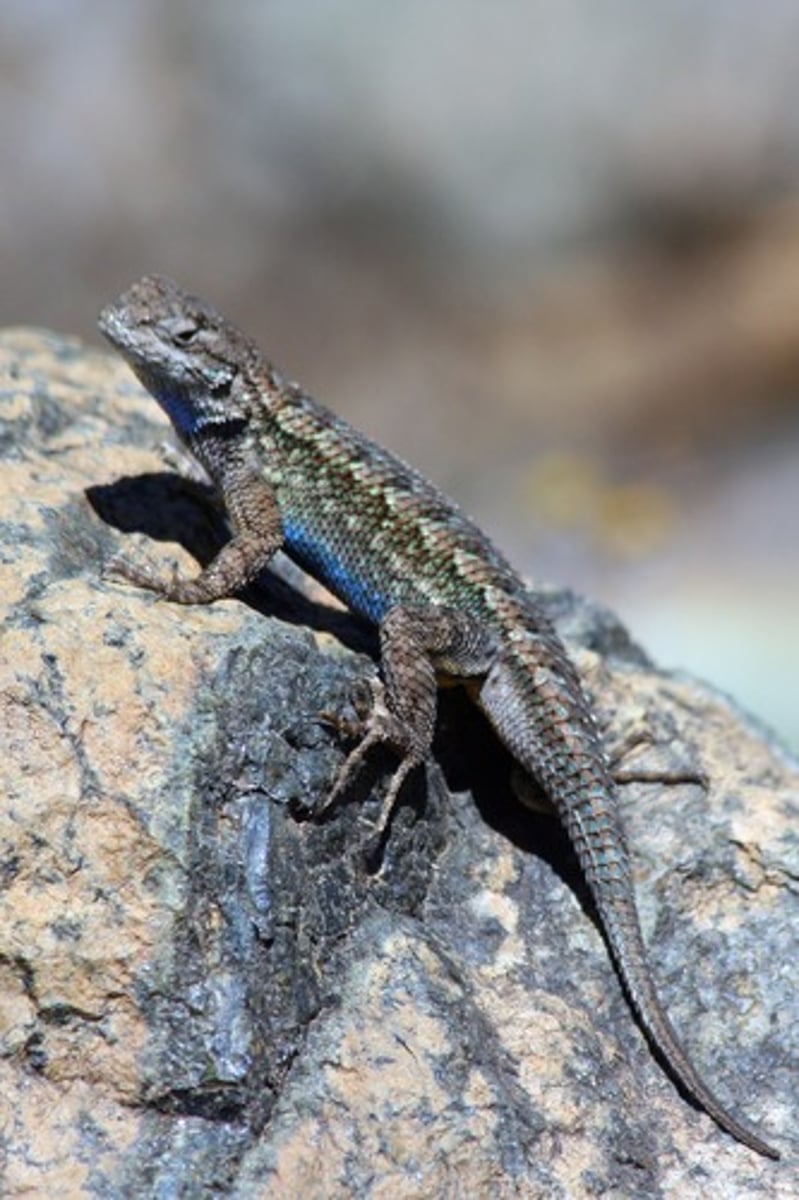
Common Name:
Class:
Order:
Family:
Western Fence Lizard
Reptilia
Squamata
Phrynosomatidae
Pointer: This species is in the same family as the side-blotched lizard. ID this species by its prickly dorsal scales and blue patches on the throat and belly.
Common Name:
Class:
Order:
Family:
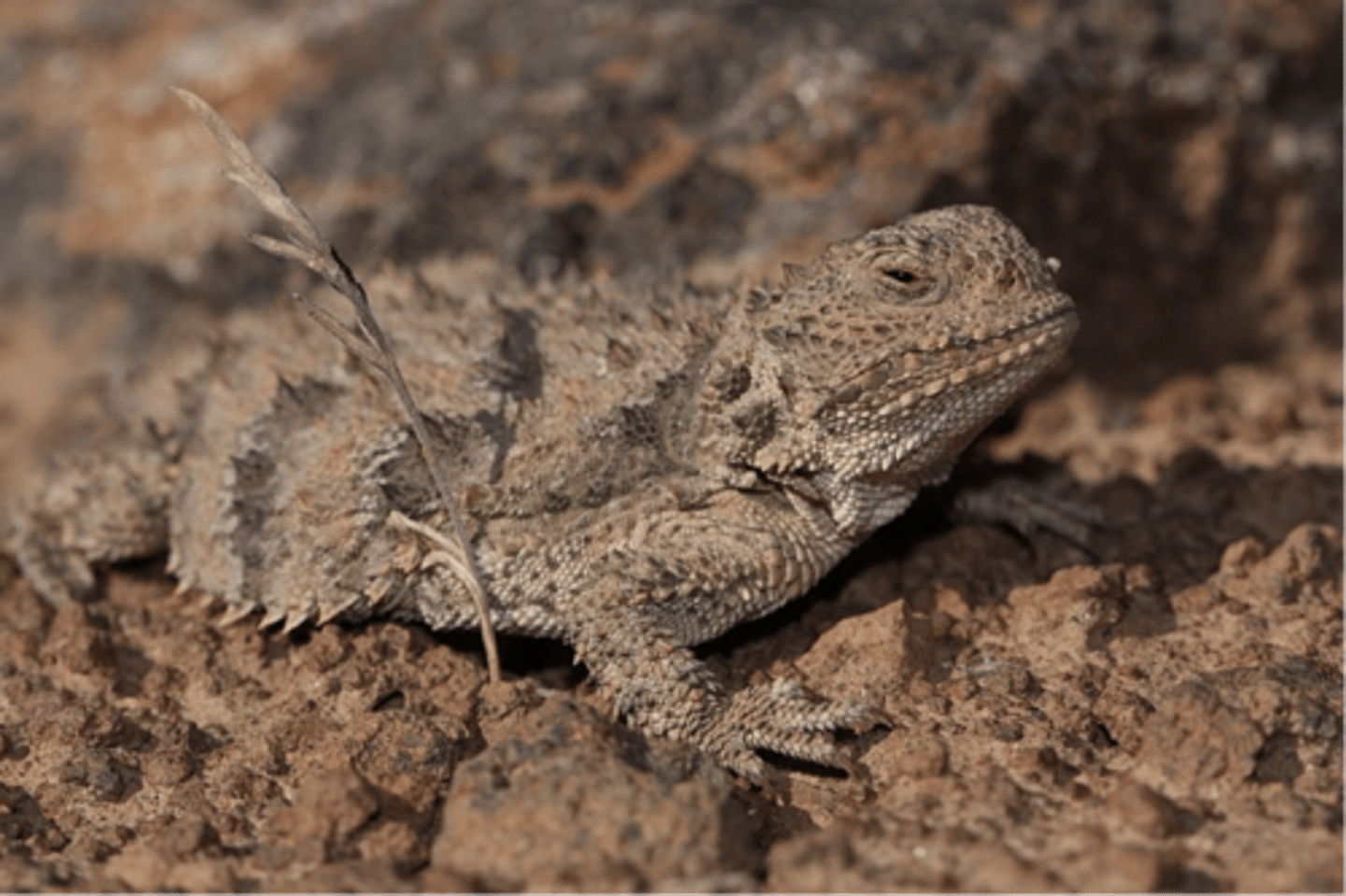
Pygmy Short-horned Lizard
Reptilia
Squamata
Phrynosomatidae
Pointer: This species is in the same family as the side-blotched and fence lizards. It is distinctive with its spiny scales and horns.
Common Name:
Class:
Order:
Family:
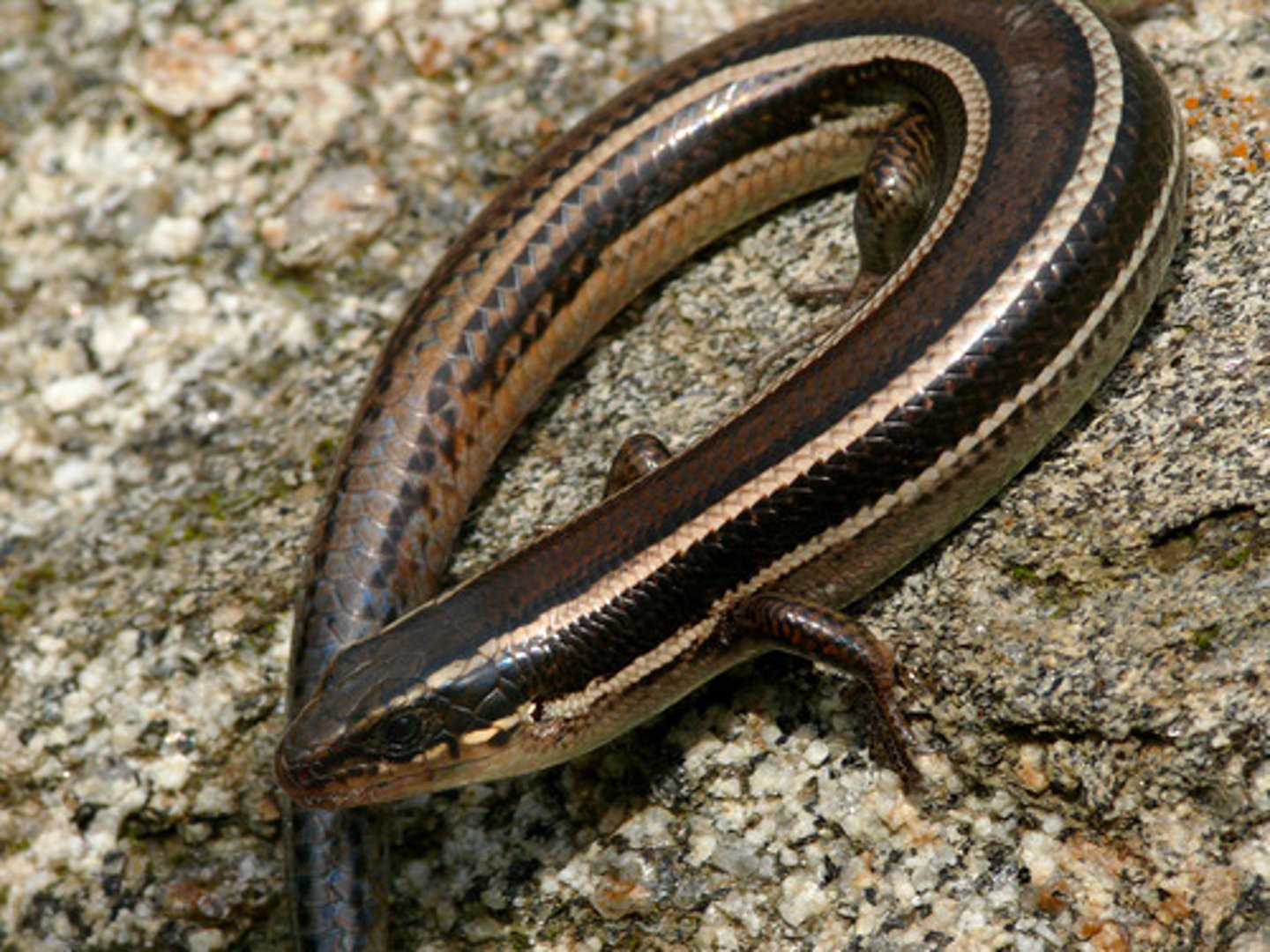
Western Skink
Reptilia
Squamata
Scincidae
Pointer: This species has distinctive whitish stripes from its neck to the tail. Smooth, shiny scales and small limbs. The family name should be easy to remember!
Common Name:
Class:
Order:
Family:
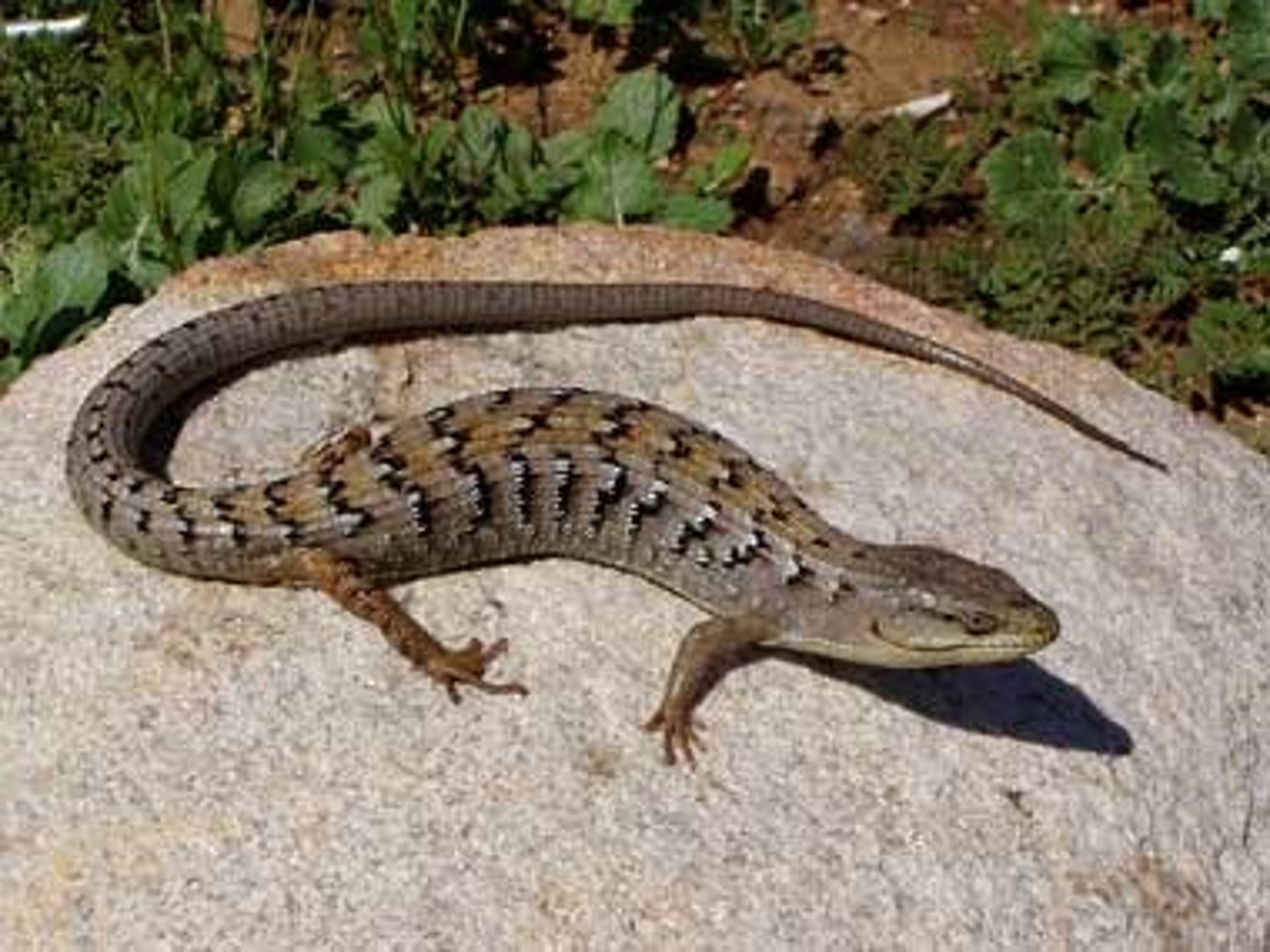
Southern Alligator Lizard
Reptilia
Squamata
Anguidae
Pointer: Yellow irises, short legs with very long tail. Fold of skin along the body.
Common Name:
Class:
Order:
Family:
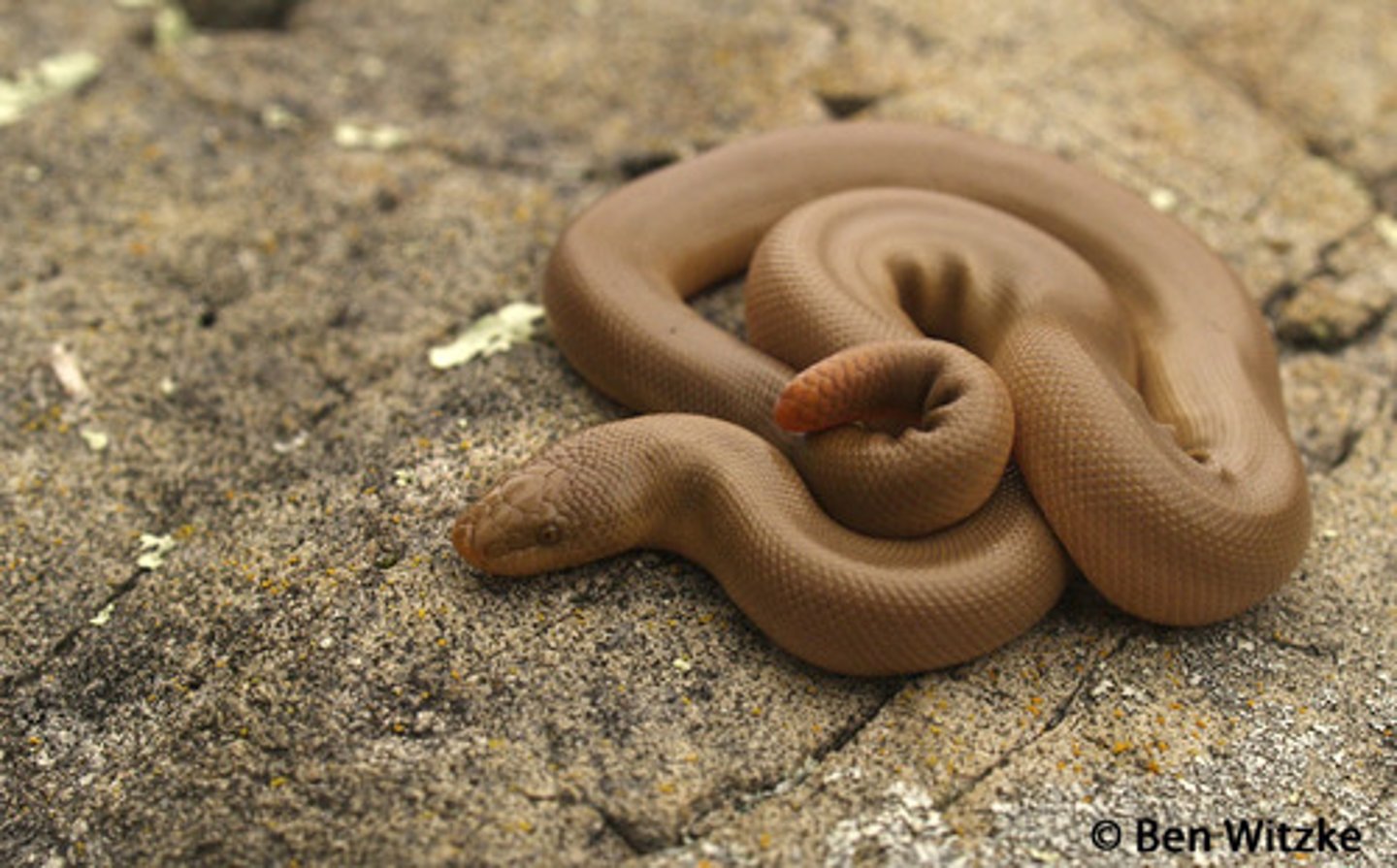
Northern Rubber Boa
Reptilia
Serpentes
Boidae
Pointer: ID this species by its smooth, rubbery-looking scales and thick girth.
Pointer: All boas are in Family Boidae.
Pointer: All snakes are in Order Serpentes.
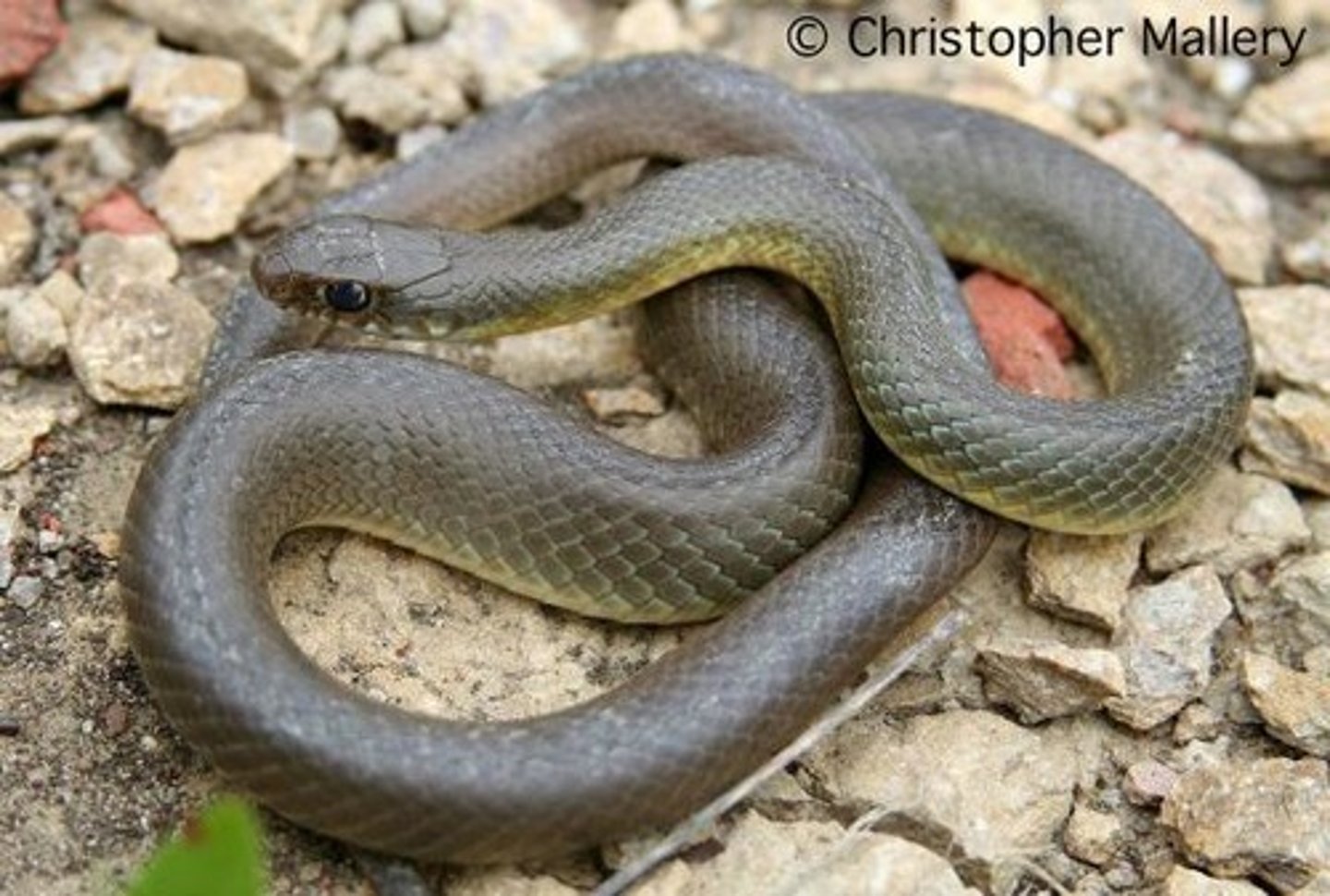
Common Name:
Class:
Order:
Family:
North American Racer
Reptilia
Serpentes
Colubridae
Pointer: This species has a thin body with large eyes, round pupils and light yellow belly. Overall color is quite variable - can be black, gray, red, etc.
Pointer: Colubridae is a very speciose family, and contains most snakes covered in this course.
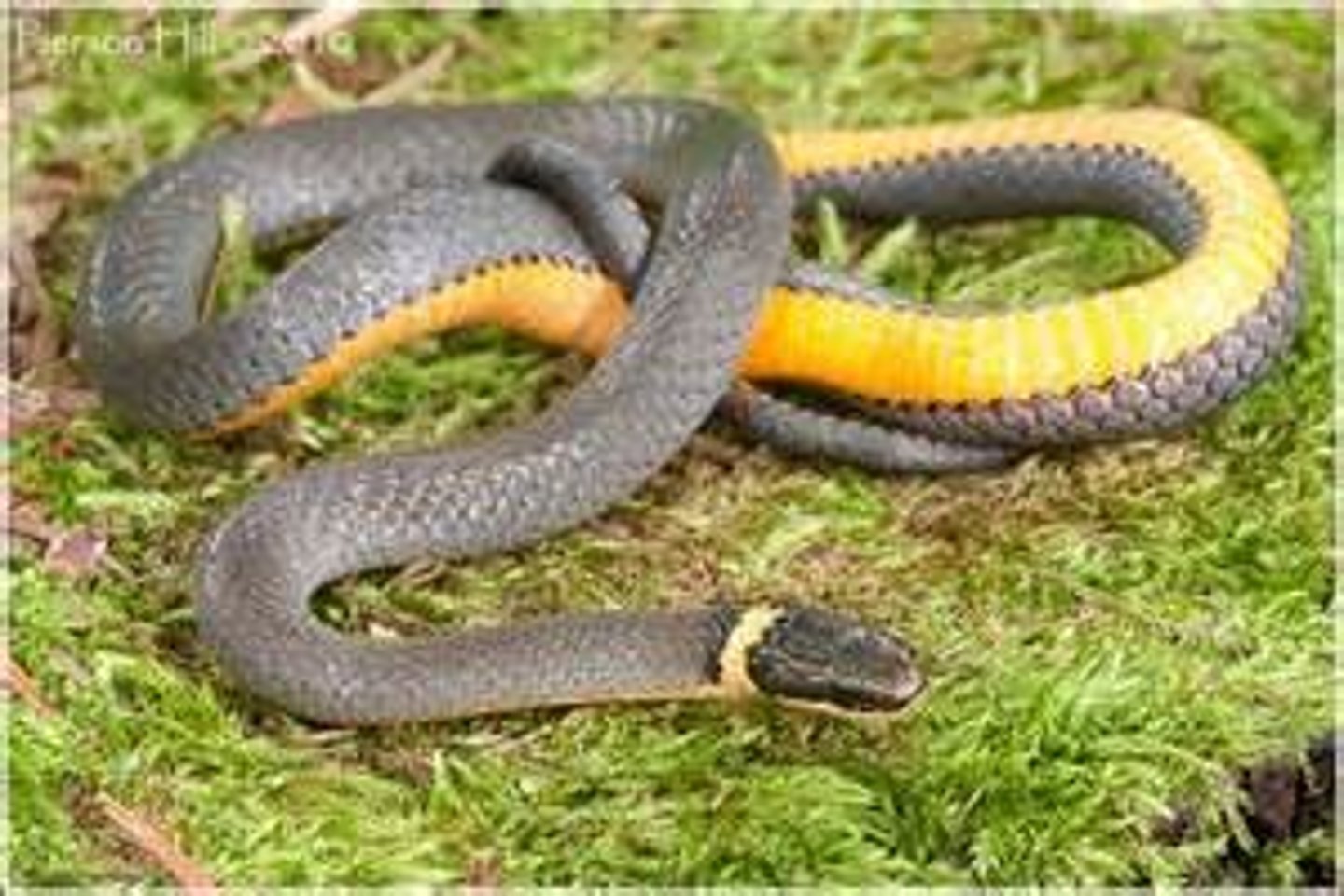
Common Name:
Class:
Order:
Family:
Ring-necked Snake
Reptilia
Serpentes
Colubridae
Pointer: This species is easily ID'd by its bright orange/yellow neck collar and belly.
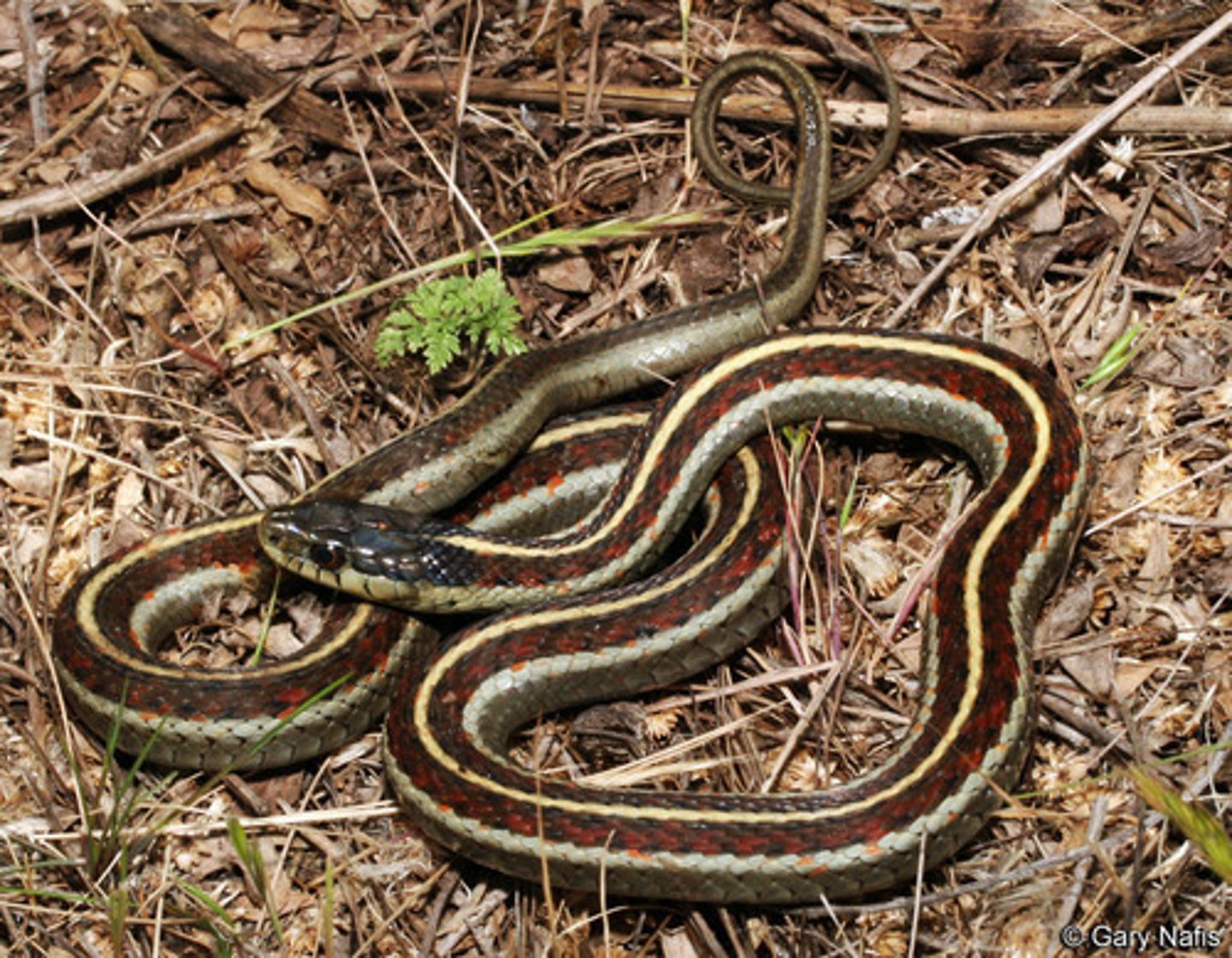
Common Name:
Class:
Order:
Family:
Common Garter Snake
Reptilia
Serpentes
Colubridae
Pointer: Distinctive yellow dorsal stripe that runs the length of the snake. Color morphs across its range.
Fun Fact: Prefers aquatic habitats.
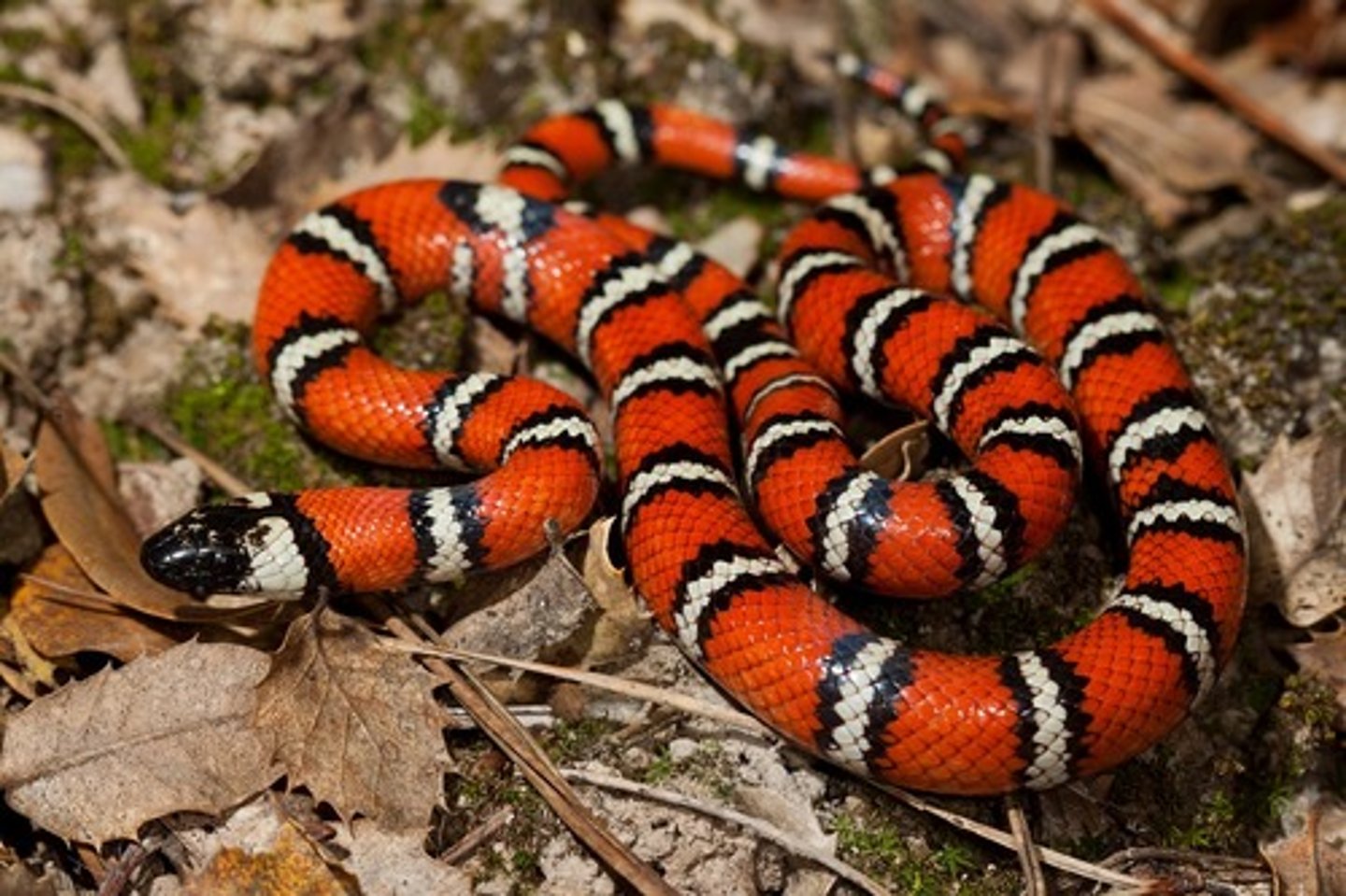
Common Name:
Class:
Order:
Family:
California Mountain Kingsnake
Reptilia
Serpentes
Colubridae
Pointer: Beautiful alternating black and white crossbands with red in between. Glossy sheen.
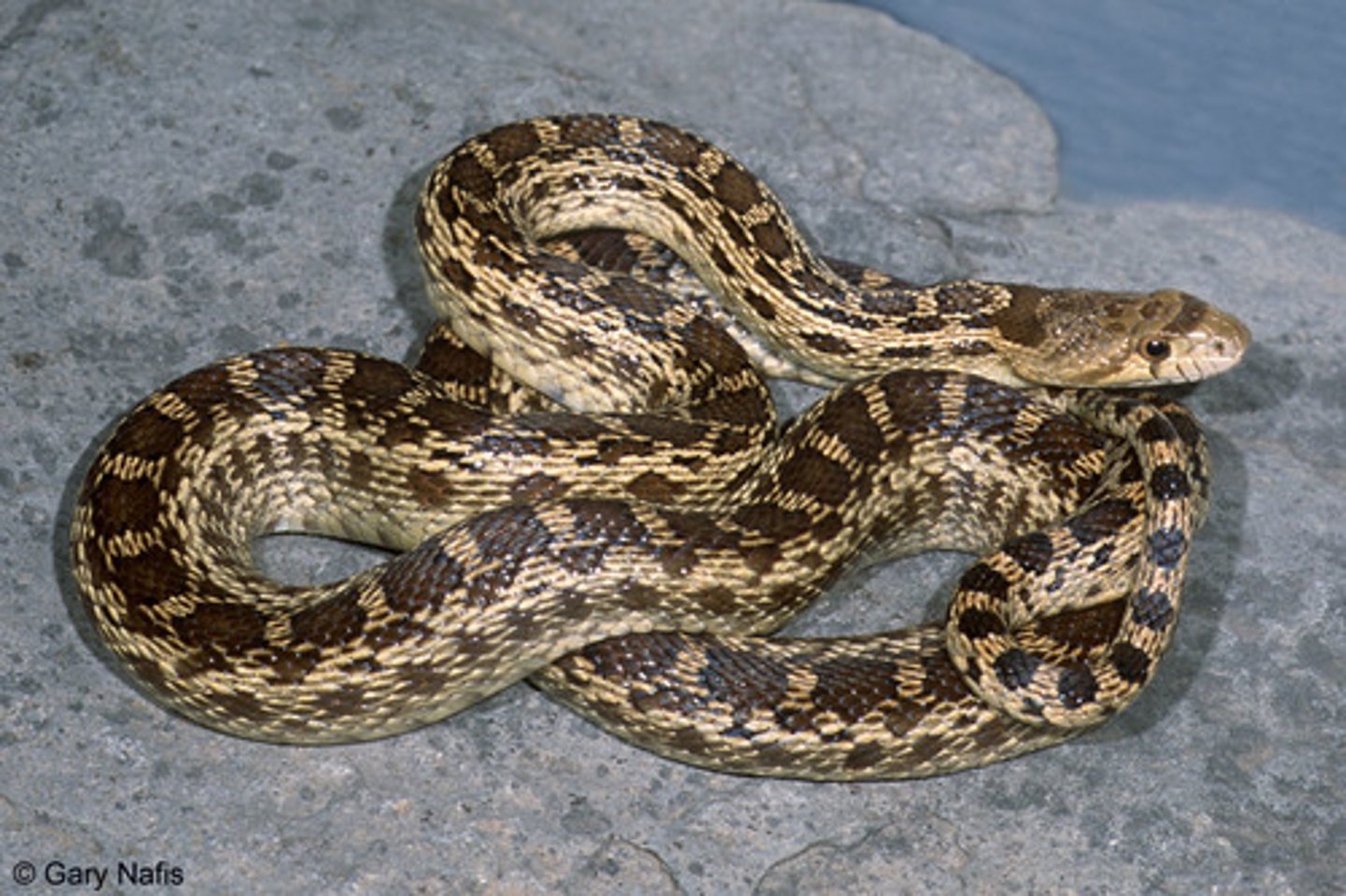
Common Name:
Class:
Order:
Family:
Gopher Snake
Reptilia
Serpentes
Colubridae
Pointer: Dark blotches running down back. Dark rings on tail. Dark stripe between eyes.
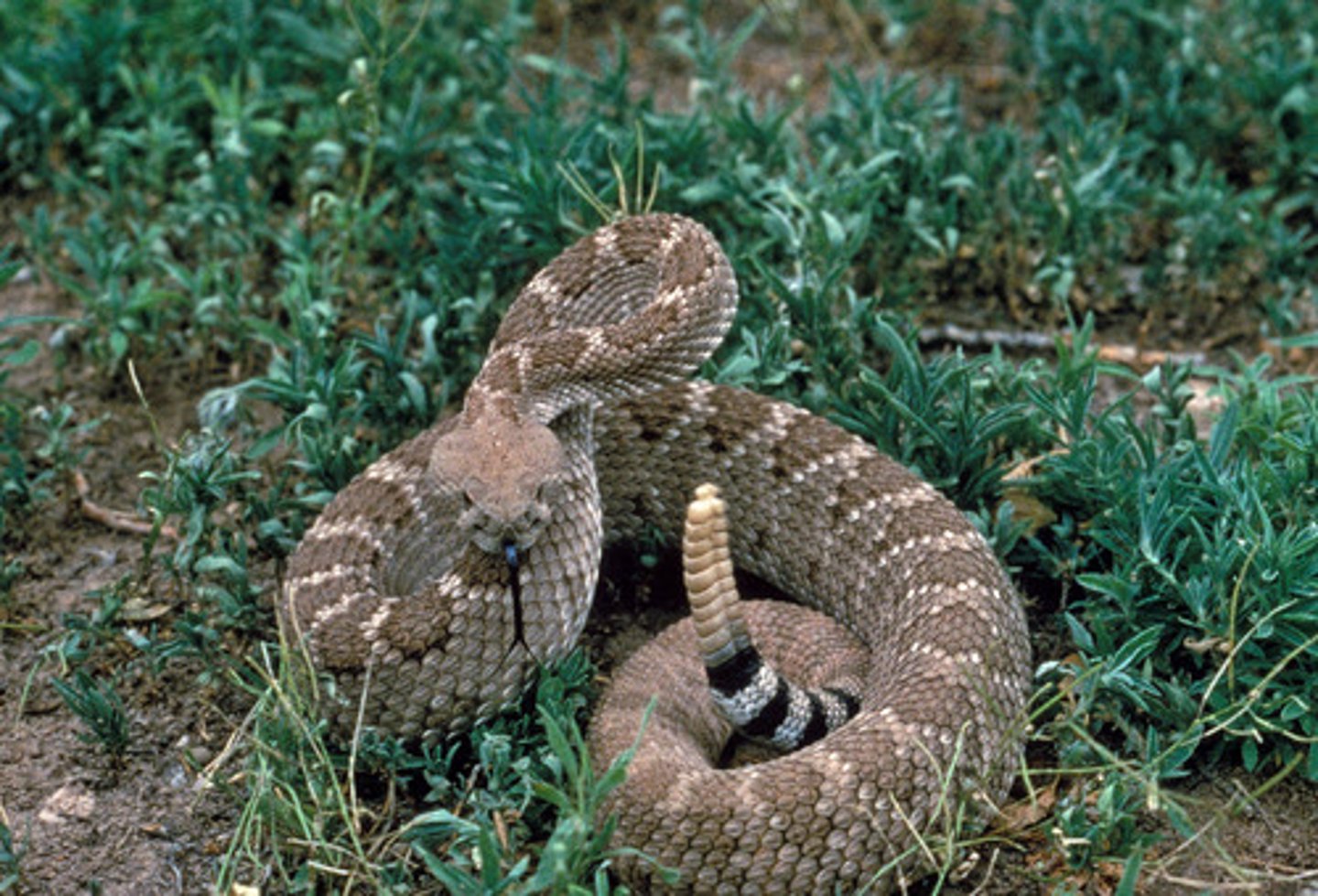
Common Name:
Class:
Order:
Family:
Western Rattlesnake
Reptilia
Serpentes
Viperidae
Pointer: Like all vipers, triangular head with vertical pupils. Large brown blotches with zebra-striped tail. Rattle may not be visible.
Pointer: Rattlesnakes are vipers, which makes their Family name "Viperidae" easy to remember.
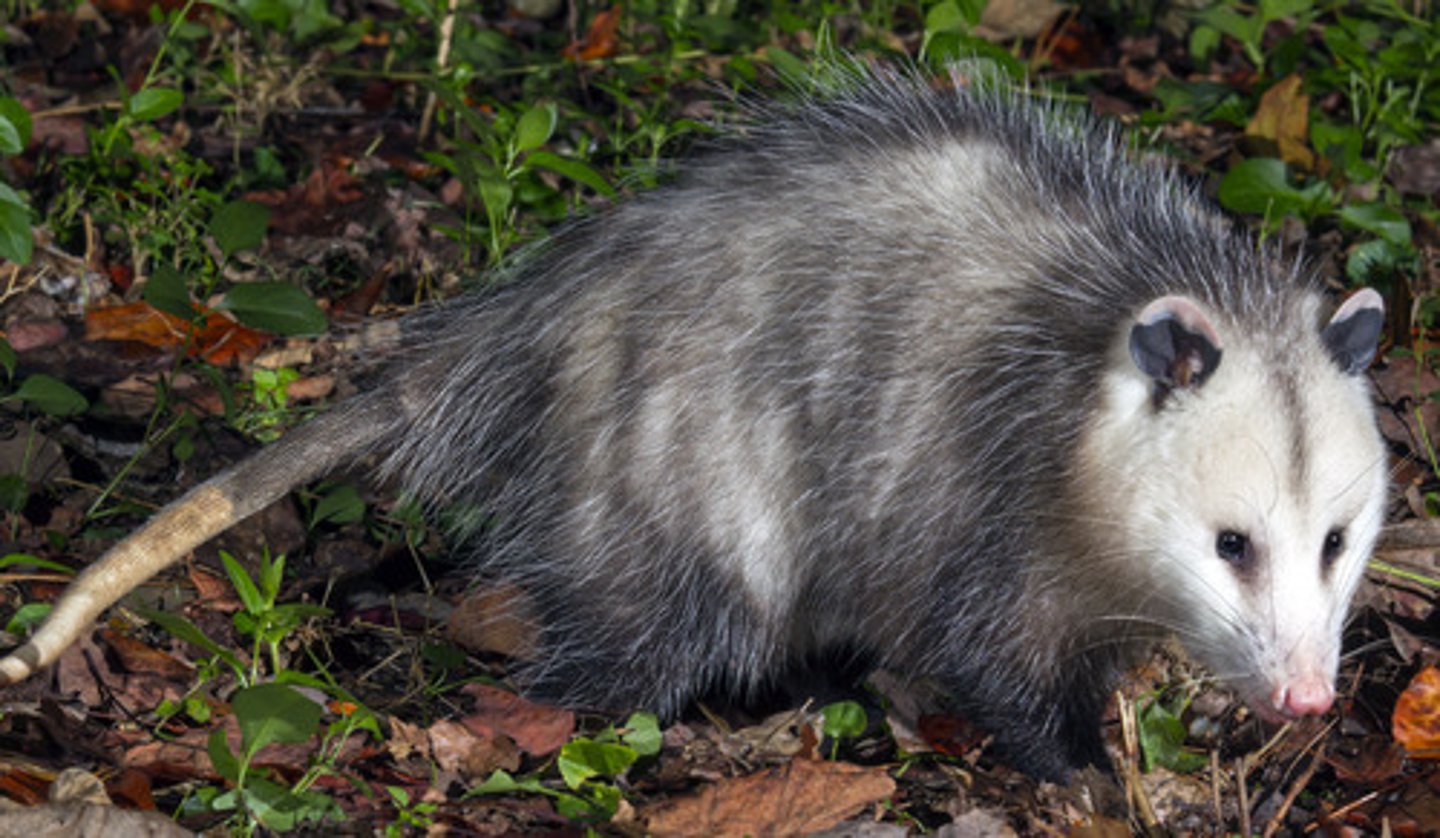
Common Name:
Class:
Order:
Family:
Virginia Opossum
Mammalia
Didelphimorphia
Didelphidae
Pointer: Pretty easy to ID - gray wiry fur, pointed nose, white head, scaly tail.
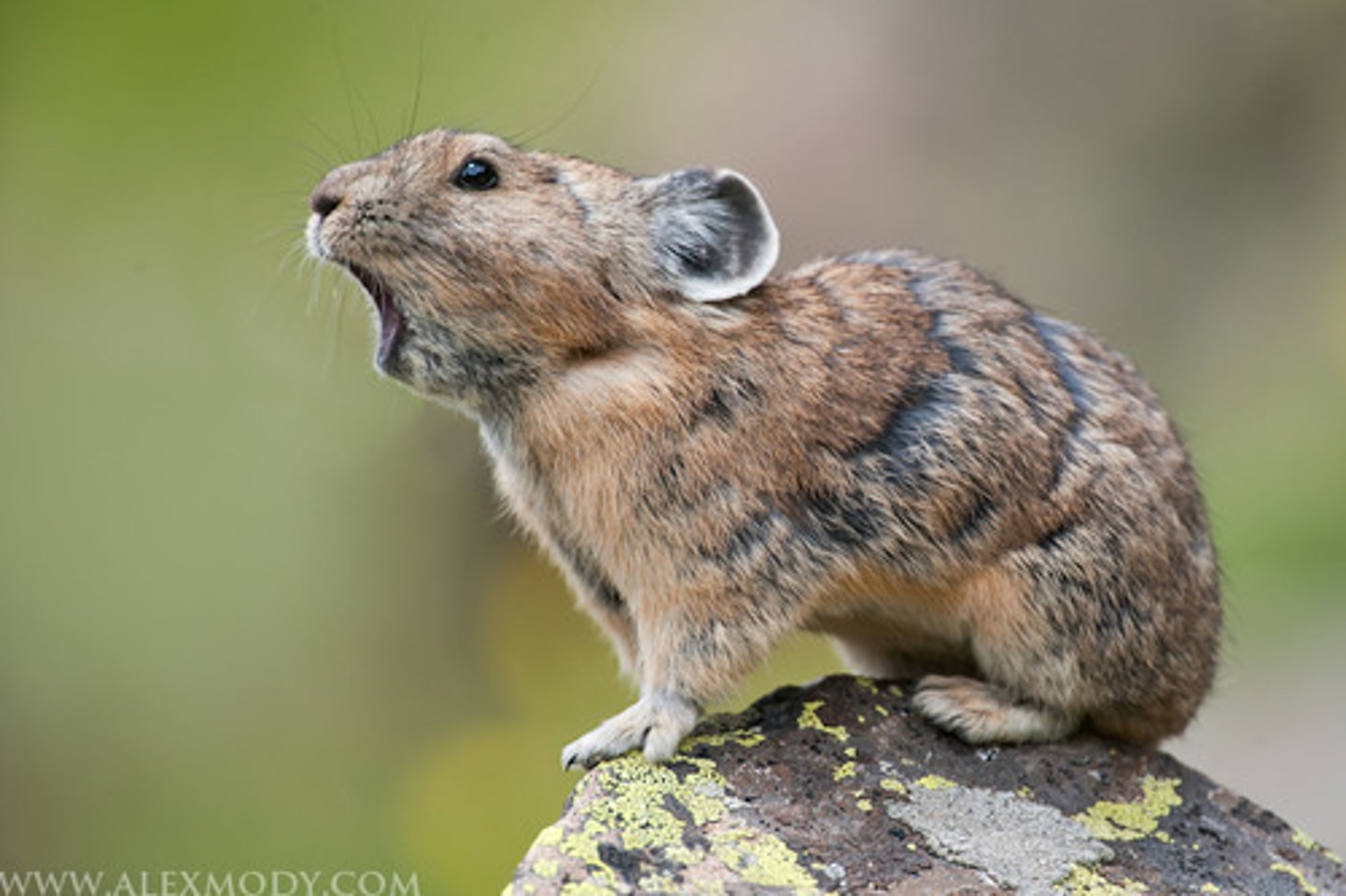
Common Name:
Class:
Order:
Family:
American Pika
Mammalia
Lagomorpha
Ochotonidae
Pointer: Can be thought of as a small, rock-dwelling rabbit with small ears. Lacks tail.
Common Name:
Class:
Order:
Family:
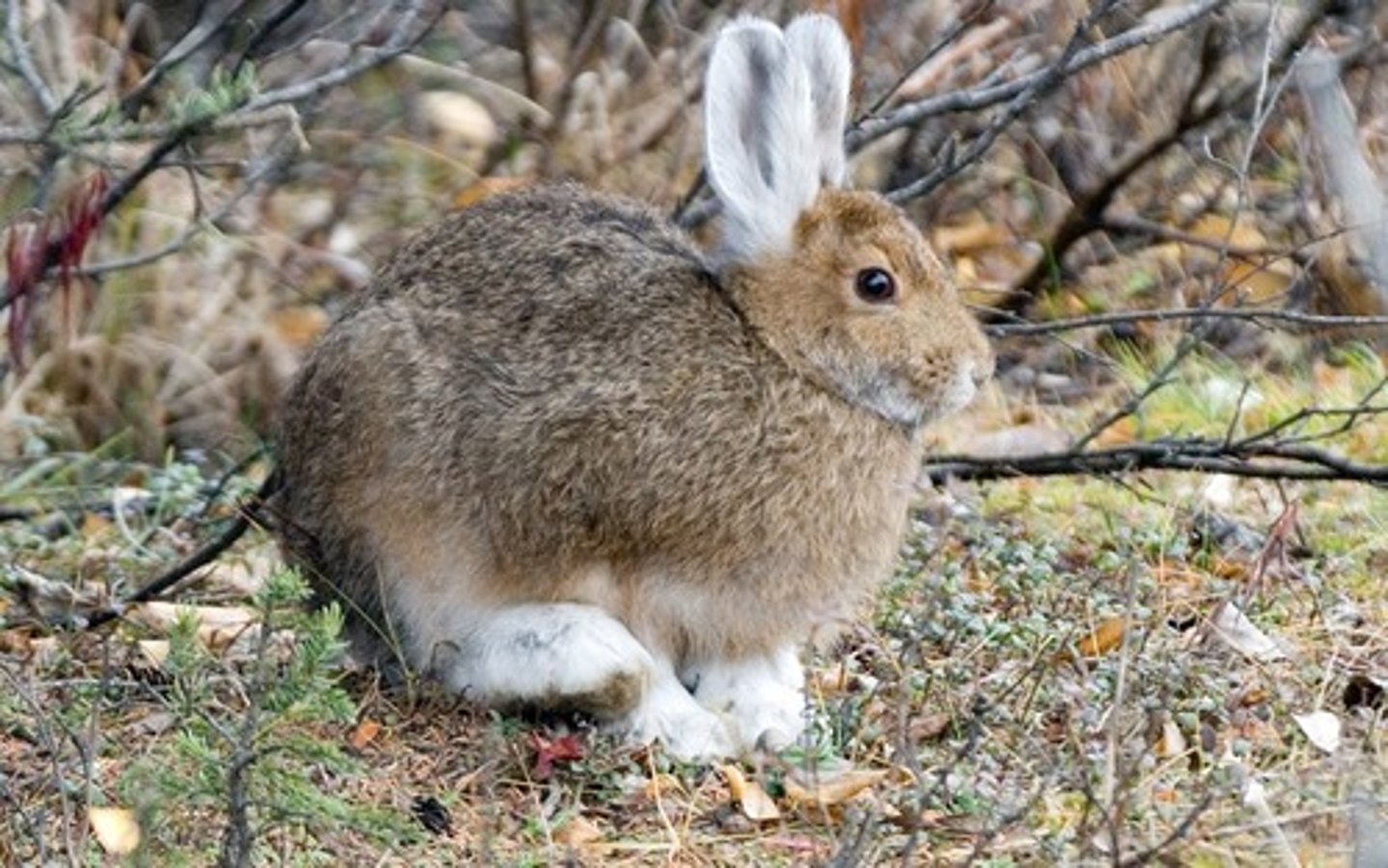
Snowshoe Hare
Mammalia
Lagomorpha
Leporidae
Pointer: May be bright white or brown depending on season. Enormous hind feet and black-tipped ears are better field marks.
Pointer: Order Lagomorpha encompasses rabbits, hares and pika. Rabbits and hares are in Family Leporidae.
Common Name:
Class:
Order:
Family:
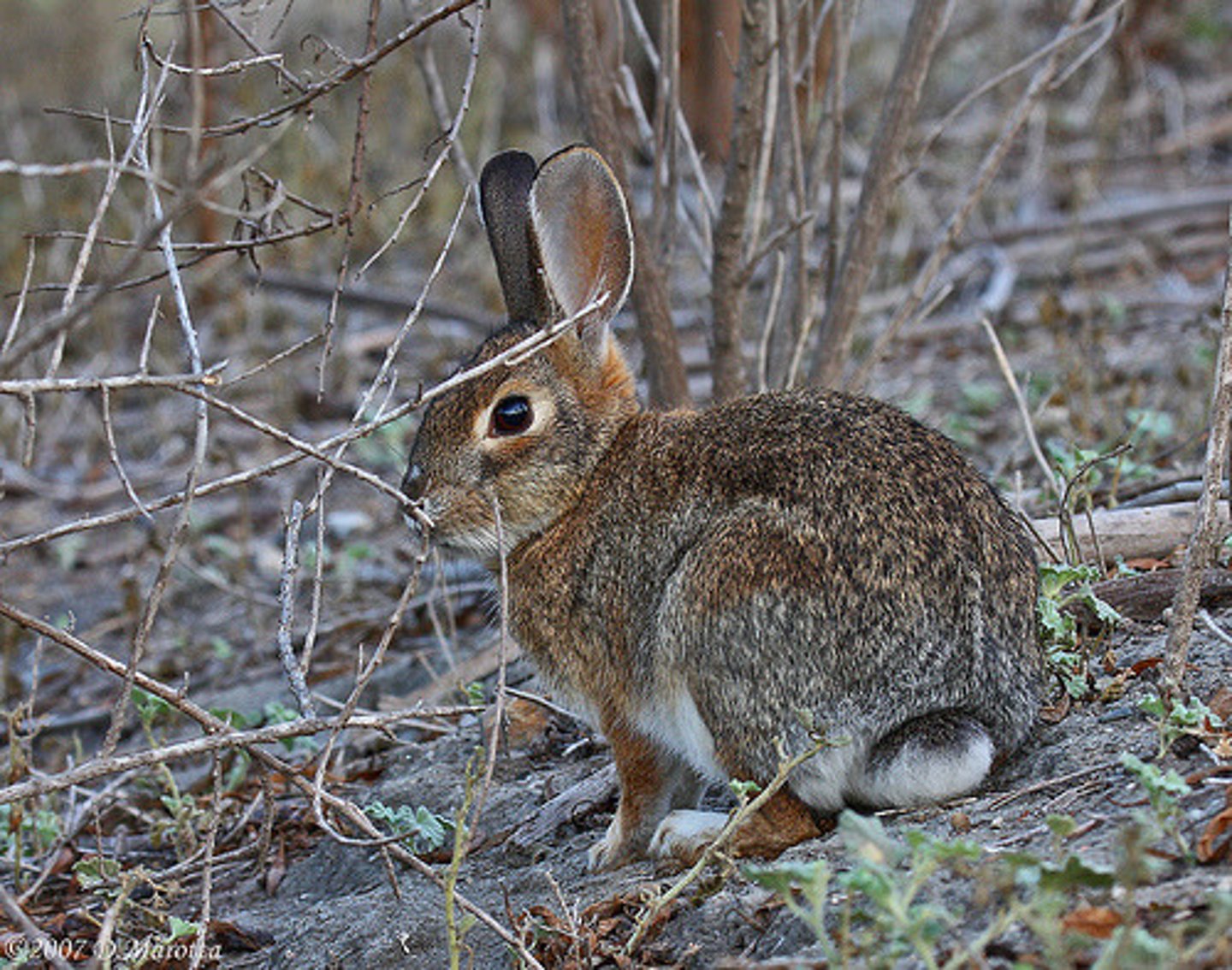
Brush Rabbit
Mammalia
Lagomorpha
Leporidae
Pointer: Resembles cottontail rabbit - short legs and tail.
Common Name:
Class:
Order:
Family:
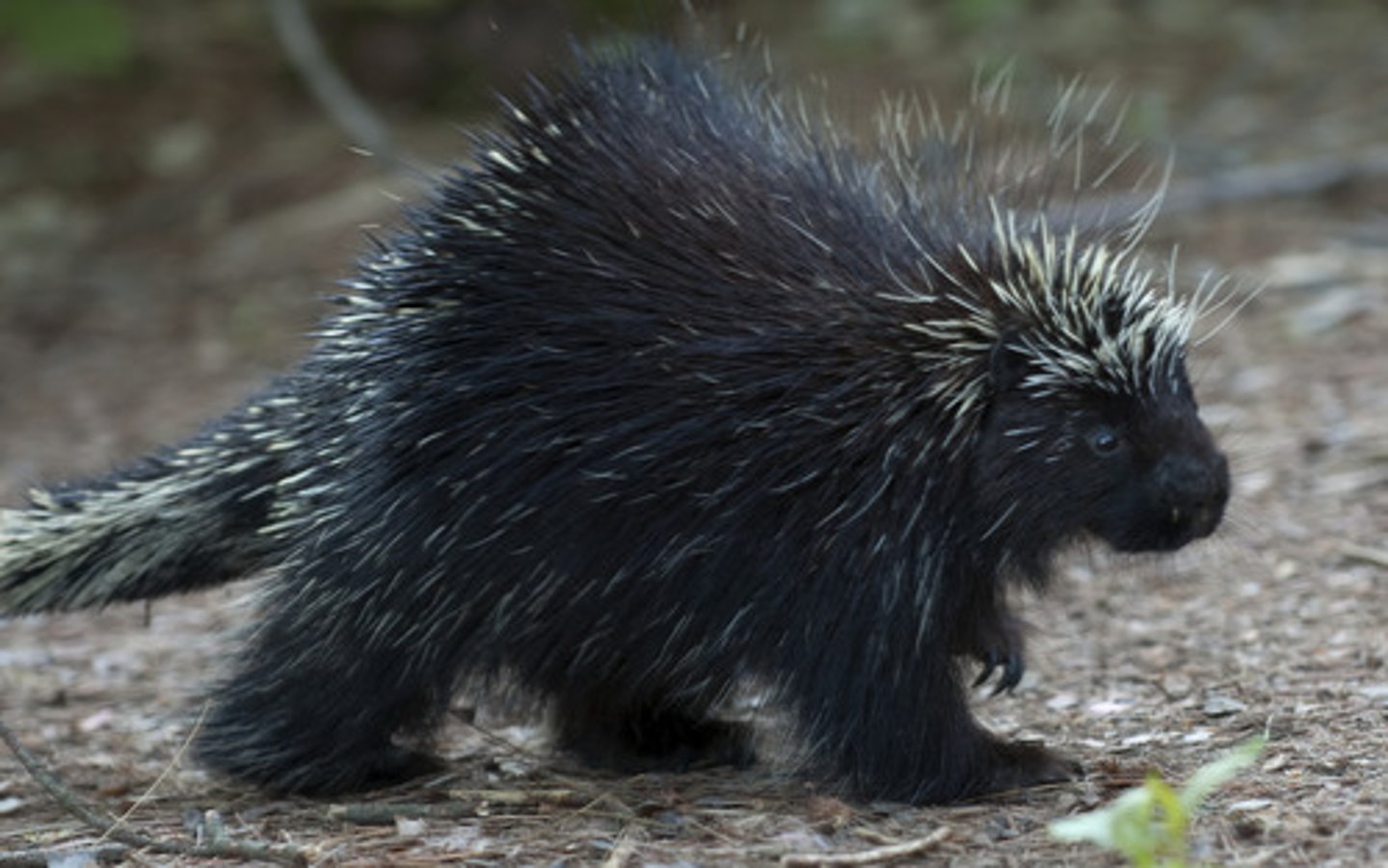
North American Porcupine
Mammalia
Rodentia
Erethizontidae
Pointer: Almost unmistakeable - large quills. A tree-dwelling rodent (Order Rodentia).
Common Name:
Class:
Order:
Family:
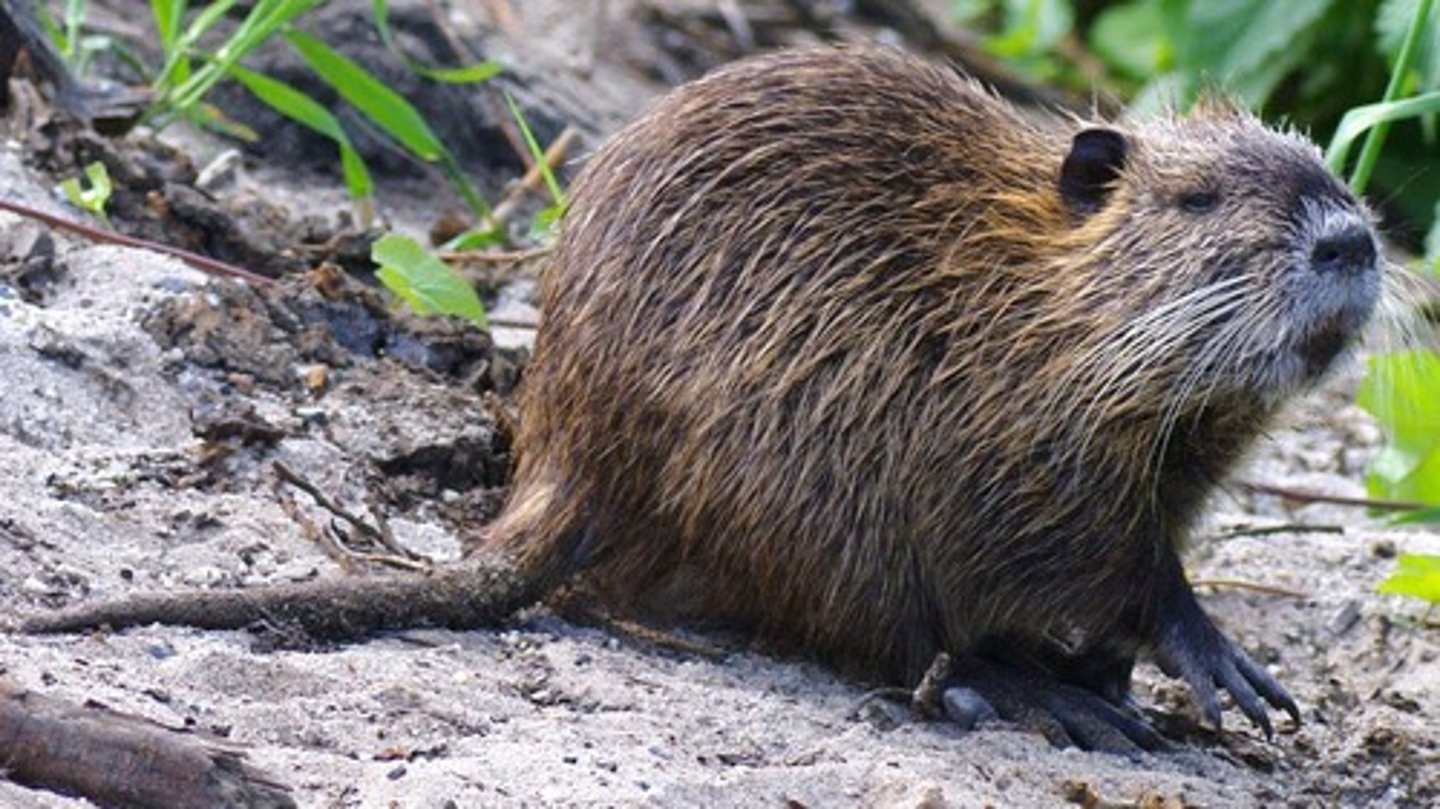
Coypu
Mammalia
Rodentia
Echimyidae
Pointer: Resembles beaver, but has a rat-like tail and whitish muzzle/whiskers. Webbed feet. Is a rodent (Order Rodentia). Also known as Nutria but best to stick with Coypu.
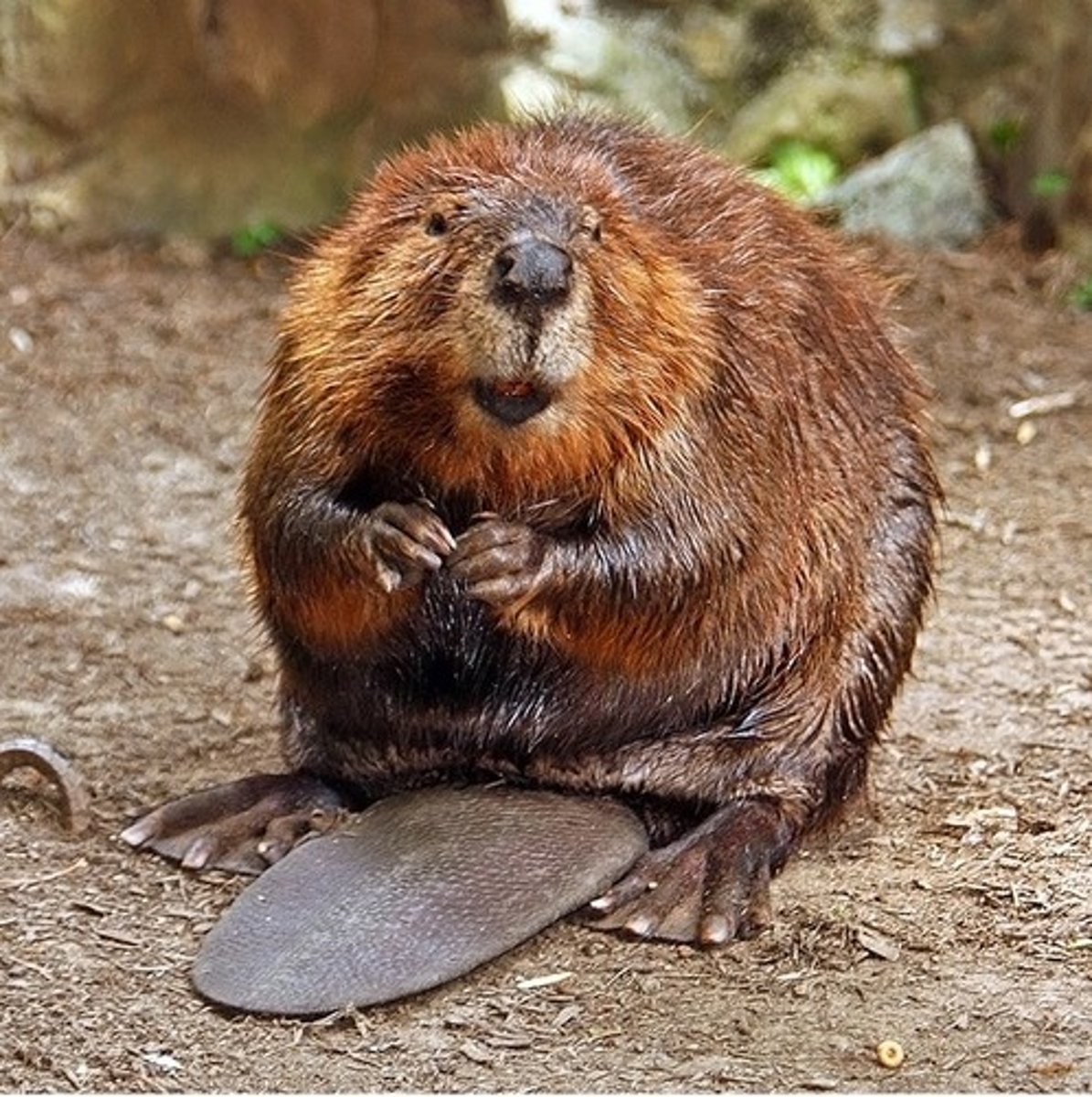
Common Name:
Class:
Order:
Family:
North American Beaver
Mammalia
Rodentia
Castoridae
Pointer: Iconic mascot of OSU fame. Tell apart from Coypu by broad/flat tail and black whiskers. Is a rodent (Order Rodentia). Family name (Castoridae) refers to castor oil glands used for territory marking.
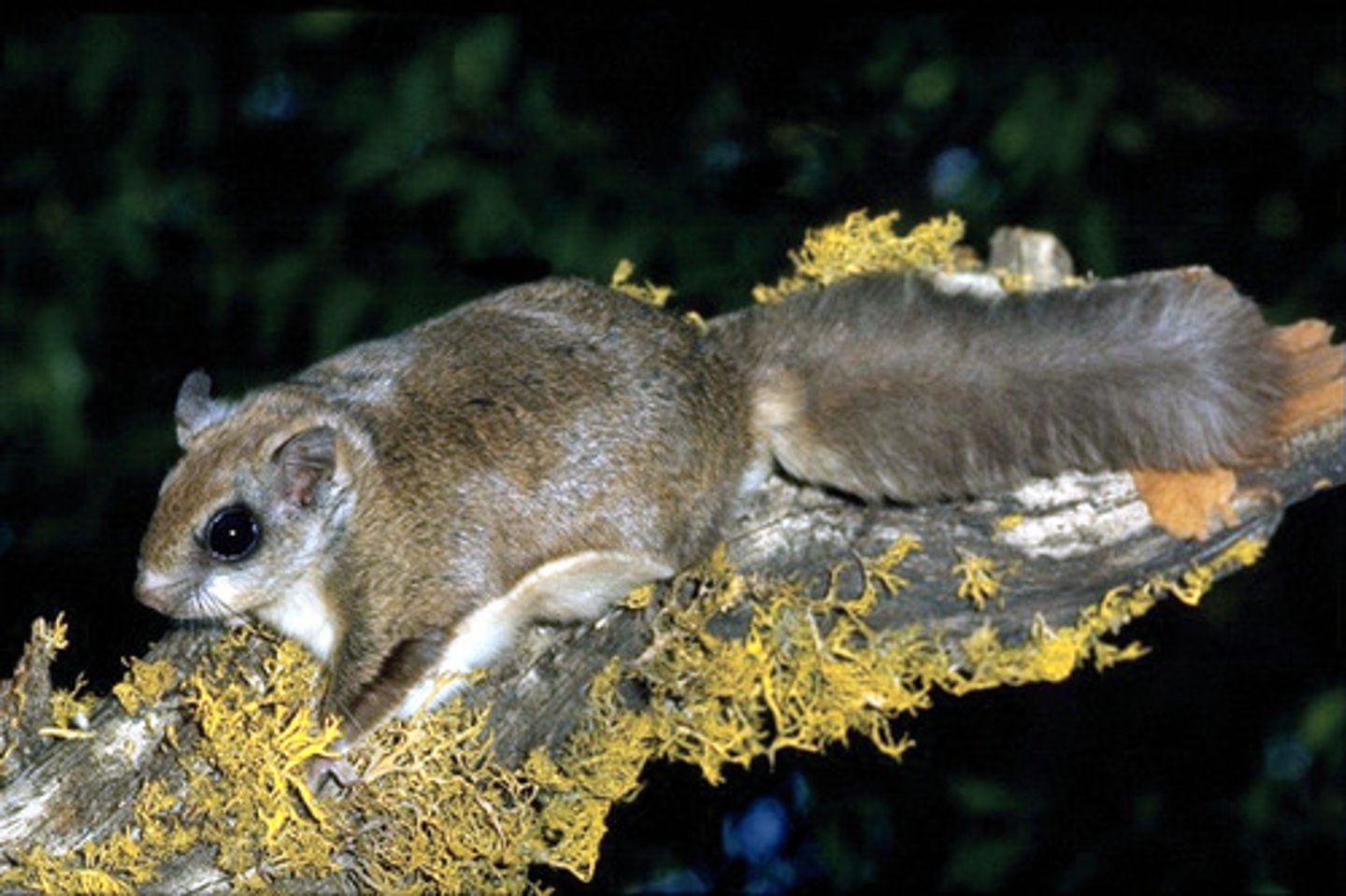
Common Name:
Class:
Order:
Family:
Northern Flying Squirrel
Mammalia
Rodentia
Scuiridae
Pointer: Cute look - large eyes for nighttime activity, light belly, patagium (skin flap) used for gliding.
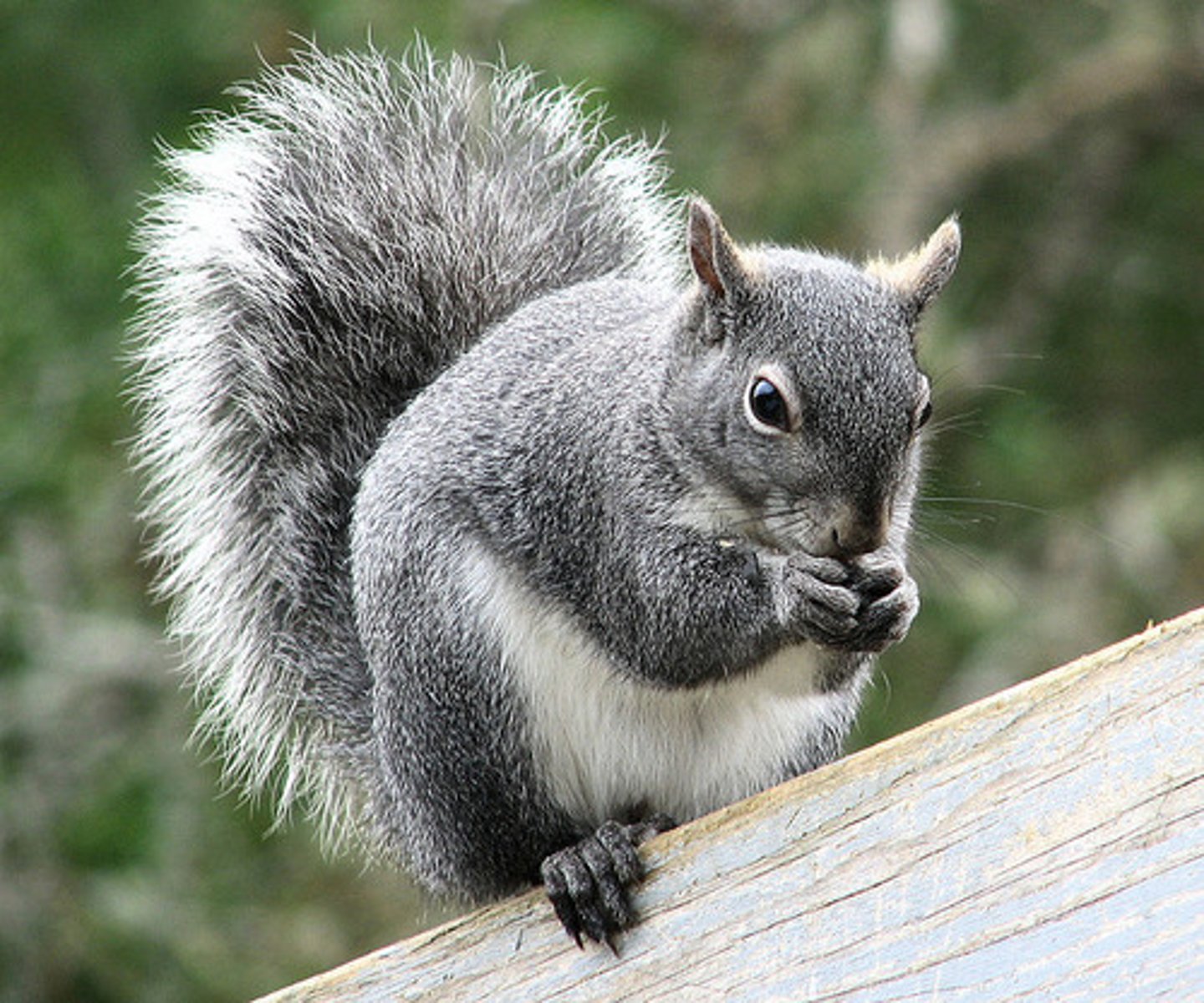
Common Name:
Class:
Order:
Family:
Western Gray Squirrel
Mammalia
Rodentia
Sciuridae
Pointer: All squirrels, chipmunks and marmots are in the Family Sciuridae.
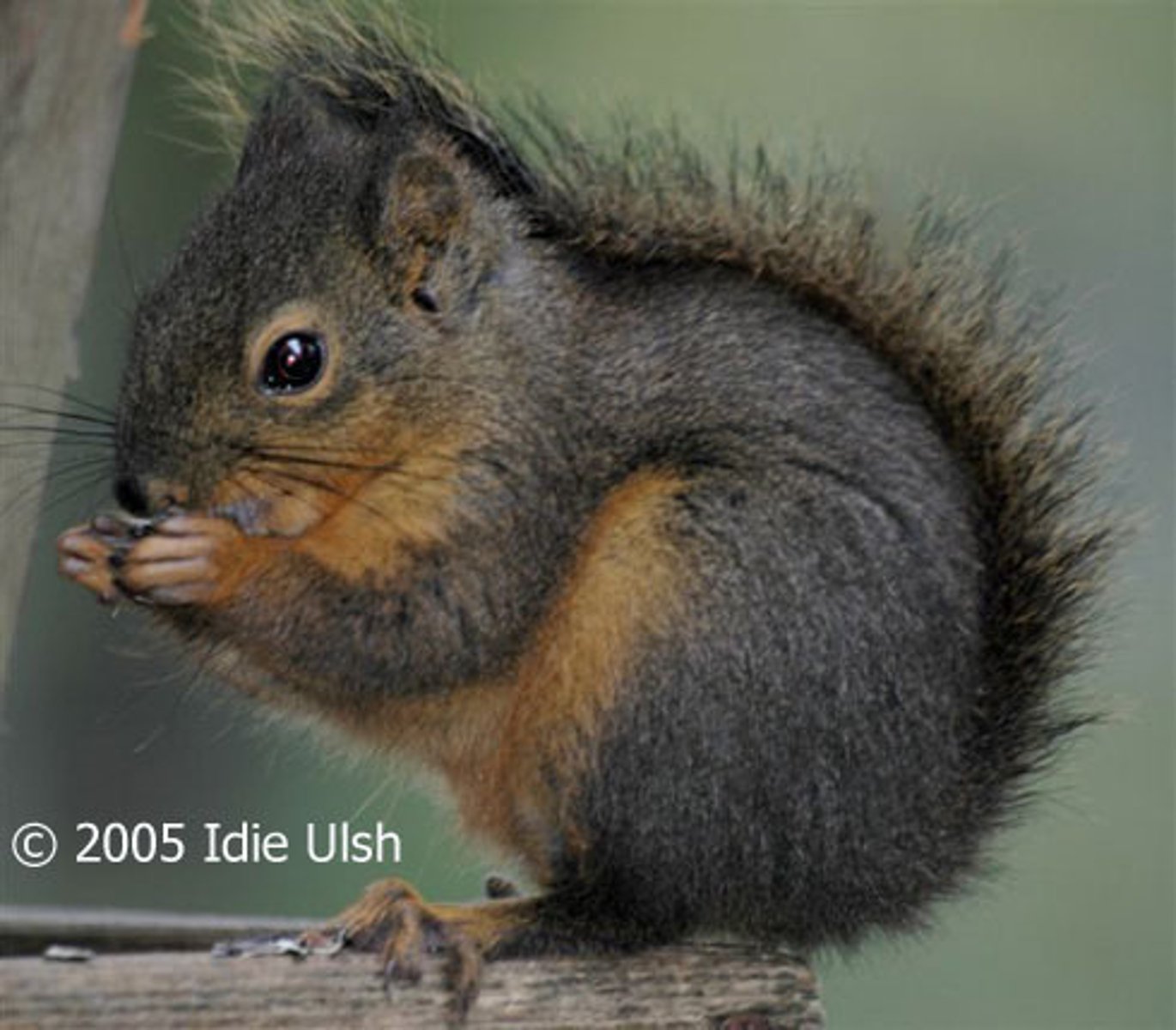
Common Name:
Class:
Order:
Family:
Douglas's Squirrel
Mammalia
Rodentia
Sciuridae
Pointer: Bright tawny (orangey-brown) belly with eyering.
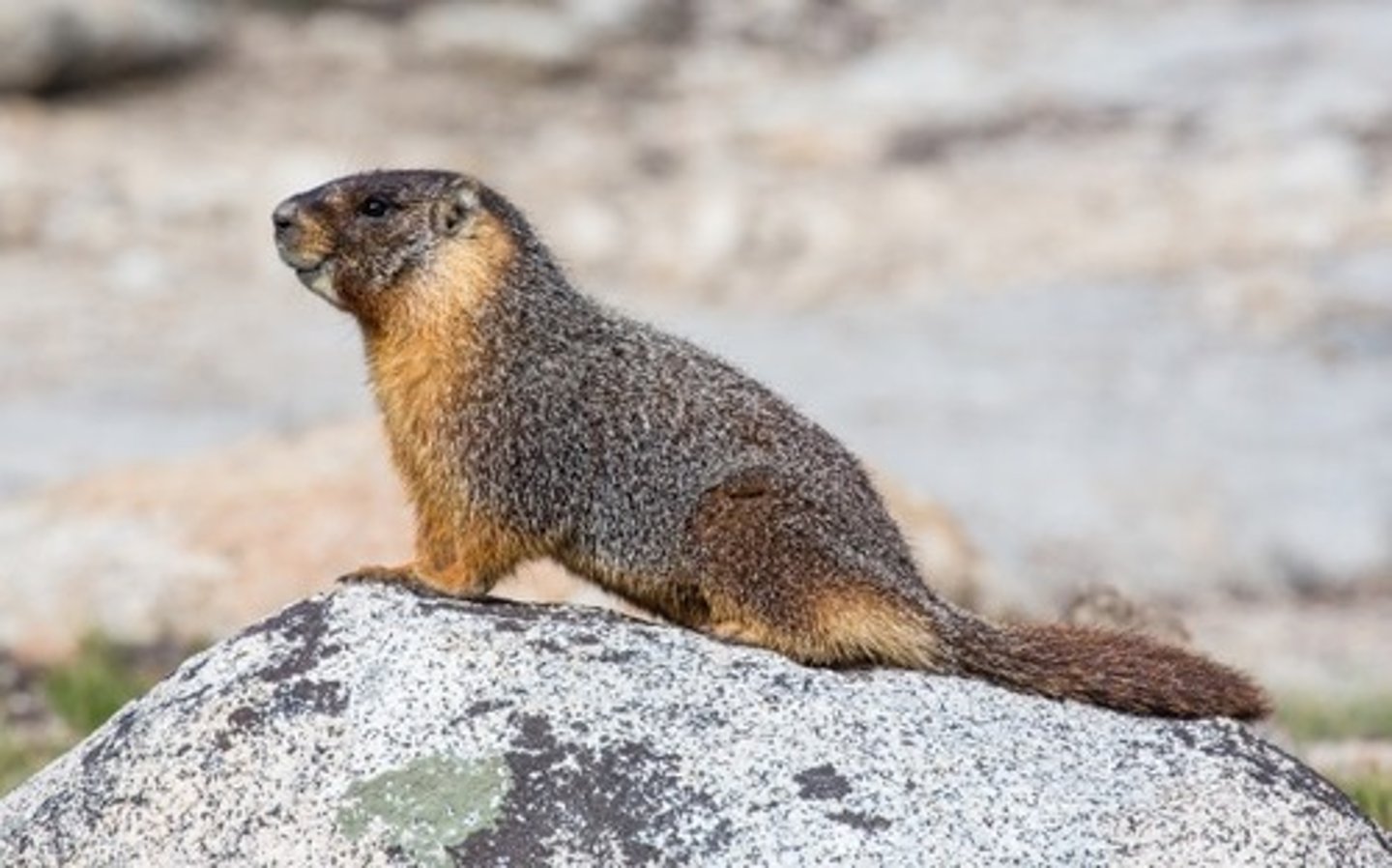
Common Name:
Class:
Order:
Family:
Yellow-bellied Marmot
Mammalia
Rodentia
Sciuridae
Pointer: Top of head black, grizzled fur. Light underside.
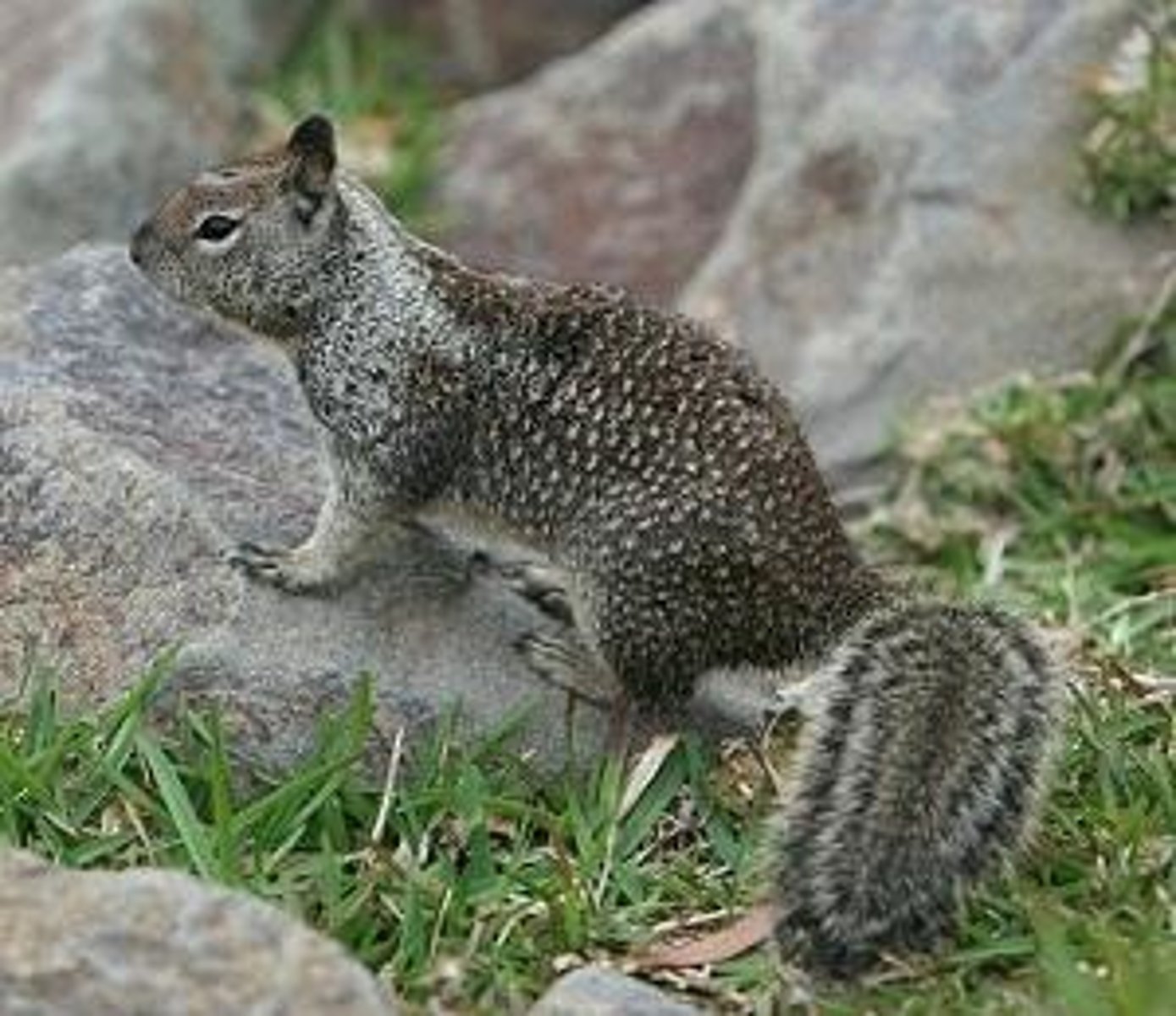
Common Name:
Class:
Order:
Family:
California Ground Squirrel
Mammalia
Rodentia
Sciuridae
Pointer: White spots evenly spaced on back; gray neck collar.
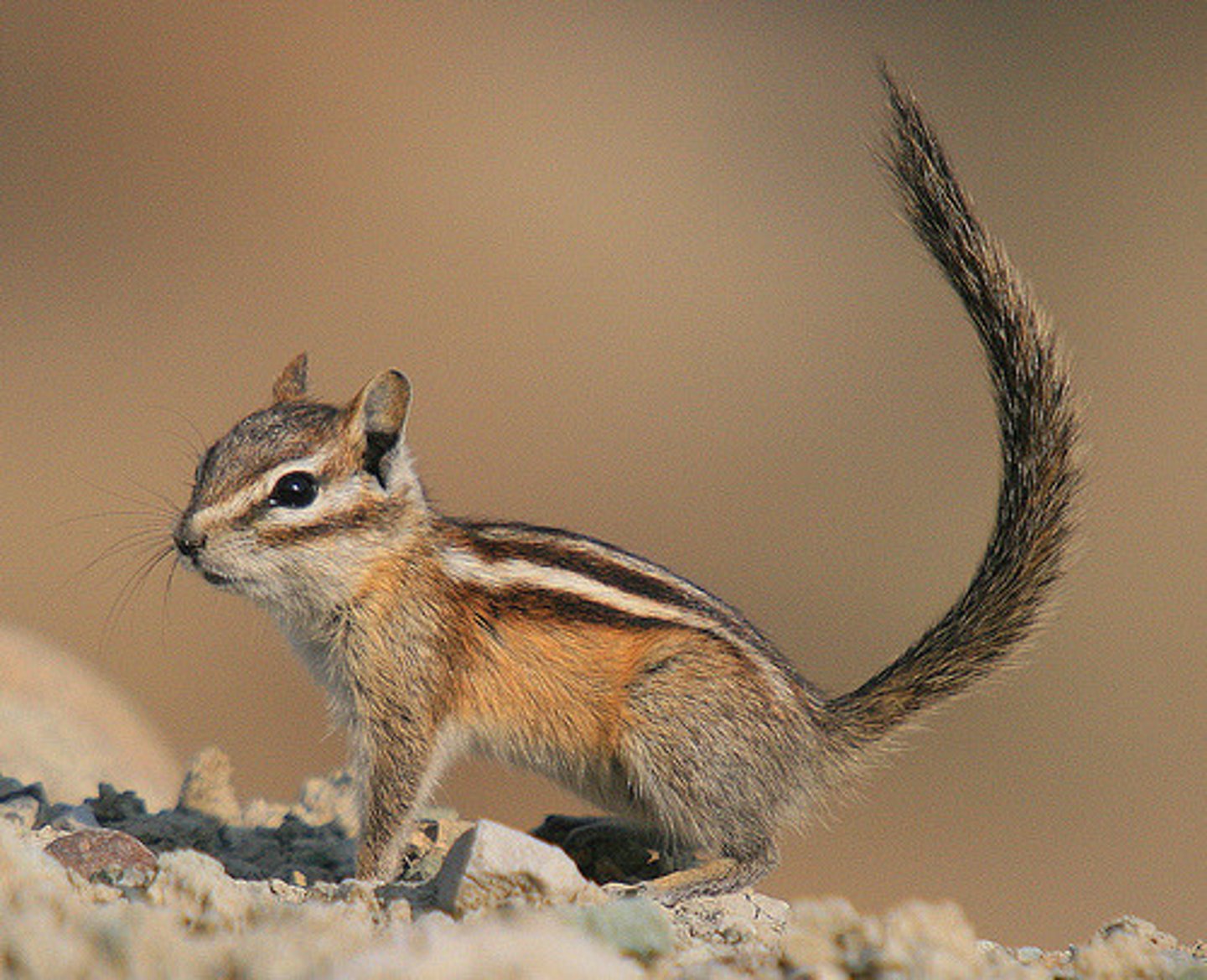
Common Name:
Class:
Order:
Family:
Townsend's Chipmunk
Mammalia
Rodentia
Sciuridae
Pointer: White and black stripes running down back. One of numerous species of chipmunks in Western North America.
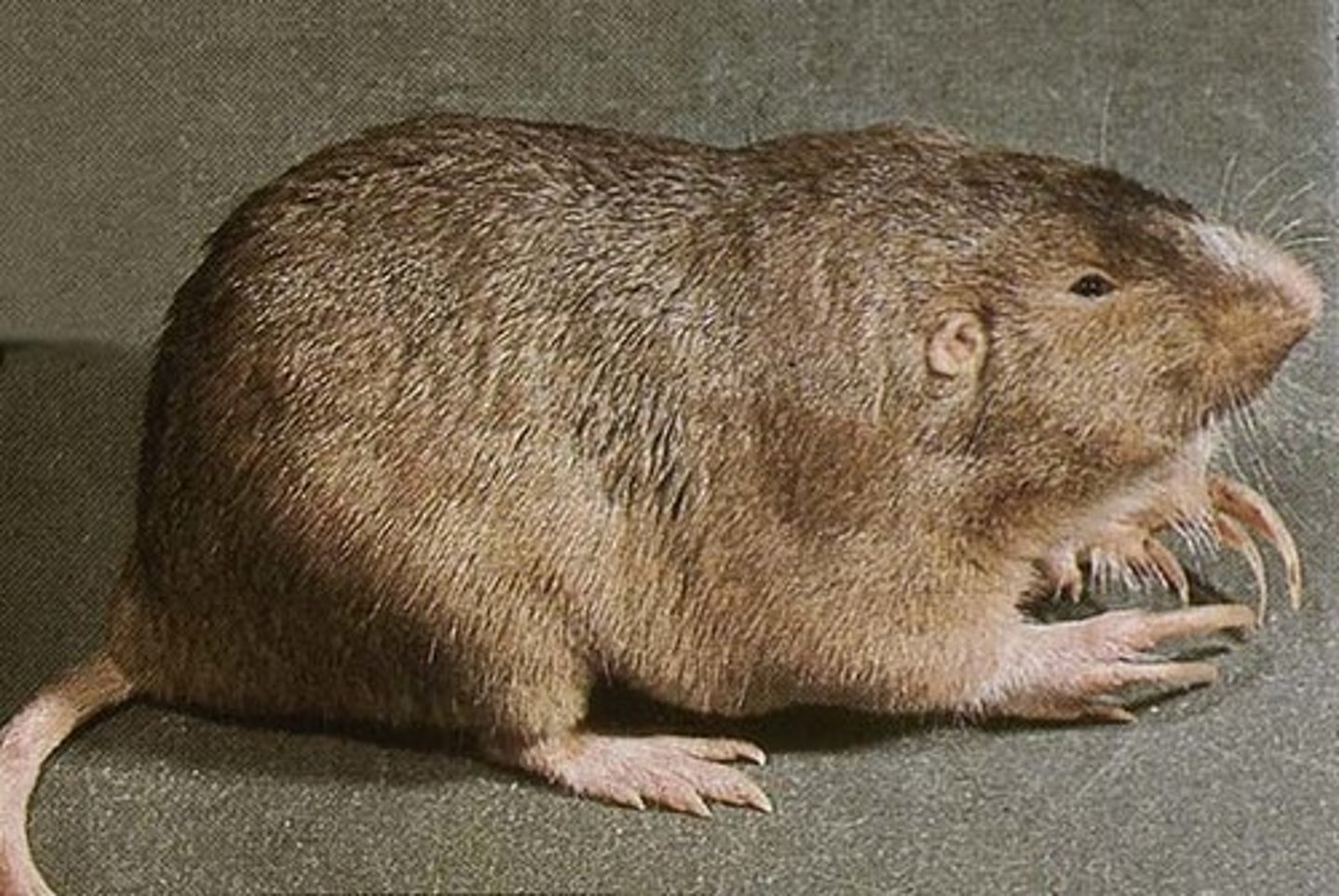
Common Name:
Class:
Order:
Family:
Northern Pocket Gopher
Mammalia
Rodentia
Geomyidae
Pointer: Small eyes and ears; makes fan-shaped mounds.
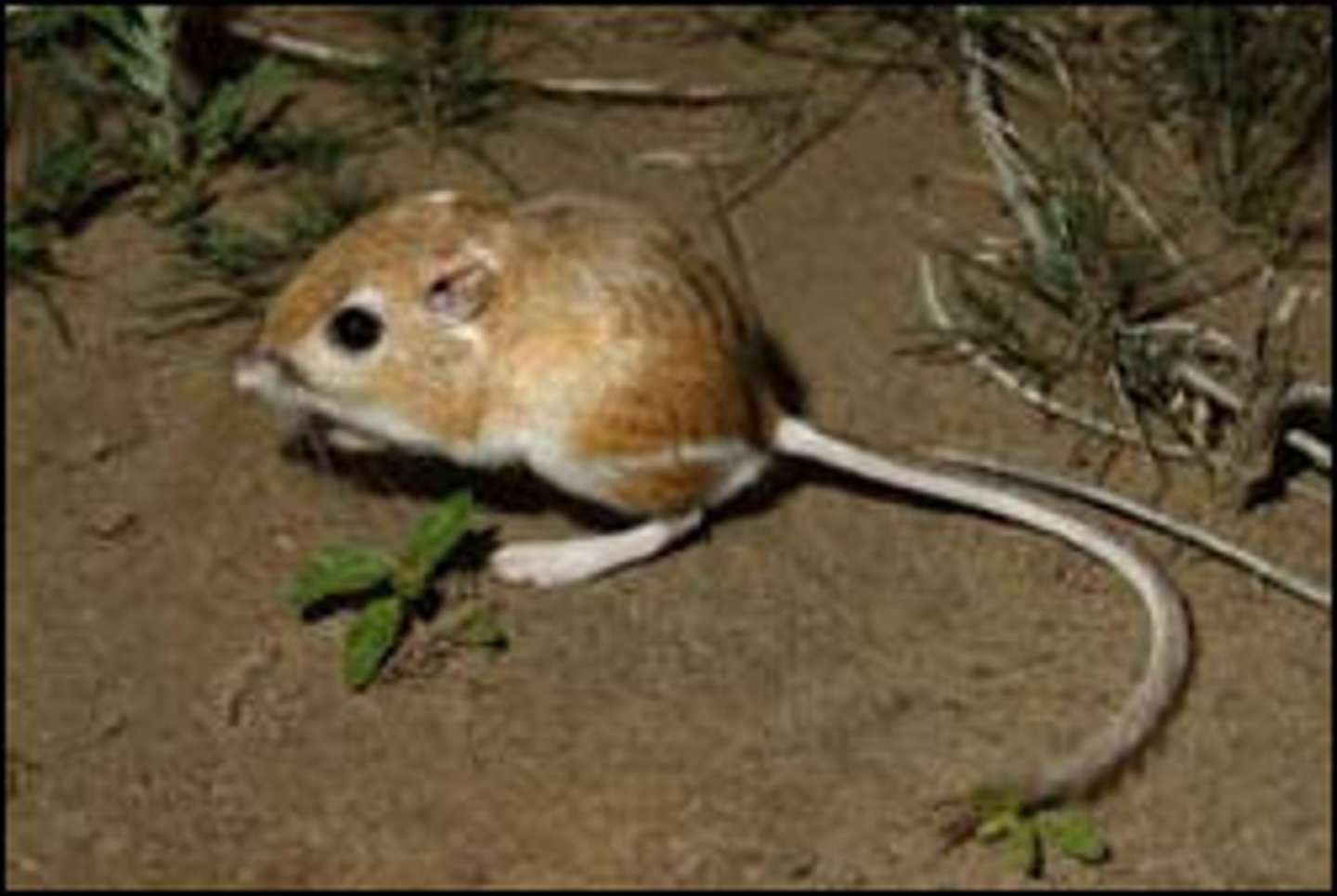
Common Name:
Class:
Order:
Family:
Ord's Kangaroo Rat
Mammalia
Rodentia
Heteromyidae
Pointer: Huge hind feet, long tail, large eyes with white stripe on hind flank. Golden fur.
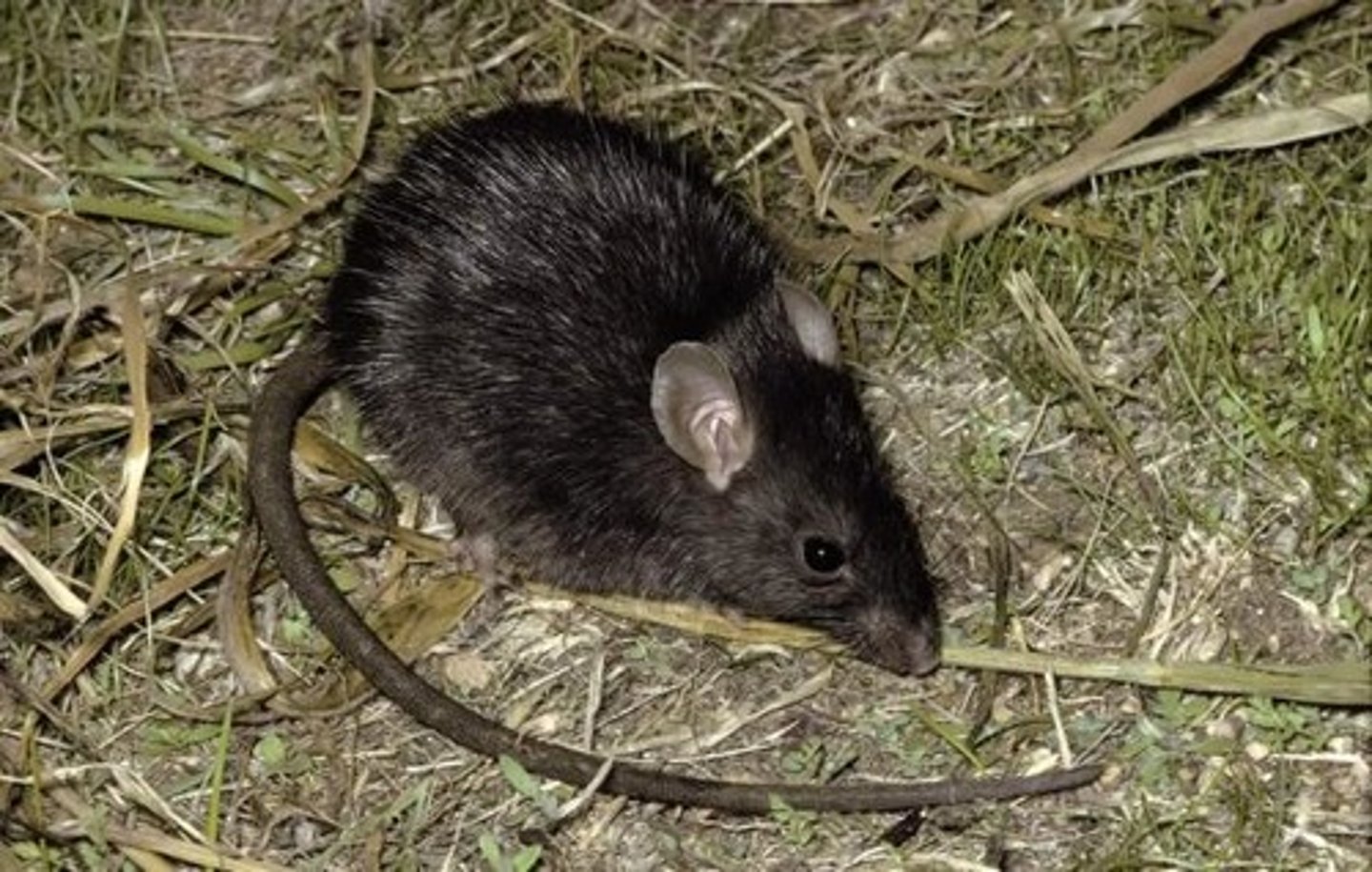
Common Name:
Class:
Order:
Family:
Roof Rat
Mammalia
Rodentia
Muridae
Pointer: Dark Fur, tail has sparse hair and is very long.
Pointer: Rodentia is a very large order and encompasses squirrels/marmots, rats/mice, voles, beavers, porcupines, gophers, coypu, and more. All rodents have massive front incisors that are sometimes visible and can be used to identify them to order. Round, short bodies often with long tails. Small eyes and moderately-sized ears.
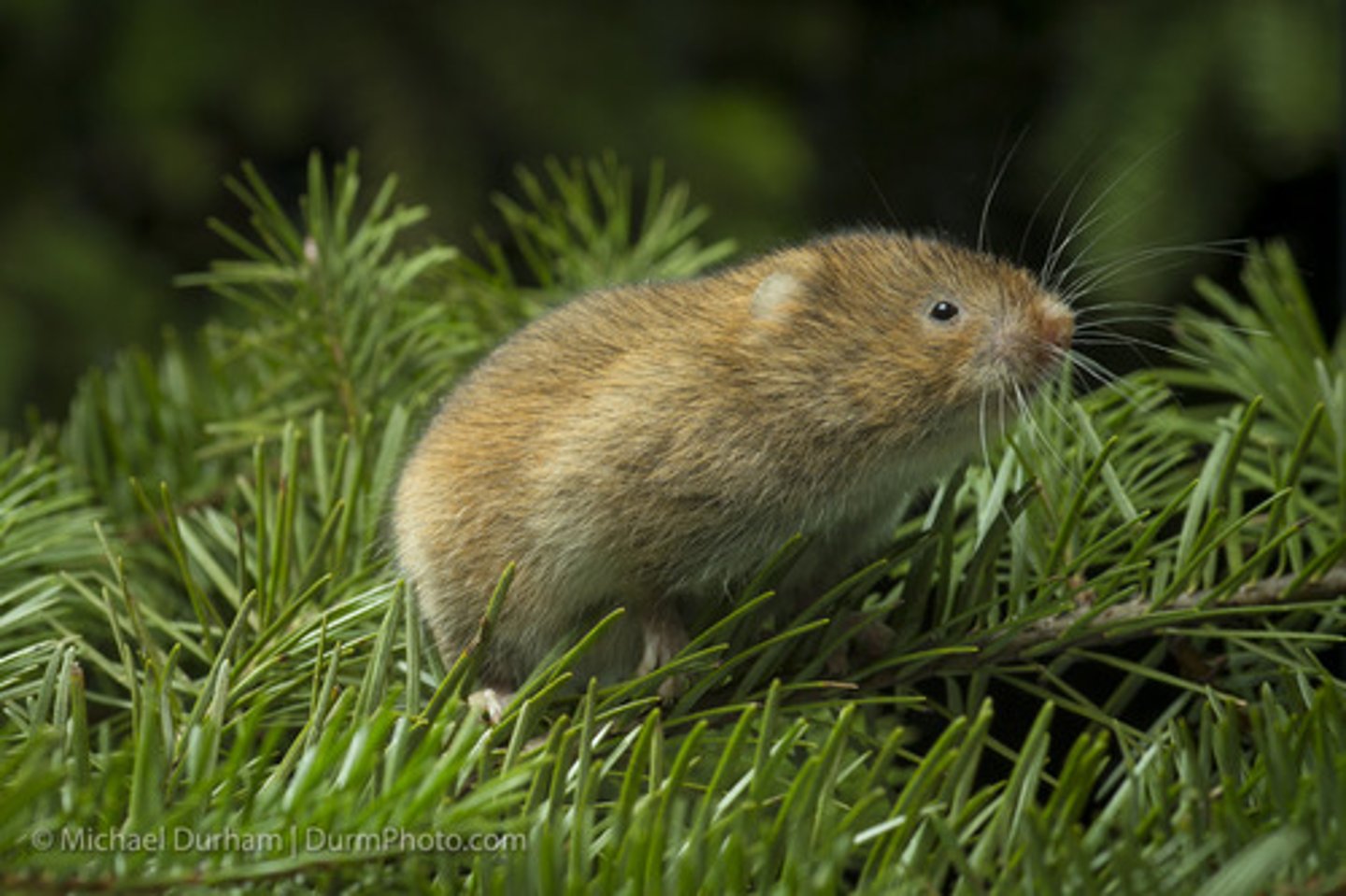
Common Name:
Class:
Order:
Family:
Red Tree Vole
Mammalia
Rodentia
Cricetidae
Pointer: Long tail, small ears, larger feet than other voles. Spends almost its entire life in Doug firs.
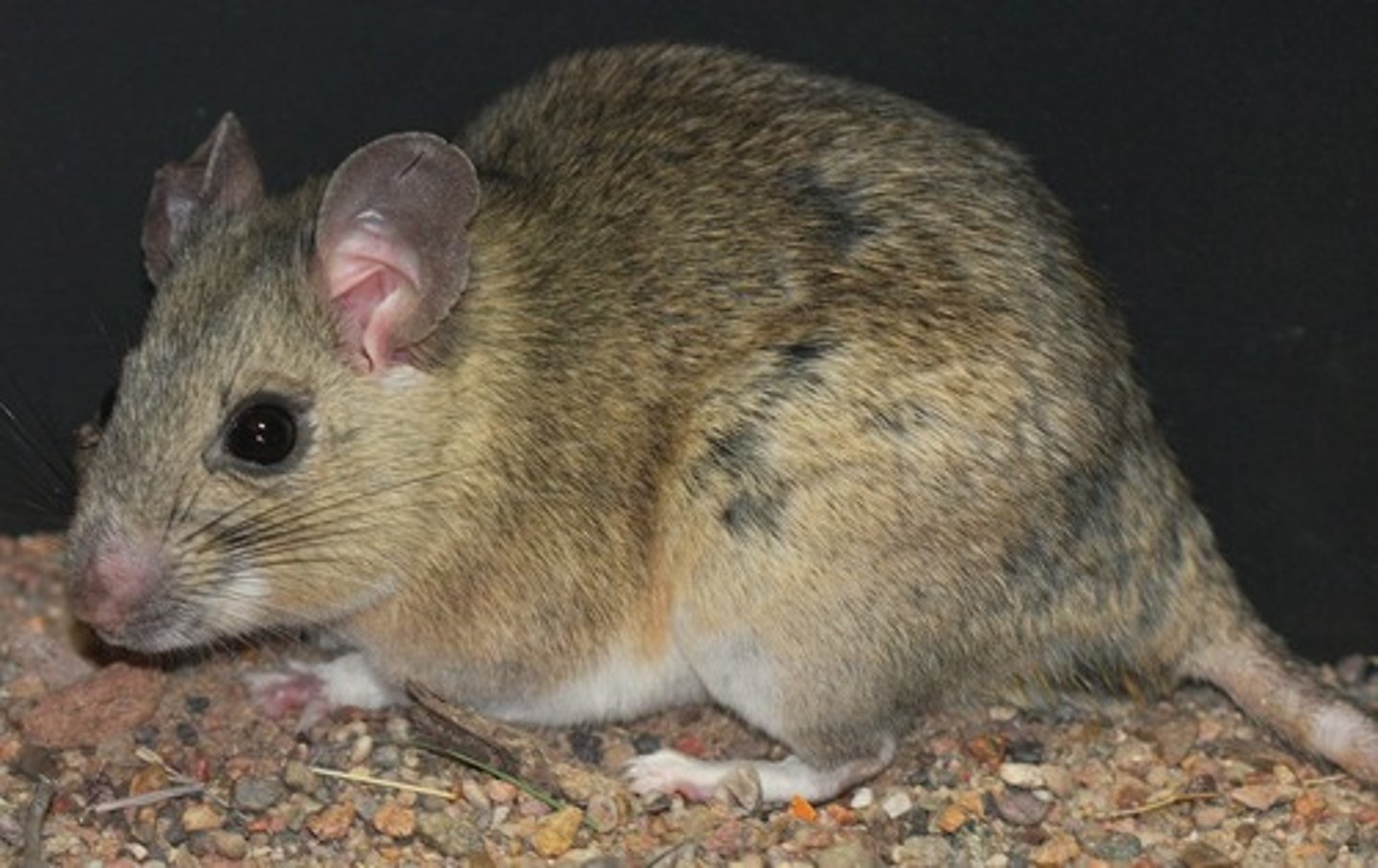
Common Name:
Class:
Order:
Family:
Dusky-footed Woodrat
Mammalia
Rodentia
Cricetidae
Pointer: Hind feet have sooty-colored hair on the top but can be hard to see; white belly. Larger eyes.
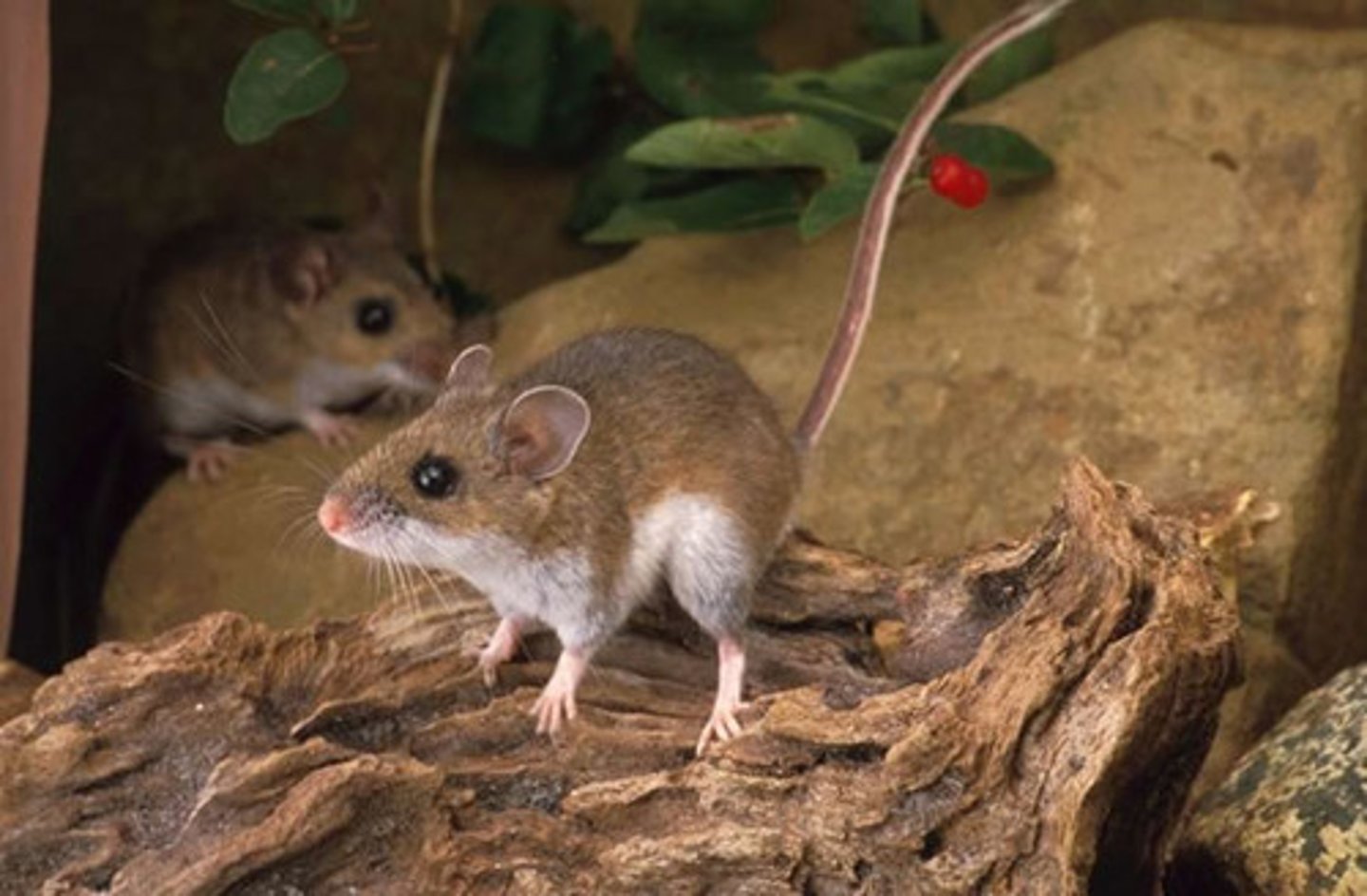
Common Name:
Class:
Order:
Family:
Western Deermouse
Mammalia
Rodentia
Cricetidae
Pointer: Very large eyes that bulge out of head; large ears, white belly. Tail is distinctively bicolored - brown on top and white on bottom. Paintbrush-like tuft of hairs on tail tip.
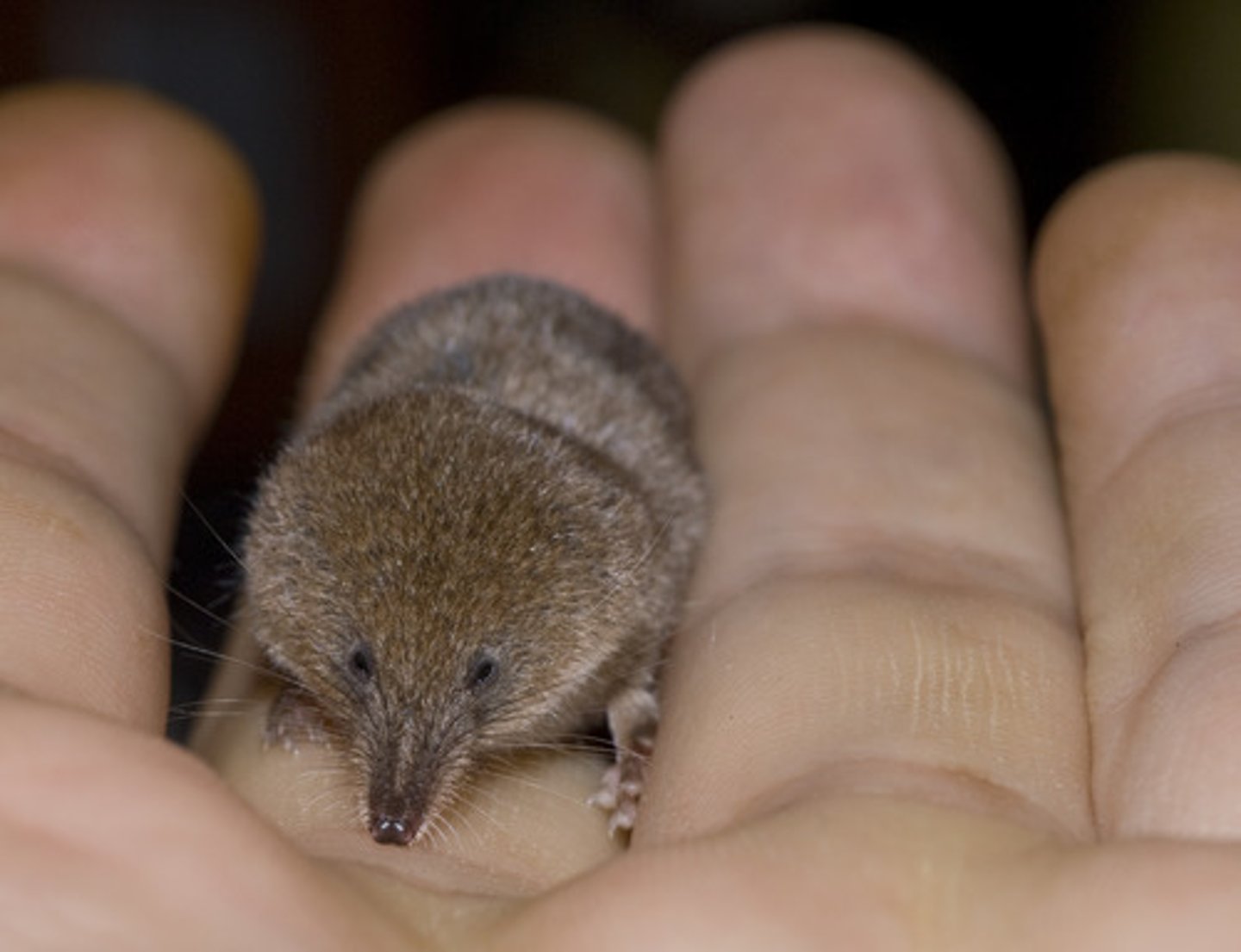
Common Name:
Class:
Order:
Family:
Vagrant Shrew
Mammalia
Eulipotyphia
Soricidae
Pointer: Very tiny, brown with light belly, bicolored tail.
Pointer: Shrews are NOT rodents. They are very small and hard to see.
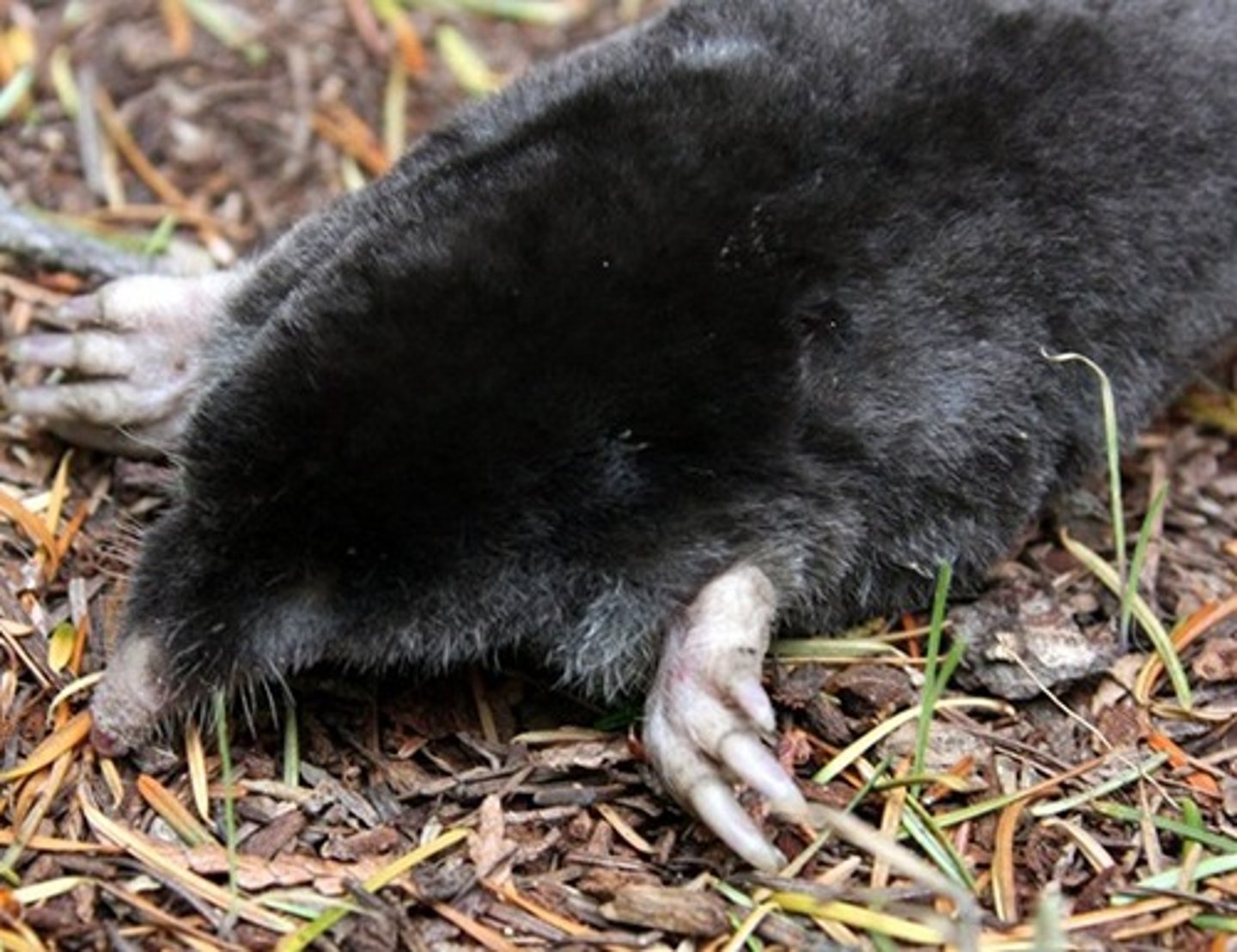
Common Name:
Class:
Order:
Family:
Townsend's Mole
Mammalia
Eulipotyphia
Talpidae
Pointer: Pretty distinctive - large paddle-like front feet, pink snout, tiny eyes, dark fur.
Pointer: Voles and moles (that's easy to remember!) are in the not-so-easy to pronounce Order Eulipotyphia.
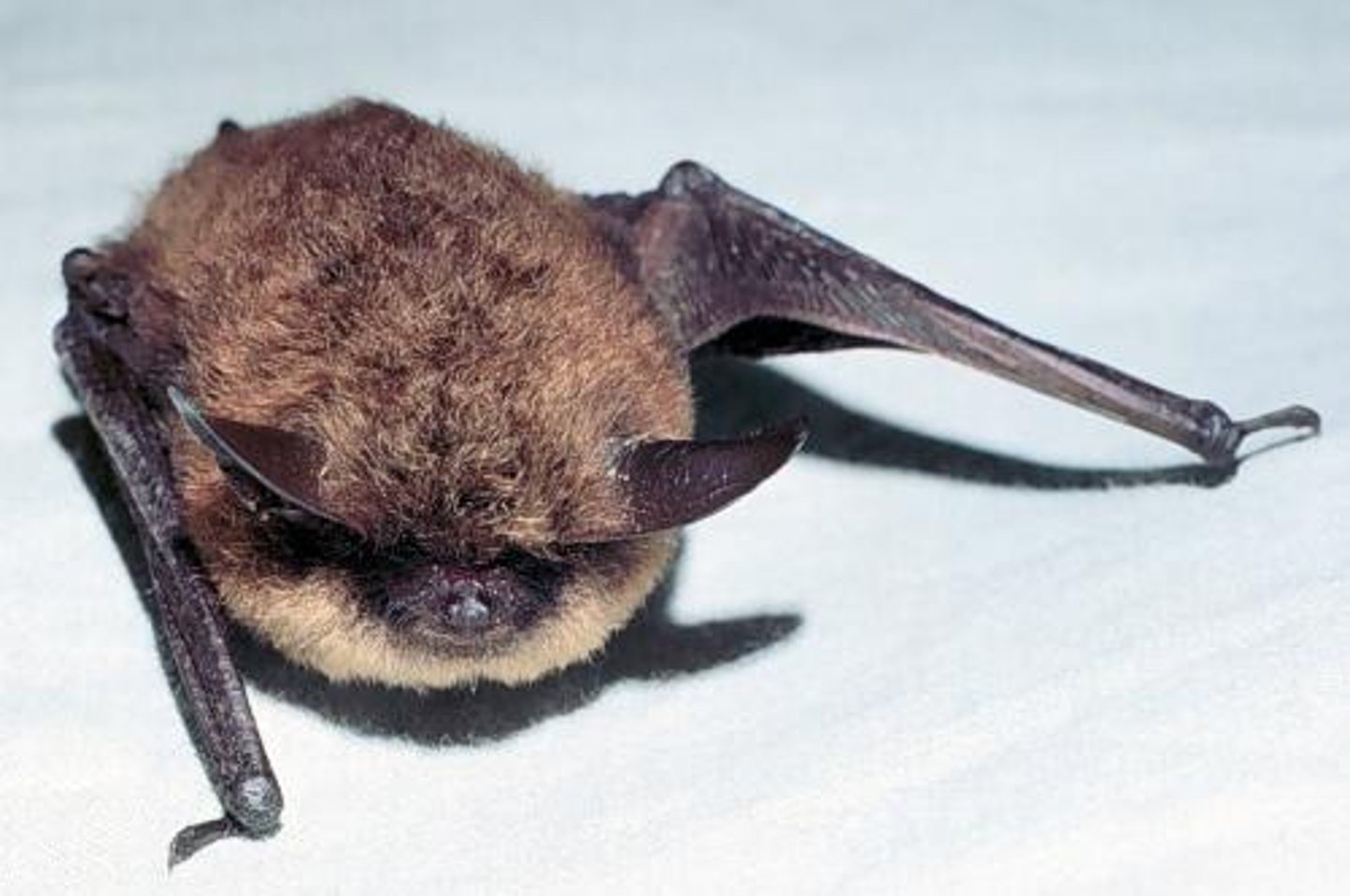
Common Name:
Class:
Order:
Family:
Eastern Little Brown Myotis
Mammalia
Chiroptera
Vespertilionidae
Pointer: Small, brown on top and light underneath.
Pointer: All bats are in Order Chiroptera, which has the most species of any mammal order. You can remember it because the "ptera" in Chiroptera means "wings".
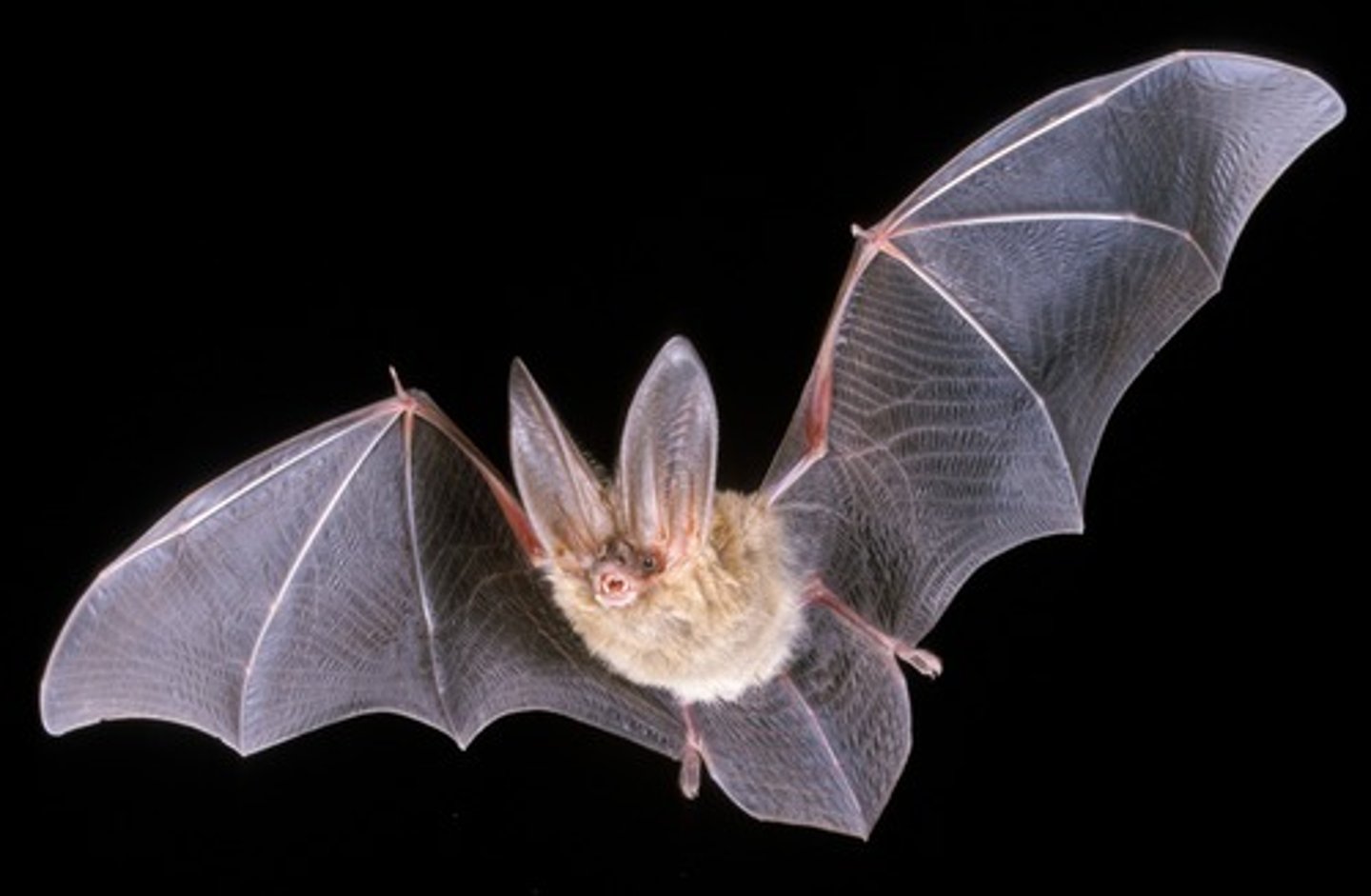
Common Name:
Class:
Order:
Family:
Townsend's Big-eared Bat
Mammalia
Chiroptera
Vespertilionidae
Pointer: Gargantuan pointed ears, glandular lumps on either side of nose. Buffy belly.

Common Name:
Class:
Order:
Family:
Striped Skunk
Mammalia
Carnivora
Mephitidae
Pointer: Very distinctive white-and-black color pattern.
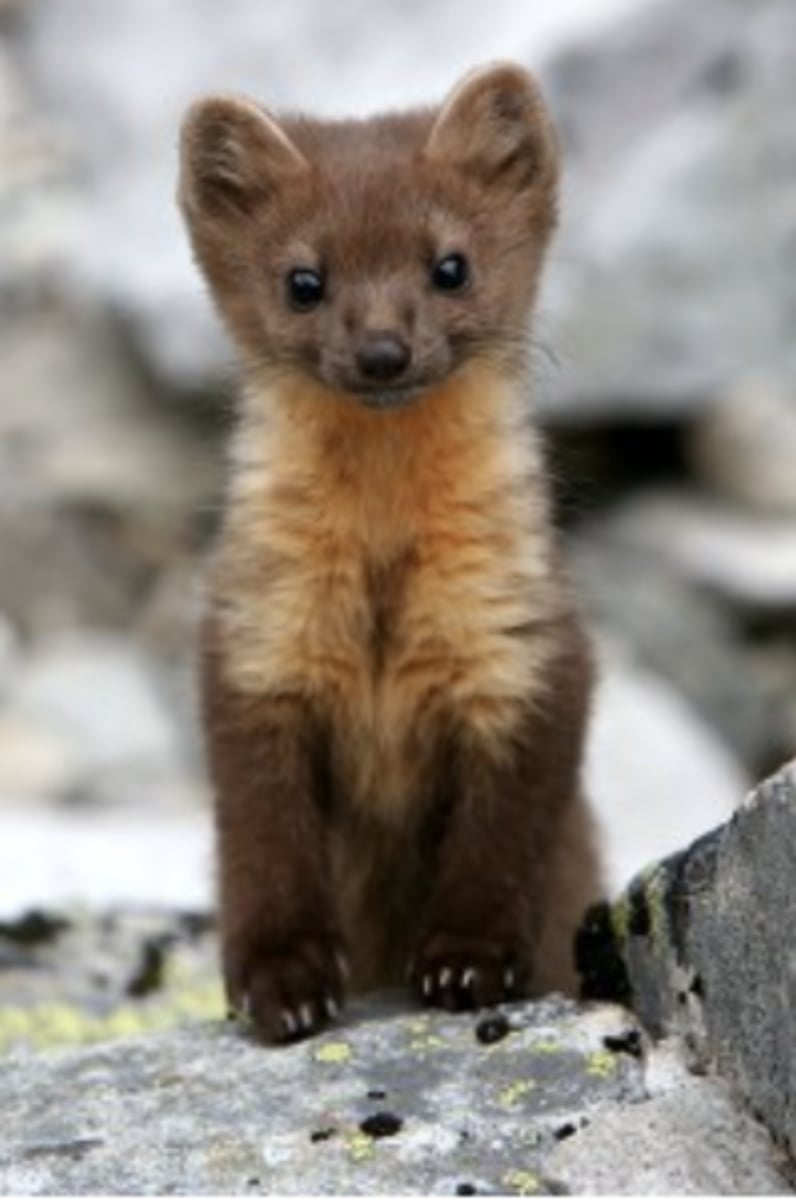
Common Name:
Class:
Order:
Family:
Pacific Marten
Mammalia
Carnivora
Mustelidae
Pointer: Bushy tail, buffy-orange throat. Very cute! Is a weasel (Mustelidae).
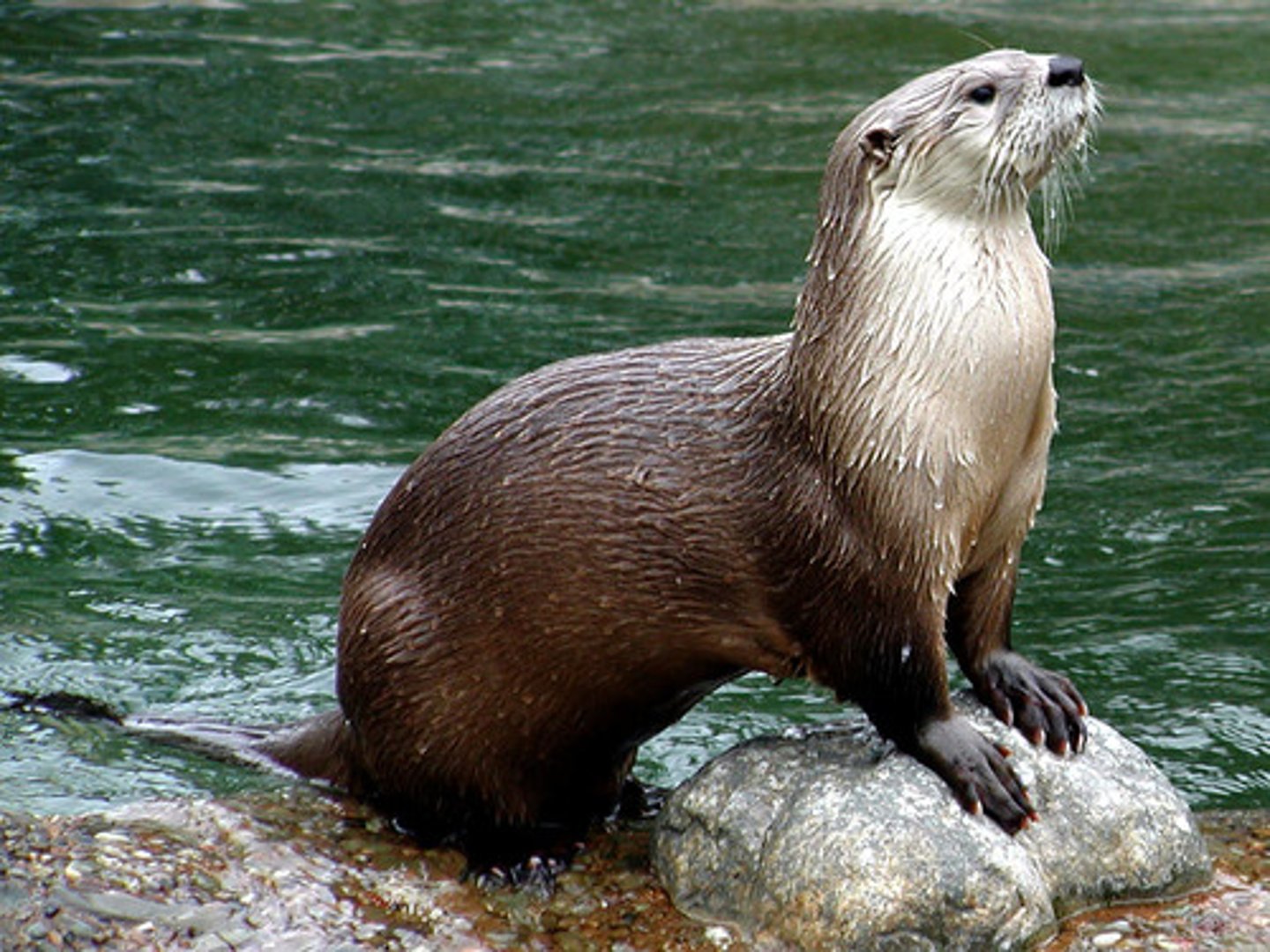
Common Name:
Class:
Order:
Family:
North American River Otter
Mammalia
Carnivora
Mustelidae
Pointer: Brown back, light-colored chin and cheeks with white whiskers. Tail is thick and long; webbed feet. Is basically an aquatic weasel (Mustelidae).
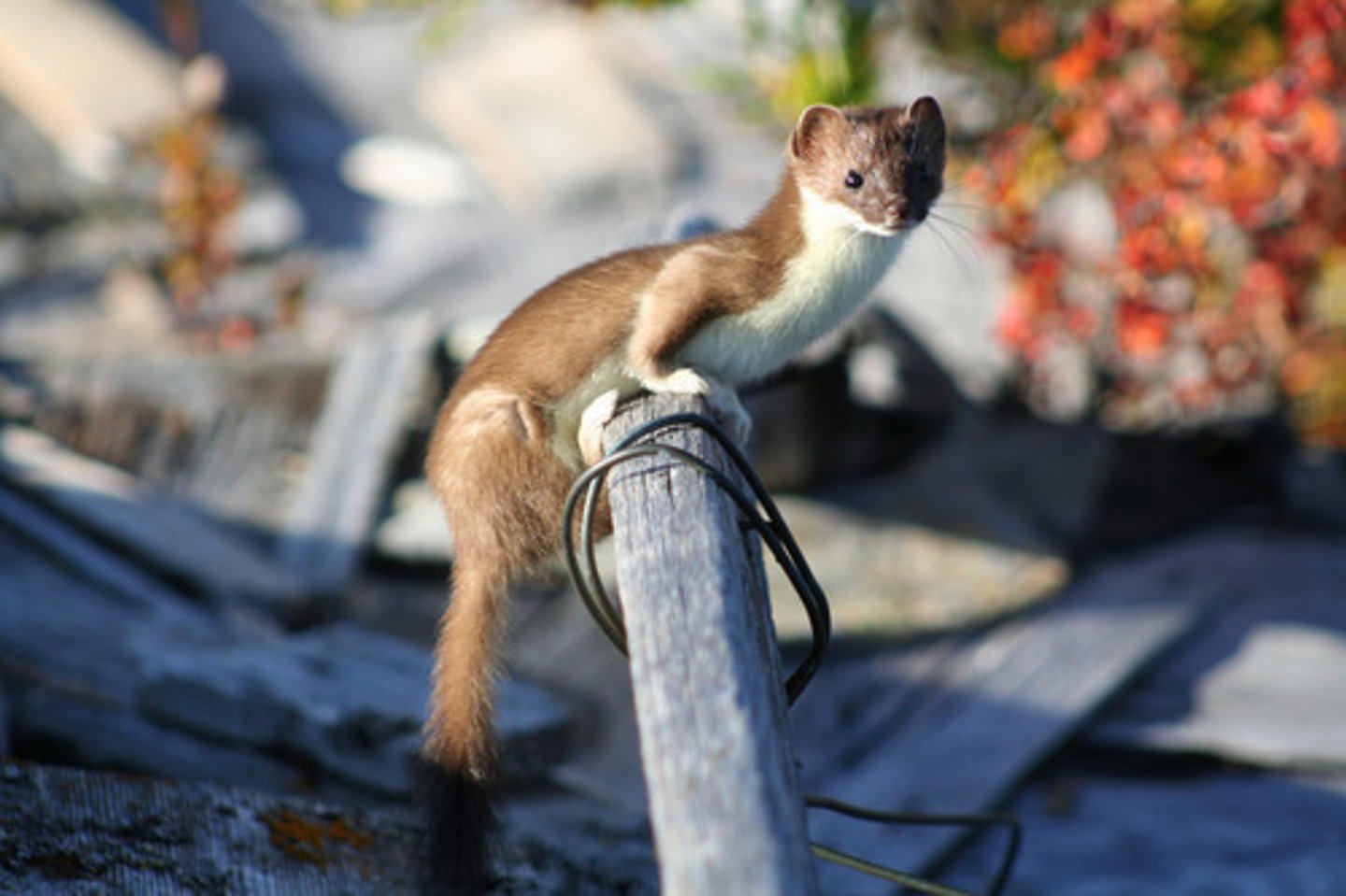
Common Name:
Class:
Order:
Family:
Long-tailed Weasel
Mammalia
Carnivora
Mustelidae
Pointer: Elongated body, tail has a dark tip. Fur can change from brown to white in Northern populations during winter.
Pointer: Mustelidae is a carnivorous family that encompasses weasels and martens, badgers, otters, polecats, and more. All members have musk glands ("Must" -elidae) that can produce a stinky smell.
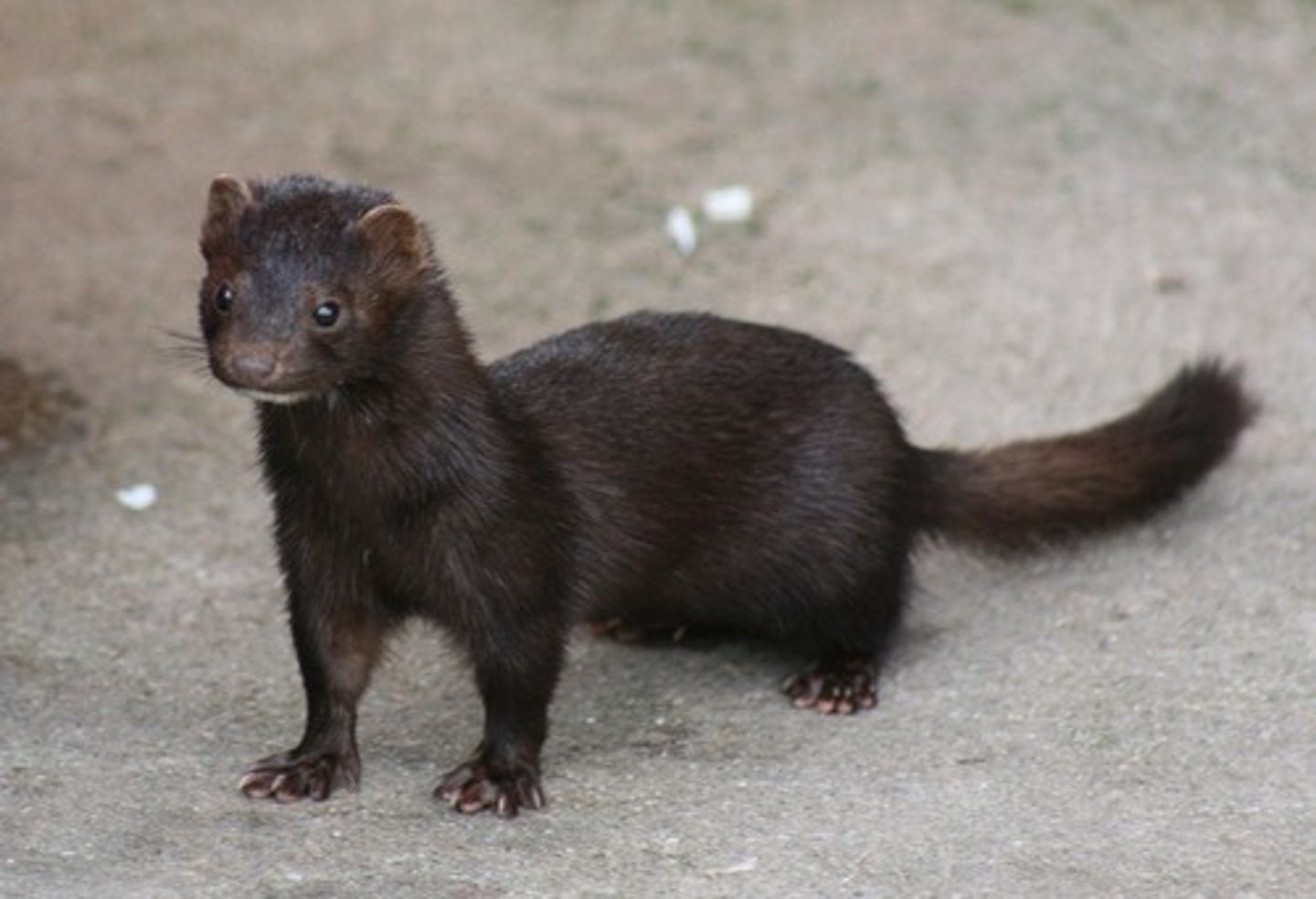
Common Name:
Class:
Order:
Family:
American Mink
Mammalia
Carnivora
Mustelidae
Pointer: Chestnut-brown fur, white patch on chin. Luscious fur has been used for luxury clothing and accessories. Partially aquatic. Is a weasel (Family Mustelidae).
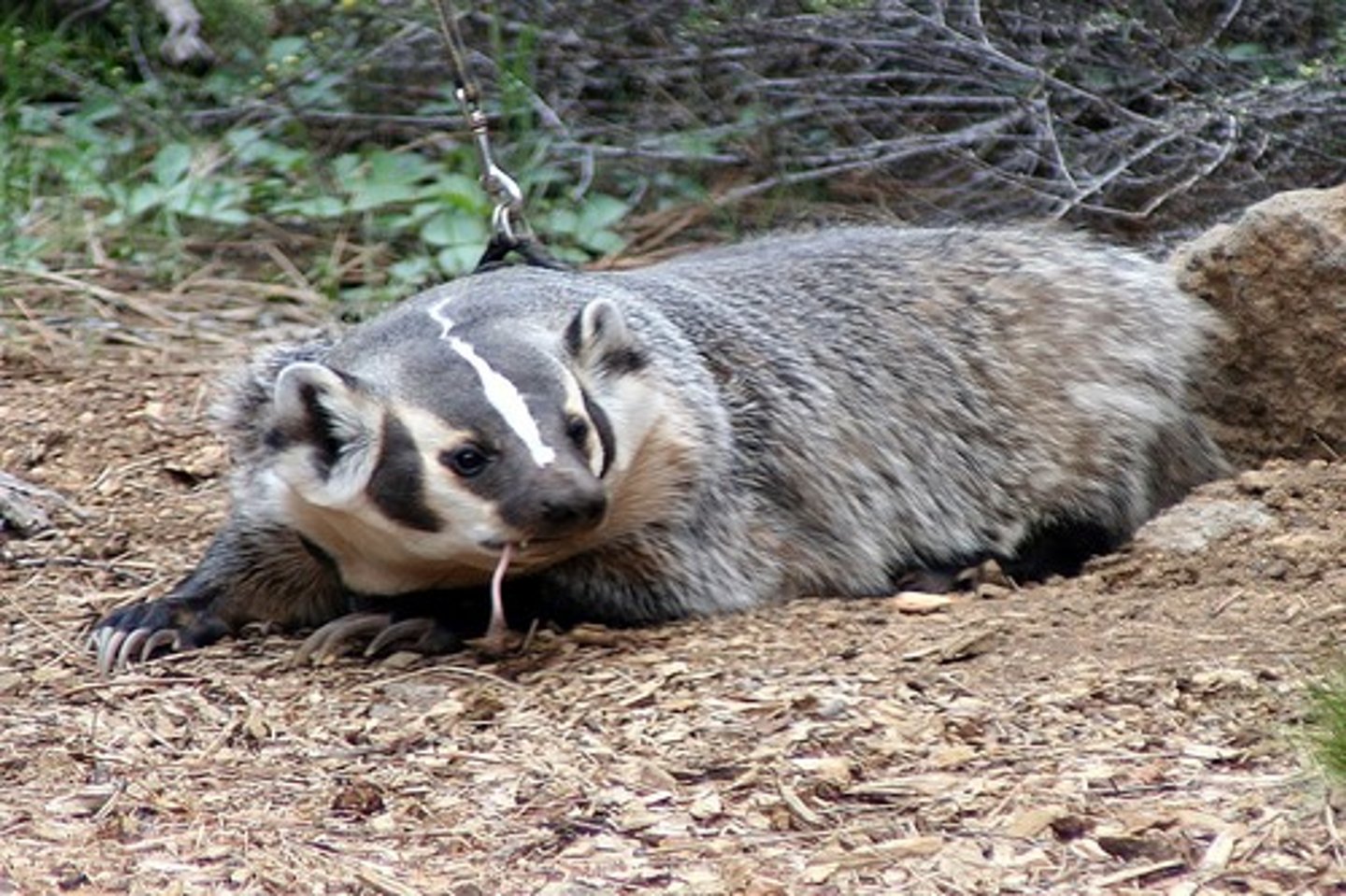
Common Name:
Class:
Order:
Family:
American Badger
Mammalia
Carnivora
Mustelidae
Pointer: Squat body, gray fur, striking black/white facial pattern. Is a weasel (Family Mustelidae).
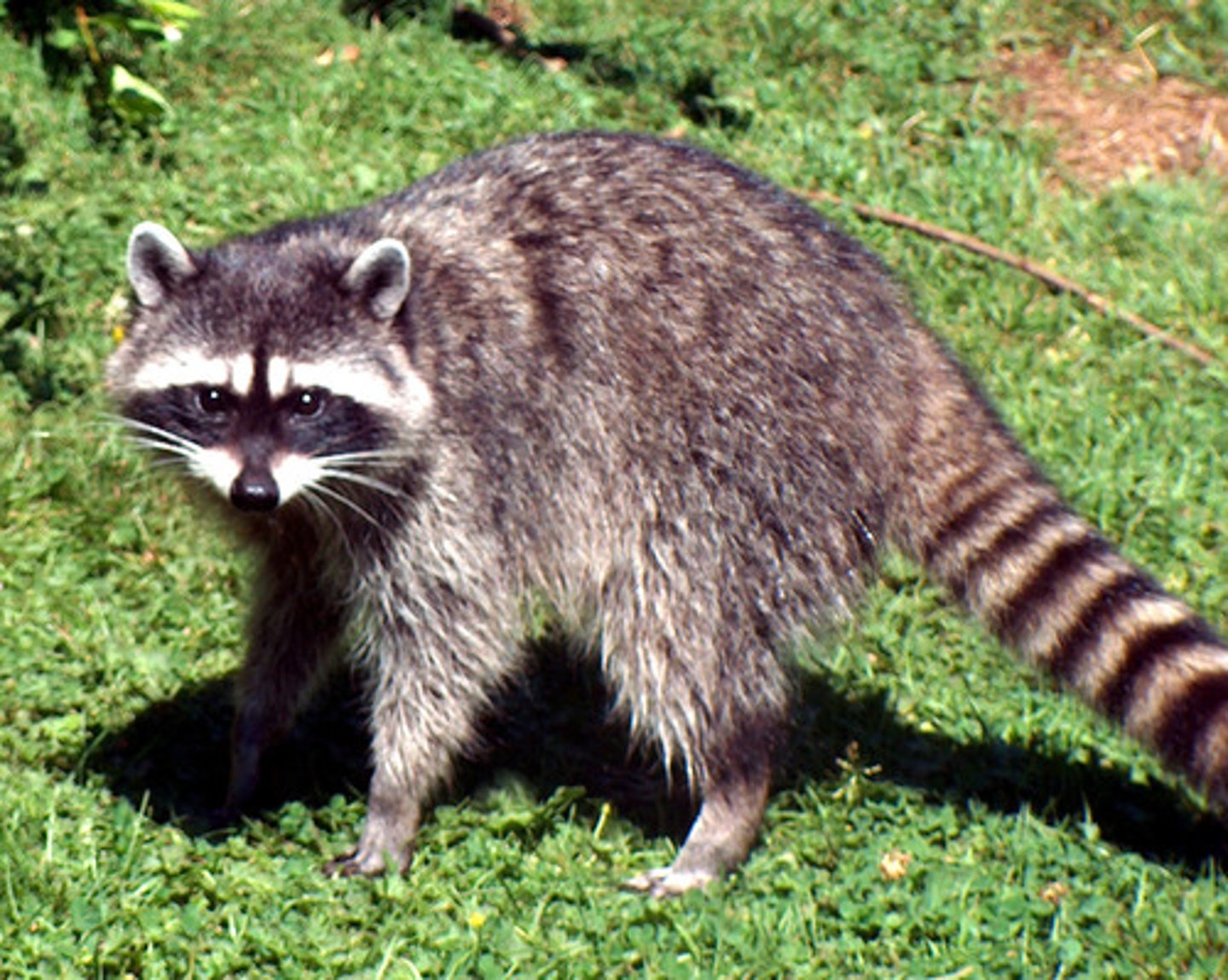
Common Name:
Class:
Order:
Family:
Northern Raccoon
Mammalia
Carnivora
Procyonidae
Pointer: Pretty distinctive, with black mask and ringed tail. Shares the Procyonidae Family with the Ringtail, and is also related to the charismatic Red Panda from Asia.
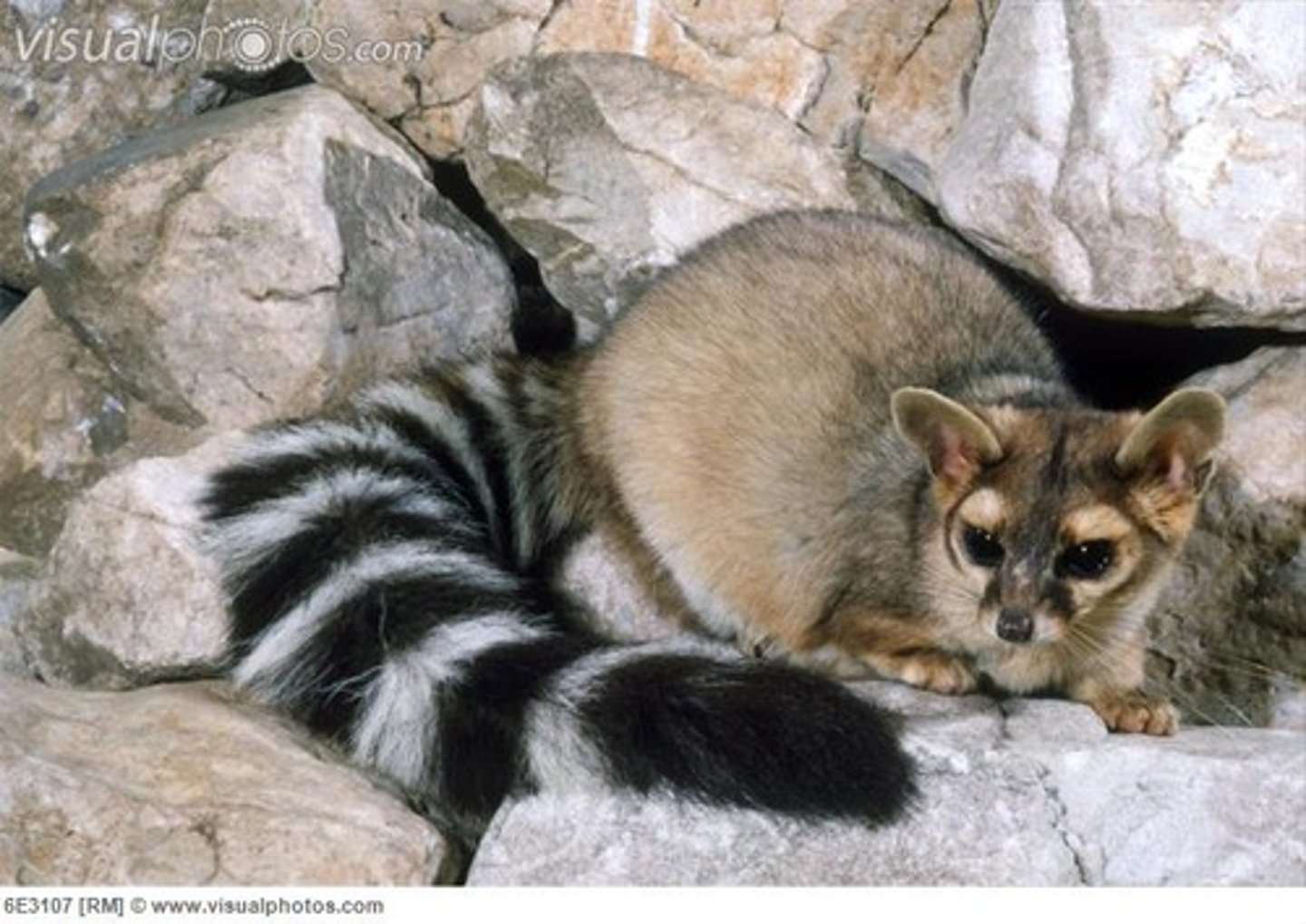
Common Name:
Class:
Order:
Family:
Ringtail
Mammalia
Carnivora
Procyonidae
Pointer: Raccoon-like (same family), with bushy white and black striped tail with whitish fur around eyes and nose. Body is more slender.
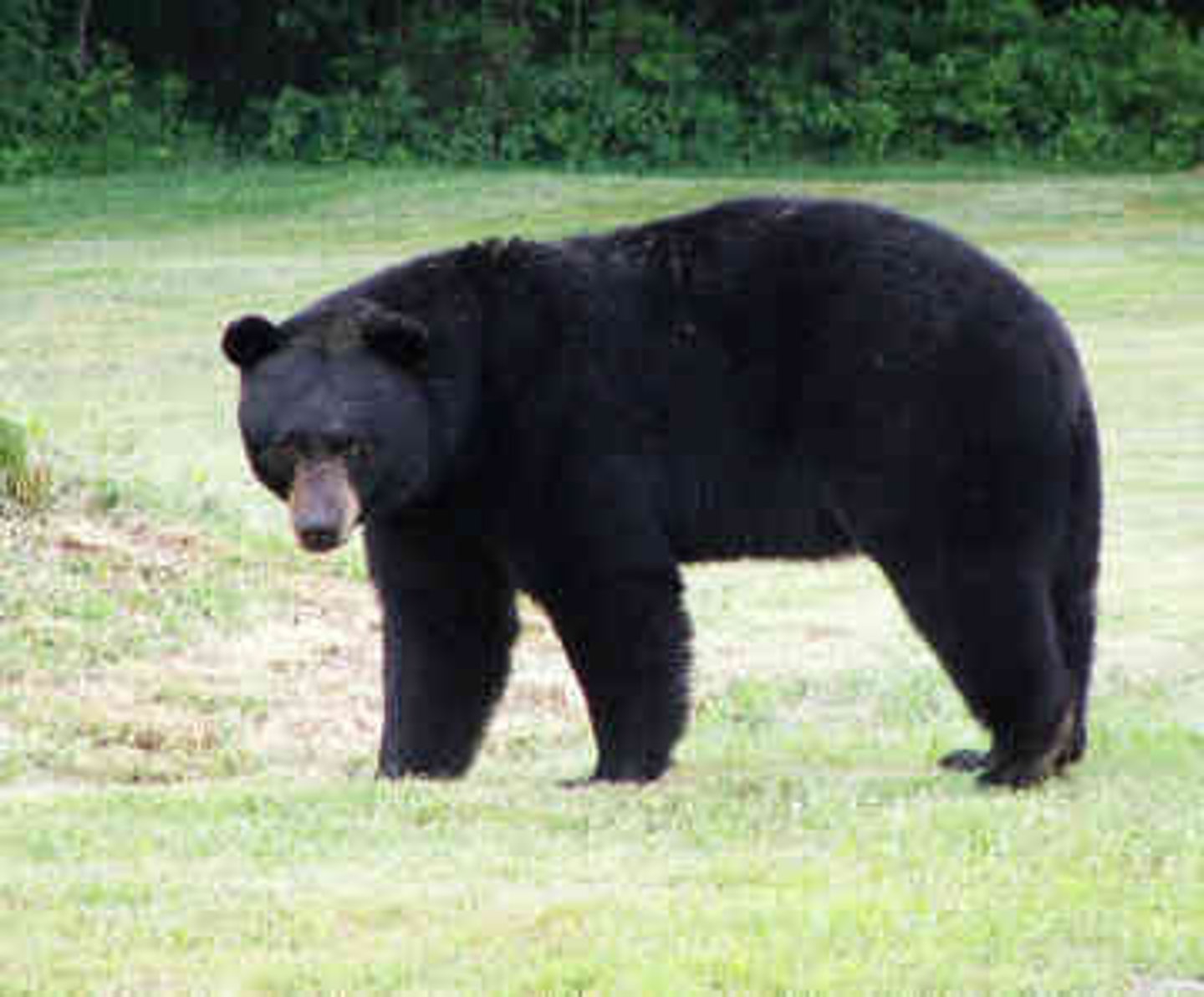
Common Name:
Class:
Order:
Family:
American Black Bear
Mammalia
Carnivora
Ursidae
Pointer: Can have brown or even blond morphs. All bears are in Ursidae Family.
Pointer: Order Carnivora encompasses mammalian carnivores, including weasels, bears, dogs, cats, etc.
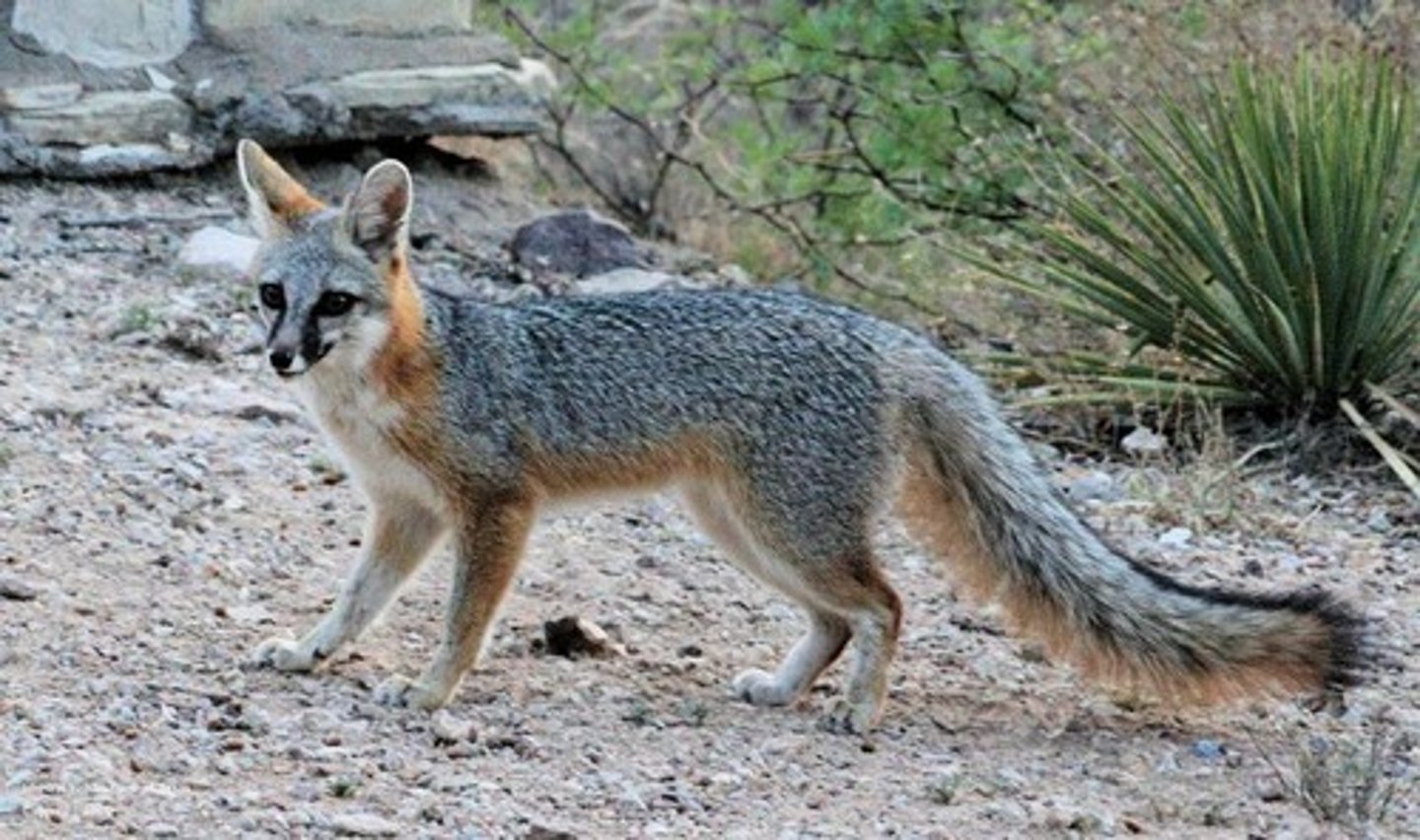
Common Name:
Class:
Order:
Family:
Northern Gray Fox
Mammalia
Carnivora
Canidae
Pointer: Gray fur on top with cinnamon-colored sides, white throat and belly. Black-tipped tail.
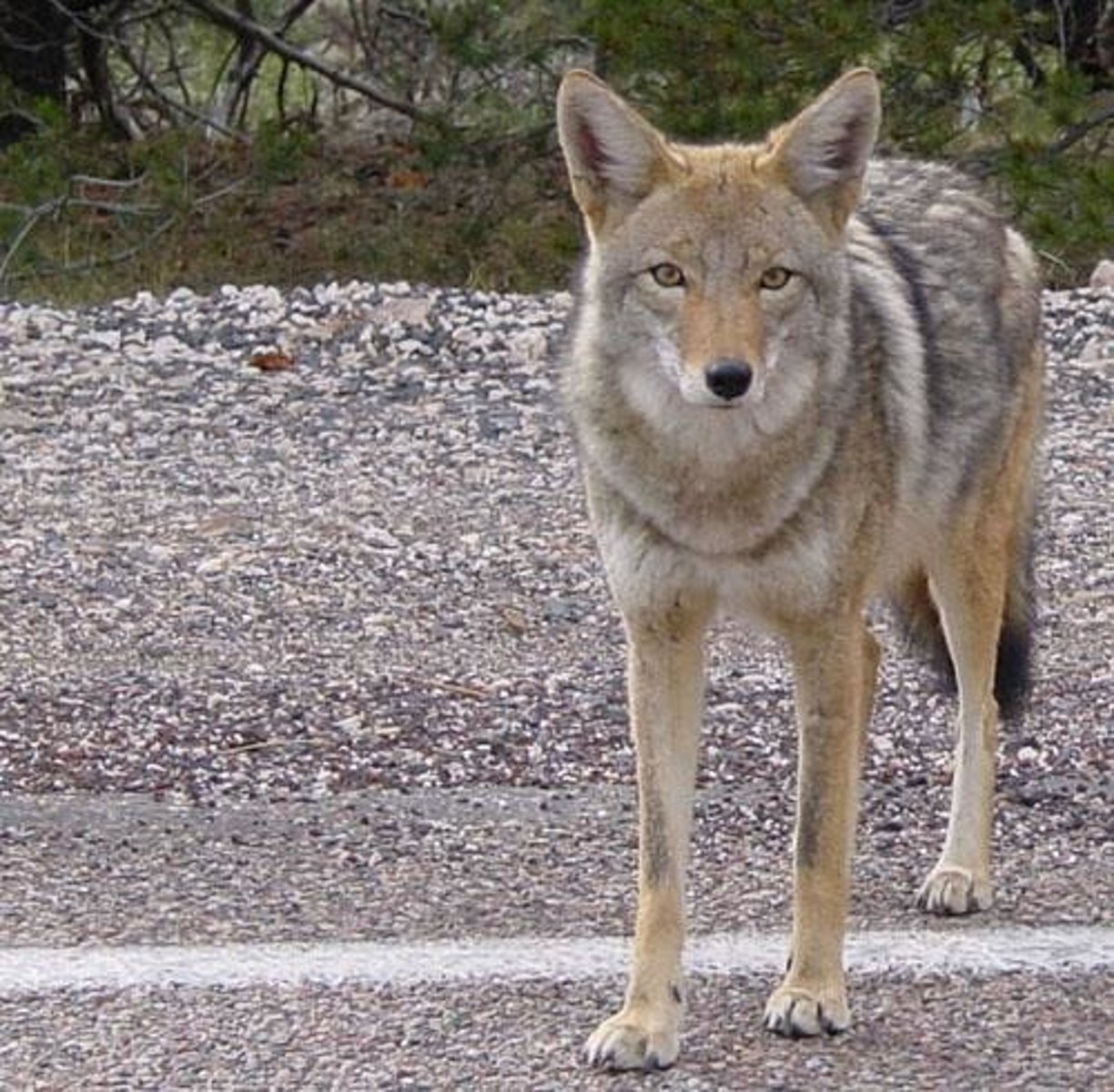
Common Name:
Class:
Order:
Family:
Coyote
Mammalia
Carnivora
Canidae
Pointer: Wolf-like but smaller size. Distinctive marking is a dark "saddle" on the shoulder area. Longer ears than wolf.
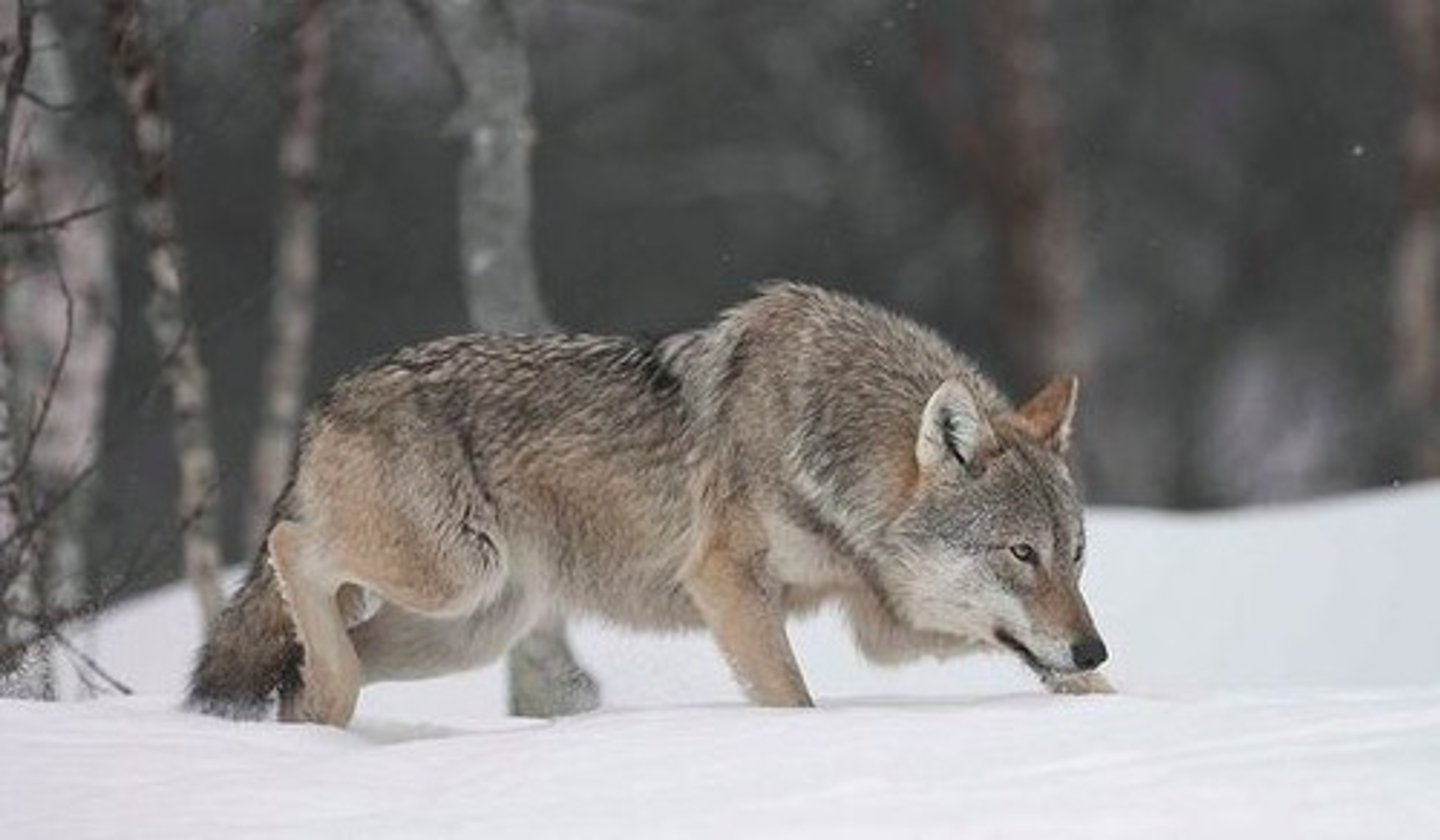
Common Name:
Class:
Order:
Family:
Gray Wolf
Mammalia
Carnivora
Canidae
Pointer: Fur is typically more grayish than coyote, smaller ears than coyote. All dogs are in Canidae Family.
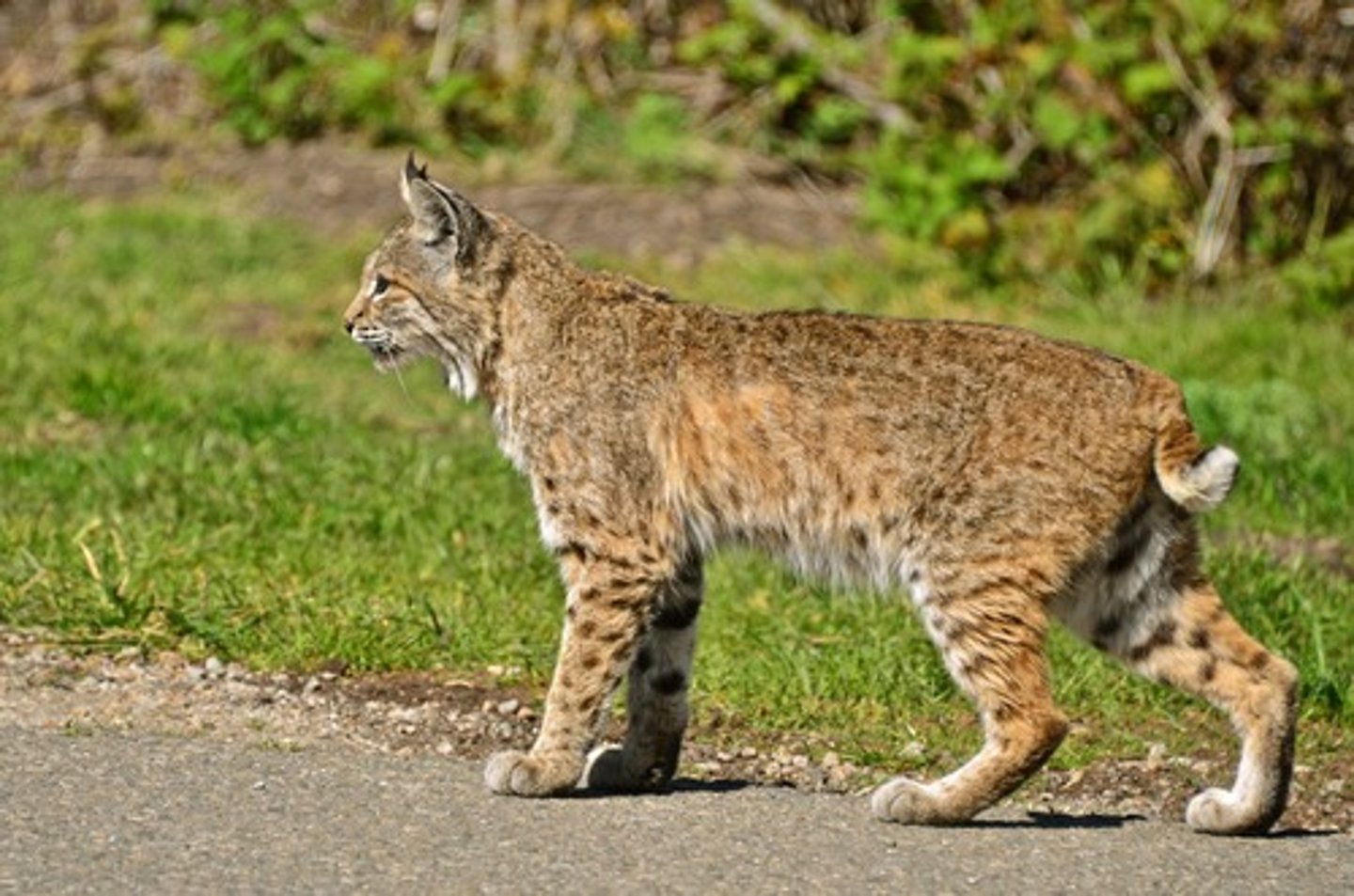
Common Name:
Class:
Order:
Family:
Bobcat
Mammalia
Carnivora
Felidae
Pointer: Pretty easy to ID - spotted coat, striped face, short tail. All cats are in Felidae Family.
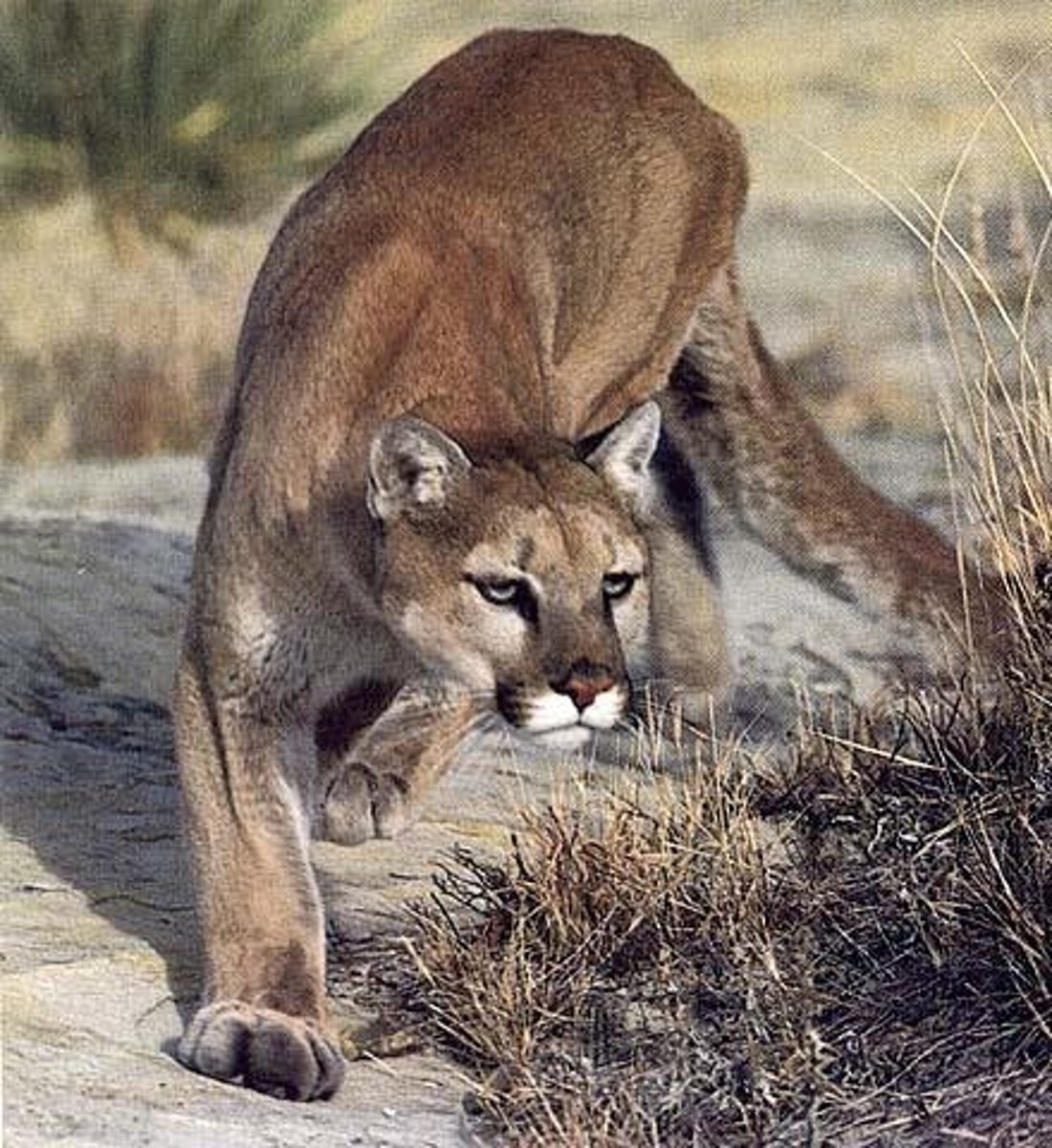
Common Name:
Class:
Order:
Family:
Puma
Mammalia
Carnivora
Felidae
Pointer: Easy to ID - uniform light red-brown color with dark "mustache" on face and black-tipped tail. Is known by dozens of different names, including mountain lion, catamount, puma, cougar, panther, etc.
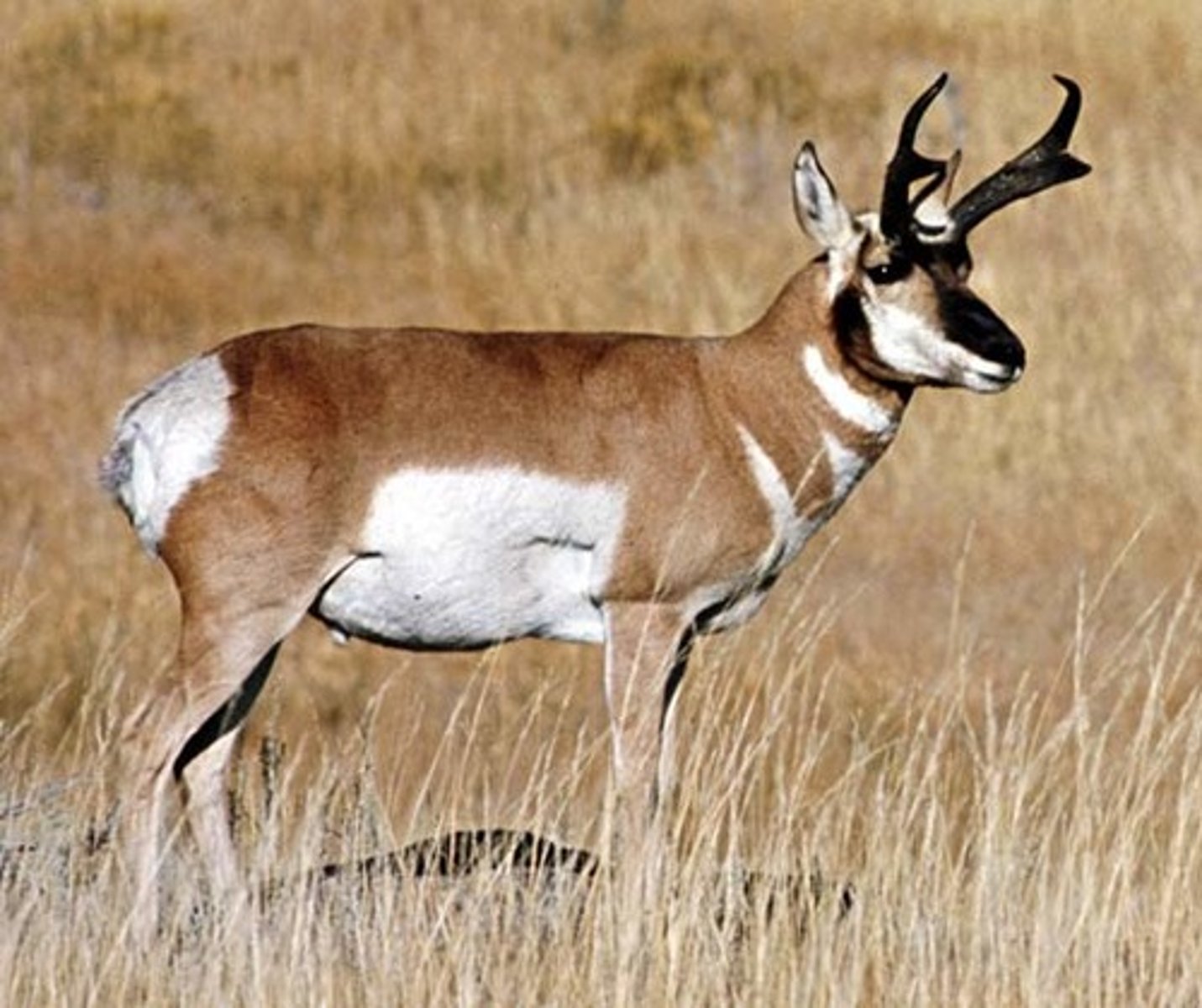
Common Name:
Class:
Order:
Family:
Pronghorn
Mammalia
Artiodactyla
Antilocapridae
Pointer: Resembles African gazelle, with white sides and rump, short black horns, and white collar. Can run very fast.
Pointer: Order Artiodactyla is the even-toed ungulates, and also includes deer.
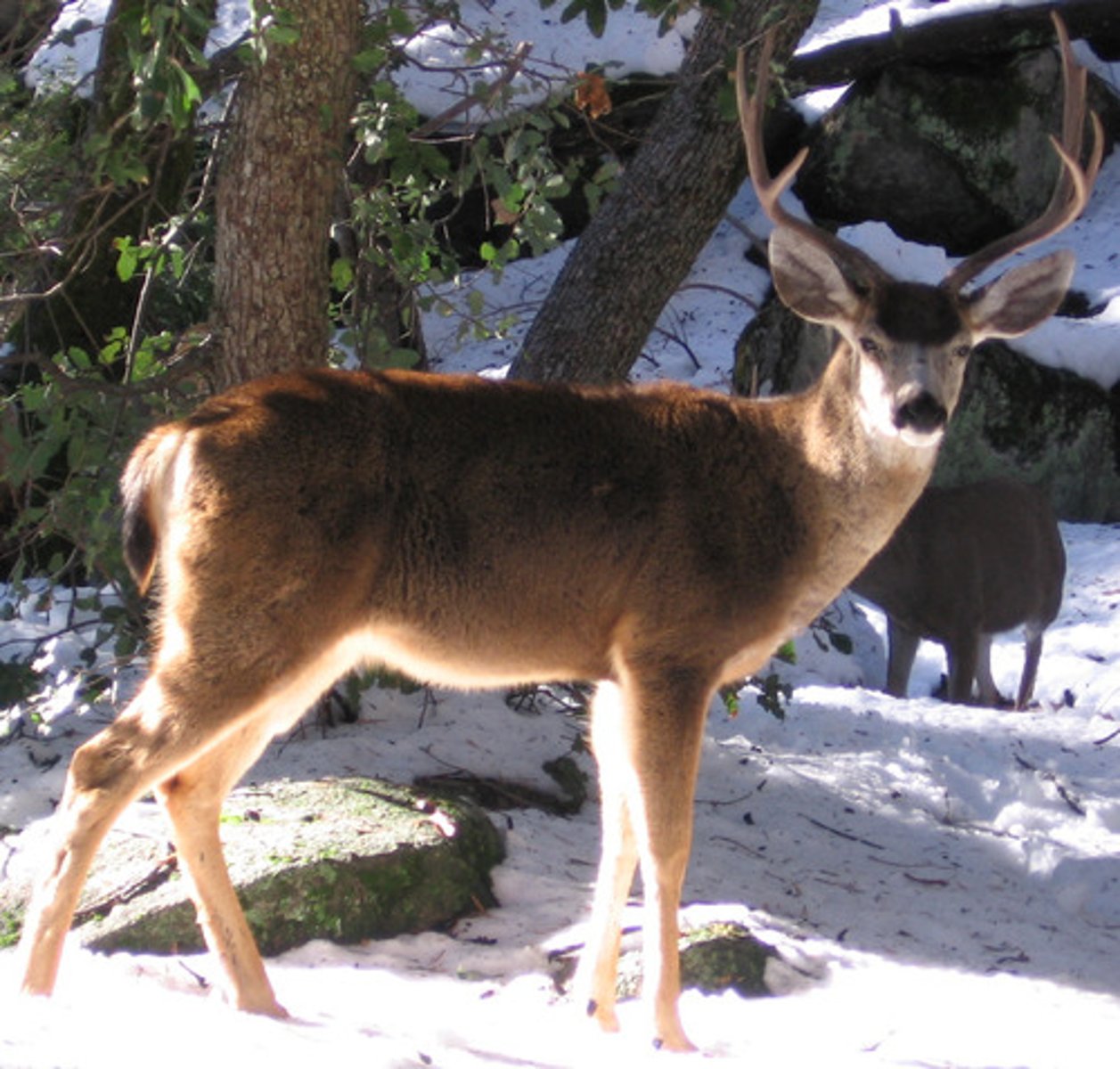
Common Name:
Class:
Order:
Family:
Mule Deer
Mammalia
Artiodactyla
Cervidae
Pointer: All deer and elk are in Cervidae Family.
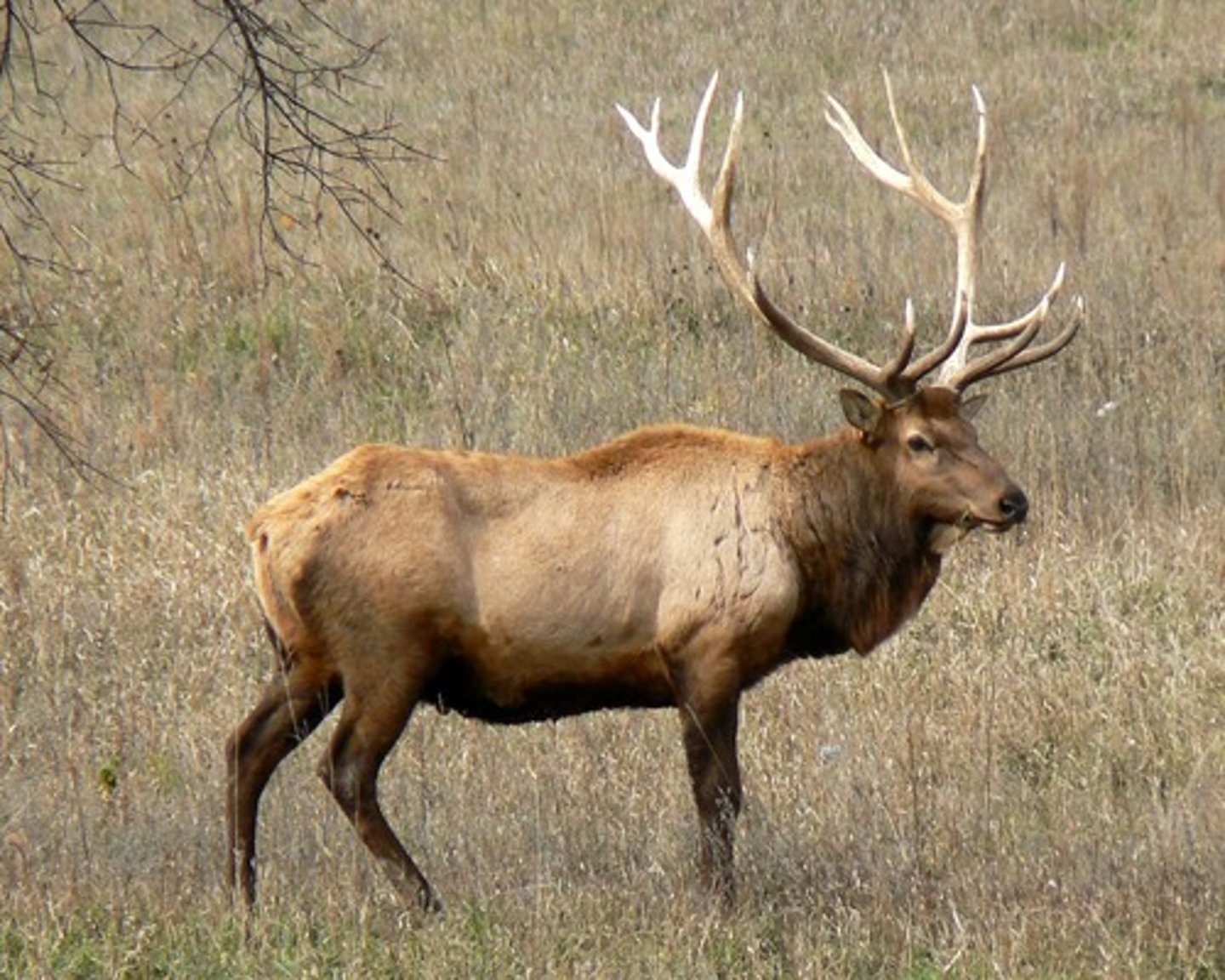
Common Name:
Class:
Order:
Family:
Wapiti
Mammalia
Artiodactyla
Cervidae
Pointer: Light rump, dark head and neck, large antlers on males. Very large size. In the Cervidae (deer) family. I know them better as Elk.