GEOL Lab - Midterm Exam (Silicate Minerals)
 Call Kai
 Learn
Learn Practice Test
 Spaced Repetition
 Match
Match Flashcards
 Knowt Play
1/14

There's no tags or description
Looks like no tags are added yet.
Name | Mastery | Learn | Test | Matching | Spaced | Call with Kai |
|---|
No analytics yet
Send a link to your students to track their progress
15 Terms
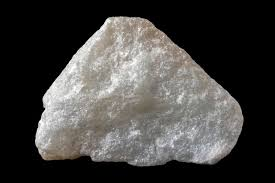
Commonly white in color
Very soft hardness
Soapy feeling to the touch
Talc
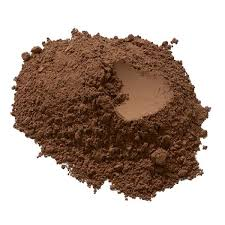
Earthy smell
Only mineral powder we work with
No apparent cleavage
Clays
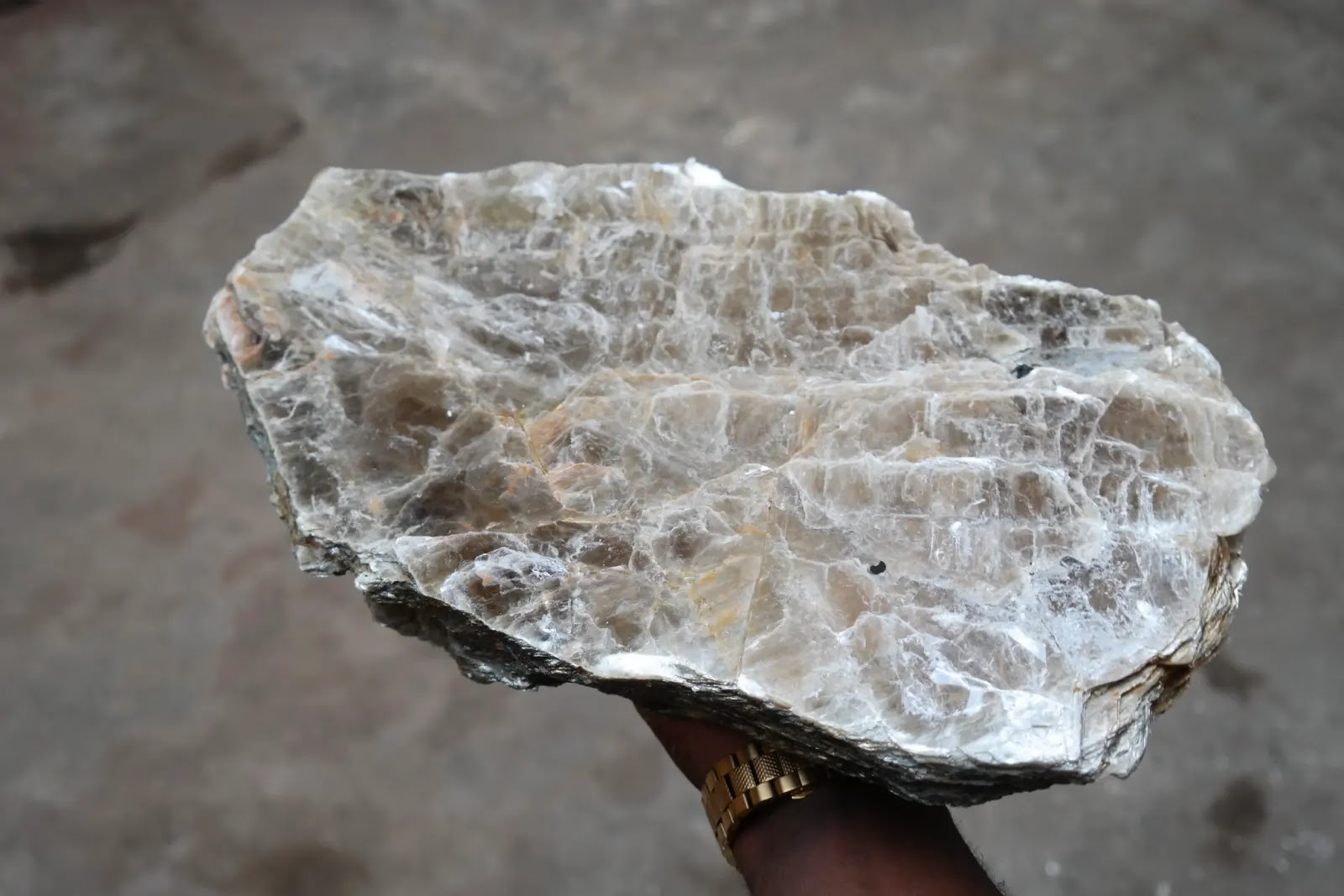
Transparent in thin sheets
Highly elastic in thin sheets
Clear to silver color
Good basal cleavage
Muscovite
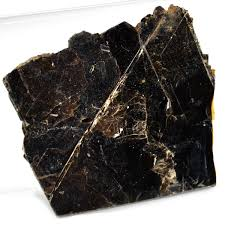
Dark brown to black color
Transparent but still darkly colored in thin sheets
Good basal cleavage
Biotite
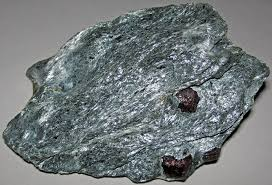
Has a “crushed” appearance
Soft hardness
Dark green in color
Chlorite
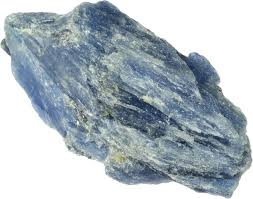
Light gray to pale blue in color
Platey to tabular crystals
Kyanite
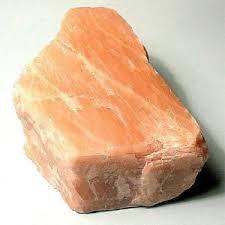
Flesh pink to light gray in color
Contains perthitic intergrowths (color markings)
Orthoclase (K-feldspar)
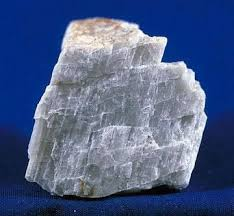
Dirty white in color
Striations present on cleavage fragments
Sodium Plagioclase
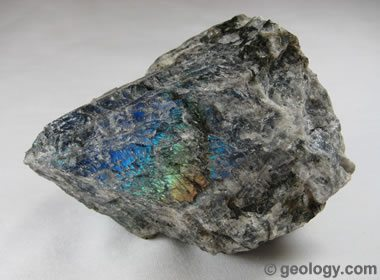
Dark gray in color
Some parts may show a play of color
Striations present on cleavage fragments
Calcium Plagioclase
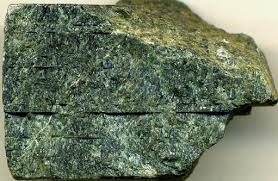
Dark green in color
Cleavage fragments are stubby
Augite (pyroxene)
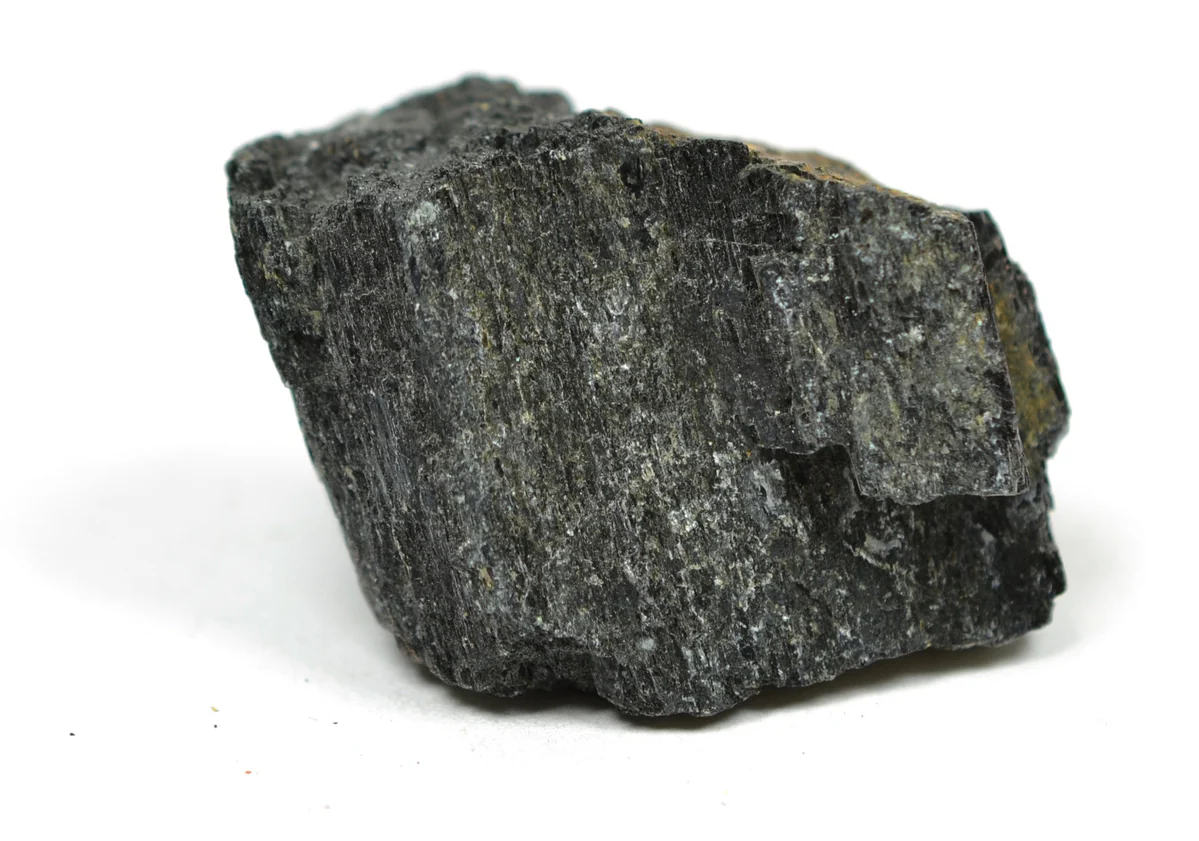
Long, jet black cleavage fragments
Commonly has tiny biotite flakes in the fragments
Hornblende (amphibole)
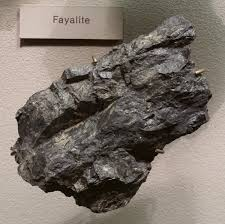
Granular masses that are fine-grained light green
“Sugary-looking” in appearance
Olivine
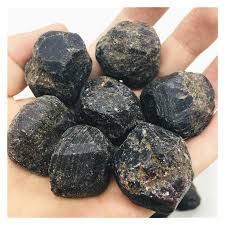
Commonly dark red and reddish brown
Crystals are rounded with diamond shaped faces
Garnet
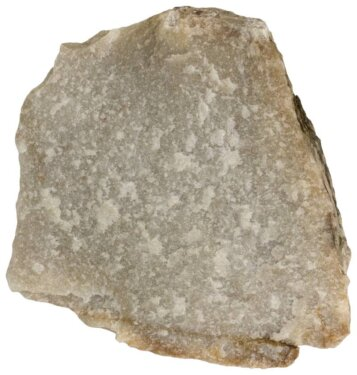
In lab, the mineral looks like a bone for some reason?
Very fine-grained with very sharp breaks
Commonly light gray
Quartz (fine-grained)
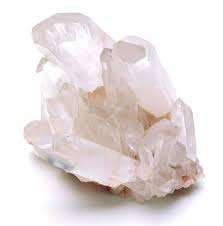
Looks and breaks like glass
Clear when pure but can be any color
6-sided crystal with pointed ends
Quartz (crystalline)