AP/College English Language Literary and Rhetorical Devices
 Call Kai
 Learn
Learn Practice Test
 Spaced Repetition
 Match
Match Flashcards
1/40

There's no tags or description
Looks like no tags are added yet.
Name | Mastery | Learn | Test | Matching | Spaced | Call with Kai |
|---|
No analytics yet
Send a link to your students to track their progress
41 Terms
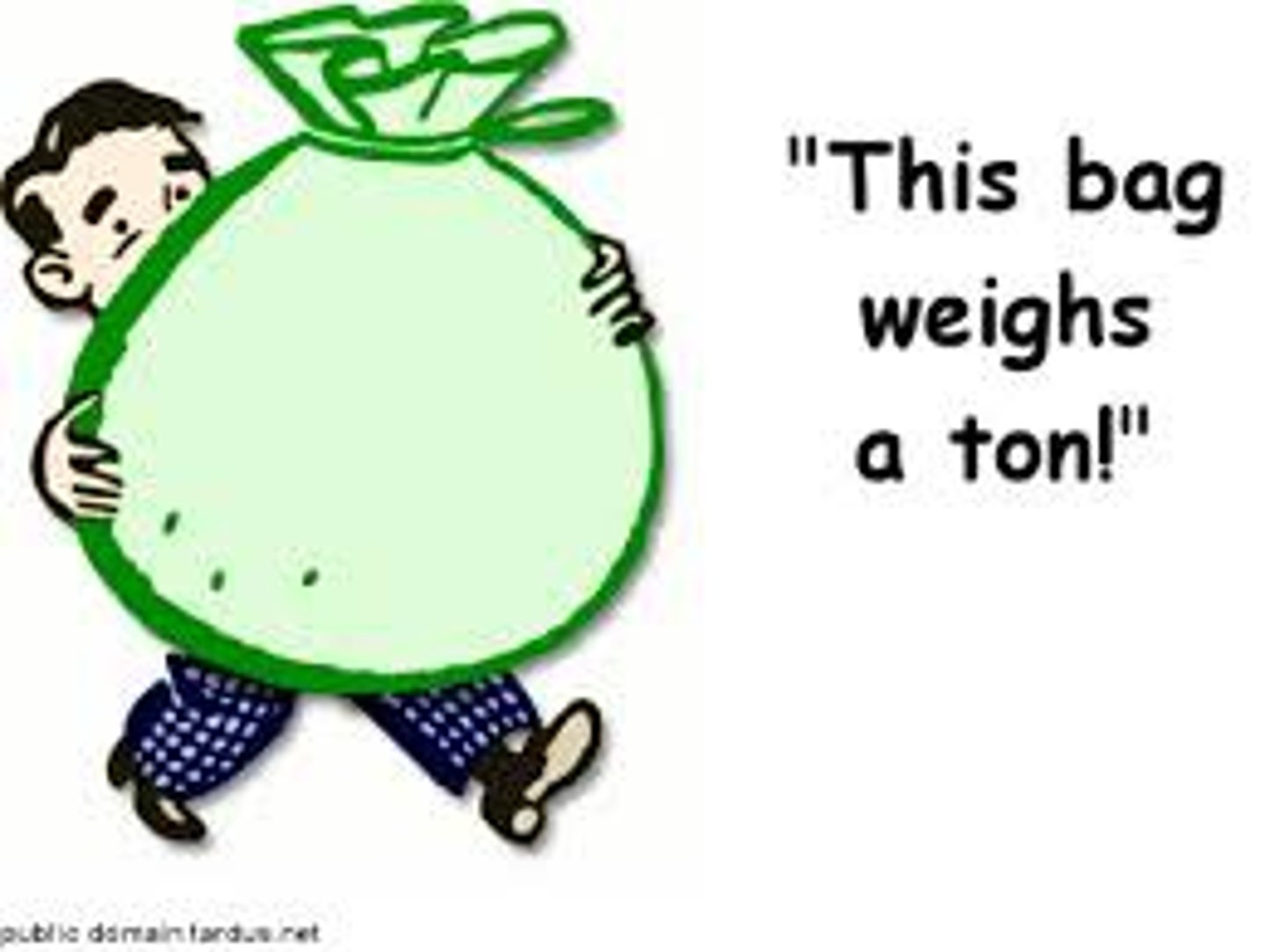
Hyperbole
exaggerated statements or claims not meant to be taken literally.
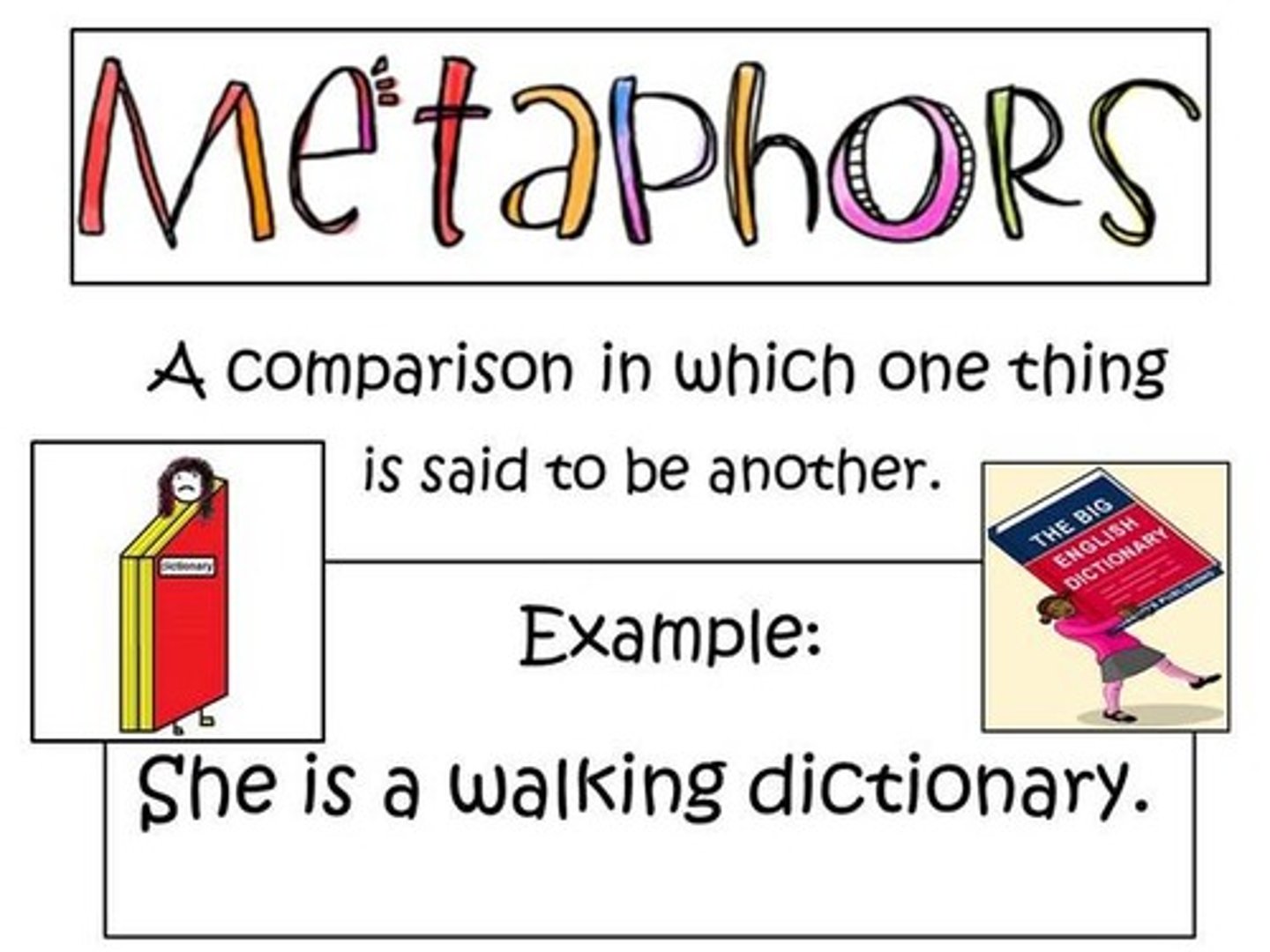
Metaphor
a figure of speech in which a word or phrase is applied to an object or action to which it is not literally applicable.
Simile
A comparison using "like" or "as"
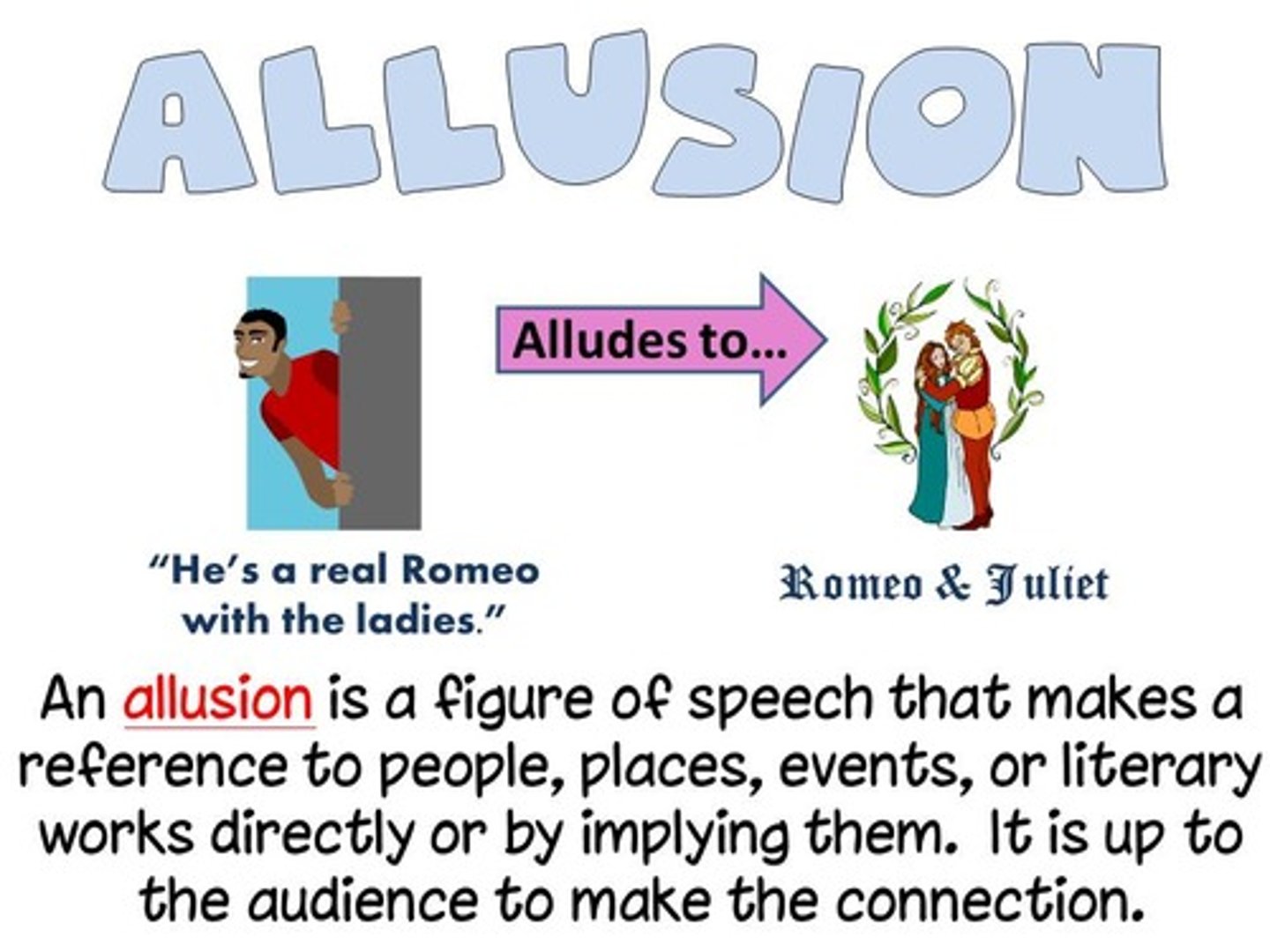
Allusion
A reference to another work of literature, person, or event
Rhetorical Question
A question asked merely for rhetorical effect and not requiring an answer or information
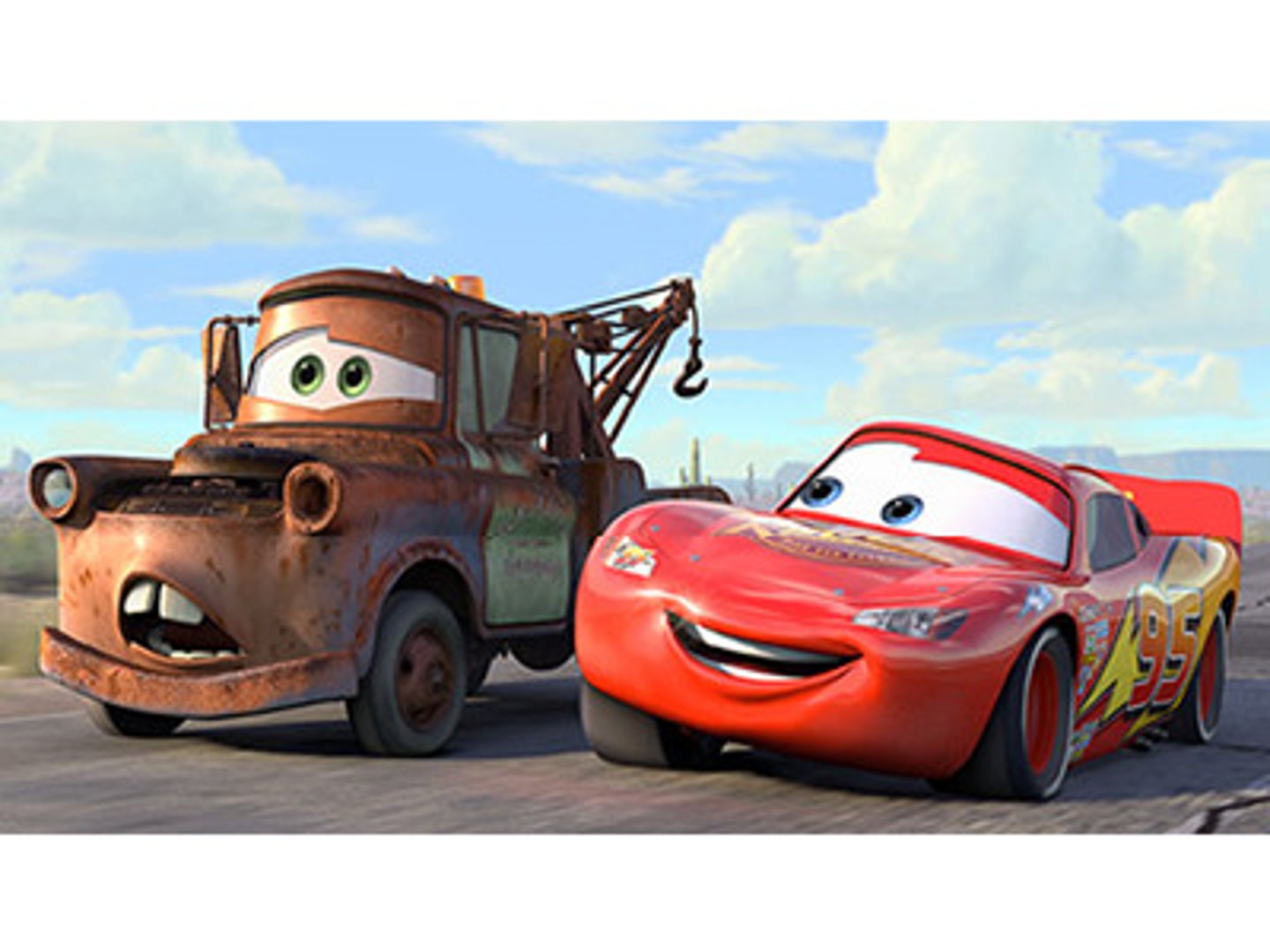
Personification
Attribution of a lifelike quality to
an inanimate object or idea
Periodic Sentence
Sentence whose main clause is withheld until the end. Ex: “His confidence was broken, his limbs shaking, his collar wet with perspiration, he doubted whether he could ever again appear before an audience.” This type of sentence builds suspense for the reader and emphasizes the main clause.
Parallelism
Similarity of structure in a pair or series of related words, phrases, or clauses.
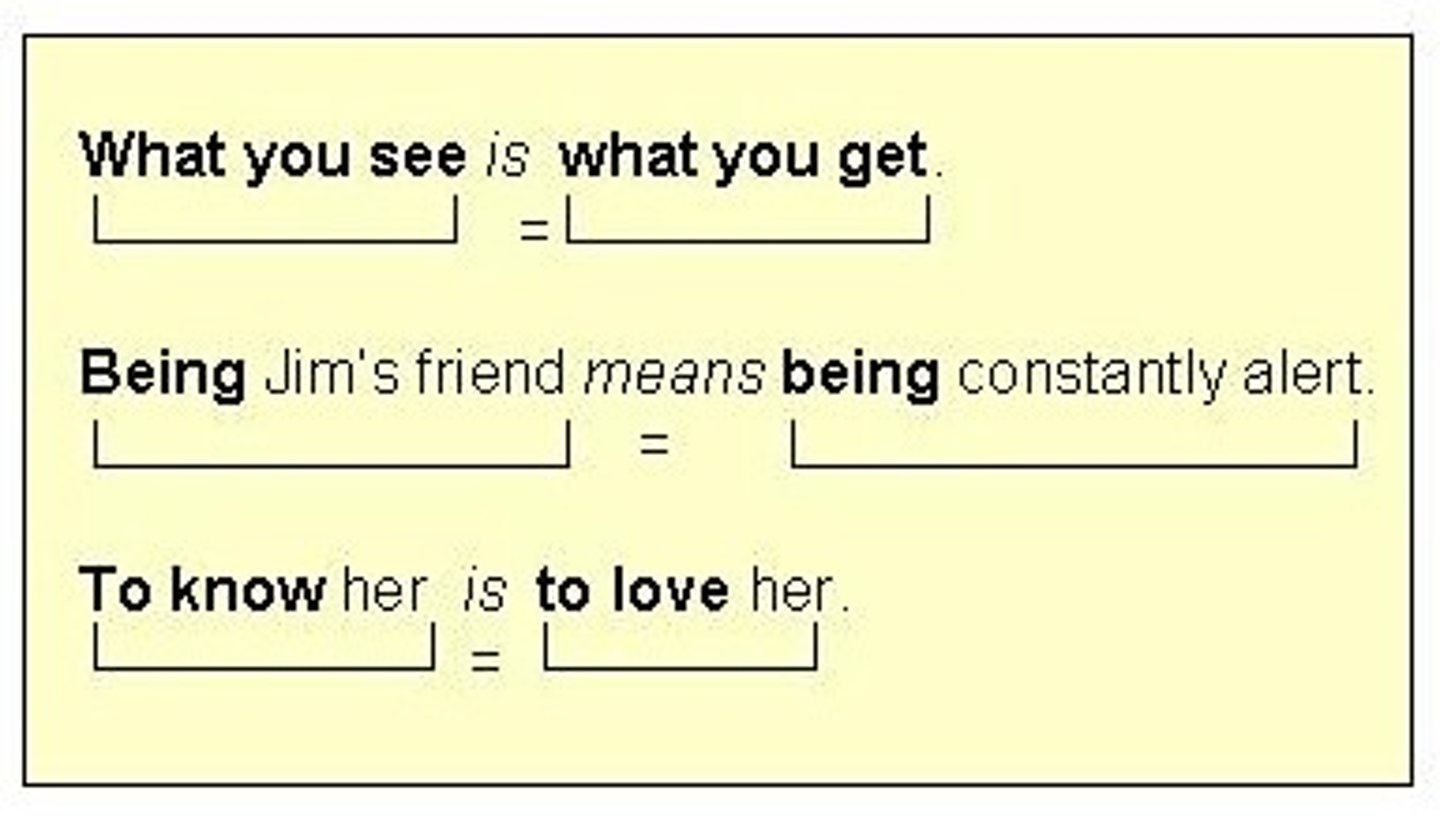
Oxymoron
Paradoxical juxtaposition of words
that seem to contradict one
another.
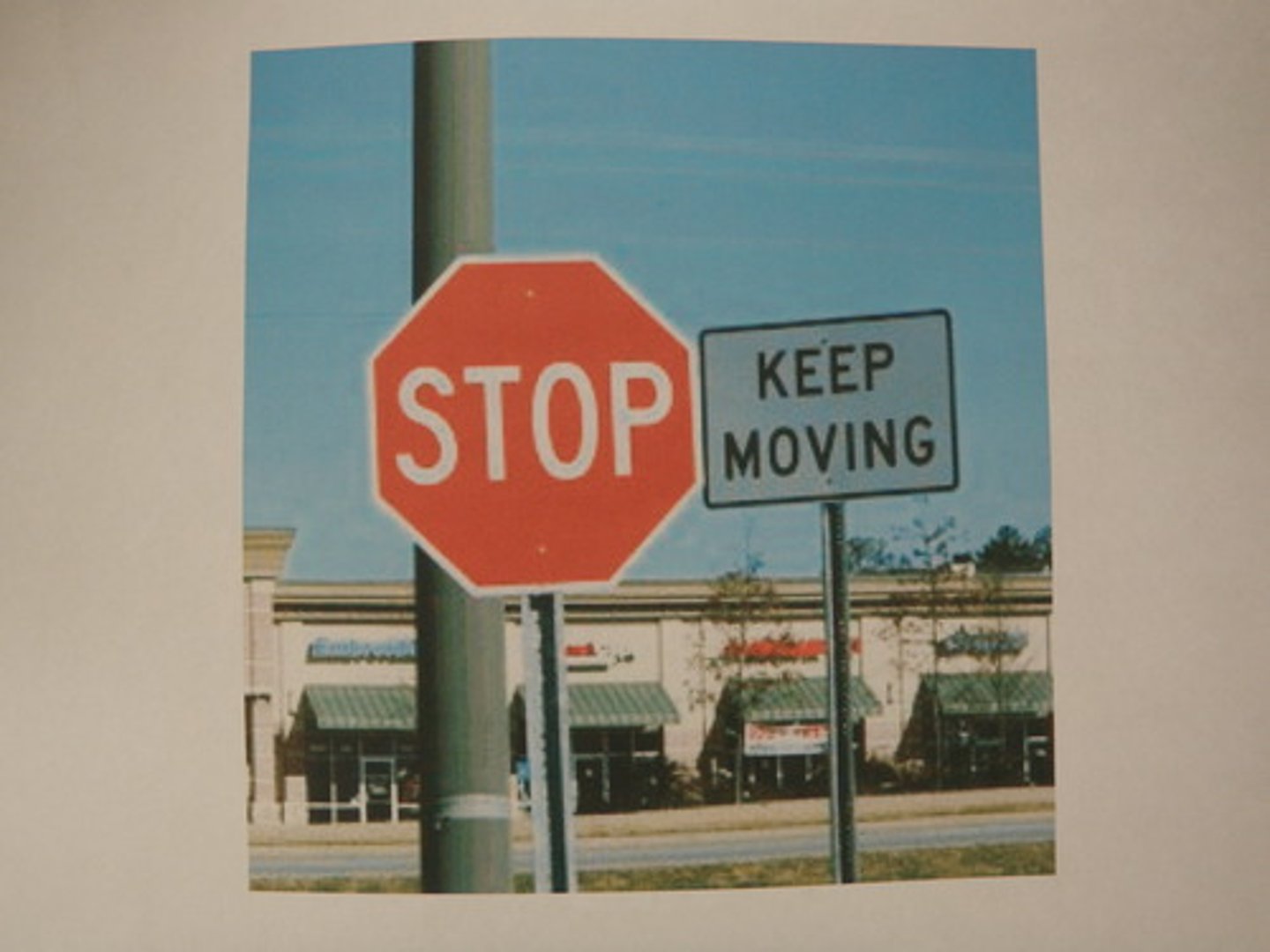
Metonymy
Using a single feature to represent the whole.
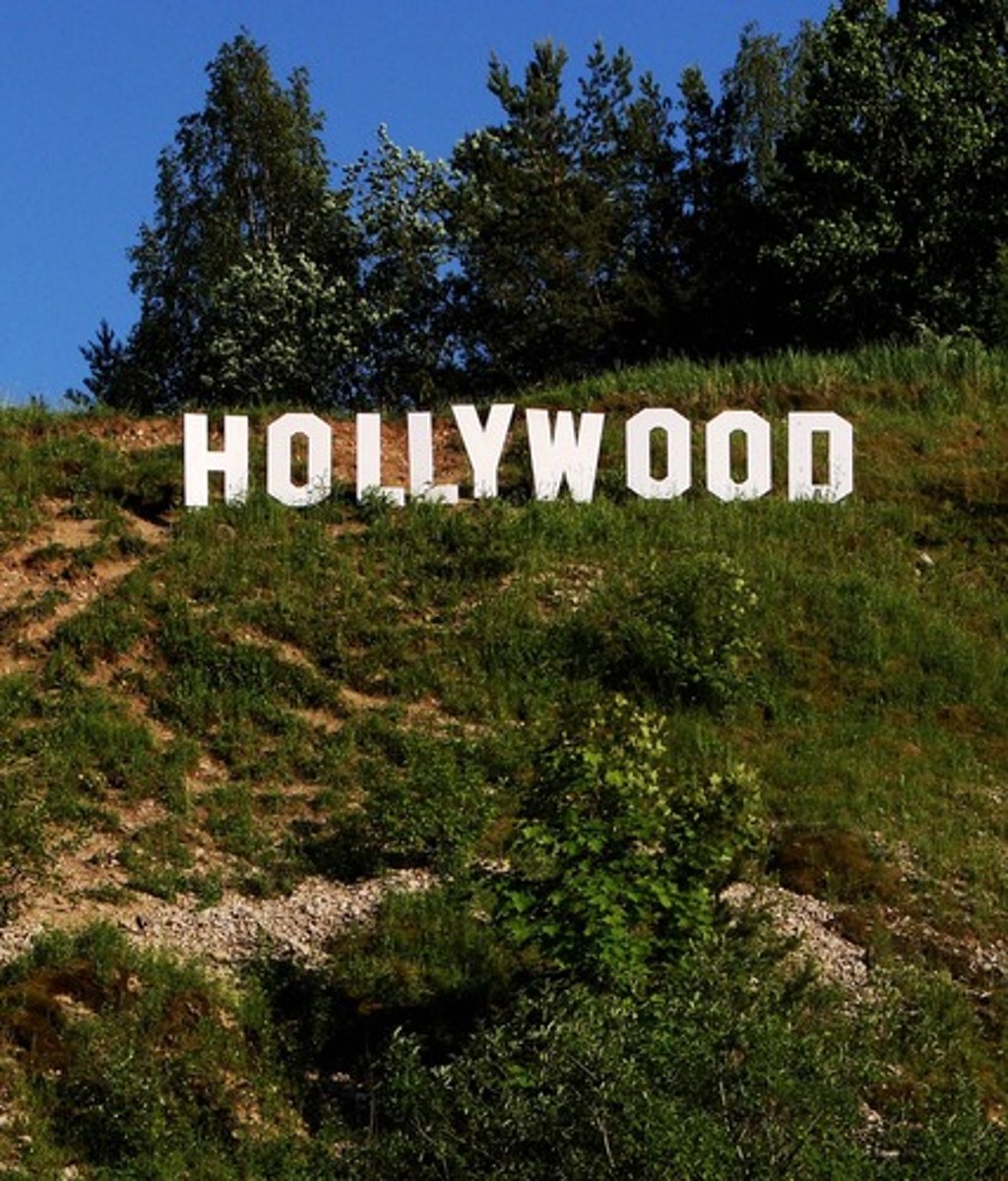
Juxtaposition
Placement of two things closely together to emphasize comparisons or contrasts
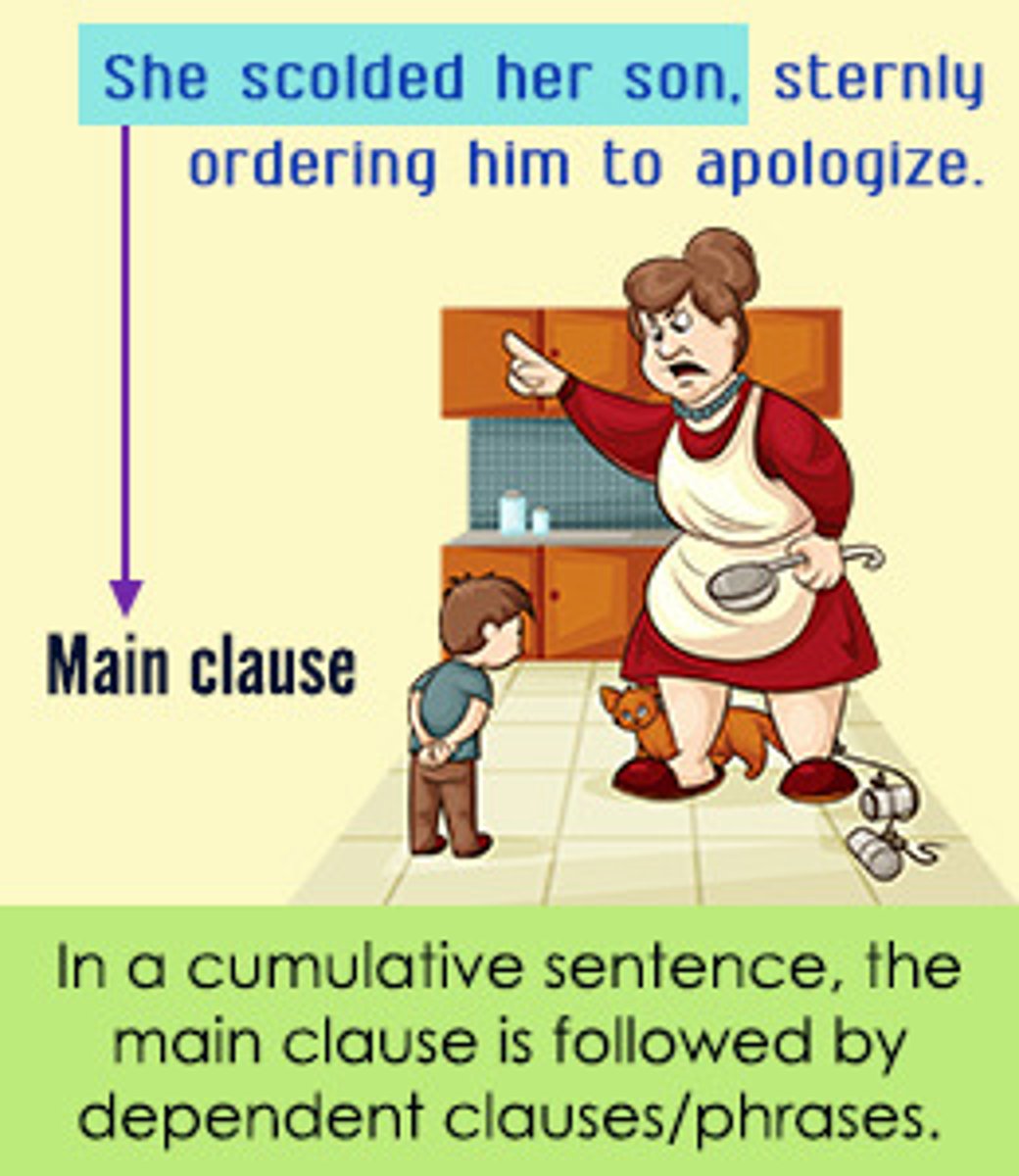
Cumulative Sentence
Sentence that completes the main idea at the beginning of the sentence and then builds and adds on. Ex: “He doubted whether he could ever again appear before an audience, his confidence broken, his limbs shaking, his collar wet with perspiration.”
Anaphora
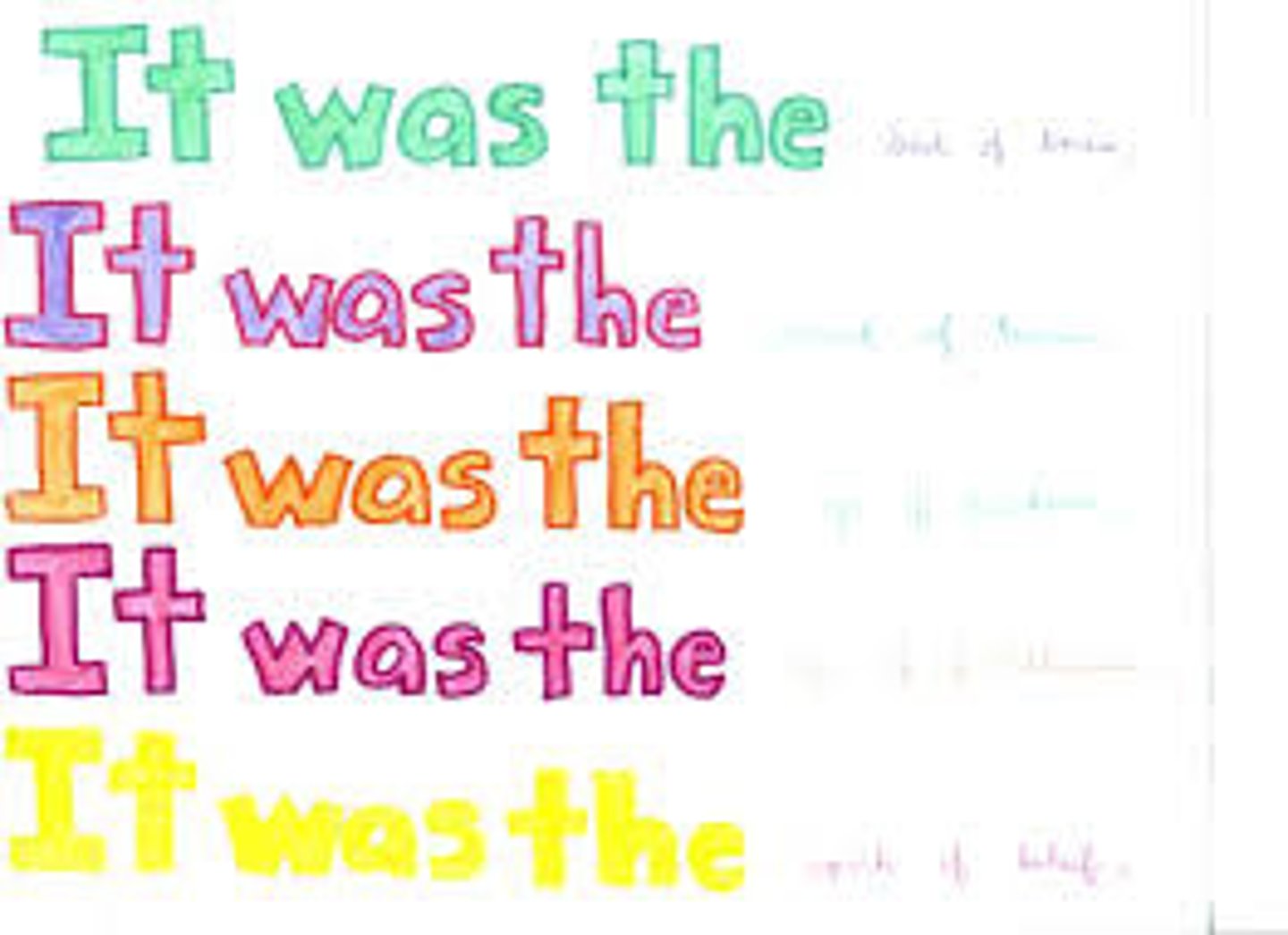
the repetition of a word or phrase at the beginning of successive clauses
Ethos
Appeal to credibility
Pathos
Appeal to emotion
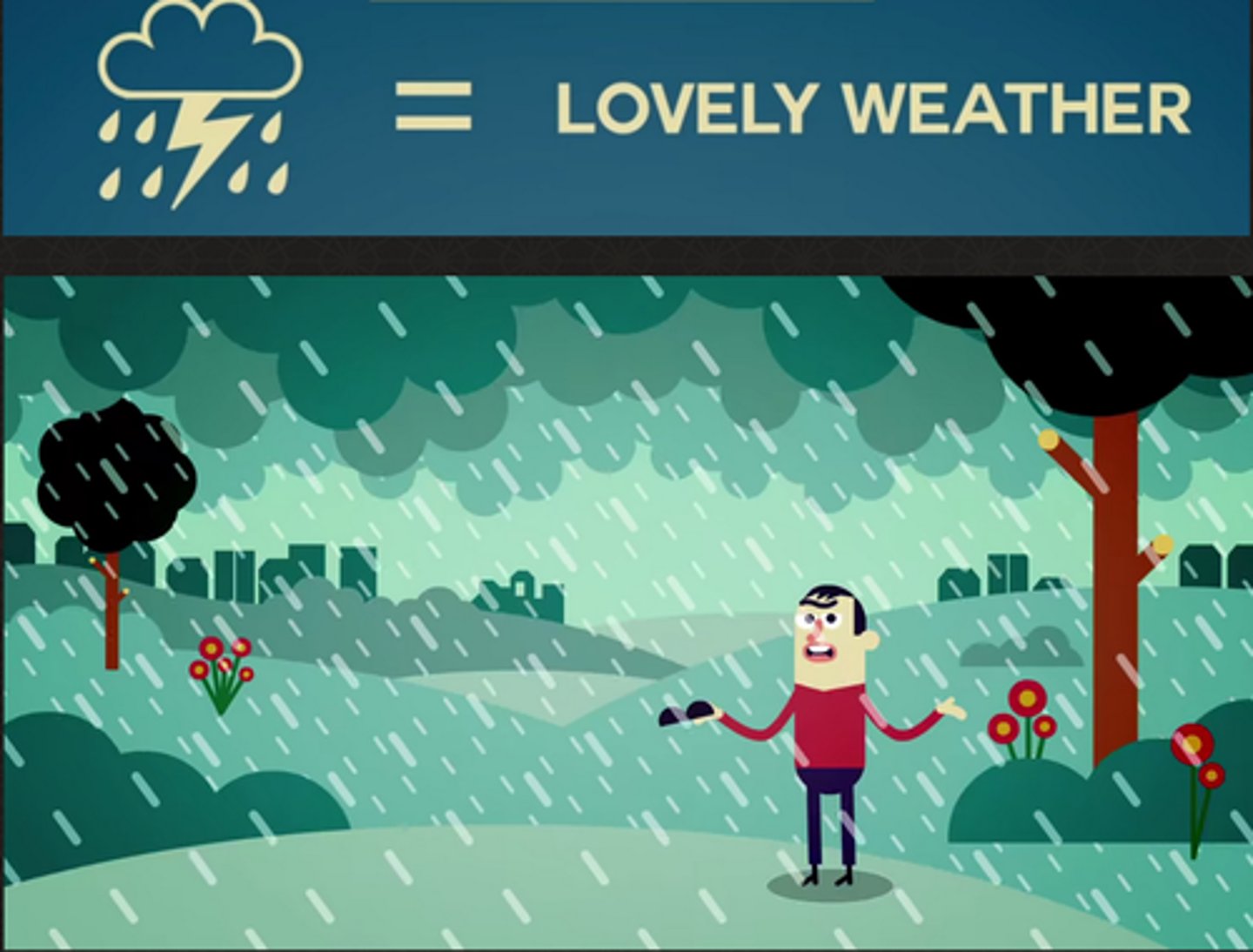
Irony
A contrast between expectation and reality
Logos
Appeal to logic
Connotation
What is implied by a word. For example, stingy and thrifty have similar definitions, but different connotations—one implies someone who is cheap, the other implies someone who is careful with money.
Imagery
Descriptive language that appeals to the senses and creates vivid mental pictures.
Assonance
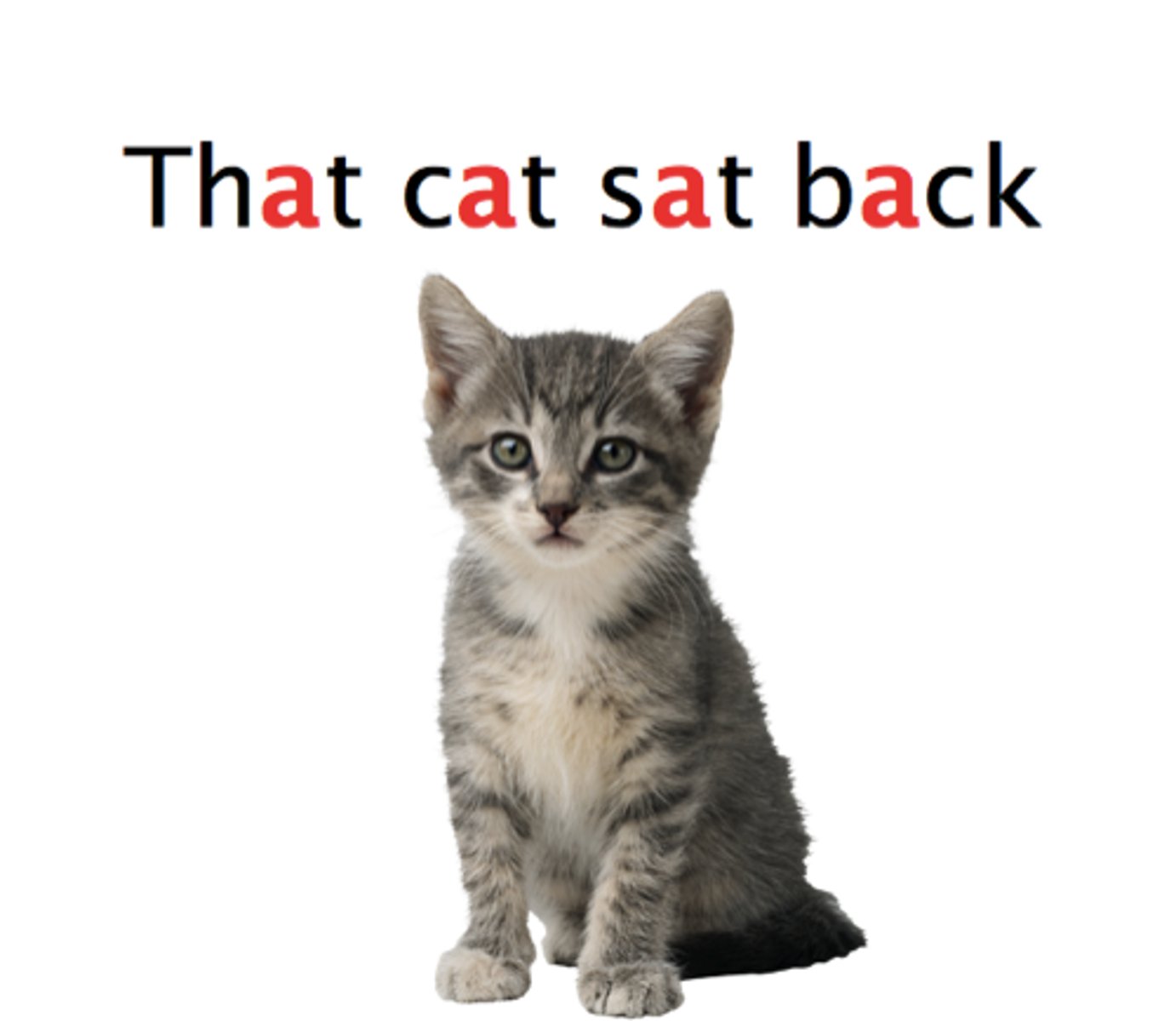
Repetition of vowel sounds
Anecdote
A brief, entertaining story about a real incident or person, often used to illustrate a point or engage the audience.
Antecedent
A word or phrase that a pronoun refers to or replaces in a sentence. Ex: Jessica lost her keys." Jessica is the antecedent for the pronoun her.
Diction
The choice and use of words and phrases in speech or writing, which can affect tone and clarity.
Denotation
The literal or primary meaning of a word, in contrast to the feelings or ideas that the word suggests.
Allegory
A narrative that uses characters and events to symbolize deeper moral, spiritual, or political meanings.
Idiom
A phrase or expression that has a figurative meaning different from its literal meaning, often culturally specific. Ex: “The test was a piece of cake.”
Motif
A recurring element or theme in a literary work, used to develop the central idea or message.
Mood
The emotional atmosphere or feeling that a piece of literature evokes in the reader, often created through the author's choice of words and details.
Paradox
A statement that seems contradictory but may reveal a deeper truth. For example, "less is more" suggests simplicity can enhance meaning.
Parody
A humorous or satirical imitation of a specific work, genre, or style, often exaggerating characteristics for comic effect.
Rhetoric
The art of effective or persuasive speaking or writing, often employing figures of speech and other compositional techniques.
Aristotle’s Rhetorical Triangle
A framework for analyzing the relationships between the speaker, audience, and message in effective communication. All analysis of writing is essentially an analysis of the relationships between the points on the triangle. It includes ethos (credibility), pathos (emotional appeal), and logos (logical reasoning), which are essential for persuasion.
Satire
A genre of literature and performing arts that uses humor, irony, or exaggeration to criticize or mock societal norms, politics, or behaviors, often aiming for social change.
Syntax
The arrangement of words and phrases to create well-formed sentences in a language, affecting clarity and style.
Thesis
A statement or central argument that a writer intends to support and prove throughout a piece of writing.
Theme
The underlying message or central idea of a literary work, often reflecting on human experience and societal issues.
Tone
The general character, attitude, or mood expressed in a piece of writing, often influencing how the reader perceives the text.
Concession
A rhetorical strategy that acknowledges opposing viewpoints in order to strengthen one's own argument.
Fallacy
An error in reasoning that undermines the logic of an argument, often misleading readers or listeners.
Figurative Language
Language that uses figures of speech, such as metaphors, similes, and personification, to convey meanings beyond the literal sense.
Persona
The voice or character assumed by the author in a literary work, used to convey a specific perspective or attitude.