Safety Trained Supervisor Construction (STSC) Test Prep
 Call Kai
 Learn
Learn Practice Test
 Spaced Repetition
 Match
Match Flashcards
 Knowt Play
1/57

Earn XP
Description and Tags
Study resource for the Safety Trained Supervisor Construction (STSC) credential test.
Name | Mastery | Learn | Test | Matching | Spaced | Call with Kai |
|---|
No analytics yet
Send a link to your students to track their progress
58 Terms
What is the OSHA General Duty Clause?
Employers must provide a workplace free from recognized hazards likely to cause death or serious harm.
What is an OSHA Form 300?
Log of Work-Related Injuries and Illnesses.
What are the OSHA reporting requirements for fatalities and hospitalizations?
Report fatalities within 8 hours; hospitalizations, amputations, or loss of eye within 24 hours.
What is the purpose of a Job Hazard Analysis (JHA)?
Identify job steps, hazards, & controls before work begins
What are Immediate vs. Underlying Causes?
Immediate: unsafe acts or conditions.
Underlying: systemic factors (training, management, etc.).
What is the industry best practice for safety meeting frequency?
Weekly toolbox talks
What are the jobsite sanitation requirements?
Clean restrooms and potable water per 29 CFR 1926.51
What are the steps of an incident Investigation?
Root cause → corrective action → follow-up verification.
What is the chain of command for unresolved hazards onsite?
Foreman → Superintendent → EHS/Project Manager
What to look for when determining if someone is ‘fit for duty’?
Evaluate fatigue, impairment, illness daily.
Why is housekeeping important?
Poor housekeeping leads to increased slip, trip and fire hazards.
What are some examples of ergonomic injuries?
Overexertion, repetitive strain, awkward posture (e.g., carpal tunnel).
What are leading indicators?
proactive, predictive measures used to assess the effectiveness of safety activities and prevent incidents before they occur (ex: trainings, inspections, near misses)
What are lagging indicators?
reactive, retrospective metrics that measure past incidents to evaluate the effectiveness of safety programs (ex: injuries, RIR, property damage)
What is the purpose of an incident investigation?
Identify root causes and implement corrective actions.
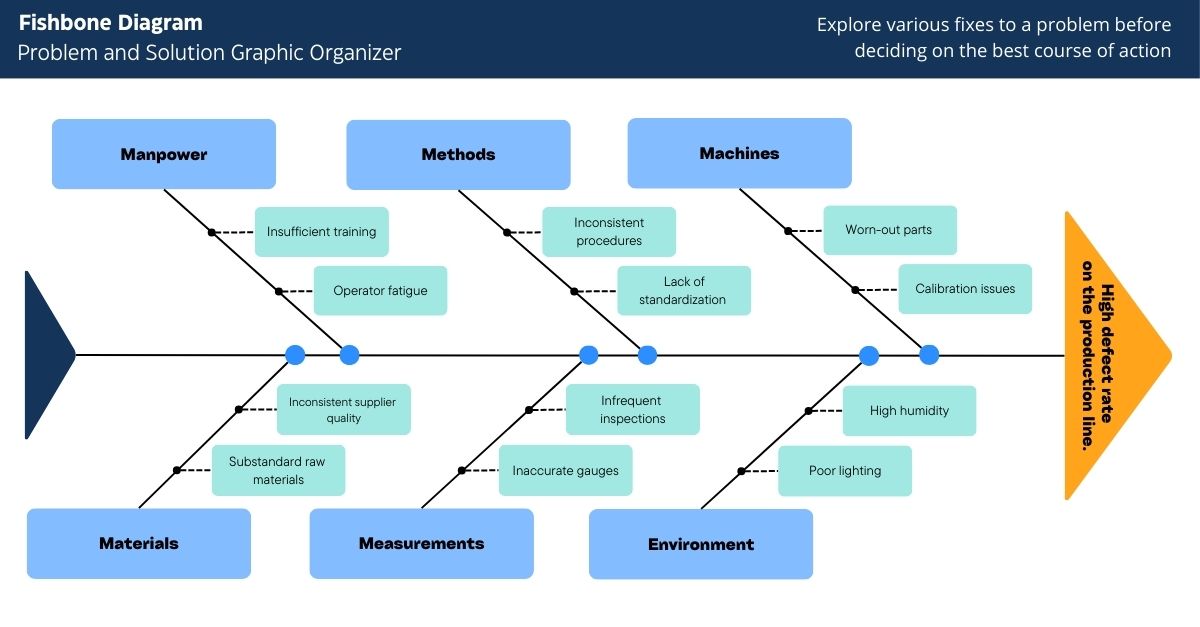
What are the methods of performing a root cause analysis?
“Five Why’s” or fishbone diagram used to identify underlying cause.
When is a written hazard communication program required and what must it include?
If hazardous chemicals are present (29 CFR 1910.1200(e)). It must include a hazardous chemical inventory, Safety Data Sheet (SDS) management, proper container labeling methods, and employee training procedures. The program must be accessible to employees and tailored to the specific worksite.
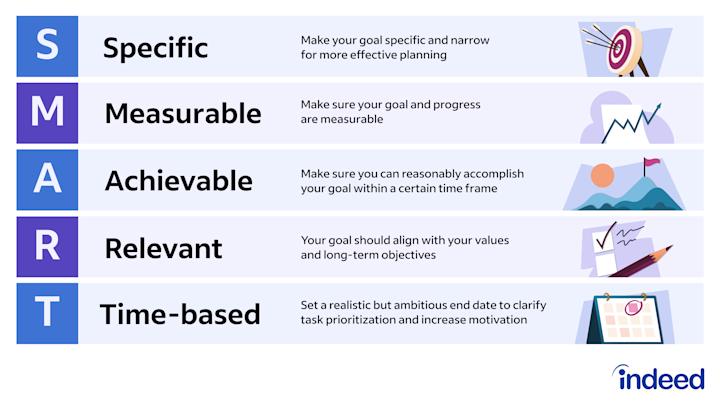
What are the components of a S.M.A.R.T. Goal?
Specific, Measurable, Achievable, Relevant, Time-bound
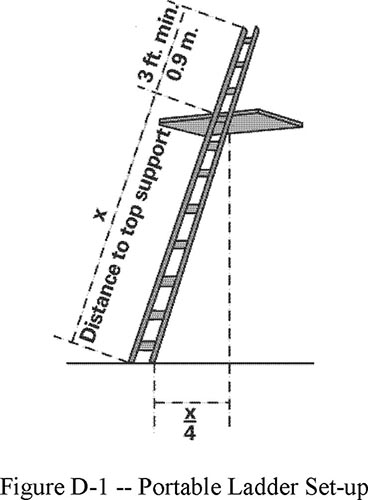
What is proper ladder angle?
4:1 ratio – 1 ft out per 4 ft up.
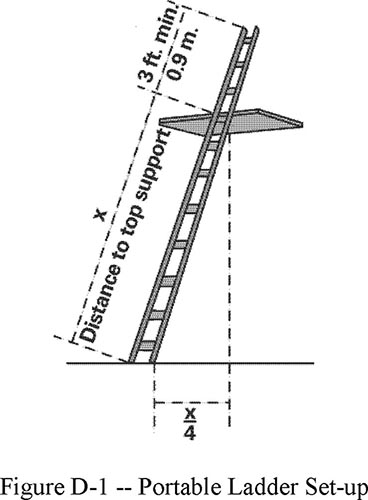
What is the maximum ladder extension above a landing?
3ft
At what fall exposure height is fall protection required?
6ft
What are guardrail height requirements?
Top Rail: 42” ± 3”
Mid Rail: halfway between top rail and surface (~21”)
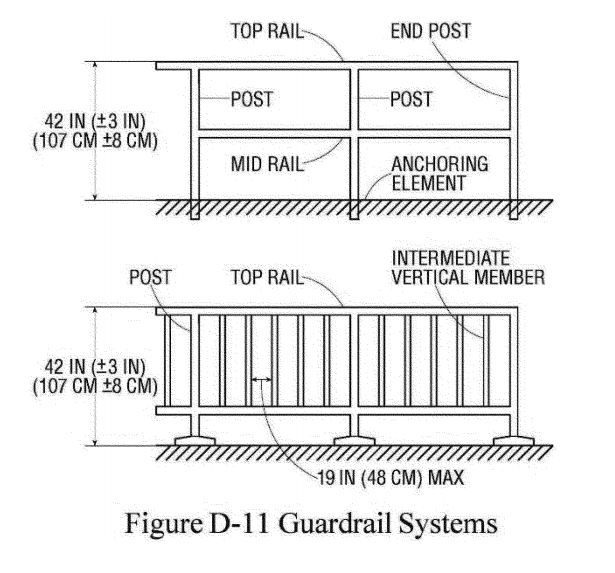
What are guardrail load requirements?
Must withstand 200 lb outward/downward
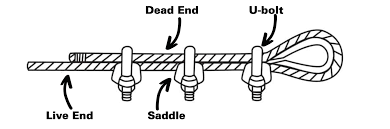
What is does "Never saddle a dead horse" mean?
"Never saddle a dead horse" is a rigging and safety mnemonic meaning the saddle (base) of a wire rope clip must be placed on the live (load-bearing) side of the rope, and the U-bolt on the dead end. Improper installation reduces capacity and risks failure.
What is the distance required between hot work and combustible materials?
35ft
What is the minimum fire watch duration after hot work has been completed?
30 minutes
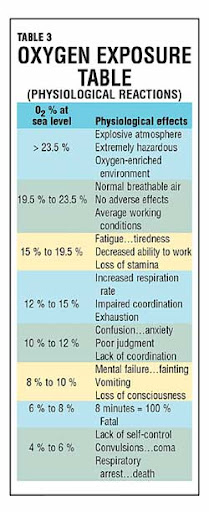
What is the required oxygen (O2) percent range for entry into a confined space?
19.5% – 23.5% O₂
What is the storage spacing requirement for gas cylinders?
Gas cylinders, particularly oxygen and fuel gases, must be separated by at least 20 feet (6.1 meters) or by a non-combustible barrier (at least 5 feet high, 1/2-hour fire rating)
What is a permit-required confined space?
Has one or more of the following characteristics:
- contains or has the potential to contain a hazardous atmosphere;
- contains material that has the potential to engulf an entrant;
- has walls that converge inward or floors that slope downward and taper into a smaller area which could trap or asphyxiate an entrant;
- contains any other recognized safety or health hazard (unguarded machinery, exposed live wires, or heat stress)
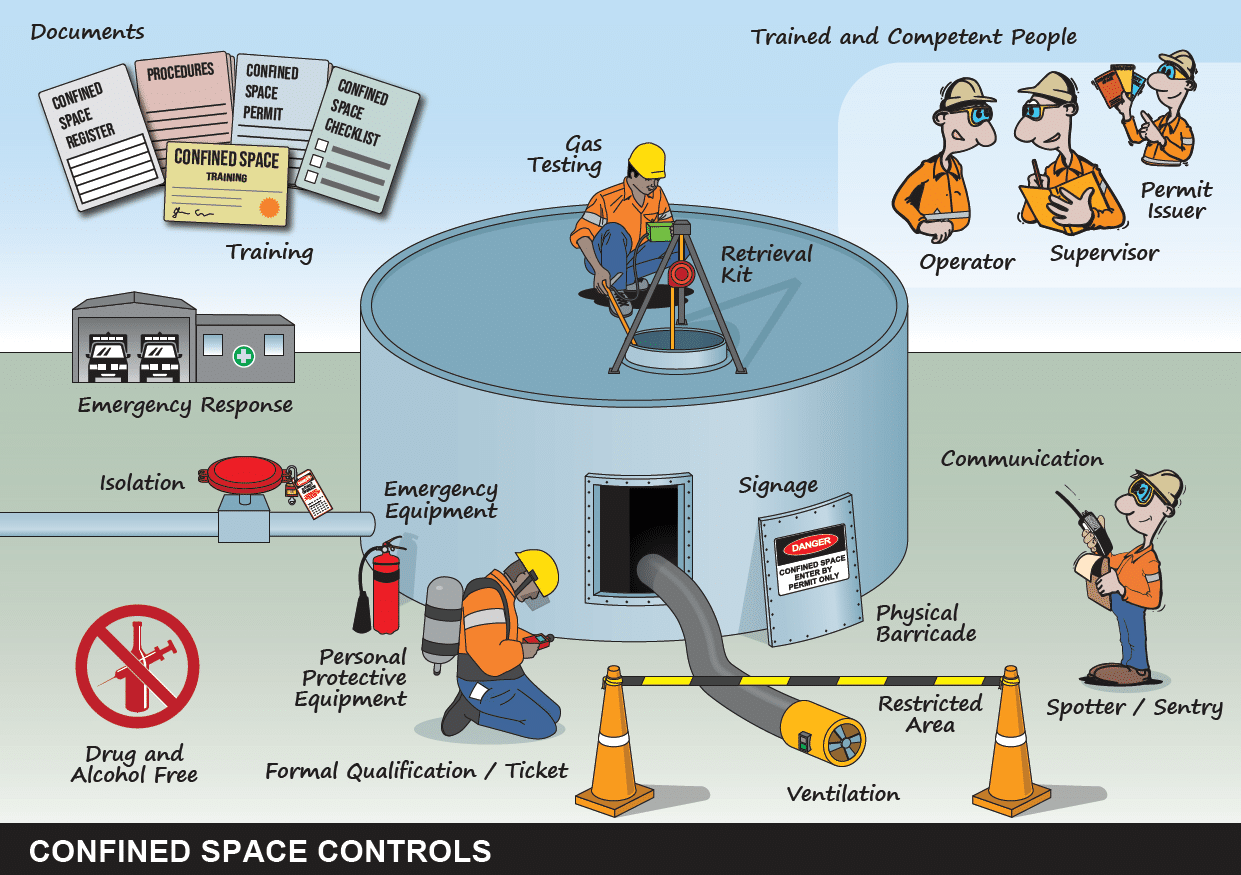
What personnel are required for access into a confined space?
Entrant, Attendant, Entry Supervisor (and rescue team).
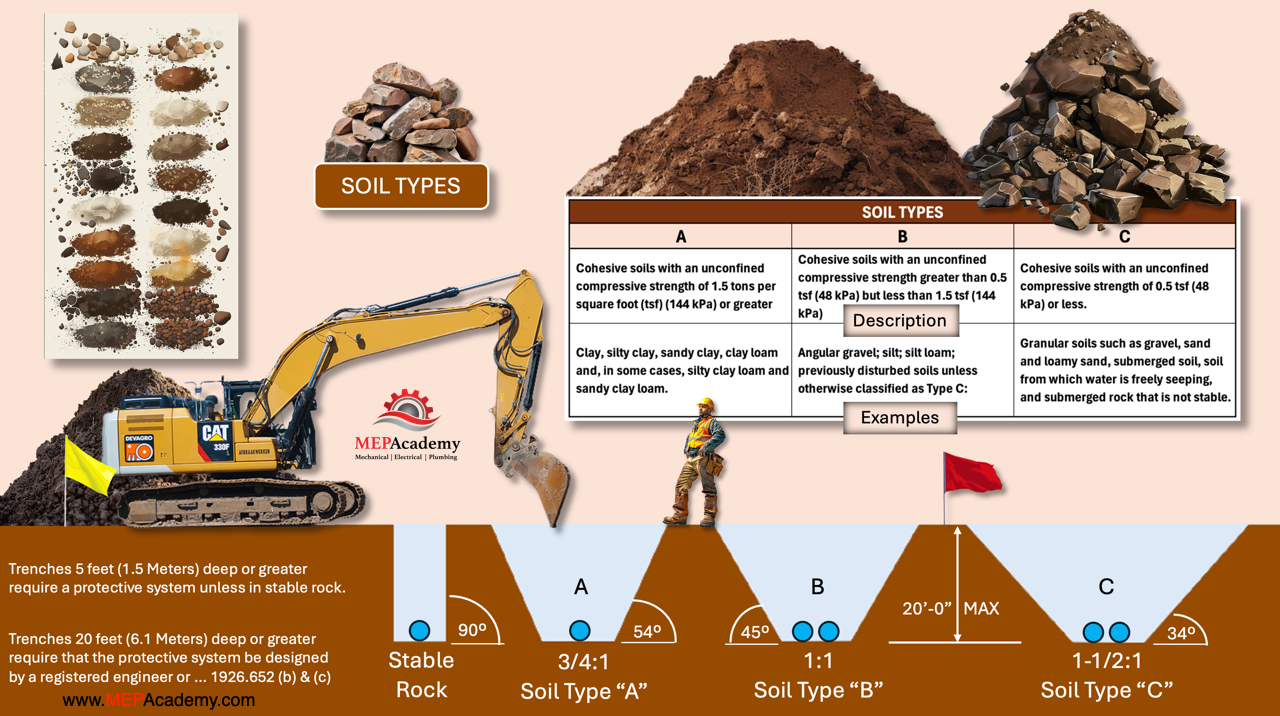
What are excavation slope requirements for each soil type?
Stable Rock = vertical
Type A = ¾:1 (53°)
Type B = 1:1 (45°)
Type C = 1½:1 (34°)
What are excavation inspection requirements?
OSHA requires that a designated "competent person" inspects all excavations, adjacent areas, and protective systems daily—prior to the start of work, as needed throughout the shift, and after every rainstorm or hazard-increasing event.
What are the access and egress requirements for excavations?
OSHA requires safe access and egress (entry/exit) in trenches/excavations 4 feet or deeper, including ladders, steps, or ramps, positioned within 25 lateral feet of workers
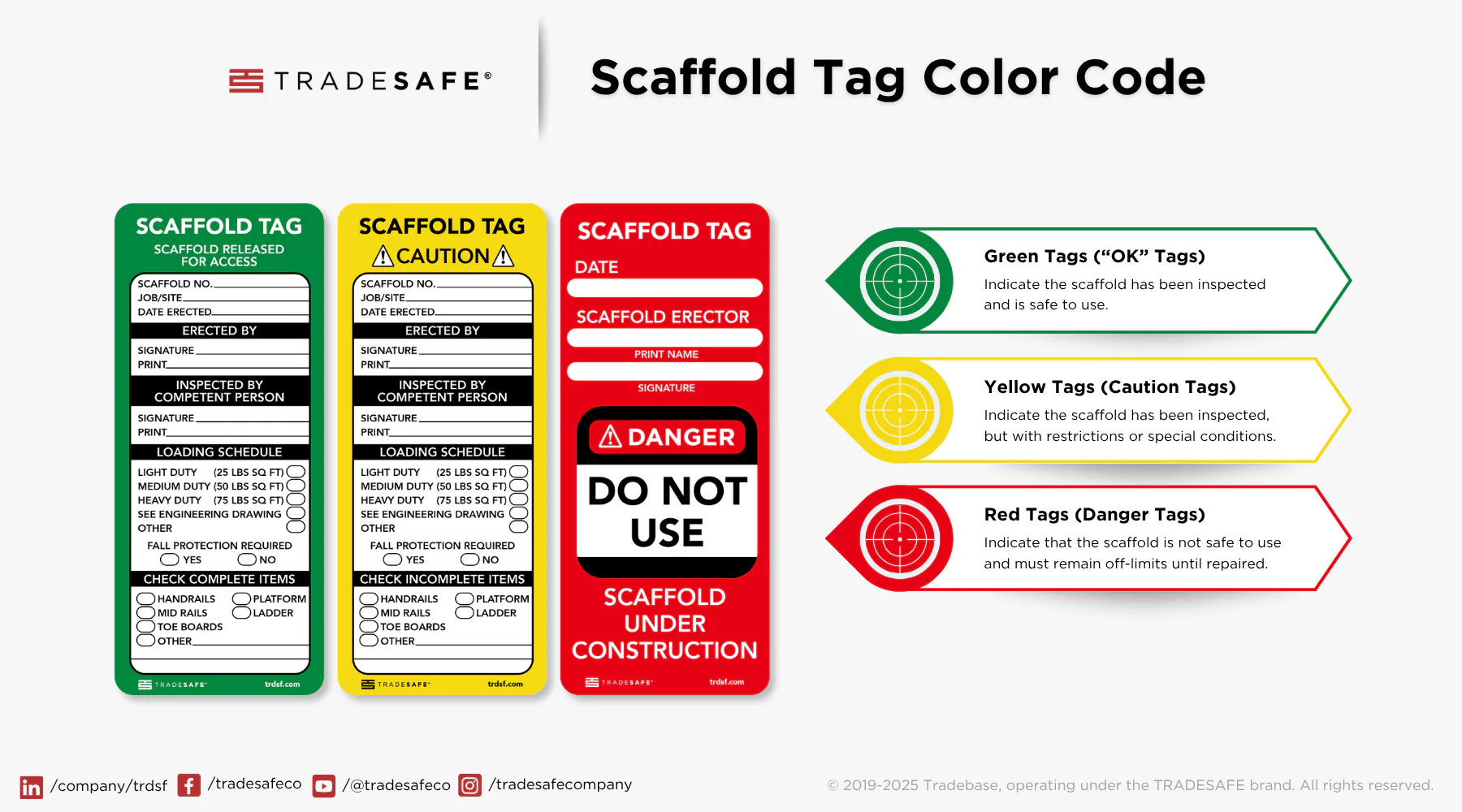
What is the meaning of each color scaffold tag?
Green – safe
Yellow – restricted
Red – unsafe/do not use
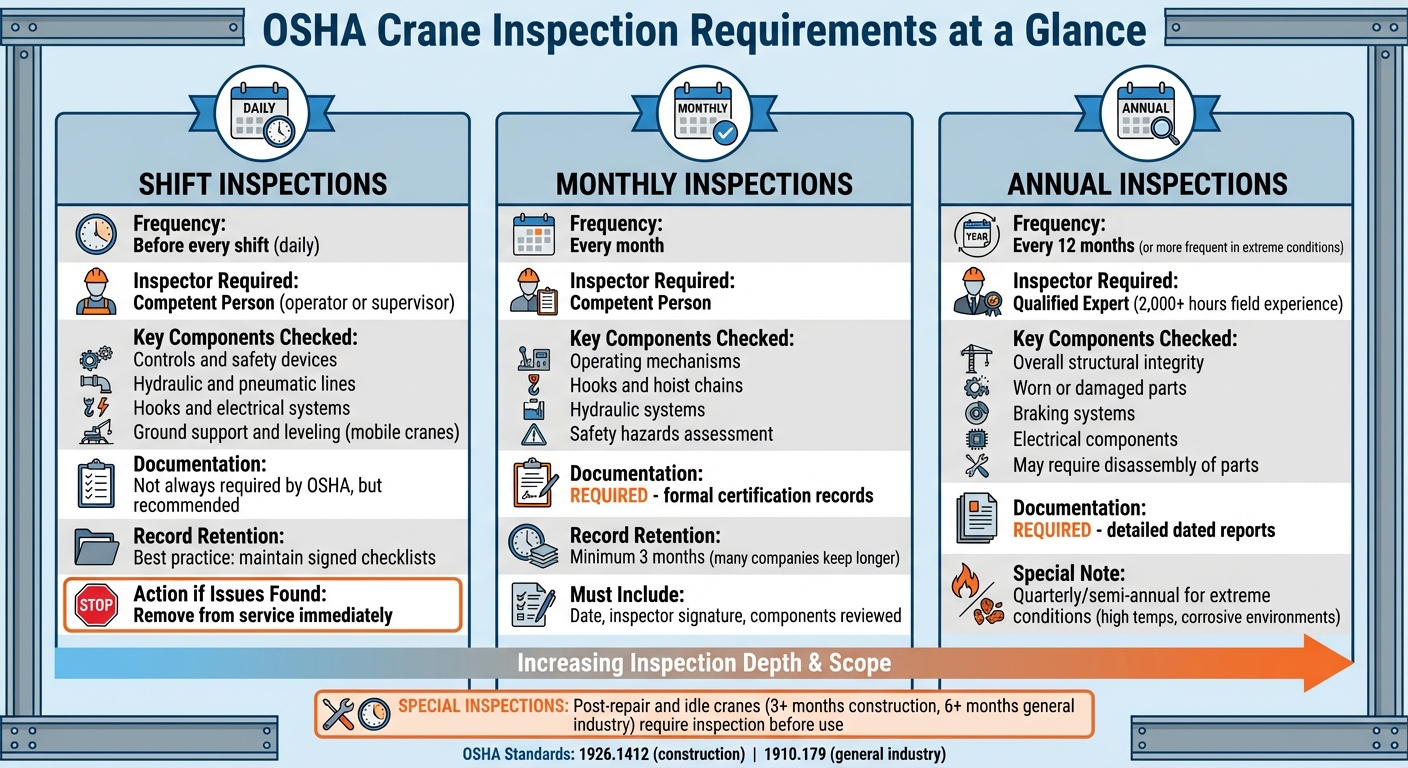
What are the inspection requirements for cranes?
OSHA requires regular crane inspections (daily, monthly, and annual) to detect defects and ensure safety, categorized by frequency and service severity. Key requirements include inspection of structural members, fasteners, sheaves, drums, and safety devices by qualified or competent persons
What should be verified prior to starting a crane pick?
Key steps include confirming ground stability, using crane mats to distribute weight, extending all outriggers fully on level ground, verifying the load weight and rigging capacity (load chart), and establishing a cordoned-off safety zone for swing radius.
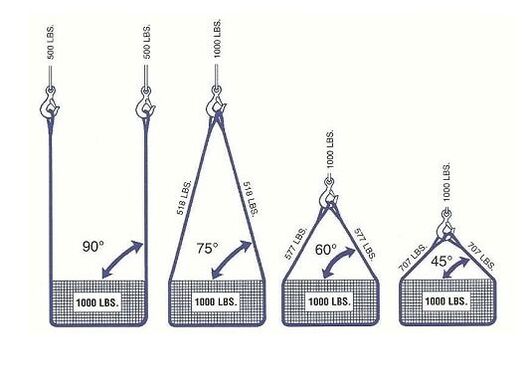
What is the minimum angle for a sling (rigging)?
30 degrees from horizontal.
As angles decrease, tension on each sling leg increases.
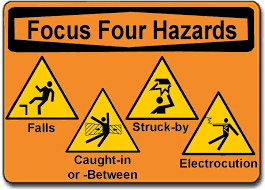
What are common hazards associated with mobile or moving equipment?
struck by, caught in between, and pinch point hazards.
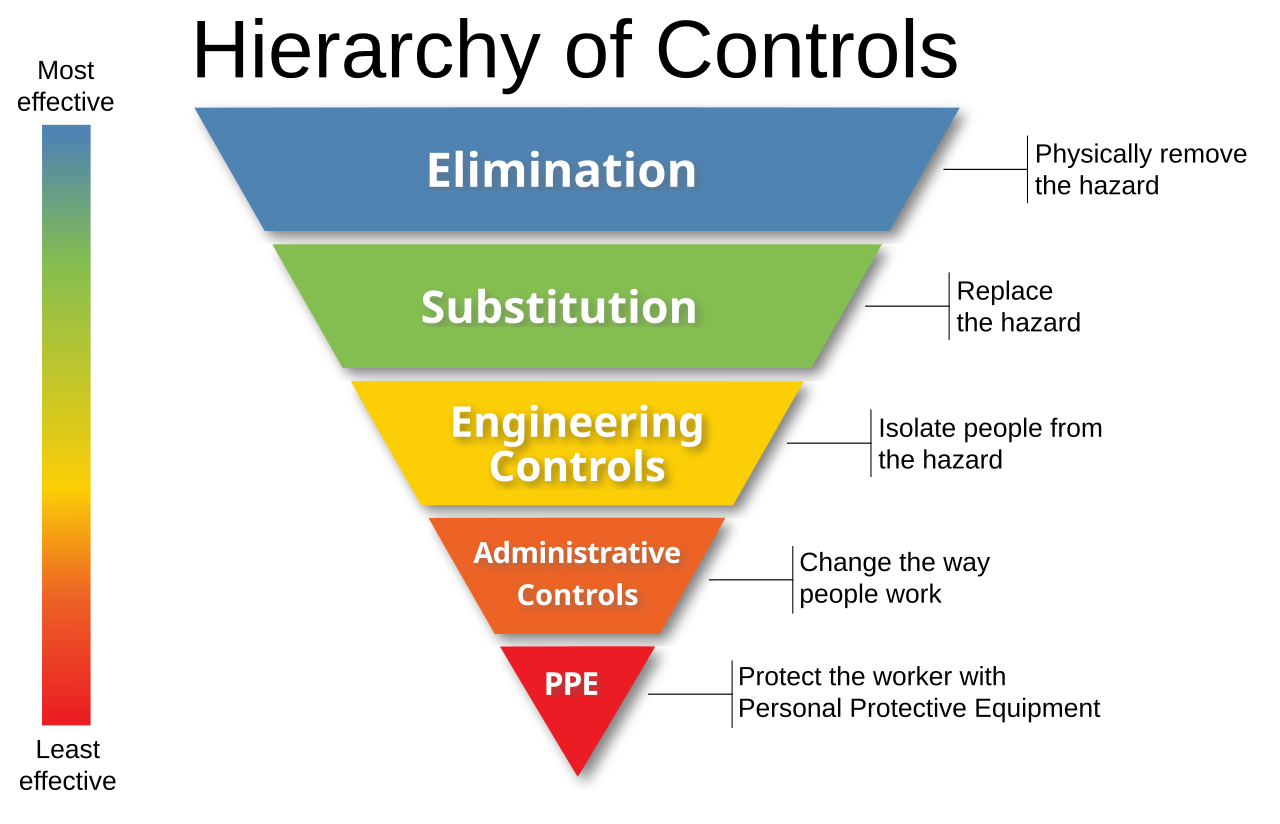
What are the Hierarchy of Controls?
Eliminate → Substitute → Engineer → Admin → PPE.
What is the purpose of personal protective equipment (PPE)?
to minimize exposure to workplace hazards—chemical, radiological, physical, electrical, or mechanical—that cause serious injuries and illnesses. Acting as a "last line of defense," it creates a protective barrier between the user and hazards when engineering controls are insufficient.
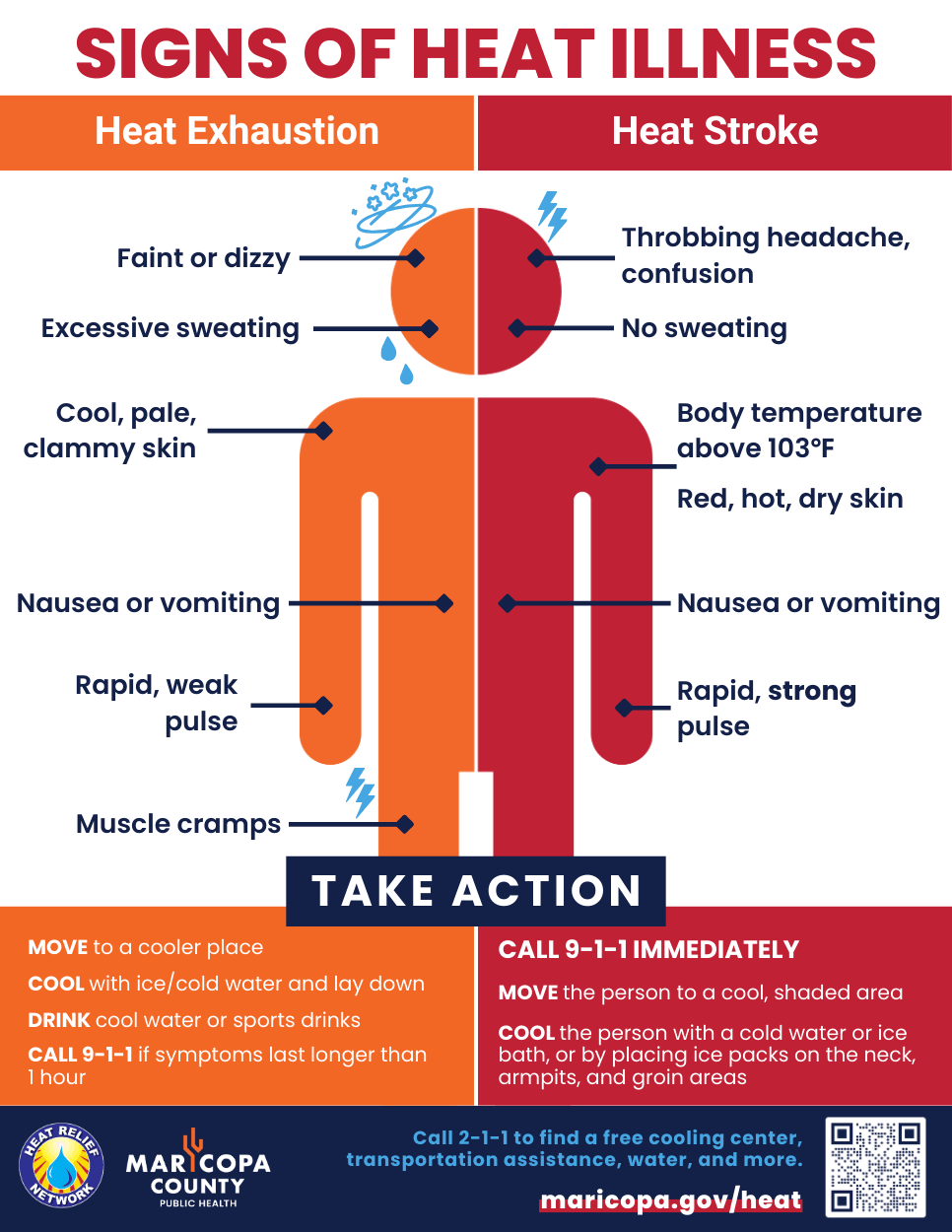
What are the symptoms of heat exhaustion and heat stroke?
Heat Exhaustion: sweating, dizziness, nausea.
Heat Stroke: confusion, hot dry skin, no sweat (medical emergency).
What are two common types of cold stresses?
Hypothermia (core body temperature drops) and Frostbite (localized parts of body begin to freeze)
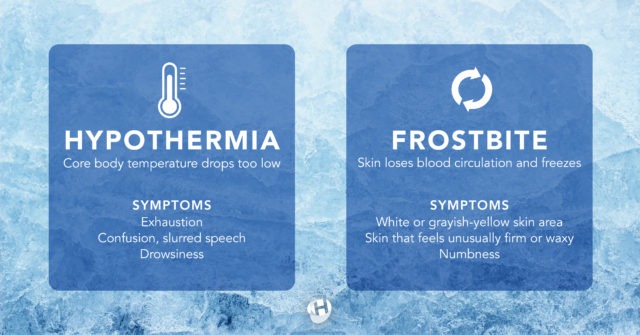
At what body temperature does hypothermia begin?
<95oF
What is the OSHA permissible exposure limit (PEL) for carbon monoxide (CO)?
50 parts per million (ppm), 8-hour time weighted average (TWA)
What is the OSHA permissible exposure limit (PEL) for respirable crystalline silica?
50 µg/m³ (or 0.000005g/m3), 8-hour time weighted average (TWA)
What is the OSHA noise action level?
85 decibels (dBA), 8-hour time weighted average (TWA)
What is the required interval for respirator fit testing?
Annually
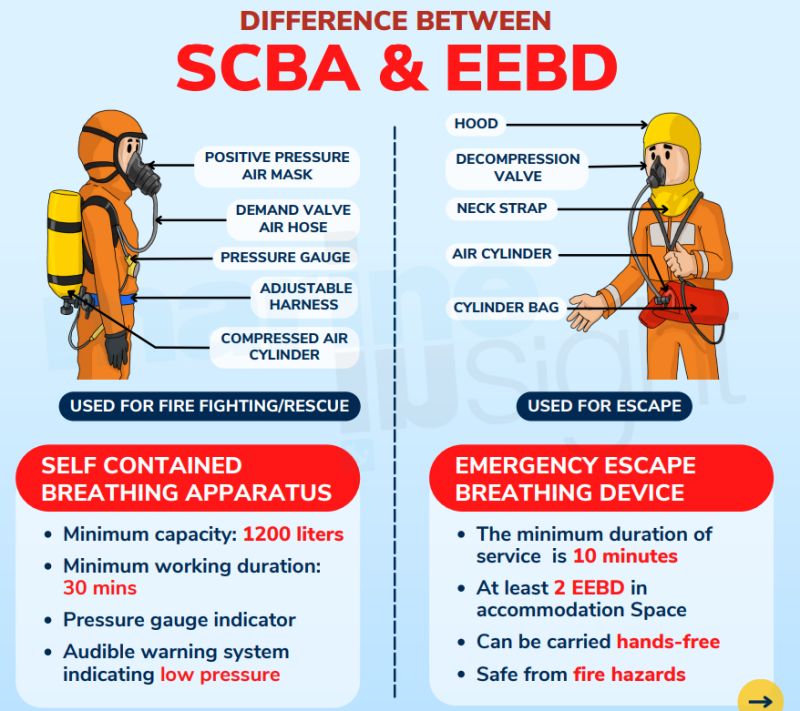
When is the use of a Self-Contained Breathing Apparatus (SCBA) required?
in Immediately Dangerous to Life or Health (IDLH) environments, such as fires or toxic spills
What is the filtration efficiency of P100 filters?
at least 99.97%
How should chemicals be stored?
Chemicals should be segregated by compatibility or hazard class to prevent fires, explosions, or toxic fumes. Key practices include separating acids from bases, oxidizers from flammables, and using secondary containment for liquids.
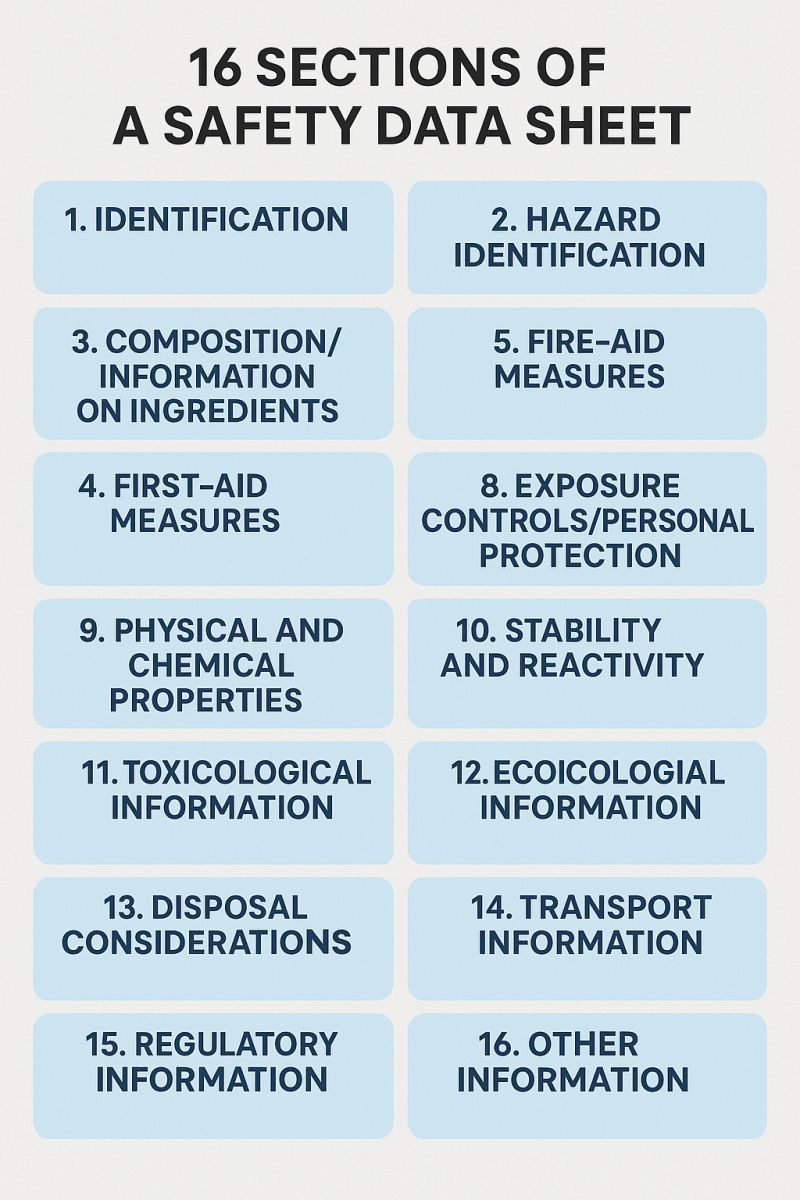
How many standardized sections make up a safety data sheet (SDS)?
There are 16 sections. Key sections Include:
(1) Identification
(2) Hazards
(4) First Aid
(8) Exposure Controls/Personal Protection
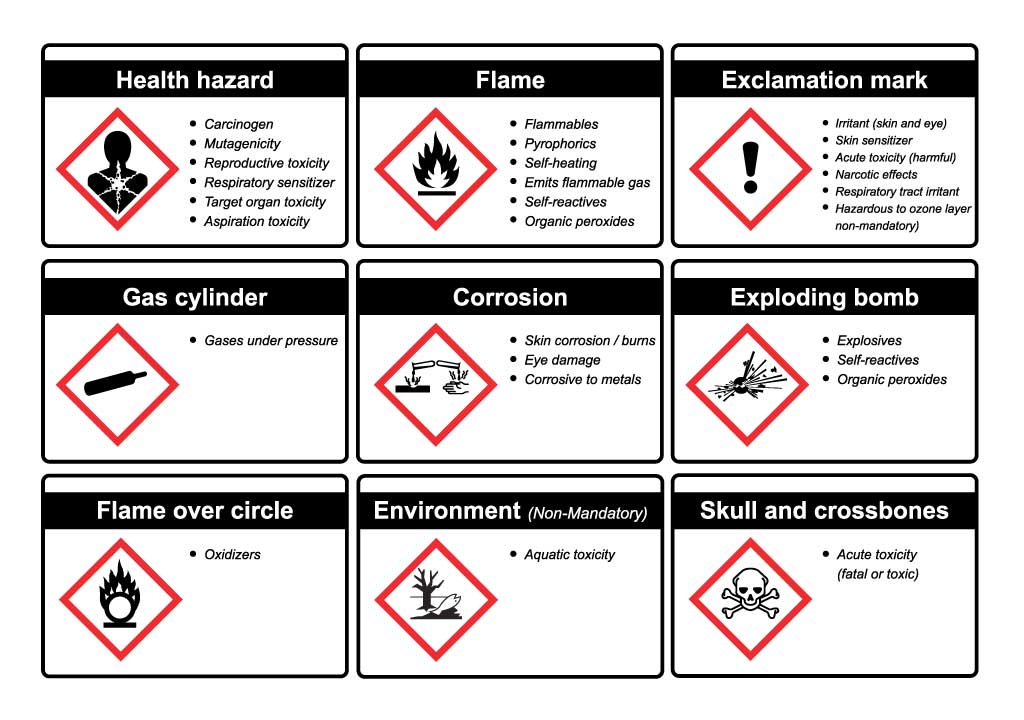
What are the 9 Globally Harmonized System (GHS) symbols for hazards?
Exploding Bomb (GHS01): Explosives, self-reactives, organic peroxides.
Flame (GHS02): Flammables, pyrophorics, self-heating, emits flammable gas.
Flame Over Circle (GHS03): Oxidizers.
Gas Cylinder (GHS04): Gases under pressure.
Corrosion (GHS05): Skin corrosion/burns, eye damage, corrosive to metals.
Skull and Crossbones (GHS06): Acute toxicity (fatal or toxic).
Exclamation Mark (GHS07): Irritant (skin/eye), skin sensitizer, acute toxicity (harmful).
Health Hazard (GHS08): Carcinogen, respiratory sensitizer, reproductive toxicity, target organ toxicity.
Environment (GHS09): Aquatic toxicity
What are the differences between Permissible Exposure Limits (PELs) and Threshold Limit Values (TLVs)?
Permissible Exposure Limits (PELs) are legally enforceable, 8-hour time-weighted average limits set by OSHA to protect workers.
Threshold Limit Values (TLVs) are recommended, science-based guidelines from the ACGIH, often stricter than PELs, focusing on health impacts without financial consideration.
What are the four chemical exposure routes?
inhalation (breathing)
ingestion (swallowing)
dermal/eye absorption (skin contact)
injection
What is the exposure route and symptoms associated with epoxy exposure?
Dermal absorption - uncured epoxy resin and hardeners are toxic and can cause skin irritation, severe allergic reactions (sensitization), respiratory issues, and eye injuries.
At what weight is lifting considered a high-risk activity by OSHA?
50lbs. Recommend the use of mechanical aids or two-person lift. Always keep back in a neutral position.
What is OSHA’s “Right to Know” law?
29 CFR 1910.1200, is known as the "Right to Know" law. It requires employers to inform and train employees about hazardous chemicals in the workplace. Key requirements include maintaining a written program, labeling containers, and providing easy access to Safety Data Sheets (SDSs).
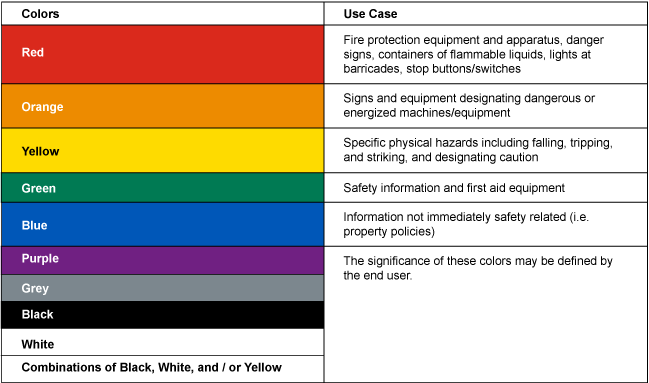
What are the meanings of the ANSI safety color codes?
Red – Fire danger or equipment, stop buttons/switches
Orange – Dangerous or energized equipment
Yellow – Caution for specific hazards
Blue – Information not immediately safety related
Green – Safety information, first aid equipment