VCE English Language Unit 1
 Call Kai
 Learn
Learn Practice Test
 Spaced Repetition
 Match
Match Flashcards
 Knowt Play
1/104

There's no tags or description
Looks like no tags are added yet.
Name | Mastery | Learn | Test | Matching | Spaced | Call with Kai |
|---|
No analytics yet
Send a link to your students to track their progress
105 Terms
IPA
International Phonetic Alphabet
Discourse Analysis
The study of the way in which language is used in texts and contexts. It is the analysis of language 'beyond the sentence'.
Lexicology
The study of words and vocabulary.
Semantics
The study of meaning in language
Syntax
The study of how words combine to form sentences
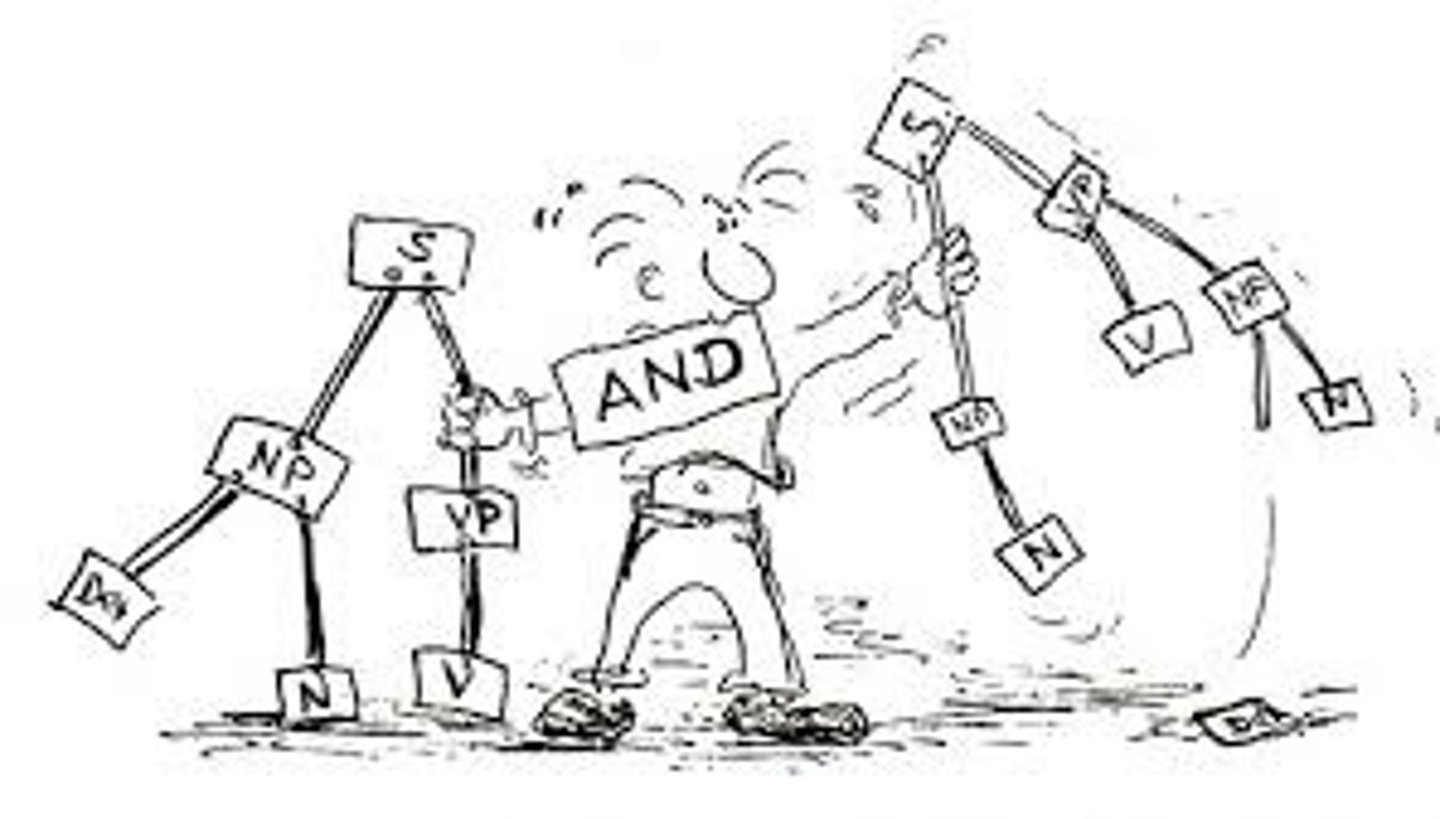
Morphology
The study of word formation
Phonology
The study of sounds in language and the how they are organised.

Morpheme
A morpheme is the smallest meaningful unit in speech.
Content morpheme
Have meanings outside the language, they refer to aspects of human existence in the world. E.g. boy, book, dog.
Functional morpheme
Connect content morphemes. E.g. on, the, to
Affix
Added to roots - can be prefixes, suffixes, infixes, derivational or inflectional.
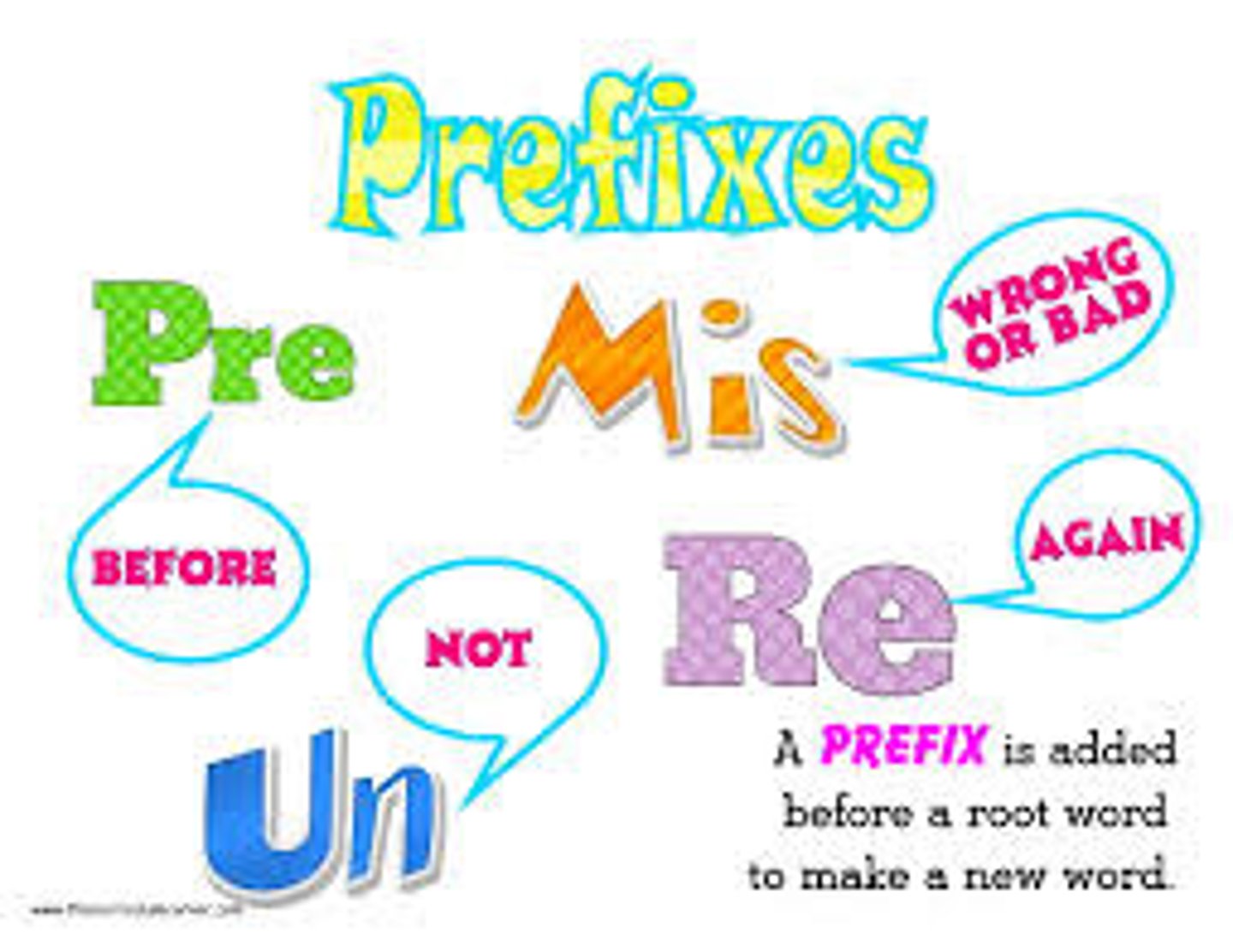
Prefix
Comes before the root. E.g. un-, dis-, in-, im
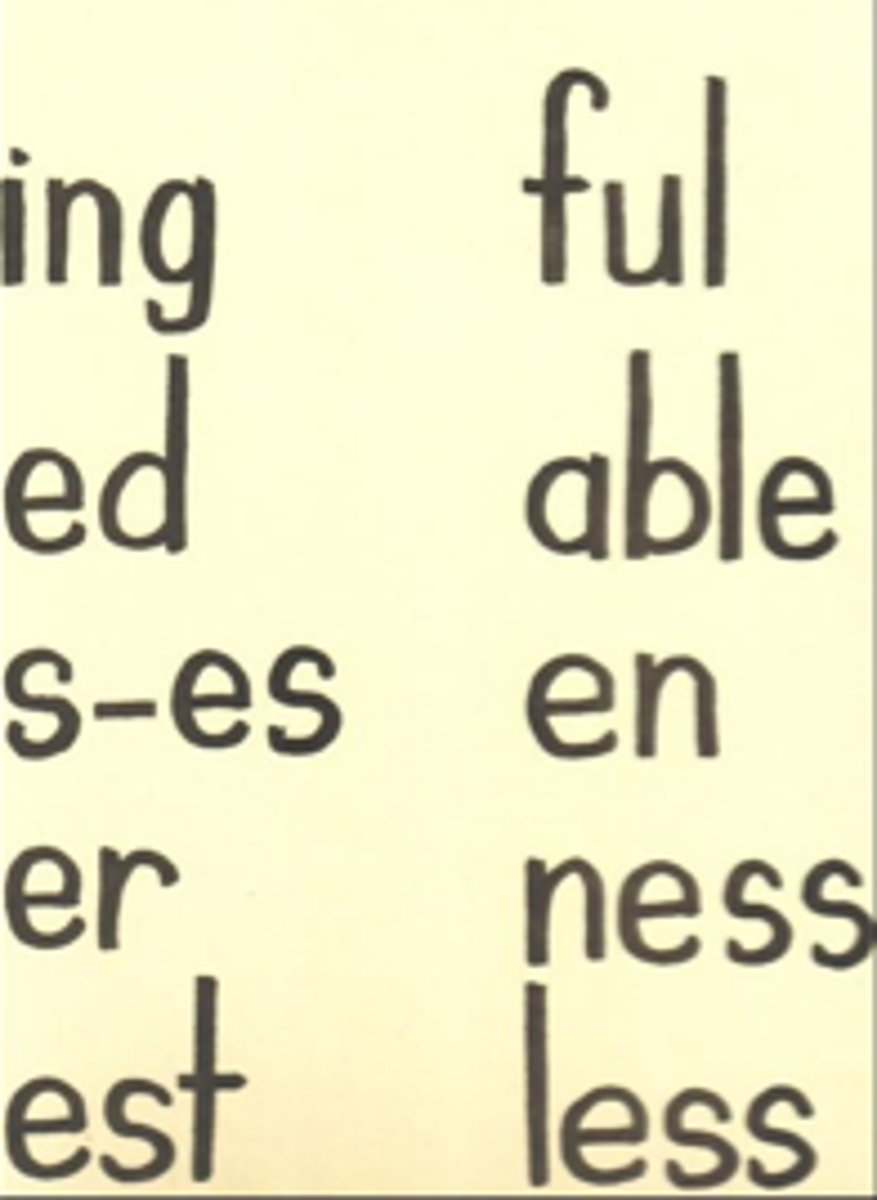
Suffix
Comes after the root. E.g. -s, -ing, -ed
Infixes
Occur within the root. E.g. fanbloodytastic, absobloominglutely
Derivational morphemes
Uses a suffix or prefix to create a word with a different meaning and word class. E.g. clean (verb) to cleaner (noun).
Inflectional morphemes
When a suffix is added but the word class and meaning don't change. E.g. chair - chairs.
Collocation
Any habitually linked group of words e.g. fish and chips, salt and pepper, in a jiffy, don't mention it, oh well, it's nothing
Count nouns
Able to be counted and make a distinction between the singular and plural e.g. bath and apple
Mass nouns
Indivisible masses of material - not able to make a distinction between the singular and plural e.g. water and fruit

Auxiliary verb
Helping verb e.g. to be, to do, to have. These verbs change form e.g. he did his homework, he does his homework.
Modal auxiliary
Don't change form e.g. can, could, may, might, must, should, shall, will, would, ought to.
Adverbs
Words that modify/describe verbs, adjectives or adverbs. They usually express things like time, manner and place. Usually end in -ly e.g. he ran VERY hard.
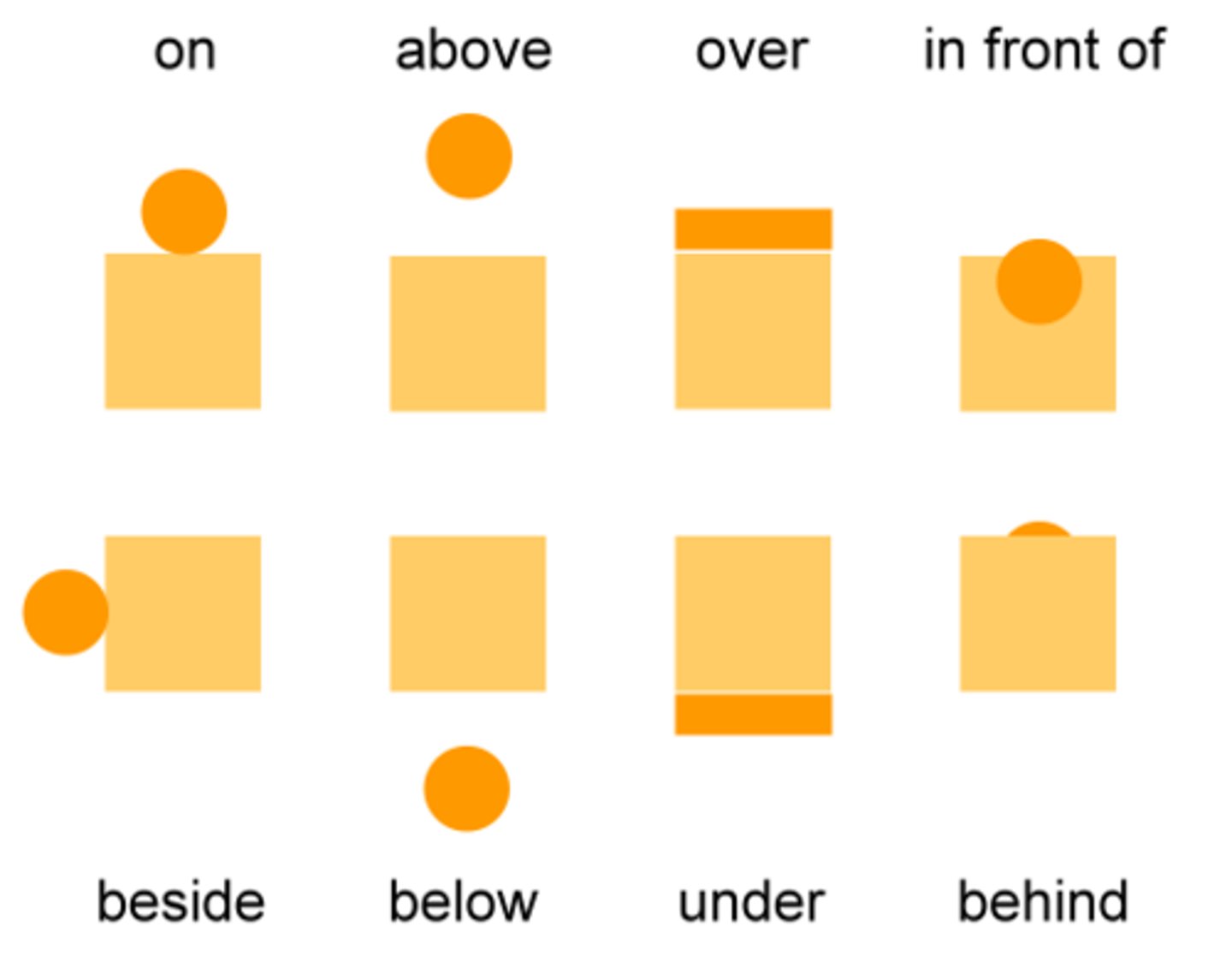
Preposition
Express spatial relations e.g. at, in, except, despite, by, of, through etc.
Pronoun
A word that takes the place of a noun
Personal pronouns
Used as the subject or object of the verb e.g. I, me, he, him, they, them
Possessive pronoun
Used to talk about things that belong to people (ownership) e.g. yours, mine, his, hers
Reflexive pronoun
Words that reflect back to the subject of the sentence e.g. myself, yourself, himself, themselves
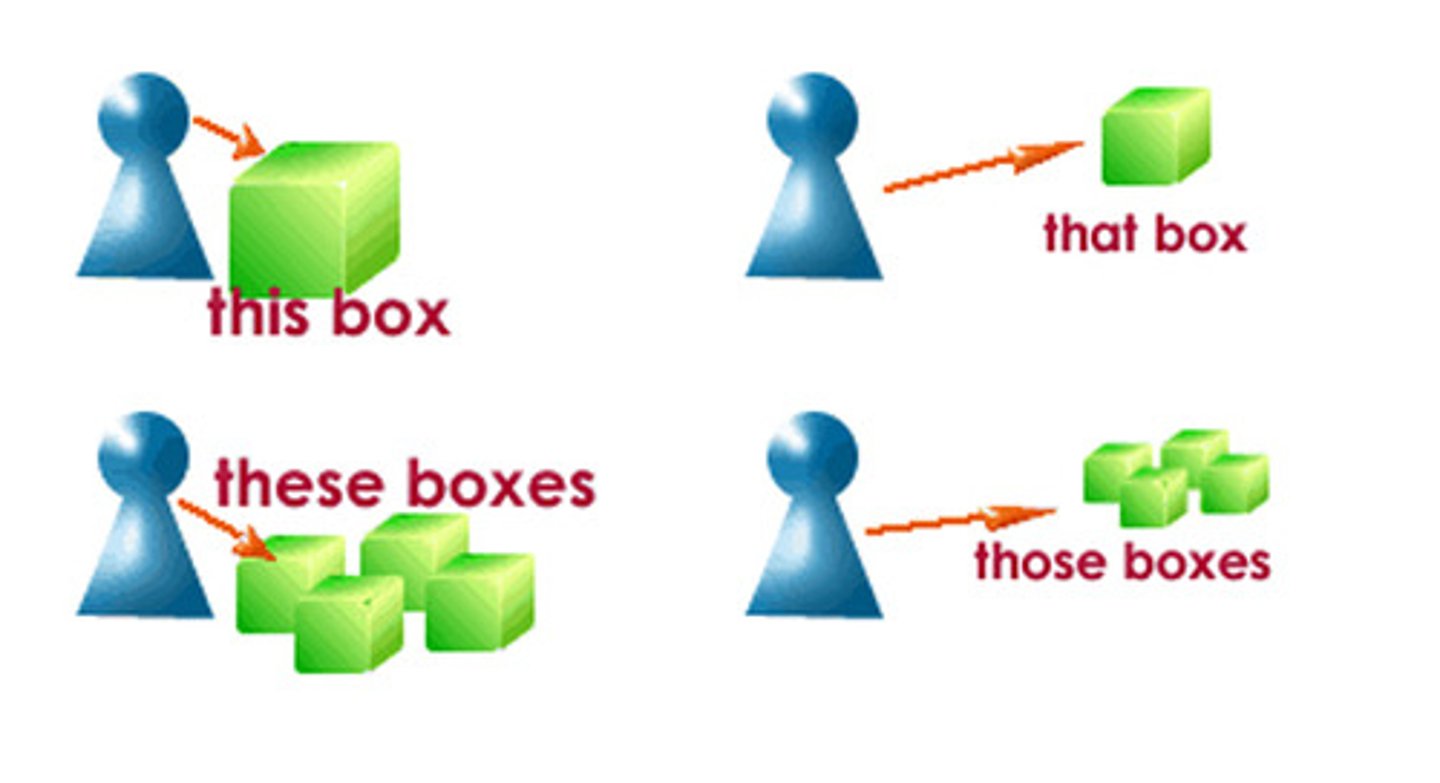
Demonstrative pronouns
Used for pointing out things e.g. this, that, these, those
Indefinite pronoun
Doesn't refer directly to another word. Most express the idea of qunatity e.g. few, some, one, many, anybody
Reciprocal pronoun
Expresses a relationship between the individuals indicated in the plural subject e.g. two boys fought EACH ANOTHER, the family loves ONE ANOTHER
Interrogative/relative pronoun
Used to ask questions e.g. who, what, when, where, why
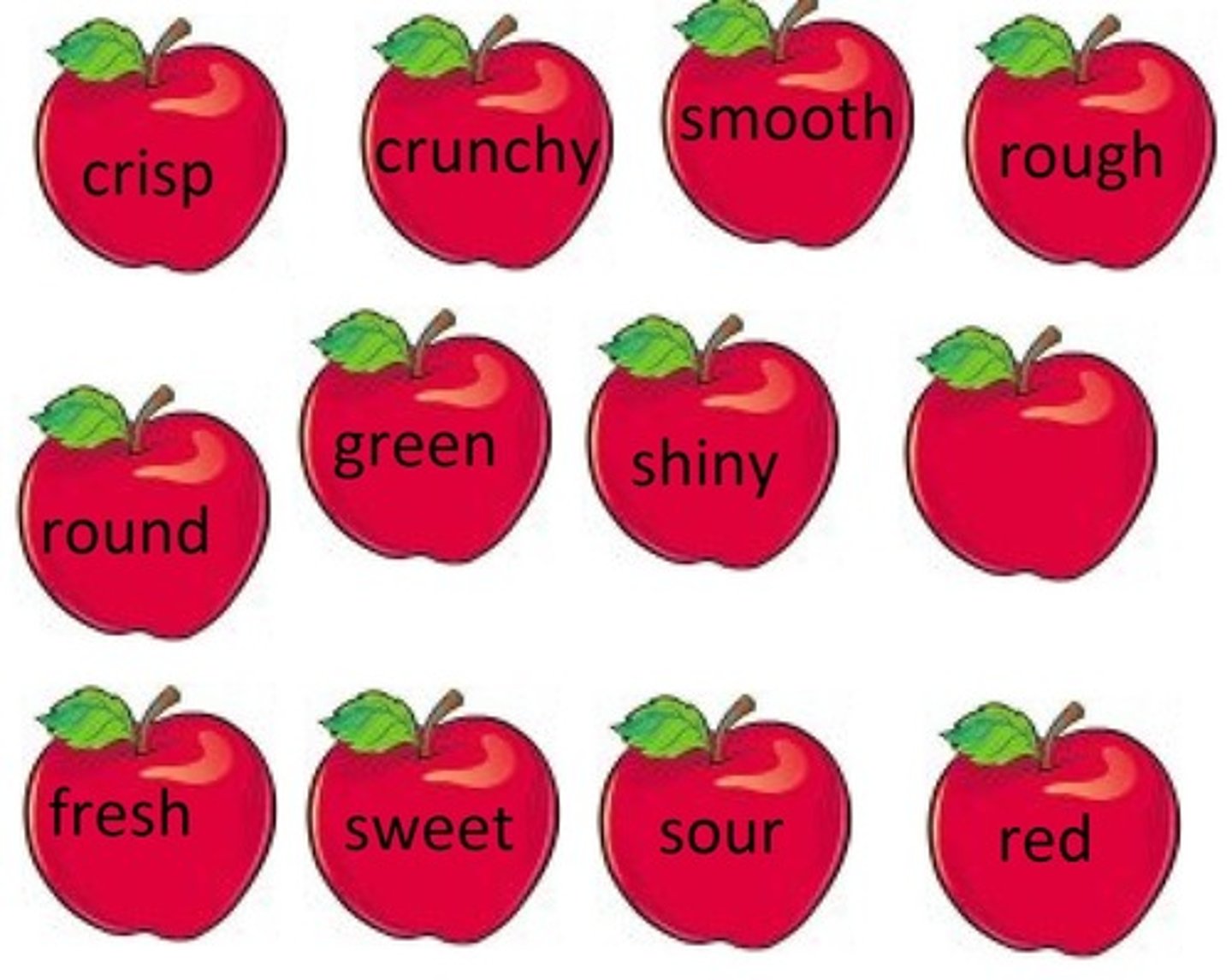
Adjectives
Modify/describe nouns e.g. the dog was HAIRY
Modifier
Describes a word or makes its meaning more specific
Comparatives
End in -er e.g. better, faster, stronger
Superlatives
End in -est e.g. best, fastest, strongest
Conjunction
A word that connects parts of a sentence.
Coordinating conjunction
Joins two independent clauses together. They link units of equal status e.g. two noun phrases. Can be remembered using FANBOYS
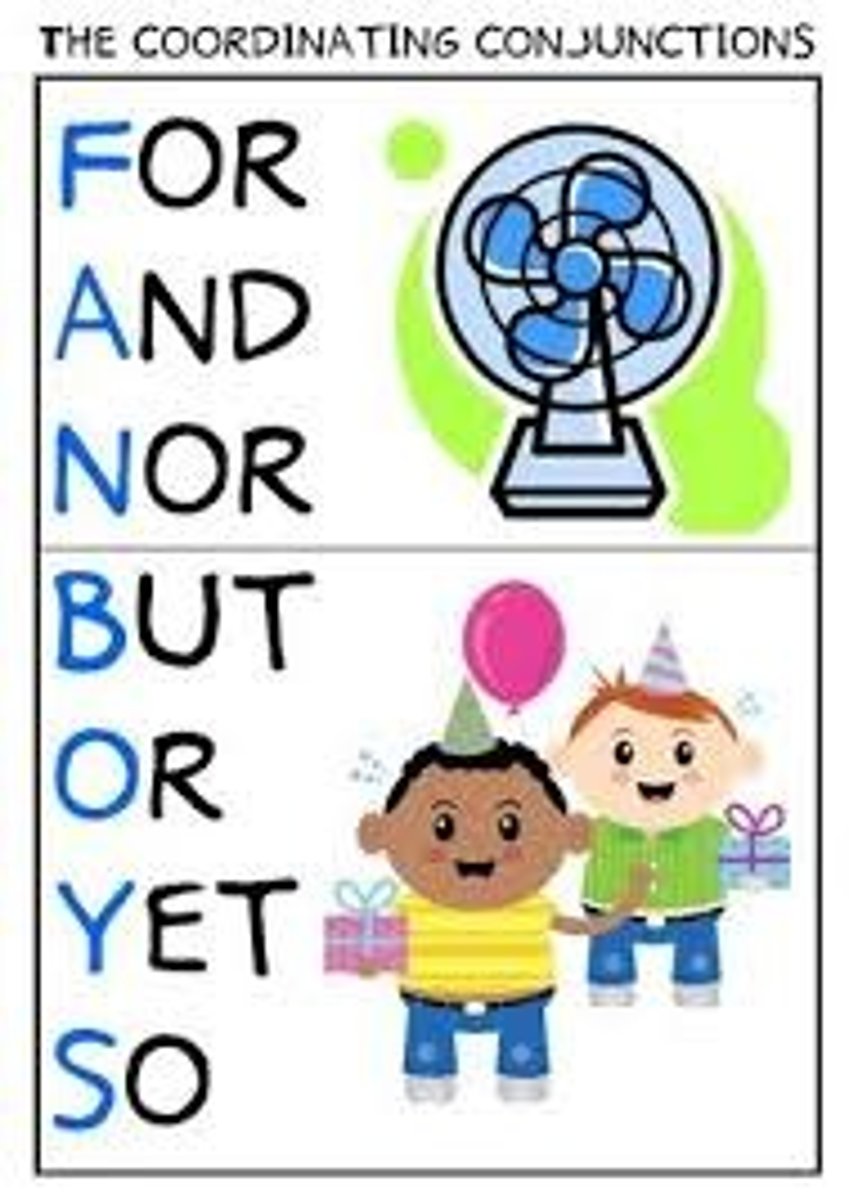
FANBOYS
For-And-Nor-But-Or-Yet-So
Subordinating conjunction
Establishes the relationship between the dependent clauses and the rest of the sentence - comes at the beginning of a subordinate e.g unless, till, so that, before, as, if only, after
Coordination
Where the clauses are equal in status. Clauses can stand on their own.
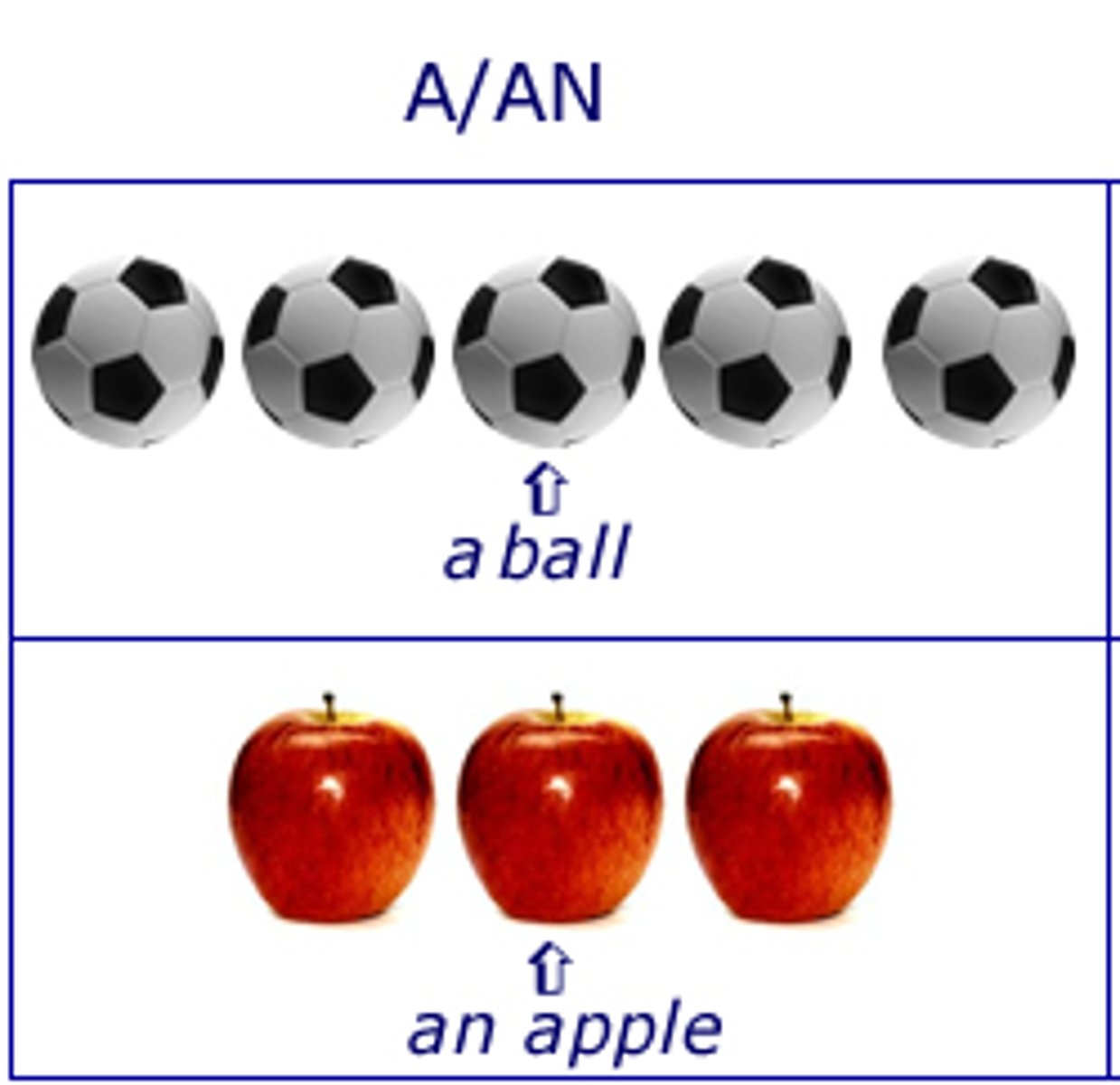
Determiners
Express notions like definiteness, quantity, number and possession. They determine what noun follows; count, mass, concrete, abstract. E.g. the, a, an, my, his, yours
Subordination
Where a clause functions as part of another clause.
Open class words
Readily admit new members. They are known as content words because they carry the meaning in sentences and phrases. Include nouns, verbs, adverbs and adjectives.
Neologism
The creation of a new word from existing lexical words e.g. iPad, google, blogging, muffin top, Bandaid

Closed class words
Do not readily admit new members. They are known as function words because they connect the content words. Include prepositions, conjunctions, determiners and pronouns.
Active sentence
Subject-Verb-Everything else pattern e.g. the VCE students were studying for the SAC
Passive sentence
Reverse order to active e.g. the SAC was being studied for by the VCE students
Simple sentence
Has one independent clause e.g. 'The girl brushed her blonde hair'.
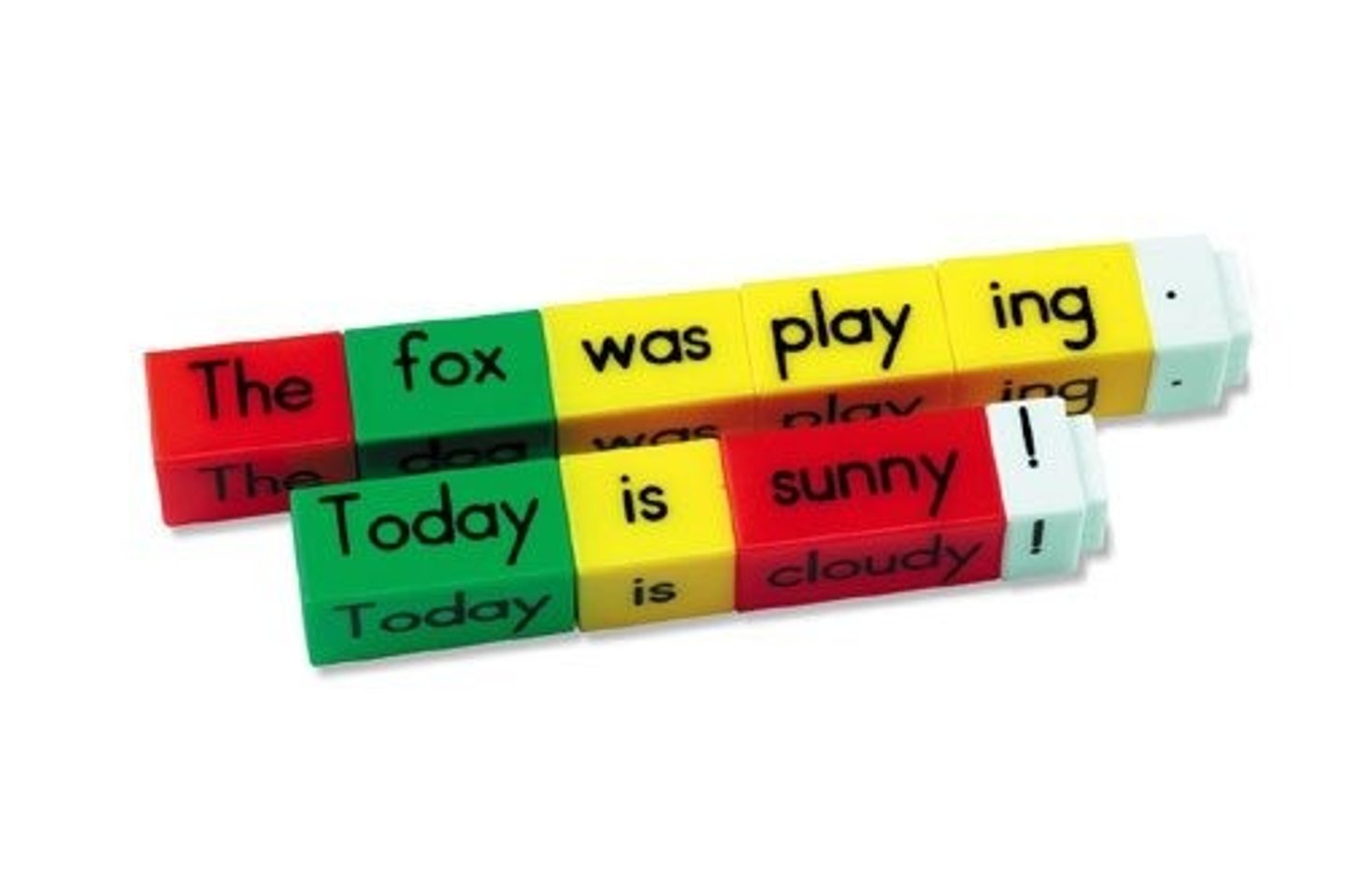
Compound sentence
Made up of 2 conjoined independent clauses - one is not subordinate to the other. e.g. Veronica was playing and Kate was studying.
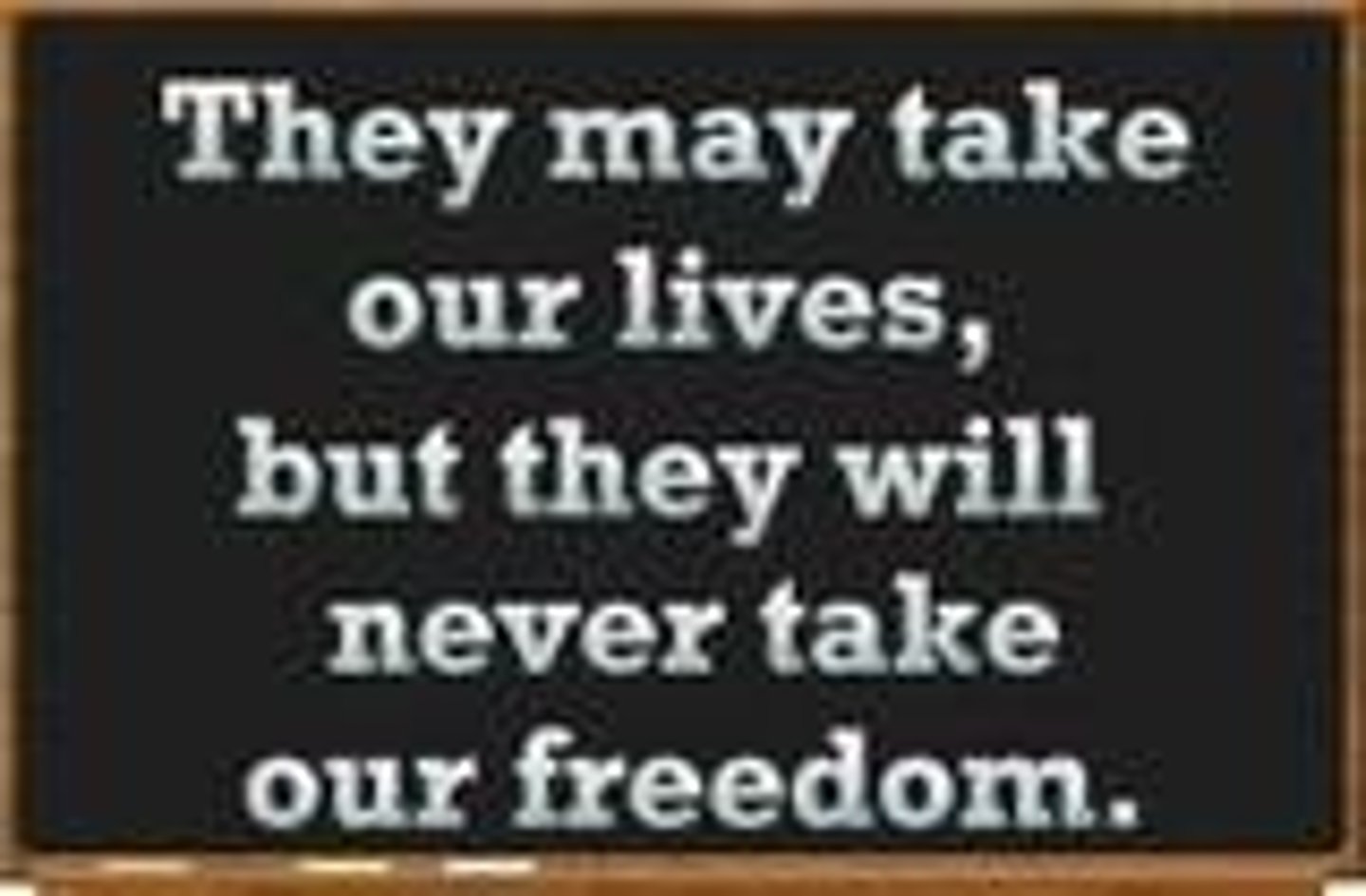
Complex sentence
Where one clause is embedded within another clause (main clause) and is dependent on it e.g. When I got older I thought that I'd dealt with my chest hair fetish.
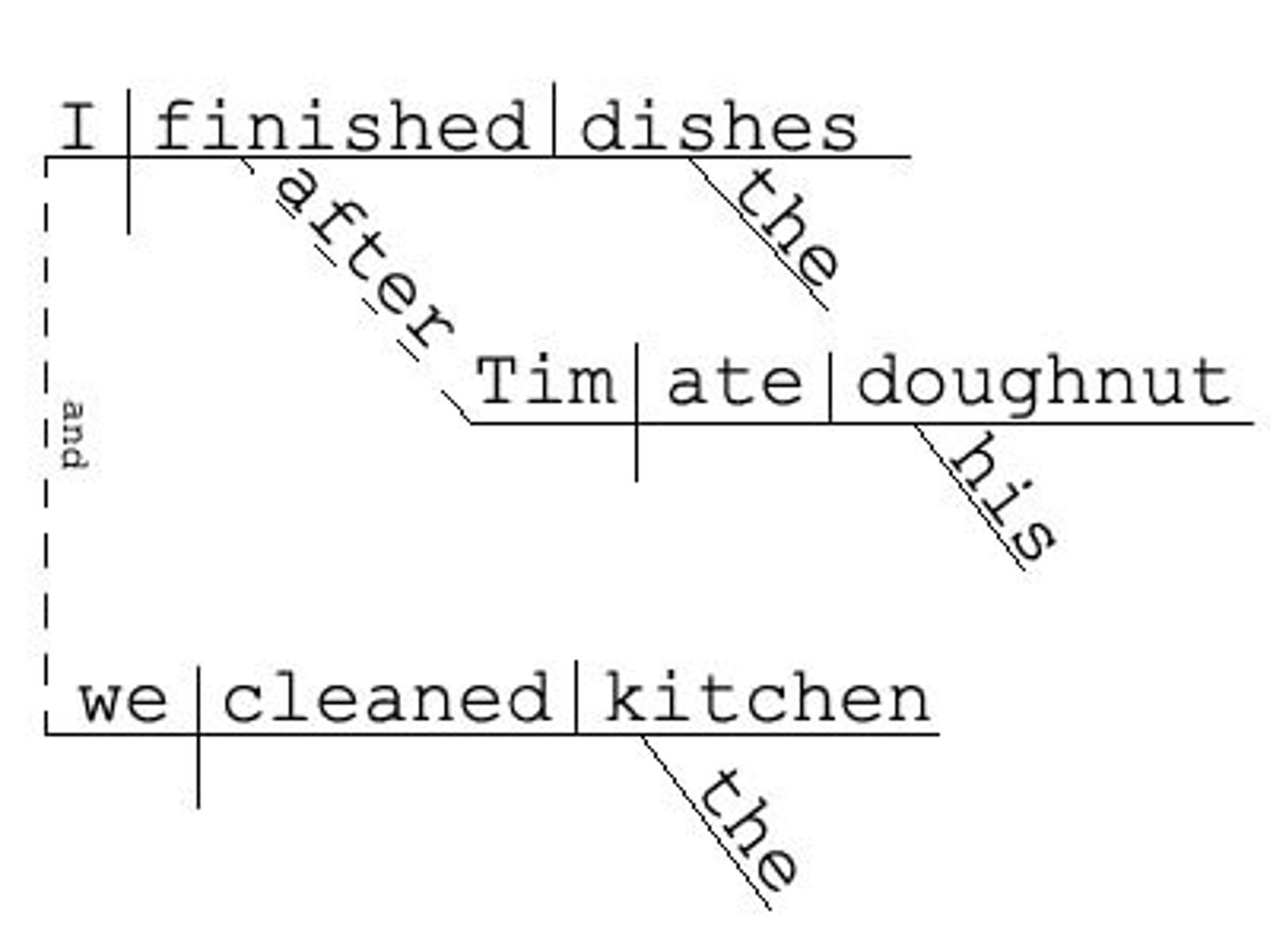
Compound-complex sentence
Have two or more coordinated clauses & one or more subordinate clause.
Phrase
A small unit of lexemes that cannot form a grammatical sentence on its own.
Declaratives
Make statements i.e. assert something e.g decorating cakes is fun.
Imperatives
Issue directives like commands, requests and instructions e.g. Ice that cake now!
Interrogatives
Pose questions or request information e.g. Is your cake iced?
Open interrogatives
Wh- questions e.g. who, what, when, where, why, how
Closed interrogatives
Yes-no questions e.g. Are you feeding the dog?
Tag interrogatives
Seek agreement or disagreement from hearer. E.g. You've fed the dog, haven't you?
Exclamatives
Make exclamations i.e. surprise, disgust e.g. Excellent icing!
Denotation
The dictionary meaning of the word
Connotation
The emotional implications and associations that a word may carry. They arise from personalities, beliefs etc. They differ from person to person.
Phatic communication
Social chit-chat or small talk used to establish social rapport - shows there is no animosity. It usually states the obvious e.g. 'You're tall' or 'It's sunny'
Expletive
An exclamation or oath; especially one that is profane, vulgar or obscene.
Interjection
Involves words that have an expressive function and emotional meaning; these words stand by themselves outside the clause e.g. Doh! Ouch! Oh dear!
Auto-catharsis
Expletives and interjections uttered without an audience - a release of extreme emotional energy.
Language relativity
The idea that language influences our thinking and so speakers of different languages will have different thought processes and behave differently. They will have a varied worldview as the language a person speaks affects how they perceive the world.
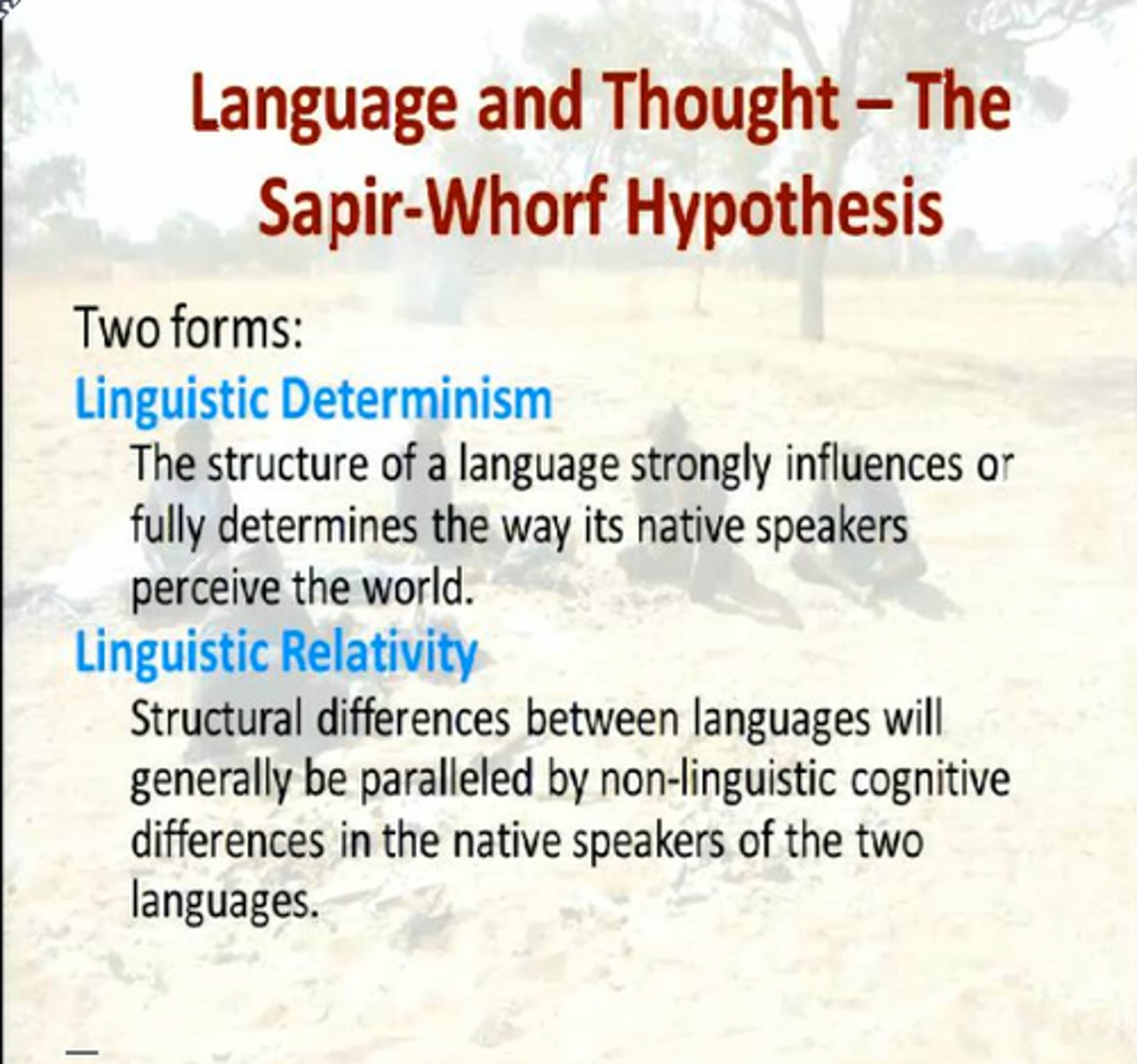
Language determinism
The idea that language and its structures limit and determine human thoughts and predispose us to a particular line of thinking and can distort our view of reality.
Figurative language
Language that goes beyond the literal meanings of the words so that the reader gains new insights into the objects or subjects in the work.
Metaphor
A comparison between two things that are not alike. E.g. 'my binder is an overflowing sea of papers'.

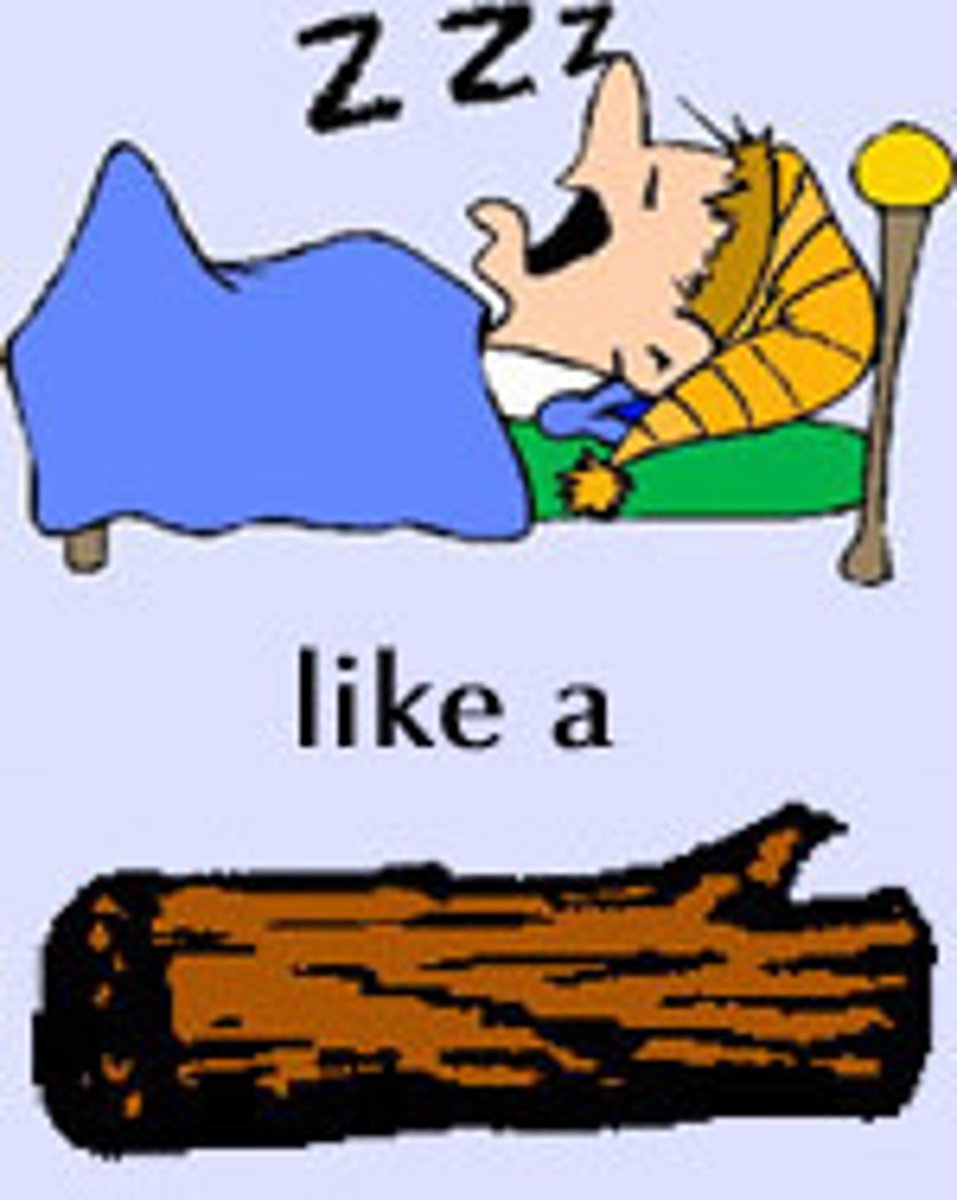
Simile
A comparison between two things using 'like' or 'as'. E.g. 'he slept like a log', 'she ran as fast as the wind'.
Hyperbole
An extreme exaggeration. E.g. 'I've told you a million times' and 'The fish was 10m long'.
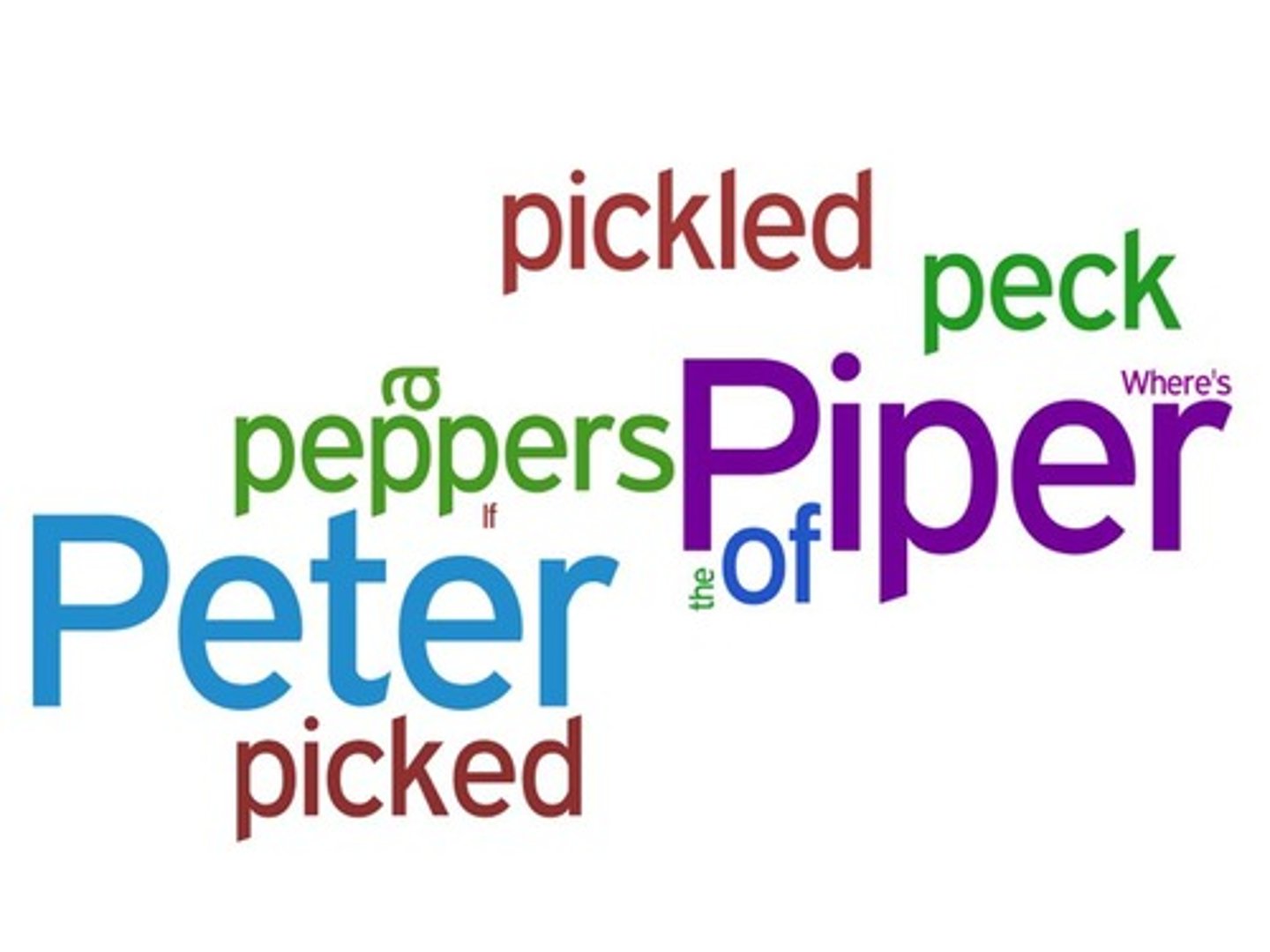
Alliteration
Repetition of consonant sounds. E.g. 'she sells sea shells by the sea shore'.
Personification
When something that is not human is given human-like qualities. E.g. 'the flowers waltzed in the gentle breeze' and 'the first rays of morning tiptoed through the meadow'.
Onomatopoeia
When you name an action by imitating the sound associated with it. E.g. 'the bees buzzed angrily' and 'the cat purred happily'.

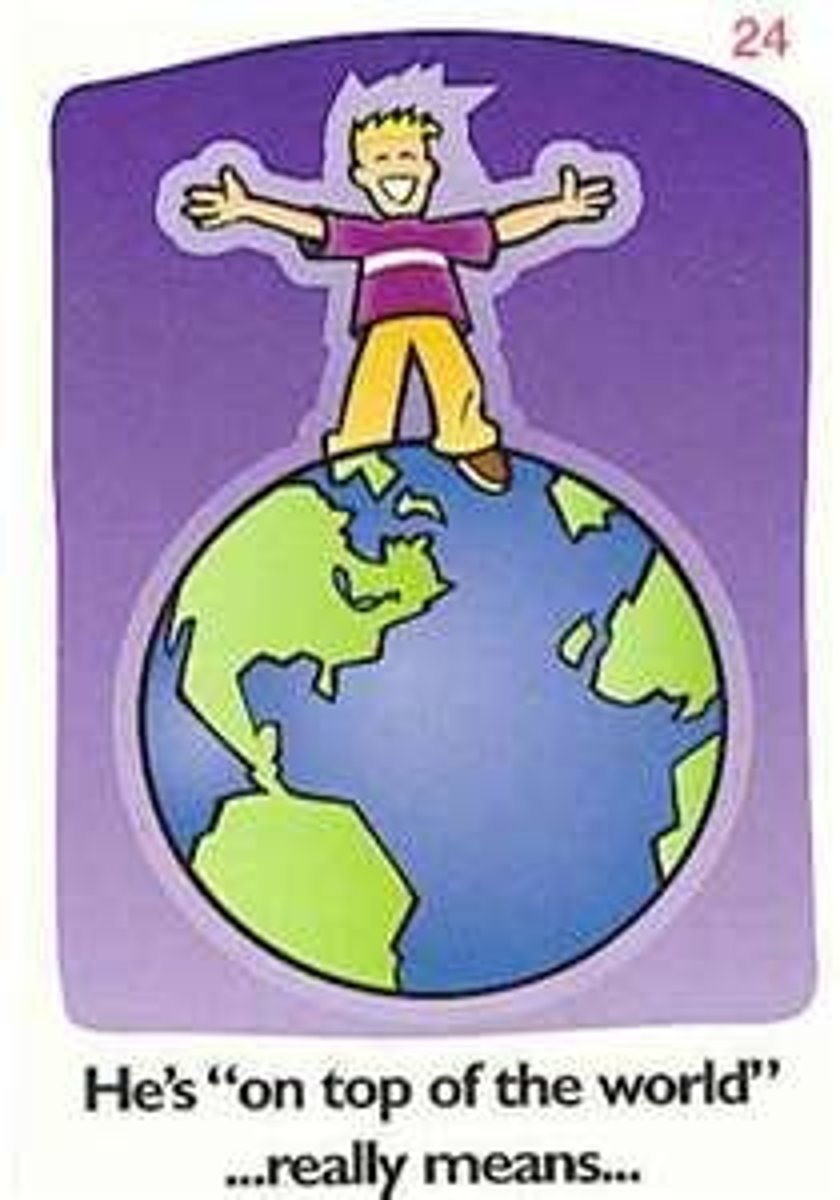
Idiom
An expression that cannot be understood from the meanings of its separate words but has a separate meaning of its own e.g. over the moon, see the light
Oxymoron
A figure of speech in which incongruous or seemingly contradictory terms appear side by side e.g the Great Depression, deafening silence, bitter sweet, small crowd, awfully good.

Lexical ambiguity
The presence of two or more possible meanings within a single word. Also called homonymy. E.g. 'You know, somebody actually complemented me on my driving today. They left a little note on the windscreen; it said, "Parking FINE". So that was nice'
Assimilation
A general term in phonetics for the process by which a speech sound becomes similar or identical to a neighbouring sound e.g. ten bucks
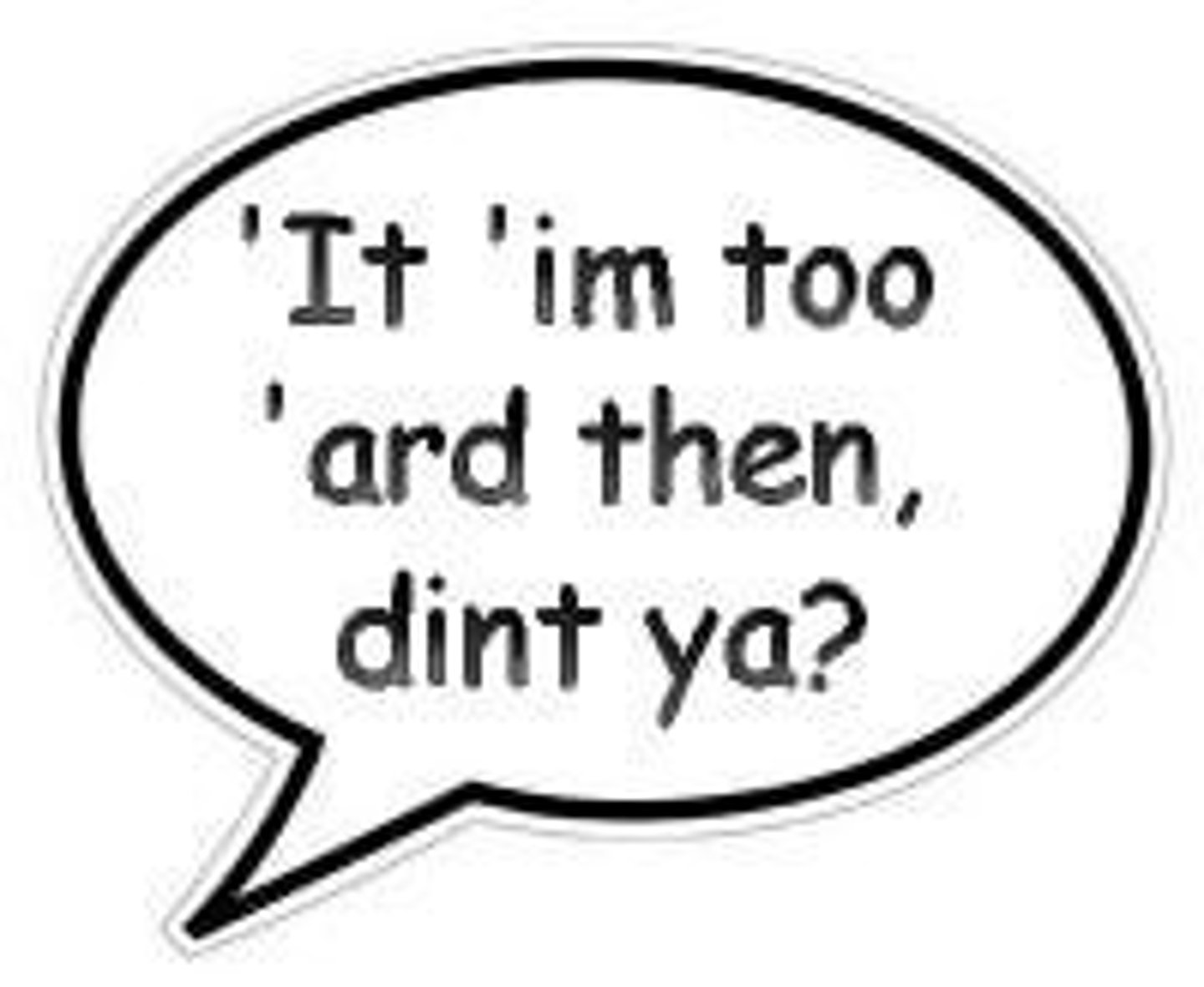
Elision
The omission of a sound or syllable when speaking e.g. 'it 'im 'ard, didn't ya?
Insertion
The addition of sounds where they previously didn't exist e.g. film, comfortable, laboratory
Reduction
Lost sounds in words e.g. "going to" changes to "gonna"
Vowel reduction
Various changes in the acoustic quality of vowels, related to changes in stress, articulation and loudness, and which are perceived as 'weakening'. It often makes the vowel shorter. E.g. Rosa's, roses; happy, coffee
Prosodic features
Features pertaining to timing, stress, loudness and pitch. They relate to the pronunciation of syllables, words and phrases.
Paralinguistic features
Include body language, stance, body gestures and eye gaze.

Spontaneity
Humans initiate speech. You don't have to dangle a biscuit in front of our noses to get us to speak.

Displacement
Humans talk about things that aren't immediately present.

Abitrariness
Human language is conventional and arbitrary - words are symbols and language works because we all agree on what they symbolise.
Creativity
Human language is an open system that can be recombined to produce an infinite amount of different messages. Humans have an infinite capacity to produce new and novel utterances.
Critical period hypothesis
A hypothesis that states there is a window of opportunity in children or a critical period in which language must be acquired - before puberty.
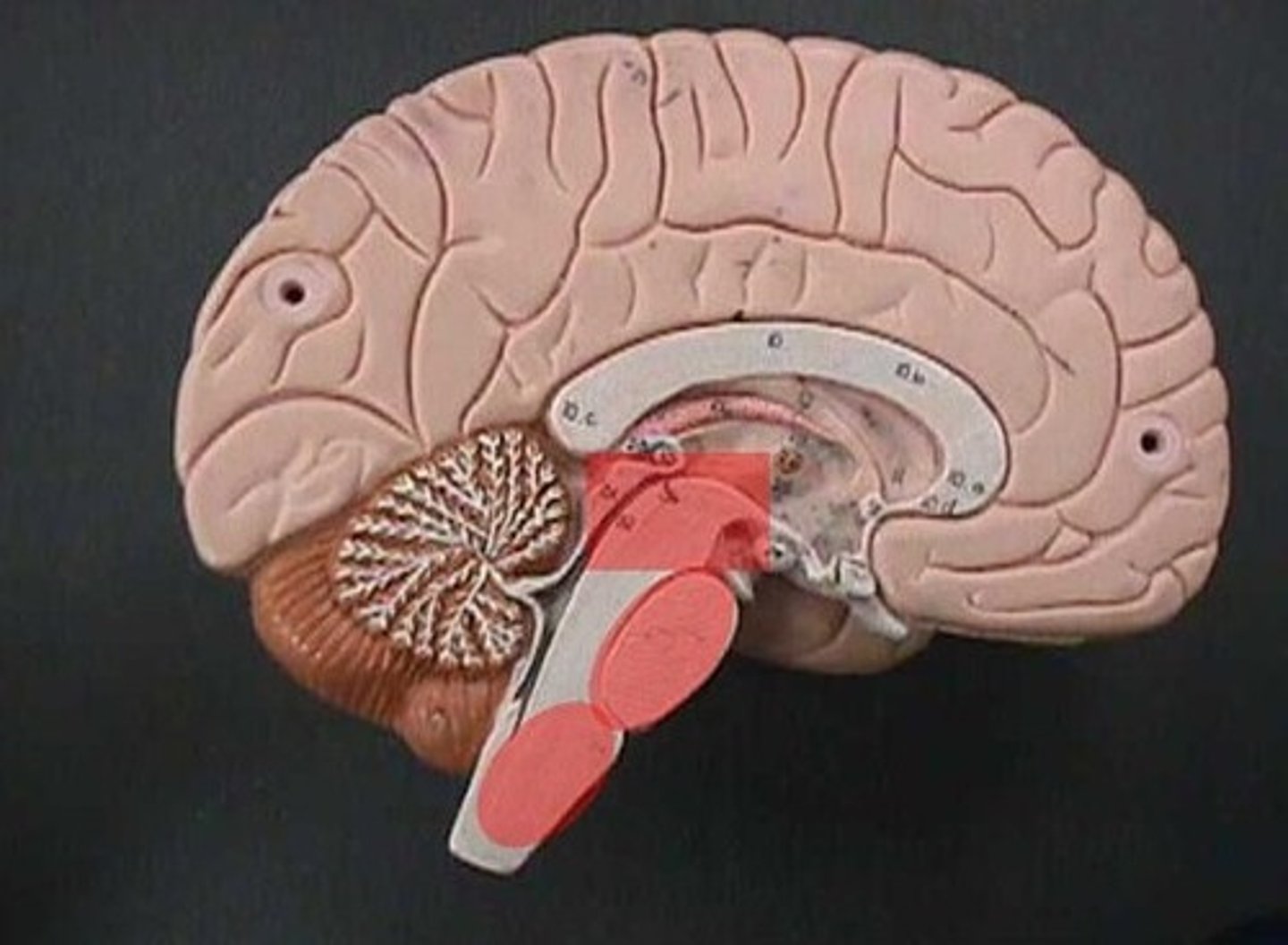
Lateralisation
The process in which the left and right hemispheres of the brain take over a dominant role for certain mental functions. E.g. the left hemisphere for language. Lateralisation occurs at age 2.
Parentese/motherese
Used to describe the words adults use when talking with young children; e.g. baba for sheep or tummy for stomach. Parents exaggerate their words, facial expressions and body language when talking with young children.
Noam Chomsky
A linguist who proposes that children are hard-wired with a universal grammar.
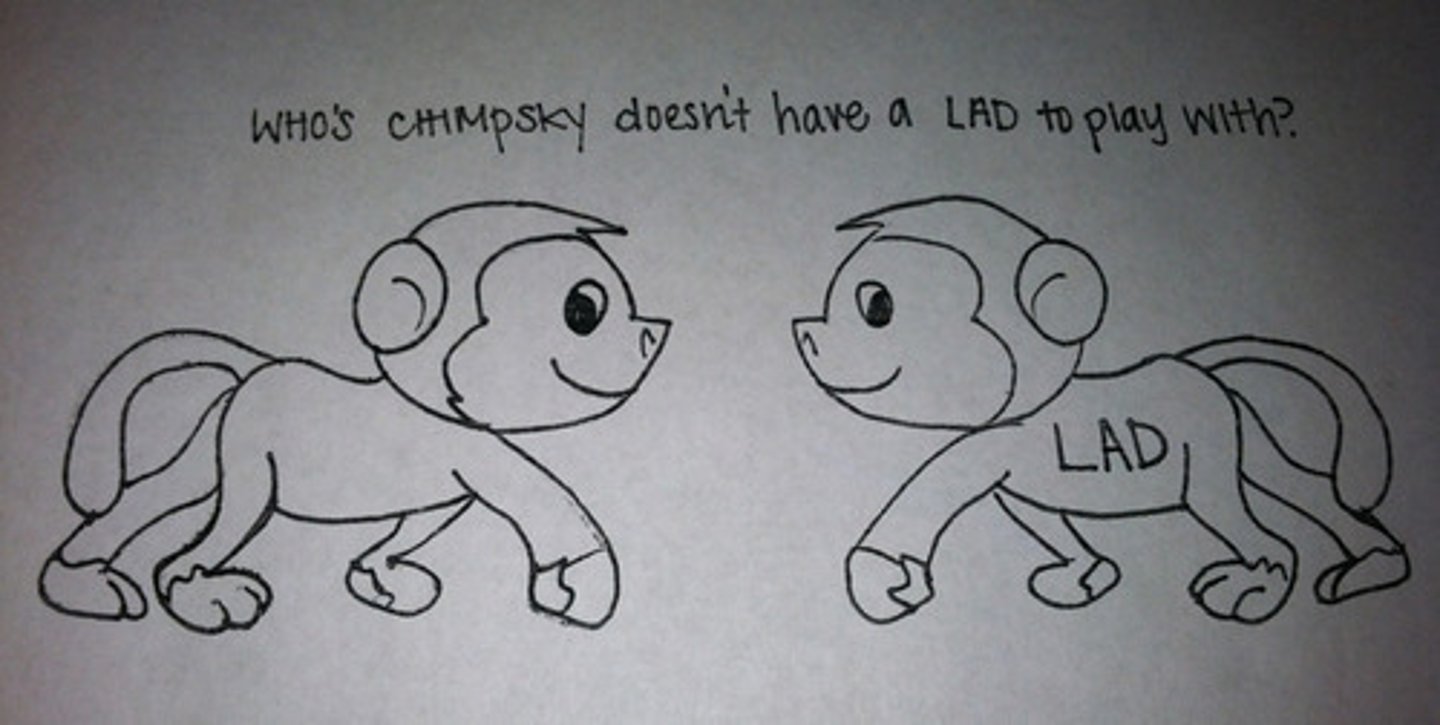
Language Acquisition Device (LAD)
Part of Chompsky's acquisition hypothesis; suggests that we are born with an innate grammar or LAD, like a blueprint for language that helps children in the task of building a grammar for their language.
Babbling
5-7 months: children experiment with sounds and are figuring out their vocal apparatus. Initially the sounds produced by infants are similar all around the world. Intonation patterns are acquired and babies are experiencing the social aspects of language. E.g. da-da-ba-ma-ka.
One-word utterance
12-18 months: infants discover that sounds relate to meaning and begin to use these sounds in and expressive way. They imitate cars and planes. First words produced will be concrete words. Able to produce 50 words but can understand much more.
Overgeneralise
When infants use one-word to cover a wide range of unrelated objects. E.g. fly to refer to specks of dirt and all small insects.
Holophrastic
When a single-word utterance appears to be functioning as a word, sentence or phrase. E.g [du] could mean "there is some juice", "I want some juice" or "mummy is drinking juice".
Two-word utterances
18-24 months: produce 2-word utterances that consist only of content words and no function words. Misinterpretations can occur as the meaning often depends on context. Children are being creative. E.g. "more outside", "allgone sock", "mamma big".
Telegraphic/multi-word stage
24-30 months: function words are still lacking so child sounds like a telegram. Children's utterances have a clear hierarchal structure, but not yet that of adult grammar. Wh-question words appear at the beginning of the sentences. E.g. "Where Daddy?", "What that?". Appearance of grammar; -ing, -s etc.
The 'fis' phenomenon
Demonstrates that a child can understand a word without being able to pronounce it - the perception of the phonemes comes before the child's ability to produce these phonemes.