Breath Sounds -- Module 6 Health Assessment
 Call Kai
 Learn
Learn Practice Test
 Spaced Repetition
 Match
Match Flashcards
 Knowt Play
1/31

There's no tags or description
Looks like no tags are added yet.
Name | Mastery | Learn | Test | Matching | Spaced | Call with Kai |
|---|
No analytics yet
Send a link to your students to track their progress
32 Terms
Inspiration & Expiration:
Bronchial Sounds
Inspiration < Expiration

Inspiration & Expiration:
Bronchovesicular
Inspiration = Expiration

Inspiration & Expiration:
Vesicular
Inspiration > Expiration
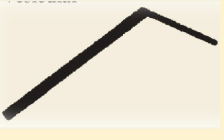
Inspiration & Expiration:
Tracheal
Inspiration < Expiration

Location:
Bronchial
Larynx and trachea
Location:
Bronchovesicular
Anteriorly between 1st and 2nd ICS; Between scapula
Location:
Vesicular
Over most of the lung fields
Location:
Tracheal
Above the trachea
Intensity and Pitch:
Bronchial
Loud
High
Intensity and Pitch:
Bronchovesicular
Mod
Mod
Intensity and Pitch:
Vesicular
Soft
Low
Intensity and Pitch:
Tracheal
VERY HIGH
VERY HIGH
Which breath sound location sounds coarse and tubular and includes a gap?
Bronchial
Which breath sound location sounds like whispering undertones?
Vesicular

Describe (fine) crackles
High-pitched, soft, brief crackling
“Rolling a strand of hair near the ear”
What is the mechanism of (fine) crackles?
Deflated small airways and alveoli popping open during inspiration
Early CHF specifically: small amounts of fluid in the alveoli may cause fine crackles
What conditions are associated with (fine) crackles?
Fibrosis
CHF
Asthma
COPD
Pneumonia
Describe (coarse) crackles
Low-pitched, moist, longer crackling
“Velcro slowly being separated”
Mechanism of (coarse) crackles
Small air bubbles flow through secretions or narrowed airways
Conditions associated with (coarse) crackles
Respiratory fibrosis
Respiratory edema
COPD
Pneumonia
Describe wheezing
Musical sounds heard during inspiration
Wheezing Mechanism
Air passes through narrowed airways
“Similar to a vibrating reed”
Conditions associated with wheezing
Asthma
Bronchitis
Emphysema
Rhonchi description
Low-pitched snoring or gurgling sound that may clear with coughing
Rhonchi Mechanism
Airflow passes around or through secretions
Associated conditions for Rhonchi
Pleuritis
Describe pleural friction rub
Loud, coarse, low-pitched grating/creaking sound
Mainly in lower anterolateral thorax
“Squeaky door”
Pleural Friction Rub Mechanism
Inflamed pleural surfaces lose their normal lubrication and rub together during breathing
Pleural friction rub associated conditions
Pleuritis, pleurisy
Describe Stridor
Loud, high-pitched, crowing/honking sound louder in upper airway
Emergency!
Stridor mechanism
Laryngeal or tracheal inflammation or spasm
Stridor associated conditions
Epiglottitis
Croup
Partially obstructed airway