Business Case Studies (Unit 3 and 4)
 Call Kai
 Learn
Learn Practice Test
 Spaced Repetition
 Match
Match Flashcards
 Knowt Play
1/10

Earn XP
Description and Tags
Flashcards of useful case studies to revise for my Edexcel IAL exams.
Name | Mastery | Learn | Test | Matching | Spaced | Call with Kai |
|---|
No analytics yet
Send a link to your students to track their progress
11 Terms
What is an example of a language issue leading to unintended meanings in branding?
The Iranian company Paxan did not adapt its brand name ‘Barf’ when selling detergent in English-speaking countries. In Farsi, it means 'snow', but in English, it means 'vomit', leading Paxan to remove their detergents from those markets.
What was KFC's issue with its slogan in China?
When KFC opened its first location in China, its classic slogan 'Finger Licking Good' was mistranslated to 'Eat Your Fingers Off', which initially reduced sales of chicken and short-term sucess of KFC in the Asian market. They were able to react and adapt to local cultures. Misinterpreation issue didn’t have a long-term impact on the brand’s integrity, as it is by far the Chinese fast-food market leader (40% market share). This example shows the importance of localisation.
What is an example of innappropiate branding and promotion?
Zara (fashion industry) – “The Jacket” campaign during Gaza conflict (late 2023). Showed model McMenamy promoting a new jacket from their Atelier collection, surrounded by broken sculptures and mannequins with missing body parts.
Result: Huge social media explosion - #BoycottZara trends created in Twitter and other social media platforms, based on critics towards releasing ‘unsensitive content’ during Israel-Palestine war.

Innapropiate use of social media (Burger King)
‘Women belong in the kitchen’ tweet that they wrote to promote International Women’s Day, as a hook related to culinary (cooking) scholarships given to women in developing countries.
Effect: Online spreaded view of BK being sexist.
What is an example of cultural adaptation by IKEA?
IKEA adapted its product names and catalogues to suit local norms, changing room layouts, imagery, and product names. They also customized food menus and in-store services per country, such as selling traditional food options like paella and churros in Spain.
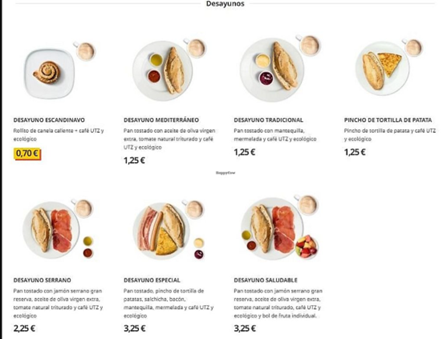
Why is cultural diversity important for companies like IKEA?
Cultural diversity is important because it drives product diversity, allowing companies to cater to different consumer preferences and local traditions.
Example of global niche markets
Decathlon in the extreme sport sector:
Price: Aggressive cost focus strategy – Affordable pricing differentiation (Porter’s Generic Strategies) + Tiered premium pricing for some of its extreme product range, justified by quality and athletic performance.
Product: Wide product portfolio of over 80 across sports, strong own-brand specialists, like Quechua for mountaineering.
Place: Large-format stores with try-before-buy (test areas), strong omnichannel (physical + online) presence.
Promotion: Heavy promotional investment in high-quality videos, user stories showcasing real athletes in extreme conditions (Red Bull inspiration). Partners with influencers and athletes.
Example of power of MNC (Controlling MNC’s)
Movistar monopoly power in the telecommunications market in Spain. Movistar + owns 45% of the Spanish TV subscription market, remaining the leader. Movistar also maintains a strong market position of 41.5% in the broadband network sector.
Spanish government could intervene if they think that Movistar is abusing its dominance in the telecoms industry (e.g. price discrimination strategies - 3rd degree, charging families less network fee on WiFi and TV subscription model than individual customers).
Iberdrola: Is it considered to be a monopoly?
Iberdrola in the Spanish energy market.
It is the leading energy company in Spain, holding a market share of approximately 31.5-34% in electricity generation and customer supply. Largest utility company in Europe and second globally by market cap/value.
Could be considered to be a monopoly in Spain and globally.
Controlling MNC’s - Political influence example
Rolls-Royce and BAE Systems (UK):
‘Golden Shares’ (Access to special voting rights – veto power for strategic decisions).
Following their privatisation in the 80’s, the UK government retained golden shares to block potential foreign takeovers of these critical defence and engineering assets.
Examples of companies who have strong corporate culture vs weak corporate culture (What are the impacts of each on the company?)
Strong corporate culture (alignment between employee behaviours and firm goals, driving high retention and motivation):
Netflix: "Freedom and Responsibility" culture. The series and movie leader has clear objectives of transparency, high performance, and they offer comprehensive financial and benefits package (severance package) to its employees who are let go due to poor match.
Creating an environment of intense accountability and innovation.
Patagonia: Purpose-driven culture. Company’s environmental mission influences every corporate decision ‘There is no planet B’. Creates a deep brand loyalty among employees and customers.
Weak corporate culture (toxic environments, lack of productivity and efficiency, resistance by employees, poor communication):
Enron (US bank): It went bankrupt in 2001. It had a culture of results-at-all-costs mentality that rewarded deceptive accounting and illegal actions of employees (e.g. financial assistants and accountants being told to support and create ghost companies to hide huge debt levels and inflate the firm’s financial gains artificially).
Uniqlo (Japanese fast-retailing group): A firm with a cost leadership strategy (Porter’s Generic Strategies), where ethics have been hidden.
They have had to shut down some of their garment factories in Indonesia and had investigations by comittees in the US regarding their policies of paying textile workers on time + hazardous working environments at third-party plants in China (e.g. some working for over 75 hours per week and use of child labour to benefit from lower labour costs and weaker enforcement contracts).