Cold War
 Call Kai
 Learn
Learn Practice Test
 Spaced Repetition
 Match
Match Flashcards
 Knowt Play
1/39

There's no tags or description
Looks like no tags are added yet.
Name | Mastery | Learn | Test | Matching | Spaced | Call with Kai |
|---|
No analytics yet
Send a link to your students to track their progress
40 Terms
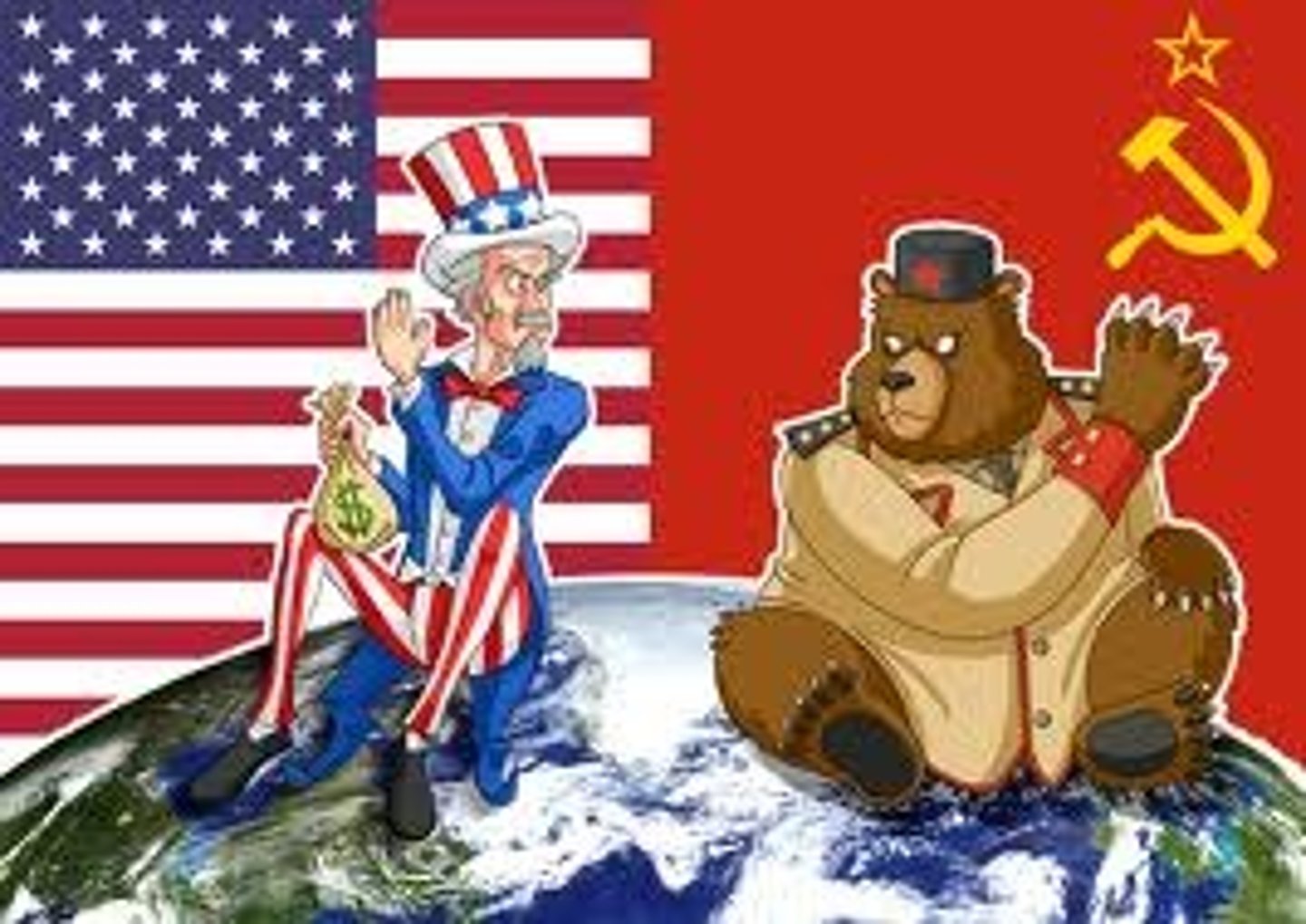
Cold War
a state of tension between two superpowers with no actual fighting; power struggle between the Soviet Union and the United States after World War II, fought through proxy wars
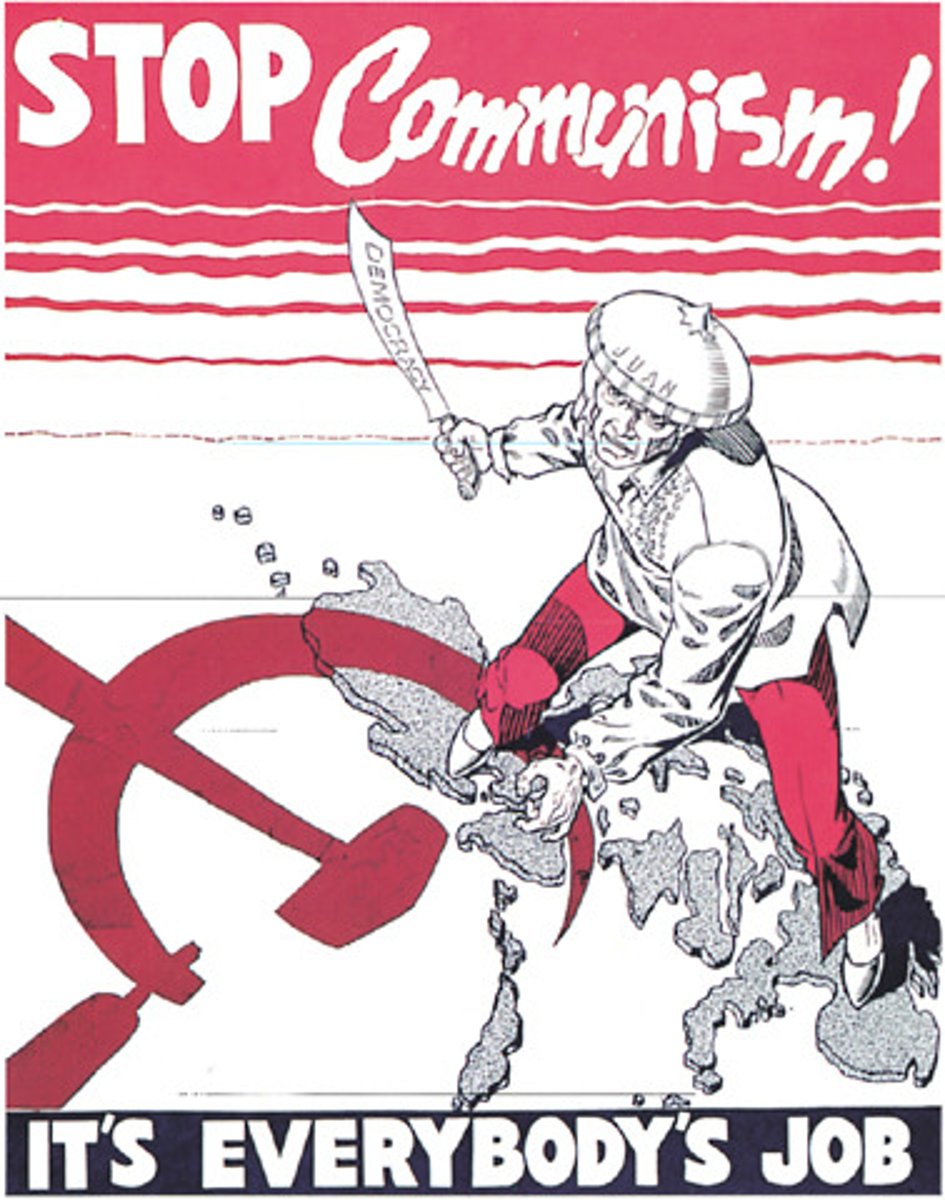
Containment
American policy of containing/preventing further expansion of communism around the world
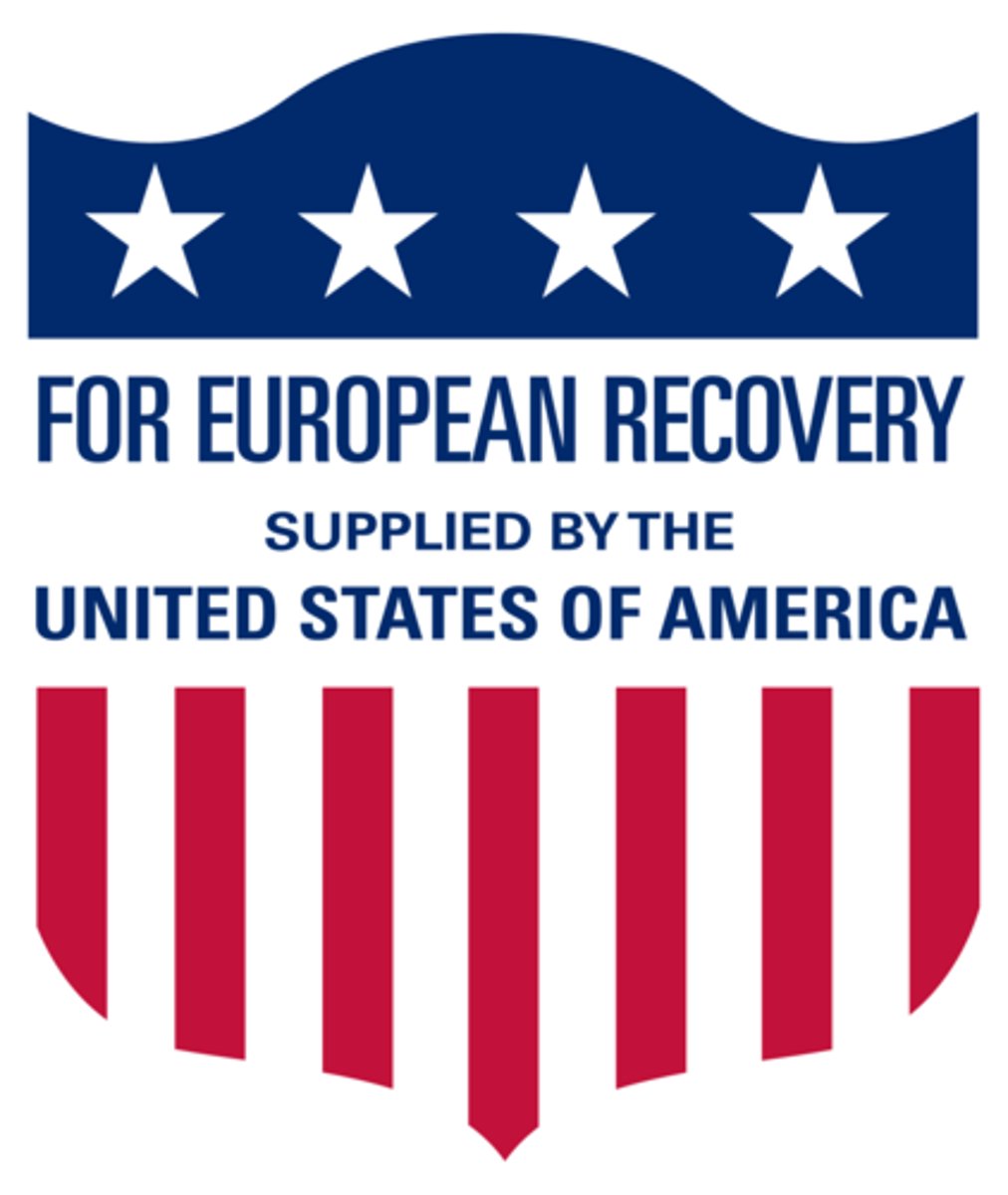
Marshall Plan
a US program of economic aid for the reconstruction of Europe (1947), provided $13 Billion, made the US look like saviors
NATO
North Atlantic Treaty Organization; an alliance made to defend one another if they were attacked by any other country; US, England, France, Canada, Western European countries
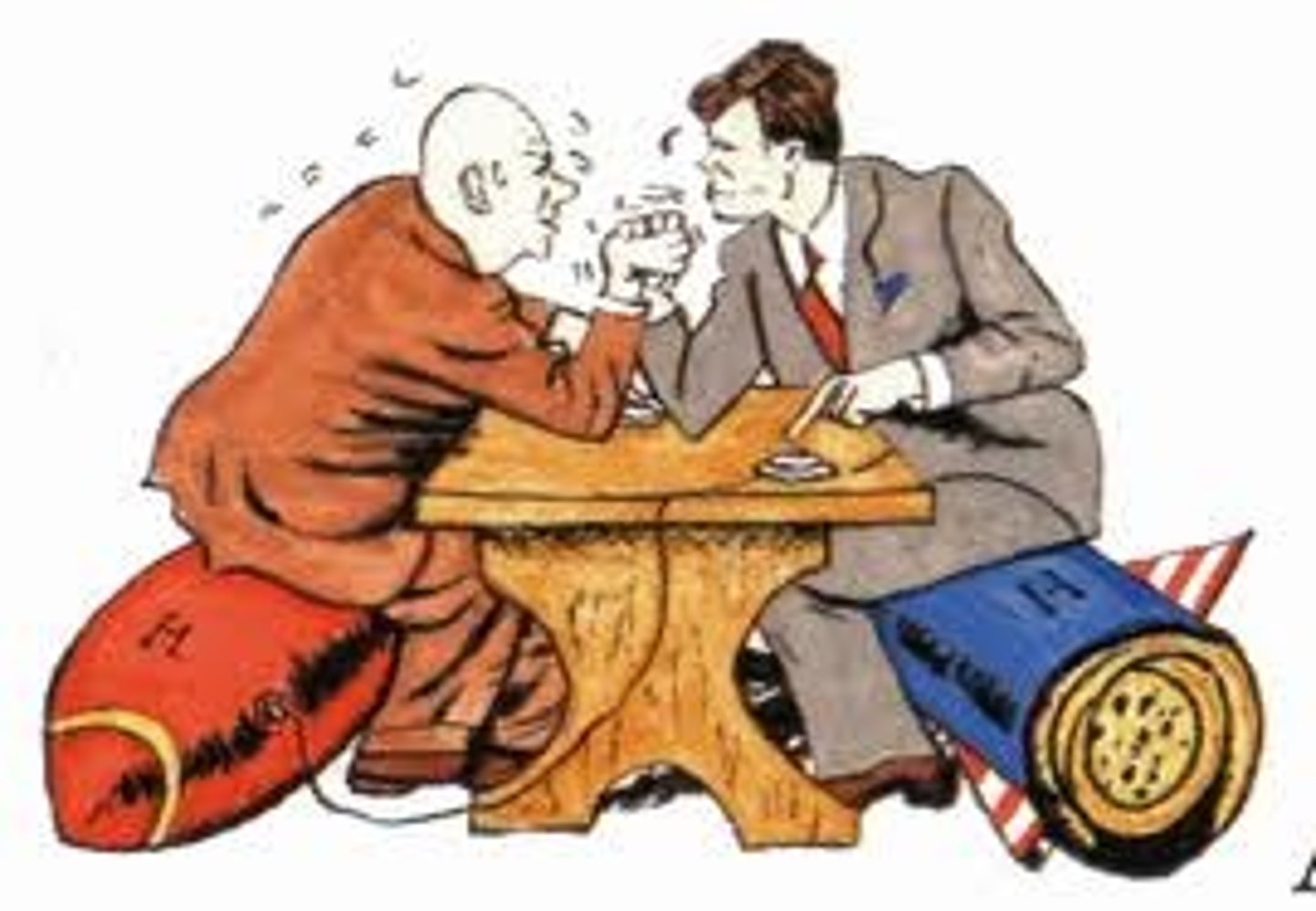
Arms Race
Cold war competition between the U.S. and Soviet Union to build up their respective armed forces and weapons
German Occupation, Reunification
- End of WWII - Germany divided into 4 zones by US, GB, FR, and USSR
- (1948) US/GB/FR combine their zones into 1 nation
- The Soviet Union doesn't leave Germany
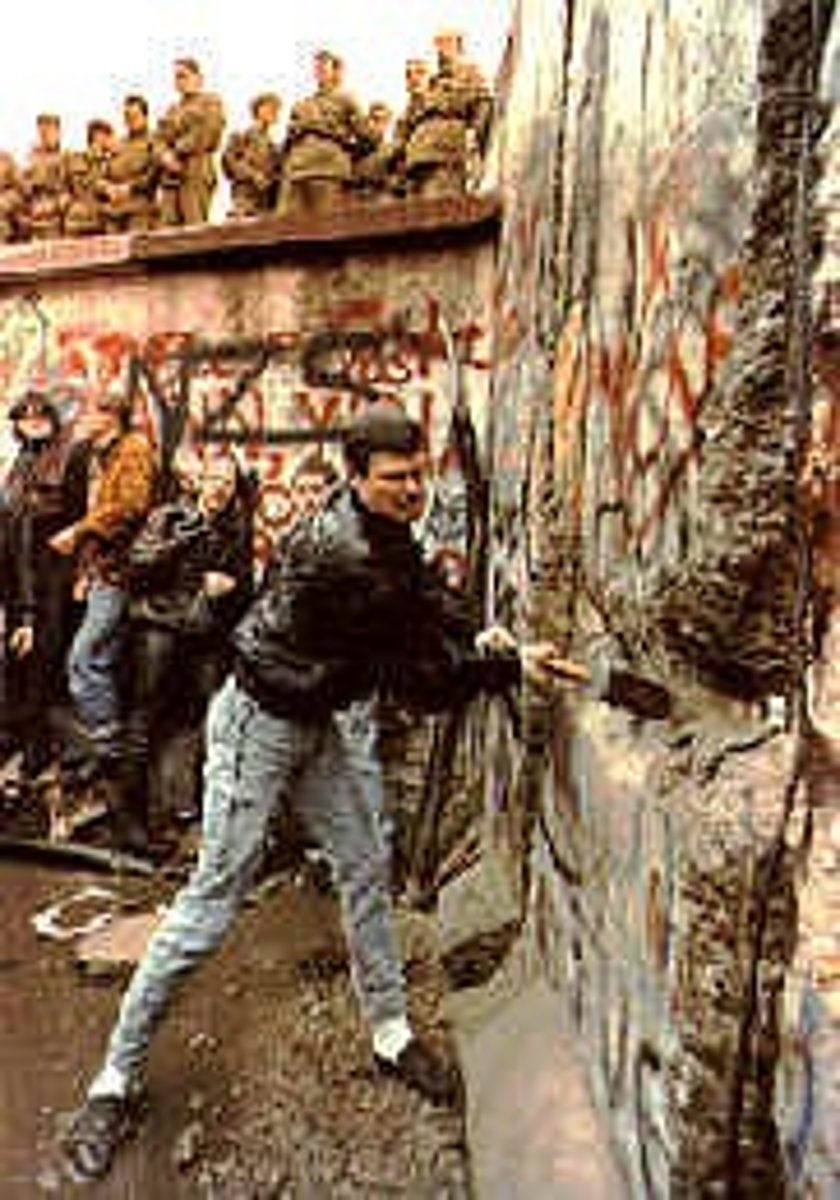
Berlin Blockade
Stalin wanted to punish Germany so he closes off all roads into West Berlin with the Berlin Wall, citizens in East Germany are stuck
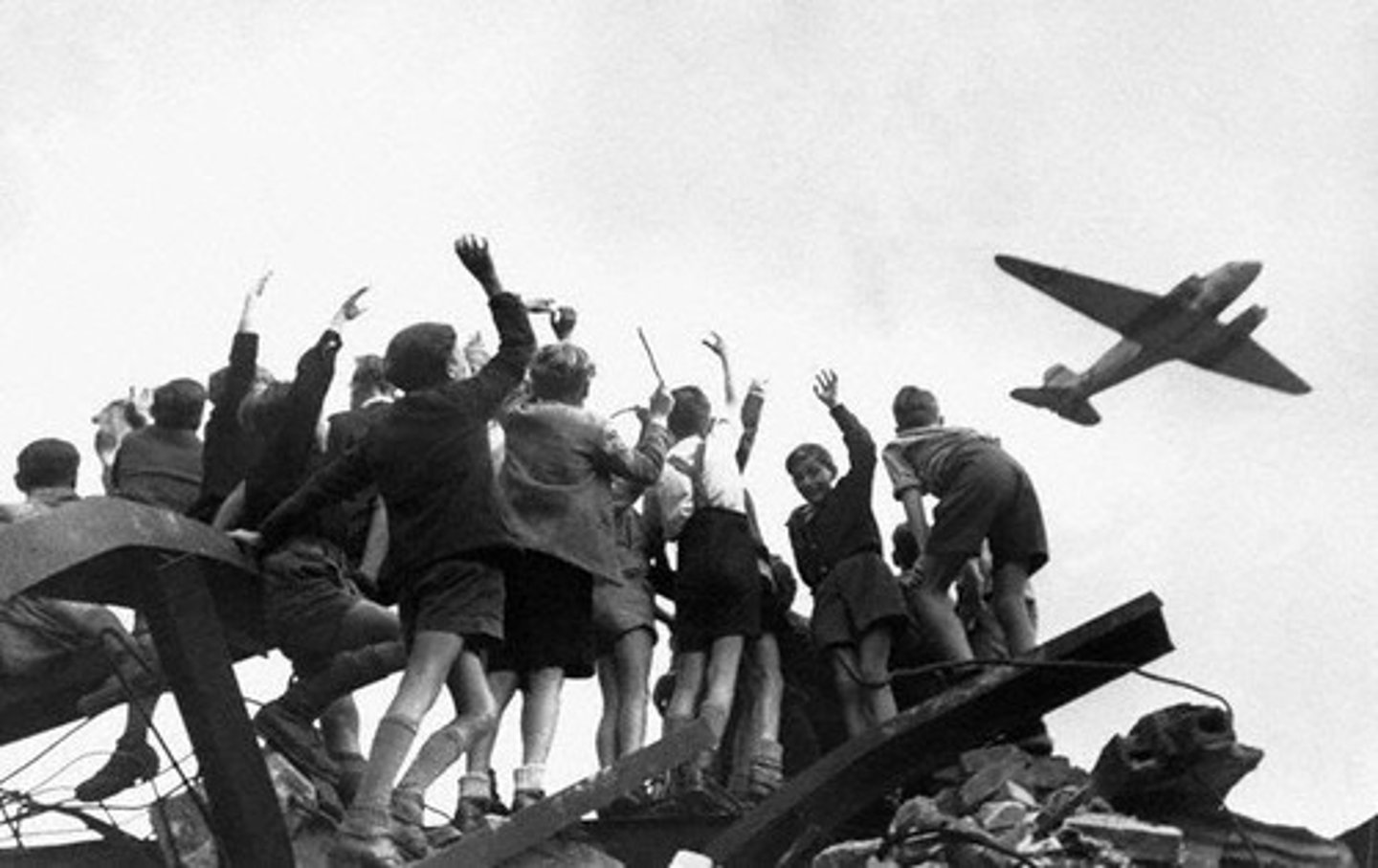
Berlin Airlift
(Response to Berlin Blockade) GB/US planes in 1948 that supplied food and fuel to citizens of west Berlin when the Russians closed off land access to Berlin
capitalism
An economic and political system in which a country's trade and industry are controlled by private owners for profit, rather than by the state.
communism
A theory or system of social organization based on the holding of all property in common, actual ownership being ascribed to the community as a whole or to the state.
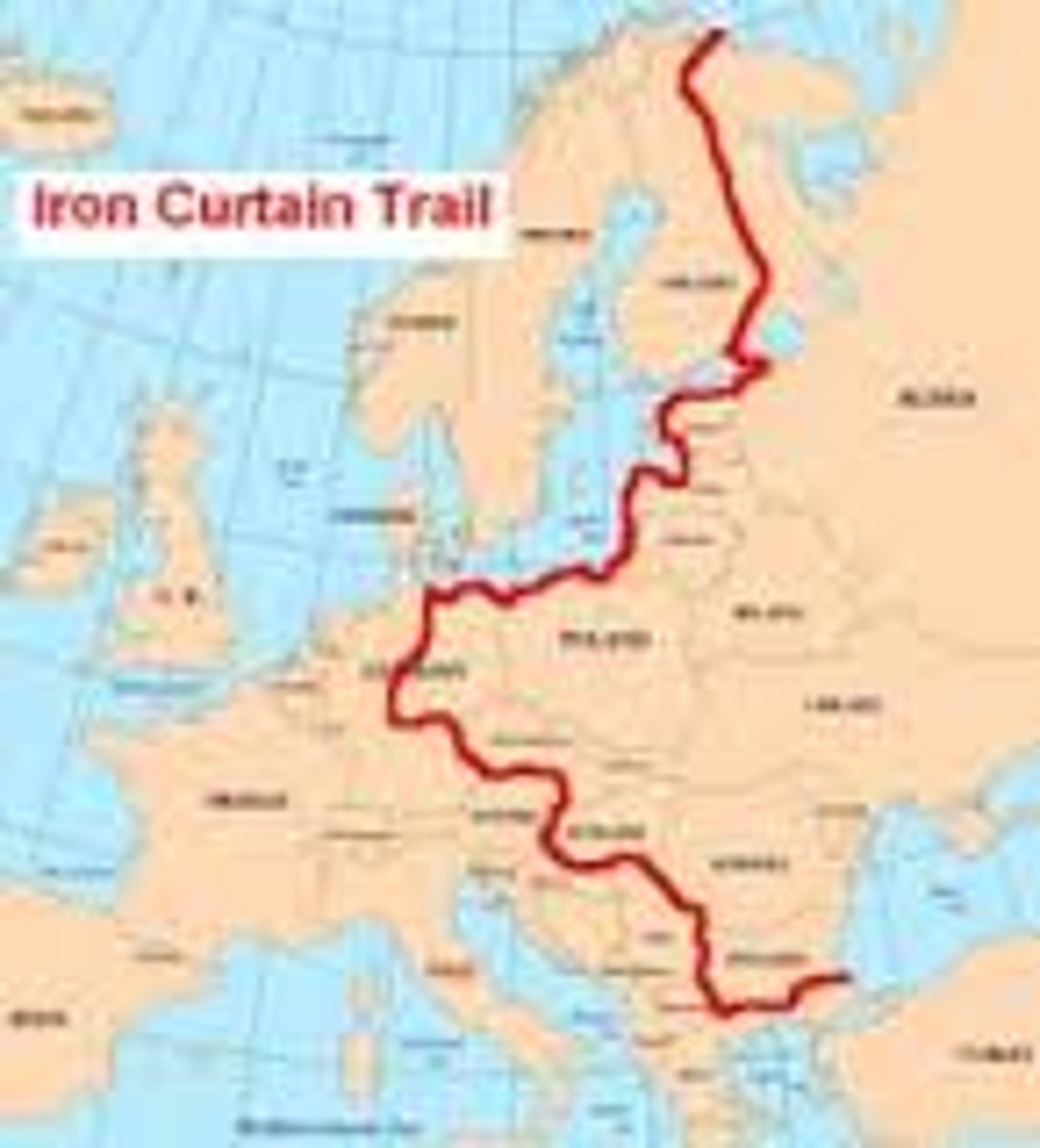
Iron Curtain
A political barrier that isolated the peoples of Eastern Europe after WWII, restricting their ability to travel outside the region - mentioned in a speech by Churchill
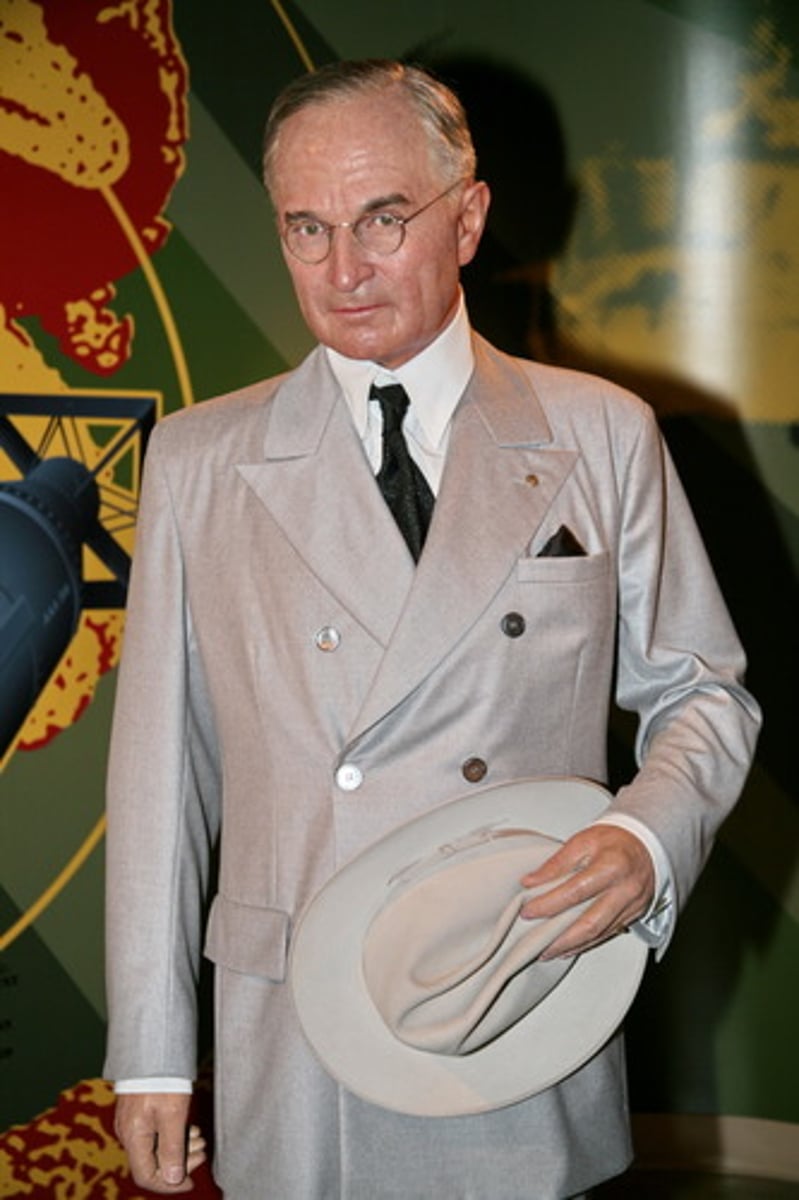
Truman Doctrine
1947, President Truman's policy of providing economic aid to any country threatened by communism, mainly Greece and Turkey
United Nations
An international organization formed after WWII to promote international peace, security, and cooperation.
Warsaw Pact
An alliance between the Soviet Union and other Eastern European nations to protect against Western aggression. This was in response to NATO
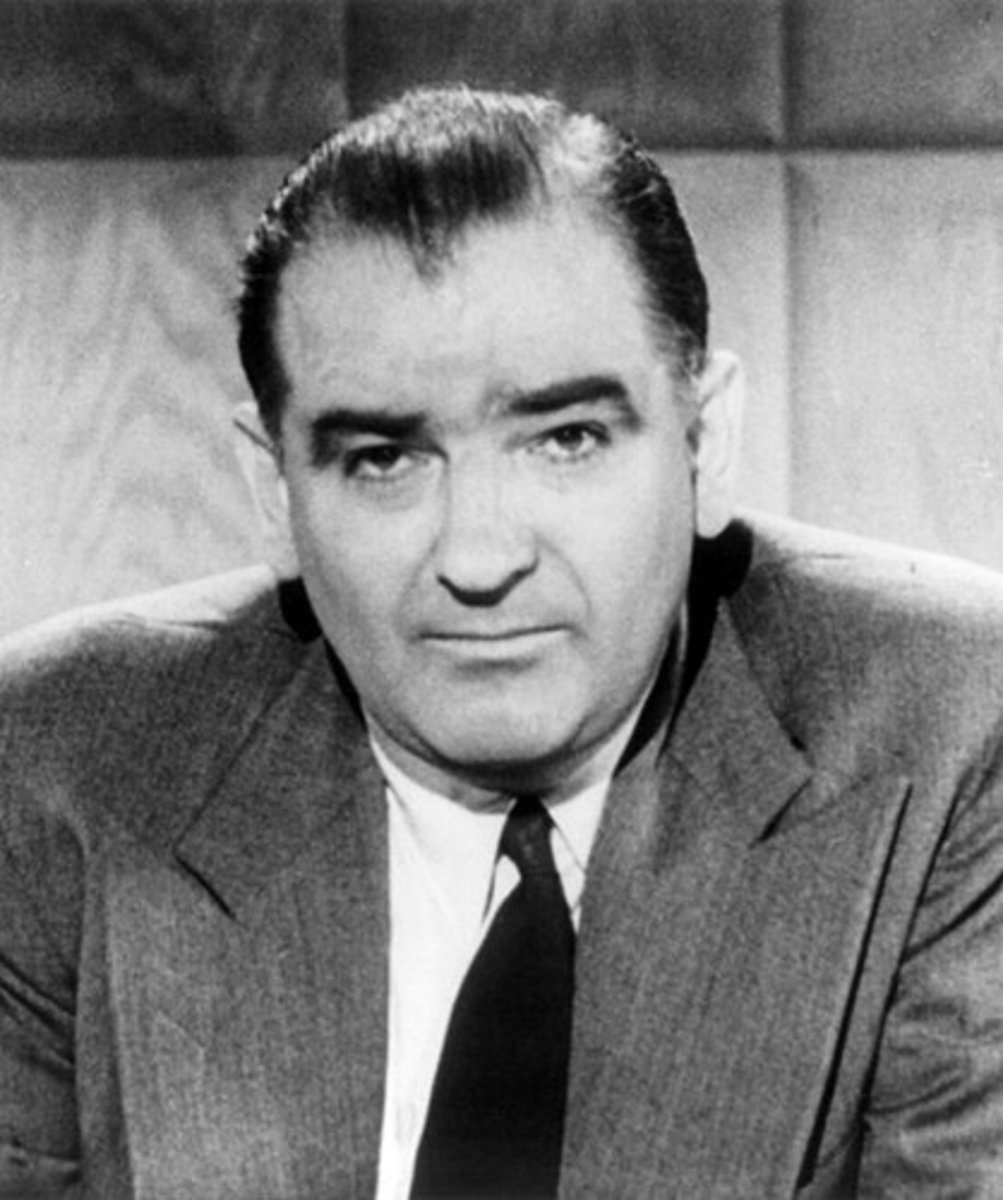
Joseph McCarthy
United States politician who accused many citizens of being Communists (1908-1957)
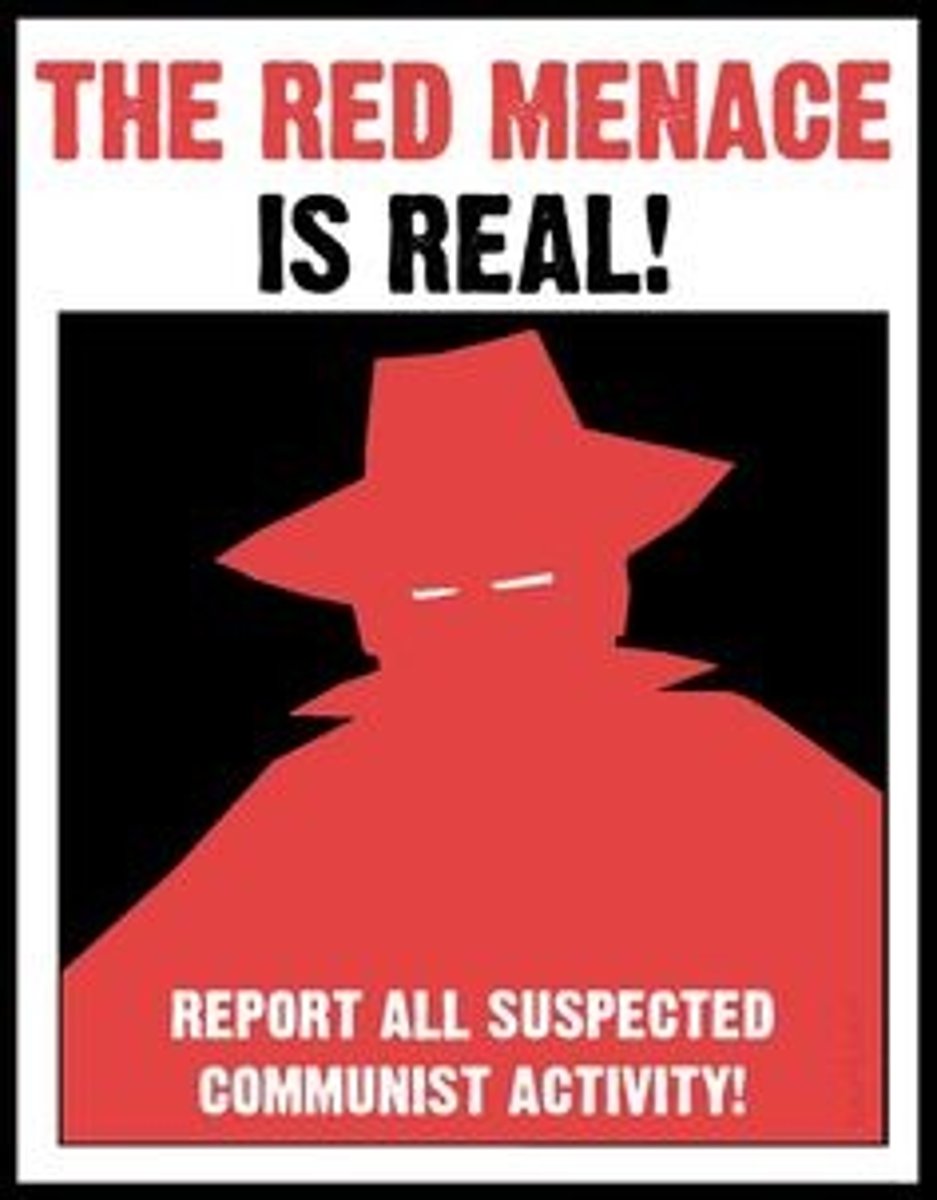
McCarthyism
accusing people of disloyalty - saying they were Communists. Use of fear, suspicion, and scapegoating
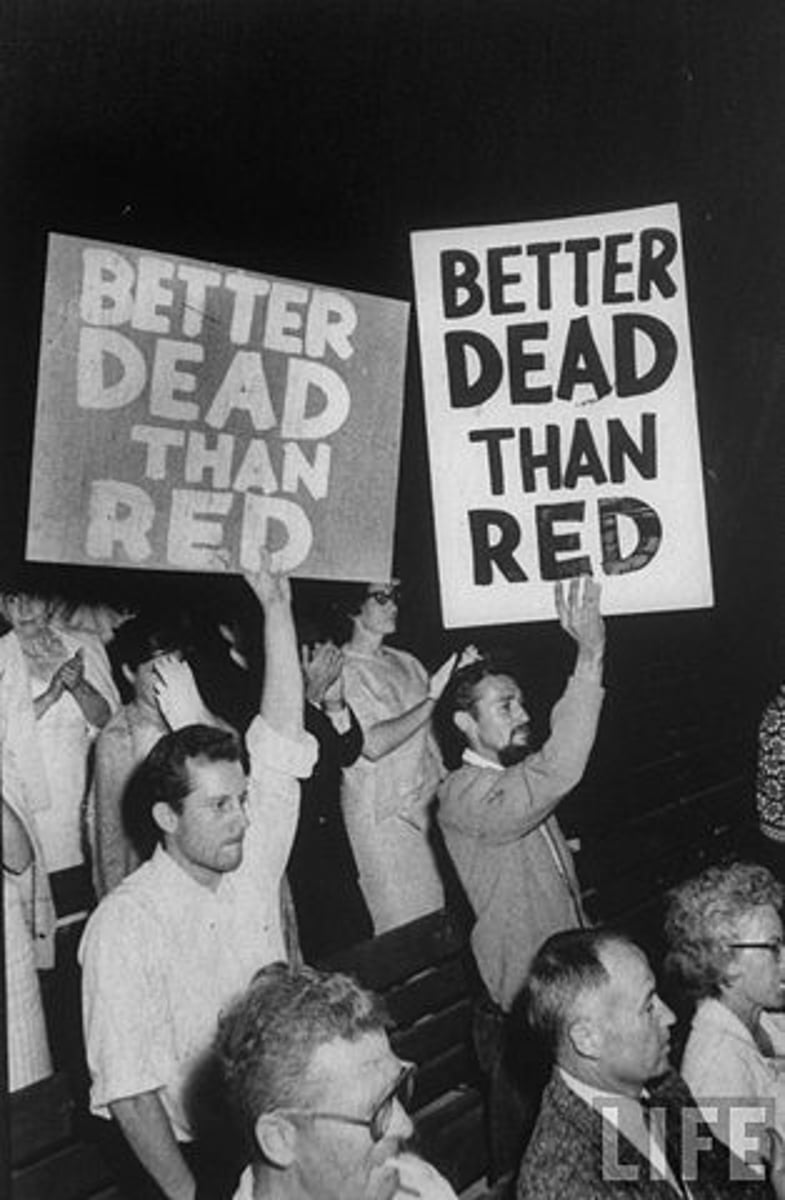
Second Red Scare
renewed fear after WWII that communists were working to destroy the American way of life
Conferences
- Tehran (Plan D-Day)
- Yalta (Occupy Germany)
- Potsdam (USSR declare war on Japan, Stalin failing to keep promise of free elections to FDR)
Death of FDR
After FDR's death, the new leadership style of Truman is more blunt and hostile, causing Stalin to feel alienated
How many people did the USSR lose during WWII?
10-20 million people
Differences of USA/Soviet Union
USA: across ocean from enemies, hates communism
USSR: enemies on border, hates capitalism
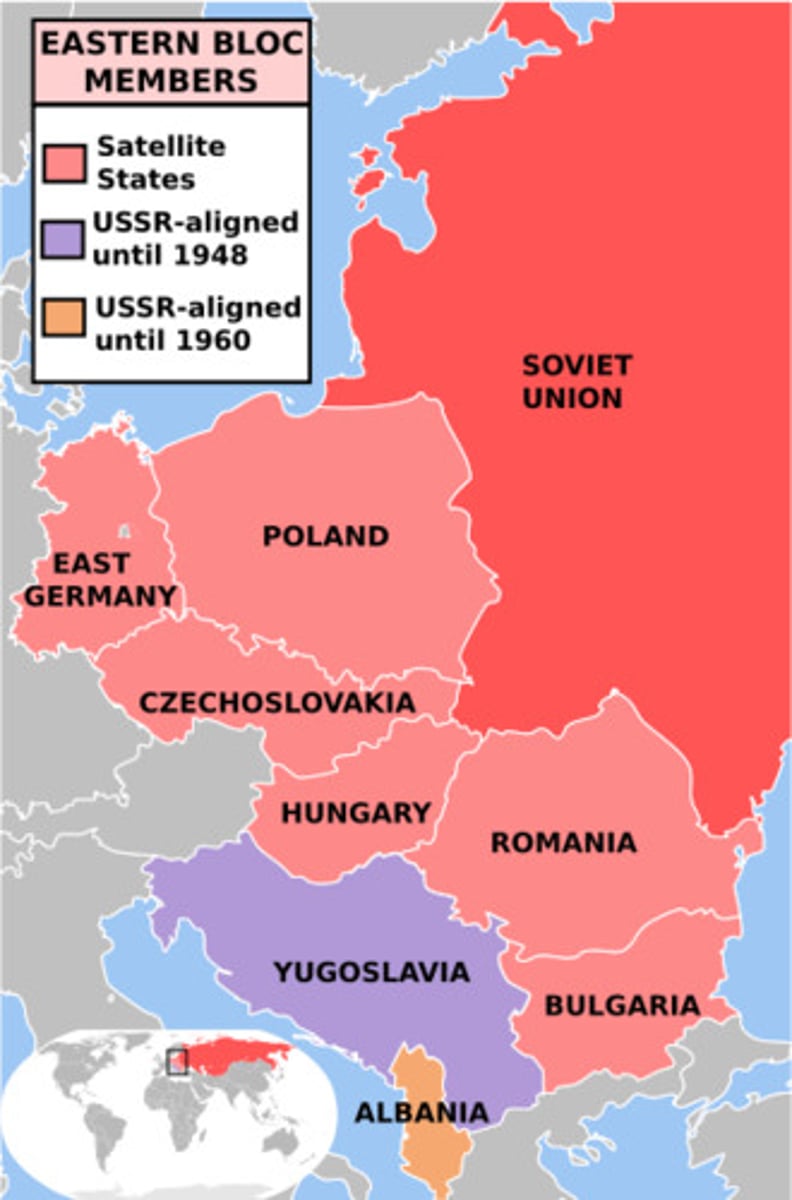
satellite nations/eastern bloc
communist nations that were aligned with, but also under the influence and pressure of, the Soviet Union - The Soviet Union felt entitled to them after losing 20 million people during WWII
Loyalty Review Program (1947)
a policy established by Truman that authorized the screening of all federal employees to determine their loyalty to the U.S. government
HUAC
The House Committee on Un-American Activities (HUAC) was an investigating committee which investigated what it considered un-American propaganda
Impacts of Anti-Communist Sentiment
- politics become conservative
- Eisenhower and Nixon win election
- People think mandatory polio vaccines are communist
- books are banned
Army-McCarthy hearings
MC accuses Army of being soft on communism - he is seen as crazy and McCarthyism ends
Proxy War
A war fought between smaller countries that represent larger powers and may have help from those powers
Background of Korea War
- Japan ruled Korea
- Potsdam Conference: US/USSR agreed to occupy Korea to help liberate them from Japan
- divided Korea at the 38th parallel
- NK - USSR / SK - US
Korean Civil War
- war between communists and nationalists
- US set up anti-communist gov't by appointing Syngman Rhee as President
- He massacred communists
- USSR set up communist gov't by appointing Kim Il Sung as leader
- US/USSR withdraw from Korea
Korean War Beginning
- NK military does a surprise attack on SK so they can unite Korea under Kim Il Sung
- SK calls for United Nations to stop the invasion - UN helps SK, confirming their status as an actual nation
- USSR isn't at UN vote because they're protesting recognition of Taiwan as country
Korean War
- Truman wants to show military strength - 90% of UN's soldiers were American and led by General Douglas MacArthur
- When NK corners soldiers in the south, SK uses boats to go behind enemy lines and appear to almost win
- China/Mao Zedong joins war and overpowers SK
- MacArthur wants to use nukes, Truman says no, he disobeys by trying to start war with China and gets fired (bad decision)
Armistice Agreement
US and USSR discuss peace talks but they don't work because both Rhee and Sung wanted complete unification. The Armistice Agreement is signed to stop fighting and a Demilitarized zone is between SK/NK.
Chiang Kai-Shek/Nationalists
ruled southern and eastern China; during this time they relied heavily on the US, they had weak leadership and poor morale but the US supported them since they weren't communist; corrupt so people didn't like them as much
Kim Il Sung
founder and leader of North Korea; he initiated the Korean War
Alger Hiss
a government official that worked in the US but he was accused of being a spy for the Soviet Union
The Rosenbergs
a married couple who allegedly spied for the Soviet Union and were put to death
coup in iran
was the overthrow of the democratically elected government of Iranian Prime Minister Mohammad Mosaddegh orchestrated by the intelligence agencies of the United Kingdom and the United States
Hollywood 10
these were actors, film makers, etc who were accused of being communist and pushing out communist propaganda. They were called to testify but didn't show up because they believed it was unconstitutional. Their absence led to them going to jail.
Brinkmanship
A policy of threatening to go to war in response to any enemy aggression.
Eisenhower Doctrine
Policy of the US that it would defend the Middle East against attack by any Communist country