heart all
 Call Kai
 Learn
Learn Practice Test
 Spaced Repetition
 Match
Match Flashcards
 Knowt Play
1/122

There's no tags or description
Looks like no tags are added yet.
Name | Mastery | Learn | Test | Matching | Spaced | Call with Kai |
|---|
No analytics yet
Send a link to your students to track their progress
123 Terms
75 bpm
average contraction rate
70 mL per contraction at rest
cardiac output averages
location of heart
SPECIFIC: Pericardial cavity
Thoracic Cavity
BROAD: Ventral Cavity
apex
points left & sits in left lung’s cardiac notch
size
fist
9-12 ounces b/t male & female
looped, closed system
pumps in a system not open to outside
2 lobes
left lung
capillaries
where nutrients & O2 reach in tissues to deliver to cells
site of exchange
1 cell thick = efficient
systemic circuits
left side
endocardium
simple squamous endothelium cells (1 flat layer) lines chambers & valves
inner
bright blue layer
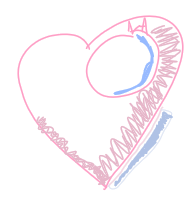
mesothelium
simple squamous layer
1 cell thick, flat layer
myocardium
striated = protein lines
branched cells
thicker left side > overcome resistance
dark pink layer
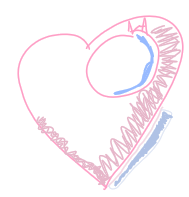
epicardium
lays over heart, made of simple squamous cells
aka visceral layer
epi = on top of
light pink layer
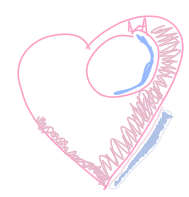
visceral layer
touches heart
part of serous pericardium
aka epicardium
light pink layer
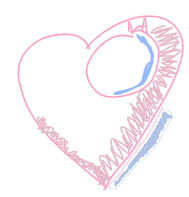
serous pericardium
2 layers
double fold membrane that secretes serous fluid (lubricant) b/t layers
visceral, parietal
light pink and light blue layer
parietal layer
outer serous pericardium
touches thoracic wall
light blue layer
fibrous pericardium
sac enclosing heart
tough
serous fluid
secreted by serous pericardium
lubricant
dark blue layer
coronaries
arise off aorta > left coronary super imporrtant + branches
right coronary artery
supplies right atrium & right ventricle
connected to aorta, to heart
coronary sinus & veins
drain heart to right atrium = O2 poor
atherosclerosis
fat plaque build up = narrow & harden arteries > lead to myocardial infarction (heart attack)
veins have valves that…
… keep blood moving 1 way
heart
muscle that needs O2 blood
sinus
cavity that connects to vein in this context
left coronary artery
divides into two branches
goes to left atrium and left ventricle
sends to circumflex artery
circumflex artery
supplies blood to elft atrium and back of left ventricle
arrow to LAD
left anterior descending artery (LAD)
supplies blood to front and bottom of left ventricle and septum
coronary veins
take oxygen-poor blood that has been used already by muscles of the heart and return it to right atrium
pulmonary arteries
fetal umbilical arteries (2)
only time when we have O2 poor blood in an artery
pulmonary veins
umbilical vein (1)
only time we have O2 rich blood in veins
3 adaptations: DV, OF, DA
bypass lungs bc they have fluid in them
fetal circulation adaptations
supposed to close up once born
1 umbilical vein
off placenta, sends rich O2 to fetal heart
2 umbilical arteries
branch off iliac arteries of fetus
return O2 poor/CO2 to placenta
placenta
exchanged piece, (membrane)
O2 and nutrients exchanged here from mom to baby
iliac
legs region
congenital defects
coarctated (narrow) aorta
patent foramen ovale & patent ductus arteriosus: does not close > flow issues
tetralogy of fallout
4 congenital defects
1) pulmonary stenosis
2) right ventricular hypertrophy
3) overriding aorta
4) ventricular septal defect
pulmonary stenosis
narrowing > flow issues
Ductus venous
most O2 even blood skips liver (hepato, 80%) > vena cava > right artery
foramen (hole) ovale
bypasses right ventricle & pulmonary
How? pushes blood into left atrium
skipping lungs > bad after birth
ductus arteriosus
what happens if some blood gets into right ventricle?
opening b/t pulmonary artery and aorta
fetal order
placenta > umbilical vein > ductus venosus > oval foramen > ductus arteriosus > femoral arteries > iliac legs
atrioventircular (AV) valves
between atrium & ventricles
right AV (tricuspid) & left AV (bicuspid)
atria contract 1
high pressure pushes AV valves open & blood flows into ventricles high to low [1]
ventricle contracts
high pressure pushes AV valves shut
s1 souund lub
blood pushes semilunar open
chordae tendinae
heartstrings
attached to valves > stop valve prolapse & regurgitation into atria
stabilizes valves >
prolapse
regurgitation
open backward
semilunars
exits w/ 3 flaps
pulmonary (stops regurg to RV) & aortic valve (stops regurg to LV)
ventricles relax
pressure drops in them = pulmonary & aortic valve close
sound S2 dub
atria contract
pulmonary V and aortic V closed
systemic side
left
pulmonary side
right
lungs regurgitate
left
body regurg
right
systole
contract phase & pressure increases
diastole
relax phase and filling
if ventricles are contracting & pumping blood thru valves…
…atria are relaxed and filling
depolarize
electrical activity/stimulate
contraction/systole
repolarize
reversal of electrical activity, relax
P waves
record electrical activity through upper heart chambers
atrial depolarization (electrical)
contracting atria (systole)
should not be more than 1-2 large box tall & no more than 2.5 boxes wide
PR interval
time from beginning of P wave to beginning of QRS Complex
heart health, diagnose diseases
QRS Complex
records the electrical activity through the lower heart chambers
vascular depolarization (e), contracting ventricles = systole
R (highest), S (lowest)
T waves
records the electrical activity through upper heart chambers
atrial repolarization (relax), relaxing atria = diastole
Cardiac output
volume pumped by ventricles per minute.
Maintain blood flow throughout body, measure of blood volume ejected from heart over given time
Heart rate x Stroke volume
Avg: 5.2 L -5.25 L (blood in body)
stroke volume
mL pumped per ventricle contraction (avg=70mL)
amount for blood ejected from ventricles during one heartbeat
heart rate
BPM (avg 75)
cardiac output affected by
hormones, stress, age, stimulants (caffeine/meth), depressants, chemoreception (CO2 detection)
chemoreception
CO2 detection
high CO2=acid
cardiac output increases > get blood to lungs
adrenaline
sympathetic
stress system
what beta adrenegic receptors respond to
beta adrenegic receptors
respond to adrenaline
get blocked by beta blockers = competitive inhibition
when no adrenaline, cardiac output decreases > blood pressure decreases
parasympathetic system
“rest & digest”
neurons release acetylcholine neurotransmitter = slows HR and contraction force
Acetylcholine (ACH)
part of parasympathetic system > lowers cardiac output & BP
max rate
take 220 BMP - age
blood pressure
force exerted on artery wall
systolic blood pressure
top number
left ventricle contracts & pressure is passed to aorta wall muscle which distends/bulges/dilates
(90-120 mmHG)
diastole blood pressure
bottom number
left ventricle relaxes & aorta recoils on blood > pushes flow
(60-80 mmHg)
sphygmomanometer
cuff closes artery → listen
as pressure released, BP overcomes the cuff = artery opens
reads sound/korotkoff
Korotkoff
sound starts = systole reading (120)
once sound stops = diastolic pressure reading (80)
BP influenced by
epinephrine, T3
Compliance
how easy a vessel stretches > elastic
atherosclerosis reduces it
atherosclerosis
hardening artery
coronary artery disease
leads to MI (Heart attack)
volume
if decreased, pressure/flow rate decreased
ischemia
lack of flow to tissue & no perfusion
augustus gloop
decreased blood = decreased oxygen
perfuse
through
volume of blood that flows through tissue (organs) per minute
myocardial infarction
ischemia/ block of blood & oxygen to myocardium > necrosis (death)
heart attack
ischemia symptoms
left arm pain
angina (chest pain)
dyspnea (diffculty breathing)
vomiting (emesis)
diaphoresis (excess sweating)
cyanosis (turn blue bcos no Oxygen)
cardiopulmonary resuscitation
manually compress blood in heart to push some into pulmonary & systemic circuits
standard call for compression of chest 5 cm deep & at a rate of 100 compressions/minute
ekg order
P waves > PR interval > QRS complex > T waves
heart’s conduction system
1) Sinoatrial node
2) atrioventricular node
3) bundle of his in interventricular septum (wall)
3) purkinje fibers in ventricles
Sionatrial Node (SA)
where pacemaker be
special cardiomyocytes in right atrium
depolarizes to start a sinus rhythm = spreads thru atria cells at once via gap junctions = atrial contract (systole)
gap junctions
special cell membranes electrical currents go through
intercalated disks
purkinje fibers
in ventricles
ventricle systole/contract
fibers of a tree, distribute to muscle
cardioversion
procedure where an arrhythmia is converted to a normal sinus rhythm (heartbeat)
pacemakers, AEDs
Rheumatic heart disease
strep (bacteria) infection
migrates to mitral valve
inflames & becomes stenotic (narrow)
valve prolapse
valve opens backwards
results in regurgitation
blood flows back > murmur (abnormal sound)
heart failure
pumping weakens & myocardium enlarges & stretches as tries to compensate for poor cardiac output
cardiac output continues to get worse = less blood flow/min from ventricles
congestive heart failure
way large, left side is thin
right-side heart failure
heart can’t pump enough blood to lungs to pick up O2
fluid build up in feet, legs, abdomen
bad blood flow → regurgitation
left-side heart failure
heart can’t pump enough oxygen-rich blood to rest of body
fluid back up to lungs
shortness of breath
bad blood flow → regurgitation