Electronics - HL content
 Call Kai
 Learn
Learn Practice Test
 Spaced Repetition
 Match
Match Flashcards
 Knowt Play
1/44

There's no tags or description
Looks like no tags are added yet.
Name | Mastery | Learn | Test | Matching | Spaced | Call with Kai |
|---|
No analytics yet
Send a link to your students to track their progress
45 Terms
electronic system
operates with input, process, output and a feedback loop
input
provides the system with the data or information it needs to operate
process
manipulates the input to produce the desired output
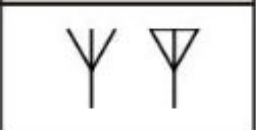
aerial
device used to send or receive signals
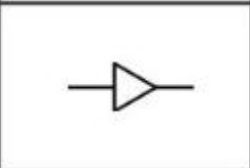
amplifier
makes input signal stronger and bigger
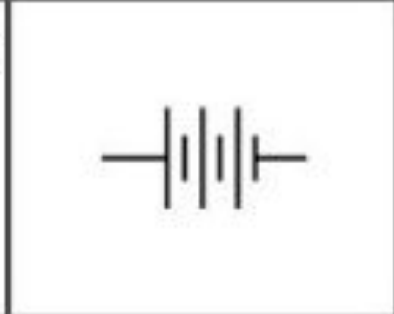
battery
device supplying direct current
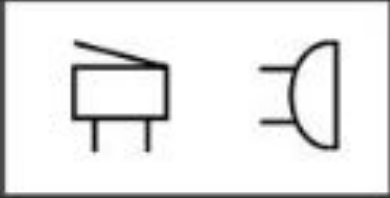
bell
a transducer operating a bell
buzzer
a transducer operating a buzzer
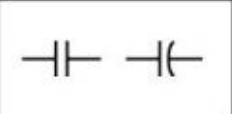
capacitor
component that stores electrical energy
electrical devices
use power to perform a function
electronic devices
manipulate the flow of electrons to process information and add meaning to signals
digital systems
made up of two basic conditions of being off and on
analogue systems
use continuous signals that are infinitely variable between an upper and lower limit and can include both positive and negative values
voltage
electric potential between two points
current
the rate of flow of electrical charge
direct current
provide a constant flow of electrons in a single direction from negative to positive
resistance
resists the flow of electrical current
resistors
components in an electrical circuit that resist the free flow of electrons
frequency
number of cycles of an alternating current wave per second
power
rate of which energy is used
capacitance
measure of a capacitors ability to store electrical energy
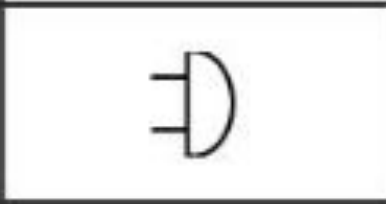
logic gates
digital switches in which an output of 0 or 1 is produced
passive components
control the flow and storage of energy within a circuit
fixed resistors
limit the flow of electrical current and to divide voltage in a resistance
variable resistors
provide a changeable resistance that can be adjusted manually
switches
make or break an electrical connection to control the flow of current manually
relays
an electrically operated switch that provide electrical isolation between the control signal and the high power load
active components
control the flow of current, introduce power gain and perform complex logic operations
diodes
allow electric current to flow effectively in only one direction
transistors
acts as an electronic switch or a signal amplifier
digital components
basic binary devices that create a closed or open circuit
analogue components
translate physical quantities into electrical signals
analogue processing
involves maintaining the continuous nature of a signal while modifying its characteristics like strength or quality
signal conditioning
process used to prepare a raw analogue input signal so its suitable for either direct use by an analogue output or for conversion by a digital component
digital systems
works with discrete values and is fundamental about decision making, logic and sequential operations
program control
ability of a digital circuit to execute a sequence of stored instructions to determine the output based on current and historical inputs
microcontroller
a small, self contained computer with its own integrated circuit or chip
software loading
designer or engineer loads software onto the microcontrollers memory
output devices
take the processed electrical signal and convert that energy back into a usable physical change
open loop system
the control action is independent of the output and of the environment
closed loop system
continuously monitors the output to ensure the desired result is achieved
embedded sytem
specialised computer system designed to perform one or a few dedicated functions. Its integrated into the product it controls
RC circuits
combined circuit of resistors and capacitors that control timing, filter signals and improve power management by stabilising voltage and smoothing out noise
flow diagrams
graphical representation of a process or algorithm
block diagrams
focus on components and relationships within a system