1960s: JFK & LBJ Diagram | Quizlet
 Call Kai
 Learn
Learn Practice Test
 Spaced Repetition
 Match
Match Flashcards
 Knowt Play
1/24

There's no tags or description
Looks like no tags are added yet.
Name | Mastery | Learn | Test | Matching | Spaced | Call with Kai |
|---|
No analytics yet
Send a link to your students to track their progress
25 Terms
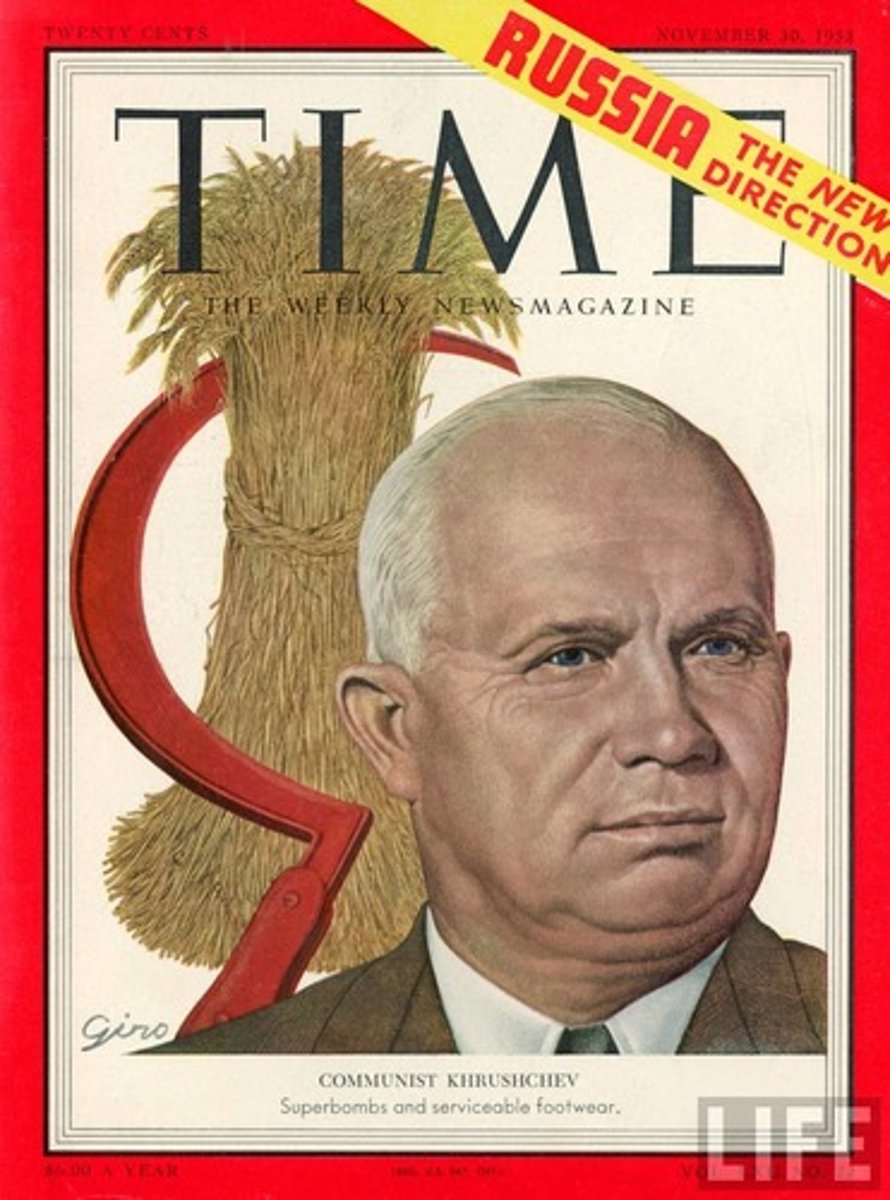
Nikita Khrushchev
Ruled the USSR from 1958-1964; lessened government control of soviet citizens; sought peaceful coexistence with the West instead of confrontation
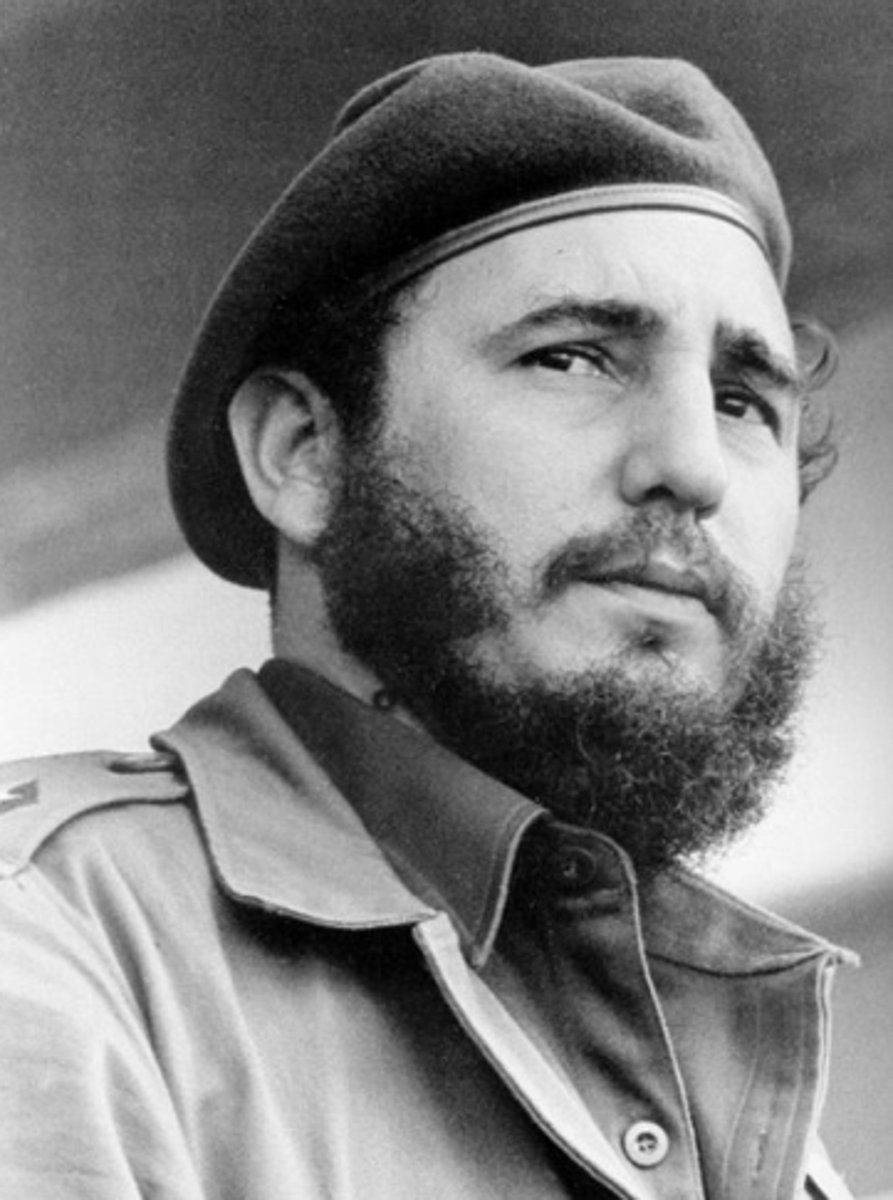
Fidel Castro
Cuban socialist leader who overthrew a dictator in 1959 and established a Marxist socialist state in Cuba (1927-2016)
TERM
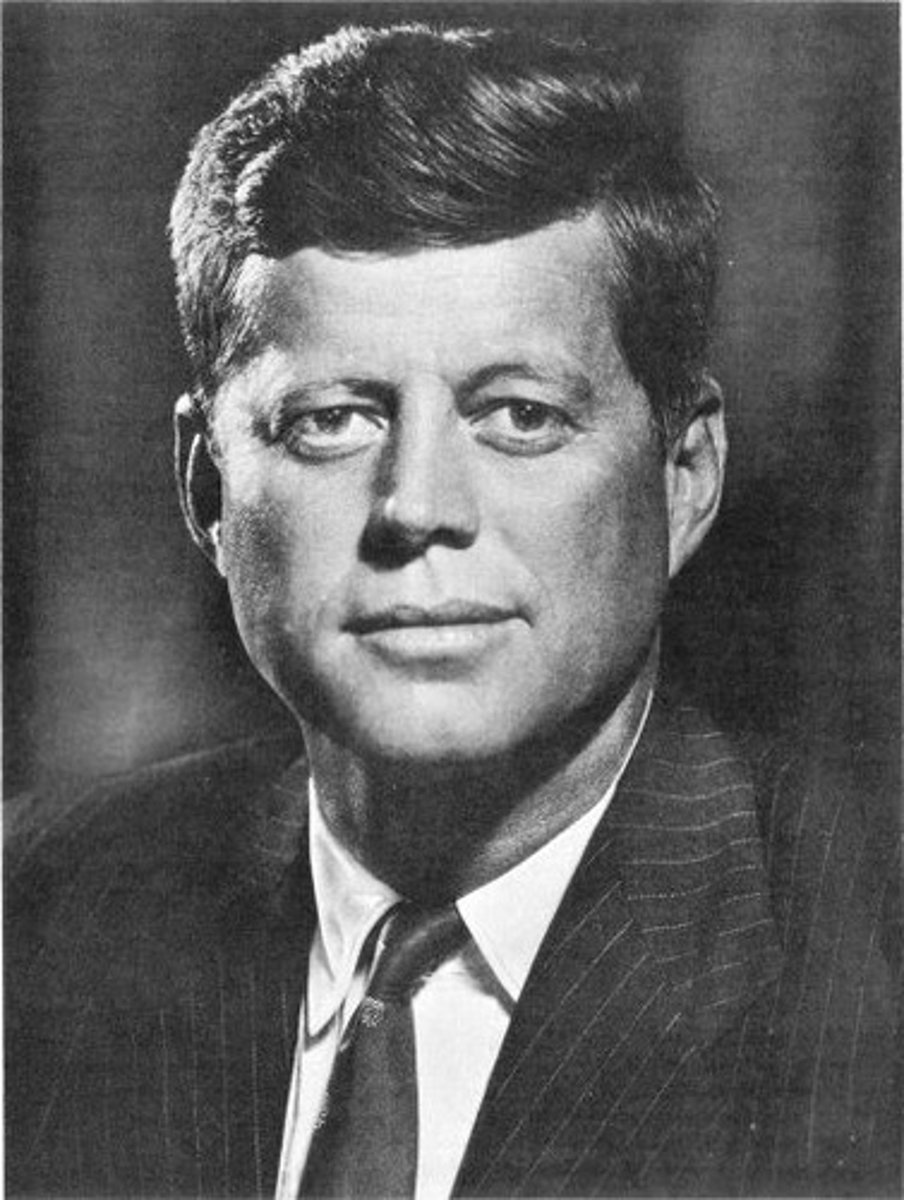
John F. Kennedy
DEFINITION
35th President of the US; only president to have won a Pulitzer Prize; events during his administration include the Bay of Pigs Invasion, the Cuban Missile Crisis, the building of the Berlin Wall, the Space Race, the African American Civil Rights Movement and early events of the Vietnam War; assassinated in Dallas, TX in 1963
TERM
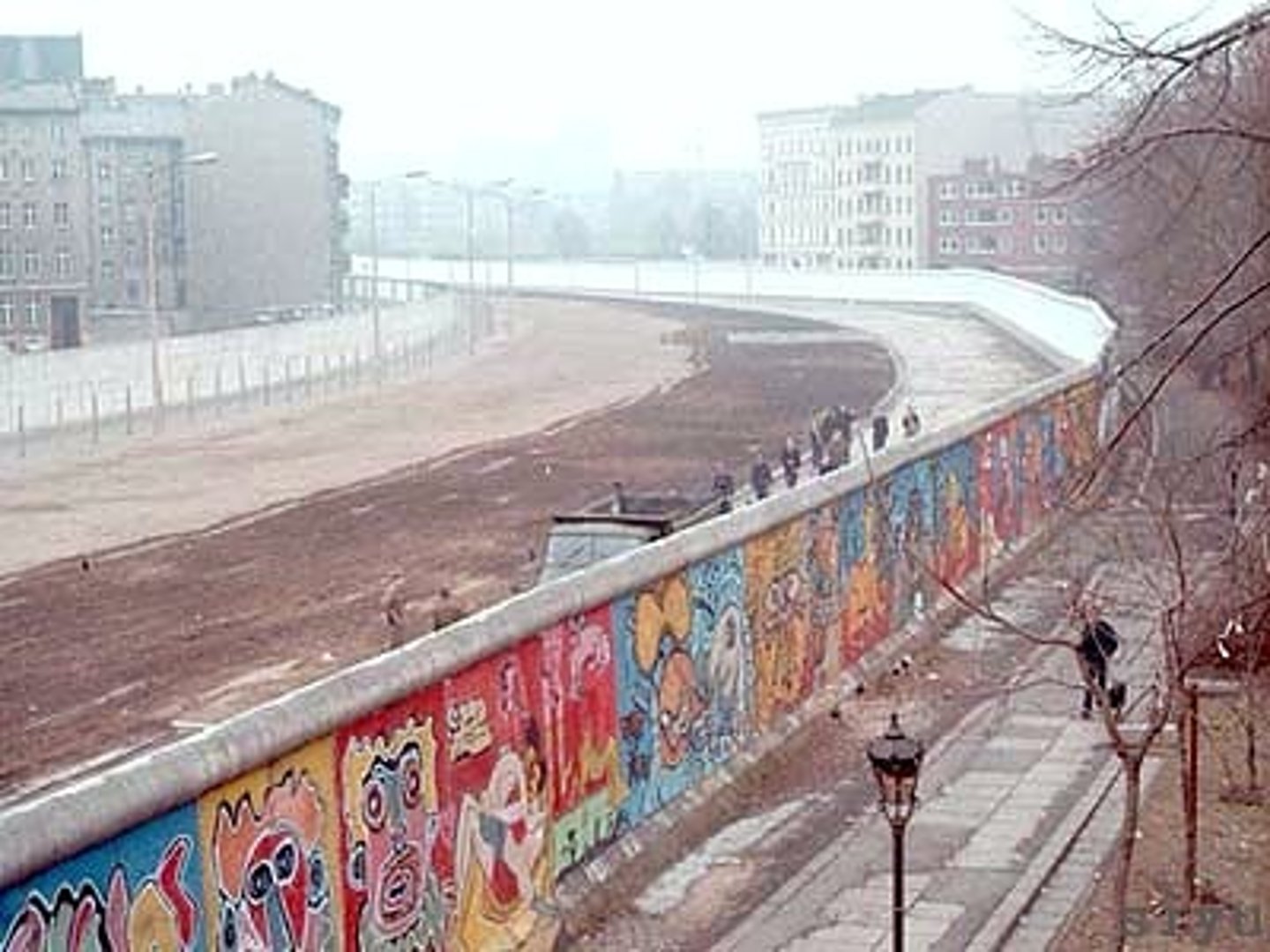
Berlin Wall
DEFINITION
Wall separating East and West Berlin built by East Germany in 1961 to keep citizens from escaping to the West (https://ed.ted.com/on/iNHTgwoq)
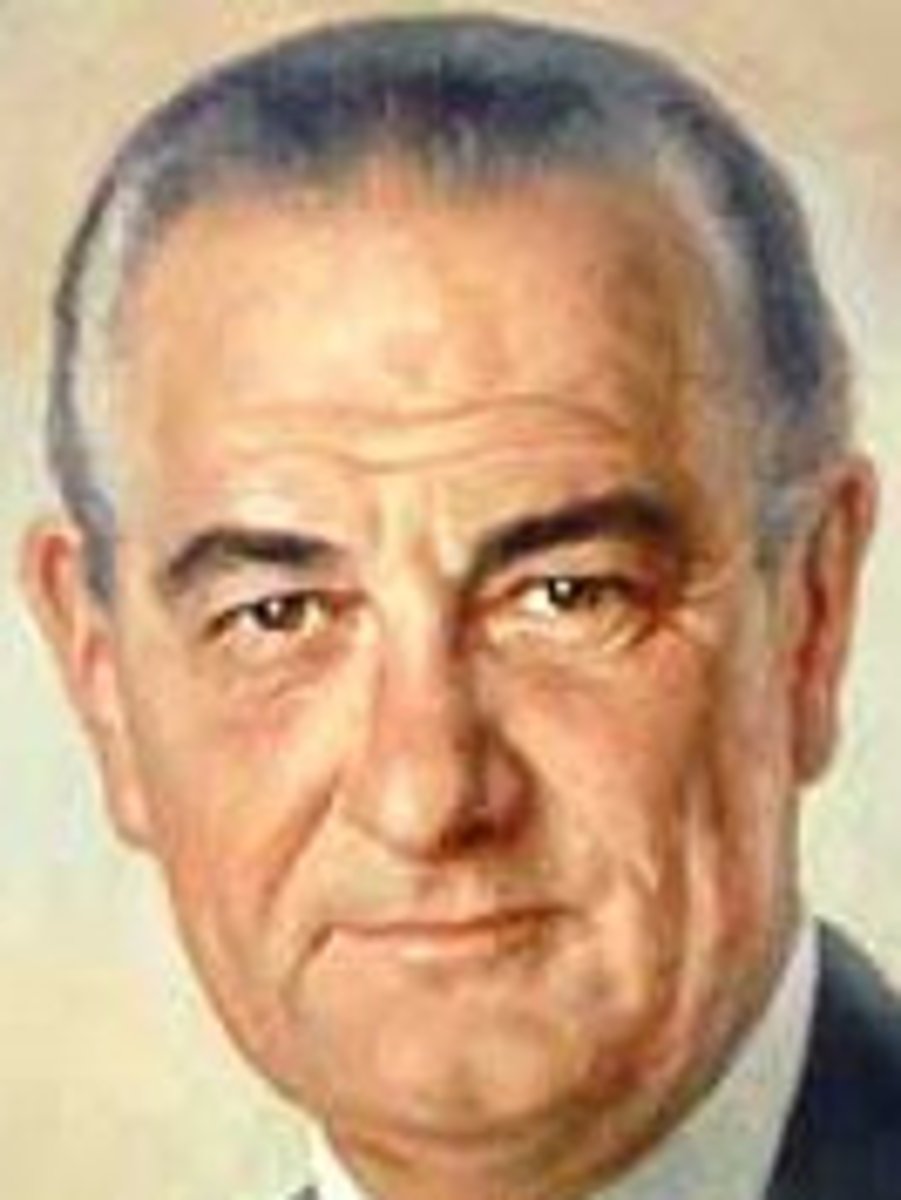
Lyndon B. Johnson
Became president after Kennedy's assassination and reelected in 1964; Democrat; signed the Civil Rights Act of 1964 into law, promoted his "Great Society" plan, part of which included the "war on poverty," Medicare and Medicaid established; Vietnam: Gulf of Tonkin Resolution, Tet Offensive
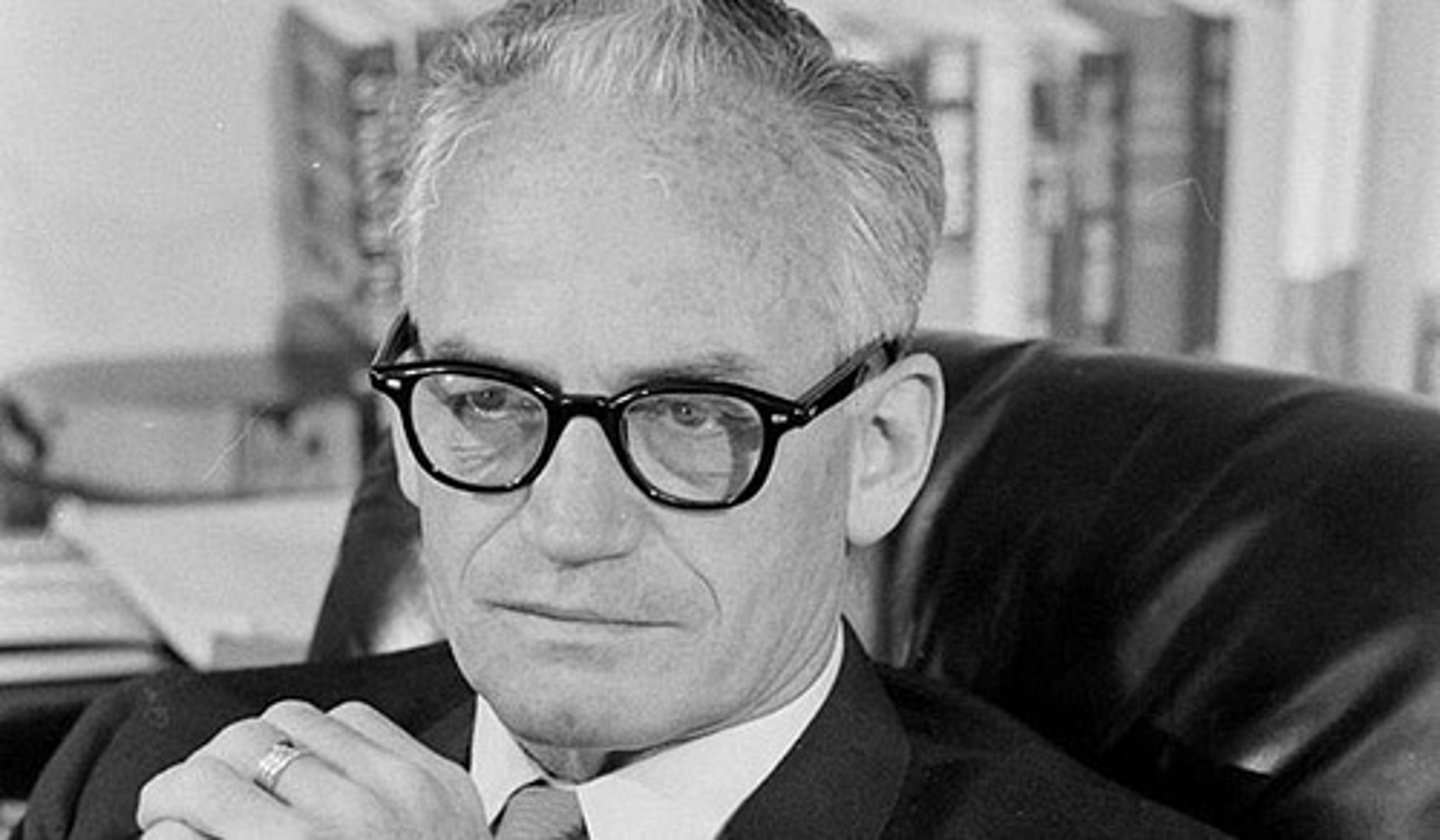
Barry Goldwater
1964; Republican contender against LBJ for presidency; platform included lessening federal involvement, therefore opposing Civil Rights Act of 1964; lost by largest margin in history; signifies the rise of the Conservative movement
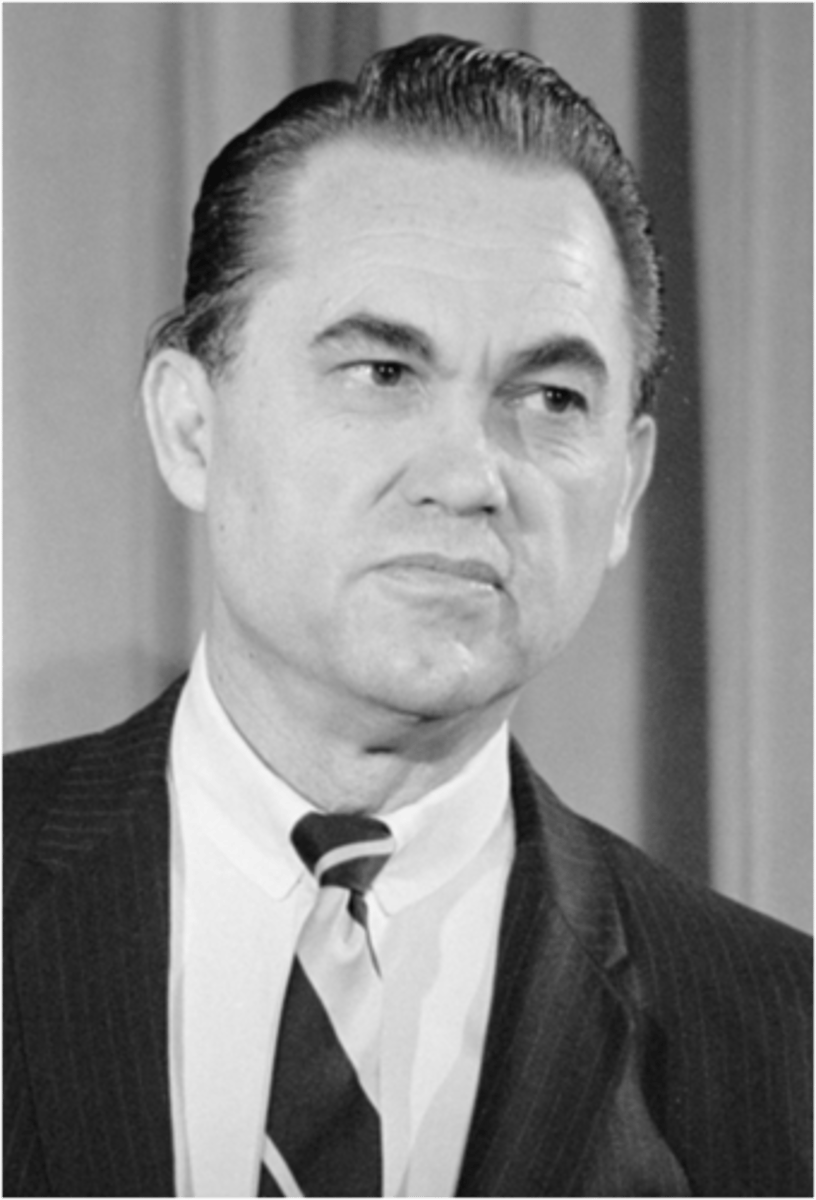
George Wallace
Racist governor of Alabama in 1962 ("segregation now, segregation tomorrow, segregation forever"); ran for president in 1968 on American Independent Party ticket of racism and law and order, loses to Nixon; runs in 1972 but gets shot
New Frontier
Kennedy's plan: supports civil rights, pushes for a space program, wans to cut taxes and increase spending for defense and military
Bay of Pigs
In April 1961, a group of Cuban exiles organized and supported by the U.S. Central Intelligence Agency landed on the southern coast of Cuba in an effort to overthrow Fidel Castro; when the invasion ended in disaster, President Kennedy took full responsibility for the failure
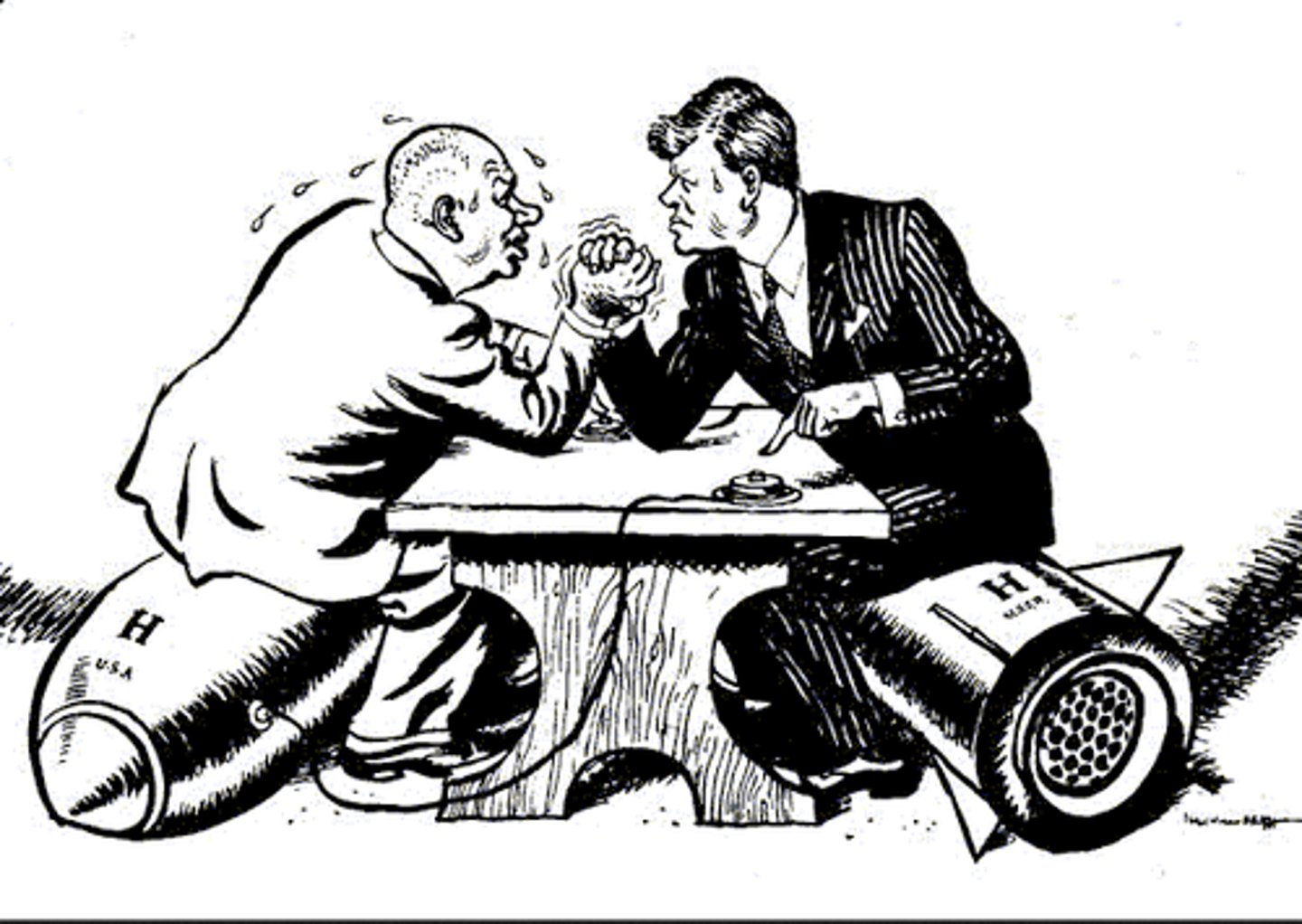
Cuban Missile Crisis
International crisis in October 1962, the closest approach to nuclear war at any time between the US and the USSR; when the US discovered Soviet nuclear missiles in Cuba, President John F. Kennedy demanded their removal and announced a naval blockade of the island; the Soviet leader Khrushchev cooperated with US demands a week later
War on Poverty
President Lyndon B. Johnson's program in the 1960s to provide greater social services for the poor and elderly
Great Society
President Johnson called his version of the Democratic reform program the Great Society. In 1965, Congress passed many Great Society measures, including Medicare, civil rights legislation, and federal aid to education.
TERM
Civil Rights Act of 1964
DEFINITION
This act made racial, religious, and sex discrimination by employers illegal and gave the government the power to enforce all laws governing civil rights, including desegregation of schools and public places.
TERM
Voting Rights Act of 1965
DEFINITION
1965; invalidated the use of any test or device to deny the vote and authorized federal examiners to register voters in states that had disenfranchised blacks; as more blacks became politically active and elected black representatives, led to jobs, contracts, and facilities and services for the black community, encouraging greater social equality and decreasing the wealth and education gap
Immigration and Nationality Act
Part of the Great Society in 1965; changed the way quotas were allocated by ending the National Origins Formula that had been in place in the United States since the Emergency Quota Act of 1921
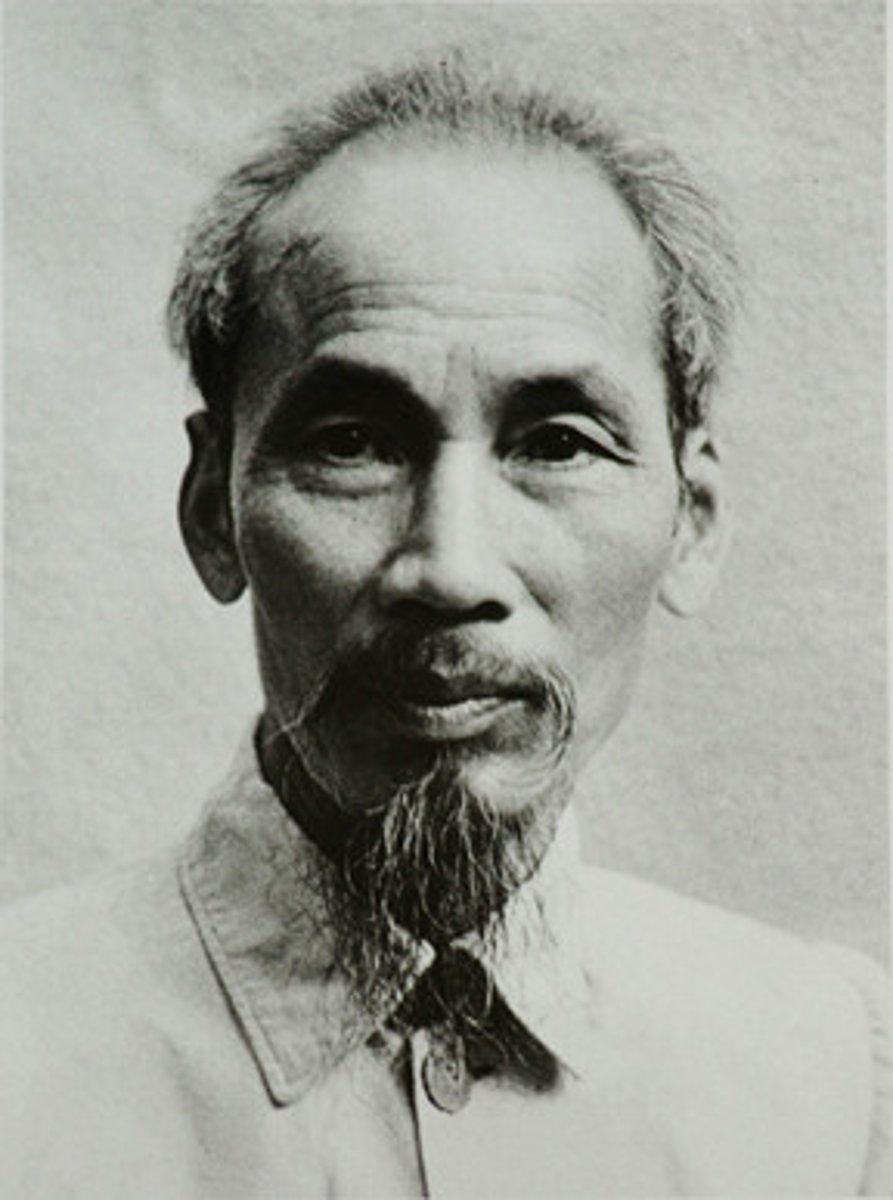
Ho Chi Minh
1950s and 60s; communist leader of North Vietnam; used geurilla warfare to fight anti-comunist, American-funded attacks under the Truman Doctrine; brilliant strategy drew out war and made it unwinnable
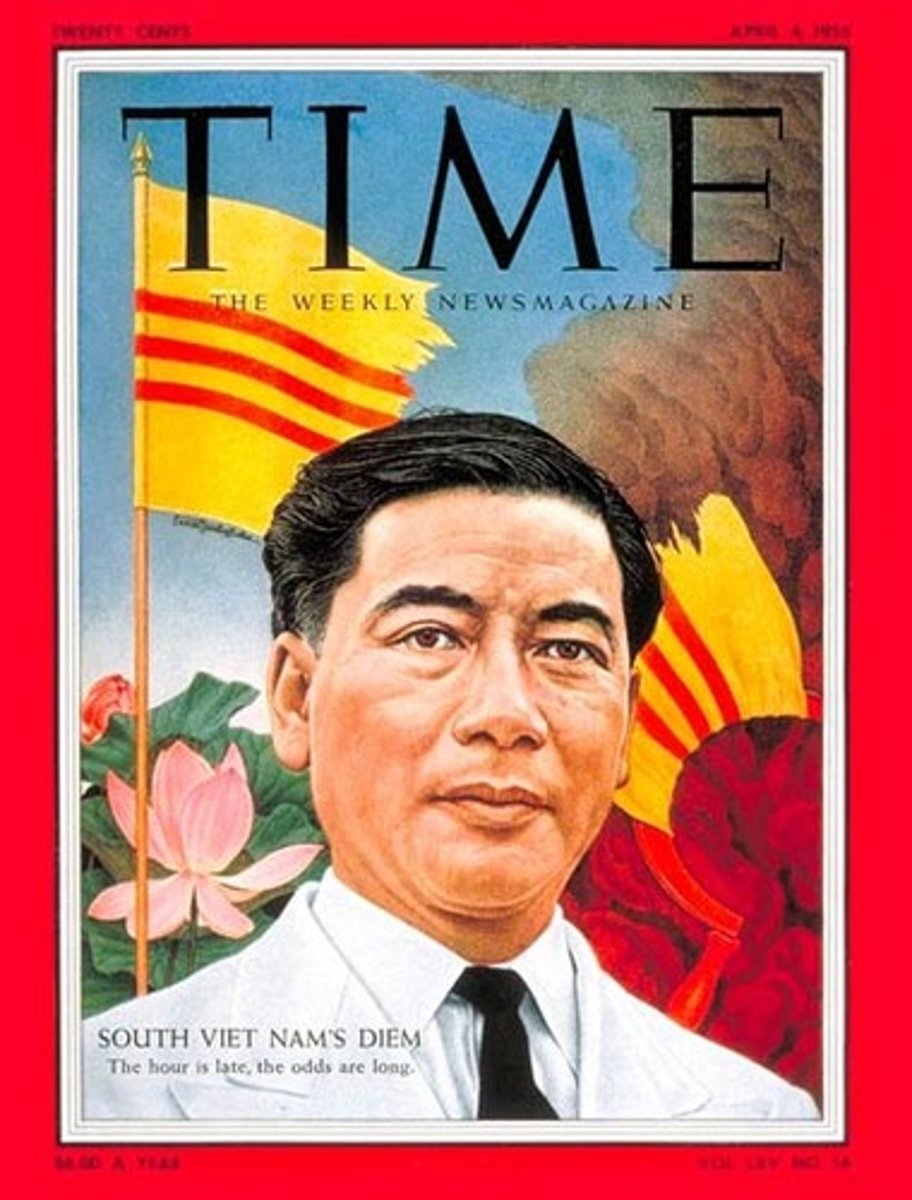
Ngo Dinh Diem
South Vietnamese president that was Catholic and strongly opposed communism; poor leadership and corrupt government
Credibility Gap
The gap between the Johnson Administration and the American public support
Gulf of Tonkin Resolution
Joint resolution of the US Congress passed on August 7, 1964 in direct response to a minor naval engagement known as the Gulf of Tonkin Incident; it is of historical significance because it gave US President Lyndon B. Johnson authorization, without a formal declaration of war by Congress, for the use of military force in Southeast Asia
"Hawks" and "Doves"
Nicknames for the two opposing positions in American policy during the war in Vietnam; Hawks supported the escalation of the war and a "peace with honor;" Doves argued that the US had wrongly intervened in a civil war and should withdraw its troops
TERM
Tet Offensive
DEFINITION
(1968) National Liberation Front and North Vietnamese forces launched a series of surprise attacks on the Vietnamese New Year (Tet), which was defeated after a month of fighting and many thousands of casualties; major defeat for communism, but Americans reacted sharply, with declining approval of LBJ and more anti-war sentiment
TERM
Robert F. Kennedy Assassination
DEFINITION
"Bobby" was the front-runner Democratic candidate, his assassination led to further division of the Democratic Party and among young liberal activists
TERM
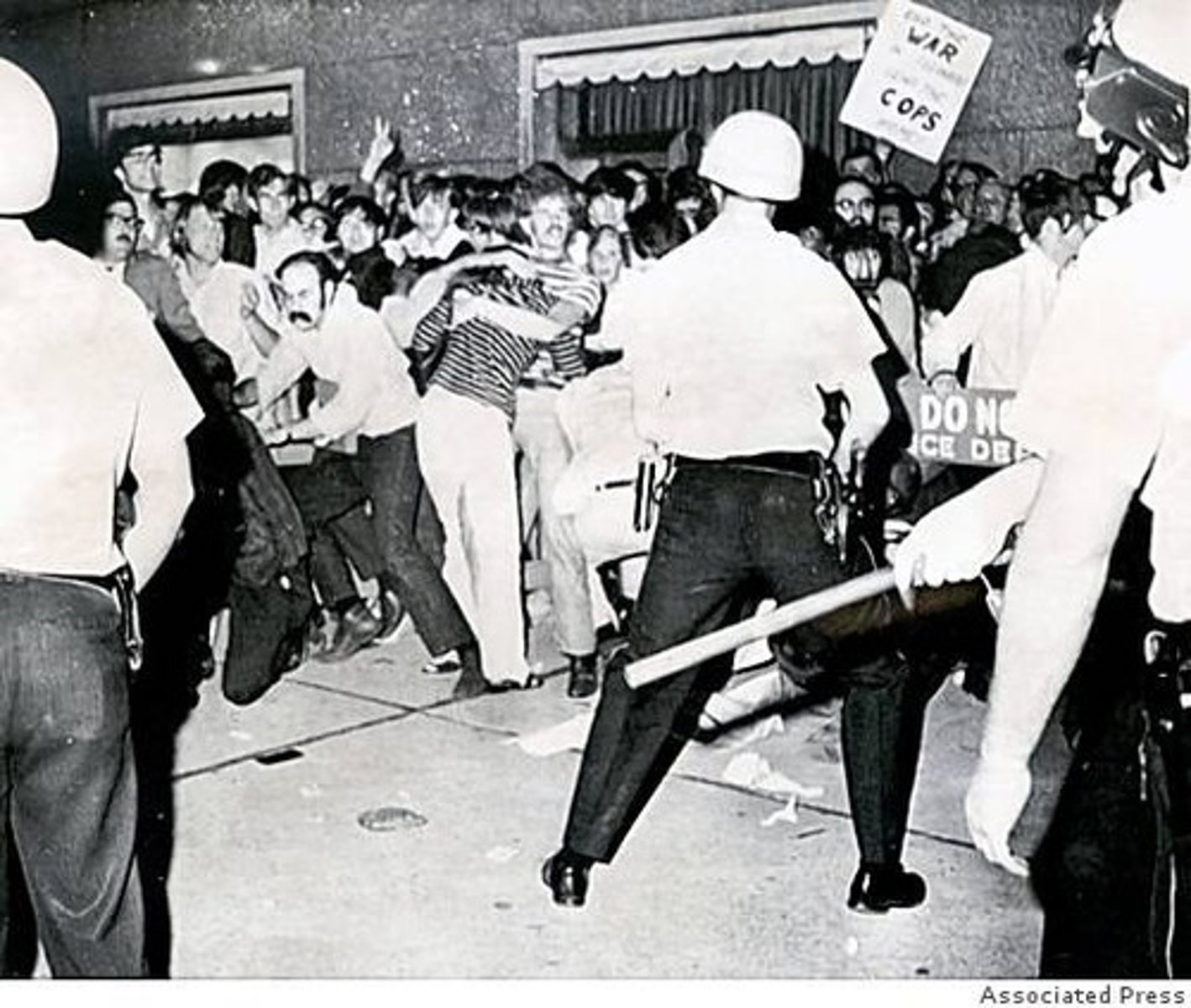
DNC Riots
DEFINITION
At the Democratic Nation Convention, there were violent clashes between party delegates, anti-war protesters, and the Chicago police; Hubert Humphrey won nomination (defeated by Nixon in Nov. 1968)
TERM
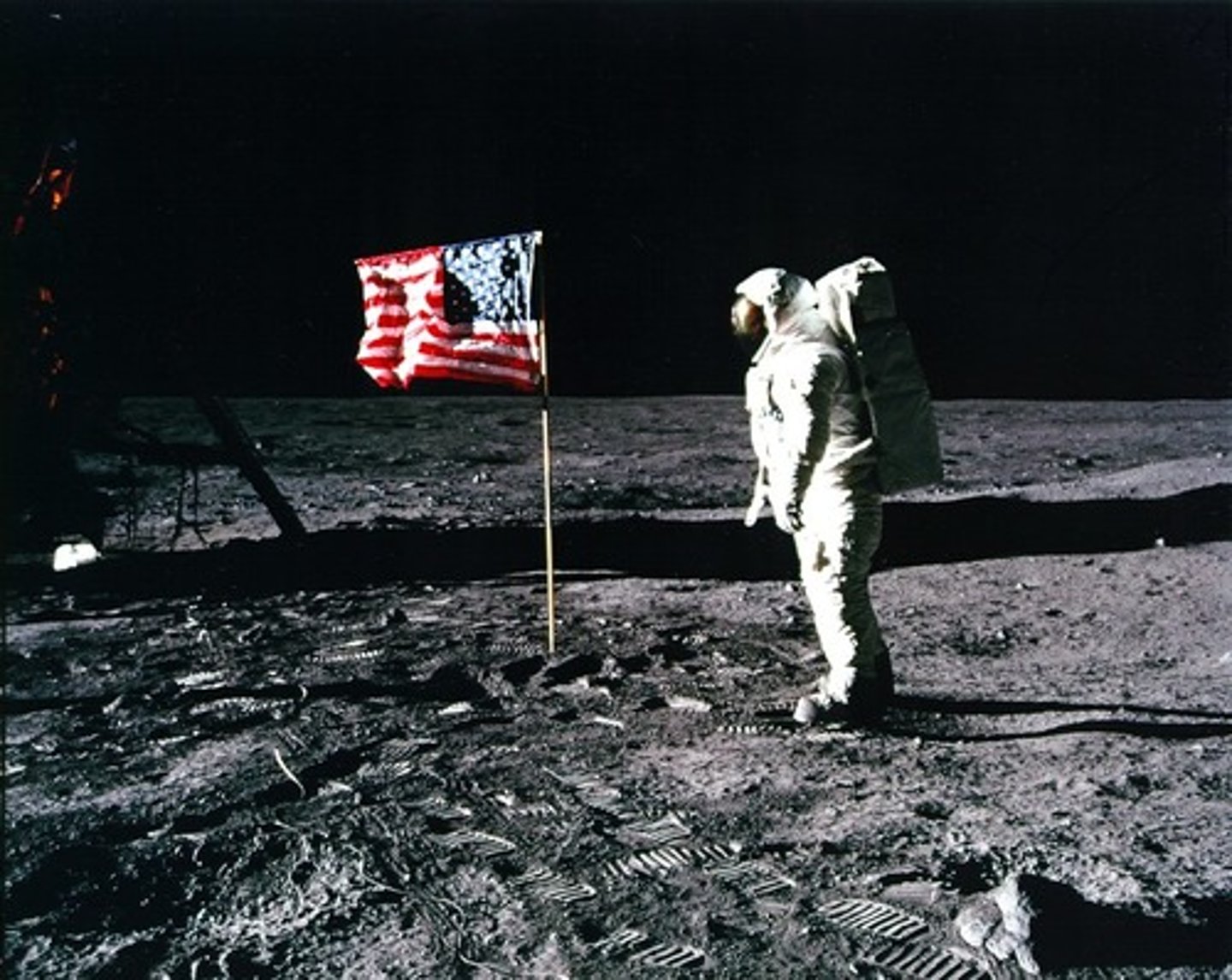
Moon Landing
DEFINITION
JFK promised to put a man on the moon by the end of the decade; important victory for the Space Race when accomplished in July 1969; hundreds of millions tuned in worldwide to watch
TERM
Martin Luther King Jr. Assassinated
DEFINITION
(Memphis, Tennessee) Shot on a balcony by James Earl Ray; led to riots across the nation