SAS 7: DRUGS PART II
 Call Kai
 Learn
Learn Practice Test
 Spaced Repetition
 Match
Match Flashcards
 Knowt Play
1/46

Earn XP
Description and Tags
from mefenamic acid until anti-arrythmia
Name | Mastery | Learn | Test | Matching | Spaced | Call with Kai |
|---|
No analytics yet
Send a link to your students to track their progress
47 Terms
adult dosage mefenamic acid
500mg TID
followed by 250mg 6 hourly as necessary (not more than 1 week)
elderly dosage mefenamic acid
use the lowest effective dose for the shortest possible duration
child dosage mefenamic acid >6mo to <2y.o
25 mg/kg daily in divided doses or 50mg 1-3 times daily
child dosage mefenamic acid 2-<5 y.o
100mg 1-3 times daily
child dosage mefenamic acid 9-<12 y.o
200mg 1-3 times daily
child dosage mefenamic acid ≥12 y.o
as tab or cap
same as adult dose 500mg TID (not more than 1 week)
adult dosage of celecoxib
maybe taken with or without food
maintenance: 200 mg bid if needed
400mg → followed by an additional dose of 200mg if needed on day 1
elderly dosage celecoxib <50 kg
initiate at the lowest recommended dose
adult dosage etoricoxib
90mg once daily (max usage is 3 days)
maybe taken with or without food
for postoperative dental surgery pain
given during the acute symptomatic period
commonly used for arthritis and dental pain
zompirac
ibuprofen
benoprofen
mefenamic acid
aspirin + iodobenzamide (IBZM)
reduced biologic half-life through accelerating it’s excretion
biologic half-life
eliminate half the amount of substance that has entered the body
mild analgesics
mild analgesic + anticoagulants
moderate analgesics
propoxyphene codiene
narcotic drugs
morphine
meperidine
oxycodone
hydromorphone
anti-anxiety
help reduce the symptoms of anxiety, such as panic attacks or extreme fear and worry
anti-anxiety drugs
clonazepam
alprazolam (xanax)
lorazepam (ativan)
diazepam (valium)
tranquilizers benzodiazepines “ZEPAM”
effects of anti-anxiety drugs
sedation
xerostomia
drowsiness
anti-depressants
used in mild endogenous depression in ambulatory patient
they work by correcting chemical imbalances of neurotransmitters in the brain
tricyclic antidepressants (TCA)
an antidepressants
potentiate with local anesthetic
monoamine oxidase inhibitors (MAOI) + demerol
antidepressants
severe reaction such as coma, respiratory depression, hypotension
anti-convulsants
anti-epileptic or anti-seizures drugs
anti-convulsants drugs
phenobarbital
phenytoin (dilantin)
diazepam (valium)
carbamazepine (tegretol)
sedatives & hypnotics
tranquilizers
habituation
sedatives & hypnotics drugs
butalbital
hyoscyamine
tranquilizers + barbiturates
central depressant effect
sedatives & hypnotics
potentiated by narcotics used for pain control
anti-anemic
mostly given to women
S/S of anemia
chronic fatigue
burning tongue
atrophy of papillae
weakness & tingling sensation of extremities
anti-anemics drugs
vit. B12
folic acid
liver extract
iron compounds
adrenergic
“adrenaline”
sympathetic nervous system pathway
cholinergic
parasympathetic nervous system pathway
alpha
increases heart rate & rhythm
sedation, analgesia & sympatholytic effects
beta
increases heart rate → causes bronchodilation
sympathetic system
pupils dilate
heart beats faster
lungs increase oxygen intake
stomach contracts slow
parasympathetic system
pupils constrict
heart beats slower
stomach contracts
lungs reduce oxygen intake
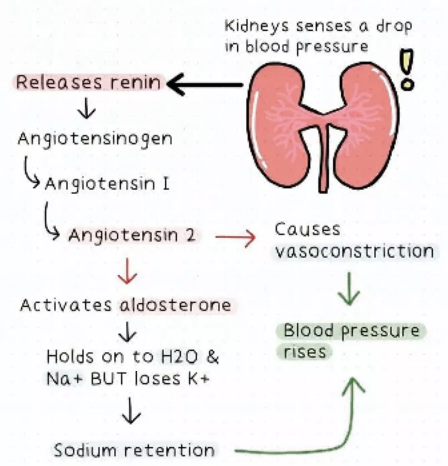
renin-angiostensin system
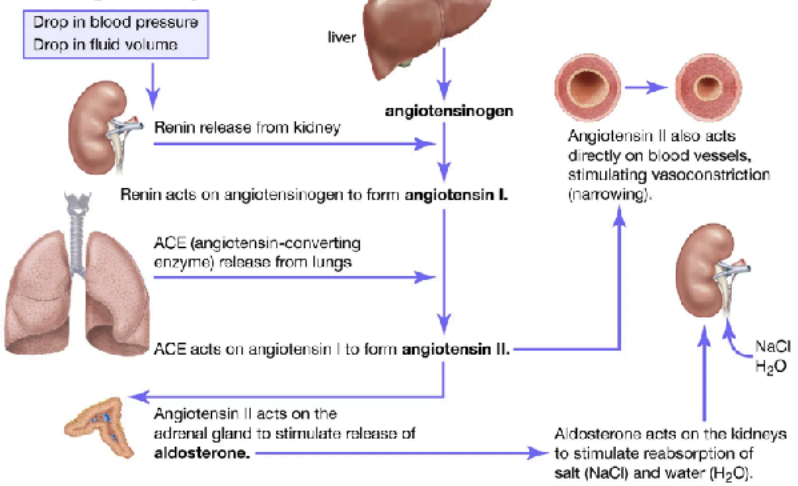
renin-angiotensin-aldosterone system (RAAS)
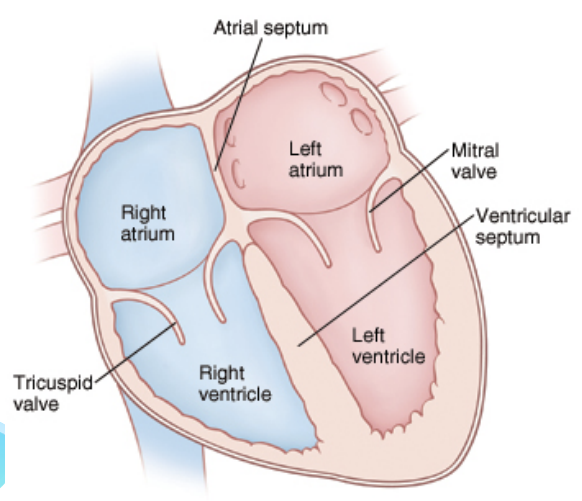
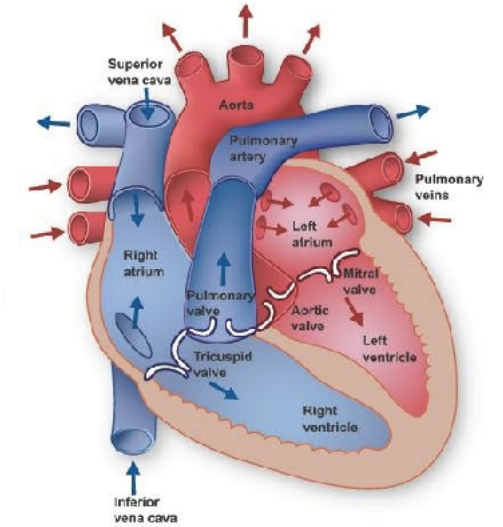
circulation of blood
anti-angina drugs
propanolol
amyl nitrate
nitroglycerine
nitroglycerine
anti-angina drug
widest use for angina pectoris
amyl nitrate
not routinely prescribed for angina
inhalant for emergency relief of anginas pain
propanolol
beta-blocker
causes bronchial constriction & precipitate heart failure
interactions have an additive effect on general anesthetics
lidocaine
propanolol
barbiturates
chlorpromazine
caution for anti-angina drugs
use minimum concentration of vasoconstrictor in LA to reduce effect of epinephrine & other sympathomimetic drugs on heart rate
anti-arrythmia drugs
quinidine
phenytoin
propanolol
procainamide
thrombocytopenia
associated with quinidine and may be the cause of spontaneous gingival bleeding after oral surgery