APBI 419
 Call Kai
 Learn
Learn Practice Test
 Spaced Repetition
 Match
Match Flashcards
 Knowt Play
1/359

There's no tags or description
Looks like no tags are added yet.
Name | Mastery | Learn | Test | Matching | Spaced | Call with Kai |
|---|
No analytics yet
Send a link to your students to track their progress
360 Terms
Fins
anatomical features on body of fish and provide stability in the water
supported by skeleton of fish
are either paired or unpaired
paired = pectoral + pelvis
unpaired = dorsal, caudal, adipose, anal
rays on either can be soft + flexible or modified into spines to strengthen fins
Streak plate isolation
Most material obtained from fish contain mixed pop of microorgs
to make detailed study of characteristics of indiv species comprising mixture you have to isolate them in pure culture
4 diff kind of streaks
plate now has mixed culture that you will now be able to remove individual and discrete colonies
each one represents one original bacterium
you can re-streak them and obtain pure culture bacteria after another pass to run tests for full ID
Toxins
produced by gram+ and gram- bacteria ; may produce rapid death of invaded host or can reduce effectiveness of host immune response in variety of ways
some gram +ve orgs produce exotoxins in cytoplasm that're released from dead / live bacteria
gram -ves may produce endotoxins that're cell membrane components and released only on death of cell
Systemic bacteria
some bacteria only cause disease once inside organ / tissue
they might be fine external of the fish but if where they aren't supposed to be --> bad
once inside they can use bloodstream to travel to all organs and tissues
getting in: through gut / intestinal wall, skin, lesions or sores, natural openings like lateral line / sensory pores, and parasites
External bacteria
cause skin + fin damage
not all are pathogenic; many bacteria existing normally on the skin will never cause disease
normal flora = protective and acts as competition for pathogenic bacteria
need to know what's normally present and which may be disease causing
Enrichment media
adding certain special growth enhancing substances to a basic nutrient medium so it supports growth of certain fastidious microorgs
Selective media
addition of specifical chemical substances that'll prevent growth of 1 group of bacteria without inhibiting others
ex. acids, antibiotics, dyes, etc.
Differential media
adding certain chemicals / reagents that'll result in a kind of growth / change in medium; lets observer differntiate between types of bacteria
like adding substance which can be precipitated or used in the growth of the colony so there's a visible change in the medium
Gram’s stain
cell wall staining characteristics that lets you classify bacteria as Gram positive or gram negative
Gram-positive
stain purple because they have a dye called Gram's violet in their exposed peptidoglycan layer
retains crystal violet-iodine complex during alcohol decolourization
Gram-negative
stain red cuz peptidoglycan layer hidden below outside layer and so they don't retain violet dye
thin peptidoglycan between inner/outer membranes, alcohol disrupts outer membrane, crystal violet washes out → safranin counterstain taken up → red/pink
Capsules
thin external envelopes produced by some cells that help to protect them from host immune cells (like avoiding phagocytosis)
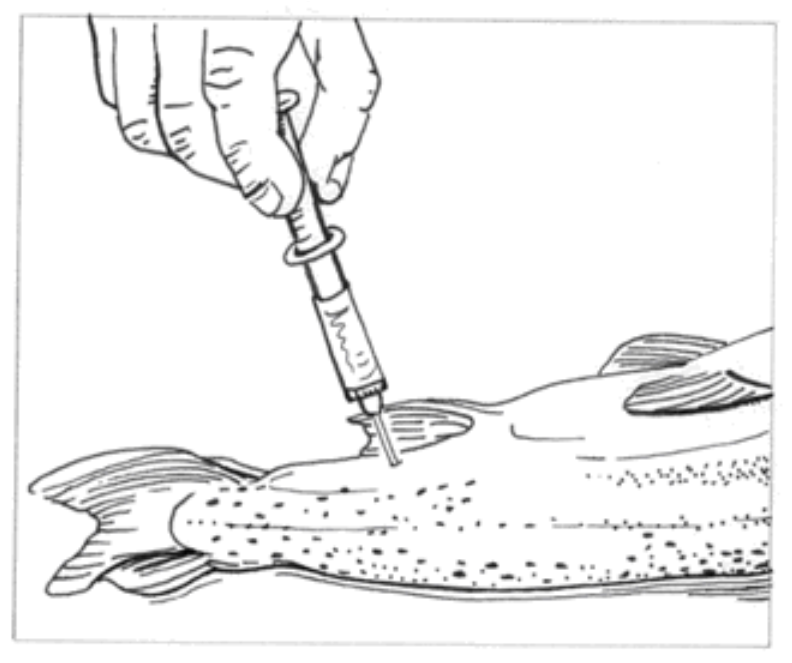
Caudal venous puncture
Blood smears
Blood films used by some to provide permanent record of cell dynamics
Taking blood sample w/ heparinized syringe or whatever
Take portion of blood out into tube
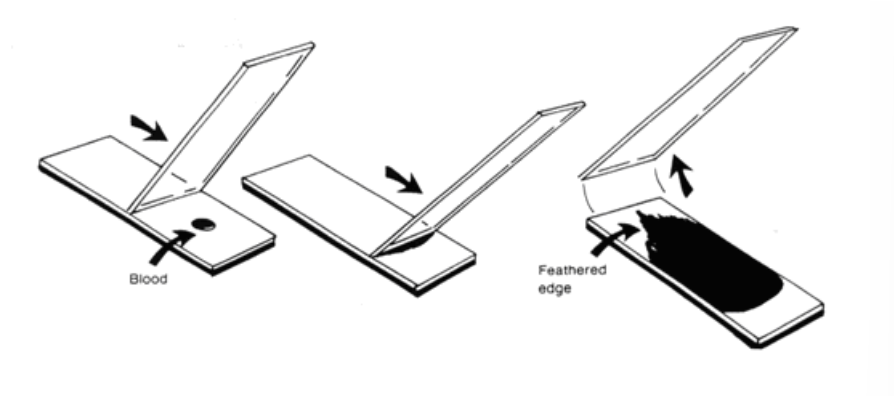
Expel small drop onto pre-cleaned microscope slide frosted at one end for ID marking w/ pencil
place drop @ end of slide that's frosted; smear towards non-frosted end
W/ second slide, spread blood by backing second slide held at 30-40 deg angle into drop
smear blood
takes practice to get films nicely thin
goal is to get layer of blood cells that's one cell layer thick
if too thin counts won't be relevant as they aren't really representative
good clean film w/ feathered leading edge is the goal
Air dry slides
Stain slides using Diff-Quik method / Giemsa stain (more differential blue and purple shading within cells; better for photographs)
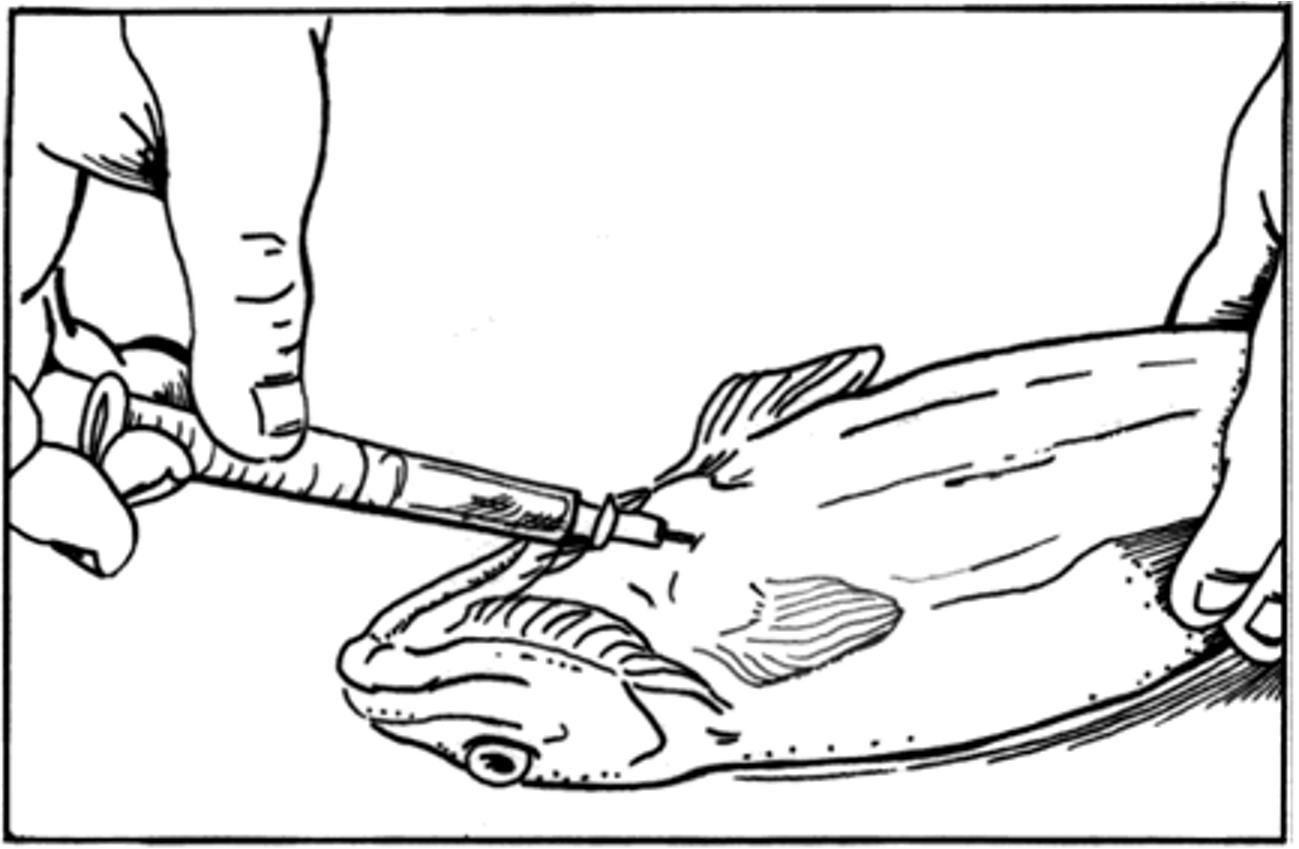
Cardiac puncture
Blood sampling site
not the best way unless v large
heart is small, not easy to hit accurately
Cumulative cases
total to date; propogated outbreak; sigmoidal S-curve
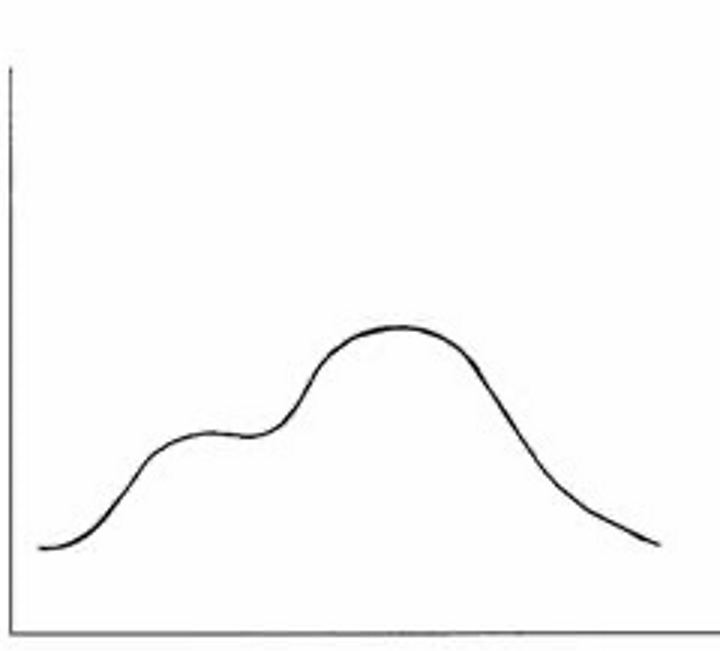
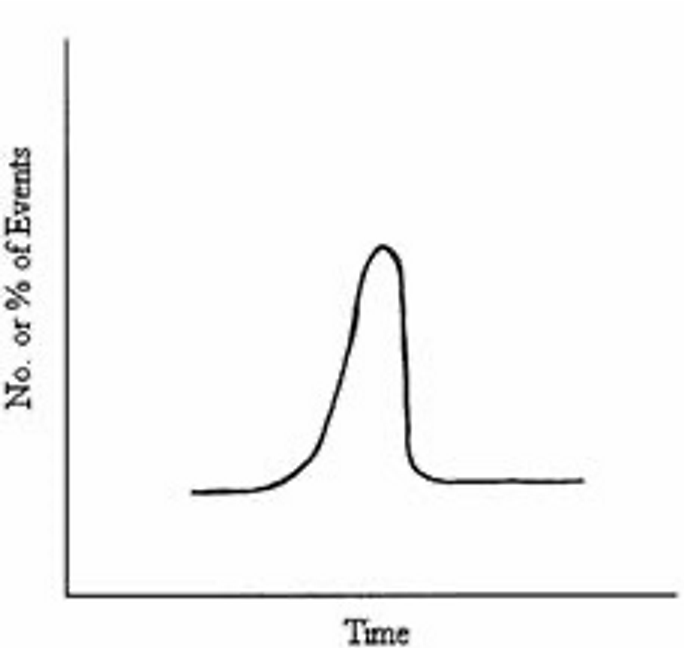
Point source curve
sharply spiked; shows you that number of events rose rapidly to a peak and then fell to baseline levels
relative in length but time leans shorter than other curves
shape indicates all susceptible indivs exposed to common source in short timeframe
sharp peak = cases appearing after relatively uniform incubation period
contaminated batches
water treatment failures
acute toxic exposures
Broad source curve
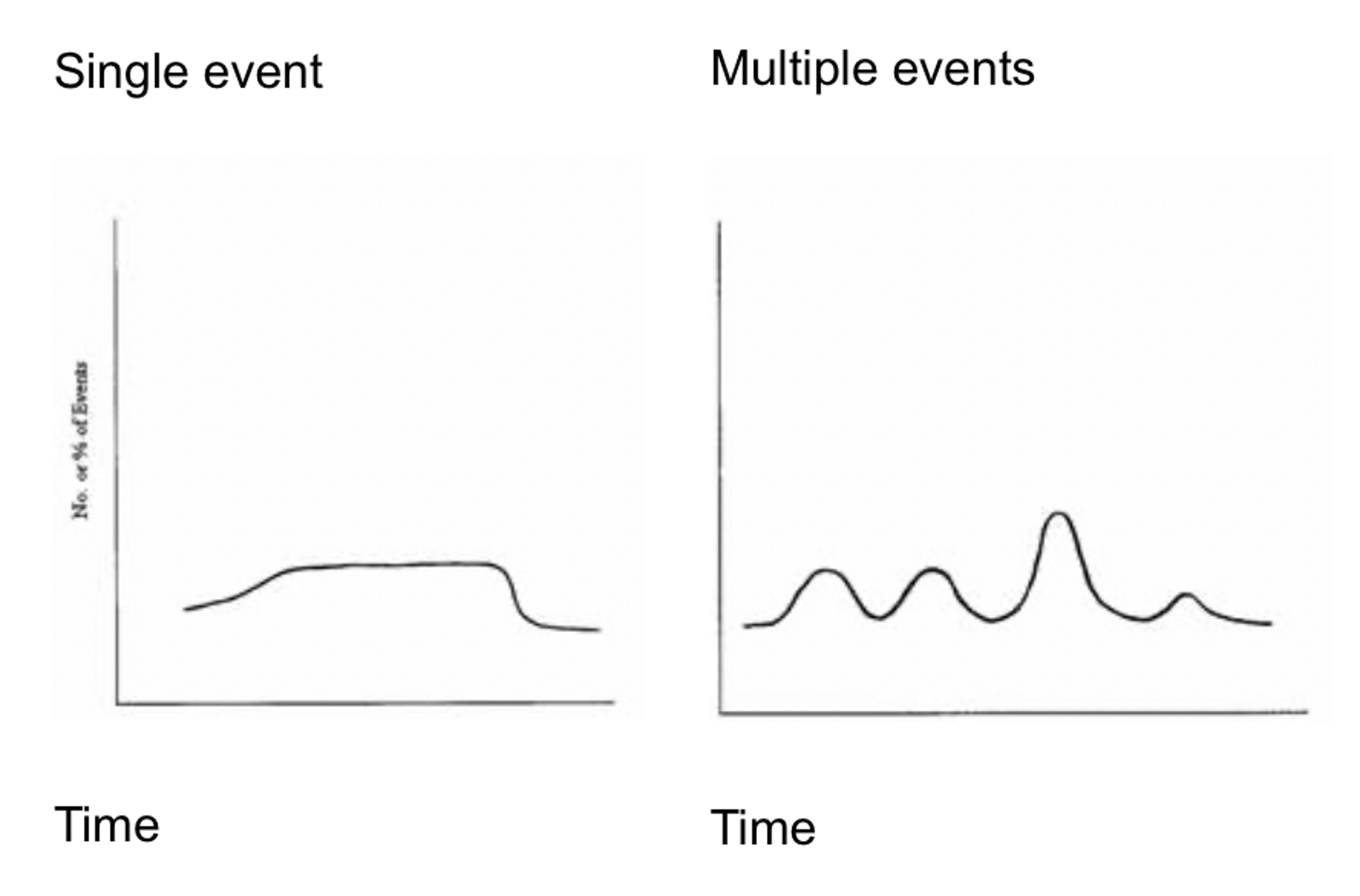
indicate exposure to disease agent continuous / prolonged exposure to disease agent (chronic response), slow transmission rate, variable incubation periods, endemic presence of pathogen
curves relative in scale but these tend to have longer time scale
for chronic infections this curve could be years of data points (like BKD)
one w/ multiple spikes = frequent intermittent exposures to disease
Epidemiology
scientific study of factors affecting health and illness of indivs + pops
foundation of interventions made in interest of public health and preventative medicine
highly regarded in evidence-based medicine for ID-ing risk factors for disease and determining optimal treatment approaches to clinical practice
Biosecurity
describes preventative measures undertaken to minimize disease intro and spread
goal is to minimize both exposure to and loss from disease-related causes, physics-chemical insults, nutritional parameters, predation, etc.
development of a series of protocols to respond to disease exposure risks that’ve been assessed through careful onsite audit
Not implementing good management plans: fluctuation in environmental conditions and encourage spread of opportunistic pathogens
includes reasonable assurance that disease is not occurring
consists of preventative medicines, standard operating procedures, and management plans to prevent spread of disease, and adequate diagnosis; + treatment and regulatory oversight if outbreak occurs
Protective layers:
environmental controls + husbandry
physical barriers and access controls
health interventions like vaccination
elite broomstick protection in isolated systems
emergency response protocols (treatment + containment)
Disease surveillance
more action-oriented; intended to detect changes in disease trends or distribution in order to initiate investigations or control programs
surveillance is continuing scrutinize of the occurrence and spread of disease that’s relevant to its control
involves collection + analysis of data and distribution of results so control can be implemented
emphasizes detection of changes in risk factors
monitoring programs more focused on reporting disease cases over time
goal: prompt actions to control the spread; focused on increased freq or impact of disease
uses methods that’re rapid and repeatable
precision of monitoring programs may be sacrificed in surveillance programs to get timely reports of potential changes in patterns of disease occurrence
Active surveillance
members of surveillance agency generate disease data through special surveys
able to produce more systematic and verifiable info but usually more expensive (dollars, time, personnel)
wild fish disease info comes from active surveillance
tend to be infrequent and limited in size; methodological limitations to prevent disease-monitoring program for wild fish which creates limits in ability to document changing disease risk
Passive
relies on voluntary provision of info from indivs / organizations outside of surveillance agency
ex. reportable disease programs relying on fish health personnel, submissions to diagnostic laboratories, voluntary reporting by culturists to private or public orgs
are inexpensive but can suffer from accuracy and delays in reporting
Biofilms
accumulation of inorganic and organic materials that can attach to most surfaces
can build up, fall apart, carry pathogens within them to other areas
they contain living + dead cells within protective matrix
Resistance increases as it matures; and whole point of cleaning is to remove biofilms
responsible for most surface contamination
4 factors to achieve removal
formulation + conc of agent being used
exposure time
temp
mechanical activity
Chlorine
PRO: inexpensive and residue is readily eliminated
CON:
caustic and v toxic to fish
causes brittleness and deterioration of nets
Effective against:
bacteria
fungi
viruses
some protozoa
Sodium hydroxide
PRO: inexpensive
CON: caustic
Effective against:
bacteria
fungi
viruses
protozoa
Quarternary ammonium compounds
PRO: effective
CON: residue elimination difficult
Effective against: bacteria
Apply to:
nets
clothing
hands
Iodophors
PRO:
might remain active while solution remains coloured
resides detectable by colour - colour changes brown to light yellow
CON:
tendency to stain
corrosive: may require rinsing
Effective against:
bacteria
viruses
fungi
Citric acid
PRO:
non-corrosive; safe to use on paint, metal, wood, skin whatever
suitable for personal and protecting clothing disinfecting
CON: don’t use with soaps,alkalis, washing soda, ionic detergents
Virkon
potassium monopersulfate 21.4%
PRO: active against all virus families and penetrates organic matter
CON: oxidizing agent
Effective against:
bacteria
viruses
fungi
Apply to:
footbaths
pre-cleaned equipment
vehicles
Outbreak
a change in the normal pattern of disease in a population
typically involves:
Increased number or rate of cases over time
Clustering of cases in time and/or space
May include:
Unusual or unexpected disease presentation
A single alarming case (“outbreak of one”)
Any situation that raises concern
Ovadine
usage: buffered 1% iodine solution for disinfecting fish eggs; reduce transmission of diseases between generations of fish
also good at disinfecting for inanimate surfaces (gears, nets, etc.)
non-staining, non-corrosive buffered 10% PVP Iodine complex
provides 1% available iodine
Parasite-S / Formalin-R solution
formalin based solution containing methanol to prevent formation of paraformaldehyde which is toxic to fish
usage: as a bath to control external parasites on gills, skin, fins of fish, surface disinfect eggs
Perox-Aid
usage: antifungal agent for use on fish eggs
Iodine solution
250 ppm iodine solution = diluting 25ml Ovadine into 1L of clean water
Pyceze
antimicrobial agent
usage: preservative in health care, food-contact materials and cosmetic + antifungal treatment for salmonid eggs
available as prescription through vet
Humoral factors
adaptive immunity made up of this and cellular factors
soluble factors; antibodies and classical complement cascade
cellular factors = B and T cells + macrophages
Cellular immunity
adaptive immunity made up of humoral factors and this; aka cell mediated immune response
involves white blood cell types that act against specific antigens including macrophages and T-lymphocytes
Phagocytosis
some cells capable of engulfing foreign particles into cyto and digesting them
ex. macrophages, thrombocytes (for blood clotting) and capillary-lining cells in assorted tissues
cells activated to engulf anything and directed against specific invaders
also can be important processors; present digested invaders to other immune system cells for production of antibodies against invader
the removal of foreign particles from blood stream
Reticulo-endothelial system
formed from phagocytic cell network
aka monocyte-macrophage system
system responsible for phagocytosis
if the foreign body is large then several phagocytic cells can encircle it and fuse trying to engulf it, making giant cells
foreign body reaction = histological observation of this response in tissues
action of phagocytes called cell-mediated immune response
can have specific and non-specific components
T-cells
part of adaptive immunity - the 3rd line of defence
several kinds: helper T cells (Th or CD4+), cytotoxic T cells (Tc, CD8+)
CD4+ cells - recognize MHC-II associated antigens; set off chain of events that results in production of antibodies from B cells (plasma cells) and stimulates CD8+ cytotoxic T cells
CD8+ cytotoxic T cells - recognize foreign peptide bound to MHC class-I , bind to them, and kills them through close contact lysis
B cells
part of adaptive immunity - the 3rd line of defence
respond to T helper cells through cytokine signals (interleukins) and direct cell contact (CD40-CD40L)
have B cell reporters that recognize specific antigens
activate → differentiate into plasma cells → secrete antibodies → mark pathogens for destruction
Constitutive
when defence doesn't depend on an invading orgs identity
it's innate and heritable (transmitted in genetic code)
first branch of the immune system; non-specific, innate, natural immune system
Immunocompetence
ability of fish to do specific immune response
in juv salmon doesn't occur till 4g
before this, it relies on non-specific defence mechanisms
Antigen
any substance that can trigger immune response
can be bacterium / virus / portion or product of one of those orgs
Agglutination
occurs when immunoglobulins bind to several invaders → clumps them tgt → makes easier for other immune system components to remove clump
Precipitation
occurs when immunoglobulin activity directed against soluble molec → binding to molec precipitates it from solution
Neutralization
occurs when immunoglobulin activity directed against soluble molec → binding to molec precipitates it from solution
Opsonization
refers to ability of immunoglobulins to make invaders more susceptible to engulfment by phagocytic cells
Cytophilic binding
immunoglobulins assist macrophage by binding to macrophage surface and assisting it to attack invading cells
Humoral immune response
antigen (bacteria / virus) activates macrophage
macrophage presents antigen to T-helper lymphocytes and B cells recognize receptors
macrophage produces interleukin-1 too that activates T-lymphocytes
those produce interleukins that will cause B-lymphocytes to produce antibodies like IgM
those bind to antigen → inactivate or make it more susceptible to phagocytosis by macrophages
helper T-lymphocytes produce interleukin-2 too → induces proliferation of lymphocytes, and lymphokines cause macrophages to migrate towards invading bacteria
B and T differentiate into memory cells; persist long-term; allow rapid response when re-encountering antigen
stay in bloodstream; identify same antigen next time
second time humoral response = quicker and more pronounced
memory abilities of specific immune system form basis of vaccines
MHC
these glycoproteins found on cell surfaces; serve as self-markers by presenting peptides
2 classes:
MHC Class I - present on all nucleated cells; recognized by CD8+ T cells
MHC class II - found only on antigen-presenting cells
Anamnestic response
ability of humoral response system to remember and act more efficiently second time it encounters invader
cells responsible = lymphocytes produced in renal and splenic haematopoietic tissue
cells belong to either of: B-lymphocytes or T-lymphocytes
both types thought to be present in fish
B and T means bursa and thymus locations in other vertebrates
For fish, B cells develop in kidney tissue
T cells develop in thymus
B-lymphocytes:
responsible for production of antibody and for memory of previous types of immunoglobulin produced
T-lymphocytes:
responsible for controlling cellular components of the immune response
B-lymphocytes
responsible for production of antibody and for memory of previous types of immunoglobulin produced
encounters antigen → divides → produces cells that manufacture appropriate antibodies
some of those daughter cells remain in system ready to produce antibody if required in the future
T-lymphocytes
responsible for controlling cellular components of the immune response
encounter antigen → divide to produce cells sensitized against antigen
those are killer cells that can attack antigens on invading orgs
lymphocytes also produce soluble proteins that influence behaviour of other phagocytic cells → encourage them to migrate to and remain in area of invading microorganisms
Antibodies
3D structure of long chains of proteins
all immunoglobins = basic structure called constant region and variable region which gives them unique shape
classified into various types by pattern of these regions
fish: primarily use immunoglobin M (IgM) that form tetrameric structure
mammals lack IgM and IgA
Acquired
when defences are dependent on recognition of an invader
○ depends on host's previous encounter w/ infectious agent
second branch of the immune system; specific or adaptive immune system
Fish encounters pathogen → survives encounter (let's say) → responds to it w/ greater speed and intensity next time it encounters that particular pathogen
Constitutive immunity
innate and inherited in genetic code
nonspecific immune responses can be considered to form first and second lines of defence against invading orgs
FIRST LINE OF DEFENCE within acquired immune system
External defences
involves physical, mechanical, chemical, and behavioural protective mechanisms that prevent entry of foreign agents
mucus
scales and skin
behavioural protection
chemical protection
natural flora
Internal defences
number of cells + proteins that have non-specific defence role
designed to prevent pathogens that've gained entry from spreading throughout body
has both humoral and cellular components
consists of cells and biologically active protein molecs present in the blood, serum, and tissue fluids
part of CONSTITUTIVE IMMUNITY - SECOND LINE OF DEFENCE
Lysozome
enzyme produced by various immune cells including macrophages, neutrophils, epithelial cells
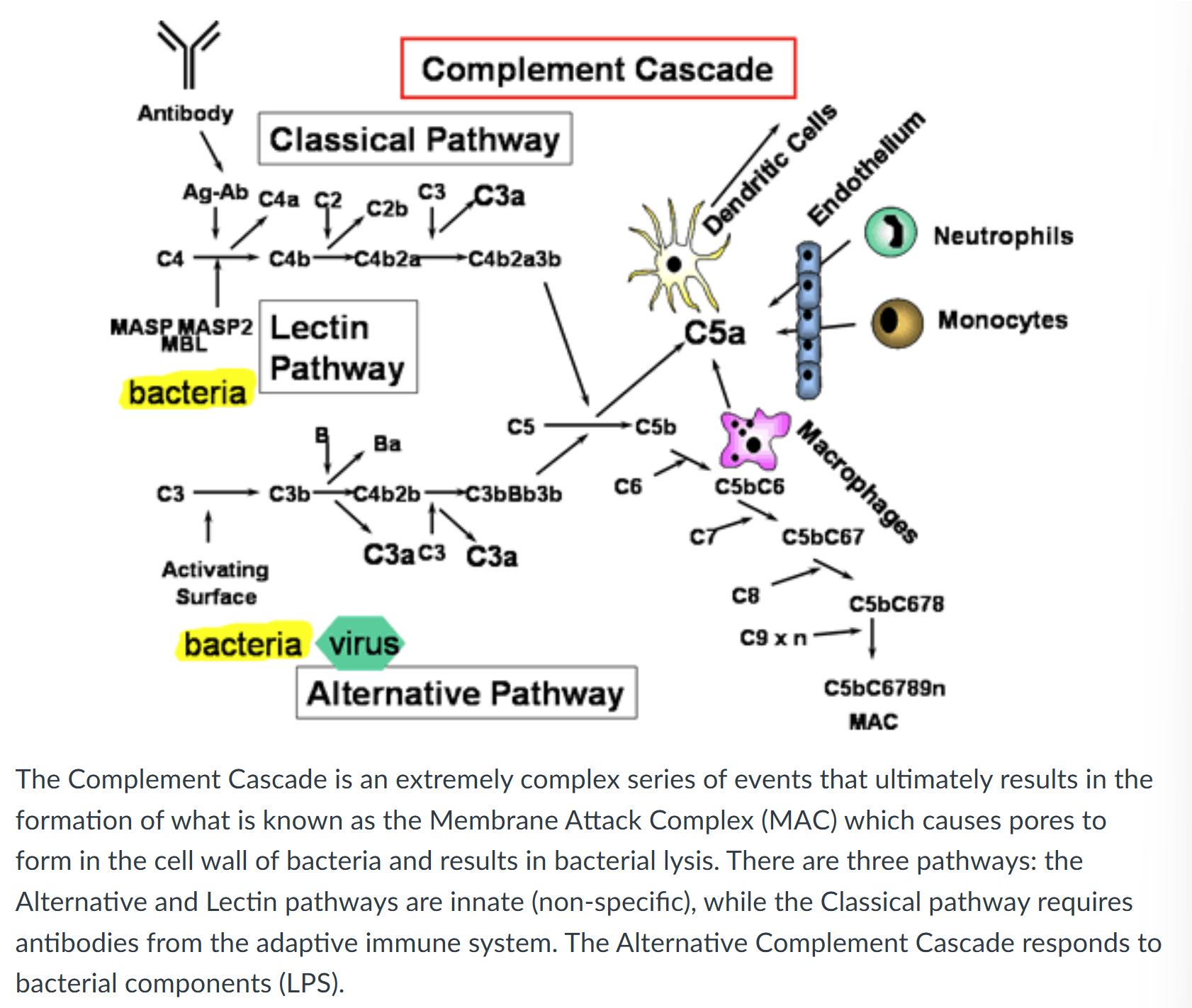
breaks down cell wall of some bacteria by breaking down peptidoglycan layer of Gram-positive orgs
can't access peptidoglycan layer in gram-negative pathogens cuz needs to work with other molecs like cationic peptides / complement proteins
Cationic peptides
small 3D peptides w/ net positive charge; act as defensive molecs that bind with LPS (lipopolysaccharide) on surface of Gram-negative pathogen, disrupt bacterial surface, and create pores allowing antimicrobial compounds to access cell wall
Natural killer cells (NK)
non-phagocytic; look like lymphocytes
have granular cytoplasm and involved in tumour destruction + viral immunity
work without prior exposure to virus and activated by interferon
recognize stressed / infected cells through changes in surface molecs
recognize and directly kill infected or abnormal cells by releasing cytotoxic granules containing perforin and granzymes
Granulocytes
contain damaging molecs that're released at a site of infection
difficulty for animal: reactive molecs equally damaging to both invading cells and host cells
they'll damage any cells in vicinity
ex. neutrophils, eosinophils, mast cells, basophils
Macrophages
body's first cellular line of defence; ingest and destroy foreign cells and molecs through phagocytosis by breaking them down in complex vacuoles containing highly reactive molecs
they can present some of these molecs to inform specific immune system that there's invader and response should occur
serve as antigen presenting cells (APC) by presenting antigenic peptides to B and T cells
play both non-specific and specific lines of defence
Thymus
tissues that produces T cell lymphocytes that're involved in allograph rejection
enhances macrophage activities and assisting in production of antibodies through B cell stimulation
GALT
(gut associated lymphoid tissue) - has diffuse lymphoid cells distributed throughout intestinal wall + organized lymphoid aggregates in some intestinal regions (varying by species) + plasma cells in gut mucosa
mammals have Peyer's + appendix; fish don't have
fish have functional mucosal immunity
Immune response
cells + molecs responsible for immunity
provides defence mechs that prevent entry of disease causing orgs or help to destroy bacteria + viruses once they get in bod
Immunity
reaction of bod to foreign substance (microbe / molec)
Antigen
foreign substance capable of causing activation of immune response
protein
polysaccharide
Antibody
protein produced by lymphocytes in response to presence of antigen
released into bloodstream; there're also mucosal antibodies (in gut and mucous membranes)
will bind to specific antigen which initiated its production
Immunocompetence
ability of fish to mount specific immune response against foreign body/agent
differences for diff species of fish
first signs in salmonids appear around 1-2.5g body weight (temp-dependent) w/ fuller development by 4g
Immunological tolerance
condition where host doesn't recognize antigen as foreign so doesn't respond against it; 'tolerates' its presence
vaccination shouldn't be done before immunocompetence develops or immunotolerance can happen
Immunology
integrated system of host defence; cellular and molecular events that occur after an org has encountered foreign substance
Brain
lies in cranial cavity located between eyes of fish
protected by cartilage / bone surrounding organ + spinal fluid
cranial nerves extend from brain through skull
Erythrocytes
red blood cells = oval cells w/ central, oval nucleus; cells transport O2 from gills to tissue and transport CO2 away from tissues
O2 carried by haemoglobin as in mammals
cytoplasm = pinkish
organelles lost in mature cell
younger cells more basophilic aka blue and are rounder
Lymphocytes
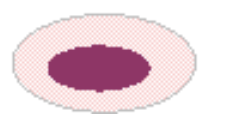
cells function in humeral (antibody mediated) and cellular immunity
rounded nuclei, thin rim of blue cytoplasm
larger ones w/ more abundant cytoplasm can be seen
obvious nucleolus and plasma cells w/ eccentric nuclei + dark blue cytoplasm seen as well
antigenic stimulation → induce lymphocyte proliferation
most fish produce an IgM like antibody in response to antigenic stimulus

Granulocytes
function like mammalian neutrophil and will migrate to sites of inflammation and have phagocytic capabilities in some species
vary in morphology between species
granules may be apparent w/ light microscopic examination, or ultrastructural examination
nuclei maybe robed, roughly segmented, irregularly round
phagocytic capability limited compared to monocytes/macrophages
more important antimicrobial mechanisms = respiratory burst and degranulation

Monocytes
participate in inflammation, phagocytic, believed to be involved in antigen trapping + presentation to immune system
large cells with abundant cytoplasm and often-irregular nuclei

Thrombocytes
participate in blood coagulation
small w/ round to oval nuclei
colourless to pale-blue cytoplasm
oval, tear drop shaped, or fusiform in shape
tendency to clump

Kidney
main filter of body; internally maintains salt/water balance of fish
for fish it only plays small part in excretion of waste products (ammonia etc.)
freshwater fish: helps get rid of water (lots of v dilute urine)
saltwater fish: helps get rid of ions (low vol of v conc. urine)
rich in lymphoid tissue and contains and produces antibody producing cells, phagocytes, macrophages
head kidney site for monocyte/macrophage cells
Head kidney
formation of O2 carrying red blood cells and white blood cells to fight off infection
Middle kidney
contains nephrons / renal corpuscles; these are blood-filtering units / traps that catch any foreign material and tries to destroy them
Heart
4 chambered organ situated @ base of throat; likes in pericardial cavity that's separate from body cavity
primary purpose: pump that pushes blood around system to carry imp molecules to and from the cells, tissues + orgs of the body
Spleen
small, dark, red-black organ that can be triangular / oval in shape; attached to wall of stomach or intestine
function similar to haematopoietic tissue of the kidney
composed of haematopoietic tissue similar to the kidney
ellipsoids (small, thick walled capillaries) surrounded by clumps of immunologically active leucocytes and blood forming cells
blood trickels through ellipsoids → lining cells filter out old erythrocytes + foreign particles → macrophages pick up foreign material → present to immune cells to begin their response to foreign invaders
IMPORTANT: is an organ frequently infected by bacterial diseases due to filtering activity
rich in tissue containing and producing antibody producing cells
full of phagocytes and macrophages
Dorsal fin
mainsail along back of fish between tail fin and head; provides stability so fish can swim in straight line
can't swim --> won't live long --> can't compete for food or evade predators
some tropical fish have a doubled dorsal fin; part of it is a spine that resembles a straight razor and can inflict puncture wounds while second part is a stabilizer
used to intimidate + threaten
can also use an erect and locked fin as a wedge to jam into tight areas of coral so predator can't pull it out
Caudal fins
tail fin; sudden forward movements and for fast swimming patterns
also used to slow forward movement and to help make turns
can lengthen the fin through artificial selection → produced slower moving fish for aquariums → wouldn't survive long in wild
Anal fin
on the underside of fish between pelvic and caudal fins; provides stability, keeps fish from rolling over and going belly up
in some species, male's anal fin acts as sexual organ and is known as gonopodium
some characins develop breeding tubercles / small hooks that're on the fins of males and not specifically for attaching to mates
Pectoral fins
stability as fish moves through water, hovers, and makes slow turns; near bottom of fish beneath gill openings
used for navigation and always in motion
many tropical species use them during incubation of eggs, fanning eggs w/ water during brooding period
Pelvic fins
homologous to legs and are supported by pelvic girdle; stabilizers
might be highly modified like in freshwater angelfishes and gouramis so they're threadlike
some might use them as "feelers" to sense surroundings
Adipose fin
few tropical fish species and most of aquaculture-reared fish (salmonids) have extra fin located on back between dorsal and tail
these contain mechanosensory and proprioceptive functions
helps detect water flow and might help with swimming performance
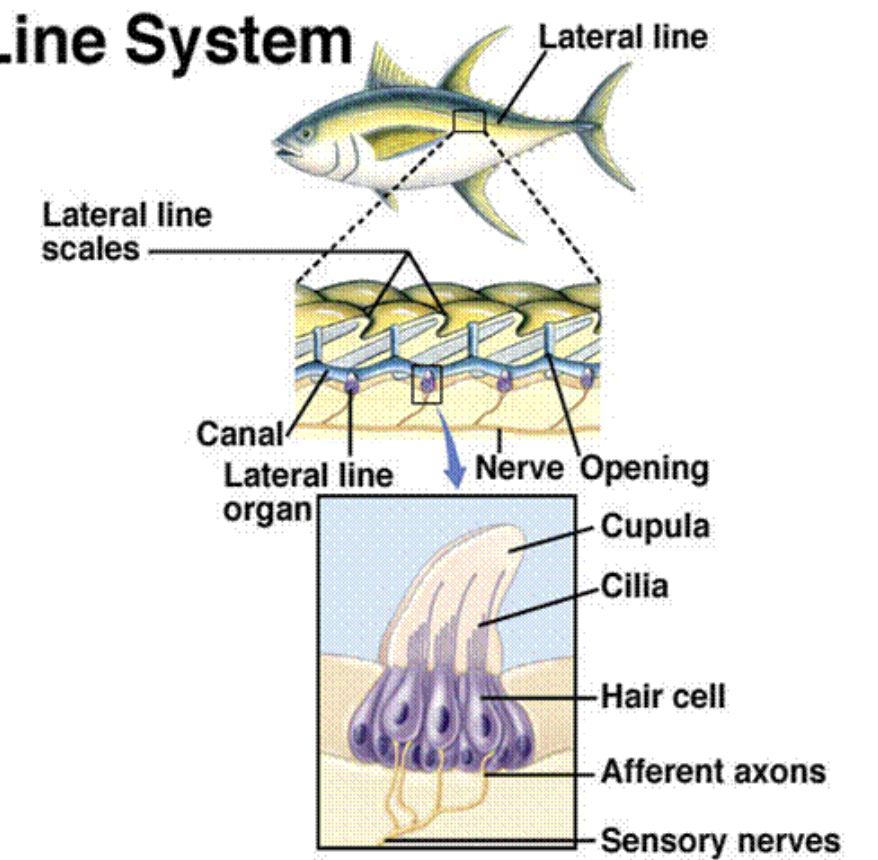
Lateral line
on both sides of body and runs from back of eye to base of tail fin
made of small neuromasts that contain cilia in fluid-filled canals + superficial (surface-level) neuromasts
detects vibrations in water (low freq pressure waves)
fish feel → forms mental map for them; like hydrodynamic map / mechanosensory field
Skin
first barrier to environment; maintains osmotic integrity of fish
freshwater: osmotic challenge is water flooding IN (hypoosmotic environment) so fish has to expel excess water and retain ions
marine: vice versa, they lose water to the hyperosmotic environment
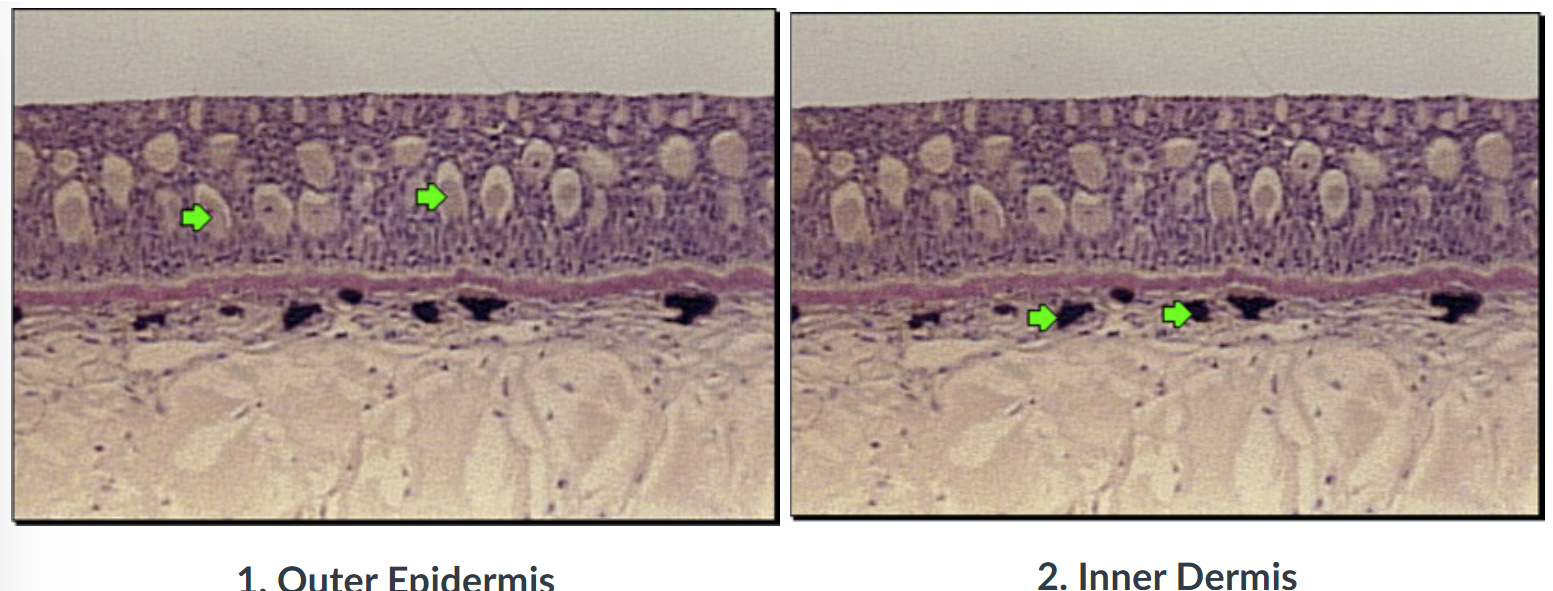
2 main layers:
outer epidermis overlaid by v delicate clear covering of secreted material that lays over the scales (the mucus layer)
inner dermis
Mucus
protective and forms slimy outer covering of fish
can get small particles of material that can irritate fish (parasites, bacteria, heavy metal salts that're sloughed off)
increases when fish becomes stressed
Dermal skeleton
various types of scales / plates that develop early in life (fry stage)
salmonids: cycloid scales
once fish has all scales no more develop as it grows
scales will grow and become larger w/ the fish
not all fish have scales (catfish + eels)
Gills
vascularized structures (blood moving systems) contained in chambers located on both sides of head region
water is continually passed over
imp site for excretion of nitrogenous wastes
Operculum
bony flap; gill cover that protects gill structures
4 cartilaginous branchial arches in each chamber that have forward facing cartilaginous projections called gill rakers
vary in morphology
long and thin, short and knobby
species and diet dependent
Gill rakers
help filter feeding fish trap food particles from the water and help piscivorous species prevent escape of prey through gill slits
tend to vary in #, length, spacing based on diet
gill arches support gill filaments that're directed away from mouth opening