Midterm 2 (North America to Islamic Art)
 Call Kai
 Learn
Learn Practice Test
 Spaced Repetition
 Match
Match Flashcards
 Knowt Play
1/70

There's no tags or description
Looks like no tags are added yet.
Name | Mastery | Learn | Test | Matching | Spaced | Call with Kai |
|---|
No analytics yet
Send a link to your students to track their progress
71 Terms
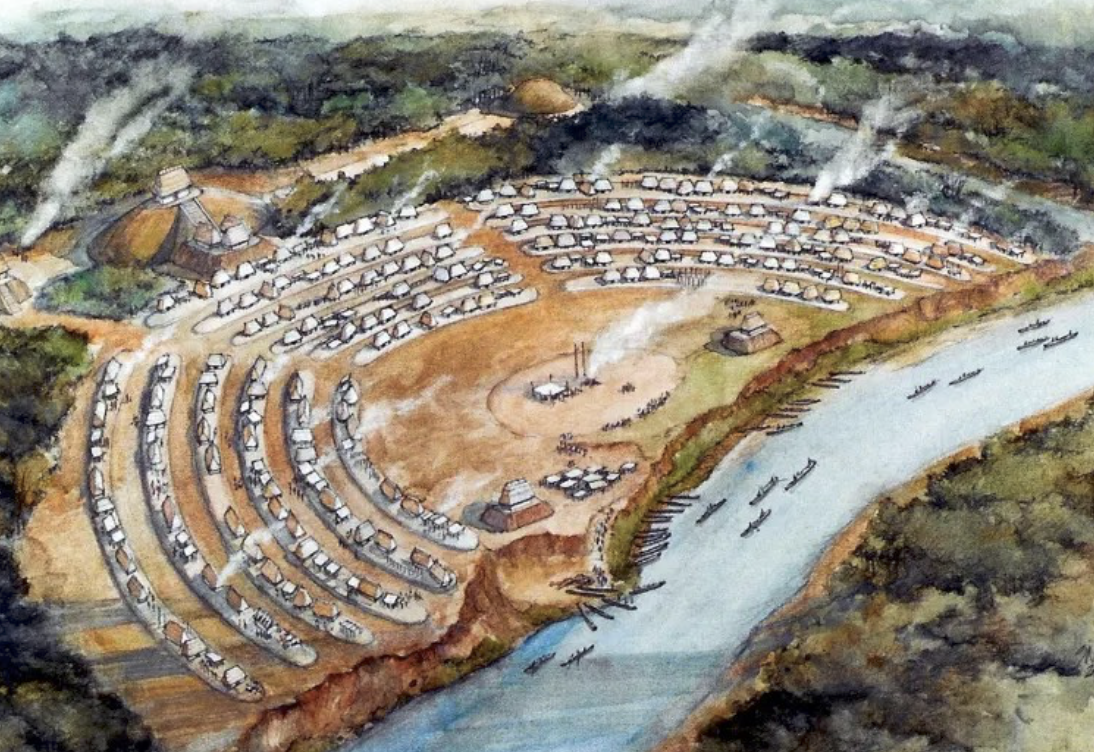
Poverty Point, Louisiana
1600 - 1100 BCE
Late Archaic
In Mississippi River Valley
Pre-agricultural monumental architecture!
clearly religious / ritualistic purpose
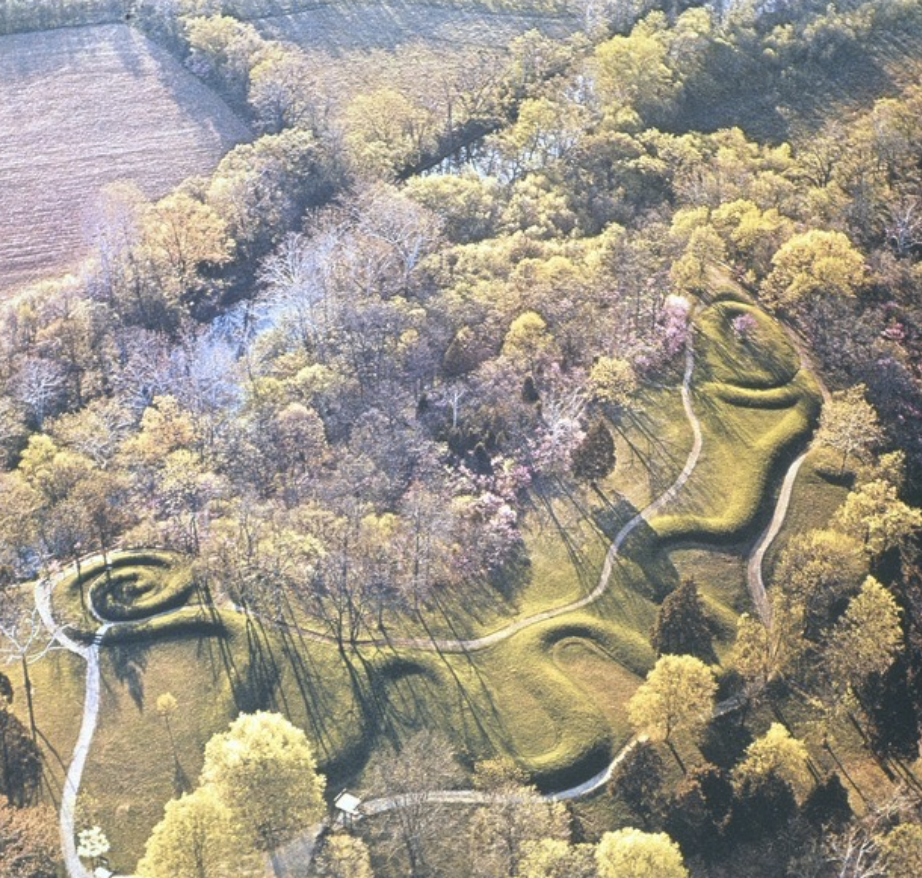
Great Serpent Mound
Ohio River Valley
c. 300 BCE
Adena culture
land art
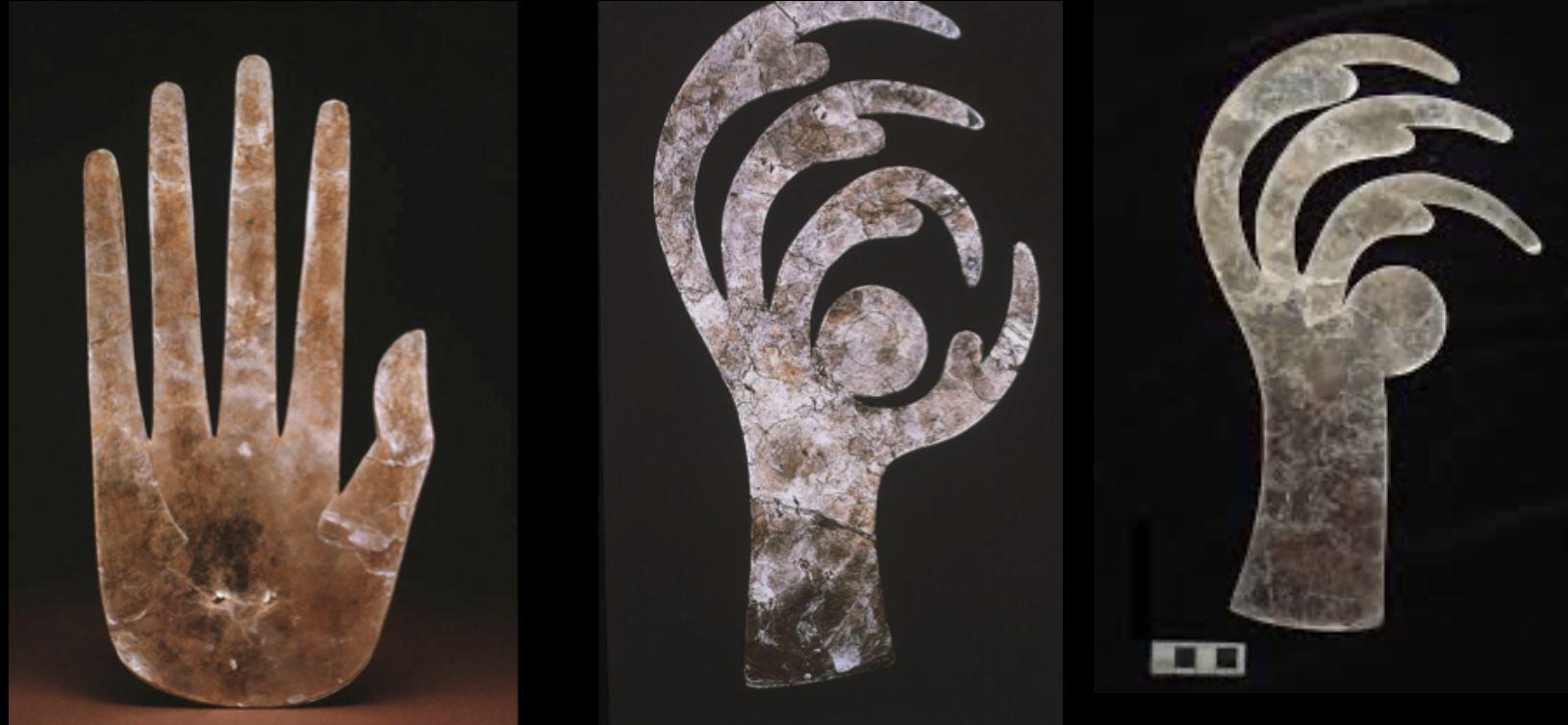
Mica Cut-Outs
Hopewell Culture
Late Woodland Period
200 BCE - 700 CE
evidence of long-distance trade (mica from N. Carolina) (exotic material)
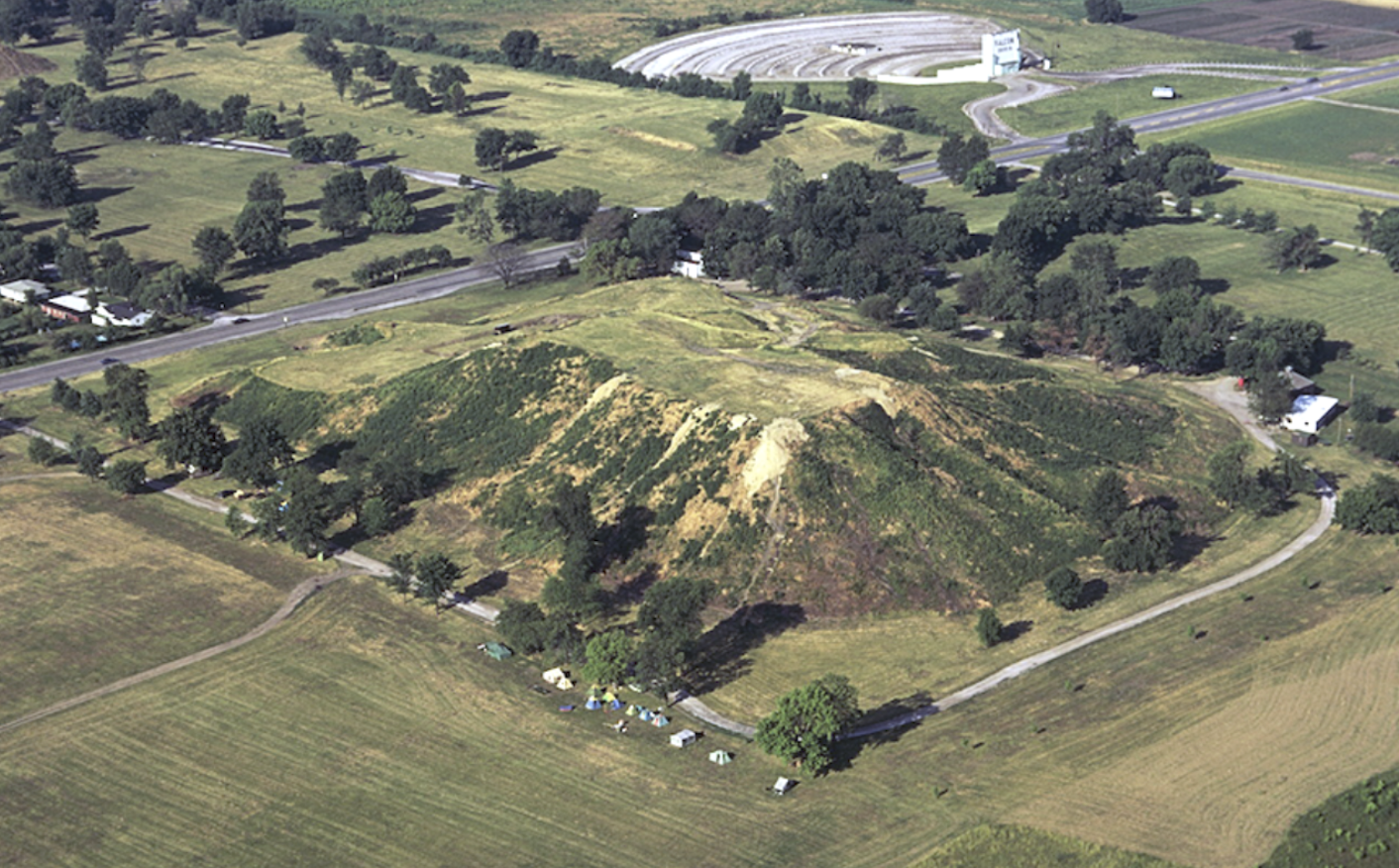
Cahokia, Monk’s Mound
Illinois
Mississippian Period
1100 CE
Artificial mound (earthwork)
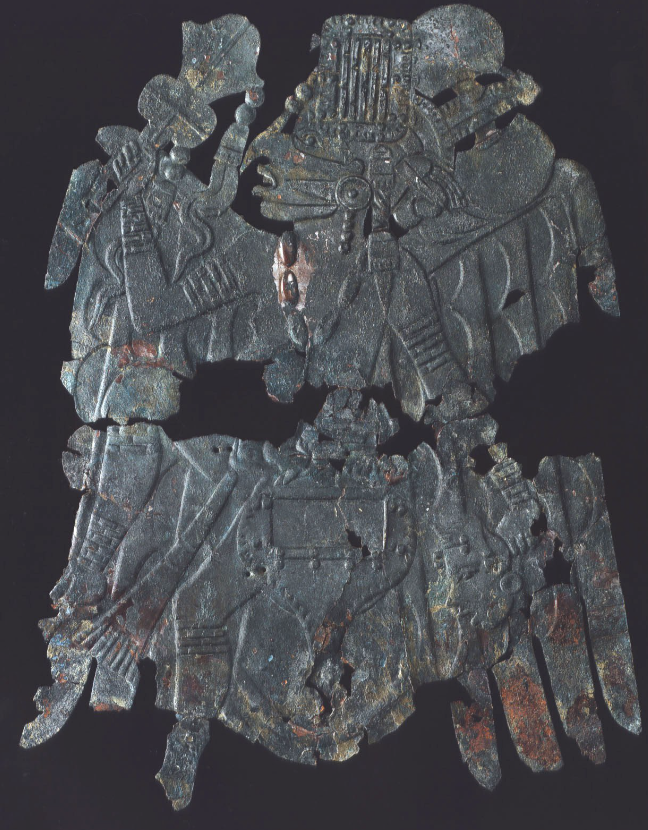
Copper Plates (Eagle warriors)
Etowah, Georgia
c. 1200 CE
hammered copper distinctive in Mississippian culture
found in etowah
Found in Mississippian valley
Copper comes from Michigan and traded around (long distance trade)
Often representations of eagle warriors (Rogan plate famous from etowah)
Distinctive representation of Mississippian iconography
Part of the SE ceremonial complex (visual culture)
Probably had to do with warfare culture at the time
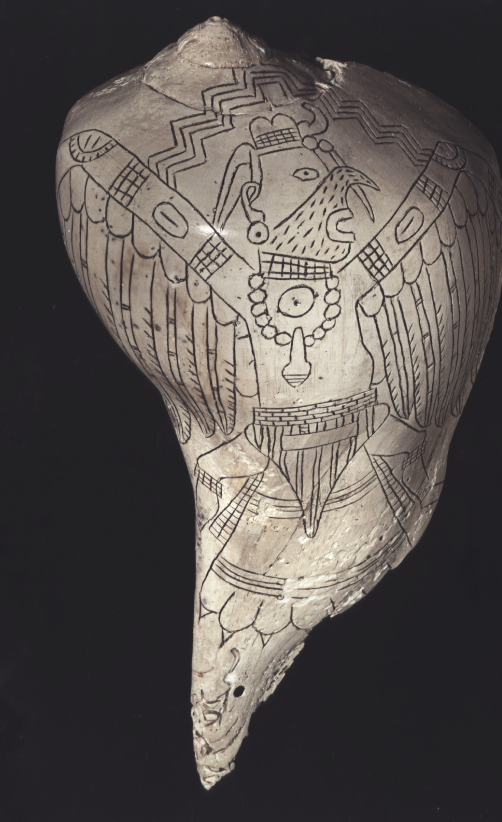
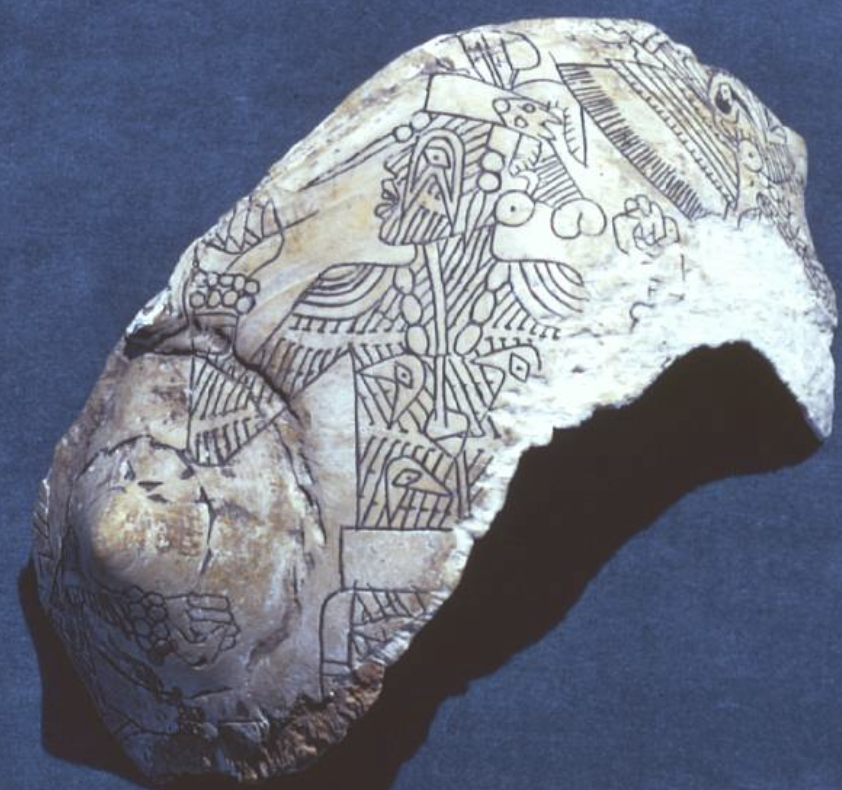
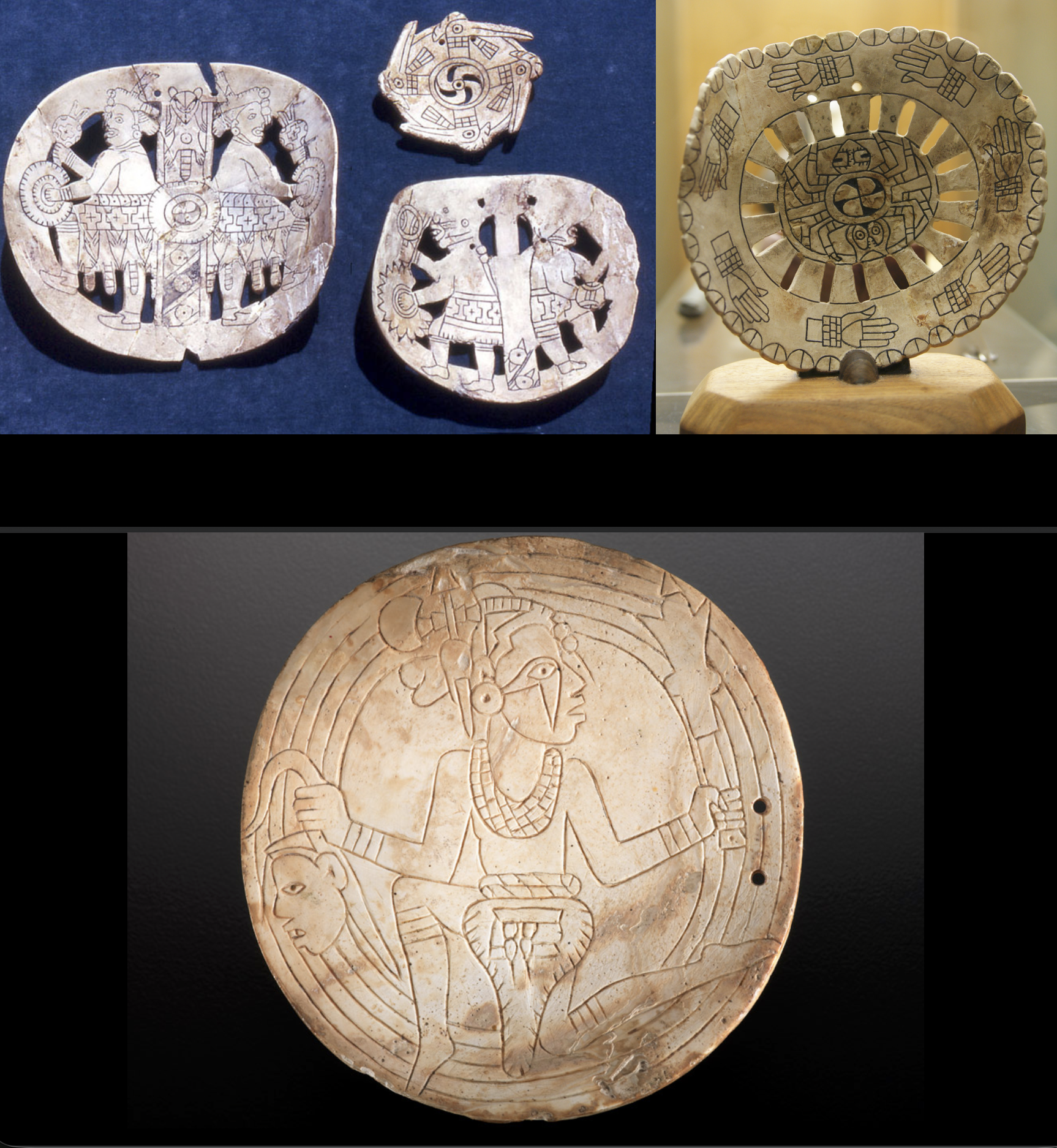
Spiro tomb, shell carvings
Craig Mound, Spiro, Oklahoma
c. 1200 — 1400 CE
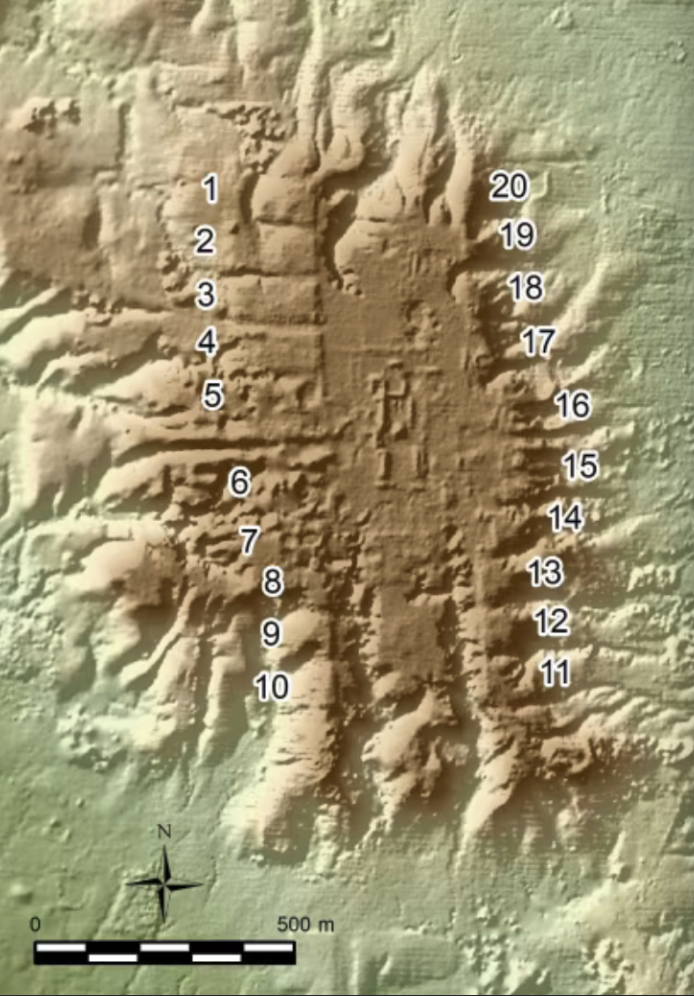
San Lorenzo
The first Mesoamerican city?
1200 — 900 BCE
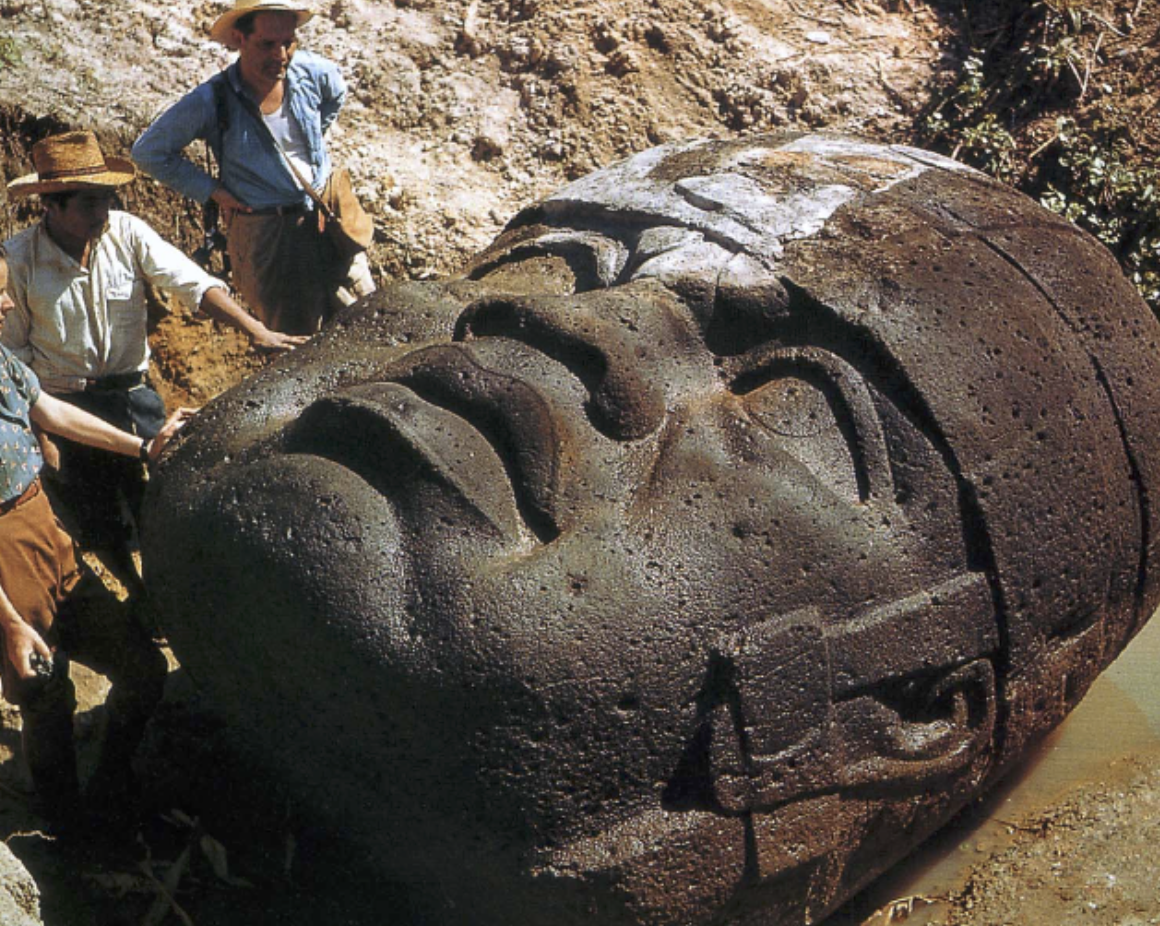
Olmec Colossal Head Sculptures
~1000 - 600 BCE
San Lorenzo earliest site
Statues of historically significant ppl like rulers
Helmet from traditional ball game
Basalt (volcanic) far away
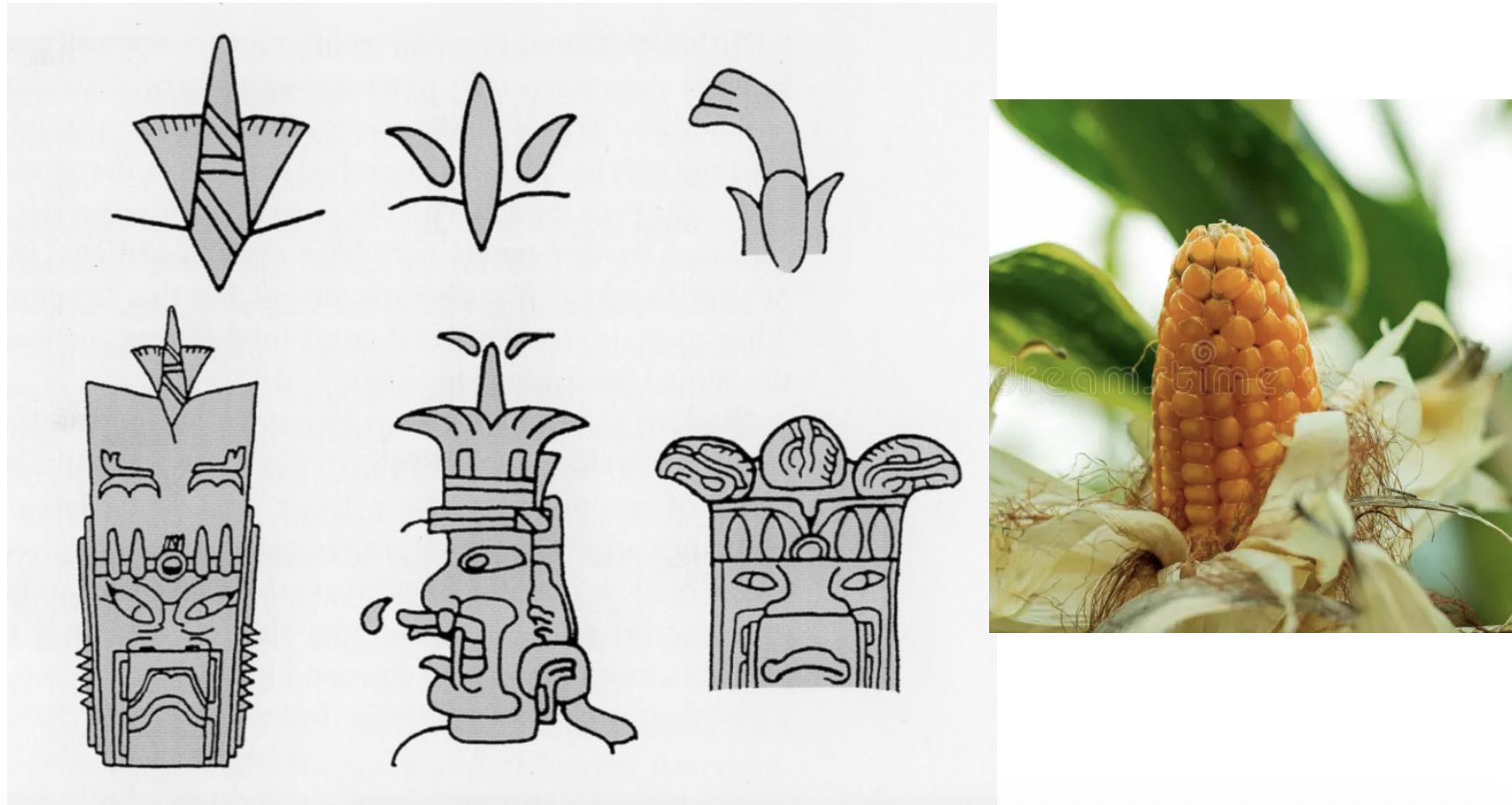
Maize God
probably most significant deity in Mesoamerica
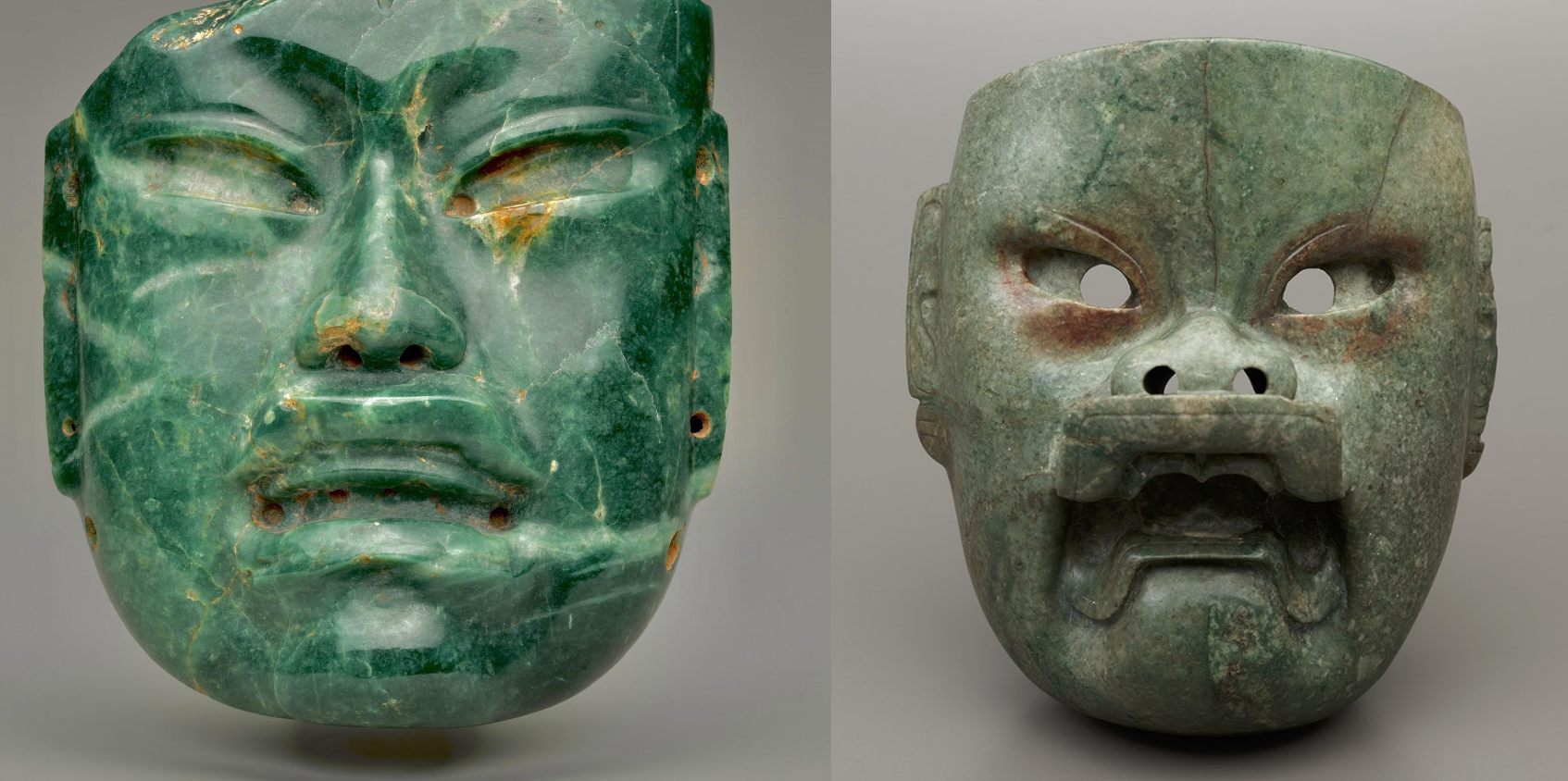
Jade
Olmec jade masks used for ritual purposes
lots of jade
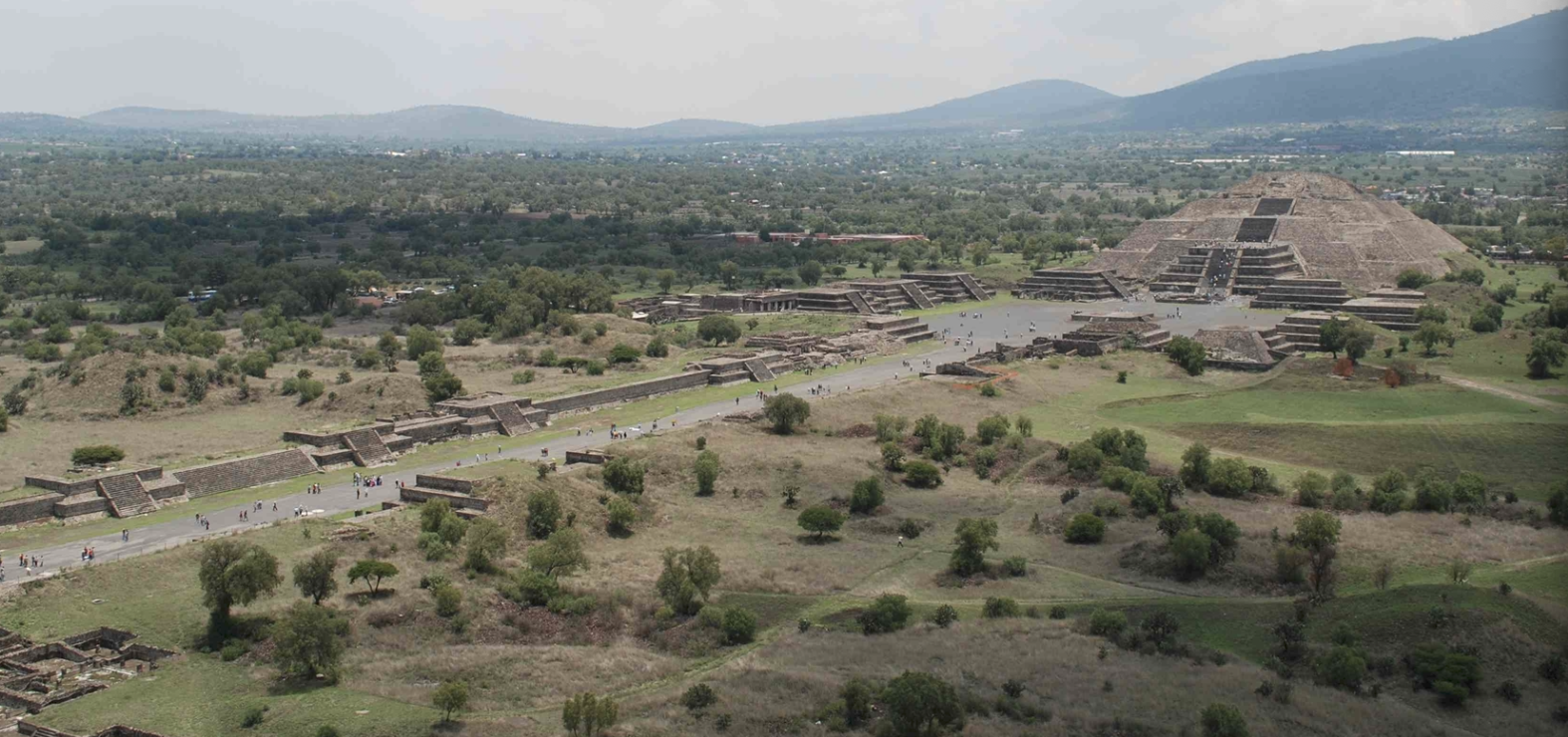
Teotihuacan
Central Mexico
200 BCE — 600 CE
urban density
grid layout
“Street of the Dead”
Apartment compounds
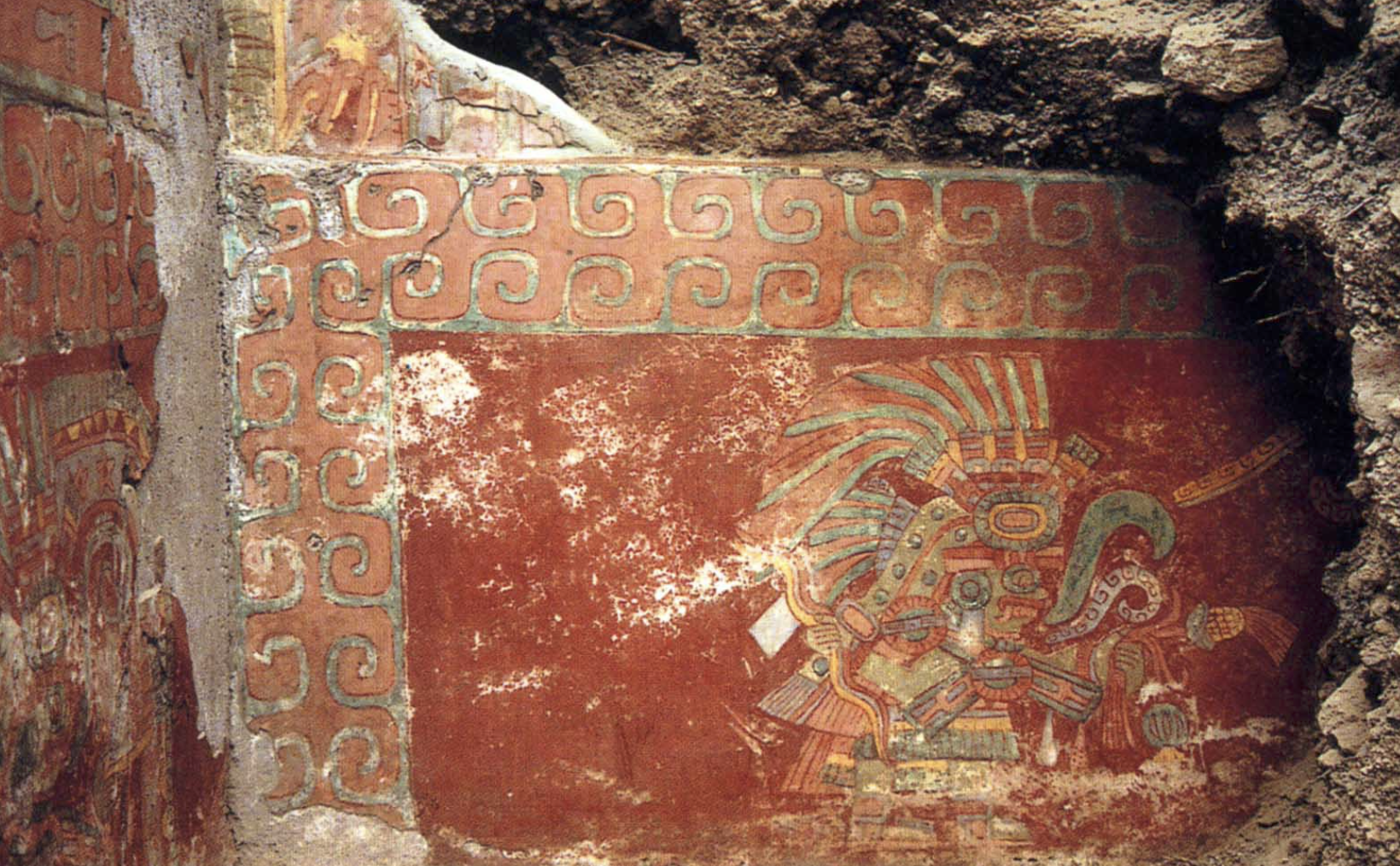
Mural Painting
Teotihuacan
200 bce - 600 CE
painted on walls of apartment compounds
differed in style from mural paintings at san bartolo (pre-classical mayan)
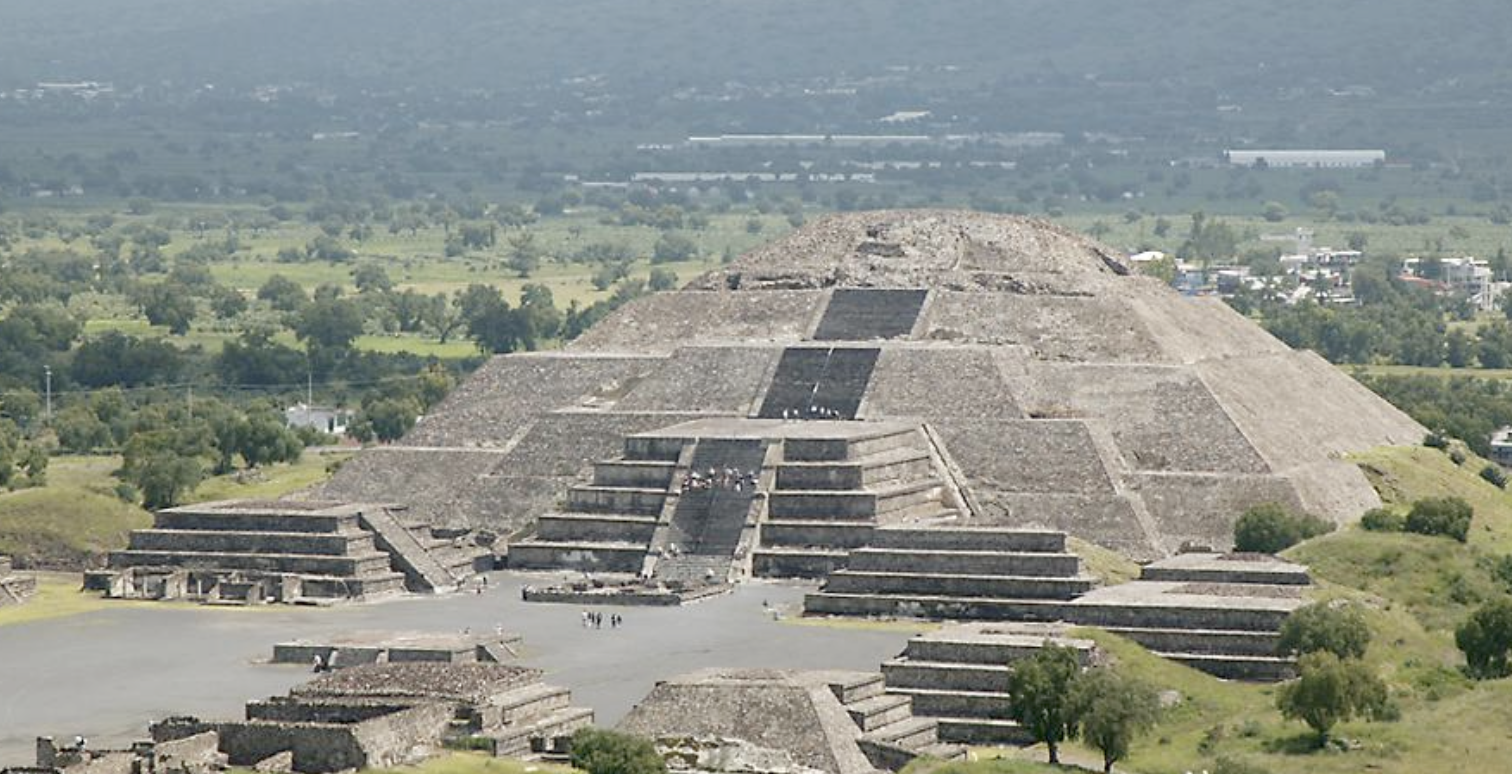
Moon Pyramid
aligns with mountain, eclipsing it when approached
Street of the Dead in front
Sun pyramid
both: 100–500 CE (peak Teotihuacan)
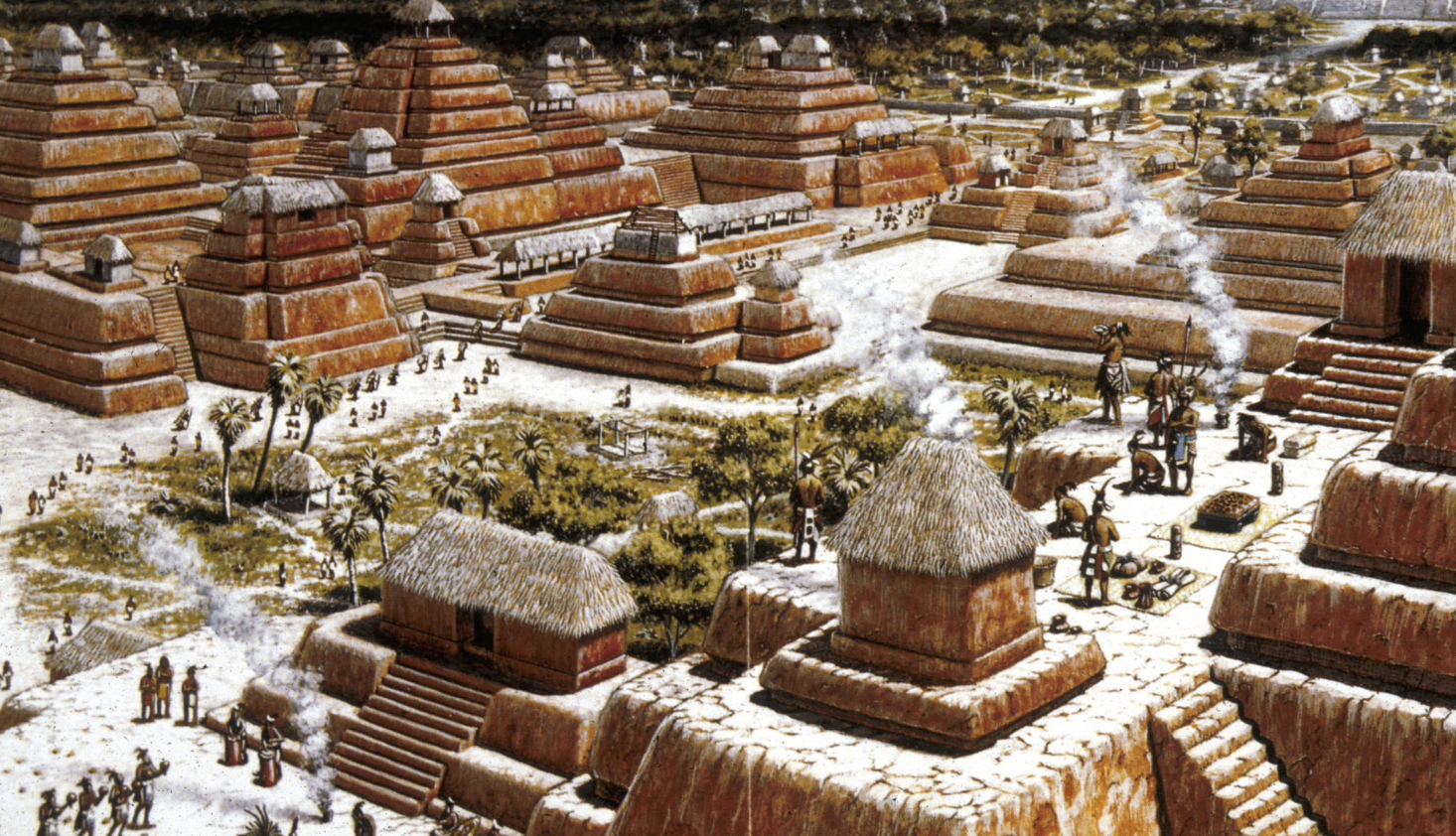
El Mirador
Guatemala
c. 100 BCE
reconstruction
preserved under layers the Maya built on top
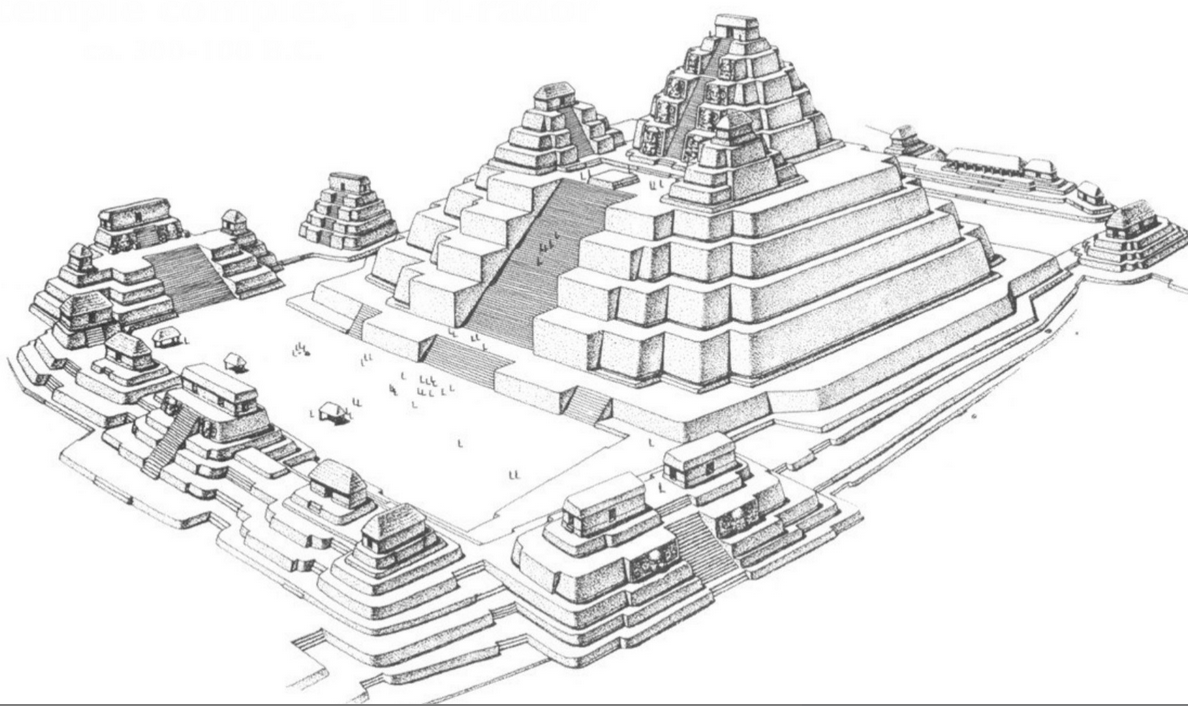
El Tigre Temple Complex
El Mirador
c. 300-100 BCE
huge scale
preserved under layers the Maya built on top
Danta Pyramid
Stucco Masks/decoration
Murals of San Bartolo, Guatemala
Pre-classic Maya
c. 300-100 BCE
organic paintings found on the walls
Religious, mythological scenes
Animate maize, death and rebirth, the seasons
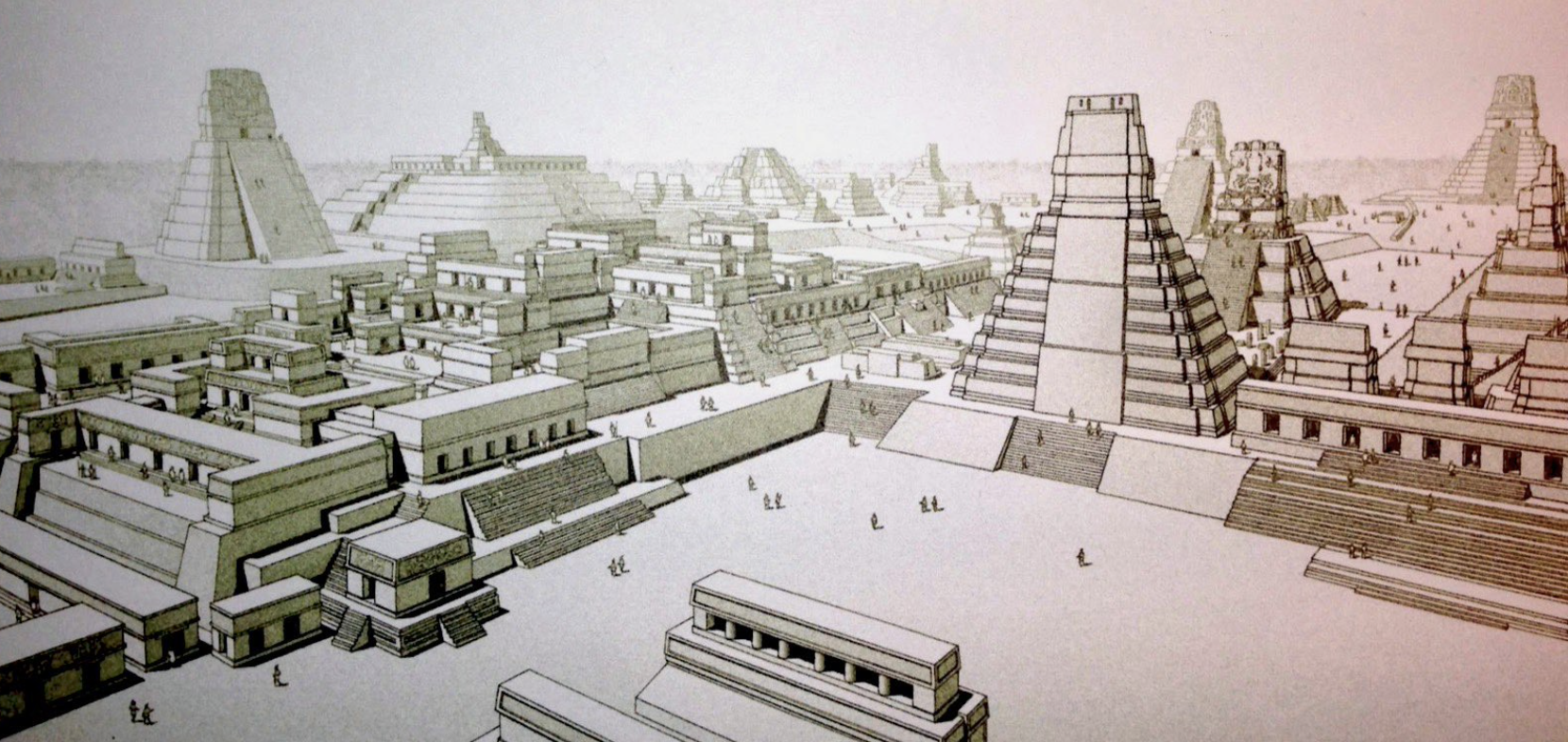
Tikal, Temple I pyramid
Guatemala
Classical Mayan
c. 800 CE
suddenly abandoned
Temple I pyramid is a notable tall, skinny pyramid that sticks out
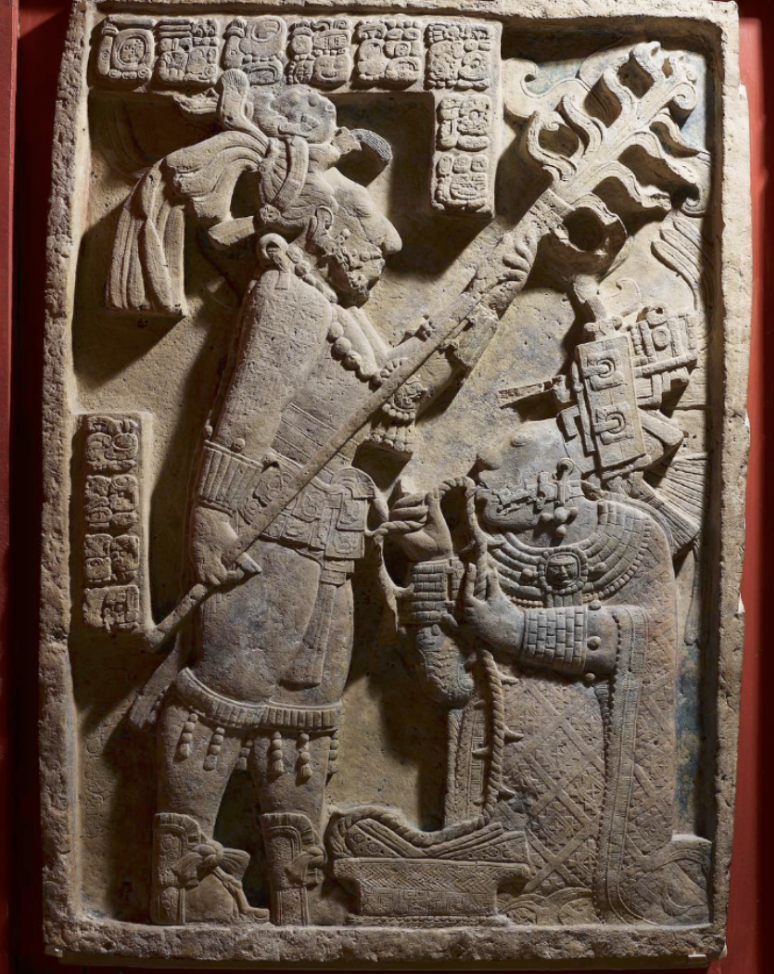
Yaxchilan
Lintel 24
c. 720 CE
Mexico
Bristish Museum, London
Hieroglyphs, Syllabic Writing (Mesoamerica)
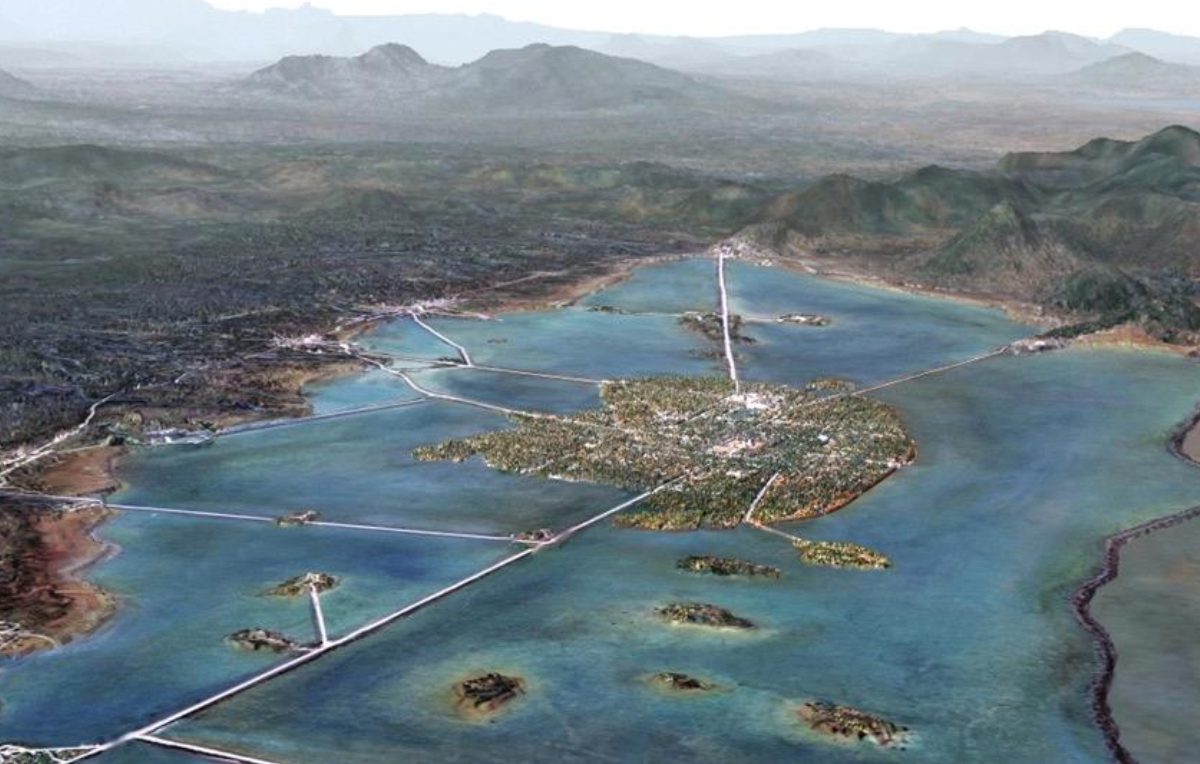
Tenochtitlan
c. 1519
Pre-Columbus
Modern-day Mexico City
At center of lake texcoco
Highly sophisticated and praised by Cortes
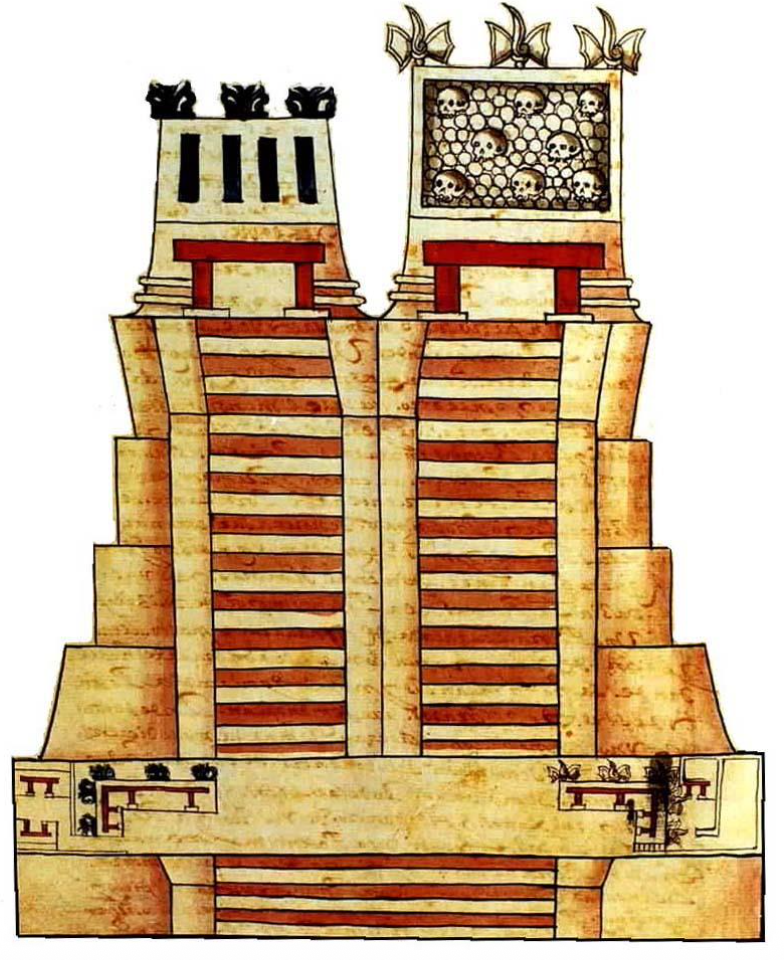
The Templo Mayor (Huey Teocalli)
(Great Temple)
Tenochtitlan
C. 1500 CE
Left — Tlaloc: god of rain and agriculture
Right — Huitzilopochtli: patron god of the Mexica (a deified ancestor?)
Coatepec “snake mountain” — mythic birthplace of Huitzilopochtli, defeat and dismemberment of Coyolxauqui
Architecture as symbol
Architecture as replication of nature
Architecture as “real” mythic space
Sacred Precinct
a walled Aztec religious complex in Tenochtitlán that contained many temples and buildings. It was the largest place of worship and the starting point for ceremonial processions.
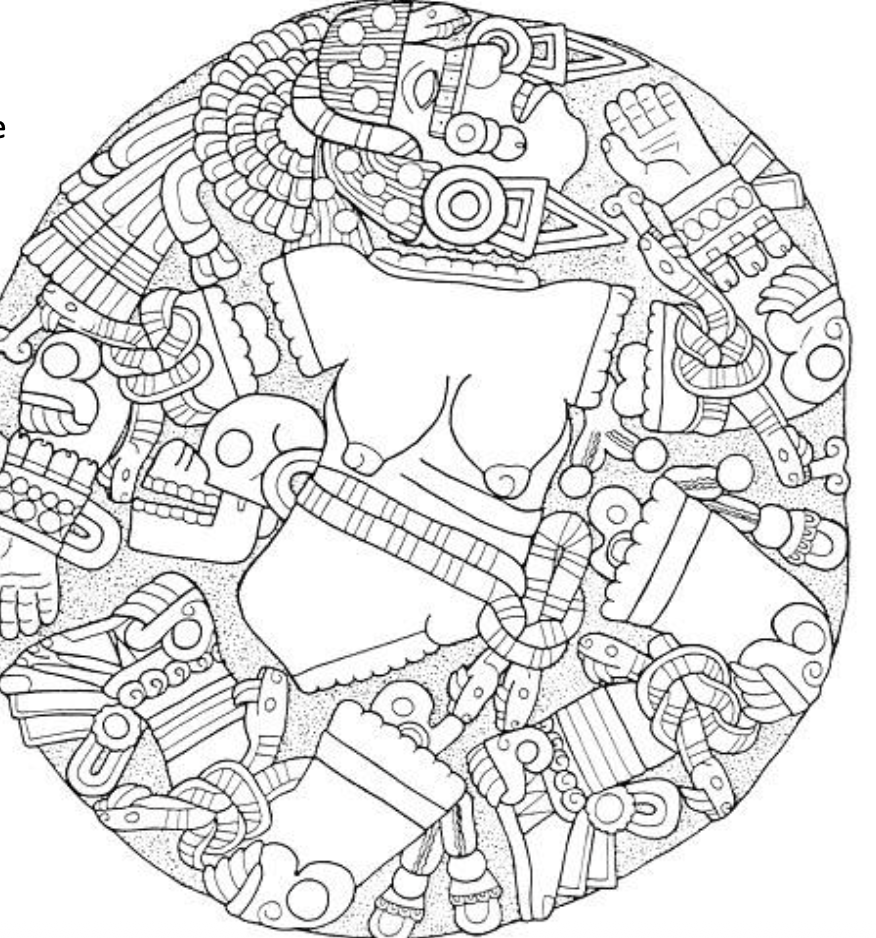
Coyolxauhqui Stone
Templo Mayor
c. 1500
dismembered moon goddess defeated by the sun god (Huitzilopochtli) at Snake Mountain
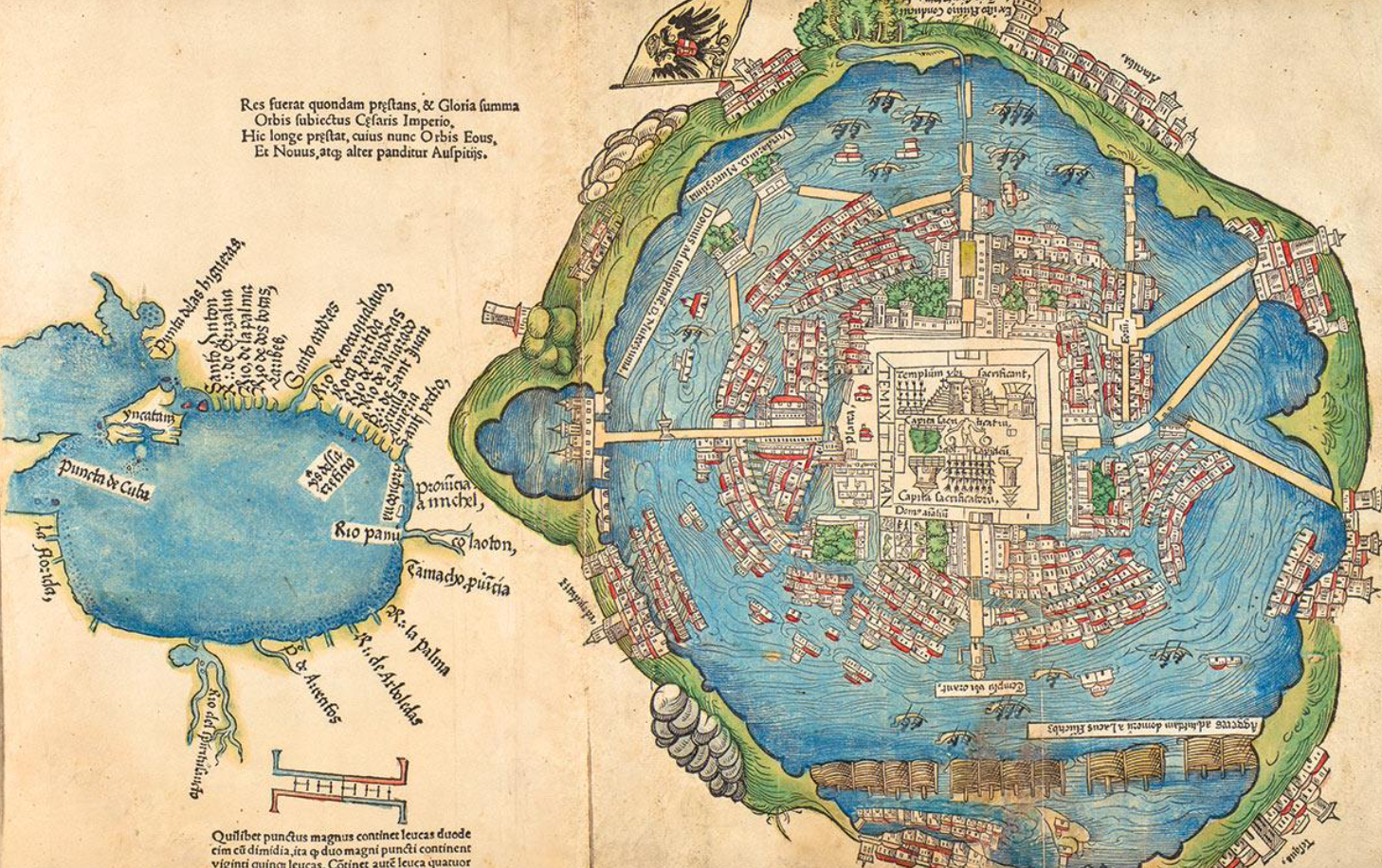
The Nuremburg Map of Tenochtitlan
1524
based on eye witness accounts of Cortes
Florida in bottom left
European depiction of the sophistication of Tenochtitlan
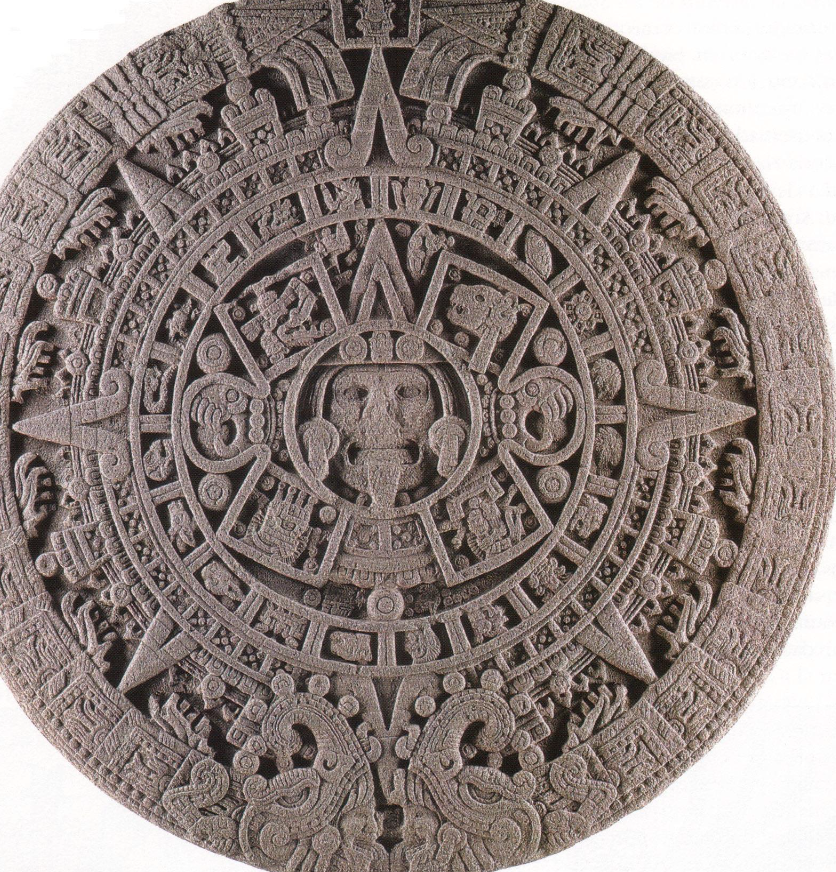
Calendar Stone (Piedra del Sol)
Tenochtitlan
c. 1503 CE
center is Moteuczoma II as Huitzilopochtli (sun god)
Identified by hieroglyphs by the face
The king is the cosmos, he is time (importance)
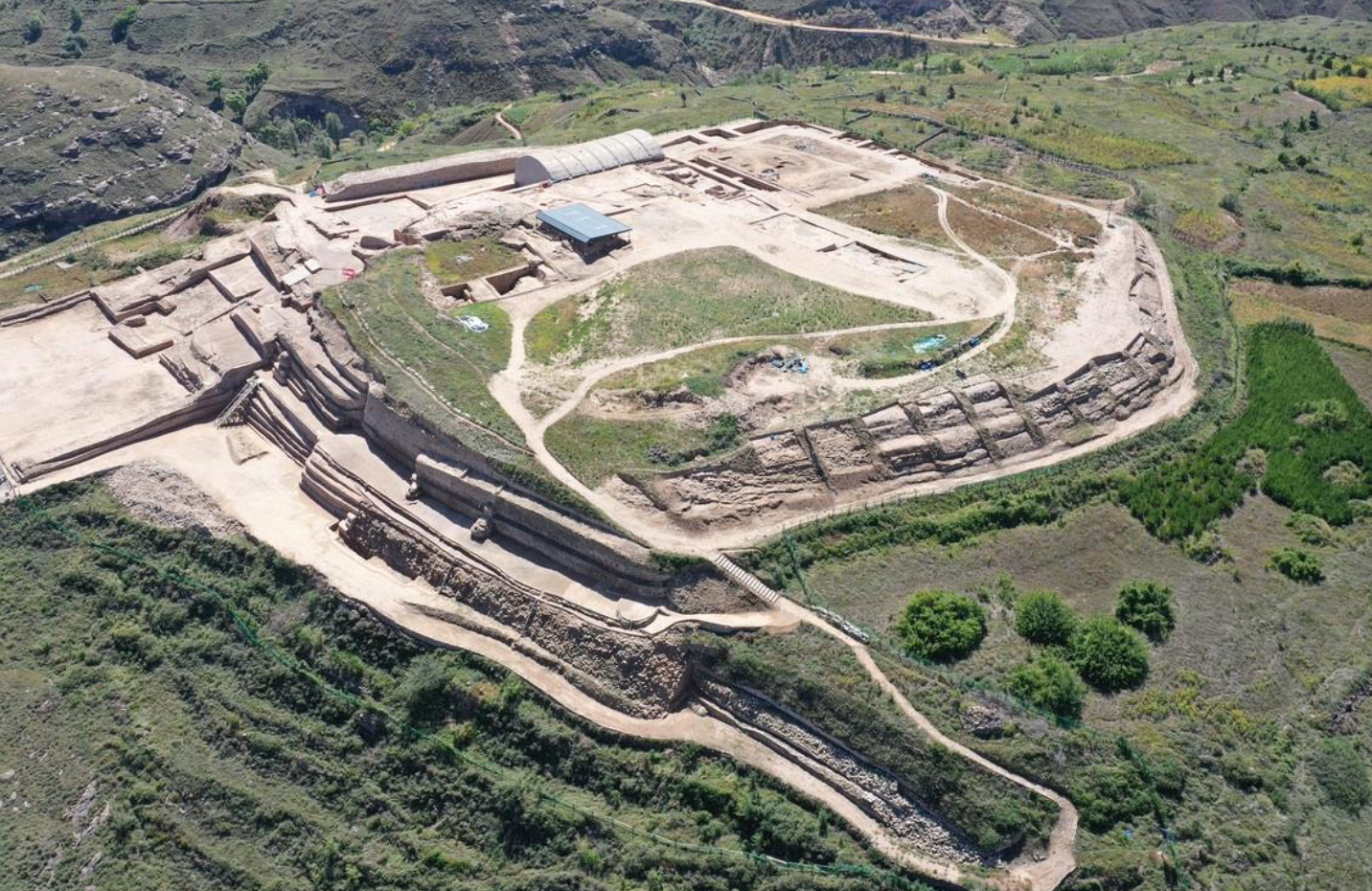
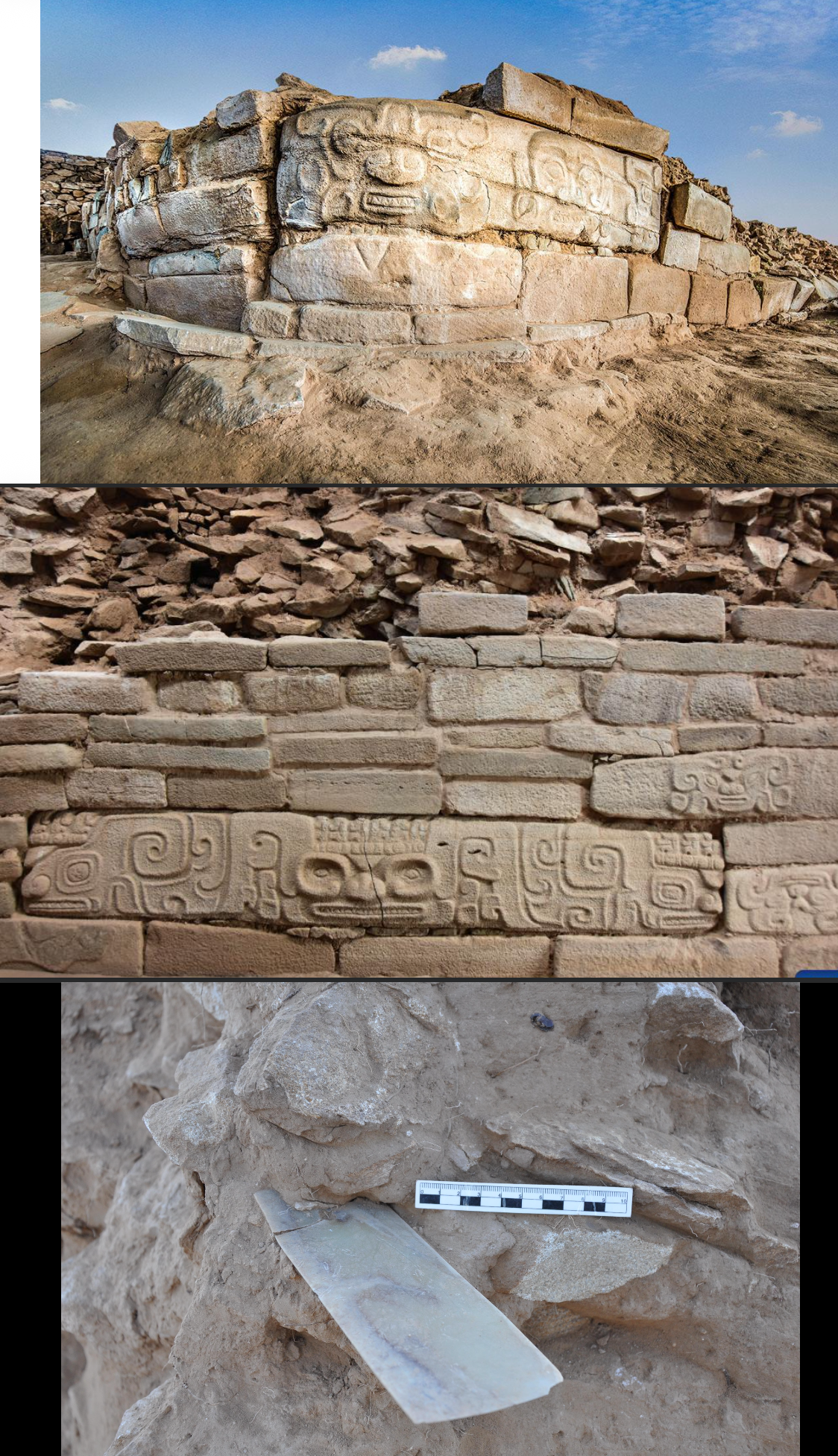
Shimao (Neolithic fortress)
Shaanxi Province
Late Fortified Neolithic Center
ca. 5000 — 2000 BCE
jade axe found there
important new example of early Chinese monumental structures
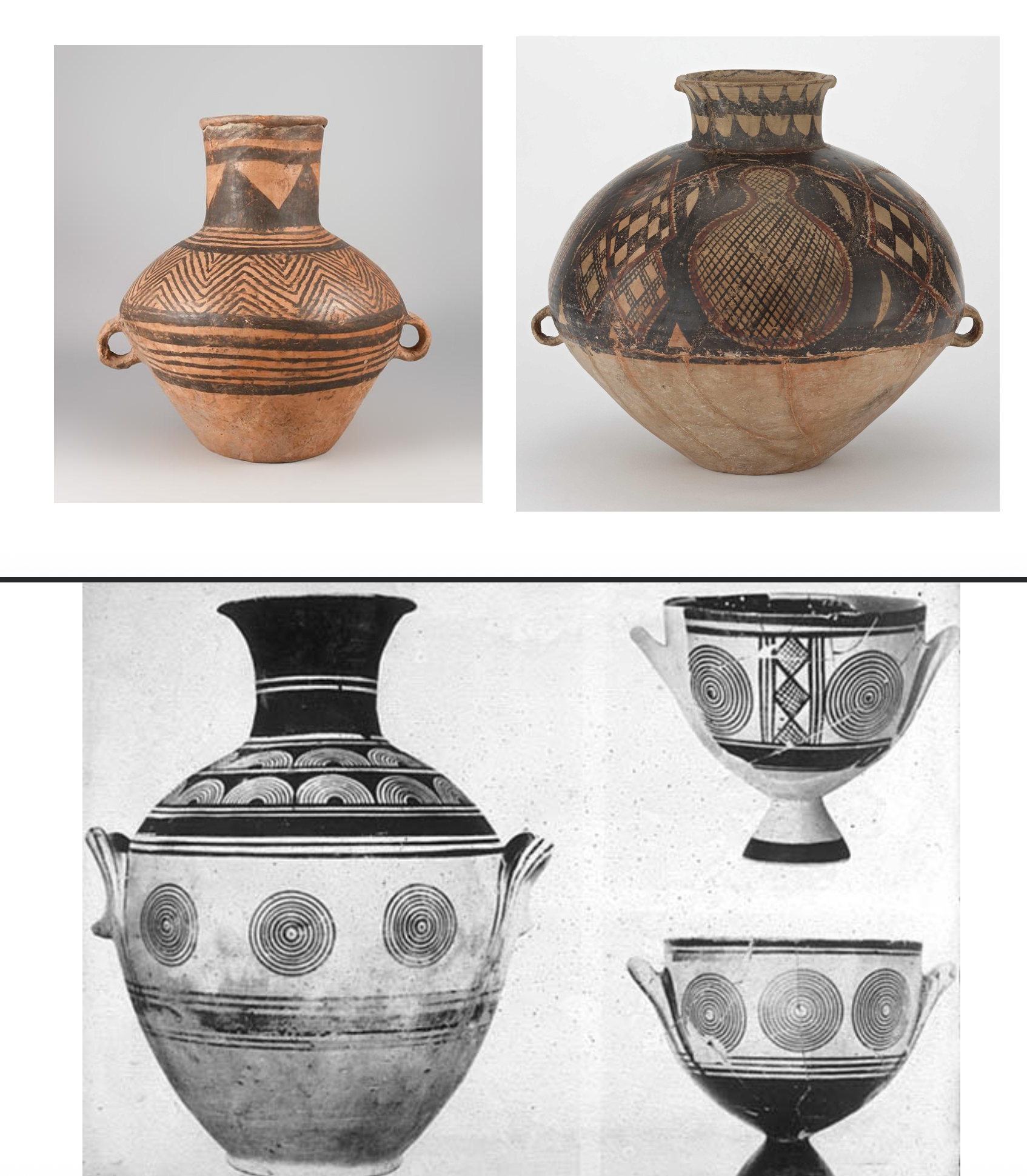
Yangshao Culture
Neolithic
5000 — 3000 BCE
art resembles Geometric Greece
Liangzhu
Neolithic Chinese culture
Not known for its ceramics!! Difference from yangshao
geographically slightly different
Known for jade carving!!! Jade cong!
Shang Dynasty; Anyang
ca. 1600 — 1050 BCE
bronze dings
oracle bone writing
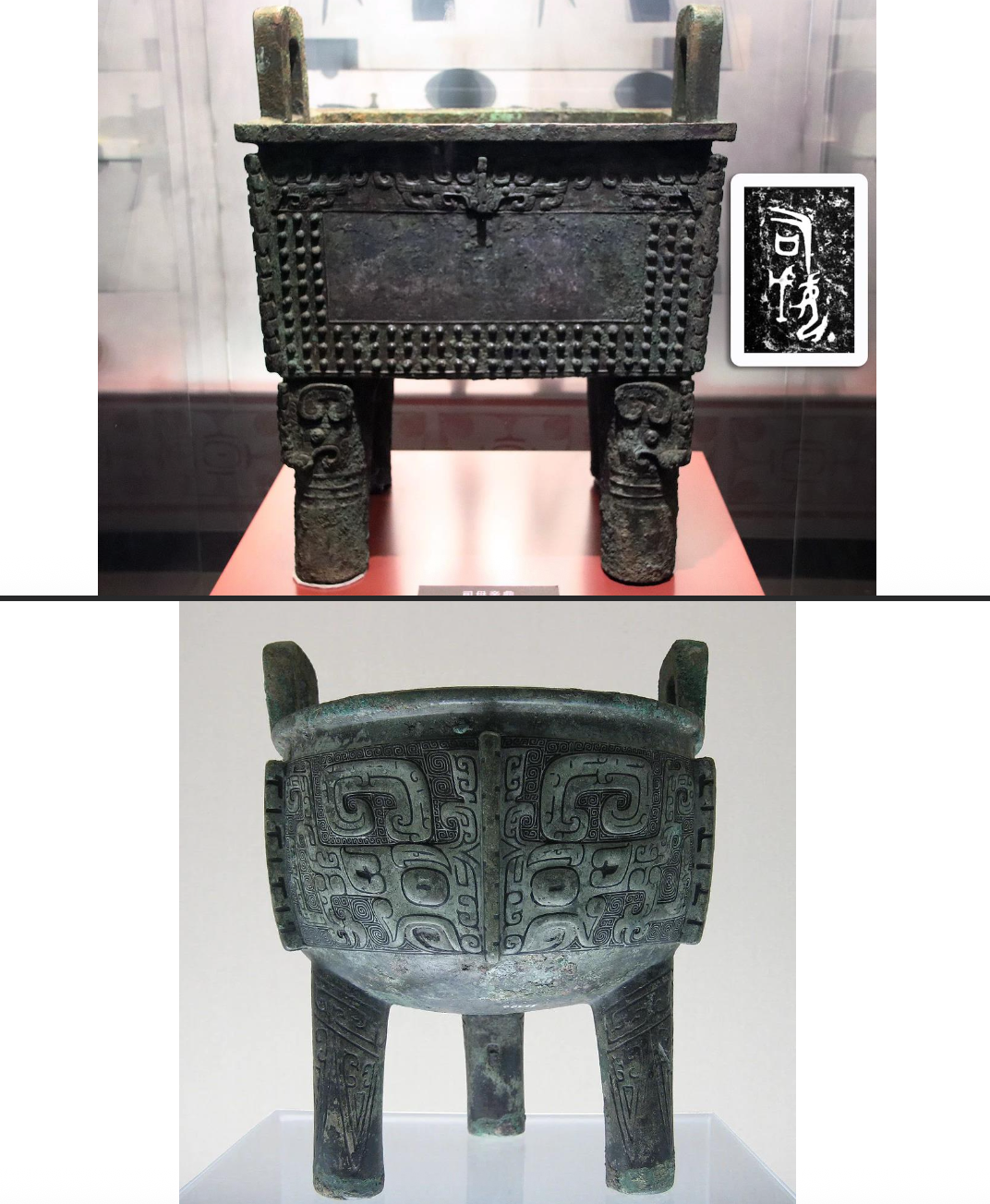
Bronze vessels and casting
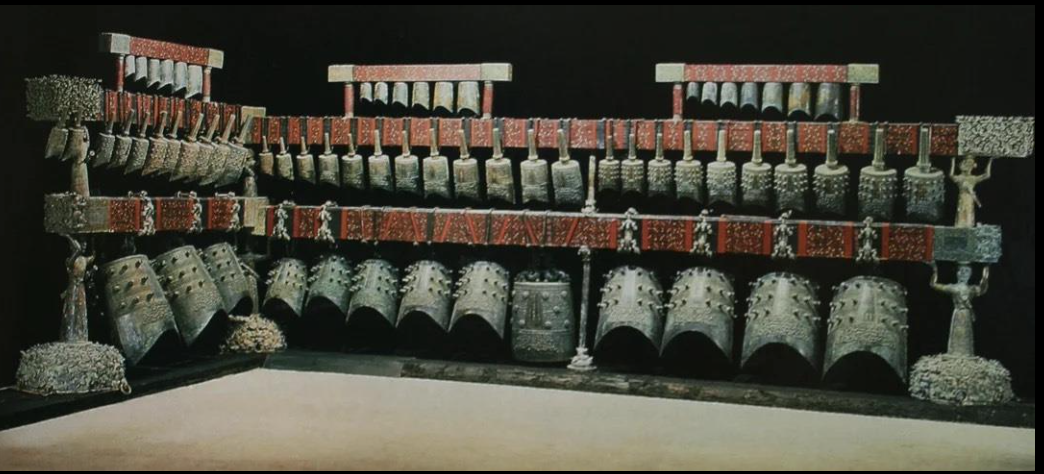
Bronze Bells
Tomb of the Marquis Yi of Zeng
Zhou Dynasty
433 BCE
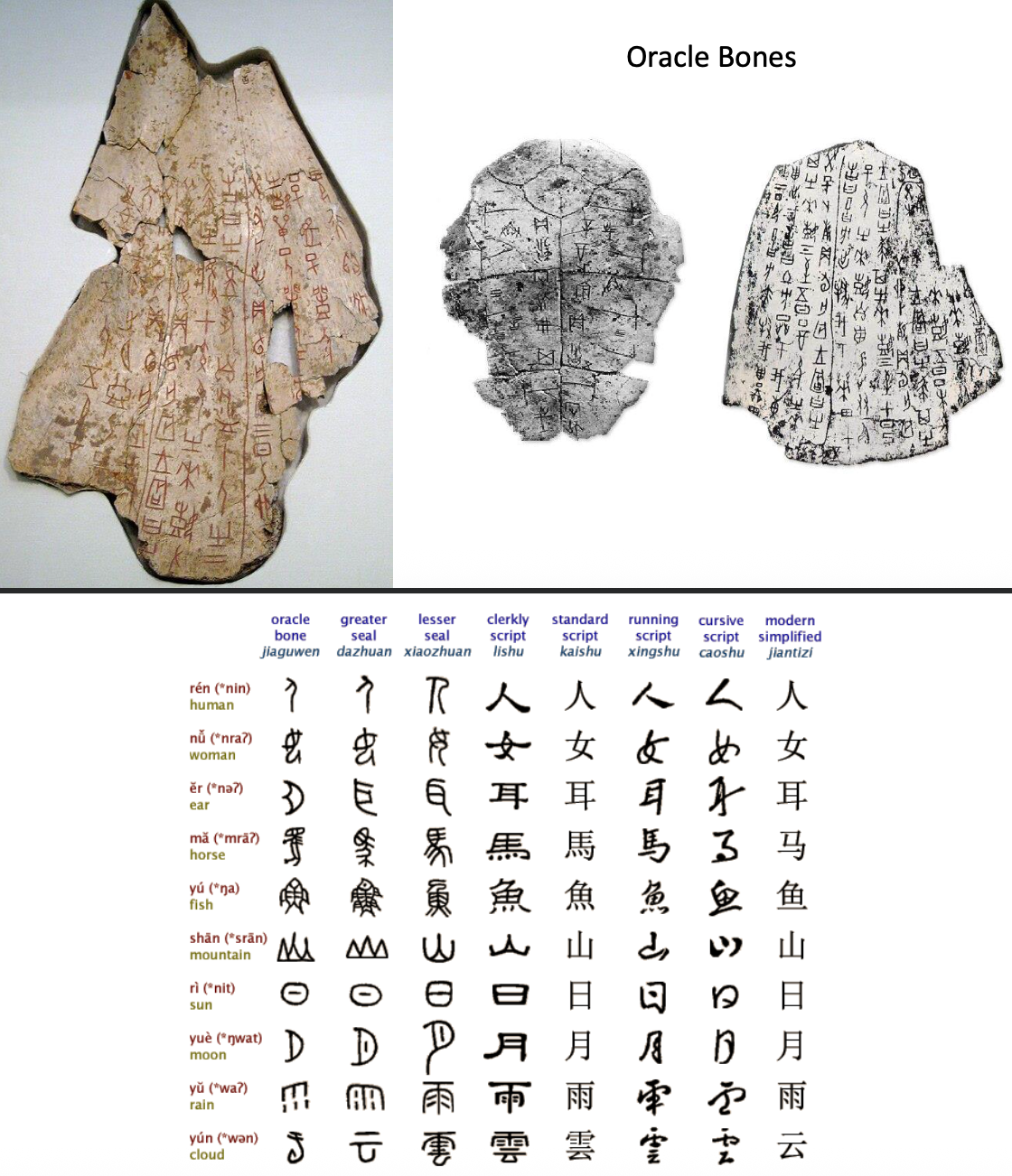
Oracle bones, divination, early writing
Qin dynasty
First emperor of China: Qin Shi Huangdi
Giant tomb complex near Xi’an
Tomb itself was never excavated
Most notable feature of the complex: Terracotta warriors!
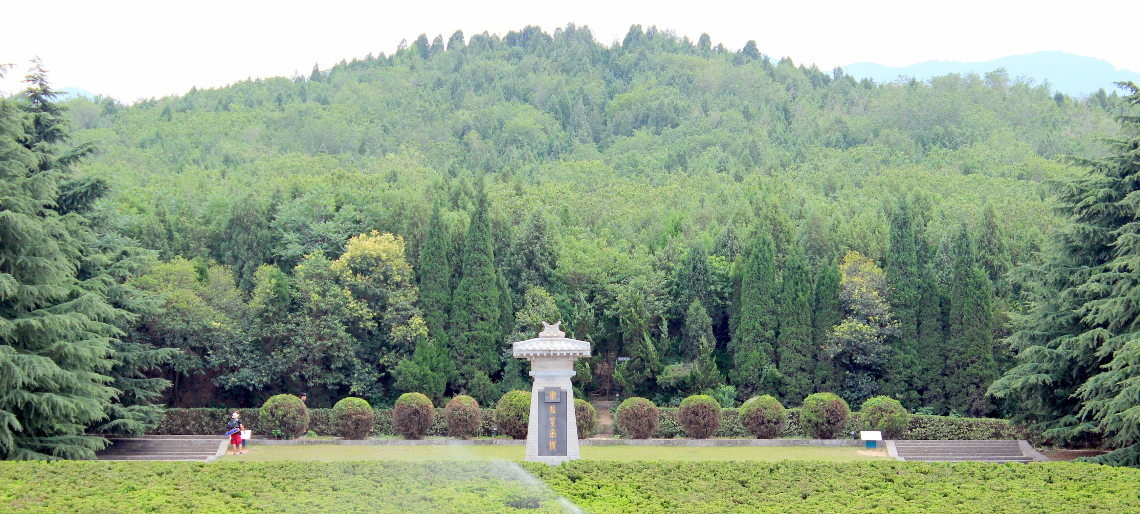
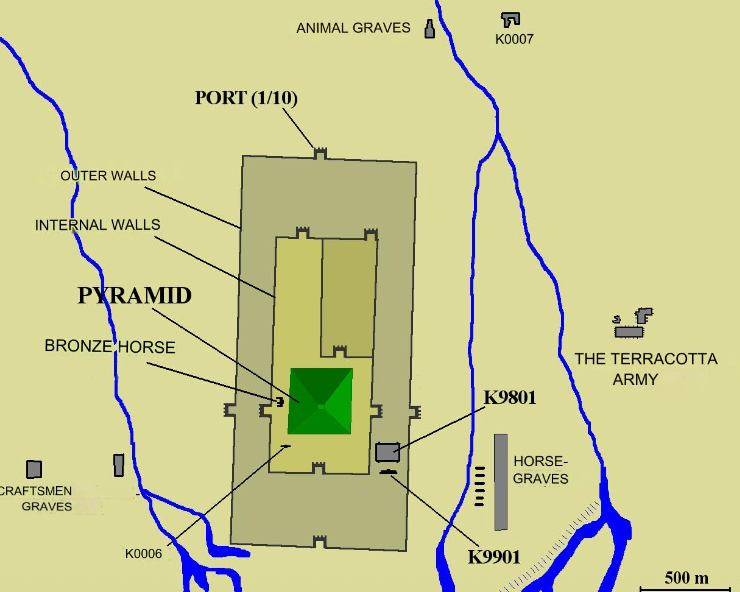
Tomb of Qin Shi Huang Di
Xi’an, China
ca. 200 BCE
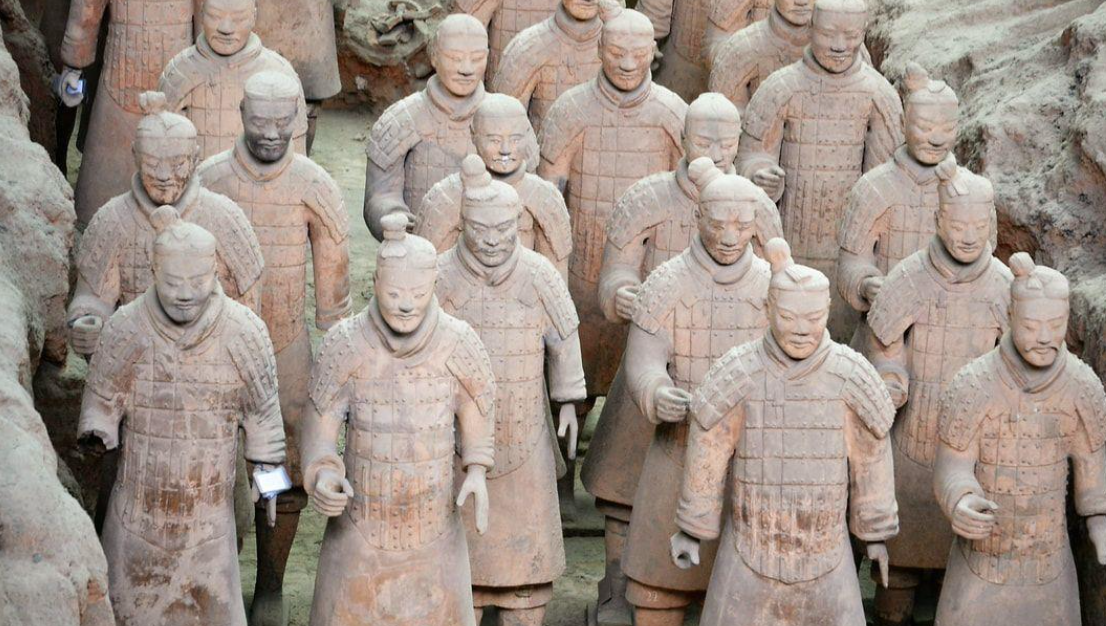
Terracotta Warriors
ca. 200 BCE
Xi’an, China
protect Qin Shi Huangdi in the afterlife
individually crafted and fired
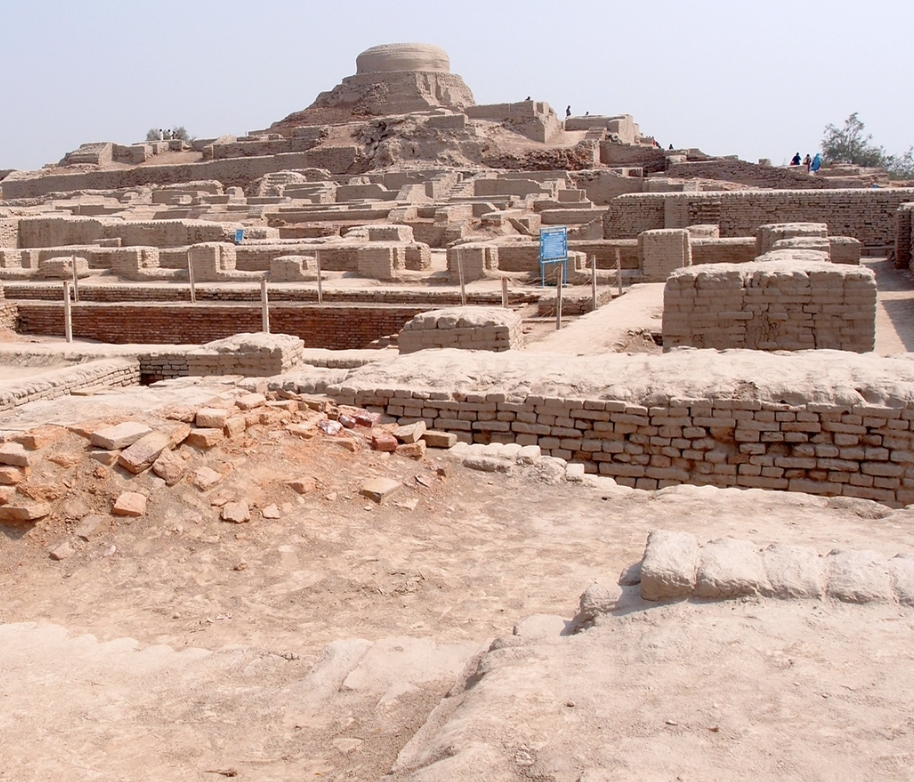
Mohenjo-daro
Pakistan
ca. 2500 BCE
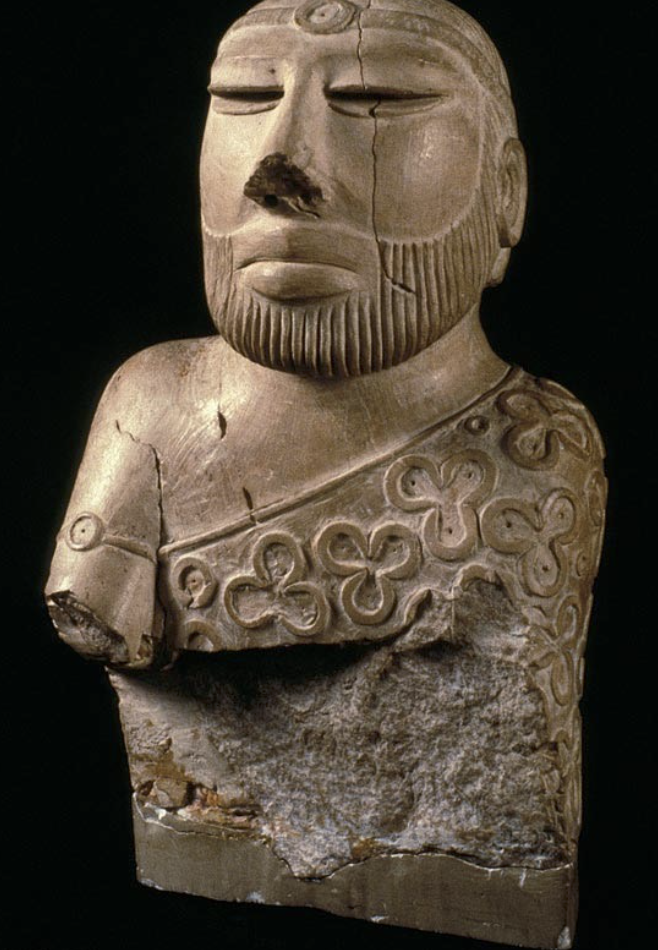
Indus Portrait of “Priest King”
c. 1950 BCE
Mohenjo-daro, Pakistan
Steatite
National Museum, Karachi
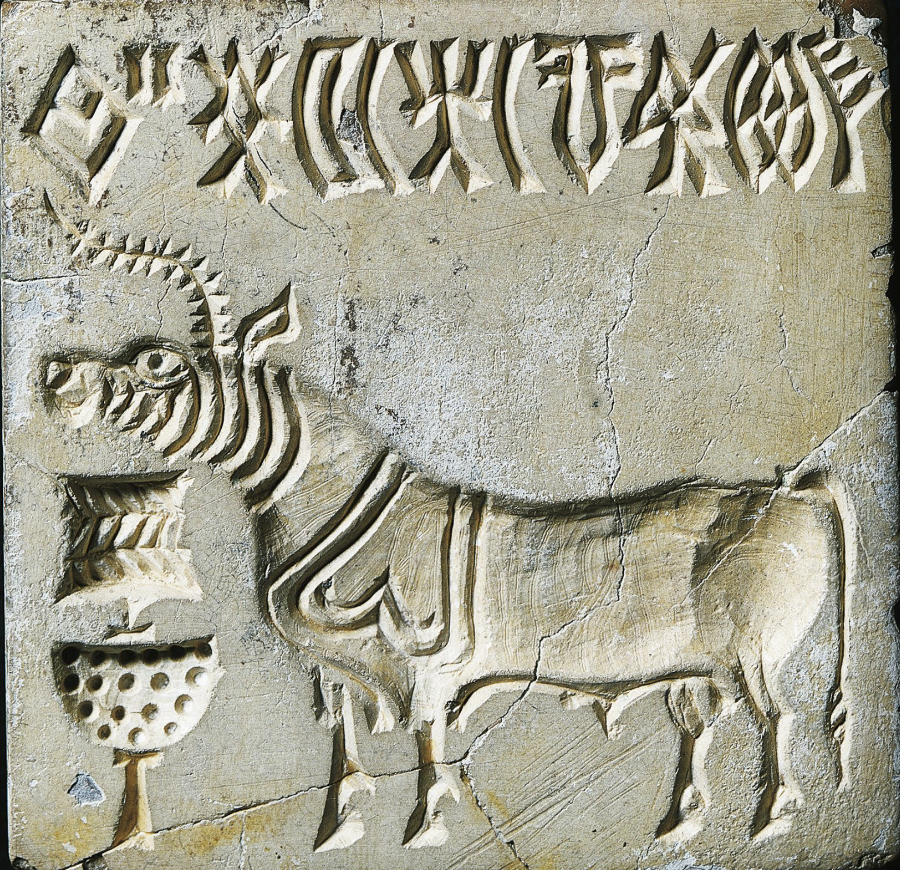
Indus Valley Script
Undeciphered
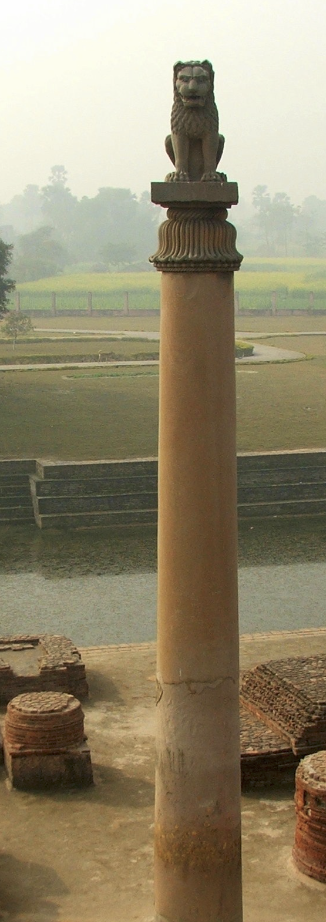
Ashoka the Great
Pillars of Ashoka
The Edicts of Ashoka
Dhamma (piety), ethics, and Buddhist ideology
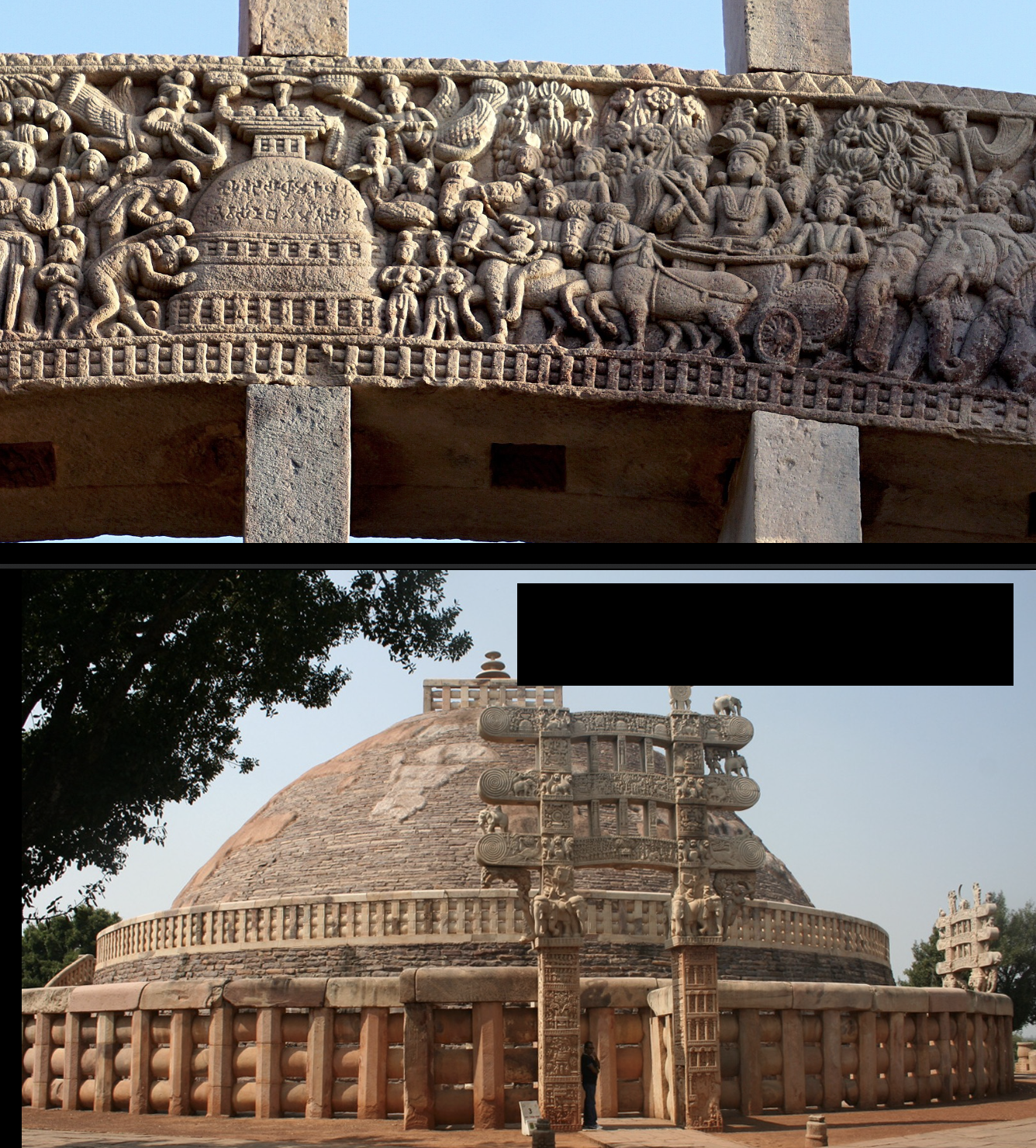
The Great Stupa at Madhya Pradesh
3rd century BCE
Buddha’s ashes housed within a stupa
the crossing of the mythical four great roads (four directions of space)
“hub of the wheel”
the place of Enlightenment
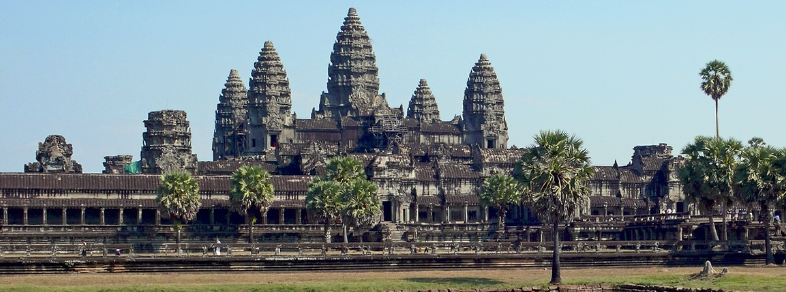
Angkor Wat
Cambodia, Khmer Empire
ca. 1150 CE
King Suryavarman I
largest religious complex in the world
“largest settlement complex in the Pre-Industrial World”
represents the five-peaked Mount Meru
Cosmic plan
Mountains and four-sided cosmos
Egypt
Mesoamerica
Stupas
Chinese directional cosmology and colors
Navajo directional cosmology
Aztec calendar and Lakota directional cosmology
Calendar stone and Da Vinci’s Vitruvian Man as visions of The Cosmic Model ca 1500
Stone henge
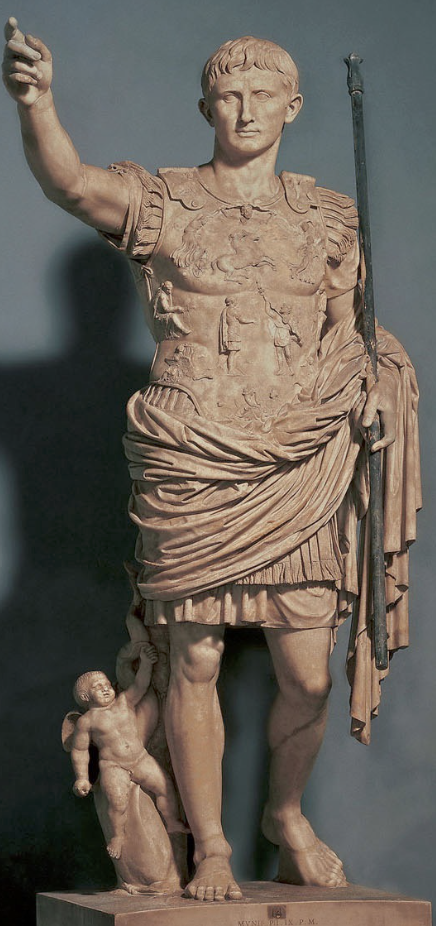
Augustus of Primaporta
1st century CE
imperial rome
Bronze original?
accession in 27 CE
compare to Doryphoros (Greek statue) → Contrapposto
detailed breastplate: Parthian ruler on left and Roman general on right
restitution of Roman standards
Cupid riding a dolphin at bottom of statue, descent from Venus and the gods (divine symbolism/legitimacy)
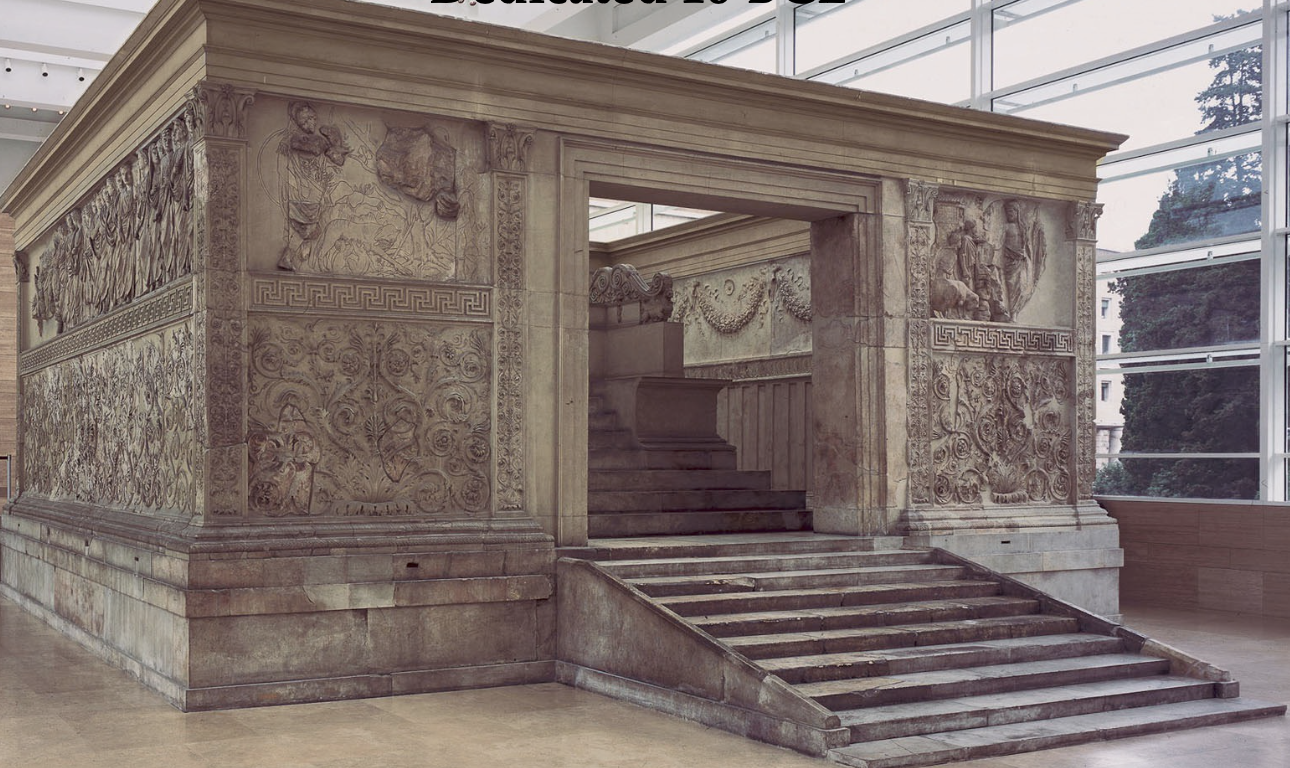
Ara Pacis Augustae “Altar of Augustan Peace”
dedicated 10 BCE
imperial rome
Representation of a new political order
dedication 29 April 9 BCE coincides with 93rd iteration of Venus appearing as Morning Star at founding of Rome on 29 April 753 BCE
temporal symmetry
aligned with Obelisk of Pharaoh Psametik II
re-foundation of Rome
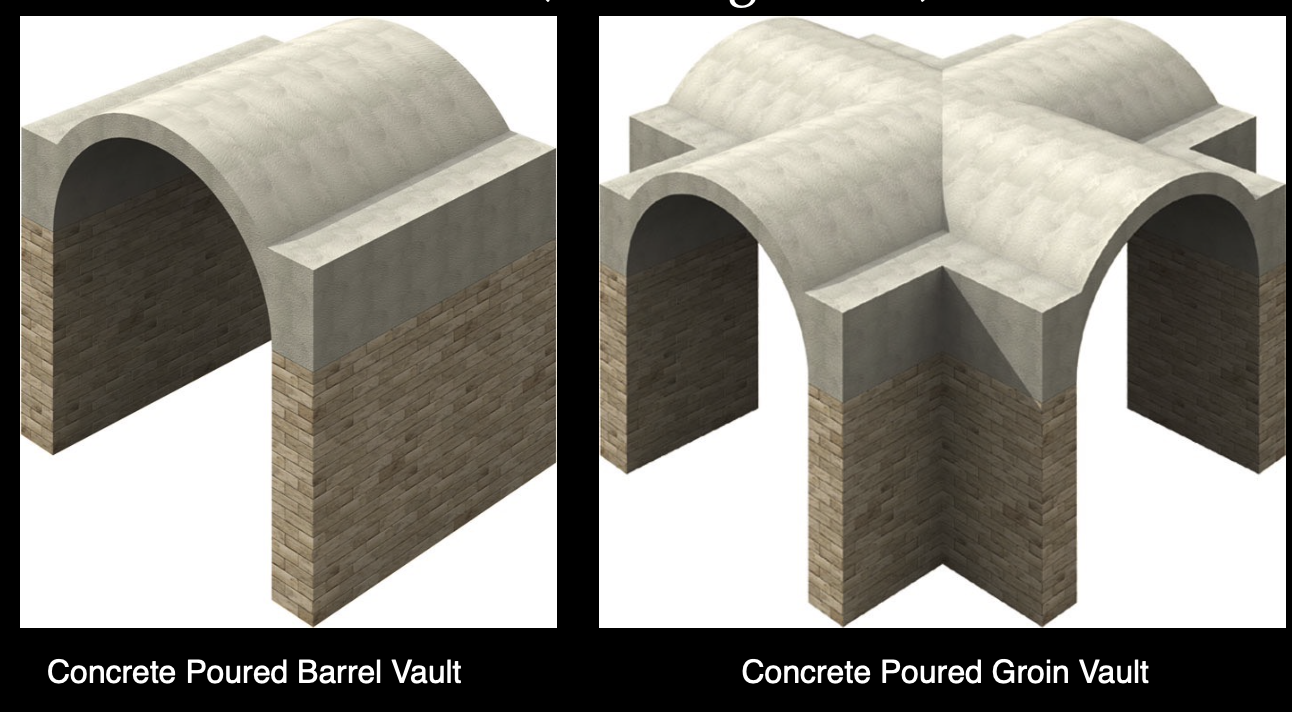
Barrel Vaults, Groin Vaults
Major Roman technological innovations
Concrete
Arches (enabling vaults)
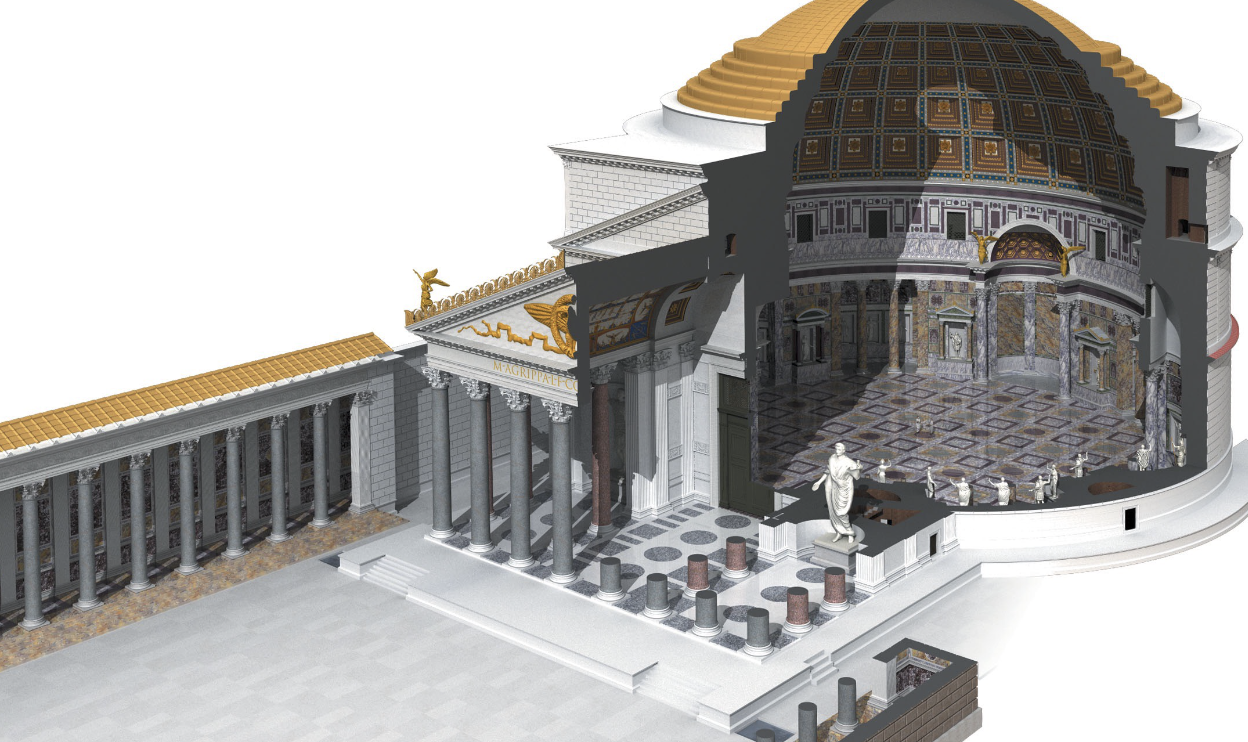
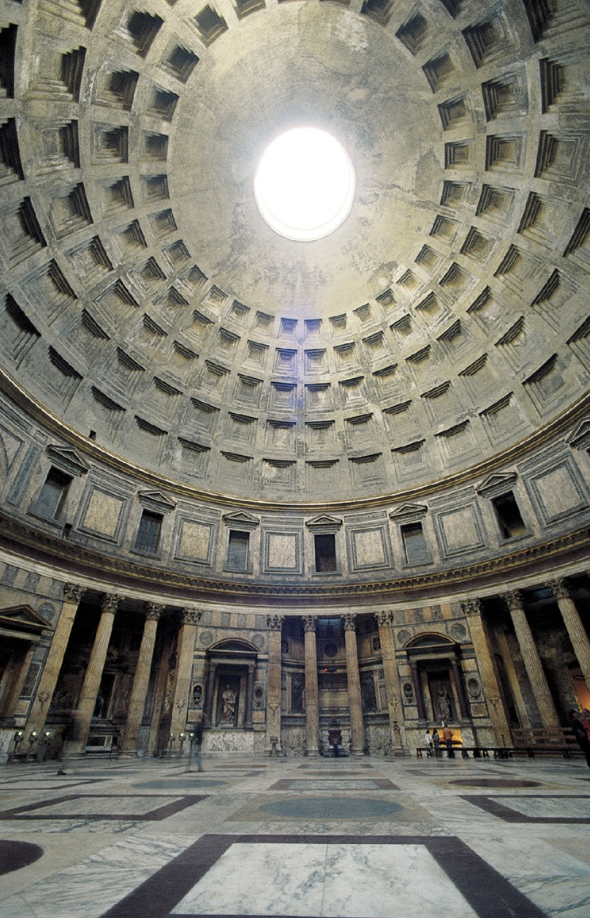
Pantheon
Imperial Rome
ca. 118 – 125 CE
Oculus & Coffered Ceiling: 142 ft high, lets sunlight in at zenith/apex
play with light on surfaces/textures
Spherical shape of chamber
hemispheres
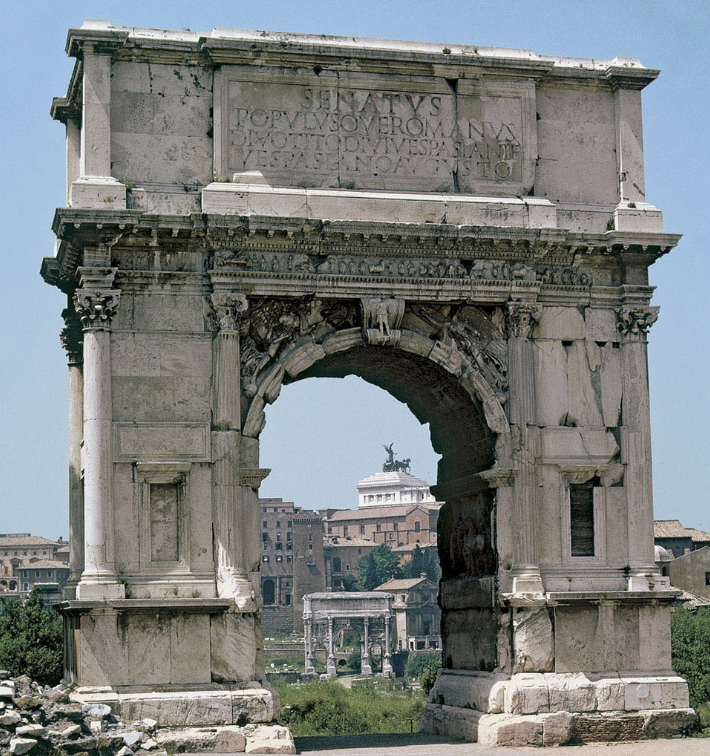
Arch of Titus
Rome
Flavian Dynasty
ca. 82 CE (restored 1821)
The Senate and the Roman people (dedicate this) to the deified Titus Vespasian Augustus, son of the deified Vespasian
Apotheosis of Titus
Arch = Arc of Heaven
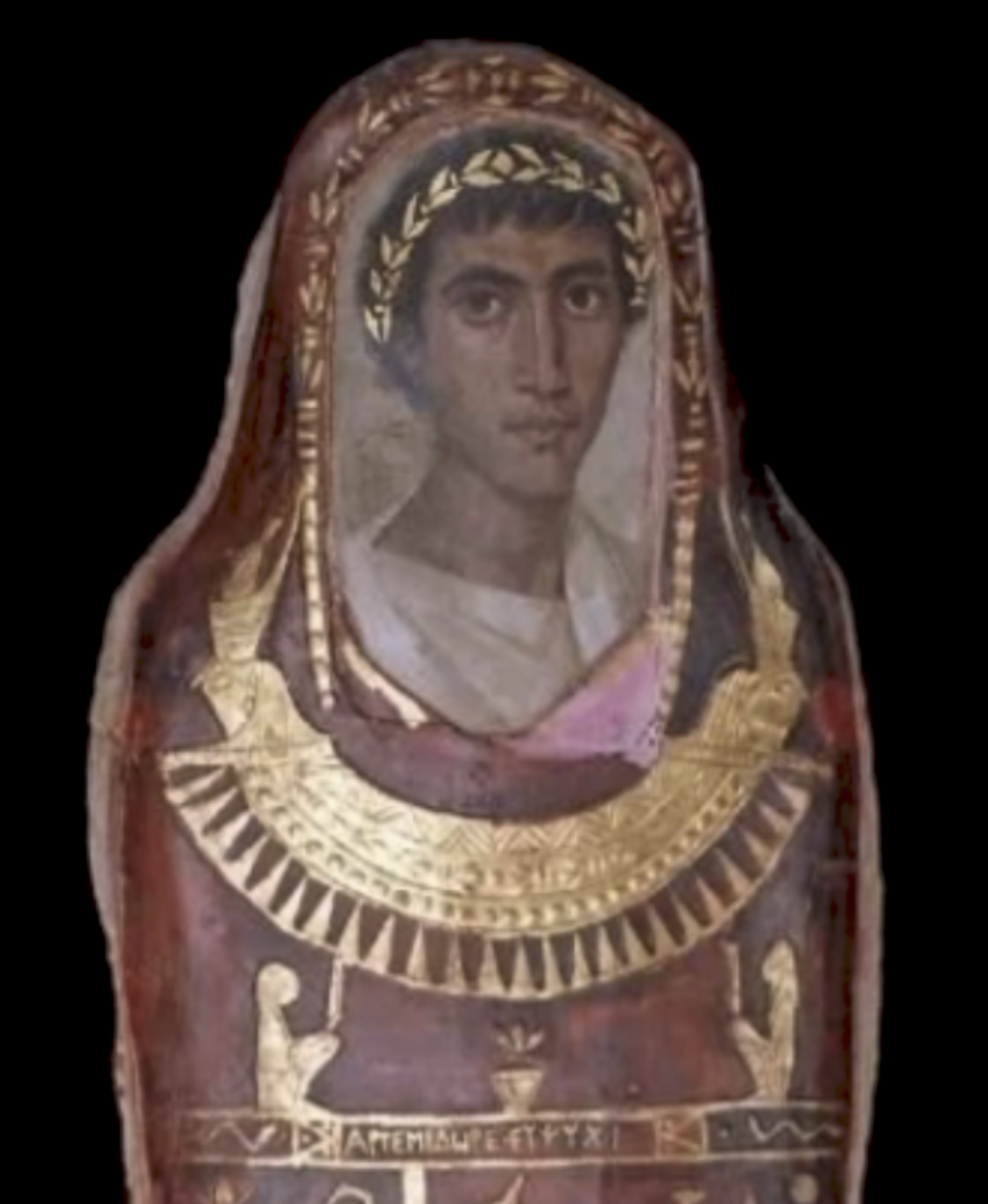
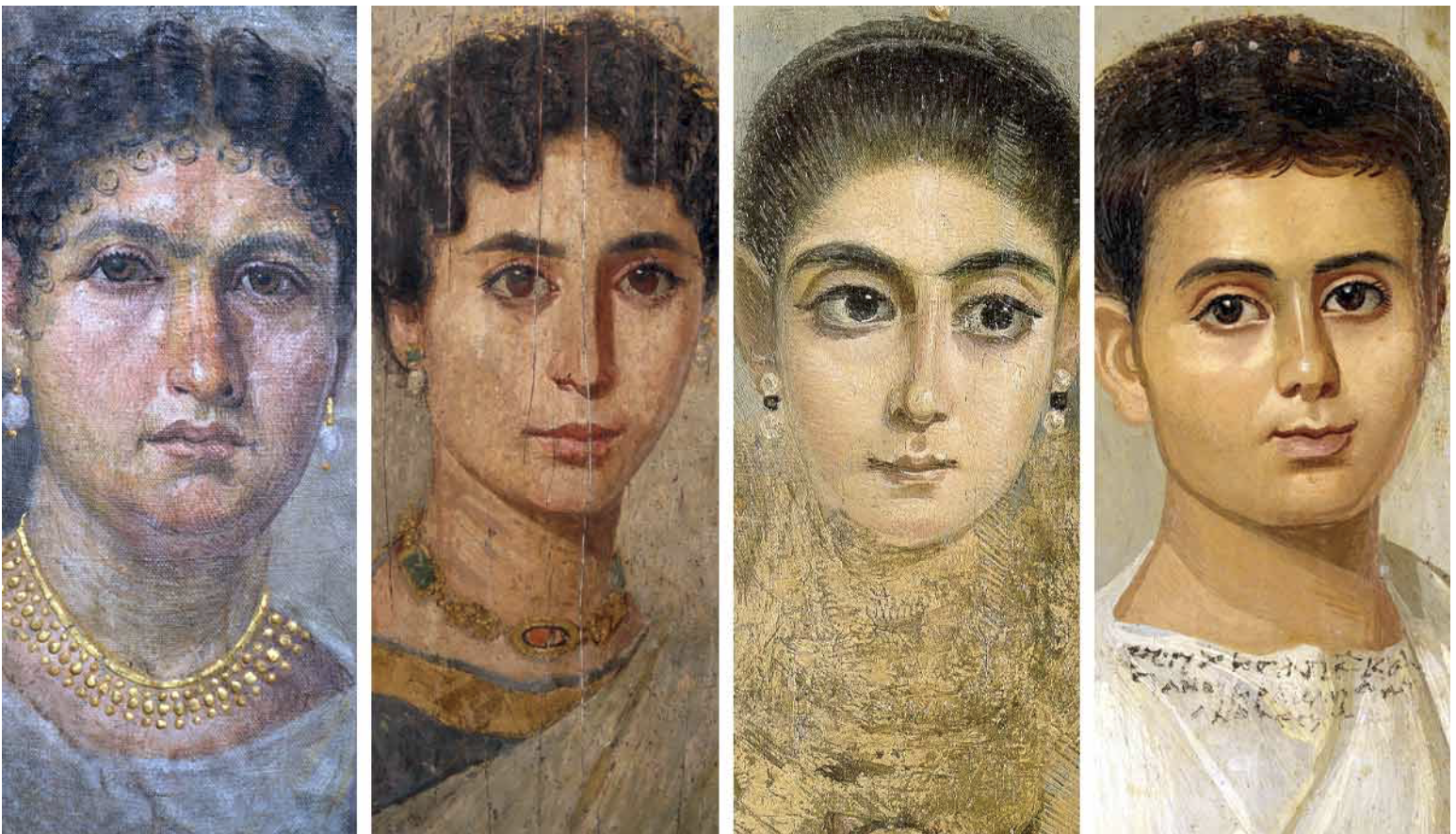
Fayum Mummy Portraits
Roman Egypt
1st–4th centuries CE
Realistic, depicts person's actual features
Feels not ancient! Almost feels like 1800s style
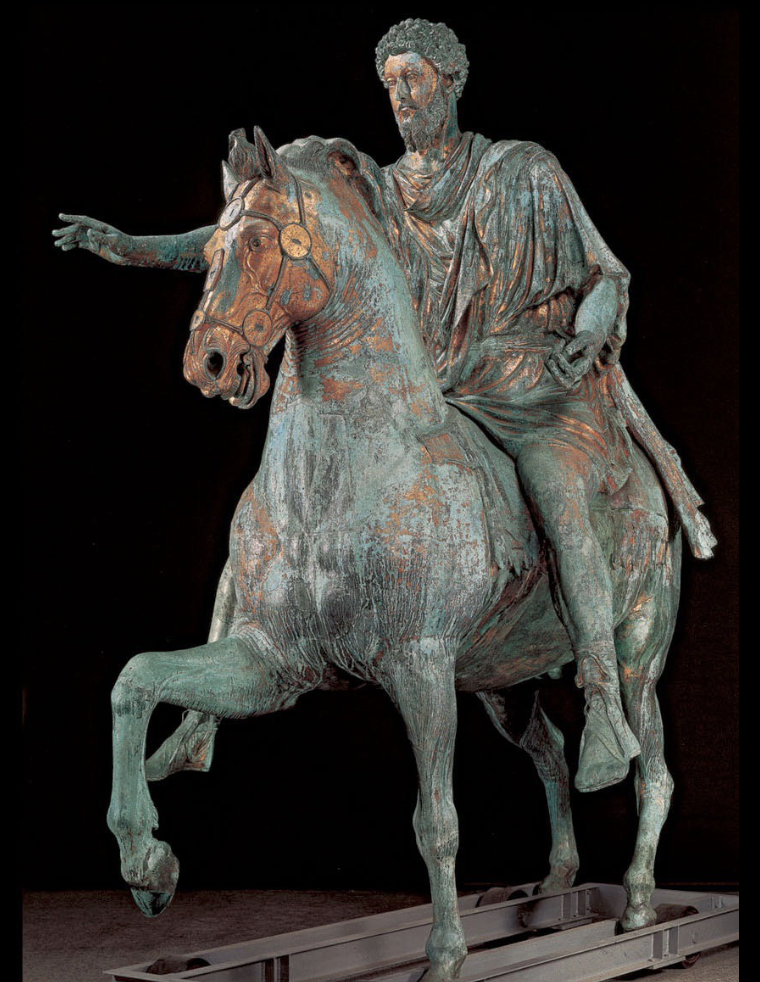
Equestrian Statue of Marcus Aurelius
Bronze, originally gilded
ca. 176 CE
Imperial Rome
Originally misattributed to be Constantine
Displays Roman Power
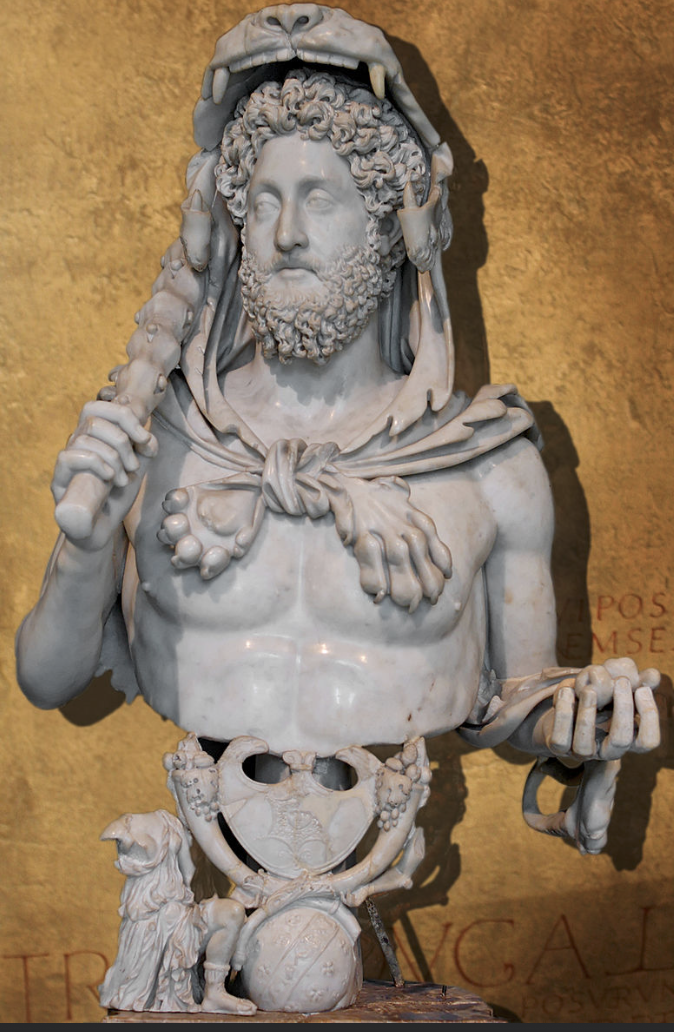
Commodus as Hercules
192 CE
Imperial Rome
Unlike marcus aurelius, this is Commodus commissioning a portrait of himself as Hercules
Deifying himself as a god
Idealized view of an emperor
Displays Roman Power
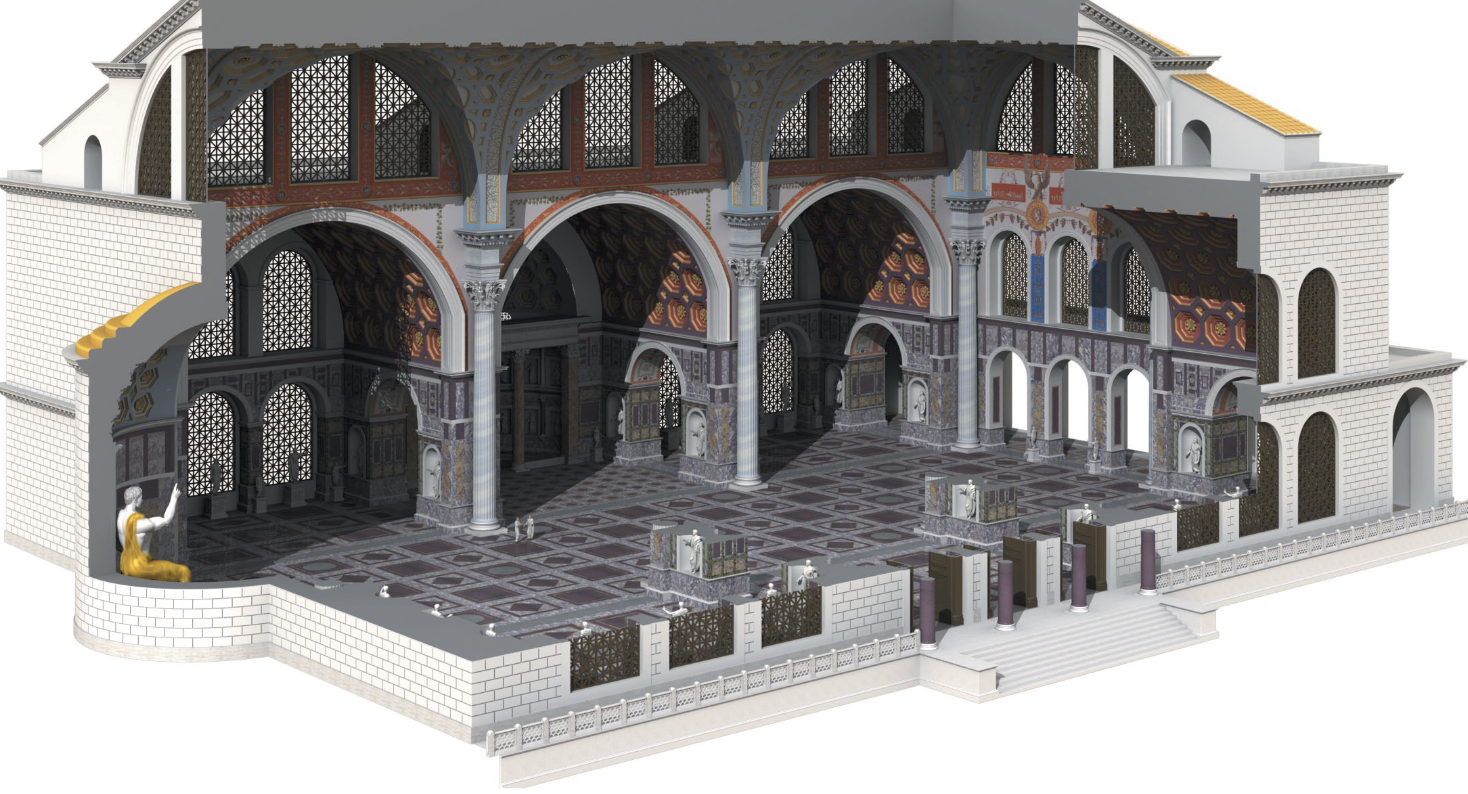
Basilica
from Palace to Church
Basilica = “royal hall”
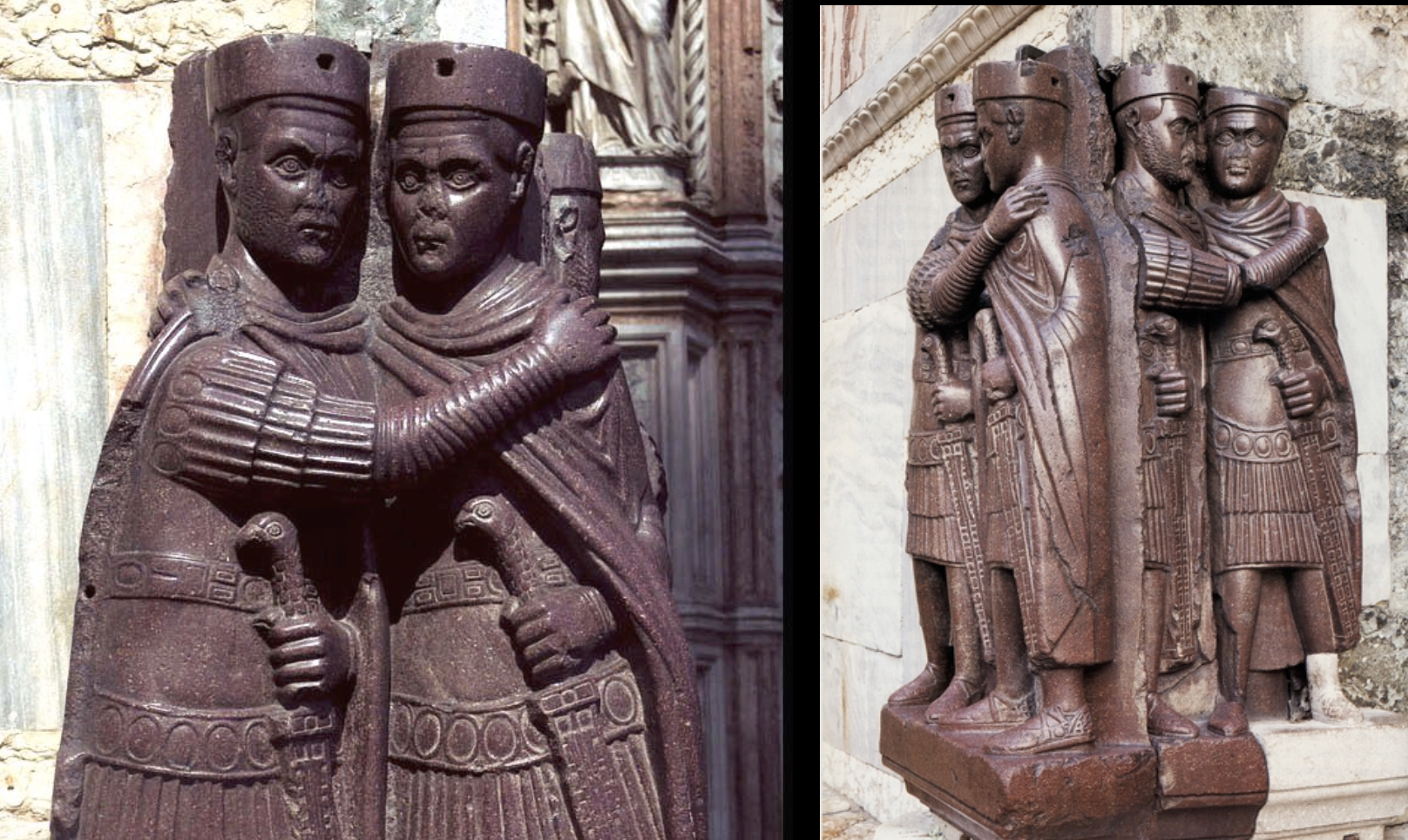
The Tetrarchs
ca. 300 CE
Imperial Rome
Carved from porphyry, quarried in Egypt
Eastern inspired? Eyes are not naturalistic, kind of unusual and cookie cutter
Increase in abstraction of portraiture
Papyrus
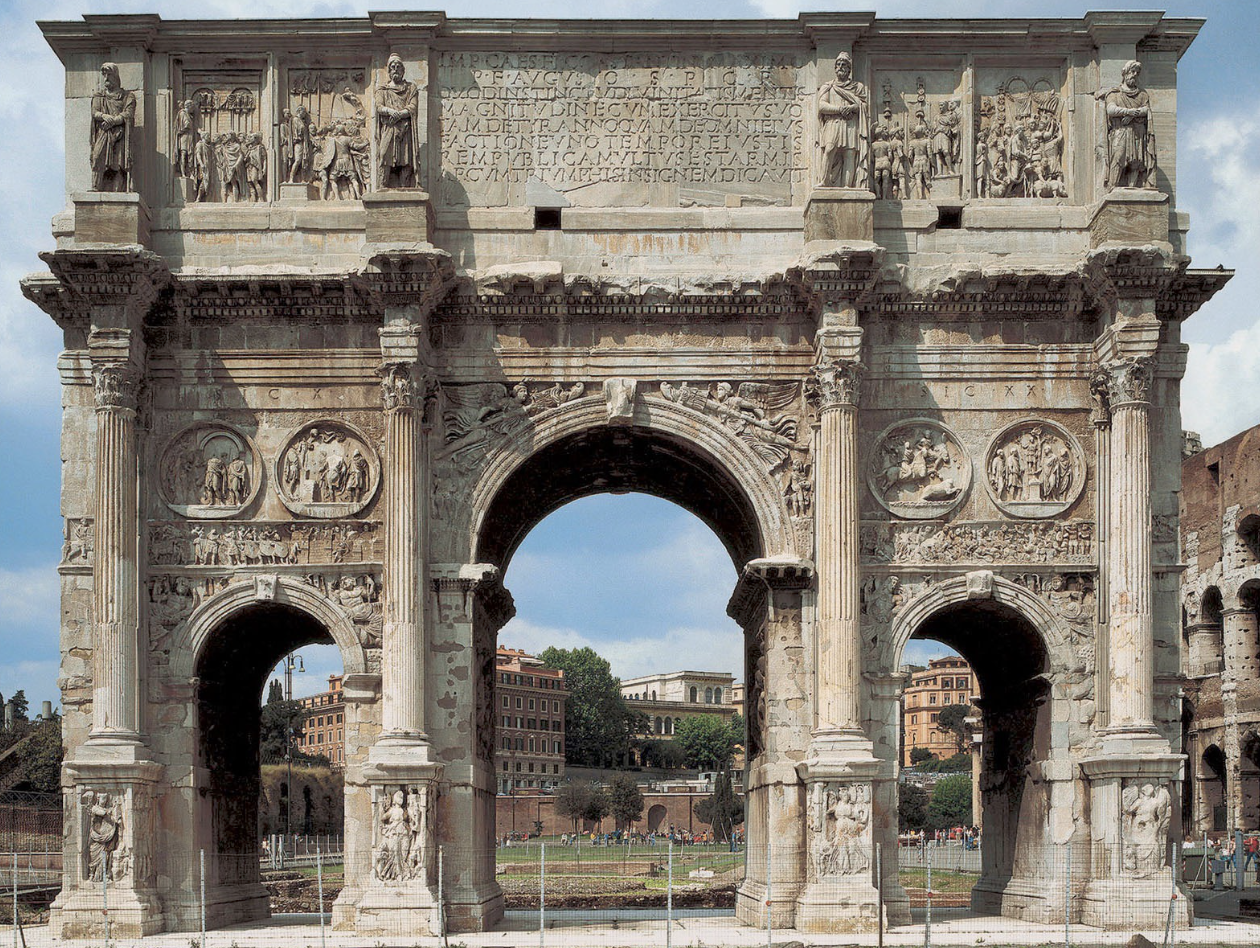
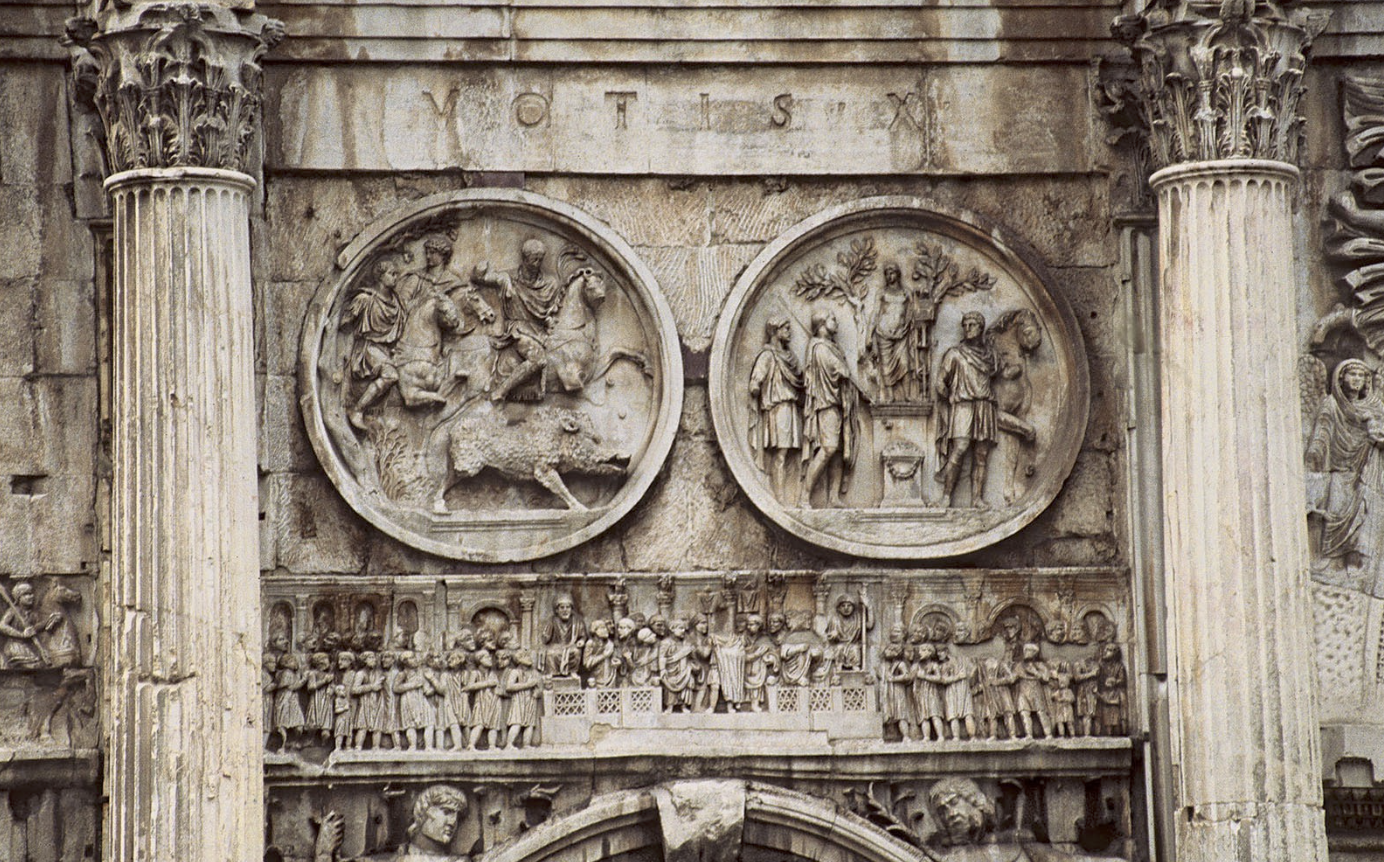
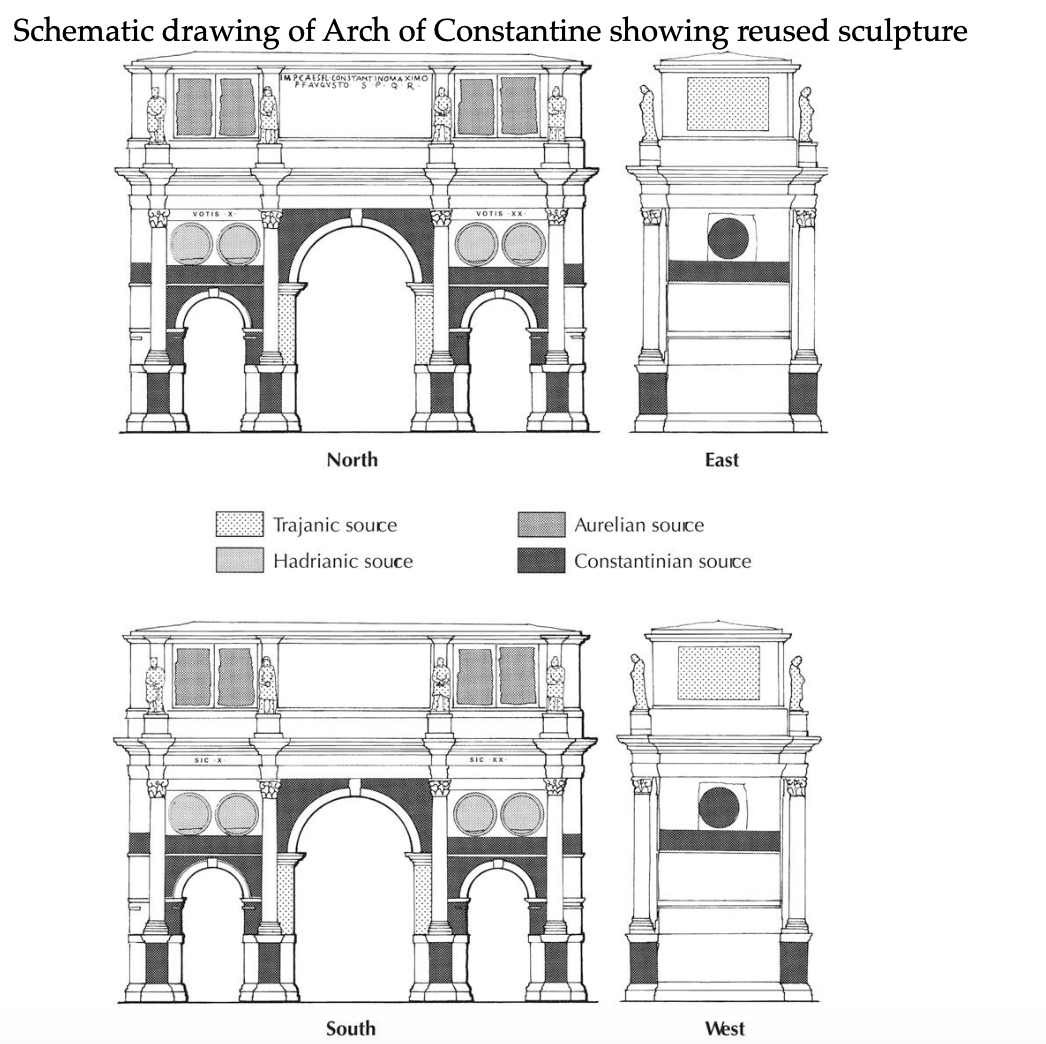
Arch of Constatine
Rome
312 — 315 CE
Tondi — c. 130 — 138 CE
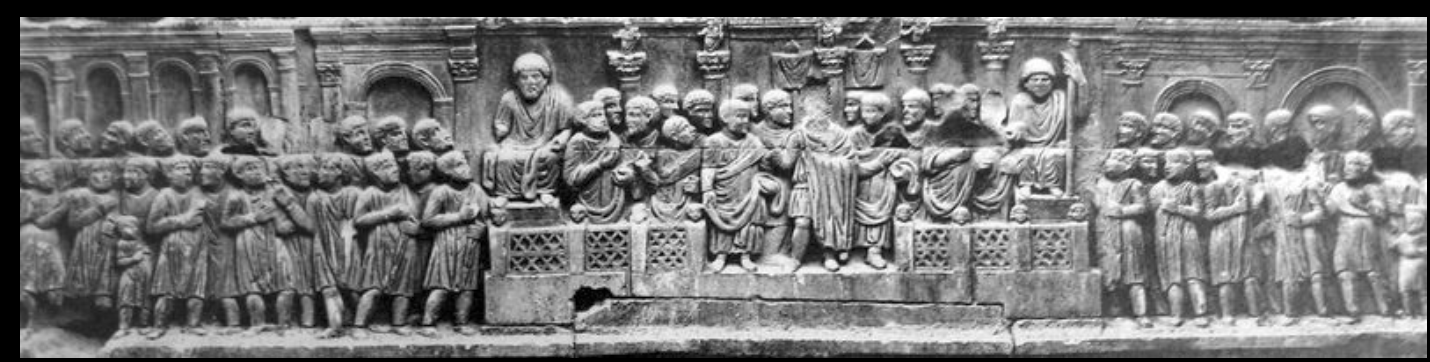
Frieze — 312 — 315 CE
Constantine addressing the Roman people, Arch of Constantine, Rome, 315 CE
similar to Spoils from the Temple of Jerusalem frieze from Arch of Titus
reused sculpture
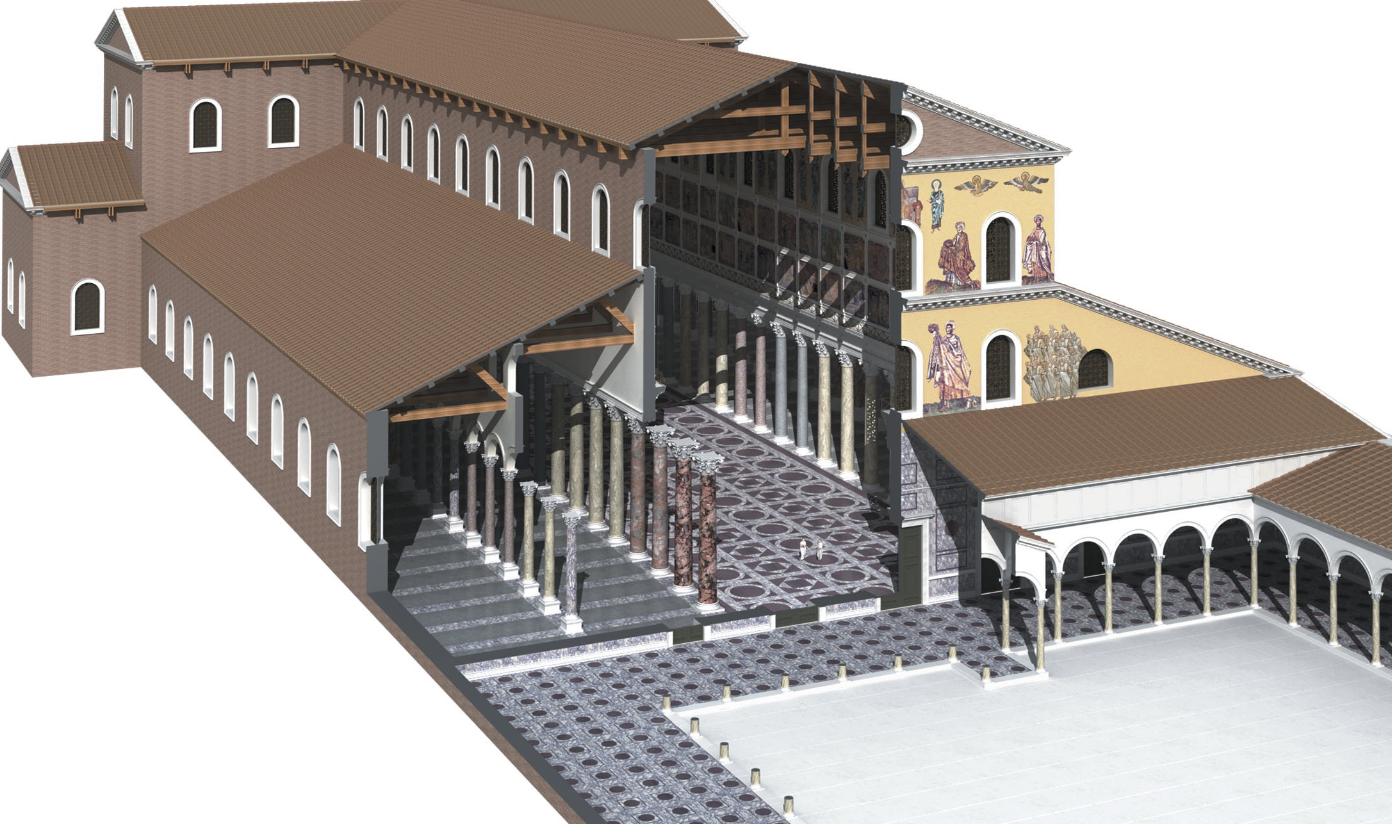
St. Peter’s Basilica
Constantine (Byzantine)
modern-day Vatican City
320 - 327 CE
longitudinal plan aligned with East-West line of Sun
sacred architecture reflects sacred astronomy
Eastward orientation: points directly to Constantinople (1º off)
Built on tomb of St. Peter (martyred)
Hypostyle hall influence (Egyptian)
Karnak resemblance (Egypt) with alignment with Sun
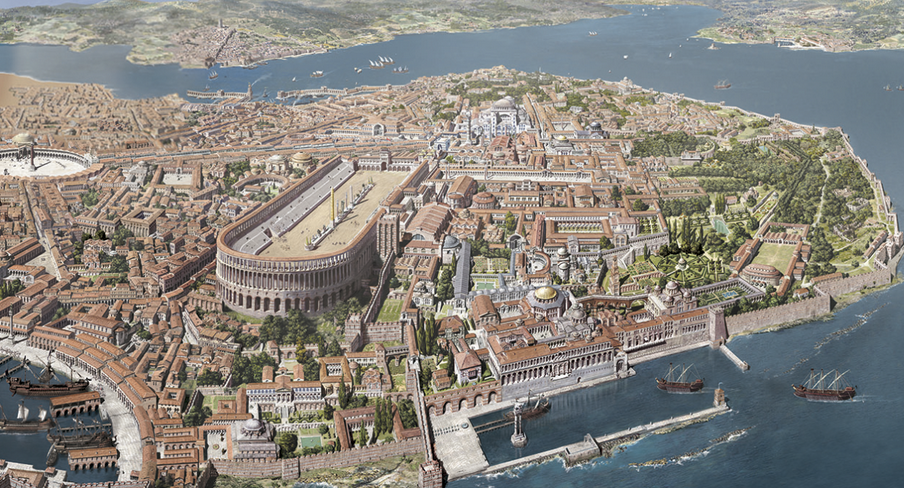
Constantinople and Byzantium, 330 CE
founding of “Nova Roma” or Constantinople at Byzantium
Division of Roman Empire into East and West
The Eastern Roman Empire (Byzantine Empire)
Eastward orientation, influences
Greek language and culture
Eastern tradition of Christianity (Greek Orthodox)
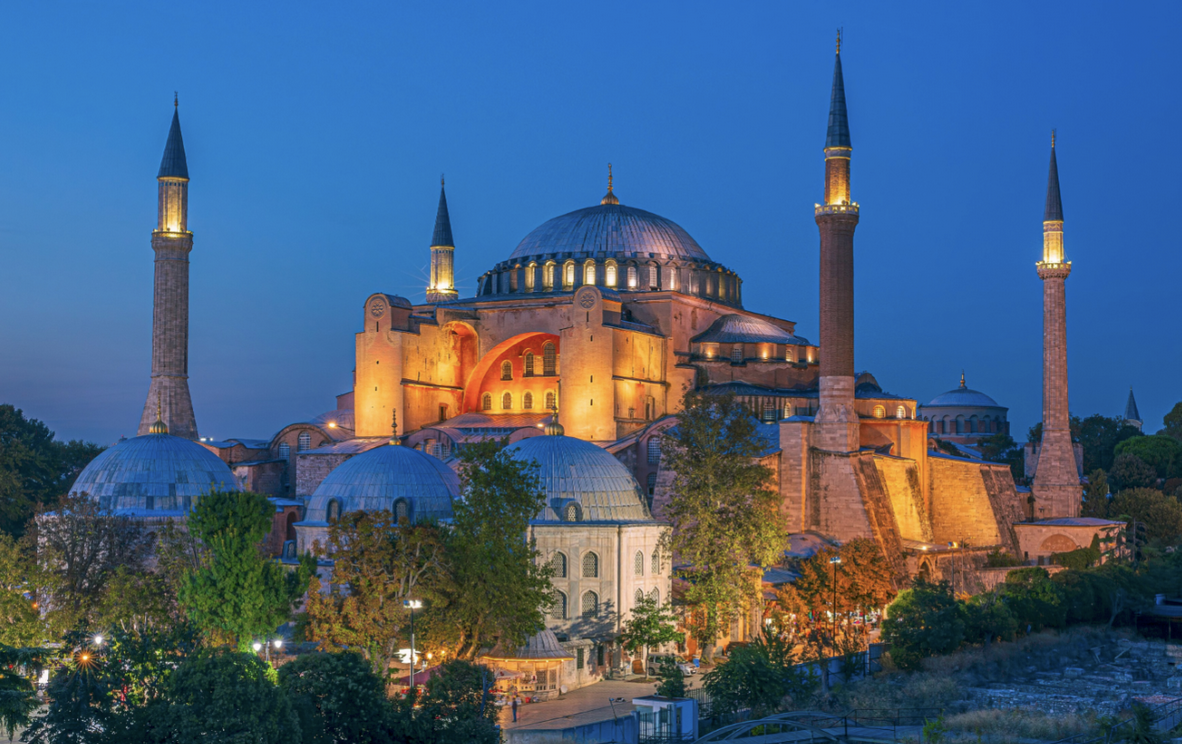
Hagia Sophia
Istanbul (Constantinople)
532 CE
mimics other buildings
symmetrical architecture → similar to Taj Mahal and Angkor Wat
symmetry of the world, cosmos, movement of the sun (in many cultures)
Light from dome resembles Pantheon (playing with surfaces)
Central and Longitudinal plans!
Center of dome = center of the universe (words from Qu’ran here, Christian figures elsewhere)
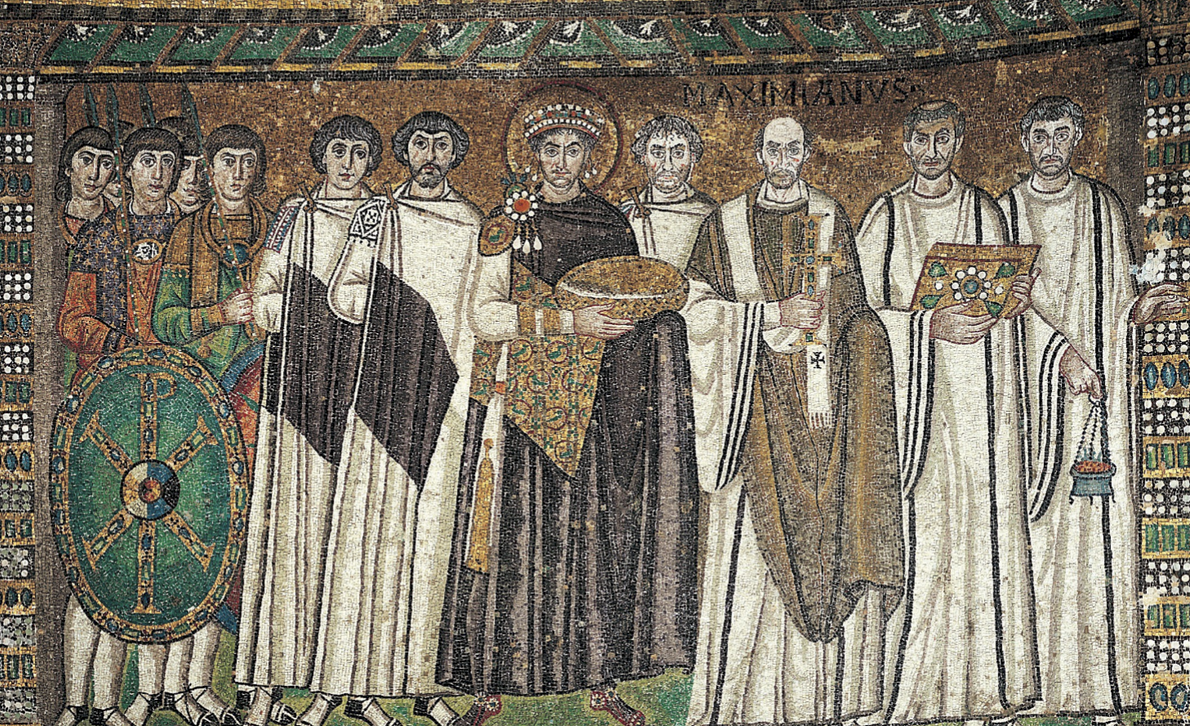
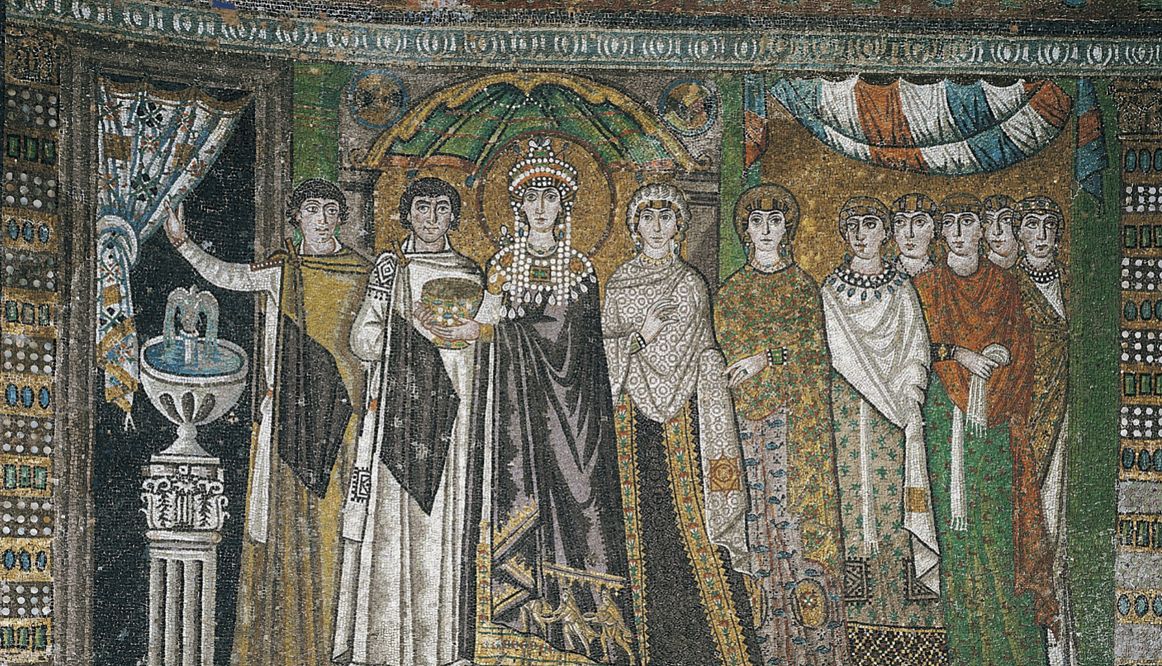
Justinian and Theodora
Emperor Justinian, Bishop Maximianus, and Attendants
San Vitale, Ravenna
526 — 547
reigned 527 — 565
power of icons
wanted to reclaim the Mediterranean/North Africa
Theodora and Attendants
San Vitale, Ravenna
526 — 547
power of icons
important leader alongside Justinian
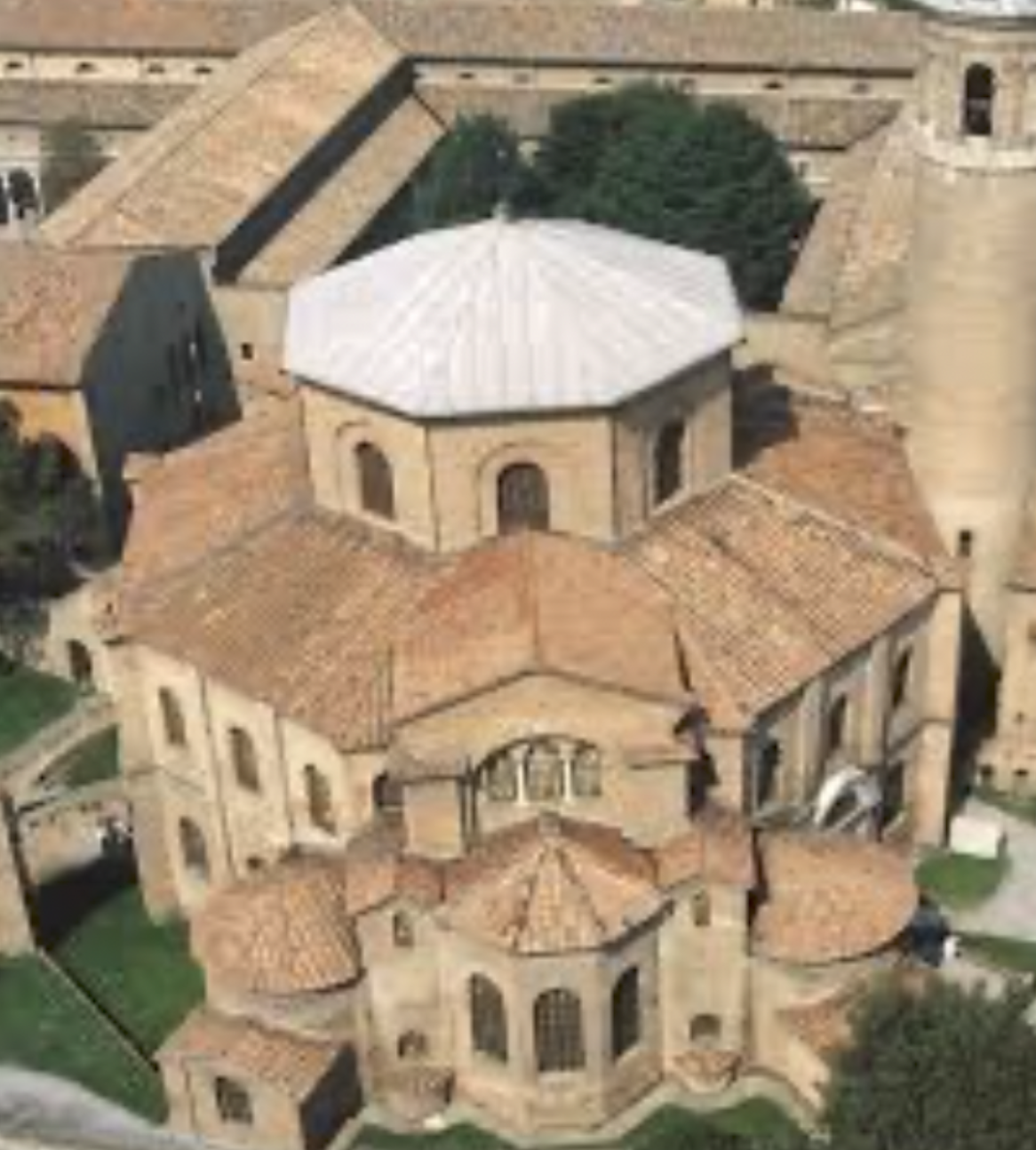
Church of San Vitale
Ravenna, Italy
526 — 547
Byzantine
central plan
most important church in Ravenna
has mosaics of Justinian I and Theodora
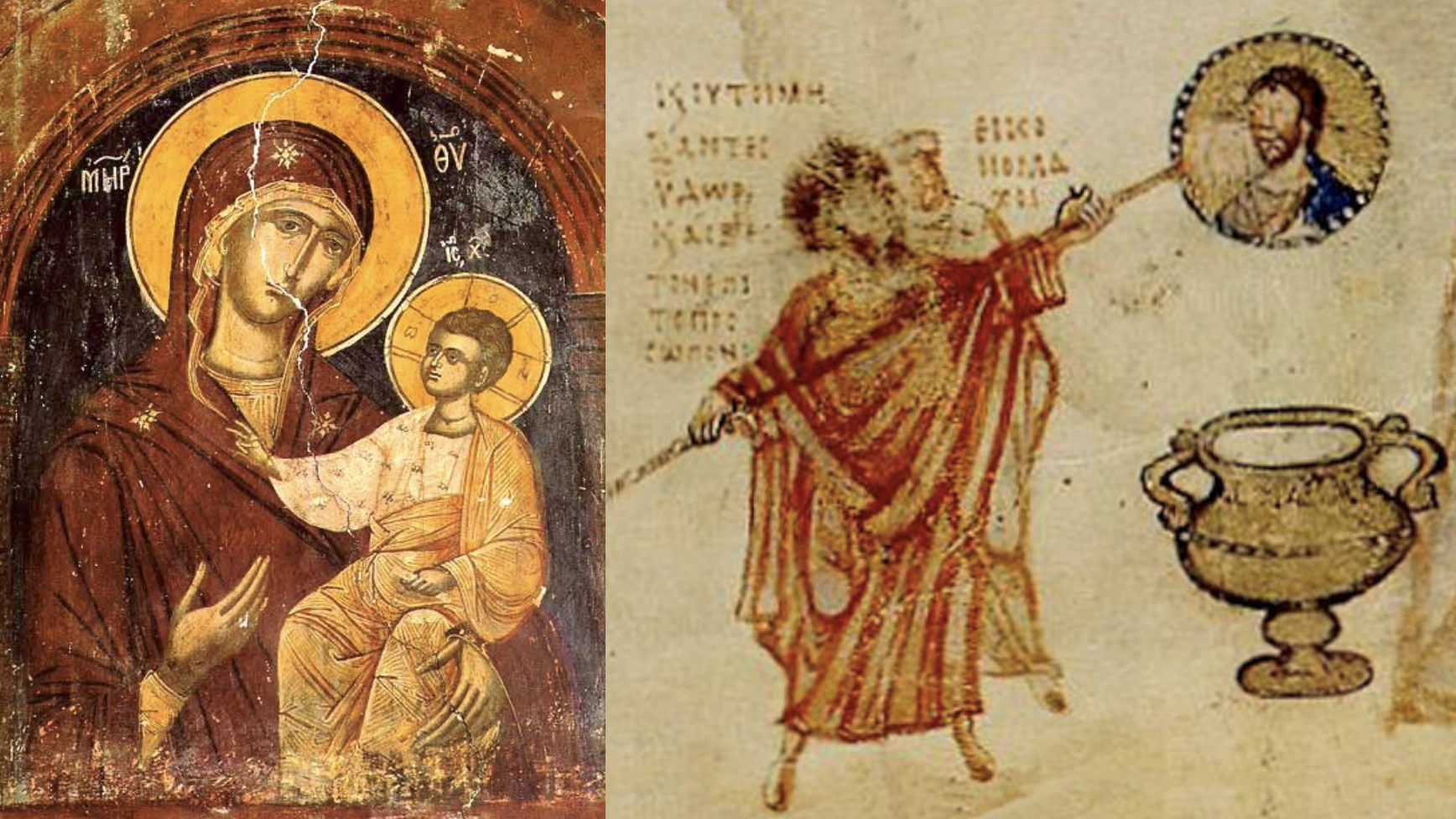
Icons and iconoclasm
Aniconism in Judaisim and Islam
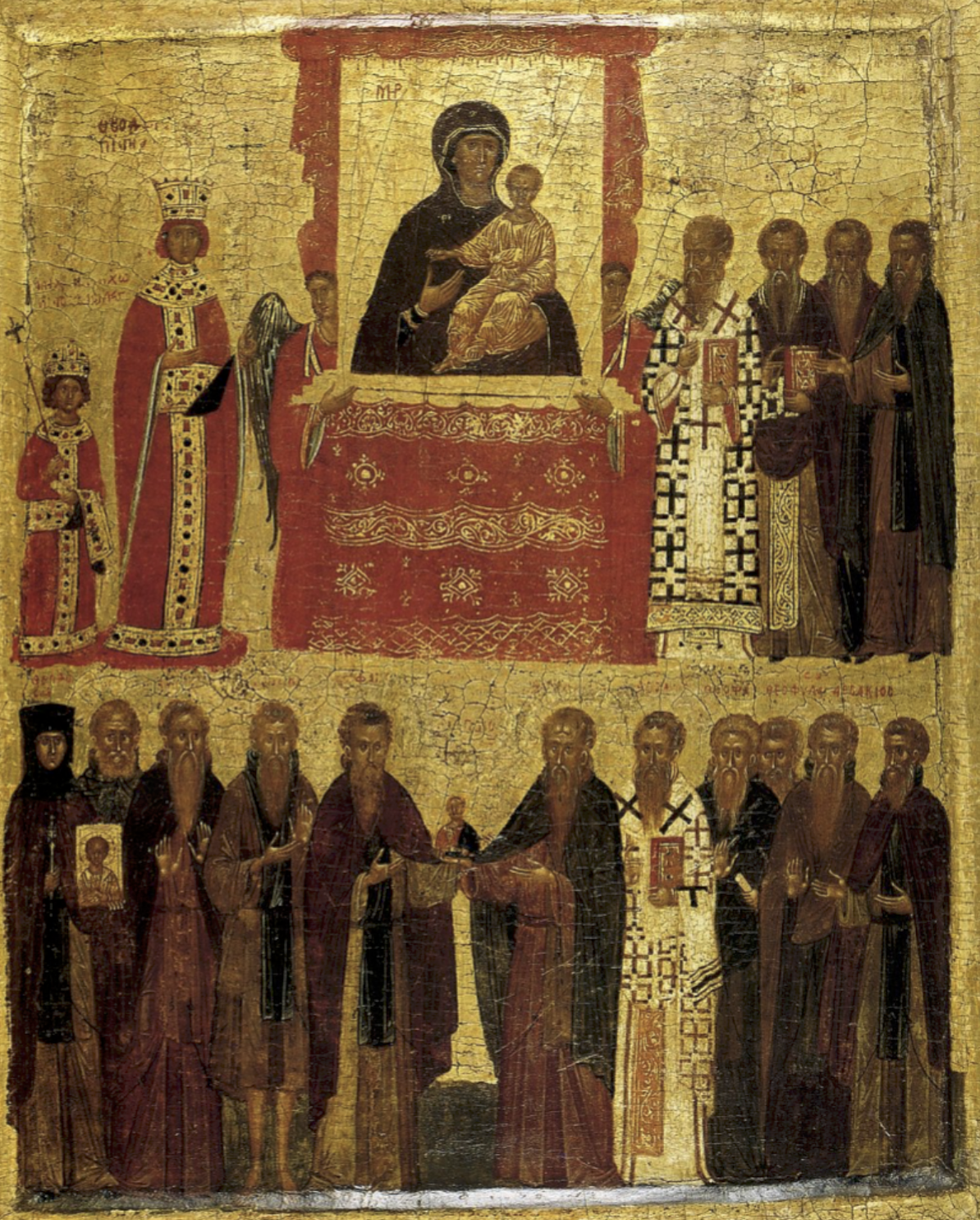
Triumph of Orthodoxy
843 CE
British Museum
worship icons of religion
previously, iconoclasm disallowed images of religious figures (8-9th centuries)
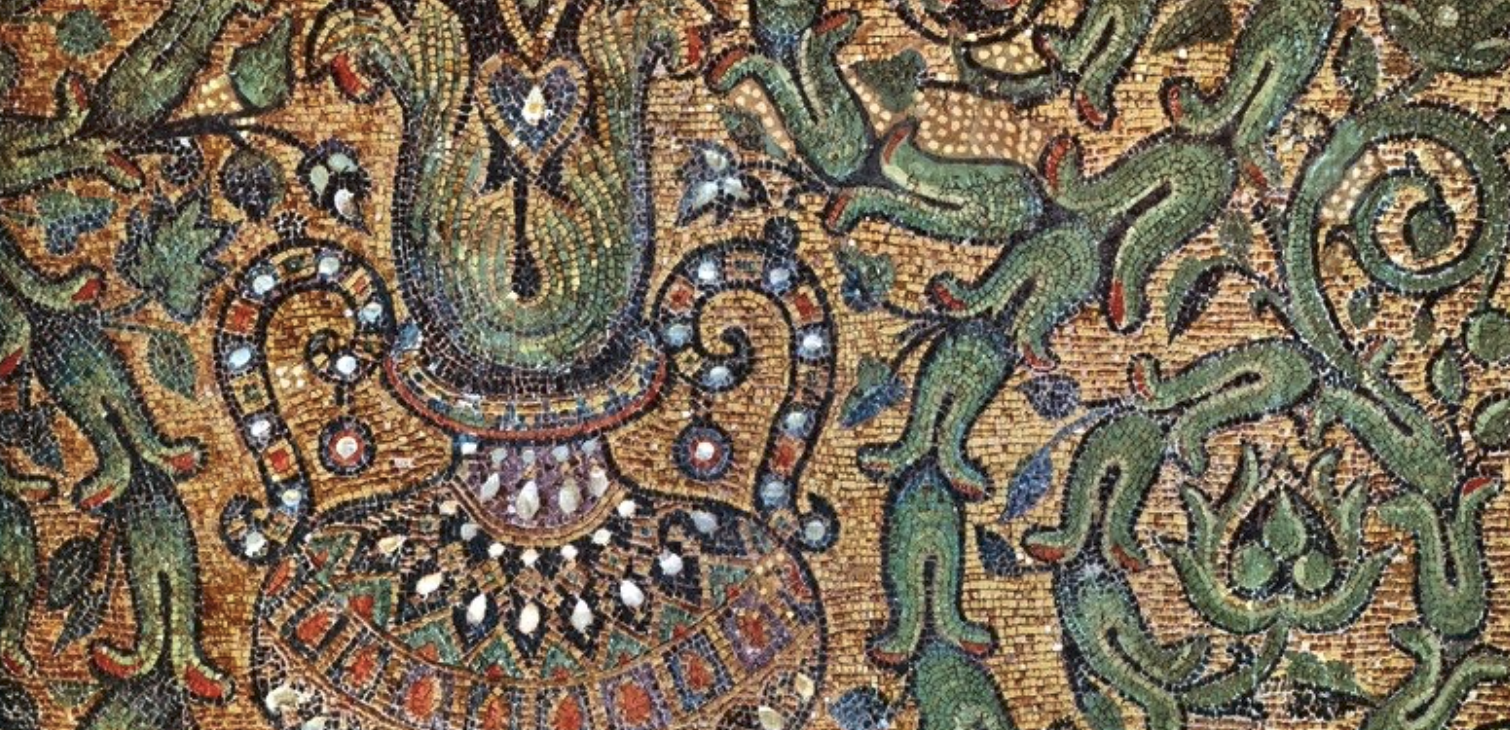
Scrolling vine motif, detail of mosaics
Dome of the Rock, Jerusalem
687-692
Arabesque — detailed design used in Islamic art (aniconistic) to decorate surfaces
Byzantine Influences: decoration (mosaics), plan, use of script
appropriation of ancient motifs and materials (c.f. Hagia Sophia)
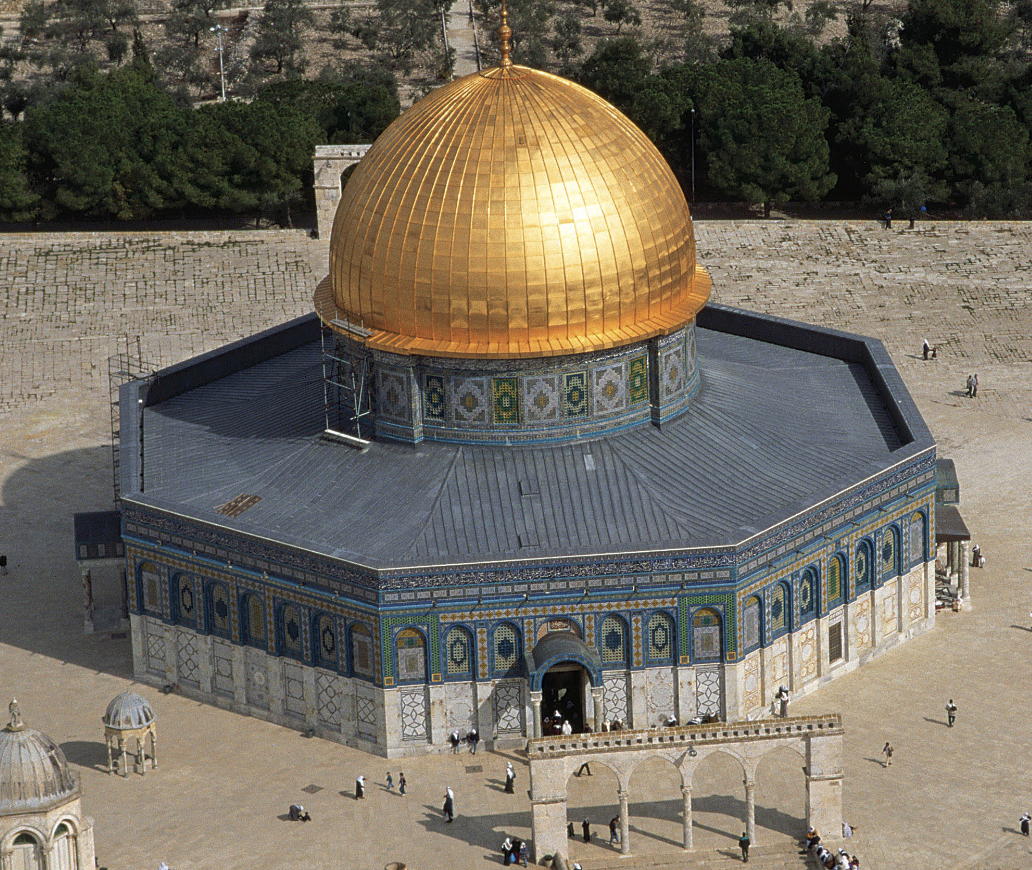
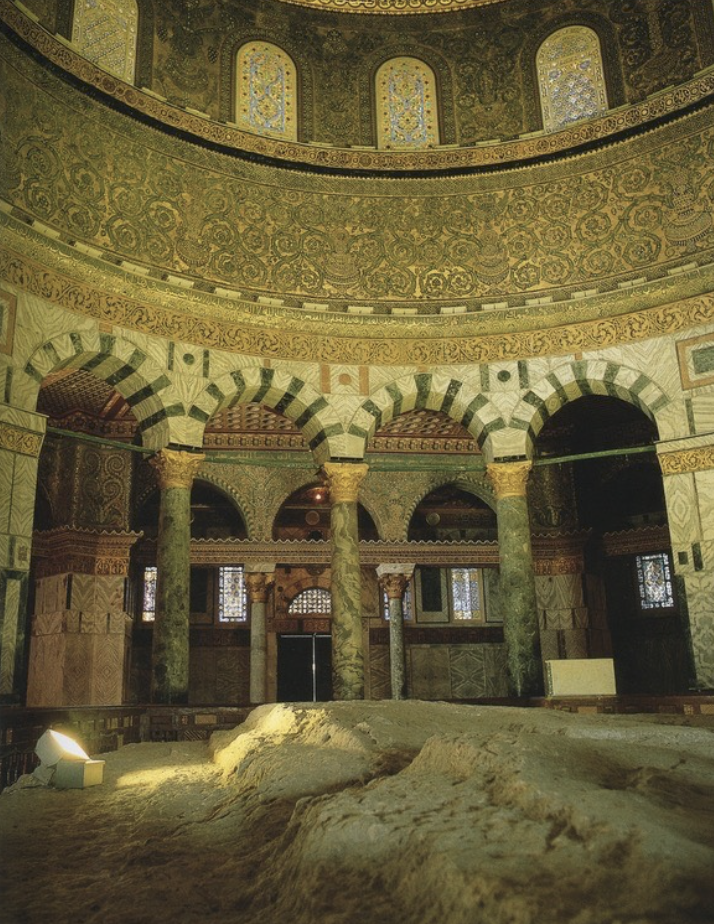
Dome of the Rock
Jerusalem
687 — 692
central plan — resembles Church of San Vitale
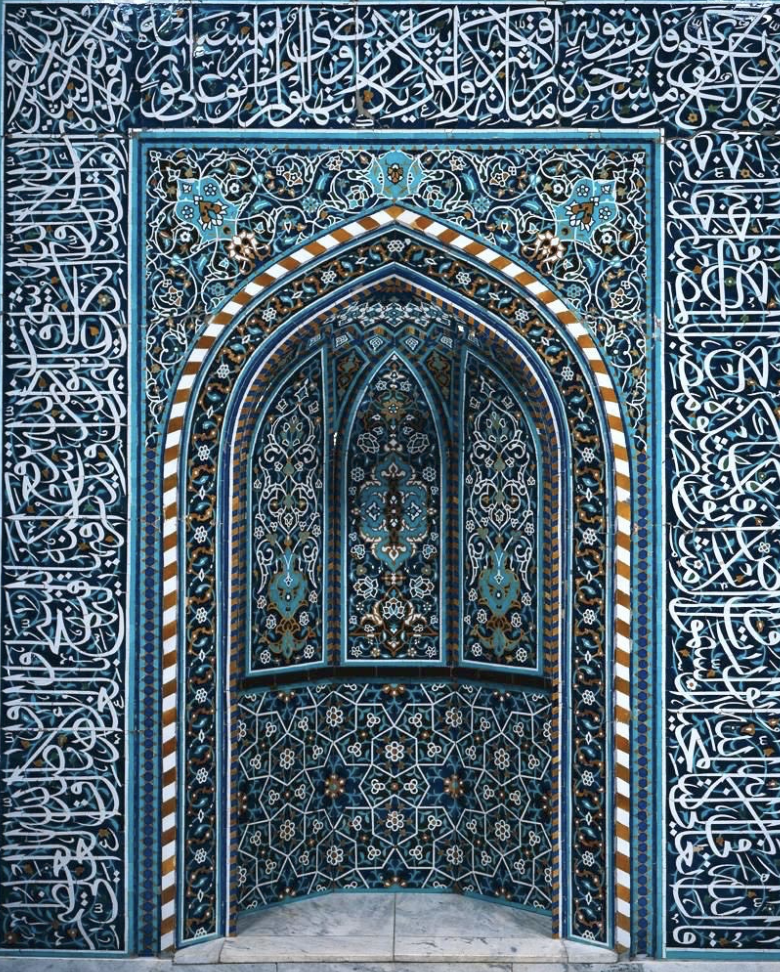
Mihrab from the Madrasa Imami,
Isfahan, Iran, ca. 1354
Ornament and Script
Mihrab - niche facing Mecca and the Kaaba (qibla) for prayer
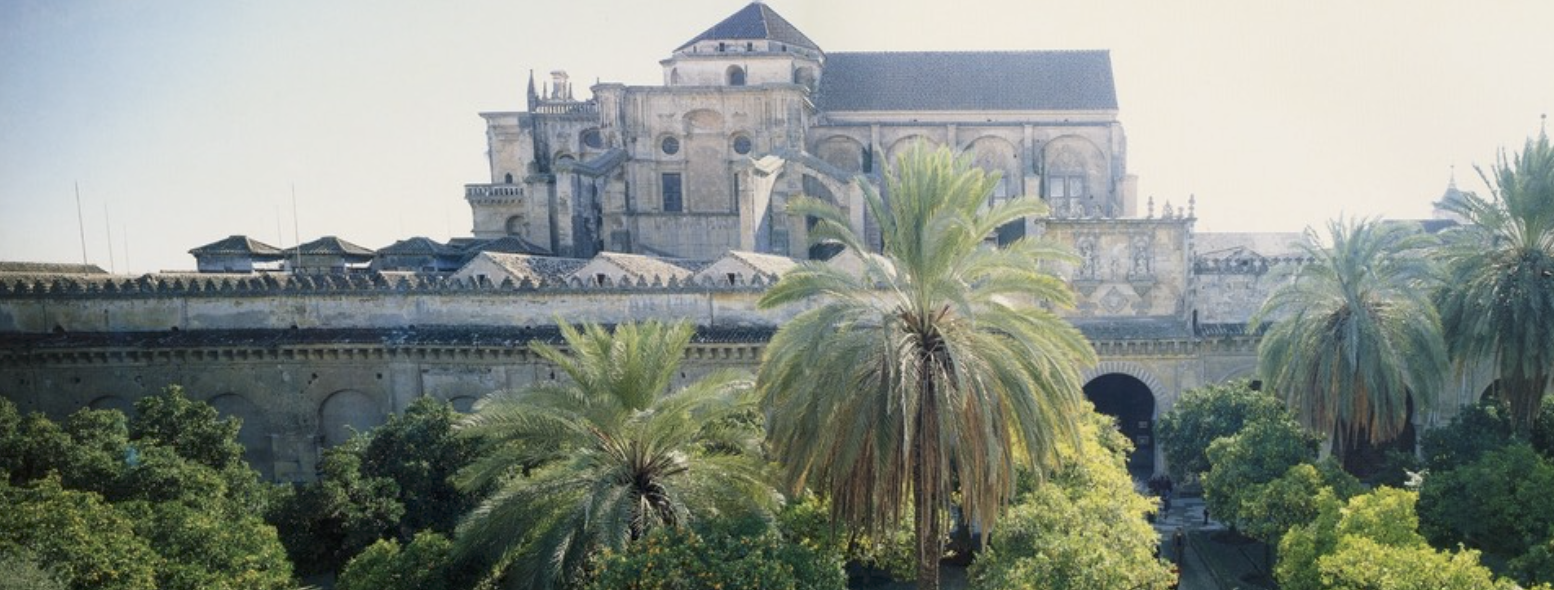
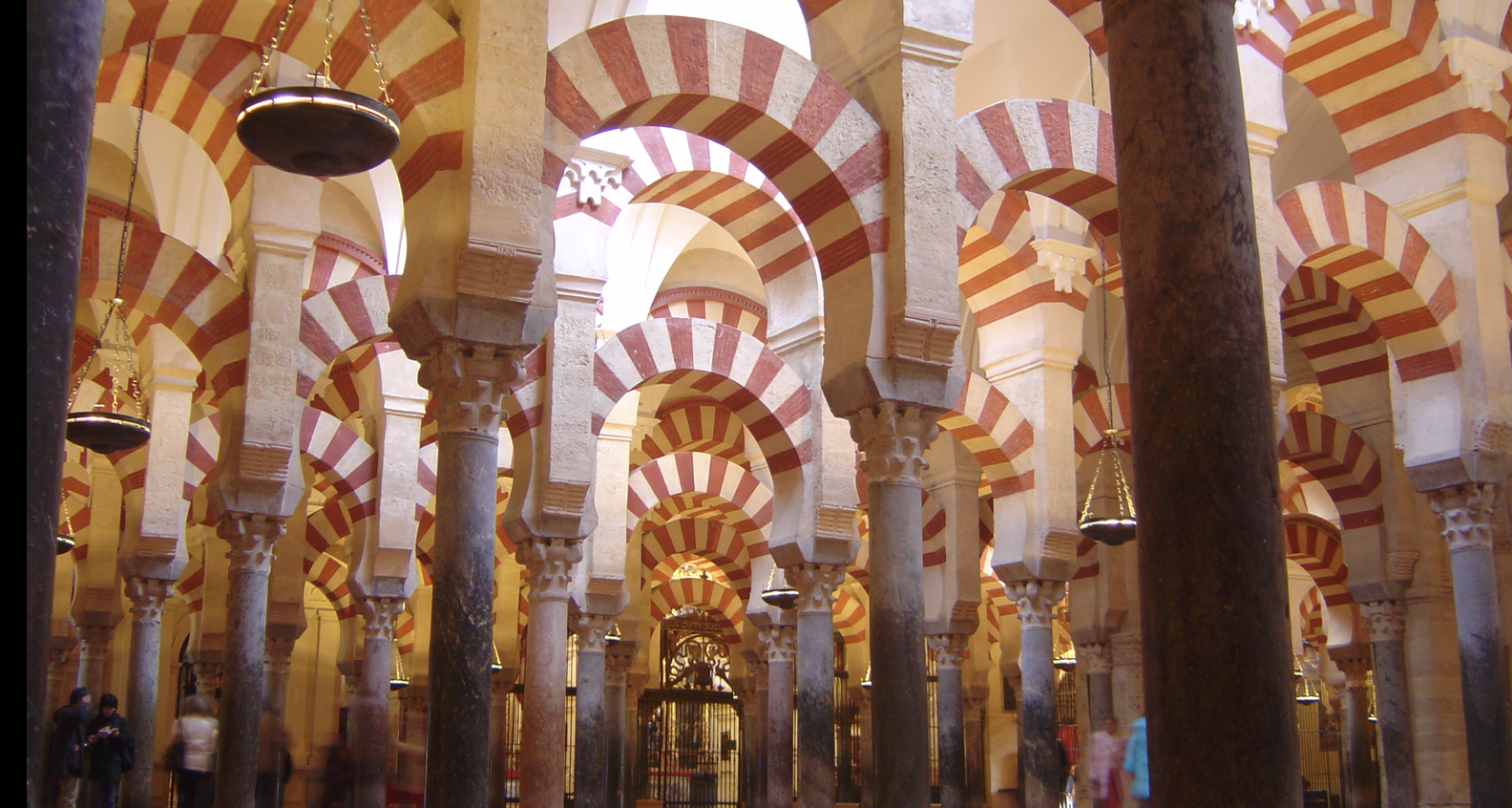
Great Mosque
Córdoba, Spain
8th — 10th centuries CE
has a mihrab
horseshoe arches
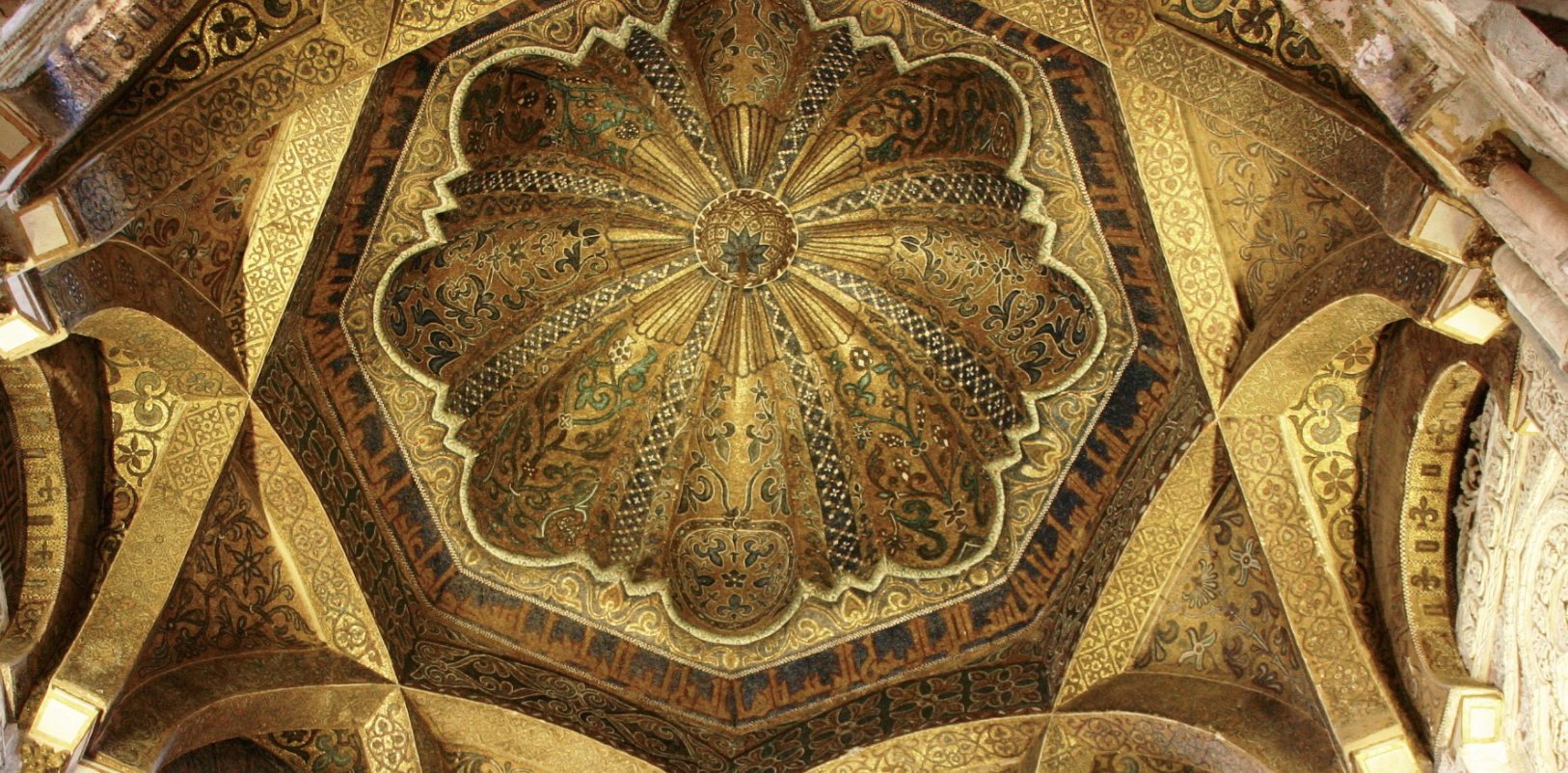
Dome of the Great Mosque
Córdoba, Spain, 961-965
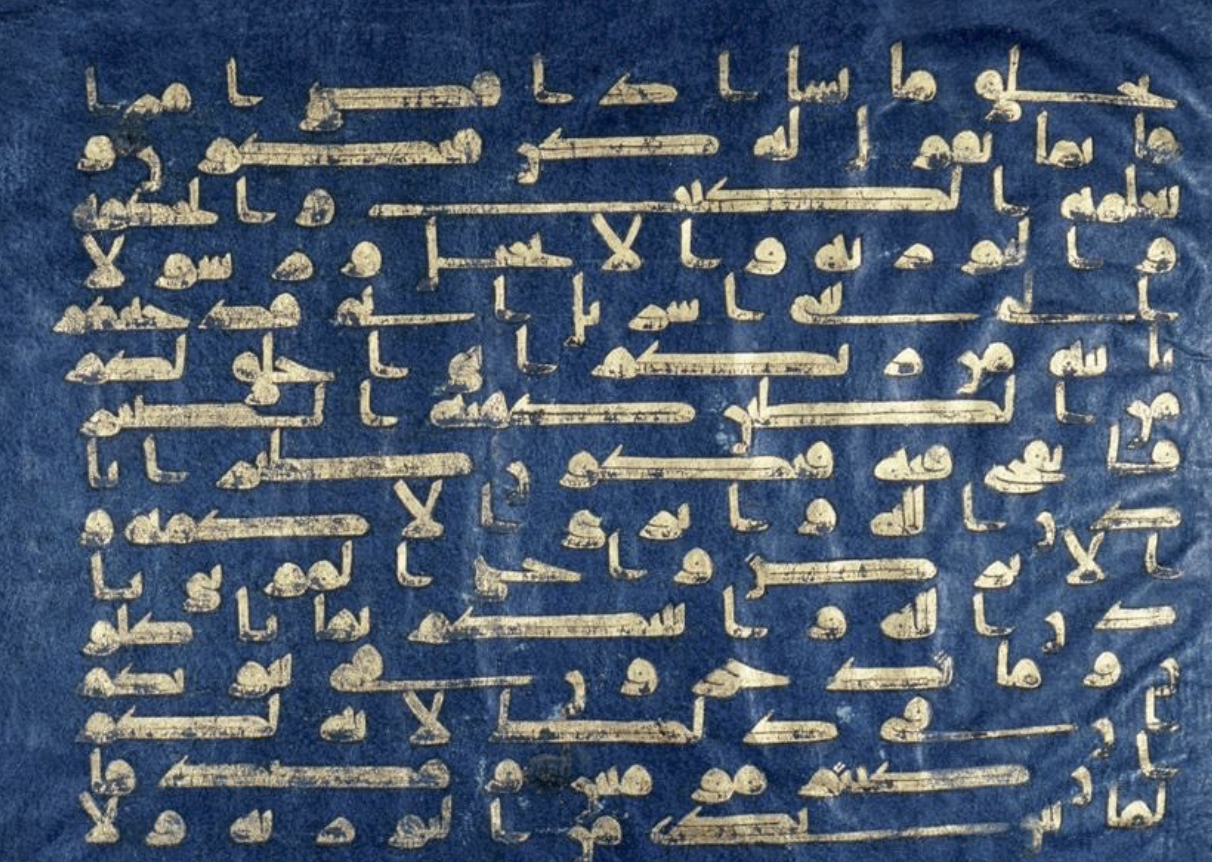
Page with Kufic script from an Abbasid Qur’an
9th century
gold leaf on dyed vellum.
Kufic script — abstracted/more artistic arabic calligraphy
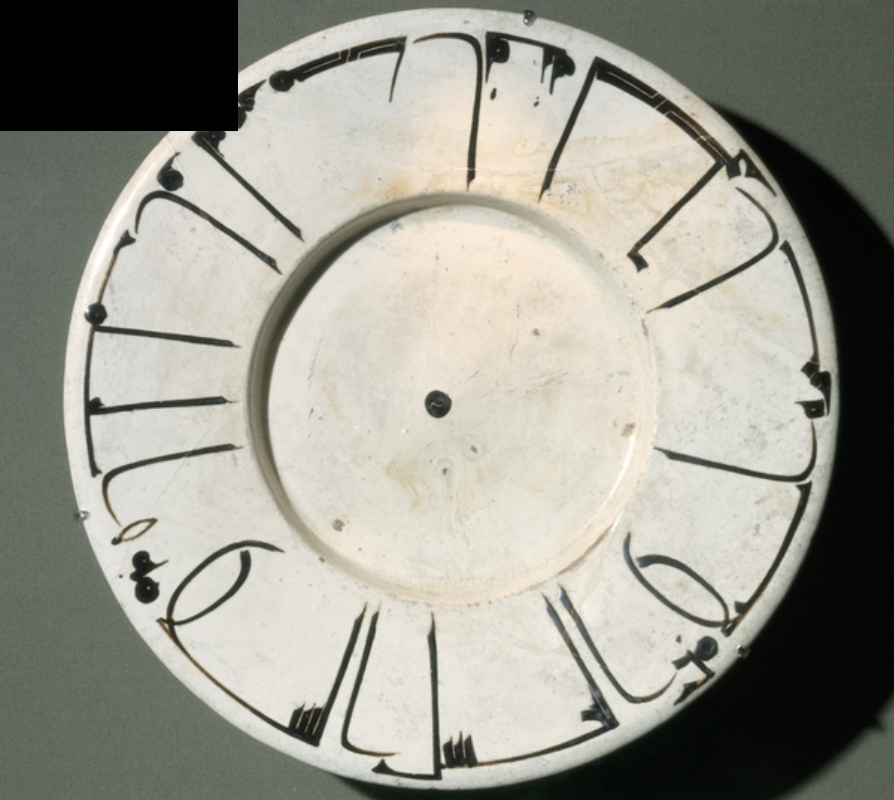
Plate with Kufic Border
From Iran
c. 10th century
Kufic Script — artistic calligraphy
“Planning before work protects you from regret;
good luck and well-being”
embue daily items with excerpts of good luck (??)
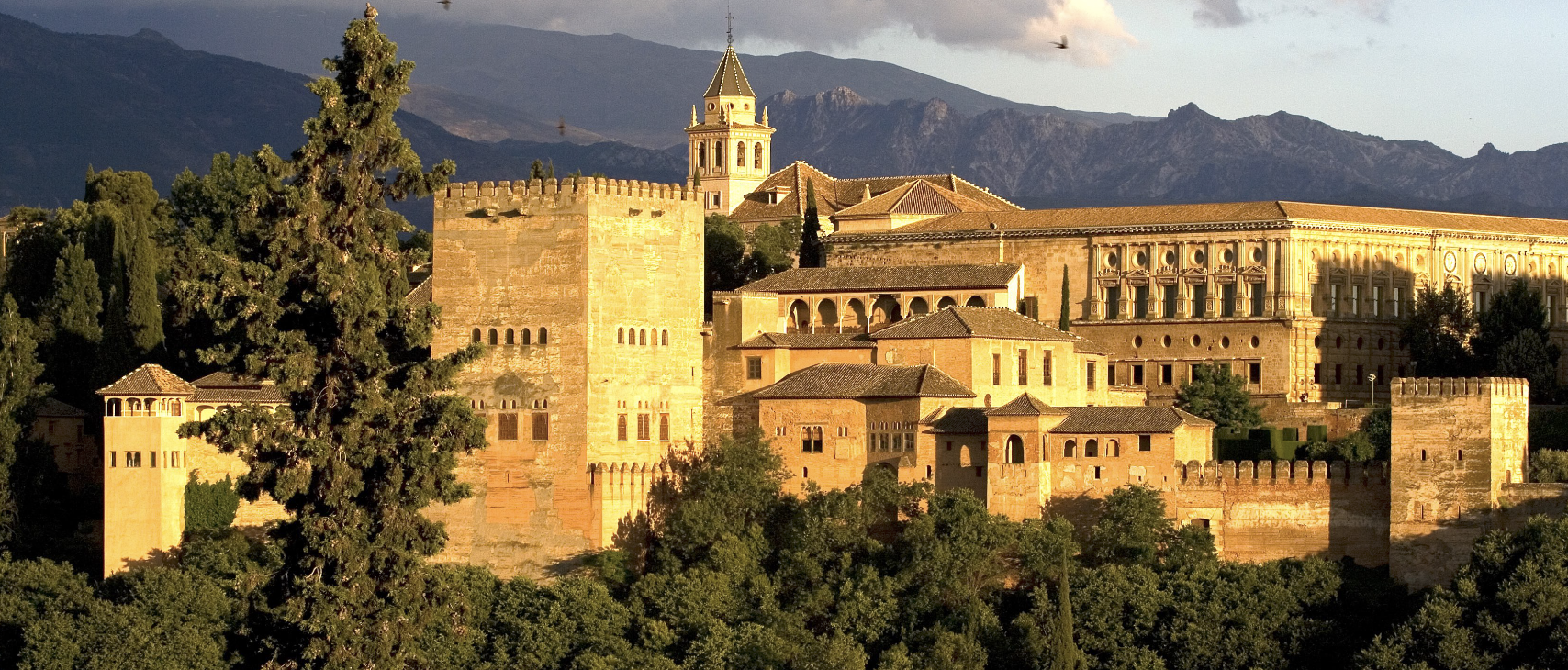
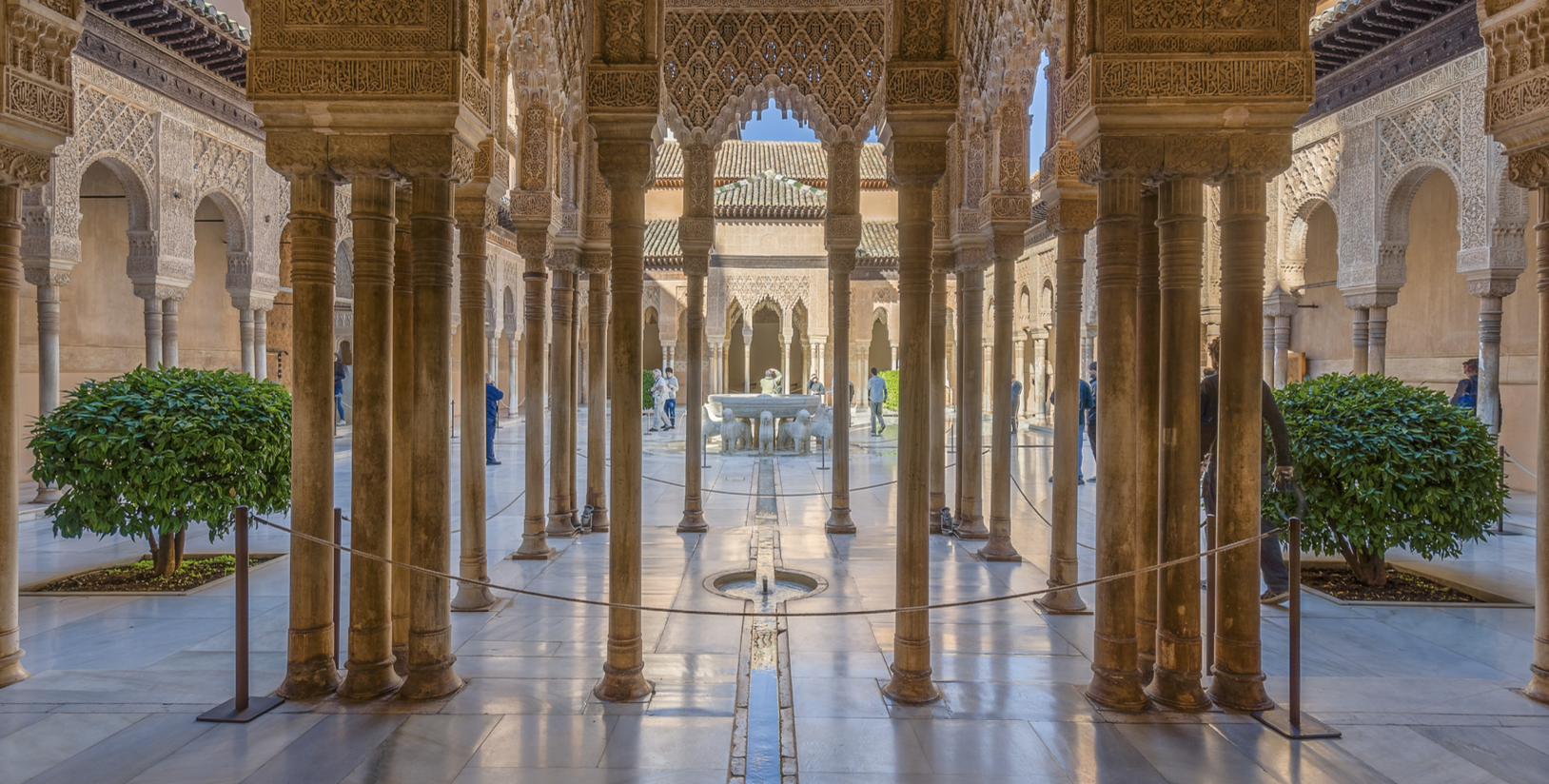
The Alhambra (Palace)
Granada,Spain
13th-14th centuries
NOT a mosque
EVERY surface decorated (arabesque)