Chapter 1: The Science of Anatomy Flashcards
 Call Kai
 Learn
Learn Practice Test
 Spaced Repetition
 Match
Match Flashcards
 Knowt Play
1/85

Earn XP
Description and Tags
This set of flashcards covers vocabulary and key concepts from Chapter 1: The Science of Anatomy, including levels of organization, the 11 organ systems, anatomical terminology, body planes, cavities, membranes, and medical imaging.
Name | Mastery | Learn | Test | Matching | Spaced | Call with Kai |
|---|
No analytics yet
Send a link to your students to track their progress
86 Terms
What is anatomy?
study of the structure or form of body parts and their relationship to one another
What is physiology?
The study of the function of body parts and how they work to perform life-sustaining activities.
what is the Principle of Complementarity?
The concept that function always reflects what a structure can do based on its specific form
what is Cytology?
A division of microscopic anatomy focused on the study of cells.
what is Histology?
A division of microscopic anatomy focused on the study of tissues.
what is Gross Anatomy
The study of body structures that are visible with the naked eye.
what is Systemic Anatomy
A division of gross anatomy that focuses on organ systems.
what is Regional Anatomy
A division of gross anatomy that focuses on specific body regions.
what is Surface Anatomy
A division of gross anatomy focused on superficial structures to see inside patients
what is Embryology
A division of anatomy focused on embryo development.
what is Pathologic Anatomy
A division of anatomy that relates to how structures change related to disease
what is Radiographic Anatomy
Anatomy as visualized by different scanning techniques.
what is Chemical Level
The smallest level of structural organization, consisting of atoms, molecules, and organelles.
what is Cellular Level
The level comprising single cells, which are the smallest living structures and basic units of structure and function.
what is the Tissue Level
The level of organization consisting of groups of similar cells that work together
what is the Organ Level
The level of organization consisting of two or more types of tissues.
what is the Organ System Level
The level where organs work closely together to achieve a common function.
what is the Organismal Level
The highest level of structural organization where all organ systems function interdependently as a whole organism.
what is cellular organization
all living things are made of cells
what is reproduction
all living things come from other living things
what is Metabolism
The sum of all cellular chemical reactions, including catabolism and anabolism.
what is Homeostasis
The regulation of a stable internal environment within the body.
what is heredity
genetic information that is passed from one generation to another
what is the response to stimuli
response to an external or internal force
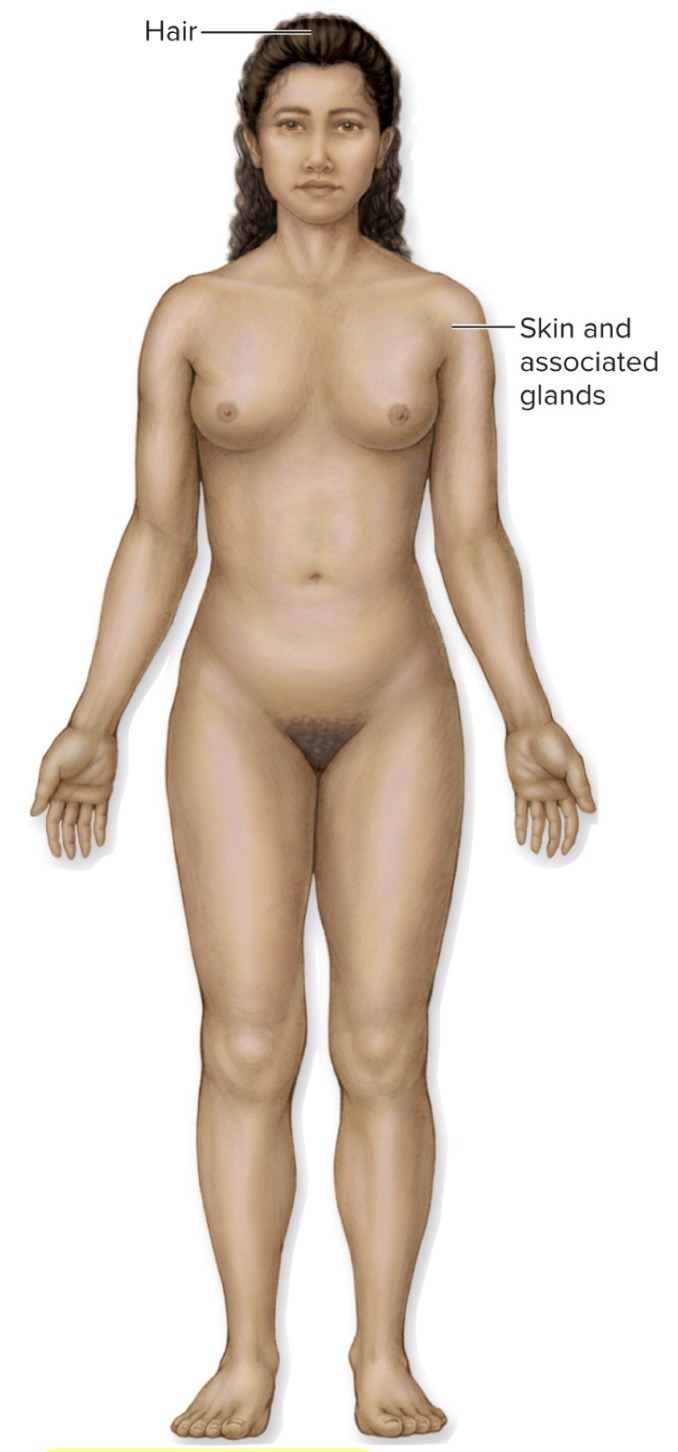
what is the Integumentary System
provides protection, regulates body temperature, site of cutaneous receptors, synthesizes vitamin D, and prevents water loss.
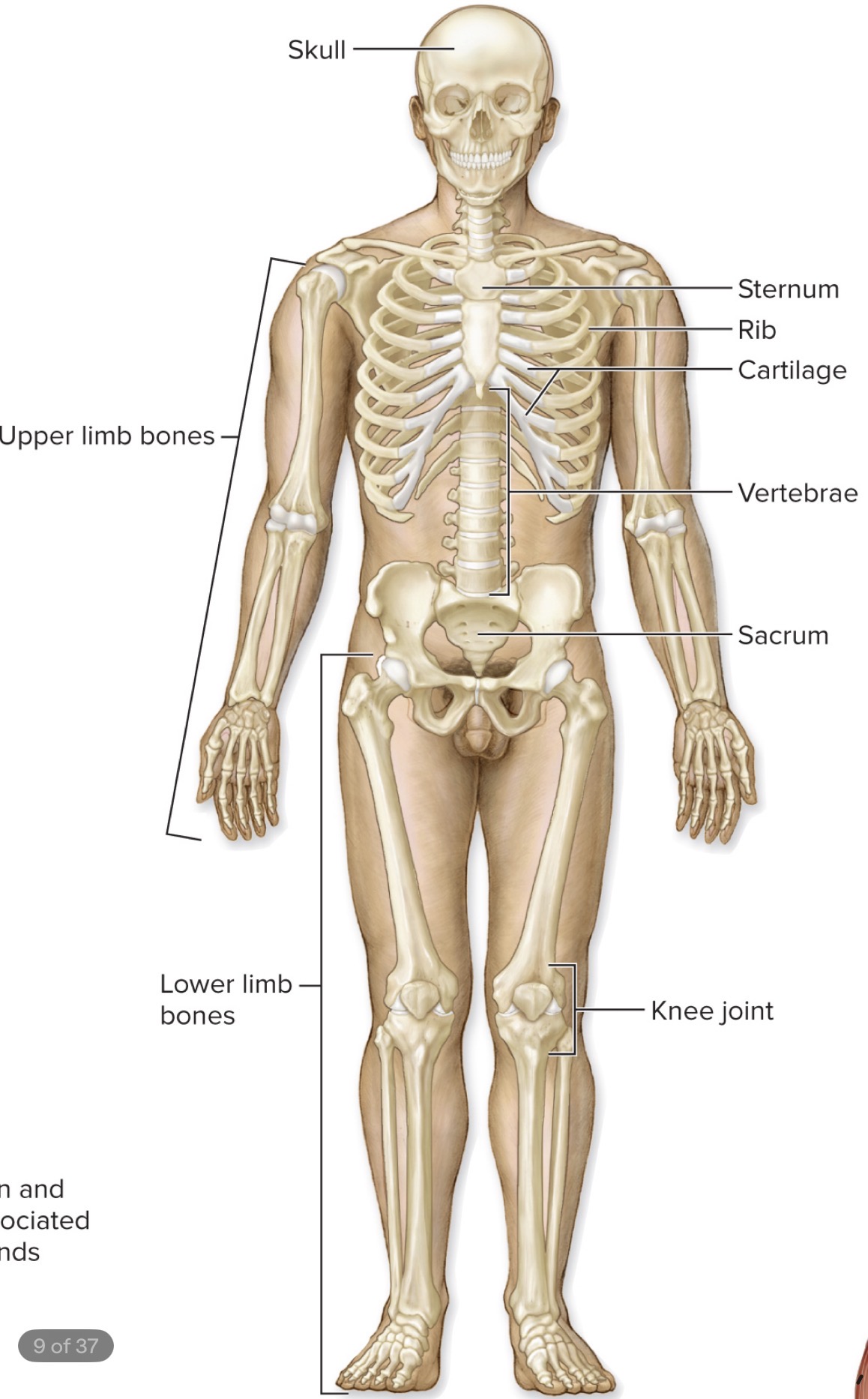
what is the Skeletal System
provides support & protection, the site of hemopoiesis (blood cell production), stores calcium & phosphorus, and provides sites for muscle attachments
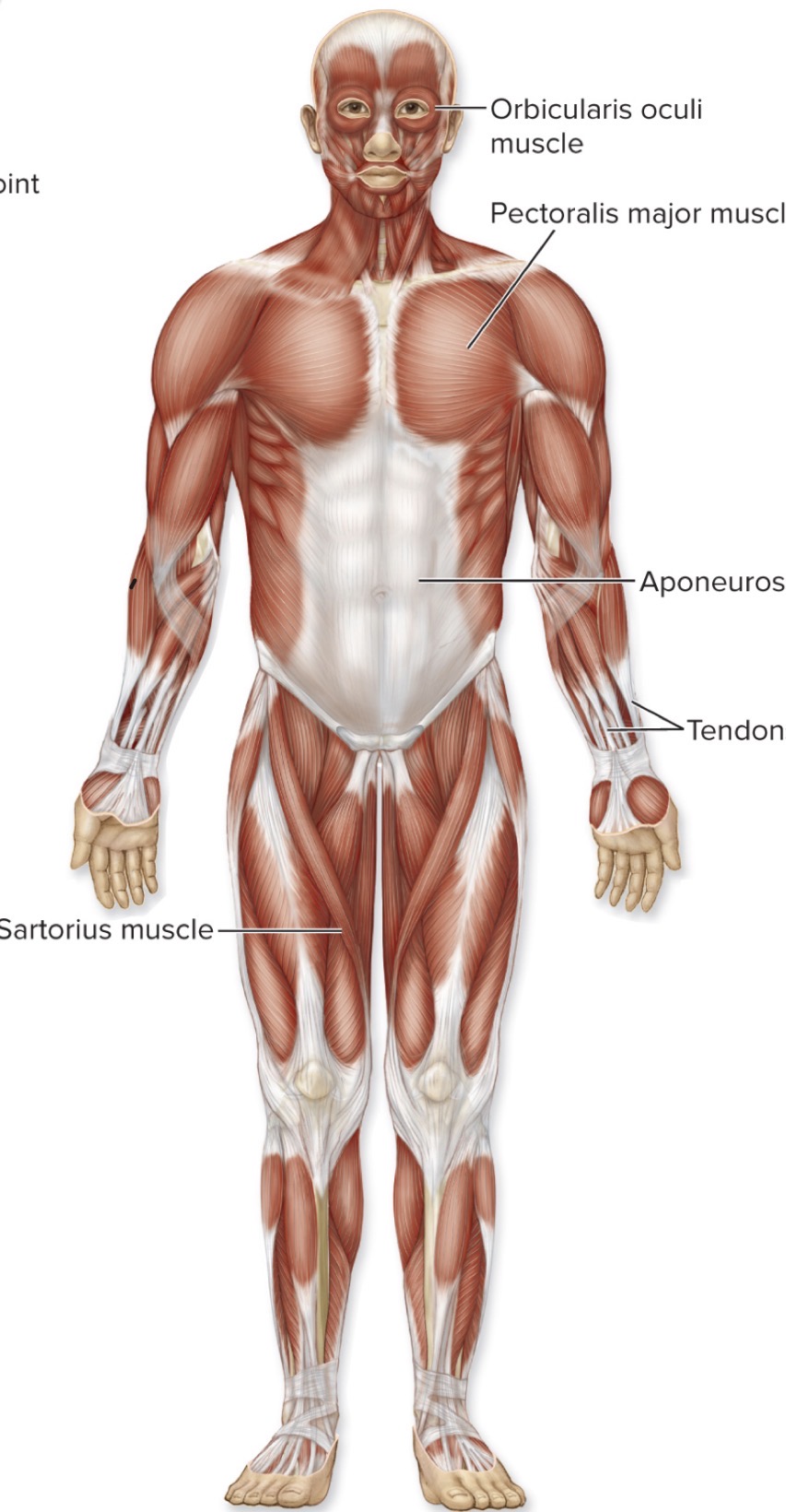
what is the Muscular System
produces body movement and generates heat when muscles contract.
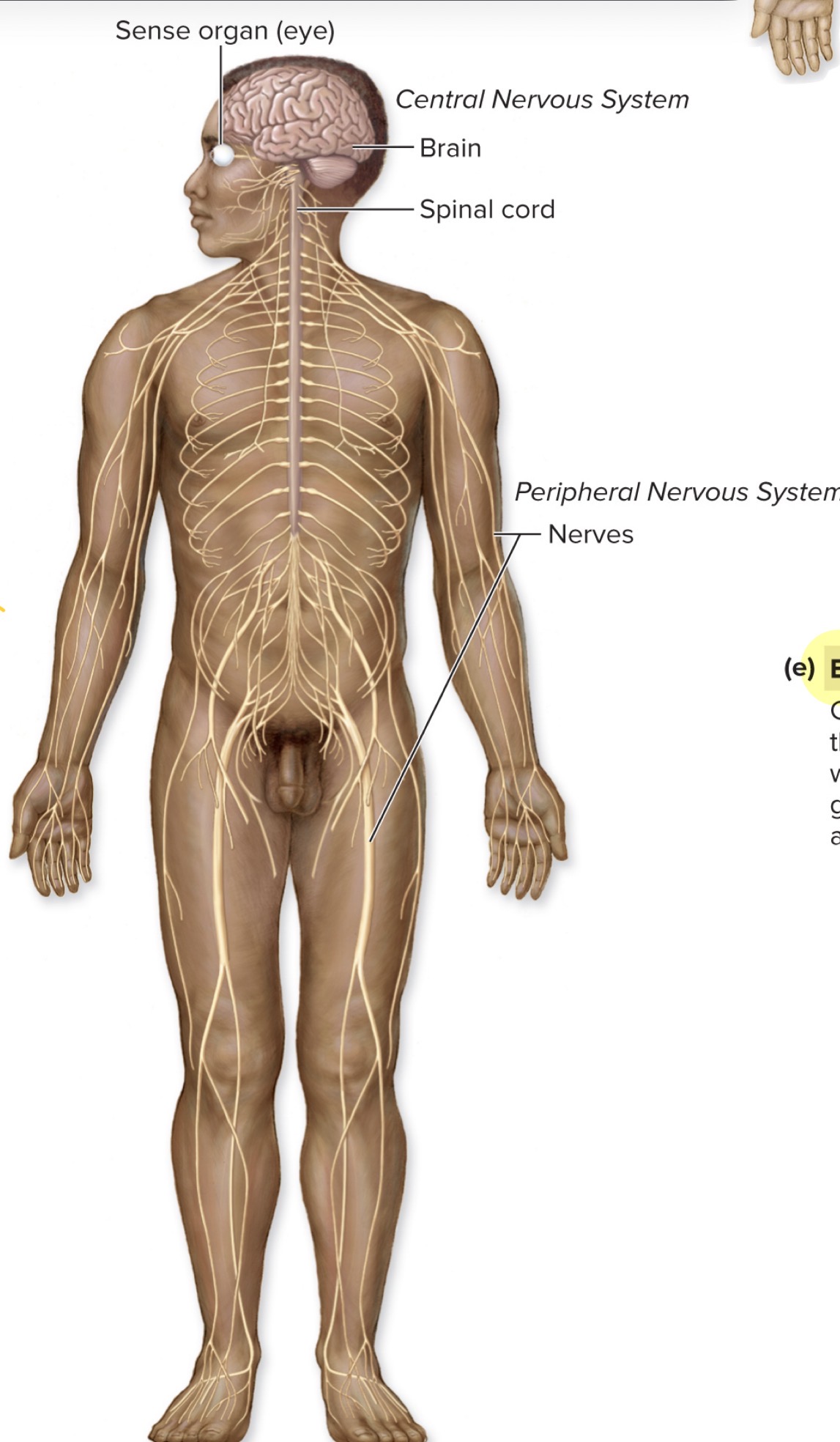
what is the Nervous System
the regulatory system that controls body movement, responds to sensory stimuli, helps control all other body systems, and is responsible for consciousness, intelligence, and memory.
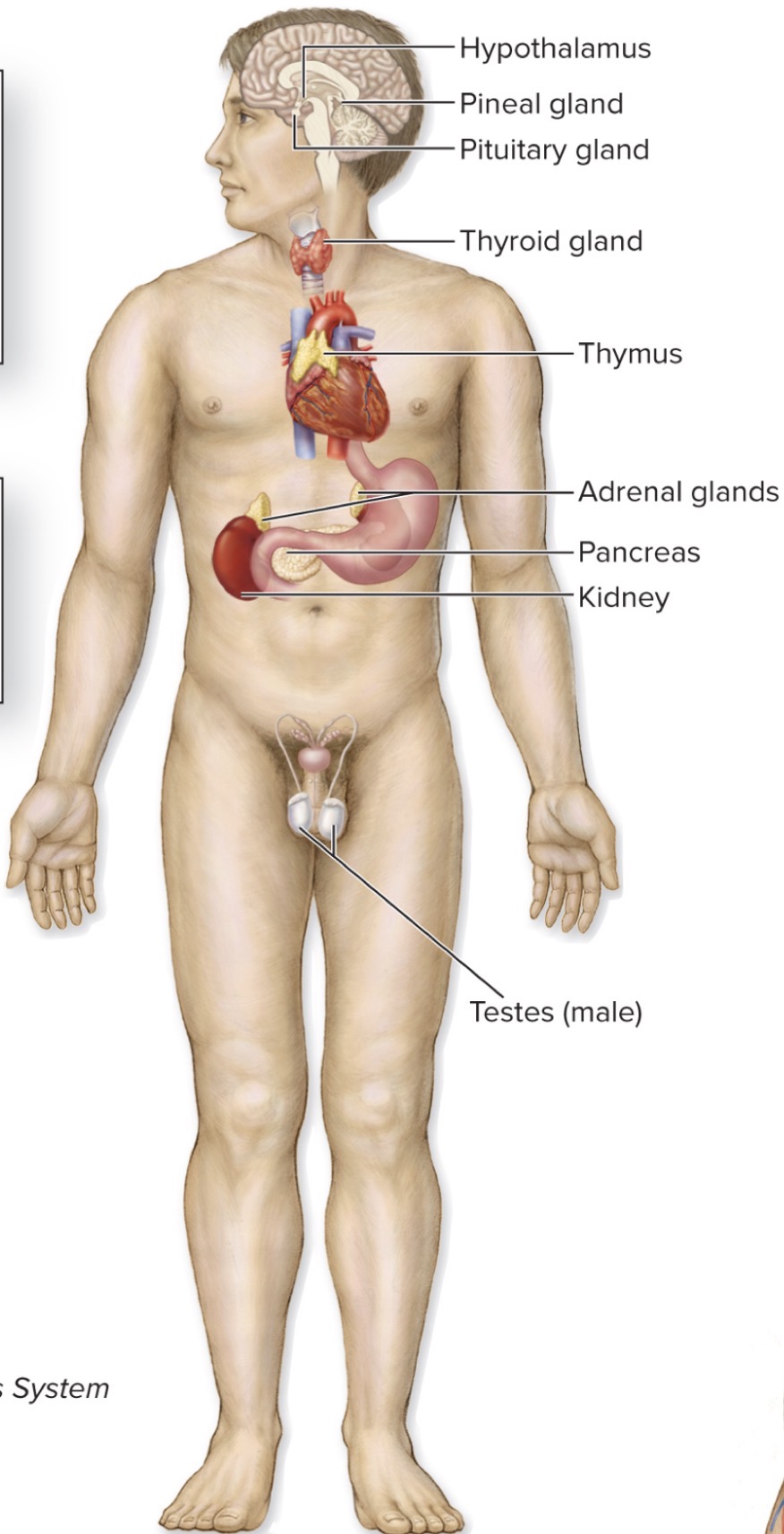
what is the Endocrine System
consists of glands & cell clusters that secrete hormones to regulate body & cellular growth, chemical levels, and reproductive functions.
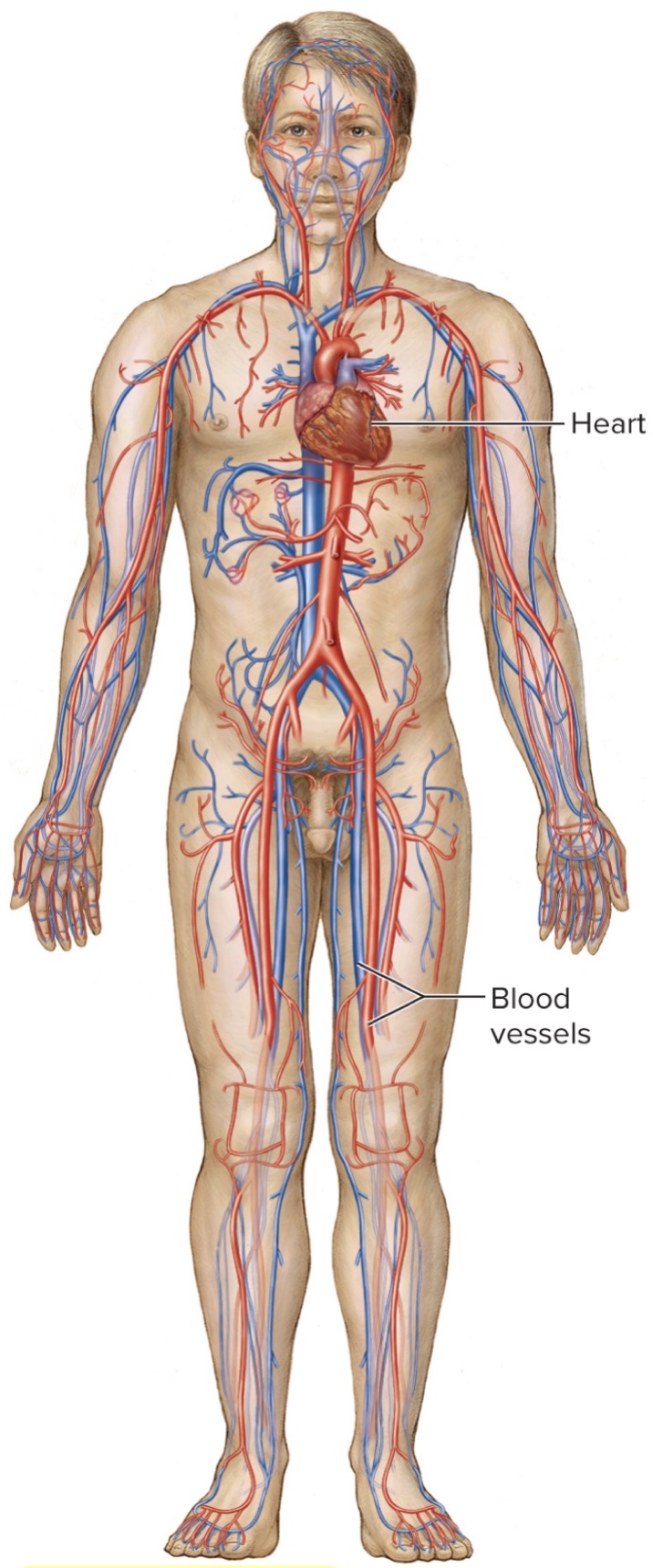
what is the Cardiovascular System
Consists of the heart, blood, and blood vessels to distribute hormones, nutrients, and gases while picking up waste products.
what is the Lymphatic System
Transports and filters lymph (interstitial fluid) and initiates immune responses.
what is the Respiratory System
The system responsible for the exchange of gases (oxygen and carbon dioxide) between the blood and the air in the lungs.
what is the Digestive System
Mechanically and chemically digests food materials, absorbs nutrients, and expels waste products.
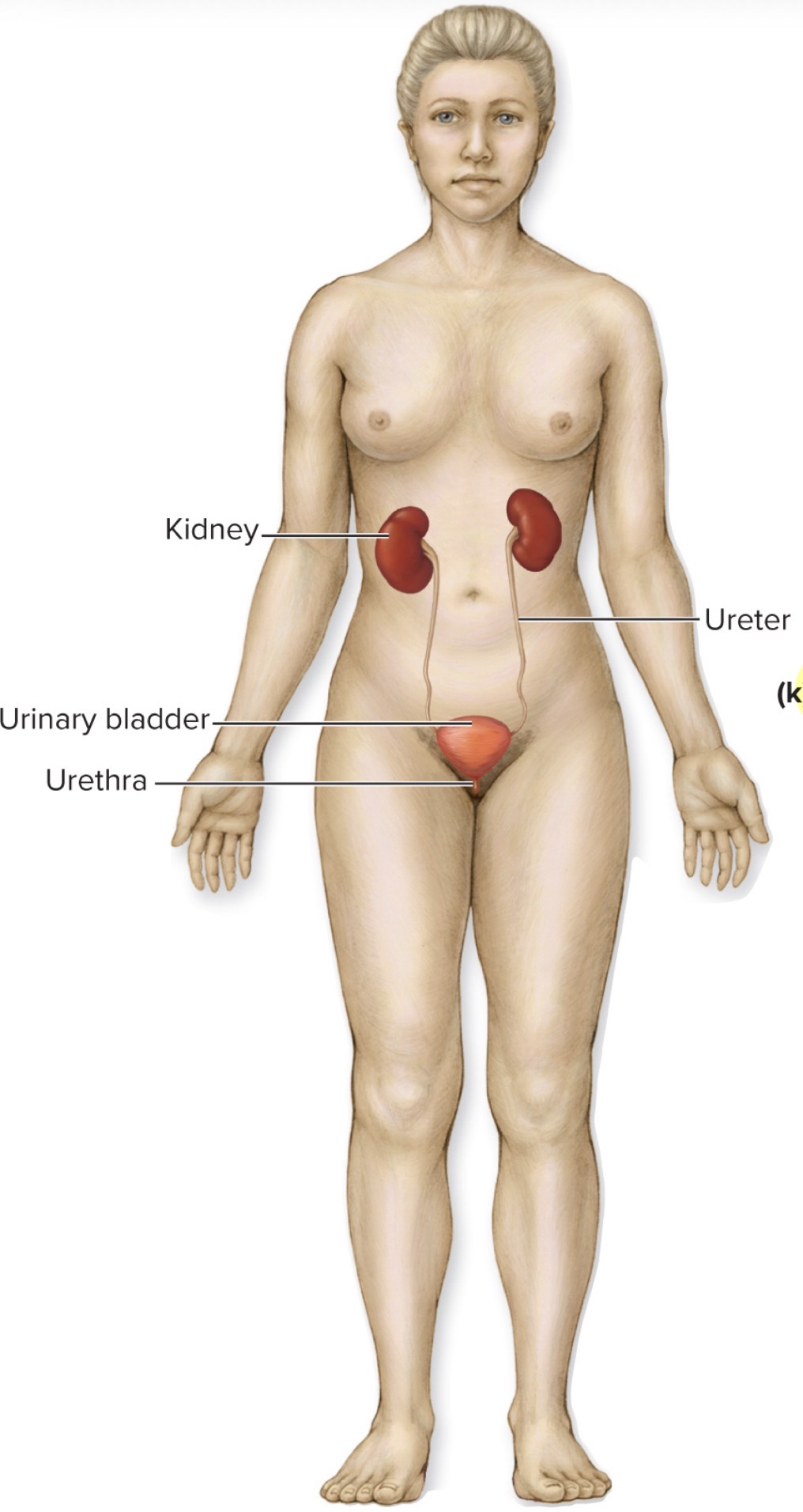
what is the Urinary System
Filters blood to remove and concentrate waste products in the form of urine and expels them from the body.
what is the Standard Anatomical Position?
A common reference position where the body is upright, feet parallel and flat, limbs at sides, palms facing anteriorly, and head level with eyes forward.
Superior vs. Inferior
Superior refers to being above or the top portion; Inferior refers to being below or the bottom portion.
Anterior vs. Posterior
Anterior refers to being nearer to or at the front; Posterior refers to being nearer to or at the back.
Medial vs. Lateral
Medial refers to being closer to the midline; Lateral refers to being away from the midline.
Proximal vs. Distal
Proximal is closer to the attachment site; Distal is farther from the attachment site.
Dorsal vs. Ventral
Dorsal refers to the back side of the body; Ventral refers to the belly side of the body.
Superficial vs. Deep
Superficial is toward the surface (external); Deep is away from the surface (internal).
Cranial vs. Caudal
Cranial is toward the head; Caudal is toward the feet or tail.
Axial Division
The major body division encompassing the head, neck, and trunk. (center axis of body)
Appendicular Division
The major body division encompassing the limbs (legs and arms).
what are body planes
cutting the body into sections
what is the Sagittal Plane
A plane that divides the body into left and right sides.
what is the Frontal (Coronal) Plane
A plane that divides the body into anterior and posterior portions.
what is the Transverse Plane
A plane, also called a cross-section or horizontal plane, that divides the body into superior and inferior portions.
what is the oblique plane
when the body is cut at an angle
what is the Cranial Cavity
A posterior body cavity that houses the brain.
what is the Vertebral Cavity
A posterior body cavity that houses the spinal cord.
what is the Thoracic Cavity
An anterior body cavity containing the pleural cavities, mediastinum, and pericardial cavity, separated from the abdominal cavity by the diaphragm.
what is the pleural cavities
two cavities that each surround one lung
what is the Mediastinum
A subdivision of the thoracic cavity that contains the pericardial cavity and other organs like the esophagus and trachea.
what is the pericardial cavity
encloses the heart
Abdominopelvic Cavity
An anterior body cavity consisting of the abdominal cavity and the pelvic cavity
what is the abdominal cavity
stomach, intestines, spleen, liver
what is the pelvic cavity
urinary bladder, reproductive organs, and rectu,
Mucous Membranes
lines areas open to the outside environment, such as the respiratory and digestive tracts. (anal, mouth, genital)
Serous Membranes
Two-layered membranes (parietal and visceral) with fluid in between that line the inside walls and cover organs in ventral cavities.
Parietal Layer
The layer of a serous membrane lining the inside wall of a ventral cavity.
Visceral Layer
The layer of a serous membrane covering the organs within the ventral cavity.
Pleurae
The serous membranes that protects the lungs
Pericardium
The serous membrane that surrounds the heart
Peritoneum
The serous membrane associated with the abdominopelvic cavity.
Abdominopelvic Quadrants
Divisions into 4 quarters: Right Upper Quadrant (RUQ), Left Upper Quadrant (LUQ), Right Lower Quadrant (RLQ), and Left Lower Quadrant (LLQ).
Abdominopelvic Regions
A division into 9 regions resembling a tic-tac-toe grid used primarily by anatomists.
Radiography
imaging procedure where X-rays pass through the body and are absorbed by dense areas like bone, which appear lighter on film.
Ultrasound
imaging procedure using high-frequency waves reflecting off internal structures via a transducer.
Digital Subtraction Angiography (DSA)
A 3-D X-ray technique used to view blood vessels.
Commuted Tomography (CT)
Low-intensity X-rays passed through the body from many angles to reconstruct a 3-dimensional image via computer.
Magnetic Resonance Imaging (MRI)
Uses an electromagnet to affect hydrogen atoms, analyzing energy release rates to produce an image.
Positron Emission Tomography (PET)
Uses radiolabeled glucose to analyze the metabolic state of a tissue or organ.

what quadrant is this
right upper quadrant

what quadrant is this
right lower quadrant

what quadrant is this
left upper quadrant

what quadrant is this
left lower quadrant

which region is this
right hypochondriac region

which region is this
epigastric region

which region is this
left hypochondriac region

which region is this
right lumbar region

which region is this
umbilical region

which region is this
left lumbar region

which region is this
right iliac region

which region is this
hypogastric region

which region is this
left iliac region