ASCP Microbiology Exam
 Call Kai
 Learn
Learn Practice Test
 Spaced Repetition
 Match
Match Flashcards
 Knowt Play
1/375

There's no tags or description
Looks like no tags are added yet.
Name | Mastery | Learn | Test | Matching | Spaced | Call with Kai |
|---|
No analytics yet
Send a link to your students to track their progress
376 Terms
Gemella
Gram positive diplococcus.
Thrive best at high partial carbon dioxide pressure.
Facultative anaerobe.
Oxidase negative.
Catalase negative.
In mucous membranes of humans and animals and upper digestive tract.
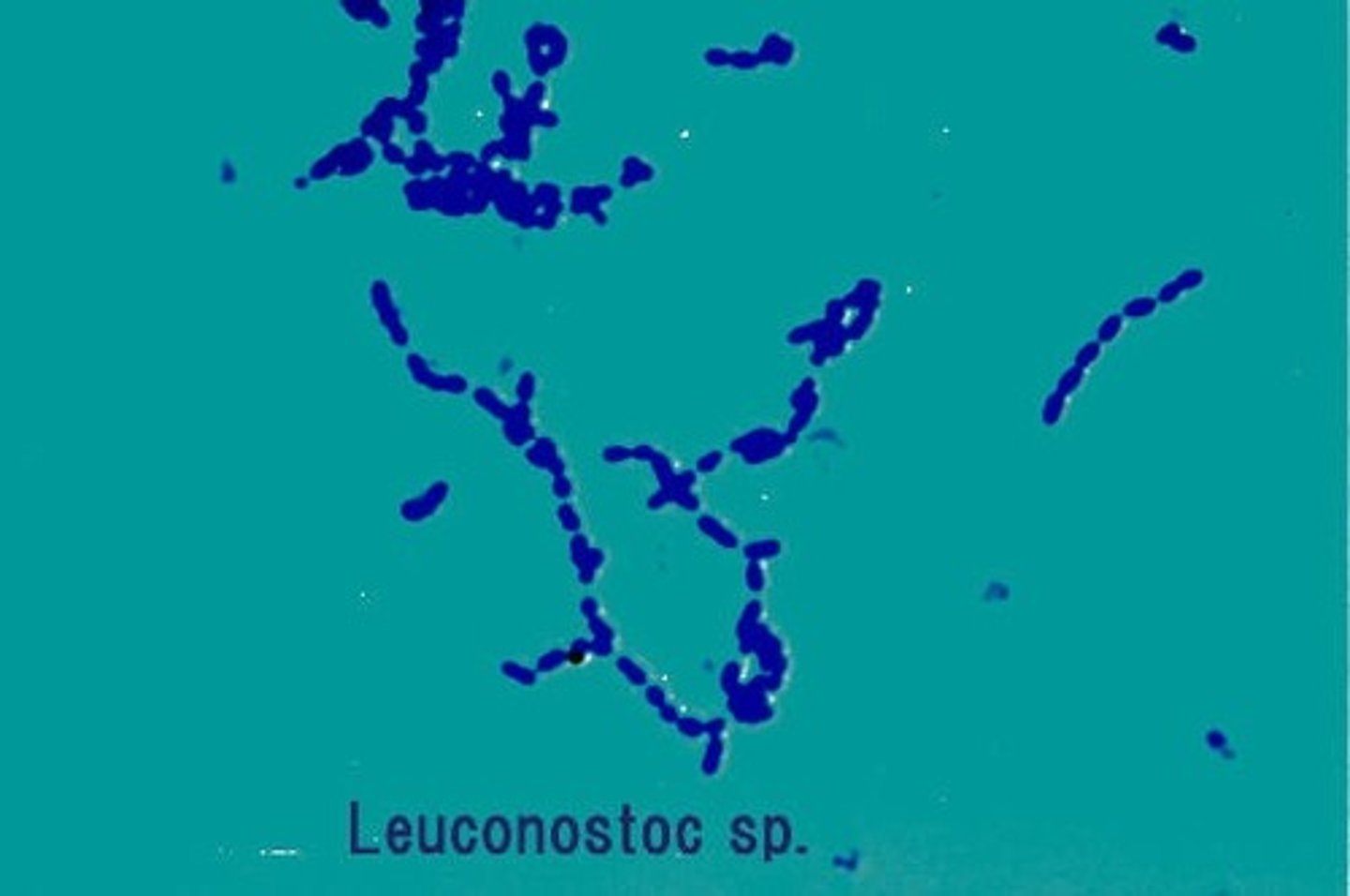
Leuconstoc
Gram positive cocci often in chains.
Intrinsically resistant to vancomycin.
Catalase negative.
Are generally slime forming.
Responsible for cabbage fermentation.
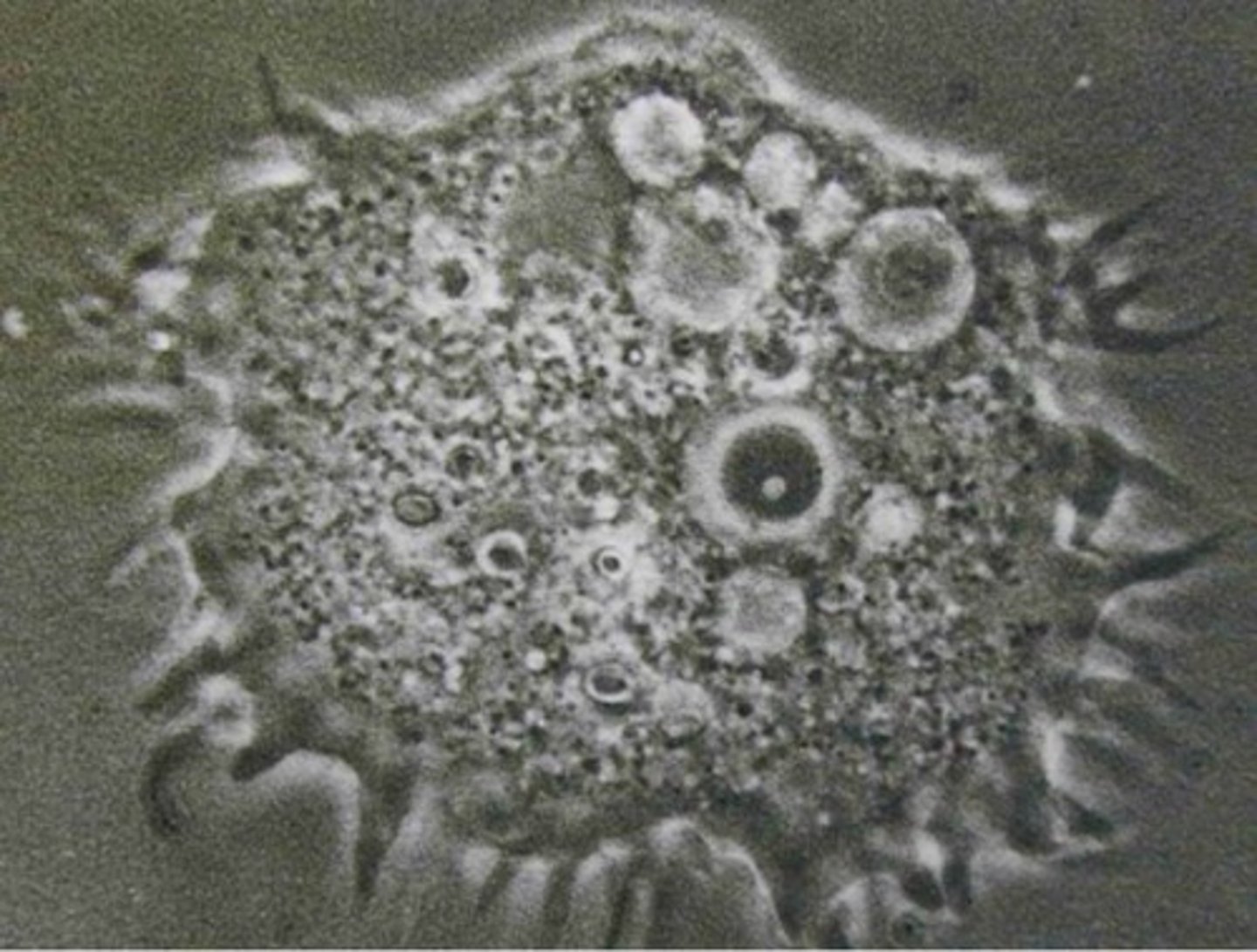
Acanthamoeba
A genus of amoeba
One of the most common single celled eukaryotes in soil and frequently in fresh water.
Has two forms - metabolically active trophozoite.
Dormant - stress resistant cyst.
Causes keratitis and granulomatous amoebic encephalitis.
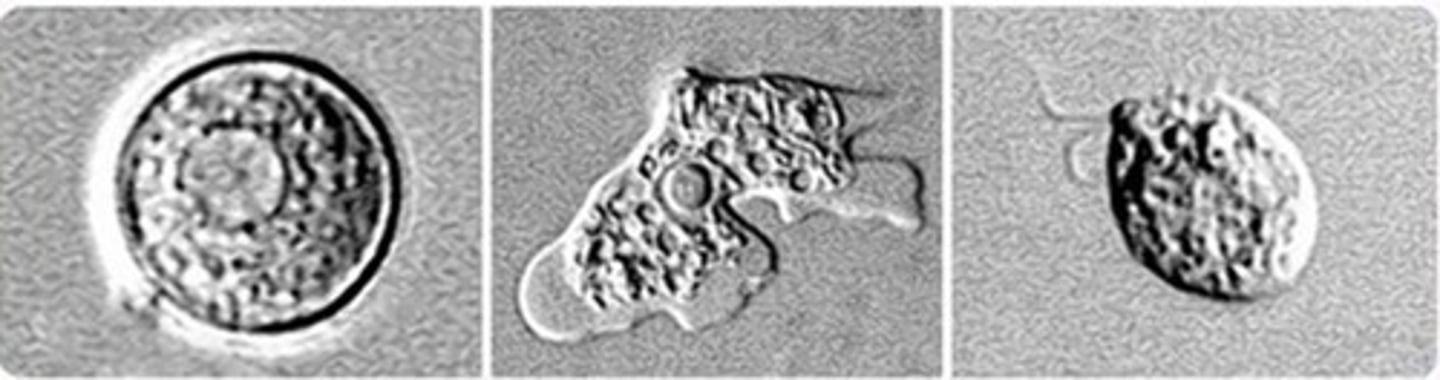
Naegleria fowleri
Protozoa.
Causes Primary Amoebic Meningoencephalitis.
Enter through the nose and travels to the brain.
Commonly found in warm fresh water.
Only species that infects humans.
Almost always results in death.
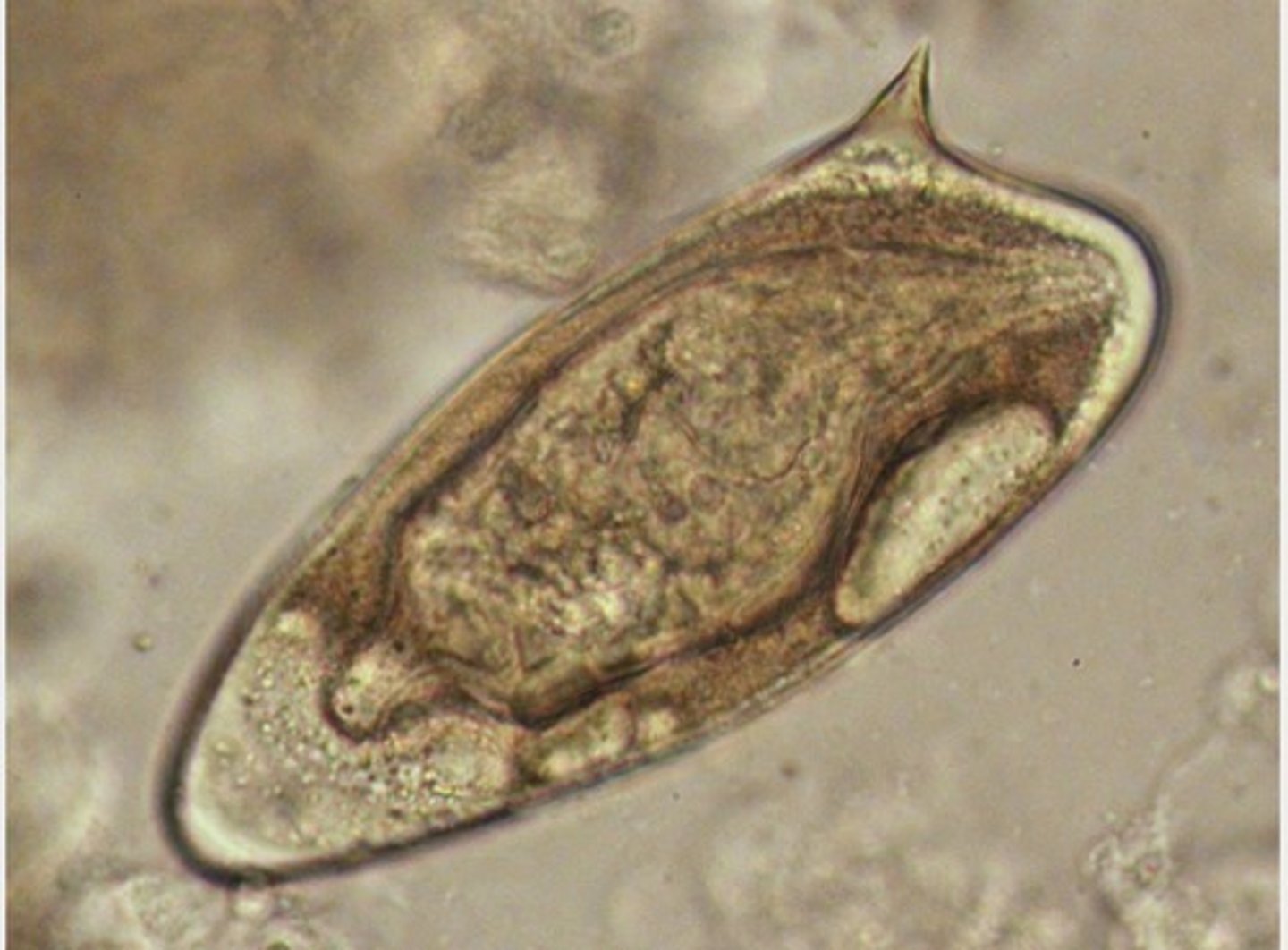
Schistisoma
Also known as the blood flukes.
Schistisoma mansoni
Blood fluke most commonly found in Africa, South America, West Indies and Porto Rico.
Lives in the large intestines.
Approximately 115-175 micrometers by 45-75 micrometers.
Lateral spine.
Schistisoma heamatobium
Blood fluke most commonly found in Nile Vally, Mideast and East Africa.
Live in veins surrounding bladder.
Approximately 110-170 micrometers by 40-70 micrometers.
Terminal spine.
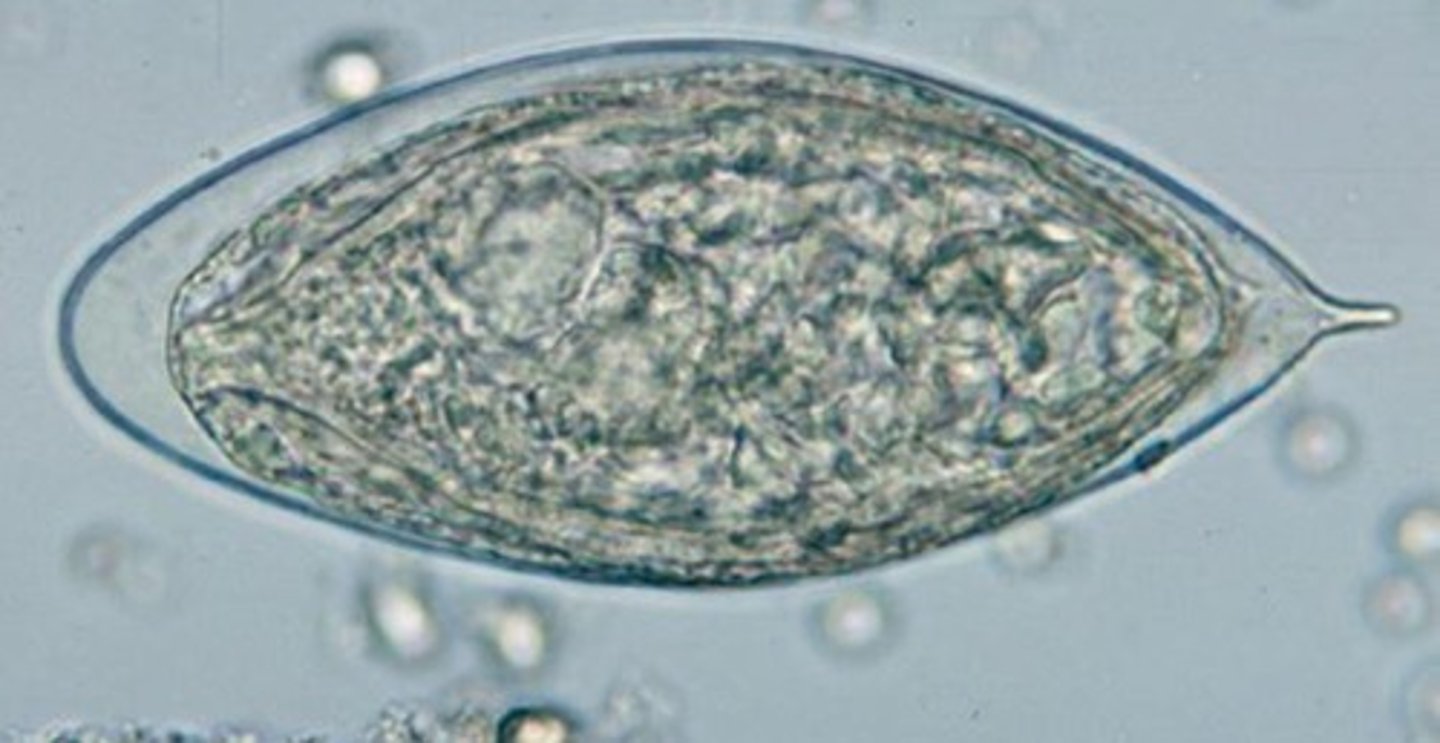
Schistisoma japonicum.
Blood fluke most commonly found in Far East Japan, China and Philippines.
Lives in the small intestines.
Approximately 60-95 micrometers by 40-60 micrometers.
No spine.
Hantavirus
A single stranded enveloped, negative sense RNA virus.
In the Bunyaviridae family.
May become infected through contact with rodent urine, saliva or feces.
Can cause fatal diseases such as hantavirus hemorrhagic fever with renal syndrome.
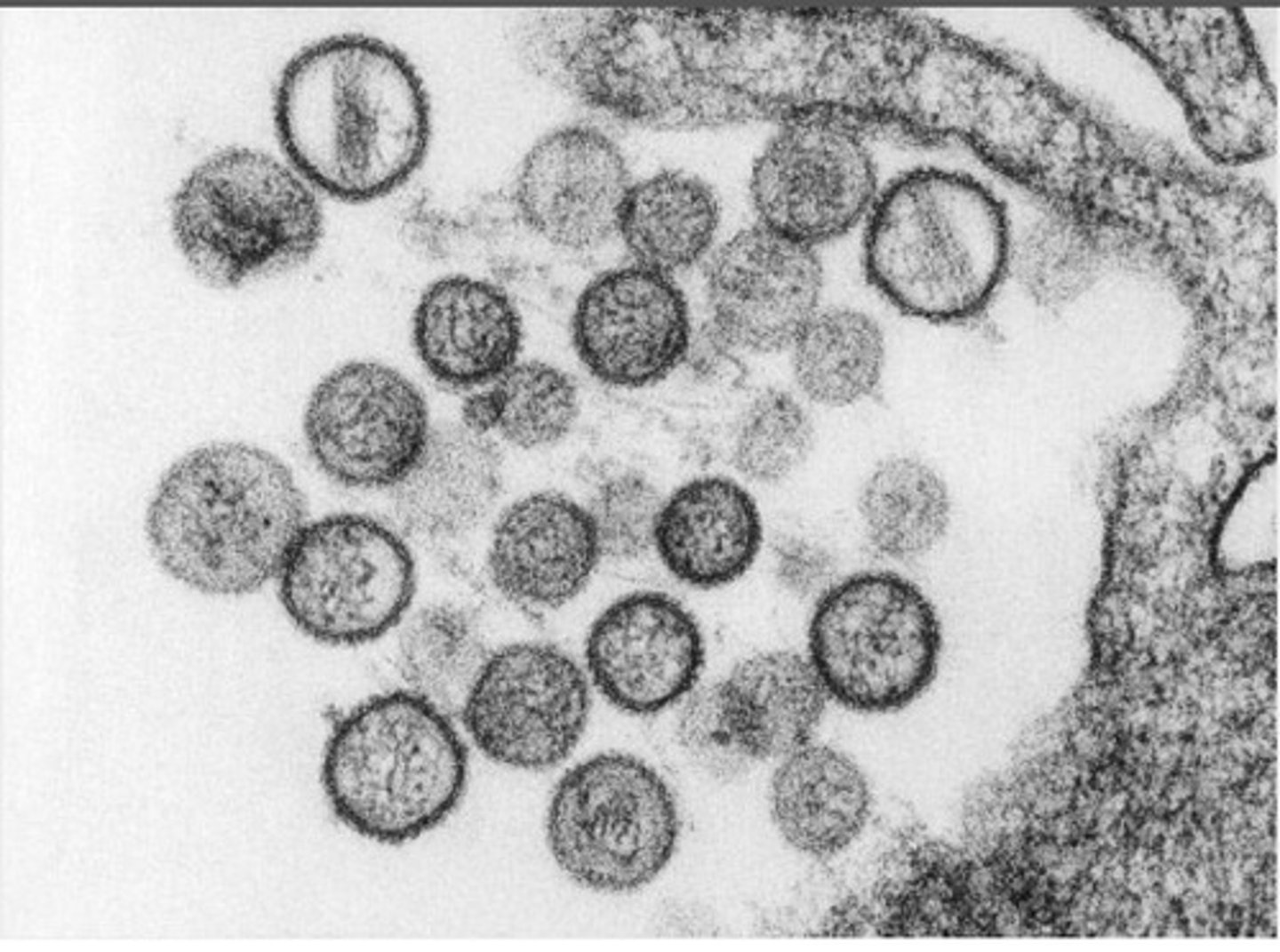
Hantavirus Pulmonary Syndrome.
Rare respiratory illness associated with inhalation of aerolized rodent excreta.
Cause of Hantavirus Pulmonary Syndrome in the US.
The Sin Nombre virus carried by deer mice.
Bartonella
Gram negative bacteria.
Facultative intracellar parasite.
It is transmitted by vectors such as ticks, flees, sand flies and mosquitoes.
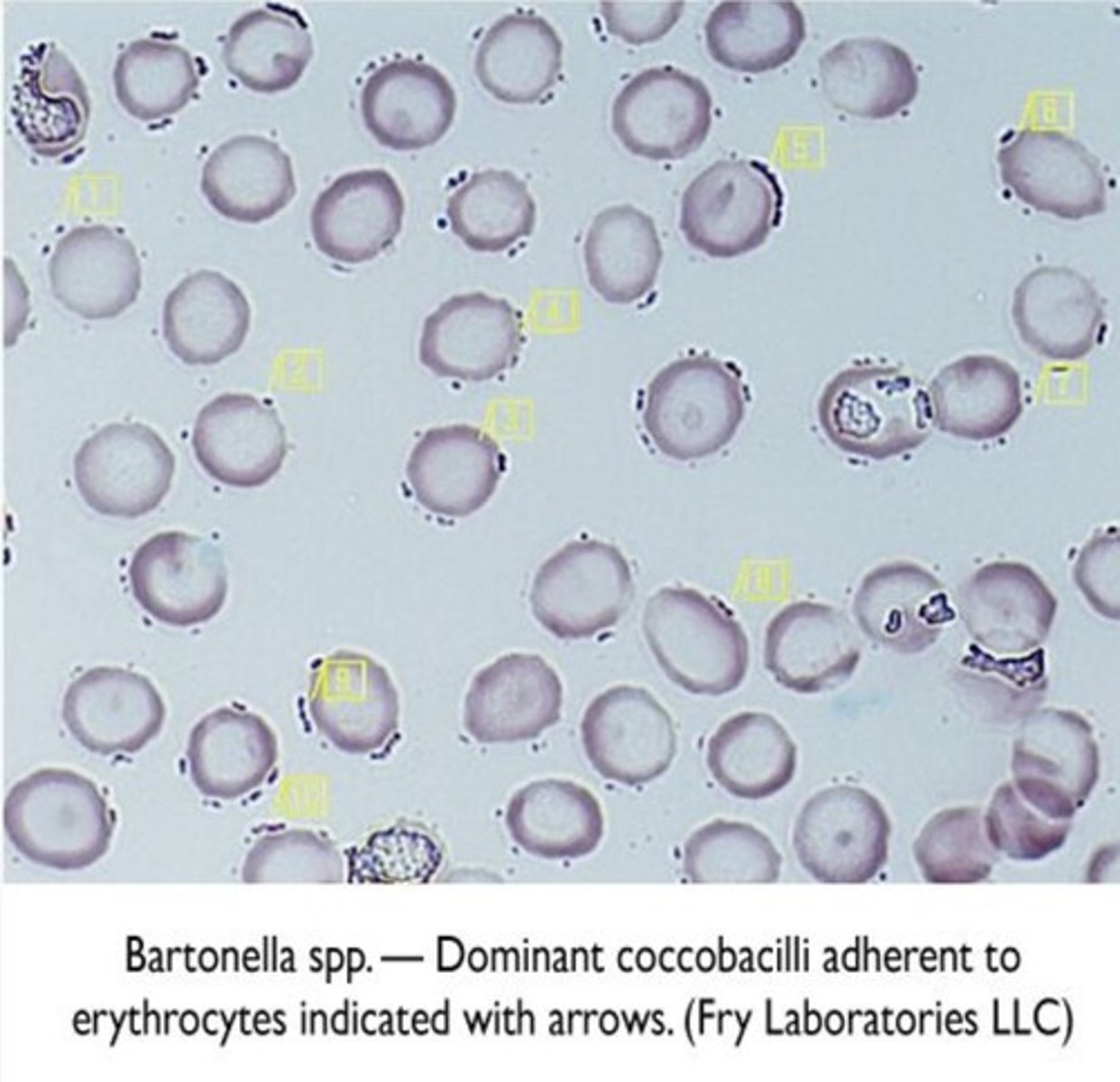
Cause of Cat Scratch Disease
Bartonella henselae.
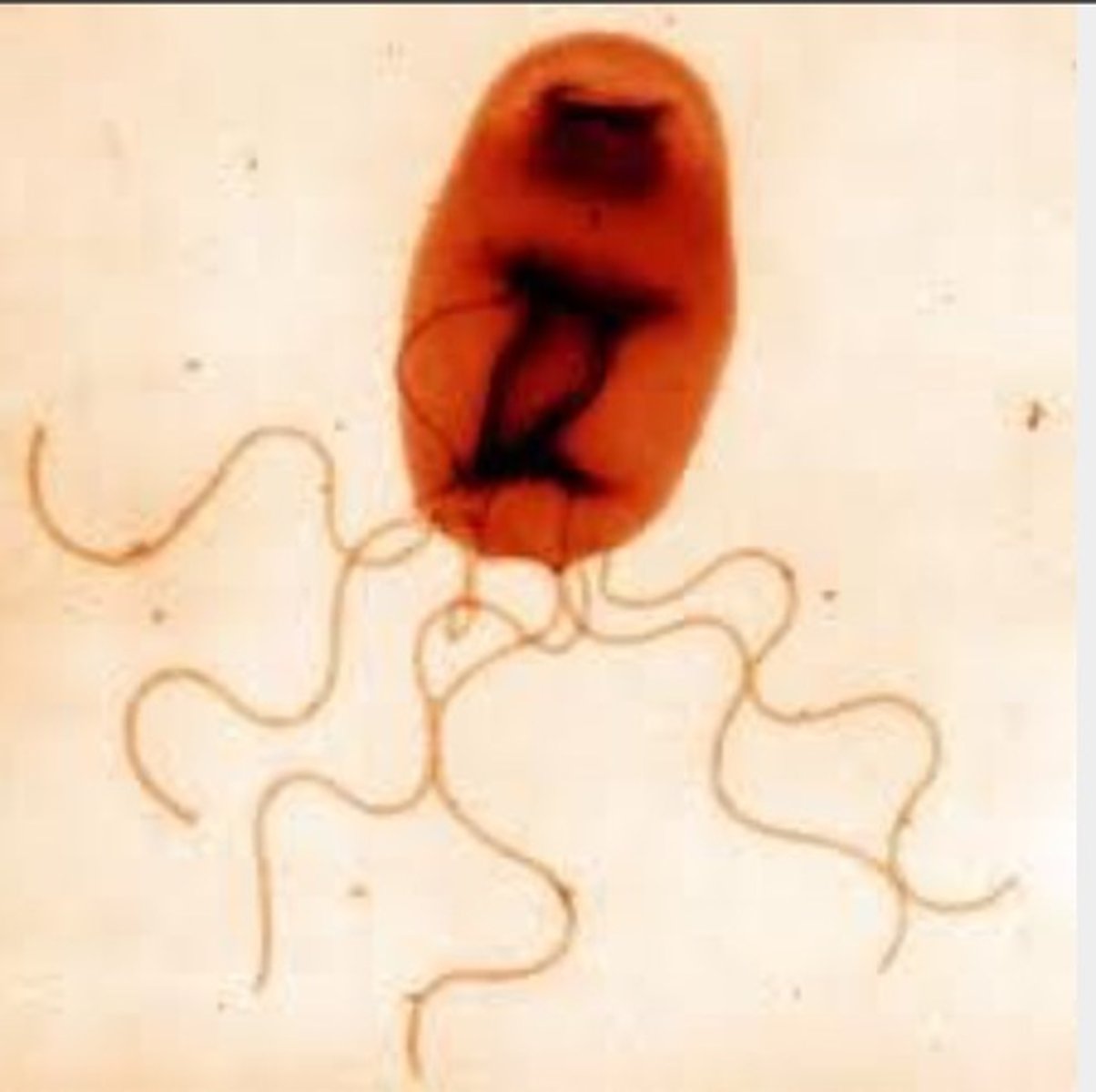
Edwardsiella
An Enterobacteriaceae.
Gram negative rod.
Facultative anaerobe.
Enterobacteriaceae family.
First discovered in snakes.
Edwardsiella tarda
Urea - negative
Lysine decarboxylase - positive
Hydrogen Sulfide- positive
Indole- positive
Only recognized human pathogen in Edwardsiella genus.
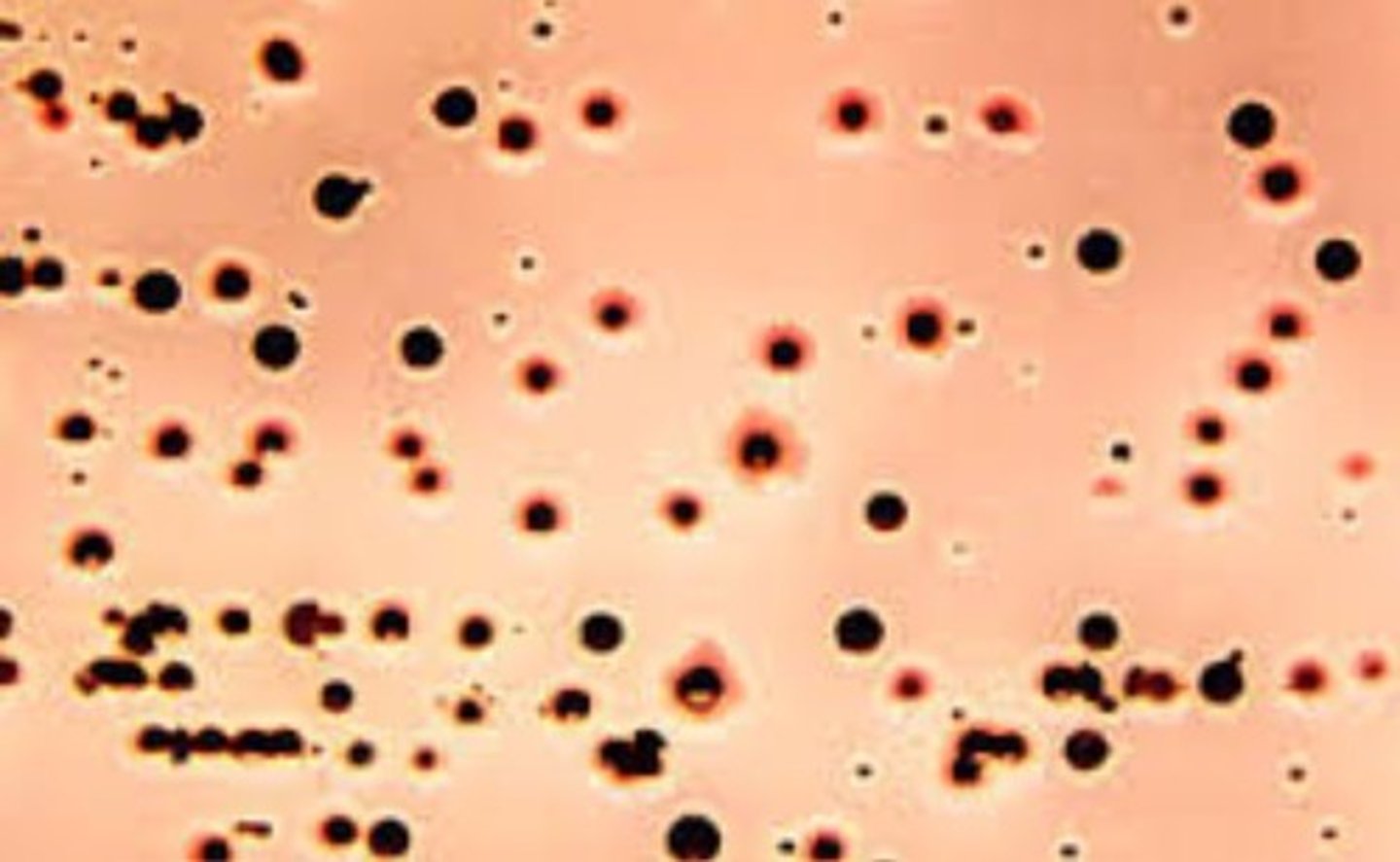
Chryseobacterium
Gram negative, filamentous rod.
Non motile.
Capable of reproduction in cold temperatures.
Flavobacteriaceae family.
Found in soil, plants, foodstuffs and water sources.
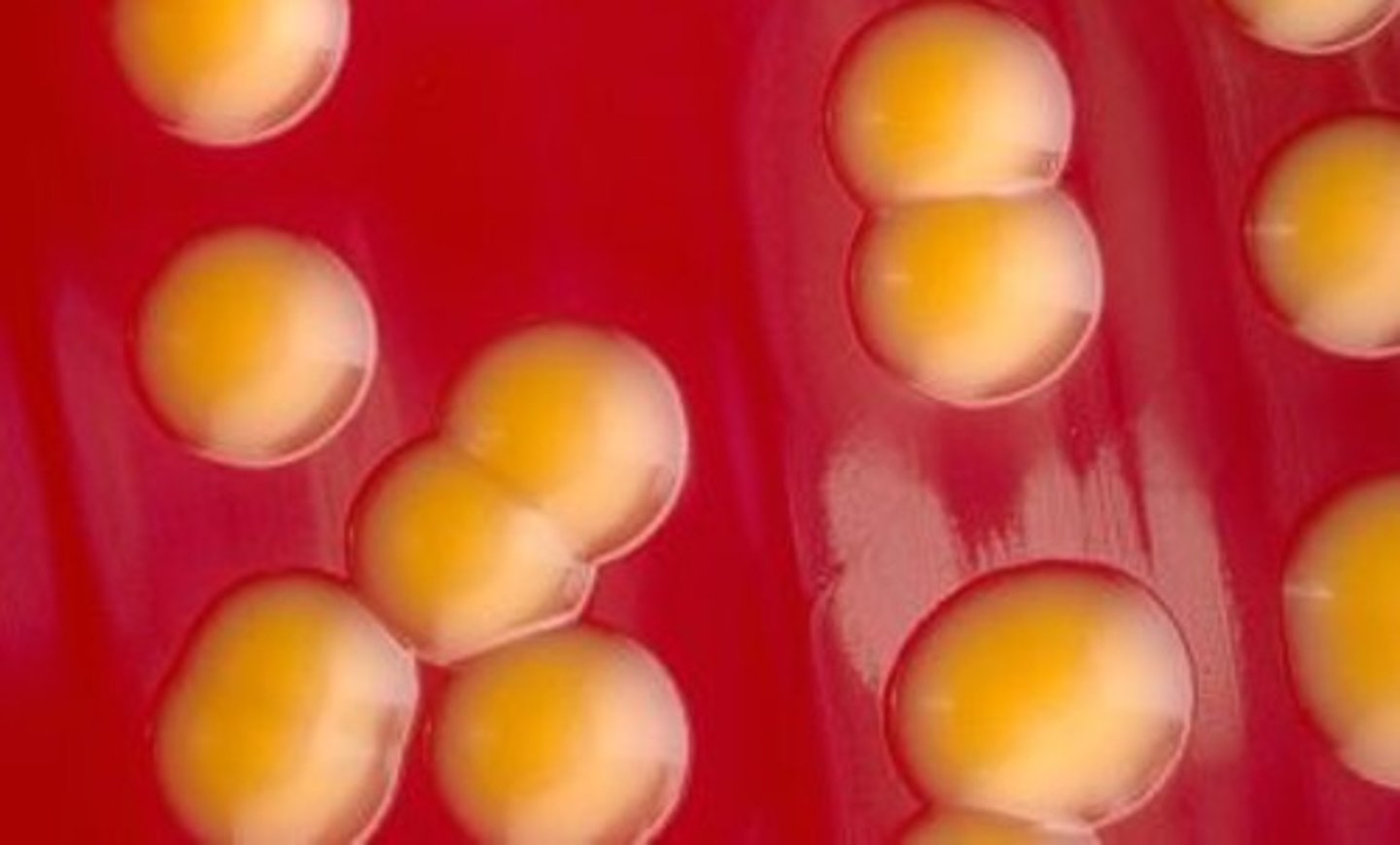
Chryseobacterium indologenes
Yellow pigmented colonies.
Has been found in indwelling devices.
West Nile Virus
An arbovirus.
In the Flaviviridae family.
Transmitted to humans by mosquitoes.
80% infected will have few to no symptoms.
Cause fever headaches, feeling tired, muscle pain, nausea, loss of appetite, vomiting and rash.
Anthrax
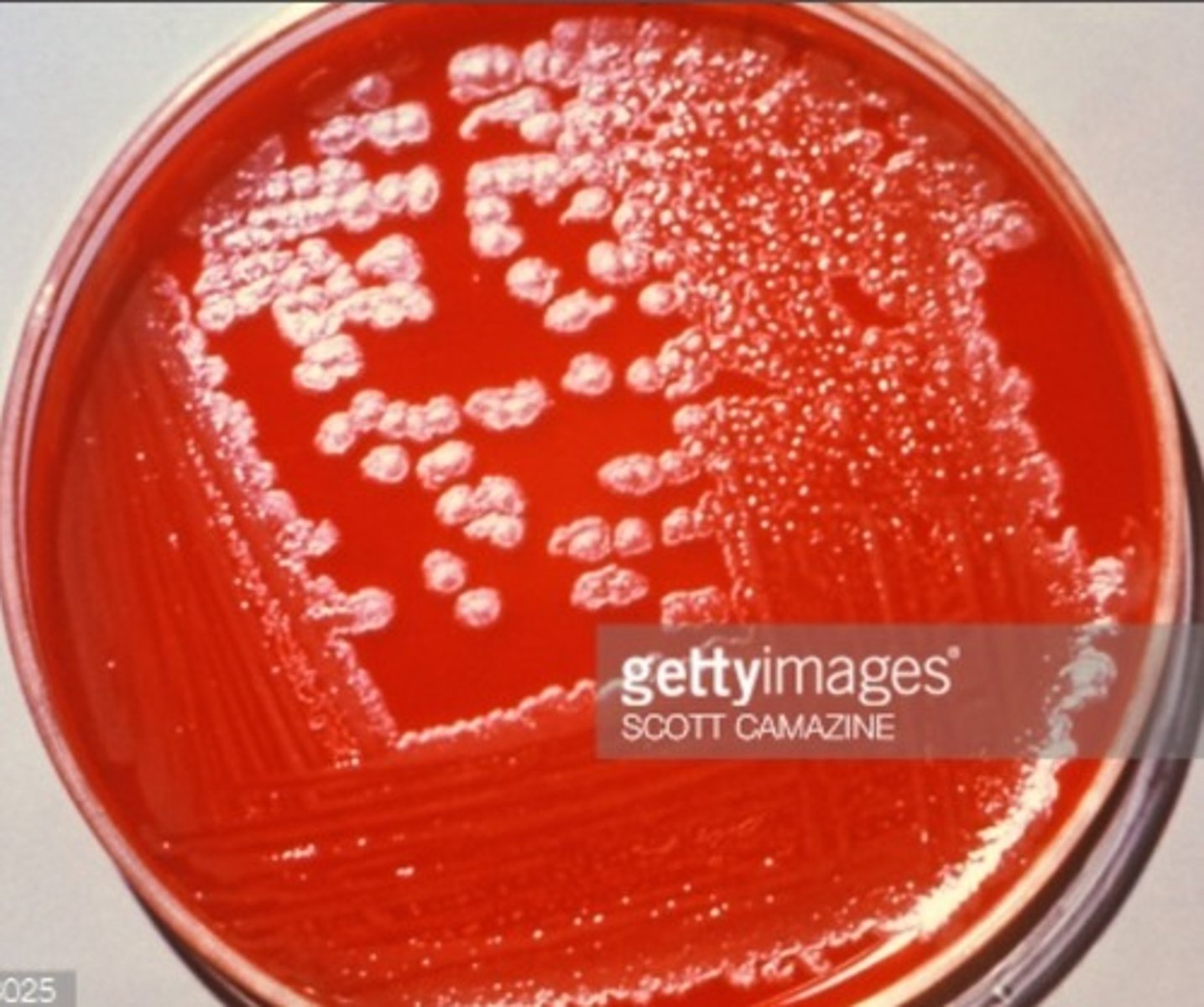
Caused by bacterium, Bacillus anthracis.
It is spread by contact with spores of bacteria which are often from infectious animal products.
Transmission is by breathing, eating or contact through broken skin.
Botulism
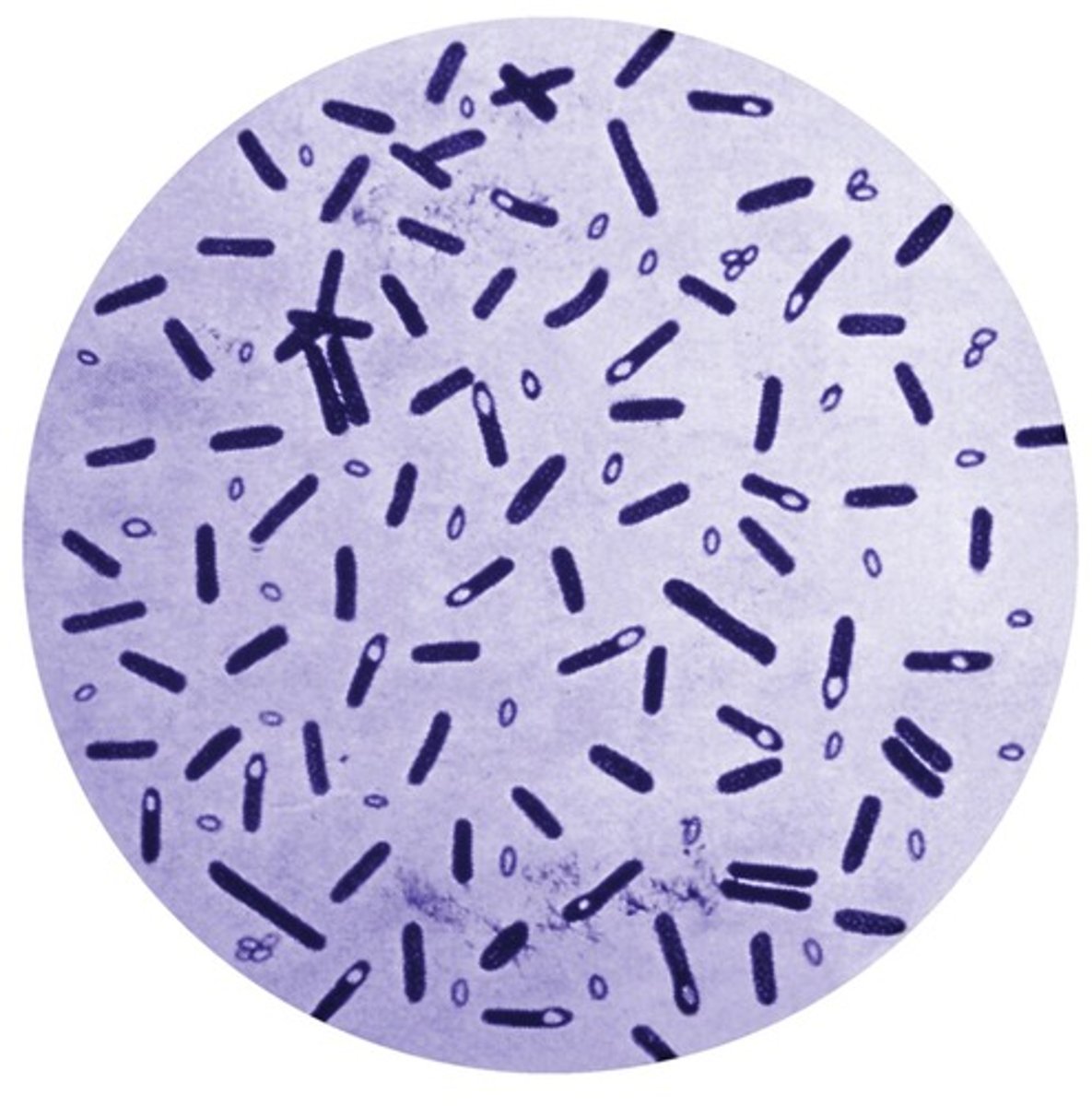
Caused by Clostridium botulinum.
Causes weakness, trouble seeing, feeling tired, trouble speaking.
May be followed by weakness of arms, chest muscles and legs.
Cause of food poisoning.
How is botulism toxin destroyed?
Heating to more than 85 degrees Celsius or 185 degrees Fahrenheit.
Clostridium botulinum
Gram positive rod.
Anaerobic.
Spore forming.
Motile.
Capable of producing the neurotoxin, botulism.
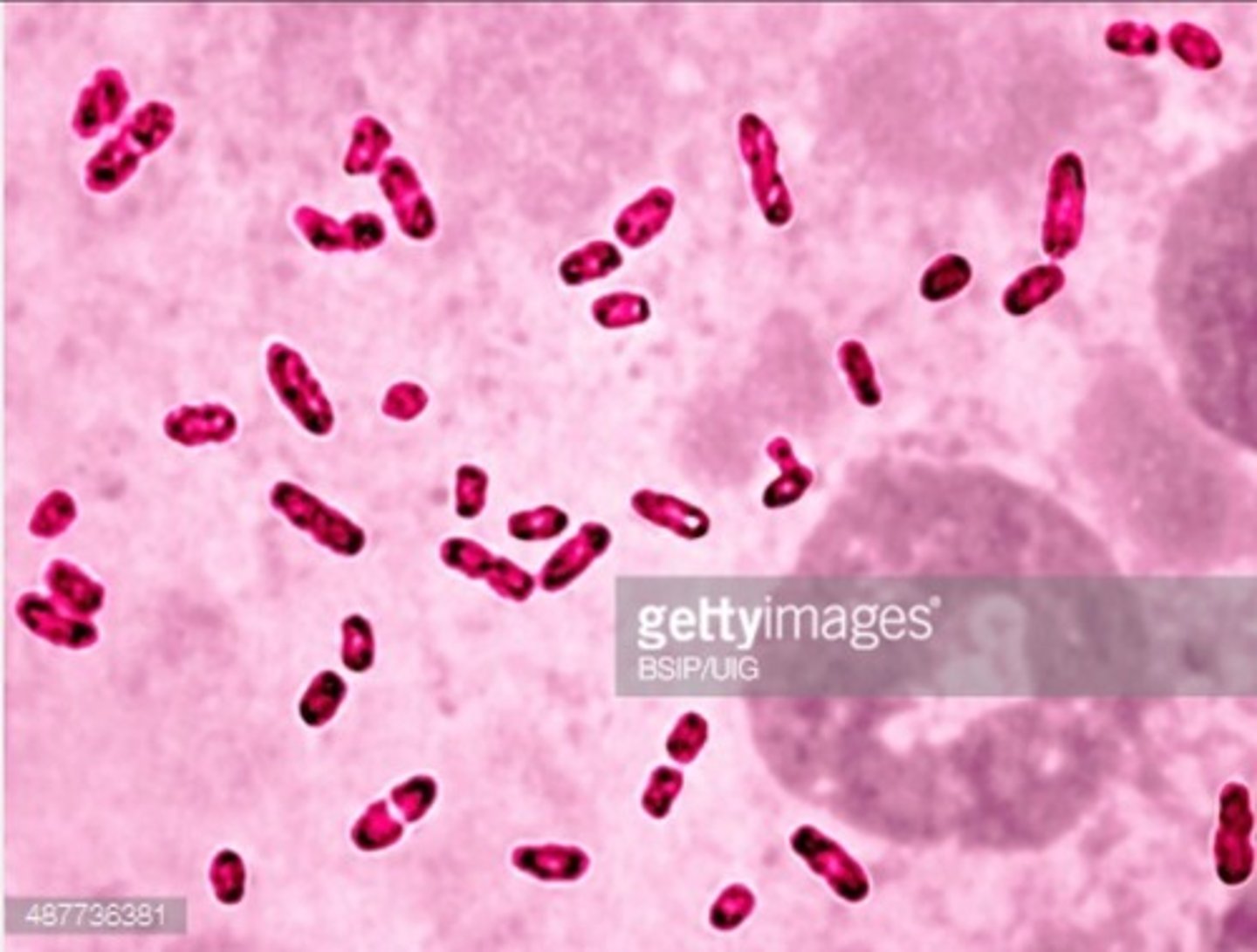
Yersenia pestis.
Cause of the bubonic plague.
Gram negative coccobacillus.
Facultative anaerobe.
Transmitted by oriental rat flee.
Non motile.
Stick shapped bacteria with bipolar staining.
Safety pin appearance.
Variola virus.
Cause of Smallpox.
Transmission by inhalation of airborne virus, usually droplets from the oral, nasal, or pharyngeal mucosa of infected person.
Franciscella tularemia.
Cause of Tularemia.
Gram negative coccobacillus.
Facultative Aerobe. (?)
Non spore forming.
Non motile.
Fastidious.
Requires cysteine for growth.
Transmitted by contact with infected animals.
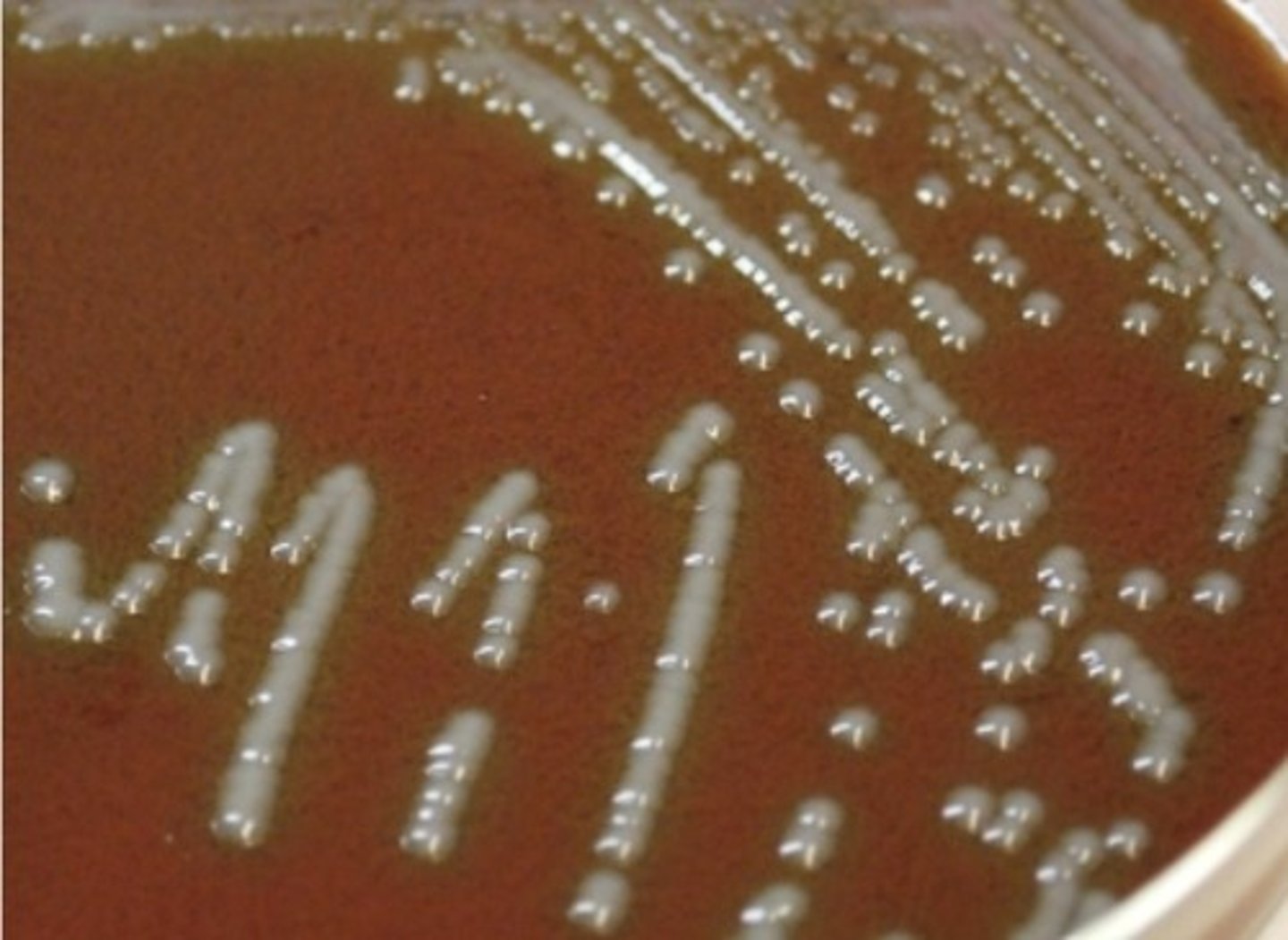
Staphylococcus aureus
Gram positive cocci.
Usually in clusters.
Catalase positive.
Coagulase positive.
Non motile.
Nitrate reduction positive.
Facultative anaerobe.
Skin infections, respiratory infections and food poisoning.
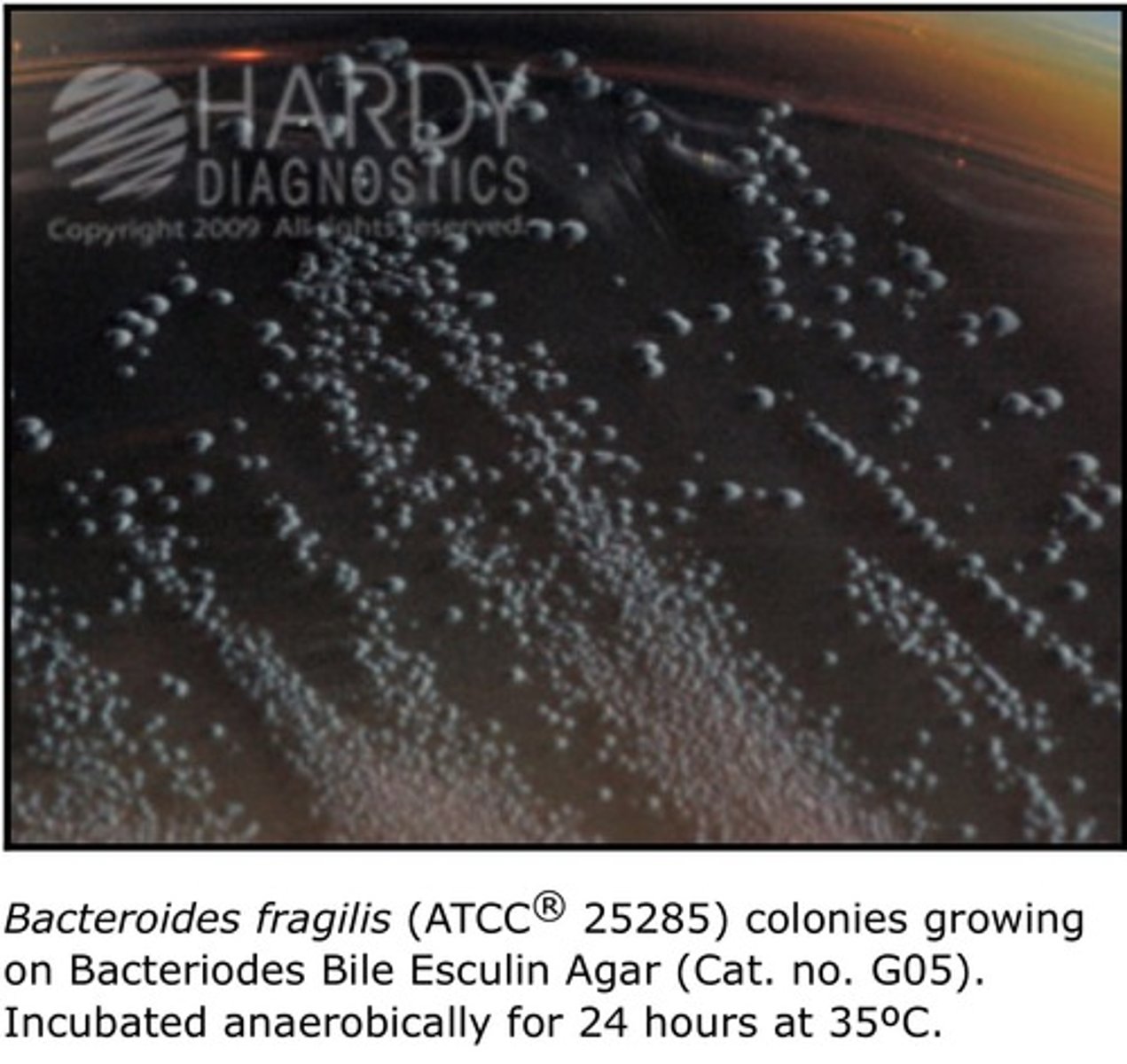
Bacteroides Bile Esculin Agar - B.B.E.
Selective, differential for recovery of Bacteroides fragilis group.
Bile-Esculin Agar.
Selective for recovery of vancomycin resistant enterococci.
Bismuth Sulfite Agar.
Differential and selective for for identification of Salmonella typhi and other enteric bacilli.
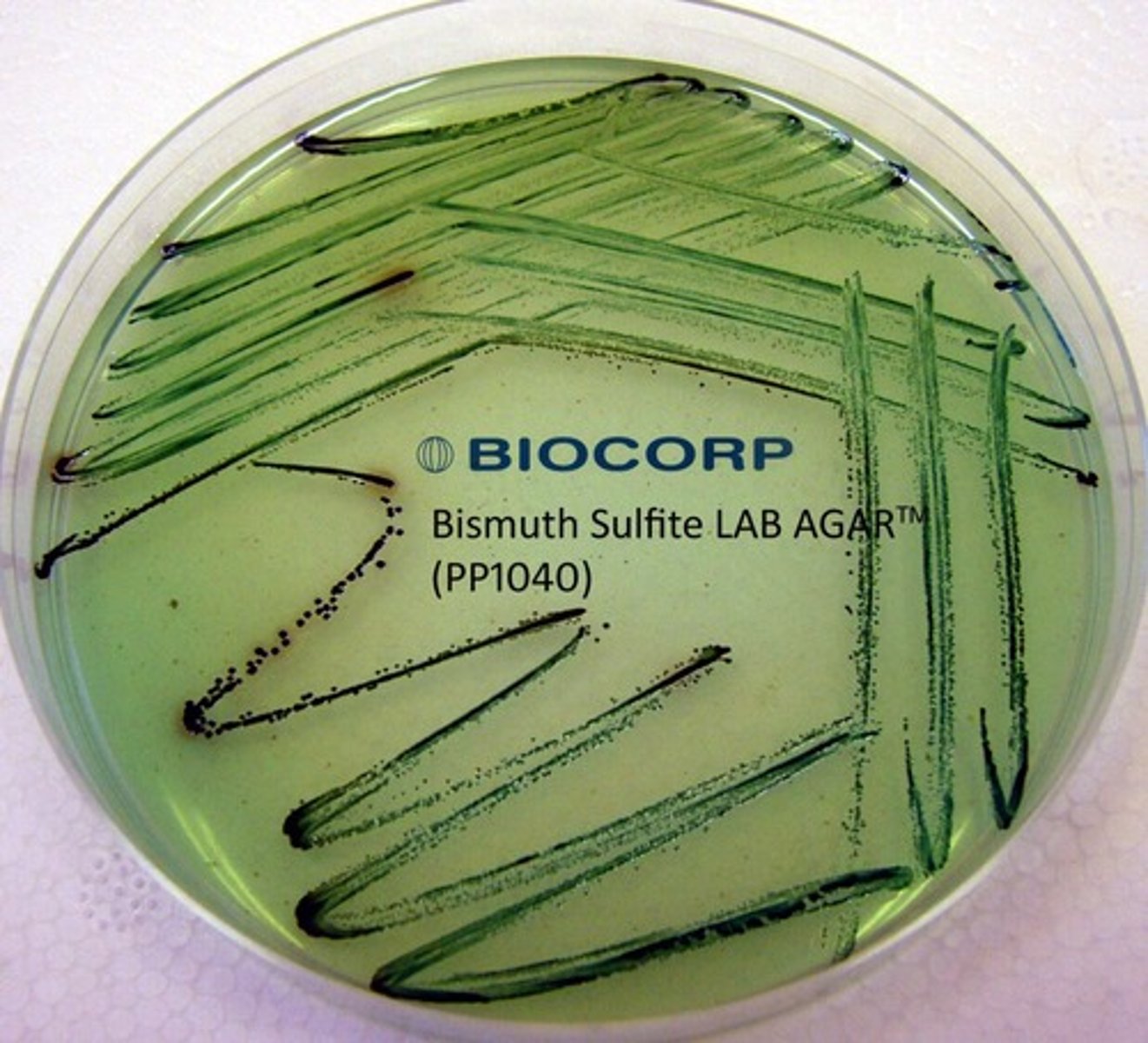
Appearance of Salmonella typhi colonies on Bismuth Sulfite Agar.
Black with a metallic sheen.
Bordet Gengou Agar.
Medium used for the recovery of Bordetella pertussis, known as whooping cough.
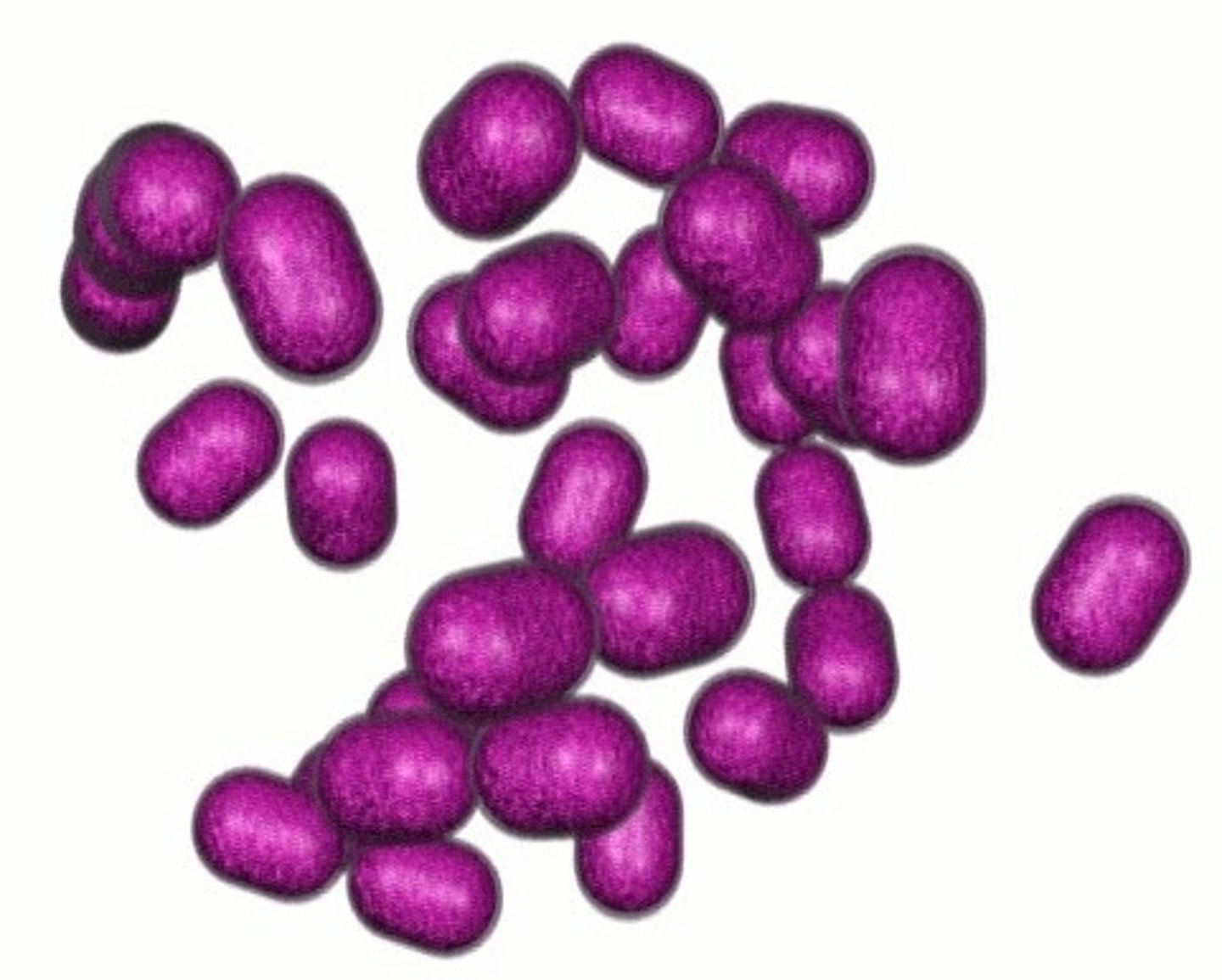
Buffered Charcoal Yeast Agar -BYCE
Selective for the recovery of Legionella and Norcardia species.
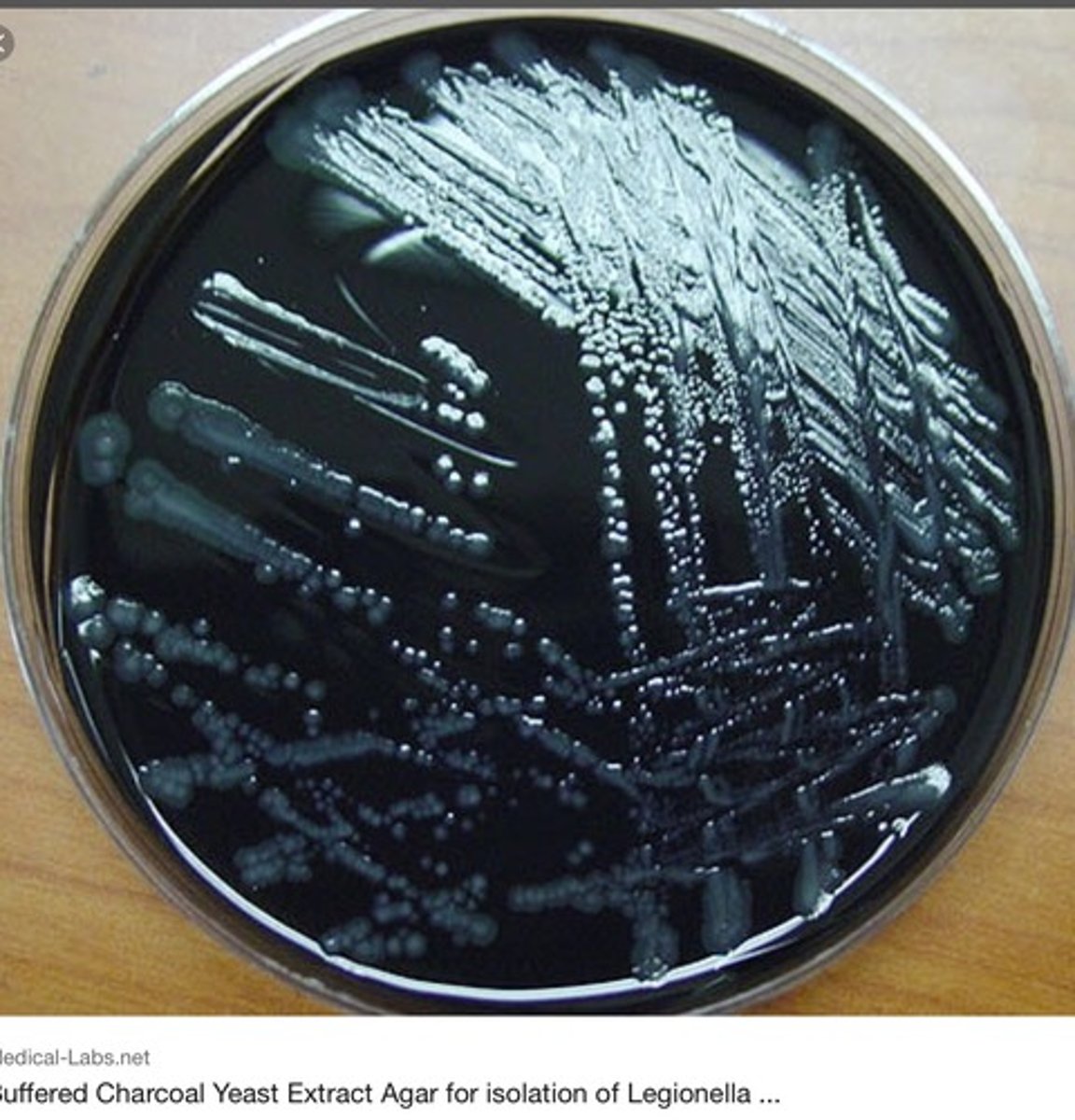
Cefsulodin Irgasan Novobiocin Agar - CIN
Selective and differential for isolation of Yersenia and Aeromonas species.
Chopped Meat Broth
Used for recovery of a variety of bacteria, particularly anaerobes.
Colistin Nalidixic Acid Agar - CNA
Selective for aerobic and anaerobic gram positive bacteria.
Cycloserine Cefoxitin Egg Yolk Fructose Agar - CCFA
Selective and differential for Clostridium difficile.
Cystine Tellurite Blood Agar
Selective and differential for Corynebacterium diphtheria.
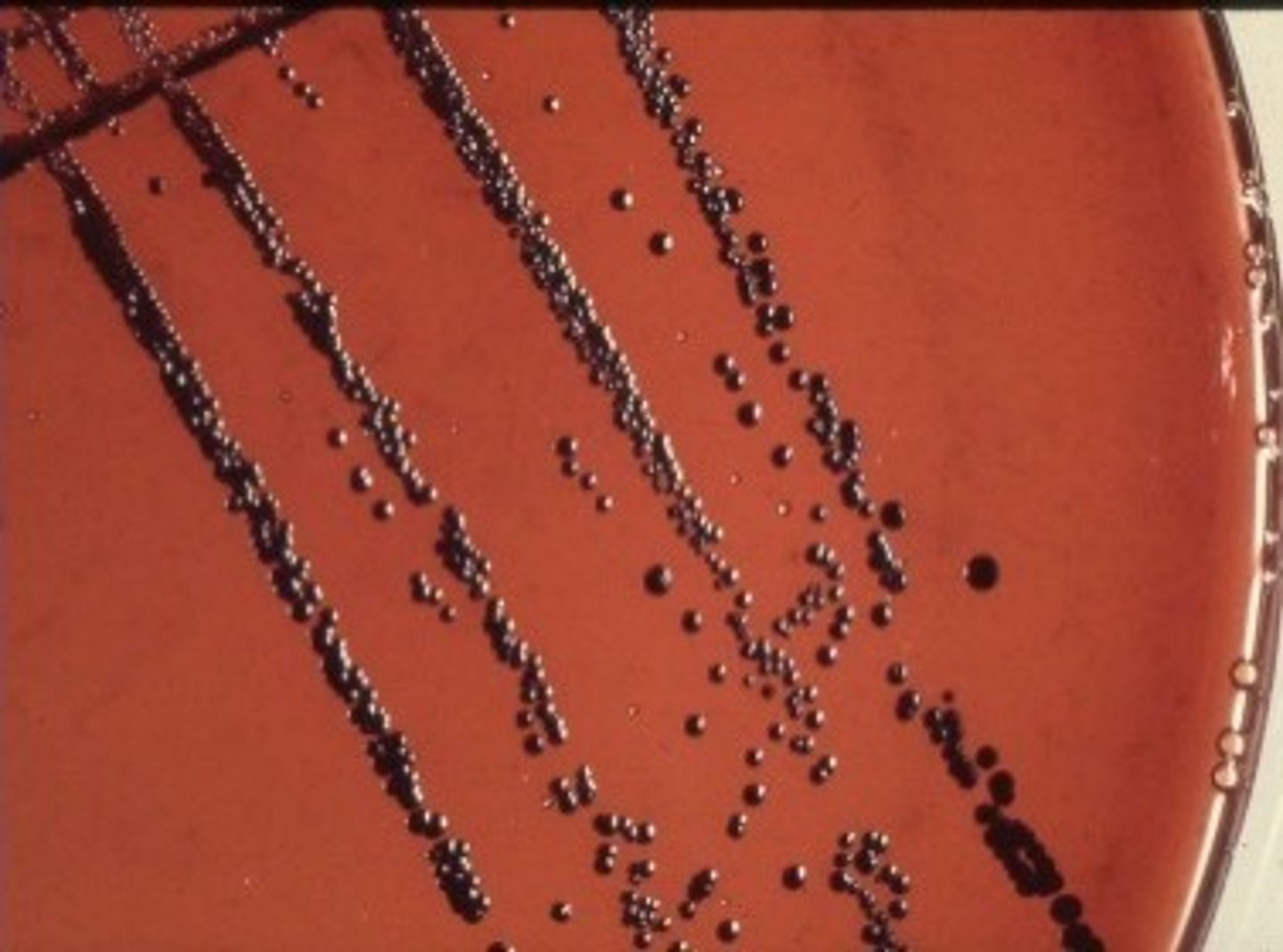
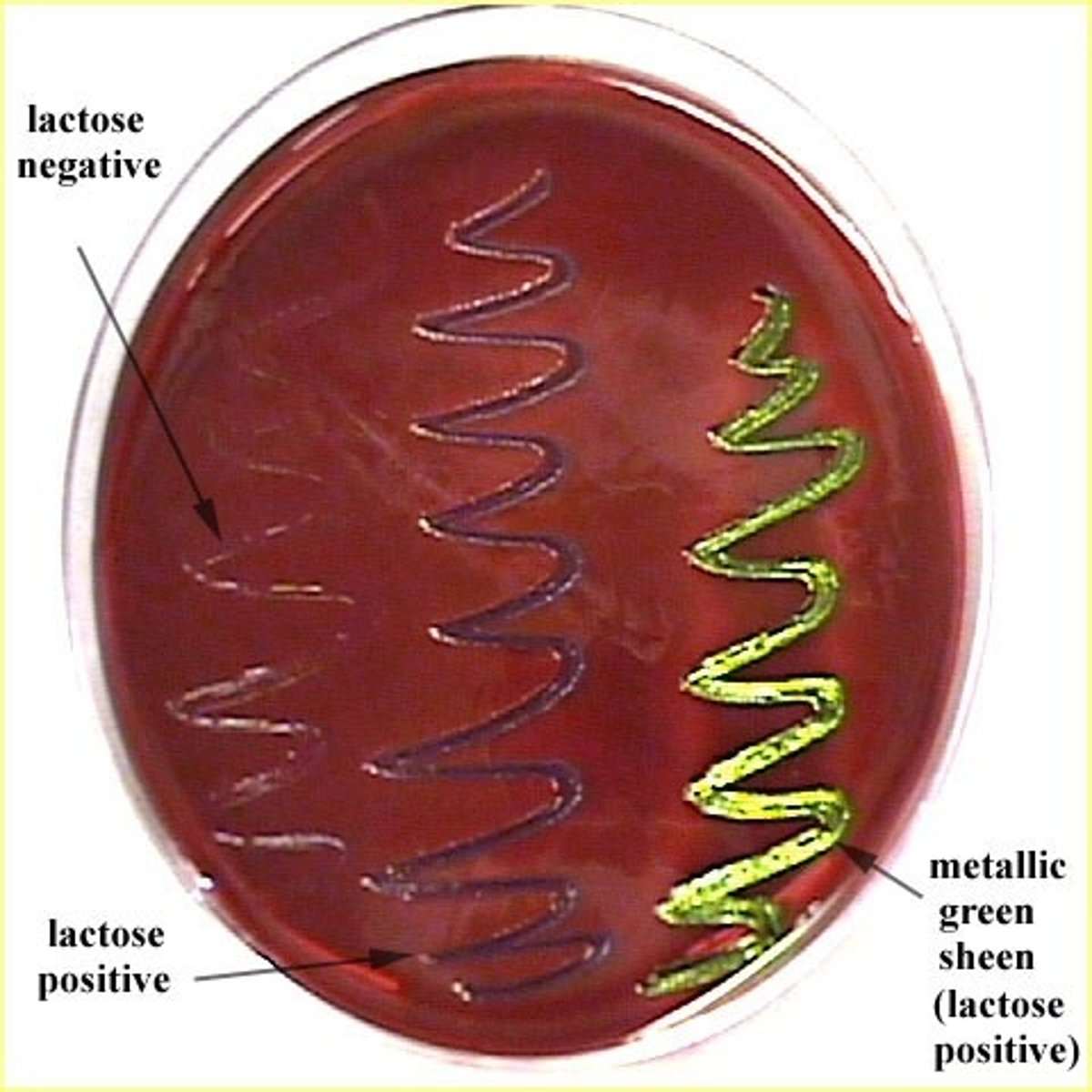
Eosin Methylene Blue Agar - E.M.B
Selective and differential for isolation and differentiation of lactose fermenting and non fermenting gram negative bacillus.
Fletcher's Medium
Semisolid medium for the recovery of Leptospira species.
Hekteon Enteric Agar - HE
Selective for isolation of Salmonella and Shigella species and differentiation of these organisms from other gram negative bacillus.
Kanamycin Vancomycin Laked Blood Agar - LKV
Selective and differential for anaerobic gram negative bacillus, especially Bacteroides and Prevotella species.
LIM Broth
Selective Enrichment Broth used for the recovery of group B strep.
Loeffler Medium
Used for the recovery of Corynebacterium diphtheria.
Vibrio
Gram negative curved rods.
Associated with eating undercooked seafood.
Facultative anaerobe.
Oxidase positive.
Non-spore forming
In the Vibrionaceae family.
Motile with polar flagella.
HACEK organisms.
A group of fastidious gram negative bacteria that an cause infective endocarditis.
They are part of the normal human microbiota, living in the oral pharyngeal area.
Haemophilus.
Aggregatibacter.
Cardiobacterium.
Eikenella.
Kingella.
Haemophilus.
Gram negative ploemorphic coccobacilli.
In the Pastuerellaceae family.
Normal bacteria in the upper respiratory tract, mouth, vagina, and intestinal tract.
Grows well on chocolate agar.
Haemophilus influenzae.
Gram negative coccobacillus.
Can cause bacterial meningitis in young children.
Needs Factor X and V for growth.
Haemophilus ducreyi
Causative agent of chancroid.
Needs Factor X but not Factor V for growth.
Capnocytophaga
Gram negative bacilli.
In the Flavobacteriaceae family.
It is dependent on Carbon Dioxide.
It has gliding motility.
It lives in the mouths of dogs and cats.
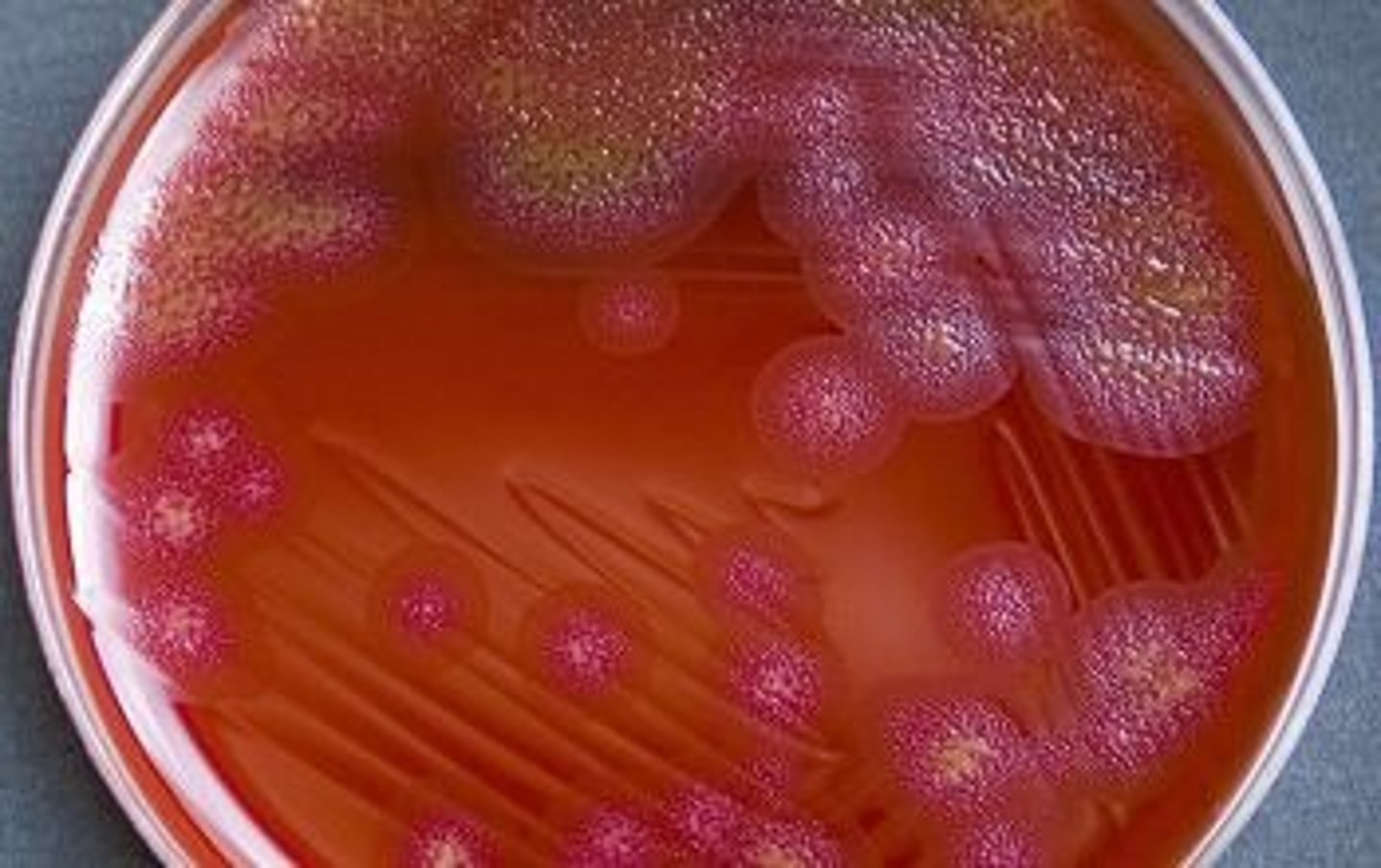
What is the media of choice for recovery of Vibrio cholera from stool specimens.
T.C.B.S - Thiosulfate-citrate-bile-sucrose agar.
What percent carbon dioxide and temperature should Neisseria gonorrhoeae be incubated at?
3-7% carbon dioxide.
35 degrees celicus.
C.C.F.A - Cycloserine-cefoxitin-fructose agar is used for the recovery of.
Clostridium difficile.
D.C.A.- Deoxycholate agar is used for the recovery of.
Enterobacteriaceae spp.
D.C.A. Inhibits gram positive organisms.
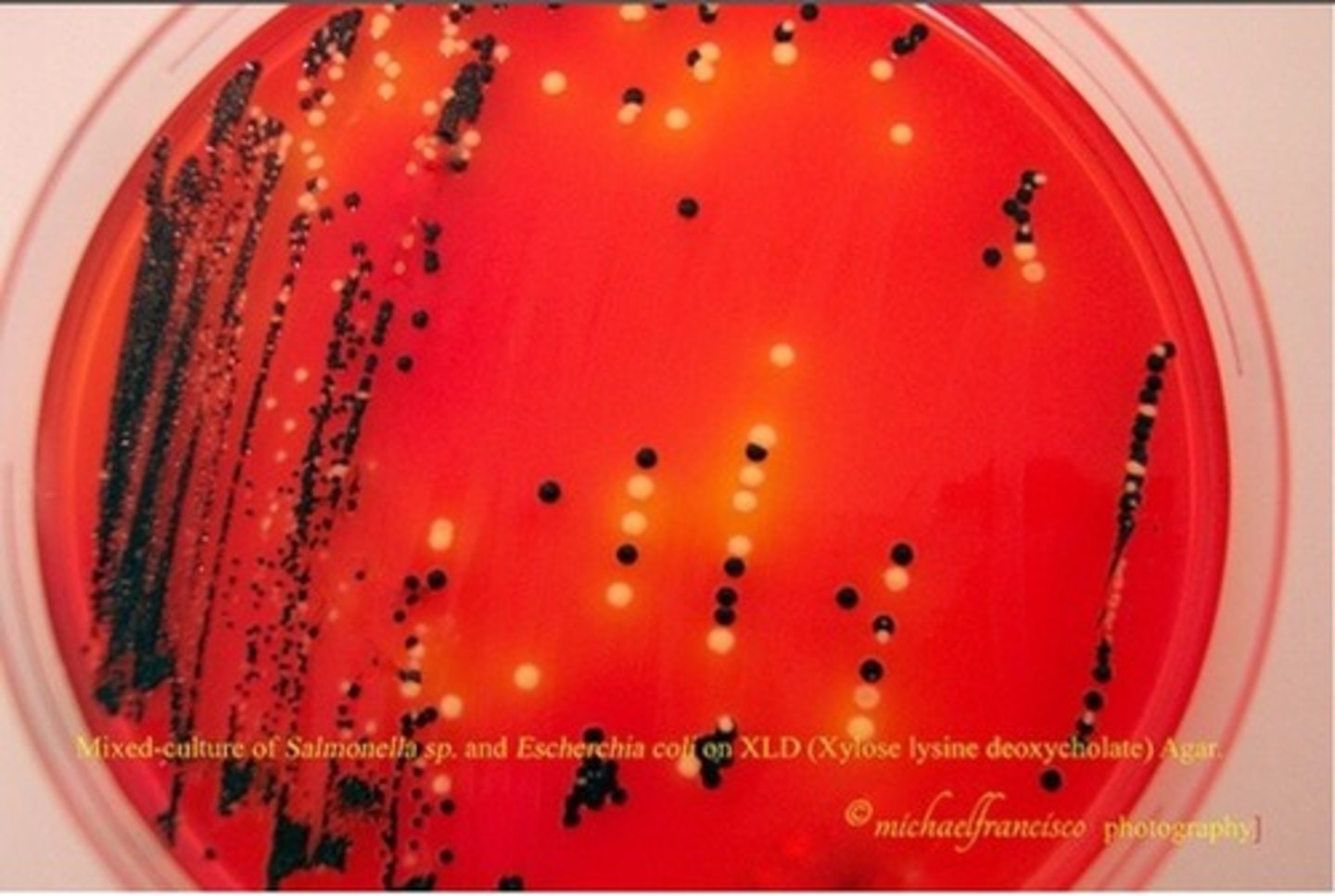
X.L.D or Xylose lysine deoxycholae agar is highly selective medium for the recovery of.
Enterobacteriaceae.
X.L.D. Agar is selective for gram negative coliforms.
X.L.D. Agar is is differential for Shigella and Salmonella spp.
Prereduced and vitamin K1 supplemented Blood Agar plates are recommended isolation media for.
Bacteroides, Peptostreptococcus, Clostridium spp.
What procedure is appropriate for culture of genital specimens in order to recover Chlamydia spp?
Inoculate cycloheximide treated McCoy cells.
Specimens for virus cultures should be transported in media containing:
Antibiotics and nutrients.
The most sensitive method for the detection of Beta lactamase in bacteria is the use of:
Chromogenic cephalosporin.
The breakpoint of an antimicrobial drug refers to:
The level of the drug that is achievable in serum.
An organism is susceptible if the M.I.C. is at or below the breakpoint.
What class of antibiotics are used for the treatment of serious gram negative infections as well as infections with Mycobacterium tuberculosis?
Aminoglycosides.
How do Aminoglycosides work?
By inhibiting protein synthesis.
What antibiotics are included in the Aminoglycosides?
Amikacin.
Gentamicin.
Tobramycin.
Kanamycin.
Streptomycin.
Spectinomycin.
How are Aminoglycosides usually administered?
Intravenously or intramuscularly because they are poorly absorbed from the gastrointestinal tract.
What variables may change the results of an M.I.C?
Inoculum size.
Growth rate of bacteria.
Incubation time.
What medium is best suited for the recovery of Yersenia enterocolitica from a patient with gastroenteritis.
C.I.N.- Cefsulodin-Irgasan-Novobiocin.
C.I.N. agar inhibits the growth of many other organisms from Enterobacteriaceae.
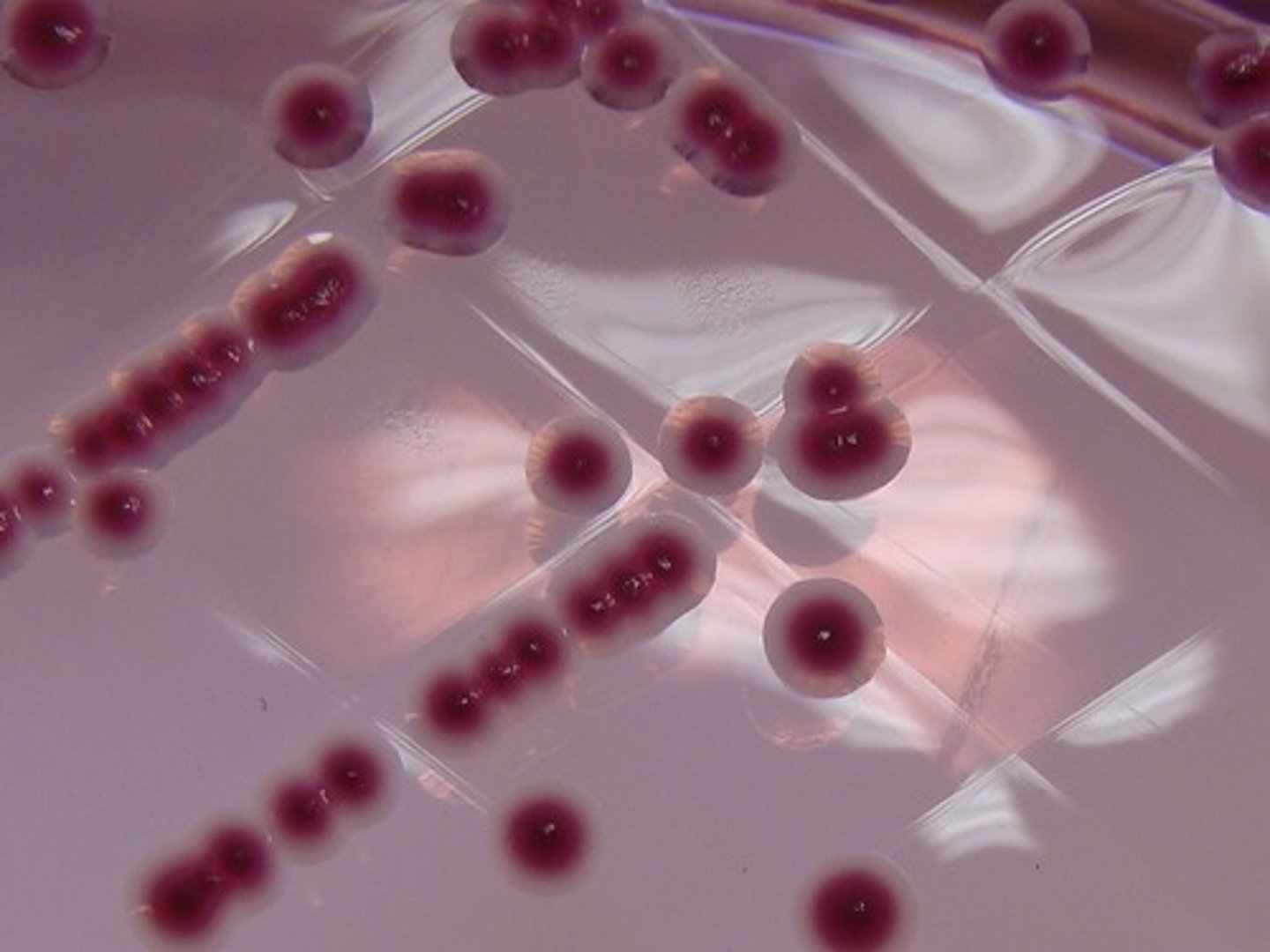
Aeromonas hydrophilia
Gram negative fermentative bacilli.
Beta hemolytic on blood.
Cream colored colonies on MacConkeys .
Oxidase positive.
Catalase positive.
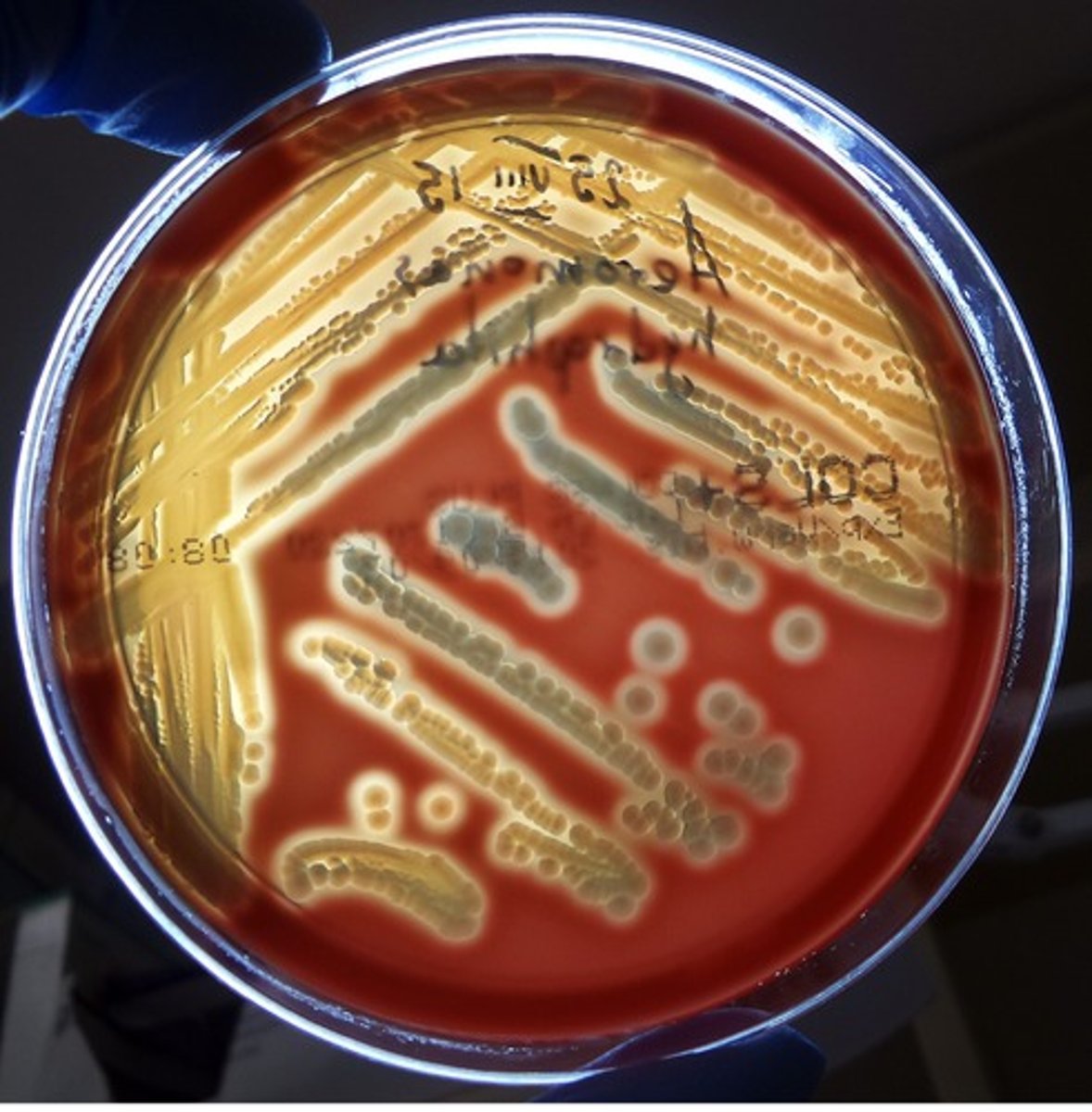
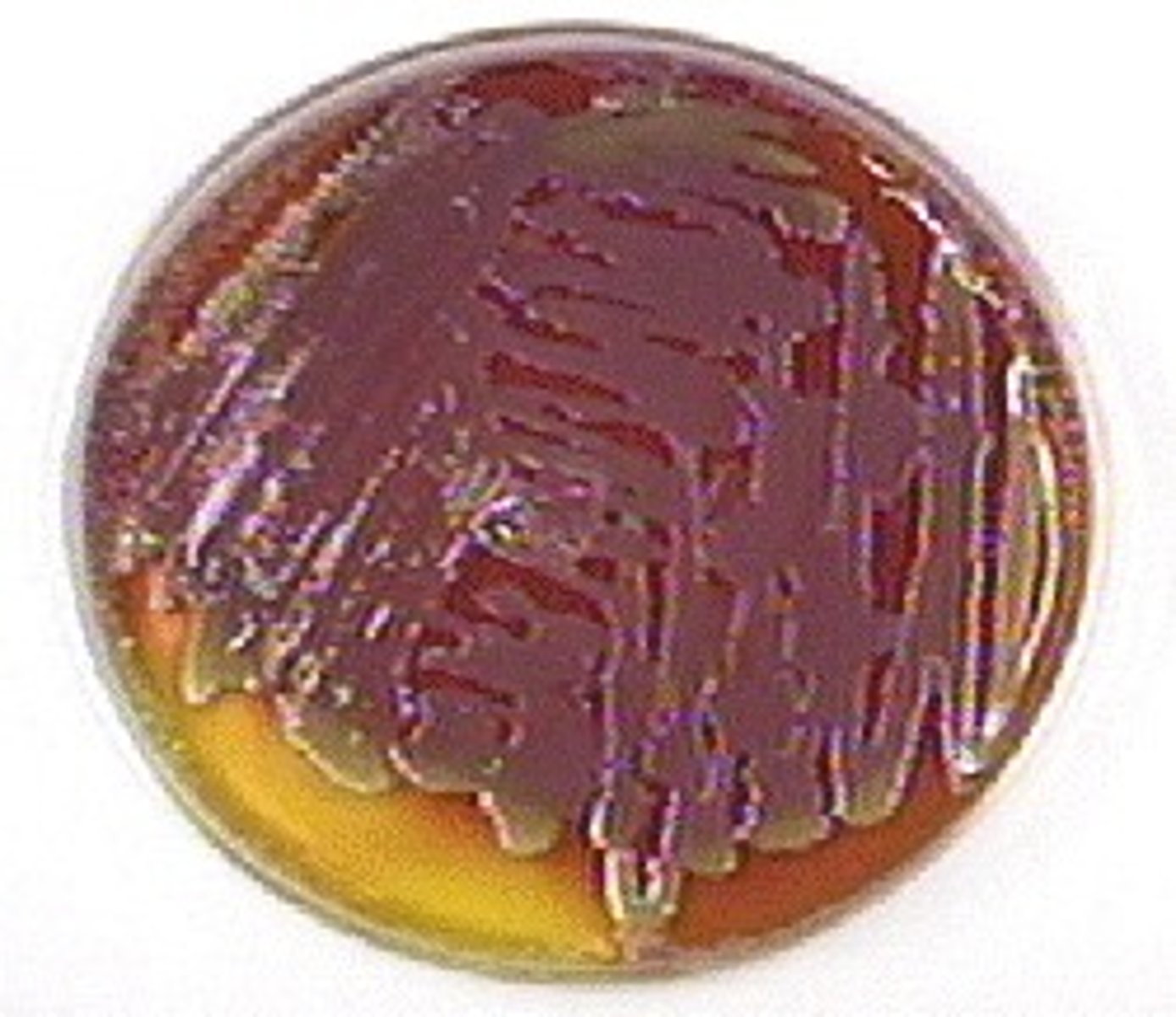
What media is used for recovery of E. coli 0157:H7?
MacConkey Agar with Sorbitol.
E. coli 0157:H7 does not ferment sorbitol and usually produce colorless colonies on MacConkeys Agar.
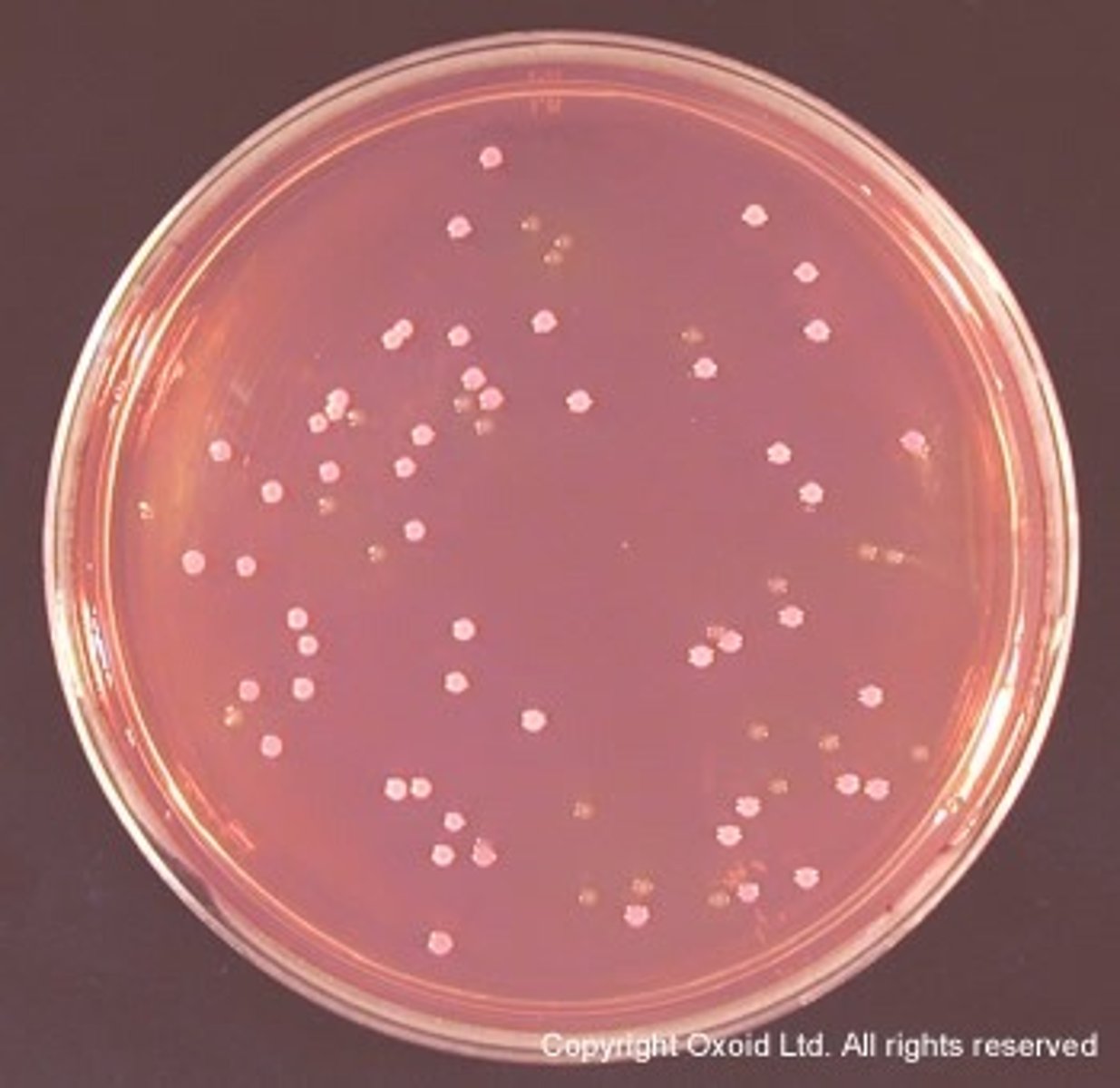
The Enterobacteriaceae are:
Gram negative rods.
Nonsporulating.
Most are motile, except Shigella and Klebsiella.
Ferment glucose.
Reduce nitrate to nitrite.
Oxidase negative.
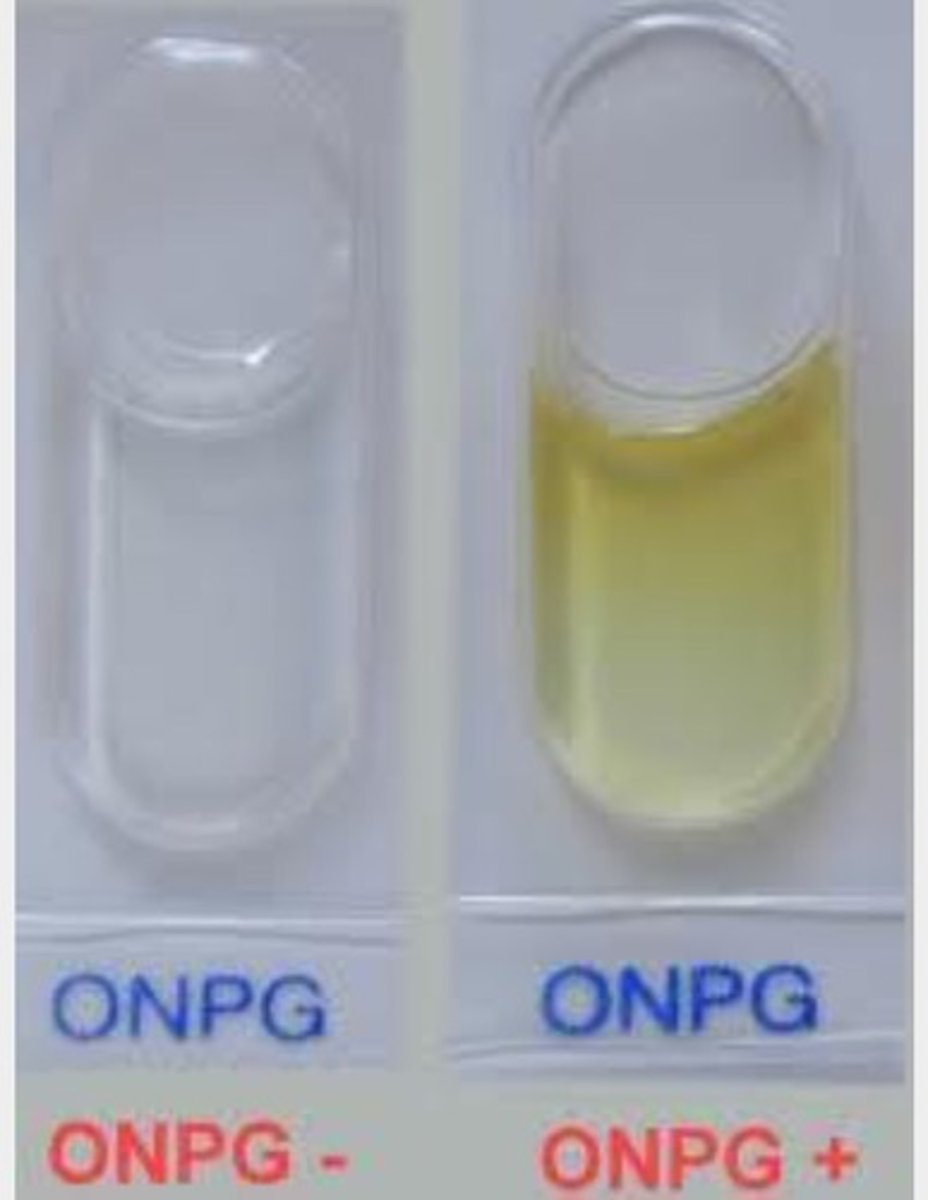
The ortho-nitrophenyl-beta-galactopyranoside - O.N.P.G. detects:
beta galactosidase activity and is most useful in distinguishing late lactose fermenters from nonfermenters.
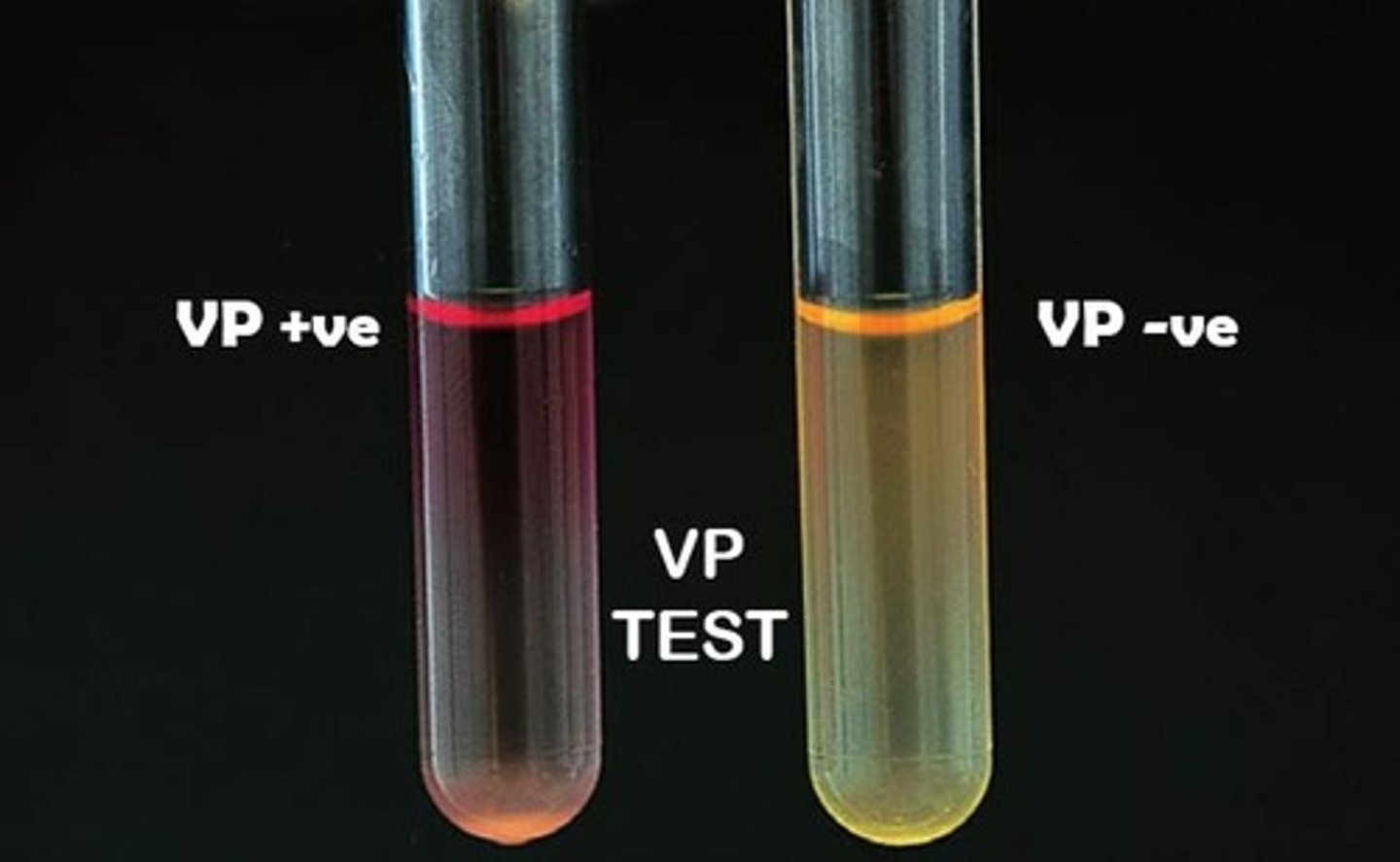
The Voges-Proskauer (VP) test detects which end product of glucose fermentation?
Acetoin or carbinol.
At what pH does the methyl red test become positive?
4.5.
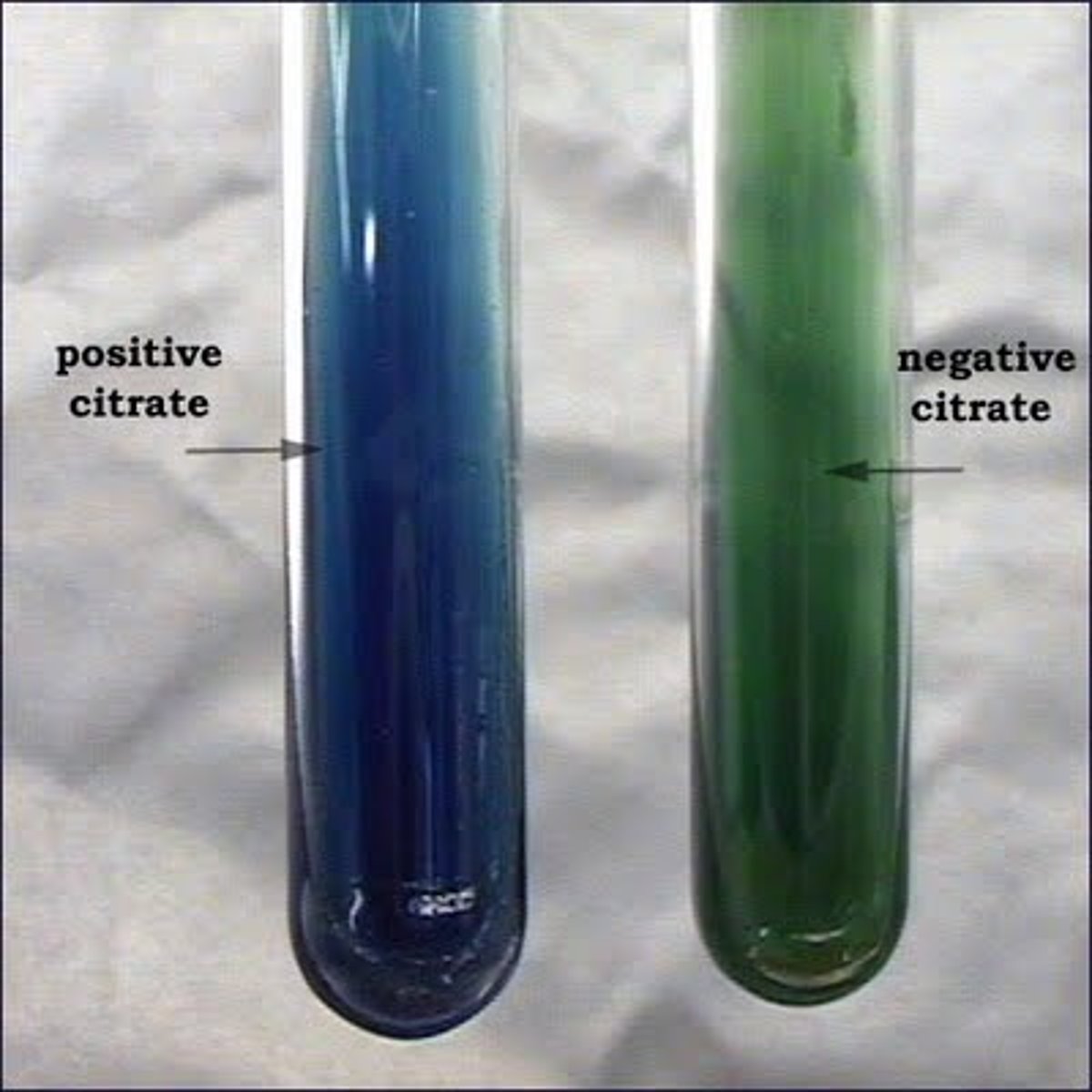
What is the Simmons citrate test?
A test that determines if an organism can utilize citrate as the sole source of carbon.
A positive Simmons citrate test is seen as:
Blue color in the medium after 24 hours of incubation at 35 degrees celisus.
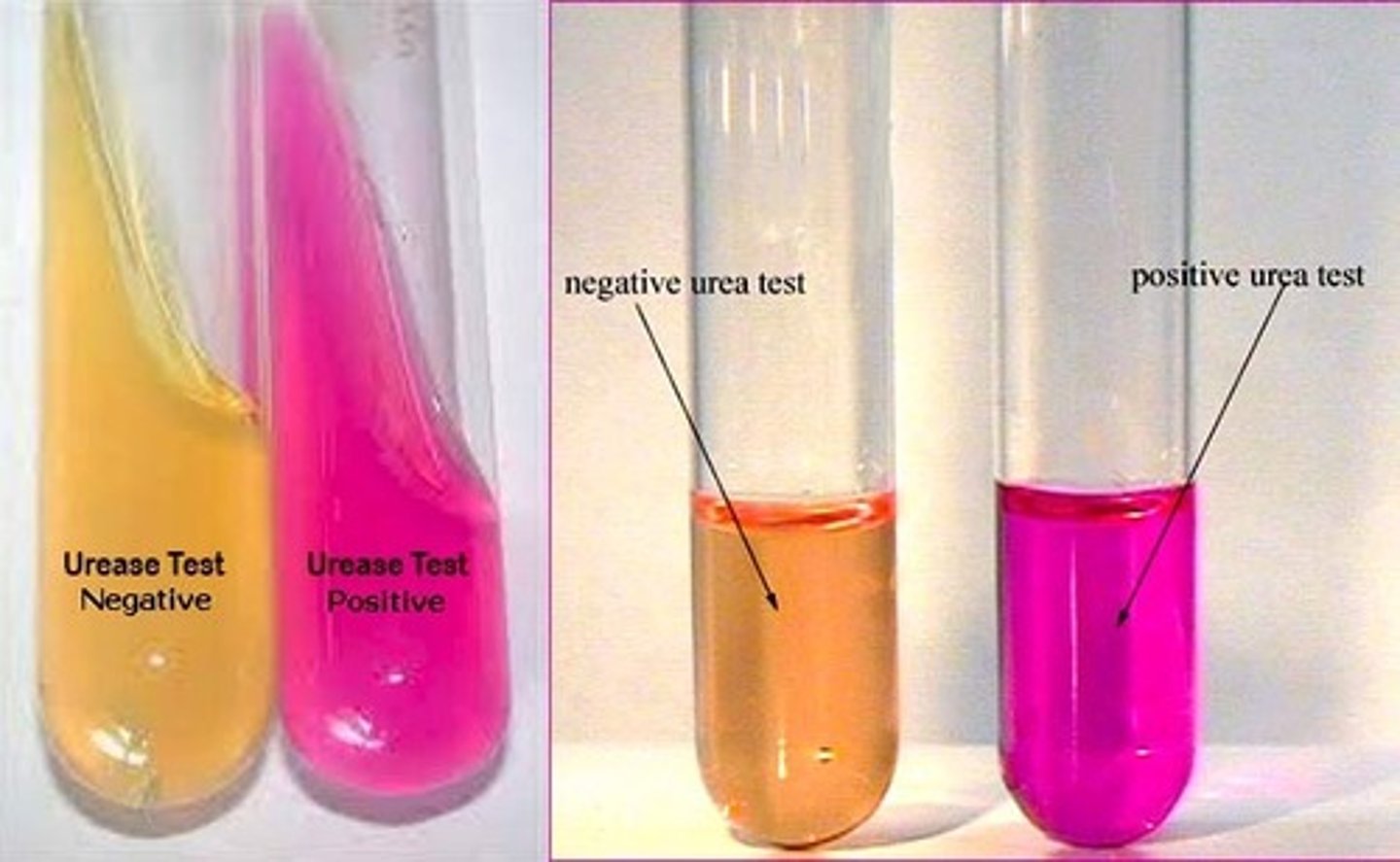
In the test for urease production, ammonia reacts to form what product?
Ammonium carbonate which turns the pH indicator - phenol red- pink at pH of 8.0.
What reagent is added to detect the production of indole?
It is p-Dimethylaminobenzaldehyde - the active reagent in Kovac's and Ehrlich's reagents.
How does the indole test work?
It detects the conversion of tryptophan, which is present in the media, to indole by the enzyme tryptophanase.
Decarboxylation of the amino acids lysine, ornithine and arginine results in the formation of what?
Amines.
What is decarboxylation of amino acids?
A chemical reaction that removes a carboxyl group and release carbon dioxide.
What is lysine iron agar - L.I.S. Agar used for?
It is used as an aid for the identification of Salmonella species.
Lysine iron agar-L.I.S. Agar showing a purple slant and a blackened butt indicates:
Salmonella species.
Putrescine is an alkaline amine product of what enzyme?
Ornithine decarboxolase.
What is putrescine?
A foul smelling organic chemical that is produced in the breakdown of amino acids in living and dead organisms.
Which genera are positive for phenylalanine deaminase?
Morganella.
Providencia.
Proteus.
What is the difference in Kligler iron agar - K.I.A from triple sugar agar - T.S.I?
The use of sucrose in the medium.
T.S.I contains sucrose and K.I.A does not.
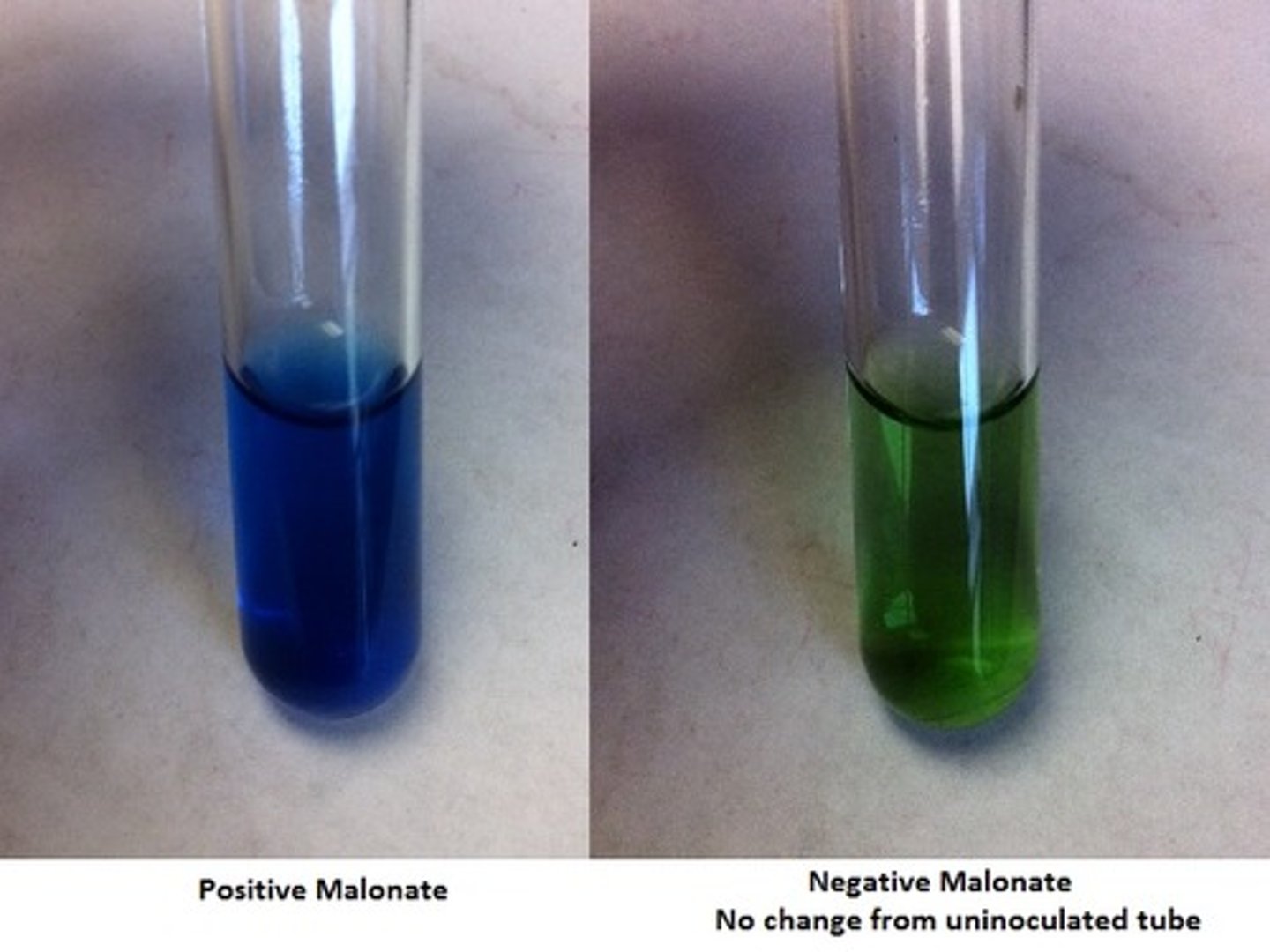
The malonate test is most useful in differentiating which members of the Enterobacteriaceae?
Salmonella subgroups 2 and 3.
What does the malonate test determine?
Whether an organism can utilize sodium malonate as the sole source of carbon.
What organism is responsible for hemorrhagic colitis?
E.coli O157:H7.
It is usually negative for sorbitol fermentation.
Which species of Shigella is most commonly associated with diarrheal disease in the United States?
Shigella sonnei.
Which tests differentiates Shigella species from E.coli?
Lactose. E. Coli positive - Shigella-negative.
Indole. E.coli positive - Shigella negative.
O.N.P.G. - E.coli positive - Shigella negative
Motility. E.coli motile - Shigella non motile.
Is Yersenia motile?
It can be motile at 22 degrees Celsius, but it is non motile at 36 degrees Celsius.
Which tests aid in the rapid identification of Enterobacteriaceae?
Oxidase.
Indole.
Growth on MacConkey's and blood agar plates.
Which group of tests best identifies the Morganella and Proteus genera?
Morganella and Proteus species are motile, produce urease and deaminate phenylalanine.
Edwardsiella tarda
Indole positive.
Hydrogen sulfide positive.
Sucrose negative.
V.P. Negative.
Enterobacter aerogenes.
Indole negative.
Hydrogen sulfide negative.
Sucrose positive.
V.P. Positive.
How is Enterobacter sakazakii differentiated from Enterobacter cloacae?
By sorbitol fermentation.
Enterobacter cloacae is sorbitol positive and Enterobacter sakazakii is sorbitol negative.
What is the difference between Klebsiella oxytoca and Klebsiella pneumoniae?
Indole production.
Klebsiella oxytoca is indole positive.
Klebsiella pneumoniae is indole negative.
Will Yersenia species grow on MacConkeys agar.
Yes. It will grow small colonies at 37 degrees Celsius but will grow larger colonies at 22 degrees
Celsius.
Is E.coli indole positive or indole negative?
Indole positive.
What is the oxidase reaction of Campylobacter?
Oxidase positive.
Will campylobacter grow on MacConkeys?
No.