FREC TAXA
 Call Kai
 Learn
Learn Practice Test
 Spaced Repetition
 Match
Match Flashcards
 Knowt Play
1/64

There's no tags or description
Looks like no tags are added yet.
Name | Mastery | Learn | Test | Matching | Spaced | Call with Kai |
|---|
No analytics yet
Send a link to your students to track their progress
65 Terms
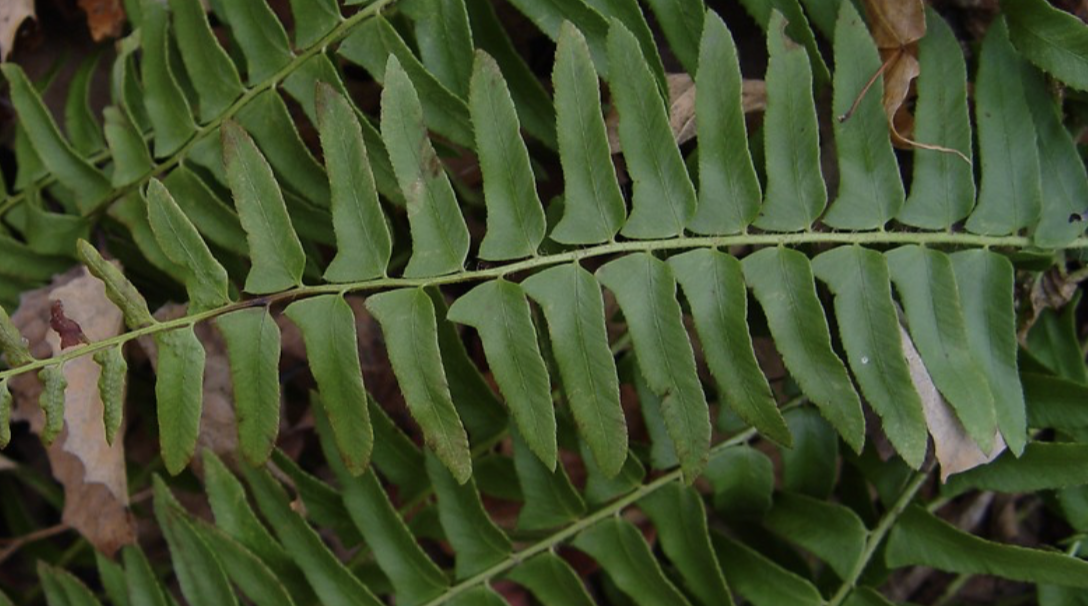
Christmas Fern A
Polystichum Acrostichoides
native; retains its green color through much of the year; is resistant to deer;
found in wet areas
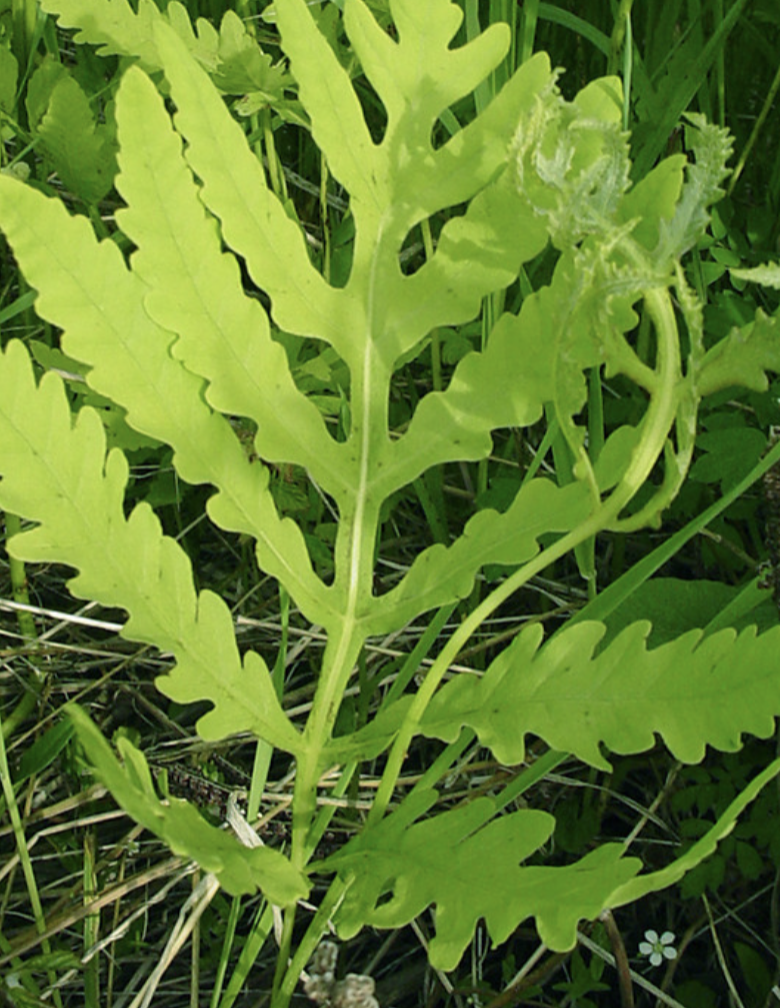
Sensitive Fern
Onoclea Sensibilis
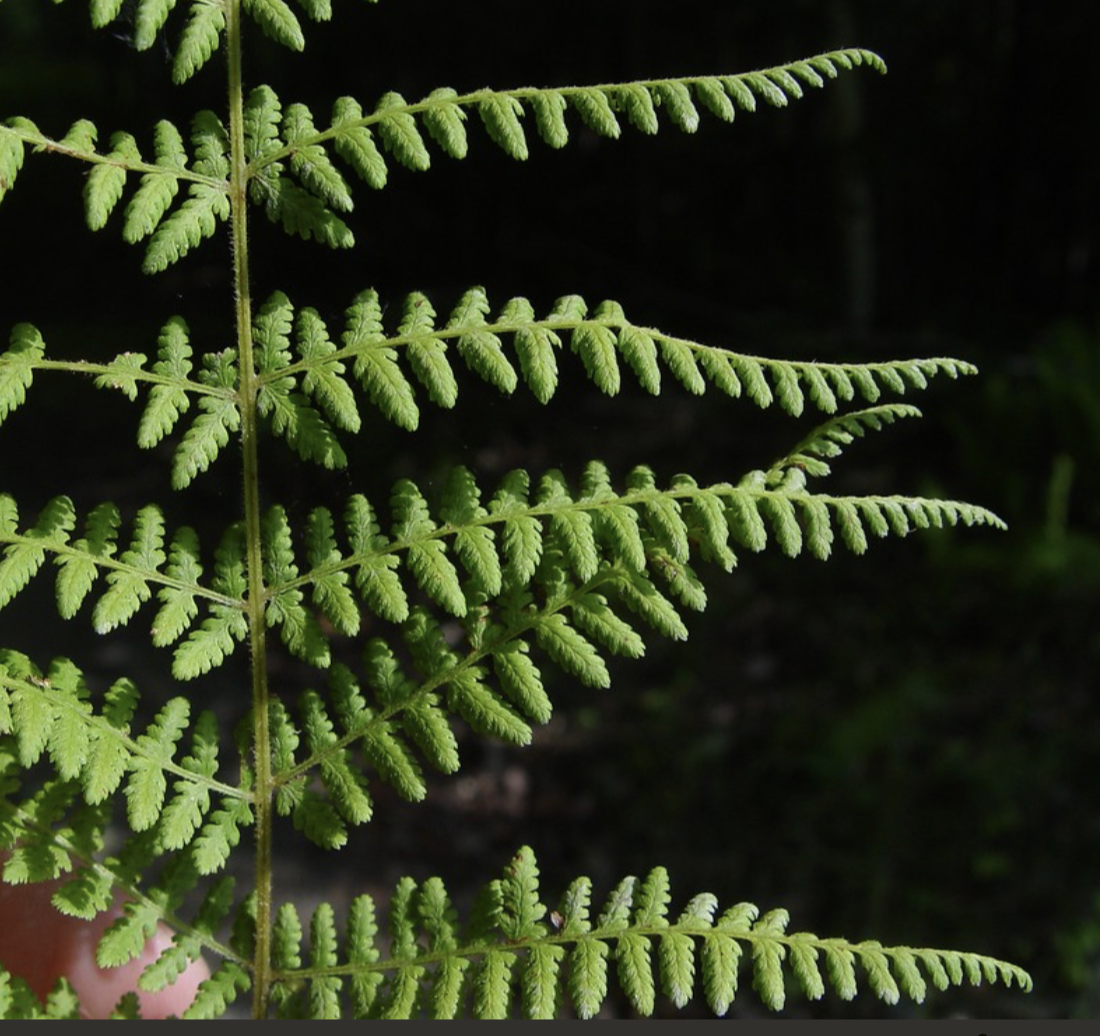
Hay-scented fern
Sitobolium Punctilobulum
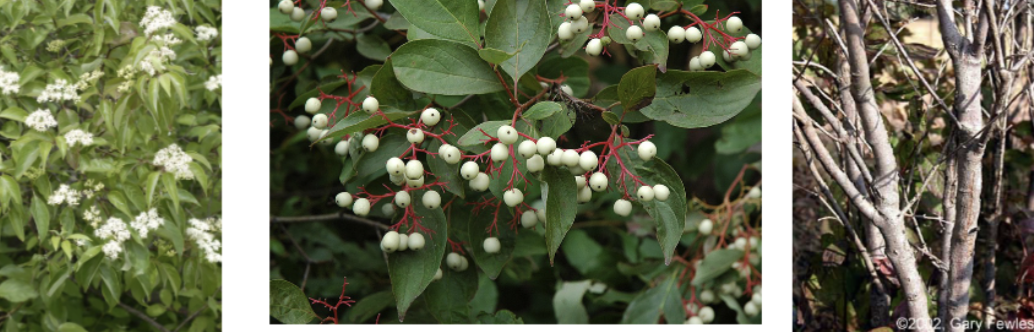
grey dogwood
cornus racemosa
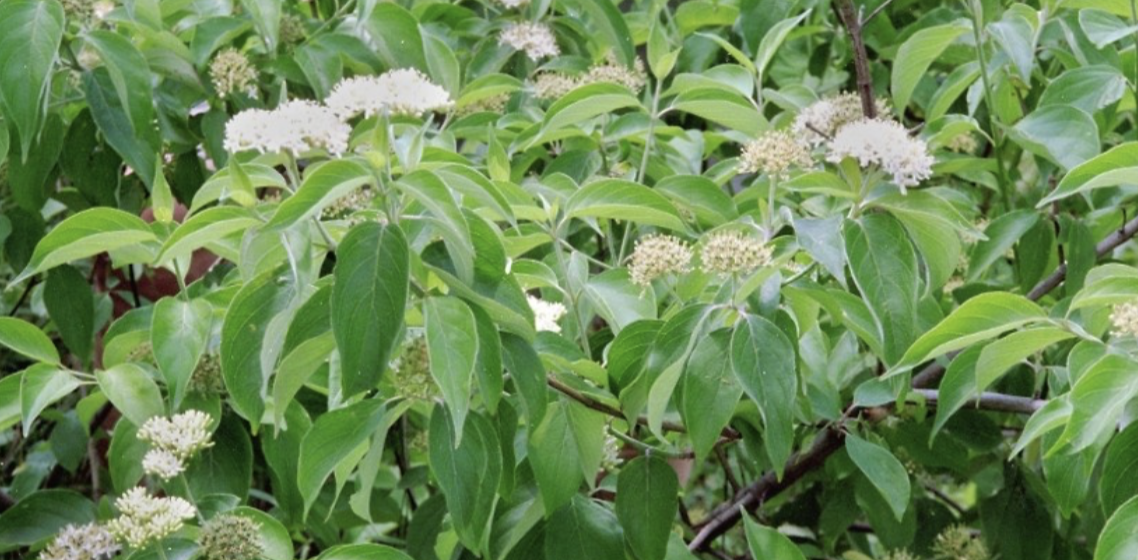
Silky dogwood A
Swida amomumnative
white flowers; fruits are blue; excellent food for migratory songbirds;
habitat is meadows, fields and wetland margins
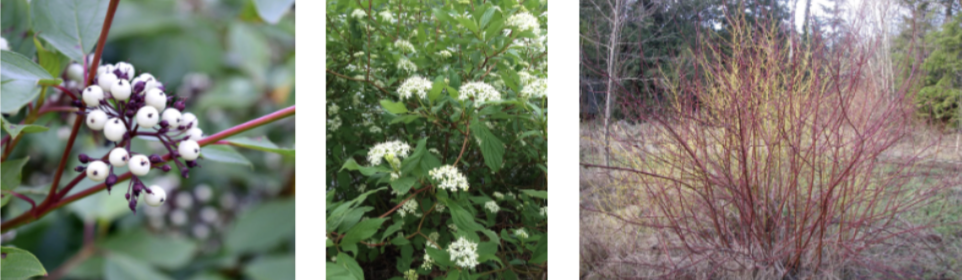
red-osier dogwood
cornus sericea
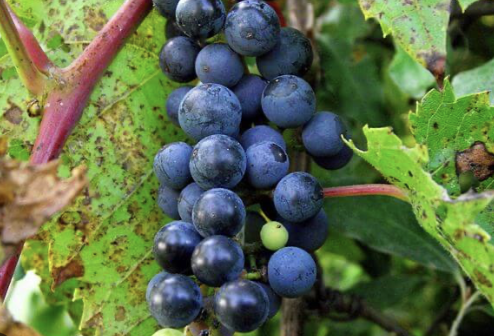
wild grape
vitis spp.
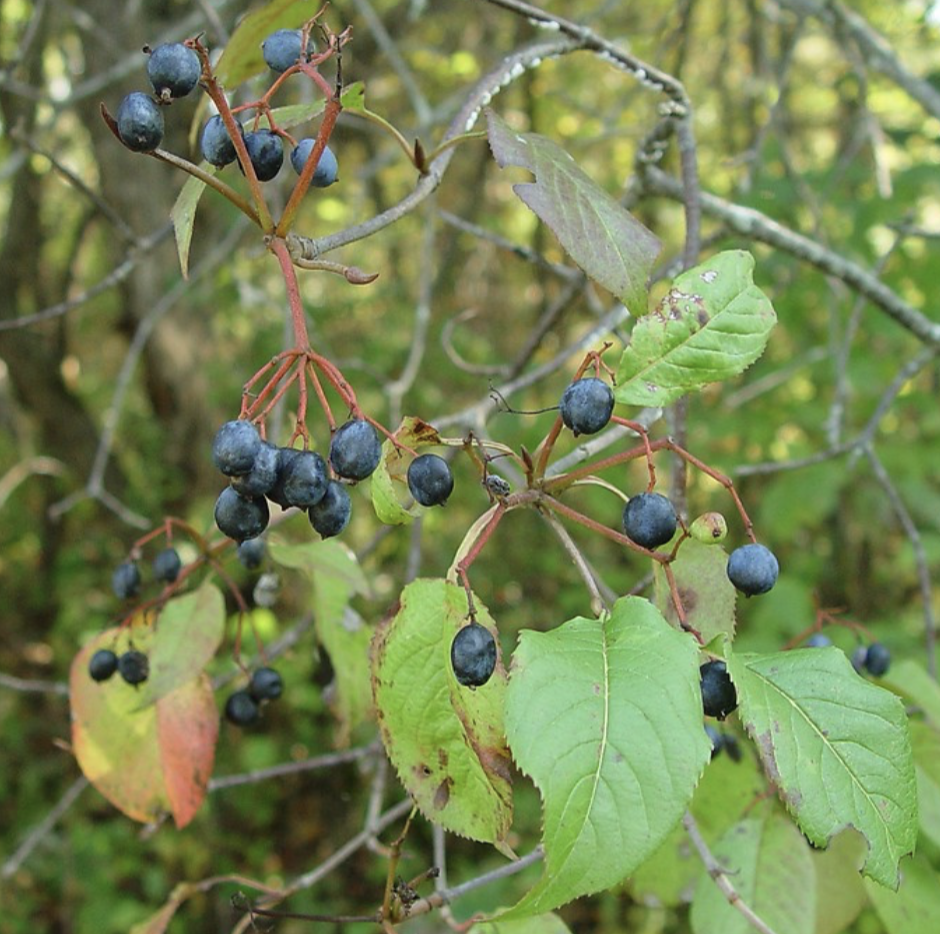
nanny berry
viburnum lentago
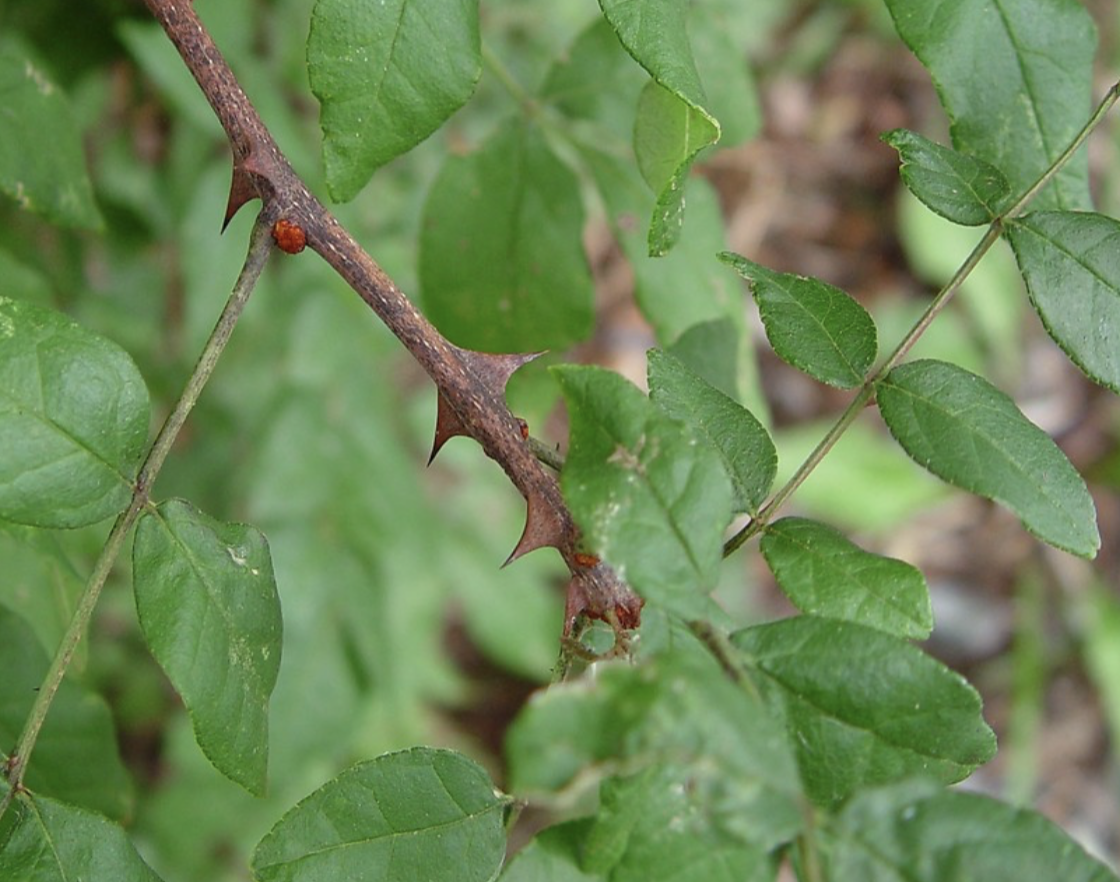
prickly ash A
Zanthoxylum Americanum
native to Eastern U.S.; known as toothache tree as people chew the twigs to
ease tooth pain; barbed stems and opposite leaves; red berries
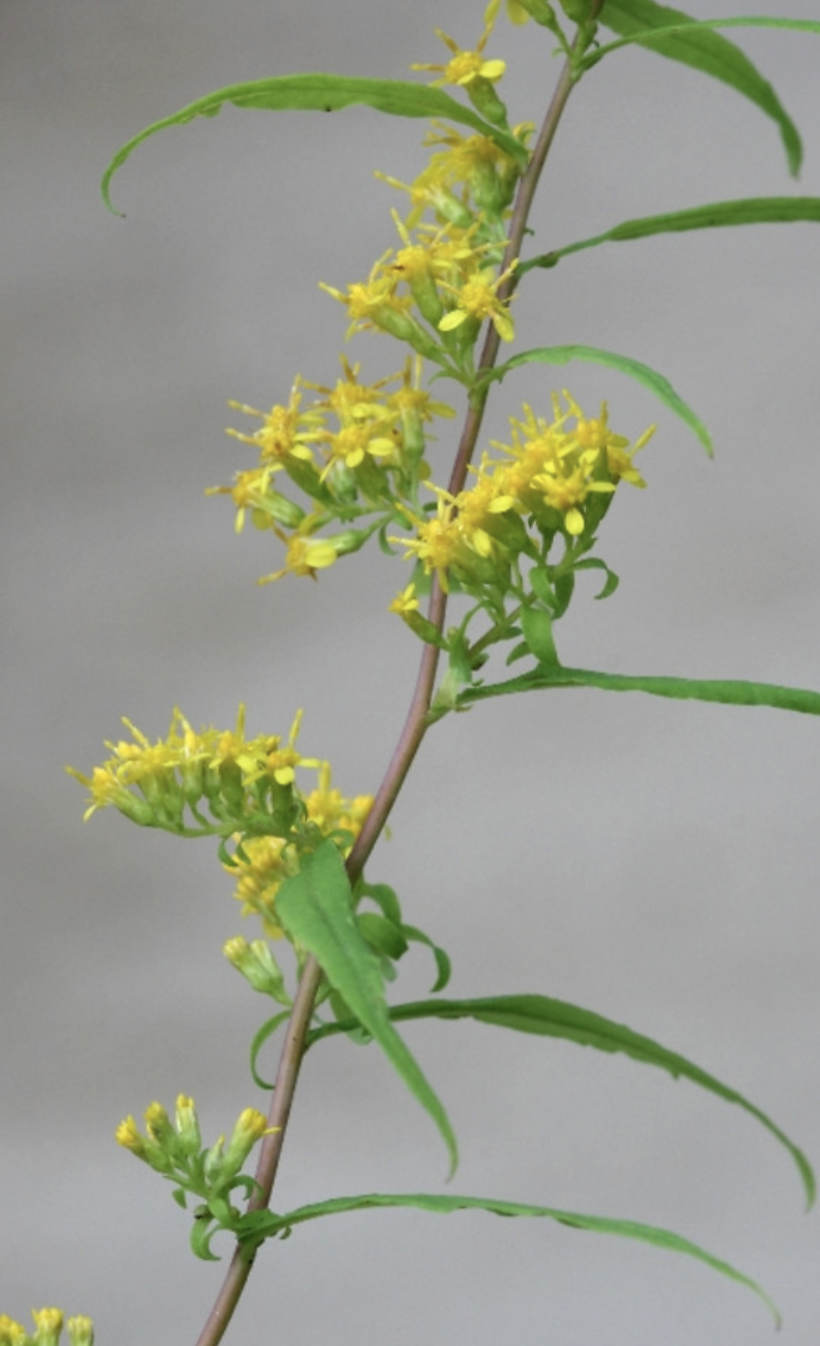
goldenrod
soldiago spp.
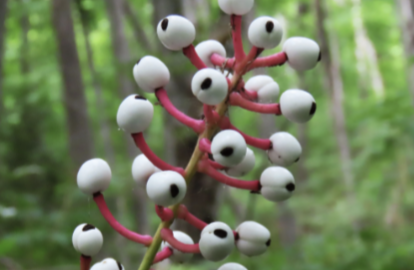
dolls-eye/white baneberry
actaea pachypoda
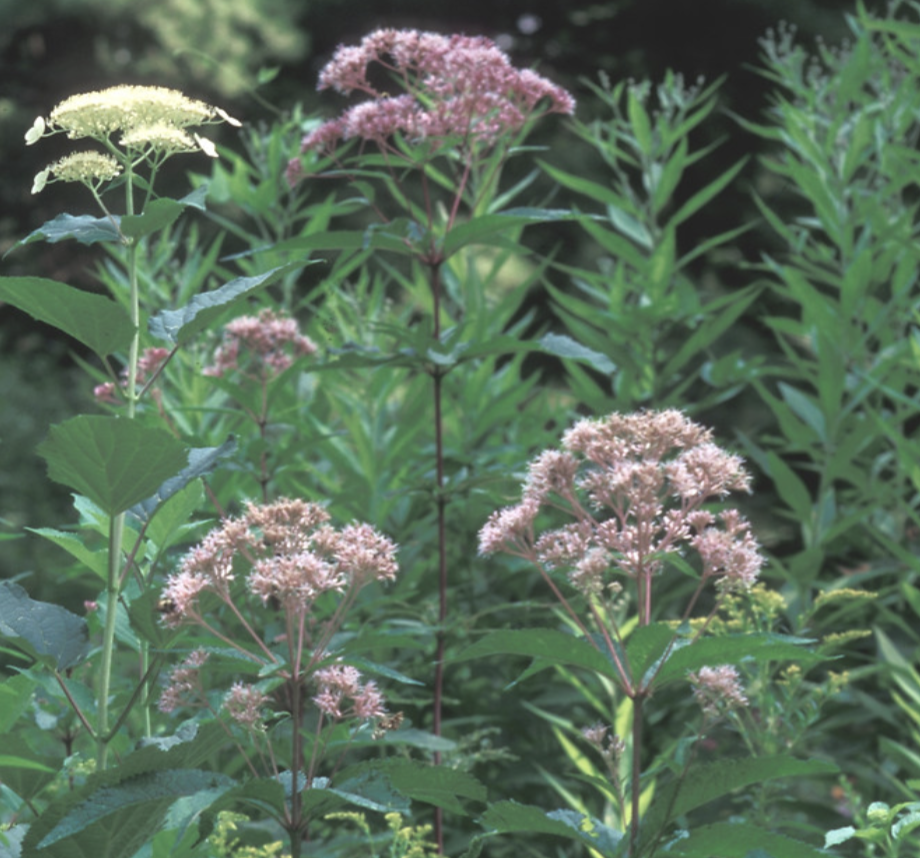
joe-pye weed
eutrochium purpureum
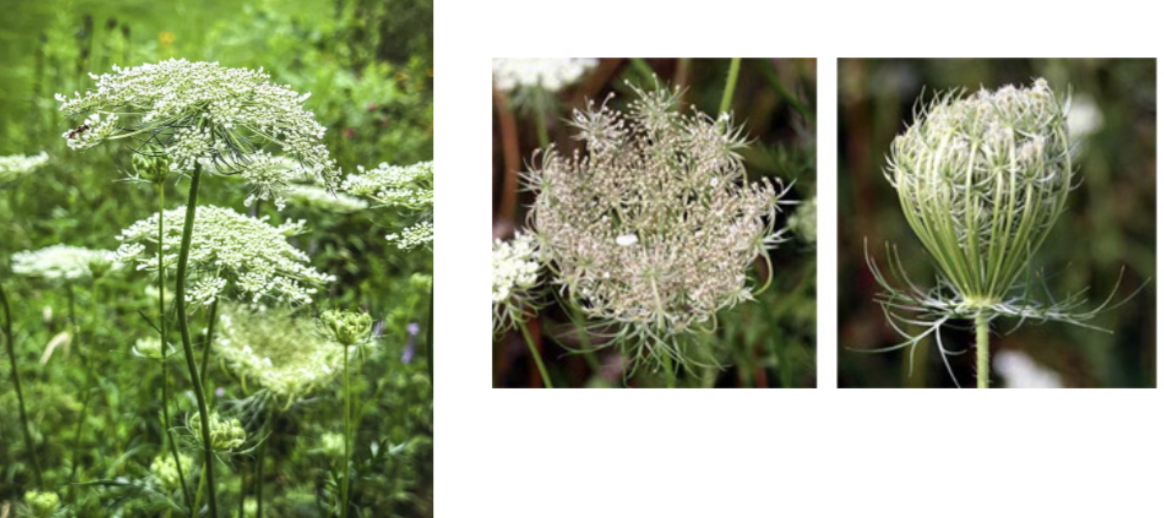
Queens annes lace/ wild carrot A
Daucus Carota
introduced; medicinal herb; ancestor to cultivated carrot; habitat is meadows
and fields; flower is white and sometimes has dot in center
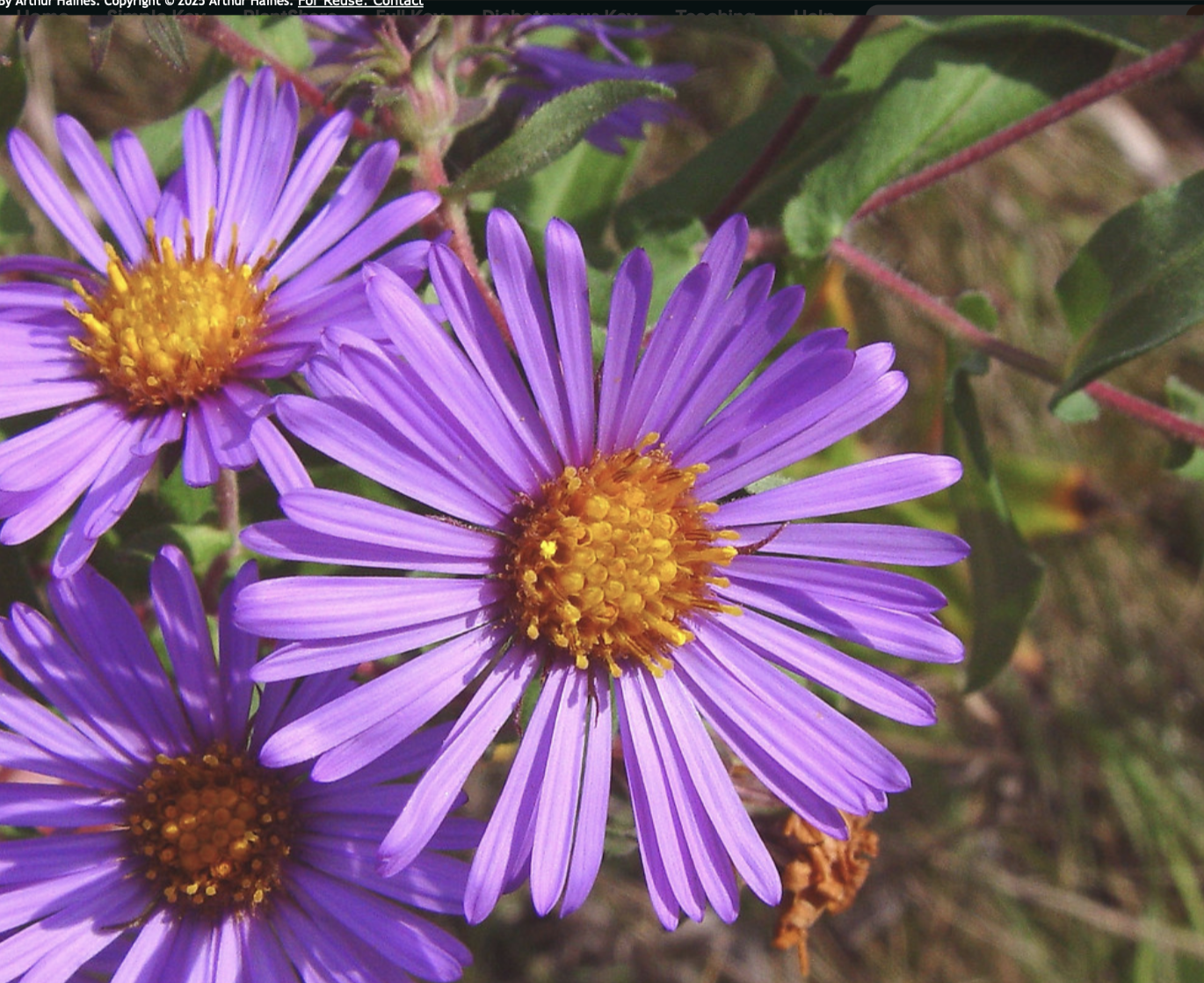
New England American-aster
symphyotrichum novae-angilae
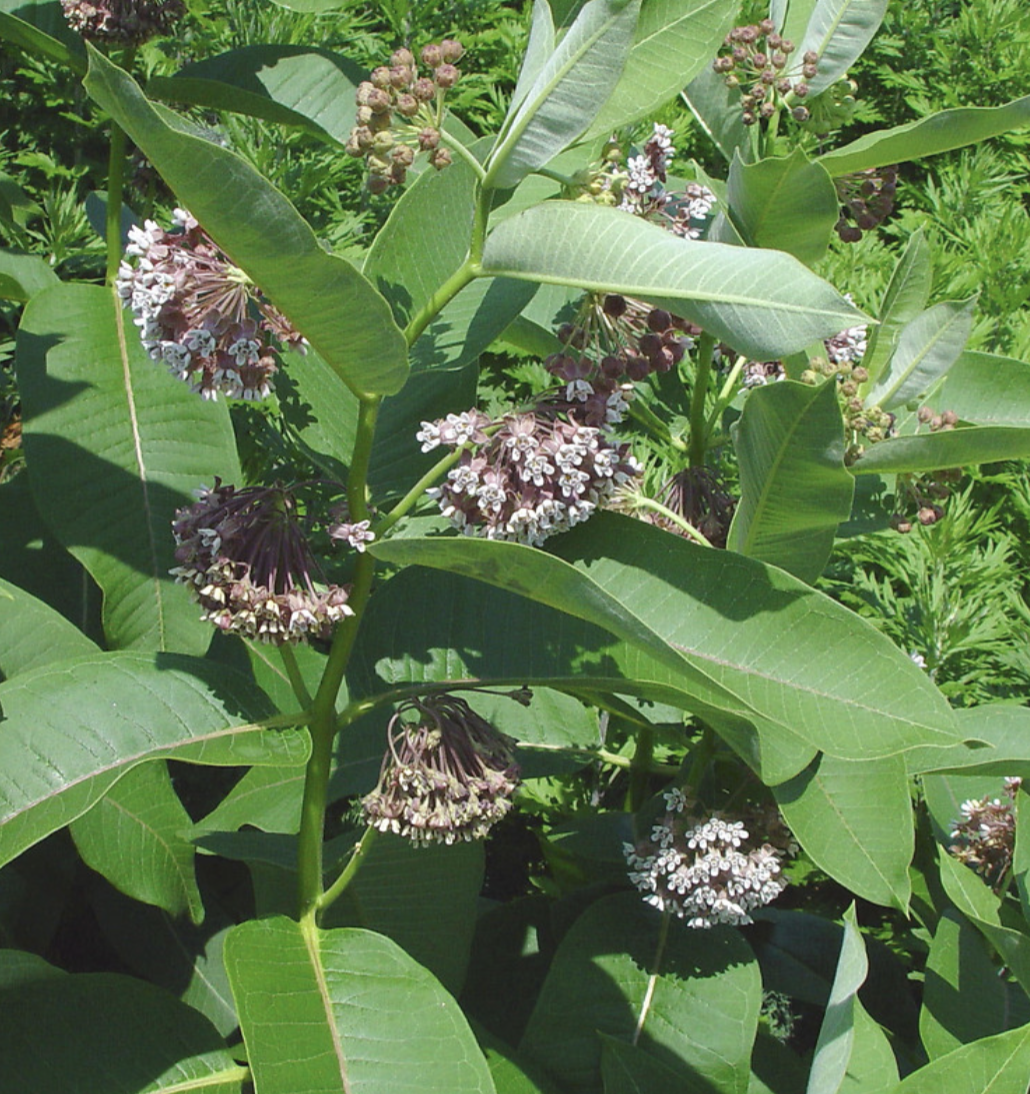
milkweed
asclepias spp.
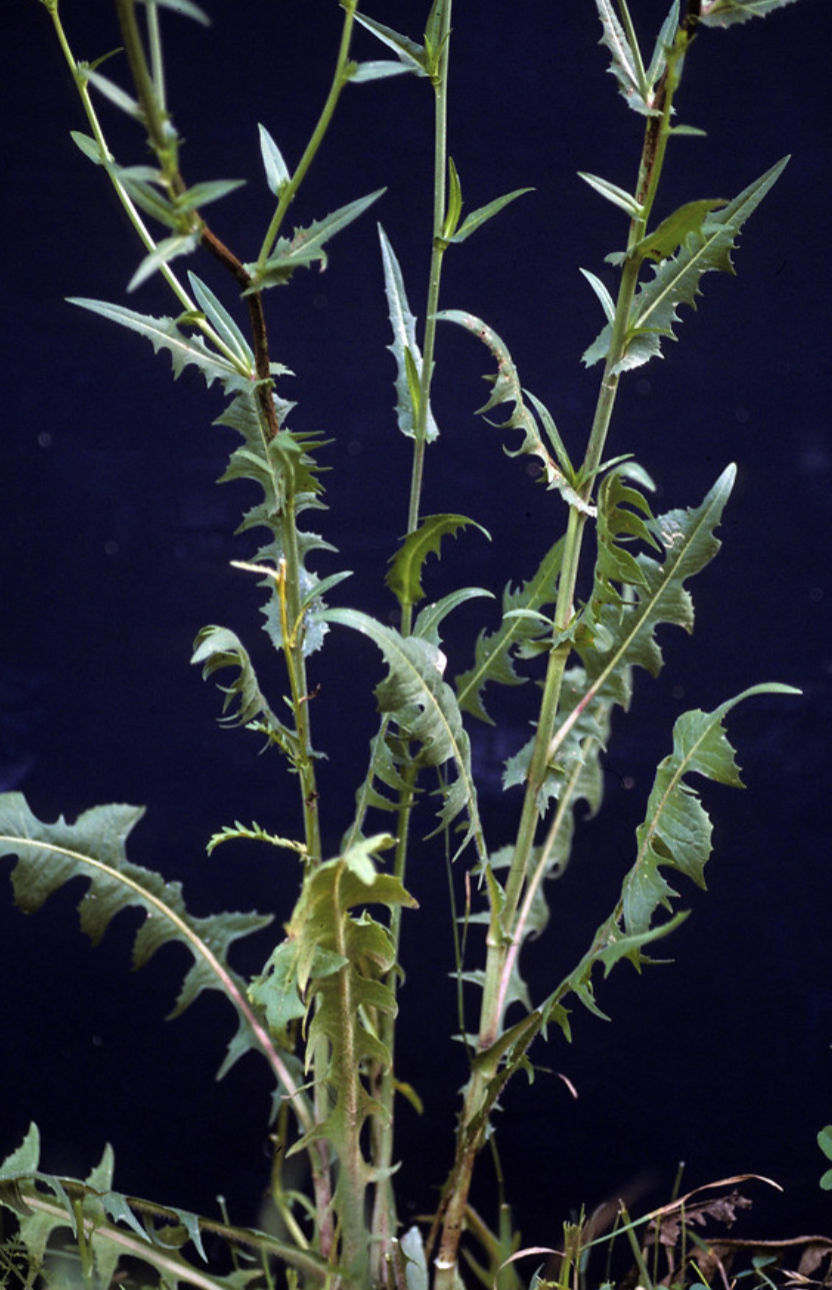
chicory
chichorium intybus
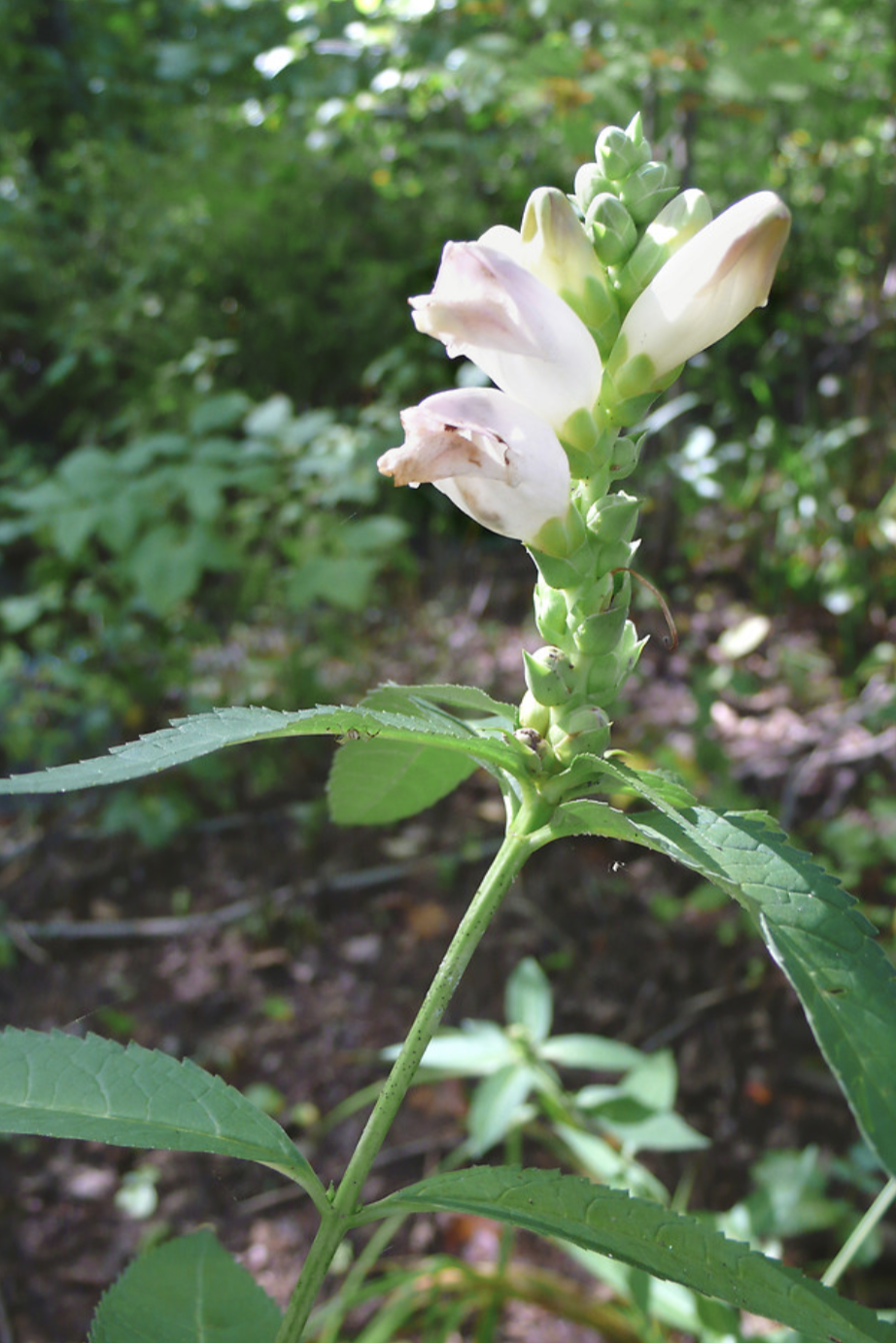
white turtlehead A
chelone glabra
native; habitat is wetland margins; attractive to hummingbirds and bumblebees;
leaves are simple and opposite; petals are fused into a cup or tube
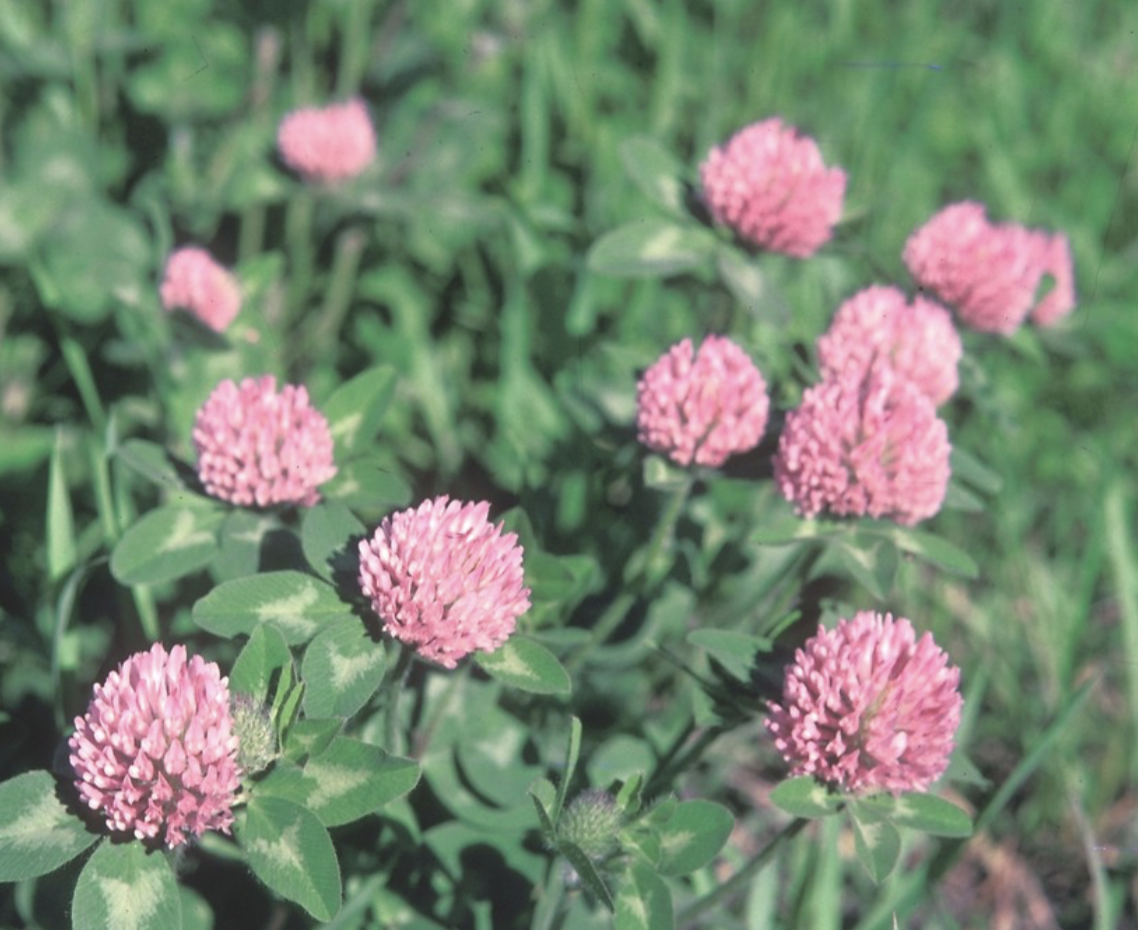
red clover
trifolium pratense
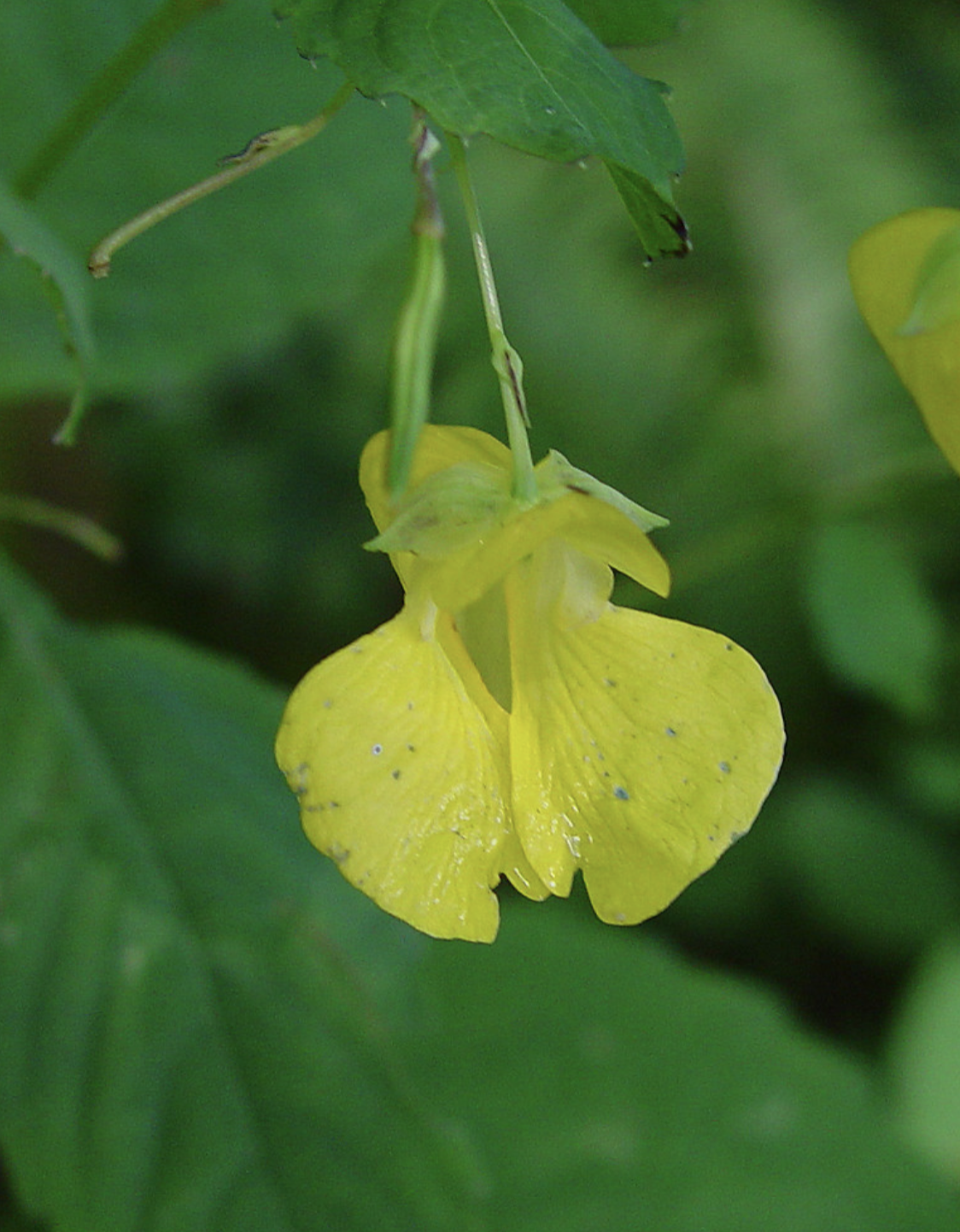
jewel-weed
impatiens capensis
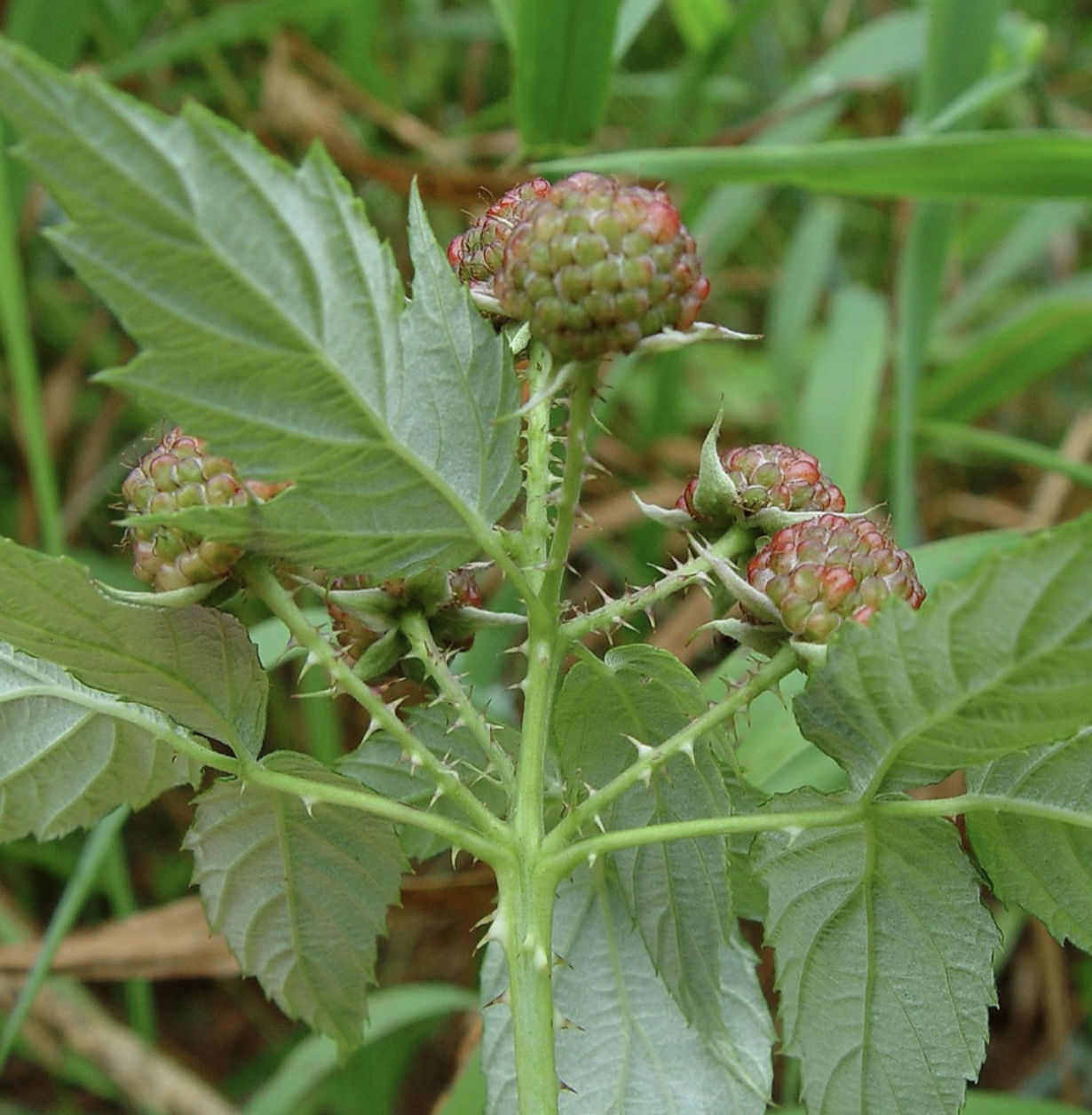
black rasberry
rubus spp.
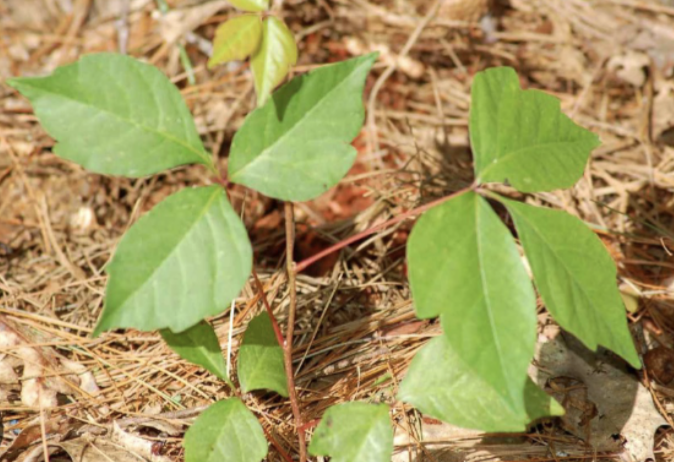
poison-ivy A
toxicodendron radicans
native; can be shrub or vine; leaf is compound; leaves are shiny, toothed,
grouped in threes and drop in winter; occurs in wetlands; fruit eaten by deer and
birds
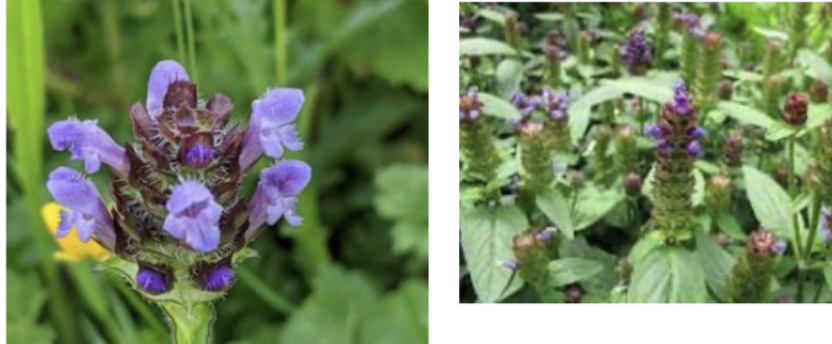
self-heal
prunus vulgaris
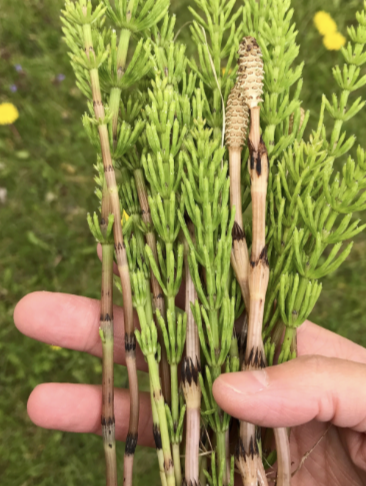
wood horsetail
equisetum sylvaticum
cattail
typha latifolia
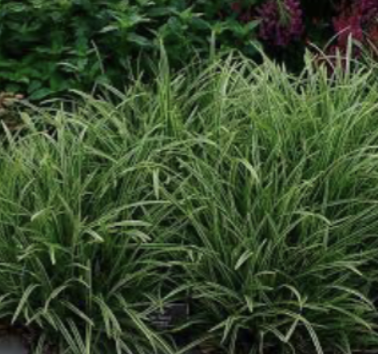
marsh sedge A
carex spp,
native; "sedges have edges" - the best way to distinguish from grasses, whose
stems are round; found in wetlands
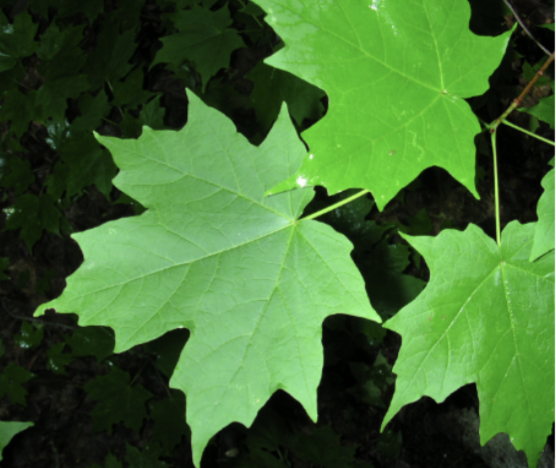
sugar maple
acer saccharum
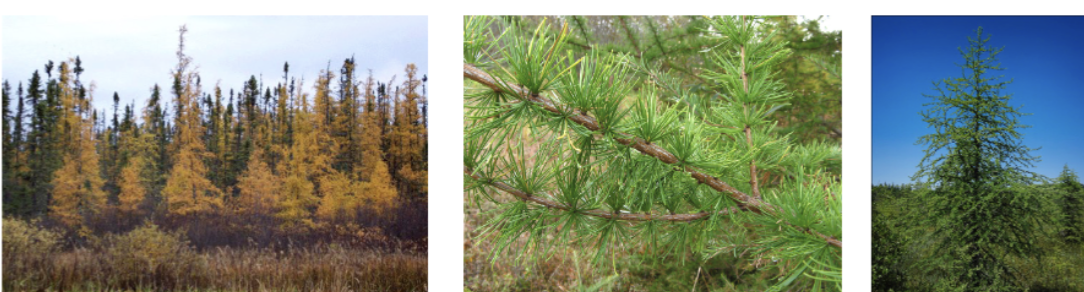
tamarack/larch
larix laricina
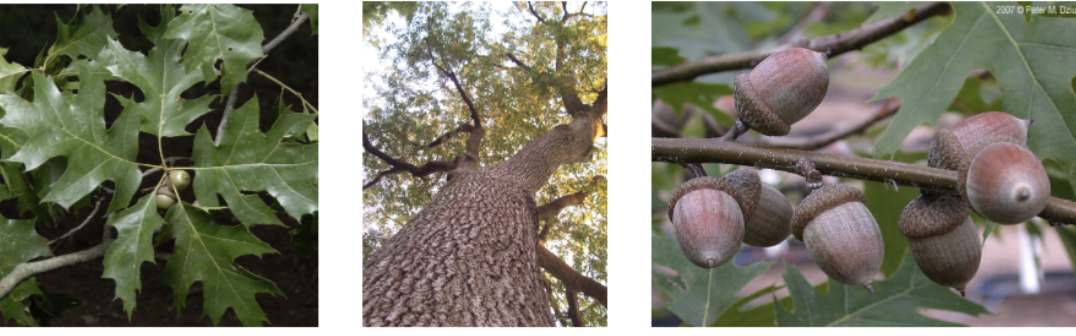
northern red oak
quercus rubra
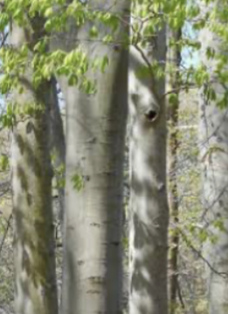
american beech A
fagus grandifolia
native; beech nuts critical for wildlife, e.g., bears, small mammals; bark is grey
and smooth; dark green leaves have pointed tip
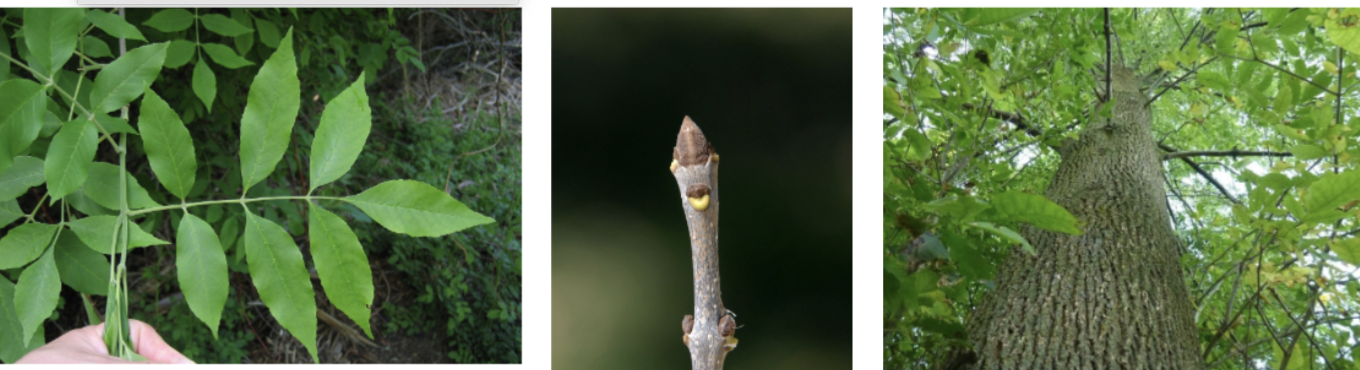
green ash, fraxinus pennyslvanica
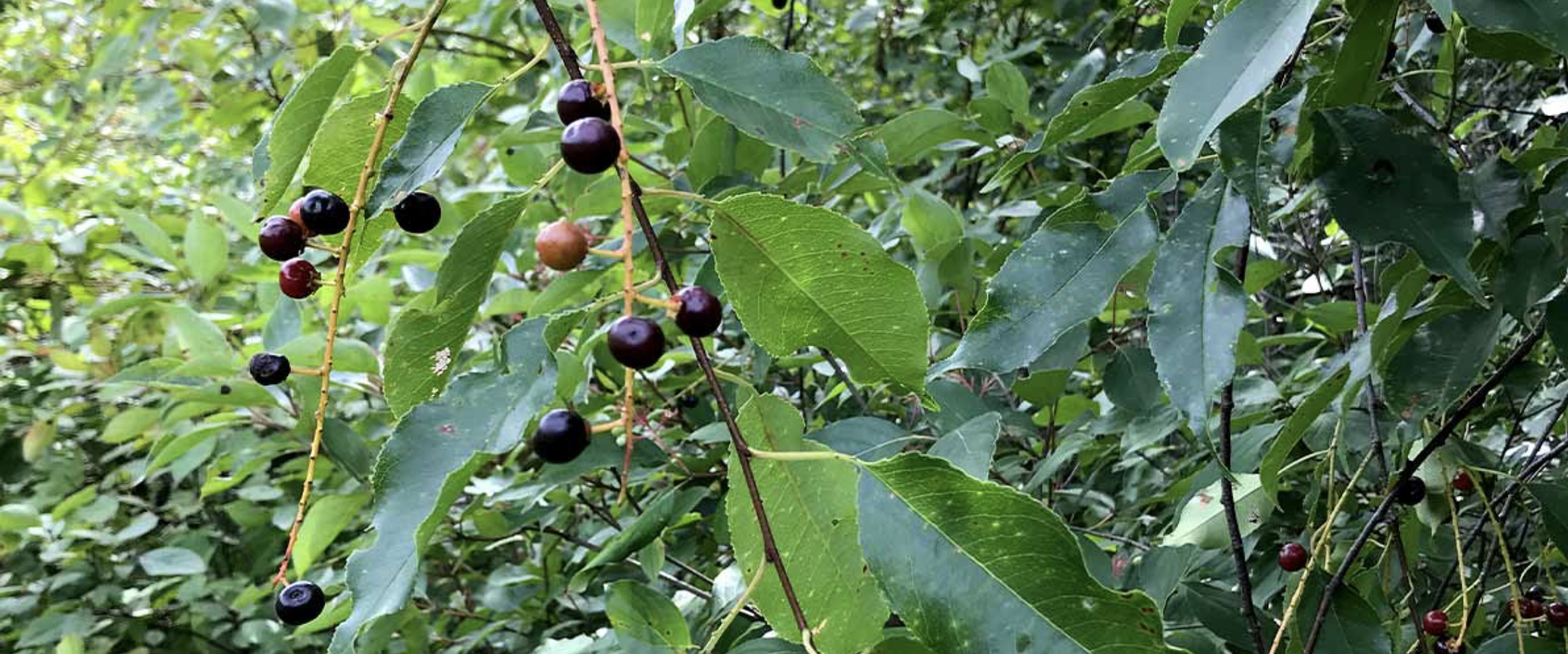
black cherry, prunus serotina
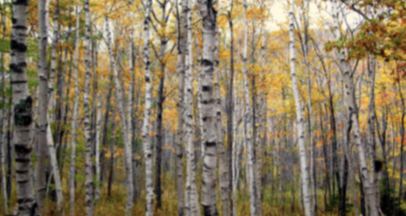
paper birch
betula papyrifera
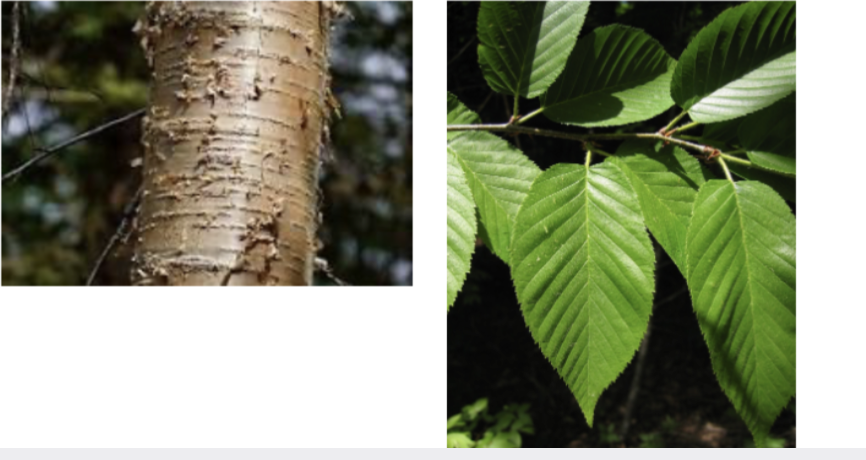
yellow birch, betula alleghaniensis
native; alternate leaves; yellow/gold flaky bark
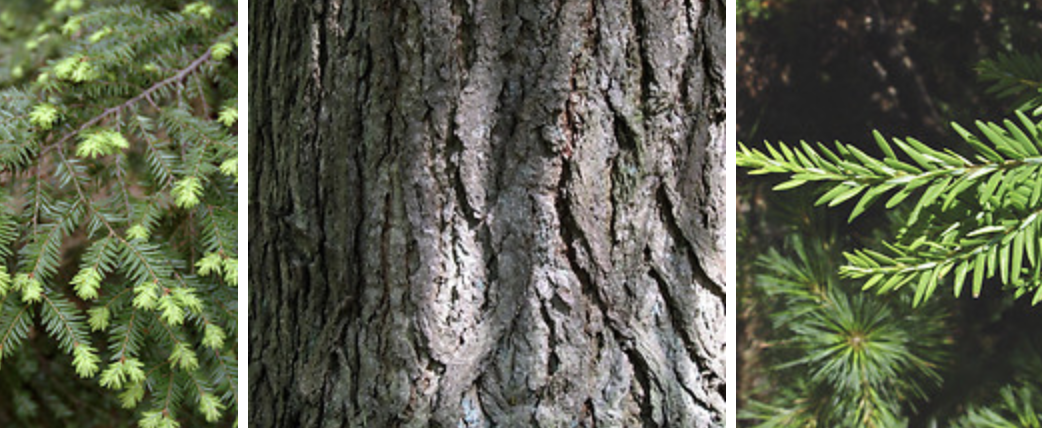
eastern hemlock, tsuga canadensis
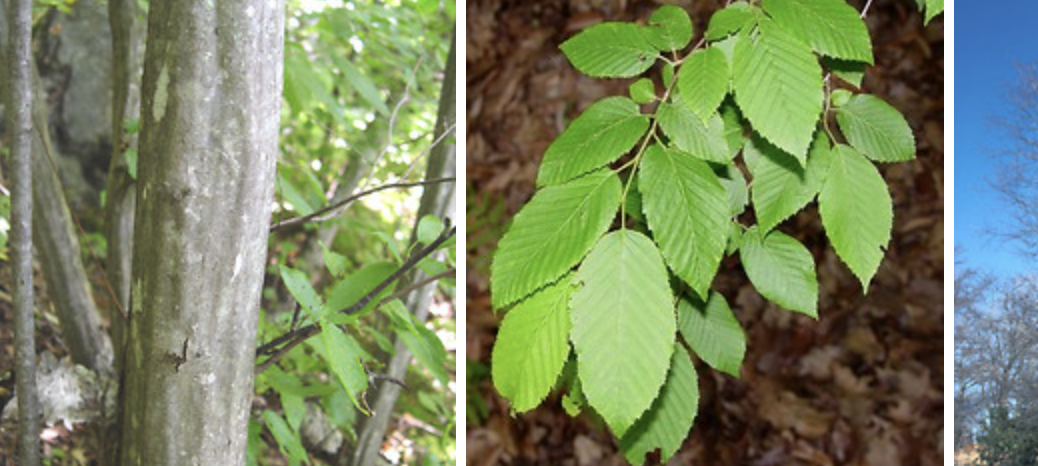
american hornbean/ muscle tree
carpinus caroliniana
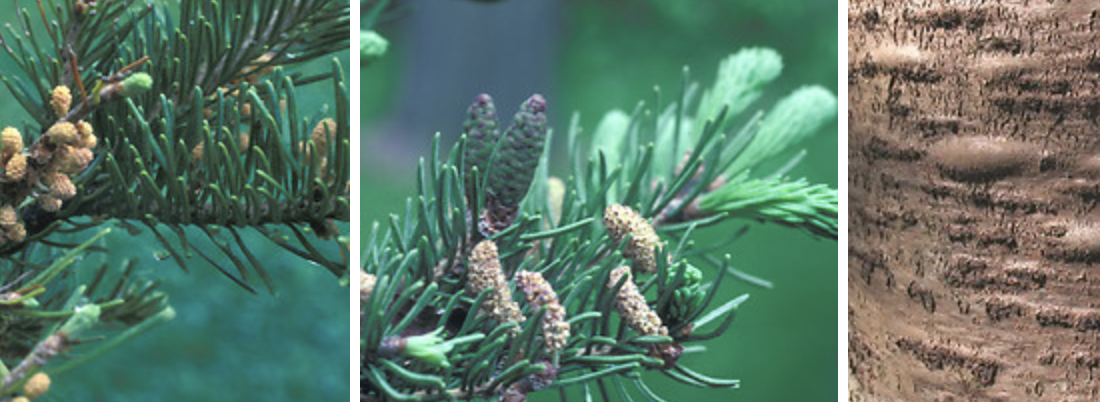
balsam fir, abies balsamea
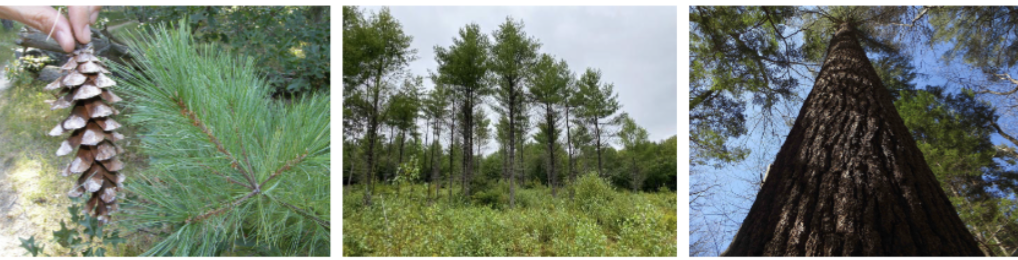
eastern white pine A
pinus strobus
native; needles are in bundles of 5; once covered New England forests and used
for masts of ships; occasionally found in wetlands
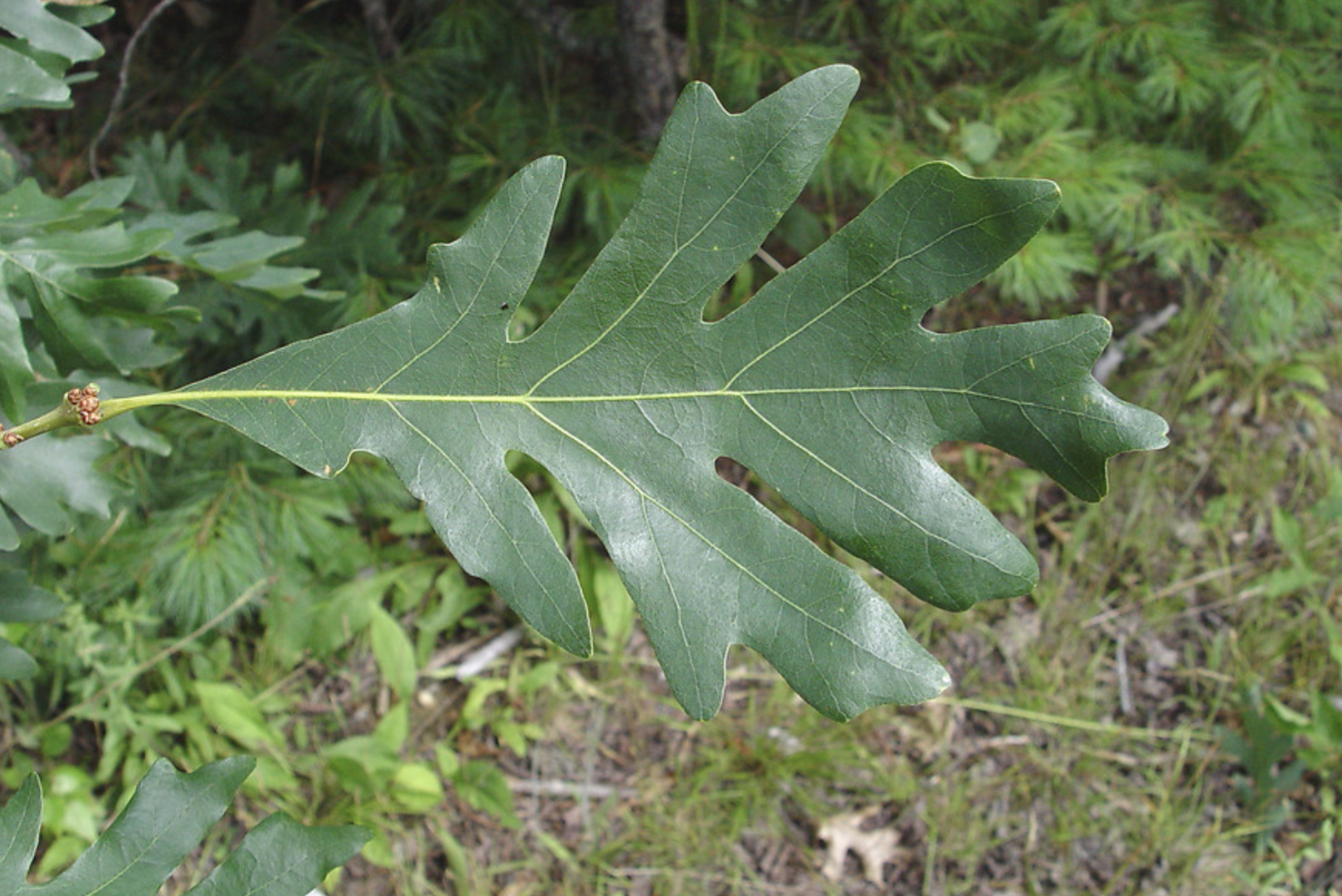
eastern white oak
quercus alba
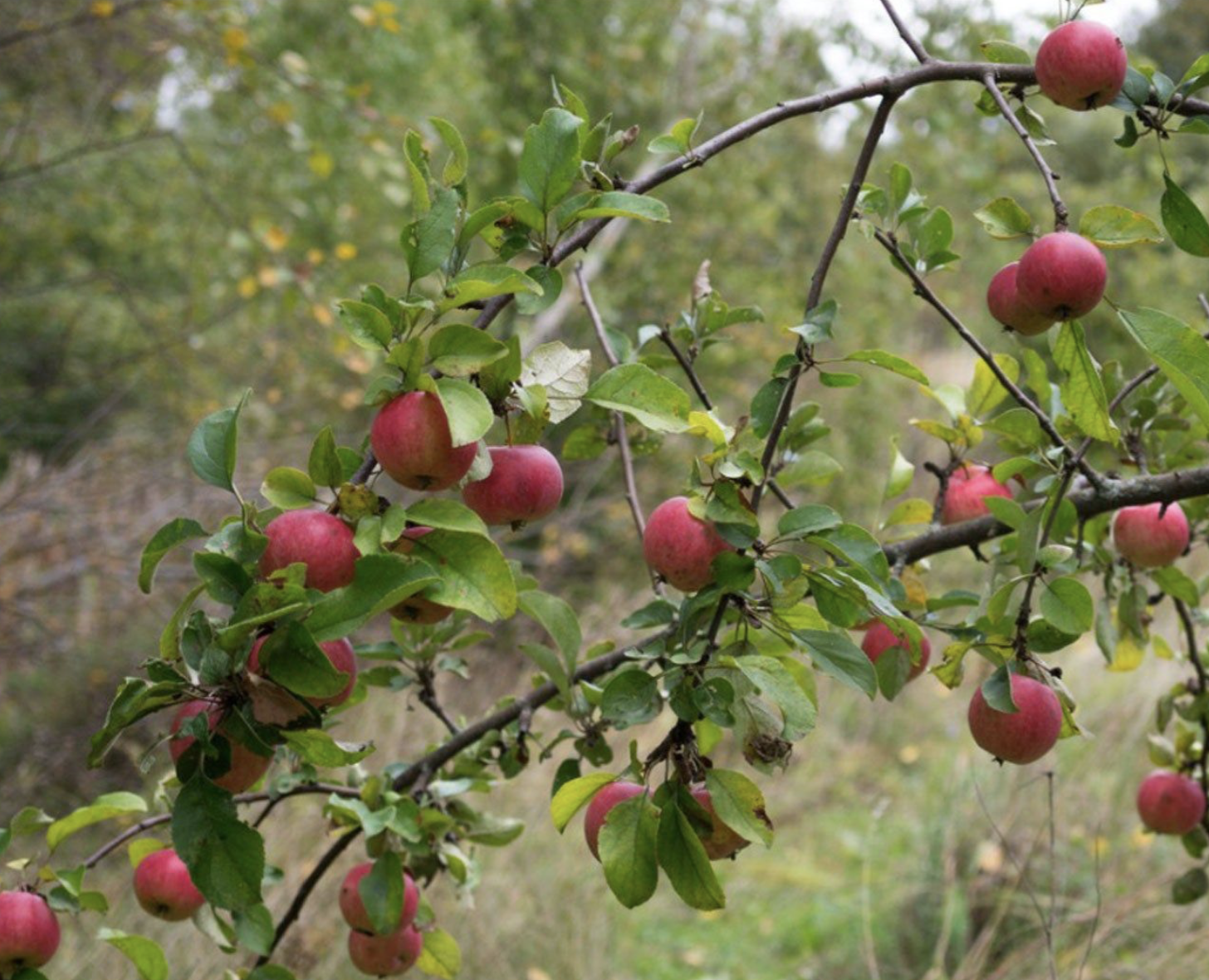
wild apple, malus spp.
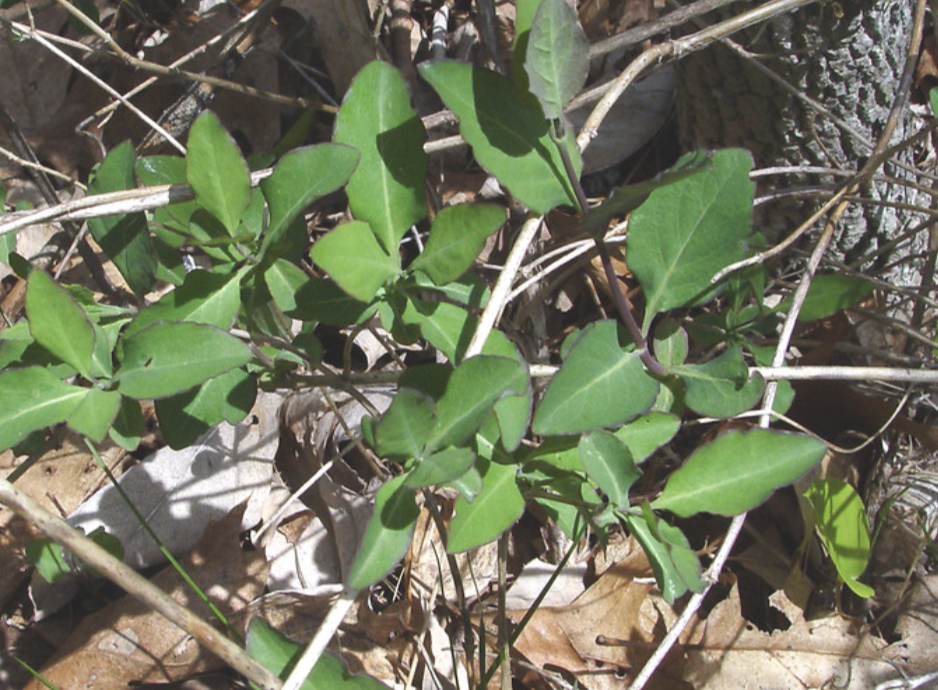
honeysuckle
lonicera spp.
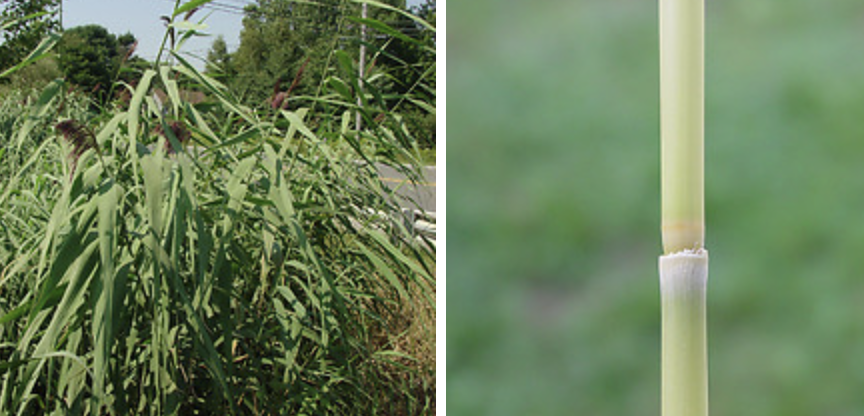
common reed A
phragmites australis
non-native; found in marshes, fens, shores of rivers/lakes; usually occures in
wetlands, replaces cattail in marshes; tall and grasslike but has brown, feathery
inflorescence
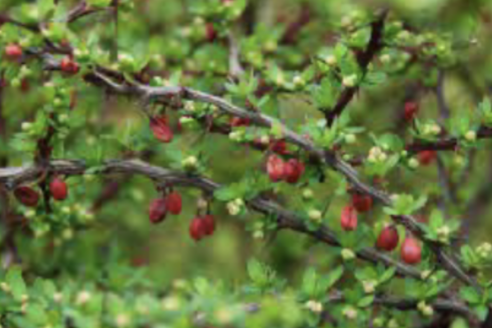
japanese barberry
berberis thunbergil
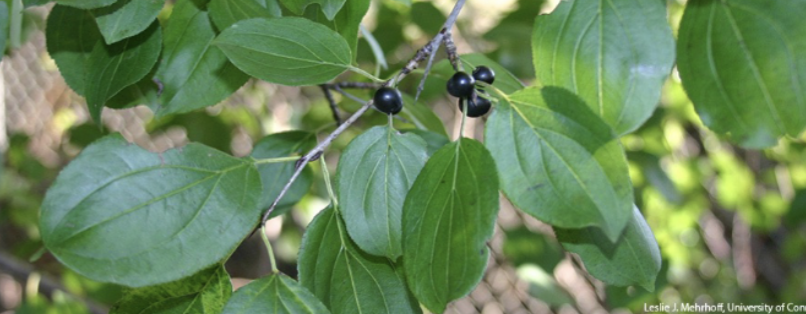
buckthorn
rhamnus cathartica
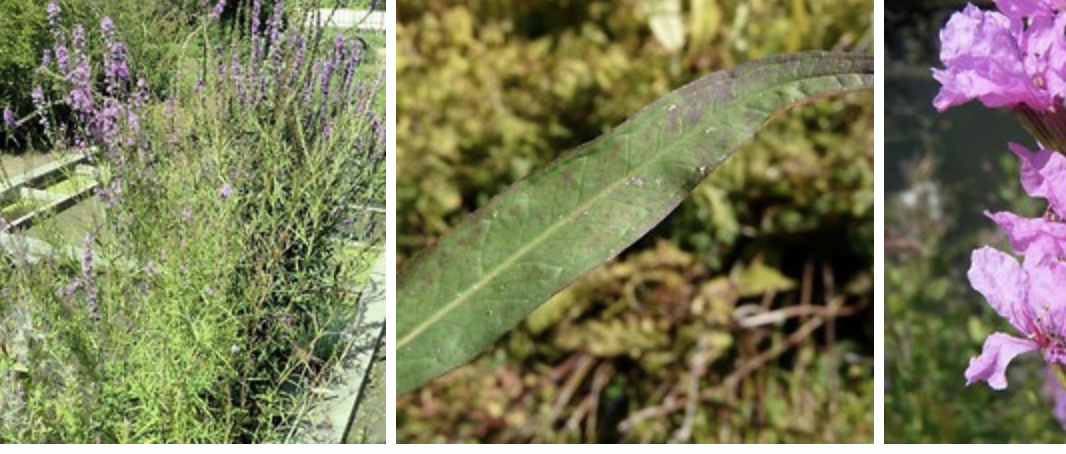
purple loosestrife
lythrum salicaria
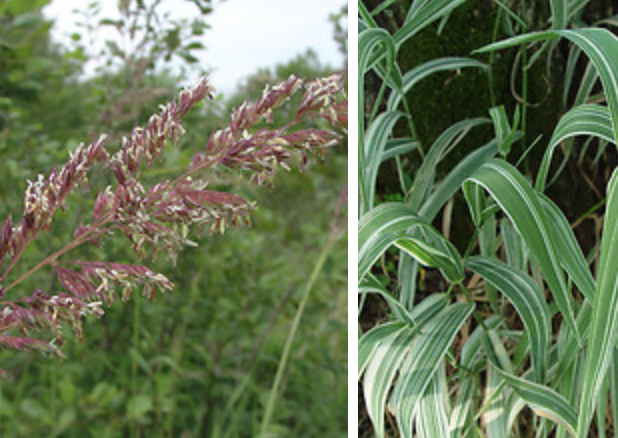
reed canary grass A
phalaris arundinacea
native and non-native grass ecotypes; non-native is invasive; leaf blade is long,
florets are reddish white
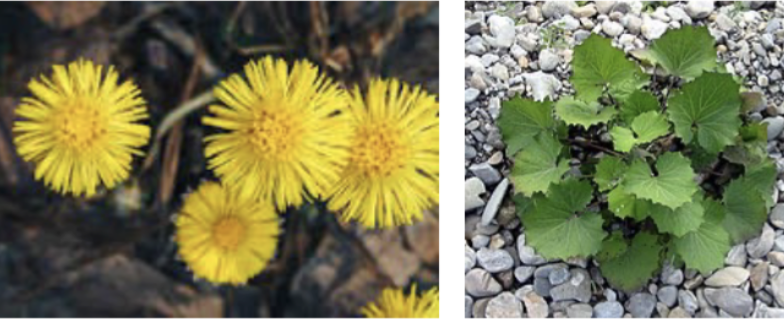
colt’s foot
tussilara farfara
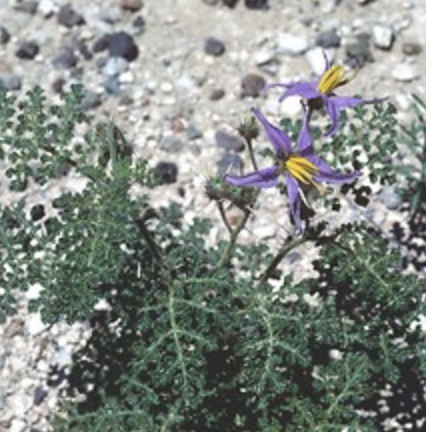
nightshade
solanum dulcamara
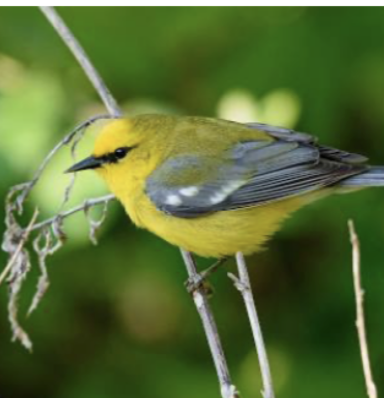
blue winged warbler
vermivora cyanoptera
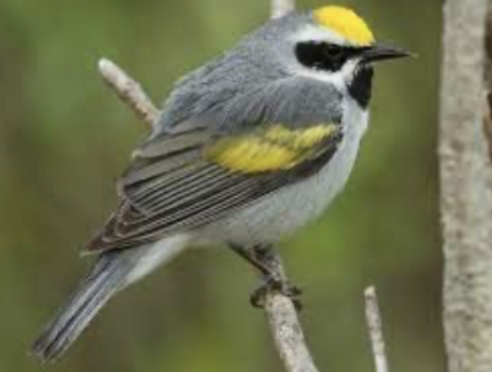
golden winged warbler A
vermivora chrysoptera
native to North America; winters in Latin and South America; focal species of
Carse restoration; habitat is early successional forests and shrublands
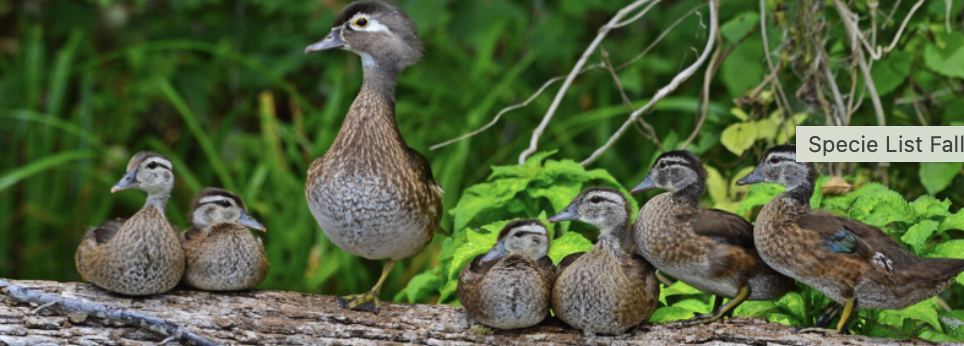
wood duck
aix sponsa
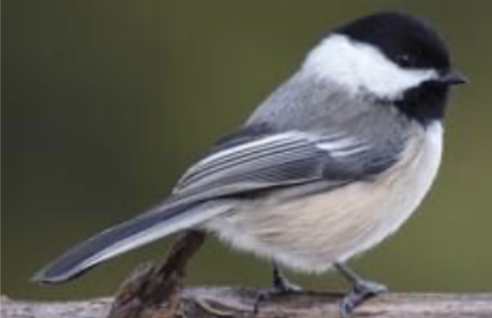
chick-a-dee
poecile atricapillus
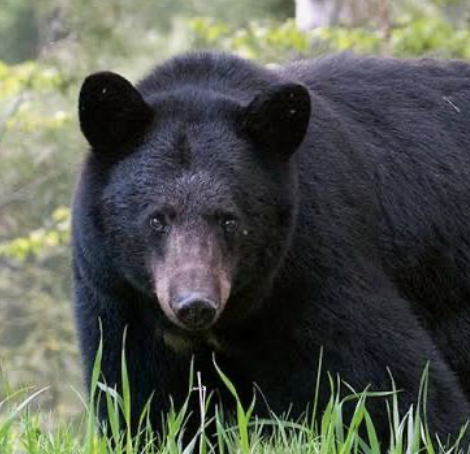
black bear
ursus americanus
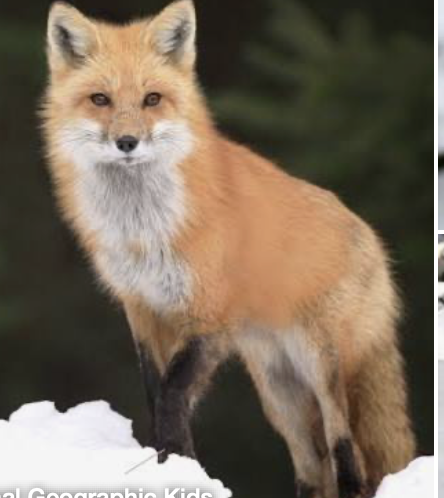
red fox A
vulpes vulpes
native; largest of the true foxes
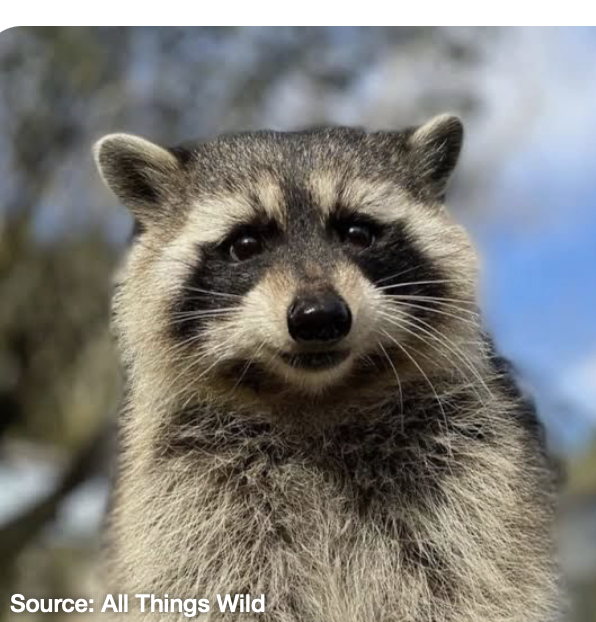
racoon
procyon lotor
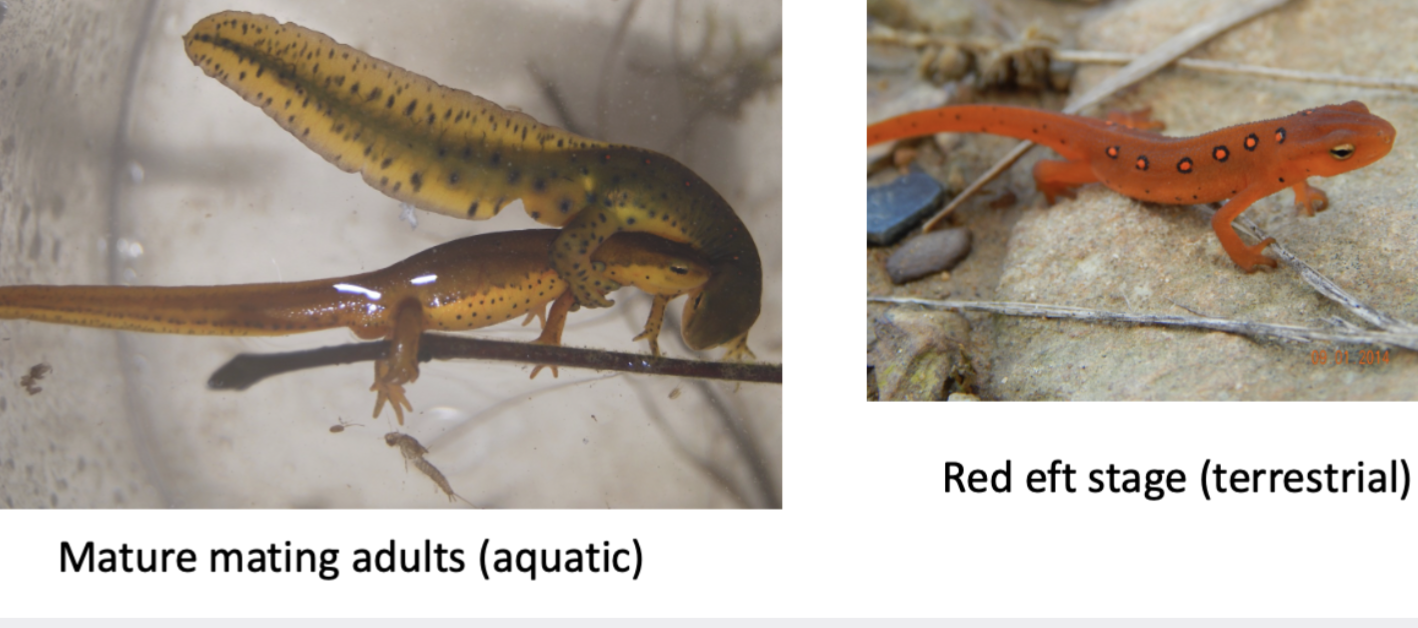
eastern newt
notophthalmus viridescens
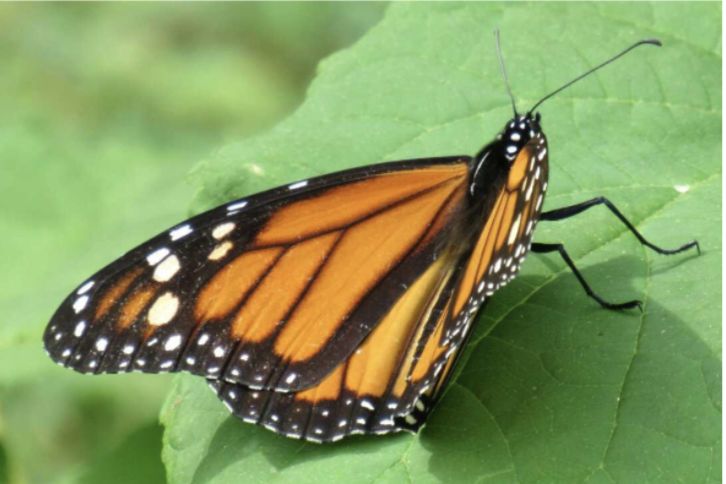
monarch butterfly A
danaus plexipus
native; originally a tropical insect that has migrated north with its milkweed
hostplant; eastern monarchs have 5 generations with the last generation
migrating to Mexico in the fall
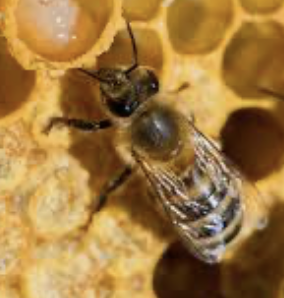
honey bee
apis mellifera
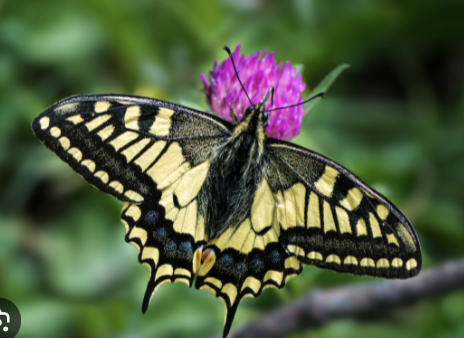
swallowtail butterfly
papilio spp.
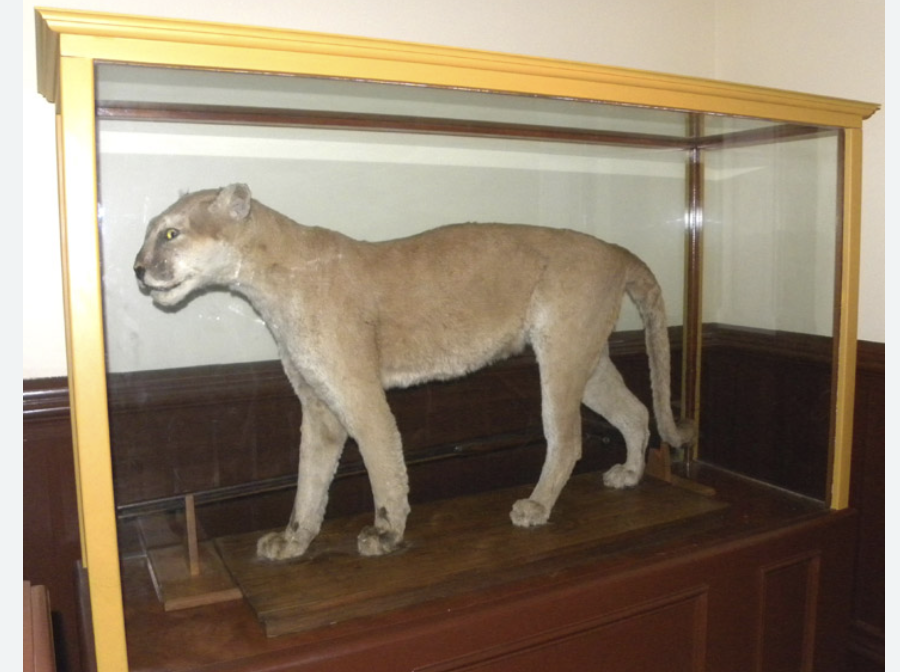
catamount
puma concolor
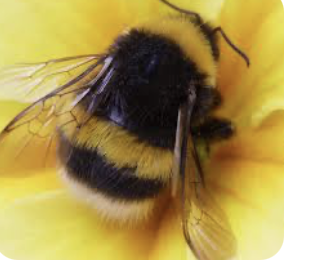
bumblebee A
bombus spp.
Native; bumblebees are buzz pollinators and typically more efficent than honey bees in their pollination; several species have been seen in the pollinator transects; notes by their shiny black bodies and yellow hair; do not form colonies
Beaver
Castor Canadiensis
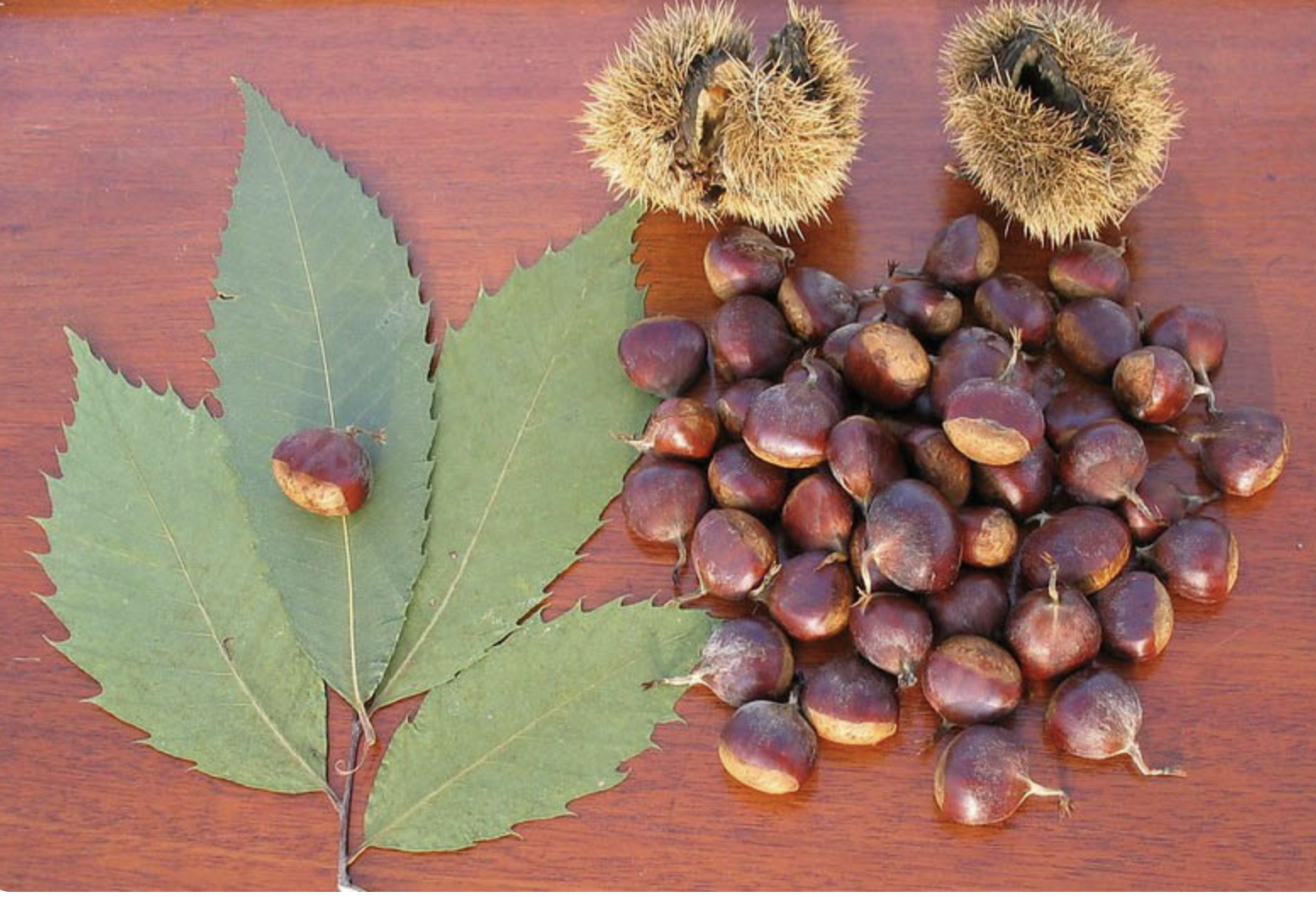
chesnut, castanea denata
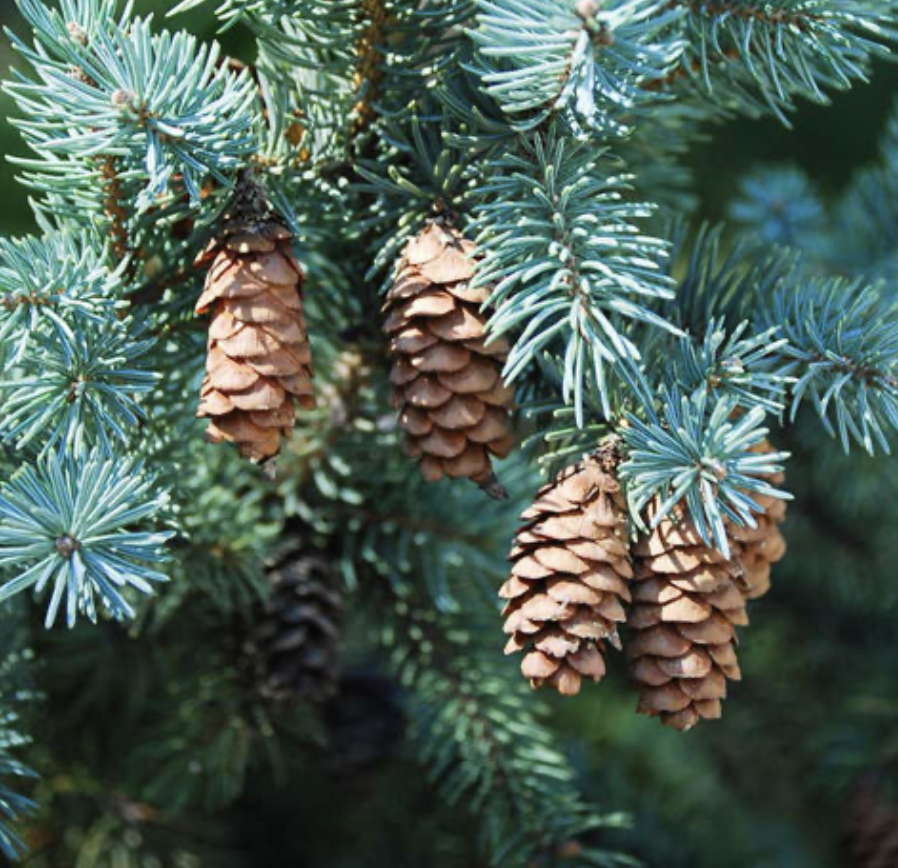
white spruce, picea glauca
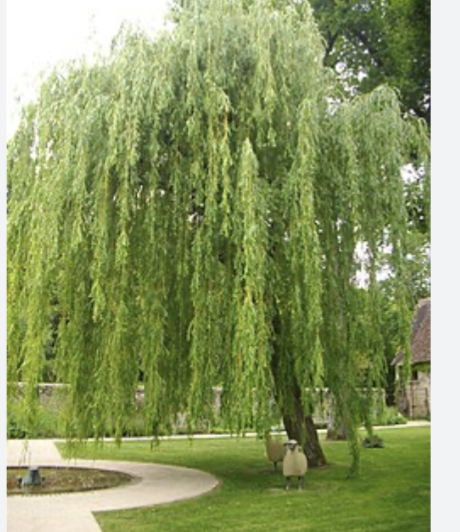
weeping willow, salix babylonica
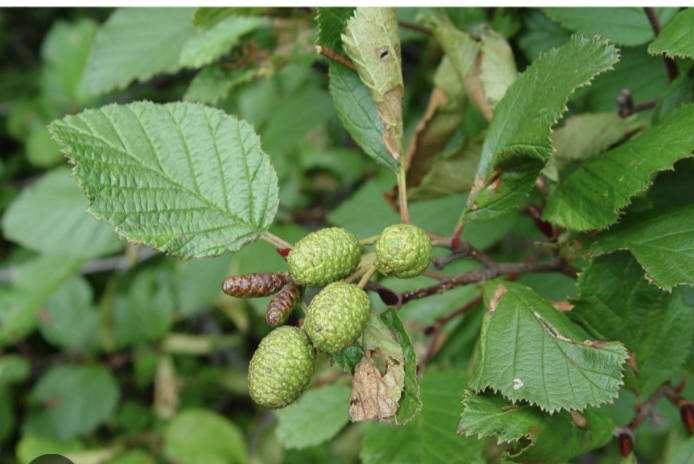
green alder, alnus crispa