Kingdom Animalia General Characteristics + Acoelomates
 Call Kai
 Learn
Learn Practice Test
 Spaced Repetition
 Match
Match Flashcards
 Knowt Play
1/44

There's no tags or description
Looks like no tags are added yet.
Name | Mastery | Learn | Test | Matching | Spaced | Call with Kai |
|---|
No analytics yet
Send a link to your students to track their progress
45 Terms
Types of Reproduction
1. Sexual - gametic meiosis
2. asexual
3 Types of Summetry
1. Asymmetric
2. Radial
3. Bilateral
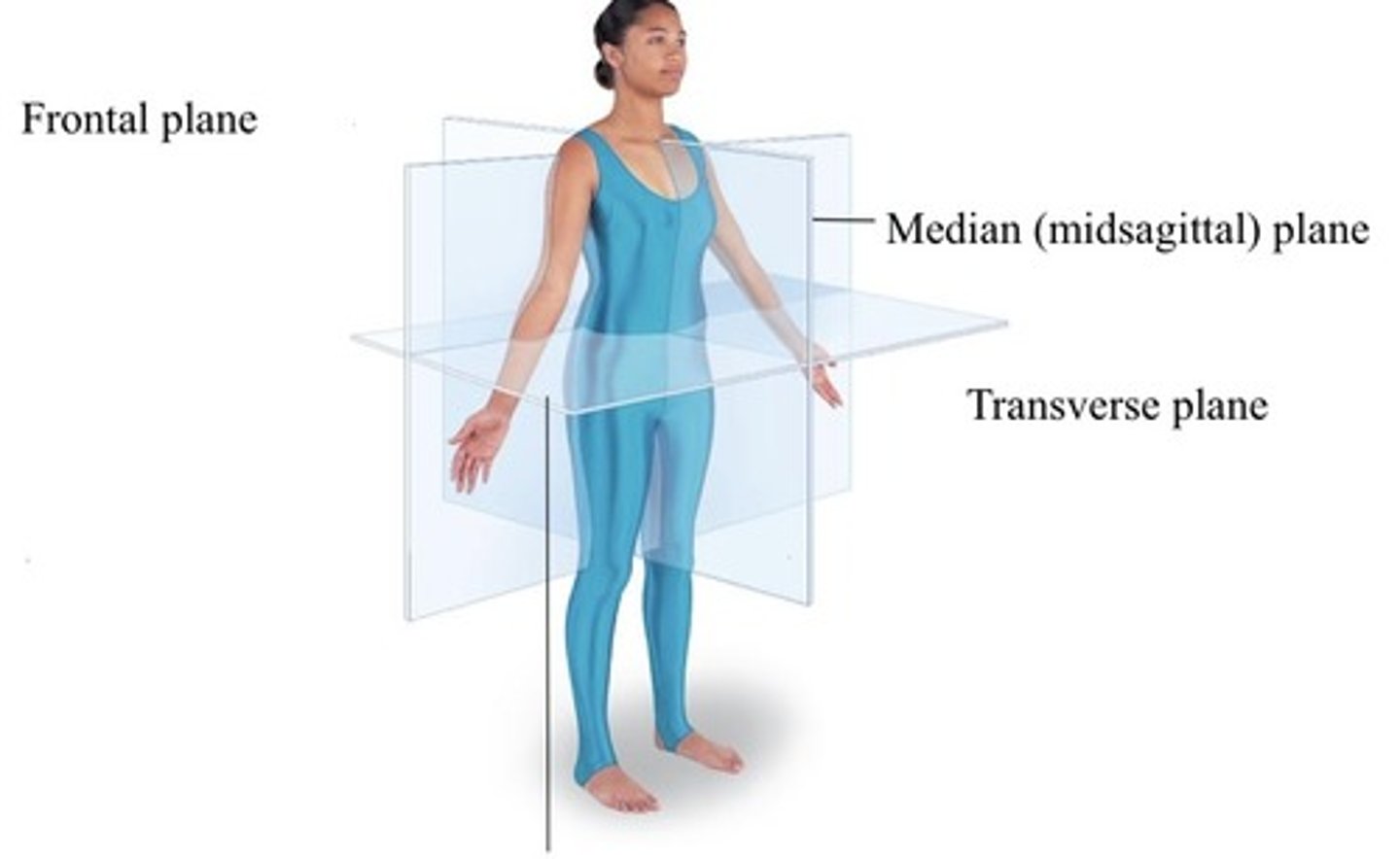
Planes of body
1. Sagittal
2. Frontal
3. Transverse
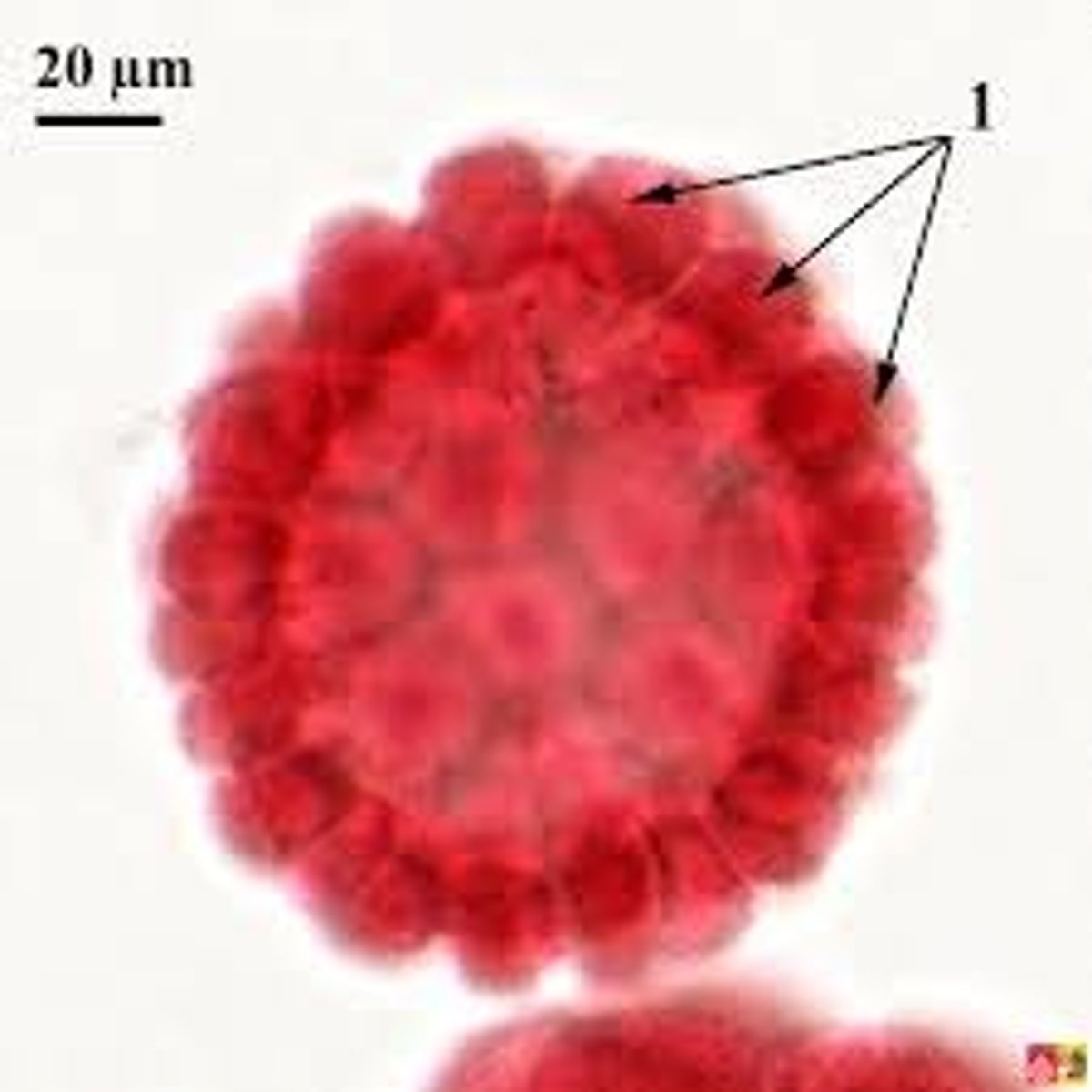
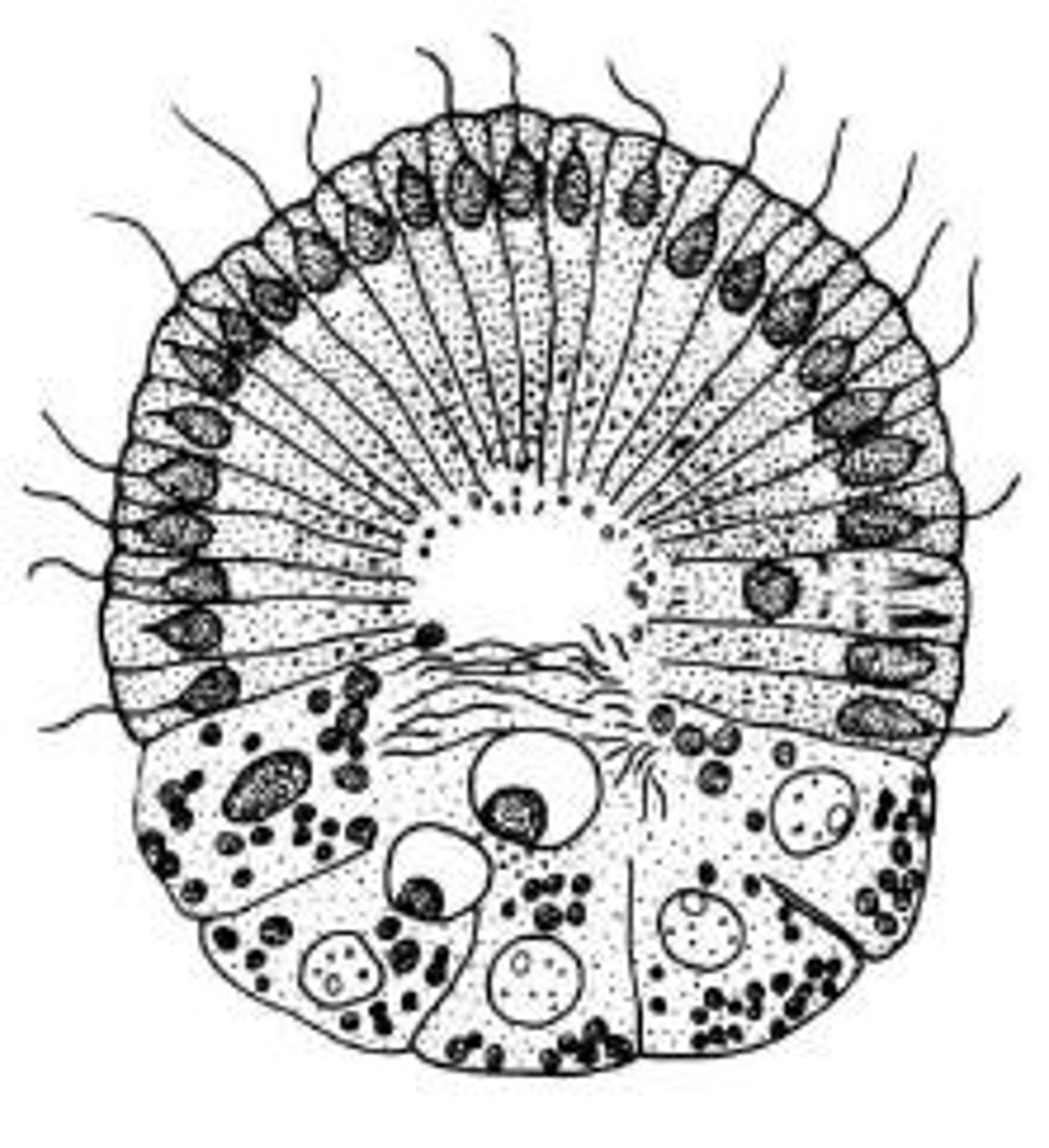
Morulla
solid ball of cells
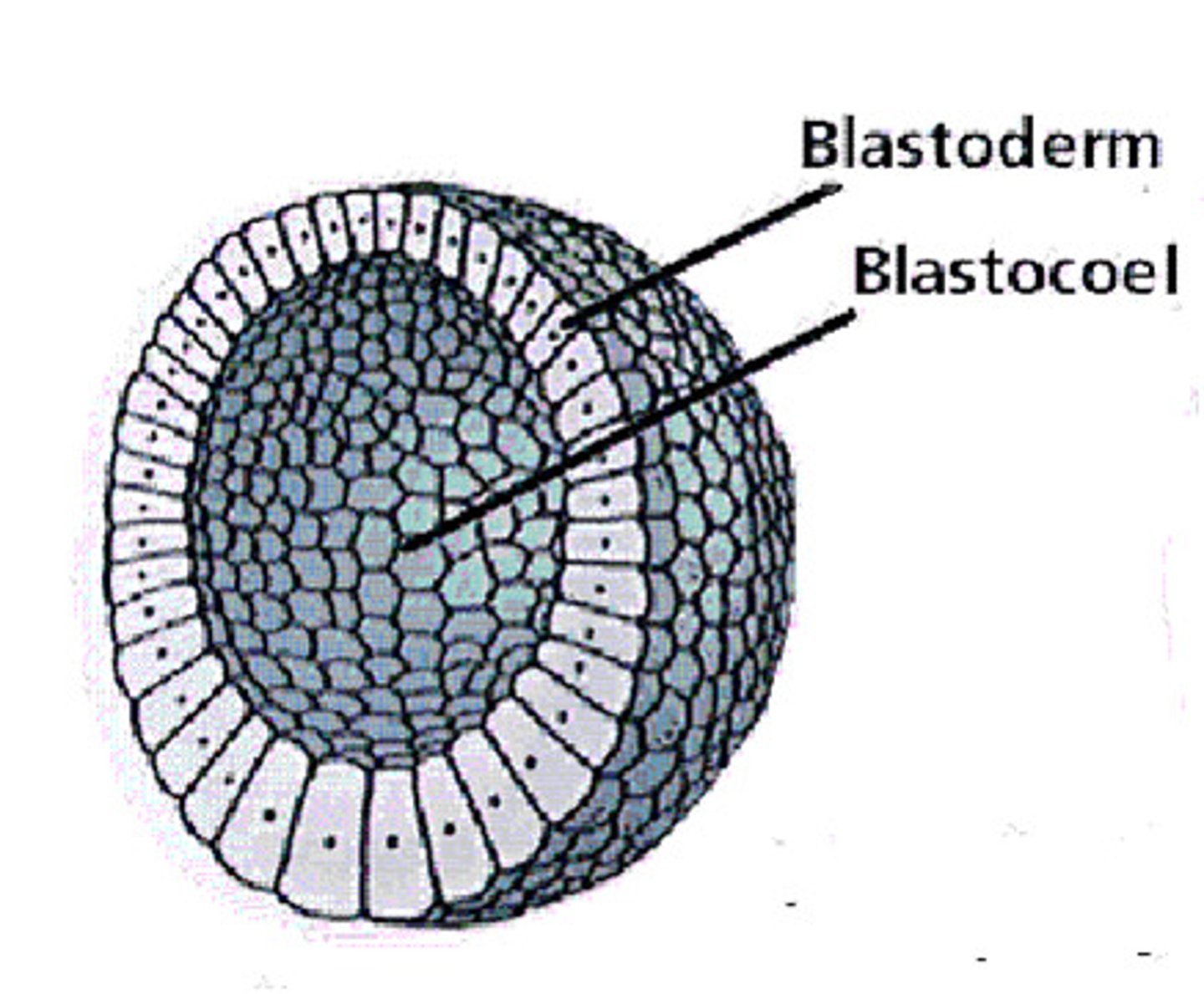
Blastula
Hollow ball of cells
Gastrula
invaginated blastula w/ 2-3 germ layers
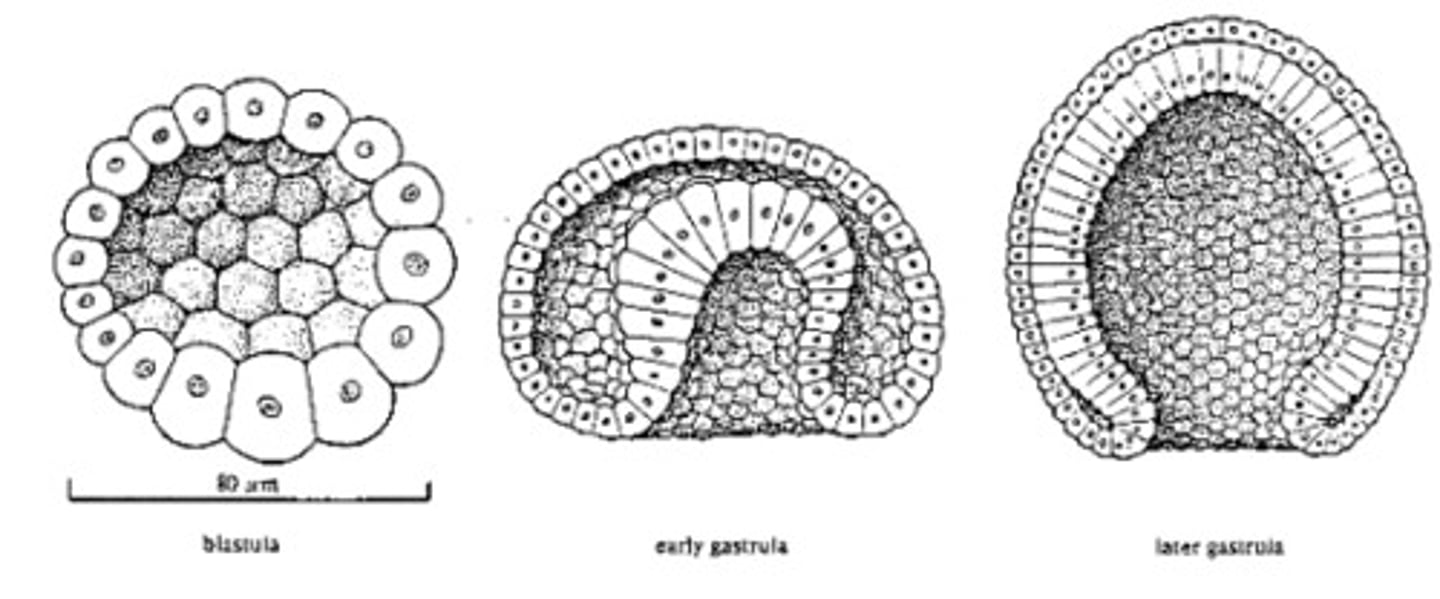
Diploblastic vs Triploblastic
Diplo - grow from 2 layers (ecto and endo)
Triplo - grow from 3 germ layers
Protostome
mouth formed from the blastopore
Deuterostome
anus is formed from the blastopore
Advantages of Coelom
1. can support long efficient digestive tract
2. larger sexual organs
3. Isolated + more efficient organs
Coelomate vs pseudocoelomate
Coelomate: cavity within mesoderm
Pseudocoelomate: cavity between meso and endoderm
Segmentation advantages
1. movement
2. Specializations
Acoelomates - 2 Subkingdoms divided by symmetry
1. Parazoa : lack symmetry (Sponges)
2. Eumetazoa : Have symmetry
1. Phylum Porifera - Sponges
- primitive ~ evolved from Opisthokonta
- Diploblastic w/ no defined tissues
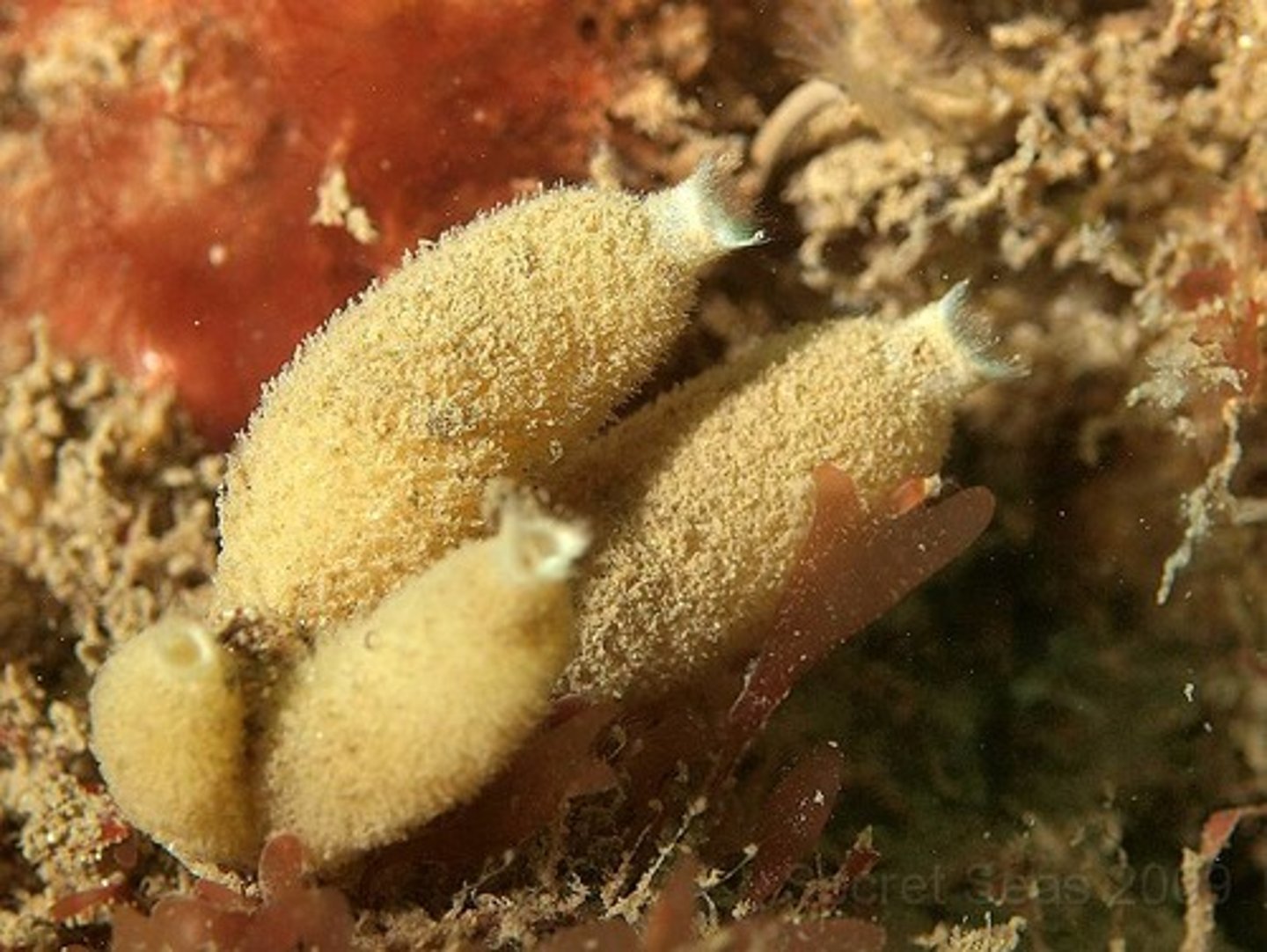
spicules and spongin
Spicules - hard silica (triangular spiky)
Spongin - flexible protein
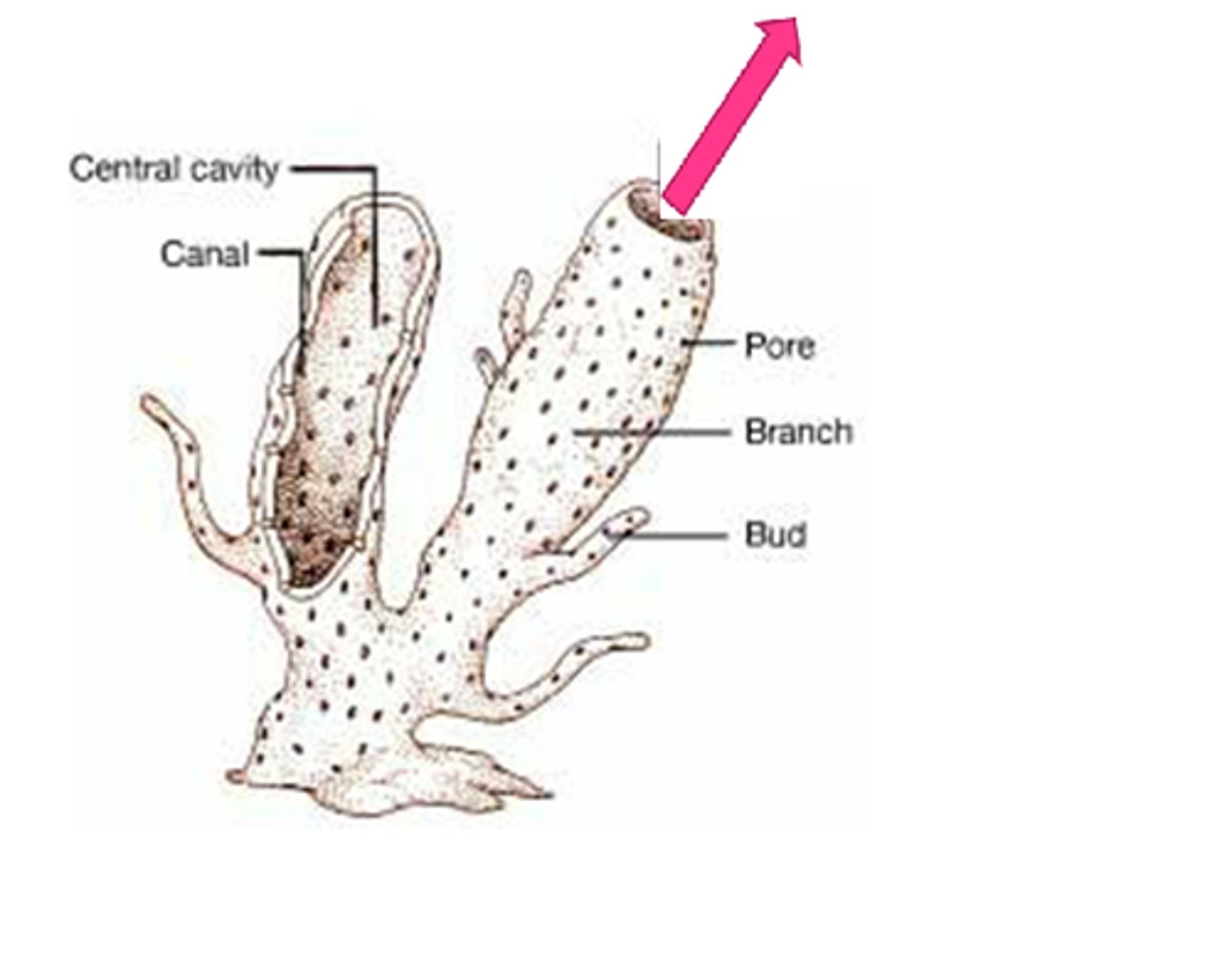
Spongocoel
Hollow interior of sponge
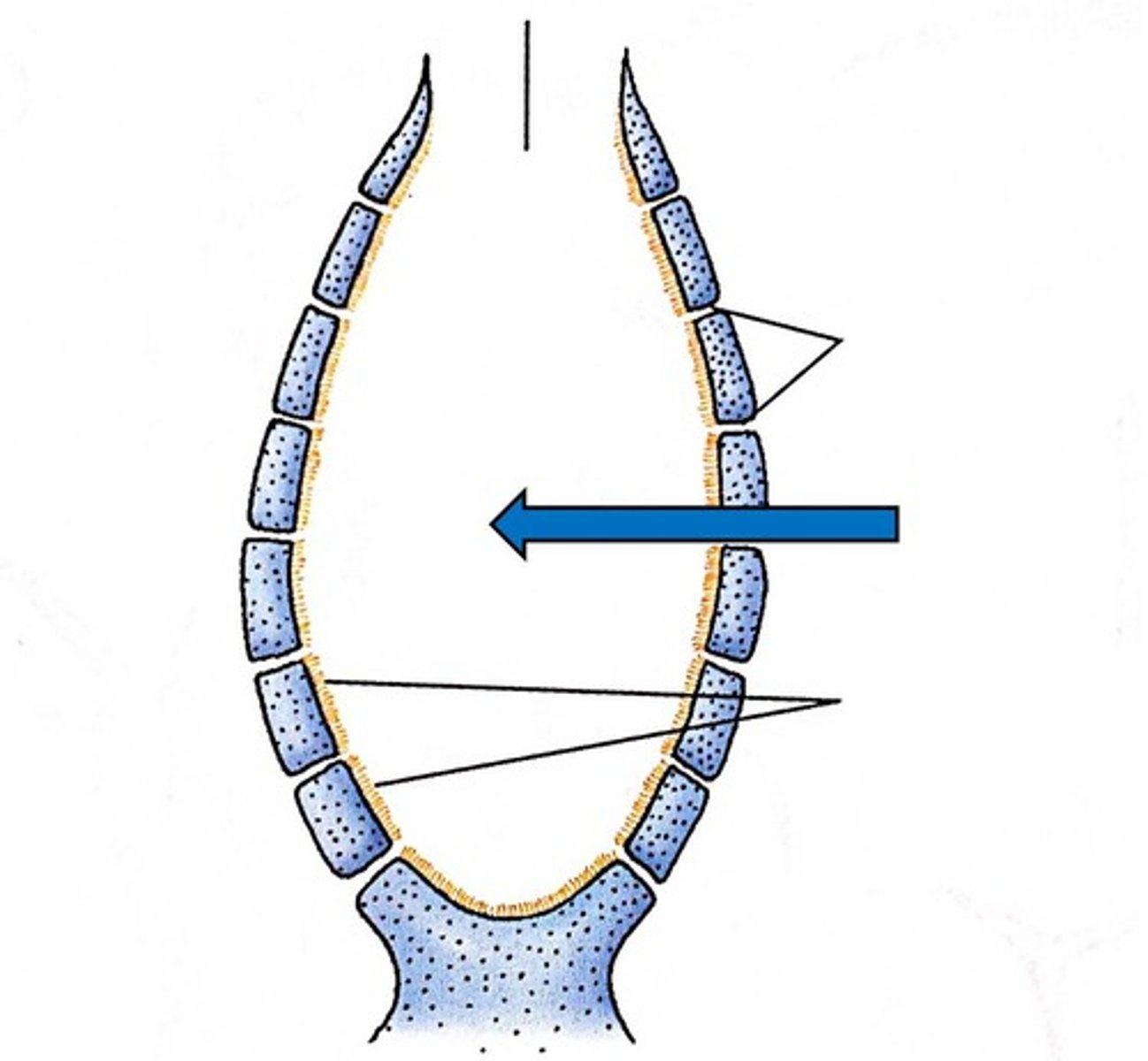
Osculum
Opening of sponge through filtered water exits
Choanocytes
"Collar Cells"
Flagella create current for "Active filer feeding"
Porocytes
Cellular pores that allow water in
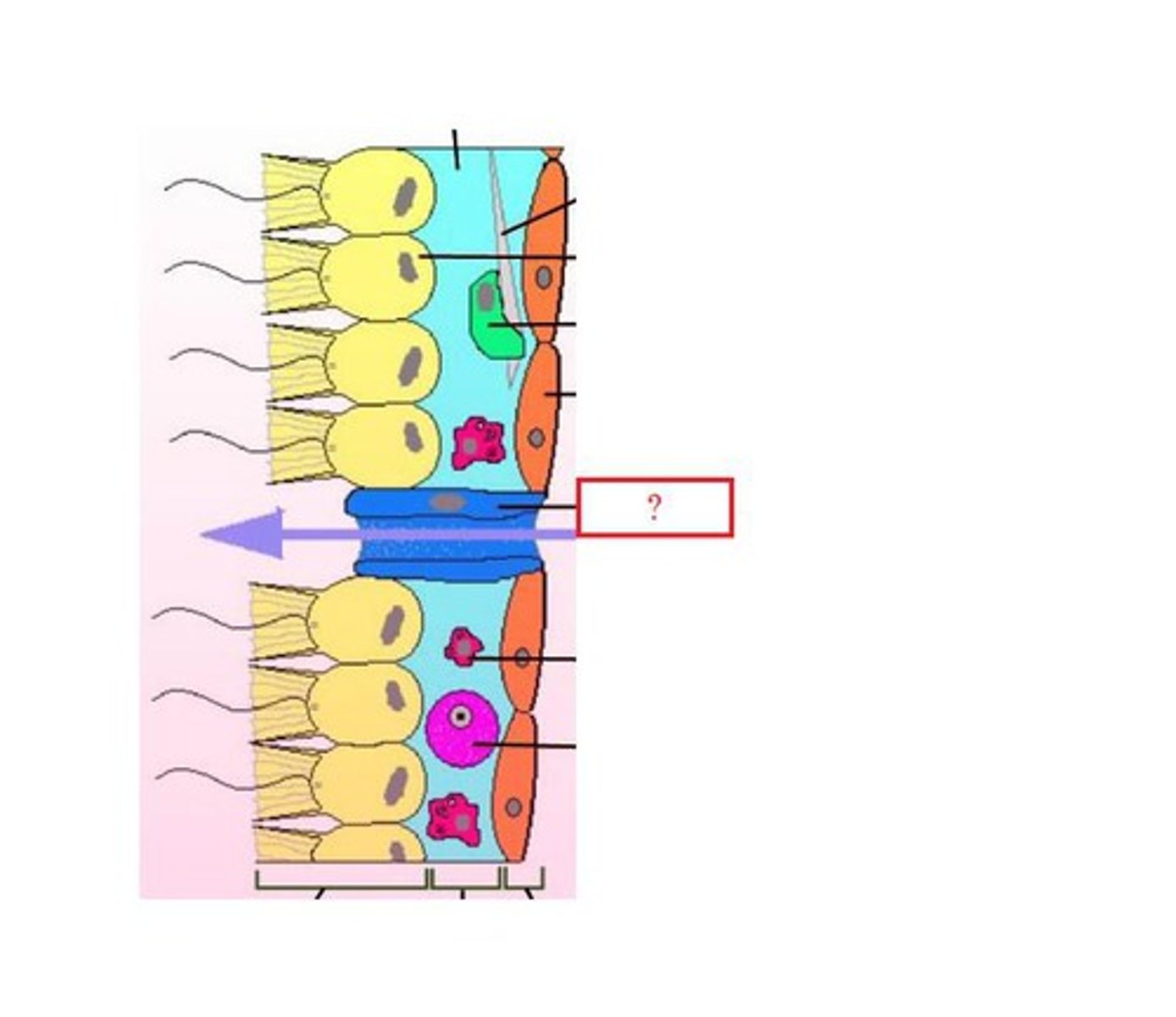
Amoebocytes
- Produce sponges skeleton
- occupy mesohyl
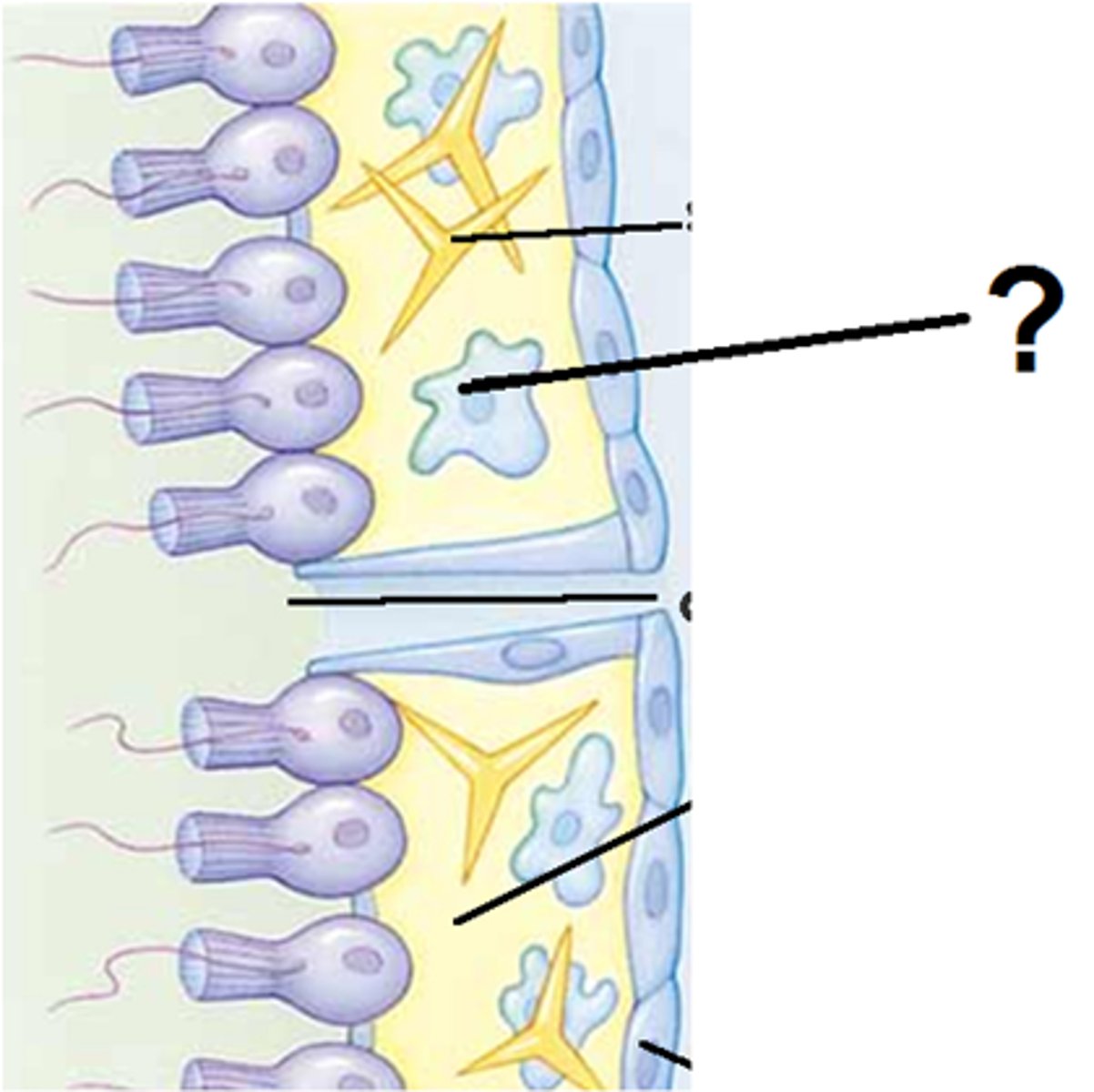
Sponge layers
1. Epithelial
2. Mesohyl
3. Choanocyte lining
Sponge Reproduction
1. Asexual : Budding
2. Sexual : secrete spawn
Sponge stages
1. Larval : free swimming & settle on substrate
2. Gemmules : Resistant dormant structure , wait for favorable growth conditions
2. Phylum Cnidaria : Jellyfish, Anemones, Coral
- Diploblastic & emergence of tissues
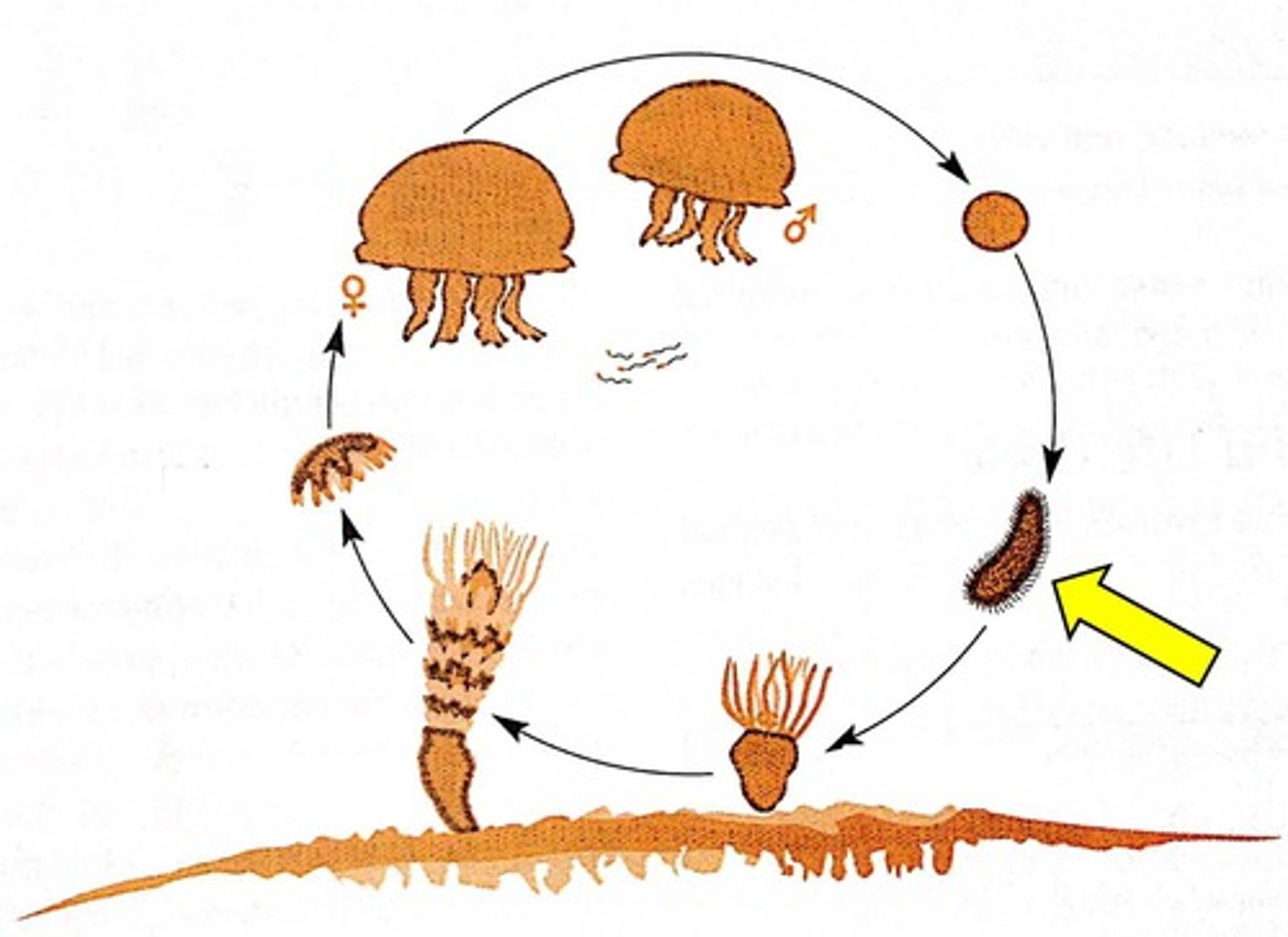
Polymorphism (2 forms)
1. Polyp : Juvenile; with tentacles upwards
2. Medusa : Adult; Bell shape w/ tentacles down
Gastrovascular Cavity (GVC)
- Mouth empties into this cavity
- Cells in lining produce digestive enzymes
Cnidocystes
"Stinging cells"
- Contain a "Nematocyst" a water pressurized harpoon ; occur in batteries
Cnidaria Tissue Layers
1. Ectodermis
2. Mesoglea
3. Gastrodermis
Primitive nervous system
Nerve net coordinated muscles
Carnivorous Feeding
1. Polyp : passive filter feeders
2. Medusae : Active feeders
Cnidaria Reproduction
1. Asexual : Polyp Budding and fragmentation
2. Sexual : Medusae
Planula
ciliated larva of cnidarians
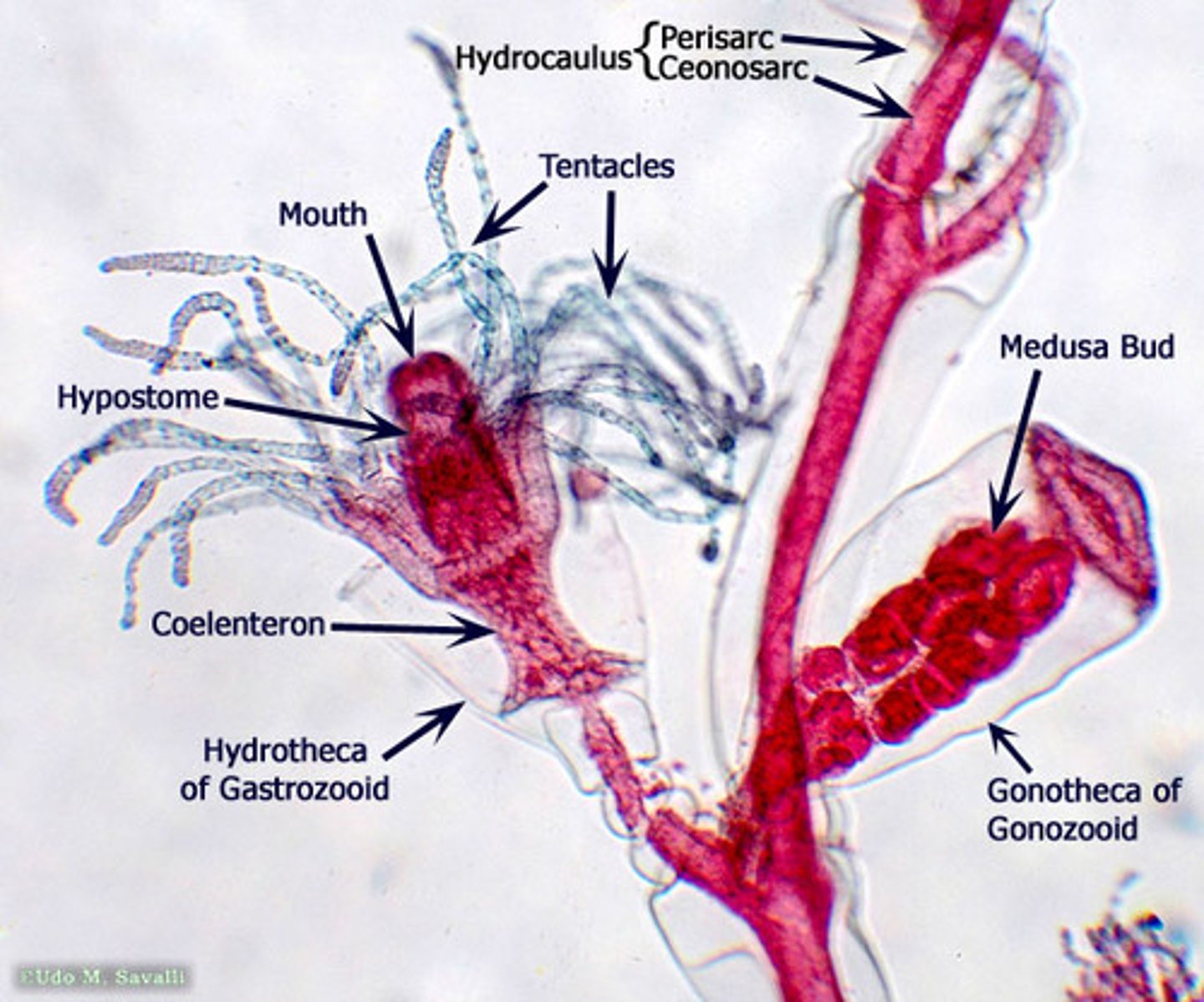
i. Class Hydrozoa - Hydroids
* Gastrozooids & Gonozooids
Gastrozooids - feeding polyps with tentacles
Gonozooids - reproductive polyps
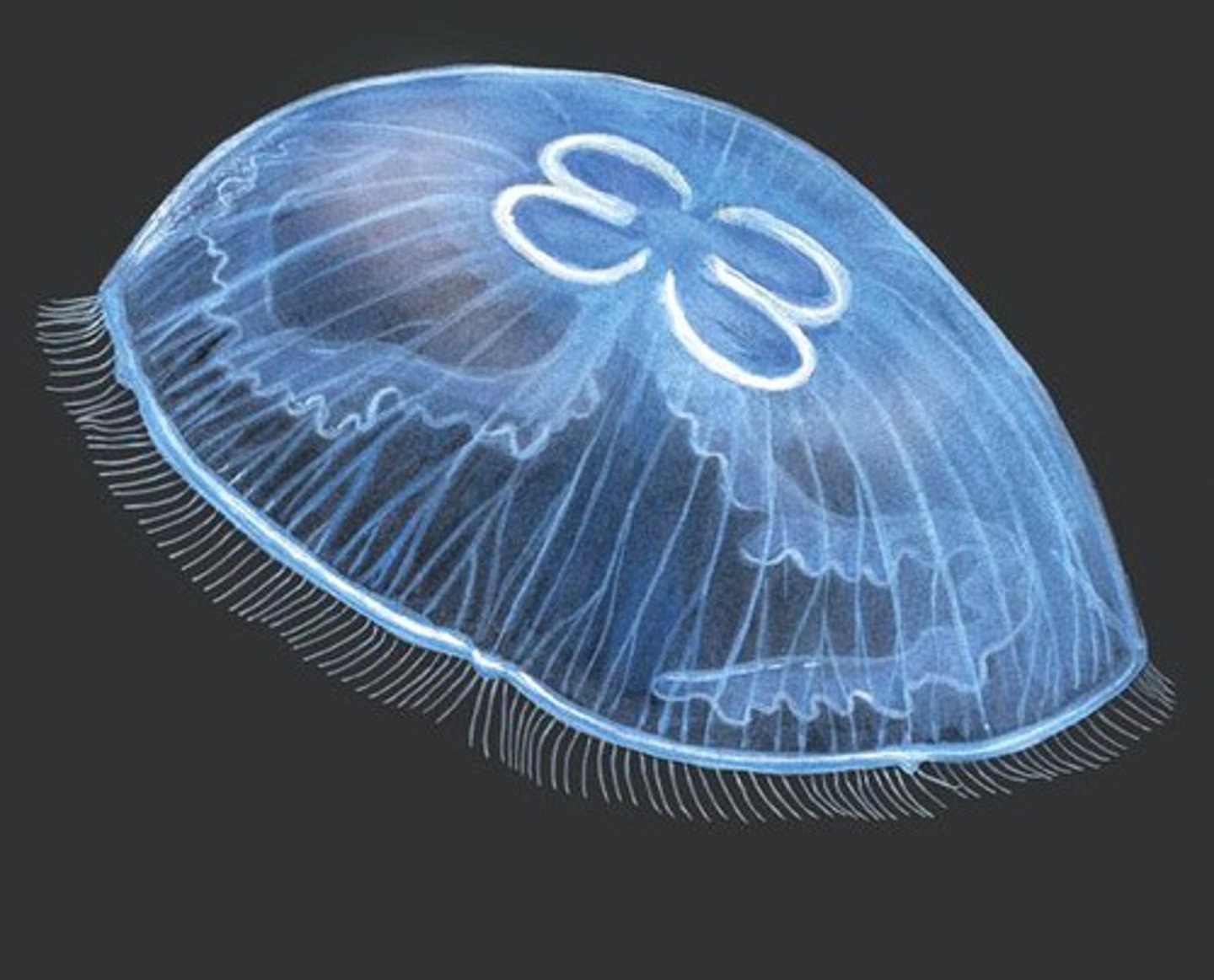
ii. Class Scyphozoa
Jellyfish
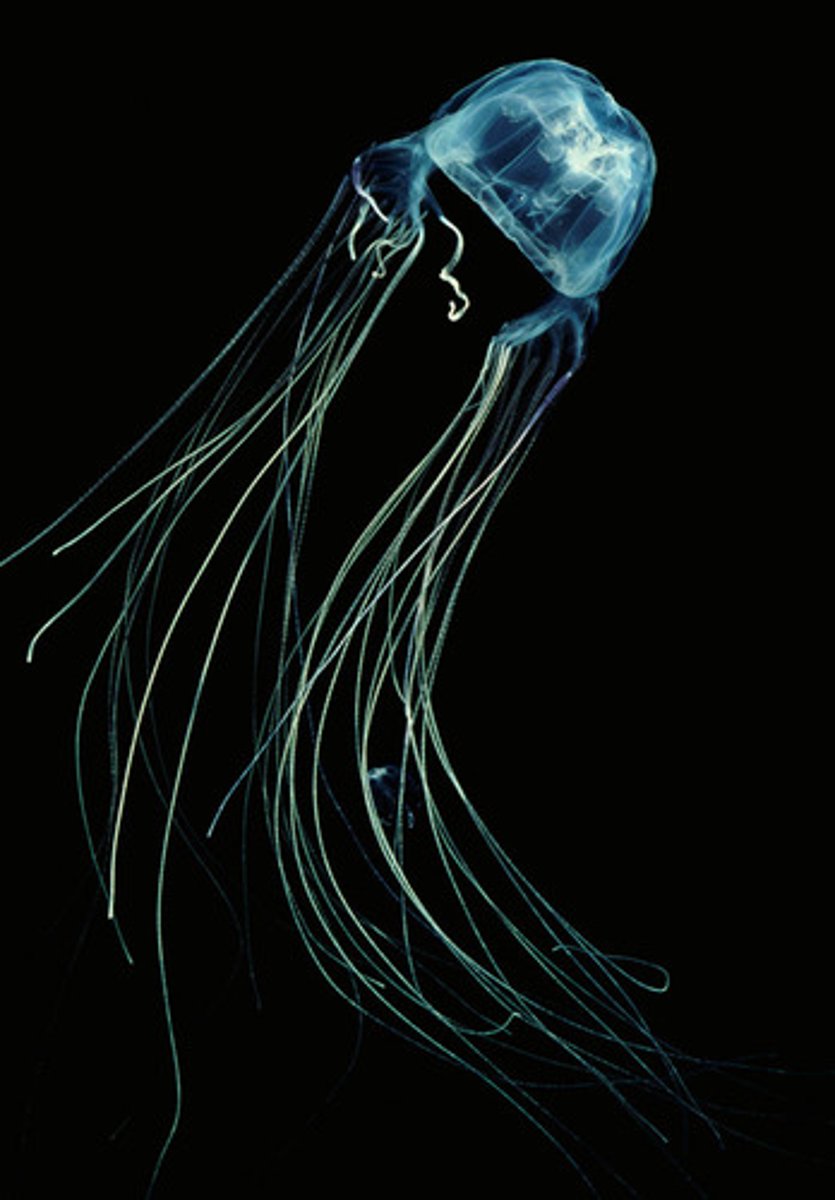
iii. Class Cubozoa
Box Jellyfish
- Sea wasp
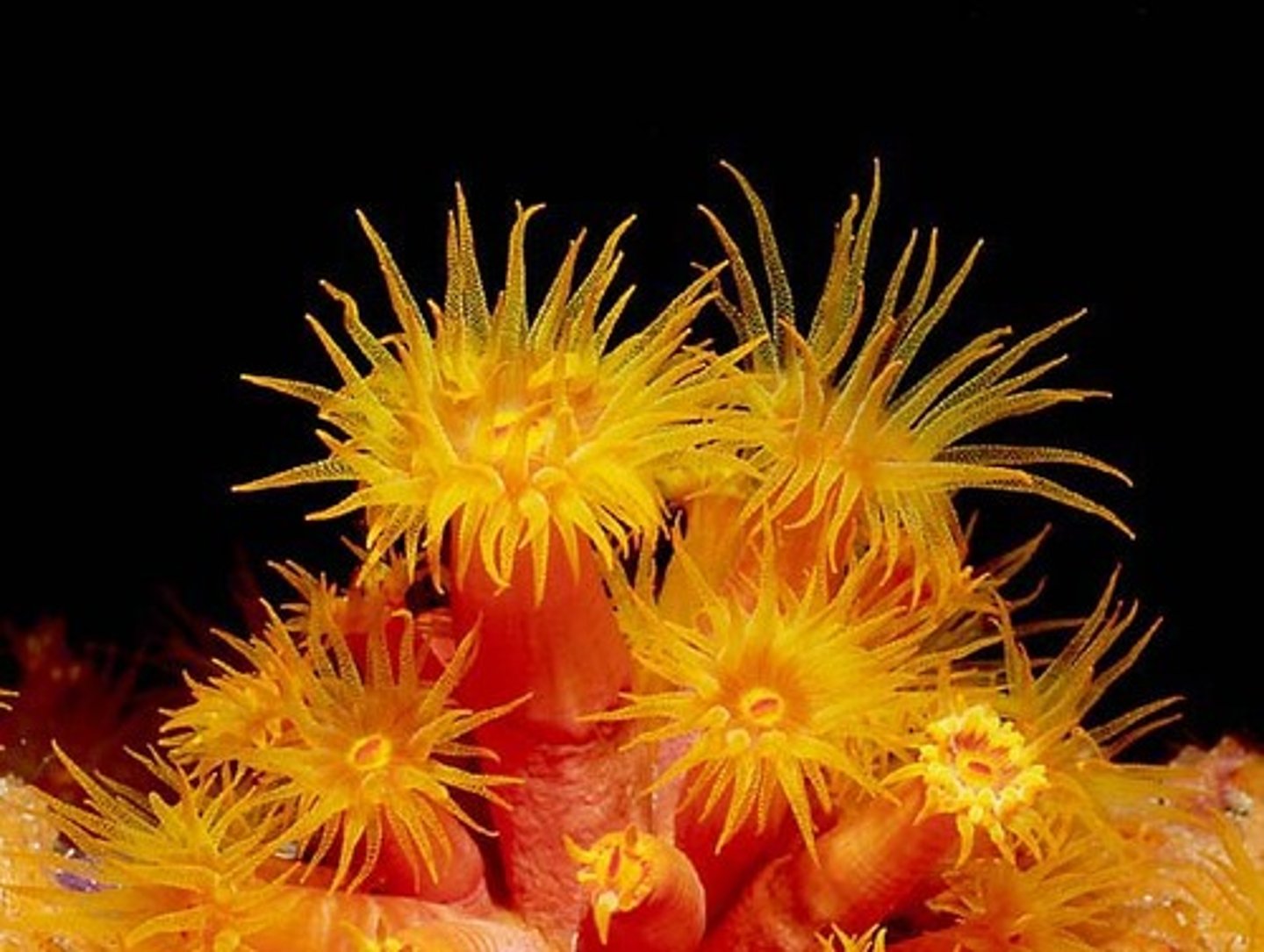
iv. Class Anthozoa
Anemones & Corals
* have partitions GVC
* Have zooxanthellae in tentacles
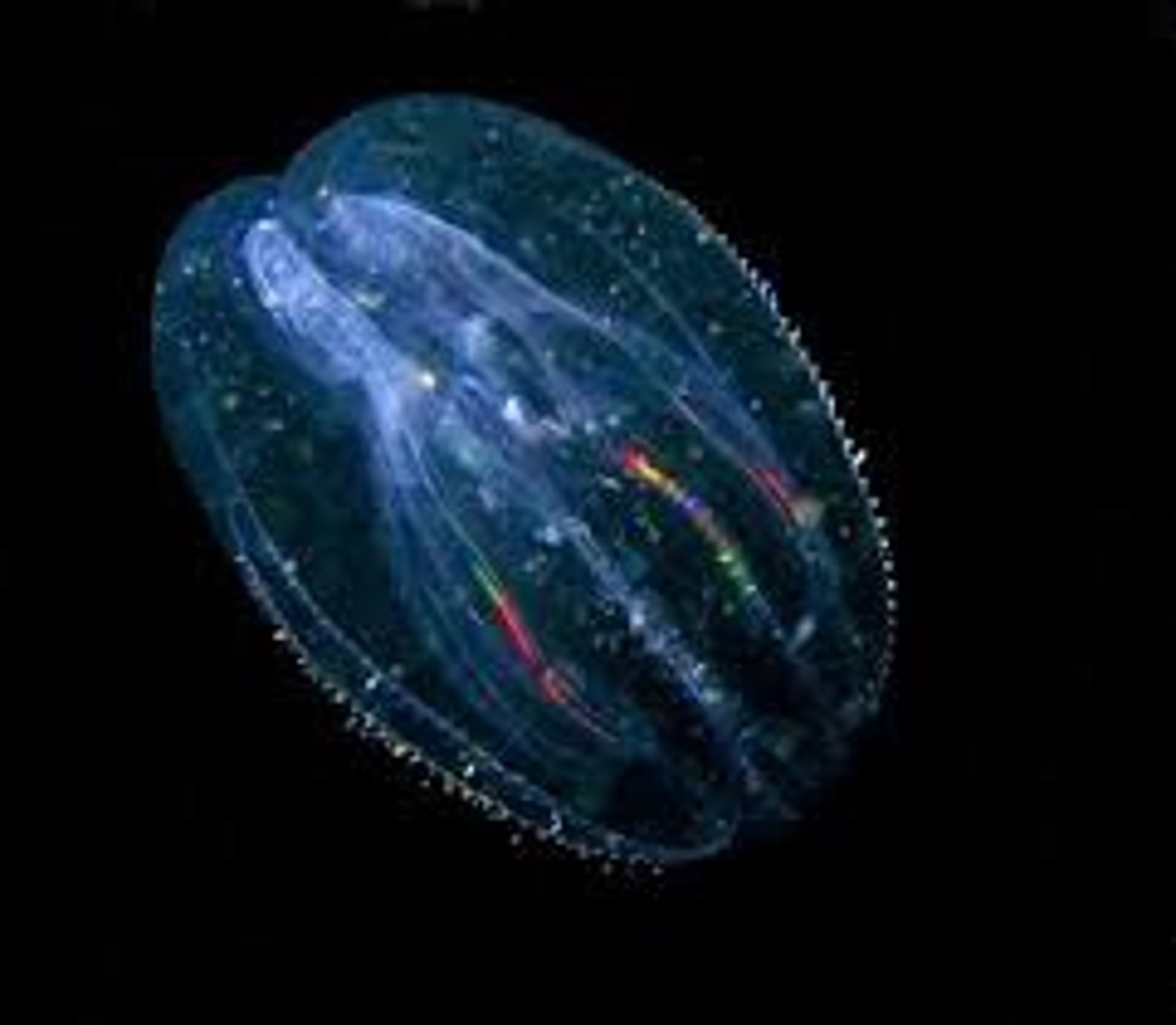
v. Ctenophora
Comb Jellies
- 8 rows of cilia
- Complete digestive systems : mouth + anus
3. Phylum Platyhelminthes
- Triploblastic
- parasitic
- Incomplete digestive system
- GVC has many lobes (diverticula)
Platyhelminthes nervous system
- cephalization
- ganglia
- eyespot
- ladder nervous system
Flame Cell
Primitive excretory system
- removes waste through cilia powered current
Platyhelminthes Reproduction
1. Asexual - fragmentation
2. Sexual - Hermaphroditic (cross fertilize)
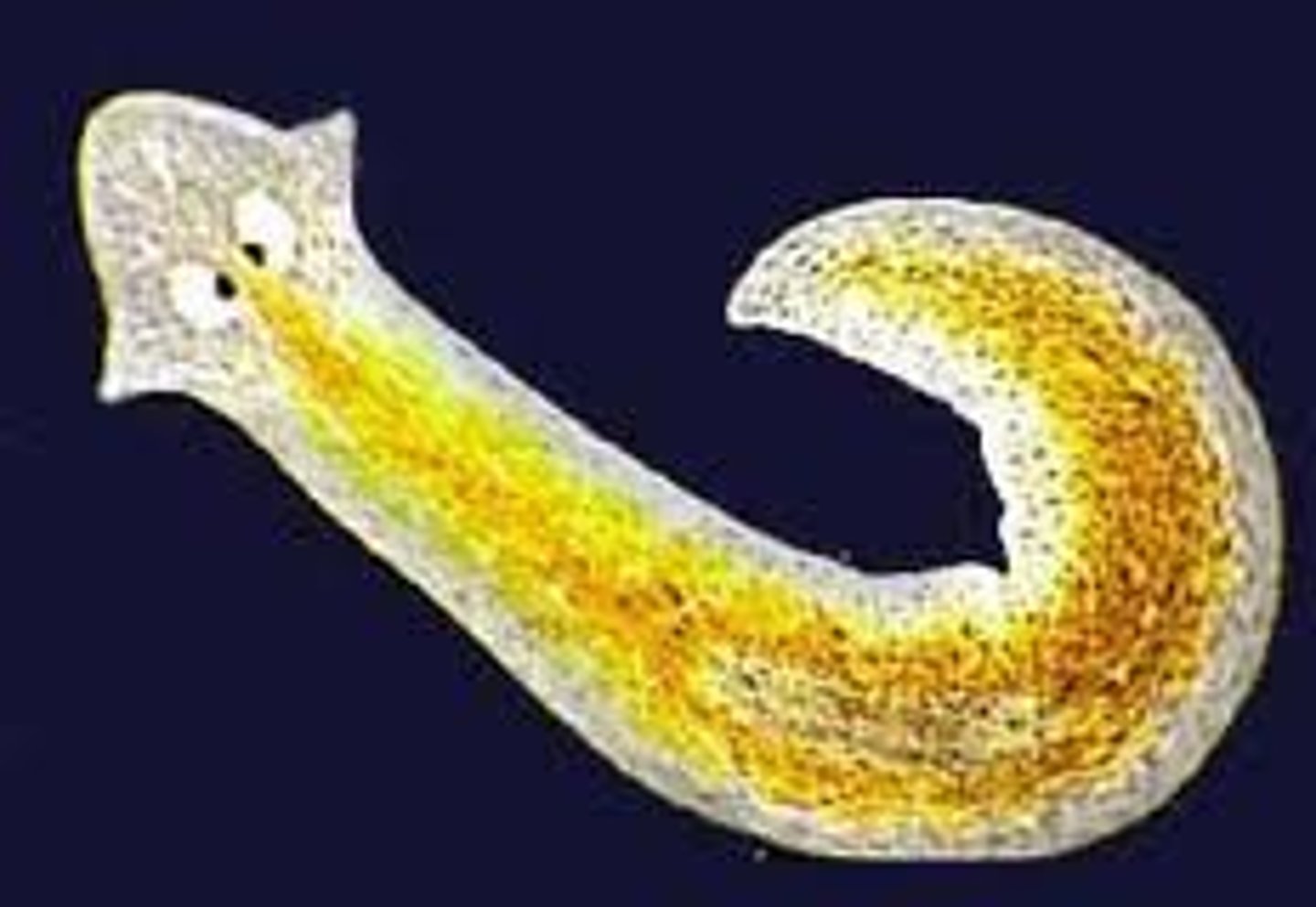
i. Class Turbellaria - planarians
- Free-living
- glide with ventral cilia
* Dugesia
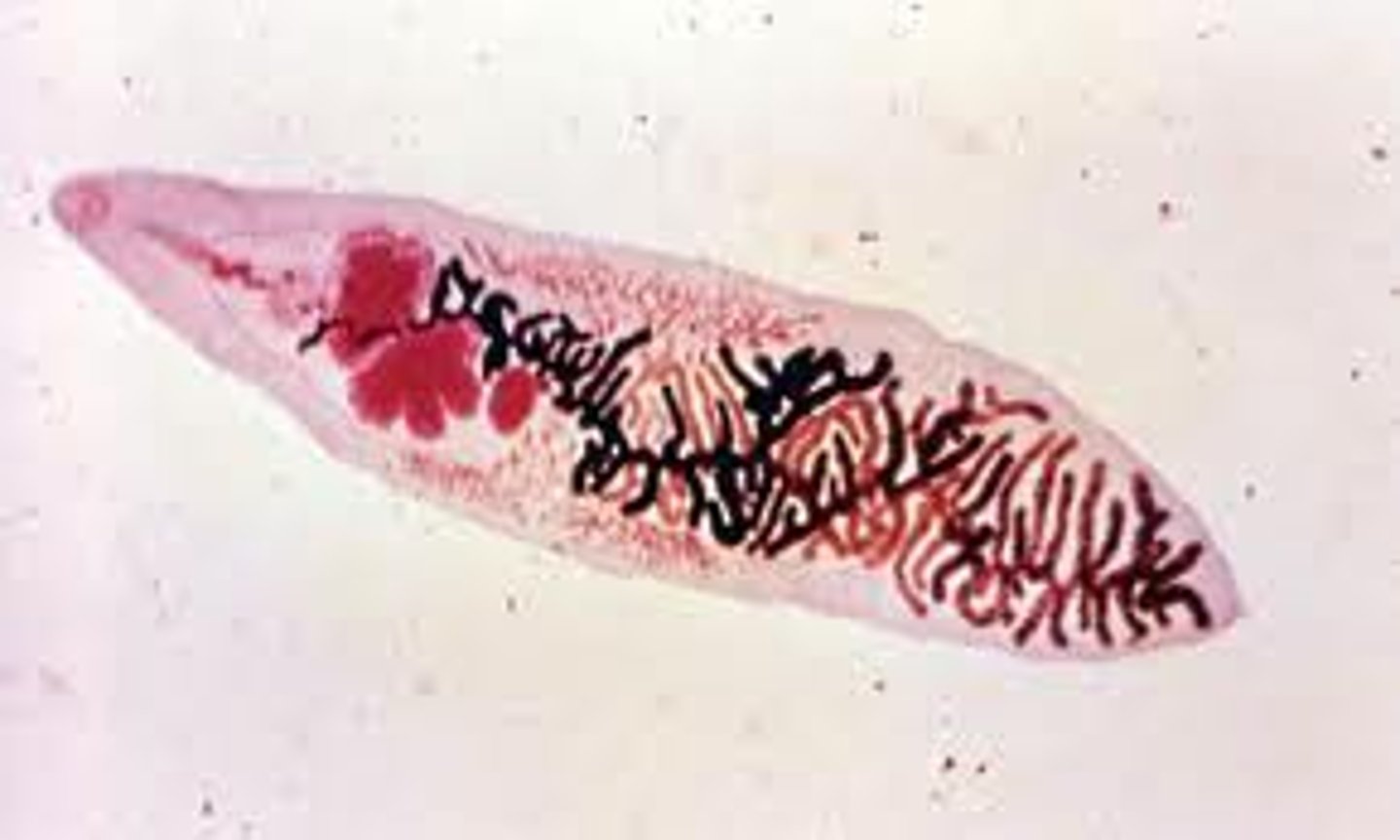
ii. Class Trematoda
-> Flukes
Endoparasites : digestive + circulatory
- Resistant outer skin
- suckers
Eg. : Clonorchis (human liver) , Fasciola (Sheep liver), Schistosoma (Blood)
iii. Class Cestoda
-> Tapeworms
Endoparasites : Digestive + Muscular
- No Digestive system
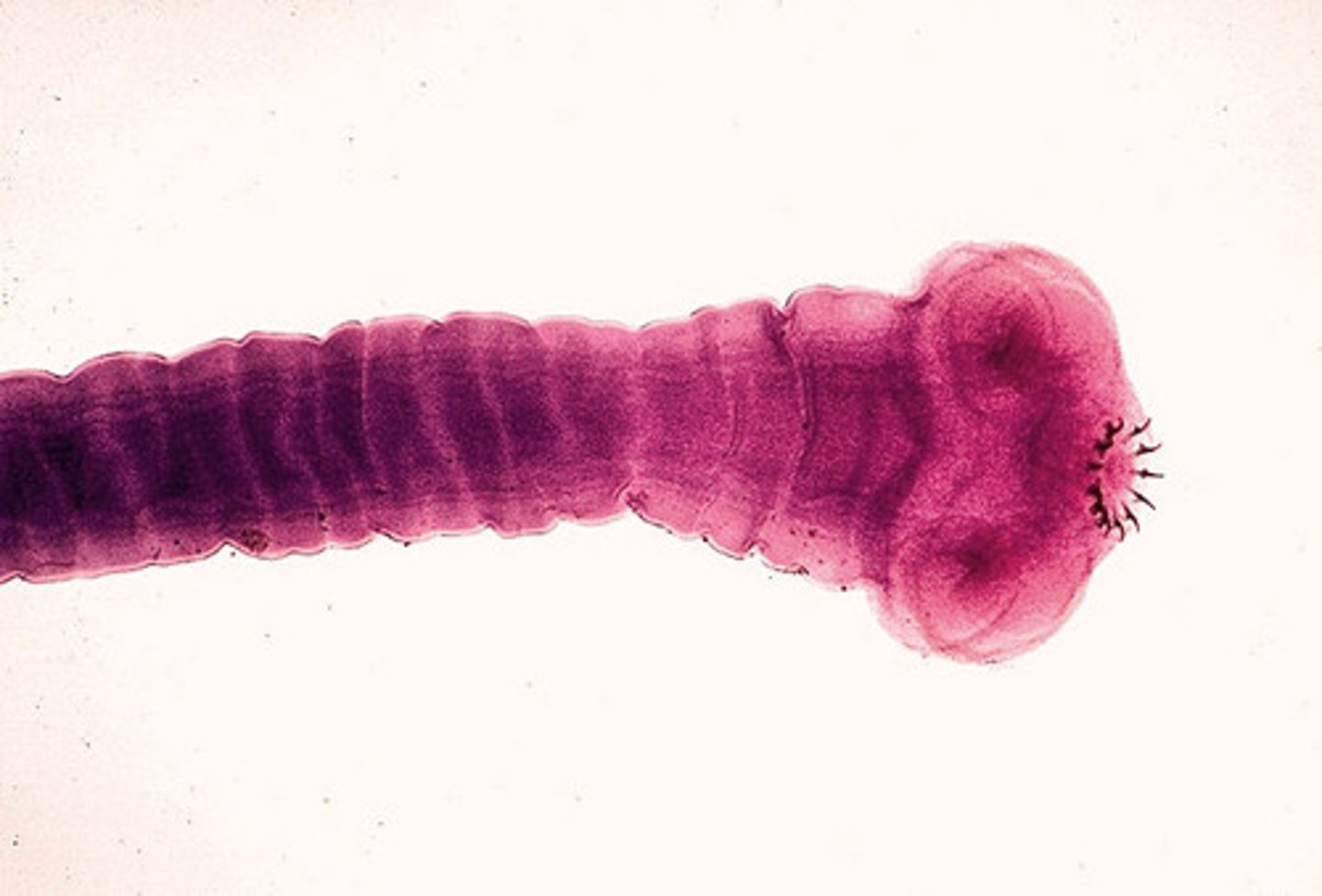
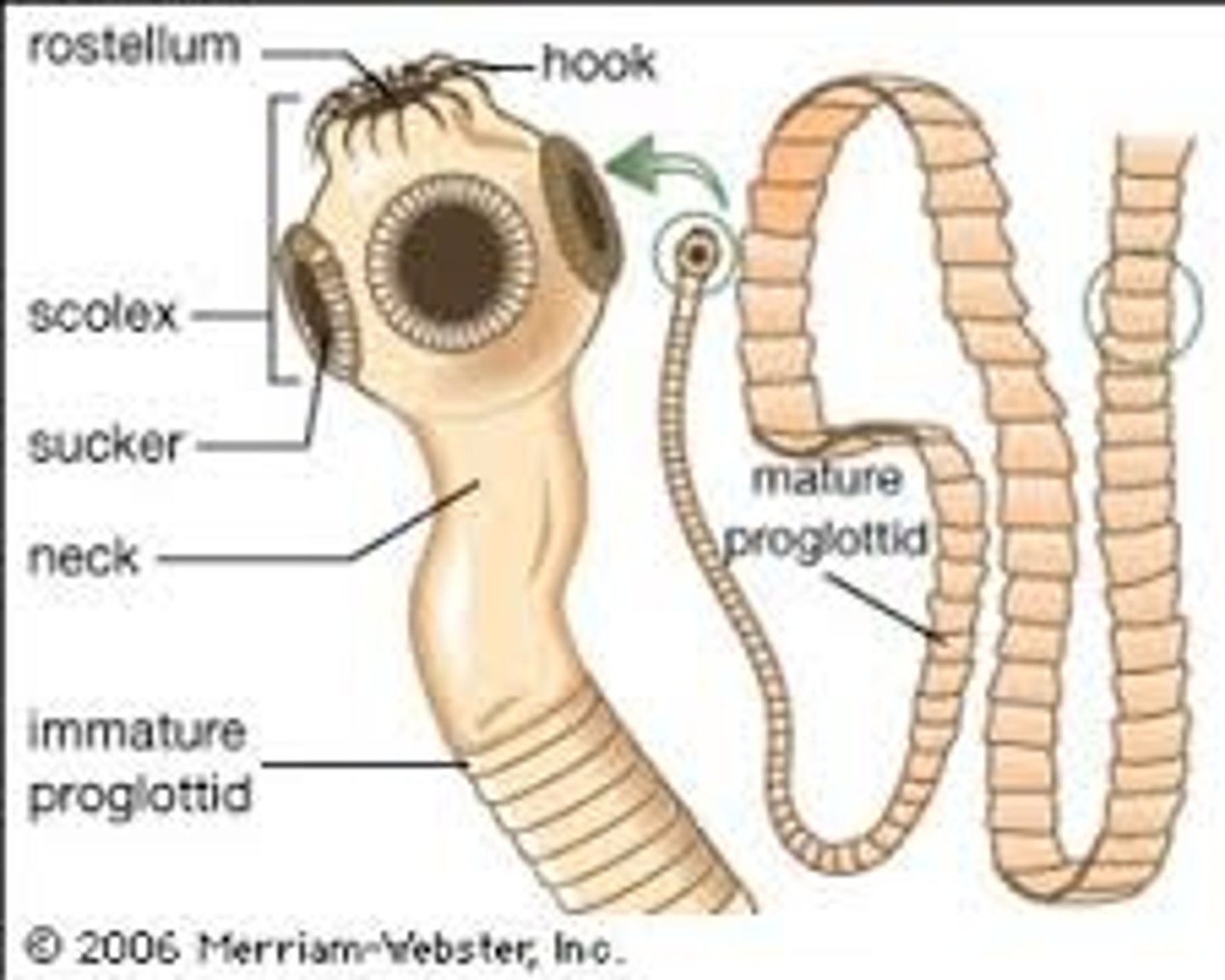
Tapeworm 3 segments
1. Scolex - head w/ suckers
2. Neck : <10 segments
3. Proglottids: large mature segments with eggs