Organic Chemistry: Functional groups and Reactions
 Call Kai
 Learn
Learn Practice Test
 Spaced Repetition
 Match
Match Flashcards
 Knowt Play
1/47

There's no tags or description
Looks like no tags are added yet.
Name | Mastery | Learn | Test | Matching | Spaced | Call with Kai |
|---|
No analytics yet
Send a link to your students to track their progress
48 Terms
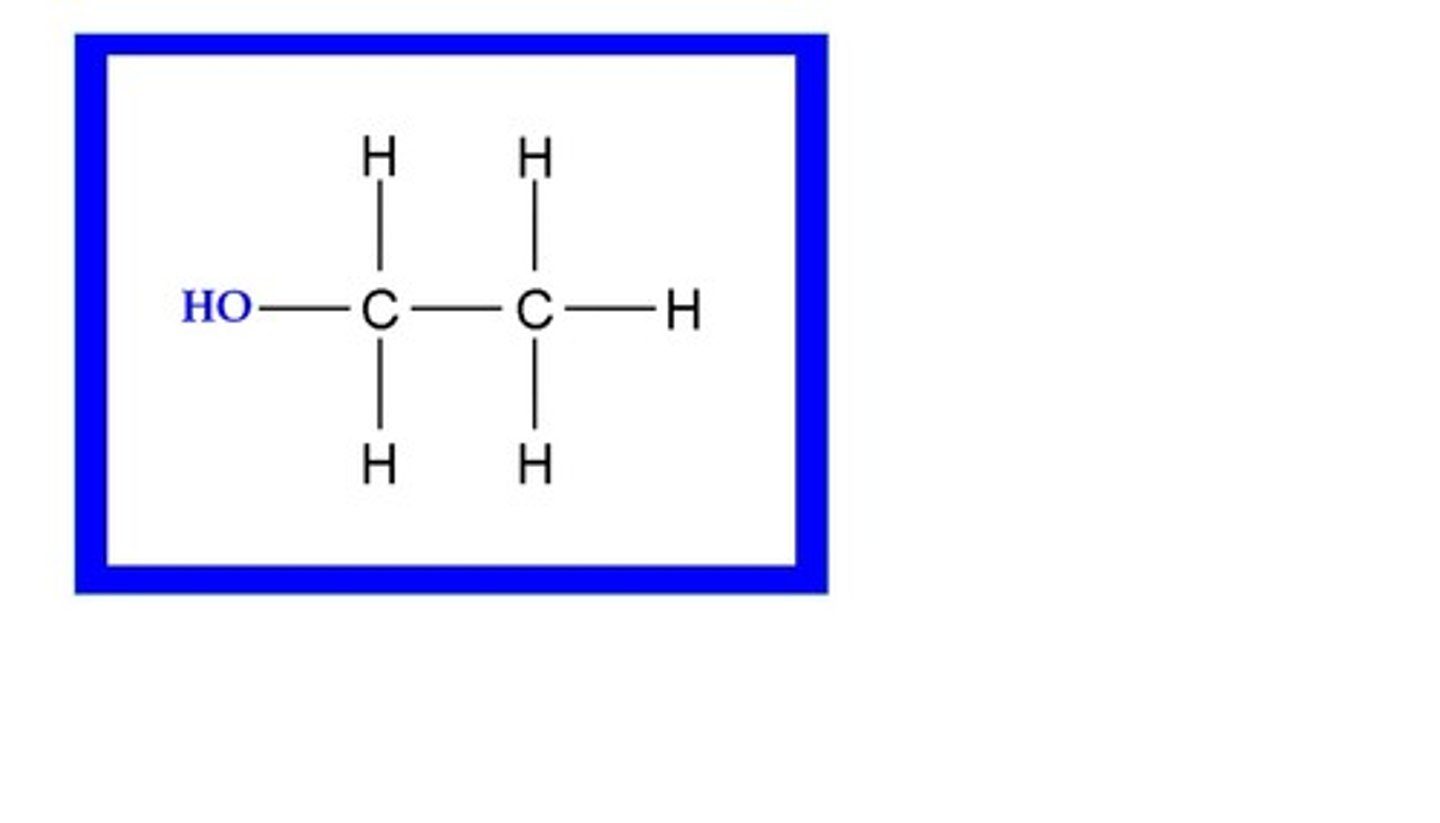
Alcohol (structural)
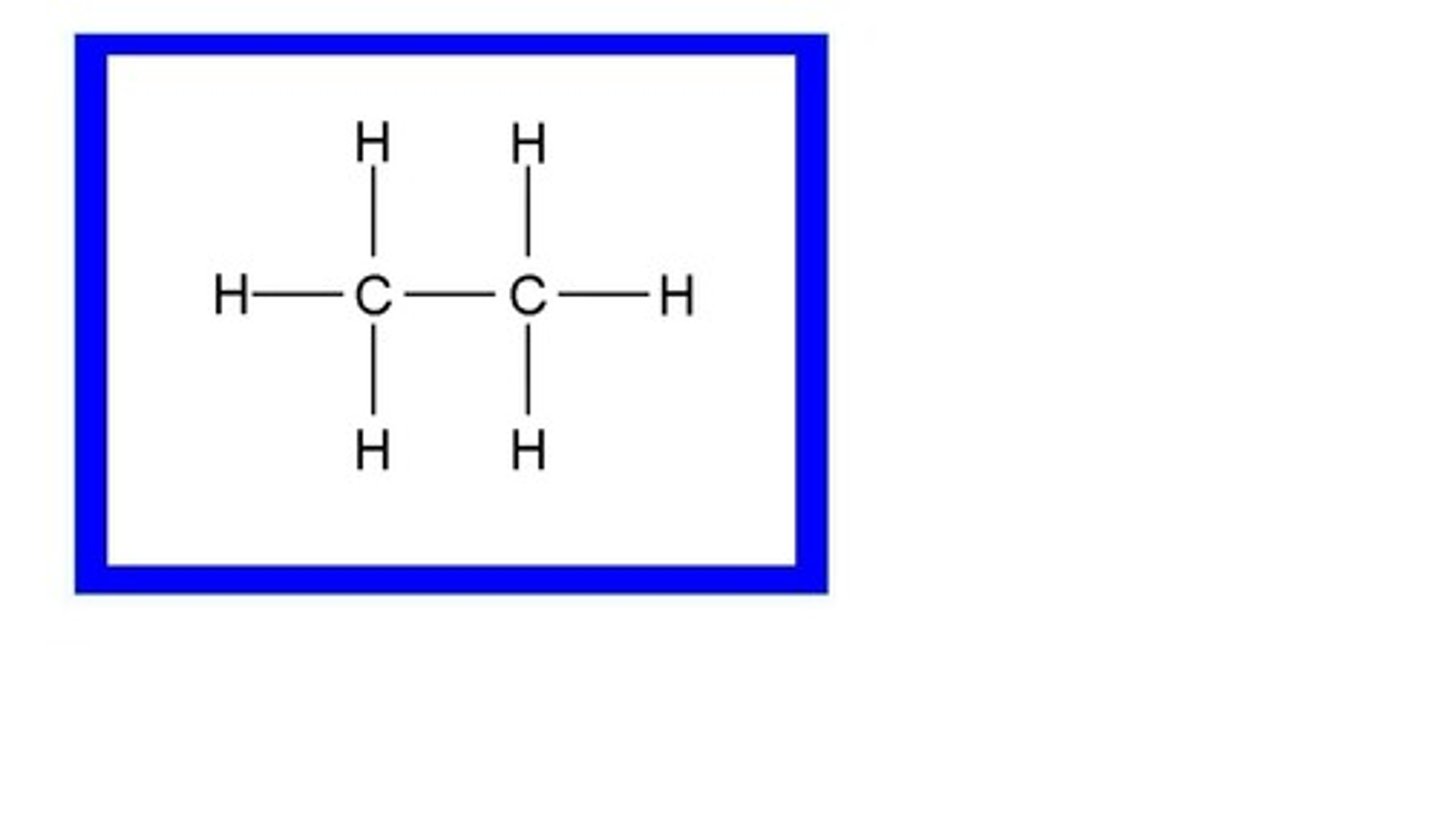
Alkane (structural)
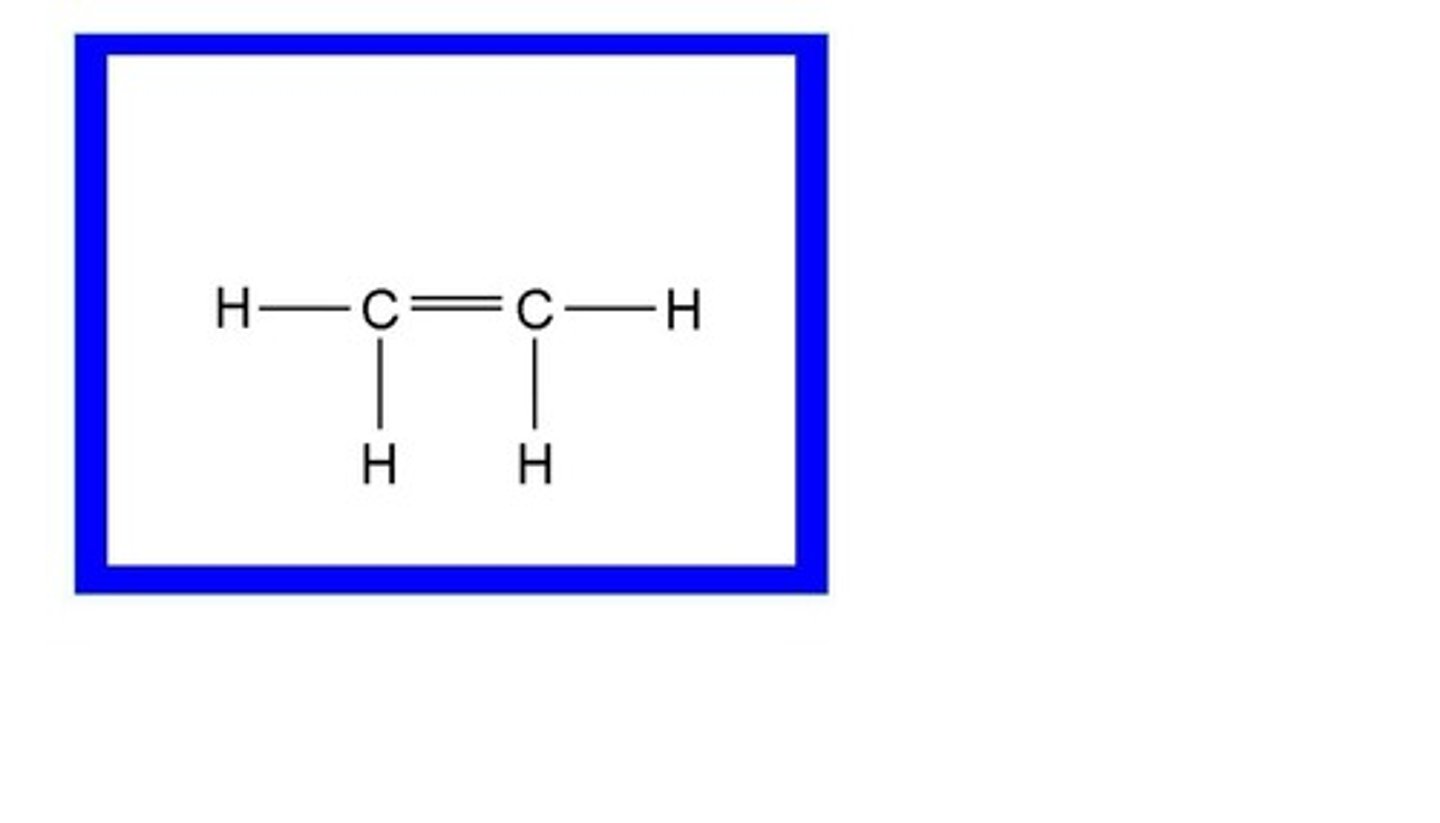
Alkene (structural)
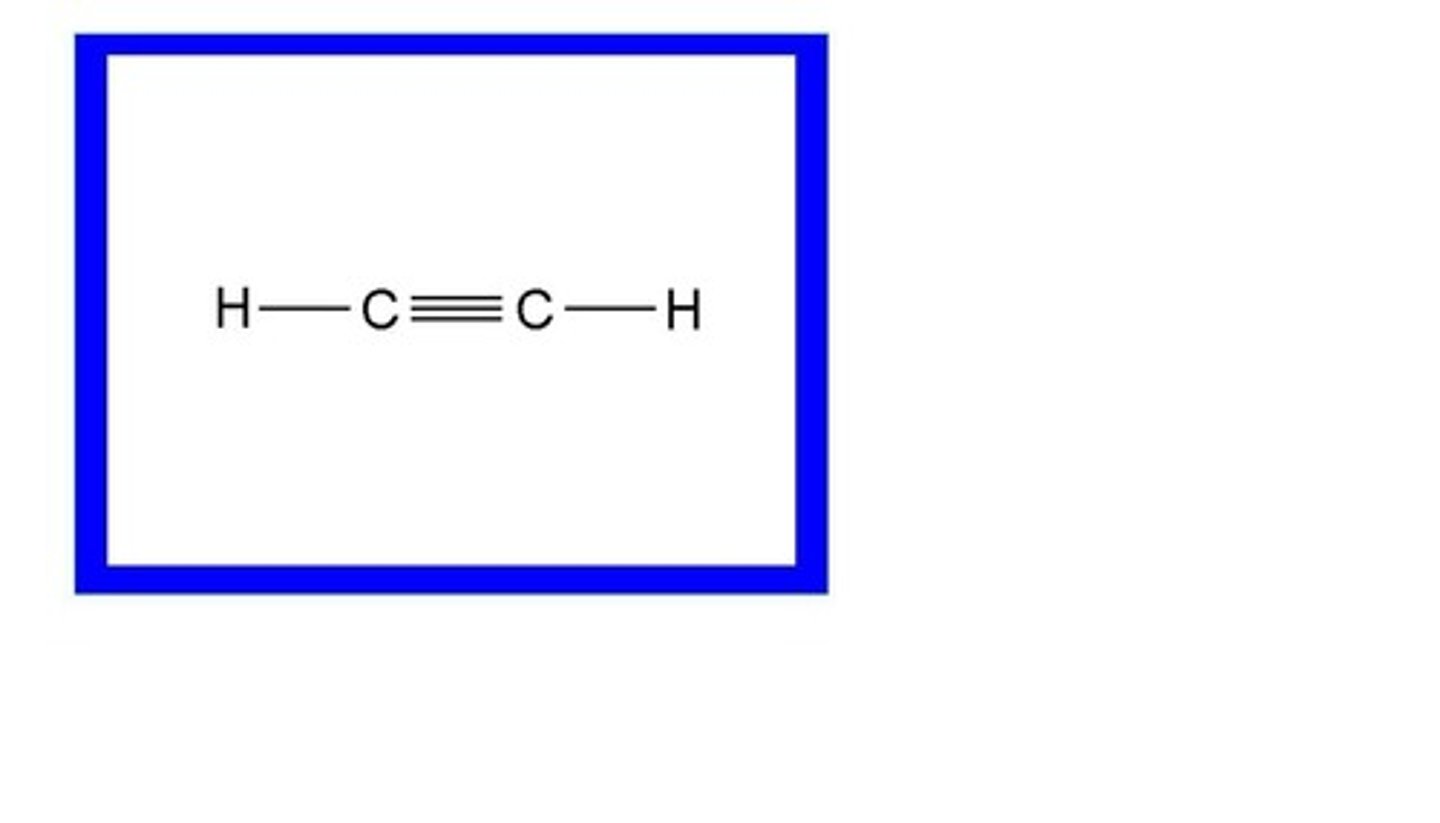
Alkyne (structural)
Ether (structural)
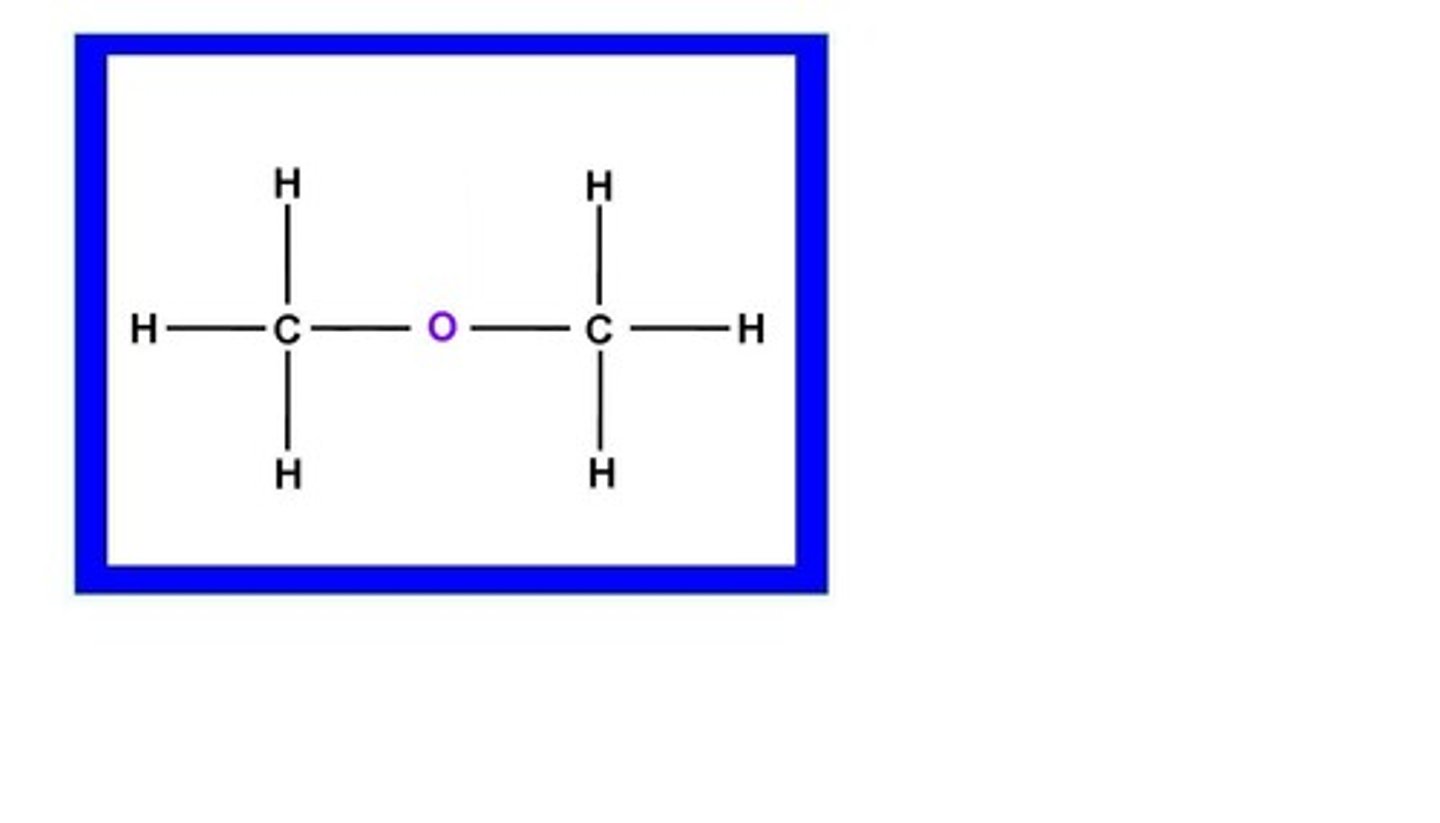
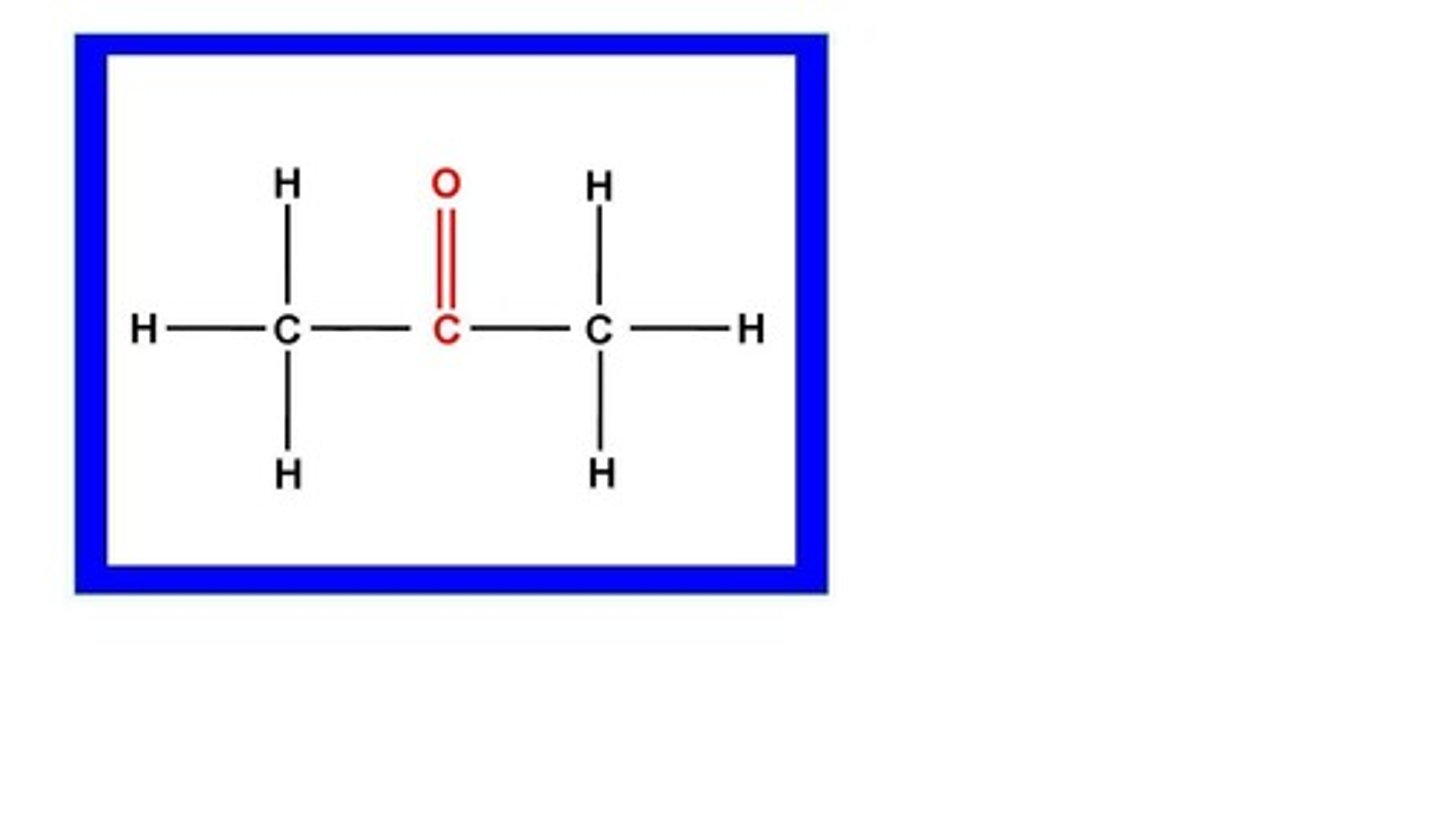
Ketone (structural)
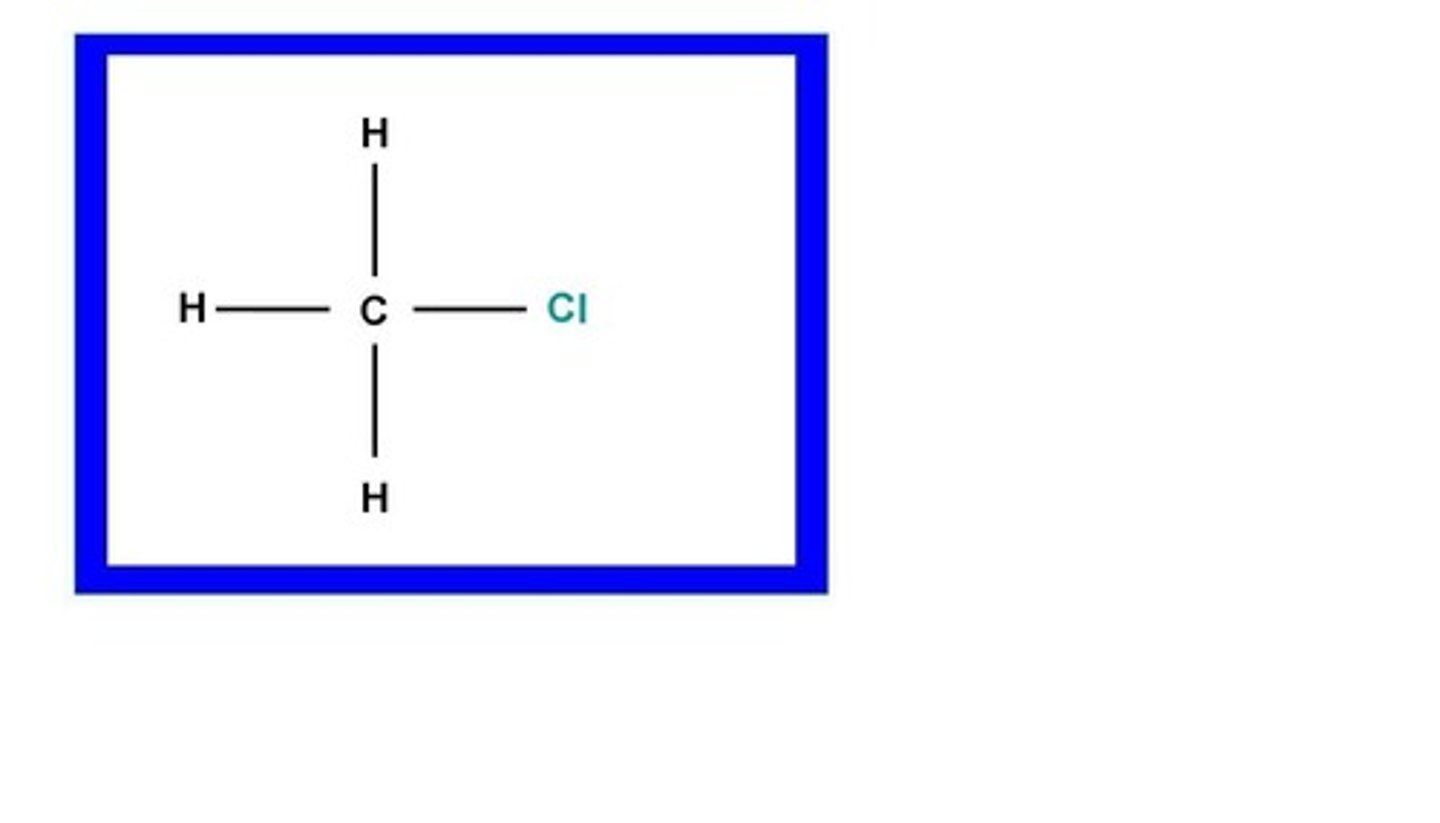
Halogen (structural)
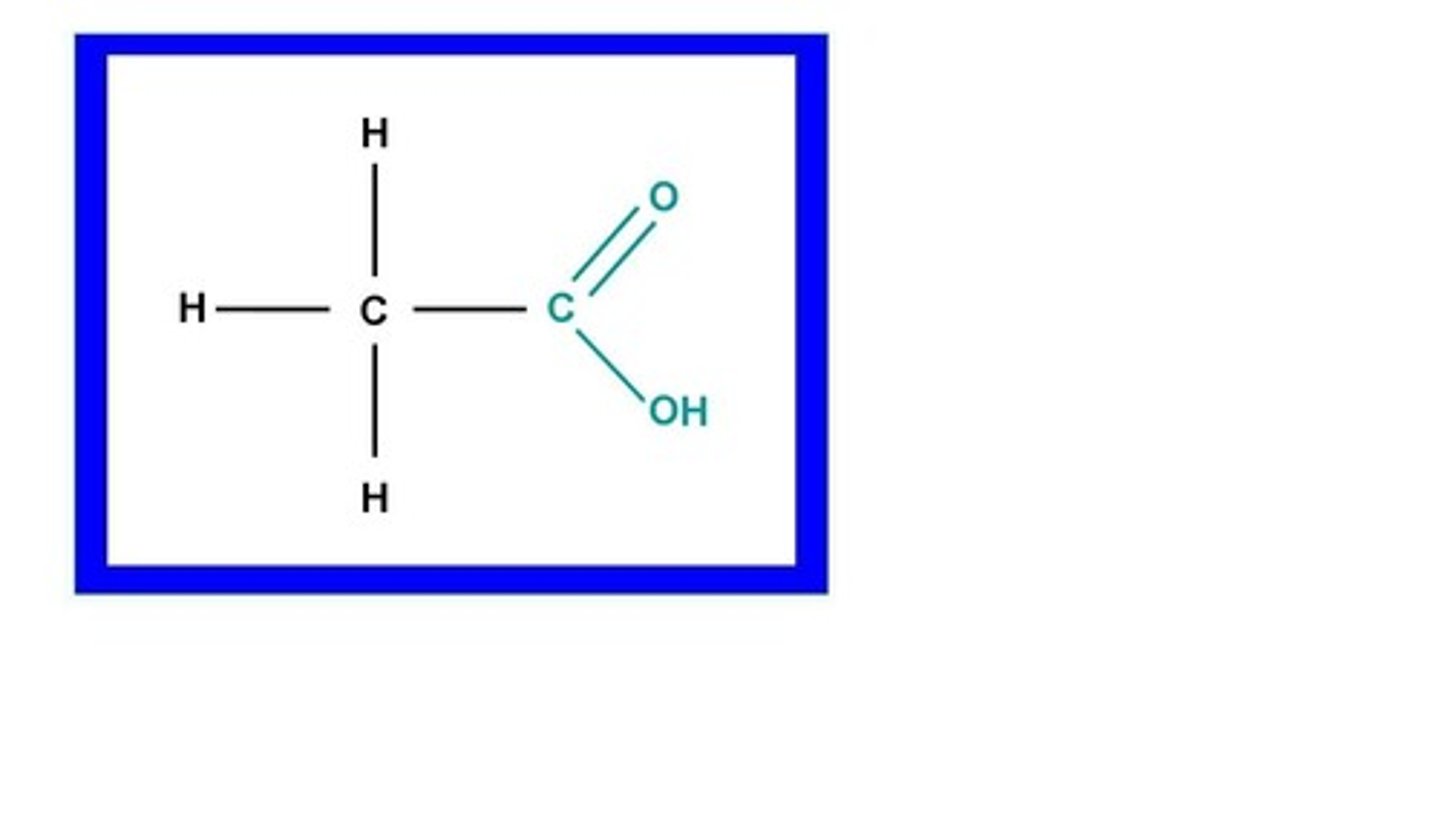
Organic Acid (structural)
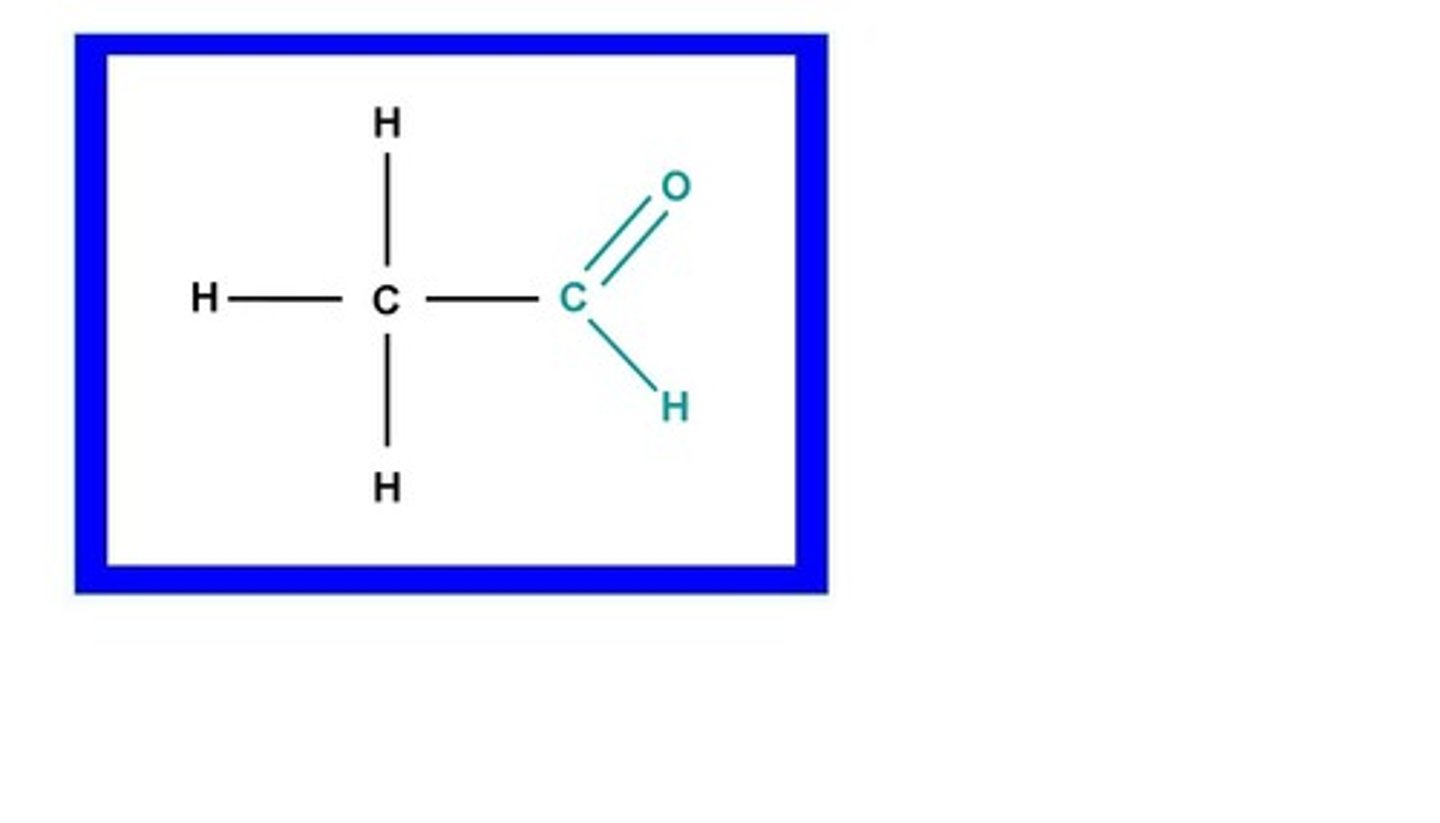
Aldehyde (structural)
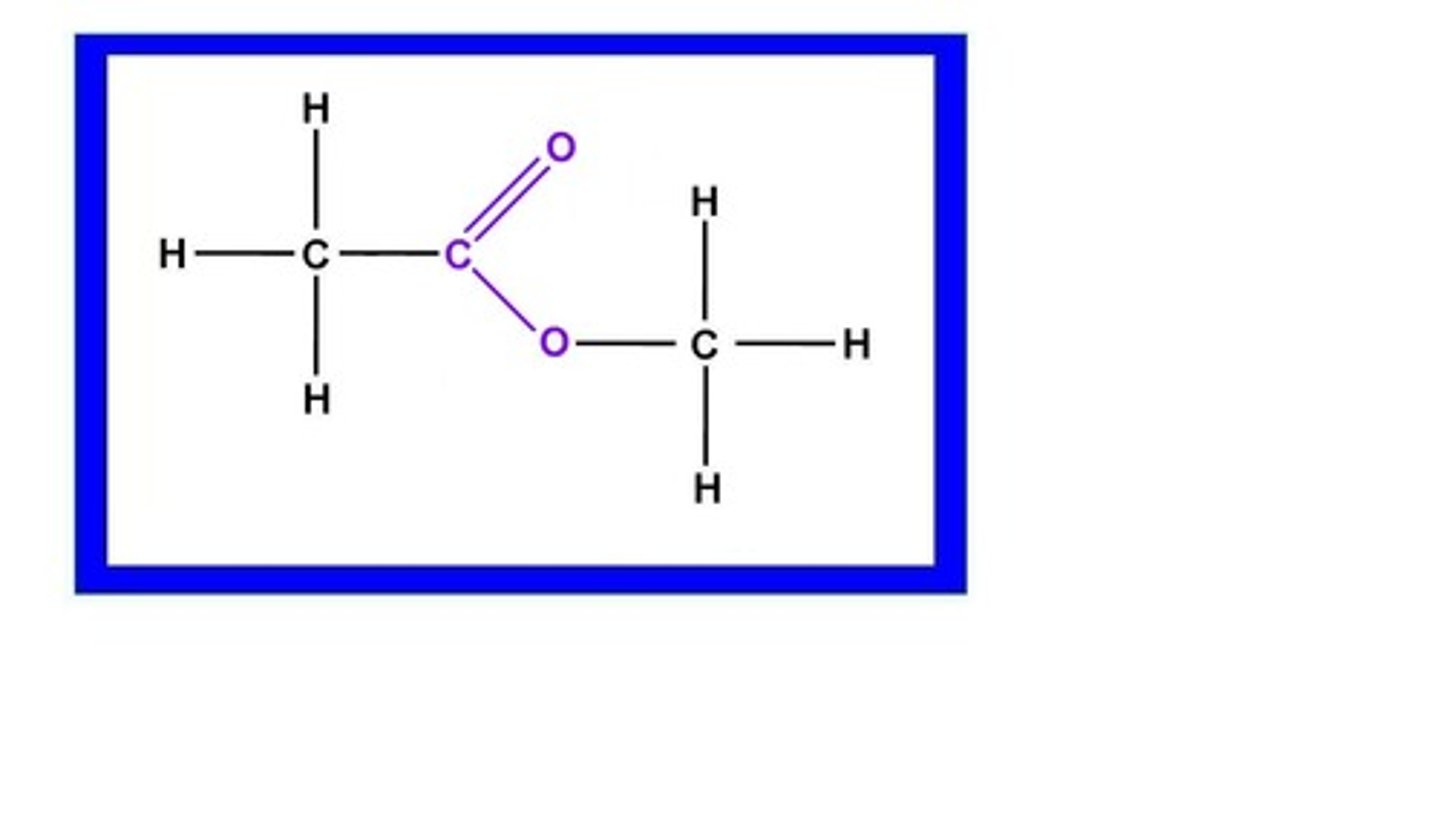
Ester (structural)
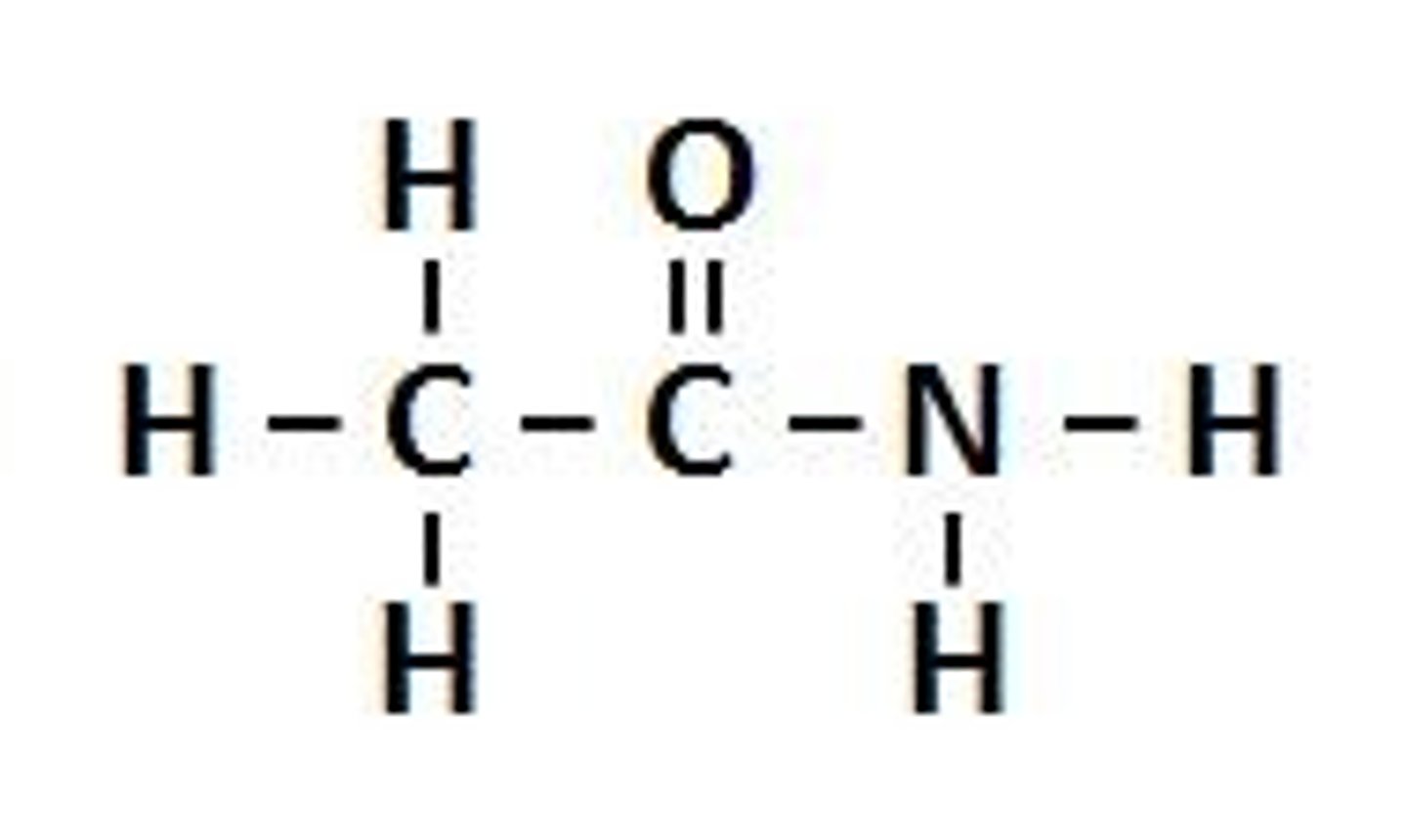
Amide (structural)
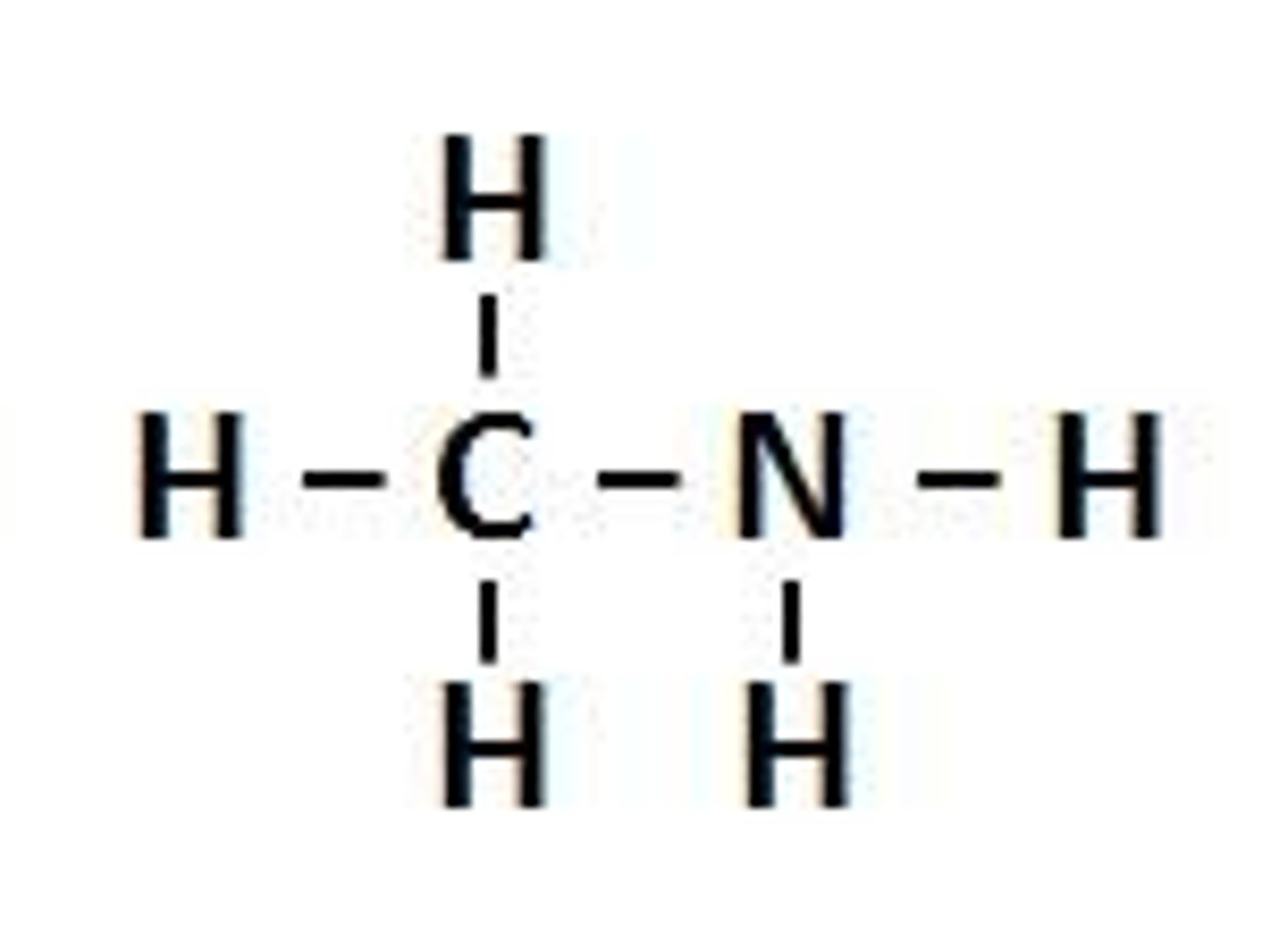
Amine (structural)
Alcohol notation
R-OH
aldehyde notation
R-CHO
alkane notation
C-C
alkene notation
C=C
alkyne notation
C≡C
amide notation
O=C-NH2
amine notation
R-C-NH2
organic acid notation
R-COOH
ester notation
R-COO-R
ether notation
R-O-R
halide notation
C-and an ion formed from a group VII element
ketone notation
RCOR
How to make an ester
dehydration synthesis between organic acid and primary alcohol
How to make an ether
dehydration synthesis between two primary alcohols
Name of group with C=O in the middle of a carbon chain
ketone
Name of group with C=O on the end of a carbon chain
aldehyde
Name of group with COOH on the end of a carbon chain
organic acid
Name of group with COO in the middle of a carbon chain
ester
Name of group with O in the middle of a carbon chain
ether
Name of group with OH on the end of a carbon chain
primary alcohol
Name of group with OH on a carbon in the middle of a carbon chain
secondary alcohol
Name of group with OH on a carbon in the middle of a carbon chain with another carbon branch across from it
tertiary alcohol
Name of group with nitrogen attached to a carbon chain
amine
Name of group with nitrogen attached to a C=O
amide
Name of group with a group 17 element attached to a carbon chain
halide
Addition
breaking multiple bonds of an unsaturated compound and attaching hydrogens
Substitution
replacing the hydrogen atoms in an alkane group (typically with a halogen)
fermentation
sugar converted into alcohol and carbon dioxide
esterification
organic acid and alcohol combine to create an ester and water
saponification
an ester and water create an organic acid (soap) and glycerol
oxidation
burning a hydrocarbon in oxygen. excess oxygen produces carbon dioxide and water. limited oxygen produces carbon monoxide
polymerization
forming large chains from small molecules
addition polymerization
connecting unsaturated monomers to create large chains of polymers by breaking the multiple bond
condensation polymerization
removal of water (dehydration synthesis) to link monomers together
examples of natural polymers
protein, starch, cellulose
examples of artificial polymers
plastic, acrylics, nylon, synthetic rubber