Sedimentary Rocks Review
 Note
Note Call Kai
 Learn
Learn Practice Test
 Spaced Repetition
 Match
Match Flashcards
 Knowt Play
1/20

Earn XP
Description and Tags
A collection of flashcards to help review key concepts related to igneous and sedimentary rocks, including definitions and classifications.
Name | Mastery | Learn | Test | Matching | Spaced | Call with Kai | Chat |
|---|
No analytics yet
Send a link to your students to track their progress
21 Terms
Clastic Sedimentary Rocks
Rocks composed of clasts (grains of eroded rocks), classified by grain size.
Sorting
Describes the size relationships of grains in a sedimentary rock and ranges from very poorly sorted to well sorted.
Roundness
Describes the smoothness of individual grains in sedimentary rocks.
Depositional History
Determined by sorting and roundness, indicating origination and transport distance of clasts.
Depositional Environment
Where clasts settle out of solution, classified as high or low energy, and continental, transitional, or marine.
Chemical Sedimentary Rocks
Form from precipitation of minerals in water, including limestone and evaporites.
Biochemical Sedimentary Rocks
Form from activity of microorganisms incorporating chemical components into hard parts.
Peat
Accumulated plant material in marshes, classified with chemical and biochemical rocks.
Rock Cycle
The continuous process of rock formation, including igneous, sedimentary, and metamorphic rocks.
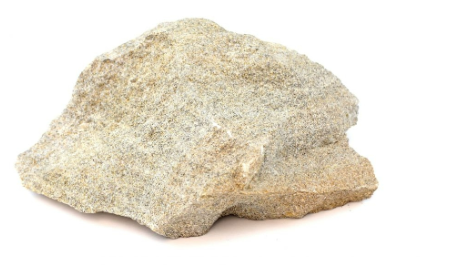
Quartz sandstone
Clastic
• Medium sand sized grains
• Well sorted
• Depositional environments: continental, transitional, marine
(anywhere sand is deposited)
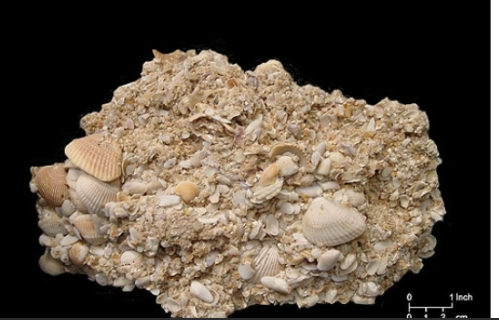
Coquina
Biochemical
• Cemented shell fragments
• Reactive to HCl
• Depositional environment: transitional (beaches)
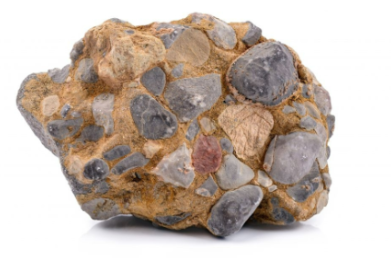
Conglomerate
Clastic
• Gravel (and other sizes)
• Well rounded (transported)
• Poorly sorted
• Depositional environment: continental
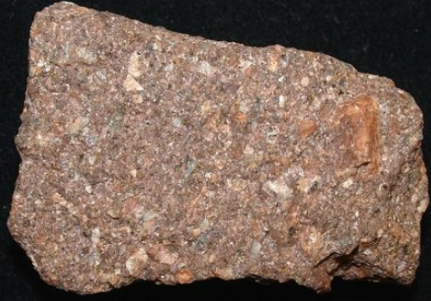
Arkose
Clastic
• Medium sand sized grains
• Angular grains (short transport)
• Poorly sorted (short transport)
• Depositional environment: continental
Commonly pink to light red color
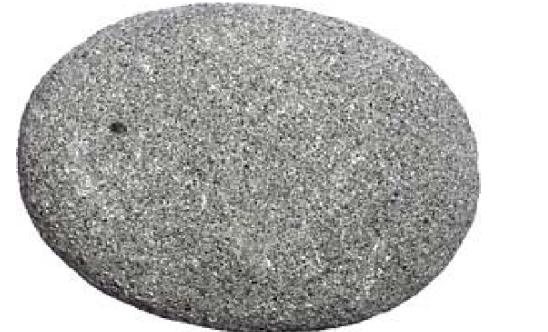
Greywacke
Clastic
• Sand sized quartz and rock fragments mixed with clay
• Salt and pepper look
• Depositional environment: marine
Mudstone
Clastic (even though the clasts aren’t visible)
• Silt or clay sized grains
• Siltstone, shale, and claystone are types of this rock
• I will say “be specific” if I’m looking for one of the types of this rock
• Depositional environment: transitional, marine
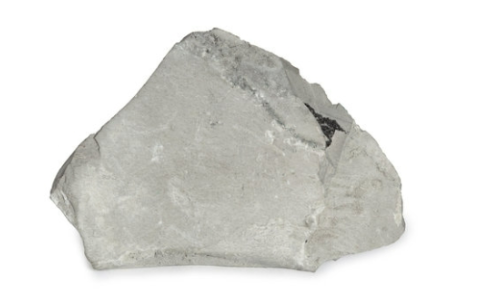
Micrite
Chemical/biochemical (can form either way)
• Composed of calcium carbonate
• HCl reactive
• Massive, microcrystalline lime mudstone
• Conchoidal fracture
• Depositional environment: marine
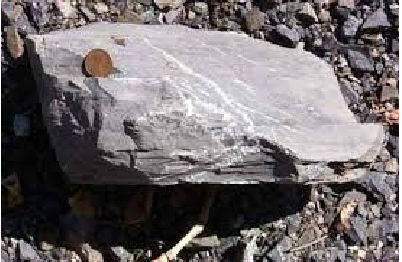
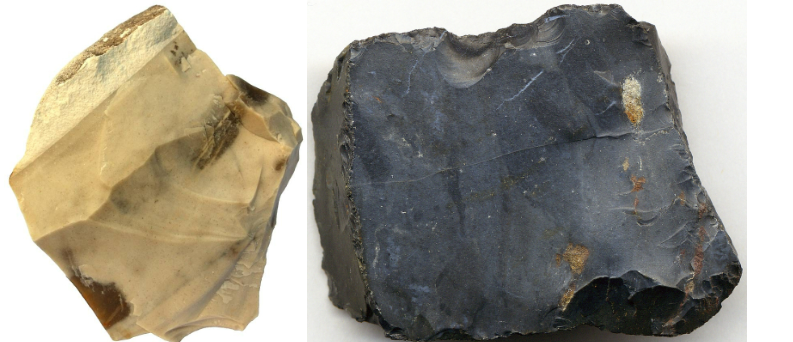
Chert
• Chemical/biochemical
• Composed of SiO2
• Hard, dense, conchoidal fracture, cryptocrystalline
• Depositional environment: marine
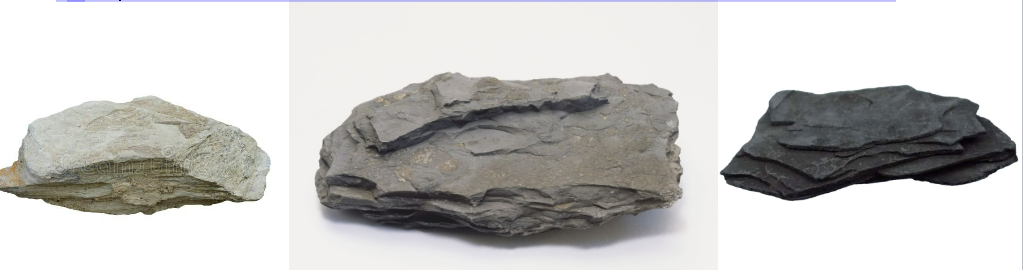
Shale
• Clastic (a type of mudstone)
• Clay sized clasts
• Smooth-feeling mixture of clay
• Laminated (layered)
• Depositional environments: continental, transitional, marine
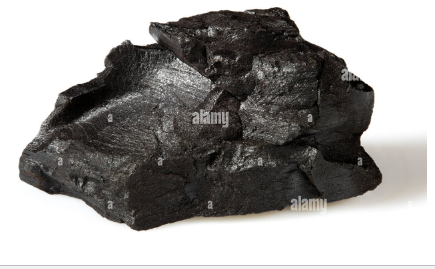
Lignite
Biochemical
• Composed of plant material
• Low density, block, matte luster
• Low grade coal
• Depositional environment: continental
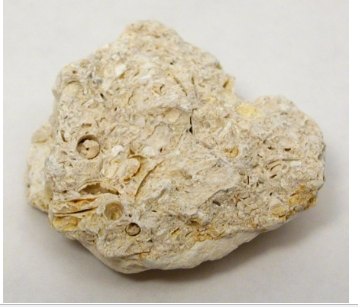
Fossilferous limestone
• Biochemical
• Composed of calcium carbonate
• HCl reactive
• Abundant fossils in massive calcareous matrix
• Depositional environment: marine
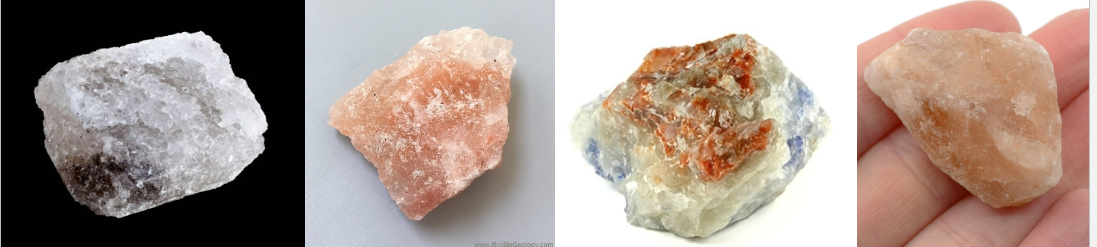
Rock salt
Chemical
• Composed of halite
• Crystalline with salty taste
• Depositional environment: continental