Exam 1

0.0(0)
Studied by 5 people
call kaiCall Kai
learnLearn
examPractice Test
spaced repetitionSpaced Repetition
heart puzzleMatch
flashcardsFlashcards
GameKnowt Play
Card Sorting

1/50

flashcard set

Earn XP

Last updated 9:40 AM on 10/20/23
Name
Mastery
Learn
Test
Matching
Spaced
Call with Kai

No analytics yet

Send a link to your students to track their progress

51 Terms

1
New cards

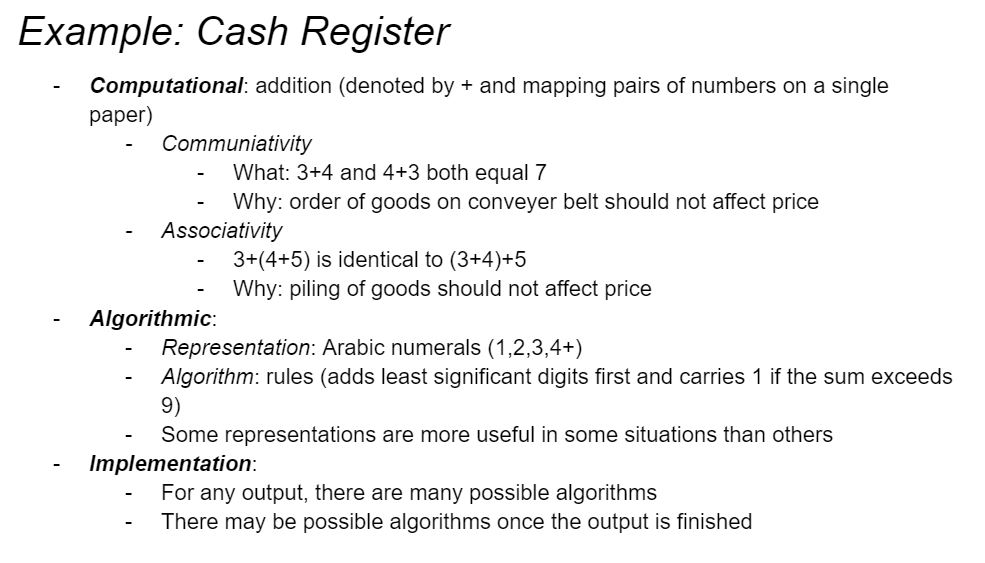
levels of analysis

experimental way of viewing and explaining computer/machine systems

  • types:

    • computational

    • algorithmic

    • implementational

<p><span style="font-family: Arial, sans-serif"><mark data-color="yellow">experimental way of </mark></span><strong><em><span style="font-family: Arial, sans-serif"><mark data-color="yellow">viewing and explaining computer/machine systems</mark></span></em></strong></p><ul><li><p><mark data-color="blue">types</mark>:</p><ul><li><p><mark data-color="red">computational</mark></p></li><li><p><mark data-color="red">algorithmic</mark></p></li><li><p><mark data-color="red">implementational</mark></p></li></ul></li></ul>
2
New cards

computational level

[top level of analysis] what is the system doing/why is it doing it, defines what the computation is

  • Focuses on

    • The goal of the system

    • What will happen after the system is finished

    • What will the output of the computation look like

  • ex: music

    • goal of the orchestra (to play a set of specific songs)

    • what will happen when the process is over (validation of good performance via audience applause)

    • logic of their strategy (practicing the songs as often as possible until ready)

<p><span style="font-family: Arial, sans-serif">[top level of analysis]</span><strong><em><span style="font-family: Arial, sans-serif"> <mark data-color="yellow">what is the system doing/why is it doing it</mark></span></em></strong><span style="font-family: Arial, sans-serif"><mark data-color="yellow">, defines what the computation is</mark></span></p><ul><li><p><span style="font-family: Arial, sans-serif"><mark data-color="blue">Focuses on</mark></span></p><ul><li><p><em><span style="font-family: Arial, sans-serif">The <mark data-color="red">goal</mark> of the system</span></em></p></li><li><p><em><span style="font-family: Arial, sans-serif">What will happen <mark data-color="red">after the system is finished</mark></span></em></p></li><li><p><em><span style="font-family: Arial, sans-serif">What will the <mark data-color="red">output</mark> of the computation look like</span></em></p></li></ul></li><li><p><mark data-color="blue">ex: music</mark></p><ul><li><p><span style="font-family: Arial, sans-serif">goal of the orchestra (to <mark data-color="red">play a set of specific songs</mark>)</span></p></li><li><p><span style="font-family: Arial, sans-serif">what will happen when the process is over (<mark data-color="red">validation of good performance</mark> via audience applause)</span></p></li><li><p><span style="font-family: Arial, sans-serif">logic of their strategy (<mark data-color="red">practicing the songs</mark> as often as possible until ready)</span></p></li></ul></li></ul>
3
New cards

algorithmic level

[middle level of analysis] specifies details in the representations used (how)

  • Focuses on

    • Steps taken to accomplish the goal

    • Kinds of representations created

    • Kinds of operations formed

  • ex: music

    • examining the conductor’s score and player sheet music

    • count for all applicable musical instruments

    • figure out different tempos, rhythms, volumes, musical notes, lyrics (if applicable), etc

<p>[middle level of analysis] <strong><em><span style="font-family: Arial, sans-serif"><mark data-color="yellow">specifies details in the representations used (how)</mark></span></em></strong></p><ul><li><p><mark data-color="blue">Focuses on</mark></p><ul><li><p><em><span style="font-family: Arial, sans-serif"><mark data-color="red">Steps taken to accomplish the goal</mark></span></em></p></li><li><p><em><span style="font-family: Arial, sans-serif"><mark data-color="red">Kinds of representations created</mark></span></em></p></li><li><p><em><span style="font-family: Arial, sans-serif"><mark data-color="red">Kinds of operations formed</mark></span></em></p></li></ul></li><li><p><mark data-color="blue">ex: music</mark></p><ul><li><p><span style="font-family: Arial, sans-serif">examining the <mark data-color="red">conductor’s score and player sheet music</mark></span></p></li><li><p><span style="font-family: Arial, sans-serif">count for all applicable <mark data-color="red">musical instruments</mark>  </span></p></li><li><p><span style="font-family: Arial, sans-serif">figure out different <mark data-color="red">tempos, rhythms, volumes, musical notes, lyrics (if applicable)</mark>, etc  </span></p></li></ul></li></ul>
4
New cards

implementational level

[last level of analysis] how the algorithm is executed (where)

  • Focuses on:

    • Physical system executing steps

    • How steps are executed

    • Active brain regions during cognitive tasks

    • Physical processes

  • ex: music

    • observing the performers and conductor while they play and looking for things like

      • note-fingering

      • breathing patterns

      • arm strokes

      • note annunciation

      • posture

    • comparing it to the sheet music for the song being played

<p>[last level of analysis] <strong><em><span style="font-family: Arial, sans-serif"><mark data-color="yellow">how the algorithm is executed (where)</mark></span></em></strong></p><ul><li><p><mark data-color="blue">Focuses on:</mark></p><ul><li><p><span style="font-family: Arial, sans-serif"><mark data-color="red">Physical system executing steps</mark></span></p></li><li><p><em><span style="font-family: Arial, sans-serif"><mark data-color="red">How steps are executed</mark></span></em></p></li><li><p><em><span style="font-family: Arial, sans-serif"><mark data-color="red">Active brain regions during cognitive tasks</mark></span></em></p></li><li><p><span style="font-family: Arial, sans-serif"><mark data-color="red">Physical processes</mark></span></p></li></ul></li><li><p>ex: music</p><ul><li><p><span style="font-family: Arial, sans-serif"><mark data-color="red">observing the performers and conductor</mark> while they play and looking for things like </span></p><ul><li><p><span style="font-family: Arial, sans-serif"><mark data-color="purple">note-fingering</mark></span></p></li><li><p><span style="font-family: Arial, sans-serif"><mark data-color="purple">breathing patterns</mark></span></p></li><li><p><span style="font-family: Arial, sans-serif"><mark data-color="purple">arm strokes</mark></span></p></li><li><p><span style="font-family: Arial, sans-serif"><mark data-color="purple">note annunciation</mark></span></p></li><li><p><span style="font-family: Arial, sans-serif"><mark data-color="purple">posture</mark></span></p></li></ul></li><li><p><span style="font-family: Arial, sans-serif"><mark data-color="red">comparing it to the sheet music for the song being played</mark></span></p></li></ul></li></ul>
5
New cards

representational systems

uses symbols and concepts to stand in for things in the world, especially in the human mind

  • Indirect relation between the signal (thing from environment being represented) and system

    • Something stands in for a signal 

    • Stand-ins are part of a larger representational scheme

    • Needs to be distance between environment and system behavior (what stand-in is for)

  • Ex: pictures

    • Signal = face 

    • System = phone 

    • Stand-in = photo

<p><span style="font-family: Arial, sans-serif"><mark data-color="yellow">uses symbols and concepts to </mark></span><strong><em><span style="font-family: Arial, sans-serif"><mark data-color="yellow">stand in</mark></span></em></strong><span style="font-family: Arial, sans-serif"><mark data-color="yellow"> for things in the world, especially in the human mind</mark></span></p><ul><li><p><strong><em><span style="font-family: Arial, sans-serif"><mark data-color="blue">Indirect relation</mark></span></em></strong><em><span style="font-family: Arial, sans-serif"><mark data-color="blue"> between the</mark></span></em><strong><em><span style="font-family: Arial, sans-serif"><mark data-color="blue"> signal</mark></span></em></strong><span style="font-family: Arial, sans-serif"><mark data-color="blue"> (thing from environment being represented) </mark></span><strong><em><span style="font-family: Arial, sans-serif"><mark data-color="blue">and system</mark></span></em></strong></p><ul><li><p><span style="font-family: Arial, sans-serif"><mark data-color="red">Something stands in for a signal&nbsp;</mark></span></p></li><li><p><em><span style="font-family: Arial, sans-serif"><mark data-color="red">Stand-ins are part of a larger representational scheme</mark></span></em></p></li><li><p><span style="font-family: Arial, sans-serif">Needs to be <mark data-color="red">distance between environment and system behavior</mark> (what stand-in is for)</span></p></li></ul></li><li><p><span style="font-family: Arial, sans-serif"><mark data-color="blue">Ex: pictures</mark></span></p><ul><li><p><em><span style="font-family: Arial, sans-serif"><mark data-color="red">Signal = </mark></span></em><span style="font-family: Arial, sans-serif"><mark data-color="red">face&nbsp;</mark></span></p></li><li><p><em><span style="font-family: Arial, sans-serif"><mark data-color="red">System = </mark></span></em><span style="font-family: Arial, sans-serif"><mark data-color="red">phone&nbsp;</mark></span></p></li><li><p><em><span style="font-family: Arial, sans-serif"><mark data-color="red">Stand-in = </mark></span></em><span style="font-family: Arial, sans-serif"><mark data-color="red">photo</mark></span></p></li></ul></li></ul>
6
New cards

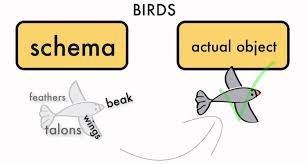
mental representations

Representation systems in the mind used to interpret the world; allow for:

  • Picturing objects and situations

  • Reasoning about objects and abstract ideas

  • Planning/carrying out appropriate actions

  • Engaging in social cooperation

Types:

  • Imagistic

  • Propositional

  • Symbolic

<p><mark data-color="yellow">Representation systems in the mind </mark><strong><em><mark data-color="yellow">used to interpret the world</mark></em></strong><mark data-color="yellow">; allow for:</mark></p><ul><li><p><em><span style="font-family: Arial, sans-serif"><mark data-color="blue">Picturing objects and situations</mark></span></em></p></li><li><p><em><span style="font-family: Arial, sans-serif"><mark data-color="blue">Reasoning about objects and abstract ideas</mark></span></em></p></li><li><p><em><span style="font-family: Arial, sans-serif"><mark data-color="blue">Planning/carrying out appropriate actions</mark></span></em></p></li><li><p><em><span style="font-family: Arial, sans-serif"><mark data-color="blue">Engaging in social cooperation</mark></span></em></p></li></ul><p><mark data-color="yellow">Types:</mark></p><ul><li><p><strong><em><mark data-color="blue">Imagistic</mark></em></strong></p></li><li><p><strong><em><mark data-color="blue">Propositional</mark></em></strong></p></li><li><p><strong><em><mark data-color="blue">Symbolic</mark></em></strong></p></li></ul>
7
New cards

referent

(mental representations) the thing in the external world the representation stands in for 

  • if someone is looking at some food, the physical food is what this is

<p>(mental representations)<span style="font-family: Arial, sans-serif"> <mark data-color="yellow">the </mark></span><strong><em><span style="font-family: Arial, sans-serif"><mark data-color="yellow">thing in the external world</mark></span></em></strong><span style="font-family: Arial, sans-serif"><mark data-color="yellow"> the representation </mark></span><strong><em><span style="font-family: Arial, sans-serif"><mark data-color="yellow">stands in</mark></span></em></strong><span style="font-family: Arial, sans-serif"><mark data-color="yellow"> for&nbsp;</mark></span></p><ul><li><p>if someone is <mark data-color="blue">looking at some food</mark>, the <mark data-color="blue">physical food</mark> is what this is </p></li></ul>
8
New cards

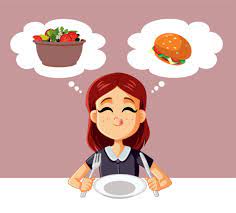
content

(mental representations) converts the live picture into something the brain can read/understand

  • if someone is looking at some food, the mental picture of that food is what this is
<p>(mental representations) <strong><em><span style="font-family: Arial, sans-serif"><mark data-color="yellow">converts the live picture</mark></span></em></strong><span style="font-family: Arial, sans-serif"><mark data-color="yellow"> into </mark></span><strong><em><span style="font-family: Arial, sans-serif"><mark data-color="yellow">something the brain can read/understand</mark></span></em></strong></p><ul><li><p>if someone is looking at some food, the <mark data-color="blue">mental picture of that food</mark> is what this is</p></li></ul>
9
New cards

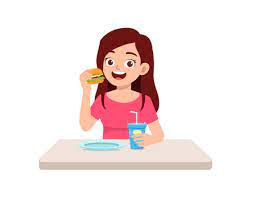
intentionality

(mental representations) mental content has a relationship to the real-world referent

  • if the person is looking at the food with a want to eat it, that want is what this is
<p><span style="font-family: Arial, sans-serif">(mental representations) <mark data-color="yellow">mental content has a </mark></span><strong><em><span style="font-family: Arial, sans-serif"><mark data-color="yellow">relationship to the real-world referent</mark></span></em></strong></p><ul><li><p>if the person is looking at the food with a want to eat it, that <mark data-color="blue">want</mark> is what this is </p></li></ul>
10
New cards

imagistic representation

the mental image of something

  • 1-to-1 correspondence between the representation and the real-life thing (isomorphism)

    • Multiple possible but 1/1 is ideal

<p><span style="font-family: Arial, sans-serif"><mark data-color="yellow">the mental image of something</mark></span></p><ul><li><p><span style="font-family: Arial, sans-serif"><mark data-color="blue">1-to-1 correspondence between the </mark></span><strong><em><span style="font-family: Arial, sans-serif"><mark data-color="blue">representation and the real-life thing</mark></span></em></strong><span style="font-family: Arial, sans-serif"><mark data-color="blue"> (isomorphism)</mark></span></p><ul><li><p><span style="font-family: Arial, sans-serif">Multiple possible but <mark data-color="red">1/1 is ideal</mark></span></p></li></ul></li></ul>
11
New cards

propositional representation

the remembered name for something

  • Can be true or false, often represented by true facts

  • Objects of propositional attitudes that specify some way the world could be 

  • Can represent counterfactual situations (ex: mom loves dad = dad loves mom)
<p><mark data-color="yellow">the</mark><strong><em><mark data-color="yellow"> remembered name</mark></em></strong><mark data-color="yellow"> for something</mark></p><ul><li><p><span style="font-family: Arial, sans-serif">Can be <mark data-color="blue">true or false</mark>, often <mark data-color="blue">represented by true facts</mark></span></p></li><li><p><span style="font-family: Arial, sans-serif">Objects of propositional attitudes that <mark data-color="blue">specify some way the world could be&nbsp;</mark></span></p></li><li><p><span style="font-family: Arial, sans-serif">Can represent </span><u><span style="font-family: Arial, sans-serif"><mark data-color="blue">counterfactual situations</mark></span></u><span style="font-family: Arial, sans-serif"> (ex: mom loves dad = dad loves mom)</span></p></li></ul>
12
New cards

symbolic representation

the arbitrary way of describing something

  • Digital

  • Discrete

  • Categorical

  • Analog (ex: handed clock)

  • On a continuous spectrum (ex: color spectrum)

<p><mark data-color="yellow">the </mark><strong><em><mark data-color="yellow">arbitrary</mark></em></strong><mark data-color="yellow"> way of describing something</mark></p><ul><li><p><span style="font-family: Arial, sans-serif"><mark data-color="blue">Digital</mark></span></p></li><li><p><span style="font-family: Arial, sans-serif"><mark data-color="blue">Discrete</mark></span></p></li><li><p><span style="font-family: Arial, sans-serif"><mark data-color="blue">Categorical</mark></span></p></li><li><p><span style="font-family: Arial, sans-serif"><mark data-color="blue">Analog</mark> (ex: handed clock)</span></p></li><li><p><span style="font-family: Arial, sans-serif"><mark data-color="blue">On a continuous spectrum</mark> (ex: color spectrum)</span></p></li></ul>
13
New cards

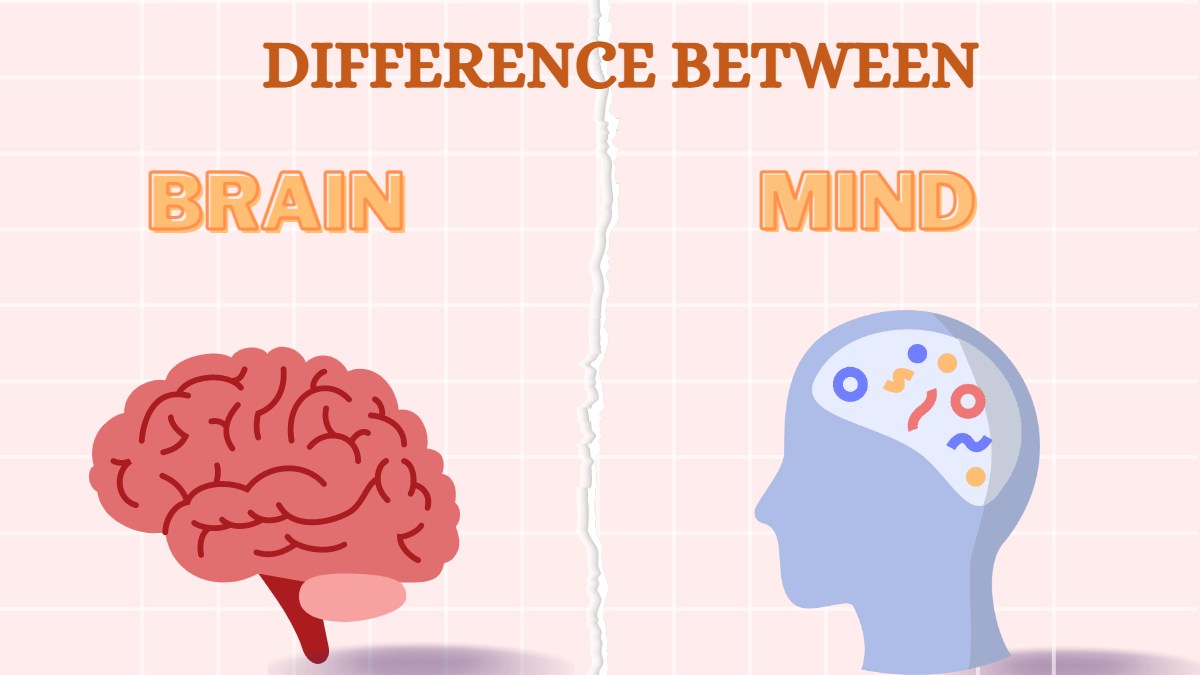
mind vs brain debate

“How are the mind and brain related?”

  • Main theories:

    • Dualism

    • Monism

    • Functionalism

<p><mark data-color="yellow">“How are the mind and brain </mark><strong><em><mark data-color="yellow">related</mark></em></strong><mark data-color="yellow">?”</mark></p><ul><li><p><mark data-color="blue">Main theories:</mark></p><ul><li><p><em><mark data-color="red">Dualism</mark></em></p></li><li><p><em><mark data-color="red">Monism</mark></em></p></li><li><p><em><mark data-color="red">Functionalism</mark></em></p></li></ul></li></ul>
14
New cards

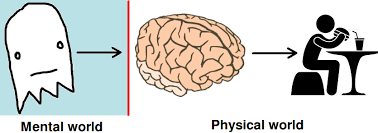
dualism

(mind vs. brain) the mind and brain are different bodily parts responsible for separate outputs

  • subsets:

    • substance _______

    • property _______

  • conflicts:

    • does not say what the mind is not:

      • mind is not the brain

      • mind is not the body

      • mind is different and separate from physical world
<p><span style="font-family: Arial, sans-serif">(mind vs. brain) <mark data-color="yellow">the </mark></span><strong><em><span style="font-family: Arial, sans-serif"><mark data-color="yellow">mind and brain are different</mark></span></em></strong><span style="font-family: Arial, sans-serif"><mark data-color="yellow"> bodily parts </mark></span><strong><em><span style="font-family: Arial, sans-serif"><mark data-color="yellow">responsible for separate outputs</mark></span></em></strong></p><ul><li><p><mark data-color="blue">subsets:</mark></p><ul><li><p><strong><em><mark data-color="red">substance _______</mark></em></strong></p></li><li><p><strong><em><mark data-color="red">property _______</mark></em></strong></p></li></ul></li><li><p><mark data-color="blue">conflicts:</mark></p><ul><li><p><span style="font-family: Arial, sans-serif"><mark data-color="red">does not say what the mind is not:</mark></span></p><ul><li><p><span style="font-family: Arial, sans-serif">mind is <mark data-color="green">not the brain</mark></span></p></li><li><p><span style="font-family: Arial, sans-serif">mind is <mark data-color="green">not the body</mark></span></p></li><li><p><span style="font-family: Arial, sans-serif">mind is <mark data-color="green">different and separate from physical world</mark></span></p></li></ul></li></ul></li></ul>
15
New cards

substance dualism

(mind vs. body) the mind and body are physically made of different materials

  • Res extensa: tangible, physical matter (not just bodies)

  • Res cogitans: things the mind is made of
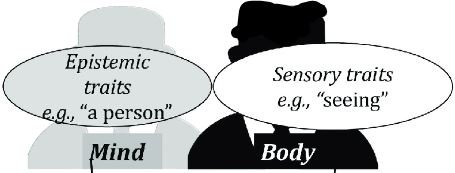
<p><span style="font-family: Arial, sans-serif">(mind vs. body) <mark data-color="yellow">the mind and body are physically </mark></span><strong><em><span style="font-family: Arial, sans-serif"><mark data-color="yellow">made of different materials</mark></span></em></strong></p><ul><li><p><u><span style="font-family: Arial, sans-serif"><mark data-color="blue">Res extensa</mark></span></u><span style="font-family: Arial, sans-serif"><mark data-color="blue">: tangible, physical matter (not just bodies)</mark></span></p></li><li><p><u><span style="font-family: Arial, sans-serif"><mark data-color="blue">Res cogitans</mark></span></u><span style="font-family: Arial, sans-serif"><mark data-color="blue">: things the </mark></span><strong><em><span style="font-family: Arial, sans-serif"><mark data-color="blue">mind is made of</mark></span></em></strong></p></li></ul>
16
New cards

property dualism

mind and body fall under a similar category but displaying different characteristics

  • Biological naturalism: mental states are not identical to brain states, but are casually reducible to brain states

  • Epiphenomenalism: mental states are caused by brain states, but they do not cause anything (causal dead ends)

    • Ex: just because someone is in a good mood doesn’t mean they’ll have a good day

    • Similar to illusionism

  • Panpsychism: mental states are an inherent property of matter/organization of matter (matter made of consciousness)
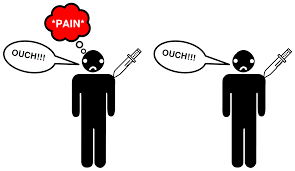
<p><span style="font-family: Arial, sans-serif">mind and body fall under a <mark data-color="yellow">similar </mark></span><strong><em><span style="font-family: Arial, sans-serif"><mark data-color="yellow">category</mark></span></em></strong><span style="font-family: Arial, sans-serif"> but displaying <mark data-color="yellow">different </mark></span><strong><em><span style="font-family: Arial, sans-serif"><mark data-color="yellow">characteristics</mark></span></em></strong></p><ul><li><p><u><span style="font-family: Arial, sans-serif"><mark data-color="blue">Biological naturalism</mark></span></u><span style="font-family: Arial, sans-serif">: mental states are <mark data-color="red">not identical to brain states</mark>, but are <mark data-color="red">casually reducible to brain states</mark></span></p></li><li><p><u><span style="font-family: Arial, sans-serif"><mark data-color="blue">Epiphenomenalism</mark></span></u><span style="font-family: Arial, sans-serif">: <mark data-color="red">mental states are caused by brain states</mark>, but they <mark data-color="red">do not cause anything</mark> (causal dead ends)</span></p><ul><li><p><u><span style="font-family: Arial, sans-serif">Ex</span></u><span style="font-family: Arial, sans-serif">: just because someone is in a good mood doesn’t mean they’ll have a good day</span></p></li><li><p><span style="font-family: Arial, sans-serif">Similar to </span><u><span style="font-family: Arial, sans-serif">illusionism</span></u></p></li></ul></li><li><p><u><span style="font-family: Arial, sans-serif"><mark data-color="blue">Panpsychism</mark></span></u><span style="font-family: Arial, sans-serif">: mental states are an <mark data-color="red">inherent property of matter/organization of matter</mark> (matter made of consciousness)</span></p></li></ul>
17
New cards

reductionism

(mind vs body) everything has to be explained by physical natural laws

  • If an analysis leaves something out, the problem is falsely posed

  • Useless to base the defense of materialism on any analysis of mental phenomena that fails to explicitly deal with their subjective characters

    • Ex: imagining what its like for yourself to be a bat vs. wanting to know what its like for a bat to be a bat
<p><span style="font-family: Arial, sans-serif">(mind vs body) <mark data-color="yellow">everything has to be explained by physical natural laws</mark></span></p><ul><li><p><span style="font-family: Arial, sans-serif">If an analysis leaves something out, the problem is falsely posed</span></p></li><li><p><span style="font-family: Arial, sans-serif">Useless to base the <mark data-color="blue">defense of materialism</mark> on any <mark data-color="blue">analysis of mental phenomena that fails to explicitly deal with their subjective characters</mark></span></p><ul><li><p><u><span style="font-family: Arial, sans-serif">Ex</span></u><span style="font-family: Arial, sans-serif">: imagining what its like for yourself to be a bat vs. wanting to know what its like for a bat to be a bat</span></p></li></ul></li></ul>
18
New cards

qualia

(mind vs. body) unfamiliar term for things that can’t be familiar to anyone

  • Inability for science to explain one’s subjective life experiences

    • Ex: Mary’s room (she doesn’t learn anything, she just has a new experience)
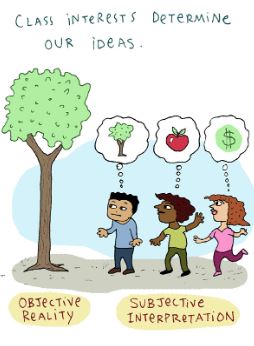
<p>(mind vs. body) <span style="font-family: Arial, sans-serif">unfamiliar term for <mark data-color="yellow">things that can’t be familiar to anyone</mark></span></p><ul><li><p><span style="font-family: Arial, sans-serif">Inability for science to explain one’s <mark data-color="blue">subjective life experiences</mark></span></p><ul><li><p><em><span style="font-family: Arial, sans-serif">Ex</span></em><span style="font-family: Arial, sans-serif">: Mary’s room (<mark data-color="red">she doesn’t learn anything, she just has a new experience</mark>)</span></p></li></ul></li></ul>
19
New cards

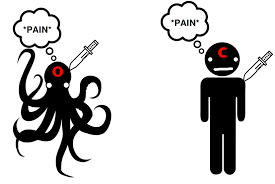
multiple realizability

(mind vs body) mental states can be felt and expressed across species

  • Ex: chess (able to be played online, virtually, mentally)

  • Relation to the mind:

    • Whether the mind can be physically instantiated in more than one way
<p><span style="font-family: Arial, sans-serif">(mind vs body) mental states can be <mark data-color="yellow">felt and expressed</mark></span><strong><em><span style="font-family: Arial, sans-serif"><mark data-color="yellow"> across species</mark></span></em></strong></p><ul><li><p><span style="font-family: Arial, sans-serif">Ex: chess (able to be played <mark data-color="blue">online, virtually, mentally</mark>)</span></p></li><li><p><em><span style="font-family: Arial, sans-serif">Relation to the mind</span></em><span style="font-family: Arial, sans-serif">:</span></p><ul><li><p><span style="font-family: Arial, sans-serif"><mark data-color="red">Whether the mind can be physically instantiated in more than one way</mark></span></p></li></ul></li></ul>
20
New cards

methodological behaviorism

(behaviorism; Watson, Hull, Tolman) focuses on observable, measurable entities and behaviors
<p>(behaviorism; <span style="font-family: Arial, sans-serif">Watson, Hull, Tolman</span>) <span style="font-family: Arial, sans-serif"><mark data-color="yellow">focuses on</mark></span><strong><em><span style="font-family: Arial, sans-serif"><mark data-color="yellow"> observable, measurable entities and behaviors</mark></span></em></strong></p>
21
New cards

radical behaviorism

(behaviorism, Skinner) internal mental states exist, but are unimportant and unexplanatory

<p>(behaviorism, Skinner) <strong><em><mark data-color="yellow">internal mental states exist, </mark></em></strong><mark data-color="yellow">but are </mark><strong><em><mark data-color="yellow">unimportant and </mark><span><mark data-color="yellow">unexplanatory</mark></span></em></strong><mark data-color="yellow"> </mark></p>
22
New cards

analytic behaviorism

(behaviorism, Ryle) mental states do not exist

  • behavior processes are solely what determines outward emotional expression

<p>(behaviorism, Ryle) <mark data-color="yellow">mental states </mark><strong><em><mark data-color="yellow">do not exist</mark></em></strong></p><ul><li><p><mark data-color="blue">behavior processes</mark> are solely what determines outward emotional expression</p></li></ul>
23
New cards

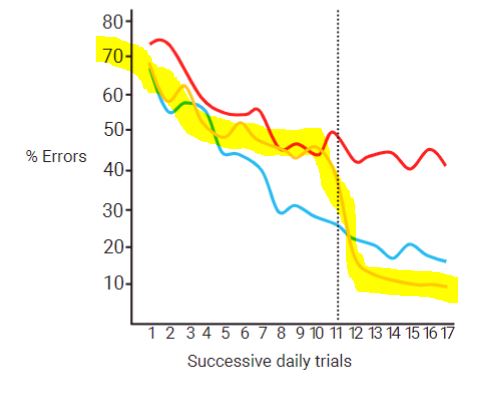
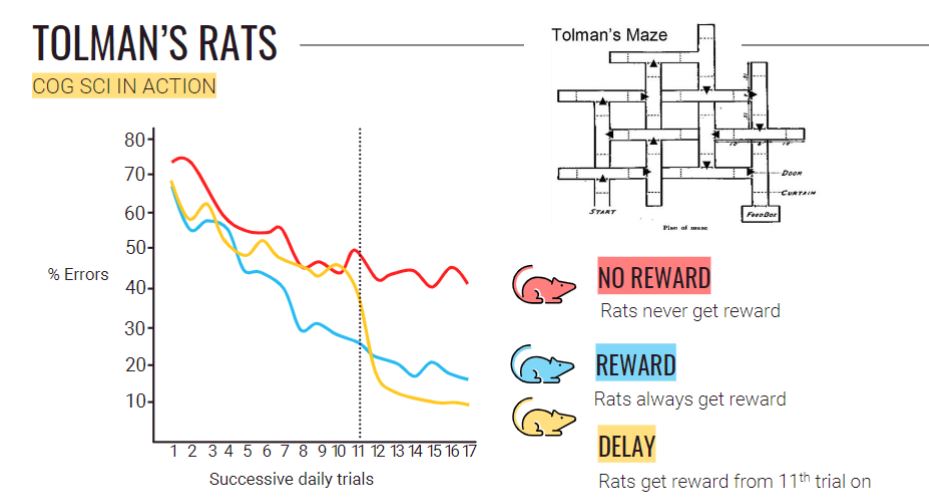
Tolman’s rat experiment

(behaviorism) 1937 experiment that proved mental content/representations and forced behaviorists to acknowledge mental content exists

  • Put three groups of rats in a maze for 2.5 weeks

    • First group got rewards every day

      • Significant improvement in learning (70% error rate to 20% error rate)

    • Second group didn't get rewards on the first week and did get rewards on the second week

      • Sharp drop in mistakes on day 11

      • Best performance out of all the rat groups

      • Indicates that the rat was learning its way around the maze without needing to be rewarded until the middle

      • Proved that the stimulus response is not the only way that learning happens

    • Third group didn’t get rewards at all

      • Rats barely improve/learn (75% error rate to 50% error rate)
<p>(behaviorism) <span style="font-family: Arial, sans-serif">1937 experiment that <mark data-color="yellow">proved mental content/representations</mark> and f</span>orced behaviorists to <mark data-color="yellow">acknowledge mental content exists</mark></p><ul><li><p><span style="font-family: Arial, sans-serif">Put three groups of rats in a maze for 2.5 weeks</span></p><ul><li><p><span style="font-family: Arial, sans-serif"><mark data-color="red">First group got rewards every day</mark></span></p><ul><li><p><span style="font-family: Arial, sans-serif"><mark data-color="green">Significant improvement in learning</mark> (70% error rate to 20% error rate)</span></p></li></ul></li><li><p><span style="font-family: Arial, sans-serif"><mark data-color="red">Second group didn't get rewards on the first week and did get rewards on the second week</mark></span></p><ul><li><p><span style="font-family: Arial, sans-serif"><mark data-color="purple">Sharp drop in mistakes on day 11</mark></span></p></li><li><p><span style="font-family: Arial, sans-serif">Best performance out of all the rat groups</span></p></li><li><p><span style="font-family: Arial, sans-serif">Indicates that the <mark data-color="purple">rat was learning its way around the maze without needing to be rewarded until the middle</mark></span></p></li><li><p><span style="font-family: Arial, sans-serif"><mark data-color="purple">Proved that the </mark></span><strong><em><span style="font-family: Arial, sans-serif"><mark data-color="purple">stimulus response is not the only way that learning happens</mark></span></em></strong></p></li></ul></li><li><p><span style="font-family: Arial, sans-serif"><mark data-color="red">Third group didn’t get rewards at all</mark></span></p><ul><li><p><span style="font-family: Arial, sans-serif"><mark data-color="green">Rats barely improve/learn </mark>(75% error rate to 50% error rate)</span></p></li></ul></li></ul></li></ul>
24
New cards

latent learning

the subconscious retention of information without outside reinforcement or motivation

  • what Tolman’s second group of rats (third in the picture) were doing

  • types:

    • place learning

    • response learning

<p>the <mark data-color="yellow">subconscious retention</mark> of information <mark data-color="yellow">without outside reinforcement or motivation</mark></p><ul><li><p>what <mark data-color="blue">Tolman’s second group of rats</mark> (third in the picture) were doing</p></li><li><p>types:</p><ul><li><p><strong><em><mark data-color="red">place learning</mark></em></strong></p></li><li><p><strong><em><mark data-color="red">response learning</mark></em></strong></p></li></ul></li></ul>
25
New cards

place learning

a type of latent learning that happens by remembering spatial layout

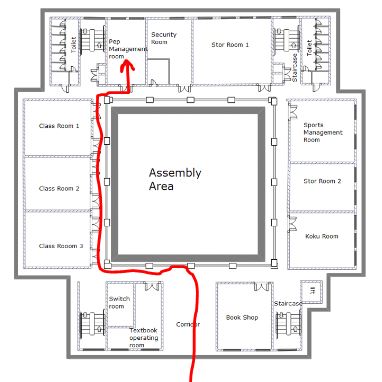
  • Tolmans’ rat example

    • Food is always located in the same place on the east side

    • Rats have to interchange between right and left turns

  • requires a mental map

<p>a type of <mark data-color="yellow">latent learning</mark> that happens by <mark data-color="yellow">remembering</mark><strong><em><mark data-color="yellow"> spatial layout</mark></em></strong></p><ul><li><p>Tolmans’ rat example</p><ul><li><p><span style="font-family: Arial, sans-serif">Food is <mark data-color="red">always located in the </mark></span><strong><em><span style="font-family: Arial, sans-serif"><mark data-color="red">same place</mark></span></em></strong><span style="font-family: Arial, sans-serif"> on the east side</span></p></li><li><p><span style="font-family: Arial, sans-serif"><mark data-color="red">Rats have to interchange between right and left turns</mark></span></p></li></ul></li><li><p>requires a <mark data-color="blue">mental map</mark></p></li></ul>
26
New cards

response learning

a type of latent learning that happens by remembering sequences

  • Tolman’s rat example:

    • Food is moved east to west, right and left

    • Rat always has to move right

<p>a type of <mark data-color="yellow">latent learning</mark> that happens by <mark data-color="yellow">remembering </mark><strong><em><mark data-color="yellow">sequences</mark></em></strong></p><ul><li><p>Tolman’s rat example:</p><ul><li><p><span style="font-family: Arial, sans-serif"><mark data-color="red">Food is moved east to west, right and left</mark></span></p></li><li><p><span style="font-family: Arial, sans-serif"><mark data-color="red">Rat always has to move right</mark></span></p></li></ul></li></ul>
27
New cards

simulation

for an information-processing system, information is all that matters

  • _____ and instantiation are the same thing when making informational systems

    • recreating what it does

<p><mark data-color="yellow">for an </mark><strong><em><mark data-color="yellow">information-processing system</mark></em></strong><mark data-color="yellow">, </mark><strong><em><mark data-color="yellow">information is all that matters</mark></em></strong></p><ul><li><p><span style="font-family: Arial, sans-serif">_____ and instantiation are the same thing when making informational systems</span></p><ul><li><p><strong><span style="font-family: Arial, sans-serif"><mark data-color="red">recreating </mark></span><em><span style="font-family: Arial, sans-serif"><mark data-color="red">what it does</mark></span></em></strong></p></li></ul></li></ul>
28
New cards

instantiation

for non-informational system, physical realization of what it is matters

  • Physical objects cannot be simulated

  • Need more than just information to create instantiation-al objects

<p><span style="font-family: Arial, sans-serif"><mark data-color="yellow">for</mark></span><strong><em><span style="font-family: Arial, sans-serif"><mark data-color="yellow"> non-informational</mark></span></em></strong><span style="font-family: Arial, sans-serif"><mark data-color="yellow"> system, </mark></span><strong><em><span style="font-family: Arial, sans-serif"><mark data-color="yellow">physical realization of what it is</mark></span></em></strong><span style="font-family: Arial, sans-serif"><mark data-color="yellow"> matters</mark></span></p><ul><li><p><em><span style="font-family: Arial, sans-serif"><mark data-color="blue">Physical objects cannot be simulated</mark></span></em></p></li><li><p><span style="font-family: Arial, sans-serif">Need <mark data-color="blue">more than just information</mark> to create instantiation-al objects</span></p></li></ul>
29
New cards

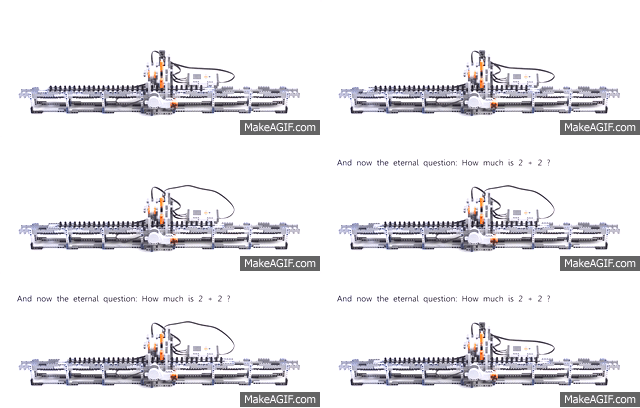
Turing machine

  • Composition:

    • Infinite tape

    • read/write head

    • Alphabet of symbols

    • Set of instructions (machine table)

  • Impact:

    • Opened the possibility that the mind can be a machine

      • Gave the first definition of algorithms and computations

    • Inspired Church-Turing thesis

      • Anything that is mathematically computable can be turned into a Turing machine
<ul><li><p><u><span style="font-family: Arial, sans-serif"><mark data-color="blue">Composition</mark></span></u><span style="font-family: Arial, sans-serif"><mark data-color="blue">:</mark></span></p><ul><li><p><em><span style="font-family: Arial, sans-serif"><mark data-color="red">Infinite tape</mark></span></em></p></li><li><p><em><span style="font-family: Arial, sans-serif"><mark data-color="red">read/write head</mark></span></em></p></li><li><p><em><span style="font-family: Arial, sans-serif"><mark data-color="red">Alphabet of symbols</mark></span></em></p></li><li><p><em><span style="font-family: Arial, sans-serif"><mark data-color="red">Set of instructions</mark></span></em><span style="font-family: Arial, sans-serif"> (machine table)</span></p></li></ul></li><li><p><u><span style="font-family: Arial, sans-serif"><mark data-color="blue">Impact</mark></span></u><span style="font-family: Arial, sans-serif"><mark data-color="blue">:</mark></span></p><ul><li><p><em><span style="font-family: Arial, sans-serif"><mark data-color="red">Opened the possibility that the mind can be a machine</mark></span></em></p><ul><li><p><span style="font-family: Arial, sans-serif">Gave the first <mark data-color="purple">definition of algorithms</mark> and computations</span></p></li></ul></li><li><p><em><span style="font-family: Arial, sans-serif"><mark data-color="red">Inspired Church-Turing thesis</mark></span></em></p><ul><li><p><span style="font-family: Arial, sans-serif"><mark data-color="purple">Anything that is mathematically computable can be turned into a Turing machine</mark></span></p></li></ul></li></ul></li></ul>
30
New cards

framing problem

how AI handles uncertainty and irrelevance

  • Relevance = knowing which consequences of the environment are relevant or irrelevant for one’s behavior

    • Set of possible consequences can be infinite

<p><span style="font-family: Arial, sans-serif"><mark data-color="yellow">how AI handles uncertainty and irrelevance</mark></span></p><ul><li><p><em><span style="font-family: Arial, sans-serif"><mark data-color="blue">Relevance</mark></span></em><span style="font-family: Arial, sans-serif"> = knowing which <mark data-color="blue">consequences of the environment</mark> are <mark data-color="blue">relevant or irrelevant for one’s behavior</mark></span></p><ul><li><p><span style="font-family: Arial, sans-serif"><mark data-color="red">Set of possible consequences can be infinite</mark></span></p></li></ul></li></ul>
31
New cards

Chinese room

(comp. theory of mind, Searle) questions the sufficiency of symbol manipulation to account for human cognition in AI

  • Person speaking a character language slipping a paper into a room things that there is a machine that understands their language, but the ‘machine’ is another person looking up correct sentences in a dictionary of the language
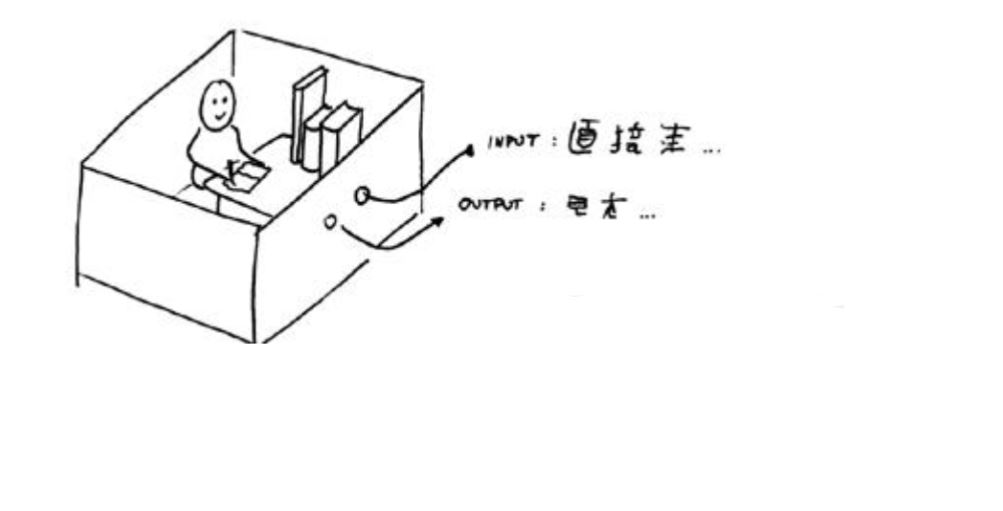
<p><span style="font-family: Arial, sans-serif">(comp. theory of mind, Searle) <mark data-color="yellow">questions the sufficiency of symbol manipulation to account for human cognition in AI</mark></span></p><ul><li><p><span style="font-family: Arial, sans-serif">Person speaking a character language slipping a paper into a room things that there is a machine that understands their language, but <mark data-color="blue">the ‘machine’ is another person looking up correct sentences in a dictionary of the language</mark></span></p></li></ul>
32
New cards

computational theory of mind

algorithms are what matter, and a symbolic processor can compute anything
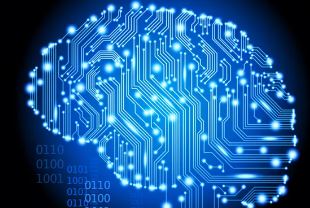
<p><span style="font-family: Arial, sans-serif"><mark data-color="yellow">algorithms are what matter</mark>, and a symbolic processor can compute anything</span></p>
33
New cards

connectionism

the brain is nothing like a Turing machine, we need a different architecture

  • networks of nodes and weighted links

  • sub-symbolic informational representation 

    • info distributed among nodes

    • any given node is part of the representation

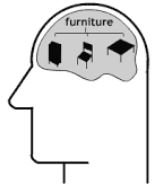
  • Provides an attractive account of concepts

    • Ex: chairs

      • wooden, four legs, can sit on comfortably (able to present them separately as forms of chairs)
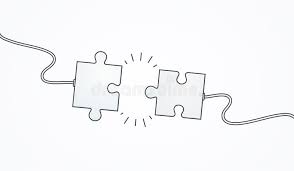
<p><span style="font-family: Arial, sans-serif">the </span><strong><em><span style="font-family: Arial, sans-serif"><mark data-color="yellow">brain is nothing like a Turing machine</mark></span></em></strong><span style="font-family: Arial, sans-serif">, we need a <mark data-color="yellow">different architecture</mark></span></p><ul><li><p><span style="font-family: Arial, sans-serif">networks of <mark data-color="blue">nodes and weighted links</mark></span></p></li><li><p><span style="font-family: Arial, sans-serif"><mark data-color="blue">sub-symbolic informational representation&nbsp;</mark></span></p><ul><li><p><strong><em><span style="font-family: Arial, sans-serif"><mark data-color="red">info distributed among nodes</mark></span></em></strong></p></li><li><p><strong><em><span style="font-family: Arial, sans-serif"><mark data-color="red">any given node</mark></span></em></strong><span style="font-family: Arial, sans-serif"><mark data-color="red"> is part of the representation</mark></span></p></li></ul></li><li><p><em><span style="font-family: Arial, sans-serif"><mark data-color="blue">Provides an attractive account of concepts</mark></span></em></p><ul><li><p><span style="font-family: Arial, sans-serif">Ex: chairs</span></p><ul><li><p><span style="font-family: Arial, sans-serif">wooden, four legs, can sit on comfortably (able to present them separately as forms of chairs)</span></p></li></ul></li></ul></li></ul>
34
New cards

weaknesses of connectionism

  • Systematicityrigid focus on X and Y versus generalizing output

    • AI can’t recreate things that it hasn’t seen before

  • One-off learning: AI cannot learn from a single instance

  • Productivityhumans can have a continuum of processes that they have seen before and come up with new sequences by repeating things; AI can do neither

    • One will only entertain a finite number of thoughts, but there are infinitely many thoughts one may think

  • Lack of constitution: AI thought doesn’t realize that A and B are constituents of A&B

    • Ex: “Billy’s dog is small” + “Billy’s dog is black” = “Billy’s dog is small and black”
<ul><li><p><strong><em><span style="font-family: Arial, sans-serif"><mark data-color="blue">Systematicity</mark></span></em></strong><span style="font-family: Arial, sans-serif">:&nbsp;<mark data-color="red">rigid focus on X and Y versus generalizing output</mark></span></p><ul><li><p><span style="font-family: Arial, sans-serif">AI can’t recreate things that it hasn’t seen before</span></p></li></ul></li><li><p><strong><em><span style="font-family: Arial, sans-serif"><mark data-color="blue">One-off learning</mark></span></em></strong><span style="font-family: Arial, sans-serif">: <mark data-color="red">AI cannot learn from a single instance</mark></span></p></li><li><p><strong><em><span style="font-family: Arial, sans-serif"><mark data-color="blue">Productivity</mark></span></em></strong><span style="font-family: Arial, sans-serif">:&nbsp;<mark data-color="red">humans can have a continuum of processes</mark> that they have seen before <mark data-color="red">and come up with new sequences by repeating things</mark>; </span><strong><em><span style="font-family: Arial, sans-serif"><mark data-color="purple">AI can do neither</mark></span></em></strong></p><ul><li><p><em><span style="font-family: Arial, sans-serif">One will only entertain a finite number of thoughts, but there are infinitely many thoughts one may think</span></em></p></li></ul></li><li><p><em><span style="font-family: Arial, sans-serif"><mark data-color="blue">Lack of constitution</mark>: <mark data-color="red">AI thought doesn’t realize that A and B are constituents of A&amp;B</mark></span></em></p><ul><li><p><em><span style="font-family: Arial, sans-serif">Ex: “Billy’s dog is small” + “Billy’s dog is black” = “Billy’s dog is small and black”</span></em></p></li></ul></li></ul>
35
New cards

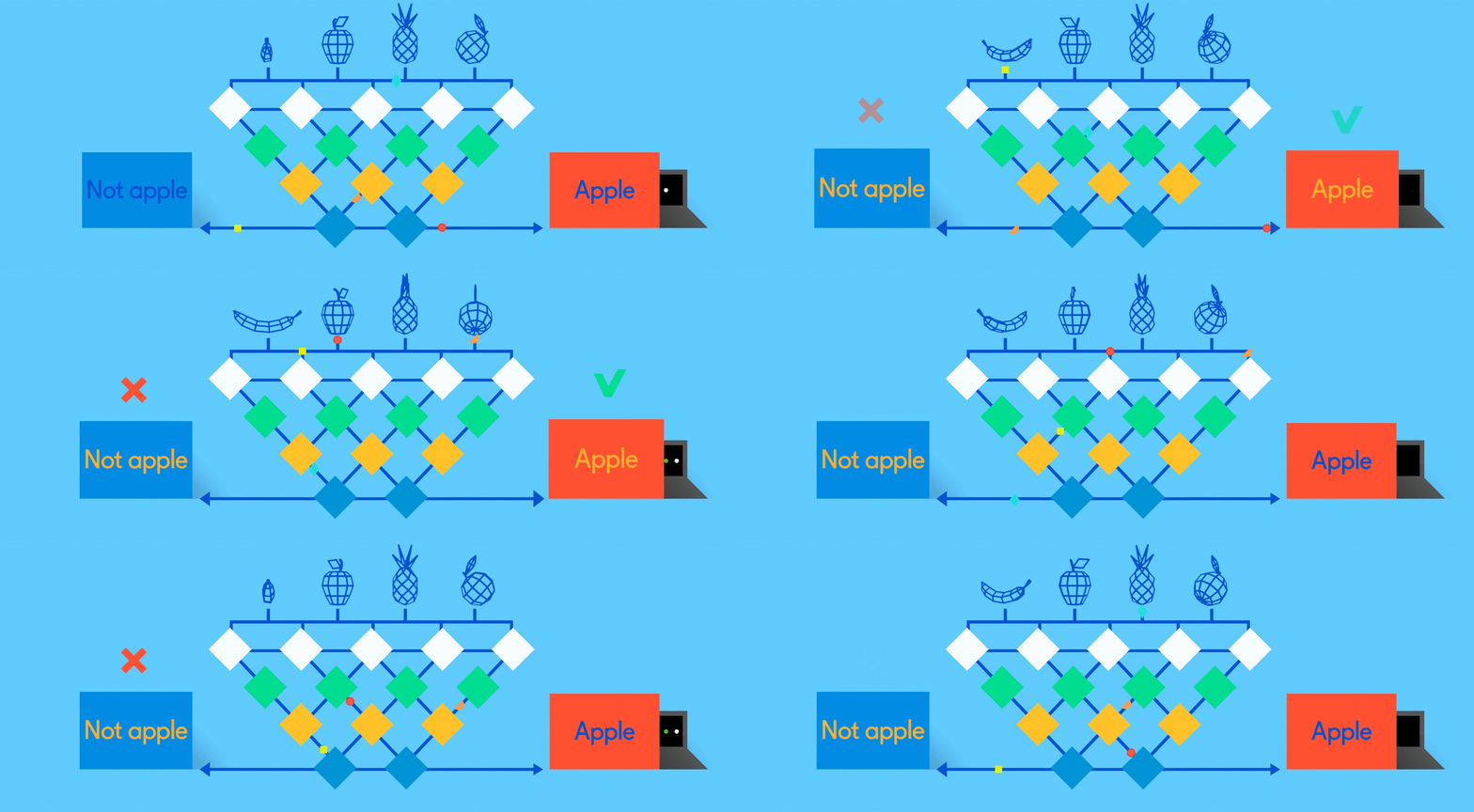
artificial neural networks

the neurons, connections and activation levels in AI that replace the thoughts, images, memories and language in human cognition

  • Node types:

    • Input

    • Output 

    • Hidden

  • Connections: weights

  • Activation function: sums up input from all connected nodes
<p><span style="font-family: Arial, sans-serif">the <mark data-color="yellow">neurons, connections and activation levels in AI</mark> that replace the thoughts, images, memories and language in human cognition</span></p><ul><li><p><span style="font-family: Arial, sans-serif"><mark data-color="blue">Node types</mark>:</span></p><ul><li><p><strong><em><span style="font-family: Arial, sans-serif"><mark data-color="red">Input</mark></span></em></strong></p></li><li><p><strong><em><span style="font-family: Arial, sans-serif"><mark data-color="red">Output&nbsp;</mark></span></em></strong></p></li><li><p><strong><em><span style="font-family: Arial, sans-serif"><mark data-color="red">Hidden</mark></span></em></strong></p></li></ul></li><li><p><span style="font-family: Arial, sans-serif"><mark data-color="blue">Connections</mark>: <mark data-color="red">weights</mark></span></p></li><li><p><span style="font-family: Arial, sans-serif"><mark data-color="blue">Activation function</mark>: <mark data-color="red">sums up input</mark> from all connected nodes</span></p></li></ul>
36
New cards

graceful degradation

(connectionism) unit destruction in pictures 

  • reconstruction of noisy input into comprehensive pictures/sound

<p>(connectionism) <strong><em><span style="font-family: Arial, sans-serif"><mark data-color="yellow">unit destruction in pictures&nbsp;</mark></span></em></strong></p><ul><li><p><span style="font-family: Arial, sans-serif"><mark data-color="blue">reconstruction of </mark></span><strong><em><span style="font-family: Arial, sans-serif"><mark data-color="blue">noisy input</mark></span></em></strong><span style="font-family: Arial, sans-serif"><mark data-color="blue"> into </mark></span><strong><em><span style="font-family: Arial, sans-serif"><mark data-color="blue">comprehensive pictures/sound</mark></span></em></strong></p></li></ul>
37
New cards

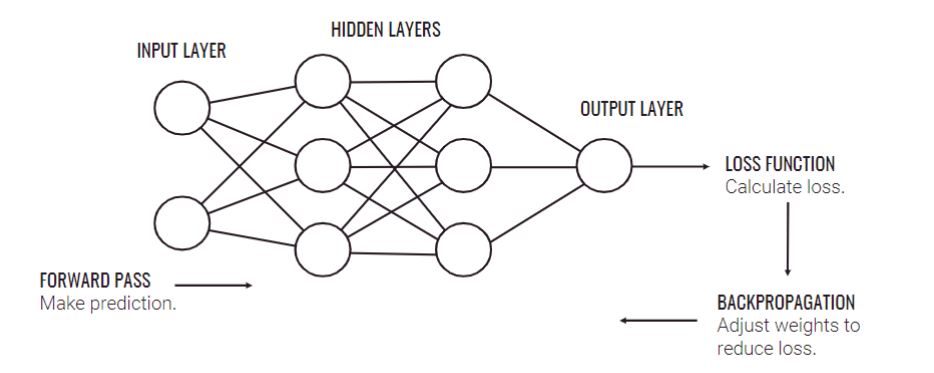
backpropagation

the addition of hidden layers to artificial neural networks

  • got cognitive science out of the first AI winter

  • created another AI winter because there was no hardware for the system to work with
<p><span style="font-family: Arial, sans-serif"><mark data-color="yellow">the </mark></span><strong><em><span style="font-family: Arial, sans-serif"><mark data-color="yellow">addition of hidden layers</mark></span></em></strong><span style="font-family: Arial, sans-serif"><mark data-color="yellow"> to artificial neural networks</mark></span></p><ul><li><p><strong><em><mark data-color="blue">got cognitive science out of the first AI winter</mark></em></strong></p></li><li><p><strong><em><mark data-color="blue">created another AI winter</mark></em></strong> because there was <strong><em><mark data-color="blue">no hardware </mark></em></strong><mark data-color="blue">for the system to work with</mark></p></li></ul>
38
New cards

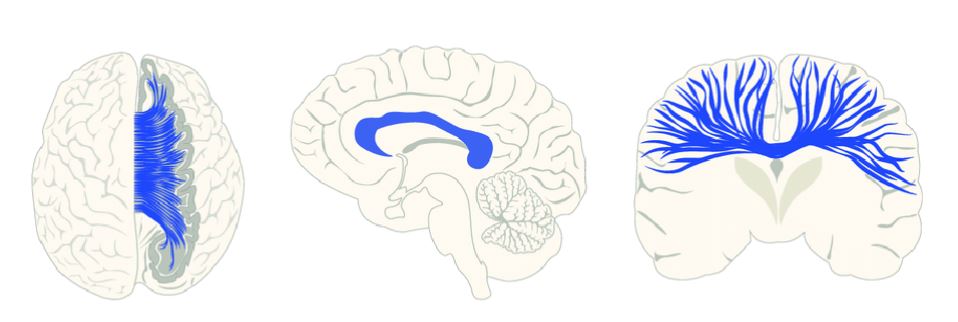
corpus callosum

nerve fibers that run laterally from one hemisphere to another

  • responsible for maintaining inter-hemispherical functions
<p><span style="font-family: Arial, sans-serif"><mark data-color="yellow">nerve fibers that </mark></span><strong><em><span style="font-family: Arial, sans-serif"><mark data-color="yellow">run laterally from one hemisphere to another</mark></span></em></strong></p><ul><li><p><span style="font-family: Arial, sans-serif">responsible for <mark data-color="blue">maintaining </mark></span><strong><em><span style="font-family: Arial, sans-serif"><mark data-color="blue">inter-hemispherical functions</mark></span></em></strong></p></li></ul>
39
New cards

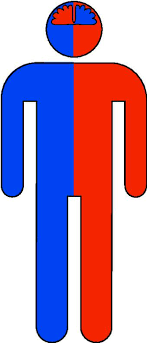
contralateral organization

right brain controls the left side of the body, left brain controls the right side of the body

  • connected by the corpus callosum

  • when cut, affected people become split-brain patients

    • physical function post-surgery is normal, but orientation is permanently damaged

    • split in self-awareness (right recognizes left and vice versa, but they can’t recognize themselves combined)
<p><strong><em><span style="font-family: Arial, sans-serif"><mark data-color="yellow">right brain controls the left</mark></span></em></strong><span style="font-family: Arial, sans-serif"><mark data-color="yellow"> side of the body</mark>, </span><strong><em><span style="font-family: Arial, sans-serif"><mark data-color="green">left brain controls the right side</mark></span></em></strong><span style="font-family: Arial, sans-serif"><mark data-color="green"> of the body</mark></span></p><ul><li><p><mark data-color="blue">connected by the </mark><strong><em><mark data-color="blue">corpus callosum</mark></em></strong></p></li><li><p>when cut, affected people become <mark data-color="blue">split-brain patients</mark></p><ul><li><p><span style="font-family: Arial, sans-serif"><mark data-color="red">physical function post-surgery is normal, but </mark></span><strong><em><span style="font-family: Arial, sans-serif"><mark data-color="red">orientation is permanently damaged</mark></span></em></strong></p></li><li><p><span style="font-family: Arial, sans-serif">split in self-awareness <mark data-color="purple">(right recognizes left and vice versa, but </mark></span><strong><em><span style="font-family: Arial, sans-serif"><mark data-color="purple">they can’t recognize themselves combined</mark></span></em></strong><span style="font-family: Arial, sans-serif"><mark data-color="purple">)</mark></span></p></li></ul></li></ul>
40
New cards

fMRI

(functional magnetic resonance imaging) measures blood oxygen levels to see where brain functions are being performed

  • doesn’t tell:

    • if the brain regions are necessary

    • anything about cognitive processes

    • how the brain supports cognitive processes
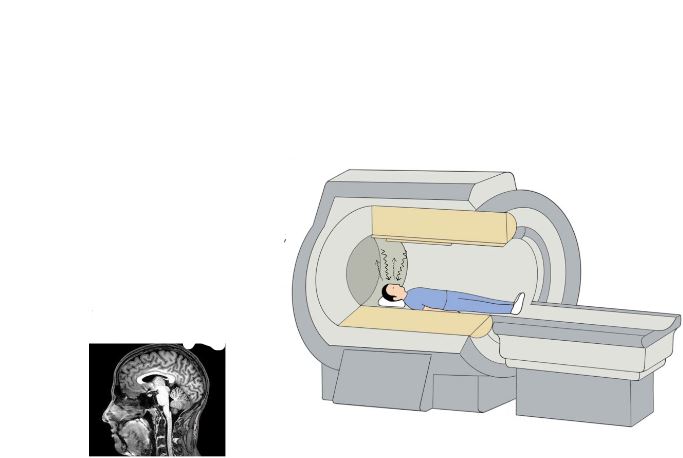
<p>(functional magnetic resonance imaging) <mark data-color="yellow">measures blood oxygen levels to see </mark><strong><em><mark data-color="yellow">where</mark></em></strong><mark data-color="yellow"> brain functions are being performed</mark></p><ul><li><p><em><span style="font-family: Arial, sans-serif">doesn’t tell:</span></em></p><ul><li><p><em><span style="font-family: Arial, sans-serif"><mark data-color="red">if the brain regions are necessary</mark></span></em></p></li><li><p><em><span style="font-family: Arial, sans-serif"><mark data-color="red">anything about cognitive processes</mark></span></em></p></li><li><p><em><span style="font-family: Arial, sans-serif"><mark data-color="red">how the brain supports cognitive processes</mark></span></em></p></li></ul></li></ul>
41
New cards

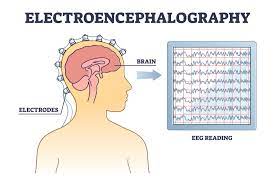
EEG

measures cognitive processes (via neuronal activity) in real-time

  • Measures:

    • Action potentials (within a neuron, faster)

    • Postsynaptic potential (between neurons, slower)

      • Chemical and electrical

    • Event-related potentials (measures brain reactions to stimuli)

      • Amplitude and latency in brain waves

<p><mark data-color="yellow">measures cognitive processes (via neuronal activity) in real-time</mark></p><ul><li><p><span style="font-family: Arial, sans-serif">Measures:</span></p><ul><li><p><span style="font-family: Arial, sans-serif"><mark data-color="red">Action potentials</mark> (within a neuron, faster)</span></p></li><li><p><span style="font-family: Arial, sans-serif"><mark data-color="red">Postsynaptic potential</mark> (between neurons, slower)</span></p><ul><li><p><span style="font-family: Arial, sans-serif">Chemical and electrical</span></p></li></ul></li><li><p><span style="font-family: Arial, sans-serif"><mark data-color="red">Event-related potentials</mark> (measures brain reactions to stimuli)</span></p><ul><li><p><span style="font-family: Arial, sans-serif">Amplitude and latency in brain waves</span></p></li></ul></li></ul></li></ul>
42
New cards

representational trade-offs

when one type of representation makes something clear, other previously used information is neglected to oblivion (Marr)
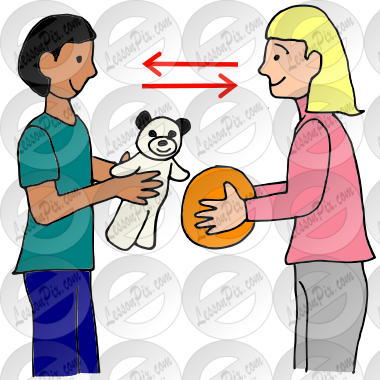
<p>when <mark data-color="yellow">one type of representation makes something clear</mark>, other <mark data-color="yellow">previously used information is neglected</mark> to oblivion (Marr)</p>
43
New cards

aphantasia

the inability to create mental imagery in one’s mind.

  • people with this disorder are still able to accurately and intricately draw out things that others ask them to

  • challenges the idea that people solely rely on mental imagery and representations to interpret the world around them.
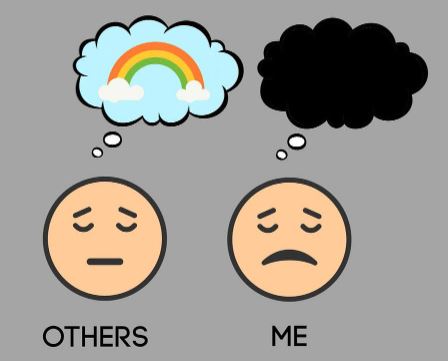
<p style="text-align: justify"><span style="font-family: Times New Roman, serif"><mark data-color="yellow">the inability to create mental imagery in one’s mind. </mark></span></p><ul><li><p style="text-align: justify"><span style="font-family: Times New Roman, serif">people with this disorder are still able to accurately and intricately draw out things that others ask them to</span></p></li><li><p style="text-align: justify"><strong><span style="font-family: Times New Roman, serif"><mark data-color="blue">challenges the idea that people solely rely on mental imagery and representations to interpret the world around them.</mark></span></strong></p></li></ul>
44
New cards

analog representations

a continuous spectrum of representation

  • ex: the solar system

    • infinite planets and starts = infinite spectrum
<p><mark data-color="yellow">a </mark><strong><em><mark data-color="yellow">continuous spectrum</mark></em></strong><mark data-color="yellow"> of representation</mark></p><ul><li><p>ex: the solar system</p><ul><li><p><mark data-color="red">infinite planets and starts = infinite spectrum</mark></p></li></ul></li></ul>
45
New cards

digital representations

a discrete, categorical type of representation

  • ex: color systems in old cameras that only used light colors to take pictures (versus modern cameras)
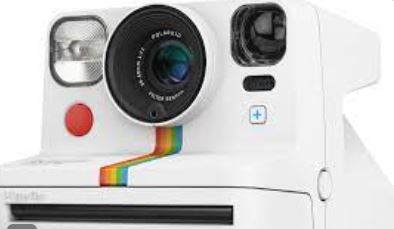
<p><mark data-color="yellow">a </mark><strong><em><mark data-color="yellow">discrete, categorical </mark></em></strong><mark data-color="yellow">type of representation</mark></p><ul><li><p>ex: color systems in old cameras that <mark data-color="blue">only used light colors to take pictures</mark> (versus modern cameras)</p></li></ul>
46
New cards

platonic dualism

(dualism) there are two worlds, the material world and the ideal world (a perfect world) latter of which is only accessible via the mind

47
New cards

Cartesian dualism

(dualism) two different cognitive substances are:

  • res extensa (tangible, physical matter)

  • res cogitans (things the mind is made of)

48
New cards

monism

(mind vs. brain) the mind and the brain are one and the same

  • “What is the mind if not the brain”

    • Brain functions controlling the mind’s reaction

    • Mind is a byproduct of the brain

  • Brain is mind, mind is thing that is (vs) mind is brain, brain is what is 

    • Separateness of the brain’s physical output of the brain itself (ex: art from artist)

49
New cards

idealism

(monism) the mind is a product of the universe, which itself is mentally constructed

50
New cards

physicalism

(monism) everything in the universe is physical, including the mind

  1. Atom theory: because it is a product of the universe, the mind is made of atoms

  2. Identity theory: mental states are brain states

  3. Aristotelian physicalism: the distinction between the mind and the body is a distinction between form and matter

51
New cards

Church-Turing thesis

“no computational procedure can be considered as an algorithm unless it can be represented as a Turing machine (Church), and a function is effectively calculable if its values can be found by some purely mechanical process (Turing).”

  • If something is mathematically calculable at all, a Turing machine can compute it

  • Turing machine’s possibility of mathematically calculating a human mind

Explore top notes

note
Ammine
Updated 354d ago
0.0(0)
note
Vergil, Aeneid, Book 1 (AP)
Updated 433d ago
0.0(0)
note
week 1
Updated 779d ago
0.0(0)
note
HAP 355 Midterm
Updated 693d ago
0.0(0)
note
Ammine
Updated 354d ago
0.0(0)
note
Vergil, Aeneid, Book 1 (AP)
Updated 433d ago
0.0(0)
note
week 1
Updated 779d ago
0.0(0)
note
HAP 355 Midterm
Updated 693d ago
0.0(0)

Explore top flashcards

flashcards
Roots List 13
25
Updated 157d ago
0.0(0)
flashcards
science 8 finals :scream:
105
Updated 1023d ago
0.0(0)
flashcards
List A page 3
33
Updated 1230d ago
0.0(0)
flashcards
Unit 2 vocab 62-106
46
Updated 509d ago
0.0(0)
flashcards
Latin Chapter 20
22
Updated 1077d ago
0.0(0)
flashcards
AP Calc Mem Quiz (1-3)
122
Updated 39d ago
0.0(0)
flashcards
Othello Test
63
Updated 1067d ago
0.0(0)
flashcards
Unit 1: The Chemistry of Life
50
Updated 428d ago
0.0(0)
flashcards
Roots List 13
25
Updated 157d ago
0.0(0)
flashcards
science 8 finals :scream:
105
Updated 1023d ago
0.0(0)
flashcards
List A page 3
33
Updated 1230d ago
0.0(0)
flashcards
Unit 2 vocab 62-106
46
Updated 509d ago
0.0(0)
flashcards
Latin Chapter 20
22
Updated 1077d ago
0.0(0)
flashcards
AP Calc Mem Quiz (1-3)
122
Updated 39d ago
0.0(0)
flashcards
Othello Test
63
Updated 1067d ago
0.0(0)
flashcards
Unit 1: The Chemistry of Life
50
Updated 428d ago
0.0(0)