Lecture 5: Dopamine - reward & addiction
 Call Kai
 Learn
Learn Practice Test
 Spaced Repetition
 Match
Match Flashcards
 Knowt Play
1/27

There's no tags or description
Looks like no tags are added yet.
Name | Mastery | Learn | Test | Matching | Spaced | Call with Kai |
|---|
No analytics yet
Send a link to your students to track their progress
28 Terms
What is dopamine?
neuromodulator
aids in movement, attention, learning and addiction
How is dopamine synthesised?
Tyrosine (food - almonds, avocado, cheese) → L-DOPA → Dopamine
(1) tyrosine hydroxylase
(2) amino acids/DOPA decarboxylase
an additional step → noradrenaline (beta-hydroxylase)
What are the two reigons of the brain that synthesise dopamine?
Substantia Nigra (SN) for motor control
Ventral Tegmental Area (VTA) for motivation, emotional response, rewards, desire & addiction
these have axons projecting to the pre-frontal cortex, striatum, nucleus accumbends, amygdala and hippocampus
What causes Parkinson’s
death of dopamine cells in substantia nigra
What are symptoms of Parkinson’s disease + why
lack of SN dopamine thus decreased motor control
motor tremors; inert + rigid motion → cognitive impairment, demenita, often reduced executive function
What is a morphological feature associated with parkinsons
typically due to DA breakdown area is stained black
whereas in parkinson people - pale
What is the cure for parkinsons’
there is no cure only treatment to reduce symptoms
L-DOPA (can cross BBB unlike DA)+ other to increase DA synthesis
deep brain stimulation
side effects → hypersexuality, gambling, addiction, impulsivity (relates to reward effects of DA VTA system)
What are the roles of dopamine in reward + motivation briefly
(1) codes for reward relative to expectation
(2) codes effort costs - balances cognitive effort with reward
Describe dopamine’s role in reward prediction error
if a reward is unexpectedly recived → DA release peaks
when a stimulus is repeatedly preceded by a reward → DA release peaks in response to stimulus rather than reward
if a reward is expected by not recieved → following stimulus DA still released but when reward not given, DA neurons supressed
Thus, things are only rewarding if the reward is MORE than expected
(if a reward is expected, DA not released)
Also, DA codes if the predicted outcome was corrected
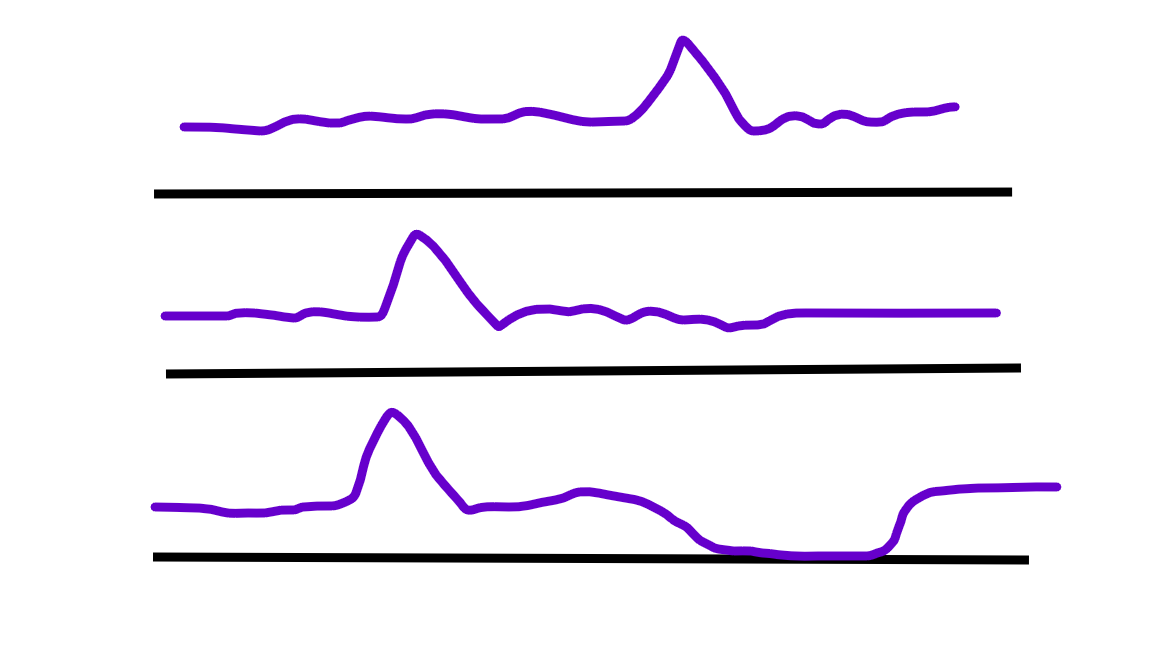
What are some common rewards
real - food + sex - biological/tangiable
symbolic - money = value (so gain = reward)
virtual - game points
Describe how dopamine helps motor control
similar to reward, tells brain if e.g. did the limb move correctly
provides the feedback
Describe what the Value-modulated attentional capture task informs regarding dopamine
Performing experiment where task asks whether the line in the diamond is horizontal or vertical
Circles are distractors but encode reward related cues
People with higher propensity to addiction will readily learn the reward cue (immediate gratification) opposed to pursue the adaptive functioning goal
Chose the distractor at the expense of the goal
rats choose opiod over food
Describe DA’s role in effort costs + and what skews this?
effort cost = cognitive effort = aversive feeling + opportunity cost
DA balances how worthwile it is to engage
cognitive effort/task persistence only justifiable when progress outpaces cost
thus tasks with low sucess, reward → disengaging
lack of episodic future thinking - unable to hold long-term goals in working memory - thus unable to recongise future value
leads to choosing immediate gratification
What is episodic future thinking + how does it relate to dopamine + can we fix?
Poor EFT ability is linked to an inability to appreciate the benefits of a task + delaying gratification
Lower working memory means cannot hold long-term outcomes + poorer DA balance of opprotunity cost
Can train EFT by imagery training - practice holding a visual image
Describe why gambling is so addictive
dopamine → released only when reward more than expected
gambling rewards ALWAYS unpredictable
while avergae loss is consistent - cannot guess when will win/lose (not in a repeating pattern)
What is drug addiction?
chronic relapsing disorder consiting of compulsive pattern of drug seeking and taking behaviour
cues → craving → behaviour
distressing not to obey craving
occurs at the expense of other goals + persists despite aversive consequence
initially substance is rewarding however later anticipation gives high instead
what are DA drugs + brieft describe mode of action
cocaine - blocks reuptake
amphetamine - reverses reuptake (push out) + thus prevents reuptake
Describe the action of cocaine
blocks reuptake → increases DA concentration in cleft → artifically makes everything more rewarding (DA consistently present)
What are the two forms of amphetamines
ice/meth - most pure
speed - less pure
What is the structure of amphetamines? + consequence
mirror image of cocaine - ampethamine has longer effect once taken than cocaine
Describe the action of amphetamines
Stimulant
Mirror image of cocaine - longer effect after taken
Reverses reuptake transporters - actively expells DA and NA out of neuron + thus prevents DA uptake
Things not usually rewarding are again more rewarding
Leads to long term brain changes due to addiction + overstimulation causing cell death
Describe the risk of stimulants
overstimulate the brain → neuron damage
Describe the dopaminergic mechanisms of addictive drugs
make everything artificially more rewarding than expected
normally when reward expected, no DA release during reward (only during stimuli). Due to artificial action of drug → DA always higher → always rewarding
the more DA released due to drugs - the greater the high
Compare intravenous, oral and nasal intake of drugs
the faster the effects the more addictive - as more immediately associate reward with drug
intravenous > nasal > oral
Describe the problem with addiction recovery
drugs initiate wanting causing craving
dysregulation of top-down control
i.e. bottom-up approach overtakes top-down
this means behaviour is guided by stress + stimuli opposed to pre-frontal cortex / cognitive control
thus, struggle to resist craving → allows craving to control behaviour
Compare bottom-up and top-down approaches to behaviour
top-down = brain controls behaviour
bottom-up = stress/stimuli drives behaviour
Why does top-down approach fail in addiction?
excess DA release damages pre-frontal cortex
adolescence → underdeveloped pre-frontal cortex
stress
Are all addictive drugs dopaminergic?
no, some drugs can be enjoyable without DA or be addictive with less DA
proposed that while DA controls behaviour modulation, something else may control the high/pleasure e.g. opiod system
note: Addiction can exist beyond drugs too → e.g. real, symbolic etc,