apwh key terms
 Call Kai
 Learn
Learn Practice Test
 Spaced Repetition
 Match
Match Flashcards
 Knowt Play
1/282

There's no tags or description
Looks like no tags are added yet.
Name | Mastery | Learn | Test | Matching | Spaced | Call with Kai |
|---|
No analytics yet
Send a link to your students to track their progress
283 Terms
Economic Imperialism
Independent but less developed nations controlled by private business interests rather than by other governments; examples include British East India Company influence in India, Banana Republics in Honduras
Social Darwinism
The application of ideas about evolution and "survival of the fittest" to human societies - particularly as a justification for their racism and imperialist expansion
Civilizing Mission
the concept that Western nations could bring "advanced" science and economic development to non-Western parts of the world that justified imperial administration; included notion that colonialism was a duty for Europeans and a benefit for the colonized.
White Man's Burden
idea that Europeans had a duty to spread their religion and culture to those "less civilized;" originally coined by a British poet and writer named Rudyard Kipling in his poem of the same name
Belgian Congo
Exploited by King Leopold II of Belgium under the Berlin Act, Leopold was supposed to act as a trustee. He violated the agreement and stripped the country of its resources (namely rubber and ivory) while mutilating and enslaving the people of the Congo
Settler Colony
Type of colonialism in which foreign settlers move to and permanently reside in their non-native land in order to strengthen the dominance of a colonial power; used to replace existing population of a region in cases when the land is already inhabited; Britain utilized this method including Jamestown in N. America, Australia, and New Zealand
Indian Revolt of 1857
Began in 1857 as a revolt of Sepoys (native Indian soldiers) of the British East India Company army; was ended by British military and resulted in full British control of India and loss of British East India Company's power
Opium Wars
wars between Great Britain and China (two separate wars: 1839-1842 and 1856-1860), began as a conflict over the opium trade as GB illegally imported opium to China in hopes of forcing trade; ended with the Treaty of Nanjing which opened 5 Chinese ports to foreign merchants and created European "spheres of influence" in China
Boxer Rebellion
1899 rebellion in Beijing, China started by a secret society of Chinese who opposed the "foreign devils" and all foreign influence in China. The rebellion was ended by British troops; led to decreased power and influence of the Qing Dynasty
Taiping Rebellion
(1850-1864) An incredibly violent and destructive 14 year revolt by the people of China against the ruling Manchu Dynasty due to their failure to deal effectively with the opium problems, the interference of foreigners, as well as the rulers' Manchurian origins. Ultimately it was a failure; 20-30 million soldiers and civilians died and it greatly weakened China and the Qing Dynasty
Spheres of Influence
areas in China where a foreign nations controlled economic developments such as trade, railroad construction, and mining; established after China lost the Opium Wars
ethnic enclave
A place with a high concentration of an ethnic group that is distinct from those in the surrounding area; a result of migration movements driven by industrialization (ex: Little Italy, China Town, etc)
Chinese Exclusion Act
(1882) The US denied any Chinese laborers to enter the country while allowing students and merchants to immigrate; reaction to migrations driven by industrialization in the 19th and 20th centuries
White Australia Policy
Before 1973, a set of strict Australian limitations on non-white immigration to the country; reaction to migrations driven by industrialization in the 19th and 20th centuries
Treaty of Nanjing
1842, ended Opium Wars in China and led to diminished Chinese political and economic power; set up 5 treaty ports where westerners could live, work, and be treated under their own laws; one of these was Hong Kong.
British East India Company
A joint stock company that controlled most of India during the period of imperialism. It controlled the political, social, and economic life in India for more than 200 years until 1857 when the British gov't took full control of India
Berlin Conference
A meeting from 1884-1885 at which representatives of European nations agreed on rules to colonize Africa
Globalization
Actions or processes that involve the entire world and result in making something worldwide in scope; in terms of AP World History - globalized culture and trade
Green Revolution
Agricultural revolution that increased production through improved seeds, fertilizers, and irrigation; helped to support rising Asian populations.
1918 Influenza Pandemic
changed from a epidemic and spread over an entire world killing around 20 million in many areas around the world
Malaria
This disease is commonly associated with poverty and is spread by mosquitos. Each year 1-3 million people mostly in sub-Saharan Africa die of this disease and hundreds of millions are infected.
Alzheimer's disease
an irreversible, progressive brain disorder, characterized by the deterioration of memory, language, and eventually, physical functioning; associated with increased human longevity
climate change
a change in global or regional climate patterns, in particular a change apparent from the mid to late 20th century onwards and attributed largely to the increased levels of atmospheric carbon dioxide produced by the use of fossil fuels.
knowledge economy
a society no longer based primarily on the production of material goods but instead on the production of knowledge (examples: Finland, Japan, US)
manufacturing economy
economy in which a large portion of employees are engaged in work that is aimed at producing manufactured products (examples: Vietnam, Bangladesh, Mexico, Honduras)
multinational corporation (MNC)
A large business organization operating in a number of different national economies; the term implies a more extensive form of transnational corporation. (examples: Nestle, Nissan, Mahindra, Starbucks, McDonald's, Apple
World Trade Organization (WTO)
Founded in 1995, a global institution created to promote international trade and to settle international trade disputes
NAFTA (North American Free Trade Agreement)
Created in 1994, an agreement for free trade (no trade barriers) between the United States, Canada, and Mexico
Association of Southeast Asian Nations (ASEAN)
founded in 1967, a trade organization for economic, political, social, and cultural cooperation among Southeast Asian nations (includes Brunei, Cambodia, Indonesia, Laos, Malaysia, Myanmar, the Philippines, Singapore, Thailand, and Vietnam)
Ronald Reagan
First elected president in 1980 and elected again in 1984. While president, he developed "Reagannomics" the trickle down effect of government incentives. His meetings with Gorbachev were the first steps to ending the Cold War.
Deng Xiaoping
Communist Party leader who seen as responsible for Chinese economic reforms (more free market) after the death of Mao Zedong in 1976.
Margaret Thatcher
leader of conservatives in Great Britain who came to power. Pledged to limit social welfare, restrict union power, and end inflation. Formed Thatcherism, in which her economic policy was termed, and improved the British economic situation. She dominated British politics in 1980s, and her government tried to replace local property taxes with a flat-rate tax payable by every adult. Her popularity fell, and resigned.
United Nations
An international organization formed after WWII to promote international peace, security, and cooperation.
World Bank
A specialized agency of the United Nations that makes loans to countries for economic development, trade promotion, and debt consolidation. Its formal name is the International Bank for Reconstruction and Development.
Bollywood
Indian version of Hollywood (film industry), centered in Mumbai (formerly Bombay); example of globalized culture where the West influenced South Asia which now influences the world
trading bloc
A group of neighboring countries that promote trade with each other and erect barriers to limit trade with members nations (ex: EU, NAFTA, ASEAN)
European Union
An international organization of European countries formed after World War II to reduce trade barriers and increase cooperation among its members.
Consumerism
A preoccupation with the purchasing of material goods.
IMF
International Monetary Fund//a United Nations agency to promote trade by increasing the exchange stability of the major currencies
Battle of Seattle
the first major large-scale protest against globalization that occurred during the WTO meeting in Seattle, Washington, in November 1999
Americanization
Assimilation into American culture
Cold War
A sometimes physical but also ideological conflict between the US and the Soviet Union lasting c. 1945-1992. The nations never directly confronted each other on the battlefield but deadly threats and proxy wars; capitalism vs. communism
Non-Alignment Movement
a group of states which are not formally aligned with or against any major power bloc of the Cold War; didn't want to take sides in the war; examples include: Sukarno in Indonesia and Kwame Nkrumah in Ghana
NATO
North Atlantic Treaty Organization; an alliance of capitalist nations made to defend one another if they were attacked by any other country; included US, England, France, Canada, and Western European countries
Warsaw Pact
An alliance between the Soviet Union and other communist Eastern European nations; formed in response to NATO
Proxy War
a war in which the powers in conflict use third parties as substitutes instead of fighting each other directly; happened often during the Cold War including the Korean War, Angolan Civil War, and the Sandinista-Contras conflict in Nicaragua
Mao Zedong
(1893-1976) Leader of the Communist Party in China that overthrew the Nationalists. Established China as the People's Republic of China and ruled from 1949 until 1976; led the Great Leap Forward and Cultural Revolution to bring economic and cultural change to Communist China
Great Leap Forward
Mao Zedong's economic and social plan used in China from 1958 to 1961; goals = rapidly transform the country from an agrarian economy into a modern industrial society; resulted in famine and the deaths of more than 45 million people
Cultural Revolution
(1966-1976) Started in China by Mao Zedong to eliminate his rivals and train a new generation in the revolutionary spirit that created communist China; an attack on traditional Chinese cultural values; resulted in beatings, terror, mass jailing, and the deaths of thousands.
land redistribution
a policy by which land is taken from those who own large amounts and redistributed to those who have little or none; a popular practice among Communist nations who seek to gain the support of lower class citizens who had historically been denied property ownership; occurred in China, Mexico, USSR, Vietnam, Ethiopia, White Revolution Iran
White Revolution
occurred in Iran in 1962, the Shah's attempt appease the Iranian citizens; called for economic and and political reforms: created land reform, profit sharing, and women's right to vote
Indian National Congress
movement and political party founded in 1885 to demand greater Indian participation in government; membership was middle class (high caste), demands were modest until World War I. Led after 1920 by Gandhi, appealing to the poor.
Ho Chi Minh
1950s and 60s; nationalist communist leader of North Vietnam; fought against French colonization of Vietnam, used guerrilla warfare to fight anti-communist, American-funded attacks under the Truman Doctrine; strategy drew out war and made it unwinnable for the US
Muslim League
an organization formed in 1906 to protect the interests of India's Muslims, which later proposed that India be divided into separate Muslim and Hindu nations (Pakistan and India); led by Muhammad Ali Jinnah from 1913 until creation of Pakistan in 1947
Partition of India
After gaining independence from Great Britain in 1947, India was separated into two countries Pakistan for Muslims and India for Hindus; led to conflict as well as population displacement and resettlement
Imperial metropoles
"mother city"; many people from former colonies moved to these locations; maintained cultural and economic ties between the colony even after the dissolution of empires; examples: South Asians to Britain, Algerians to France, Filipinos to the United States
Nelson Mandela
South African nationalist Leader of the African National Congress (ANC); arrested for opposing white S. African rule and apartheid; used nonviolent means of protest; released from prison to become the South Africa's first democratically elected president in 1994
Apartheid
South African social policy and racial segregation involving political and economic and legal discrimination against non-whites; ended c. 1994
Al Qaeda
a network of Islamic terrorist organizations, led by Osama bin Laden, that carried out the attacks on the US embassies in Tanzania and Kenya in 1998, the USS Cole in Yemen in 2000, and the World Trade Center and the Pentagon in 2001
Mohandas Gandhi
Leader of the Indian independence movement and advocate of nonviolent resistance. After being educated as a lawyer in England, he returned to India and became leader of the Indian National Congress in 1920; opposed British rule in India and wanted a united India for both Muslims and Hindus
Martin Luther King Jr.
U.S. Baptist minister and civil rights leader. A noted orator, he opposed discrimination against blacks by organizing nonviolent resistance and peaceful mass demonstrations. He was assassinated in Memphis, Tennessee in 1968
Domino Theory
The US theory that stated, if one country would fall to Communism then they all would.
Containment Theory
stopping the spread of communism during the Cold War; the US theory stated: if Communism could be contained, the system would eventually die out
Marshall Plan
US plan to revive war-torn economies of Europe. Offered $13 billion in aid to western and Southern Europe; meant to improve economies so that communism would not sound appealing
Truman Doctrine
1947, President Truman's policy of providing economic and military aid to any country threatened by communism or totalitarian ideology, mainly helped Greece and Turkey
Glasnost
1986, a policy of Soviet leader Gorbachev which called for more openness and transparency in the Soviet gov't, and a relaxing of restraints on Soviet citizenry; less censorship and control of the media, greater contact between the USSR and Western states
Perestroika
A policy initiated Soviet leader Gorbachev that involved restructuring of the economy in the USSR towards a market based (capitalist) economy and society
Iron Curtain
Winston Churchill's term for the Cold War division between the Soviet-dominated East and the U.S.-dominated West.
United Nations
An international organization formed after WWII to promote international peace, security, and cooperation.
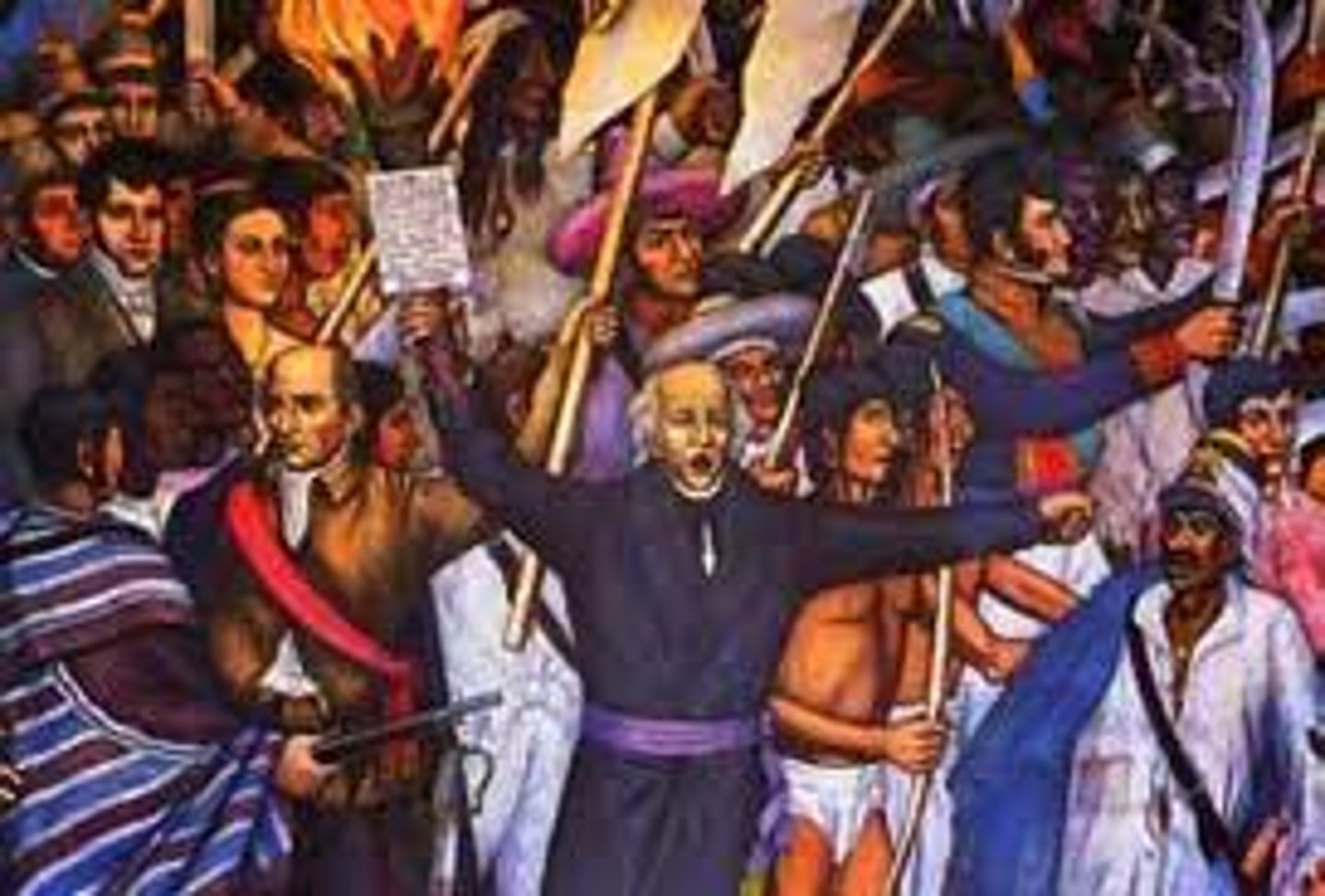
Mexican Revolution
(1910-1920 CE) Armed rebellion in which the Mexican people fought for political and social reform, especially against neocolonialism; resulted in ouster of Porfirio Diaz from power; opposition forces led by Pancho Villa and Emiliano Zapata.
Total War
A conflict in which the participating countries devote all their resources to the war effort; most notably WWI
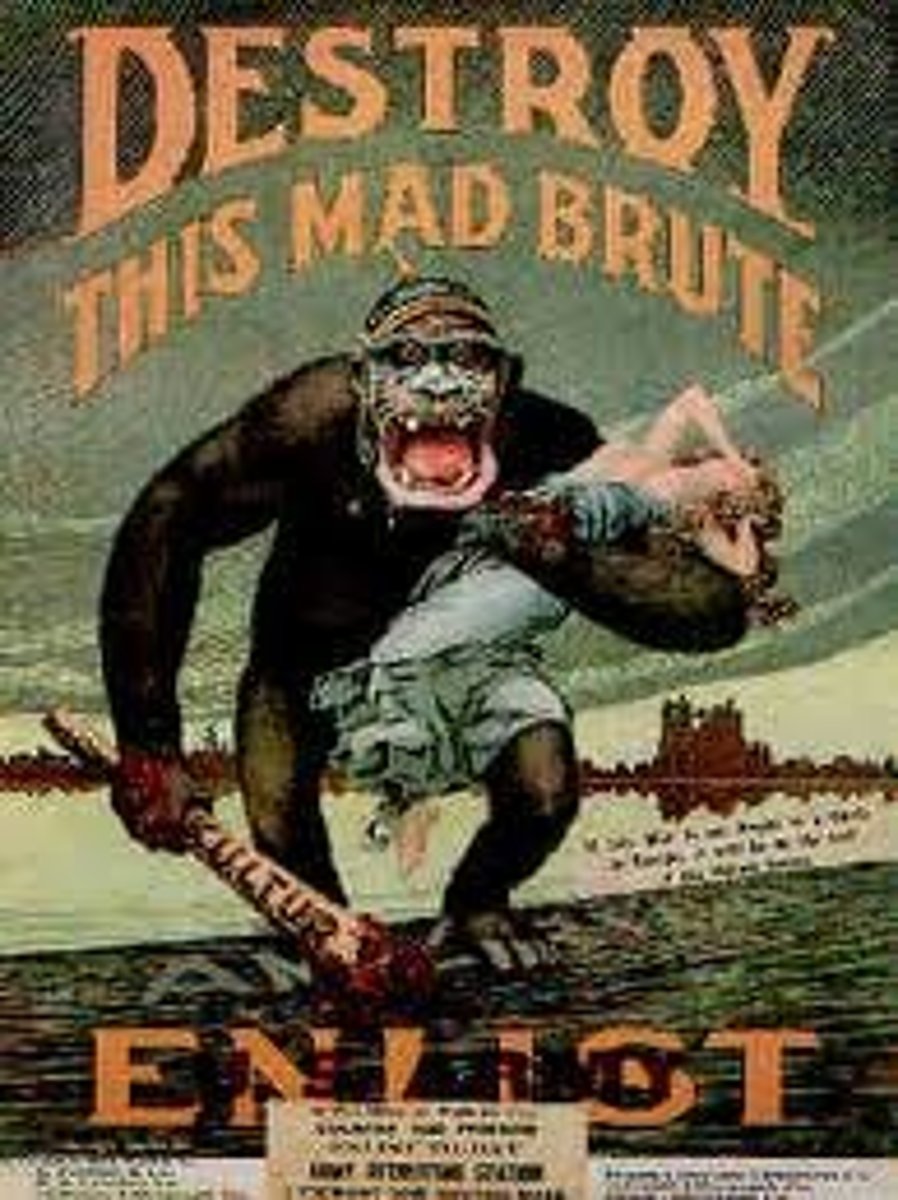
Propaganda
information, especially of a biased or misleading nature, used to promote or publicize a particular political cause or point of view.
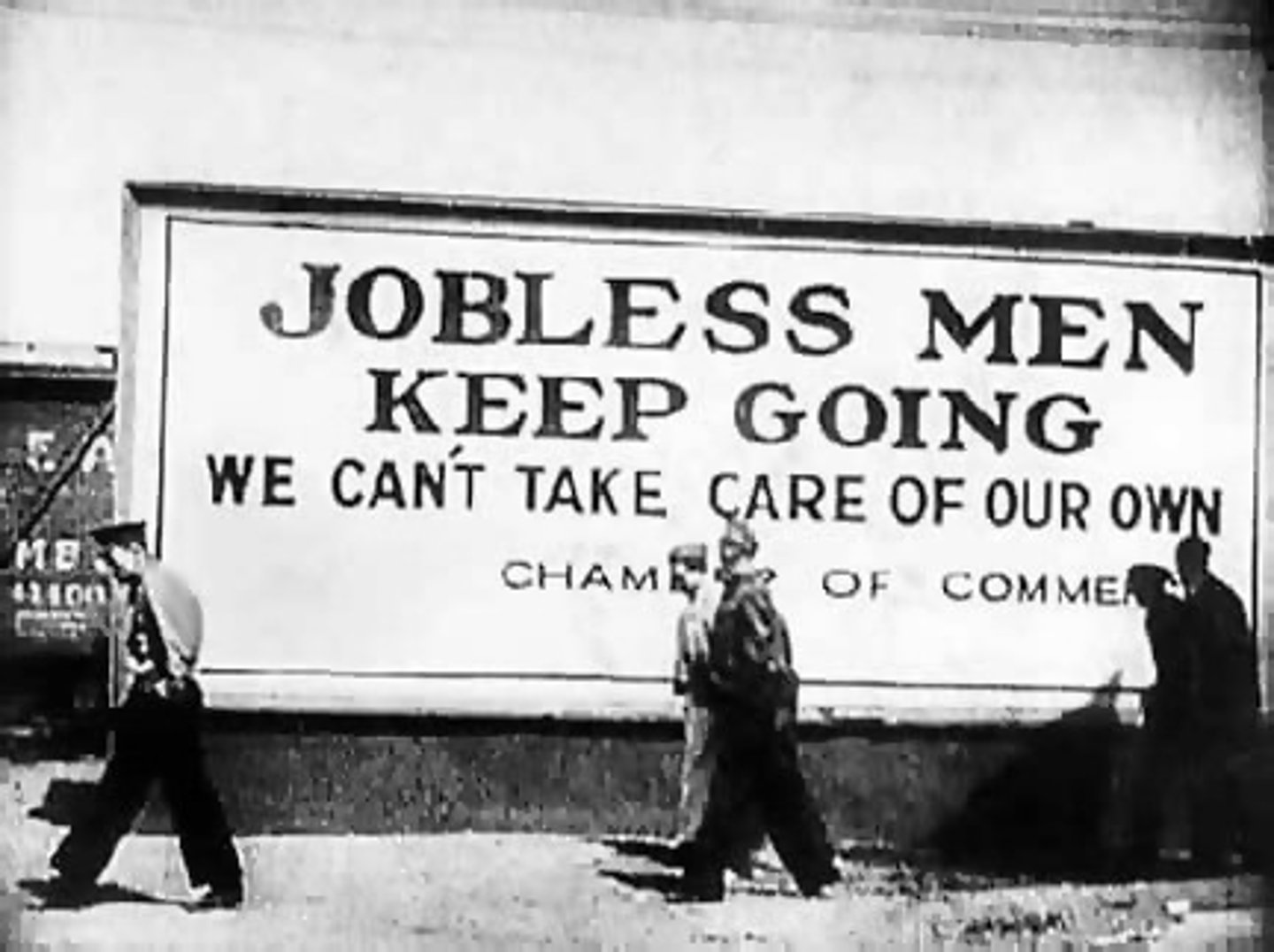
Great Depression
the economic crisis beginning with the US stock market crash in 1929 and continuing through the 1930s; had far-reaching global economic effects including further hindering countries recovering from WWI
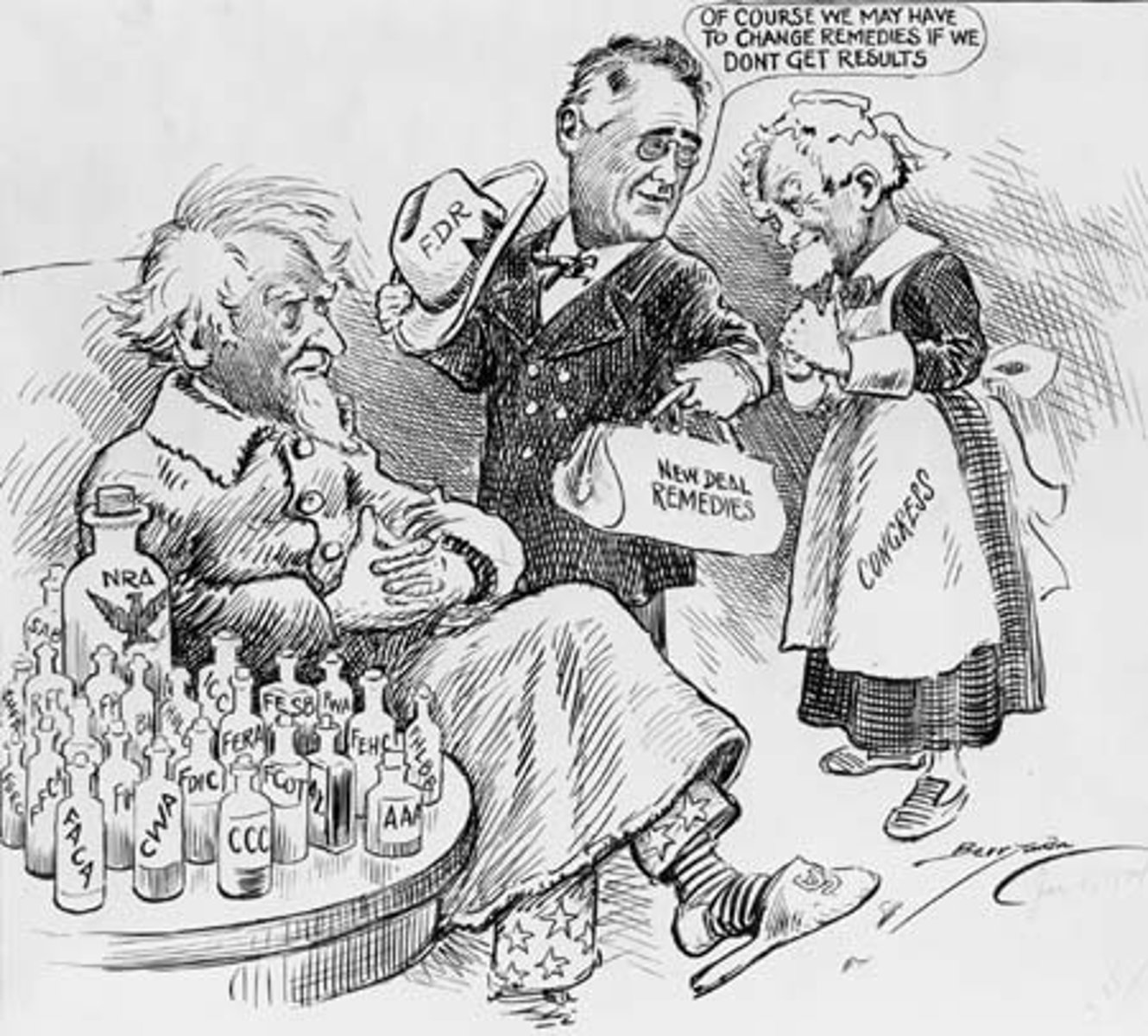
New Deal
A series of reforms enacted by the Franklin Roosevelt administration between 1933 and 1942 with the goal of ending the Great Depression; an example of a government taking greater economic control
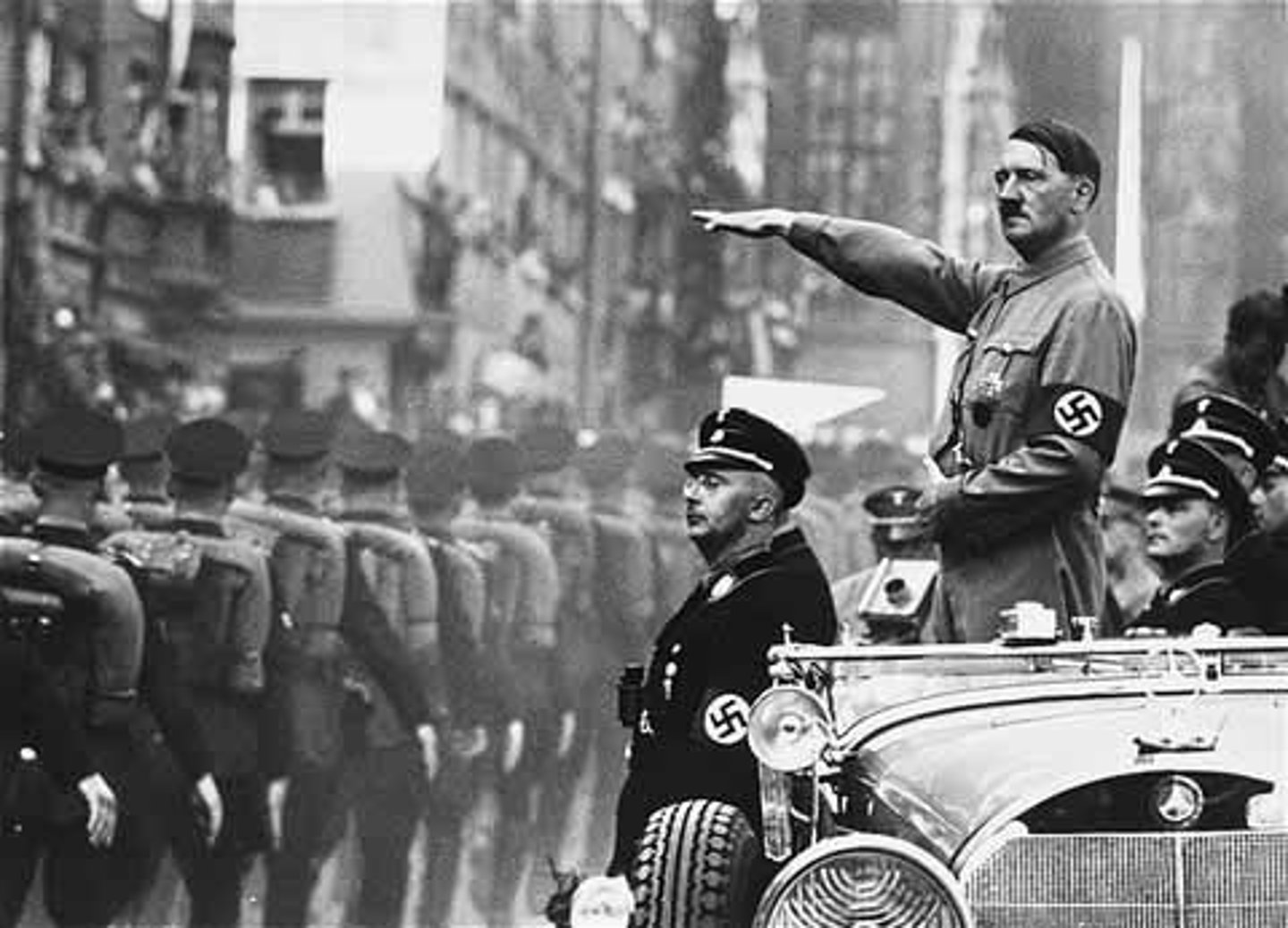
Fascist Corporatist economy
An anti-capitalist economy where the government controlled corporations and had political influence through them.
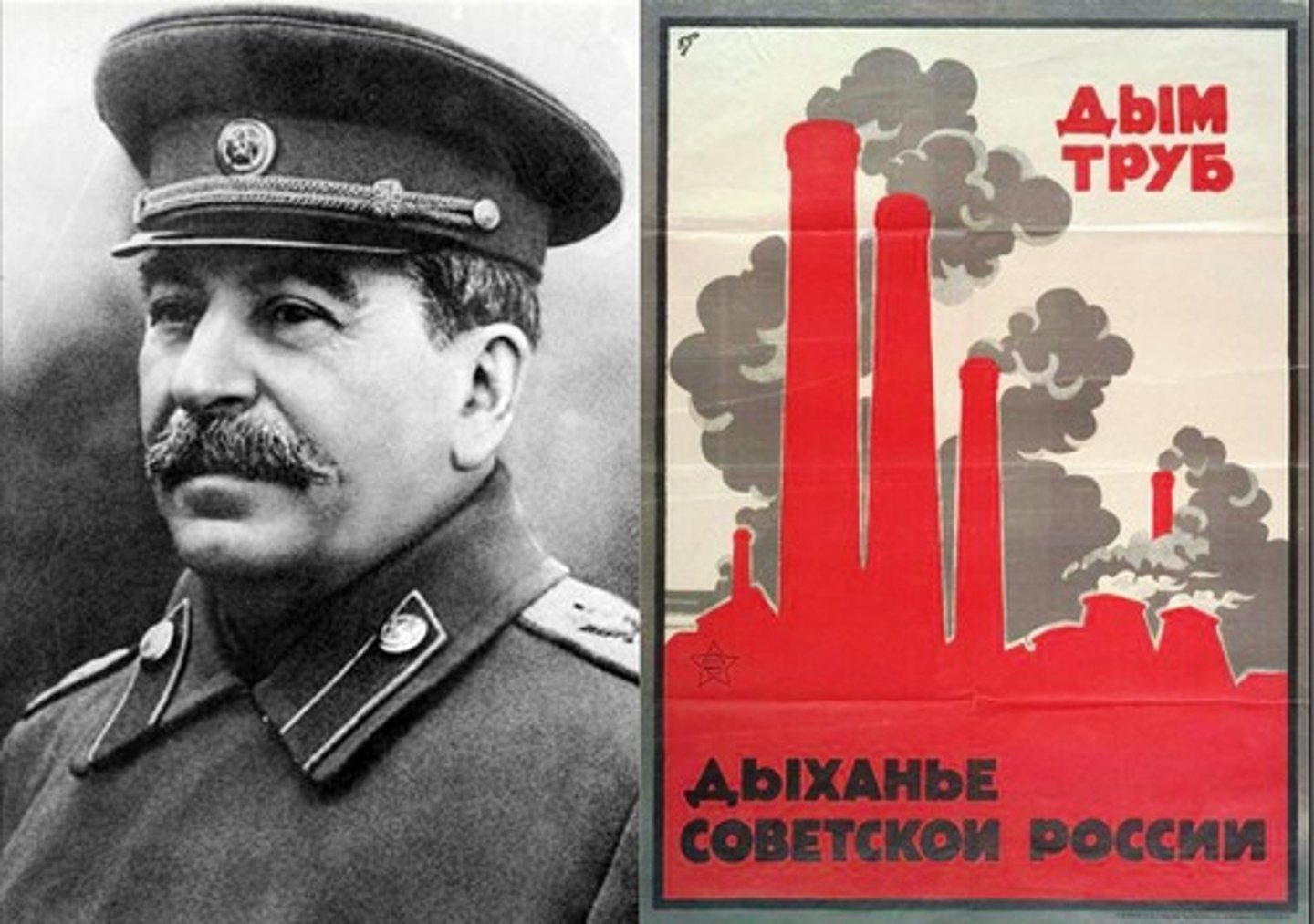
Five Year Plan
plans outlined by Joseph Stalin in 1928 for the development of the Soviet Union's economy; wanted to rebuild the Soviet economy after WWI; tried to improve heavy industry and improve farm output, but resulted in famine
League of Nations
world organization established in 1920 to promote international cooperation and peace; first proposed in 1918 by President Woodrow Wilson (although the United States never joined). Essentially powerless, it was officially dissolved in 1946.
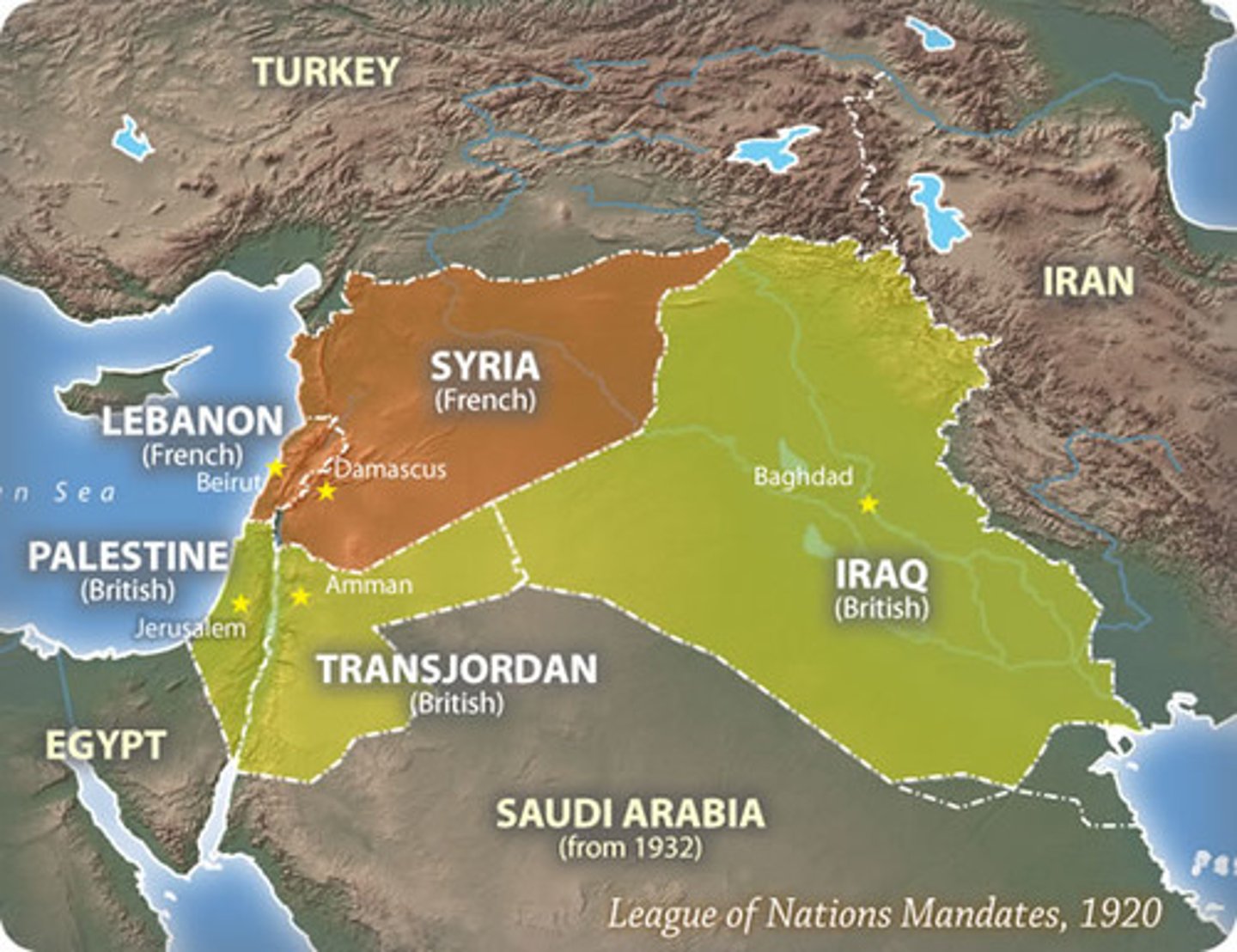
Mandate System
Allocation of former German colonies and Ottoman possessions to the victorious powers after World War I; to be administered under League of Nations supervision.
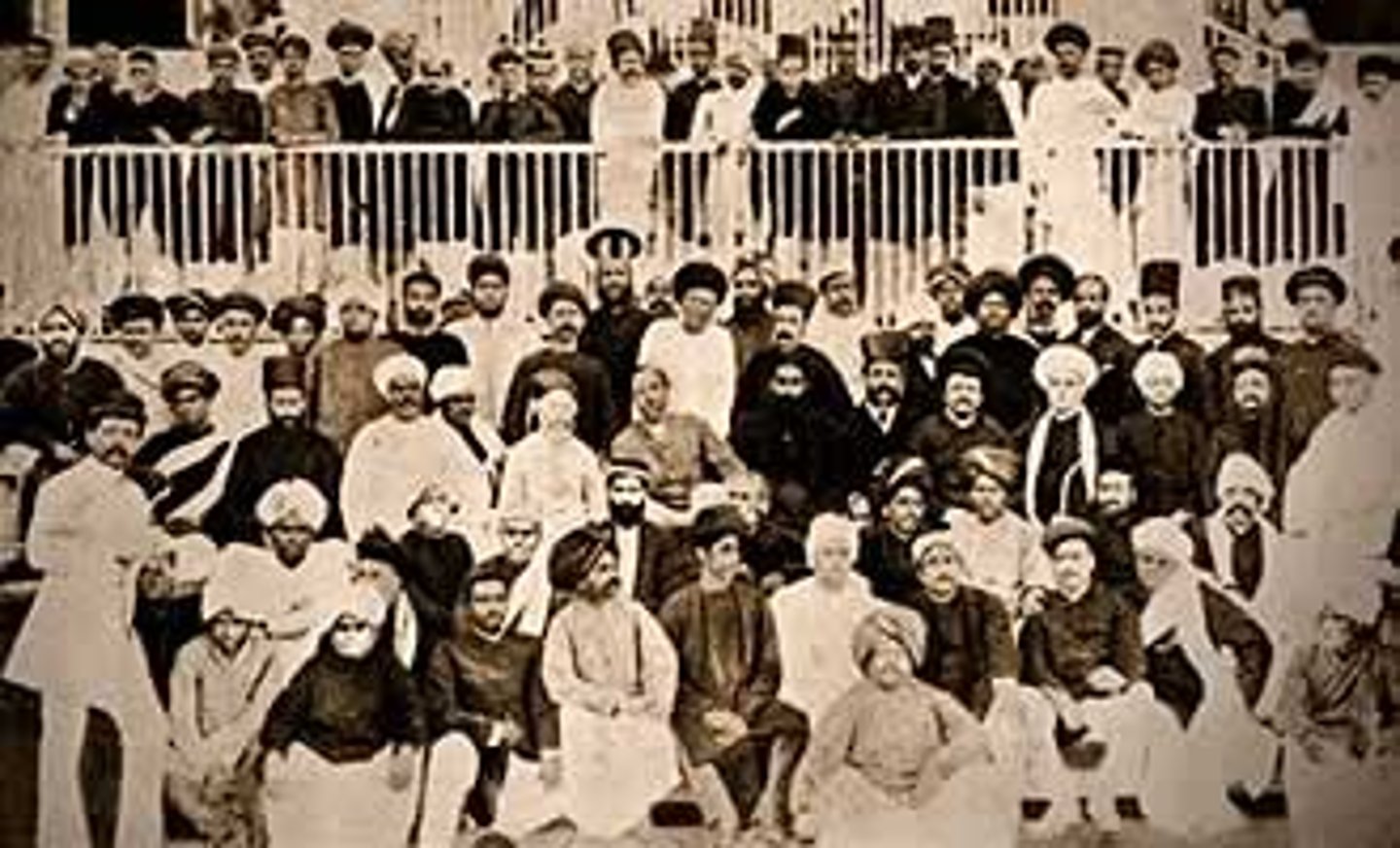
Indian National Congress
group formed by Hindu nationalist leaders of India in the late 1800's to gain greater democracy and eventual self-rule
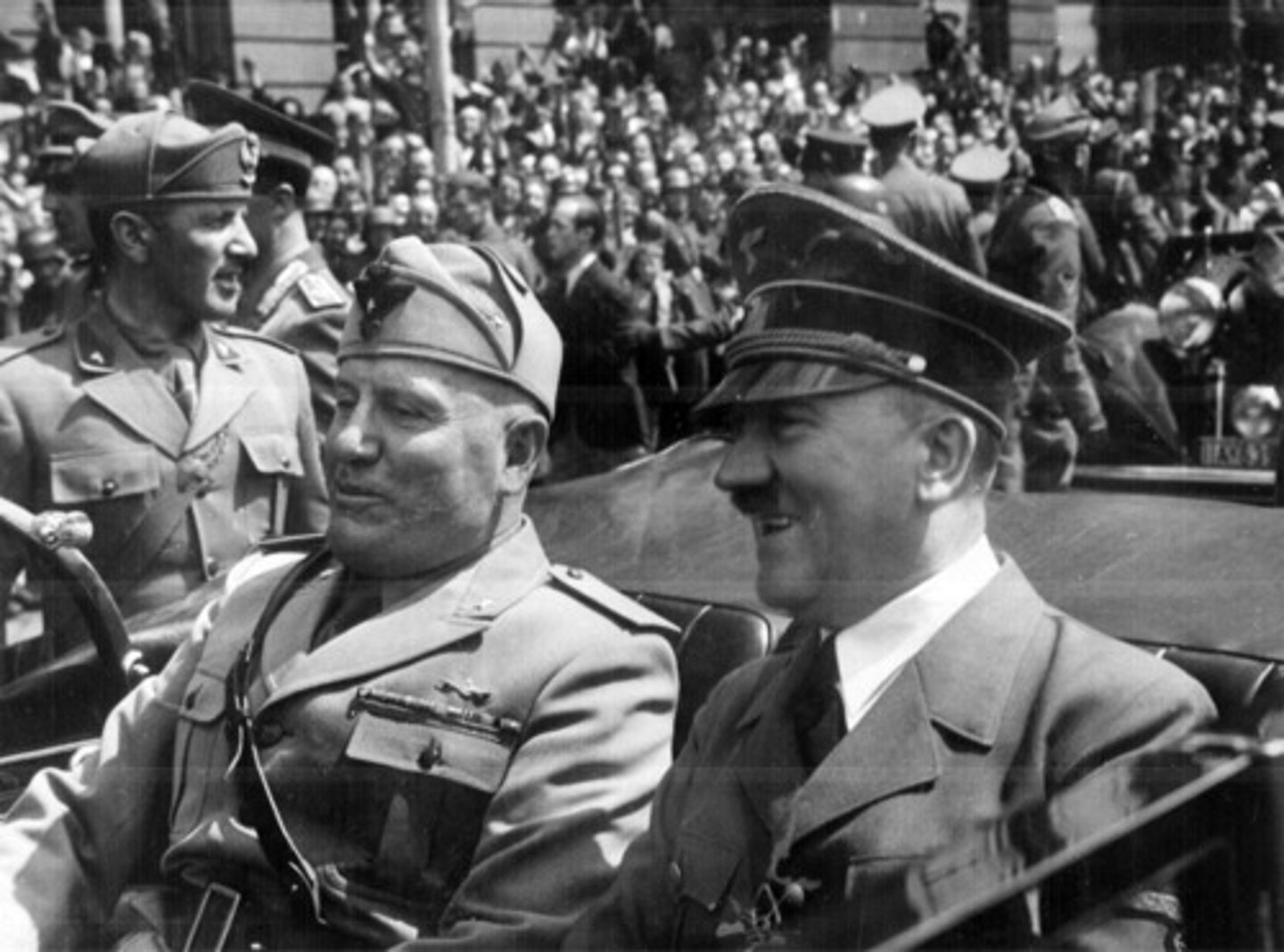
Fascism
A political system headed by a dictator that calls for extreme nationalism and racism and has no tolerance for opposition; actively promotes social hierarchies with rule by elite
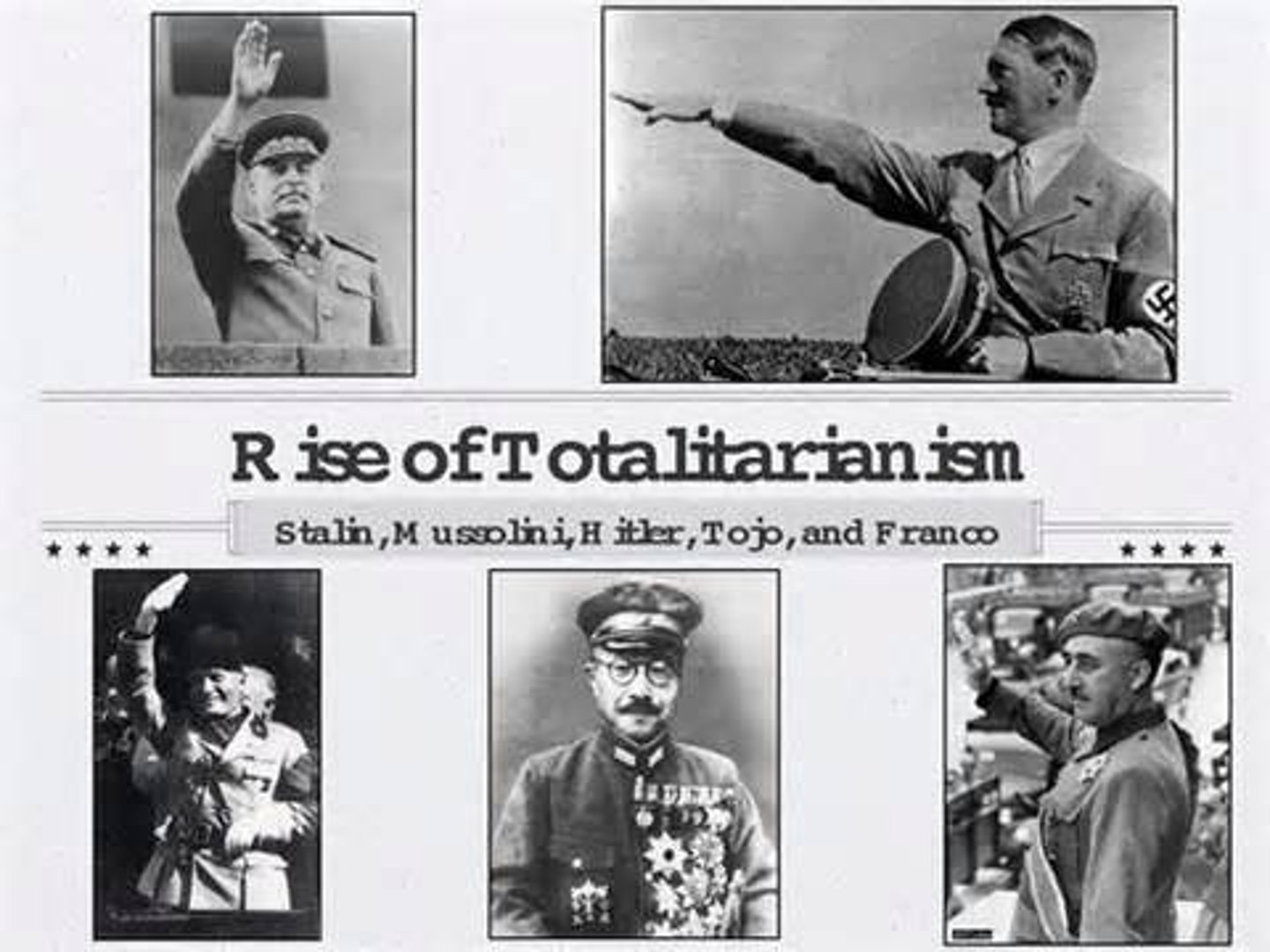
Totalitarianism
A form of government in which the ruler is an absolute dictator (not restricted by a constitution or laws or opposition etc.)
Militarism
A policy of glorifying military power and keeping a standing army always prepared for war
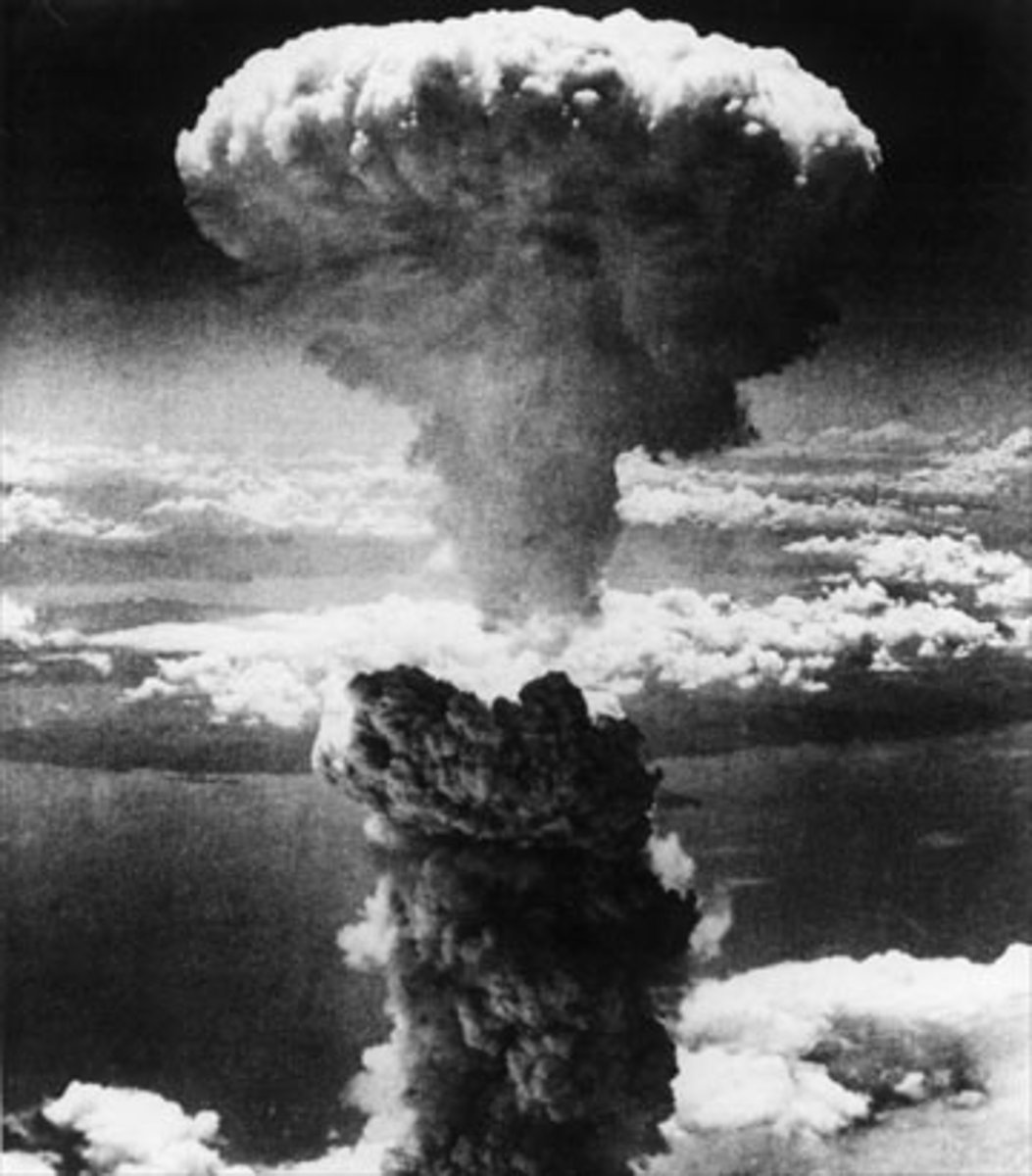
Atomic Bomb
a nuclear weapon developed in the US in which enormous energy is released by nuclear fission; first used during WWII on the Japanese cities of Hiroshima and Nagasaki
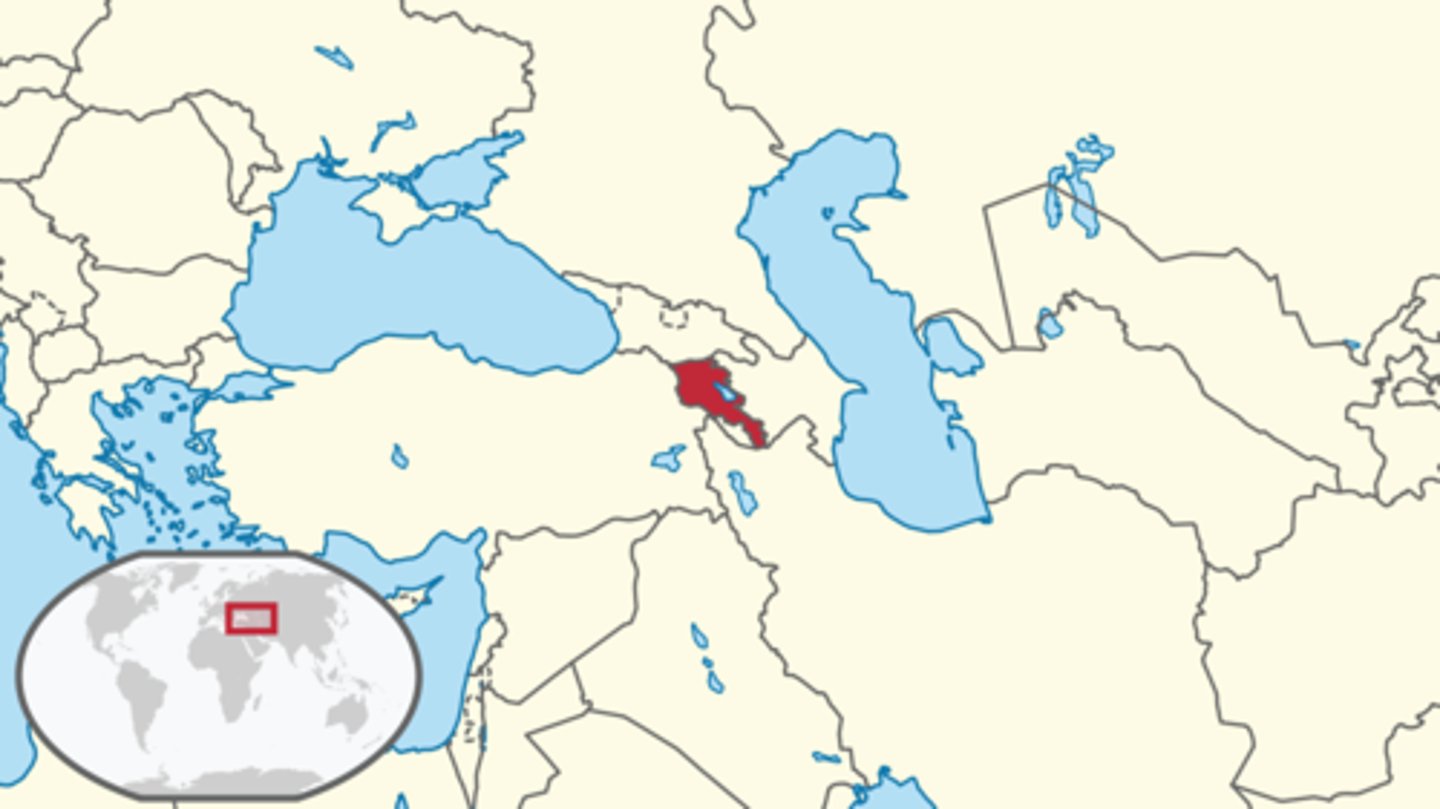
Aremenian Genocide
Ottoman Muslim Turks targeted Christian minority group within their from 1915-1917; Ottomans were afraid the Armenian Christians would side with Russia, their enemy
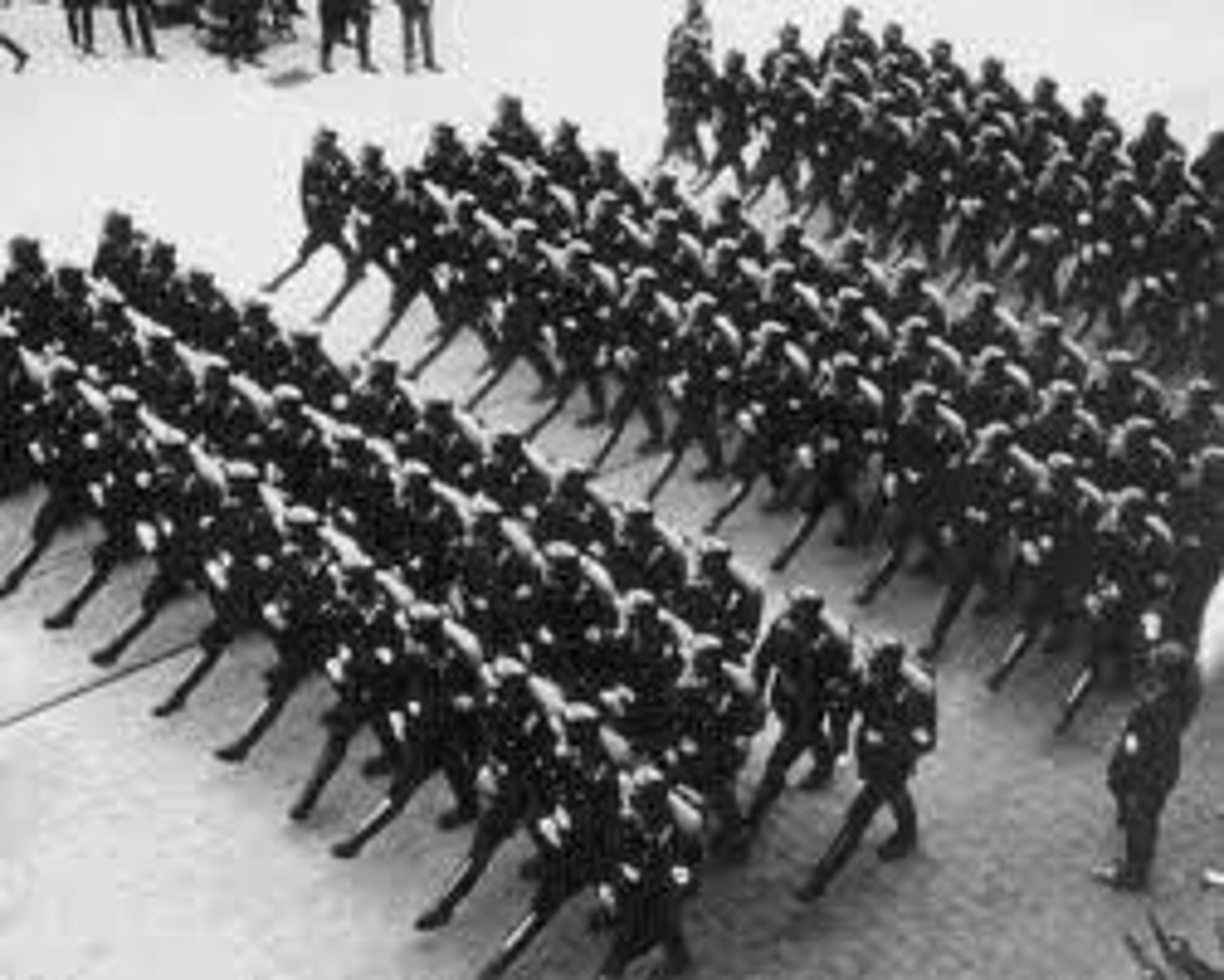
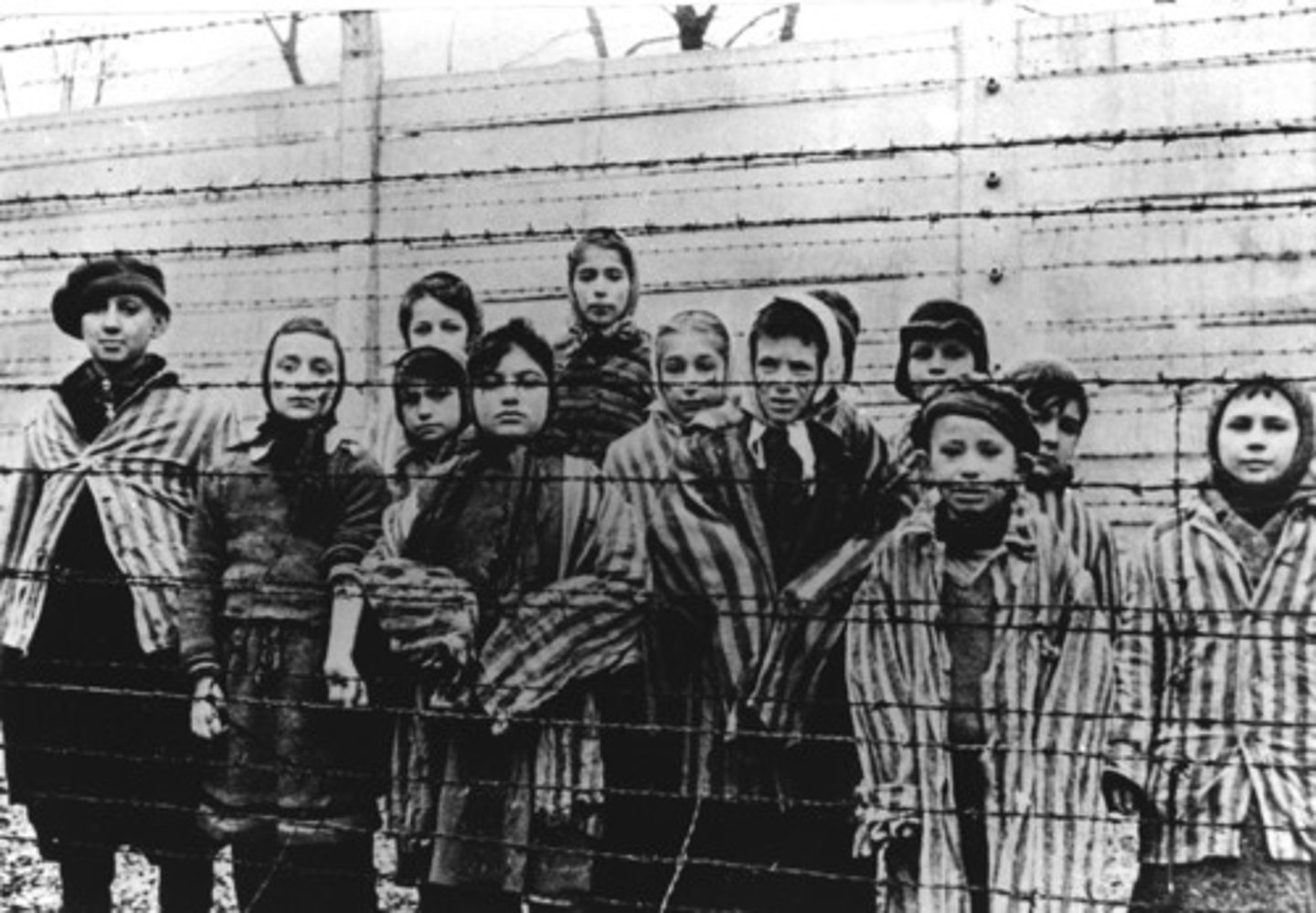
Holocaust
A methodical plan orchestrated by Hitler to ensure German supremacy. It called for the elimination of Jews, non-conformists, homosexuals, non-Aryans, and mentally and physically disabled.
Genocide
the deliberate killing of a large group of people, especially those of a particular ethnic group or nation.
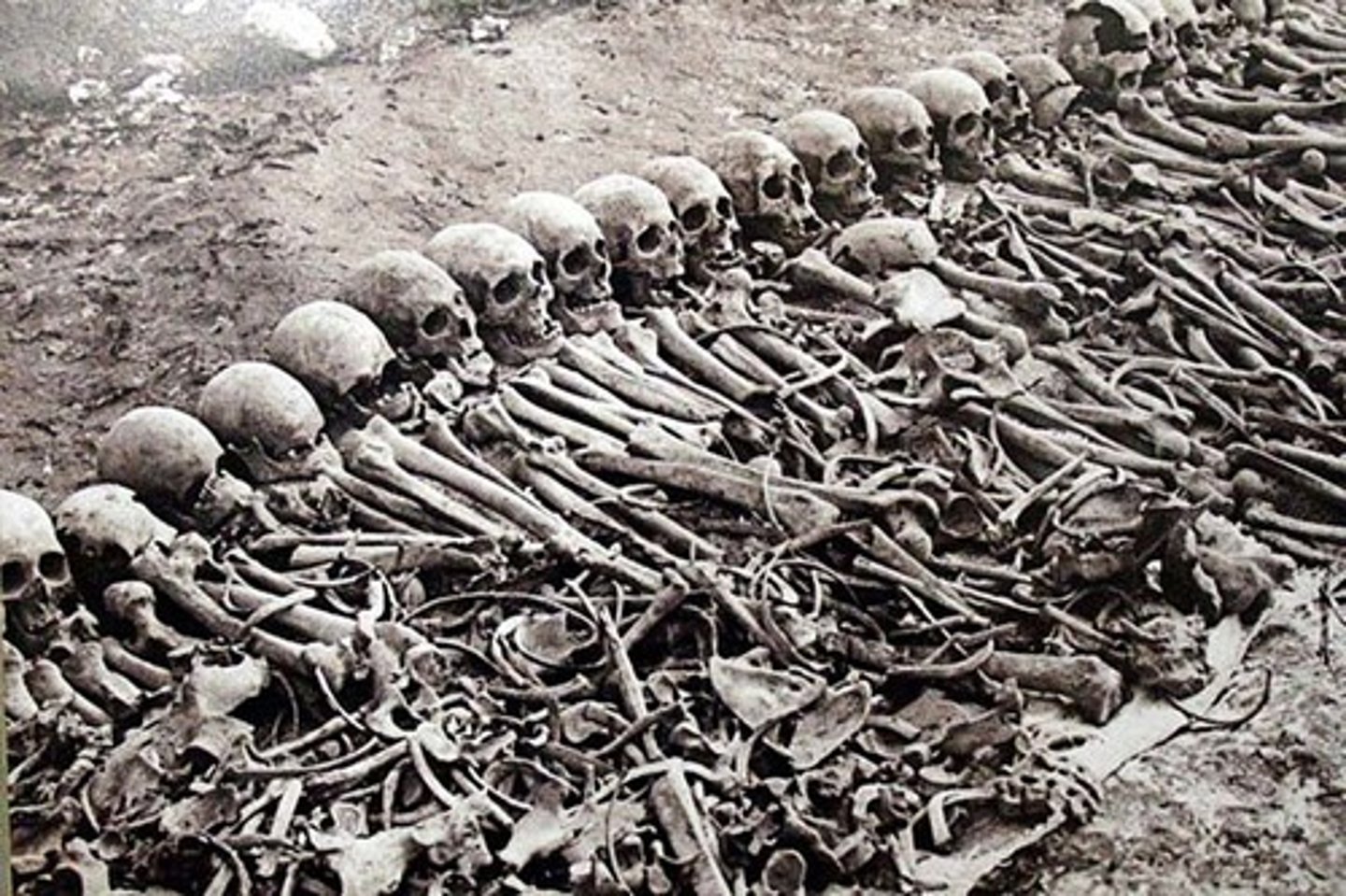
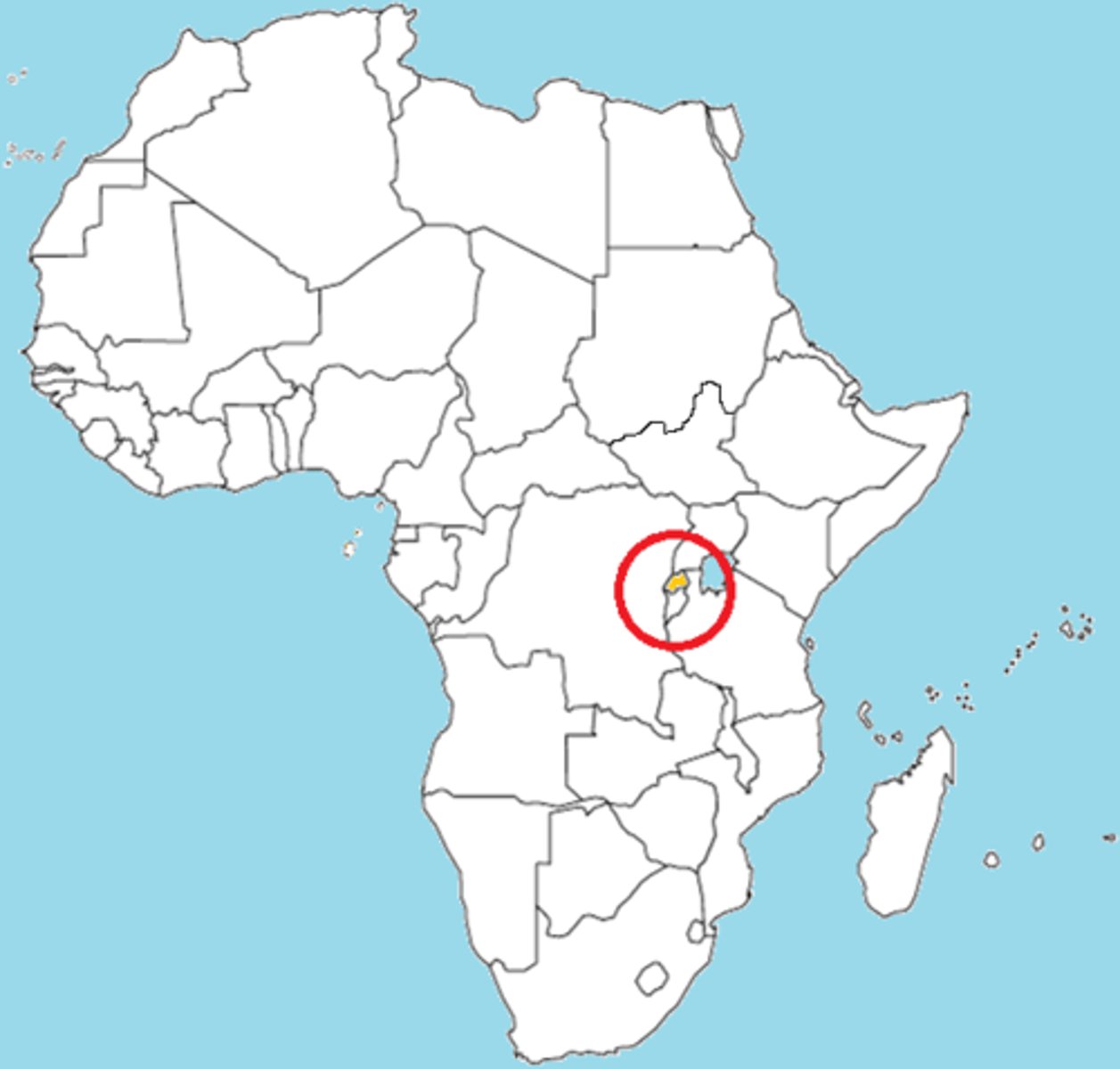
Rwandan Genocide
The killing of more than 500,000 ethnic Tutsis by rival Hutu militias in Rwanda in 1994. The conflict between the dominant Tutsis and the majority Hutus had gone on for centuries, but the suddenness and savagery of the massacres caught the United Nations off-guard. U.N. peacekeepers did not enter the country until after much of the damage had been done.
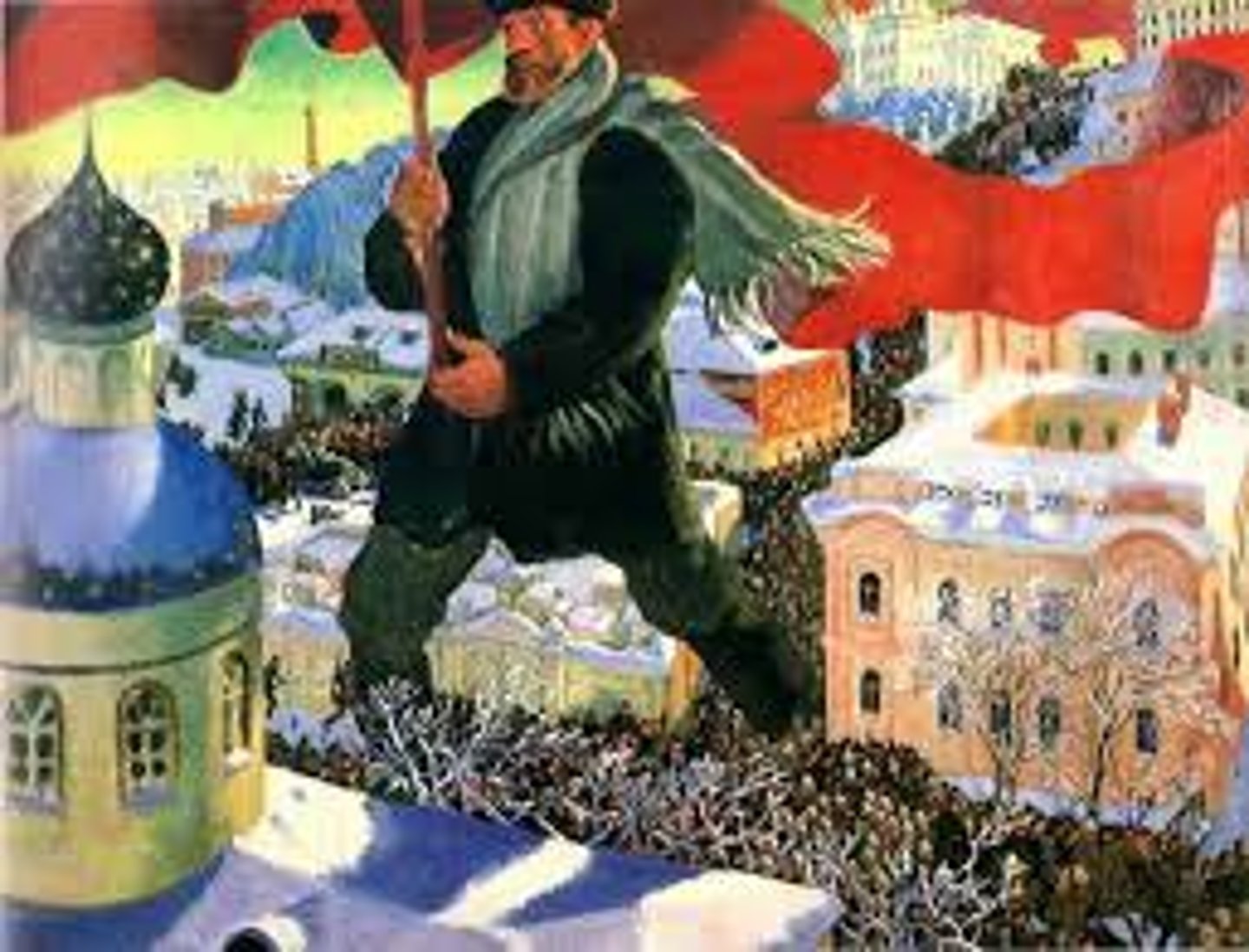
Bolsheviks
A party of revolutionary Marxists, led by Vladimir Lenin, who seized power in Russia in 1917.
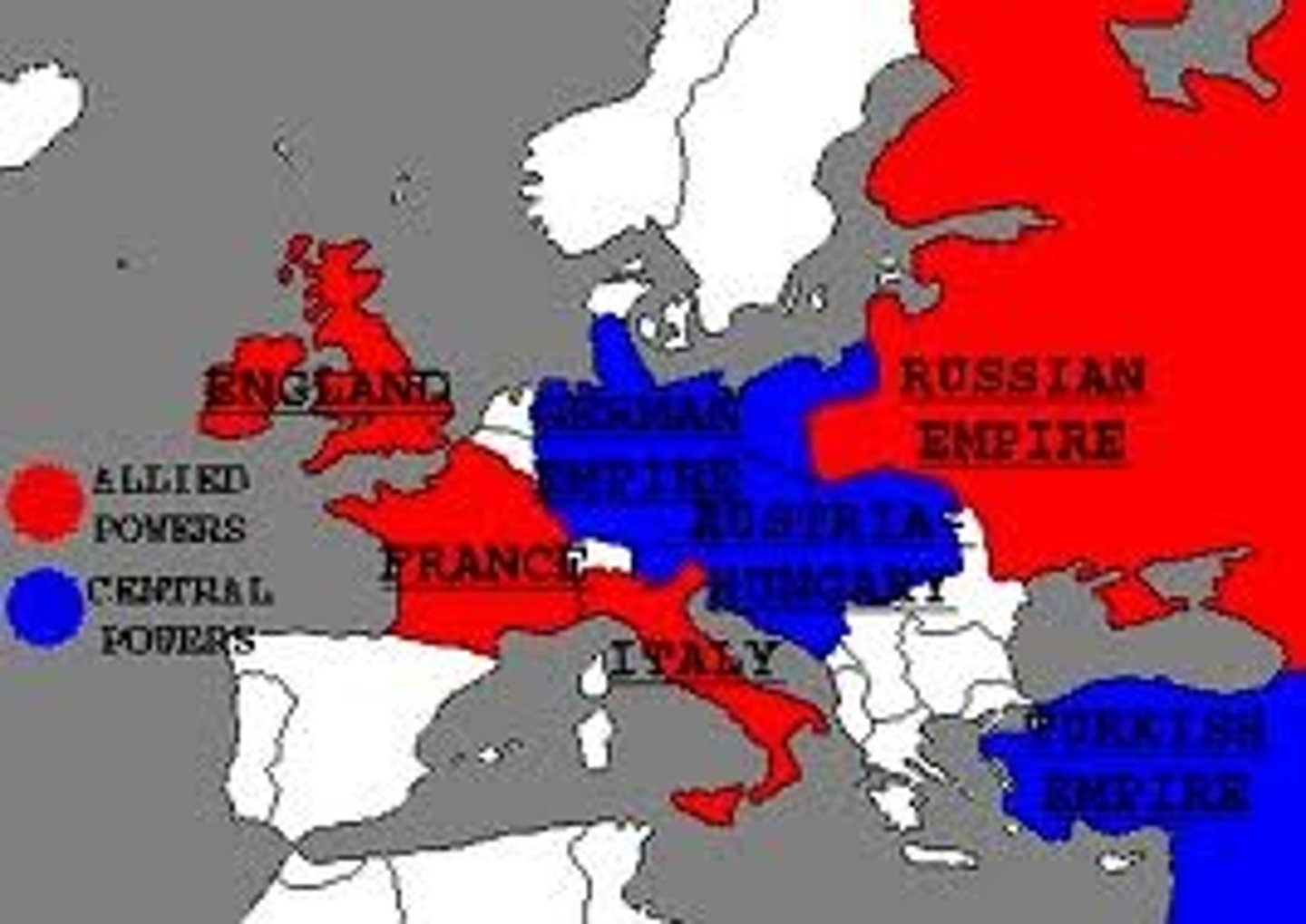
Central Powers
In World War I the alliance of Germany and Austria-Hungary and other nations allied with them in opposing the Allies.
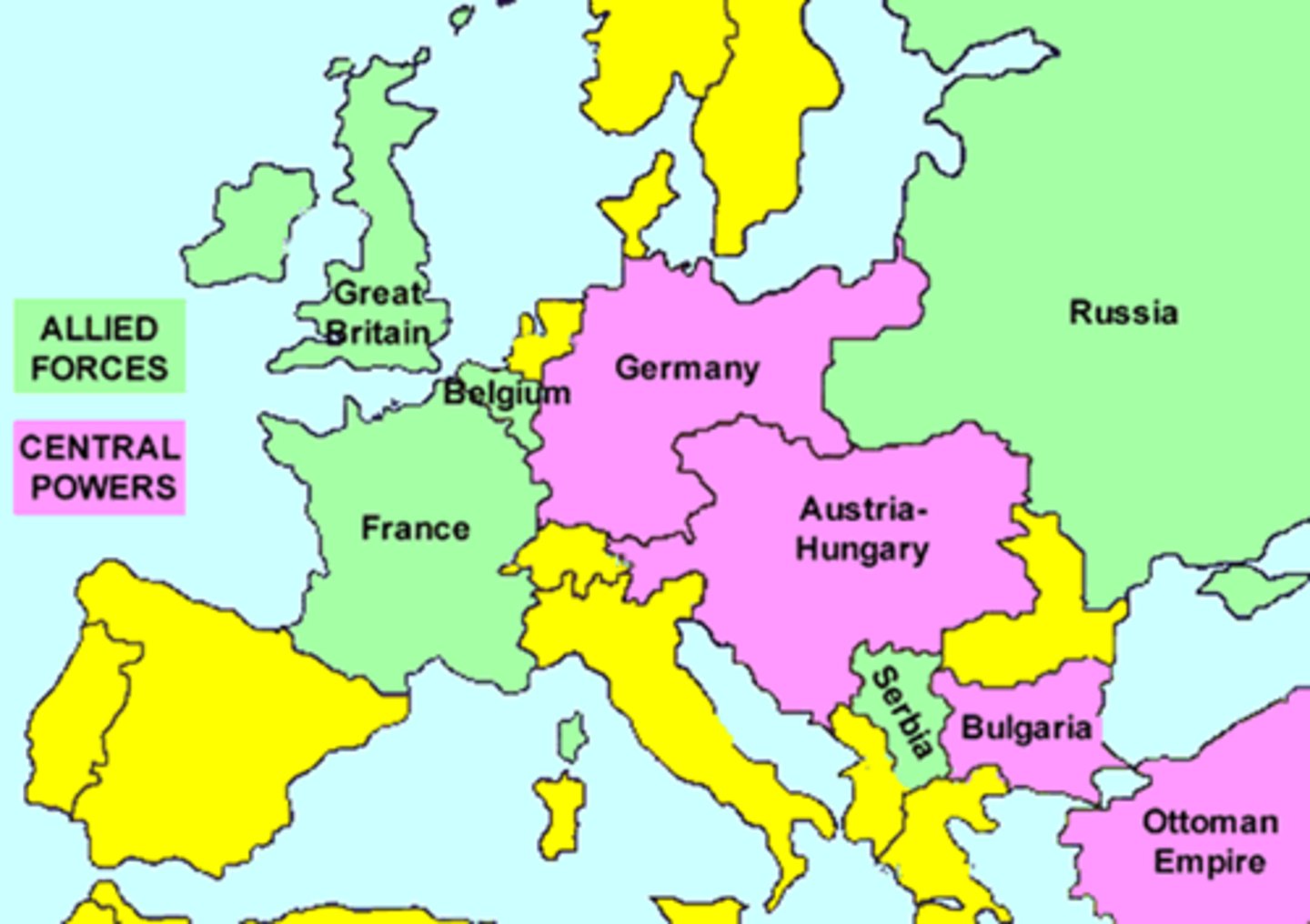
Allied Powers
WWI alliance of Great Britain, France, Italy, Russia, and later the US (1917)
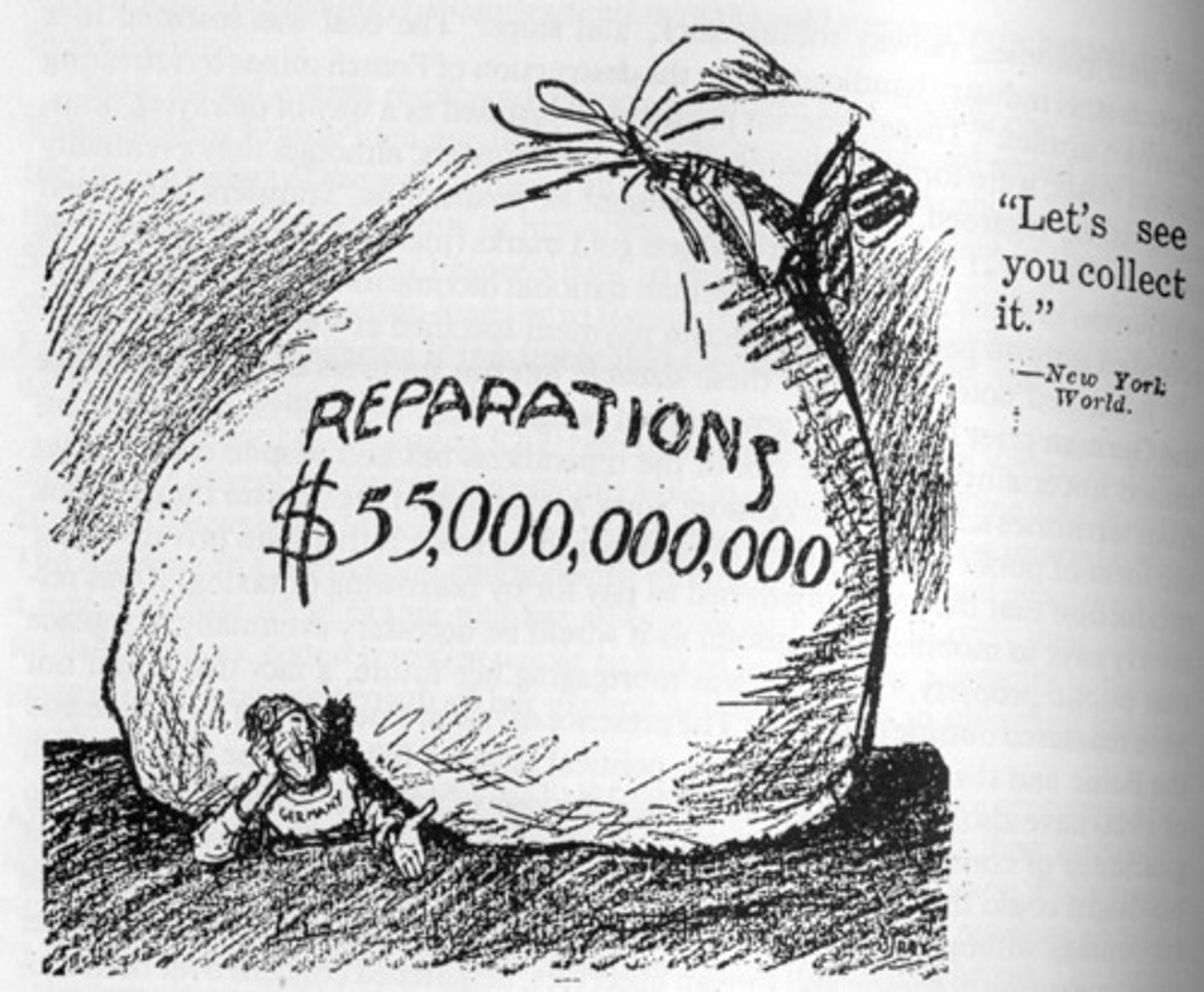
Reparations
As part of the Treaty of Versailles, Germany was ordered to pay fines to the Allies to repay the costs of the war. Opposed by the U.S., it quickly lead to a severe depression in Germany.
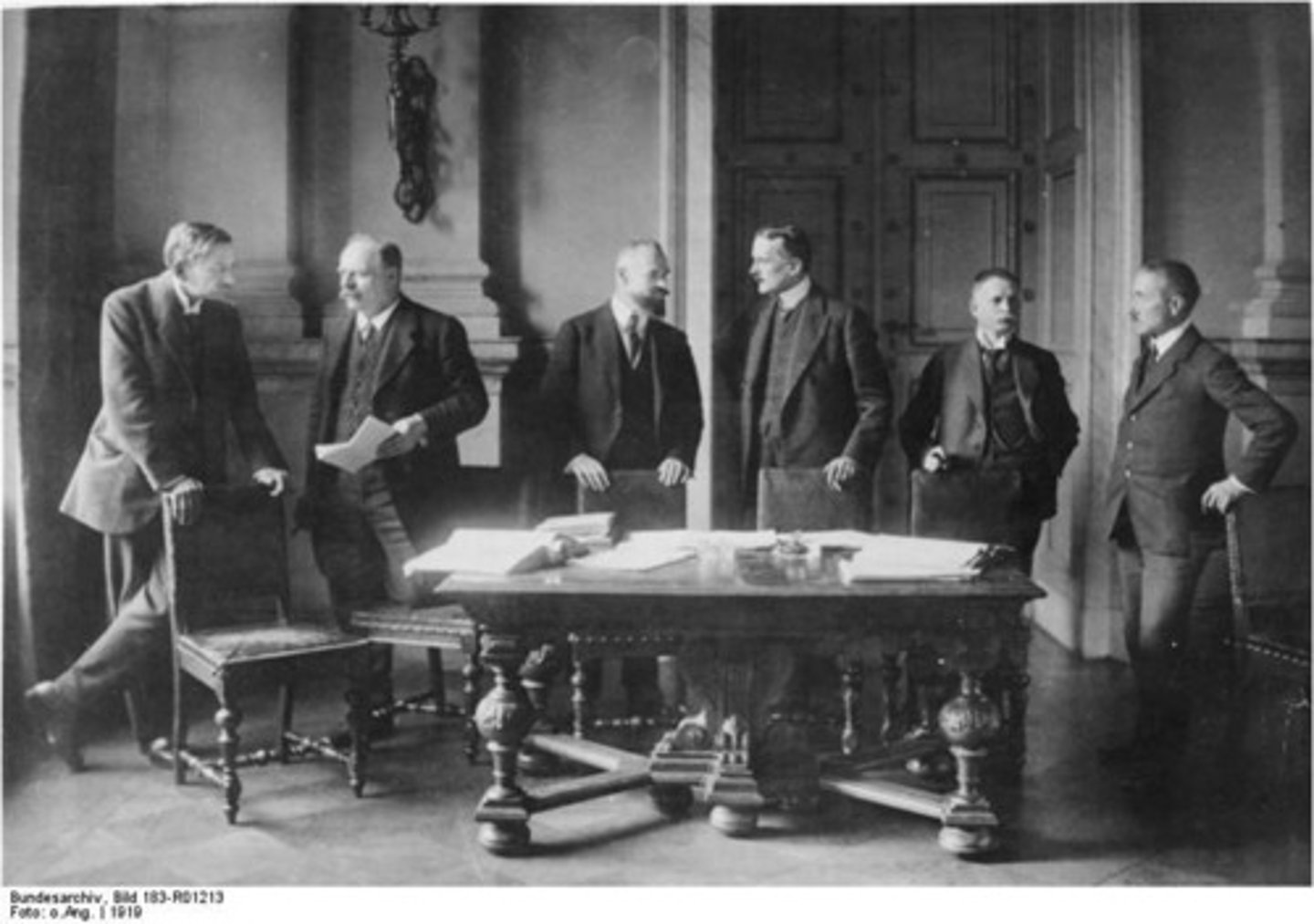
Paris Peace Conference
Rulers and countries (not Germany and Russia) met at Versailles to negotiate the repercussions WWI; leaders included Lloyd George (Britain), Woodrow Wilson (America), Clemenceau (France) and Italy. The Treaty of Versailles was made but not agreed to be signed and the conference proved unsuccessful.
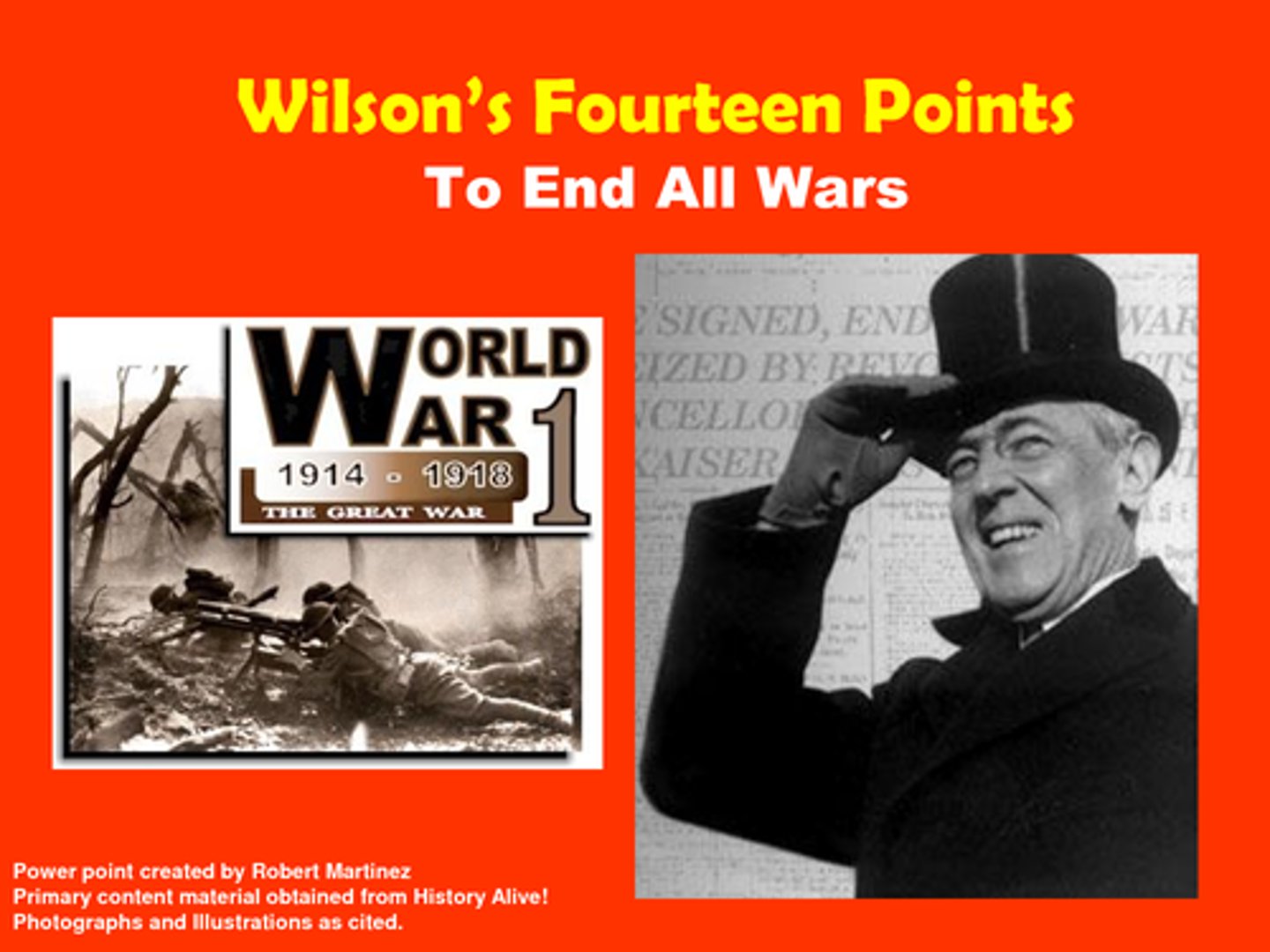
Fourteen Points
A series of proposals in which U.S. president Woodrow Wilson outlined a plan for achieving a lasting peace after World War I; created the League of Nations
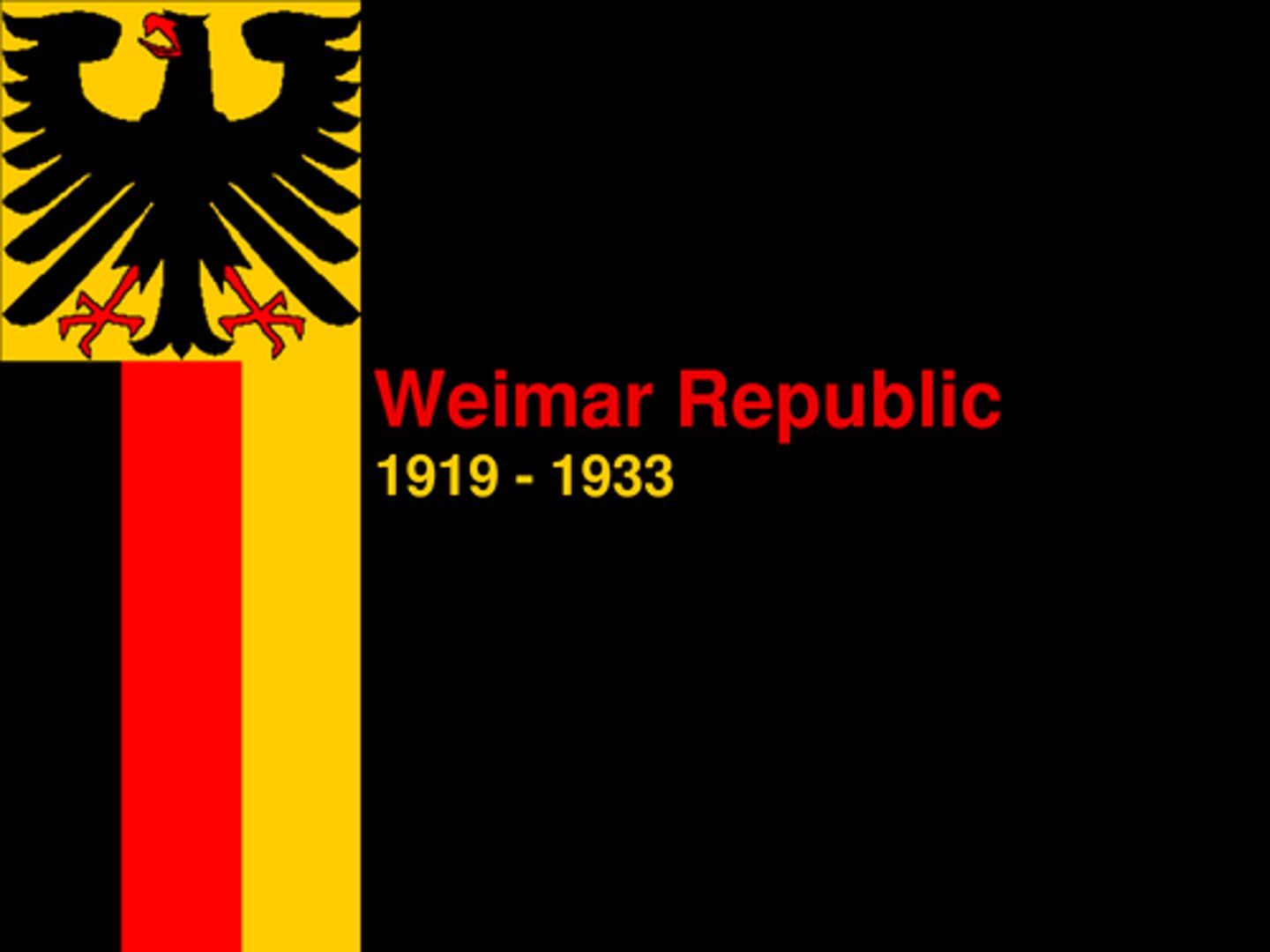
Weimar Republic
Post WWI German republic; in great debt due to war reparations; received large loans each year from the United States
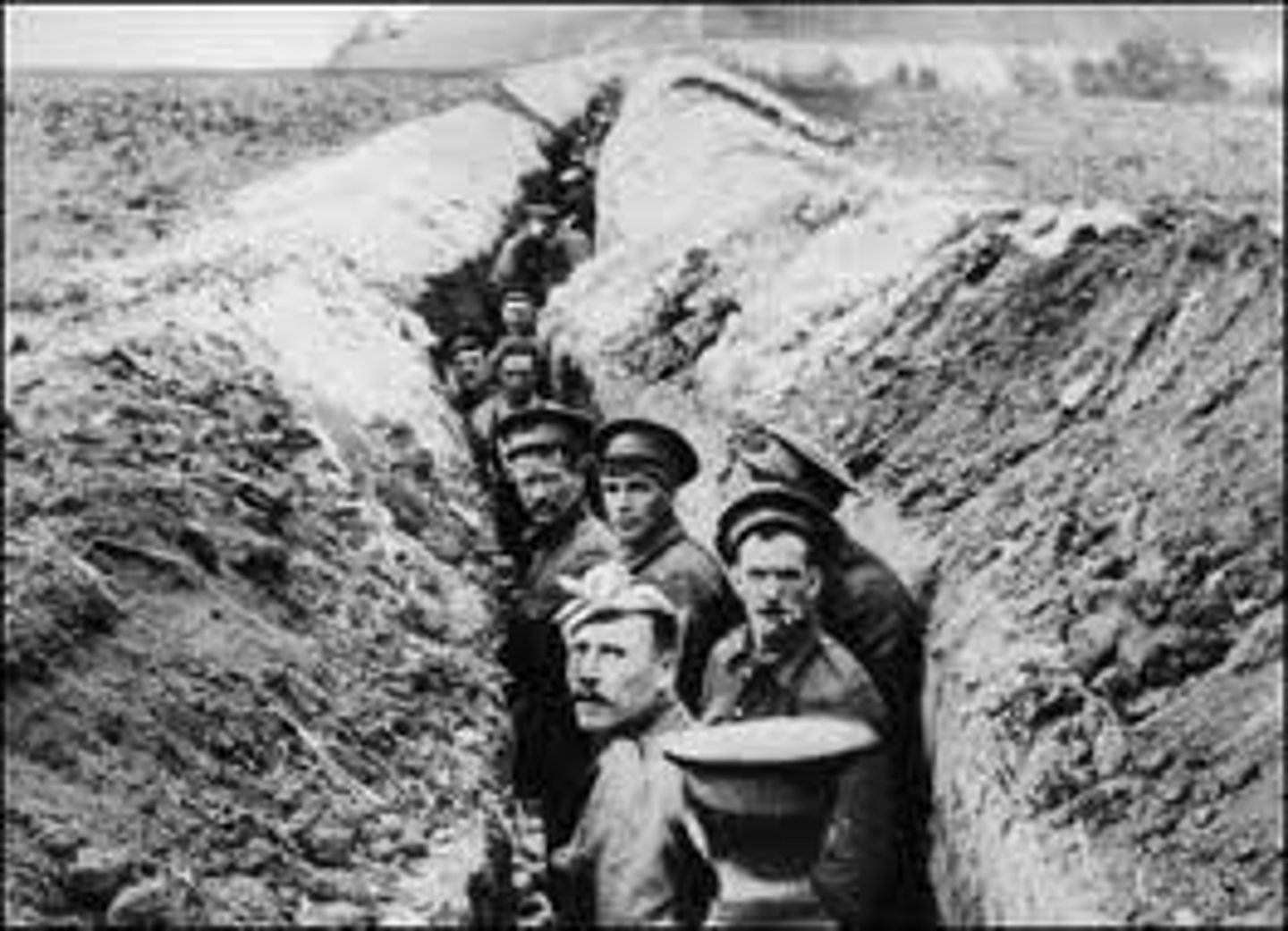
Trench Warfare
A form of warfare in which opposing armies fight each other from trenches dug in the battlefield; used prolifically during WWI
Stalemate
A situation in which no progress can be made or no advancement is possible; Western front of WWI
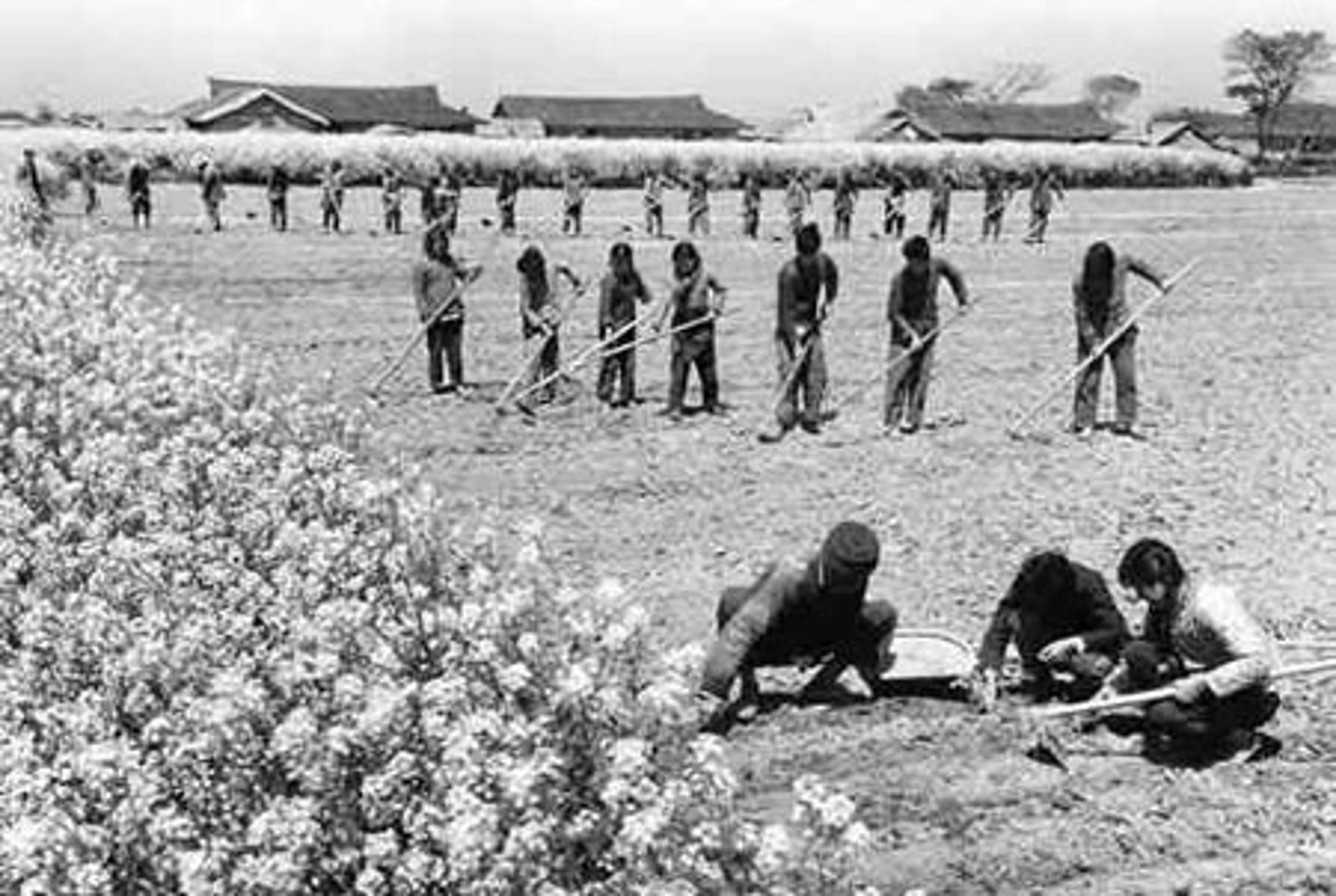
Collectivize
to run or organize a farm according to principles of united control; often used by Communist countries to expedite industrial and agricultural production resulting in shortages
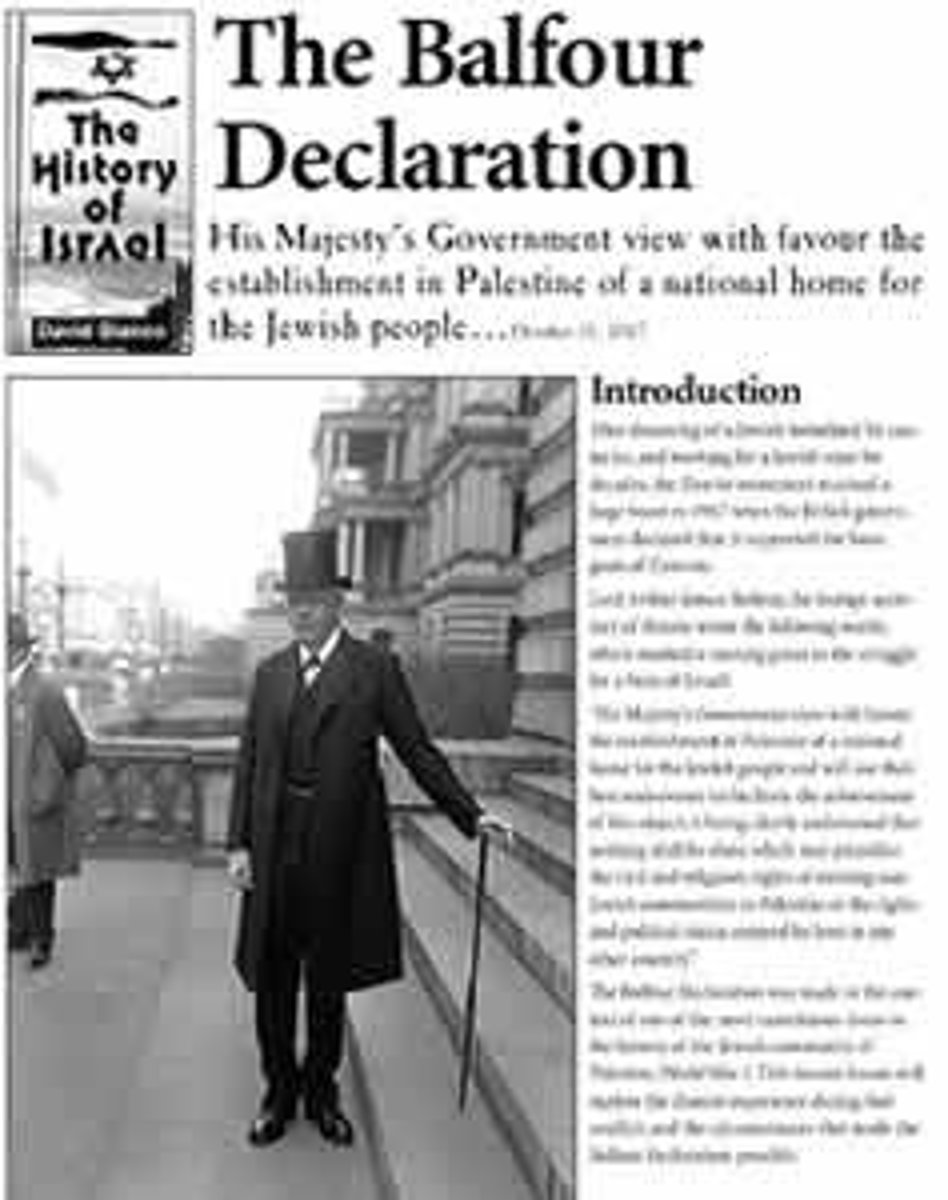
Balfour Declaration
British document that promised land in Palestine as homeland for Jews in exchange for Jews help in WWI
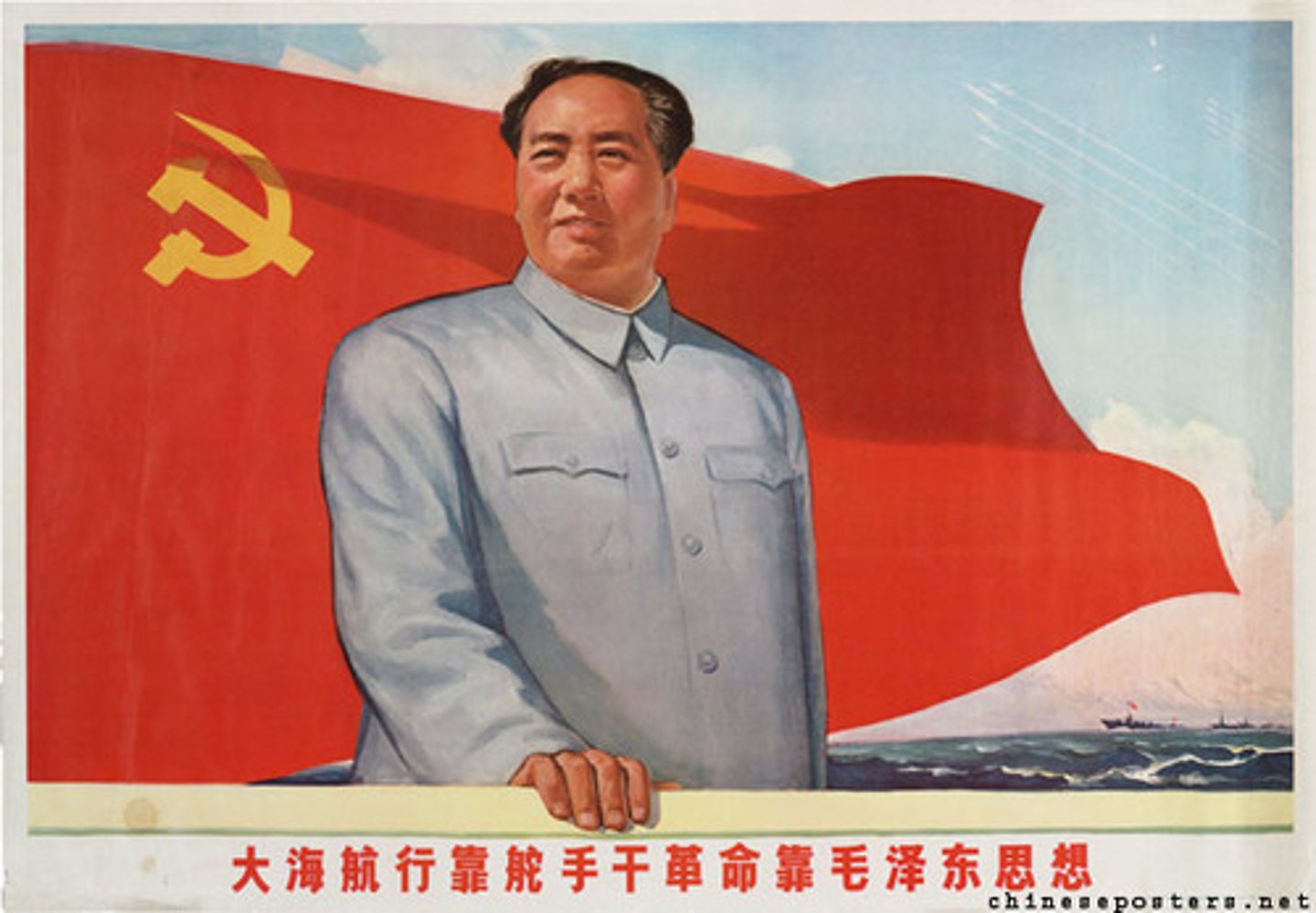
Mao Zedong
(1893-1976) Leader of the Communist Party in China that overthrew Jiang Jieshi and the Nationalists. Established China as the People's Republic of China and ruled from 1949 until 1976.
Zionism
A policy for establishing and developing a national homeland for Jews in Palestine.
ADVERTISEMENT