Government Test Review Flashcards
 Call Kai
 Learn
Learn Practice Test
 Spaced Repetition
 Match
Match Flashcards
1/90

There's no tags or description
Looks like no tags are added yet.
Name | Mastery | Learn | Test | Matching | Spaced | Call with Kai |
|---|

91 Terms
proportional
corresponding in size - # of electors each state has is related to population
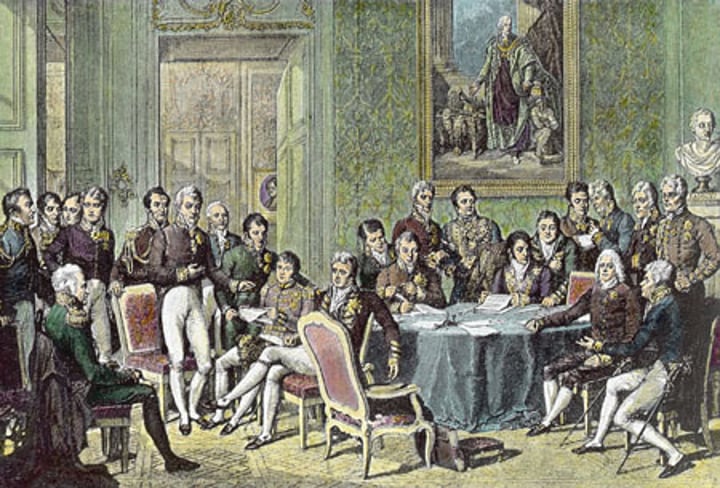
republic
A form of government in which the people select representatives to govern them and make laws.
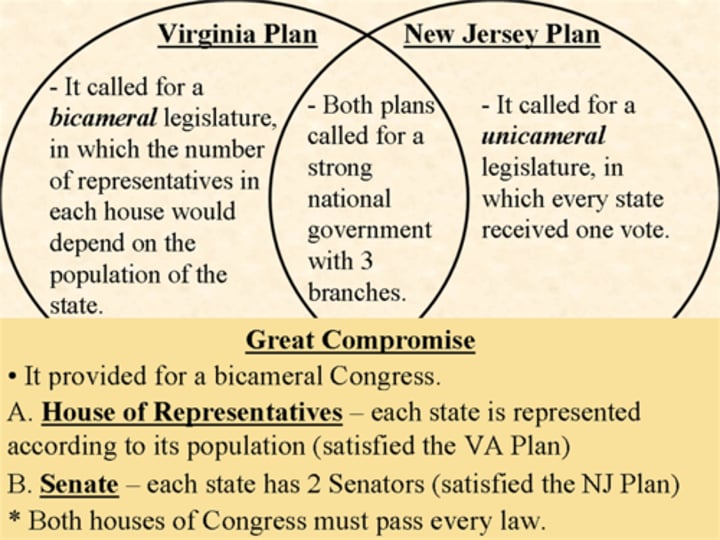
compromise
a settlement of differences in which each side gives up something
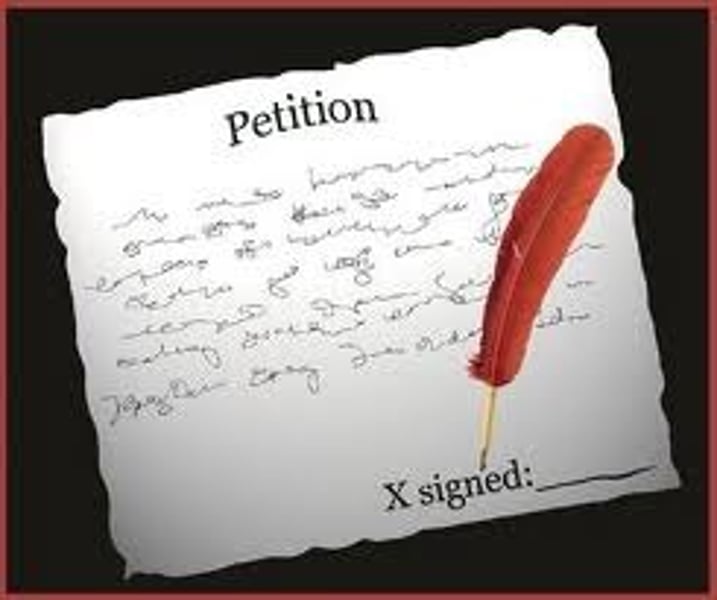
petition
A formal request - to apply for something
depreciate
to reduce in price or value

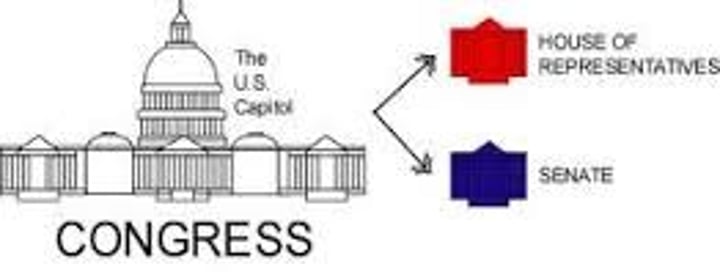
bicameral
A legislature consisting of two parts, or houses
Federalist
A term used to describe supporters of the Constitution during ratification debates in state legislatures.
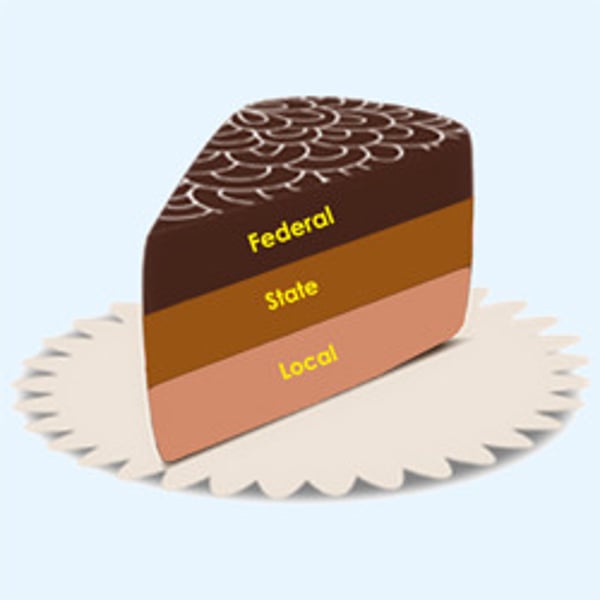
Federalism
A system in which power is divided between the national and state governments
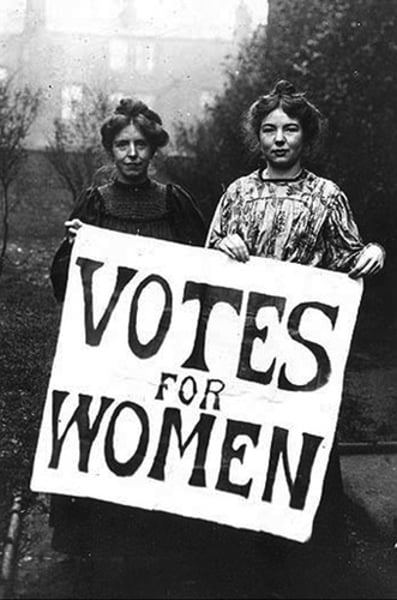
amendment
A change in, or addition to, a constitution or law
Enlightenment
took place during the 1700s, spread the idea that reason and logic could improve society

manumission
A grant of legal freedom to an individual slave.

constitution
A document which spells out the principles by which a government runs and the fundamental laws that govern a society
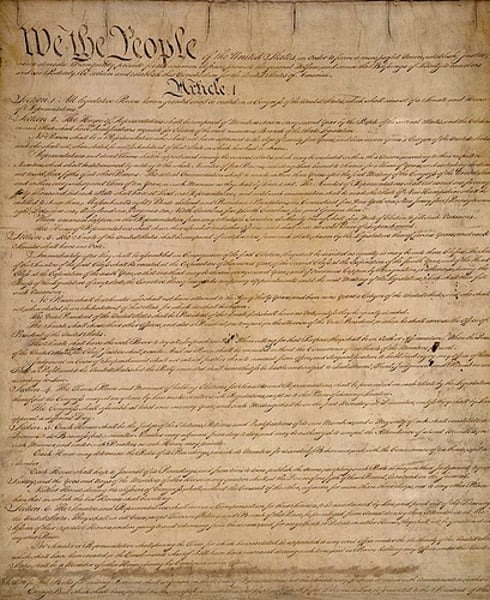
US Constitution
"The supreme law of the land." Outlines structure & power of 3 branches of national government. Written to replace Articles of Confederation and create stronger central government.
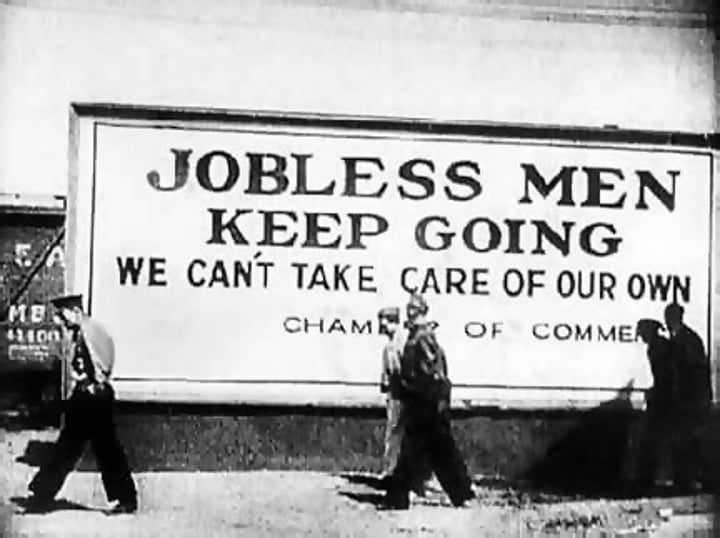
depression
A long-term economic state characterized by unemployment and low prices and low levels of trade and investment
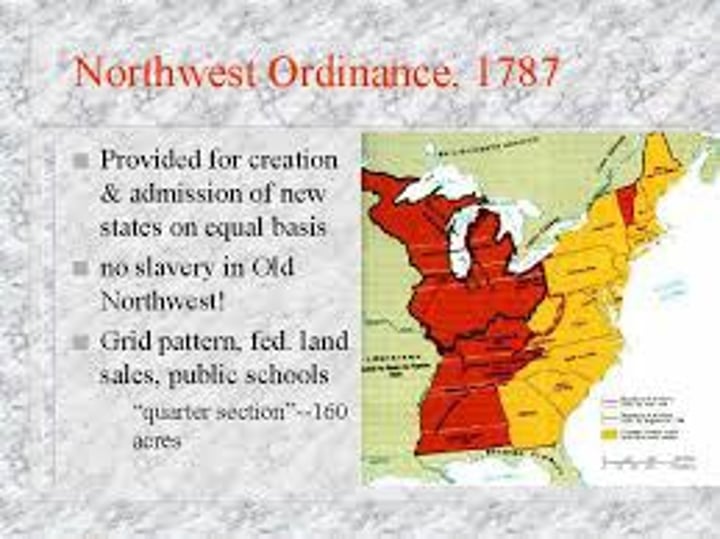
ordinance
a law
ratify
To approve

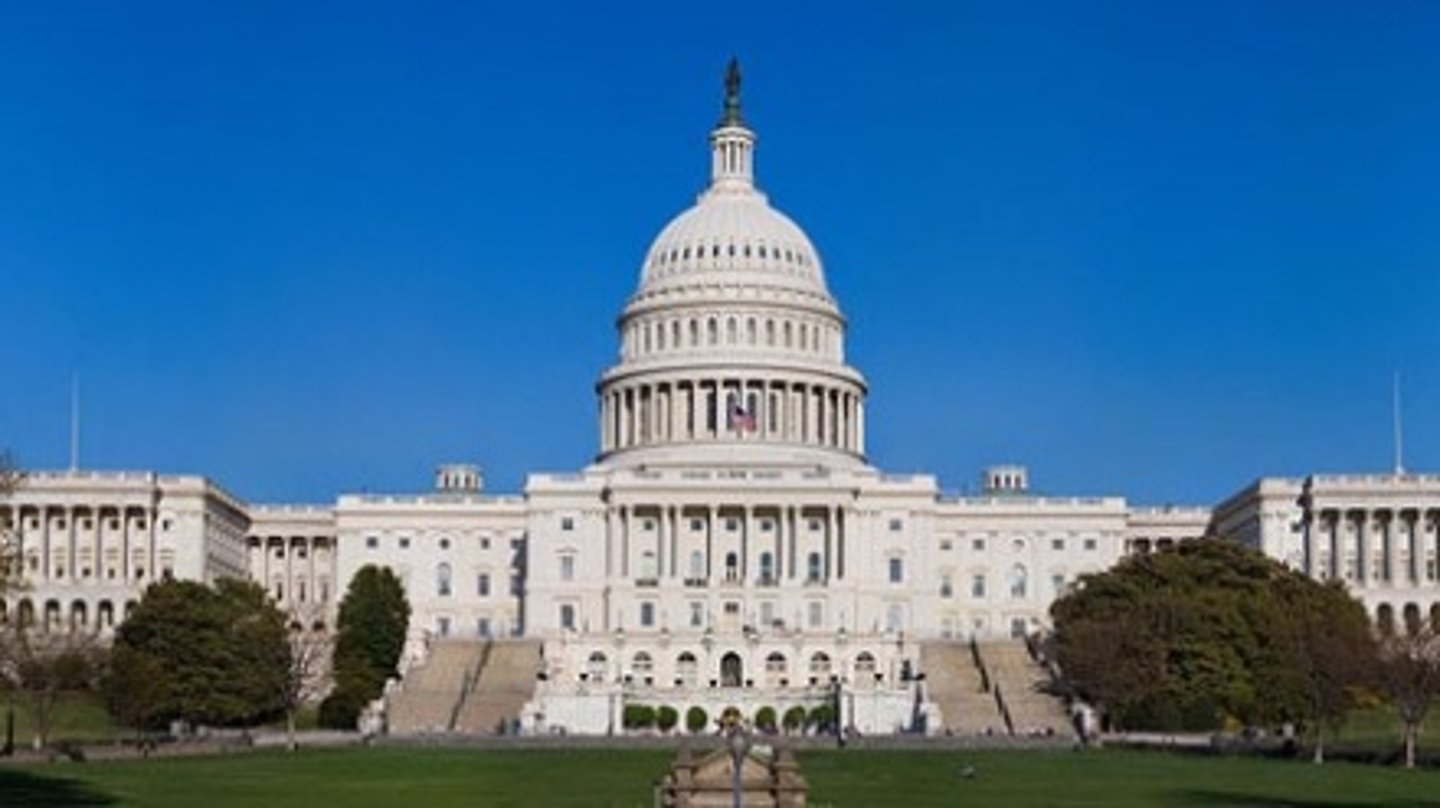
legislative branch
Branch of government that makes the laws - Article I of Constitution
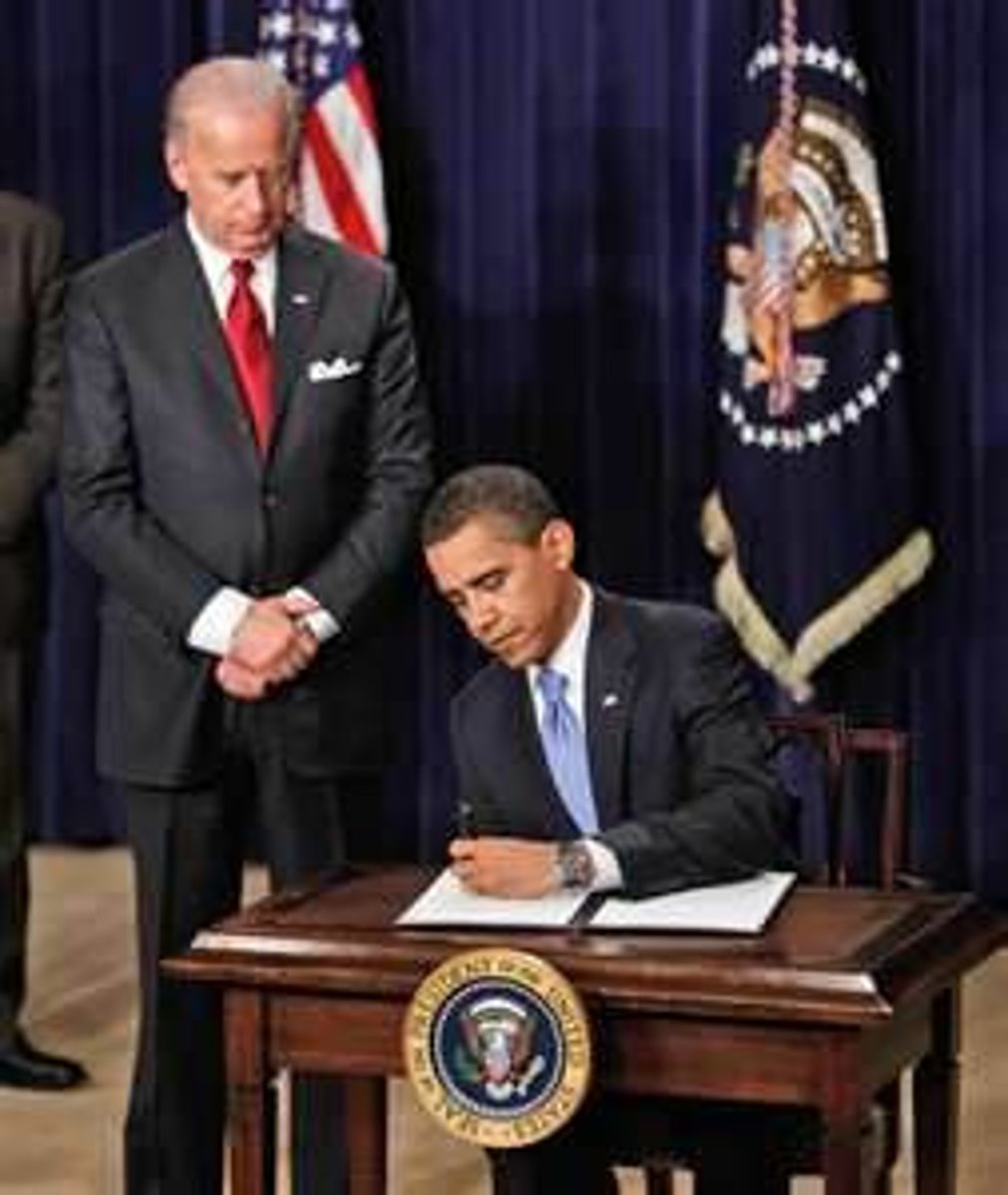
executive branch
Article II - enforces or carries out laws
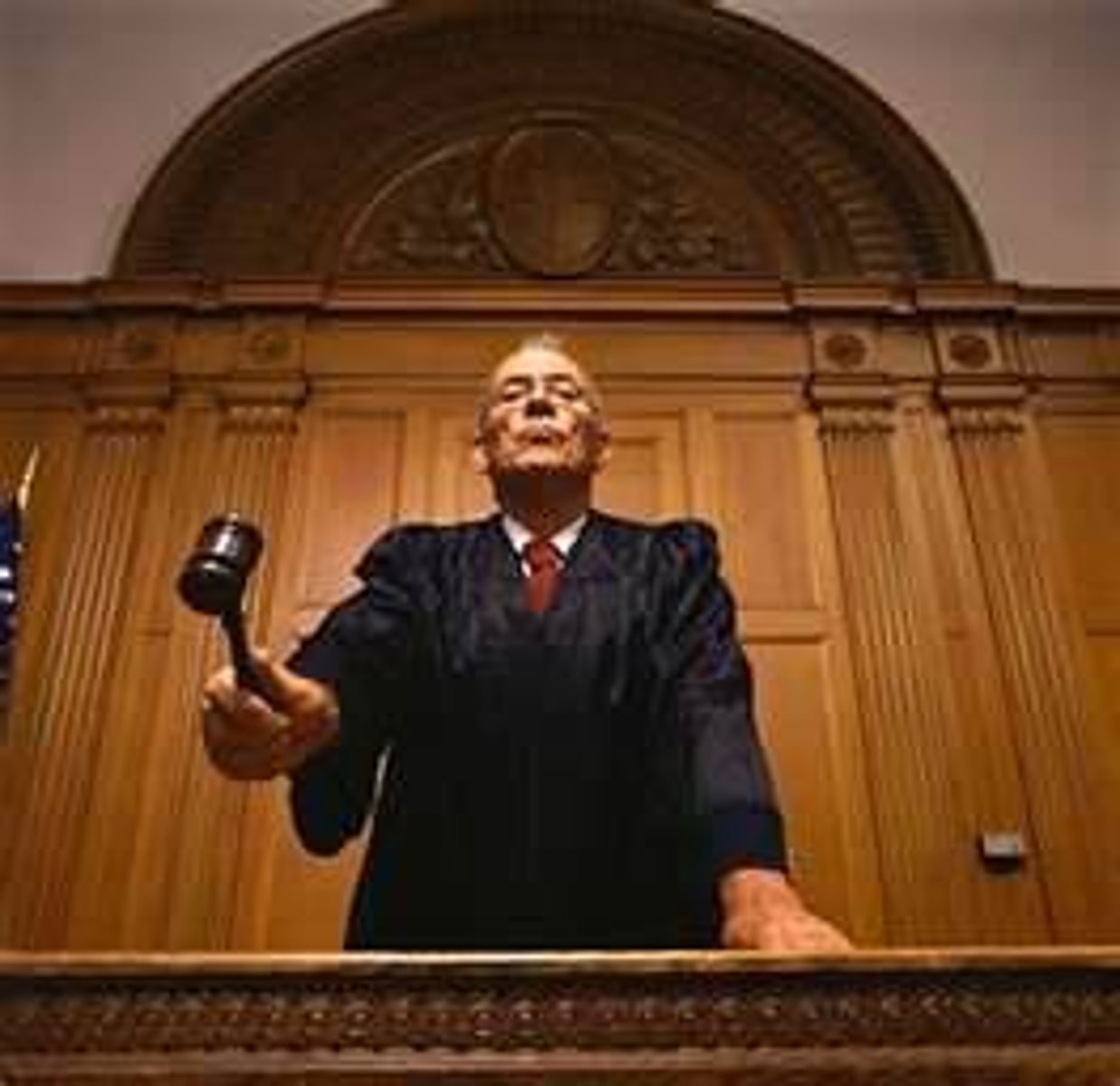
judicial branch
Interprets the laws - Article III
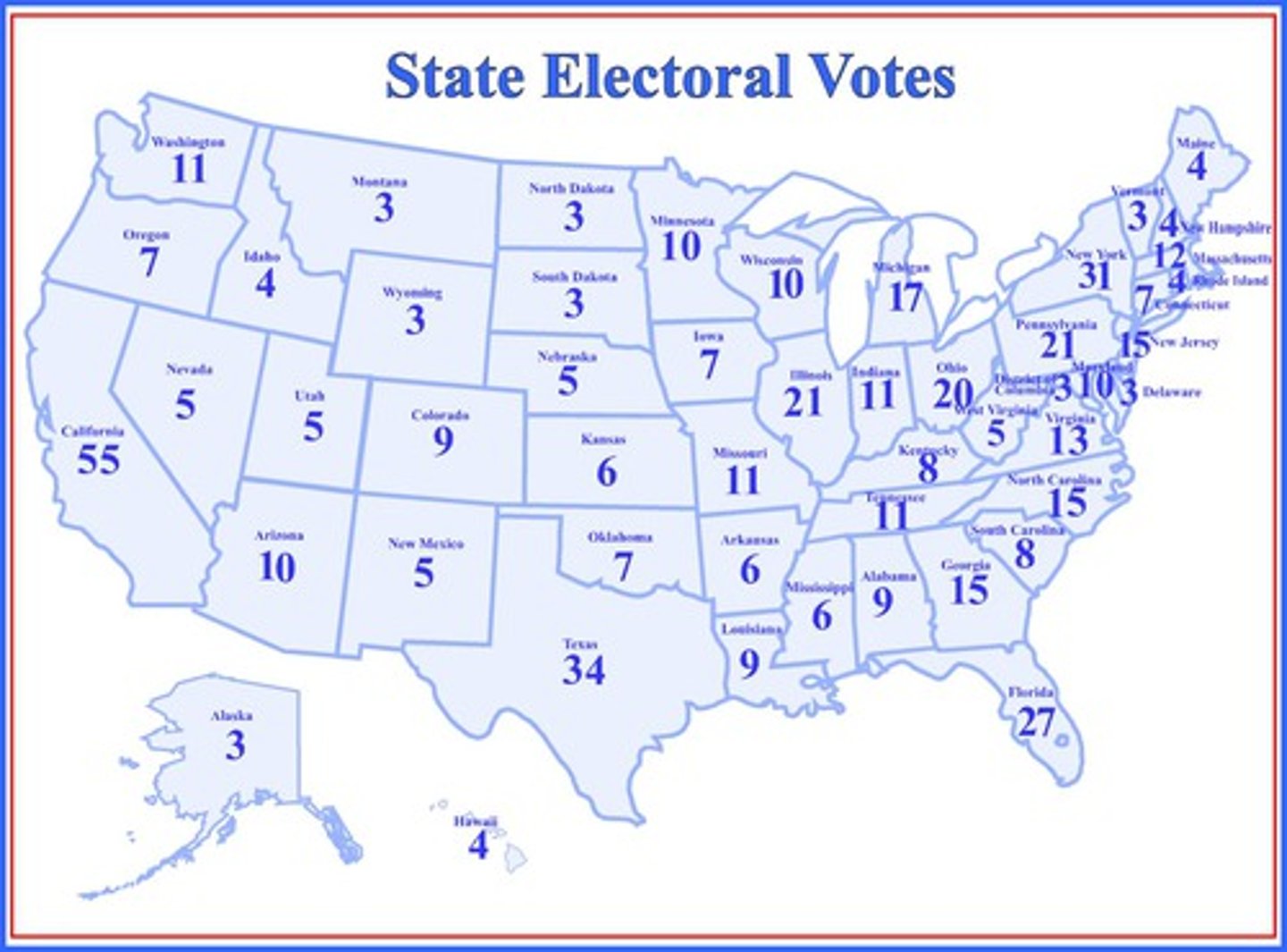
Electoral College
A group of people named by each state legislature to select the president and vice president - based on population of state
article
section of the Constitution - piece of...

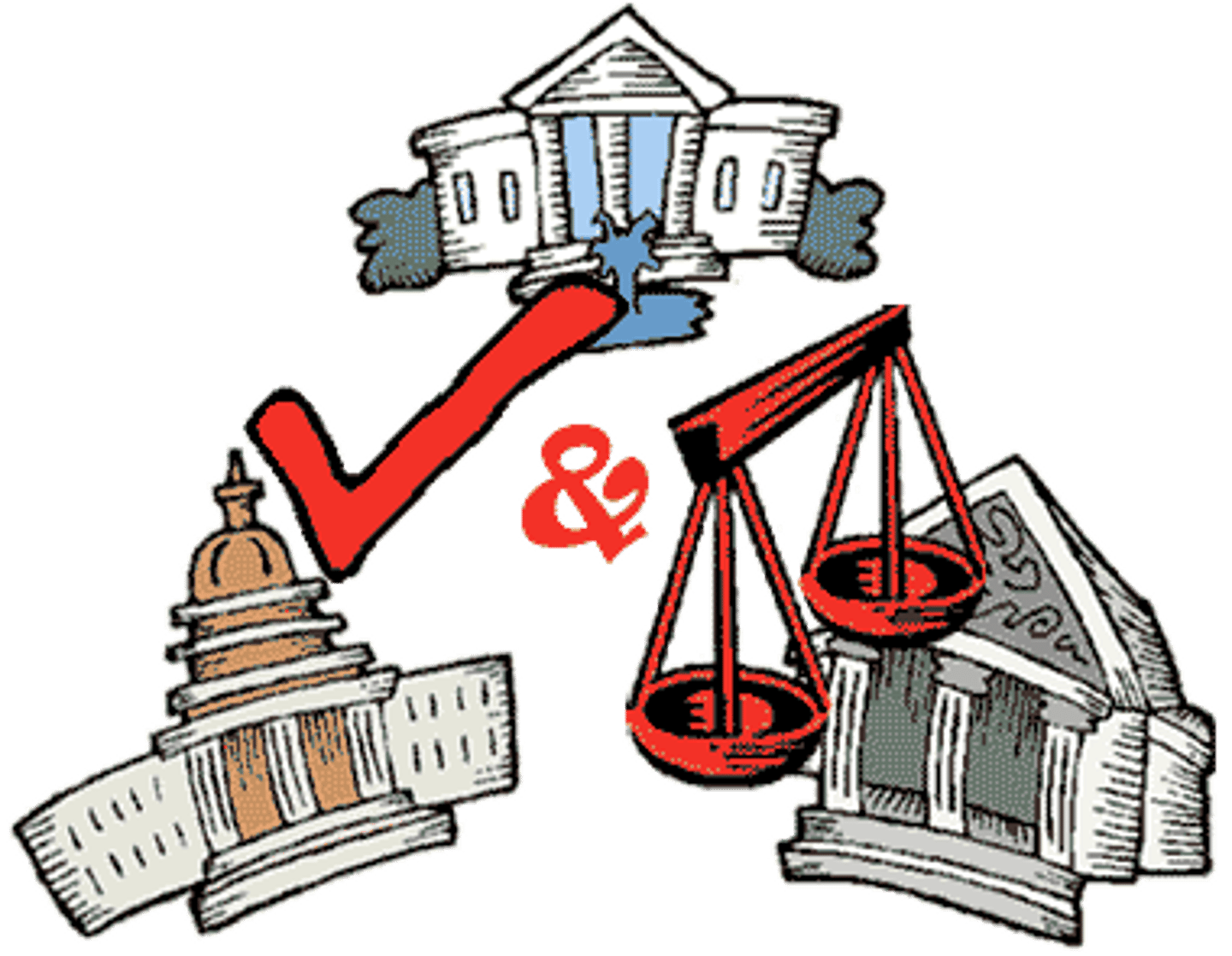
checks and balances
A system that allows each branch of government to limit the powers of the other branches in order to prevent abuse of power
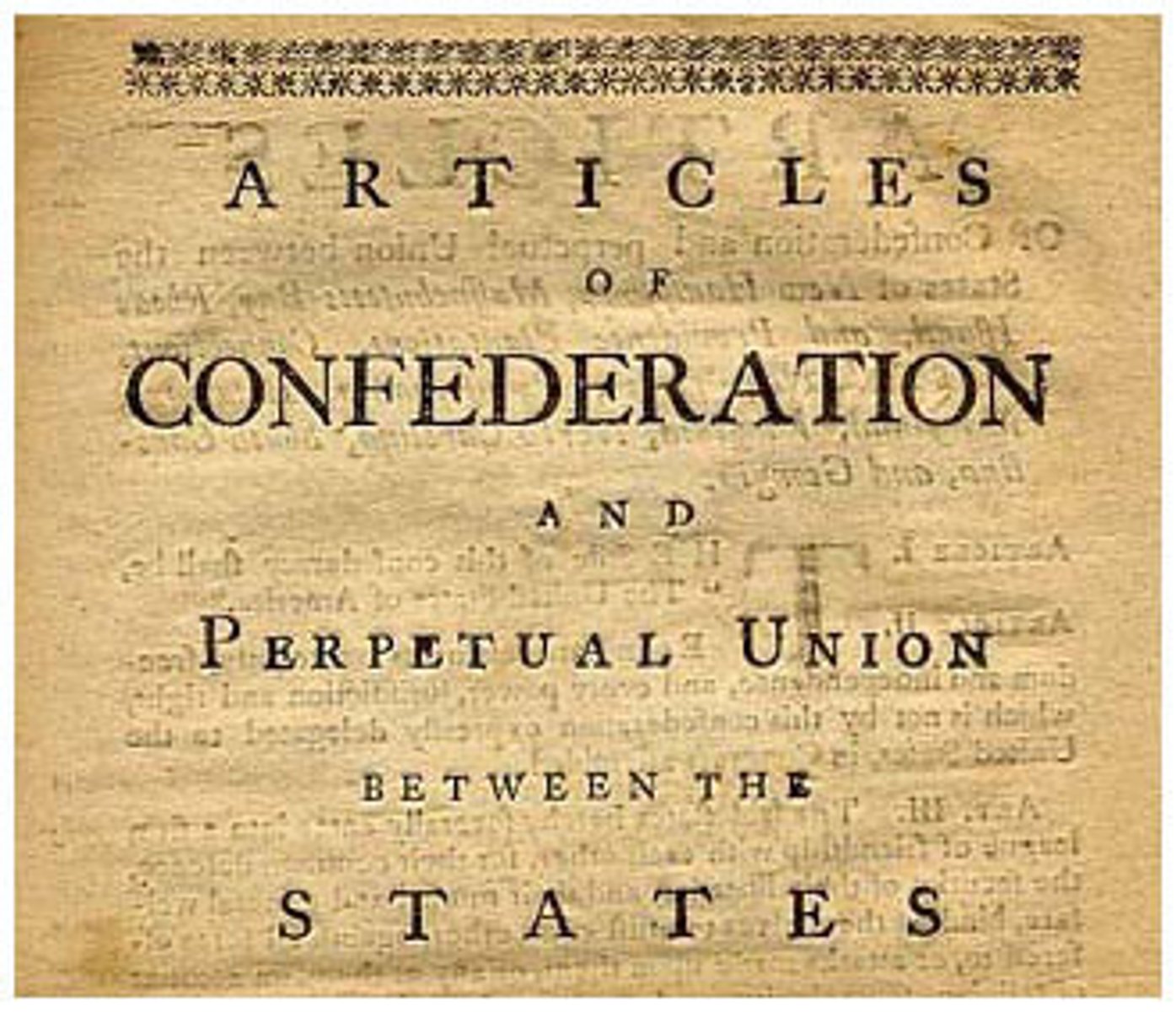
Articles of Confederation
1st Constitution of the U.S. 1781-1788 (weaknesses-no executive, no judicial, no power to tax, no power to regulate trade)
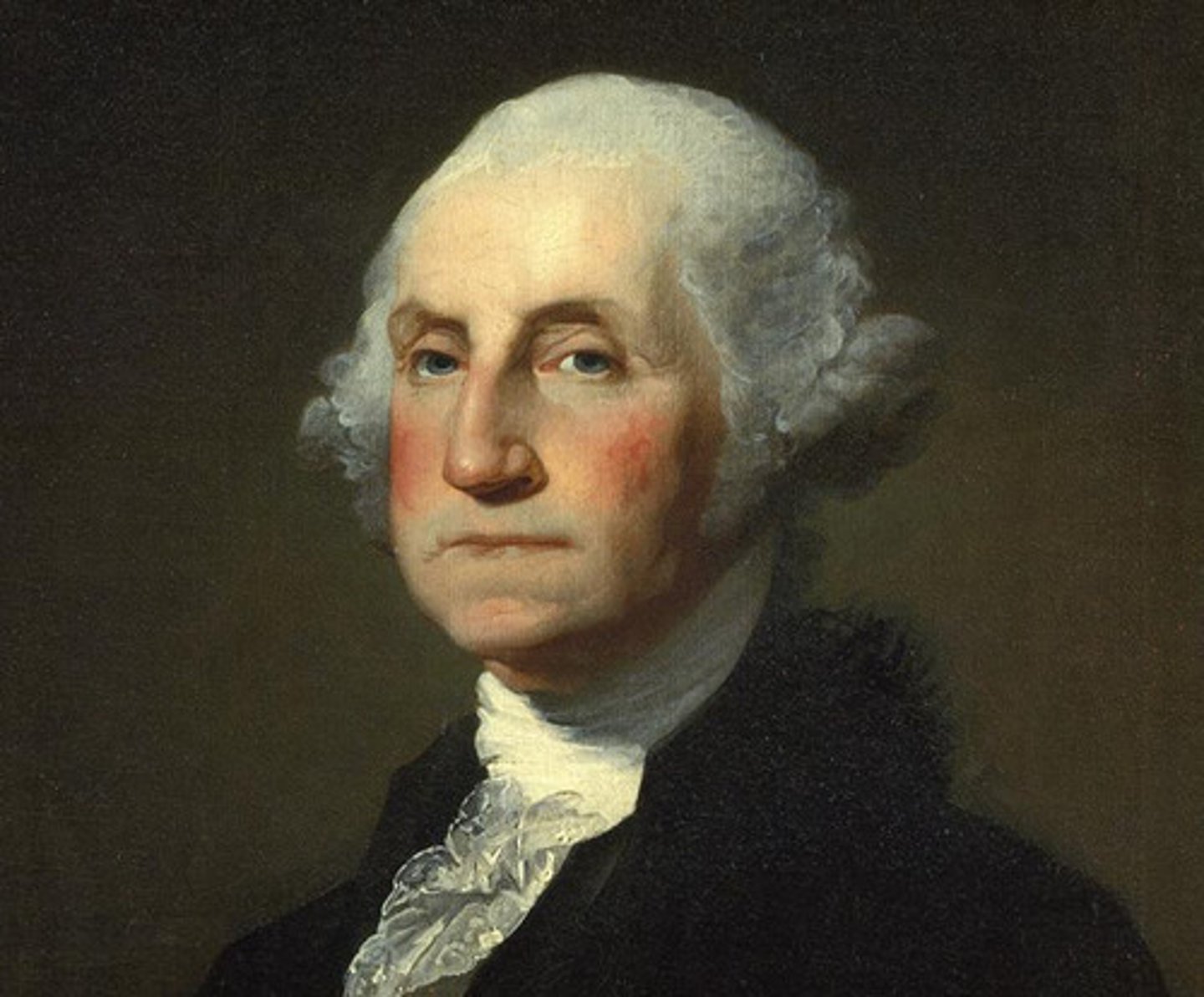
President
Head of Executive Branch at National Level
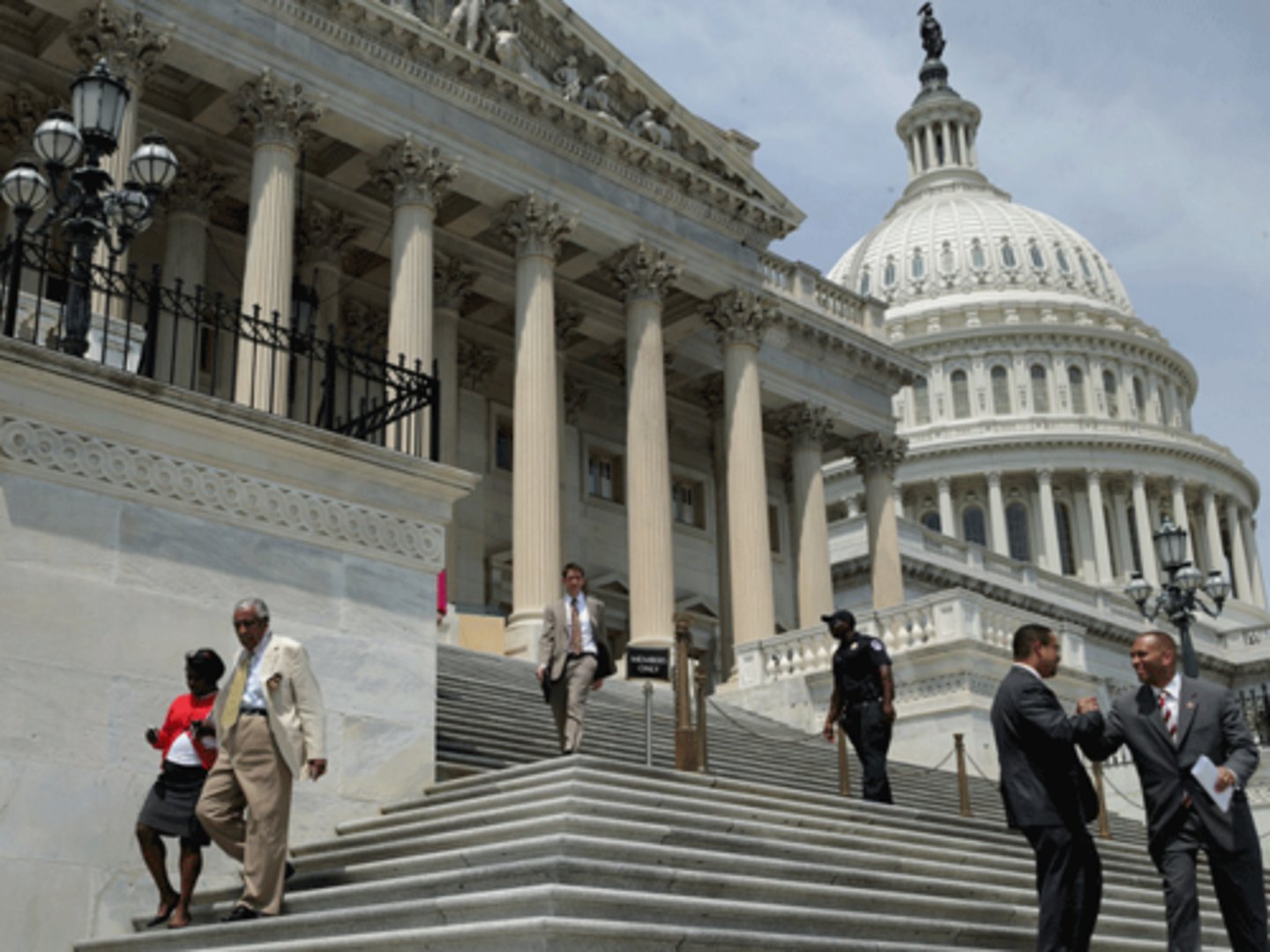
Congress
Head of Legislative Branch at National Level
Supreme Court
Head of Judicial Branch at National Level
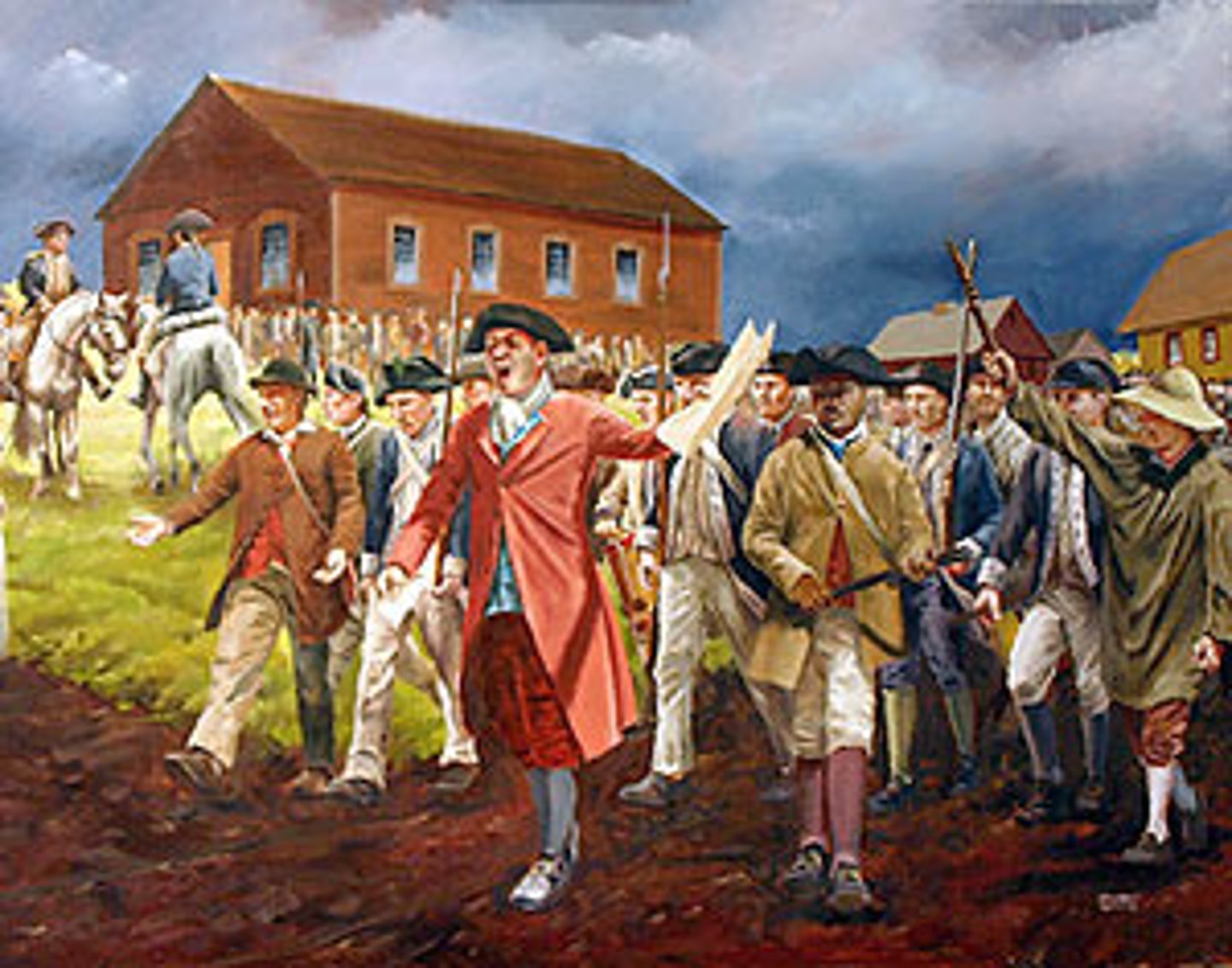
Shays Rebellion
1786 revolt by Massachusetts farmers seeking relief from debt and foreclosure that was a factor in the calling of the Constitutional Convention
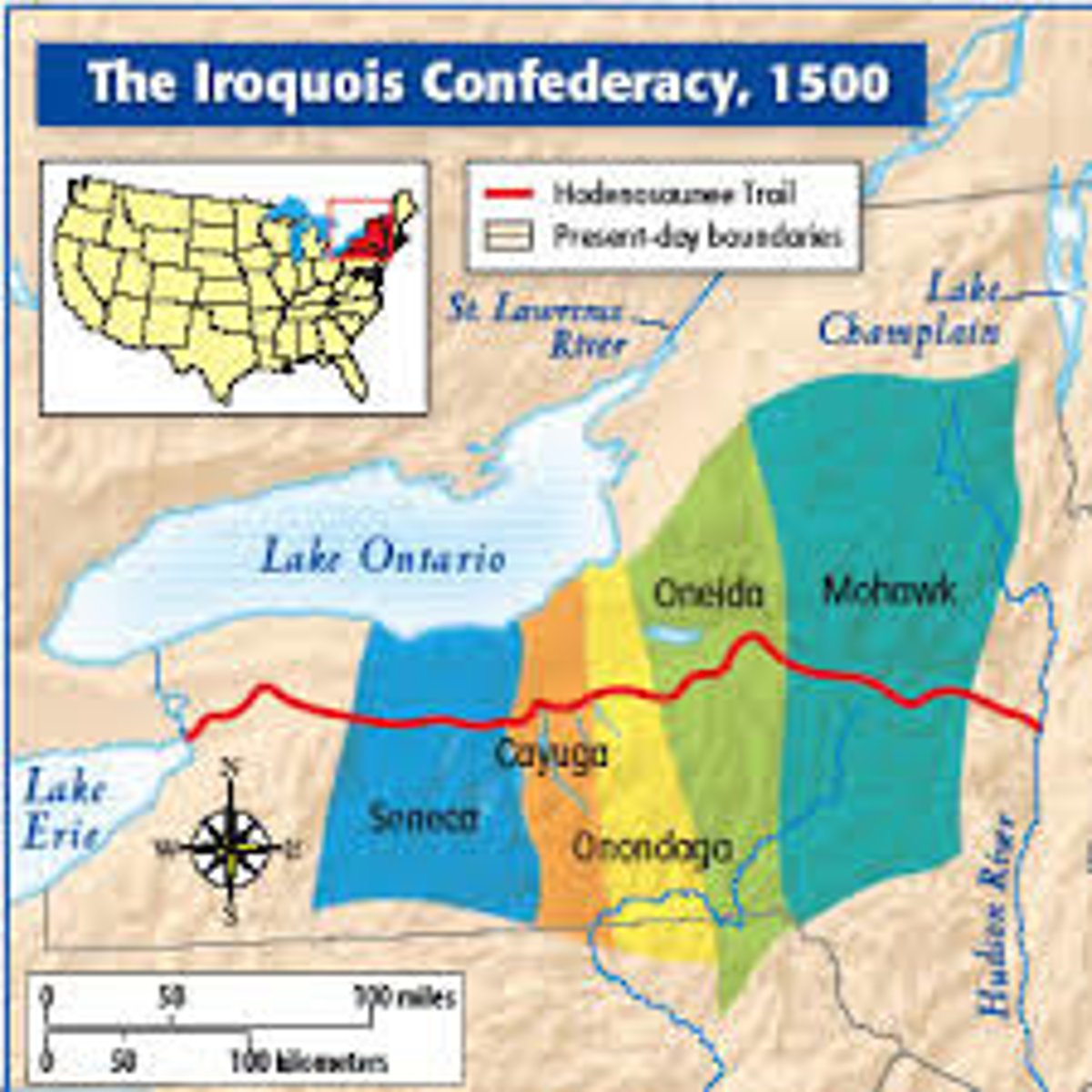
confederacy
weak alliance of states
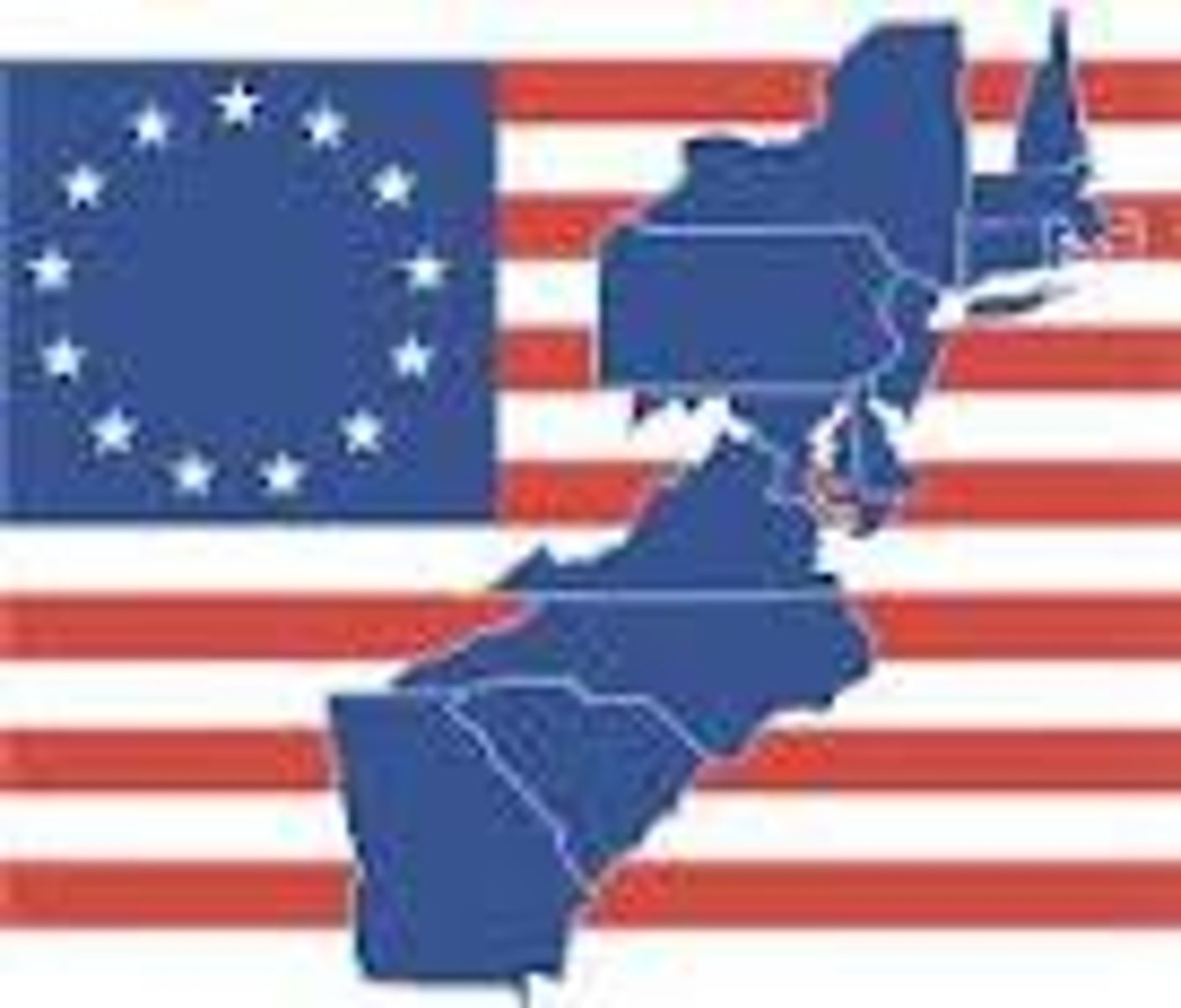
federal
national

sovereign
independent
President Trump
Chief Executive of nation in 2023
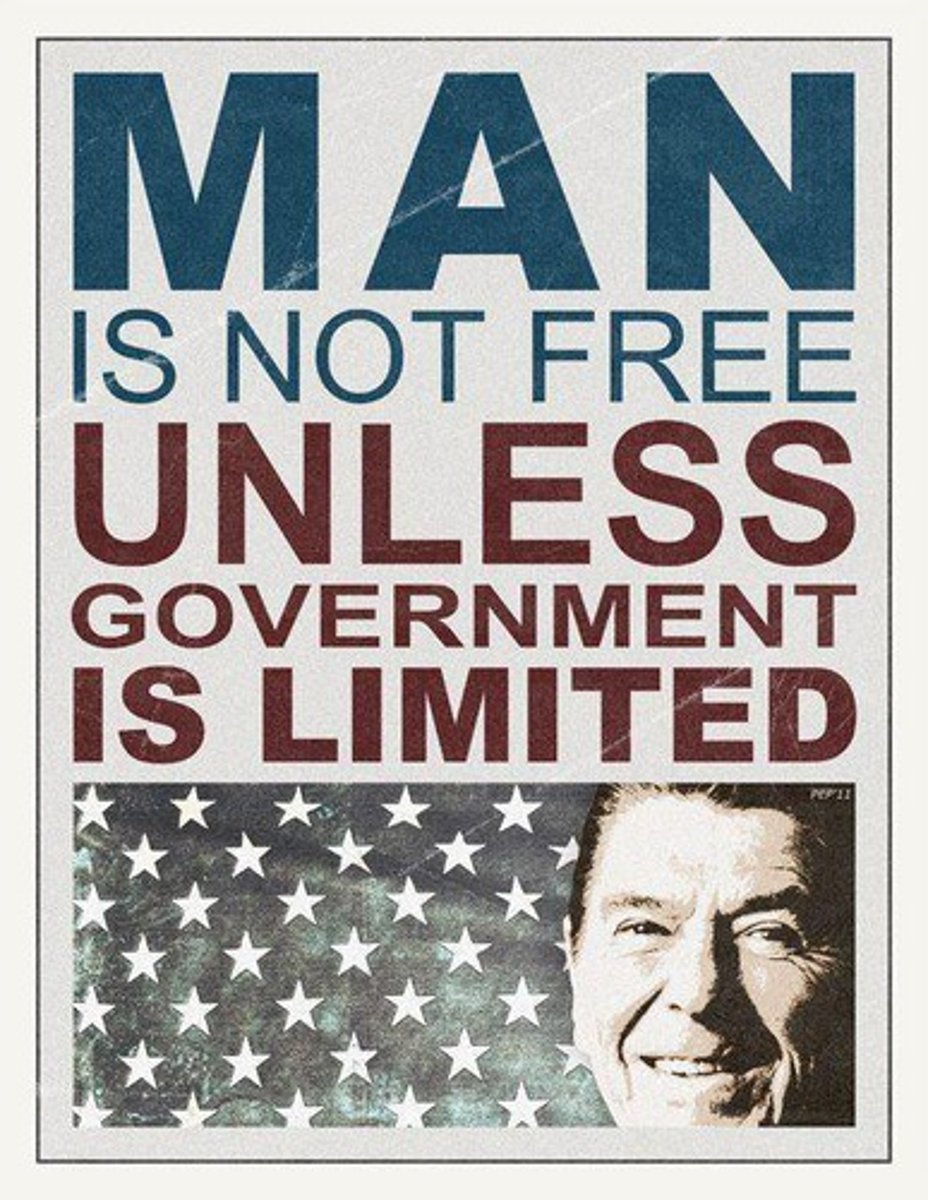
limited government
The idea that certain restrictions should be placed on government to protect the natural rights of citizens.
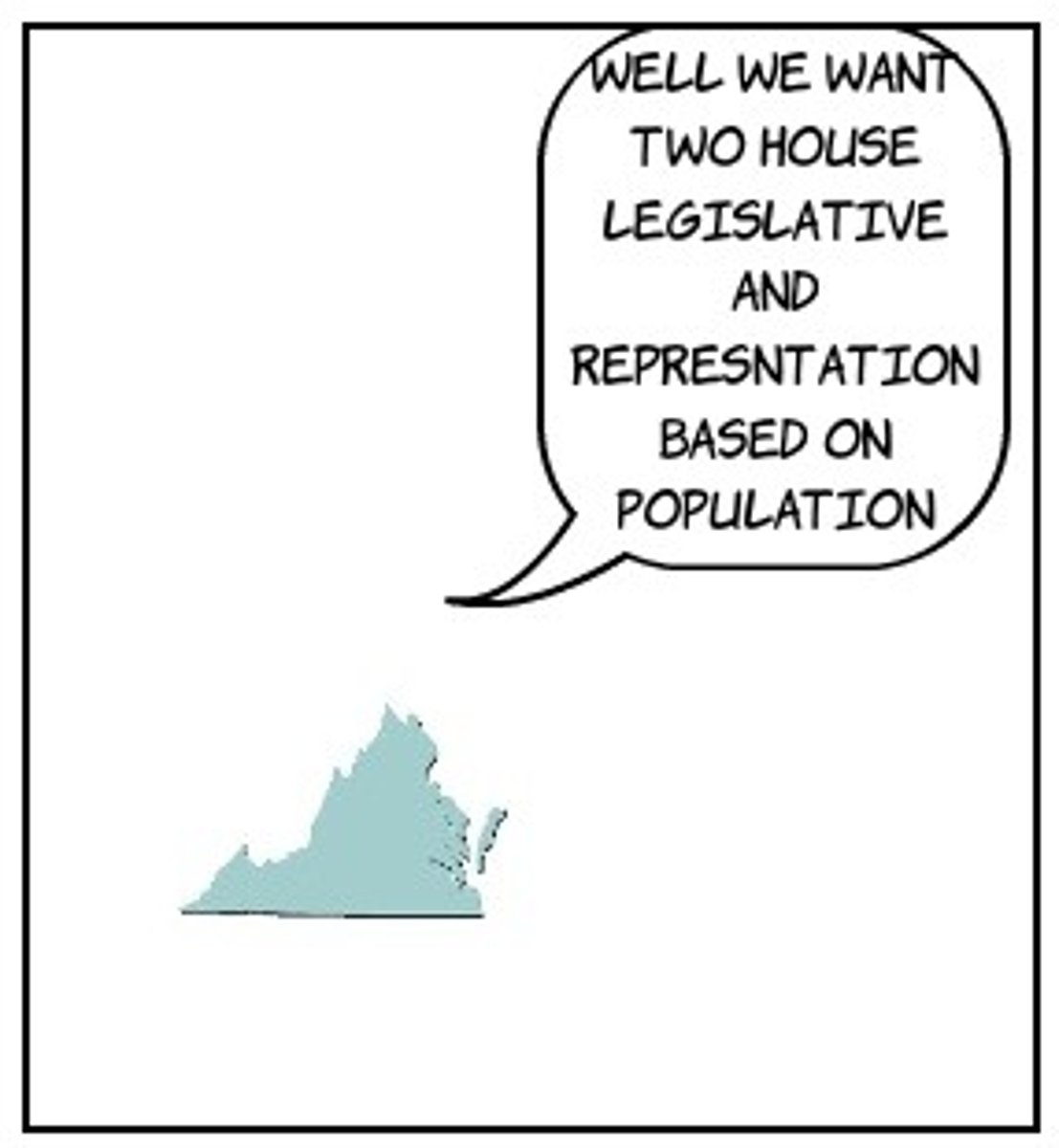
Virginia Plan
Also known as the Big State Plan. Wanted proportional representation in Congress (based on population).
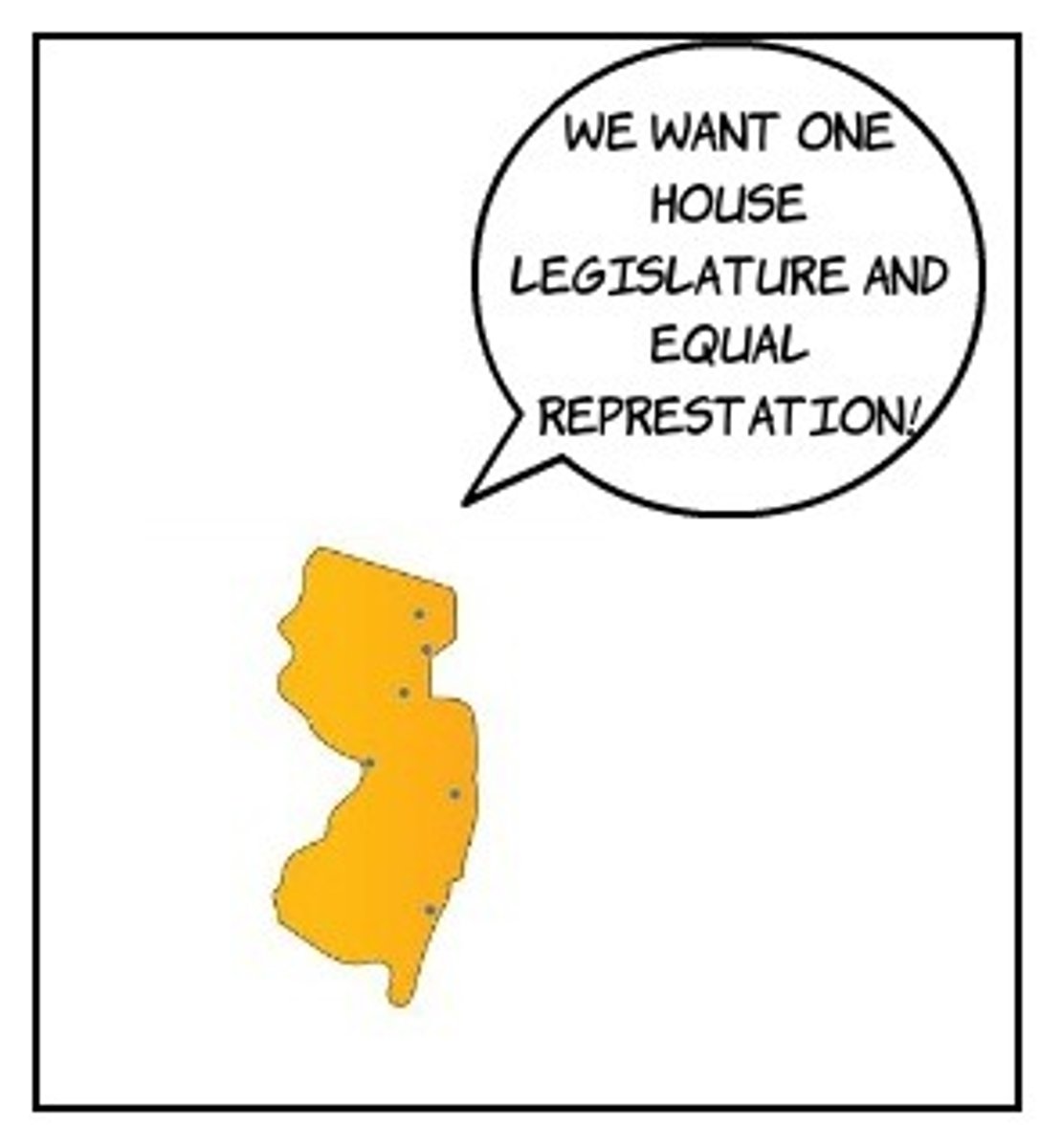
New Jersey Plan
The proposal at the Constitutional Convention that called for equal representation of each state in Congress regardless of the state's population.
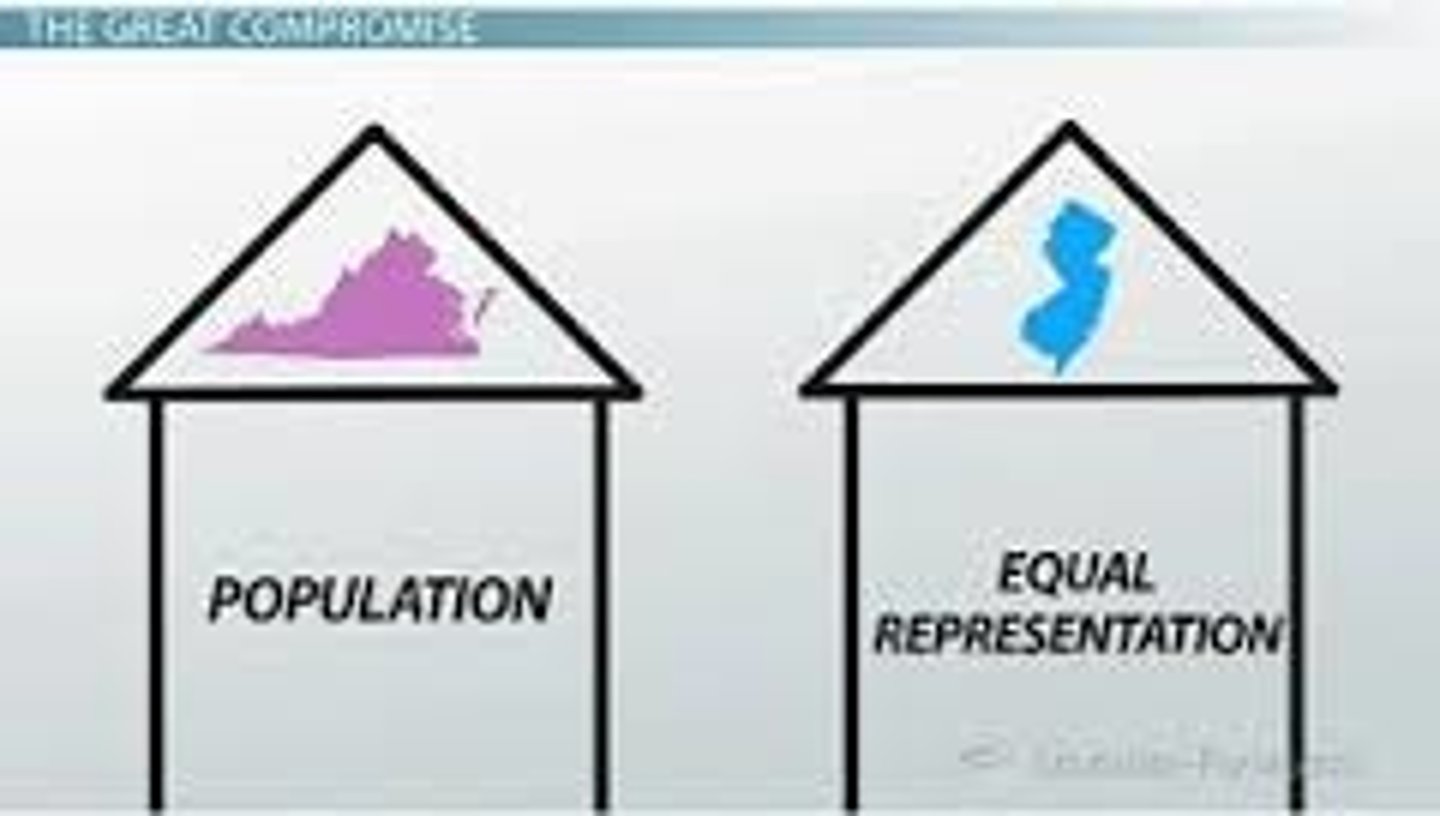
Great Compromise
Compromise made by Constitutional Convention in which states would have equal representation in one house of the legislature (Senate) and representation based on population in the other house (House of Representatives)
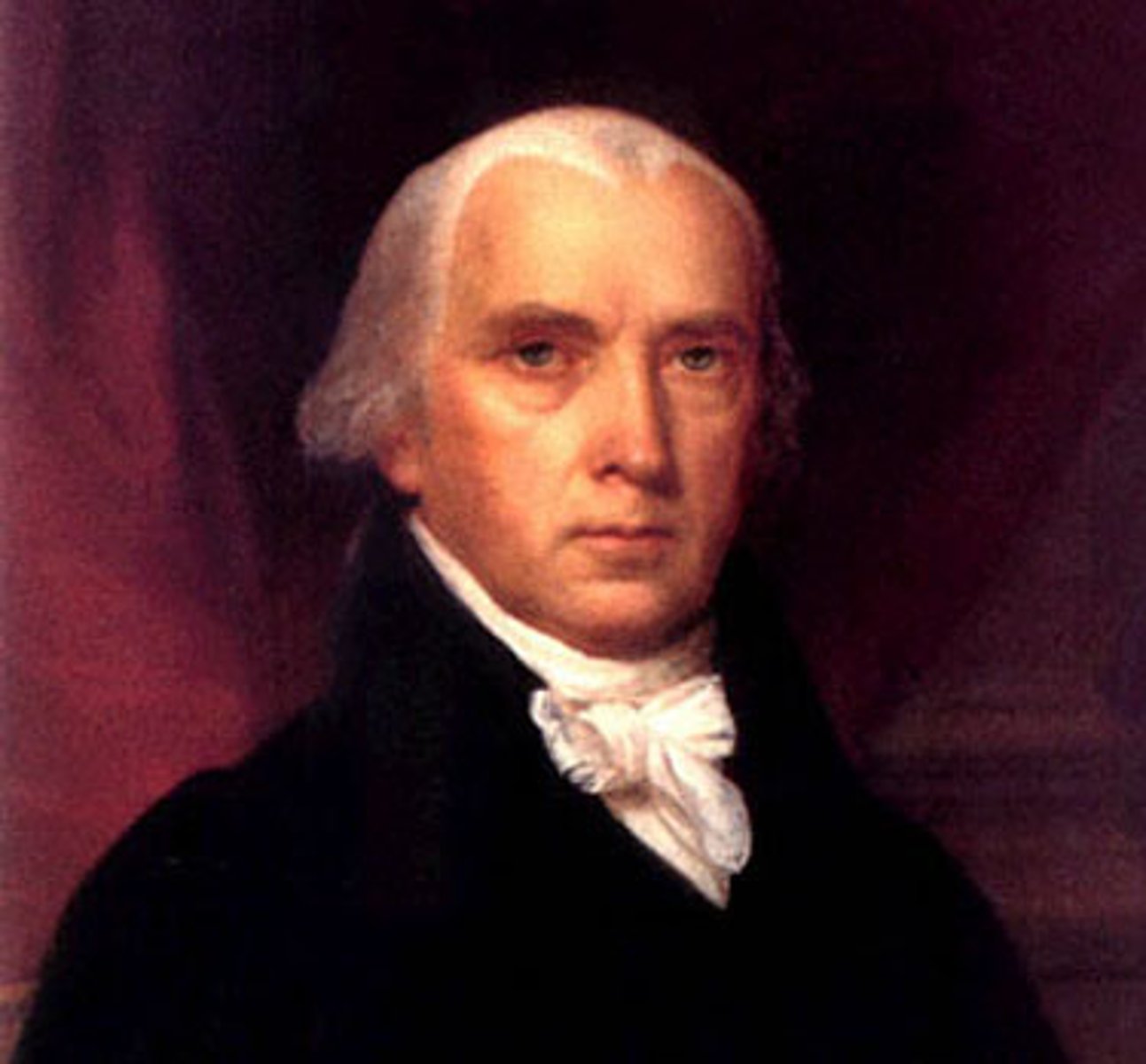
James Madison
"Father of the Constitution," Federalist leader, and fourth President of the United States.
Delaware
First state to ratify Constitution
Kathy Hochul
Head of NYS Executive Branch

NYS Assembly
Head of Legislative Branch in NY
Town Board
head of town legislative branch
Town Supervisor
Head of town executive branch
Yorktown Town Court
Head of town judicial branch
US Senate
known as upper house
6 years
term limit for US Senate
2 years
term limit for House of Representatives
House of Representatives
known as lower house
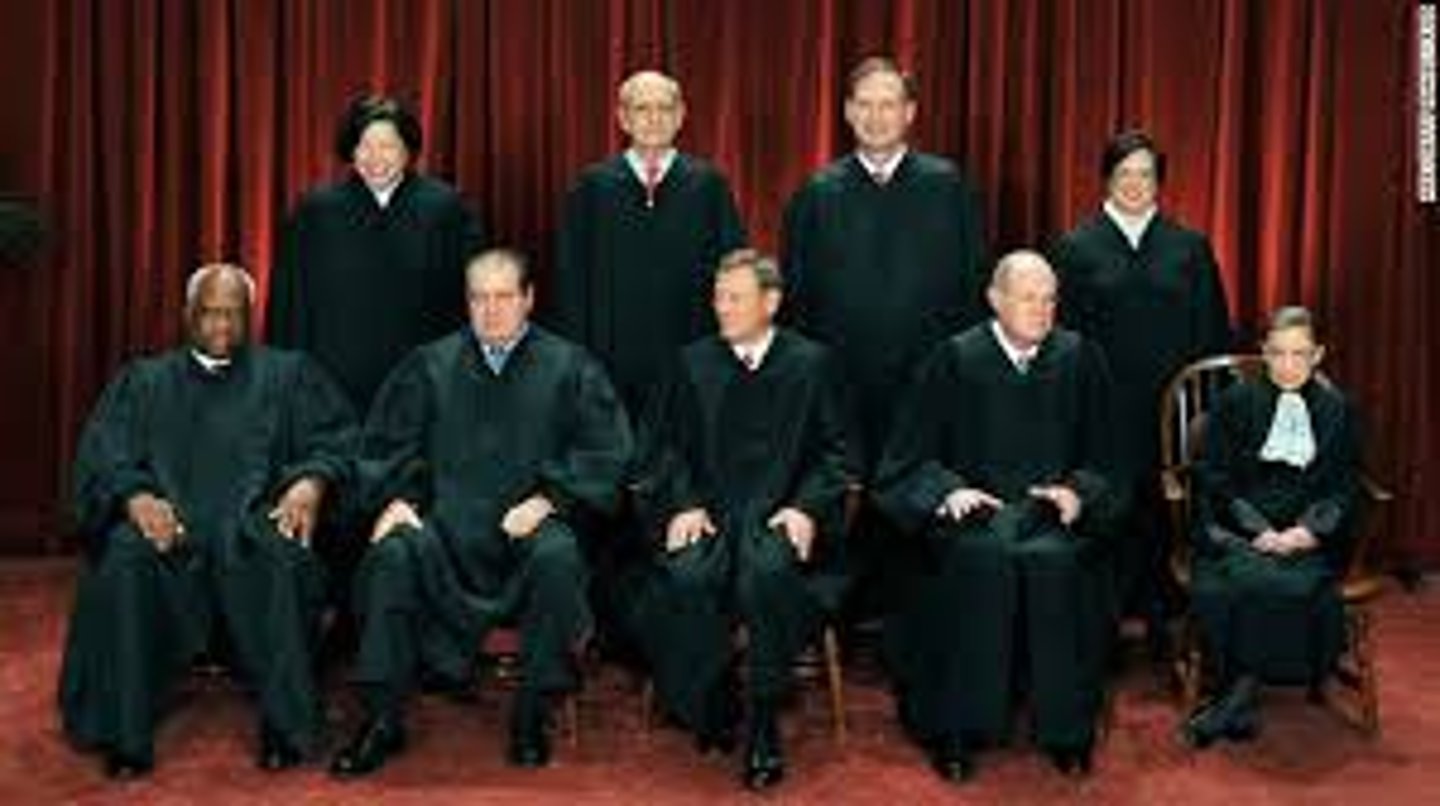
9
# of members of US Supreme Court
Chief Justice
title of leader of Supreme Court
Charles Schumer
senior US Senator from NY
Kirsten Gillibrand
junior US Senator from NY
Bill of Rights
Added AFTER the Constitutional Convention; created to gain support of anti-Federalists; guaranteed rights of individuals First TEN AMENDMENTS

Ed Lachterman
Town Supervisor of Yorktown
Town Hall
Head of legislative branch of Yorktown meets here
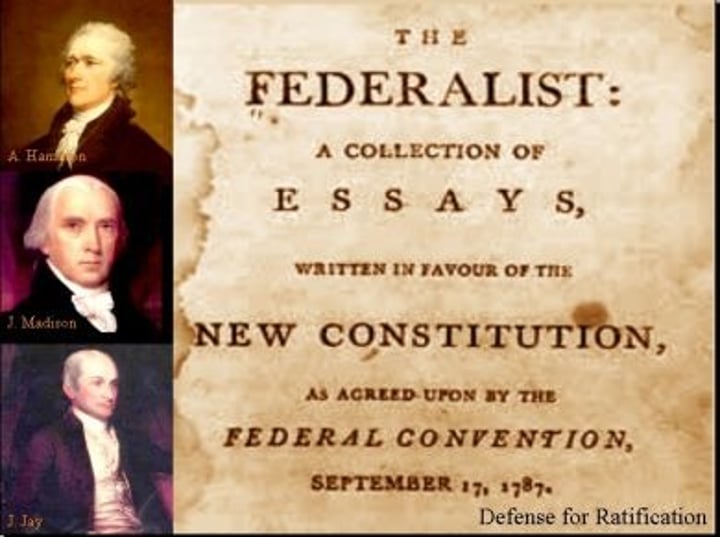
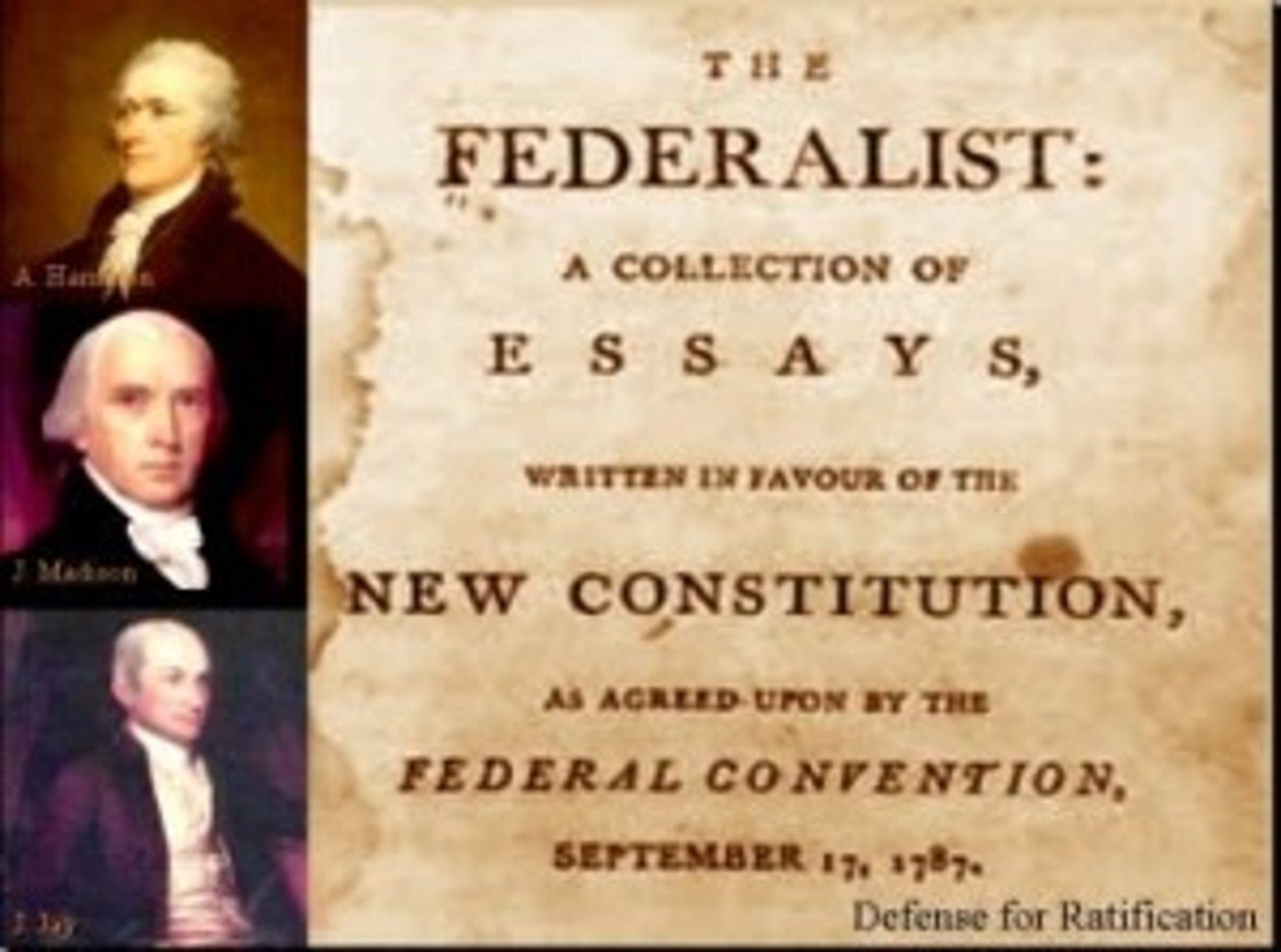
Federalist Papers
a series of 85 essays written by Hamilton, Madison, and Jay (using the name "publius") published in NY newspapers and used to convice readers to adopt the new constitution
435
# of members of House of Representatives
100
# of US Senators total
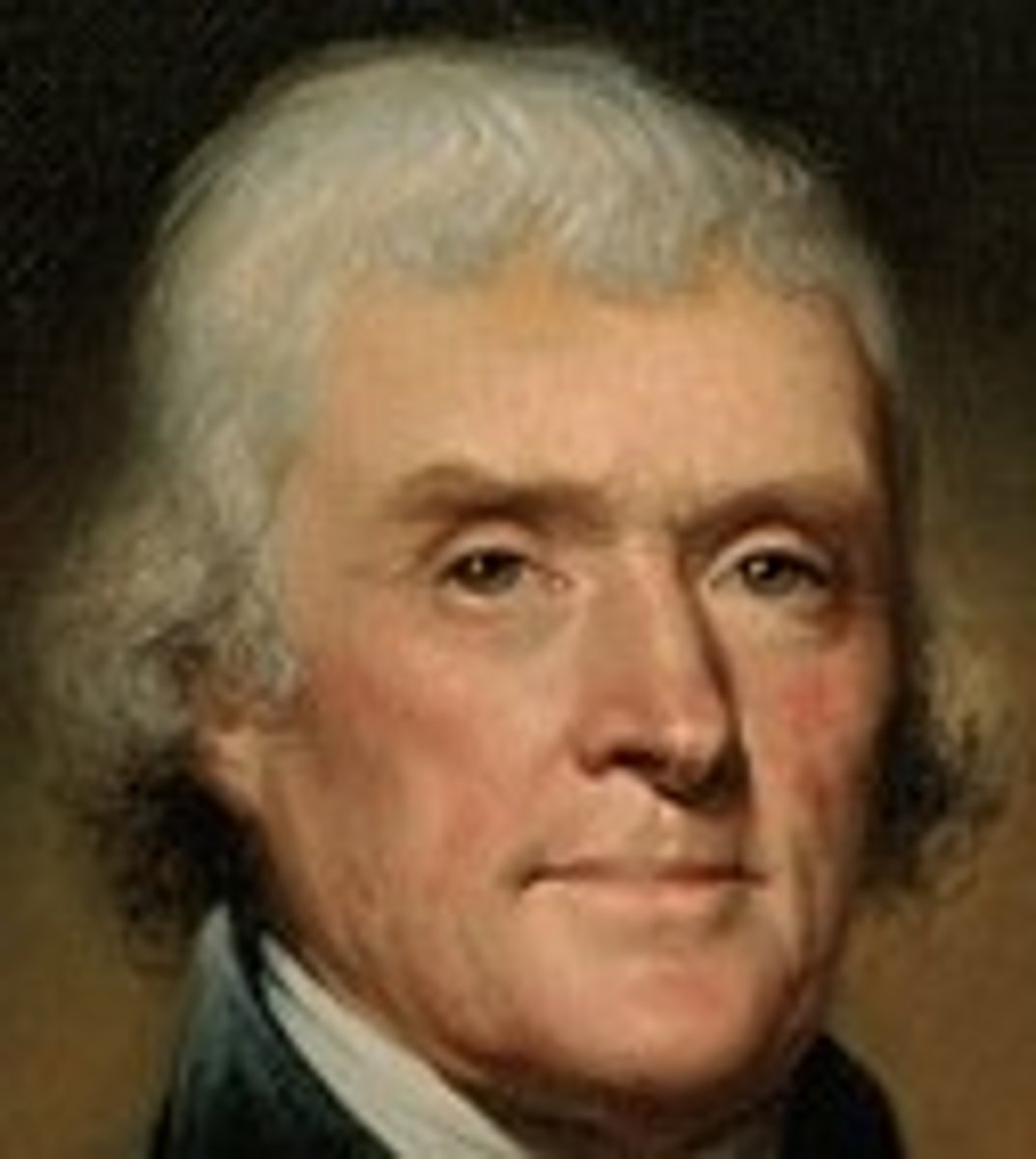
Thomas Jefferson
AntiFederalist who later became 4th President
The President
nominates Supreme Court Justices --- can veto bills --- can sign bills into laws --- can make treaties with foreign nations --- head of American Foreign Policy
Senate
must confirm Supreme Court nominees
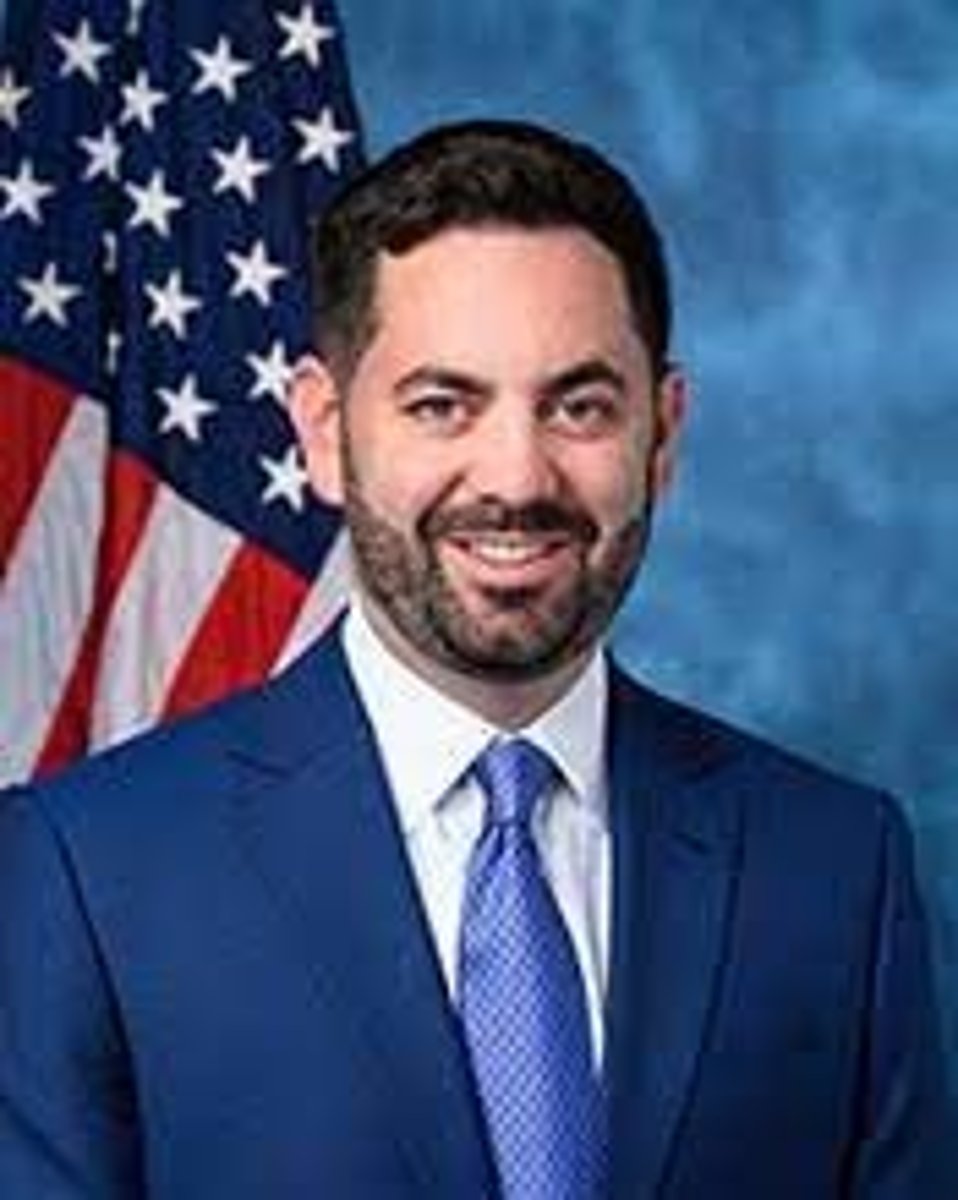
Mike Lawler
represents us in House of Representatives
population
House of representatives is based on this
equal representation
Senate is based on this
2nd amendment
Right to bear arms
1st amendment
Freedom of Religion, Speech, Press, Assembly, and Petition

3rd amendment
No quartering of Soldiers
4th amendment
Freedom from unreasonable searches and seizures

8th amendment
Excessive bail shall not be required, nor excessive fines imposed, nor cruel and unusual punishments inflicted.
anarchy
a lack of government and law; confusion

founding fathers
Leaders who laid the groundwork for the United States
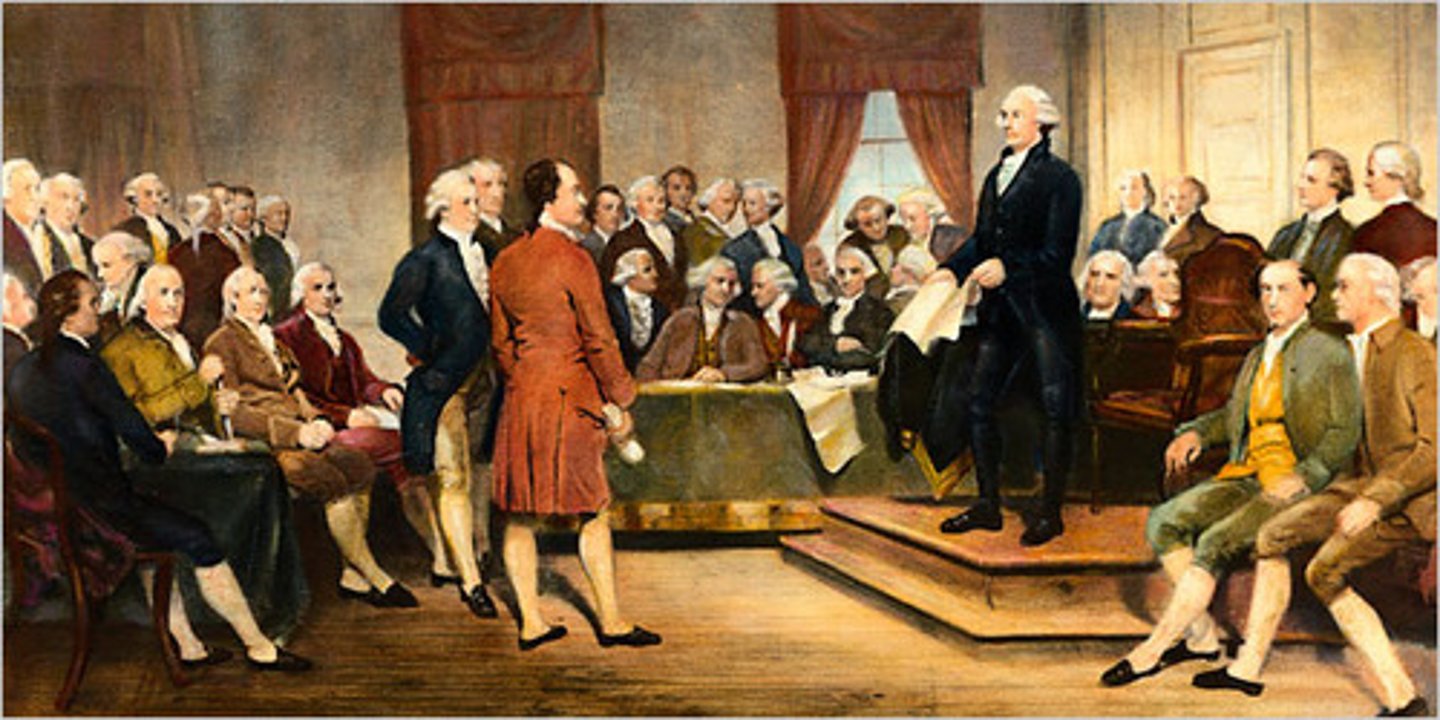
Framers of Constitution
Group of delegates who drafted the United States Constitution at the Philadelphia Convention in 1787.
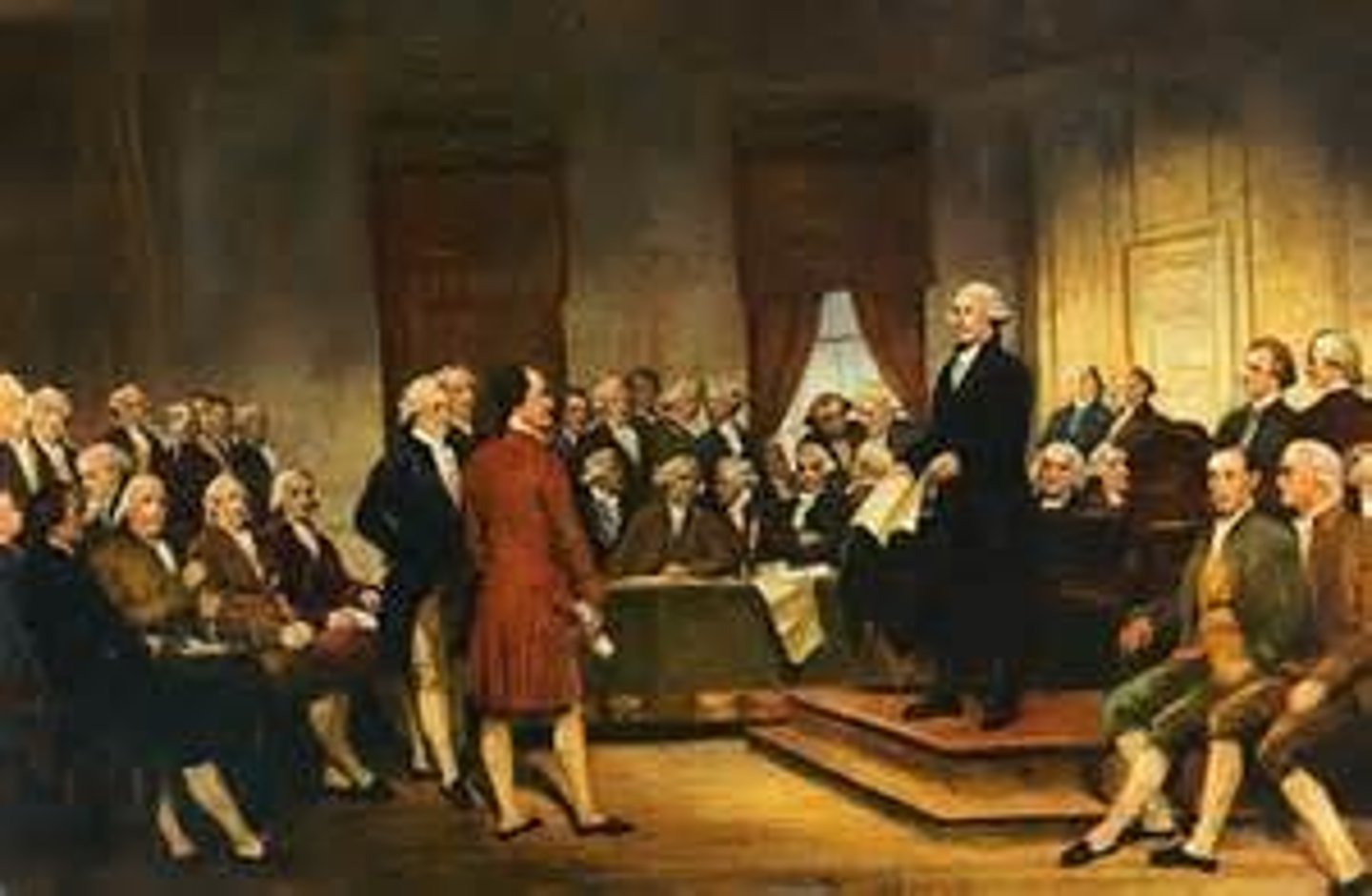
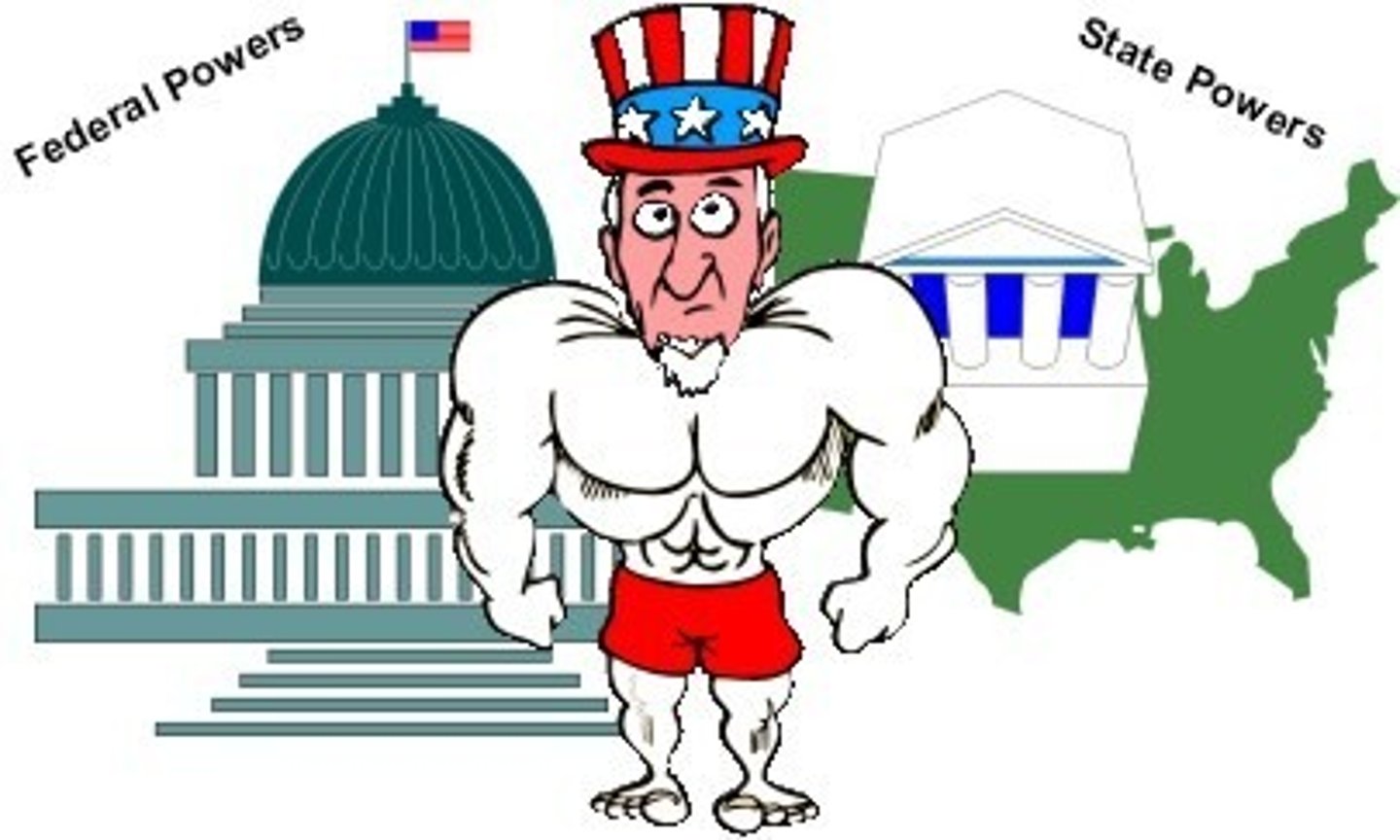
Supremacy Clause
National law supersedes all other laws passed by states
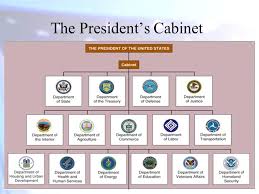
Cabinet
A group of advisers to the president.
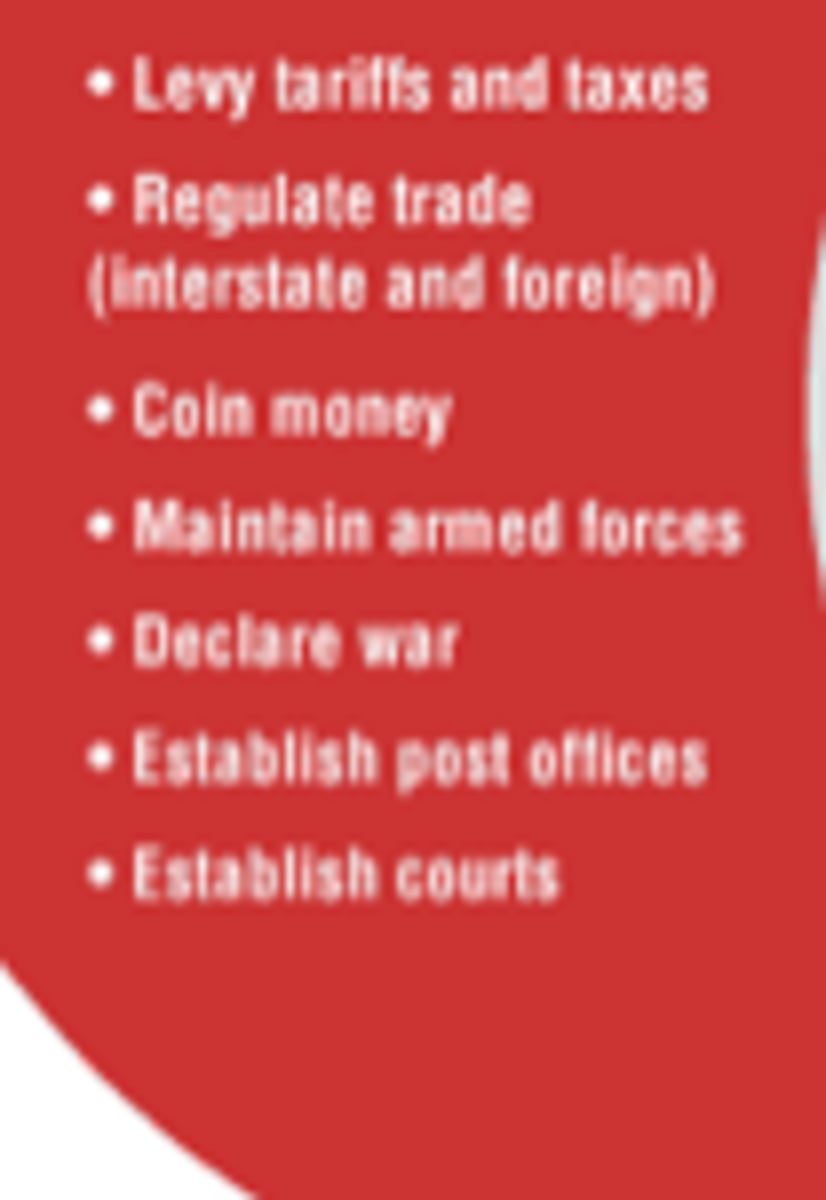
Delegated powers
Constitutional powers granted solely to the federal government.
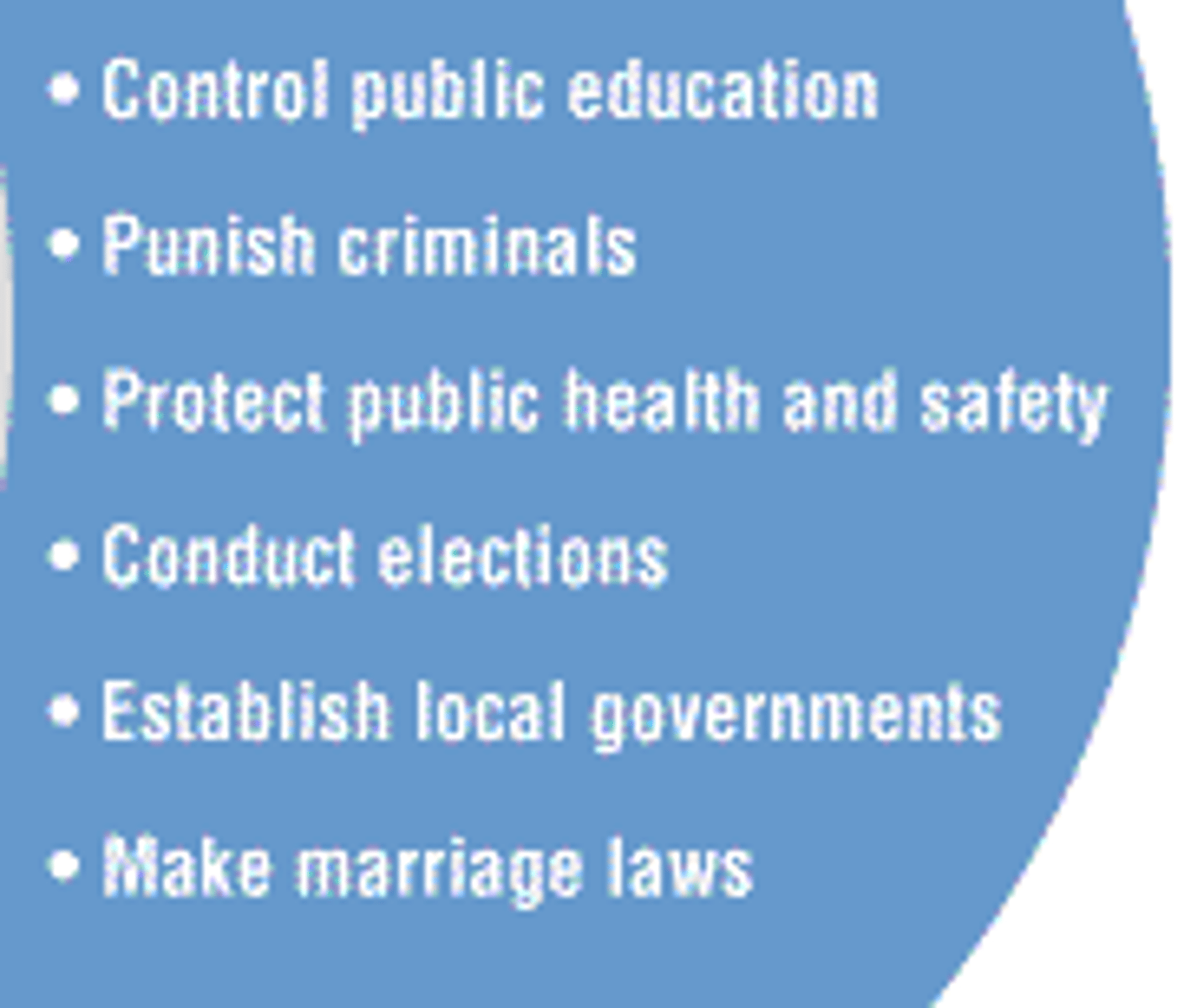
Reserved powers
Powers given to the state government alone
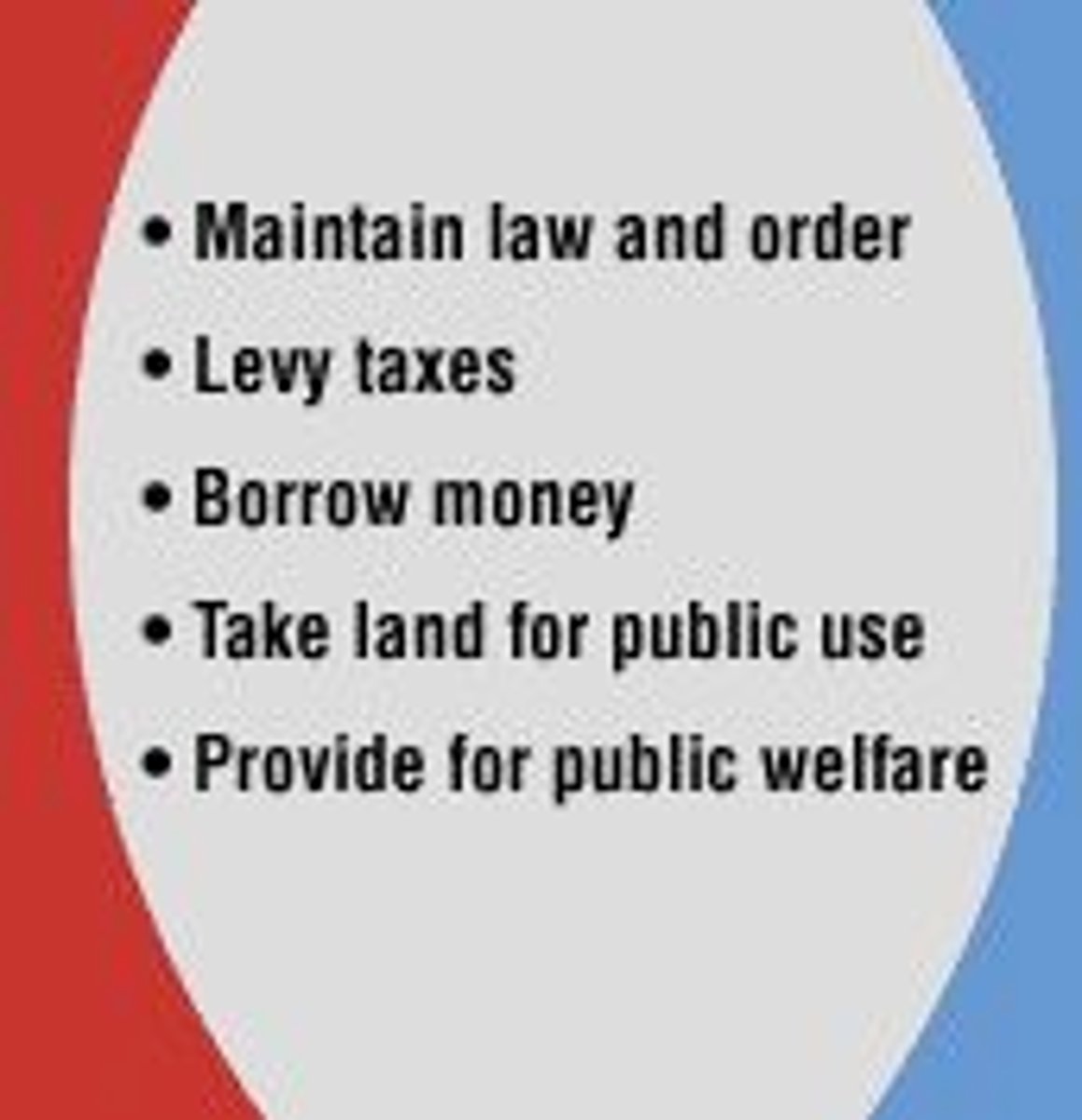
Concurrent powers
powers shared by the state and federal governments
JD Vance
VP of USA
535 members
total members of the U.S Congress Senate 100 House of Representatives 435
Mr. Carney
The greatest teacher ever

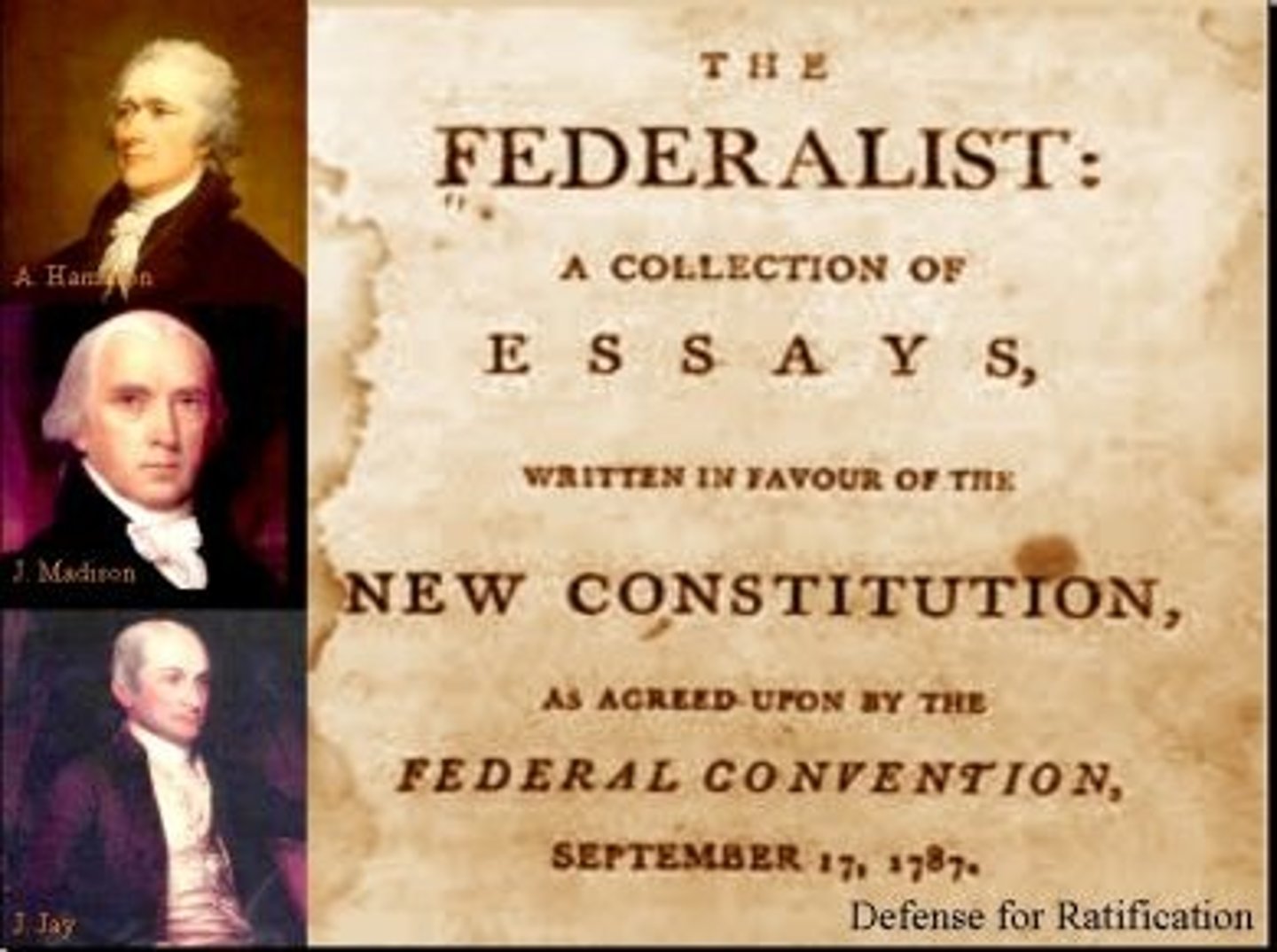
Federalist Papers
A collection of 85 articles written by Alexander Hamilton, John Jay, and James Madison under the name "Publius" to defend the Constitution in detail. Wanted to get Constitution ratified.
Enlightenment
a movement that emphasized science and reason as guides to help see the world more clearly
1st Amendment
free speech free religion free press petition and right to assembly
5th Amendment
The Right to Remain Silent/Double Jeopardy, right to due process
4th Amendment
Freedom from unreasonable searches and seizures
7th Amendment
Right to a trial by jury in civil cases
9th Amendment
Citizens entitled to rights not listed in the Constitution
10th Amendment
The powers not delegated to the United States by the Constitution, nor prohibited by it to the States, are reserved to the States respectively, or to the people.
Sixth Amendment
Right to a speedy and public trial
President of the Constitutional Convention
George Washington
delegated powers
Powers specifically given to the federal government by the US Constitution, for example, the authority to print money.
reserved powers
Powers given to the state government alone
concurrent powers
Powers held jointly by the national and state governments.