biology unit
 Call Kai
 Learn
Learn Practice Test
 Spaced Repetition
 Match
Match Flashcards
 Knowt Play
1/72

There's no tags or description
Looks like no tags are added yet.
Name | Mastery | Learn | Test | Matching | Spaced | Call with Kai |
|---|
No analytics yet
Send a link to your students to track their progress
73 Terms
function of circulatory system
transport substances around the body
nutrients
hormones
oxygen
waste products (e.g carbon dioxide)
regulation of body temperature
parts of the circulatory system
blood
transports various material
blood vessels
network of tubes where blood moves through
heart
pump that pushes blood through blood vessels
red blood cells
about ½ of blood
no nuclei
contain hemoglobin which carries oxygen
white blood cells
about 1% of blood
fight and destroy bacteria and viruses that cause disease
platelets
small cells
less than 1% of blood
help blood clot, seal wounds and stop bleeding
plasma
protein-rich liquid where blood cells float
about ½ of blood
carries blood cells, wastes, nutrients and hormones
function of the heart
pumps blood throughout the body
what are blood vessels
network of tubes that carry blood throughout the body
3 types of blood vessels
arteries
veins
capillaries
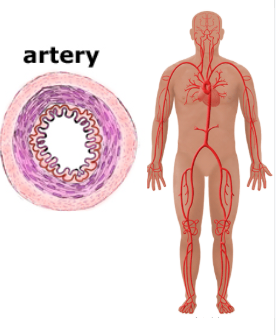
arteries
thick muscular walls
carries blood away from the heart
experience high blood pressure
carries oxygenated blood
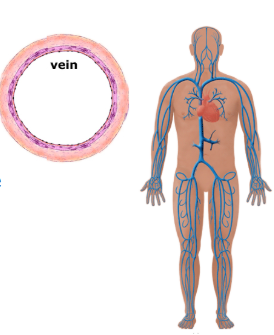
veins
thinner wall
carries blood towards the heart
has valves that make sure blood moves in the right direction
carries deoxygenated blood
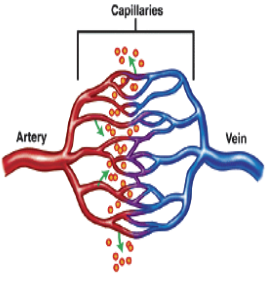
capillaries
tiny blood vessels with very thin walls (one cell thick)
blood cells travel single file
capillaries link arteries and veins together
carry oxygenated and deoxygenated blood
site of gas exchange
Which parts of the heart carry oxygenated blood?
Left atrium (receives oxygenated blood from lungs)
Left ventricle (pumps it to the body)
Travels through pulmonary veins → heart, then aorta → body
Which parts of the heart carry deoxygenated blood?
Right atrium (receives blood from body)
Right ventricle (pumps it to lungs)
Travels through vena cava → heart, then pulmonary arteries → lungs
Where is oxygenated blood “made” and how?
Made in the lungs
Oxygen enters blood in alveoli by diffusion
Red blood cells pick up O₂
Where is deoxygenated blood “made” and how?
Formed in body tissues
Cells use O₂ for cellular respiration
CO₂ is produced and enters the blood
Functions of the digestive system
breakdown of food
absorption of nutrients
elimination of waste
salivary glands
chemical digestion
secrete saliva
Accessory
tongue function
mechanical digestion
tongue rolls food into a bolus
esophagus
muscular tube that connects the mouth to the stomach
pushes food down to stomach
peristalsis
rhythmic contractions of smooth muscles that move food through the digestive tract
sphincters
muscles that contract to control the amount of food going in and out of the stomach and anus
stomach
mechanical and chemical digestion
J-shaped muscular organ
secretes gastric juices and mucus
small intestine
digestion and absorption
7m long
contains enzymes
further break down carbohydrates, proteins and fats
nutrients get absorbed into the bloodstream
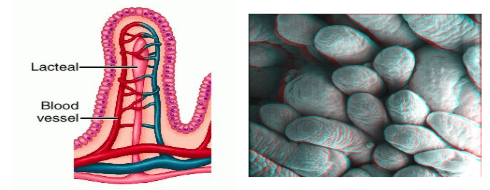
villi and microvilli
small finger like projections in small intestine that increase surface area for max absorption of nutrients in the bloodstream
liver
accessory organ
produces bile
detoxifies harmful substances- breaking down into non-harmful (i.e alcohol)
function of bile
breaks down fat (emulsification)
gallbladder
accessory organ
stores bile
attached to small intestine
pancreas
attached to the small intestine
secretes
basic substances
pancreatic enzymes
large intestine/colon
absorption of H2O and elimination
1.5 m long
bacteria live in and produce vitamin B and K absorbed
What are accessory organs in the digestive system?
help digestion but food does NOT pass through them
Salivary glands, liver, pancreas, and gallbladder
Why are they called “accessory” organs?
they assist digestion by producing or storing substances (like enzymes and bile), but they are not part of the digestive tract itself
What is mechanical digestion?
physical breakdown of food into smaller pieces
(e.g., chewing in the mouth, churning in the stomach).
does not change the chemical structure of food.
What is chemical digestion?
breakdown of food using enzymes and acids into smaller molecules (like sugars, amino acids, fatty acids) that the body can absorb.
Where does the majority of chemical digestion occur?
In the small intestine, especially the duodenum, where enzymes from the pancreas and bile from the liver break down food.
What is absorbed from the digestive tract?
Nutrients (glucose, amino acids, fatty acids, vitamins, minerals)
Water
Where does absorption occur in the digestive system?
Small intestine: Most nutrient absorption (via villi and microvilli)
Large intestine: Absorbs water and some minerals
Hierarchy of cell organization
Cell → Tissues → Organs → Organ Systems → Organism
Cells
Basic unit of structure and function of living things
Tissues
Group of cells with similar structure and function
Organs
Group of two or more types of tissue that perform a specific task
Organ systems
One or more organs and other structures that work together to perform a vital body function
2 stages of the cell cycle
growth- interphase
division- mitosis and cytokinesis
the cell spends almost _% of its life growing
90
a cell in interphase
grows and carries out its normal functions
makes copies of its organelles and forms new ones
makes a copy of its DNA
makes mistakes while copying its DNA and fixes them before cell division starts
DNA during interphase is
chromatin which is thin and stringy in apperance
Stages of interphase
G1 (growth)
S (synthesis
G2 (growth)
G1 phase
cell is in its first growth phase
Growing and carrying out metabolic ( e.g producing proteins)
S phase
Cell makes an entire identical copy of its DNA
G2 phase
Cell moves into its second growth phase
Approaches its maximum size and produces the structures needed for mitosis
Mitosis
Contents of the nucleus (DNA) separate into 2 identical copies
4 phases of Mitosis
Prophase
Metaphase
Anaphase
Telophase
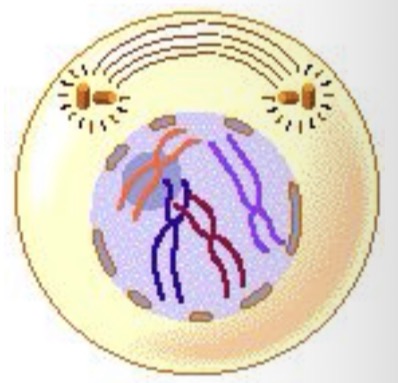
Prophase
pro = before=first
Chromosomes coil (condense) and thicken
Nuclear membrane disappears
Centrioles start to move to opposite poles of the cell
Spindle fibres start to form, originating from the centrioles
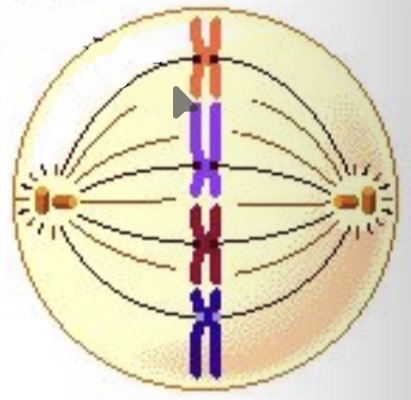
Metaphase
Meta = middle
Centrioles are located at the opposite poles
Spindle fibres attach to the centromere of each double stranded chromosome and along them at the center of the cell
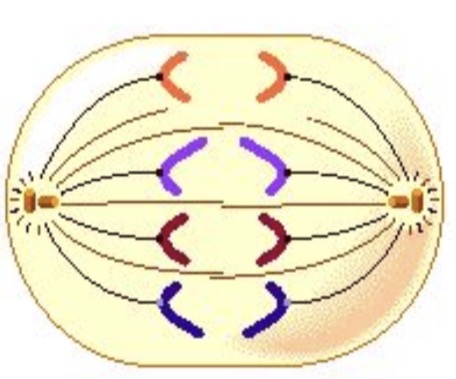
Anaphase
ana = back/seperate
Each double stranded chromosome splits
Sister chromatids get pulled apart and backwards toward opposite poles
Telophase
Telo = end
Nuclear membrane forms around each new set of single-stranded chromosomes
Chromosomes stretch out (decondense) and become thin (chromatin)
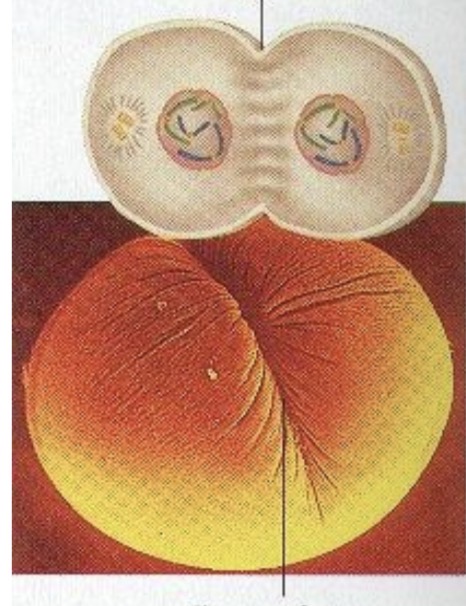
Cytokinesis
cytoplasm and other organelles are distributed amongst the 2 new identical daughter cells
Cell membrane forms around each
Cytokinesis in animal cells
cell membrane pinches in the middle and creates a cleavage furrow
Cytokinesis in plant cells
A cell plate is formed that develops into a new cell wall
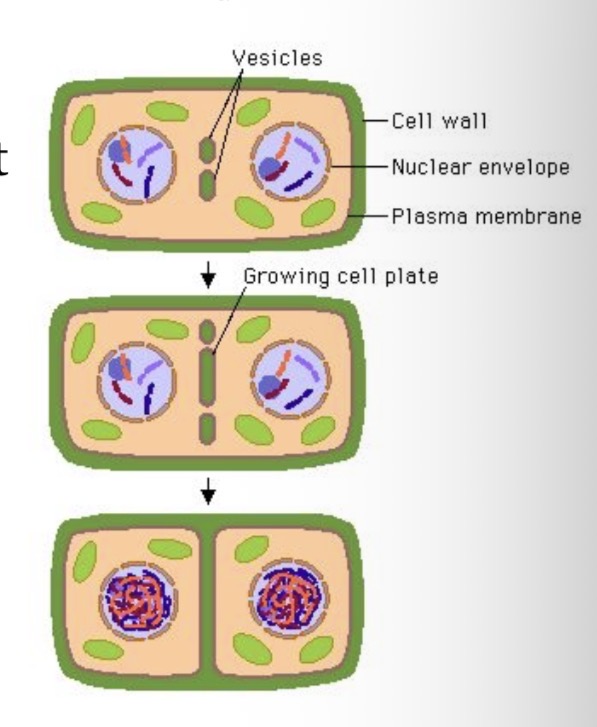
Checkpoints in a cell cycle
During the cell cycle activities are controlled at specific points
At each specialised proteins monitor cell activities and send messages to the nucleus
Nucleus tells the cell whether to divide
Cell division allows organisms to
reproduce
grow
repair damage
asexual reproduction
producing offspring from 1 parent
offspring are genetically identical to the parent
what reproduces asexualy
single-celled organism: bacteria
some multicellular: houseleek
sexual reproduction
producing off spring by the fusion of 2 gametes
the offspring have genetic information different from each parent
how are gamete cells different from other body cells
they only contain half of the DNA usually found in a cell
what make up most of the cell membrane
proteins and phospholipids
diffusion
large concentration difference between the inside and outside of a cell
ions and other substances are passively transported from areas with higher concentration to lower concentration
Cell division for growth
As multicellular organisms grow, the number of cells increases
Chemicals used in cell activity and growth enter the cell across the membrane and travel through the cell where they are used through passive and active transport.
diffusion and osmosis take time
Important chemicals must be available to all parts of a cell, in the right amount of water, for the cell to function properly
Waste products (e.g. carbon dioxide) must diffuse out of cell quickly so they don’t poison the cell
Why do cells grow in numbers and not in size
When a cell gets too large, chemicals and water cannot move through the cell fast enough for the cell to use
Cell division for repair
Every day your body sheds millions of dead skin cells, all of which are replaced by new ones
Your body replaces each red blood cell about every 120 days
If you break a bone, cells divide to heal the break
All organism need to repair themselves to stay alive
Cell theory
all living things are composed of one or more cells
the cell is the most basic and functional unit of life
all cells come from pre-existing cells
Prokaryote
“before nucleus”
a cell that does not contain a nucleus or other membrane-bound organelles
Eukaryote
true nucleus
cell that contains a nucleus and other organelles, each surrounded by a thin membrane