Clasics 51B Final

0.0(0)
Studied by 0 people
call kaiCall Kai
learnLearn
examPractice Test
spaced repetitionSpaced Repetition
heart puzzleMatch
flashcardsFlashcards
GameKnowt Play
Card Sorting

1/213

encourage image

There's no tags or description

Looks like no tags are added yet.

Last updated 7:51 AM on 6/4/26
Name
Mastery
Learn
Test
Matching
Spaced
Call with Kai

No analytics yet

Send a link to your students to track their progress

214 Terms
1
New cards
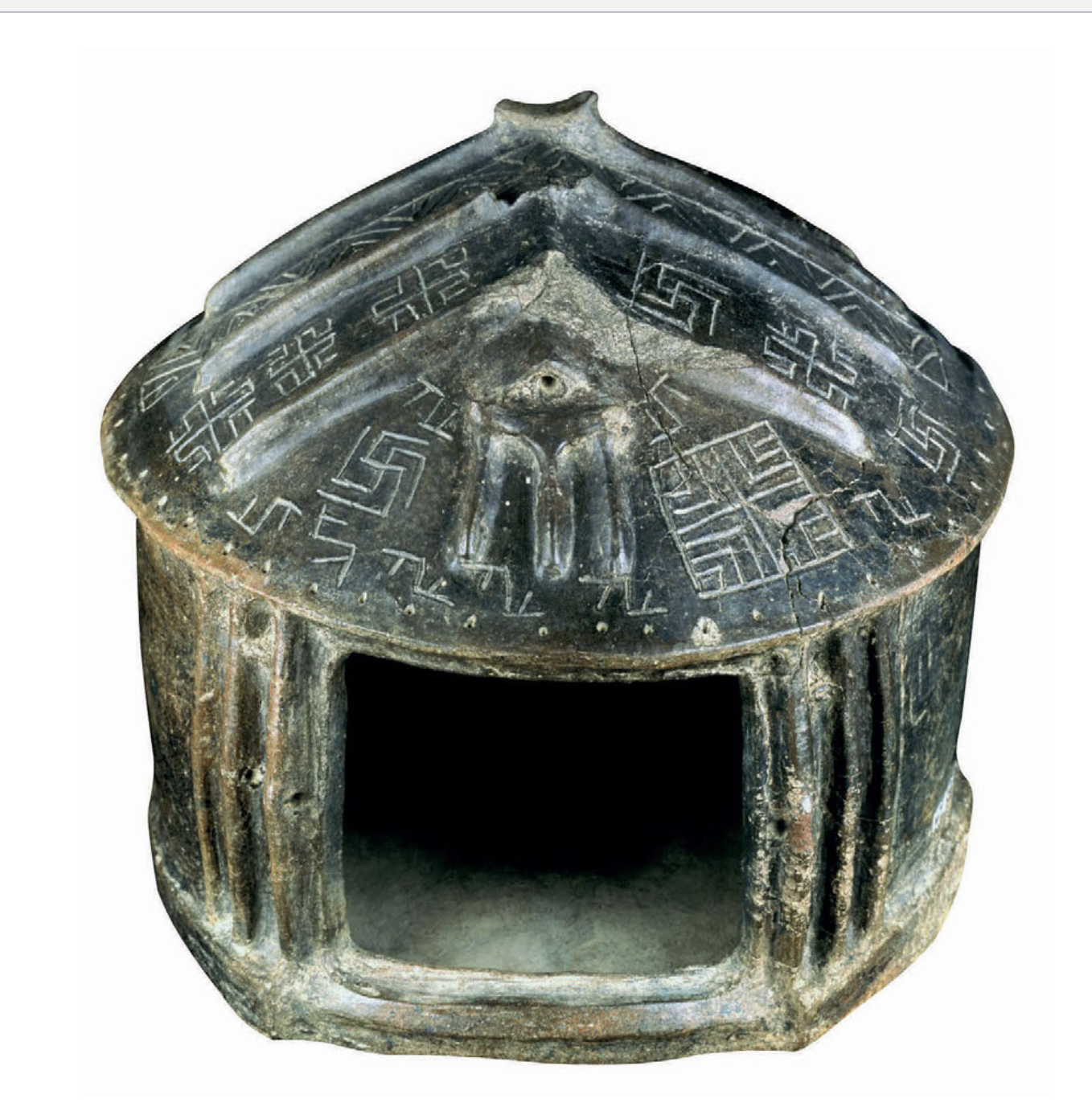
term image

1.4 Villanovan hut urn, 9th to 8th century BCE. Clay. The urns demonstrate the close connection between homes and graves.

2
New cards

Sarcophagus

body eating

3
New cards
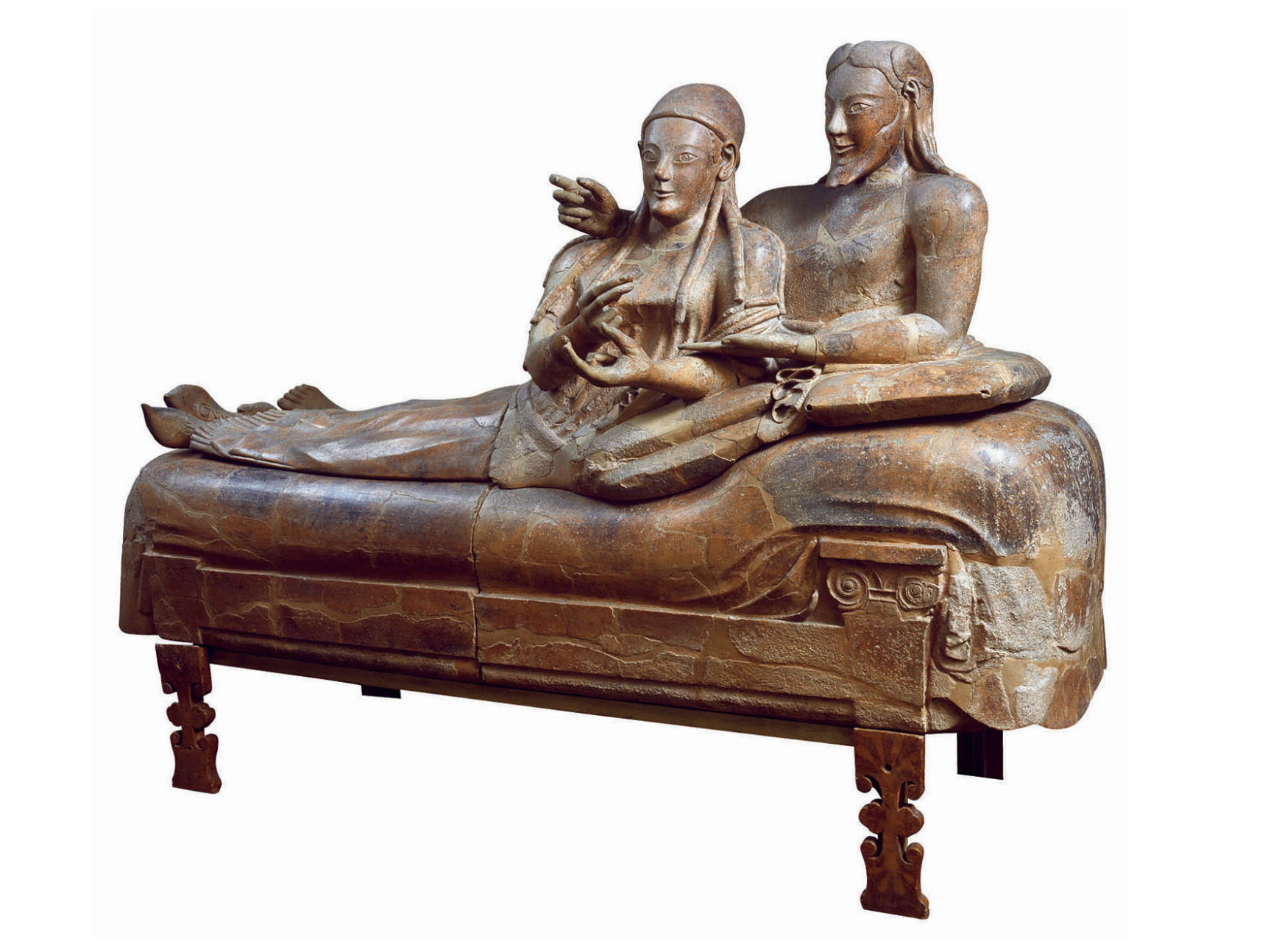
term image

1.25 Terracotta sarcophagus, Cerveteri, Italy, late 6th century BCE. Terracotta. The couple has idealized expressions that are reminiscent of Greek Archaic style, but the posture and shape of the bodies are specifically Etruscan.
4
New cards
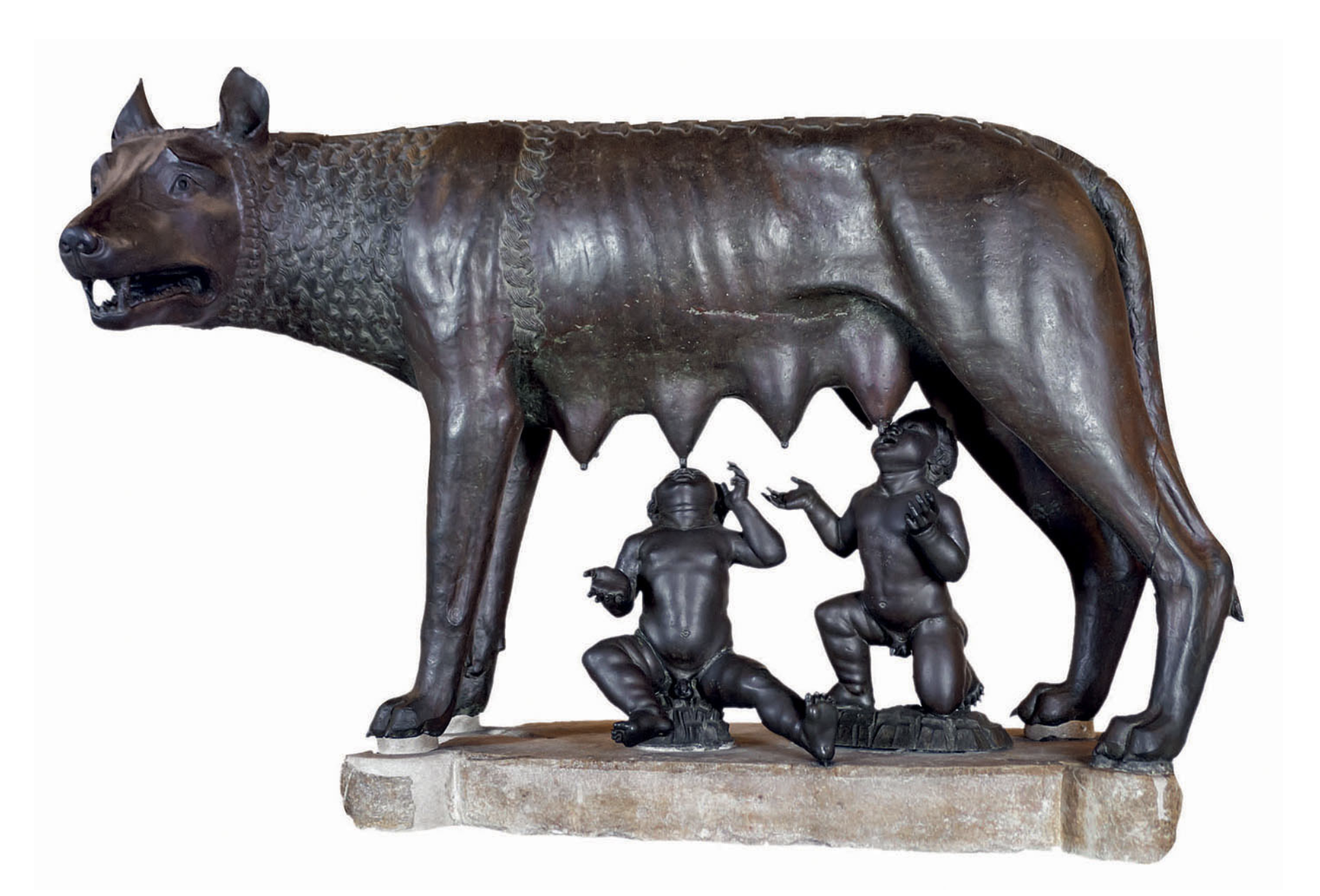
term image

1.37 Capitoline Wolf, Rome, 11th to 12th centuries CE. Bronze. The sculpture is an iconic image for the founding of Rome in its representation of the wolf that suckled

Romulus and Remus. The dating of some of its material points to its creation in the early medieval period.

5
New cards

Reges

reges

753 BCE–509 BCE

6
New cards

Tucan Temple

7
New cards

Temple of Jupiter

Optimus Maximus

8
New cards

Roman Triumph (pt1)

9
New cards

Monubial temples

10
New cards
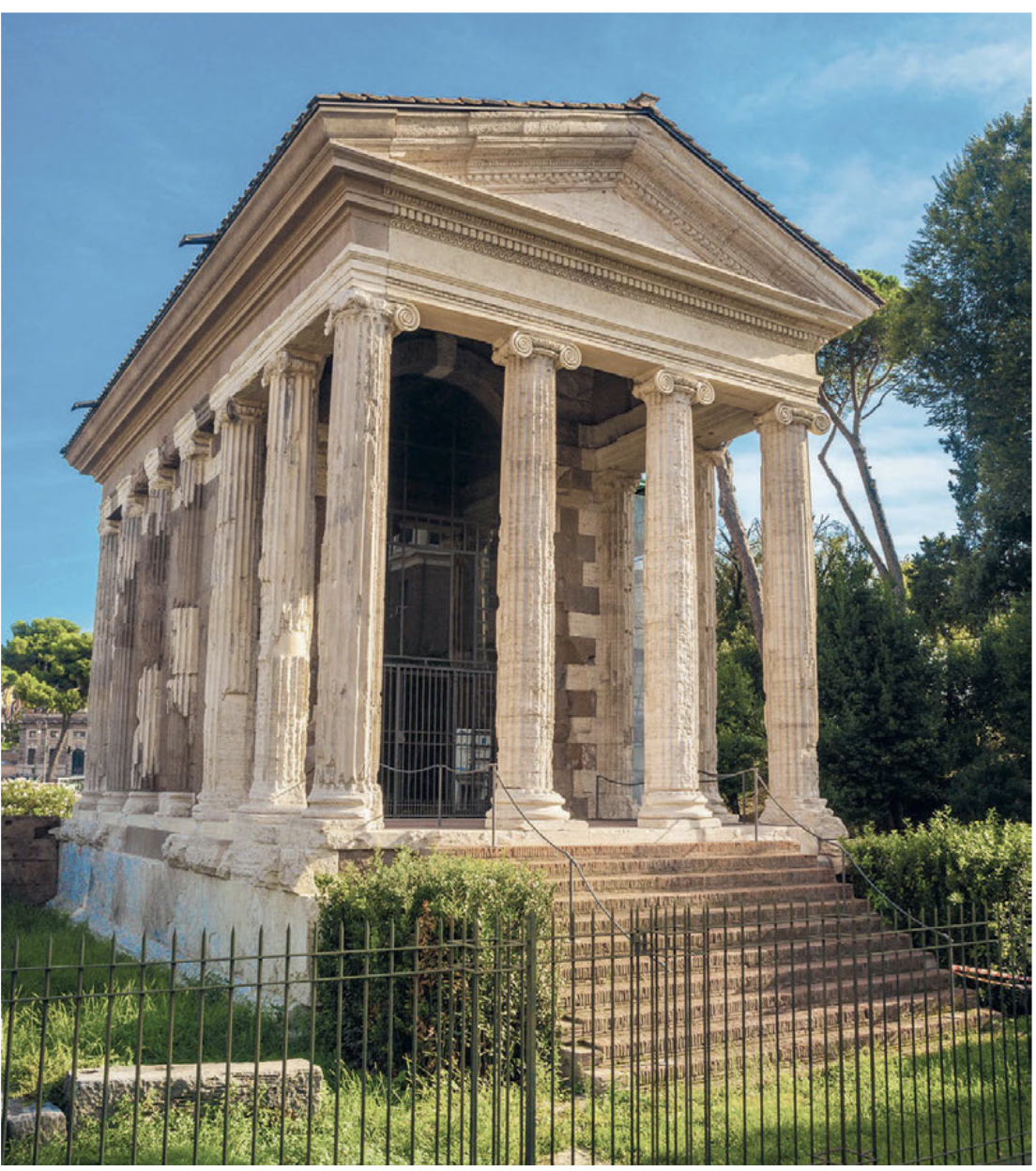
term image

2.9 Temple of Portunus, Rome, Italy, 80–70 BCE. Truff, travertine, and stucco.

A Republican manubial building near the Forum Boarium. Its deep porch, with freestanding

columns, references Tuscan styles while the columns themselves are in the Ionic order.

11
New cards
12
New cards
13
New cards
14
New cards
15
New cards
16
New cards
17
New cards
18
New cards
19
New cards
20
New cards
21
New cards
22
New cards
23
New cards
24
New cards
25
New cards
Map of Italy (Etruscan Period) :: Shows spheres of Punic (Carthaginian), Greek, and Etruscan influence in Italy.
26
New cards
Villanovan Hut Urn :: Funerary urn shaped like a house; demonstrates connection between homes and graves.
27
New cards
Terracotta Sarcophagus (Cerveteri) :: Late 6th century BCE Etruscan sarcophagus depicting a reclining couple; combines Greek Archaic features with Etruscan body forms.
28
New cards
Capitoline Wolf :: Bronze sculpture associated with the myth of Romulus and Remus; now believed to date largely to the medieval period.
29
New cards
Romulus and Remus :: Legendary founders of Rome who were suckled by a she-wolf.
30
New cards
Reges :: The kings of Rome during the Regal Period (753–509 BCE).
31
New cards
Tuscan Temple :: Etruscan temple type characterized by deep porch, high podium, and frontal emphasis.
32
New cards
Portonaccio Temple (Veii) :: Etruscan temple famous for roof sculptures (akroteria).
33
New cards
Akroteria :: Sculptures placed on the roofline of Greek and Etruscan temples.
34
New cards
Temple of Jupiter Optimus Maximus :: Major state temple on Rome's Capitoline Hill dedicated to Jupiter, Juno, and Minerva.
35
New cards
Roman Triumph :: Ceremonial procession celebrating a victorious Roman general.
36
New cards
Ex Manubiis :: "From the spoils"; refers to monuments funded by war booty.
37
New cards
Manubial Temple :: Temple financed with military spoils.
38
New cards
Temple of Portunus :: Republican temple combining Tuscan planning with Ionic columns.
39
New cards
40
New cards
Concrete :: Roman building material that enabled large-scale architecture and vaulting.
41
New cards
Sanctuary of Fortuna at Praeneste :: Major Republican sanctuary demonstrating early Roman concrete construction.
42
New cards
Vault :: Curved architectural structure used to span spaces.
43
New cards
Praeneste Nile Mosaic :: Large mosaic depicting the Nile River and Roman fascination with Egypt.
44
New cards
Topographic/Chorographic Representation :: Depiction of landscapes and geographic regions.
45
New cards
Tesserae :: Small pieces of stone, glass, or ceramic used in mosaics.
46
New cards
Commemorative Painting :: Artwork celebrating historical events, victories, or achievements.
47
New cards
Paris Reliefs :: Relief sculptures showing a suovetaurilia sacrifice to Mars.
48
New cards
Suovetaurilia :: Ritual sacrifice of a pig, sheep, and bull to Mars.
49
New cards
Imago (Wax Imagines) :: Wax death masks of Roman ancestors displayed in aristocratic homes.
50
New cards
Why Wax? :: Wax preserved realistic ancestral likenesses and reinforced family prestige.
51
New cards
Verism :: Hyper-realistic Roman portrait style emphasizing age and experience.
52
New cards
53
New cards
Domus :: Elite Roman townhouse.
54
New cards
Fauces :: Entrance hallway of a Roman house.
55
New cards
Atrium :: Central reception hall of a Roman house.
56
New cards
Impluvium :: Basin in the atrium that collected rainwater.
57
New cards
Tablinum :: Office/reception room of the house owner.
58
New cards
Triclinium :: Dining room.
59
New cards
Taberna :: Shop facing the street.
60
New cards
House of the Faun :: Large Pompeian house famous for mosaics and multiple atria/peristyles.
61
New cards
Peristyle :: Columned courtyard garden.
62
New cards
Mosaic Floor Decoration :: Decorative flooring made from tesserae.
63
New cards
Alexander Mosaic :: Depicts Alexander the Great fighting Darius III at the Battle of Issus.
64
New cards
Opus Vermiculatum :: Mosaic technique using extremely small tesserae for detailed imagery.
65
New cards
First Style Painting :: Wall painting style imitating expensive marble blocks using stucco.
66
New cards
Second Style Painting :: Style creating illusionistic architectural space and depth.
67
New cards
Linear Perspective :: Technique using converging lines to create depth.
68
New cards
Villa of the Mysteries :: Pompeian villa famous for its Dionysiac frieze.
69
New cards
Megalography :: Large-scale painting featuring life-sized figures.
70
New cards
Otium :: Leisure and cultured relaxation.
71
New cards
Negotium :: Business and public affairs.
72
New cards
Villa of the Papyri :: Luxury villa at Herculaneum containing a large library of papyrus scrolls.
73
New cards
Drunken Satyr :: Bronze sculpture reflecting Hellenistic and Dionysiac tastes.
74
New cards
Neo-Attic Style :: Roman revival of Classical Greek artistic styles.
75
New cards
76
New cards
Flamen :: Priest serving a specific deity.
77
New cards
Flamen Dialis :: Chief priest of Jupiter.
78
New cards
Pontifex :: Priest overseeing Roman state religion.
79
New cards
Pontifices :: College of priests managing public cult practices.
80
New cards
Fasces :: Bundle of rods symbolizing magisterial authority.
81
New cards
Temple of Castor and Pollux :: Important religious structure in the Roman Forum.
82
New cards
Temple of Saturn :: Temple associated with the Roman treasury.
83
New cards
Temple of Vesta :: Sacred temple housing the eternal flame.
84
New cards
Regia :: Traditional residence of the Pontifex Maximus.
85
New cards
Domus Publica :: Official residence of the Pontifex Maximus.
86
New cards
Shrine of Venus Cloacina :: Shrine linked to purification and Rome's sewer system.
87
New cards
Auguraculum :: Site where augurs observed divine signs.
88
New cards
Temple of Concord :: Temple symbolizing political harmony.
89
New cards
Basilica Sempronia :: Republican law court and commercial building.
90
New cards
Basilica Fulvia :: Early basilica used for legal and business activities.
91
New cards
Basilica Porcia :: One of Rome's earliest basilicas.
92
New cards
Carcer :: Roman state prison.
93
New cards
Curia Hostilia :: Early Senate house.
94
New cards
Rostra :: Public speaking platform in the Forum.
95
New cards
Comitium :: Political assembly area.
96
New cards
97
New cards
Gaius Julius Caesar :: Roman statesman, general, and dictator (100–44 BCE).
98
New cards
Coin of Julius Caesar :: Coin associating Caesar with Venus Victrix.
99
New cards
Venus Victrix :: Venus in her role as bringer of victory.
100
New cards
Corona Civica :: Oak-leaf crown awarded for saving Roman citizens.