Safety
 Call Kai
 Learn
Learn Practice Test
 Spaced Repetition
 Match
Match Flashcards
 Knowt Play
1/55

There's no tags or description
Looks like no tags are added yet.
Name | Mastery | Learn | Test | Matching | Spaced | Call with Kai |
|---|
No analytics yet
Send a link to your students to track their progress
56 Terms
corrosive
destroys living tissue on contact
flammable
easily ignites and burns rapidly
irritant
irritates living tissue on contact
oxidizer
rapidly oxidizes, can result in combustion
poison
may be fatal to humans and animals
sensitizer
causes severe immune reaction after repeated exposure
toxic
causes adverse health effects
fatal/acute toxicity
skull and crossbones
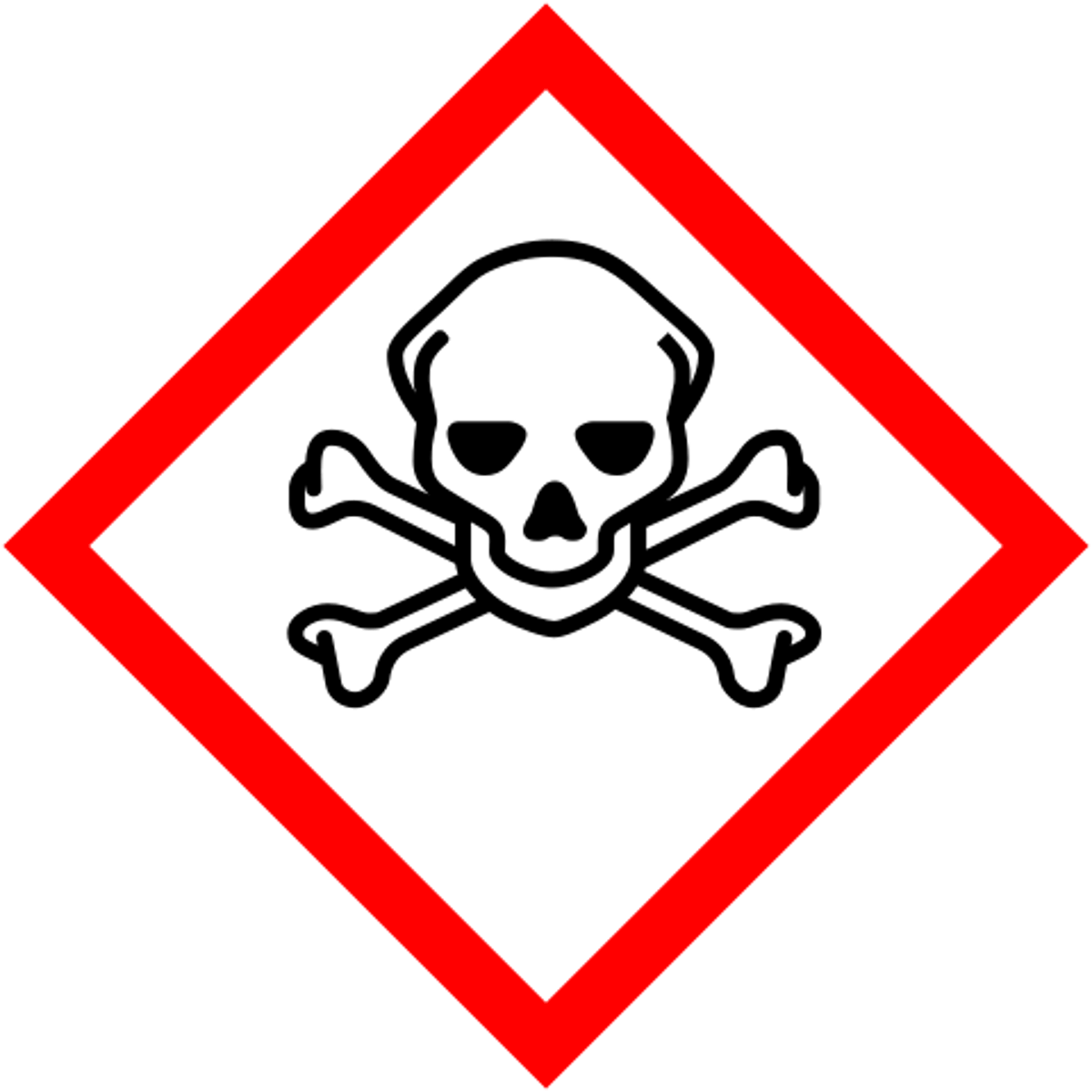
aquatic toxicity
environment
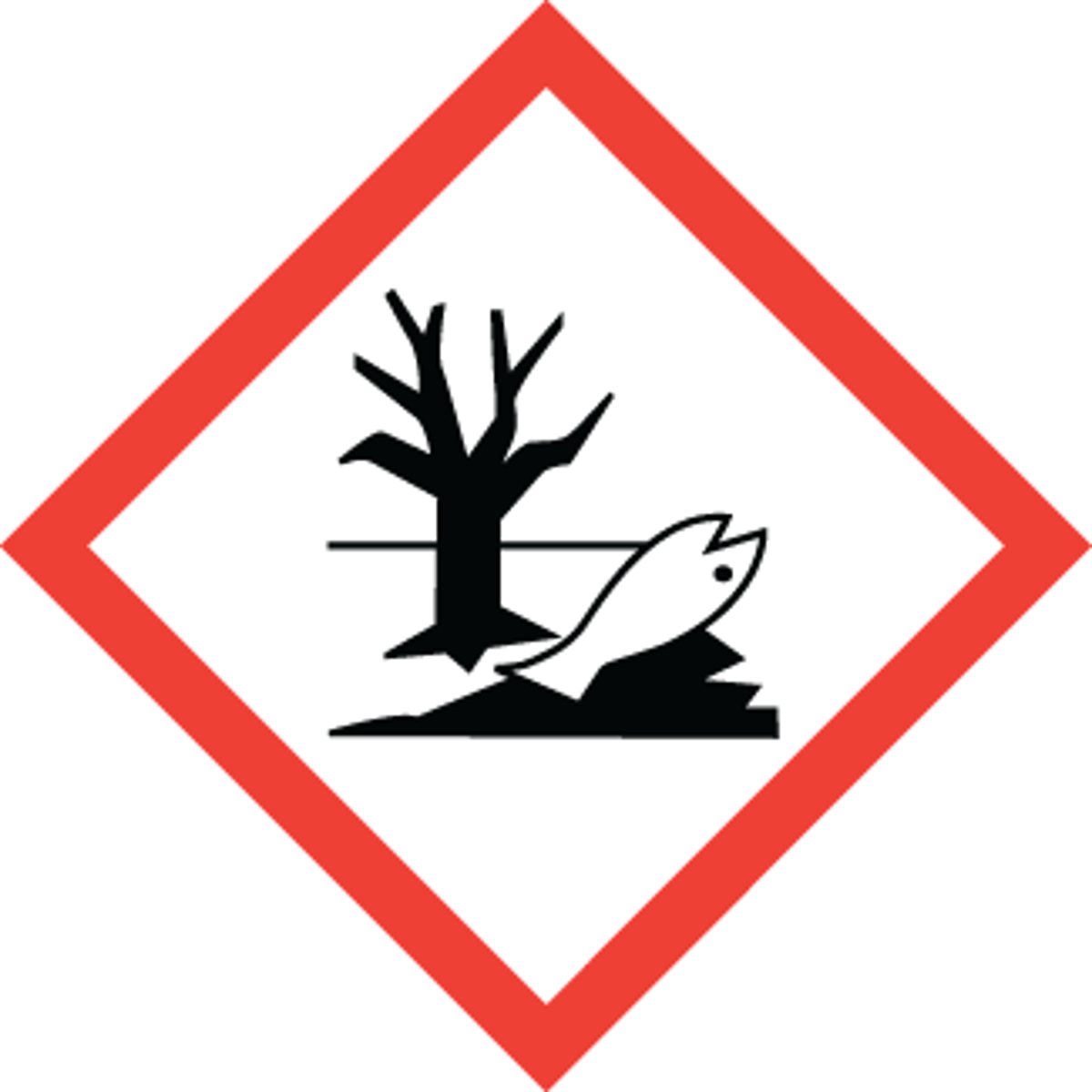
oxidizers
flame over circle
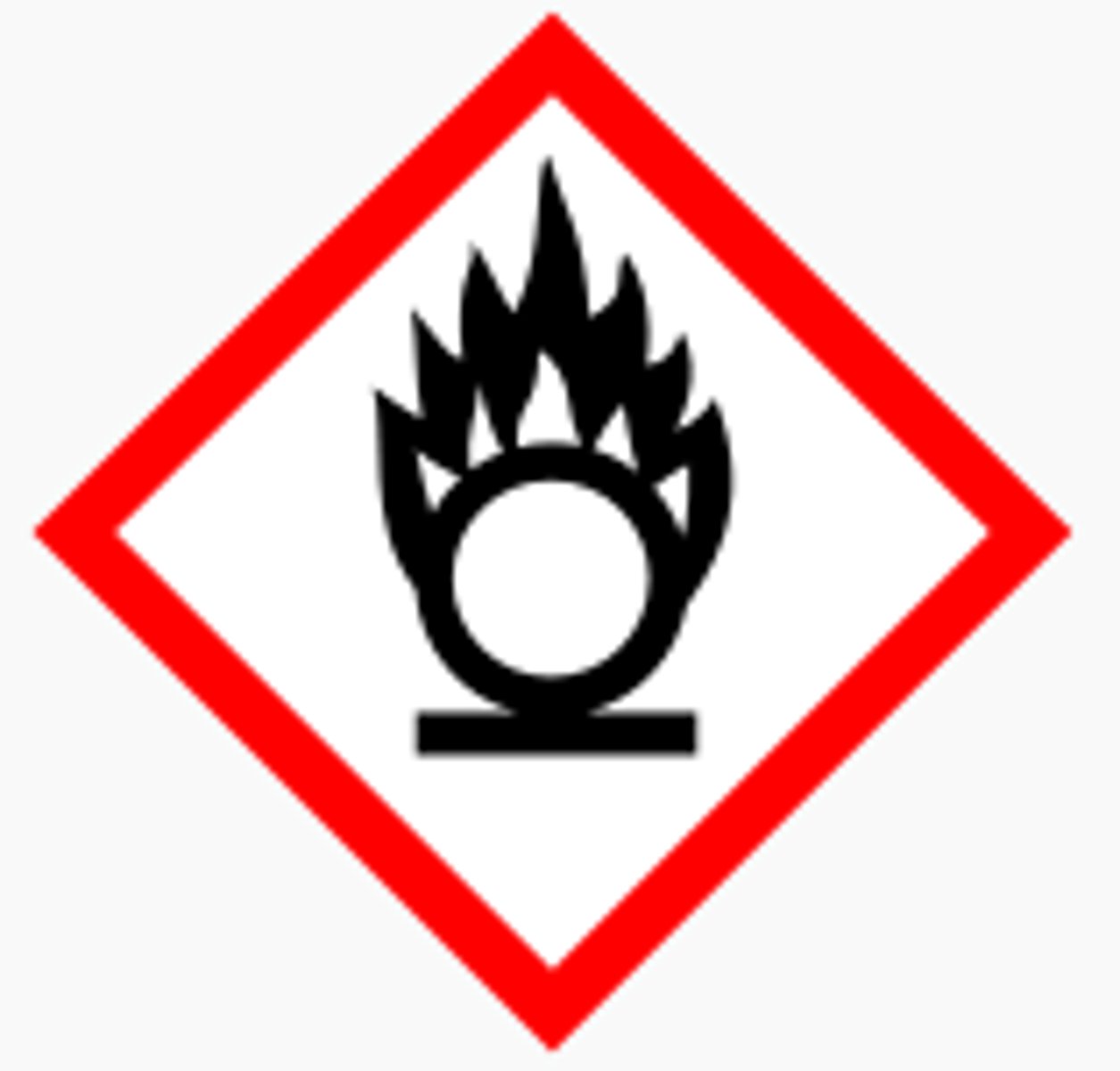
respiratory sensitizer, carcinogen, mutagenicity, reproductive toxicity, target organ toxicity, aspiration toxicity
health hazard
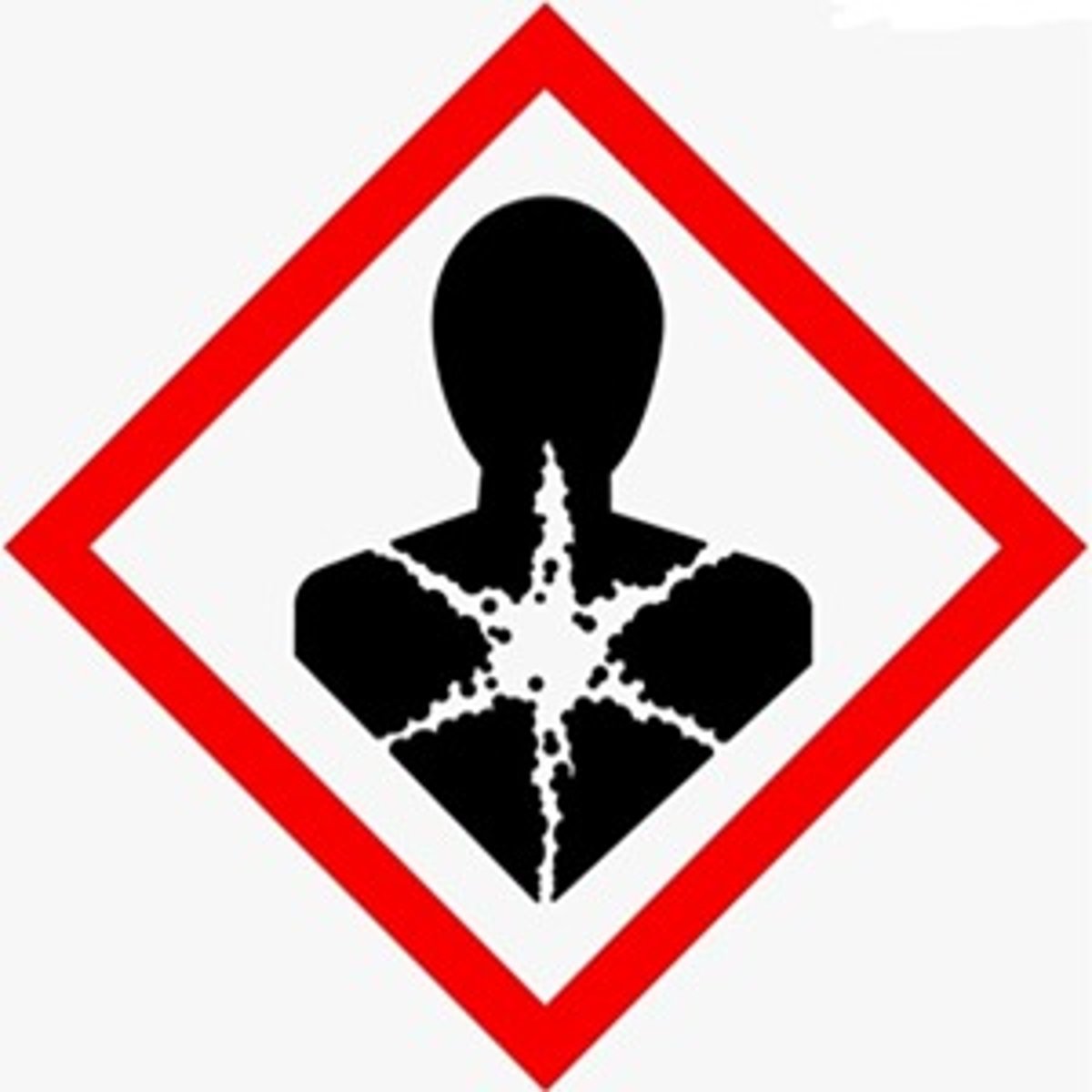
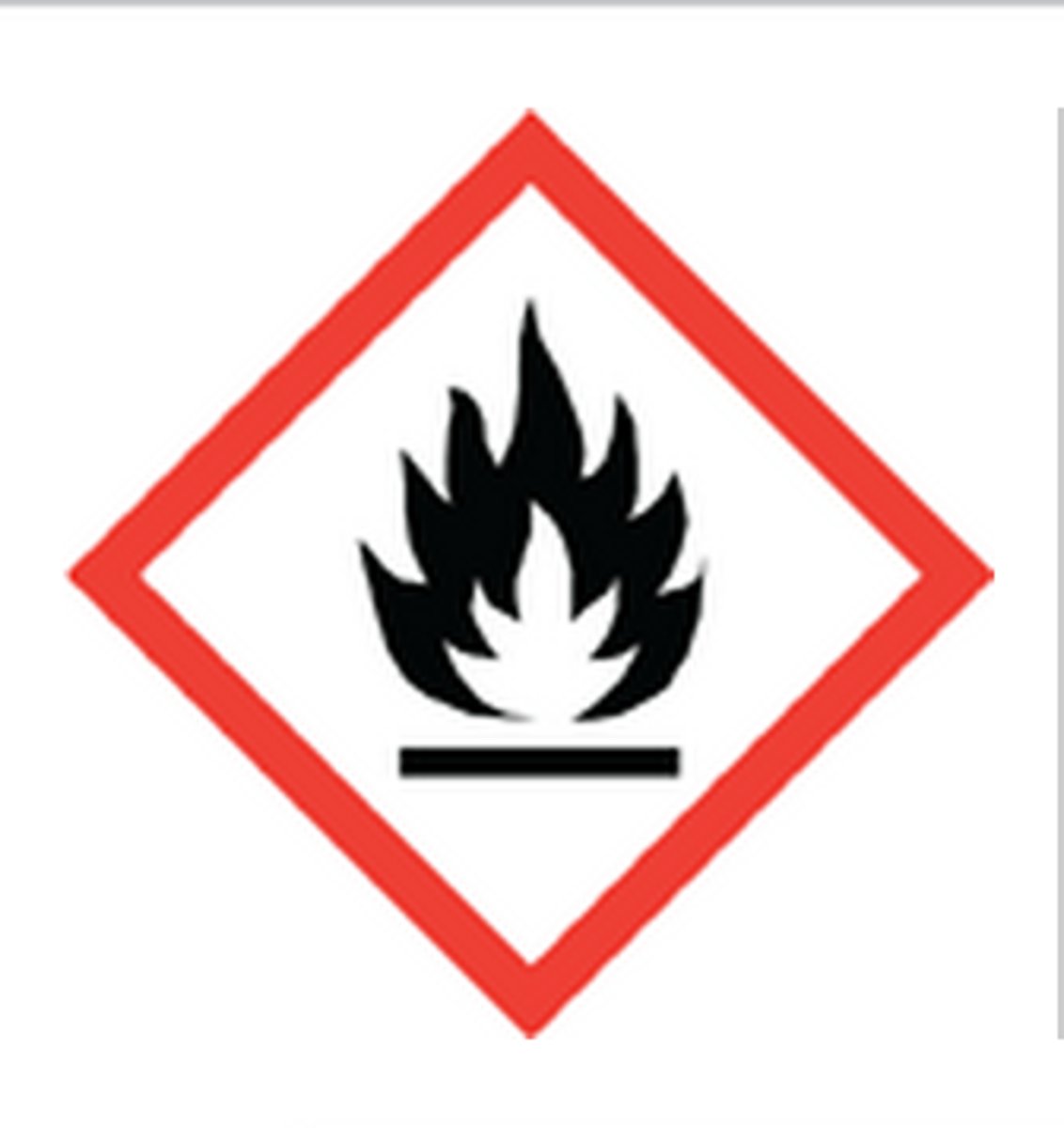
flammables, pyrophorics, self-heating, emits flammable gas, self-reactives, organic peroxides
flame
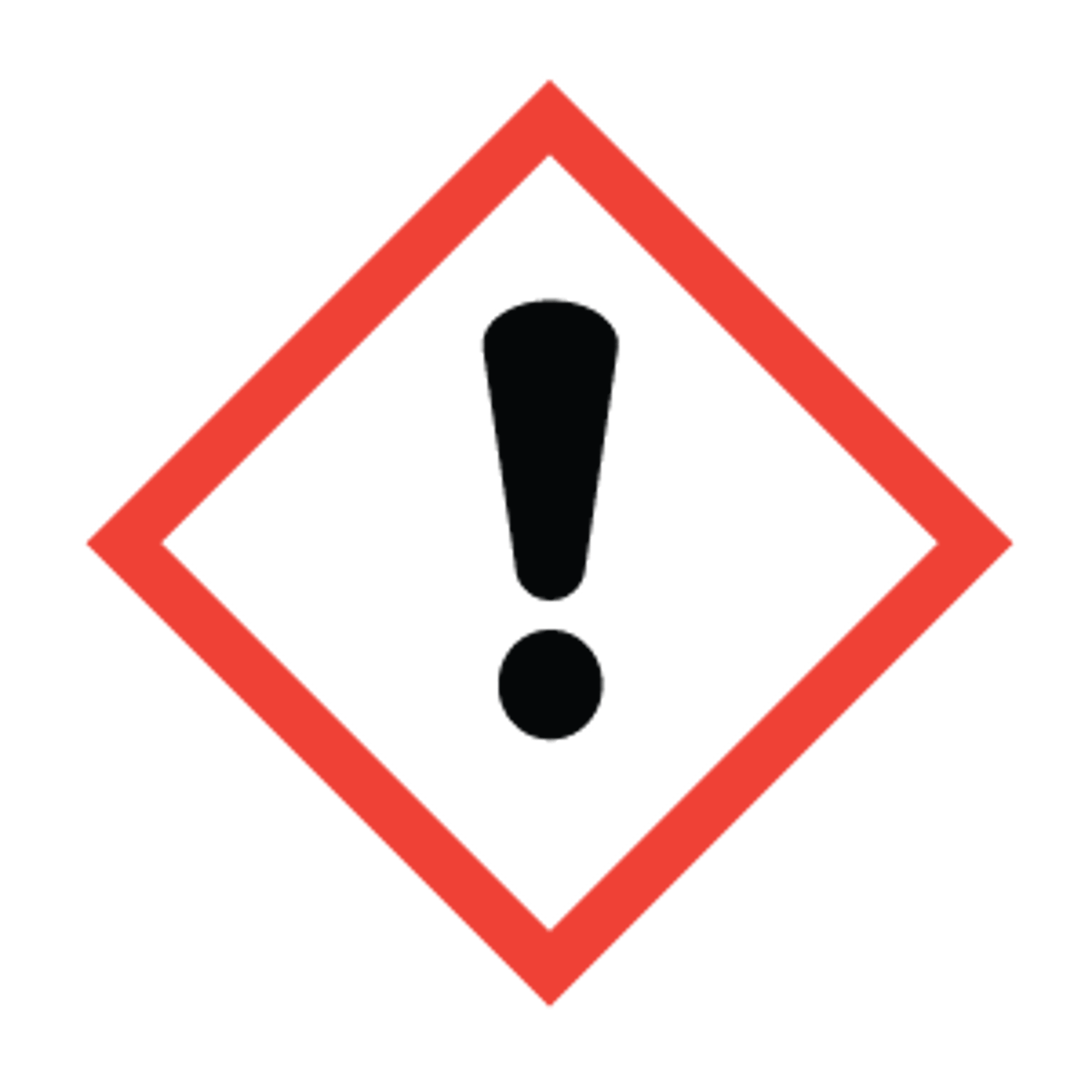
skin sensitizer, irritant, acute toxicity, narcotic effects, respiratory tract irritant, hazardous to ozone layer
exclamation mark
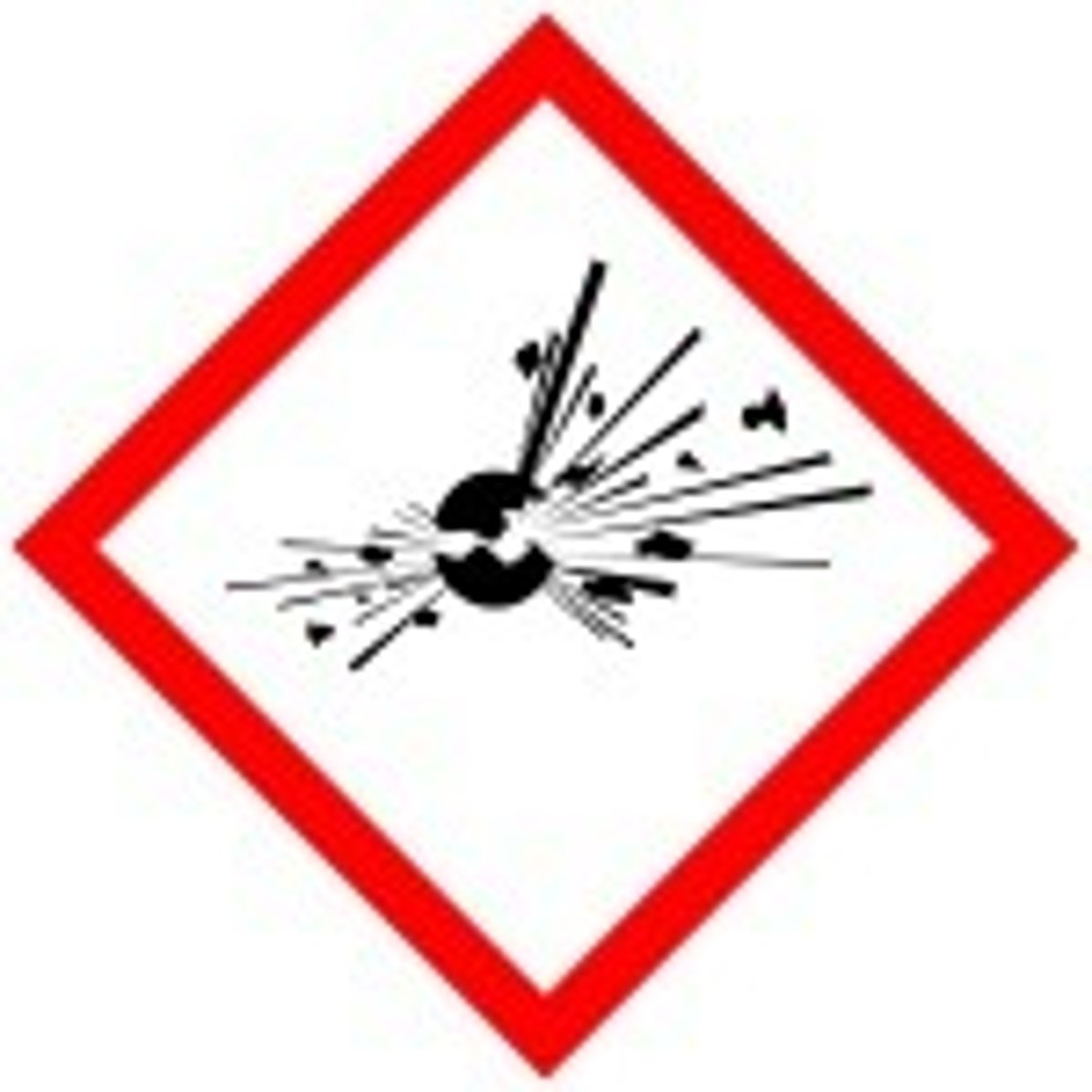
explosives, self-reactives, organic peroxides
exploding bomb
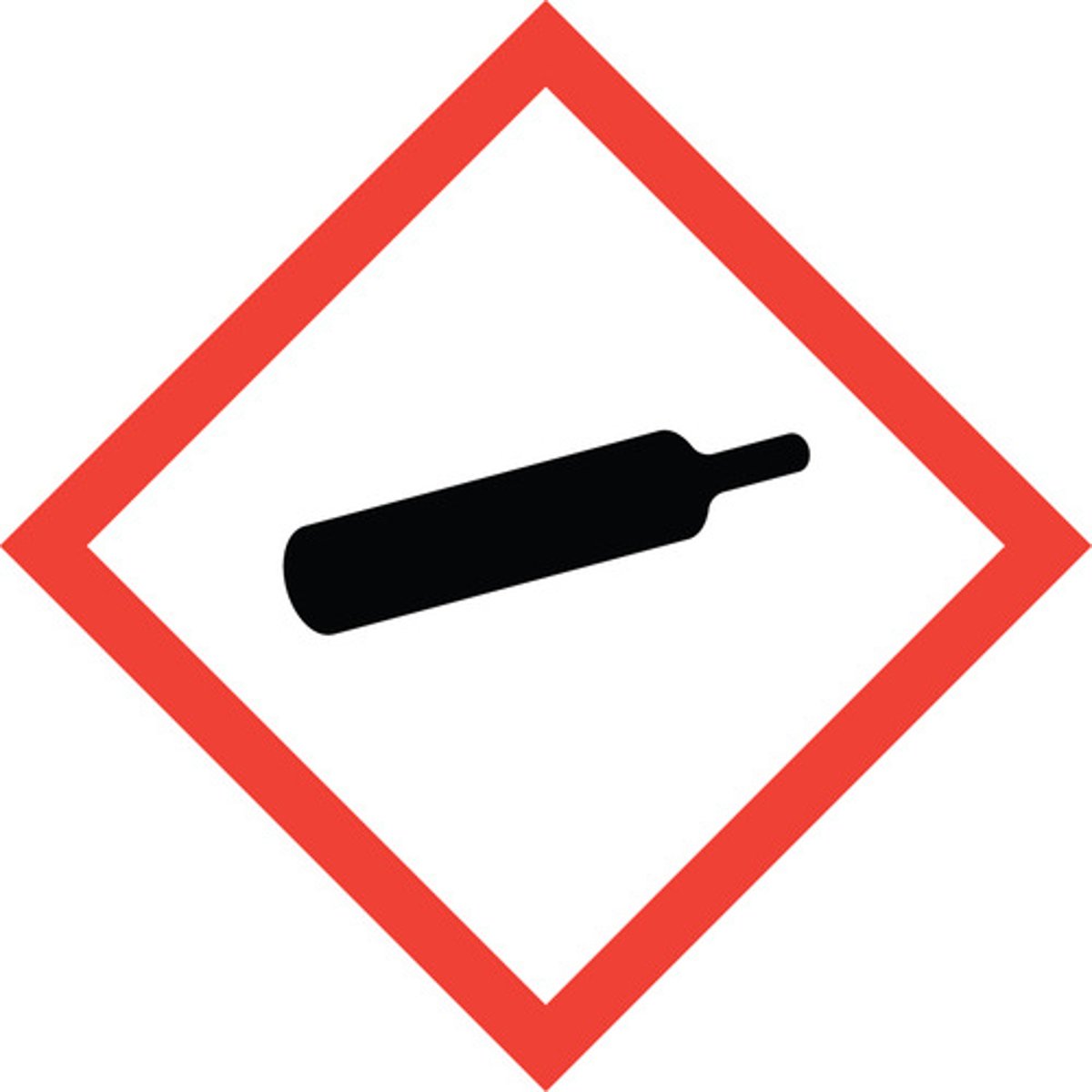
gases under pressure
gas cylinder
skin corrosion/burns, eye damage, corrosive to metals
corrosion
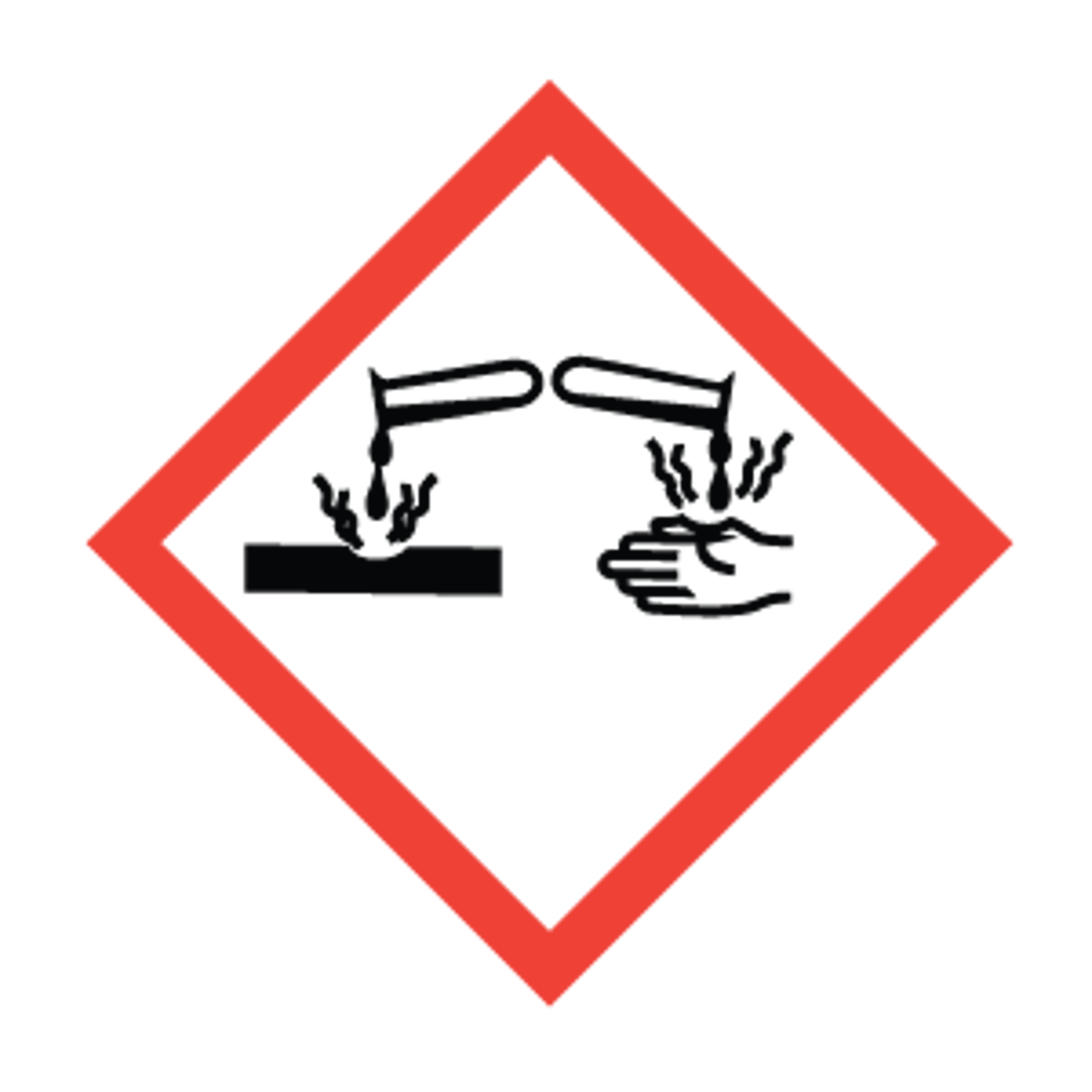
GHS categories based on severity
5 Categories: Category 1 = most hazardous, Category 5 = least hazardous.
What % of known chemicals have safety data sheets (SDS)?
0.1%
Who creates SDS?
chemical suppliers
Since SDS are ___ legally required to be accurate, one should ___
are not; examine SDS from different manufacturers
SDS are written for ___ setting, so chemicals, hazards, and PPE requirements may be ___
an industrial; overstated
Steps for using a SDS to understand the associated hazards of the chemical (3)
1. Compare label info to ensure you have the right SDS
2. Determine hazard class: corrosive, flammable, etc
3. Look at procedures for safe handling
fire tetrahedron
heat, oxygen, chemical chain reaction, fuel
fire tetrahedron: how to remove heat
pour water over fire
fire tetrahedron: how to remove oxygen
carbon dioxide fire extinguishers blanket substance to put out fire
fire tetrahedron: how to remove chemical chain reaction
use halon fire extinguisher
fire tetrahedron: how to remove fuel
keep amounts of flammable solvents at a minimum in lab
PASS acronym
PULL safety pin
AIM extinguisher at base of fire
SQUEEZE handle to begin discharge
SWEEP discharge back and forth horizontally across fire's base
What should you do if you are on fire?
stop, drop, and roll
What should you do if your labmate is on fire?
wrap them in a fire blanket
Which statements are true about fire? (3)
1. Water can be used to extinguish a class B fire
2. Water can't be used to extinguish a class D fire
3. Fires are classified by what type of oxidizing agents are involved
4. The fuel must be vaporized to burn
5. Removing heat keeps the fuel from vaporizing
2, 4, 5
1. Water can only extinguish class A fires (solid materials)
3. Fires are classified by what type of fuels are burning
Class A fire
paper, clothing, plastics
Class B fire
gasoline, oil, organic solvents
Class C fire
hot plates, computers
Class D fire
reactive metals (Na, Li, etc)
Appropriate actions to take in the event of a spill (select all that apply):
1. If splashed with a large quantity of liquid, wipe off contaminated clothing
2. Eye washes should be used for at least 15 min
3. Use a spill pillow to absorb liquids with nontoxic vapors
4. Use a small brush and dustpan when cleaning up a solid
5. Contaminated clothing must be removed and treated as hazardous waste
6. If splashed with a large quantity of a chemical, use the shower immediately
7. Spilled solid should be returned to its original bottle
8. If solid is spilled on skin, you should wash, scrape off, then wash with water
9. Nonvolatile liquid spills require lab evacuation
All except 1, 7, and 9
Key steps for responding to a spill: Communicate
notify an instructor or stockroom staff of the spill location and contents
Key steps for responding to a spill: Isolate
if possible, contain the spill with a spill pillow, sand, etc
Key steps for responding to a spill: Evacuate
if the spill is large and/or hazardous, leave the room or builidng
Key steps for responding to a spill: Mitigate
spill clean up; your instructor will determine if you can assist
What should be done when handling a corrosive? (select all that apply)
1. wear PPE (goggles, lab coat, gloves)
2. wear long sleeved shirts, long pants, and closed toe shoes
3. carry bottles in secondary containers
4. know the location of eyewash stations and safety showers
5. use chemicals in fume hood if they're an inhalant hazard
6. if exposed to skin, wash off immediately
7. use concentrated solutions whenever possible
8. discard gloves after contamination or taking off
all except 7
RAMP acronym
RECOGNIZE hazard
ASSESS procedure, knowledge, and exposure probability
MINIMIZE risk of exposure by wearing goggles
PREPARE for emergences by locating eye eash
mists
tiny droplets of liquid suspended in air
fumes
colloidal suspension of solid or liquid particles in air
dusts
solid particles suspended in air
smoke
mixture of dry particles and droplets of liquid
nanoparticles
ultrafine homogeneous particles ranging in size from 1 to 100 nm
Minimizing exposure route: Ingestion
do not put anything in your mouth that has been in lab
Minimizing exposure route: Eye exposure
always wear goggles
Minimizing exposure route: Inhalation
cap flasks containing volatile liquids
Minimizing exposure route: Skin exposure
clean surfaces, wear gloves and lab coat
Minimizing exposure route: Injection
use a dustpan and broom to clean up broken glass
Which of the following play significant roles in the extent of injury or harm when exposed to a hazardous chemical? (3)
1. how the chemical entered the body (exposure route)
2. availability of safety equipment
3. amount of time one is exposed to chemical
4. atmospheric pressure
5. amount of chemical one is exposed to
6. relative humidity
1, 3, 5
Which of the following are parts of the design of lab ventilation? (3)
1. air exchanges should be at least 24 in 24 hours
2. lab air leaves the lab through fume hoods
3. atmospheric pressure in the lab is greater than the hallway
4. hallway air flows into the lab
5. air enters the labs through heating/cooling ducts and hallway air
2, 4, 5
In which of the following scenarios are you most likely to be exposed to a chemical hazard through skin or eye absorption?
1. You cut your hand on the broken glass of a cracked beaker that was filled with methanol and shattered upon heating.
2. You spray yourself in the face with gas when filling your car's tank. Your eyes start to burn and you have to remove your contacts.
3. You don't put saran wrap on your keyboard and a solid is on the trackpad. You touch the trackpad, lick your finger, and your mouth becomes numb.
4. You clean your bathroom using ammonia, but the smell is terrible, so you switch to bleach without washing away all the ammonia. Your eyes start watering and you are coughing badly.
2
1. injection
3. ingestion
4. inhalation
What steps should be taken to minimize the risk of skin or eye absorption in lab? (2)
1. Wear PPE (lab coat, gloves, goggles)
2. Perform procedures inside fume hood with good ventilation