Sixth Set of Flashcards
 Call Kai
 Learn
Learn Practice Test
 Spaced Repetition
 Match
Match Flashcards
 Knowt Play
1/52

There's no tags or description
Looks like no tags are added yet.
Name | Mastery | Learn | Test | Matching | Spaced | Call with Kai |
|---|
No analytics yet
Send a link to your students to track their progress
53 Terms
Describe two aspects that make experimentation of humans difficult.
Variability: Human population have
high genetic and environmental
variability.
Psychological Factors: Psychological
aspect of administering a treatment.
Placebo
Nocebo (side effects)
Ethical considerations: Minimize the
possibility that subjects will be
harmed by their participation.
What are the normal physical characteristics of urine?
Color:
Pale yellow to amber color
(Urochrome or urobilinogen).
Odor:
Slightly aromatic
pH: Ranges from 4.5 - 8.0.
Average is 6.0.
Turbidity:
Normal urine is transparent or clear
Specific gravity:
the relative proportions of dissolved solids in relationship to the total volume of the
specimen
What are the normal chemical components of urine?
• Water
Nitrogenous waste
-Urea (protein metabolism)
-Uric acid (metabolite of purine breakdown)
-Creatinine (muscle metabolism)
• Ions
• Sodium
• Potassium
• Phosphate
• Sulfate ions
Variable amounts of:
Calcium, magnesium and bicarbonate ions.
Presence of glucose in urine
Glycosuria, cause by diabetes mellitus
Presence of bile pigments/bilirubin in urine
Bilirubinuria, caused by Hepatitis A/cirrhosis
Presence of Nitrates in urine
Infection (E.coli), bladder infection
Presence of ketone bodies in urine
Ketonuria, caused by starvation or diabetes mellitus
Presence of albumin in urine
Albuminuria, caused by high protein intake, pregnancy, kidney trauma, hypertension, glomerulonephritis
Presence of hemoglobin in urine
Hemoglobinuria, caused by hemolytic anemias, transfusion reactions, renal diseases
Presence of RBCs in urine
Hematuria, caused by kidney stones or tumors
Presence of WBCs/Pus in urine
Pyuria, caused by UTIs
Presence of casts/cell fragments in urine
Hyaline: changes in pH and Na+
WBC: inflammation
RBC: glomerulonephritis
What is urinalysis?
To evaluate the function of the kidneys we
use a non-invasive method consist in a physical, chemical and microscopic analysis of the Urine.
Analysis of urine :
➢ Physical characteristic of the urine.
Color, smell, pH, turbidity, specific gravity.
➢Presence of abnormal components (organic/inorganic).
Glucose, Hb, Nitrates, WBCs, RBCs, Albumin,.. etc
What system is evaluated in urinalysis?
Urinary system
What is a clinical trial?
How safe and effective are new drugs,
treatments o devices in humans. research studies in which researchers assign participants to get one or more interventions to test what happens in people also called interventional studies.
What are observational studies?
research studies in which researchers simply collect information (called data) from participants or look at data that was already collected. The data may be about participants’ health, habits, or environments. researchers do not assign participants to get an intervention. If there is an intervention, participants were already using it as part of their regular health care or daily life
What is a primary source of information?
the original, firsthand documentation of study data, such as patient records, raw lab results, and investigator observations. It is the "source data" (or raw data) serving as the foundation for research, offering immediate evidence of a study's methodology and results
Why are clinical trials important?
cornerstone of medical advancement, essential for evaluating the safety and efficacy of new drugs, devices, and diagnostic tools before they are approved for public use. They offer significant value by improving patient outcomes, providing early access to cutting-edge treatments, and establishing new standards of care.
Why are primary sources of information important in the healthcare field?
they provide unmediated, firsthand, and raw evidence—such as raw data from clinical trials, case studies, and original patient assessments. They enable healthcare professionals to make evidence-based decisions, evaluate the original methodology, and ensure data validity/reliability, preventing the distortion of findings often found in secondary summaries
What is a peer-reviewed system in clinical trials?
a critical evaluation process where independent experts assess the design, ethics, and methodology of a study to ensure it is robust, safe, and valid, typically before publication or funding. It acts as a quality filter and improvement mechanism, often involving single-blind, double-blind, or open peer review.
Common format of a peer-reviewed article published in a primary source
Title
•Author(s)
•Abstract
•Introduction
•Materials and Methods
•Results
•Discussion/Conclusion
•References
Describe the categories of clinical studies.
Clinical trials are research studies in which researchers assign participants to get one or more interventions to test what happens in people. Because of this, clinical trials are also called interventional studies. Often, the intervention is investigational, which means it is not approved for doctors to prescribe to people.
Observational studies are research studies in which researchers simply collect information (called data) from participants or look at data that was already collected. The data may be about participants’ health, habits, or environments. In observational studies, researchers do not assign participants to get an intervention. If there is an intervention, participants were already using it as part of their regular health care or daily life.
EEG graph
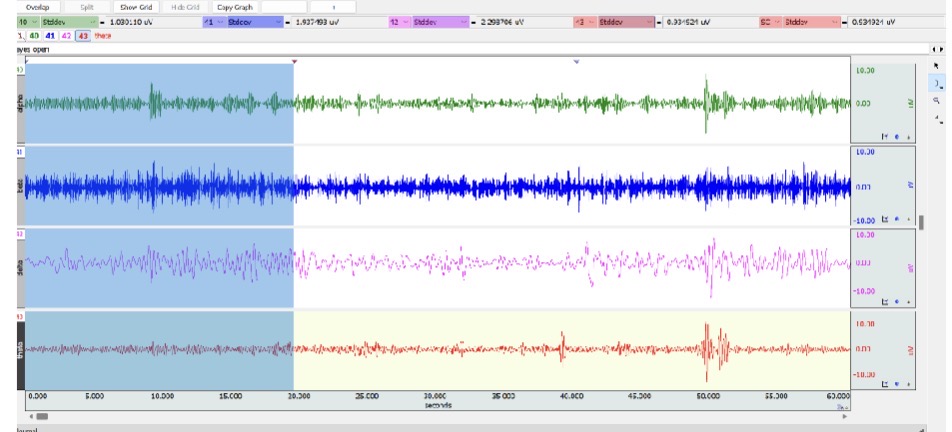
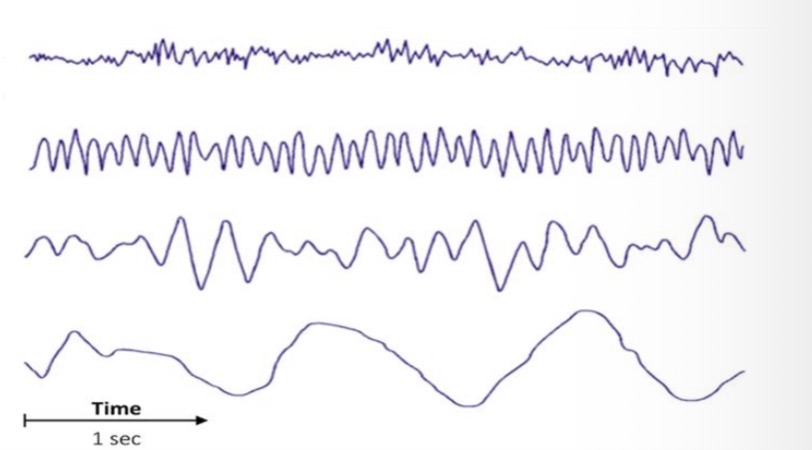
Brain waves
Beta, Alpha, Theta, Delta
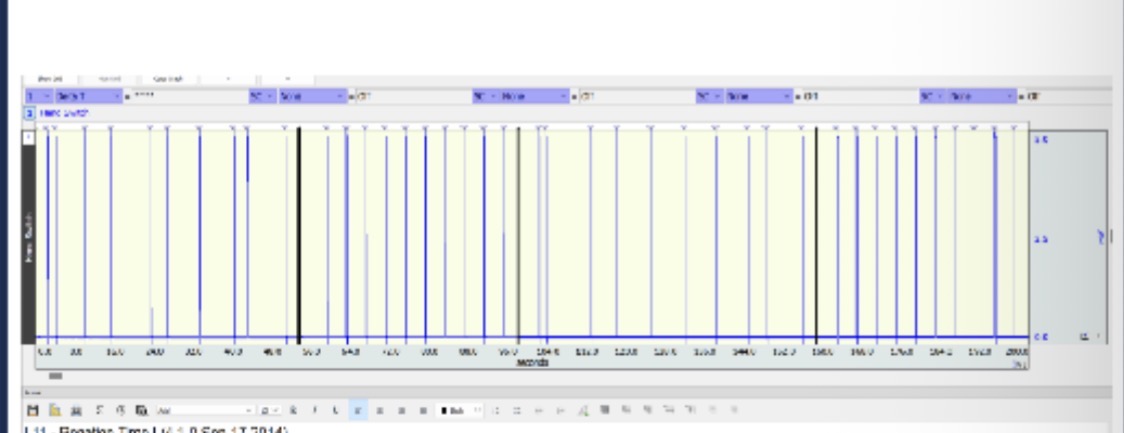
Reaction Time graph
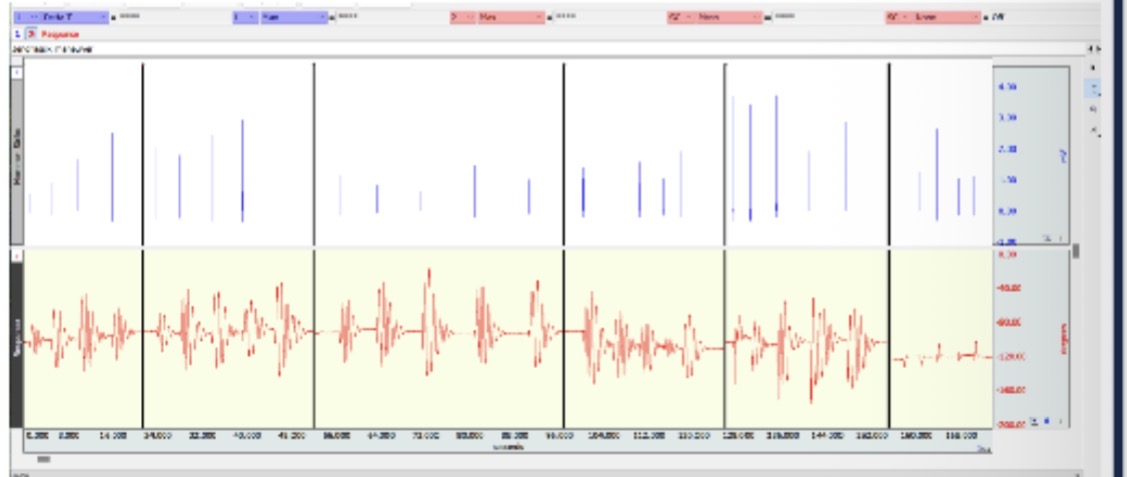
Myotatic/Spinal reflex graph
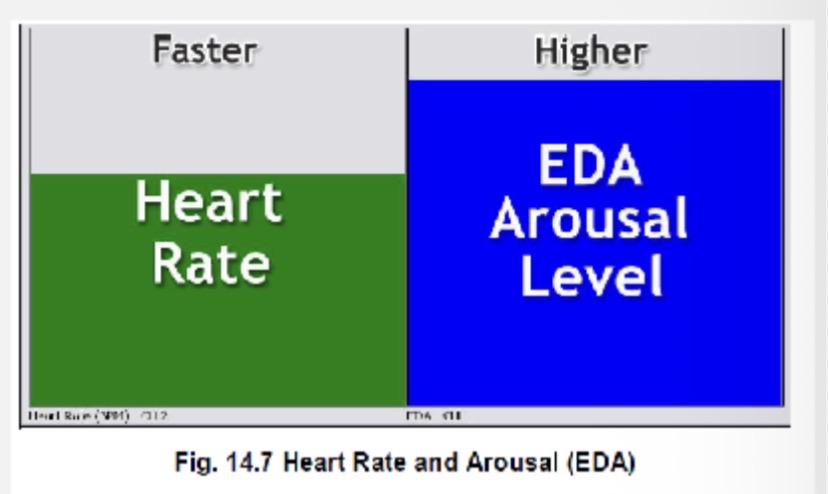
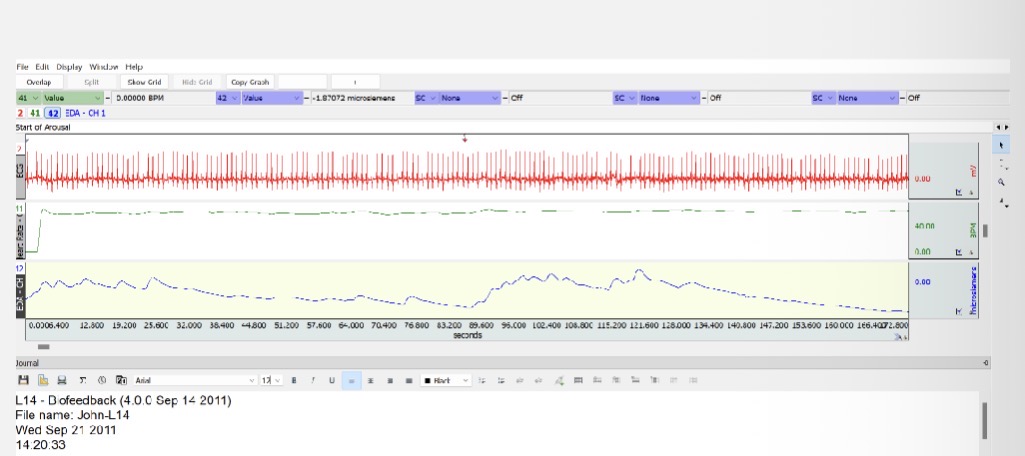
Biofeedback Control by subject (Heart rate/EDA)
EDA Graph
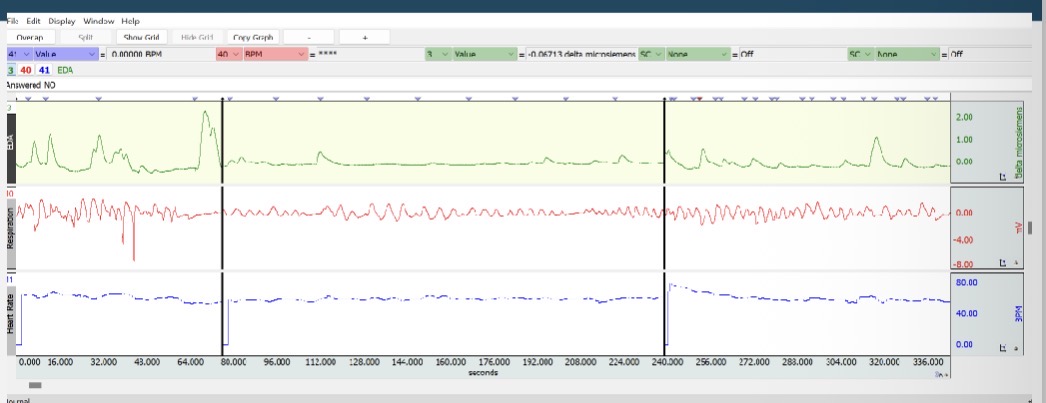
Biofeedback graph
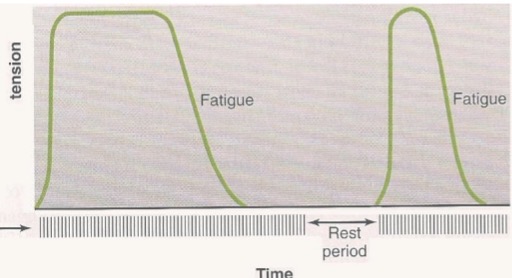
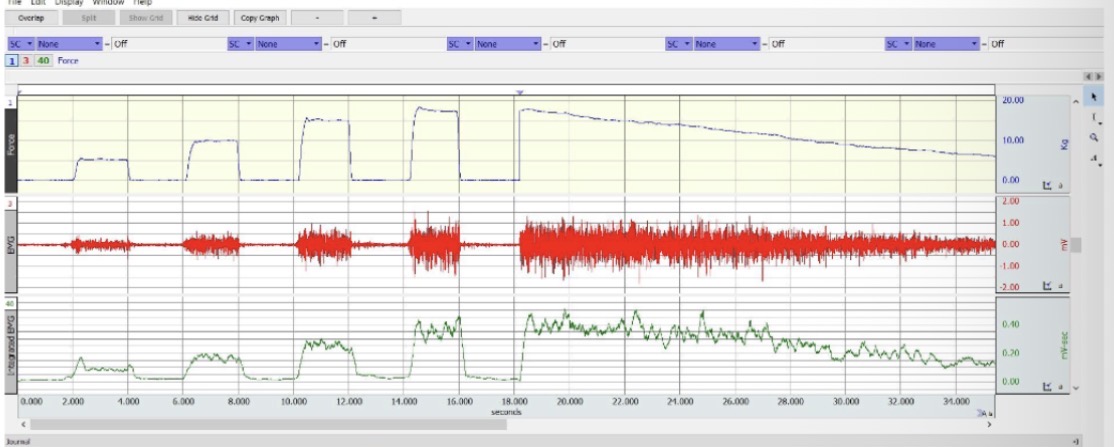
Fatigue graph
EMG Graph
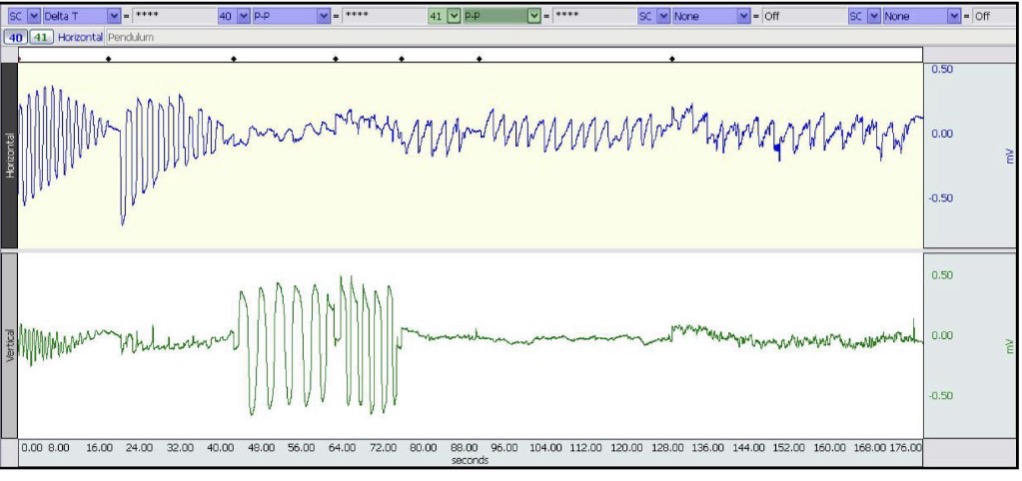
EOG Graph
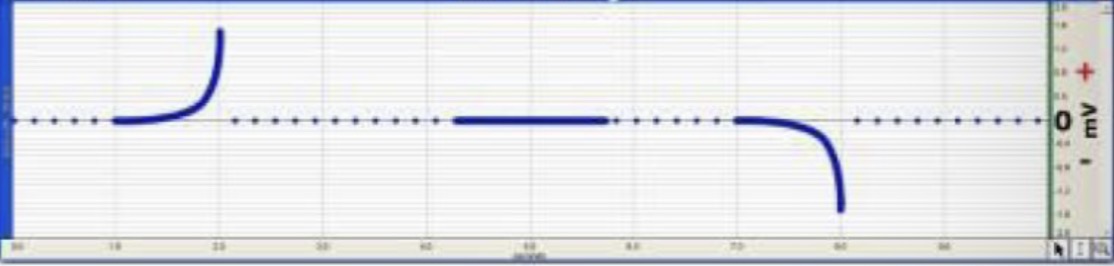
Dipole model of the eye and EOG
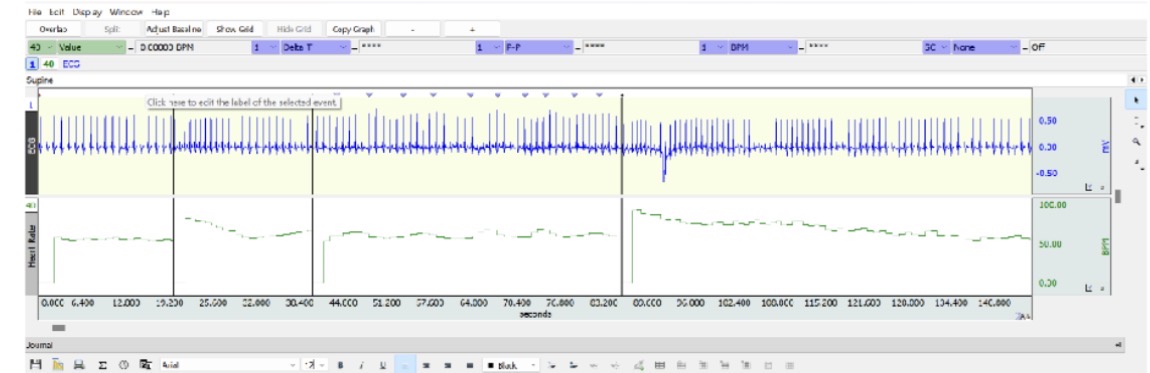
ECG graph
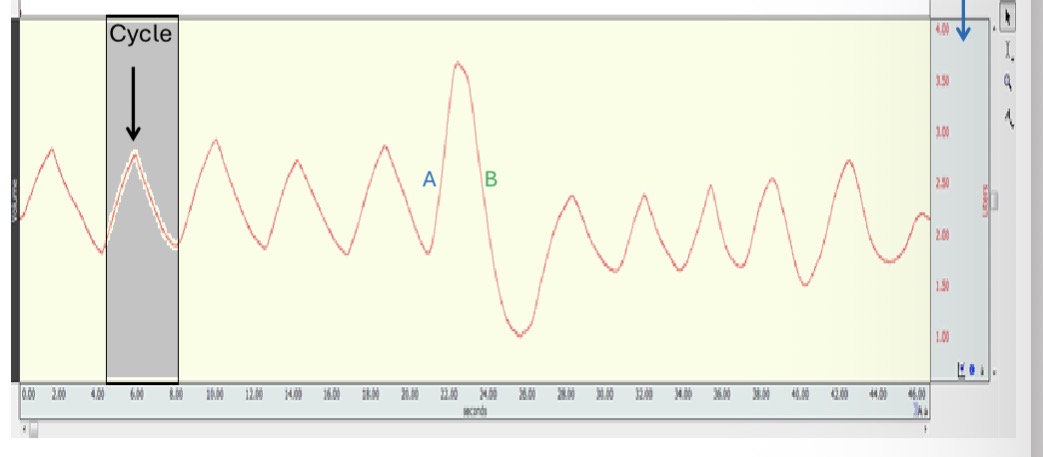
Pulmonary Function Test graph (spirogram)
EEG units
Microvolts (uV)
Brain waves (eeg freq) units
Hz
Reaction time units
Sec or milliseconds (ms)
Myotatic/spinal reflex graph units
Time: ms
Amplitude: mV or no units
EDA units
Microsiemens (uS)
Biofeedback units
Heart rate: bpm
EDA: uS (microsiemens)
Temp: C
Fatigue units
Time: sec
Force: kg or mV
EMG units
MV or kg(force)
EOG units
mV
dipole model of the eye and EOG units
mV
ECG units
mV
Pulmonary function test (spirogram) units
Liters (L)
What systems are evaulated in eeg?
Nervous
What systems are evaulated in ecg?
Cardiothoracic and nervous
What systems are evaulated in emg?
Nervous, muscular
What systems are evaulated in eog?
Muscular, nervous
What systems are evaulated in pulmonary function test?
Respiratory
What systems are evaulated in reaction time?
Muscular and nervous