EAPS 111 Lab Exam 2
 Call Kai
 Learn
Learn Practice Test
 Spaced Repetition
 Match
Match Flashcards
 Knowt Play
1/41

There's no tags or description
Looks like no tags are added yet.
Name | Mastery | Learn | Test | Matching | Spaced | Call with Kai |
|---|
No analytics yet
Send a link to your students to track their progress
42 Terms
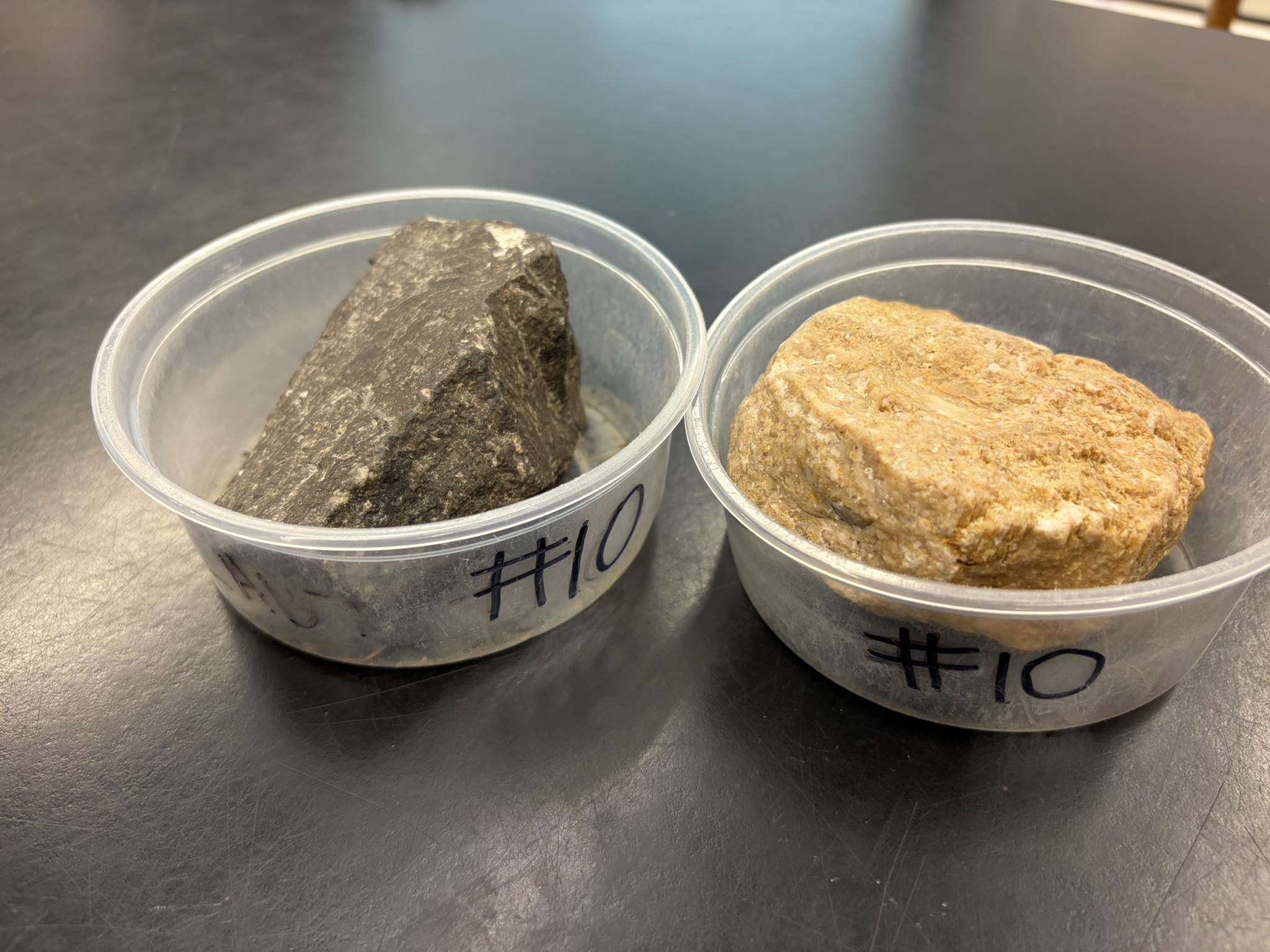
Detrital
Clastic
Marine Environments
Low Energy
Limestone
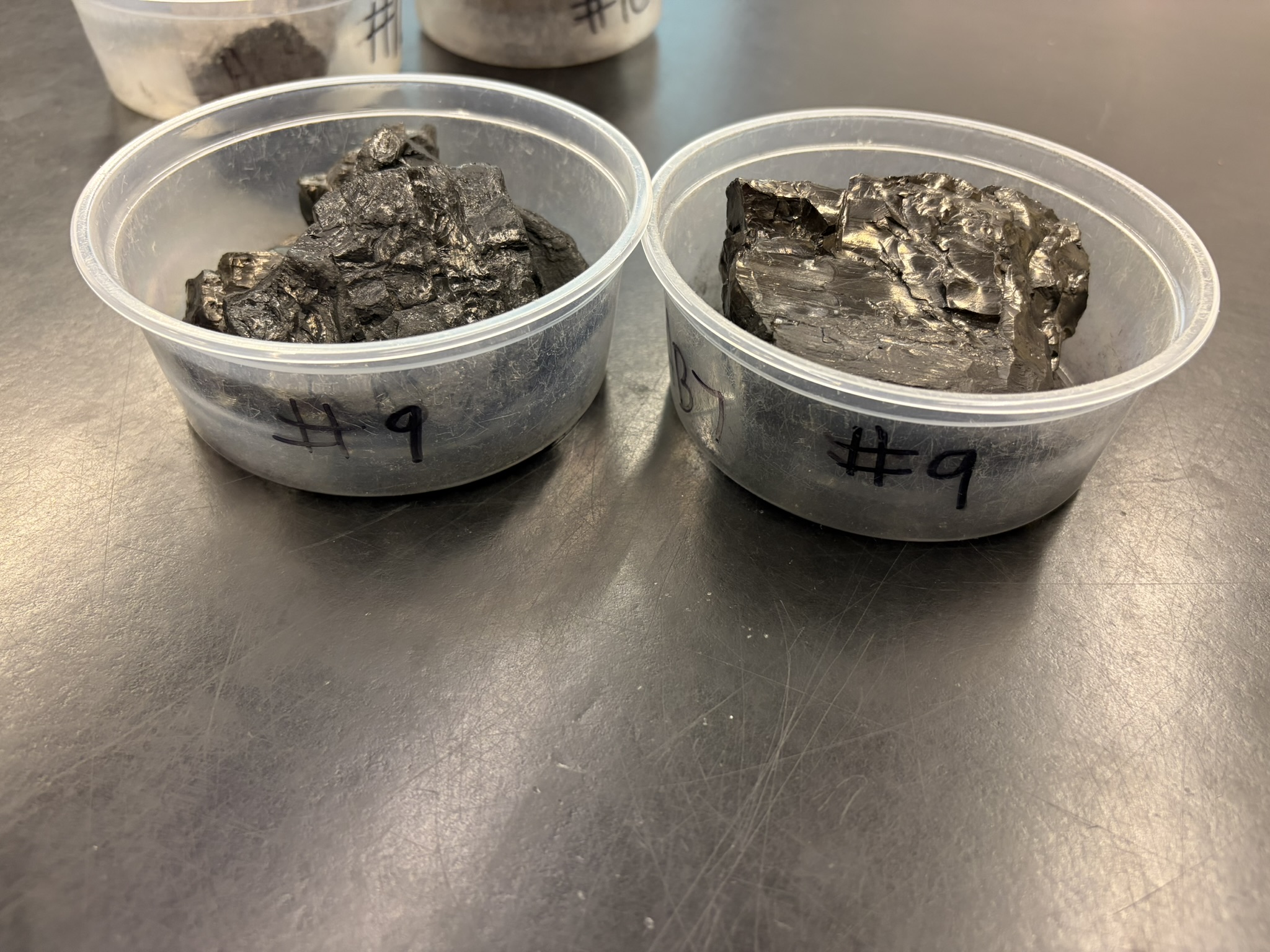
Biochemical/ Organic
Clastic
Swamp Environments
Low Energy
Coal
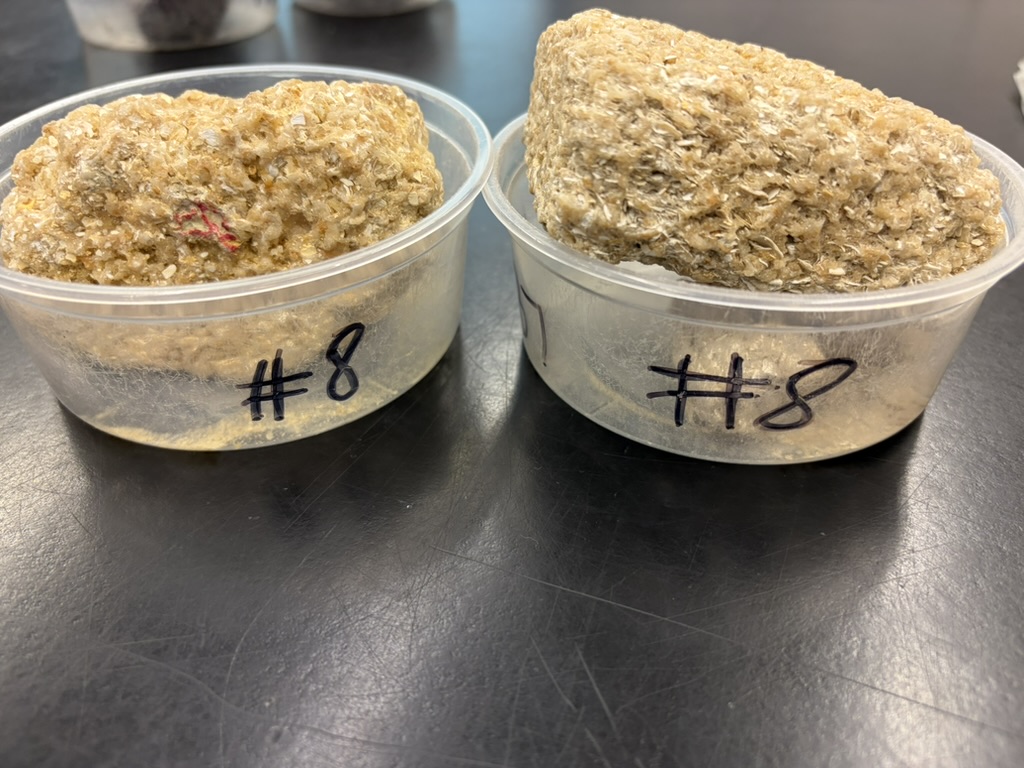
Biochemical
Clastic
Middle Marine Shelf
Medium Energy
Coquina
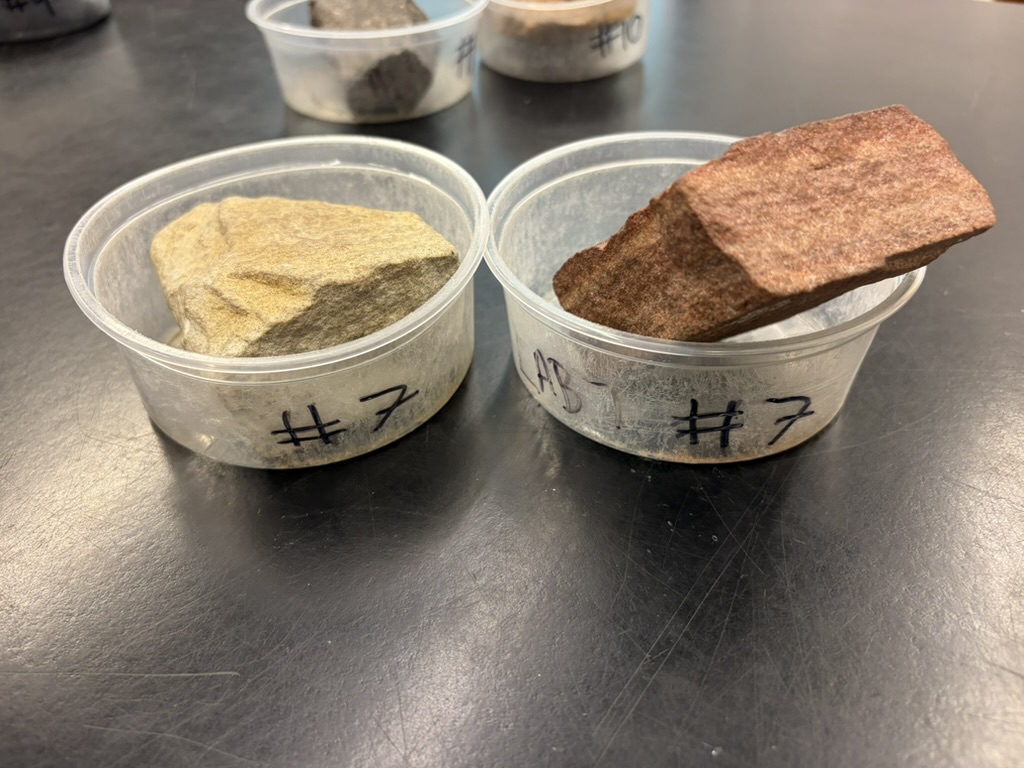
Detrital
Clastic
Middle Marine Shelf
Low energy
Claystone
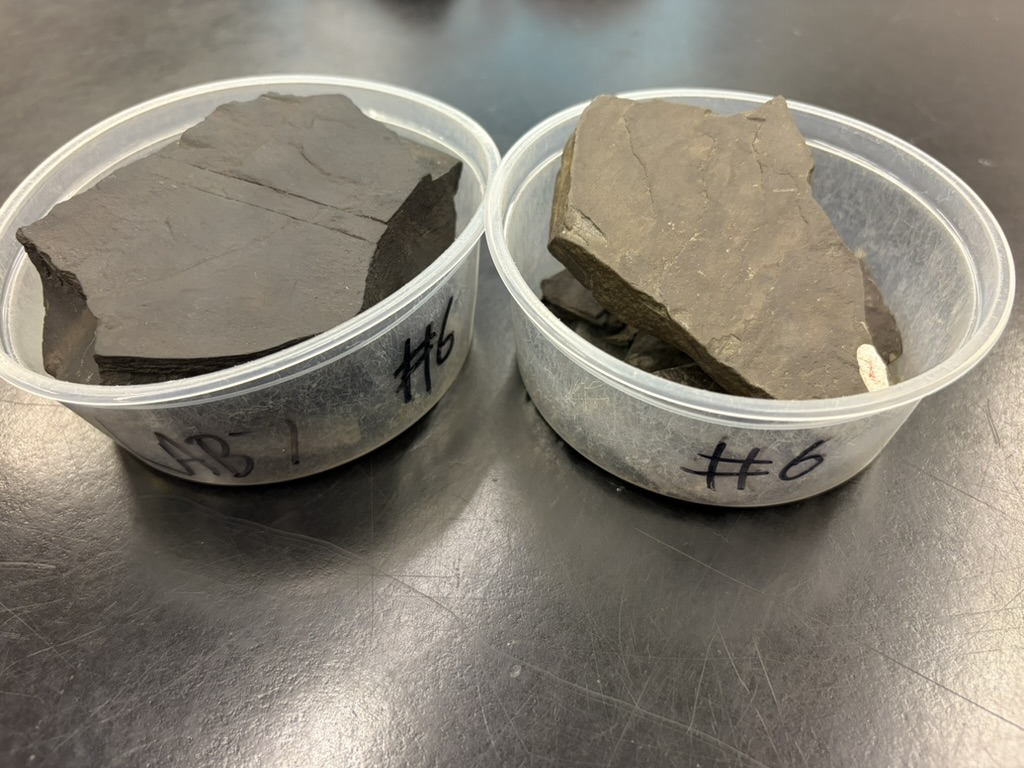
Chemical
Mircocrystalline
Freshwater Lake
Low Energy
Shale
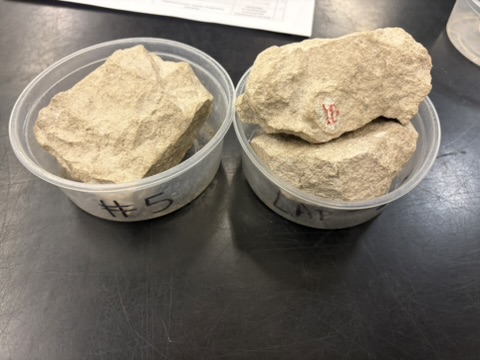
Biochemical
Crystalline
Outer marine shelf
Low energy
Oolitic Limestone
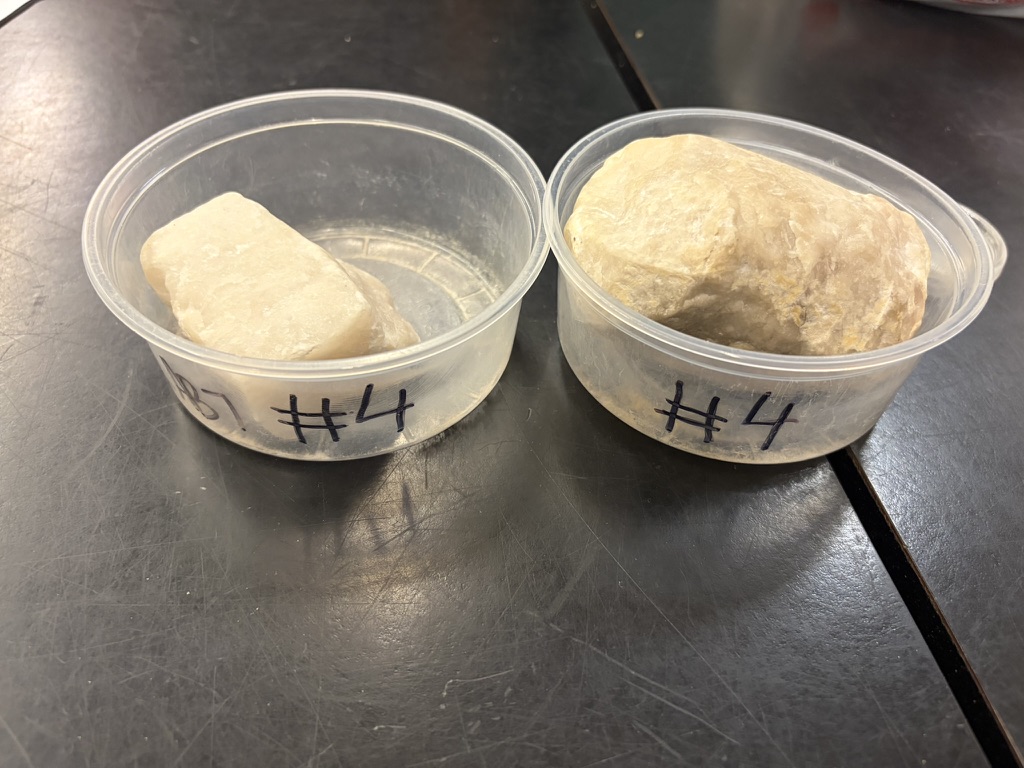
Chemical
Crystalline
Evaporite Basin
Low energy
Gypsum
Detrital
Clastic
Base of cliff
High energy
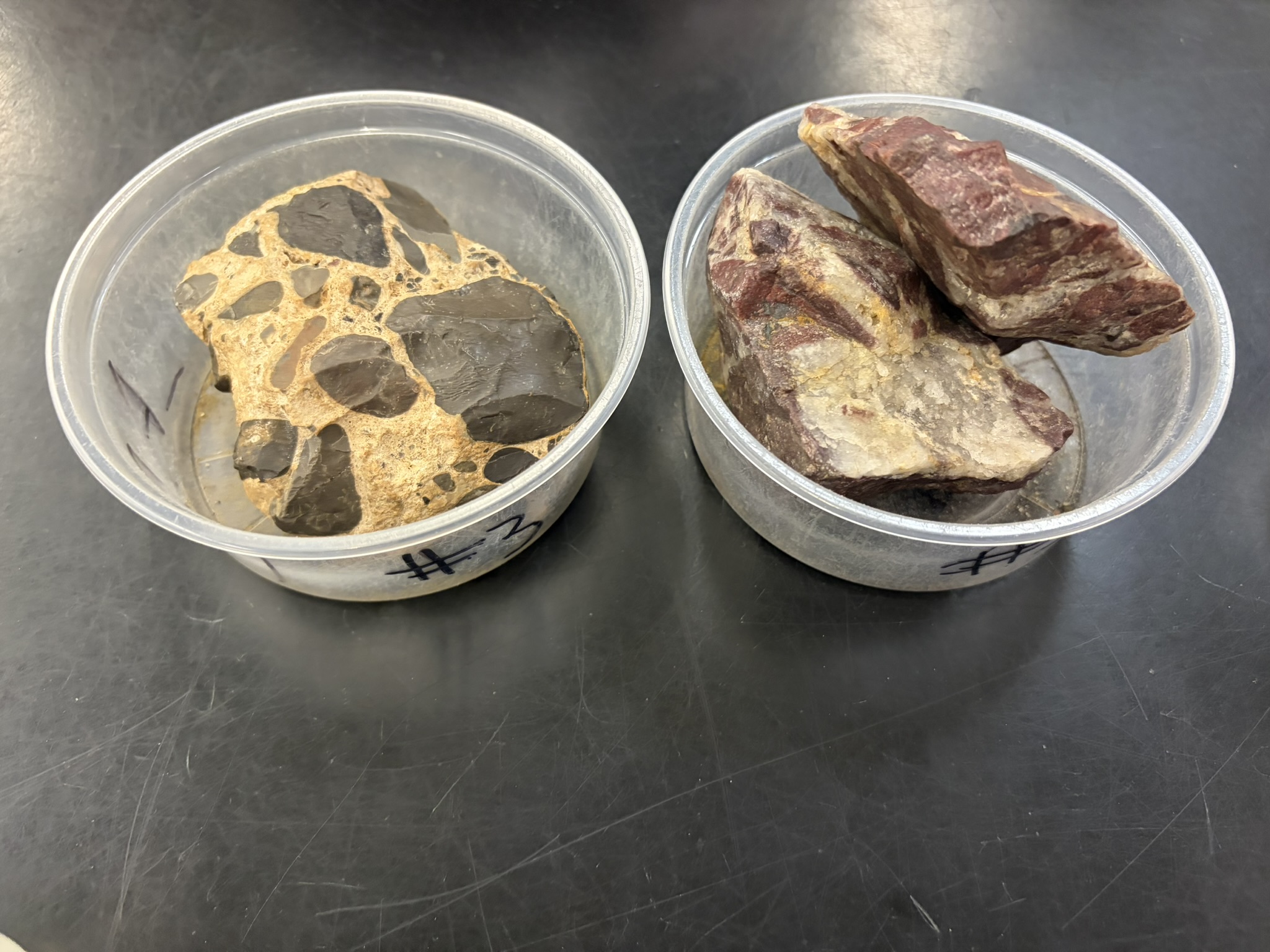
Breccia
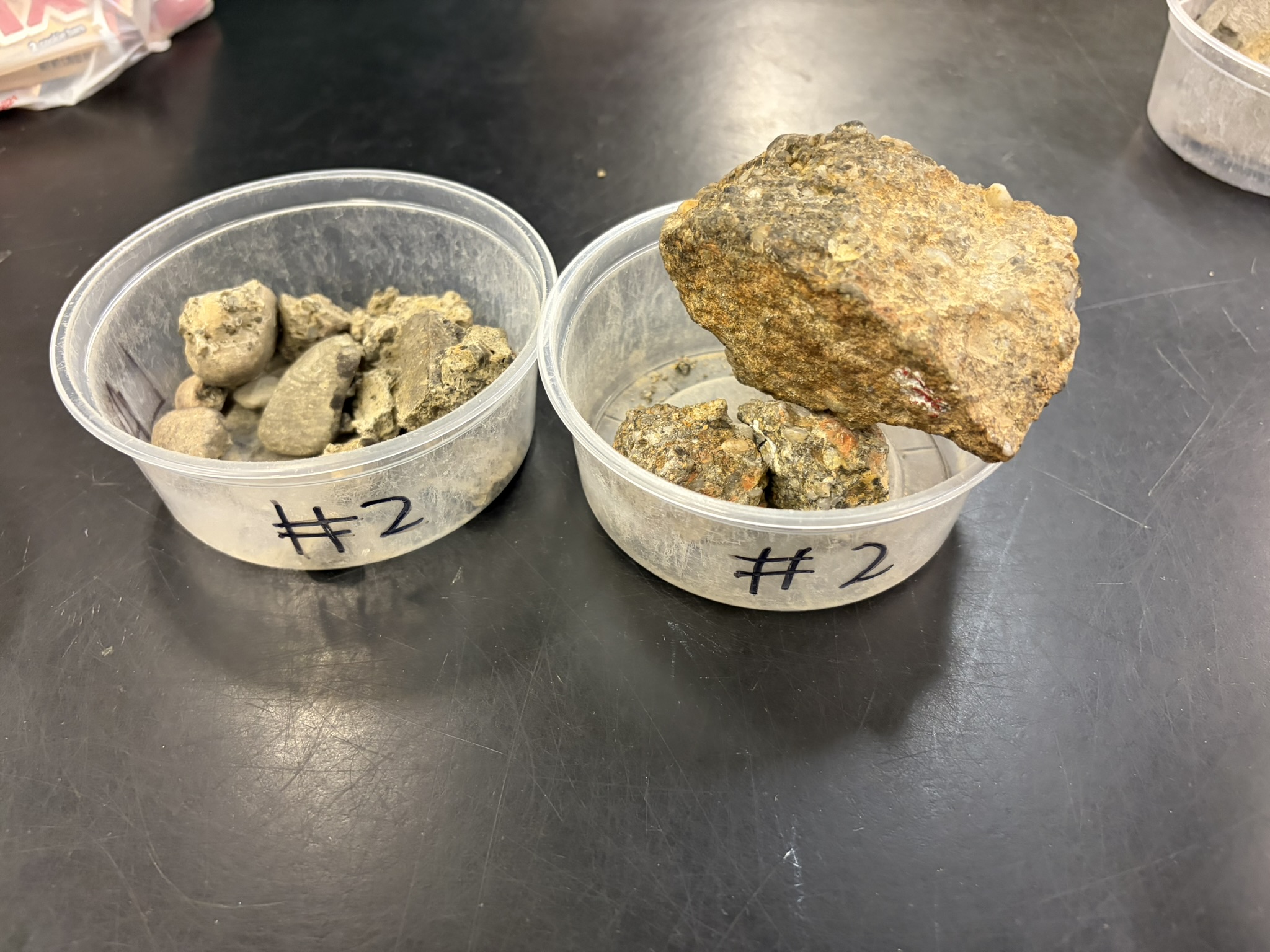
Detrital
Clastic
River channel
High energy
Conglomerate
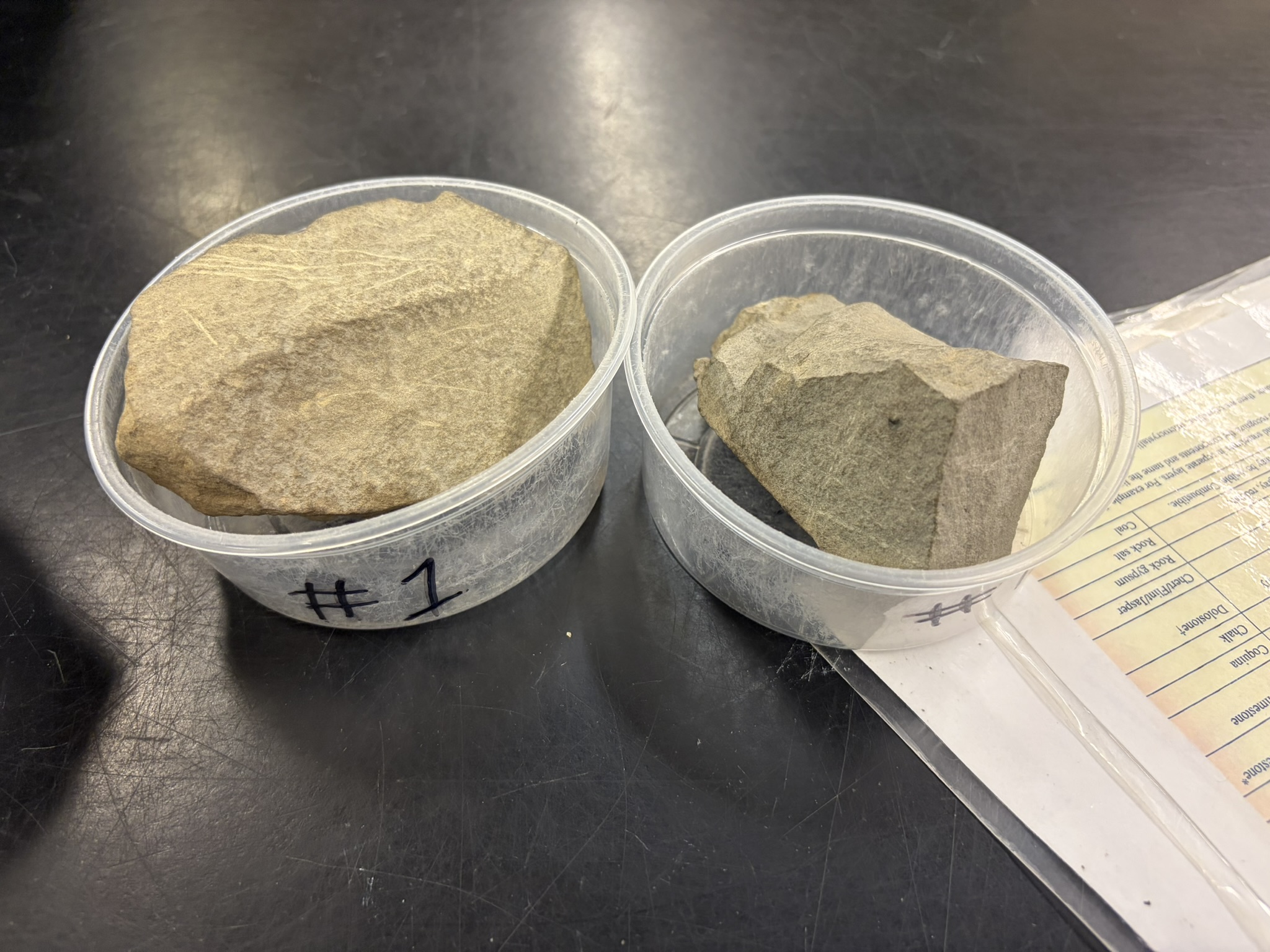
Detrital
Clastic
Marine shelf
Low energy
Siltstone
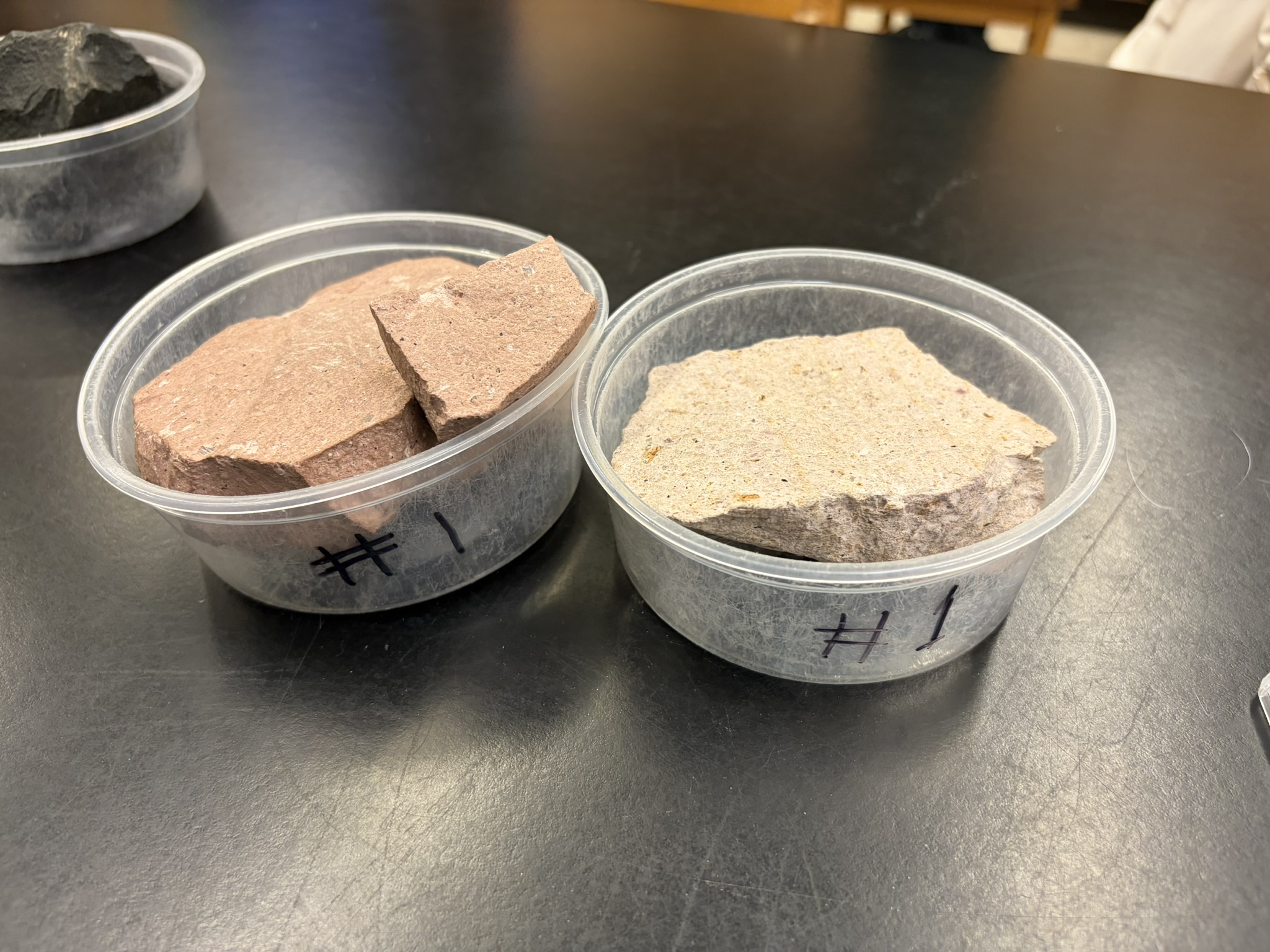
Felsic
Aphanitic (fine)
Light weight
Rhyolite
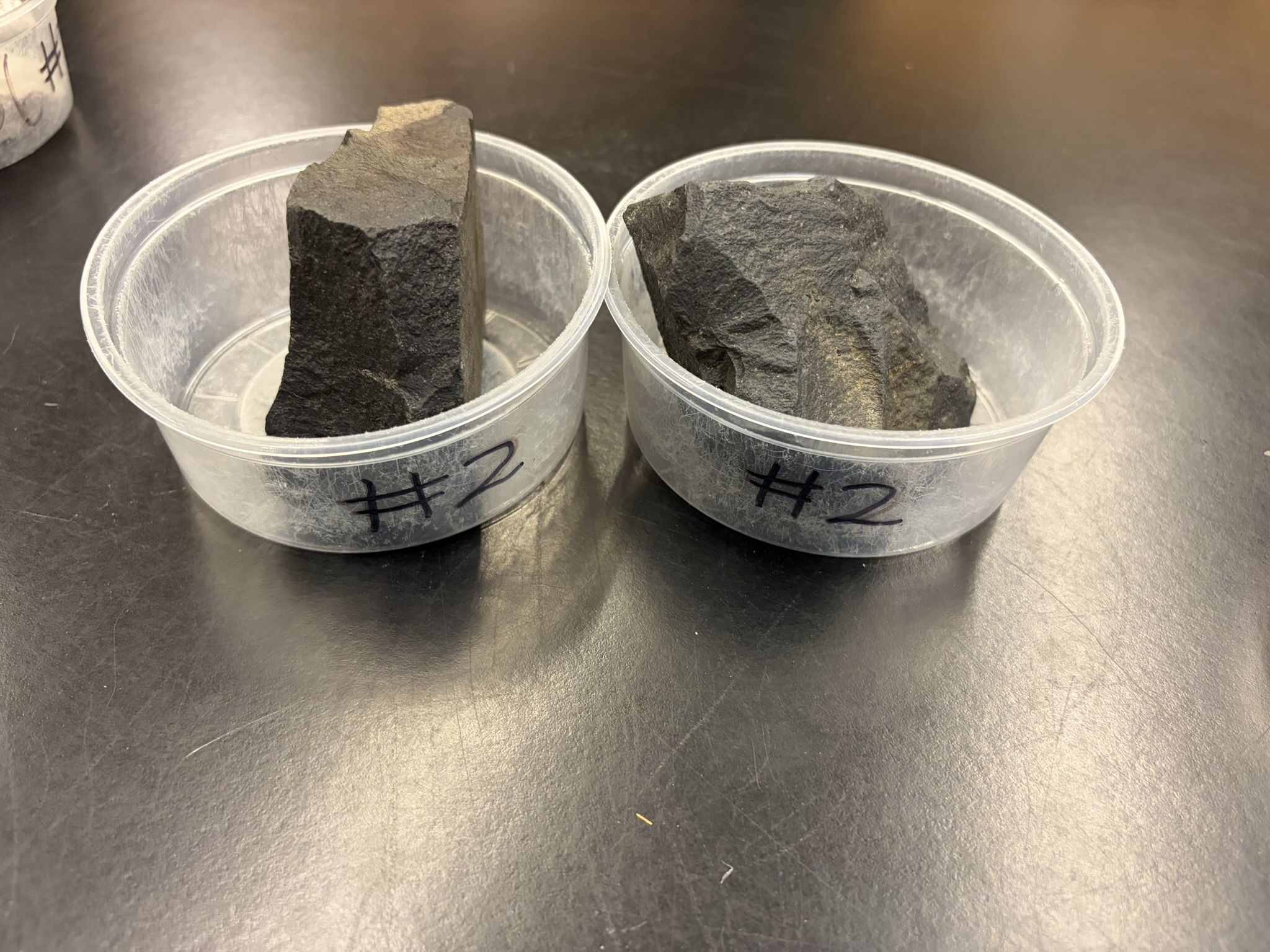
Mafic
Aphanitic
Basalt
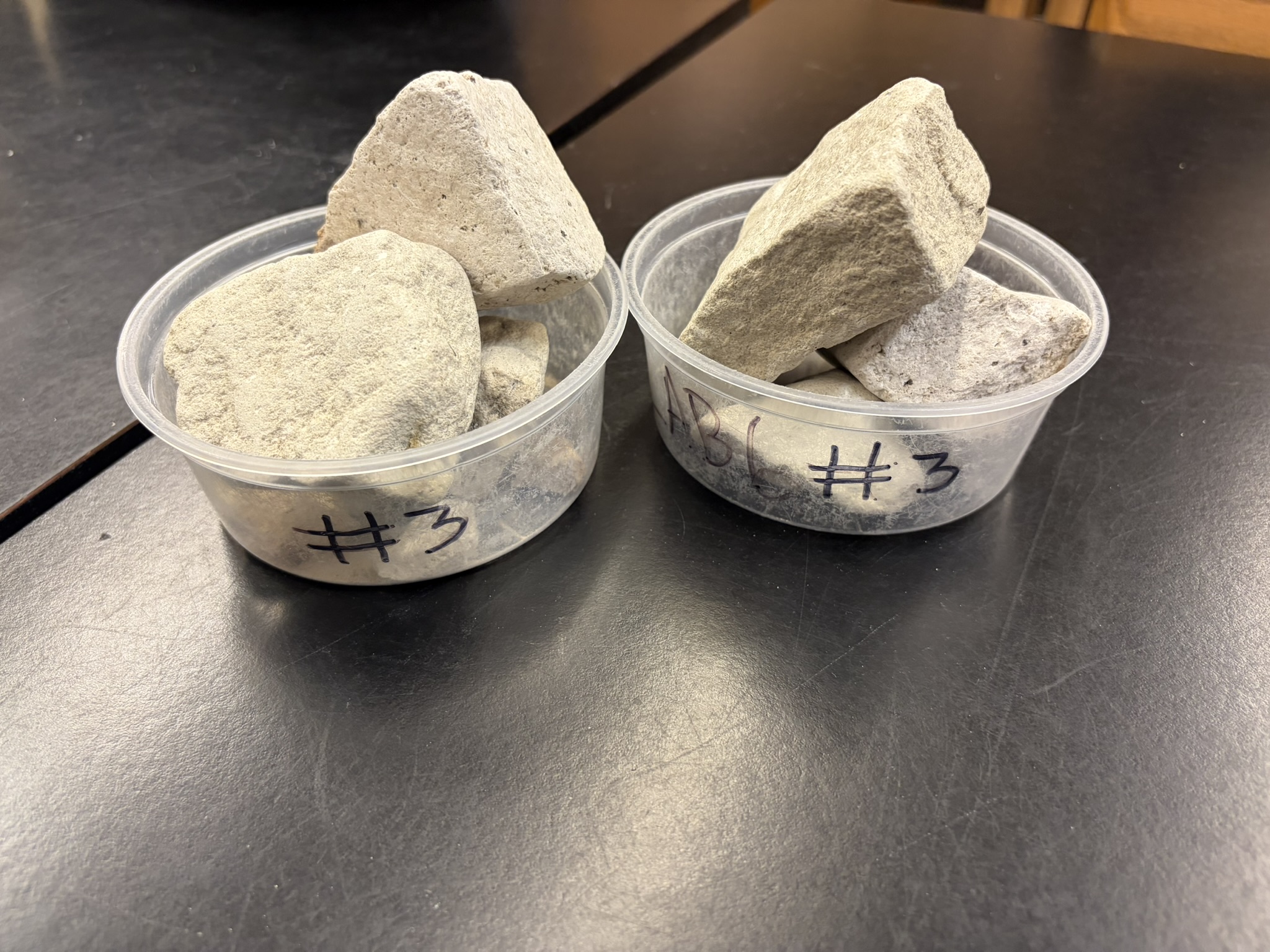
Felsic
Aphanitic
Light weight
Rhyolite Tuff
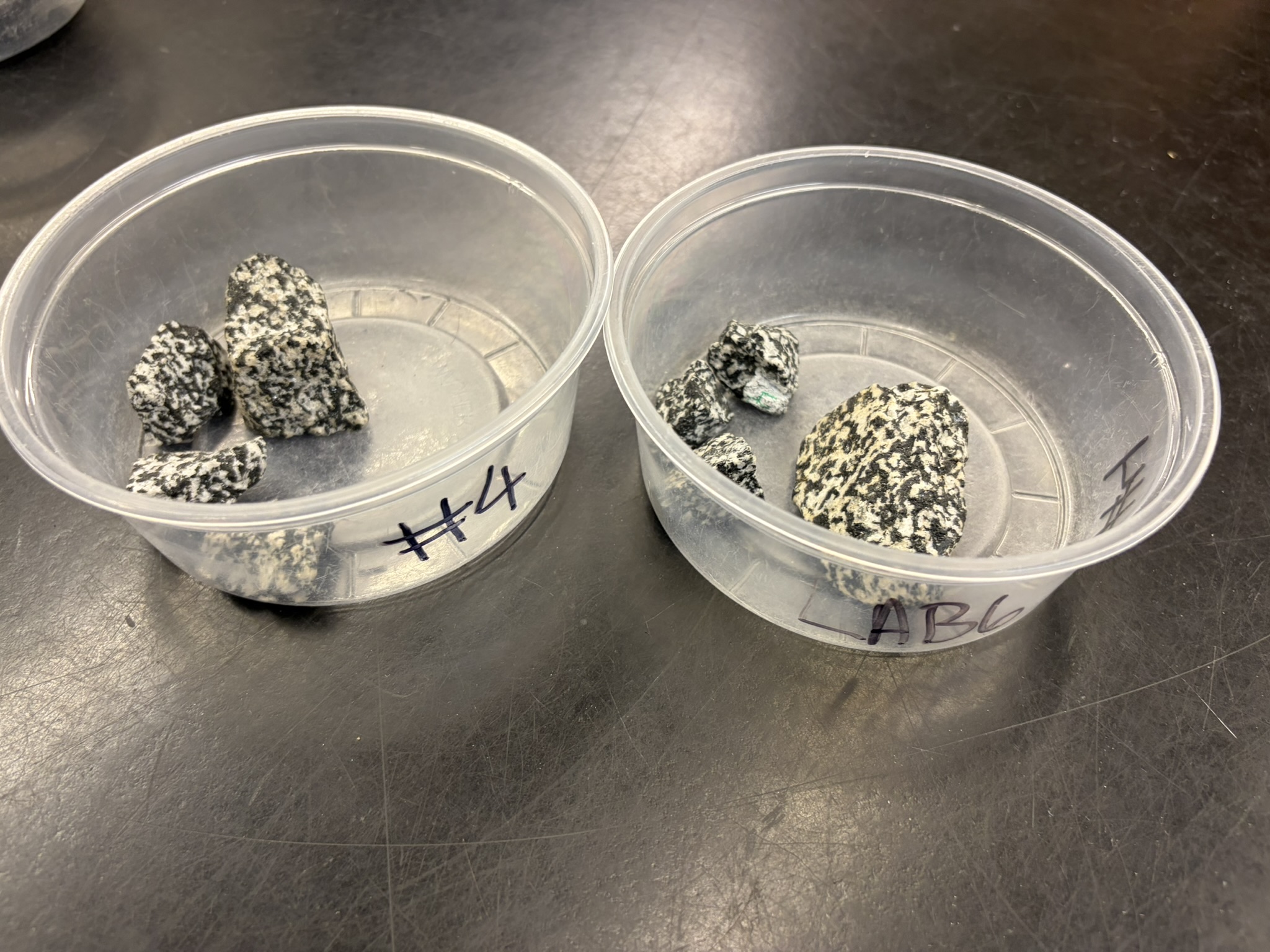
Felsic
Aphanitic
Diorite
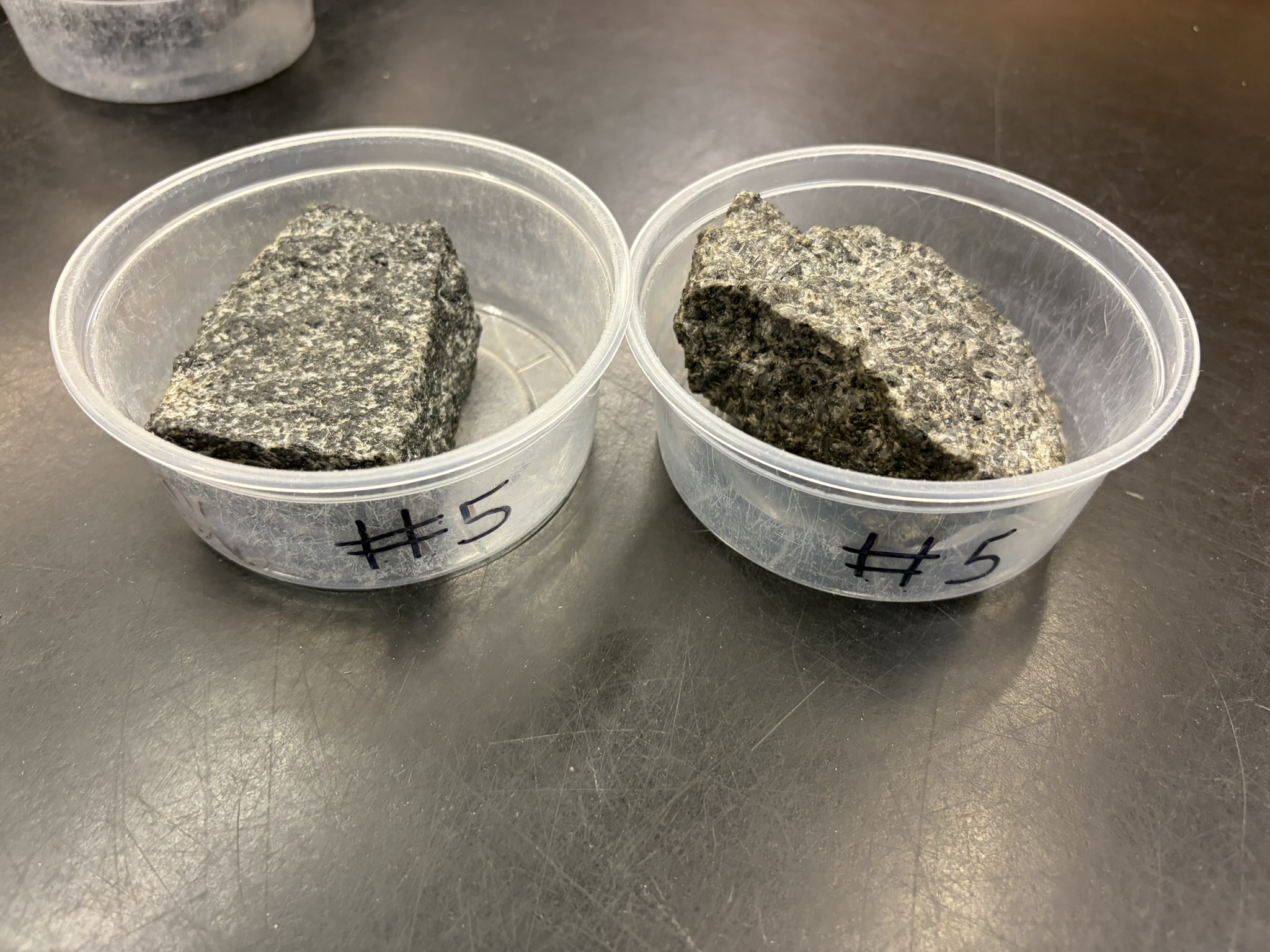
Mafic
Porphyritic
Gabbro
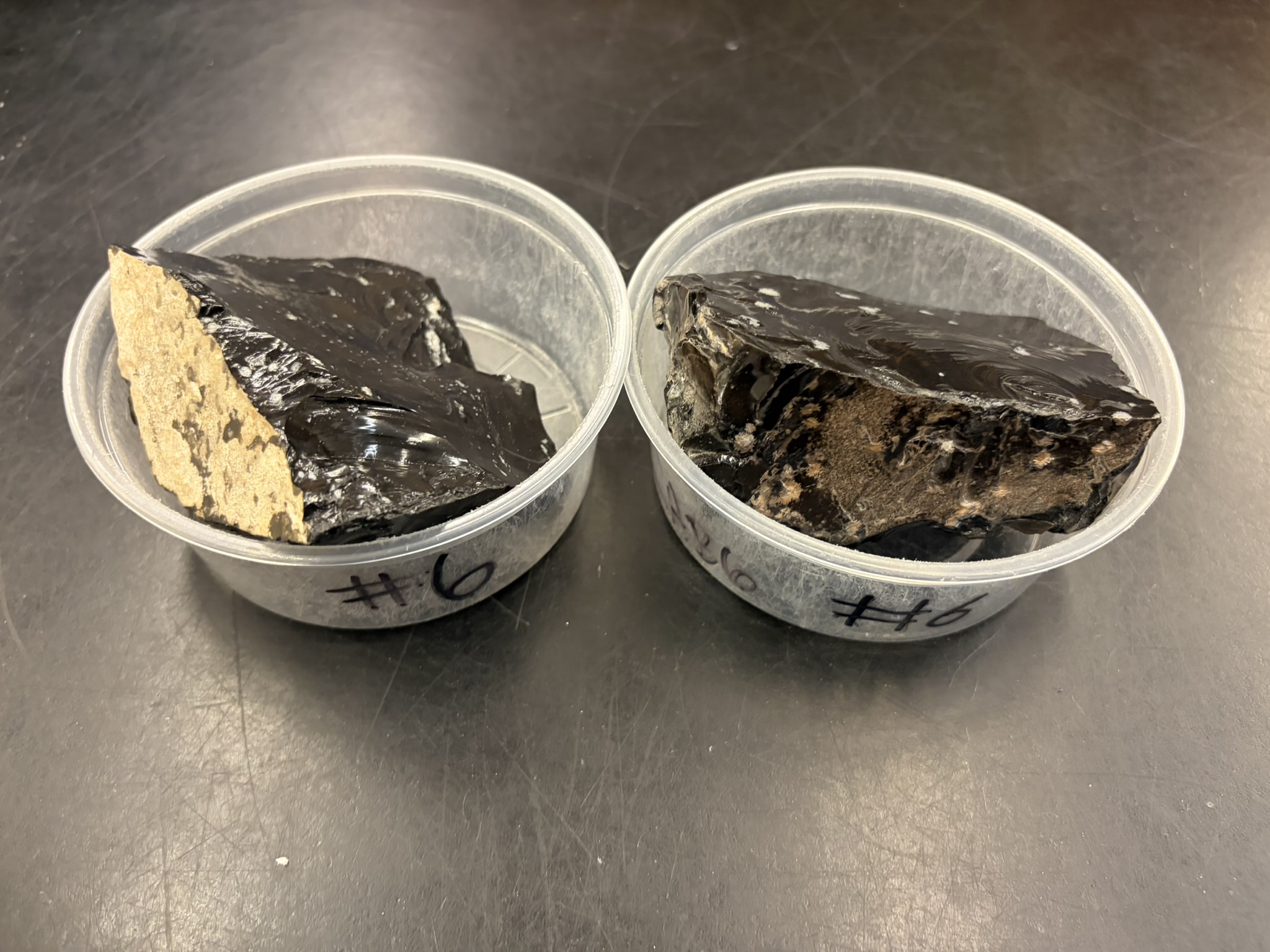
Mafic
Glassy
Obsidian
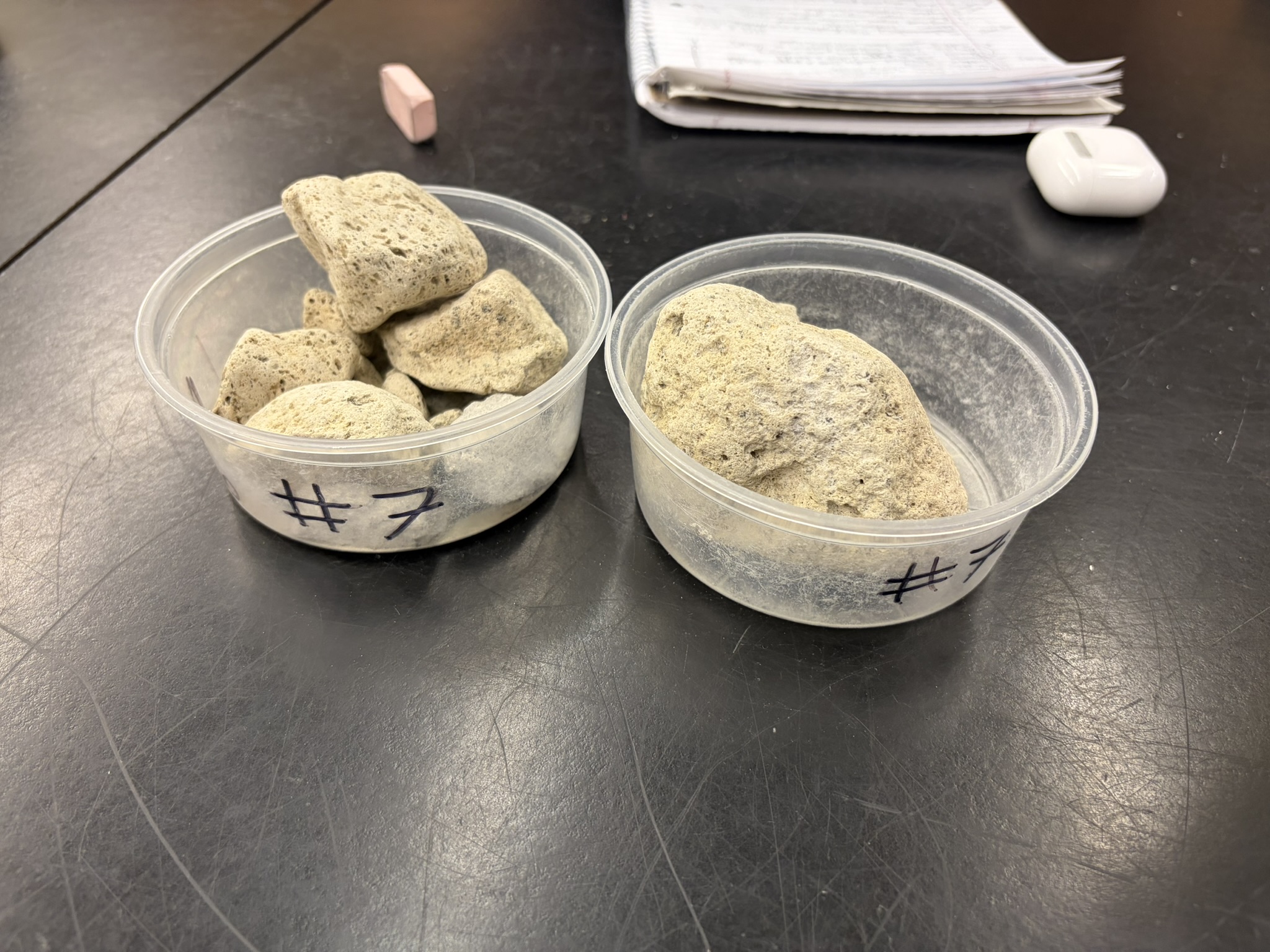
Felsic
Vesicular
Light weight
Pumice
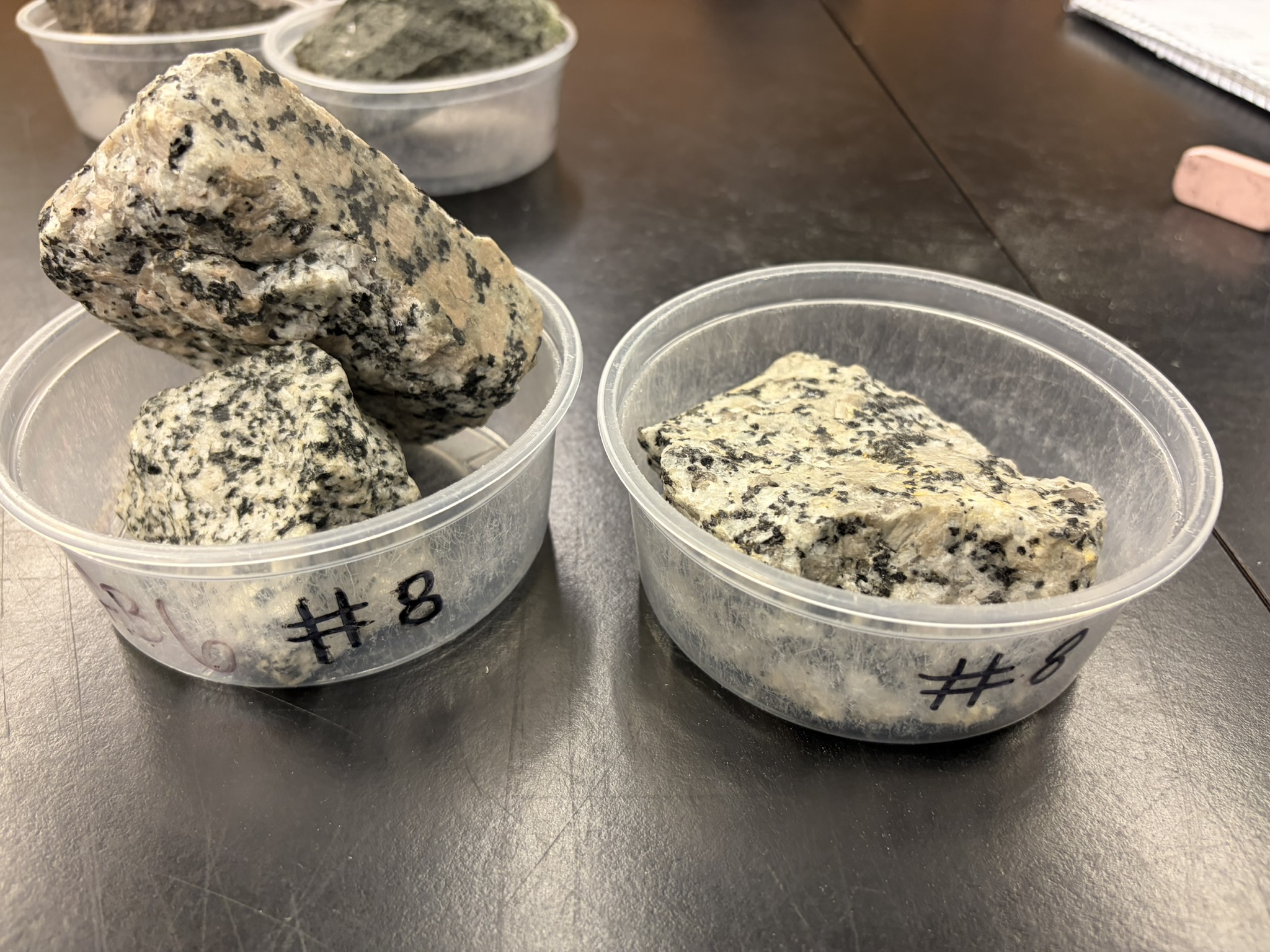
Felsic
Phaneritic
Granite
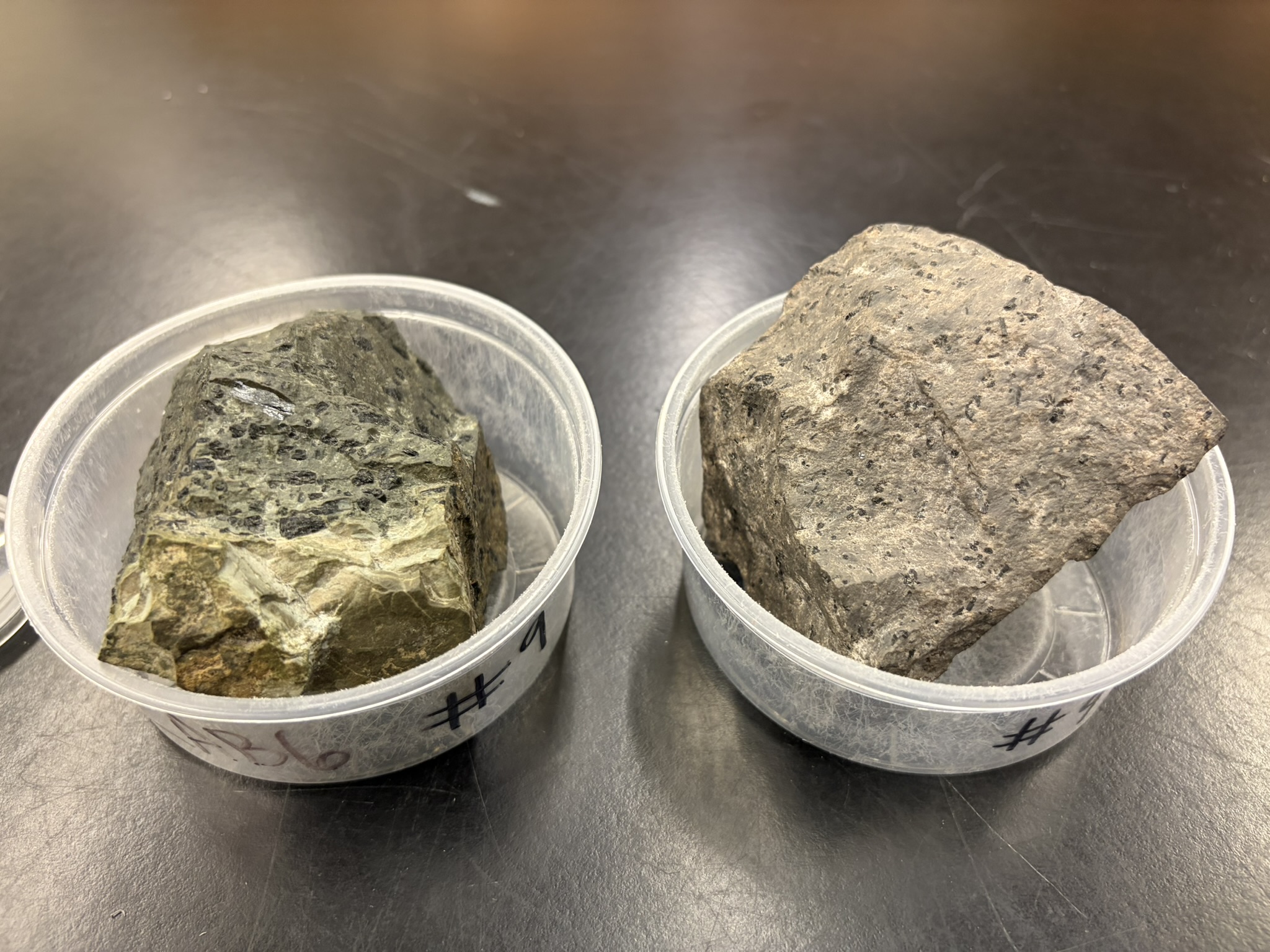
Mafic
Porphyritic
Andesite
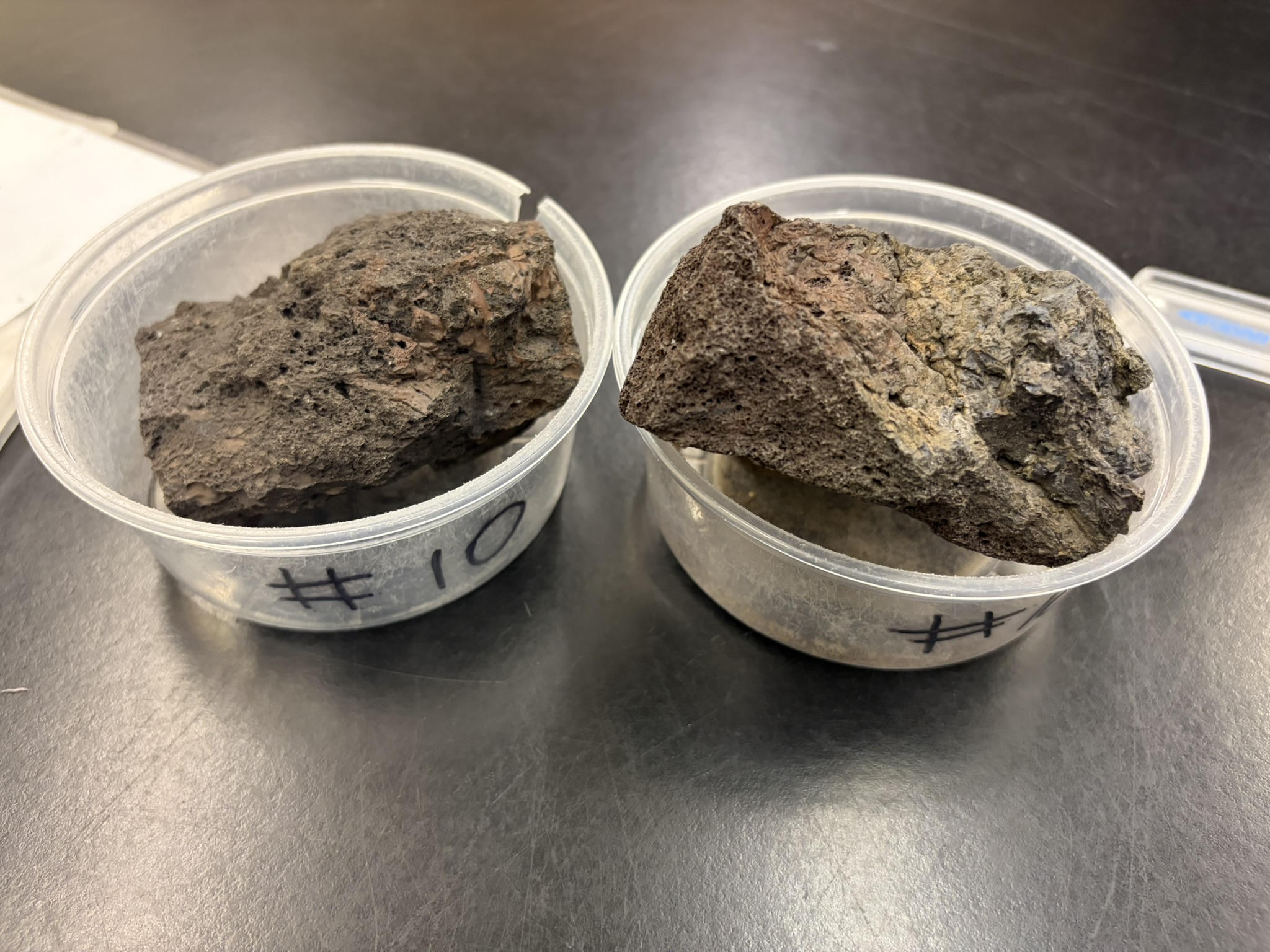
Mafic
Vesicular
Scoria
What are some of the more useful features features of these minerals that might be helpful in distinguishing them from each other?
Color Luster, Streak, Clevage
What mineral is more stable at the Earth’s surface, quartz or olivine?
Quartz would be more stable because it crystallizes at a lower temperature
What other mineral would you expect to find in a rock with Quartz?
Feldspar Potassium, Biotite
What other mineral would you expect to find in a rock with Olivine?
Pyroxene, Calcium-rich feldspar
Would you expect to find olivine and quarts in the same rock?
No because olivine is ultramafic and quartz is felsic or No because olivine and quartz crystalize at different temperatures.
The order od crystallization of minerals is illustrated by Bowen’s reaction. Since gradual cooling or melting drives this, at whra plate boundaries would you expect to find these processes?
Divergent and convergent boundaries
Explain what Bowen’s reaction series is?
Bowen’s reaction series shows what minerals appear at temperatures and which is first to crystallize. It is useful because it helps predict what conditions the mineral was formed.
What rocks are formed from rapidly cooled magma(extrusive)?
Pumice, Rhyolite, Andesite, Scoria, Basalt, Obsidian
What rocks are formed from slowly cooled magma(intrusive)?
Granite, Diorite, Gabbro
Which forms at the highest temperature, gabbro or granite? Andesite or basalt? and who you know this?
Gabbro and Basalt form at the highest temperature because they are mafic
Which of these rocks or felsic, intermediate, and mafic? Granite, Gabbro, Andesite, Diorite, Rhyolite, Basalt.
Rhyolite and Granite are Felsic
Andesite and Diorite are Intermediate
Basalt and Gabbro are Mafic
Would the rocks at the top of Bowen’s reaction series be light or darker than those at the bottom? Why?
Rocks at the top will be darker because they are ultramafic and crystallize first.
What kind of volcano is Mauna Loa and why?
Mauna Loa is a sheild volcano because of the elevation and lava flows
How explosive do you think eruptions from shield volcanoes would be?
Because shield volcanoes have lower viscosity, the explosions would not be very explosive.
What is a shield volcano?
A shield volcano is a broad, gently sloping volcano built from low-viscosity basaltic lava flows that spread before cooling, creating a shield shape.
What kind of volcano is Mount St Helens and Mount Vesuvius and why?
Because of the steep shape and multiple layers of lava flows it is a composite volcano.
How explosive do you think eruptions from composite volcanoes would be?
Because the lava is viscous the eruptions will be exposlive.
In general how does the viscosity of the lava from a volcano relate to how explosive the eruptions are?
The higher the viscosity of the lava the more explosive the eruption.
How is this related to Bowens reaction series?
As magma cools and crystallizes it’s silica content increases and viscosity increases.
What kind of volcanoes would you find at an oceanic hotspot?
shield volcanoes
What kind of volcanoes would you find at an subduction zone plate?
composite volcanoes
What is the relationship between water velocity and grain size
the lower the water velocity the smaller the grain size