Week 1 PHYL 141 Exam
 Call Kai
 Learn
Learn Practice Test
 Spaced Repetition
 Match
Match Flashcards
 Knowt Play
1/65

There's no tags or description
Looks like no tags are added yet.
Name | Mastery | Learn | Test | Matching | Spaced | Call with Kai |
|---|
No analytics yet
Send a link to your students to track their progress
66 Terms
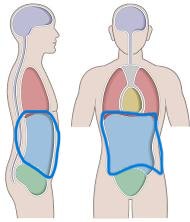
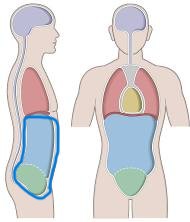
division of the anterior (ventral) cavity that houses the abdominal and pelvic viscera
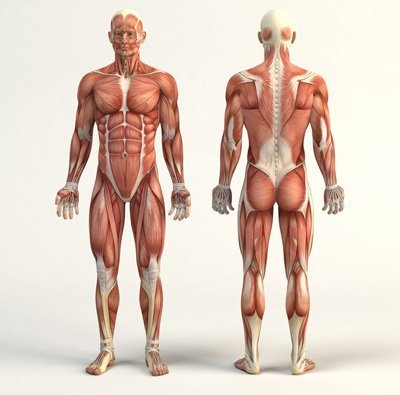
standard reference position used for describing locations and directions on the human body
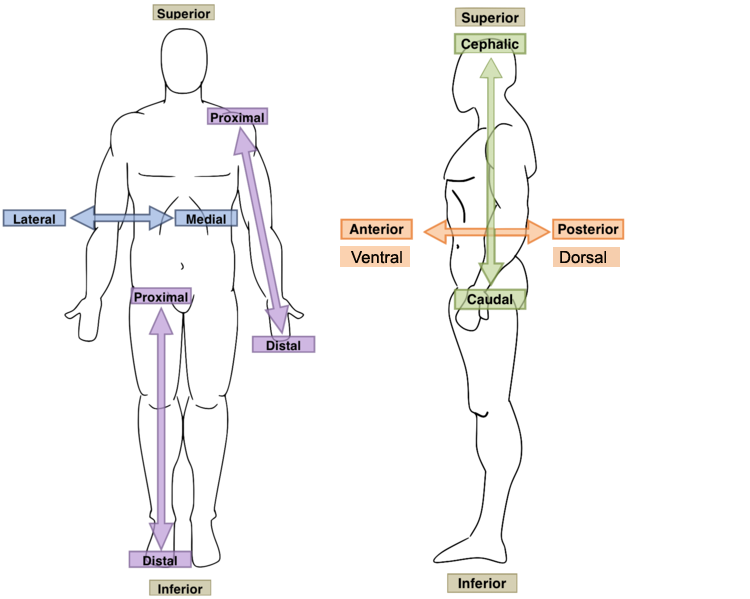
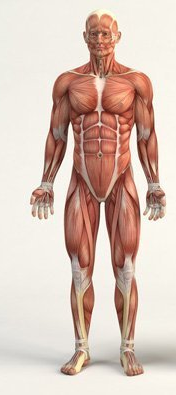
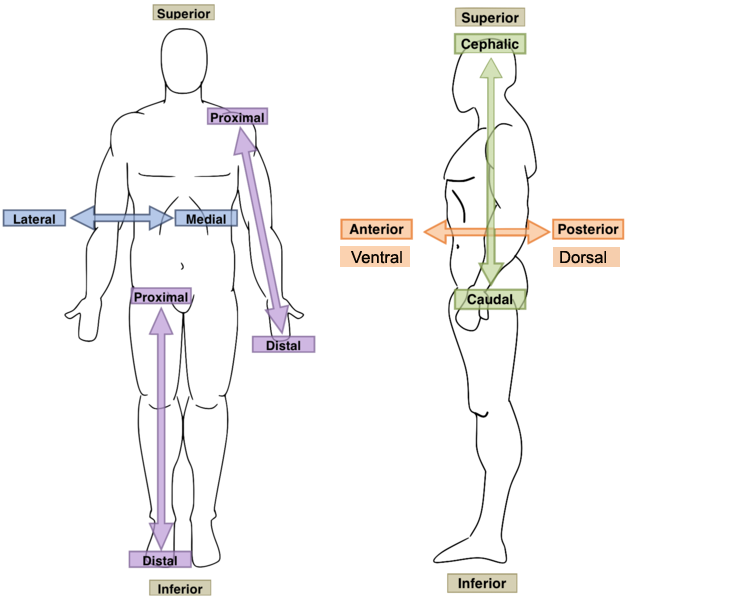
describes the front or direction toward the front of the body; also referred to as ventral
the simplest form of matter that can be combined to make molecules
caudal
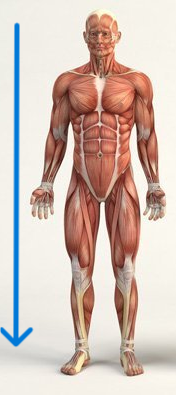
describes a position below or lower; also called inferior
the basic structural unit of all organisms
relating to the neck
compares values to their normal range; deviations activate an effector, maintaining homeostasis
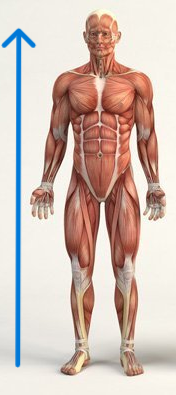
describes a position above or higher; also called superior
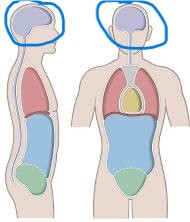
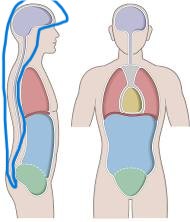
division of the posterior cavity that houses the brain
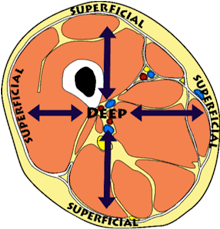
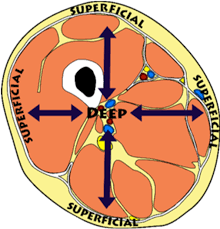
farther from the surface of the body
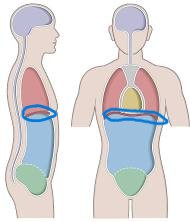
partition separating the thoracic cavity from the abdominal cavity
process by which unspecialized cells become specialized in structure and function
farther from the point of attachment or trunk of the body
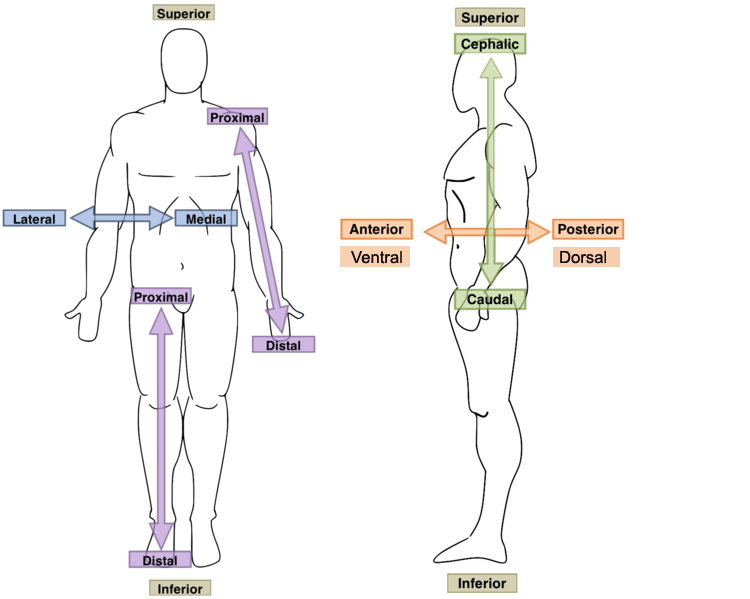
describes the back of the body; also posterior
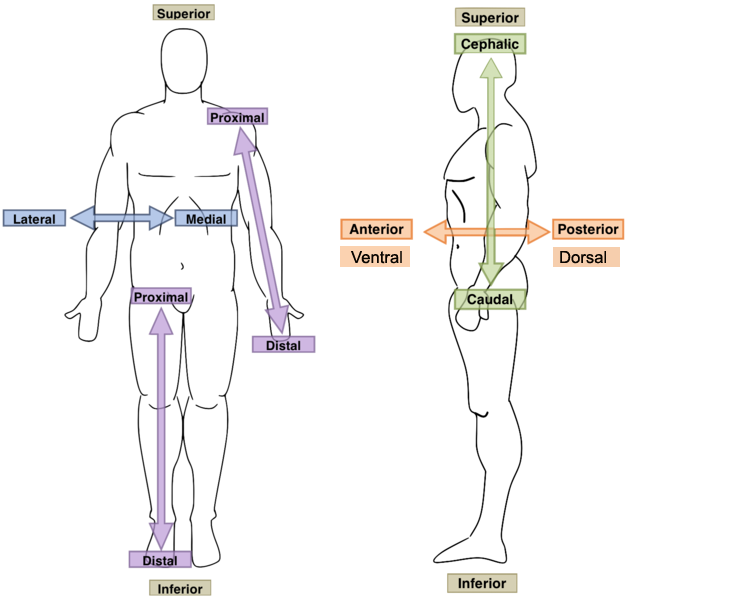
organ that carries out a response to change in a physiological value
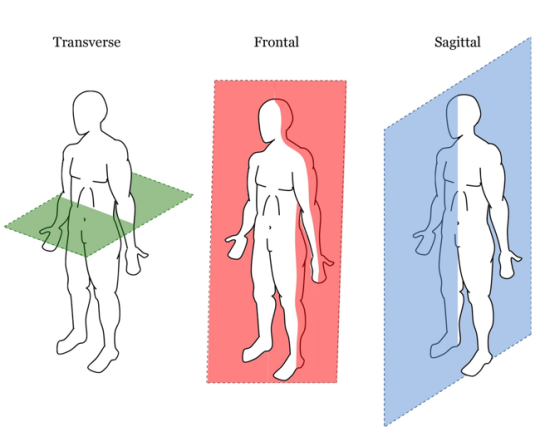
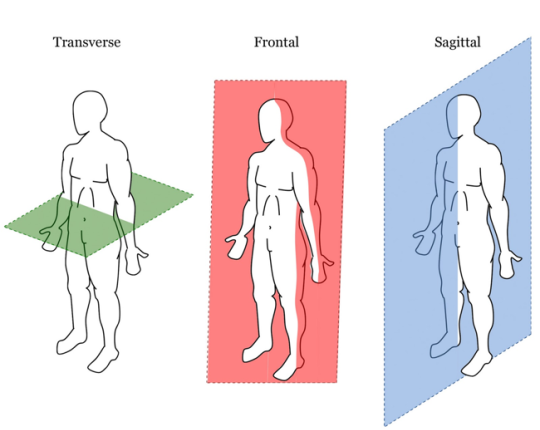
vertical plane dividing body into anterior and posterior portions
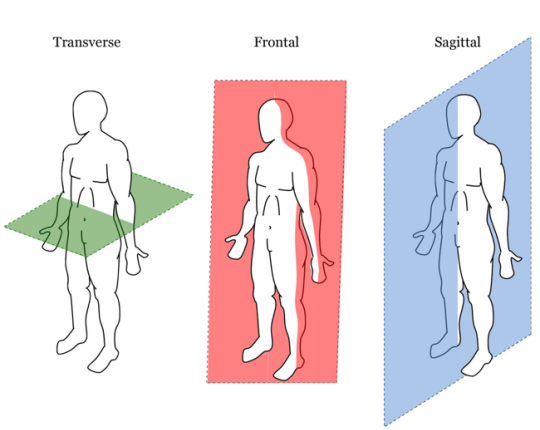
gross anatomy/macroscopic anatomy
study of large structures visible to the naked eye
maintenance of a stable internal environment in the body
below or toward the feet; also caudal
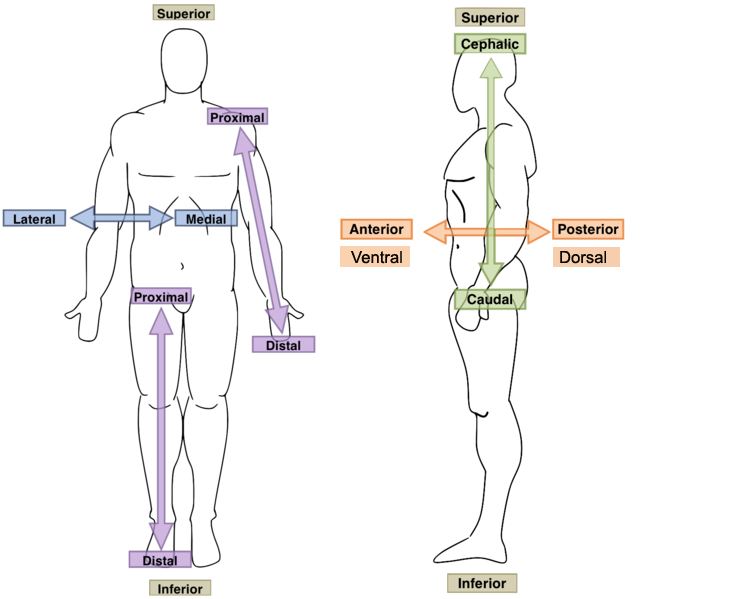
toward the side of the body
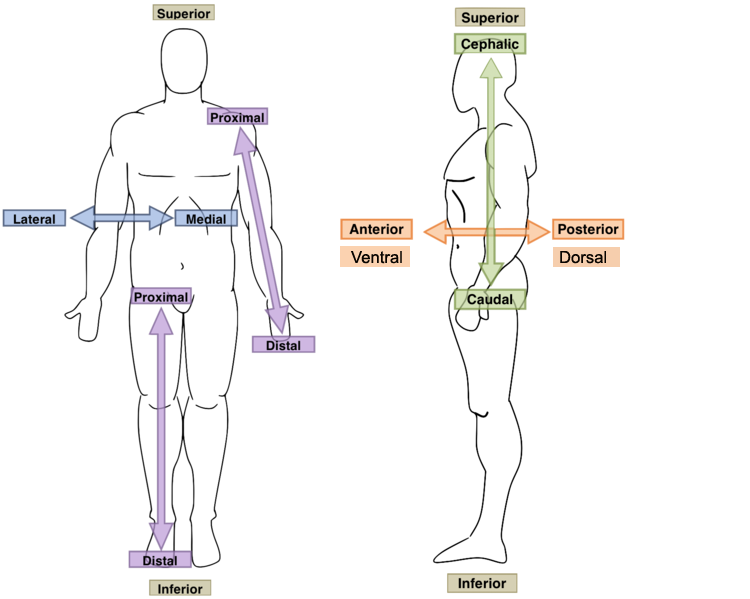
toward the middle of the body
study of structures too small to see without magnification
group of bonded atoms forming a structure
mechanism that reverses a change to maintain stability
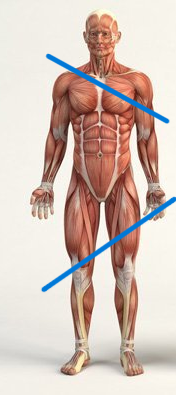
angled plane that is neither perpendicular nor parallel to the body
relating to the palm of the hand or the corresponding ventral side
peritoneum
serous membrane lining the abdomino-pelvic cavity wall consisting of parietal (outer) and visceral (inner) layers
pleura
serous membrane lining the thoracic cavity consisting of parietal (outer) and visceral (inner) layers
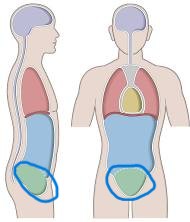
space within the pelvis containing reproductive and excretory organs
space enclosing the heart
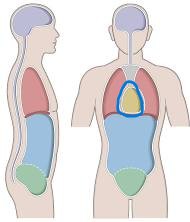
sac surrounding the heart consisting of visceral (inner) and parietal (outer)
relating to the sole of the foot
closer to point of attachment or trunk of body
vertical plane dividing body into right and left portions
structure that detects changes and sends information to control center
membrane covering organs and reducing friction
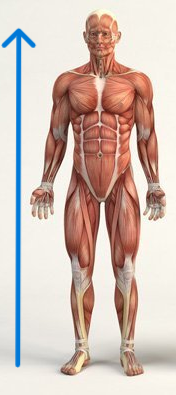
above or toward the head; cranial
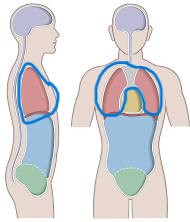
cavity containing heart and lungs
group of similar cells performing a function
horizontal plane dividing body into superior and inferior portions