Performance - 7.1
 Call Kai
 Learn
Learn Practice Test
 Spaced Repetition
 Match
Match Flashcards
 Knowt Play
1/44

There's no tags or description
Looks like no tags are added yet.
Name | Mastery | Learn | Test | Matching | Spaced | Call with Kai |
|---|
No analytics yet
Send a link to your students to track their progress
45 Terms
What is performance art?
An artistic practice using the body, actions, and time as a medium, often presented live and sometimes involving an audience.
Why is performance art difficult to define?
It can occur with or without audiences, in public or private, and across many formats.
Why is the body important in performance art?
The body is inherently political and becomes the central medium for expression.
What does ephemerality mean in performance art?
The idea that performance is temporary, existing only in the moment and not as a lasting object.
Why is documentation important in performance art?
It preserves traces of events that would otherwise be lost, though some artists resist documentation.
What is audience participation in performance?
When viewers actively contribute to or become part of the artwork.
How did Futurism and Dada influence performance art?
Through provocative live events that challenged audiences and traditional art forms.
How did Jackson Pollock influence performance art?
By turning painting into a physical, performative act emphasising process over product.
What is action painting?
A style where the act of painting itself becomes a dynamic, physical performance.
How does performance relate to masculinity in postwar art?
Action painting often promoted a hyper-masculine image of the artist.
How did Yves Klein challenge action painting?
By using female bodies as “brushes,” critiquing masculinity and authorship.
What is institutional critique in performance art?
Art that questions or mocks galleries, museums, and art-world systems.
Who were the Gutai group?
A Japanese avant-garde collective (founded 1954) exploring embodiment, material interaction, and experimental performance.
What was the Gutai philosophy of material?
Damage and decay reveal the inner life of materials and should be embraced.
Why is Gutai historically significant?
It developed independently of Western art and challenged Eurocentric narratives.
What is a happening?
A participatory, ephemeral event created by artists like Allan Kaprow requiring audience involvement.
Why were happenings important?
They blurred boundaries between art and life and rejected permanent art objects.
What was Fluxus?
An international network of artists experimenting with performance, music, and everyday actions.
How did Fluxus artists use humour?
To critique art institutions and challenge expectations through absurd or provocative acts.
How did Nam June Paik challenge performance norms?
By mixing music, destruction, and technology into unpredictable events.
What themes does Yoko Ono explore in performance?
Participation, vulnerability, gender, and violence.
How does performance art address gender politics?
By using the body to confront stereotypes, misogyny, and representation.
What is body art?
A form of performance focusing on the physical body, often involving endurance, pain, or exposure.
Why did feminist artists use performance in the 1970s?
To reclaim control over representation of the female body.
What themes appear in Ana Mendieta’s work?
Violence, ritual, identity, and connections to her Cuban heritage.
What did Adrian Piper explore through performance?
Race, identity, and social perception in public space.
What is Viennese Actionism?
A radical Austrian movement using shocking, violent performances to confront postwar society.
Why is shock important in performance art?
It disrupts passive viewing and forces audiences to confront difficult issues.
How does performance art relate to politics?
It often directly engages with power, identity, and social structures.
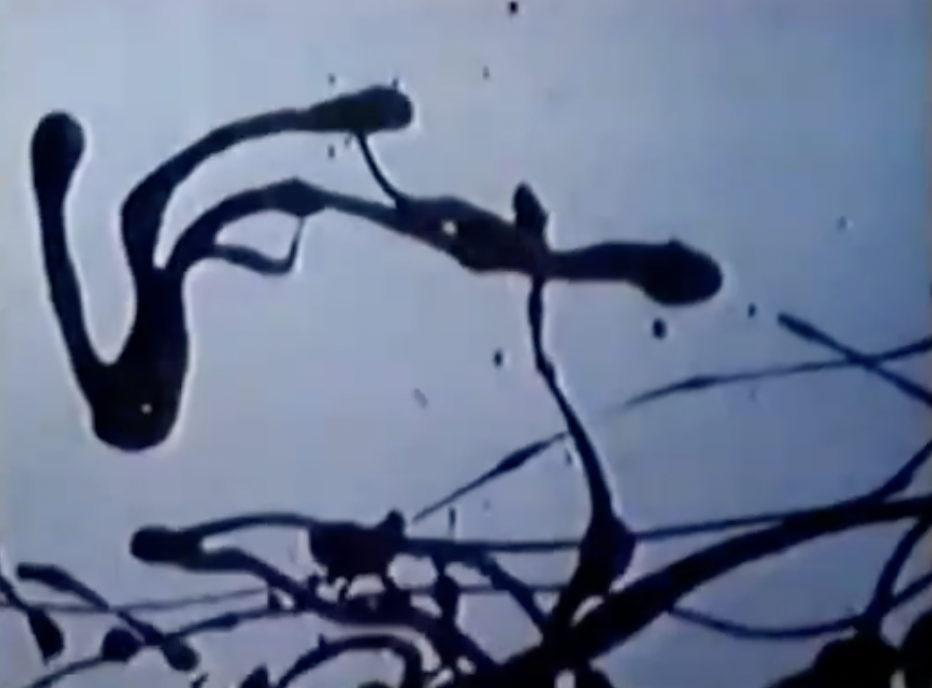
Jackson Pollock — Painting (filmed by Hans Namuth)
Film showing Pollock’s action painting process; emphasises movement, performance, and the artist’s body.
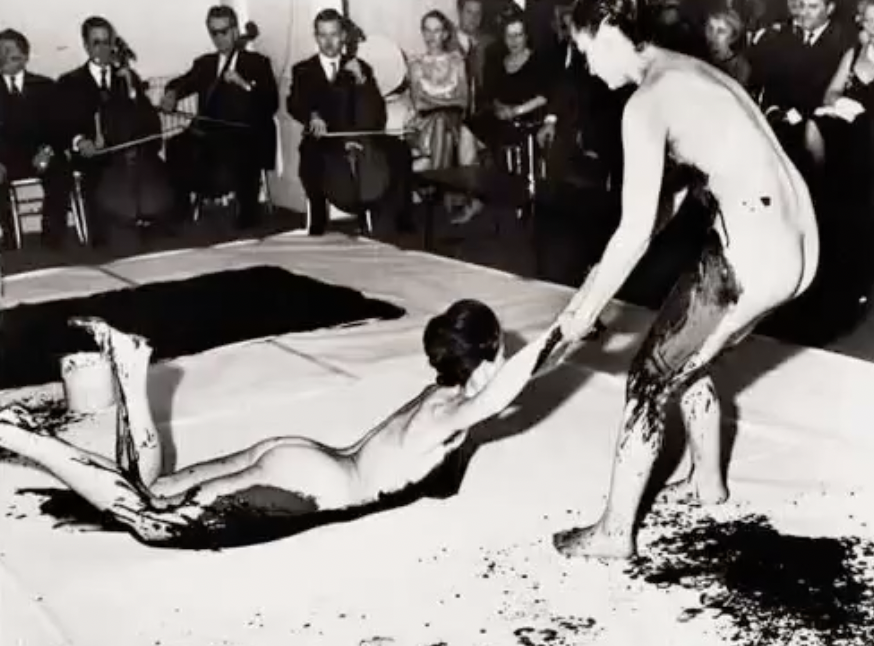
Yves Klein — Untitled Anthropometry
Nude models used as “living brushes” to imprint bodies on canvas; critiques authorship and masculinity.
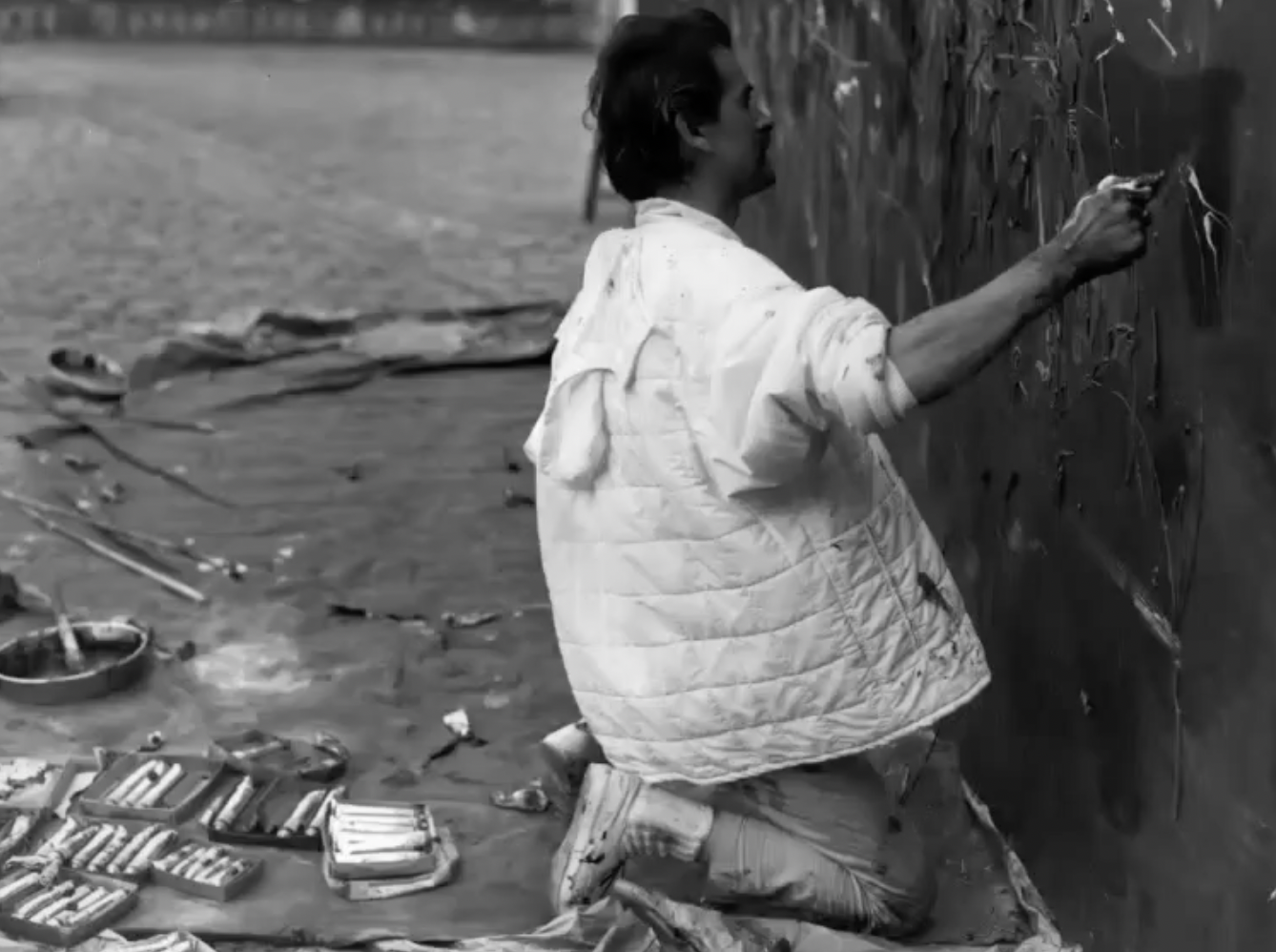
Georges Mathieu — Live Painting Performances
1950s–60s. Large-scale public painting events emphasising speed, spectacle, and virtuosity.
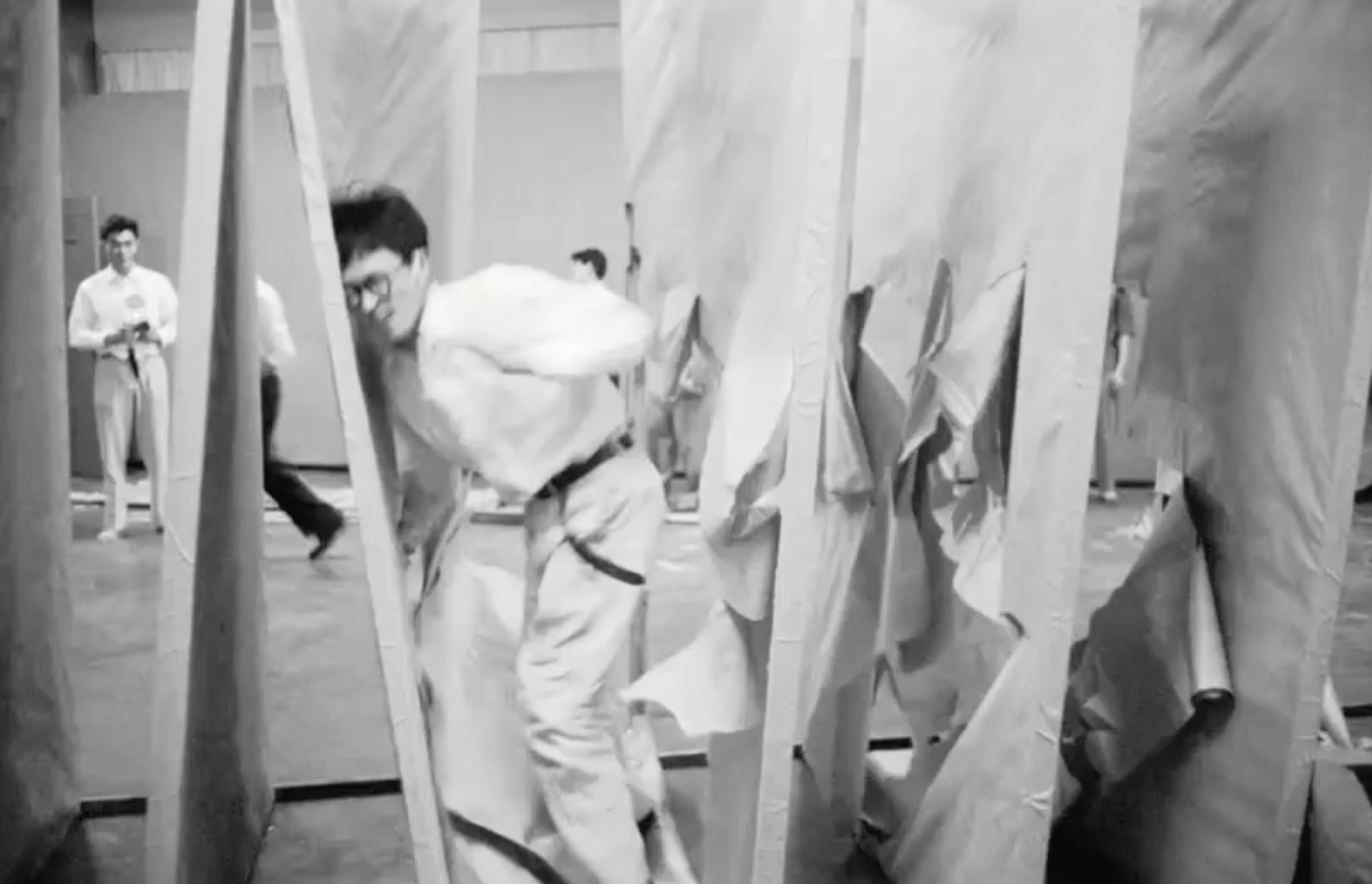
Saburo Murakami — Breaking Through Many Paper Screens
Artist bursts through paper screens; emphasises destruction, embodiment, and material interaction.
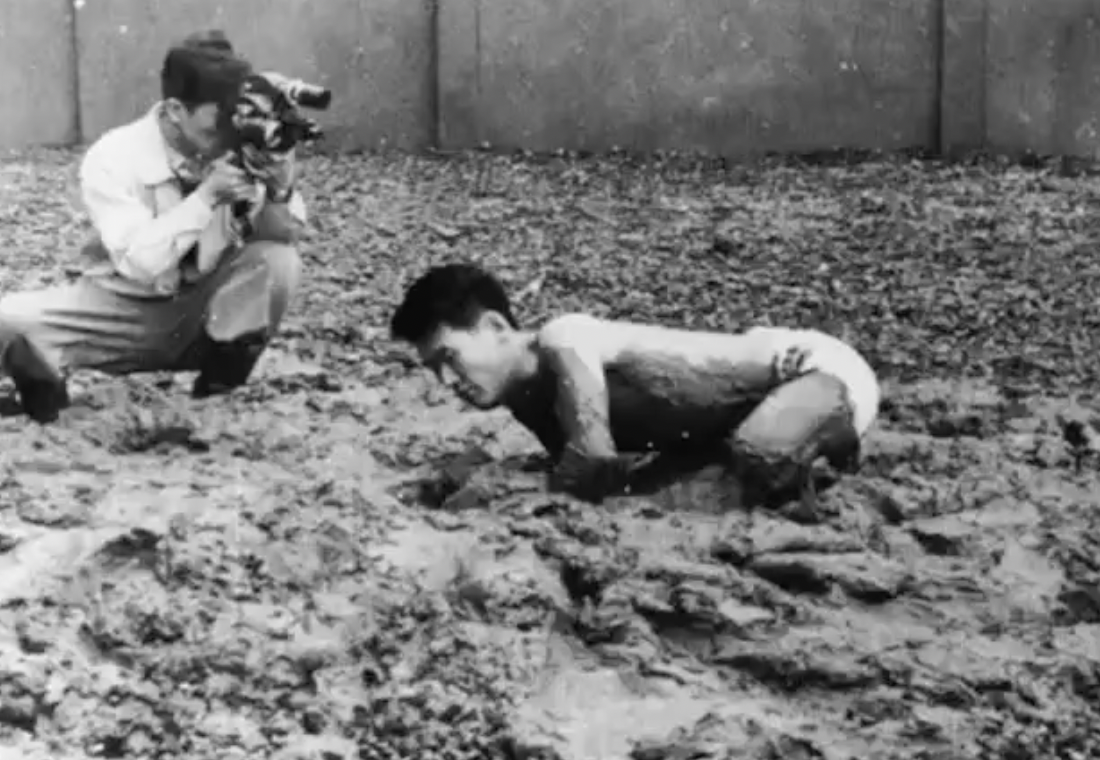
Kazuo Shiraga — Challenging Mud
Artist wrestles in mud using his body as medium; rejects traditional painting tools.
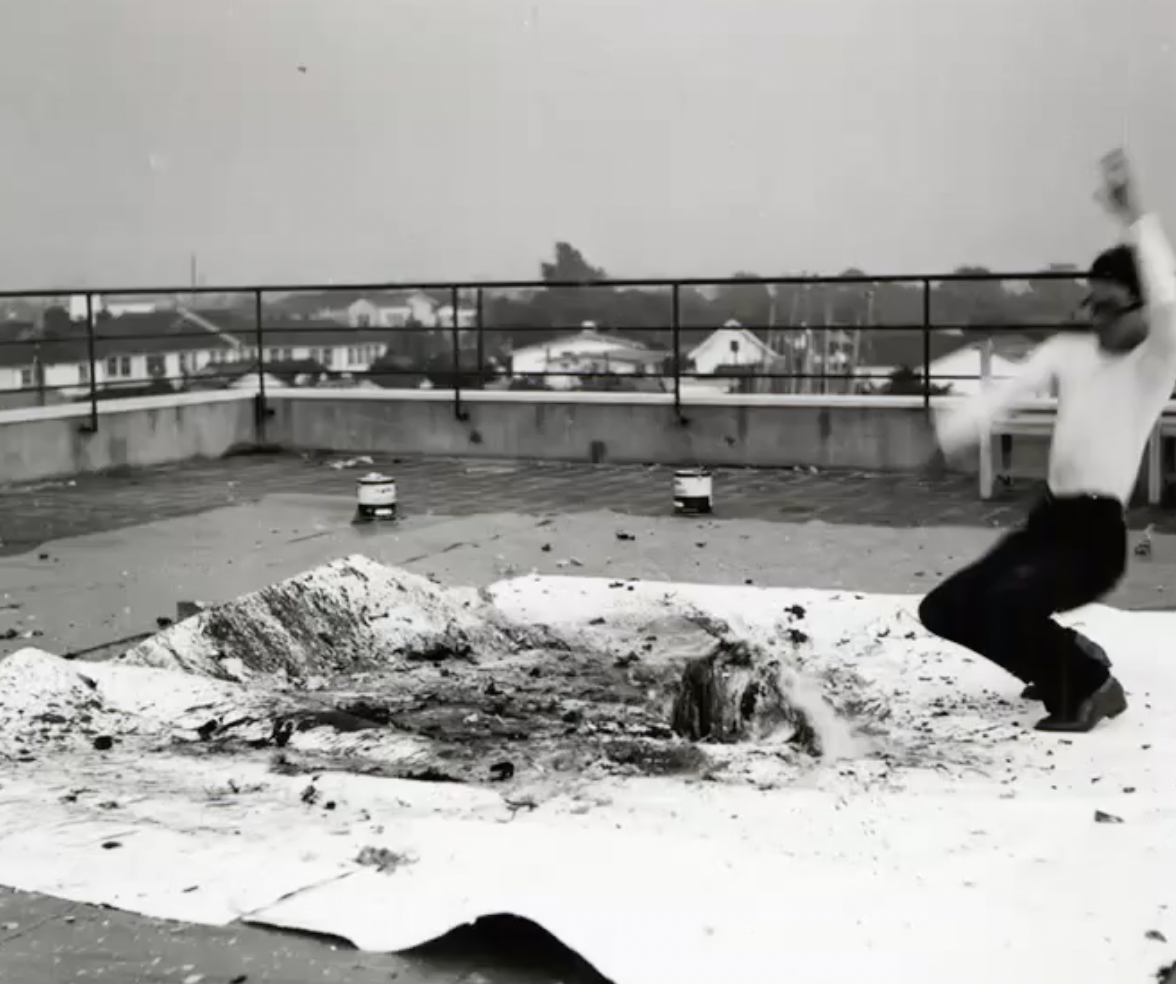
Shozo Shimamoto — Bottle Smash Paintings
Throws paint-filled bottles at canvas; focuses on action, chance, and destruction.
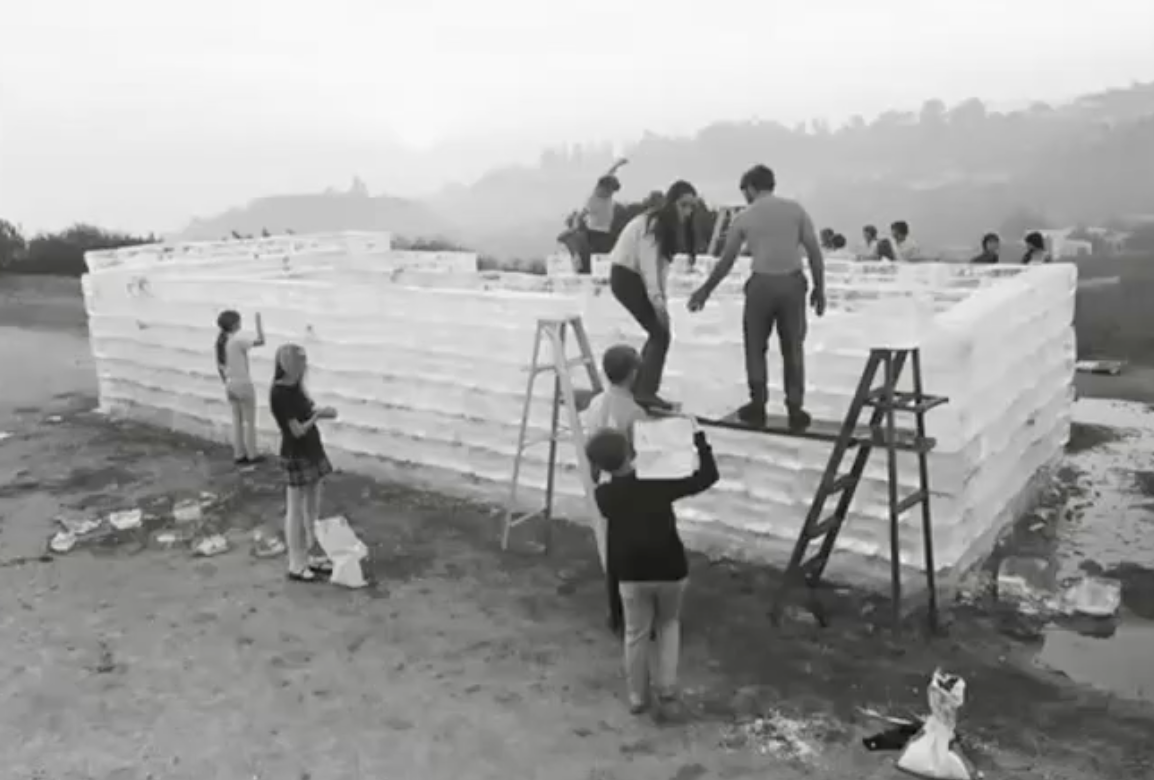
Allan Kaprow — Fluids (Happening)
Participants build structures from ice blocks; emphasises participation and ephemerality.
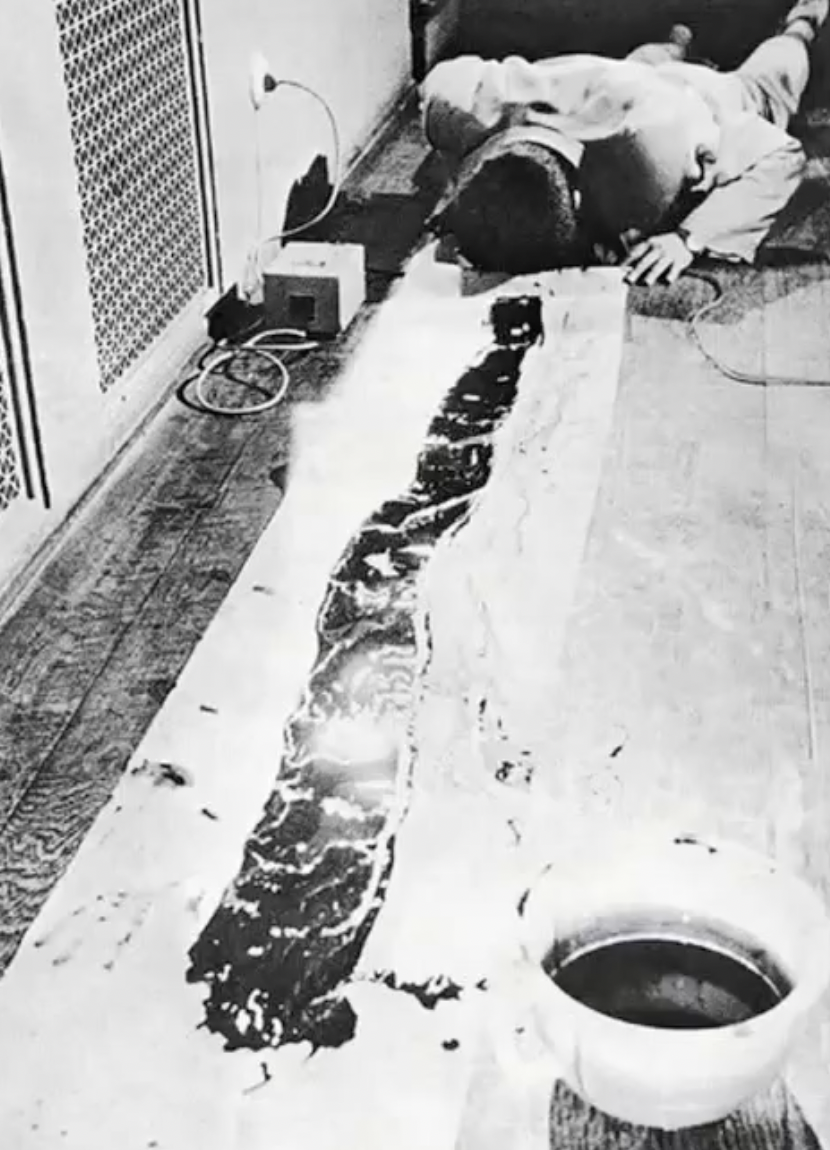
Nam June Paik — Zen for Head
Artist drags ink-covered head across paper; parodies calligraphy and Western views of Asian art.
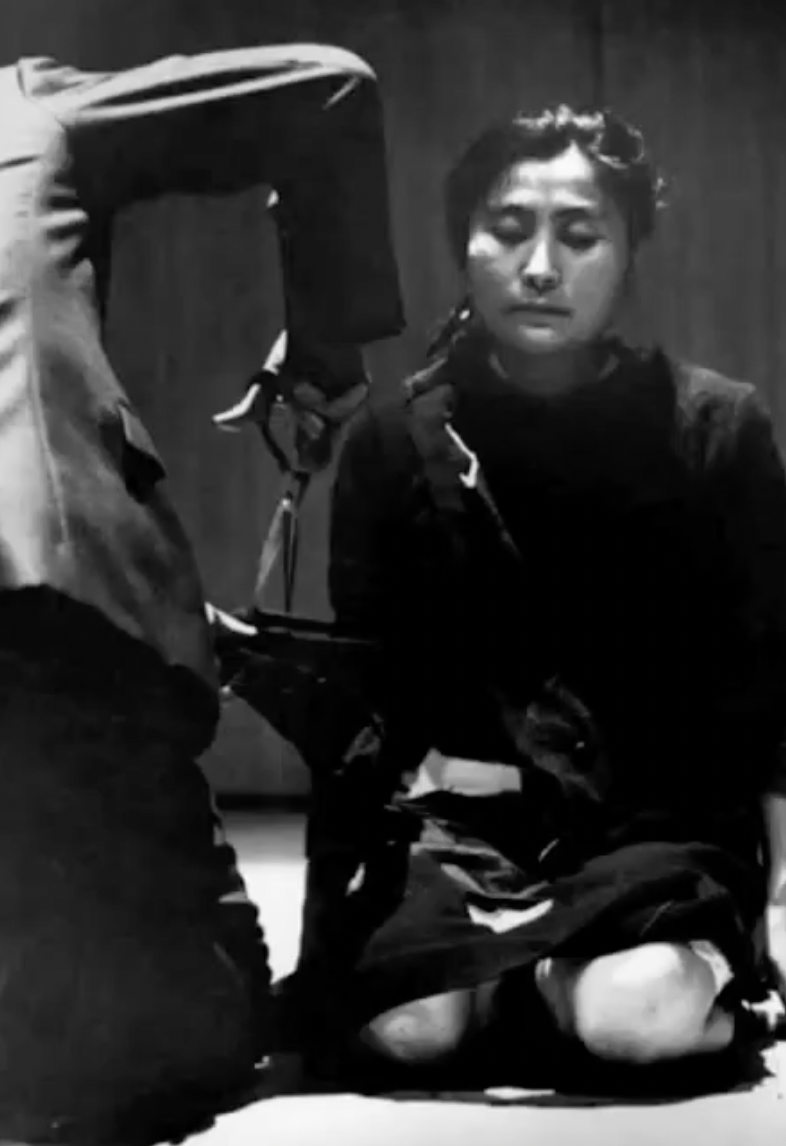
Yoko Ono — Cut Piece
Audience cuts away the artist’s clothing; explores vulnerability, gendered and racial violence, and audience participation
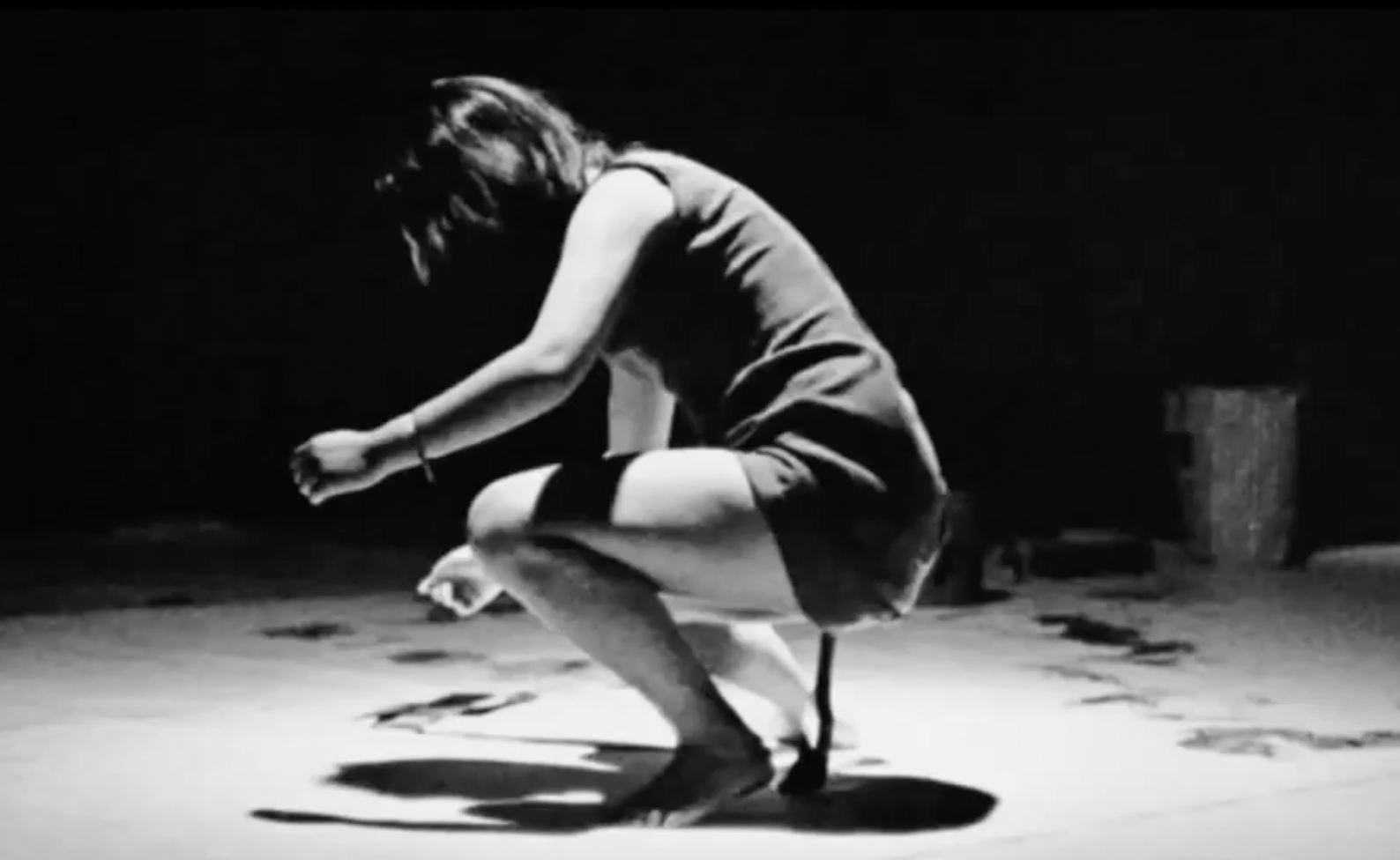
Shigeko Kubota — Vagina Painting
Paintbrush attached to underwear used to paint; critiques masculinity and references menstruation.
Carolee Schneemann — Interior Scroll
Artist pulls a scroll from her body and reads it; confronts gender and bodily taboos.
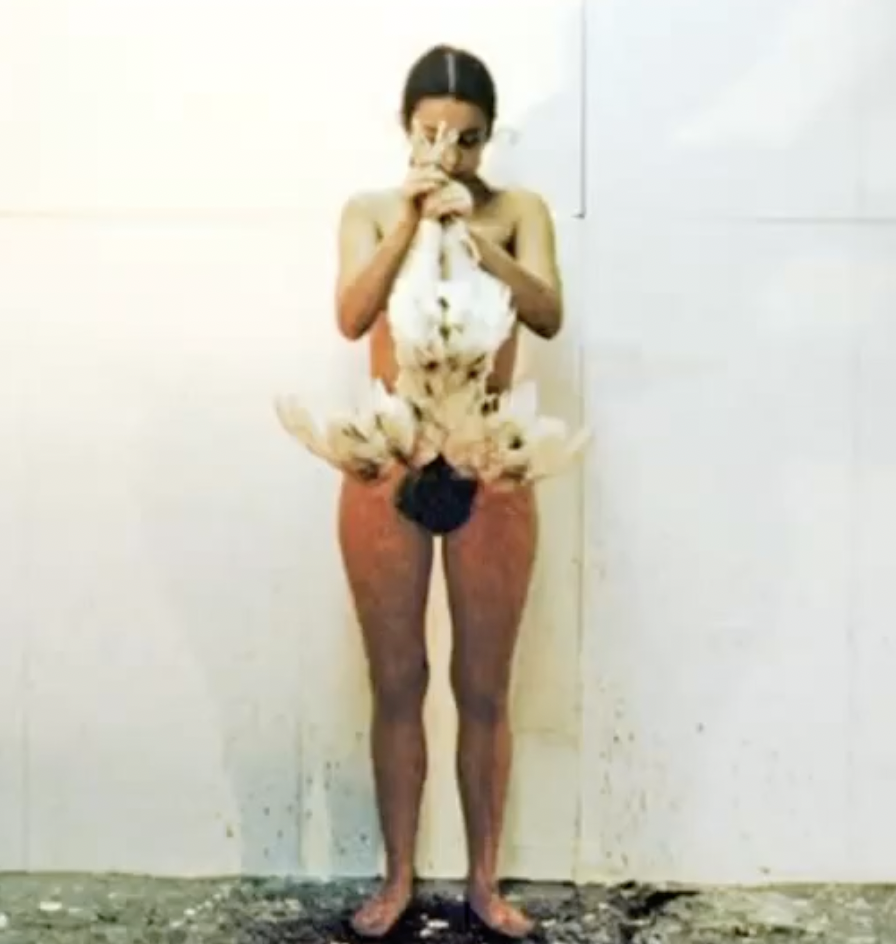
Ana Mendieta — Untitled (Death of a Chicken)
Performance using animal blood; addresses violence, ritual, and female identity.
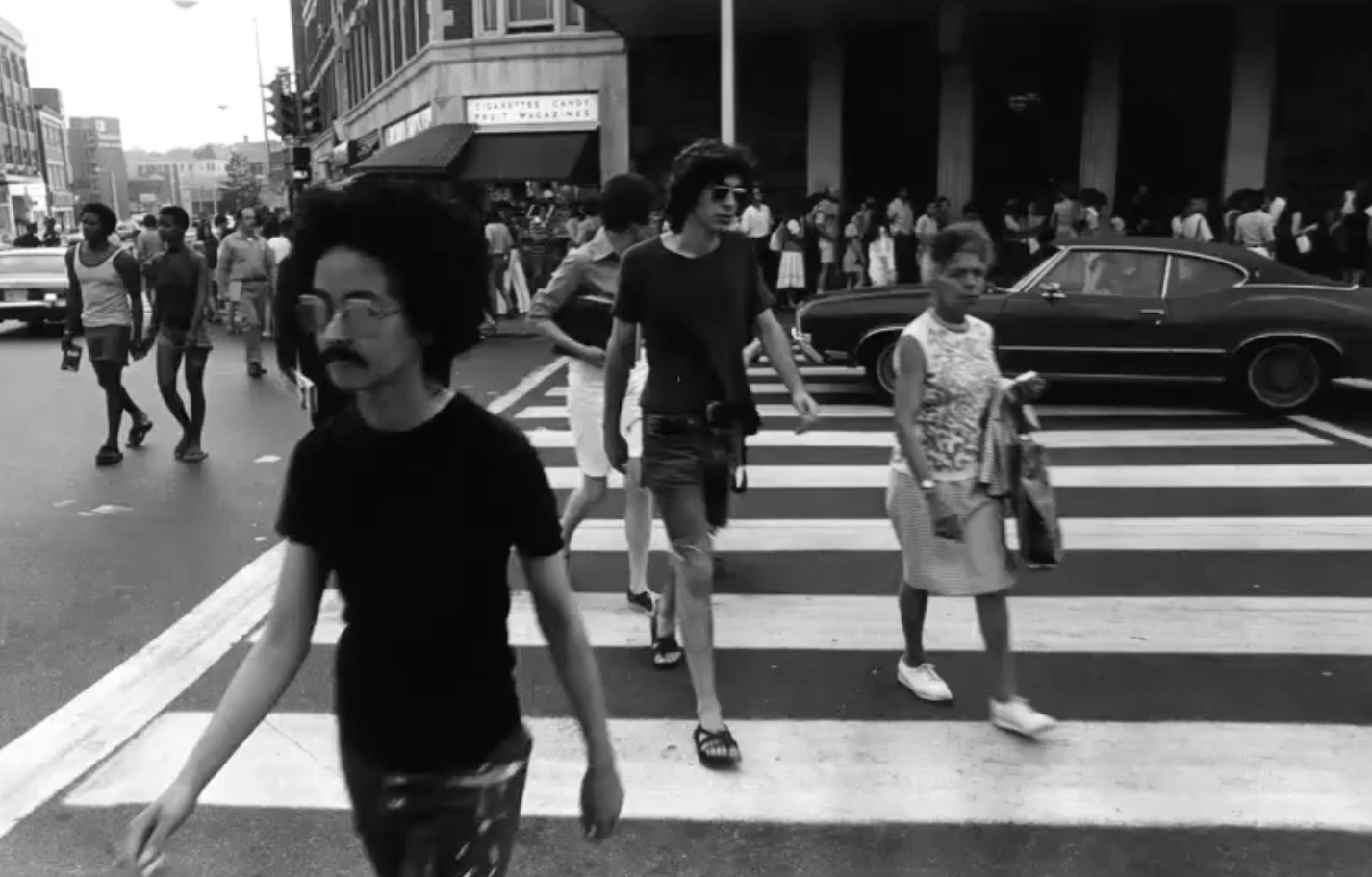
Adrian Piper — Mythic Being
Artist adopts persona of a Black male figure in public; explores race and perception.
Günter Brus — Vienna Walk
Artist walks through Vienna painted white with a line on his body; references history and trauma.
Chris Burden — Through the Night Softly
Artist crawls over broken glass; explores endurance and bodily harm.
William Pope.L — Tompkins Square Crawl
Artist crawls through New York streets; addresses homelessness, race, and inequality.