Unit 5: Psychological Disorders
 Call Kai
 Learn
Learn Practice Test
 Spaced Repetition
 Match
Match Flashcards
 Knowt Play
1/72

There's no tags or description
Looks like no tags are added yet.
Name | Mastery | Learn | Test | Matching | Spaced | Call with Kai |
|---|
No analytics yet
Send a link to your students to track their progress
73 Terms
acrophobia
an excessive, irrational fear of heights

agoraphobia
Fear or avoidance of situations, such as crowds or wide open places, where one has felt loss of control and panic

anorexia nervosa
An eating disorder in which a person (usually an adolescent female) maintains a starvation diet despite being significantly underweight; sometimes accompanied by excessive exercise

antisocial personality disorder
Characterized by long-term pattern of manipulating, exploiting, or violating the rights of others without any remorse. This behavior may cause problems in relationships or at work and is often associated with criminal behavior. More common in men than women.

anxiety disorders
Psychological disorders characterized by distressing, persistent anxiety or maladaptive behaviors that reduce anxiety.
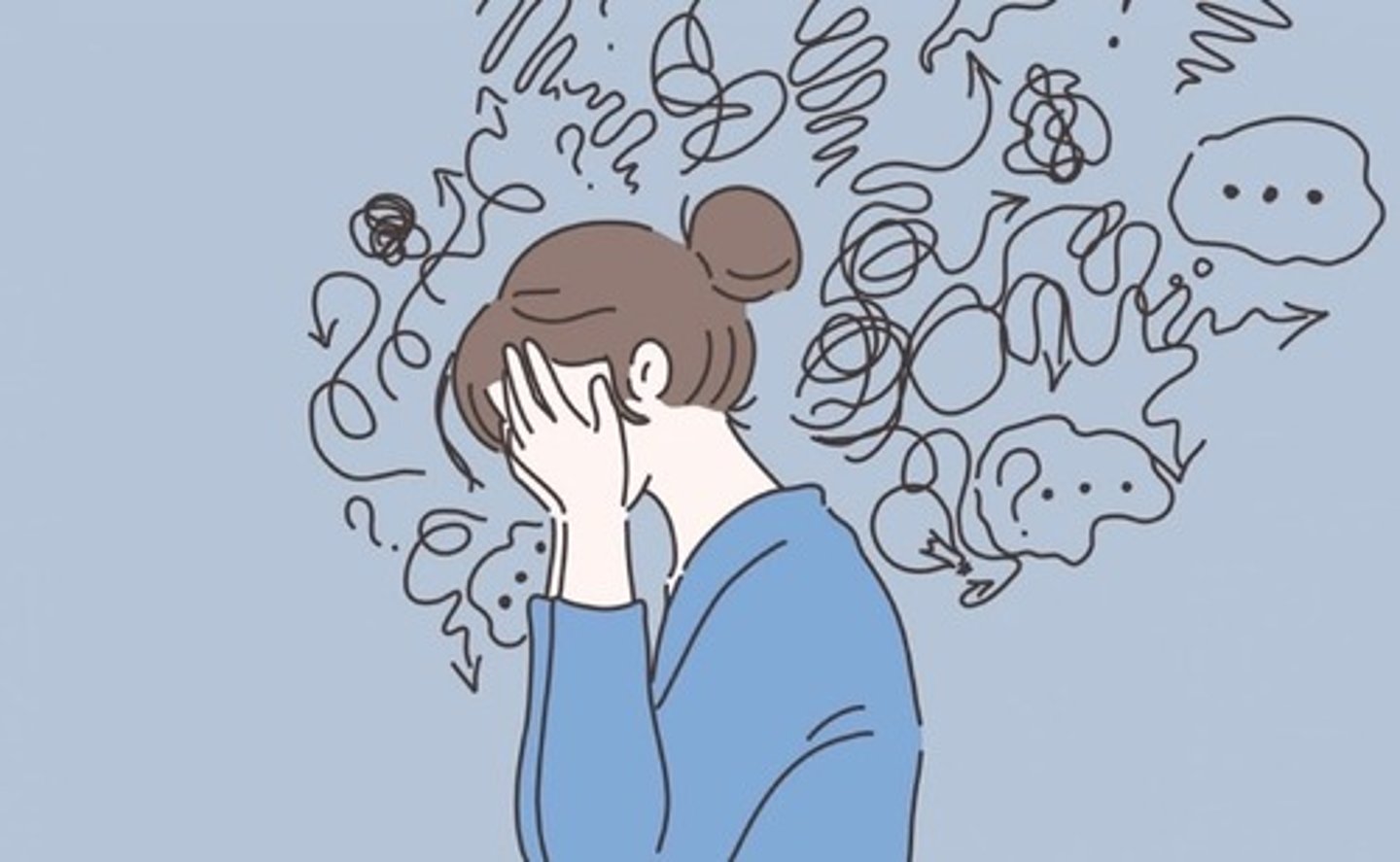
arachnophobia
a persistent and irrational fear of spiders.

attention-deficit/hyperactivity disorder (ADHD)
Marked by the appearance by age 7 of one or more of 3 key symptoms: extreme inattention, hyperactivity, and impulsivity
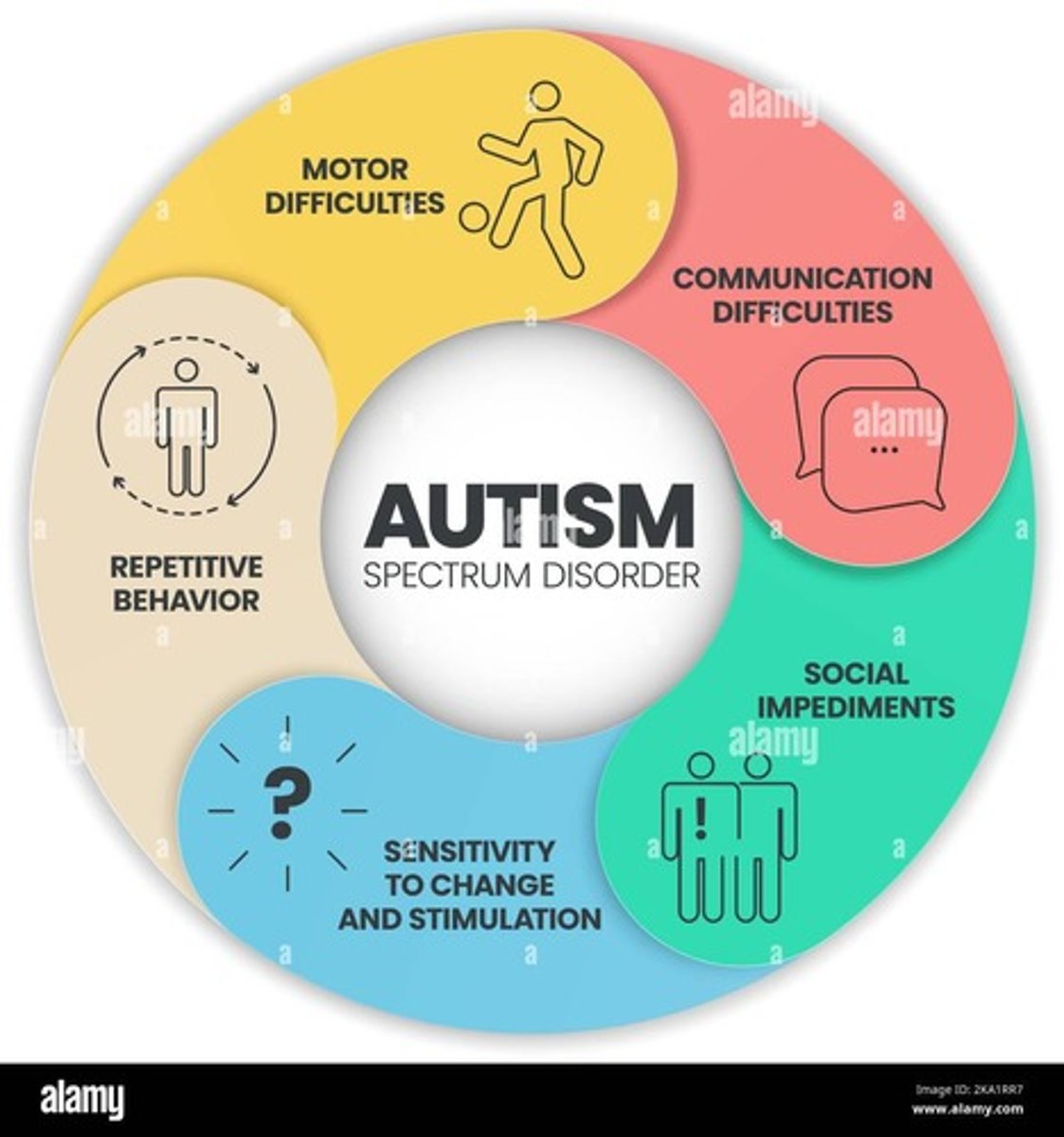
autism spectrum disorder (ASD)
A disorder that appears in childhood and is marked by deficient communication, social interaction, and understanding of others' states of mind.
avoidant personality disorder
a personality disorder characterized by (a) hypersensitivity to rejection and criticism, (b) a desire for uncritical acceptance, (c) social withdrawal in spite of a desire for affection and acceptance, and (d) low self-esteem.

behavioral perspective
The perspective that a disorder exists because maladaptive learned associations, acquired via classical conditioning, reinforcement of behavior, or through observational learning.
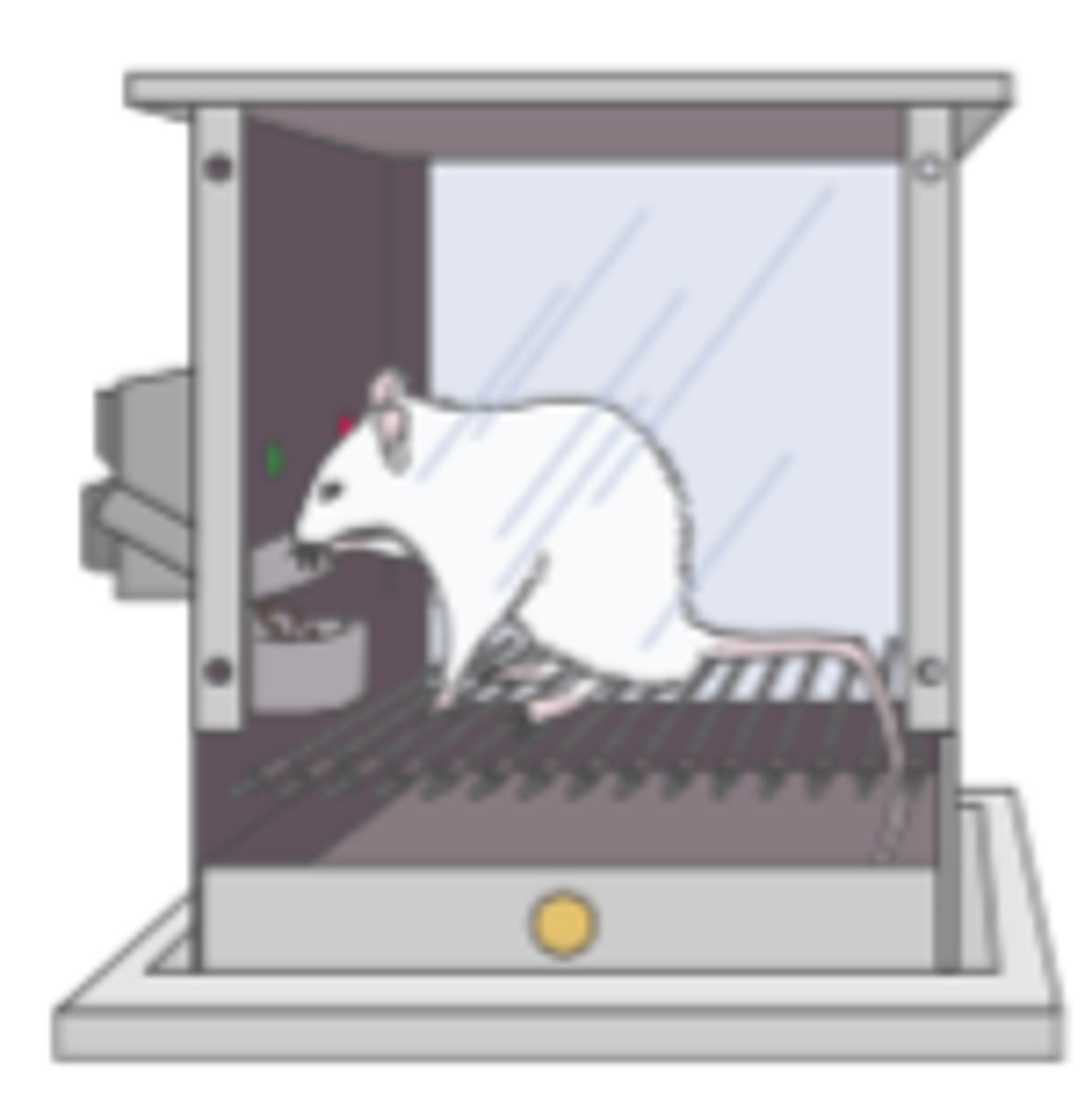
biological perspective
This perspective focuses on how the body (e.g., genes, hormones, brain systems) and the brain affect behavior and mental events.
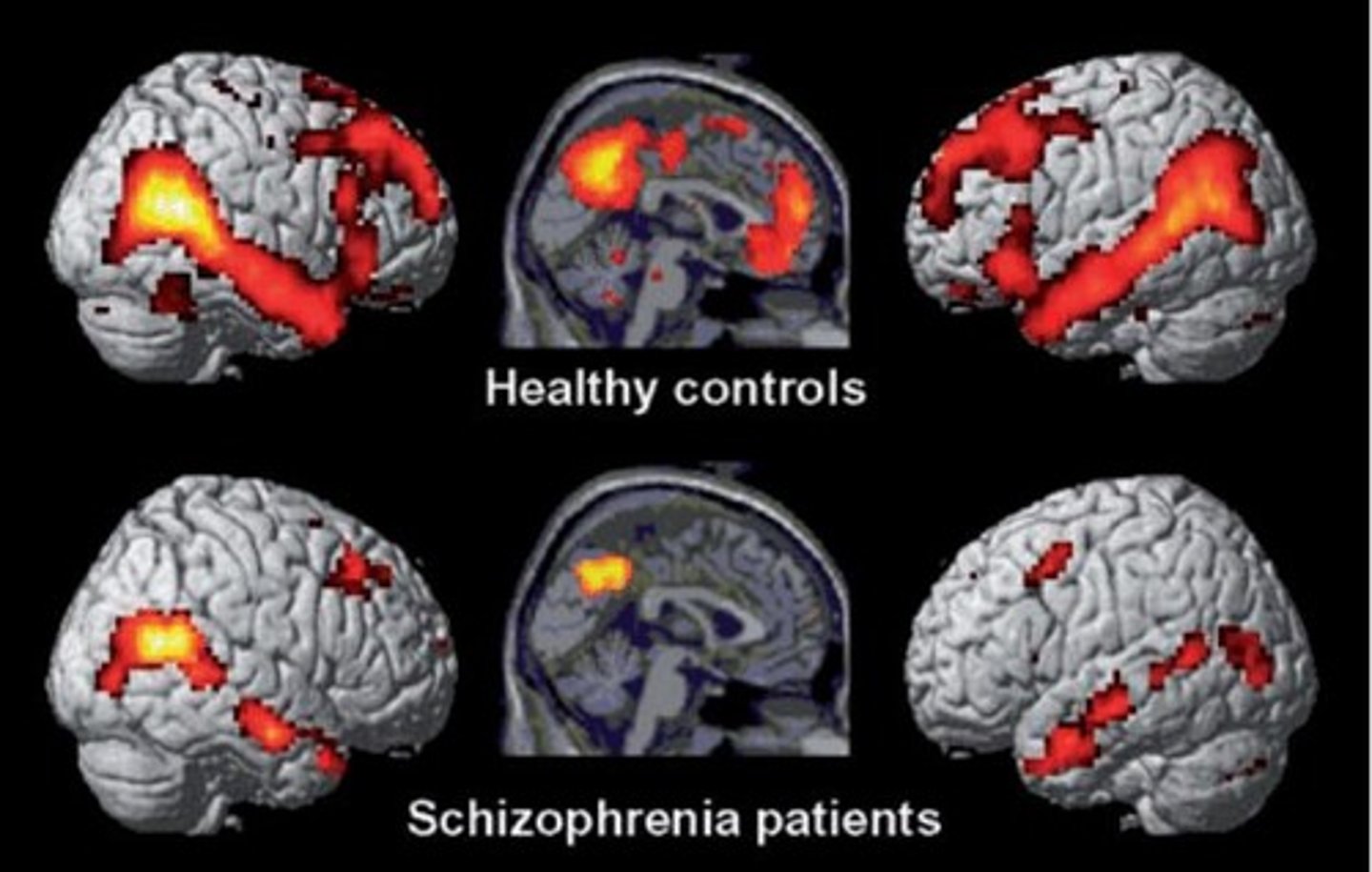
biopsychosocial model
integration of biological, psychological, and social approaches to the study of mental health and specific mental disorders
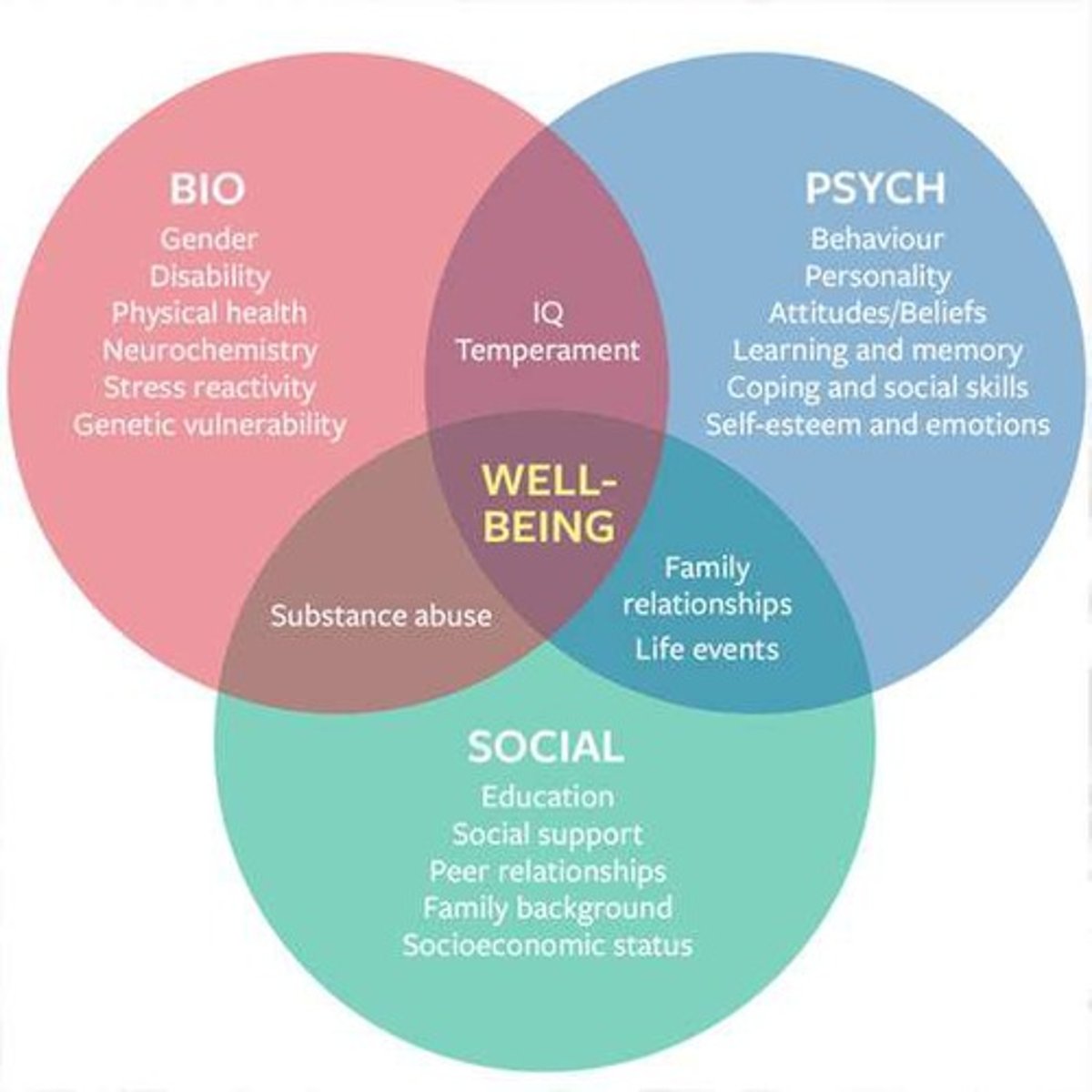
bipolar disorders
A category of disorders in which a person alternates between the hopelessness and lethargy of depression and the overexcited state of mania.

bipolar I disorder
one or more manic episodes interspaced with episodes of depression which usually become more common over time (compared with manic episodes)
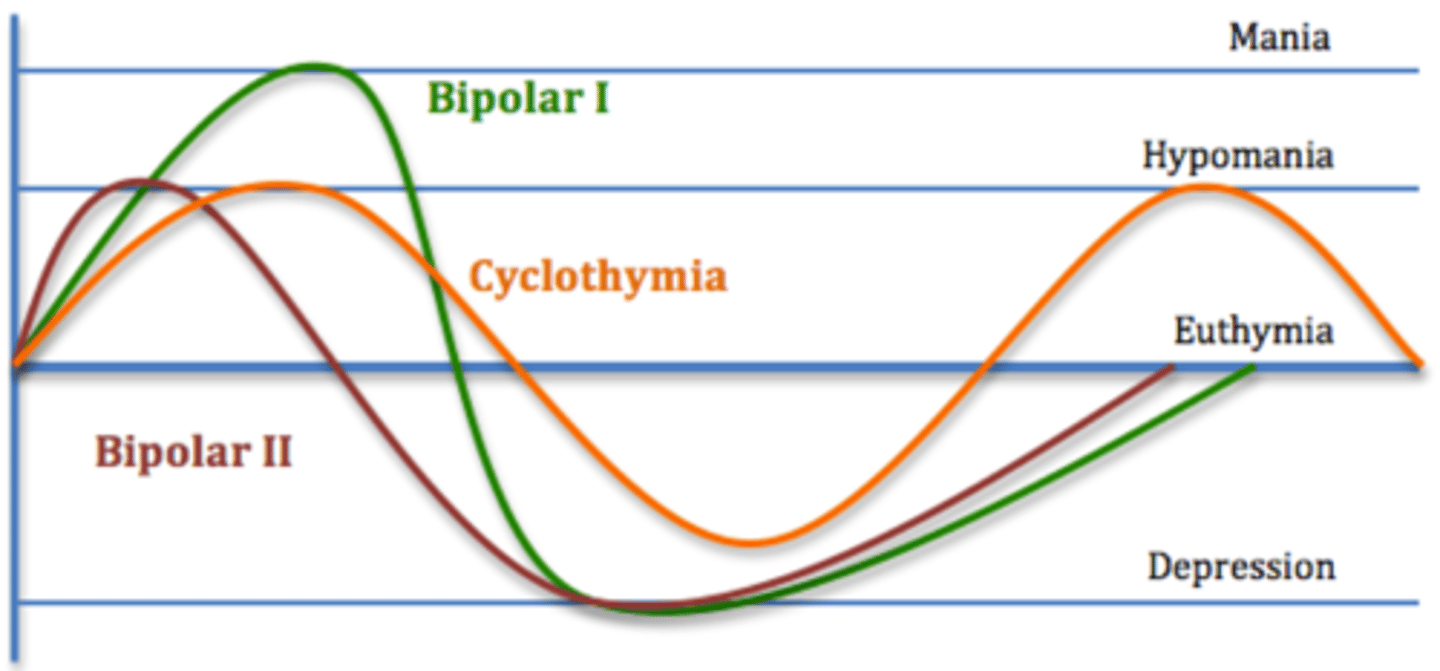
bipolar II disorder
a less severe form of bipolar in which people move between depression and a milder hypomania
borderline personality disorder
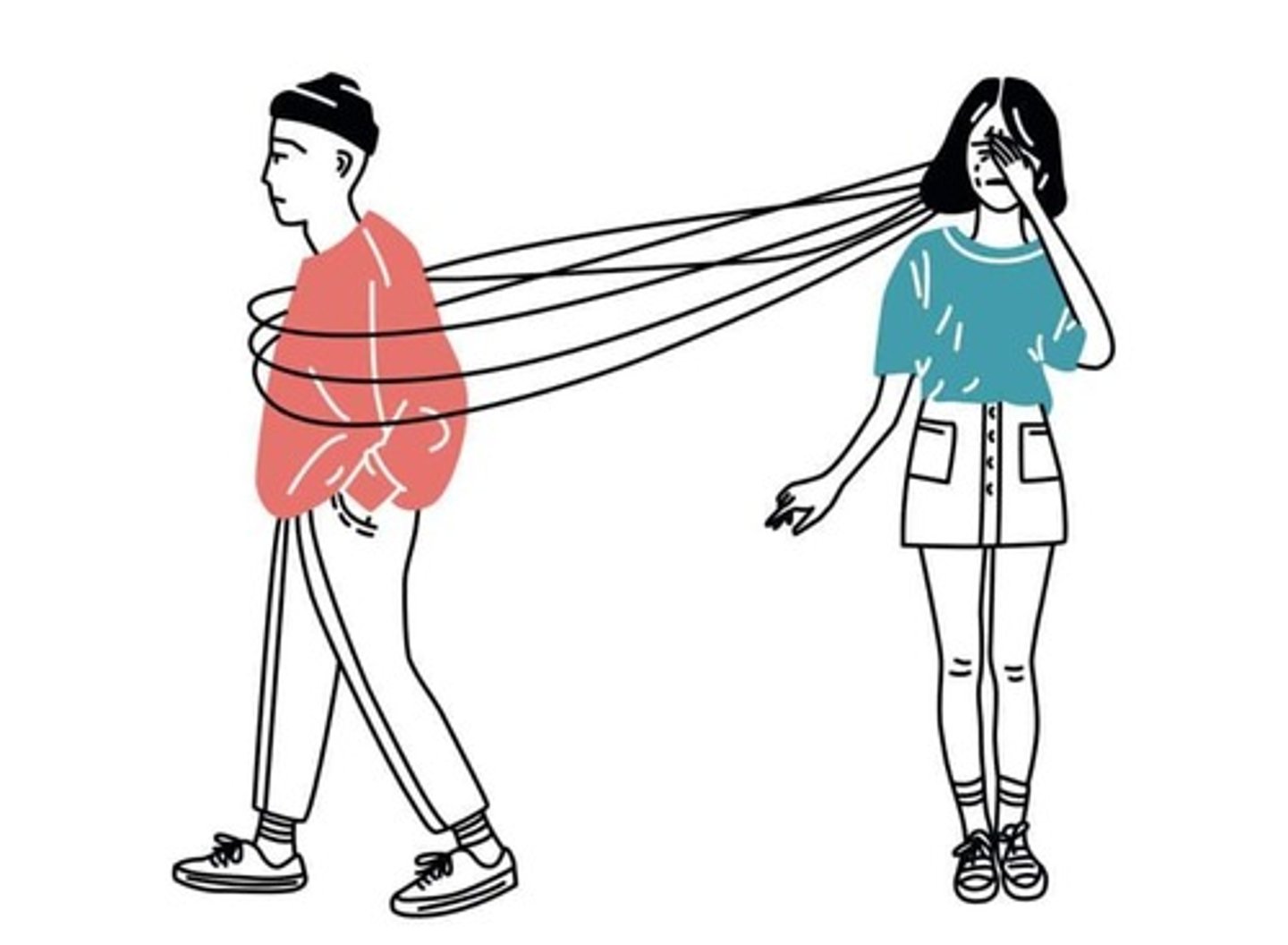
A personality disorder characterized by lack of stability in interpersonal relationships, self-image, and emotion; impulsivity; angry outbursts; intense fear of abandonment; recurring suicidal gestures.
bulimia nervosa
An eating disorder in which a person's binge eating (usually of high-calorie foods) is followed by compensatory behavior, such as vomiting, laxative use, fasting, or excessive exercise

catatonia
patterns of disorganized motor behavior often appearing in schizophrenia
catatonic excitement
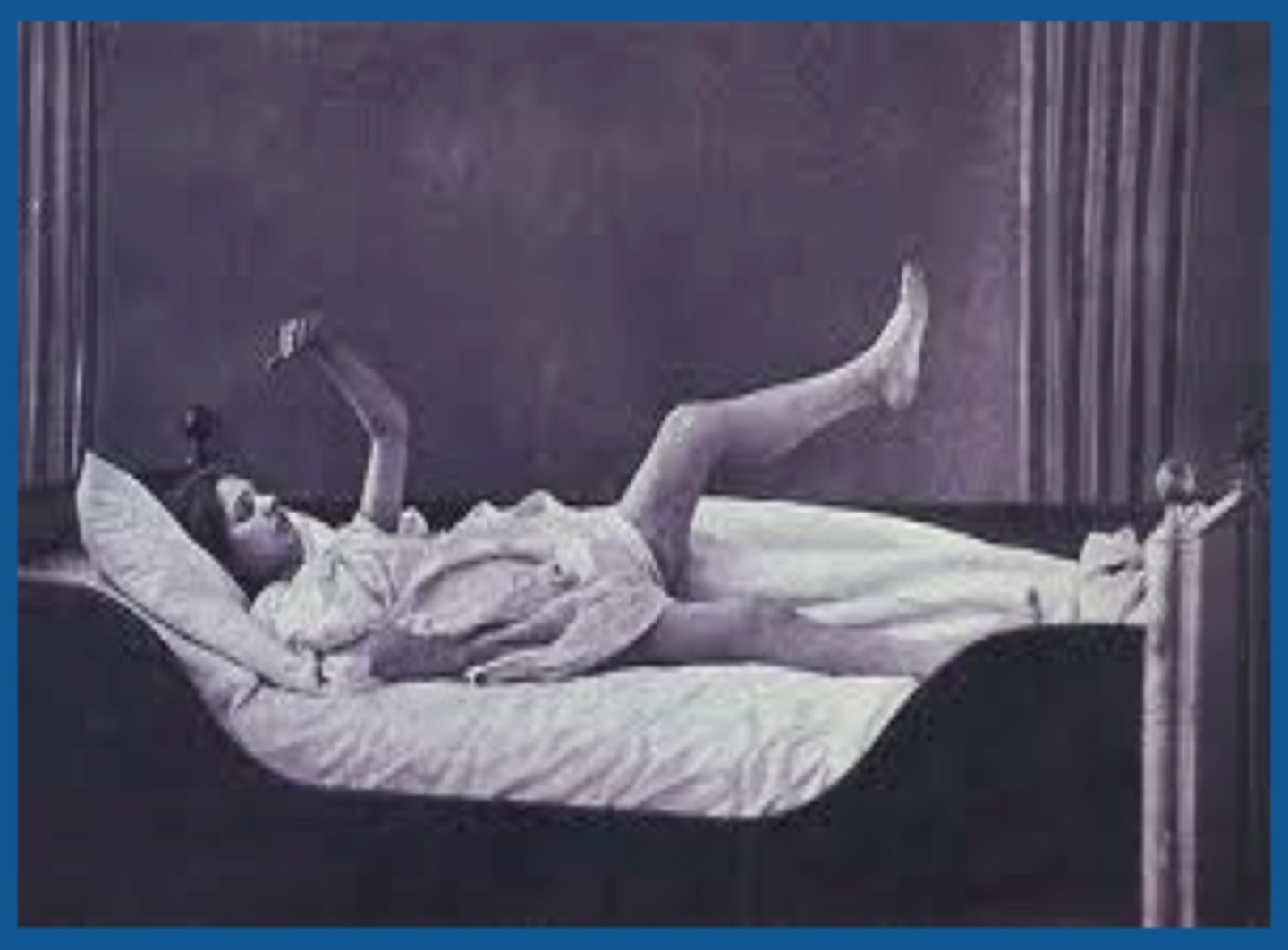
periods of extreme restlessness and excessive and apparently purposeless motor activity (positive symptom)
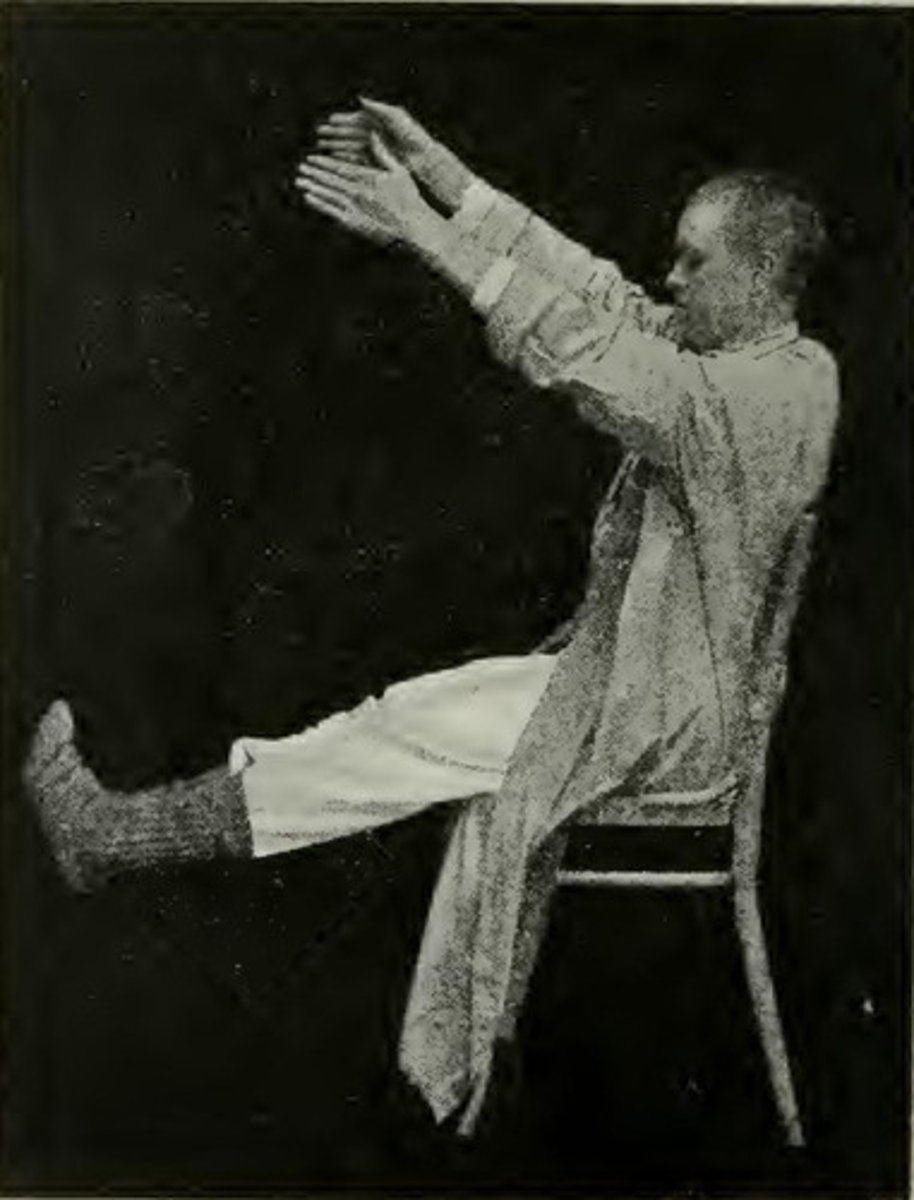
catatonic stupor
a state of significantly decreased reactivity to environmental stimuli and events and reduced spontaneous movement (negative symptom)

cluster a
This is the odd or eccentric cluster of personality disorders and includes paranoid, schizoid, and schizotypal personality disorders

cluster b
This is the dramatic, emotional, or erratic cluster and includes antisocial, histrionic, narcissistic, and borderline personality disorders.

cluster c
This is the anxious or fearful cluster and includes avoidant, dependent, and obsessive-compulsive personality disorders.
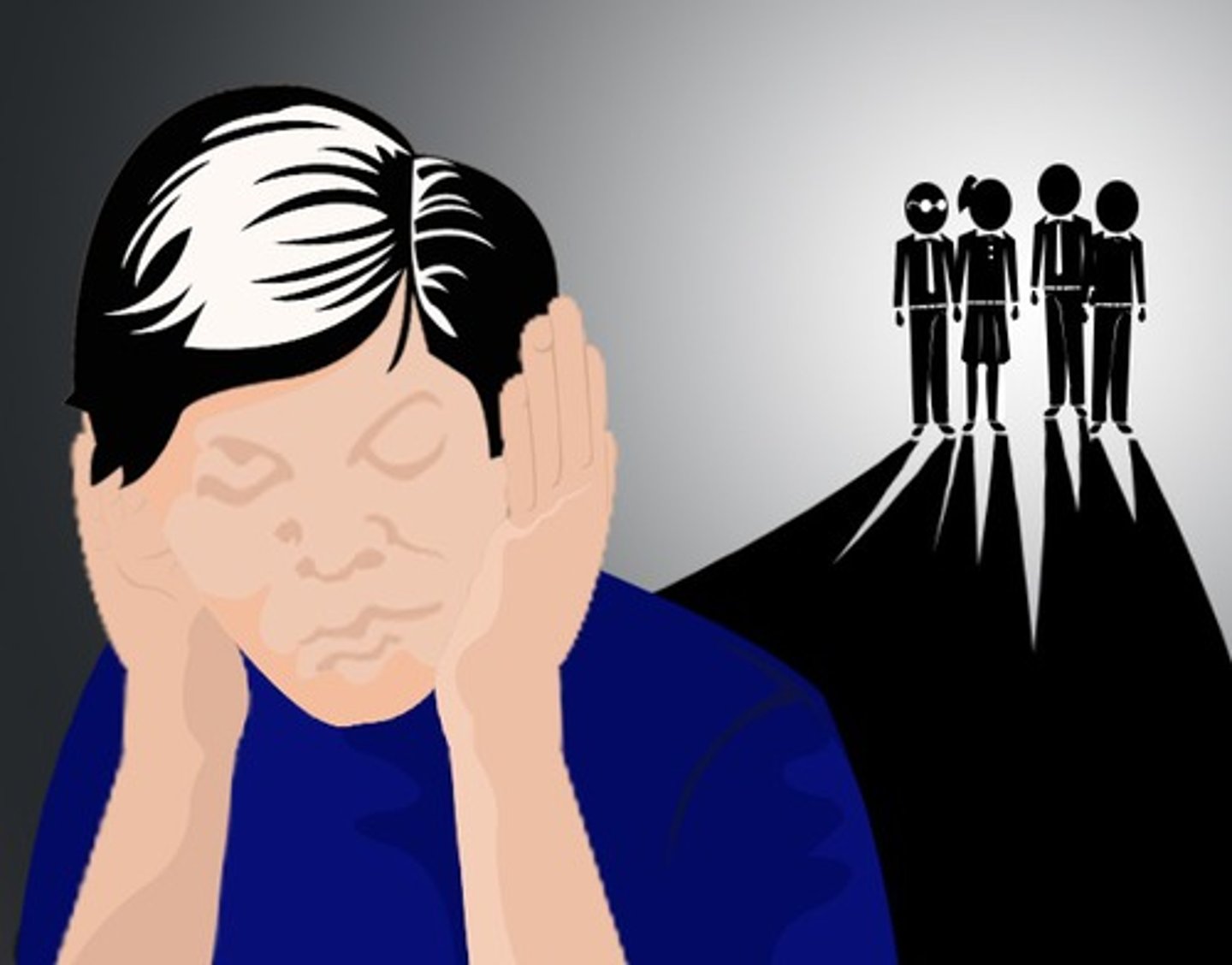
cognitive perspective
Disorders are caused by faulty/illogical thinking or someone's interpretation of a situation.

compulsion
An uncontrollable urge to perform an act repeatedly to reduce anxious thoughts.

delusion
False beliefs that may accompany psychotic disorders.

delusions of grandeur
A fixed false belief that one is more powerful or important that one actually is.

delusions of persecution
A fixed false belief that others are threatening or conspiring against them.

dependent personality disorder
A personality disorder characterized by a pattern of clinging and obedience, fear of separation, and an ongoing need to be taken care of.

major depressive disorder
a serious depressive disorder that can affect how people feel, think, and function in their daily lives. It's characterized by a depressed mood or loss of interest in activities that lasts for at least two weeks and interferes with daily activities.

depressive disorders
a group of disorders characterized by an enduring sad, empty, or irritable mood, along with physical and cognitive changes that affect a person's ability to function

deviation from norms
This particular criteria of diagnosis involves behaviors and emotions that differ significantly from what is considered appropriate or typical for a social group.
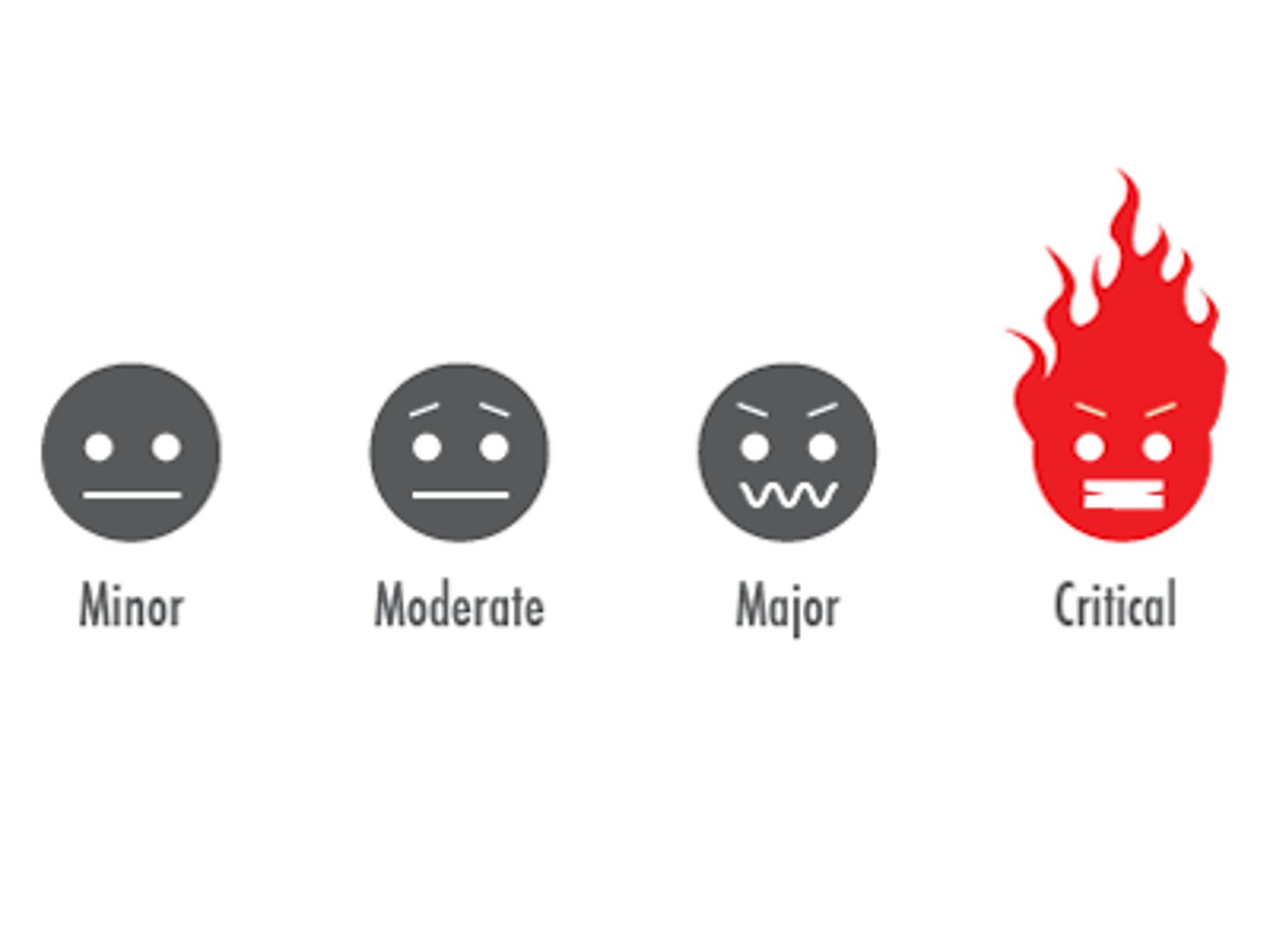
Diagnostic and Statistical Manual of Mental Disorders (DSM)
A widely used text for classifying psychological disorders.

diathesis-stress model
A diagnostic model that proposes that a disorder may develop when an underlying vulnerability is coupled with a precipitating event

disorganized thinking and speech
a positive symptom of schizophrenia and may manifest as speaking in ways such as speaking in a word salad (stringing together words in nonsensical ways).

dissociation
a split in consciousness, which allows some thoughts and behaviors to occur simultaneously with others

dissociative amnesia
Dissociative disorder characterized by the sudden and extensive inability to recall important personal information, usually of a traumatic or stressful nature.

dissociative disorders
A category of disorders in which one's conscious awareness becomes separated from previous memories, thoughts, and feelings.

dissociative identity disorder
A rare disorder in which a person exhibits two or more distinct and alternating personalities.

distress
This particular criteria of diagnosis views that abnormality involves experiencing negative feelings like anxiety, isolation, confusion and fear.

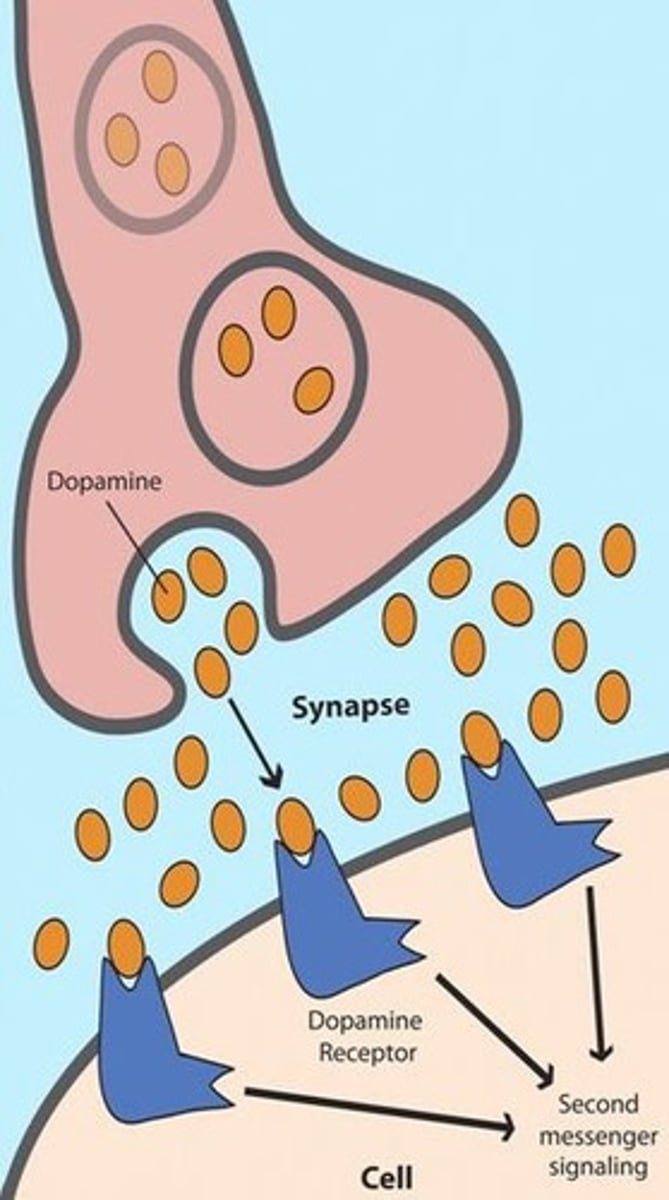
dopamine hypothesis
Possible cause of schizophrenia suggest a biological link, such as imbalances with certain neurotransmitters
dysfunction
This particular criteria of diagnosis involves the abnormal behavior significantly interfering with everyday tasks and living your life.

eclectic approach
an approach in psychotherapy that uses techniques from various forms of therapy

evolutionary perspective
The study of the roots of behavior and mental processes using the principles of natural selection.

feeding and eating disorders
a category of psychological disorders in the DSM-5 that includes anorexia nervosa and bulimia nervosa

flat affect
total or near absence of appropriate emotional responses to situations and events

fugue
Sudden and purposeful need for travel; can sometimes occur in those experiencing dissociative amnesia

generalized anxiety disorder (GAD)
An anxiety disorder in which a person is continually tense, apprehensive, and in a state of autonomic nervous system arousal.

hallucinations
False sensory experiences, such as seeing something in the absence of an external visual stimulus

histrionic personality disorder
A personality disorder characterized by excessive emotionality and preoccupation with being the center of attention; emotional shallowness; overly dramatic behavior
hoarding disorder
Persistent difficulty discarding or parting with possessions, regardless of their actual value

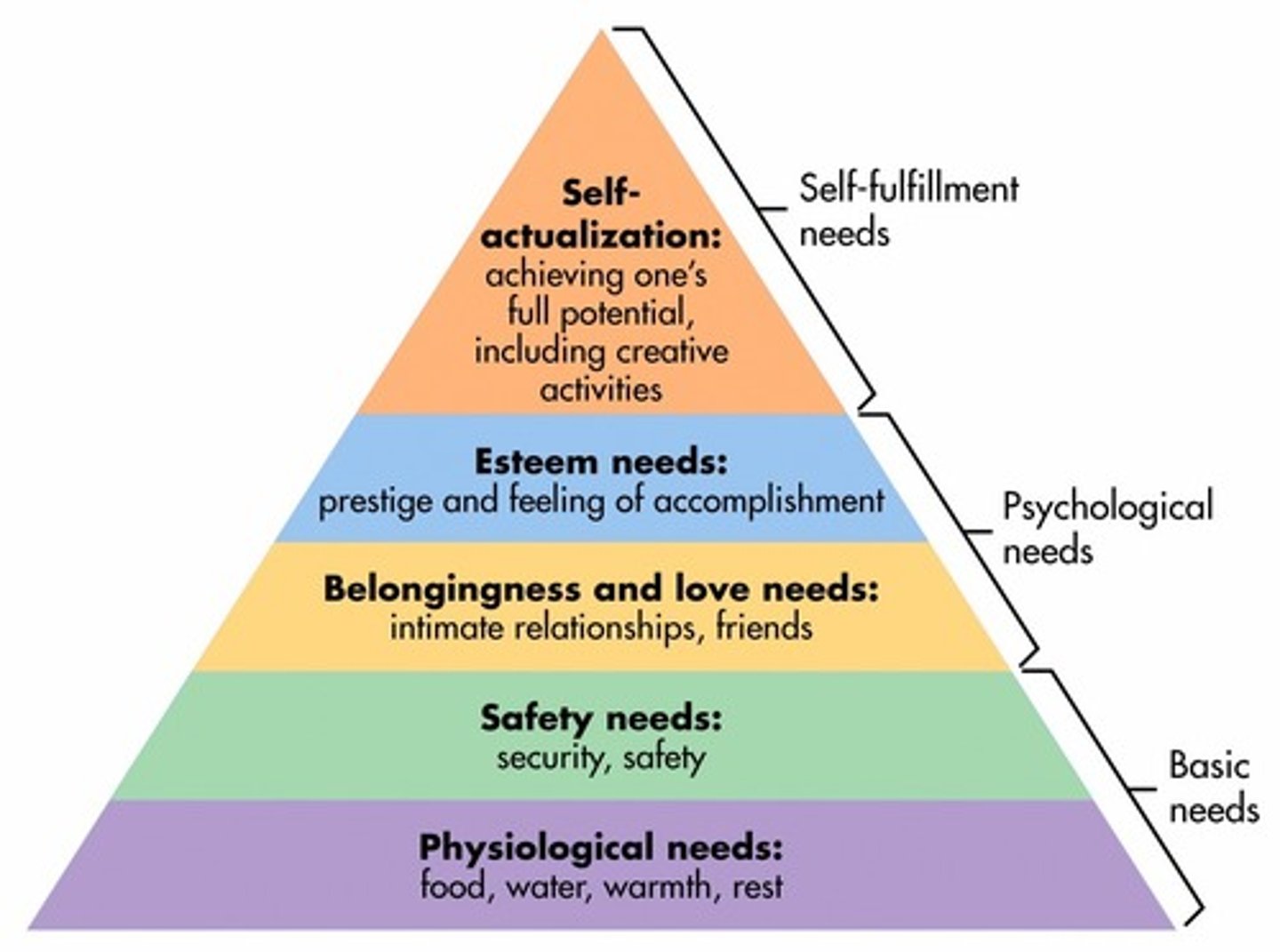
humanistic perspective
A person isn't getting their basic needs met or aren't being given support to reach their full potential.
international classification of diseases (icd)
a classification of health conditions compiled by the World Health Organization (WHO); includes psychological disorders as well as physical diseases

manic episodes
a period characterized by elevated, expansive, or irritable mood lasting at least a week and often including increases in activity or psychomotor agitation, talkativeness, flight of ideas or racing thoughts, inflated self-esteem or grandiosity, risk-taking, and decreased need for sleep; experiencing one of these is required for a diagnosis of Bipolar I disorder

narcissistic personality disorder
Characterized by a grandiose sense of self-importance, a preoccupation with fantasies of success or power, and a need for constant attention or admiration

negative symptoms
Symptoms of schizophrenia that are marked by deficits in functioning, such as apathy, lack of emotion, and slowed speech and movement

neurodevelopmental disorders
A category of psychological disorders in the DSM-5 that includes ADHD and autism spectrum disorder (ASD)
obsession
A persistent, unwanted thought or idea that keeps recurring.

obsessive-compulsive disorder
A disorder characterized by unwanted repetitive thoughts and/or actions to reduce anxiety.

panic disorder
An anxiety disorder marked by unpredictable, minutes-long episodes of intense dread in which a person experiences terror and accompanying chest pain, choking, or other frightening sensations. Often followed by worry over a possible next attack.

paranoid personality disorder
a personality disorder characterized by a pervasive, unwarranted suspiciousness and distrust of others (e.g, expectation of trickery or harm, overconcern with hidden motives and meanings), hypersensitivity (e.g., being easily slighted or offended) and restricted affectivity (e.g, emotional coldness, no sense of humor).

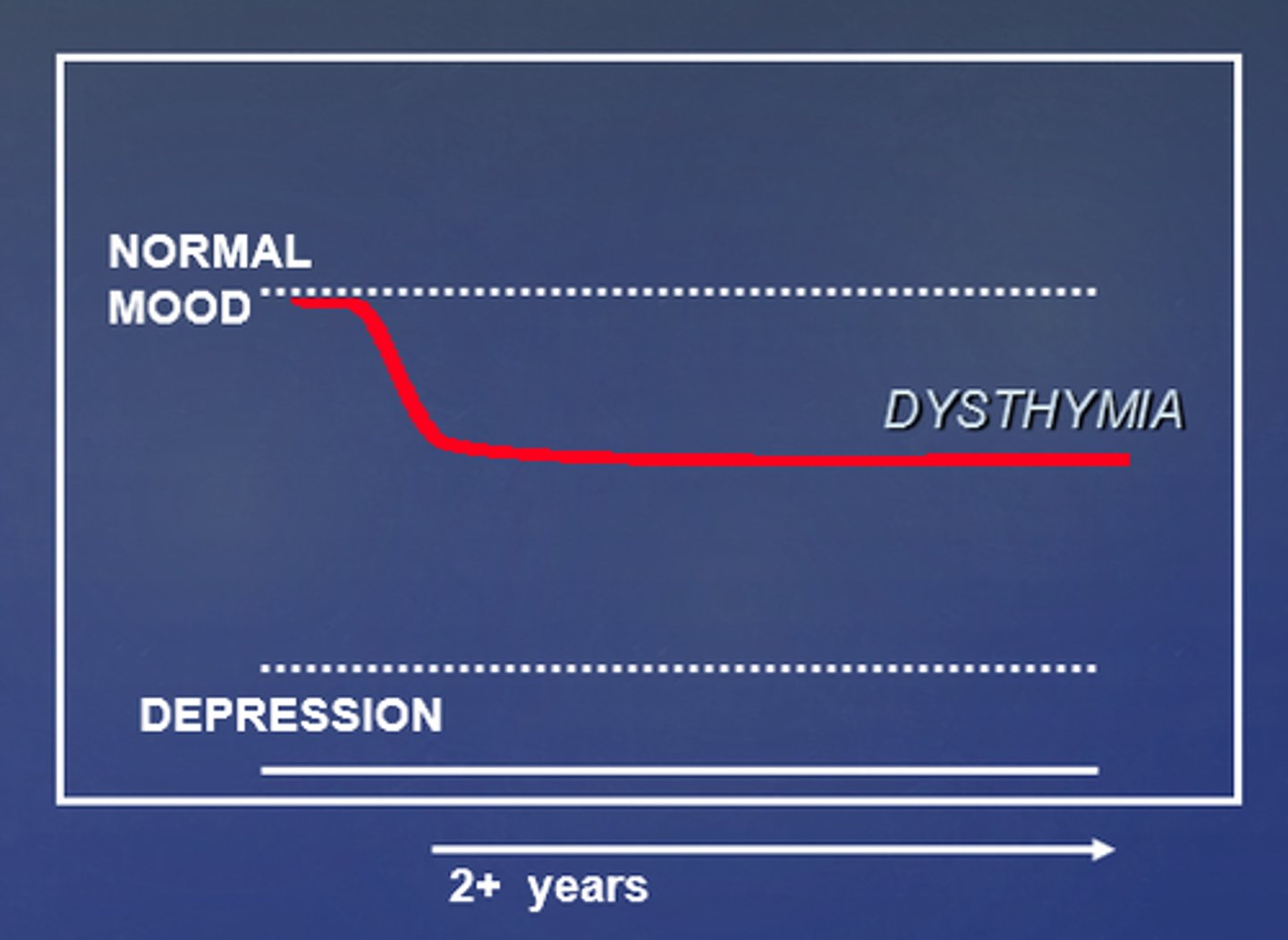
persistent depressive disorder
A form of depression that is not severe enough to be diagnosed as major depressive disorder (AKA Dysthymia)
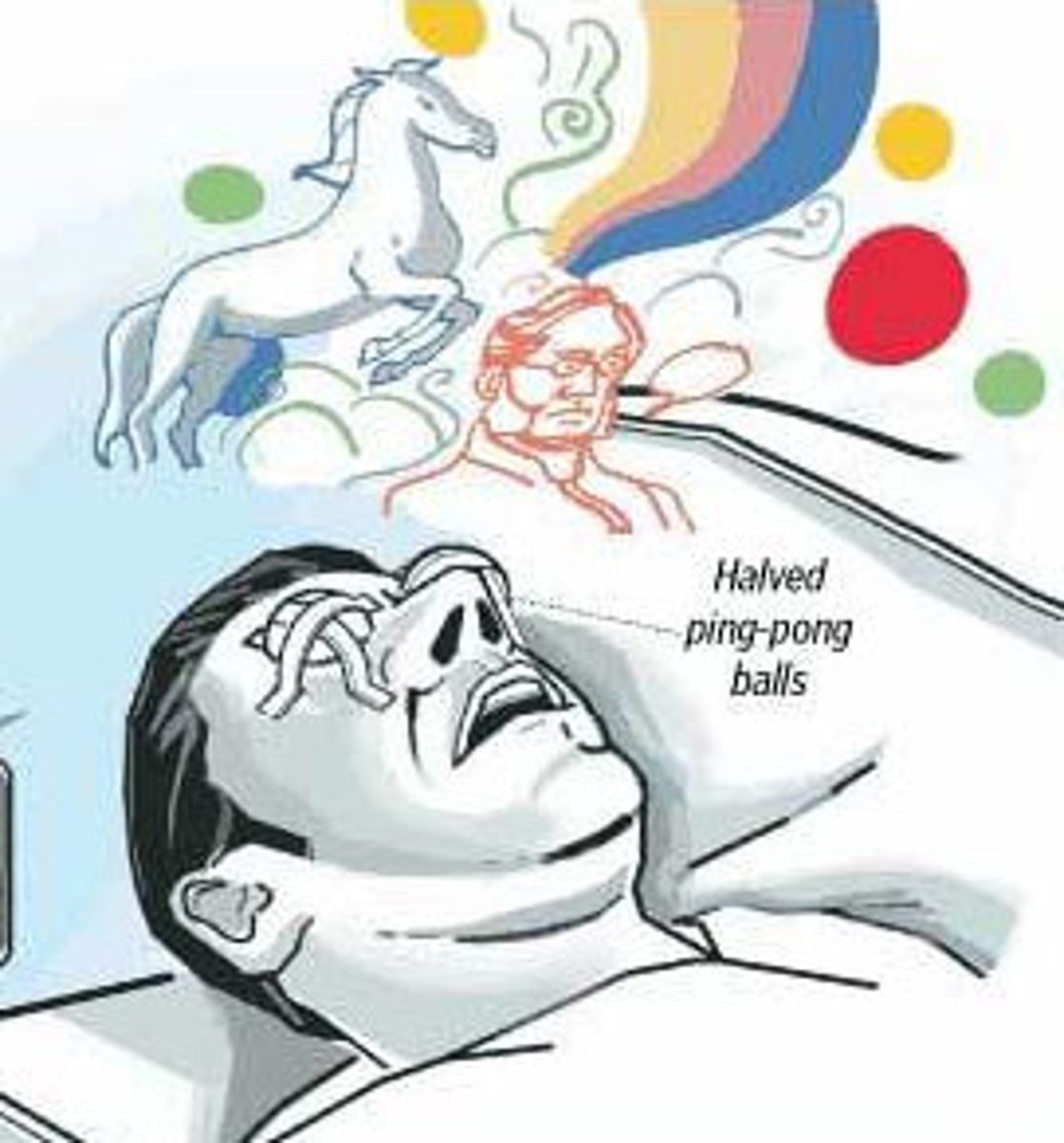
positive symptoms
Symptoms of schizophrenia that are excesses of behavior or occur in addition to normal behavior; hallucinations, delusions, and distorted thinking
post-traumatic stress disorder (PTSD)
A disorder characterized by haunting memories, nightmares, social withdrawal, jumpy anxiety, numbness of feeling, and/or insomnia that lingers for four weeks or more after a traumatic experience.

prenatal viral exposure
a risk factor that increases the odds someone will develop schizophrenia (when combined with pre-existing genetic risks)

psychodynamic perspective
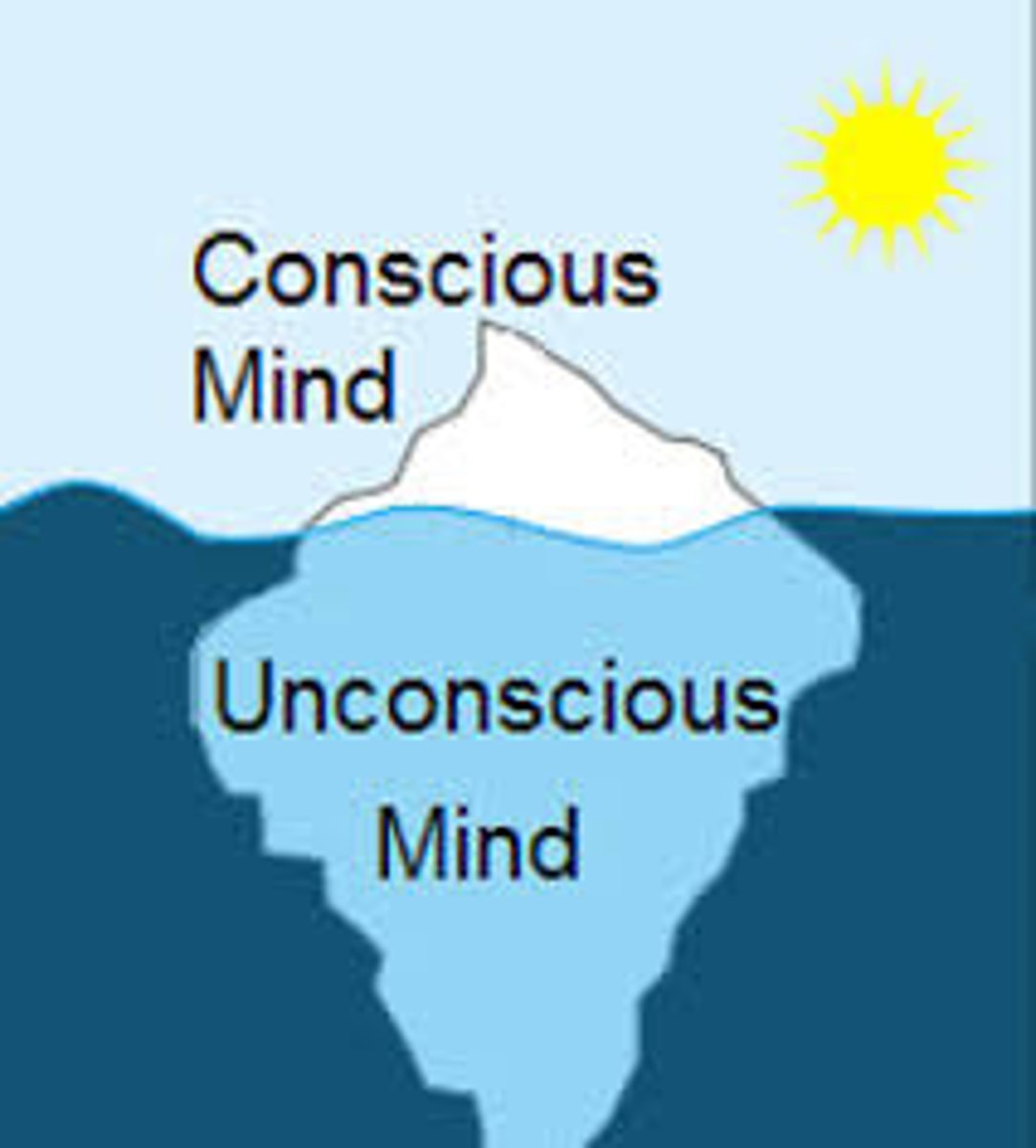
This perspective sees behavior as the product of such influences as unconscious drives and conflicts, and personality traits as outcomes of such underlying causes as aggressive or sexual drives.
schizoid personality disorder
a personality disorder characterized by long-term emotional coldness, absence of tender feelings for others, lack of desire for and enjoyment of close relationships, and indifference to praise or criticism and to the feelings of others.

schizotypal personality disorder
a personality disorder characterized by various oddities of thought, perception, speech, and behavior that are not severe enough to warrant a diagnosis of schizophrenia; this disorder is listed both in the personality disorders section of the DSM and in the schizophrenia spectrum disorders category
social anxiety disorder
An anxiety disorder involving intense fear of social situations, leading to avoidance of such.

sociocultural perspective
The influence of social media, friends, family, and one's culture can cause disorders. For example, eating disorders are more likely within Western cultures than Eastern cultures.

specific phobia
An anxiety disorder marked by a persistent, irrational fear and avoidance of a specific object, activity, or situation.

stigma
the negative social attitude attached to a characteristic of an individual; persons diagnosed with psychological disorders are often unfairly judged and face discrimination as a result of this

Still learning (14)
You've started learning these terms. Keep it up!