Week 9 & 10 Buildings
 Call Kai
 Learn
Learn Practice Test
 Spaced Repetition
 Match
Match Flashcards
 Knowt Play
1/20

There's no tags or description
Looks like no tags are added yet.
Name | Mastery | Learn | Test | Matching | Spaced | Call with Kai |
|---|
No analytics yet
Send a link to your students to track their progress
21 Terms
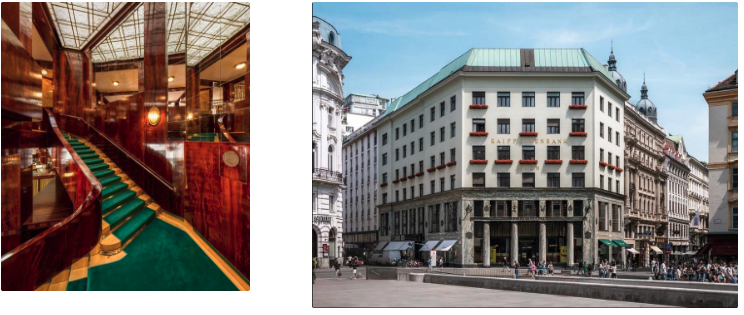
Adolf Loos
Goldman & Salatsch Building or Looshaus
1912
Vienna, Austria
Shows Loos’s idea of exterior restraint and interior richness, linking the body to skin, cladding, and anti-ornament. The Patron was also a clothing company for wealthy figures
Ugly, no ornament.
From Week 9: The Body
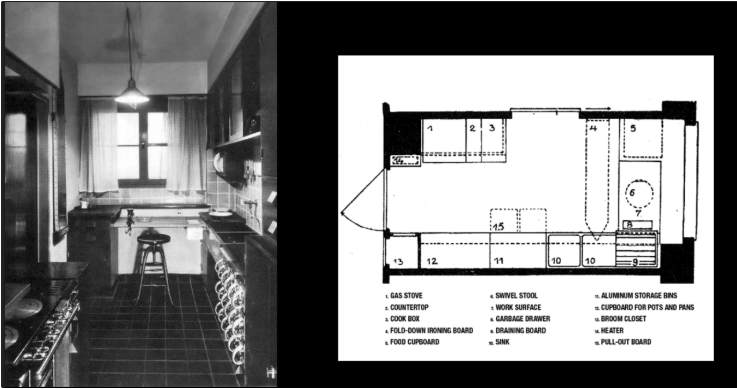
Margarete Schütte-Lihotzky
The Frankfurt Kitchen
1926
Frankfurt, Germany
Shows modern design and its tendency towrads organization and efficiency in everyday domestic life
The only kitchen in the course
From Week 9: The Body
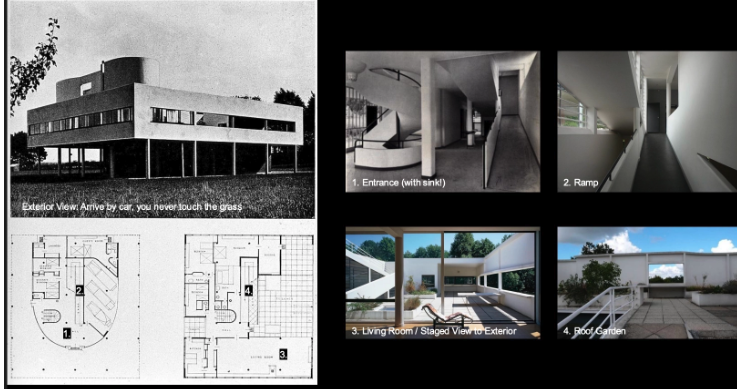
Le Corbusier
Villa Savoye
1931
Poissy, France
Represents Le Corbusier’s modern architecture and his 5 points of architecture. Architecture is choreographed through movement/architectural promenade.
Pilotis and architectural promenade.
From Week 9: The Body
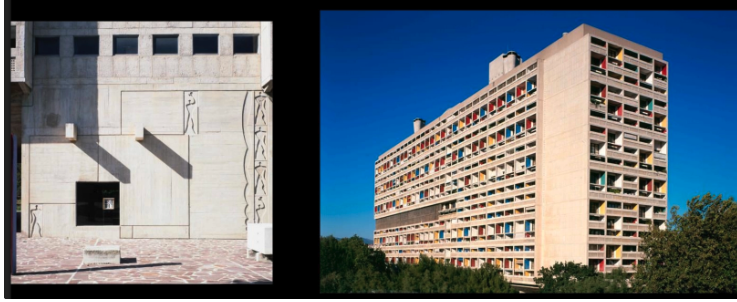
Le Corbusier
Unité d’Habitation
1952
Marseille, France
Shows Le Corbusier’s ideas of the measured body and standardized housing at the large-scale of an apartment block.
Coloured windows, reponse to Post WWII housing crisis.
From Week 9: The Body
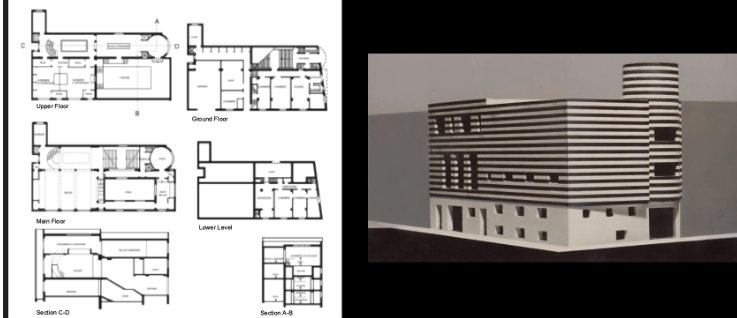
Adolf Loos
Baker House
1927
Paris, France
Connects Loos to Josephine Baker, who was the patron of this house. Shows the theme of the body as spectacle, surface, and display, which was built it based off Josephine Baker’s image.
Creepy, voyeurist house. Unbuilt.
From Week 9: The Body
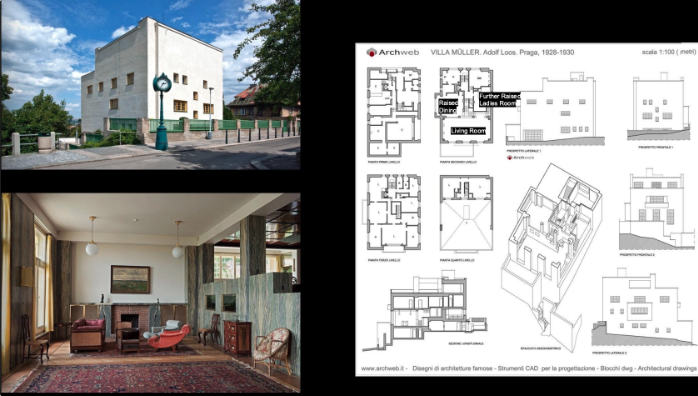
Adolf Loos
Villa Müller
1930
Prague, Czech Republic
A clear example of Loos’ Raumplan, where Loos designs a home as a set of spaces at varied heights, not simply 2D. Also had a voyeuristic aspect, where people are on display.
From Week 9: The Body
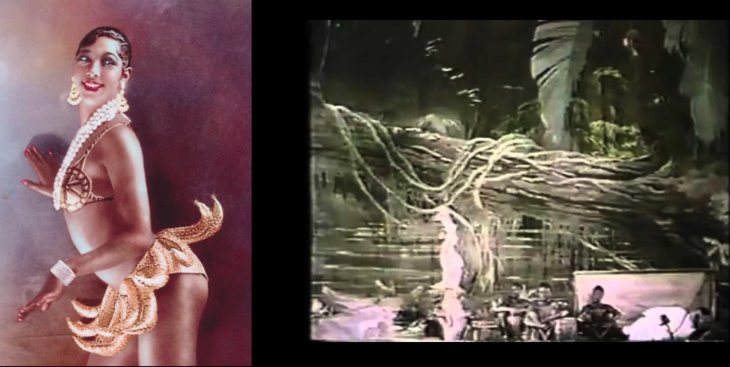
Josephine Baker
La folie du jour (The Madness of the Day)
1926
Folies Bergère, Paris
Important as it shows the body as performance, spectacle, and display.
Banana skirt!
From Week 9: The Body
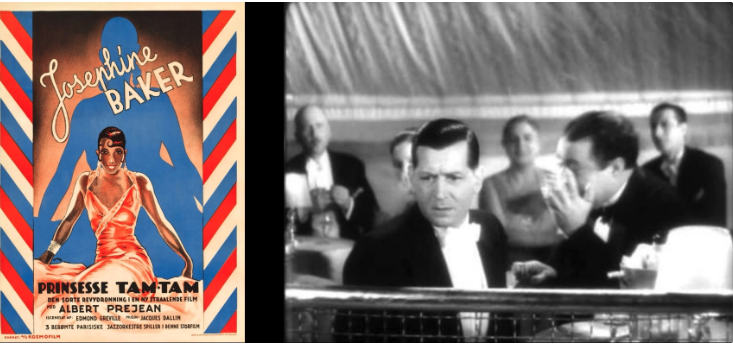
Josephine Baker
Princesse Tam-Tam
1935
Princess Tam-Tam (film, not place)
Shows how Baker understood her own fetishization, with themes of performance, voyeurism, and “exotic” spectacle
She gets very drunk and gets pushed onto stage
Civilizing and remaking the “exotic” woman
From Week 9: The Body
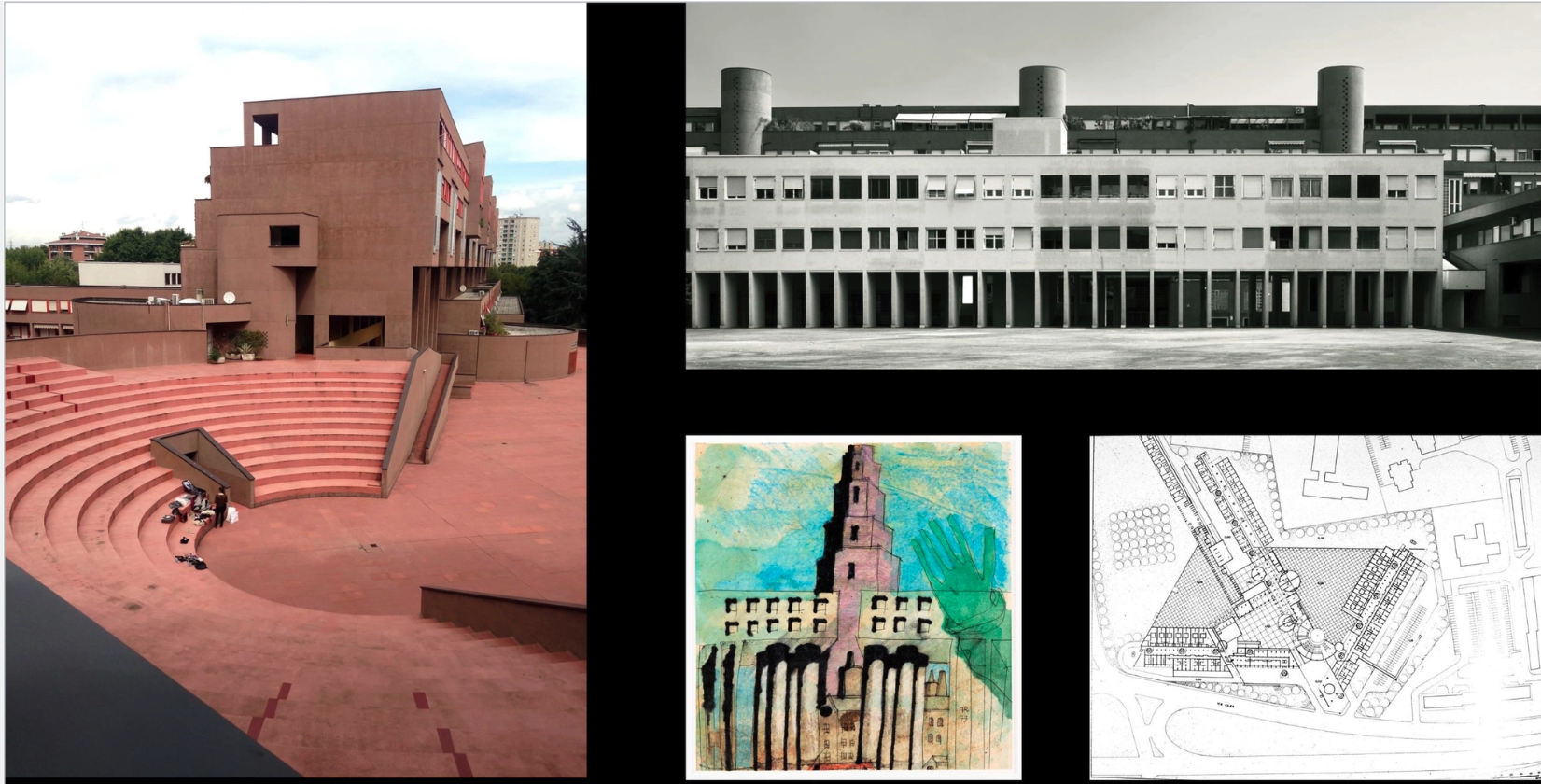
Aldo Rossi
Gallaratese Housing
1969-1973
Milan, Italy
Shows Rossi’s interest in history, monumentality, and memory by treating housing as part of the city’s historical form.
Pilotis, and amphitheatre.
From Week 10: The City
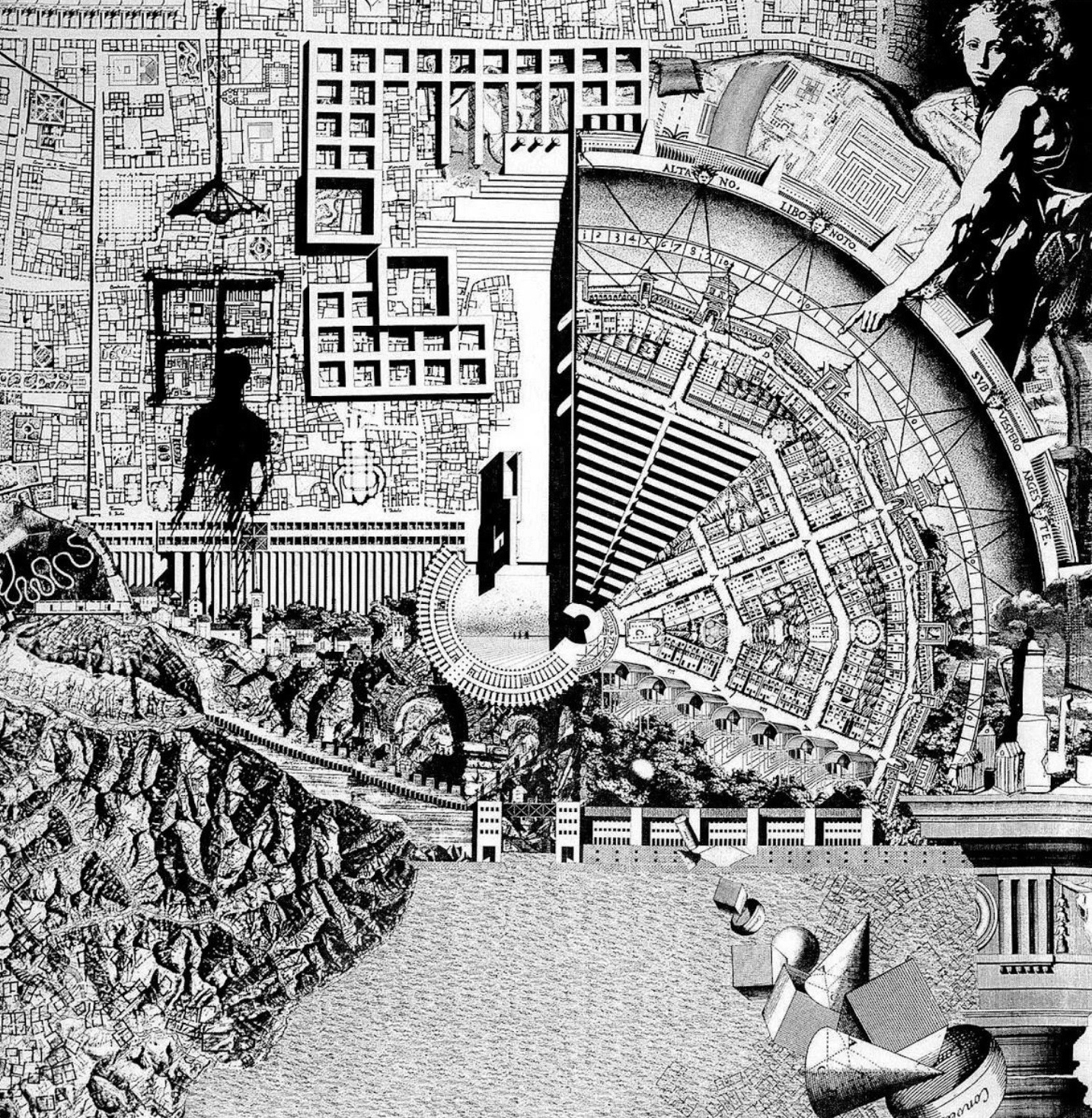
Aldo Rossi
The “Analogous City” Collage
1976
Shows Rossi’s idea of how the city is shaped by memory and imagination by combining real and invented pieces in a collage and imagining urban life differently.
From Week 10: The City
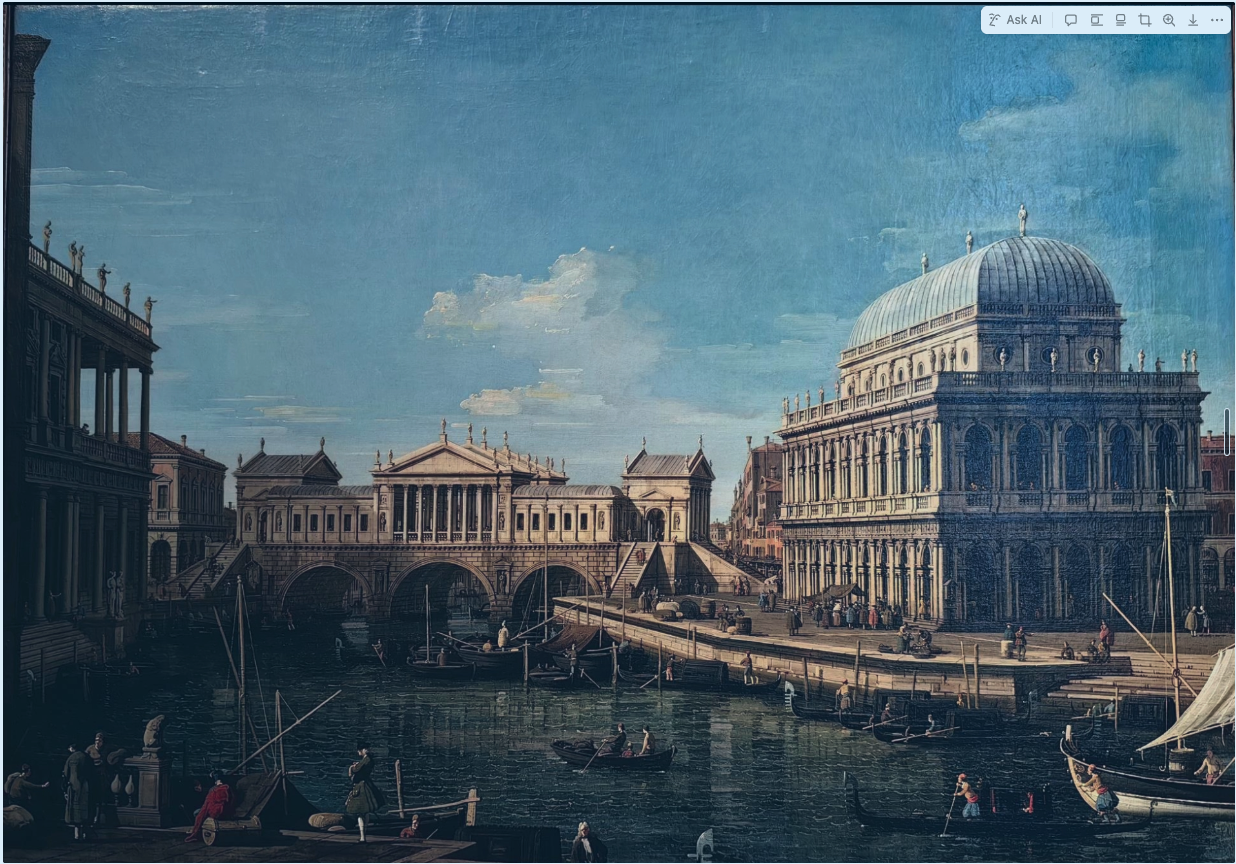
Canaletto
“Capriccio with Palladian Buildings”
1756-1759
Rossi’s inspiration for the term Capriccio, where he explains how a city can understood through collage, imagination, and precedent.
Depicts a fantasy Venetian landscape.
From Week 10: The City
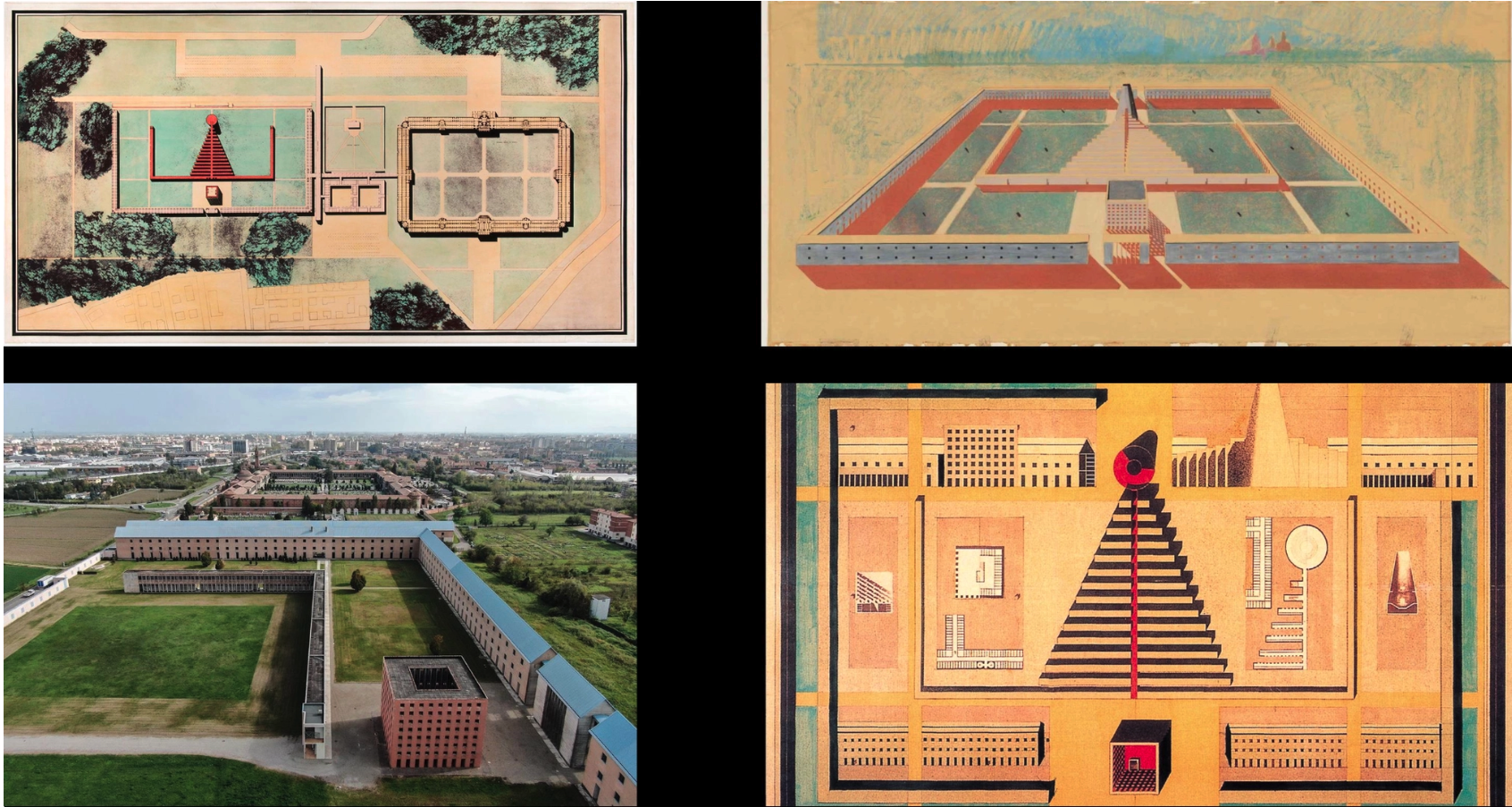
Aldo Rossi
San Cataldo Cemetery
1971-1984
Modena, Italy
Shows how Rossi treats architecture as a timeless artifact connected to the cities memory and death.
Pyramid looking plan that’s lacking the pyramid IRL?
From Week 10: The City
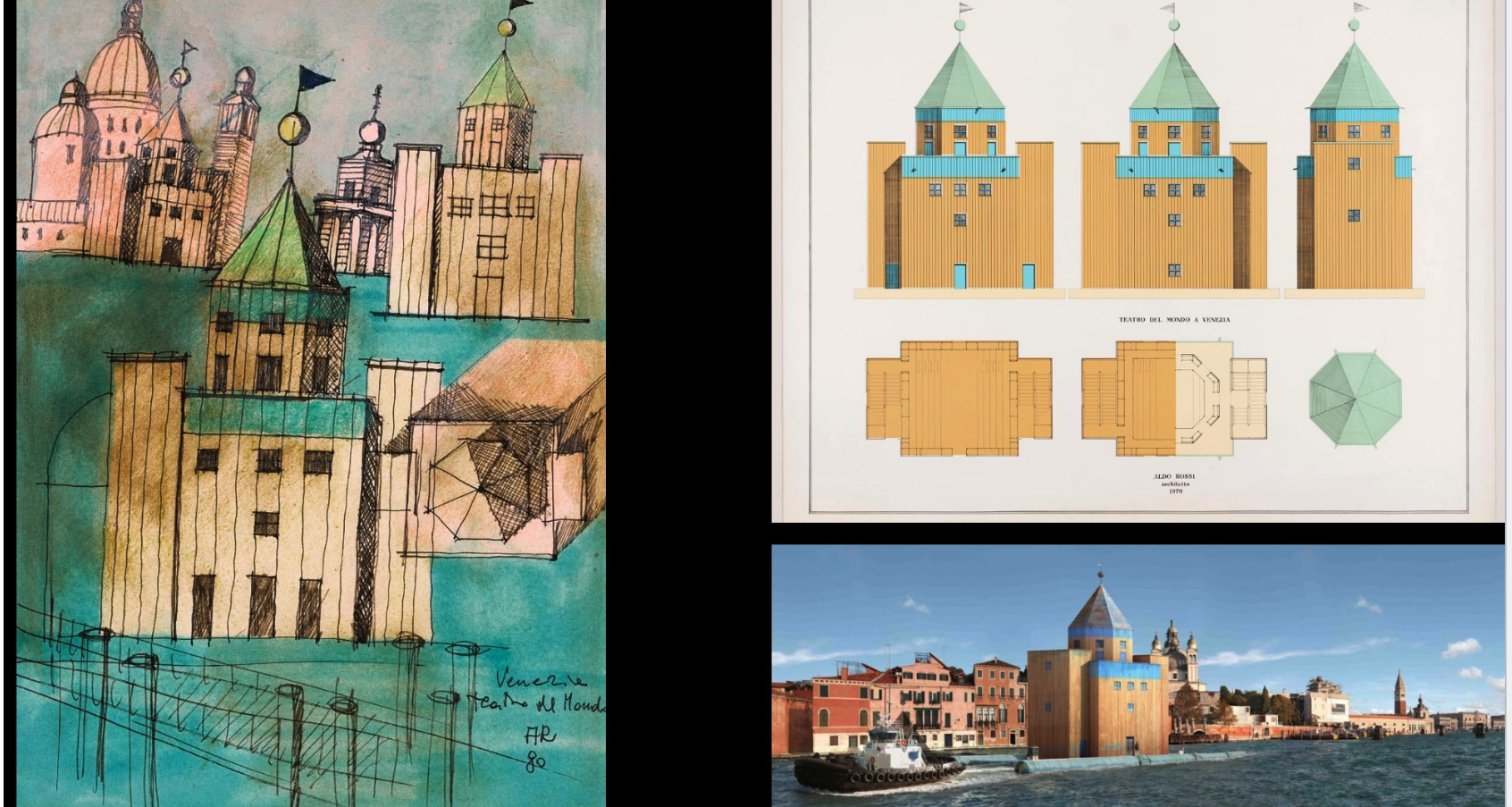
Aldo Rossi
Teatro del Mondo at the First Venice Architectural Biennale
1980
Venice, Italy
Turns architecture into a temporary and memorable object? I lowkey dont even know. Something about Rossi’s interest in history and collective meaning.
Highkey looks like a sand castle…
From Week 10: The City
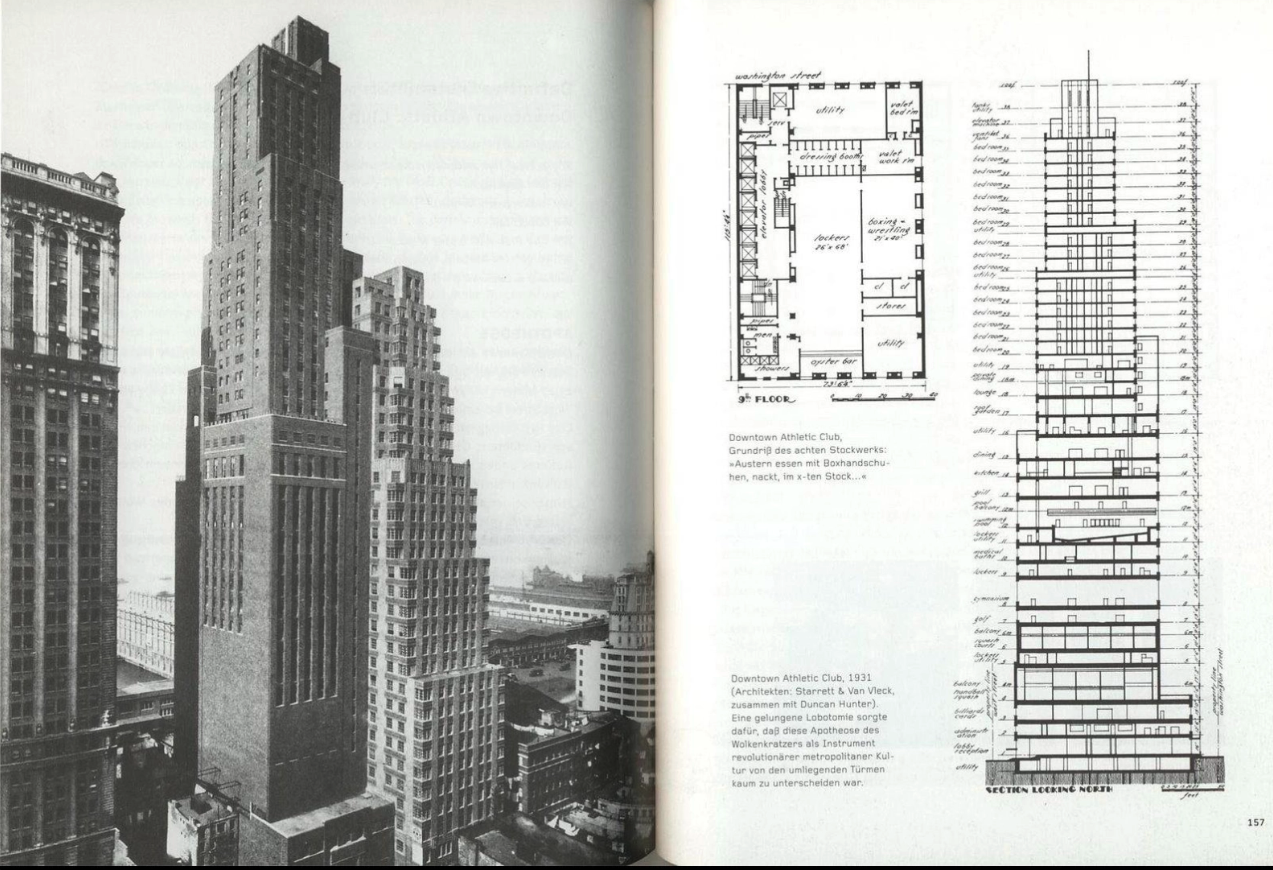
Starrett & van Vleck
Downtown Athletic Club
1929-1931
New York City, USA
A precedent for Koolhaas’ social condenser, when a skyscraper becomes a machine for congestion, stacked programs, and urban interaction
The most NYC looking building you’ve ever seen… as a gym 😭
From Week 10: The City
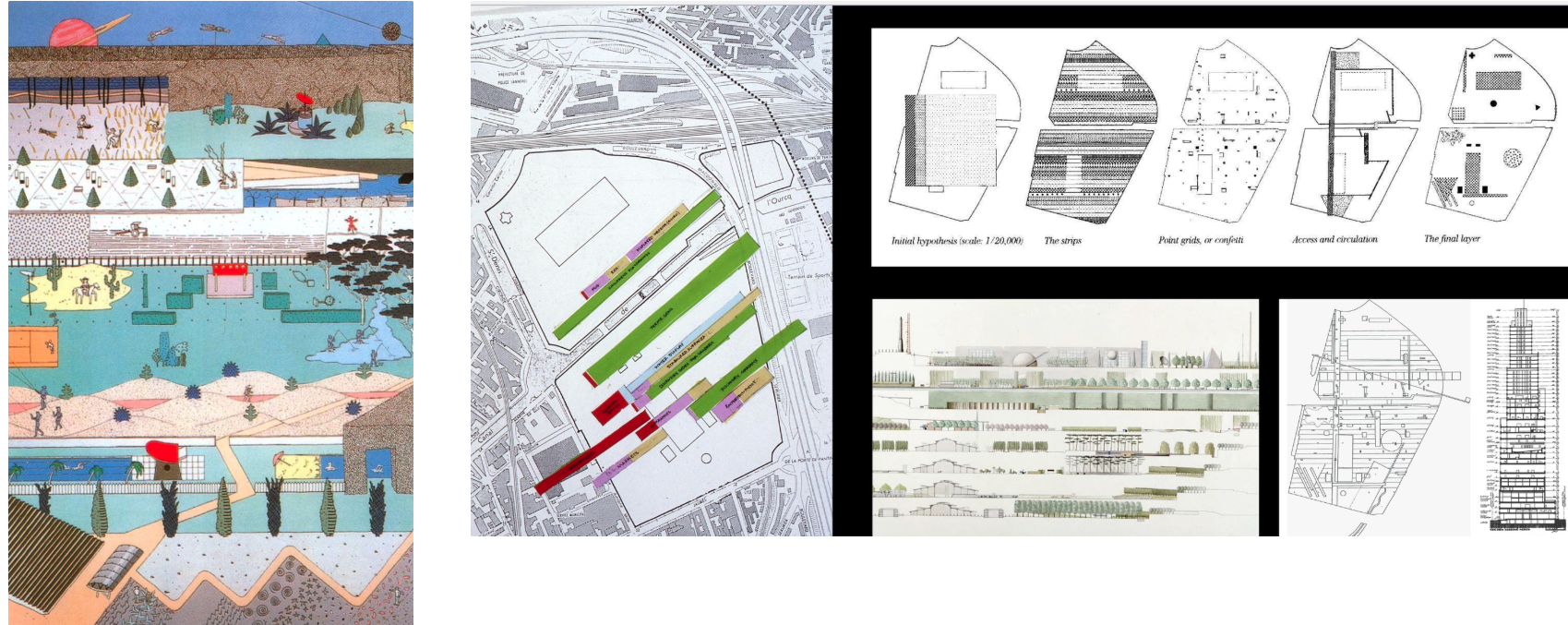
Office for Metropolitan Architecture (OMA)
Competition for Parc de la Villette: Congestion without Matter
1982
Paris
Shows Koolhaas’s idea that architecture/urbanism can be organized through program and diagram instead of solid forms.
Orthographic surrealism, collage plan, and a set of ARC200-esque drawings
From Week 10: The City
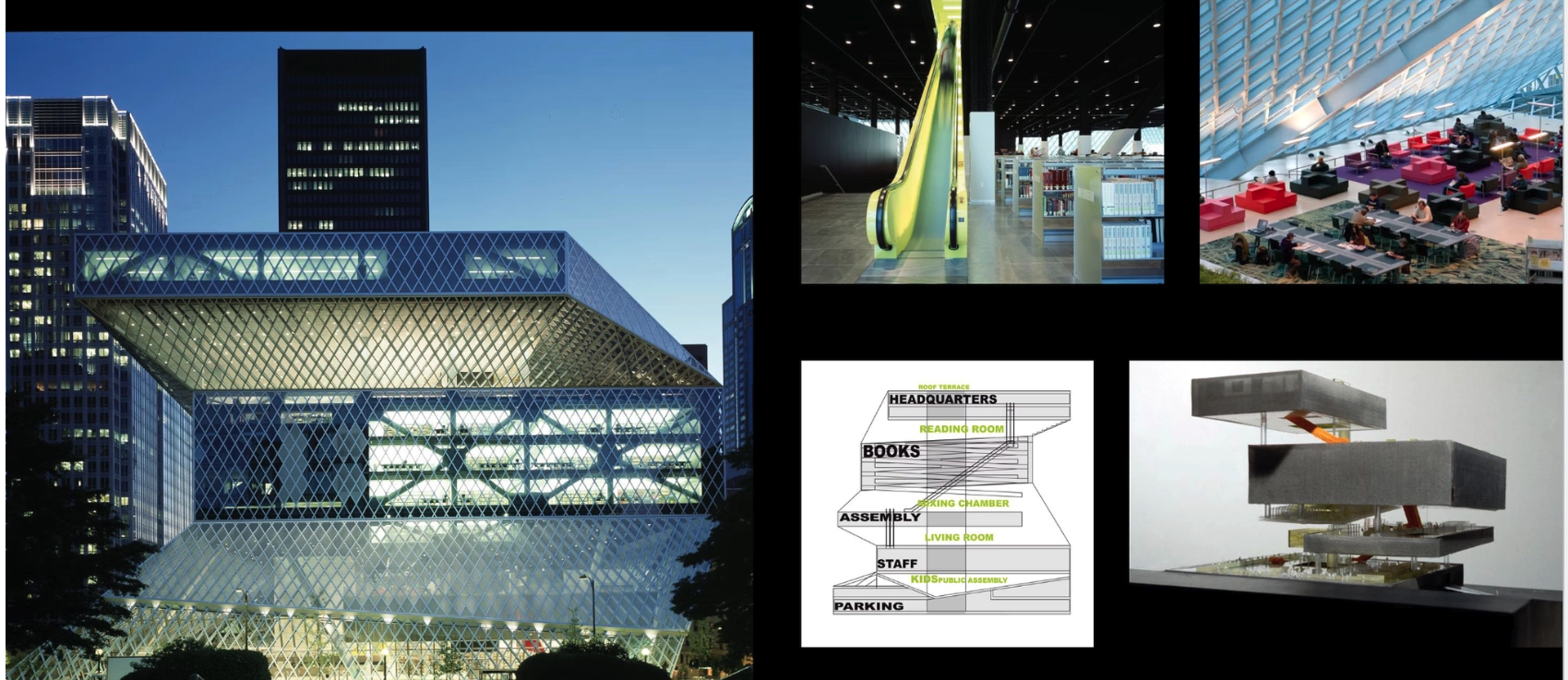
Office for Metropolitan Architecture (OMA)
Seattle Public Library
2004
Seattle, USA
An example Koolhaas’s idea of bigness, where a large building becomes a hub for many different activities through scale, stacking, and circulation
The one library they never shut up about
From Week 10: The City
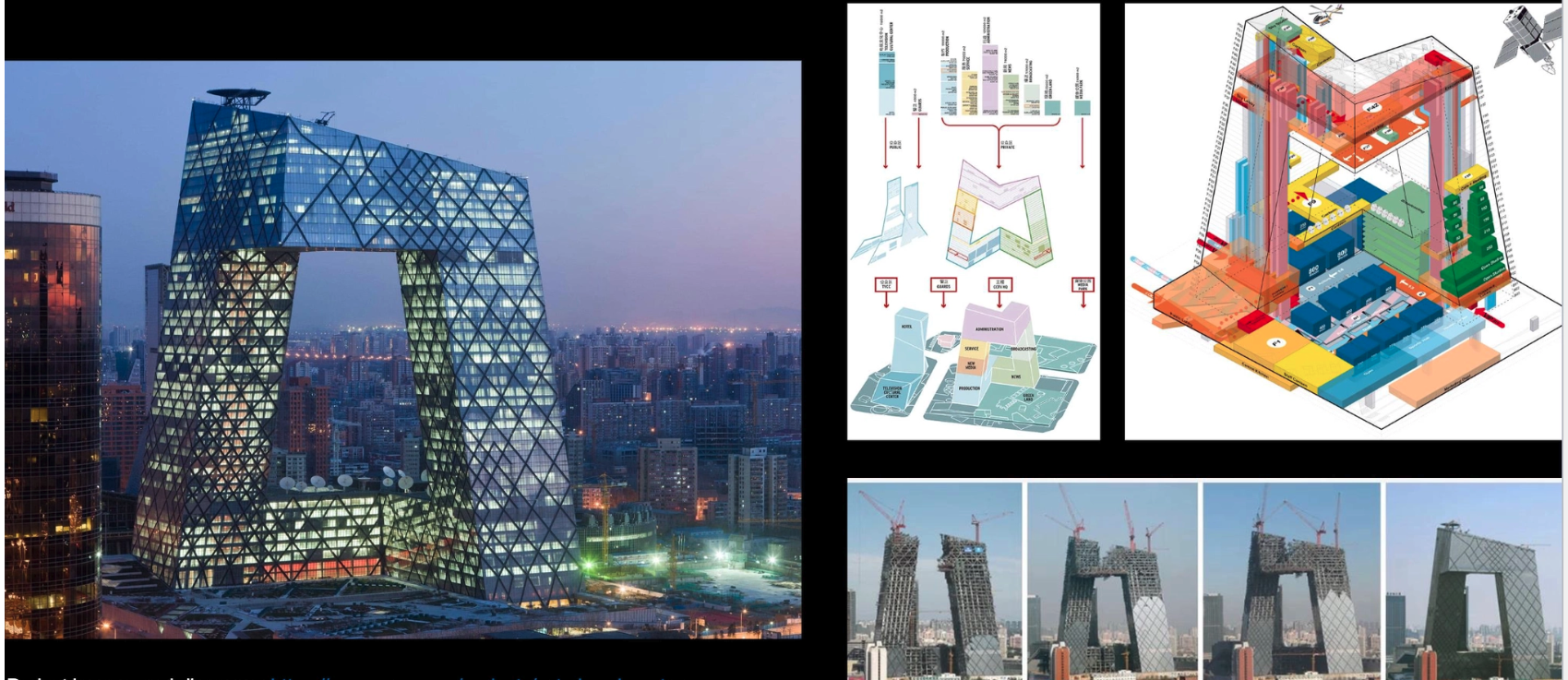
Office for Metropolitan Architecture (OMA)
China Central Television (CCTV)
2002-2012
Beijing, China
Reflects Koolhaas’ idea of bigness, using a large scale and unusual form to question how architecture handles program.
They call is the underwear.
From Week 10: The City
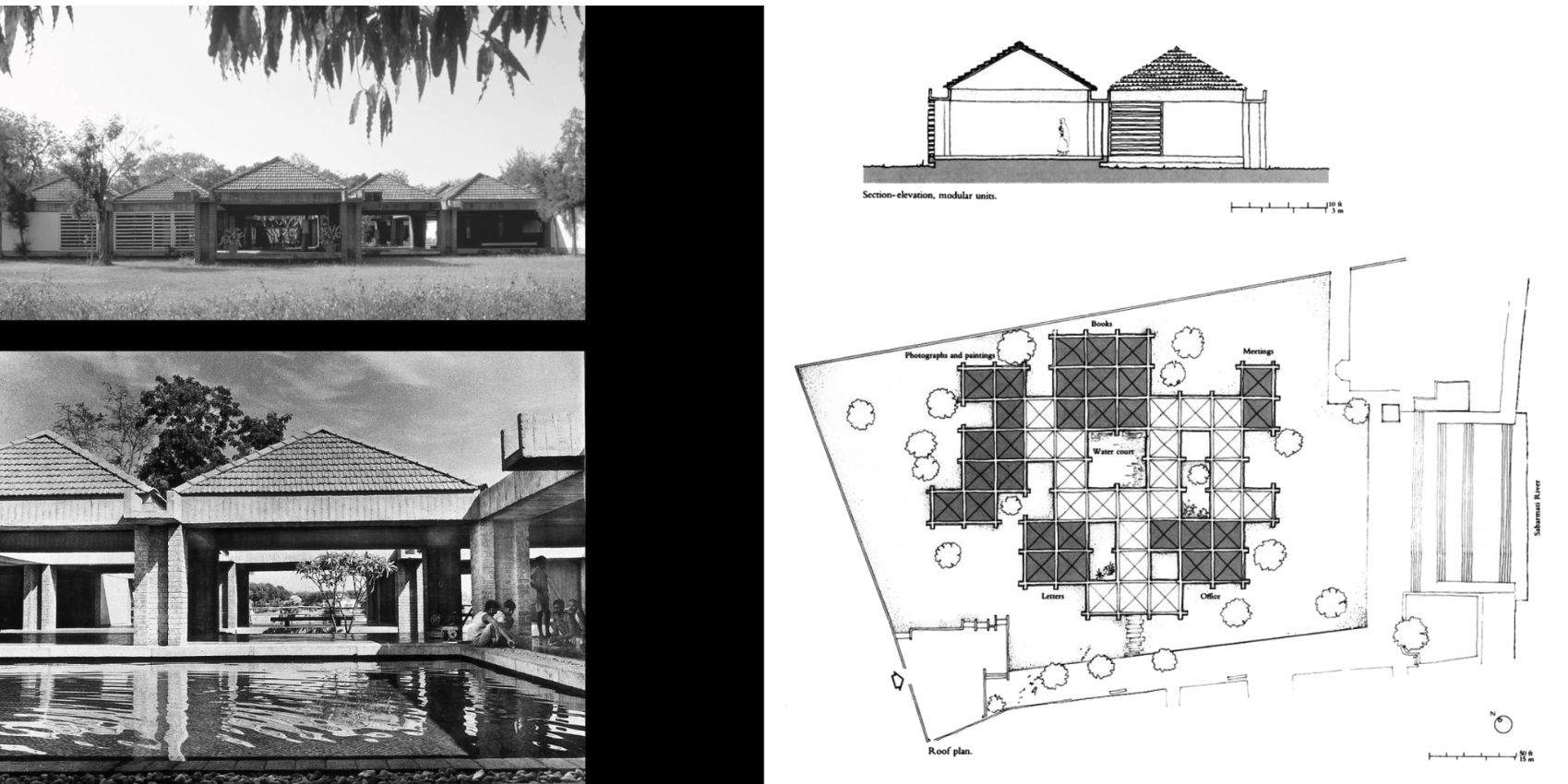
Charles Correa
Sabarmati Ashram
1958-1963
Ahmedabad, India
Shows Correa’s interest in everday life, climate-responsive design, and human architecture. Tropical modernism vs modernist forms
Looks kinda like Geoffrey Bawa
From Week 10: The City
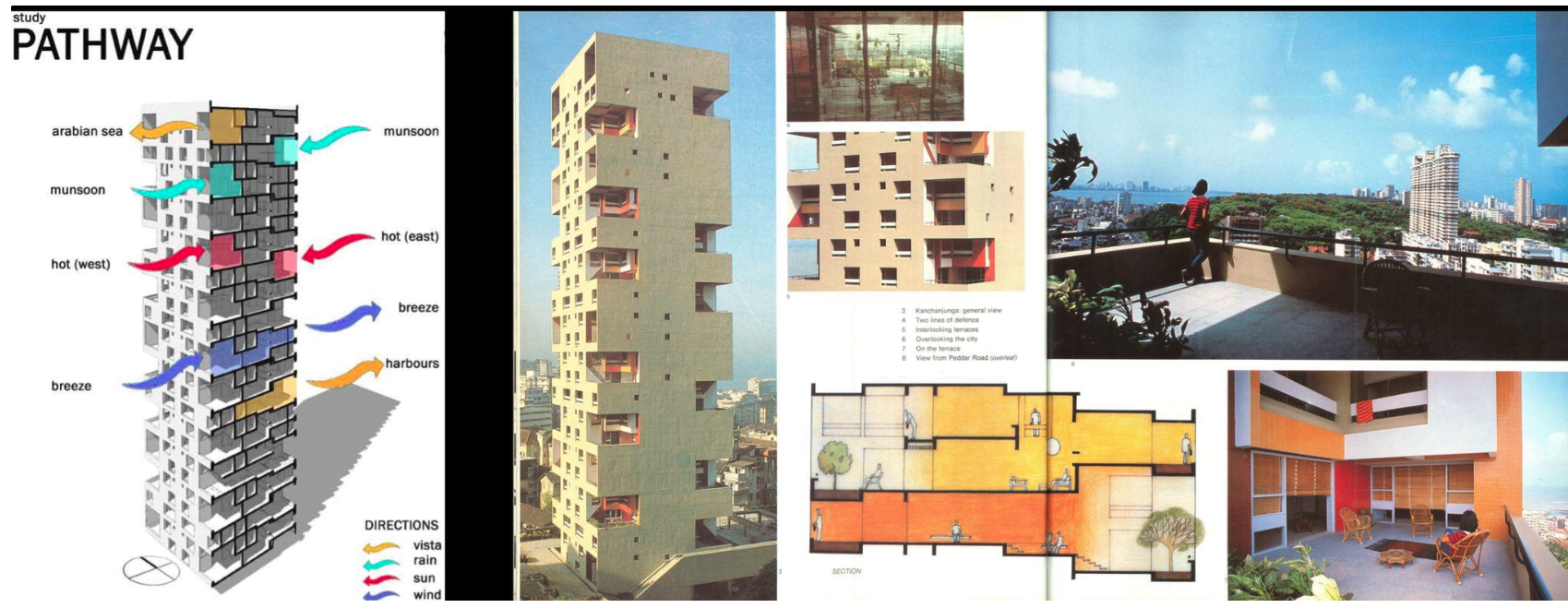
Charles Correa
Kanchanjunga Apartments
1970-1983
Mumbai, India
Shows Correa’s take on high-rise housing, responding to climate and urban density in Mumbai
This boy compained about the city being a terrible place then made unaffordable lego block building
From Week 10: The City
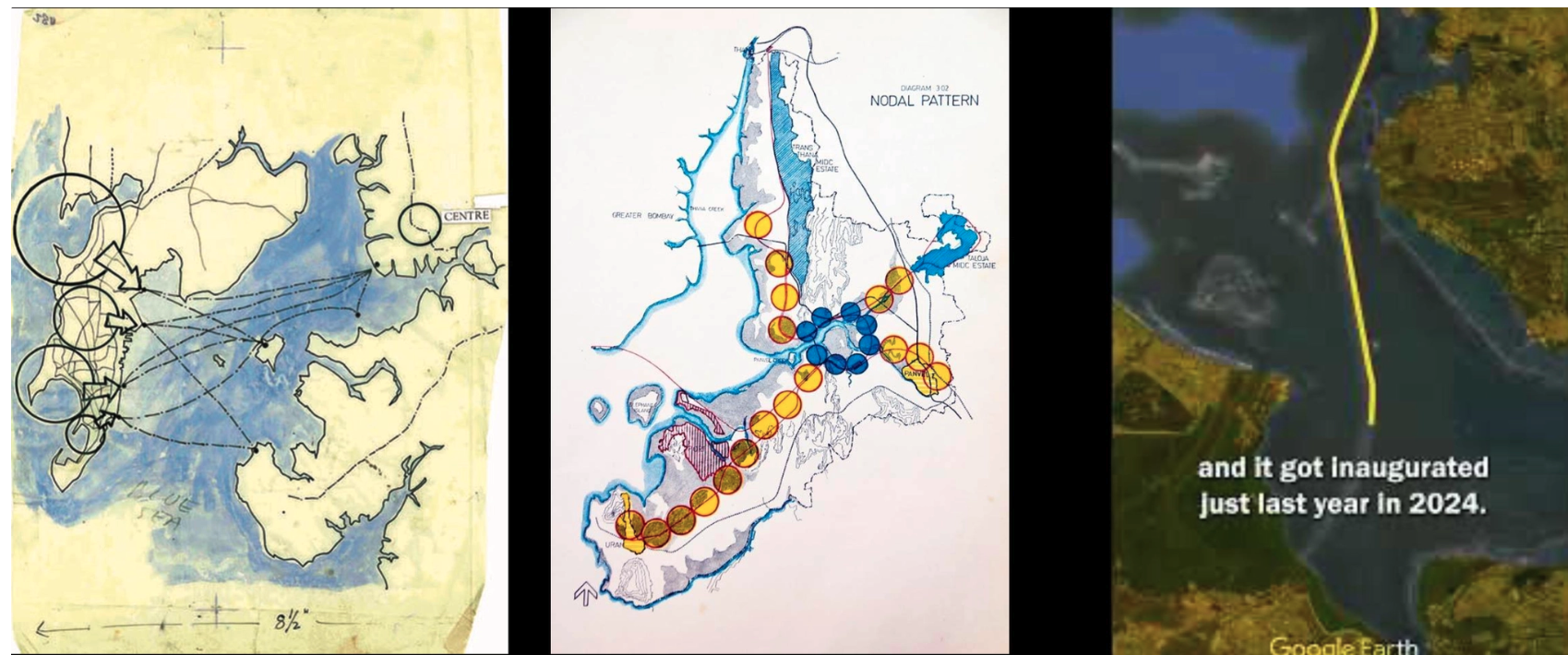
Charles Correa
Navi Mumbai
proposed, 1970s-
Reflects Correa’s view of the city as a system that responds to growth, expansion, and inequality
ArcGIS before ArcGIS
From Week 10: The City
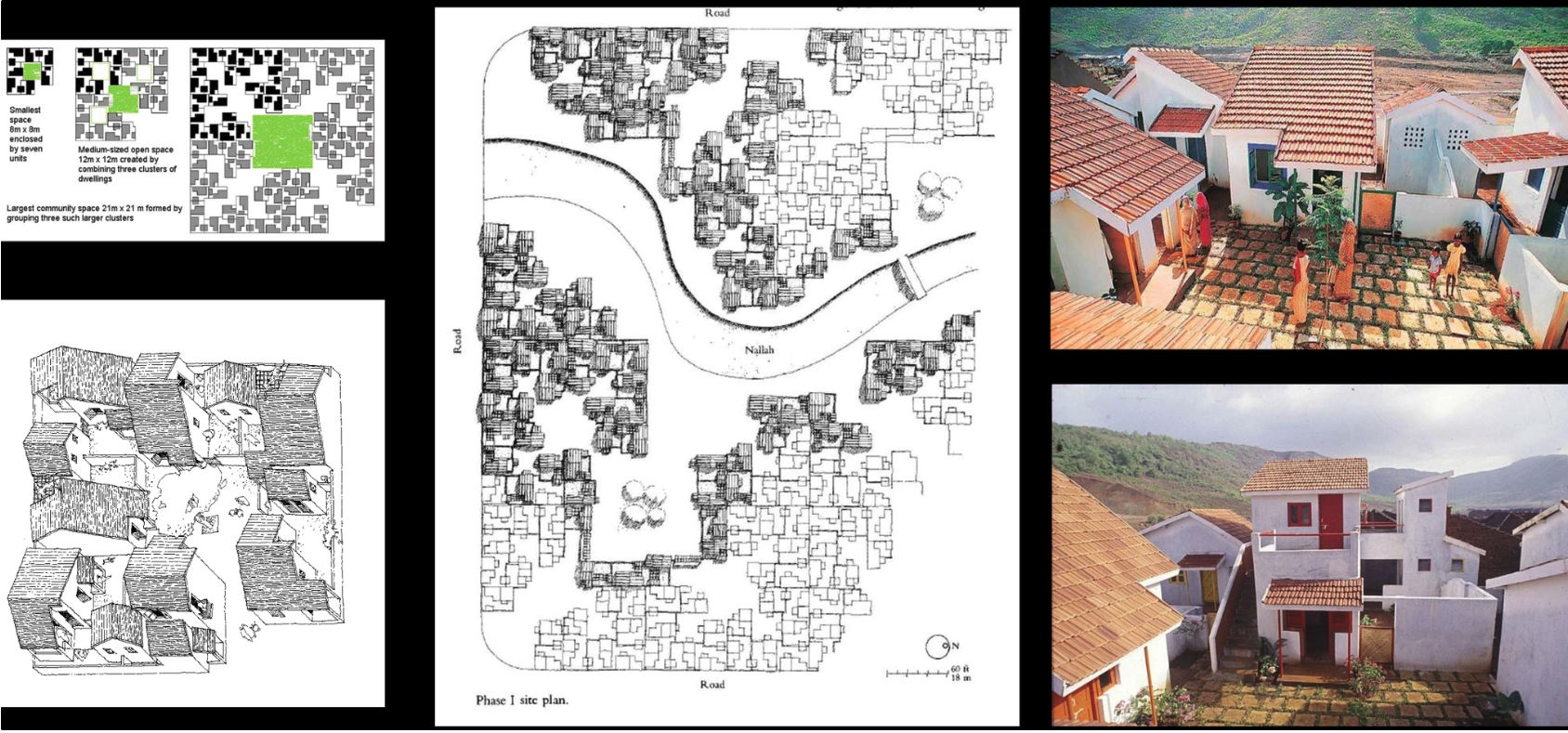
Charles Correa
Incremental Housing at Belapur
1983-1986
Navi Mumbai, India
Shows Correa’s belief in incremental growth, where housing and cities expand over time instead of following one master plan.
From Week 10: The City