Unit 10/11 Anatomy Study Guide
 Call Kai
 Learn
Learn Practice Test
 Spaced Repetition
 Match
Match Flashcards
 Knowt Play
1/64

Earn XP
Description and Tags
CookedPlease plug in picture
Name | Mastery | Learn | Test | Matching | Spaced | Call with Kai |
|---|
No analytics yet
Send a link to your students to track their progress
65 Terms
How are the reproductive systems divided?
Male and Female
Each reproductive system has…
Gonads and accessory reproductive organs
What are gonads?
Primary sex organs responsible for producing gametes and secreting sex hormones (testes and ovaries)
What are accessory reproductive organs?
Structures used to transport and nourish gametes prior to fertilization
How do sperm travel through the male reproductive system? (Pathway)
Sperm is formed in the seminiferous tubules of the testes.
Transported through the rete testis
Then transported into the epididymis and mature here for 20 days
Reaches the ductus deferens and passes by seminal vesicle (accessory organ)
Stored in the ampulla of the ductus deferens
Expelled through the ejaculatory duct (passing by prostate and cowper’s gland) and out through the urethra
What glands are associated with the male reproductive system? (accessory glands)
Seminal vesicles
Prostate gland
Bulbourethral glands
Function of testes
Producing sperm and testosterone
Function of seminiferous tubules
Where sperm are produced inside the testis
Function of rete testis
receives sperm from the seminiferous tubules and moves it toward the epididymis
Function of epididymis
Highly coiled 6m long tube where sperm moves for 40 days before reaching the ductus deferens
Function of ductus deferens
Transports mature sperm into the ampulla (and ejaculatory duct)
Function of ampulla
Where sperm is stored before ejaculation
Function of ejaculatory duct
Where sperm is expelled to during ejaculation before passing through urethra
Function of urethra
Where sperm/semen exits
Erectile tissue
spongy internal tissue that fills with blood during excitement
Function of scrotum
A flap of skin between the legs that contains the testes
Maintains ideal body temp (2-3C lower)
Function of cremaster
Muscles control how near the testes are to the body based on external temperatures
The master
What is the external penis structure composed of
Shaft
Glans penis (tip)
Erective tissue
Function of seminal vesicles
nutrition, mobility thru muscular contraction, clotting of ejaculate
Function of prostate gland
thins semen for easier sperm movement and citric acid for energy
Bulbourethral glands (cowper’s glands)
Alkaline mucus to neutralize urethra and lubrication
How do sperm develop
Spermatogenesis
What is spermatogenesis and how does it happen (what steps)?
The process of sperm production
Begins with stem cells called spermatogonia
Diploid spermatogonia divide through meiosis to create 4 spermatids with only 23 chromosomes each
In a final process called spermiogenesis, the spermatids take the final shape of mature sperm
As the sperm develop, they migrate closer to the lumen of the seminiferous tubule, where they will eventually be released.
Sperm have 3 main sections. What are they and their functions
Head= contains nucleus and has an acrosome on the front portion which contains enzymes to break into the head during fertilization
Midpiece= Surrounded by mitochondria, giving the sperm ample energy to swim
Tail= Provides movement
How do eggs travel through the female reproductive system? (Pathway)
Ovaries release egg cells into the fimbriae to be fertilized
Fimbriae extend into the infundibulum
Infundibulum filters egg into uterine tube
Uterine tube transports egg to the uterus
Function of ovaries and what they contain
release egg cells to be fertilized by sperm
Contain about 400000 follicles at a female’s birth, about 490 will mature and be released as eggs
What are follicles and their function
Located in the ovaries and hold immature eggs
Function of fimbriae
Take mature ovum into the infundibulum
Function of infundibulum
ovum is funneled here before entering uterine tube
Function of endometrium
developing embryo will implant in this layer
will slough off if no fertilization (period)
Myometrium
Muscular layer responsible for contractions during childbirth
Function of perimetrium
Outer uterine wall
Function of cervix
Barrier to the uterus. Lower part of uterus
Function of vagina
thin-walled tube located inferior to the cervix
receive penis during intercourse
passageway for menstruation and childbirth
Function of mons pubis
fatty area covered w/ pubic hair
Labia majora/minora
skin folds which protect the vestibule
What is on the vestibule
urethral opening
vaginal opening
vestibular glands
clitoris
Function of urethral opening
urination for females
Function of vaginal opening
opening to the vagina
Function of vestibular glands
lubrication
Function of clitoris
Swells when excited
like a male
How do eggs develop
oogenesis
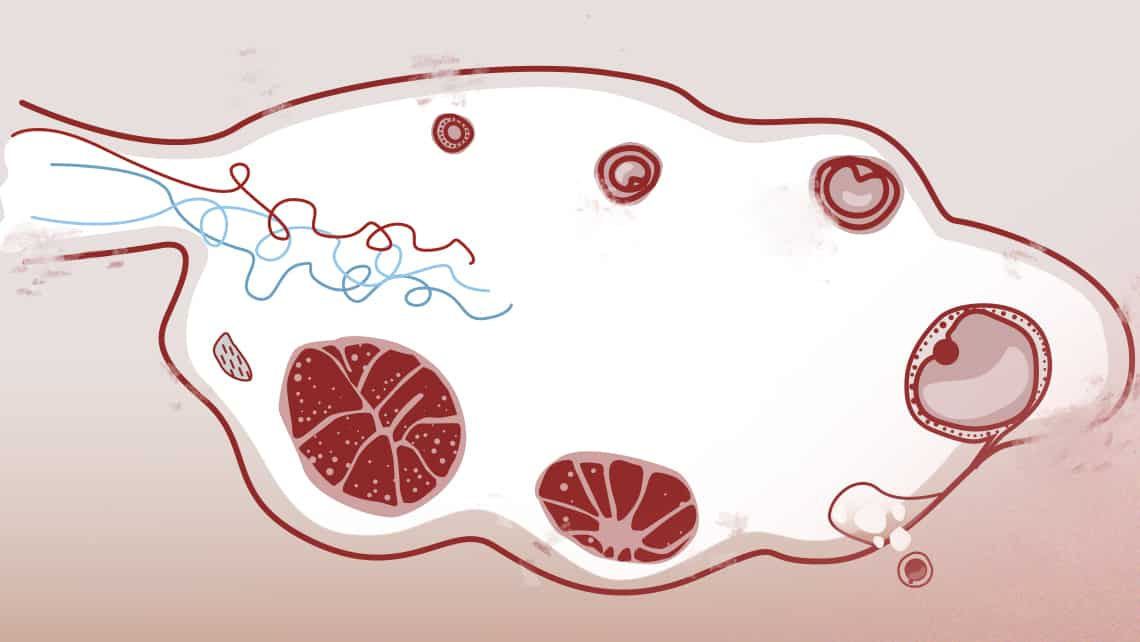
What is oogenesis and how does it happen (what steps)?
The process of egg production
Begins with stem cells oogonia
Before birth, the oogonia divide and develop into primary oocytes which are housed in follicles
At puberty, hormones stimulate a small number of follicles to mature and make the first meiotic division (The division is unequal - a large secondary oocyte and a tiny polar body are produced. The polar body and its chromosomes degenerates.)
One follicle will carry the secondary oocyte (ovulation)
If the secondary oocyte is fertilized the second meiotic division will occur
After ovulation, the follicle degenerates into the corpus luteum
The second meiotic division
Produces another polar body and reduces the female chromosome number to 23
The male and female nuclei join to form a zygote with 46 chromosomes
Function of corpus luteum
secretes progesterone and thickens endometrium
Gonads for male and female
Testes and Ovaries
Immature Gamete for male and female
Spermatid and oocyte
Mature gamete for male and female
Spermatozoa and ovum
When are gametes made for male and female
Male: Starts at puberty
Female: Starts before birth then monthly from puberty to menopause
Number of meiotic divisions and when for male and female
Male: 2 meiotic divisions one after the other
Female: 2 meiotic divisions
Begins before birth
Cycle finishes at ovulation or fertilization
Type of meiotic division (equal or unequal) for male and female
Male: Equal - 4 equal sized sperm
Female: Unequal - 2 ovum + 3 tiny polar bodies
Hormones for male and female
Male: FSH, LH, Testosterone
Female: FSH, LH, Estrogen, Progesterone