ib important dt(REAL)
 Call Kai
 Learn
Learn Practice Test
 Spaced Repetition
 Match
Match Flashcards
 Knowt Play
1/98

There's no tags or description
Looks like no tags are added yet.
Name | Mastery | Learn | Test | Matching | Spaced | Call with Kai |
|---|
No analytics yet
Send a link to your students to track their progress
99 Terms

What is Ergonomics?
The scientific discipline studies interactions among humans and other elements of a system, aiming to design for optimal human well-being and system performance.
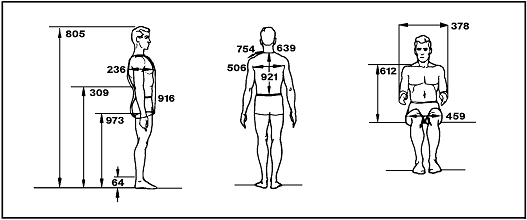
What is Anthropometrics?
The study of human body measurements, focusing on strength and size to ensure user comfort and productivity in design.
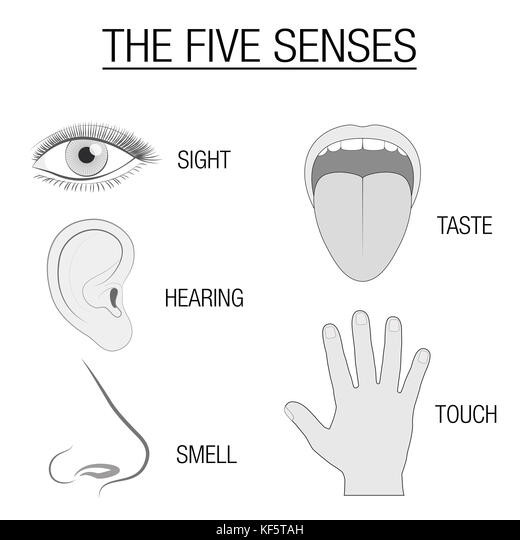
Define Psychological Factors in ergonomics.
The various psychological traits of people that have an impact on design, such as touch, taste, and scent, which are frequently arbitrary and subjective.

What are Physiological Factors?
Related to physical characteristics used to optimize the user’s safety, health, comfort, and performance, including aspects like adjustability, alertness, and biomechanics.
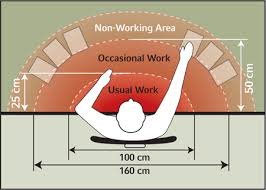
Functional Data
Data related to tasks and interactions, such as reaching, navigating, and space considerations in design.
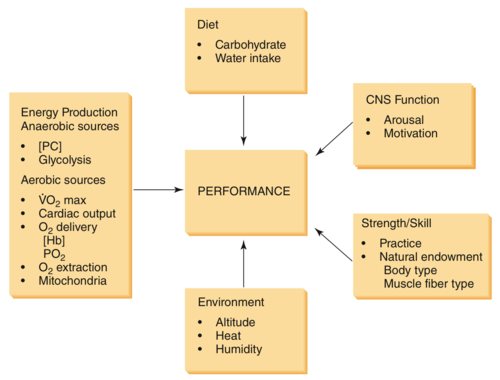
Define Environmental Factors in the context of ergonomics.
Elements like management policies, physical environment, equipment design, job nature, social environment, and worker factors influencing ergonomics.
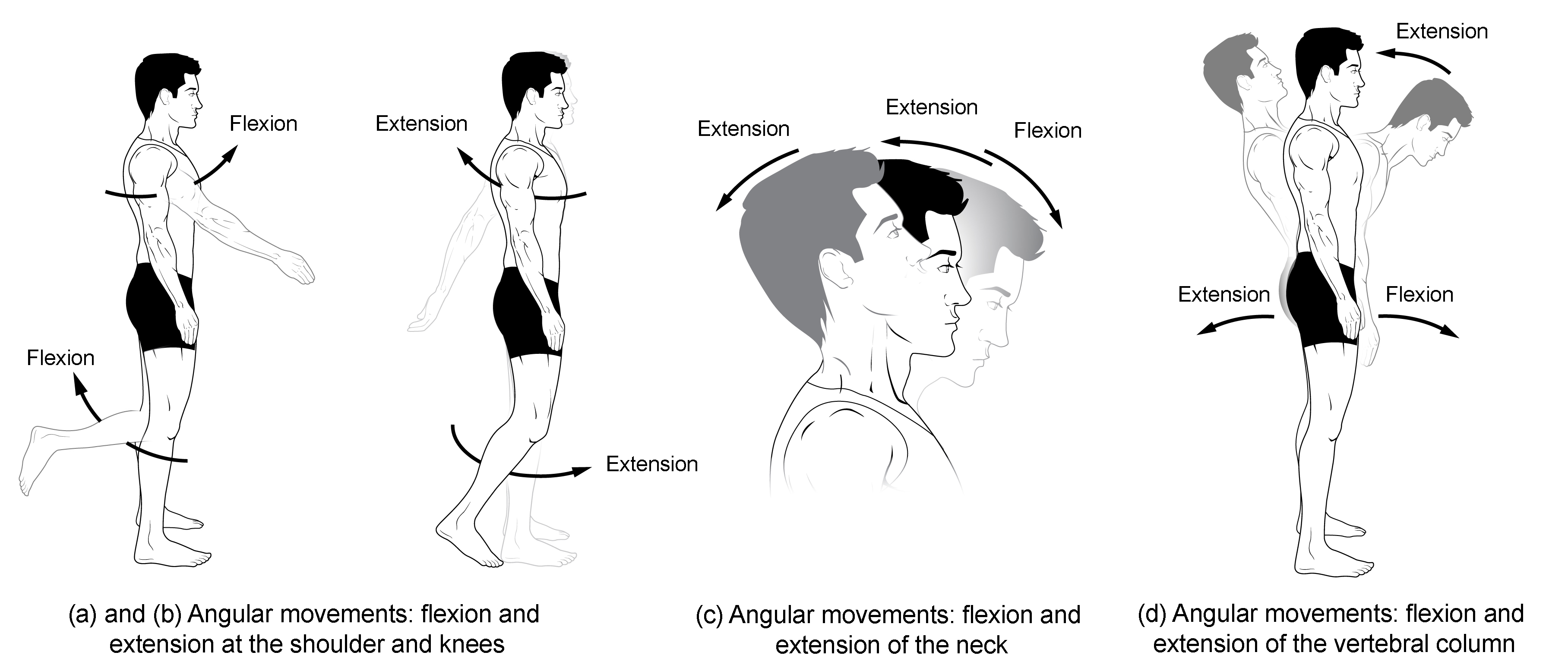
What is meant by Dynamic Data in ergonomics?
Human body measurements taken when the subject is in motion, related to the range and reach of various body movements.
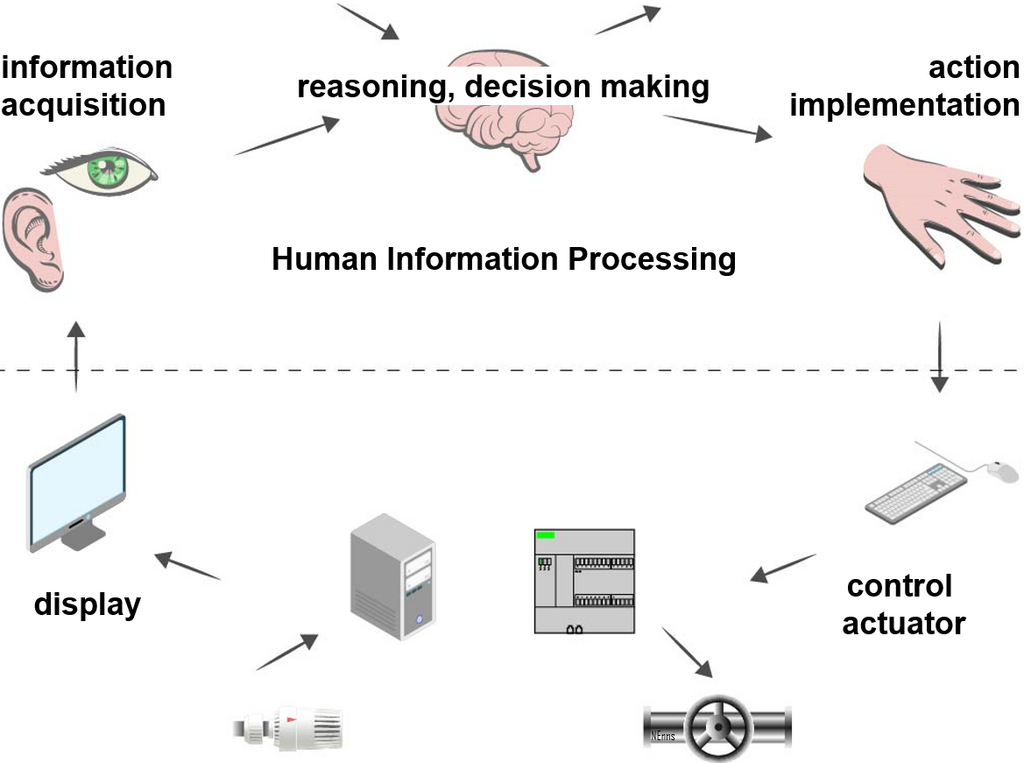
What is the significance of the Human Information Processing System?
An automatic system that a person uses to interpret information and react, comprising inputs, sensory processes, central processes, motor processes, and outputs.
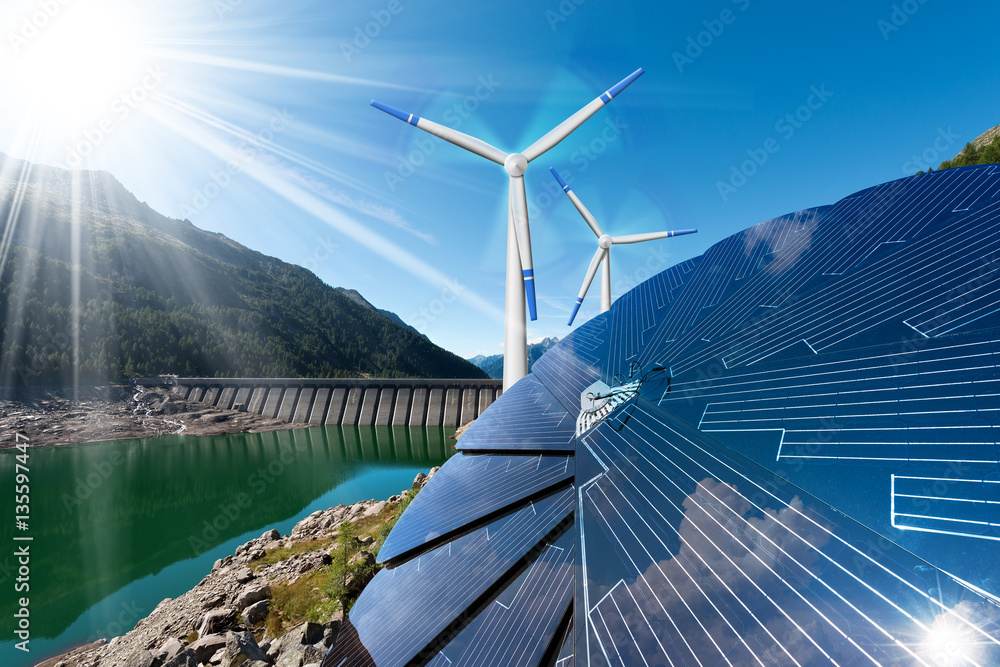
What are Renewable Resources?
Solar, wind, hydro, wave, tidal, thermal, and biofuels are examples of natural resources that can replenish over time or never run out.
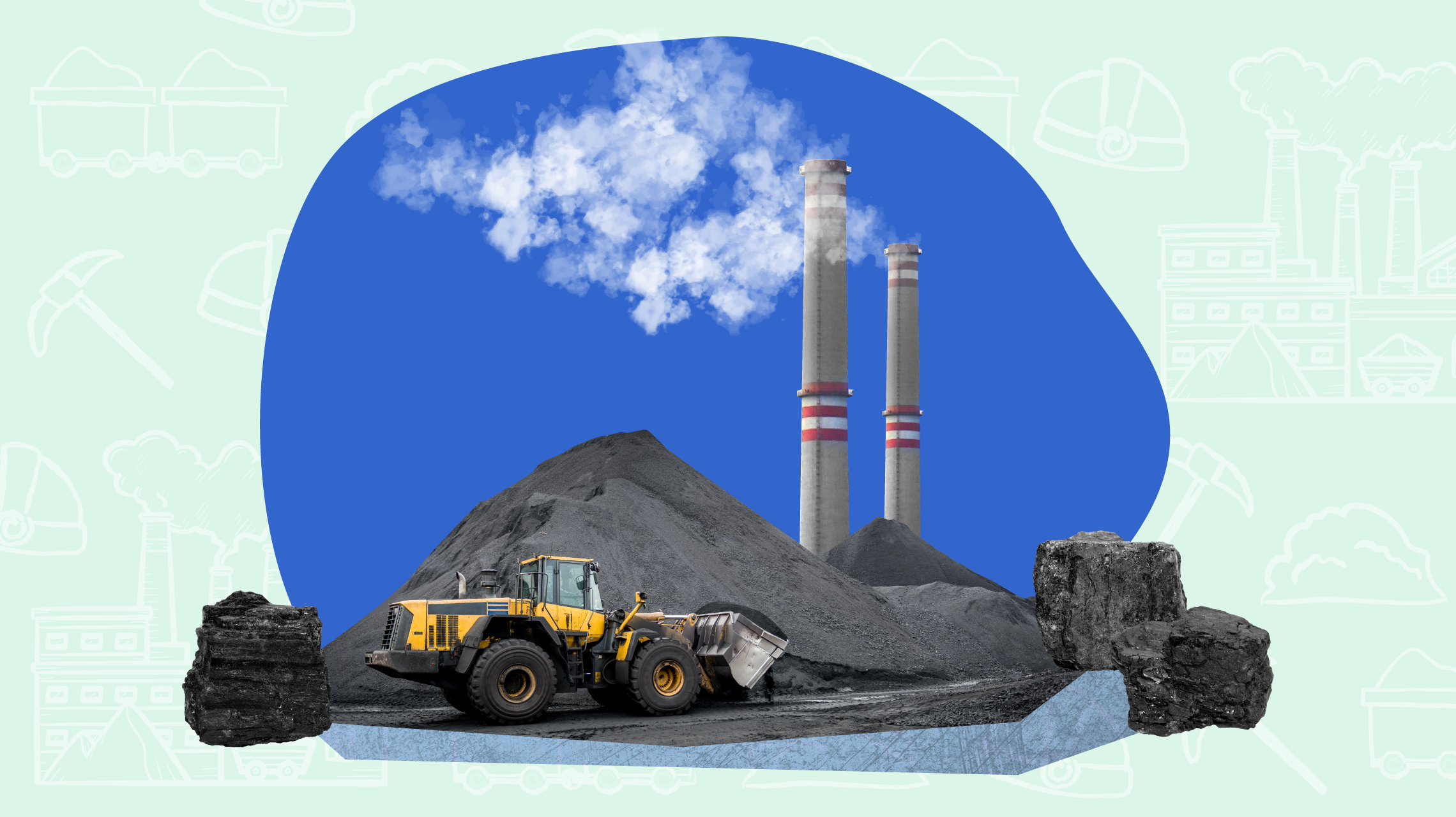
Define Non-renewable Resources.
Natural resources that do not replenish at a sustainable rate and will run out if the current harvesting rate is continued, such as natural gas, oil, coal, and nuclear energy.
What is the importance of International Mindedness in Design Technology?
Involves reacting to global issues and opportunities in resource management as well as comprehending the ethical, social, and environmental effects of resource management and extraction on a global scale.
Innovation
The process of introducing new ideas, products, or methods involving creativity, problem-solving, and implementation of novel solutions.
Types of Innovation:
Product Innovation: introducing a new product
Process Innovation: implementing a new delivery method
Organizational Innovation: creating new methods of organization
Product Innovation
Introducing a new product.
Process Innovation
Implementing a new delivery method.
Organizational Innovation
Creating new methods of organization.
Design Process
A series of steps including problem identification, research, design, testing, implementation, and evaluation to come up with a solution.
Identifying the Problem
The crucial step of understanding and defining the issue to be solved, including a clear problem statement and stakeholder analysis.
Research
Involves primary and secondary data collection methods to gather information and make informed decisions.
Design
Involves brainstorming, sketching, and modeling to develop solutions like using flowcharts for mapping out user journeys.
Test
Evaluating the functionality and performance of a product through various testing types like unit testing and acceptance testing.
Implementation
Putting the design into action by executing planned solutions to ensure the intended design realization.
Evaluation
Assessing the effectiveness and efficiency of the design solution through user testing, feedback collection, and performance analysis.
Design Thinking
A problem-solving approach emphasizing empathy, creativity, and iterative prototyping to generate innovative solutions with principles like empathy, define, ideate, prototype, and test.
Mass
Relates to the amount of matter that is contained within a specific material.
Weight
Relies on mass and gravitational forces to provide measurable value.
Volume
Is the quantity of three-dimensional space enclosed by some closed boundary, for example, the space that a substance solid, liquid, gas, or shape occupies or contains.
Density
Is the mass per unit volume of a material. Its importance is in portability in terms of a product’s weight and size.
Electrical Resistivity
This is a measure of a material’s ability to conduct electricity.
Thermal Conductivity
A measure of how fast heat is conducted through a slab of material with a given temperature difference across the slab.
Thermal Expansion (expansivity)
A measure of the degree of increase in dimensions when an object is heated.
Hardness
The resistance a material offers to penetration or scratching.
Tensile Strength
The ability of a material to withstand pulling forces.
Compressive strength
is the capacity of a material or structure to withstand loads tending to reduce size.
Stiffness
The resistance of an elastic body to deflection by an applied force.
Toughness
The ability of a material to resist the propagation of cracks. It is good for resisting the high impact of other objects, e.g., a hammer.
Ductility
The ability of a material to be drawn or extruded into a wire or other extended shape.
Malleability
The ability for materials to be shaped easily.
Young's Modulus
is a measure of the stiffness of an elastic material and is a quantity used to characterize materials.
Elastic Region
The straight-line region from point A to the yield point where the material can regain its original shape after the removal of the load.
Yield Point (Point B)
The point beyond which the material will not return to its original shape.
Plastic Region
The region beyond the yield point where the material undergoes permanent deformation.
Ultimate Stress or Fracture Point
The point at which the material ultimately fails and breaks apart.
Taste
The ability to detect the flavour of substances such as food and poisons.
Smell
The ability of humans and other animals to perceive odors.
Appearance
Related to how something looks.
Texture
The properties held and sensations caused by the external surface of objects received through the sense of touch.
Colour
Is the visual perceptual property corresponding in humans to the categories of colours.
Smart materials
have one or more properties that can be dramatically altered, for example, viscosity, volume, conductivity. T
Piezoelectricity
is a term that is derived from the Greek meaning for piezo, squeeze or pressure where electricity is generated when piezoelectric material is deformed. The pressure acting upon the material it gives off a small electrical discharge.
Shape memory alloy (SMA's)
Metals that exhibit pseudo-elasticity and shape memory effect due to rearrangement of the molecules in the material.
Photochromicity
Material that can be described as having a reversible change of colour when exposed to light.
Magneto-rheostatic Electro-rheostatic
are fluids that can undergo dramatic changes in their viscosity.
Thermoelectricity
electricity produced directly from heat.
conceptual model
originates in the mind and its primary purpose is to outline the principles, processes and basic functions of a design or system.
Service design
is the activity of planning and organizing people, infrastructure, communication and material components of a service in order to improve its quality and the interaction between service provider and customers.
Graphical model
is a 2D and 3D visualization of an idea, often created on paper or through software.
Perspective drawings
are used to show what a product will look like when finished in a more lifelike way.
Isometric drawings
are used to accurately depict what a product will look like when finished.
Orthographic projection
involves drawing a 3D object from different directions—usually the front, side, and plan views are drawn so that a person looking at the drawing can see all the important sides.
Scale drawings
are techniques that show an object in proportion to its actual size.
Sketching
Spontaneous and free-hand representation used very early in the design process, usually free-hand.
Formal drawings
Ruled out and accurate drawings used in the development phase of a design process. Represent a more resolved idea for further investigation.
Part drawings
Provide the information to assemble a product similarly to assembly drawings, with the added benefit of a list of parts (LOP) or Bill of Materials (BOM).
Assembly drawings (Exploded isometric)
Show how parts of a product fit together, often used for model kits and flat-pack furniture.
Fitted assembly drawing
Shows the parts put together, in 2D or 3D.
Exploded assembly drawing
Shows parts separated but in the correct relationship for fitting together, usually in 3D.
Algorithm
in mathematics and computer science, is a self-contained step-by-step set of operations to be performed.
Physical Modelling
three-dimensional, tangible representation of a design or system, often referred to as an "Appearance Model."
scale model
is a smaller or larger physical copy of an object, usually represented at a specific scale (e.g., 1:100).
Aesthetic Models
Developed to look and feel like the final product, used for ergonomic testing and visual appeal evaluation.
Mock-ups
Used to test ideas, either at scale or full-size, to gain feedback from users.
Functional Prototypes
A sample or model built to test a concept or process, representing a real, working product.
Fidelity
A measure of the realism of a model or simulation, ranging from low (conceptual) to high (mock-up of the idea, close to the final product).
Instrumented Models
Physical models equipped to take measurements for quantitative feedback.
Computer-aided design (CAD)
Used for conceptual design and layout, reducing testing and manufacturing costs.
Renewable resources
are natural sources that can replenish themselves over time.
Non-renewable resources
also referred to as finite resources, are those that cannot renew themselves at a sufficient rate to support sustainable economic extraction.
Reserves
denote the quantities of a natural resource that have been identified and quantified in terms of quality and availability.
Renewability
pertains to the ability of a resource to replenish itself over time or to exist in an inexhaustible supply.
Re-use
Involves the use of the same product in the same or different context.
Repair
Focuses on the reconstruction or renewal of any part of an existing structure or device.
Re-engineering
Involves redesigning components or products to enhance their characteristics or performance, such as speed and energy consumption.
Recycle
Refers to the process of using materials from obsolete products to create new ones.
Recondition
Entails rebuilding a product so that it is in an "as new" condition.
Dematerialization
Focuses on reducing the quantities of materials required to achieve the same functionality, essentially doing more with less.
Raw Material Recovery
Entails separating components of a product to recover parts and materials for reuse.
WEEE Recovery
Deals with the recovery of materials and components from electrical products that pose environmental and health hazards if not properly managed.
Energy Recovery
Converts waste into energy, either through waste-to-energy (WtE) or energy-from-waste (EfW) processes.
Standard Parts at the End of Product Life
Focuses on reducing material and energy use by limiting environmental impact throughout a product’s lifecycle.
Life Cycle Analysis (LCA)
is a technique used to assess the environmental impact of a product at every stage, from raw material extraction through manufacturing, distribution, use, repair, maintenance, and disposal or recycling.
circular economy
promotes the use of waste as a resource within a closed-loop system, where materials are kept in use for as long as possible.
Local
Issues like noise, smell, air pollution, and soil and water pollution.
Regional
Problems such as soil and water over-fertilization and pollution, drought, waste disposal, and air pollution.
Fluvial
Pollution affecting rivers, regional waters, and watersheds.
Continental
Concerns including ozone levels, acidification, winter smog, and heavy metals.
Global
Challenges like climate change, sea level rise, and impacts on the ozone layer.
Incremental Solutions
These involve improving and developing products over time, leading to new versions and generations.
Radical Solutions
This approach involves devising completely new products by rethinking solutions from the ground up.