AP World 9.6 Globalized Culture
 Call Kai
 Learn
Learn Practice Test
 Spaced Repetition
 Match
Match Flashcards
 Knowt Play
1/15

There's no tags or description
Looks like no tags are added yet.
Name | Mastery | Learn | Test | Matching | Spaced | Call with Kai |
|---|
No analytics yet
Send a link to your students to track their progress
16 Terms
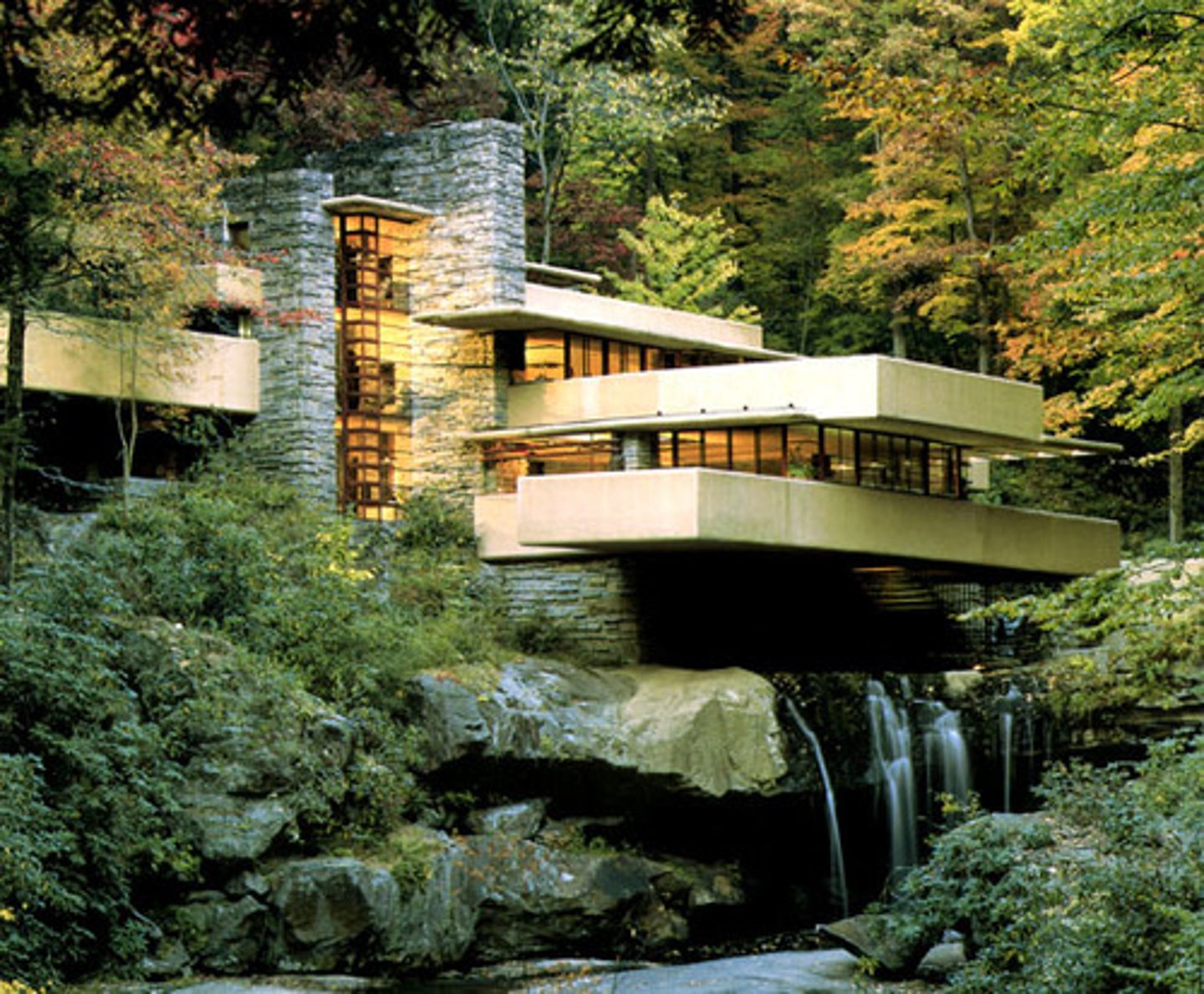
Modernism
A rejection of tradition in favor of experimentation and uncertainty. It developed in the 20th century.
Consumer Culture
A culture in which people tend to focus more on what they buy and own than where they live, their job, or their religion.
Which political changes occurred in the 20th century?
At the beginning of the century, imperialism and wars led to competition, but after the Cold War, economic and cultural barriers fell and collaboration replaced competition as shown through the EU, NAFTA, the UN, and the WTO.
Which social changes occurred in the 20th century?
Civil rights and women's rights movements occurred and people questioned long-held beliefs about humans: Albert Einstein explored new realms of physics, Sigmund Freud explored new realms of psychology, and Jean-Paul Sartre explored new realms of philosophy.
Which artistic changes occurred in the 20th century?
Picasso used Cubism, which challenged traditional perspective, Marcel Proust and James Joyce used stream-of-consciousness writing, Arnold Schoenberg composed atonal music, and the Harlem Renaissance occurred.
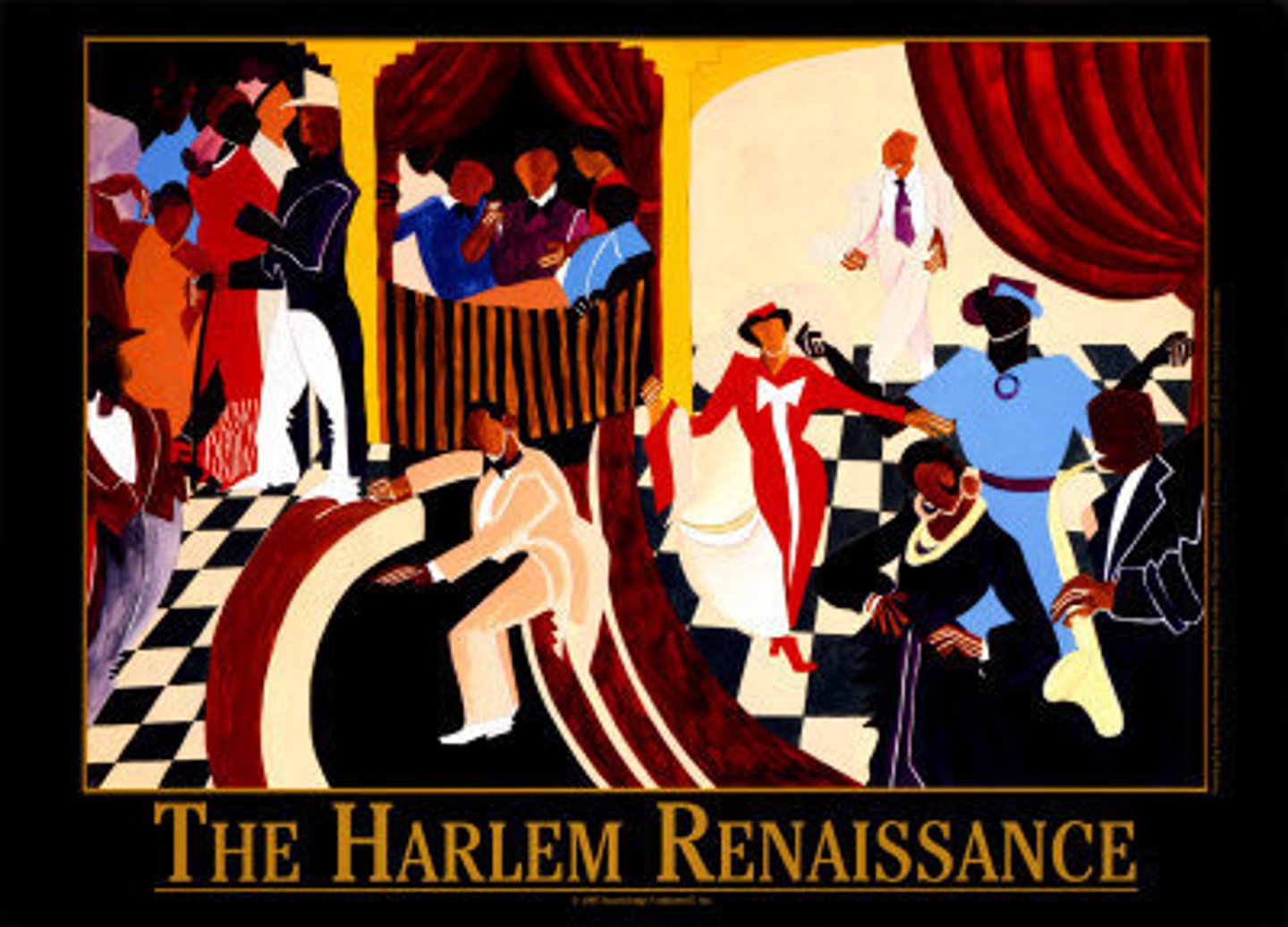
Harlem Renaissance
A period in the 1920s when African-American writers, poets, musicians, and social activists advanced art and music. It was a "rebirth" of African-American culture, and Harlem became a thriving center of energy. Jazz emerged.
Popular Culture
The culture of everyday people rather than the educated elite. It emerged in the 1920s through radio, movies, and television.
How did radio and TV impact people?
Radio created a shared culture, entertainment, and national defense. Movies provided relief from anxiety during the Great Depression while reflecting its themes. They also created consumer culture through advertising after the war ended.
Americanization
Assimilation into or introduction to American culture. The US had the most influential culture near the end of the 20th century, so many people learned about it, which caused some resentment among those who wanted to maintain their own culture. Others perceived it as a throwaway culture.
Throwaway Culture
A term for the American consumer culture that created lots of waste and production to get newer, cheaper, more disposable products.

How did English spread and change?
It became a second language in much of the world due to the British Empire, American movies, corporations, and scientific research. Many English-speaking companies moved their call centers to India and the Philippines because there were many fluent speakers there. As more people spoke English, they spoke it in new ways.
Examples of Global Brands
Apple, Nike, Rolex, Toyota, Google, Amazon, Microsoft, Facebook, and Coca-Cola.
Amazon, Alibaba, and eBay
Online commerce companies that operate in different regions of the world.

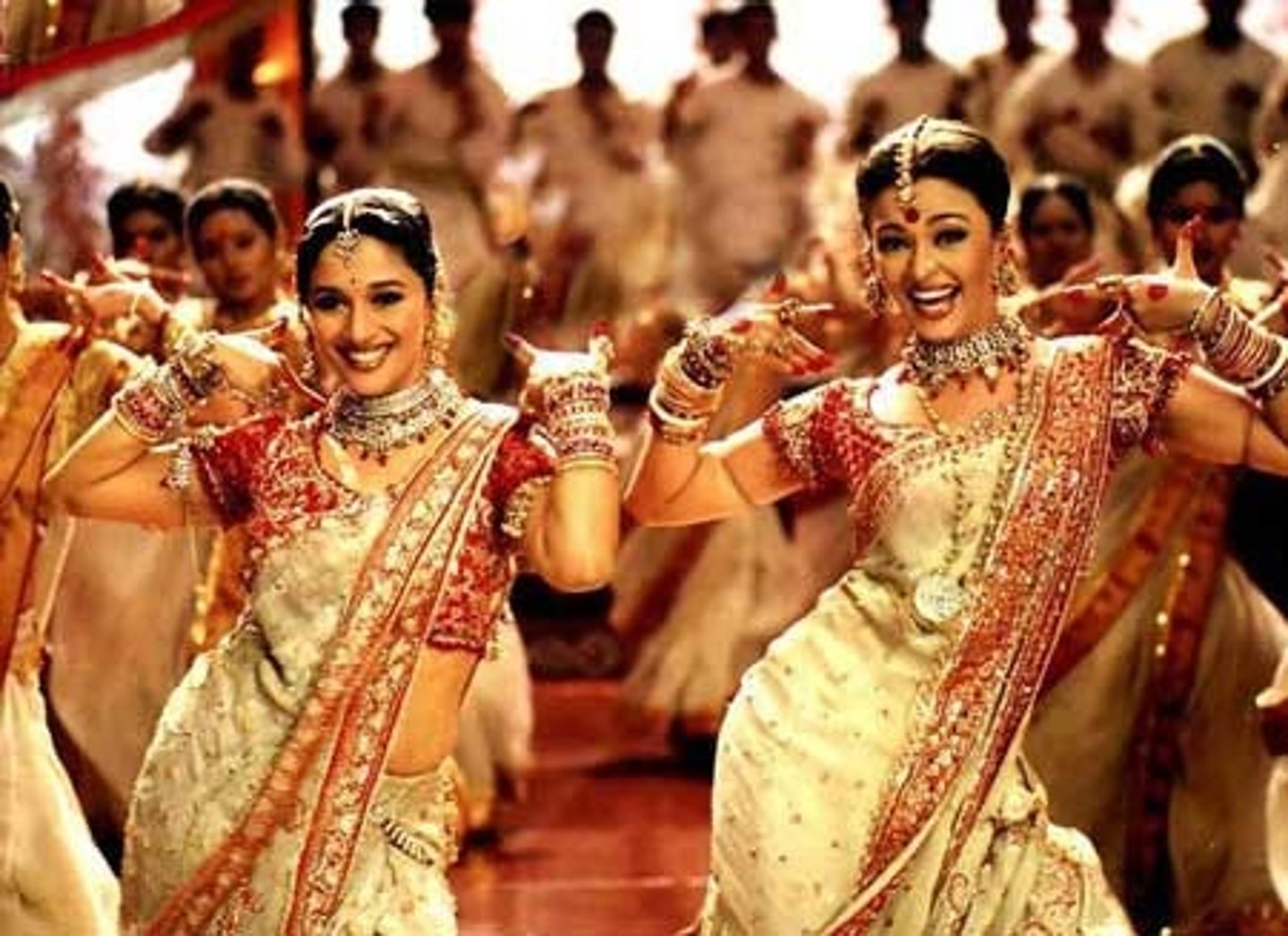
Bollywood
The film industry in Bombay (Mumbai), India that makes a variety of film styles.
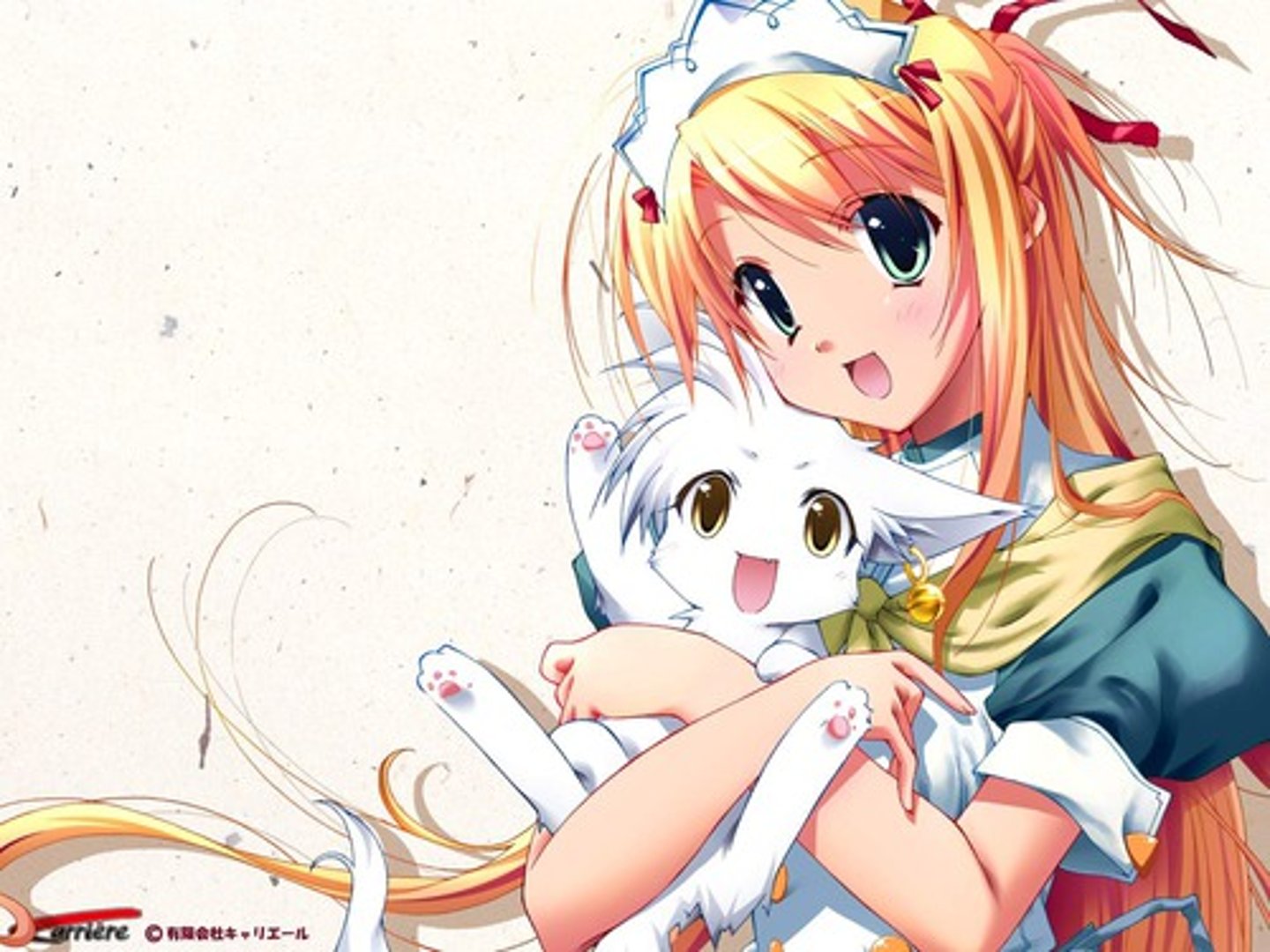
Anime
A style of Japanese hand-drawn animation that became hugely popular and included shows like Akira and Pokemon.