Dentistry vet tech prep power pages
 Call Kai
 Learn
Learn Practice Test
 Spaced Repetition
 Match
Match Flashcards
 Knowt Play
1/41

There's no tags or description
Looks like no tags are added yet.
Name | Mastery | Learn | Test | Matching | Spaced | Call with Kai |
|---|
No analytics yet
Send a link to your students to track their progress
42 Terms
apical
direction toward the root
attrition
wearing of the teeth from mastication or teeth rubbing together
buccal
direction toward the root
calculus
calcified plaque which hardens on the tooth and may not be brushed off
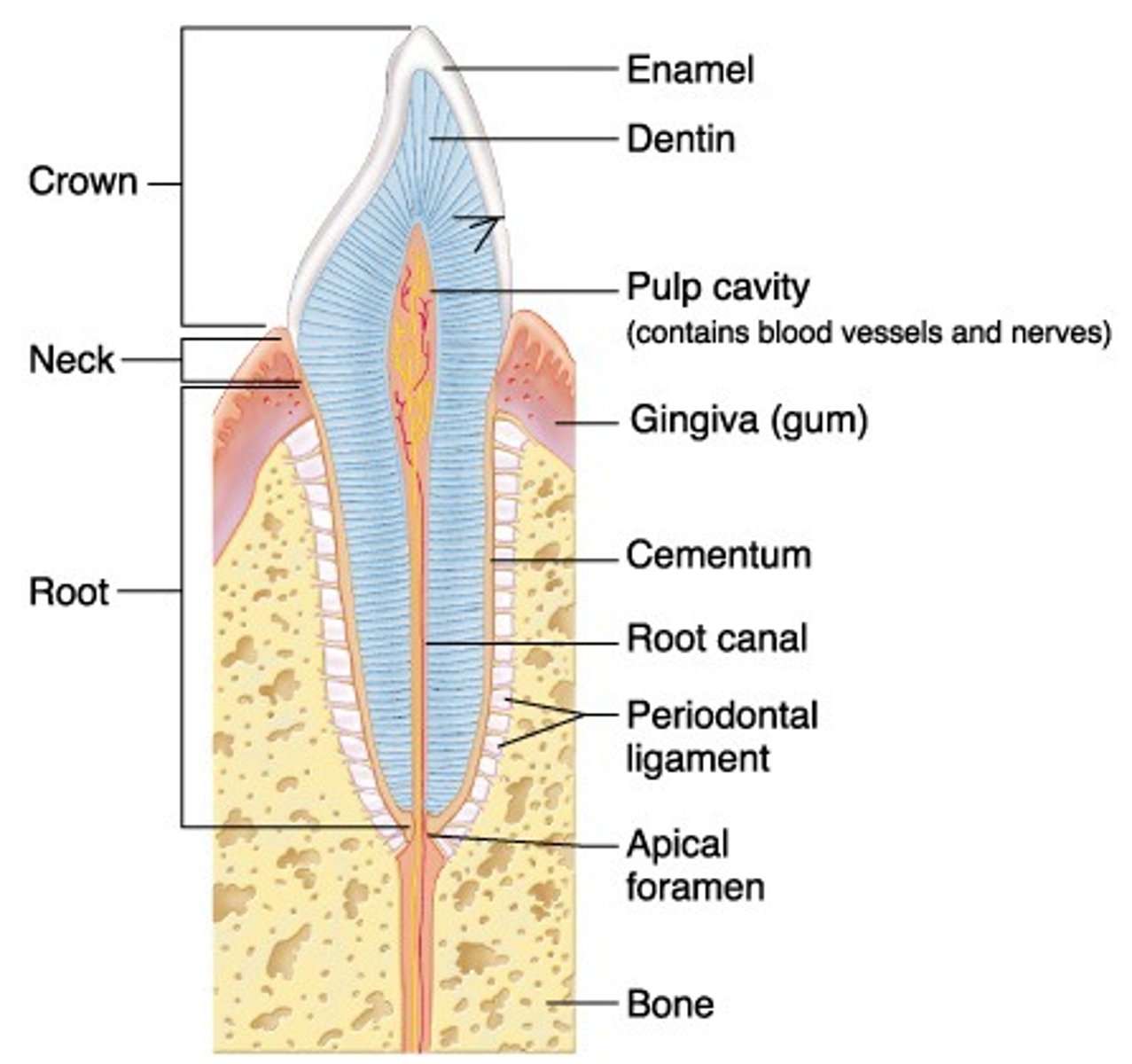
Cementum
hard connective tissue covering the tooth root and sometimes the crown
Crown
portion of the tooth that sits above the gum line and is covered in enamel
Dentin
the bulk of the tooth; hard connective tissue made mostly of calcium and collagen
Enamel
the white hard outer layer of the crown (made mostly of calcium)
Endodontics
treatment involving the pulp cavity (i.e. root canal procedure)
Floating
smoothing a horse's teeth with a file (called a float) to rid of sharp edges
Gingiva
mucosa/gums surrounding the teeth
Halitosis
bad breath
Lingual
direction toward the tongue
malocclusion
abnormal position of the teeth
Occlusal
the chewing surface of the tooth, which meets the tooth surface on the opposite jaw
Periodontal ligament
collagen fiber that attaches tooth to the bone and holds the tooth in place
Periodontium
supportive tissues around the tooth, including bone of alveolus, periodontal ligament, cementum, and gingiva
Plaque
a film which accumulates on the tooth made of food, bacteria, cells, and mucin
Pulp
the soft part inside the tooth made of nerves, vessels, odontoblasts, connective tissues and lymphatics
Ranula
a salivary cyst under the tongue
Recession
apical gingival movement away from the tooth crown
Root
lower part of the tooth that is in the alveolus
Stomatits
inflammation of the soft tissues in the mouth
Sulcus
pocket under the gingiva; normal is 0-3 mm, greater than this suggests periodontal disease
Hypsodont (radicular or aradicular)
High-crowned teeth. Seen in horses, cattle, deer (radicular - continuously erupting but not growing);
in rodents, lagomorphs, chinchillas (aradicular - continuously growing)
radicular teeth
continuously errupting but not growing, seen in horses, cattle, and deer
araducular teeth
continuously growing, seen in rodents, lagomorphs (rabbits), and chinchillas
Dog adult dental formula
2 (I3/3 C1/1 P4/4 M2/3) =42
cat adult dental formula
2 (I 3/3 C 1/1 P 3/2 M 1/1) = 30
cows/sheep/goats adult dental formula
2 (I 0/3 C 0/1 P 3/3 M 3/3) = 32
Horse dental formula
2 (I 3/3 C 0-1/0-1 P 3-4/4 M 3/3) = 36-42 depends if they have canine or wolf teeth
Pig adult dental formula
2 (I 3/3 C 1/1 P 4/4 M 3/3) = 44
Lagomorphs (rabbits) adult dental formula
2 (I 2/1 C 0/0 P 3/2 M 3/3) = 28
Rat/Mouse adult dental formula
2 ( I 1/1 C 0/0 P 0/0 M 3/3) = 16
dental currete
used for subgingival removal of calculus and root planing; can also be used supragingivally; has a rounded back and tip
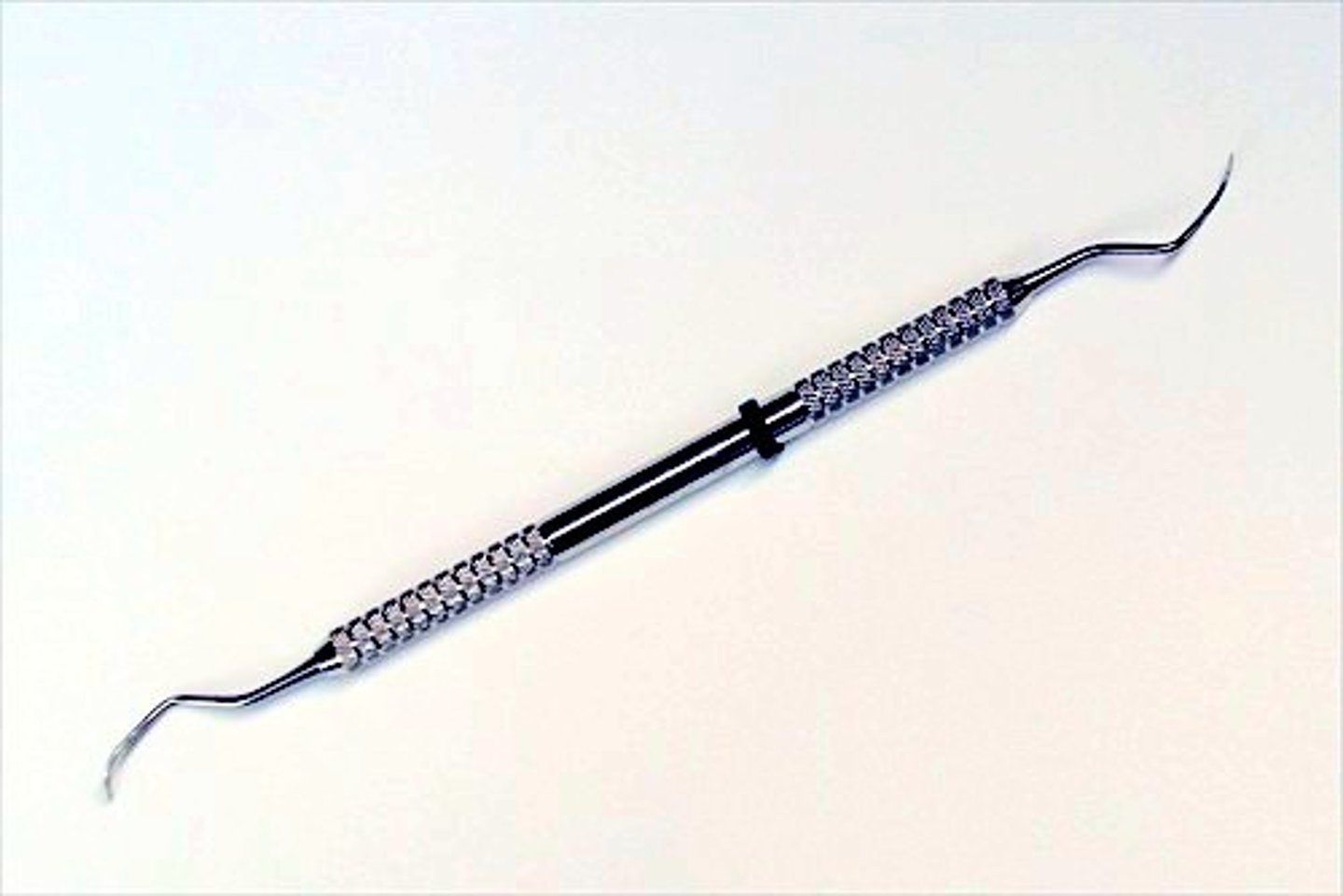
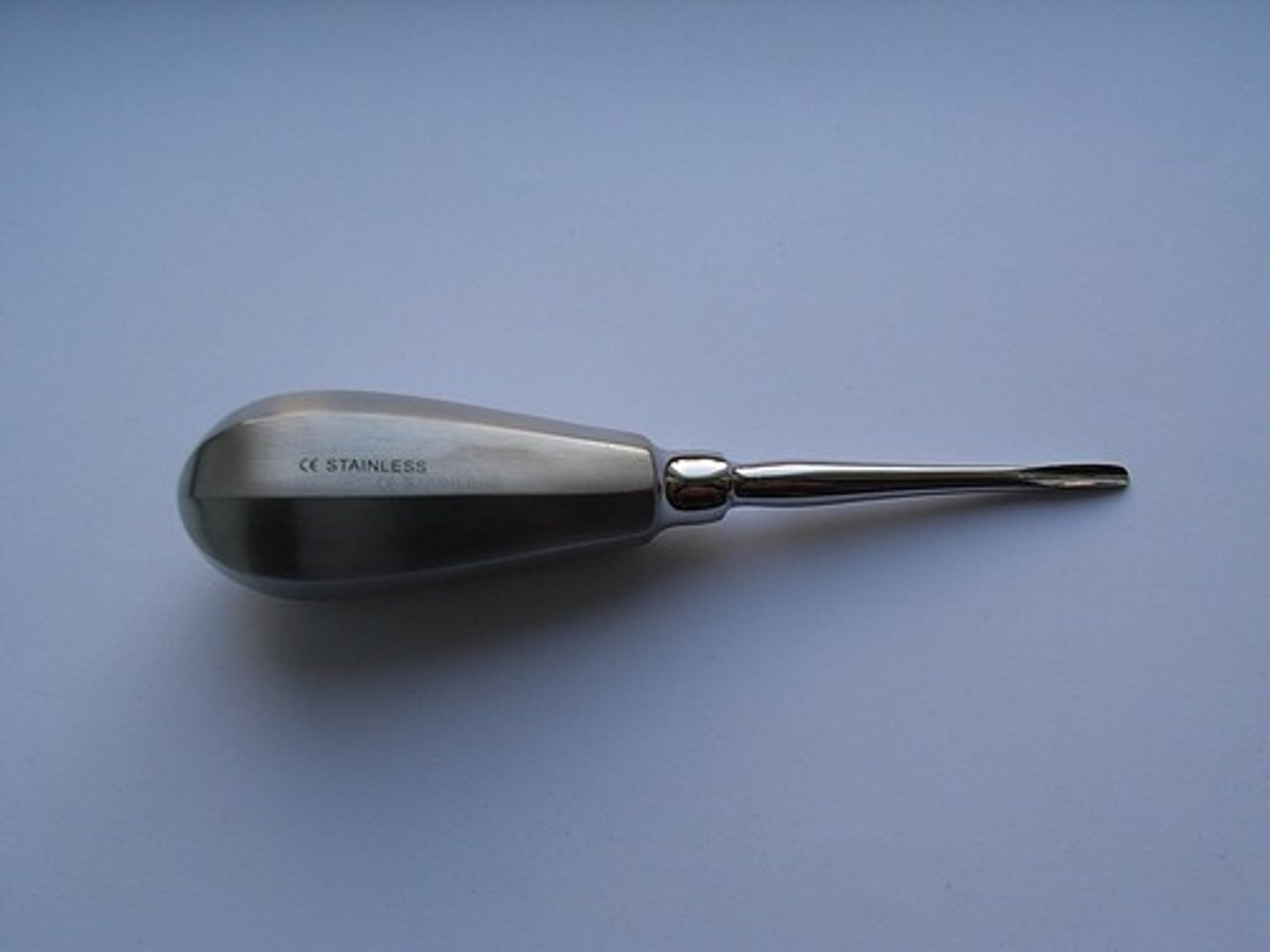
dental elevator
used for breaking down the periodontal ligament with pressure and leverage
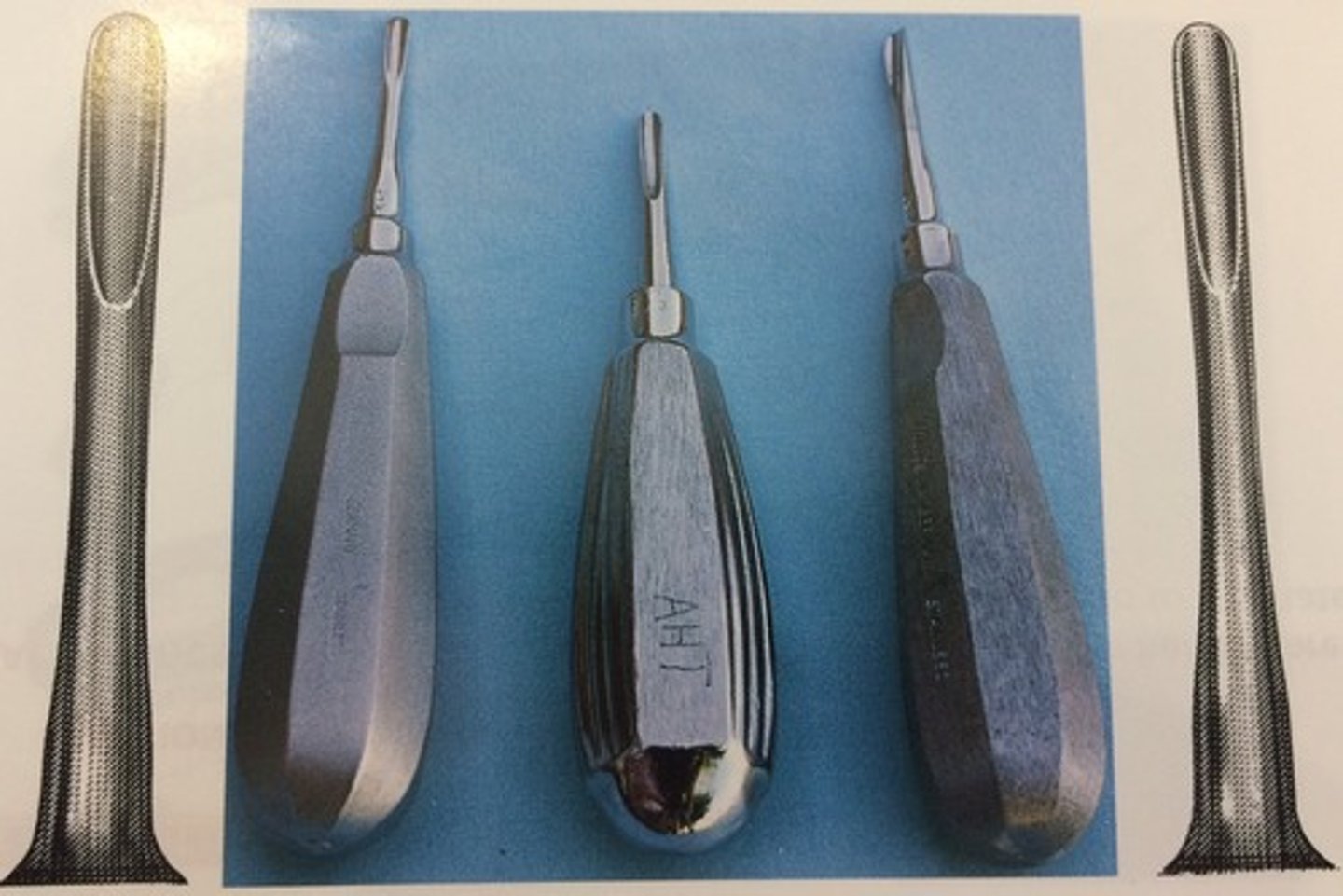
dental luxator
used for breaking down/cutting the periodontal ligament; not used for leverage
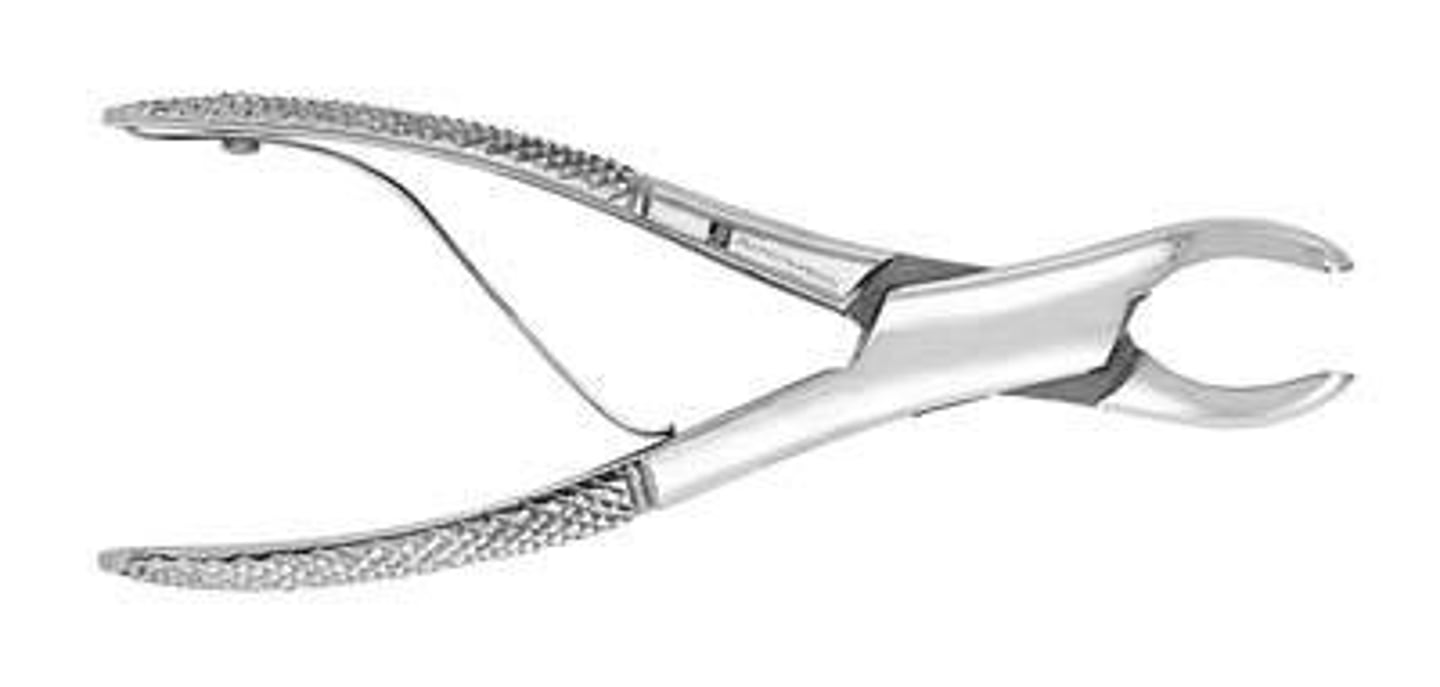
Dental extraction forceps
used to extract (pull out) the tooth after the periodontal ligament has been broken down
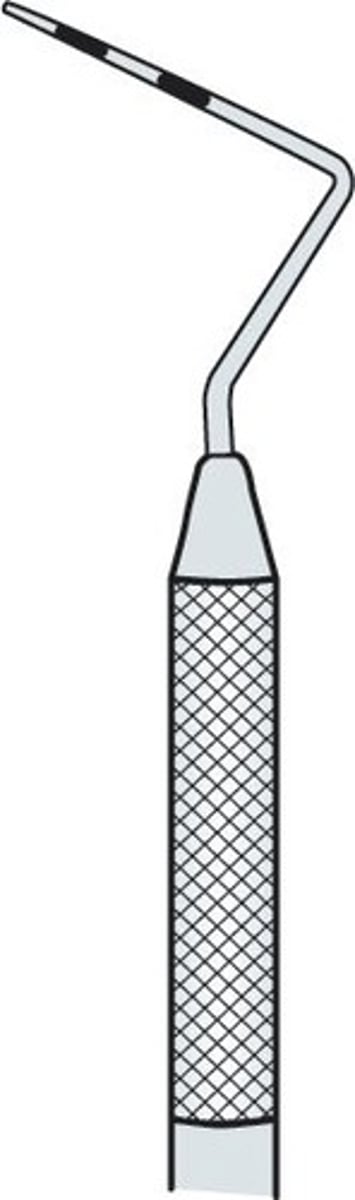
Dental probe
has a blunted tip; inserted into gingival sulcus to measure pocket depth and evaluate mobility
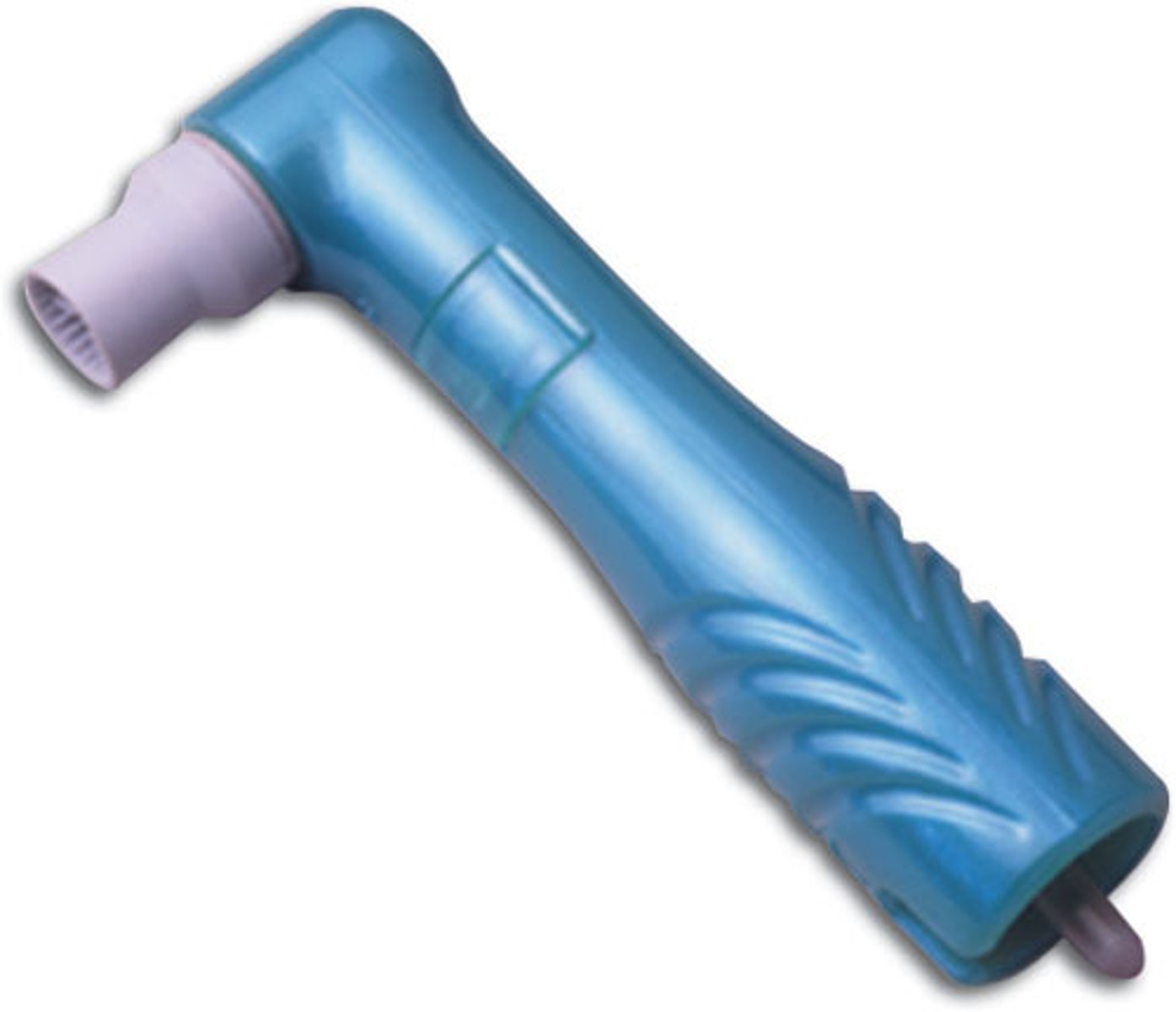
Dental polisher
removes plaque and smoothes the scaled tooth surface; used with prophy paste and done on slow speed (not faster than 1000 rpm or may cause thermal damage)
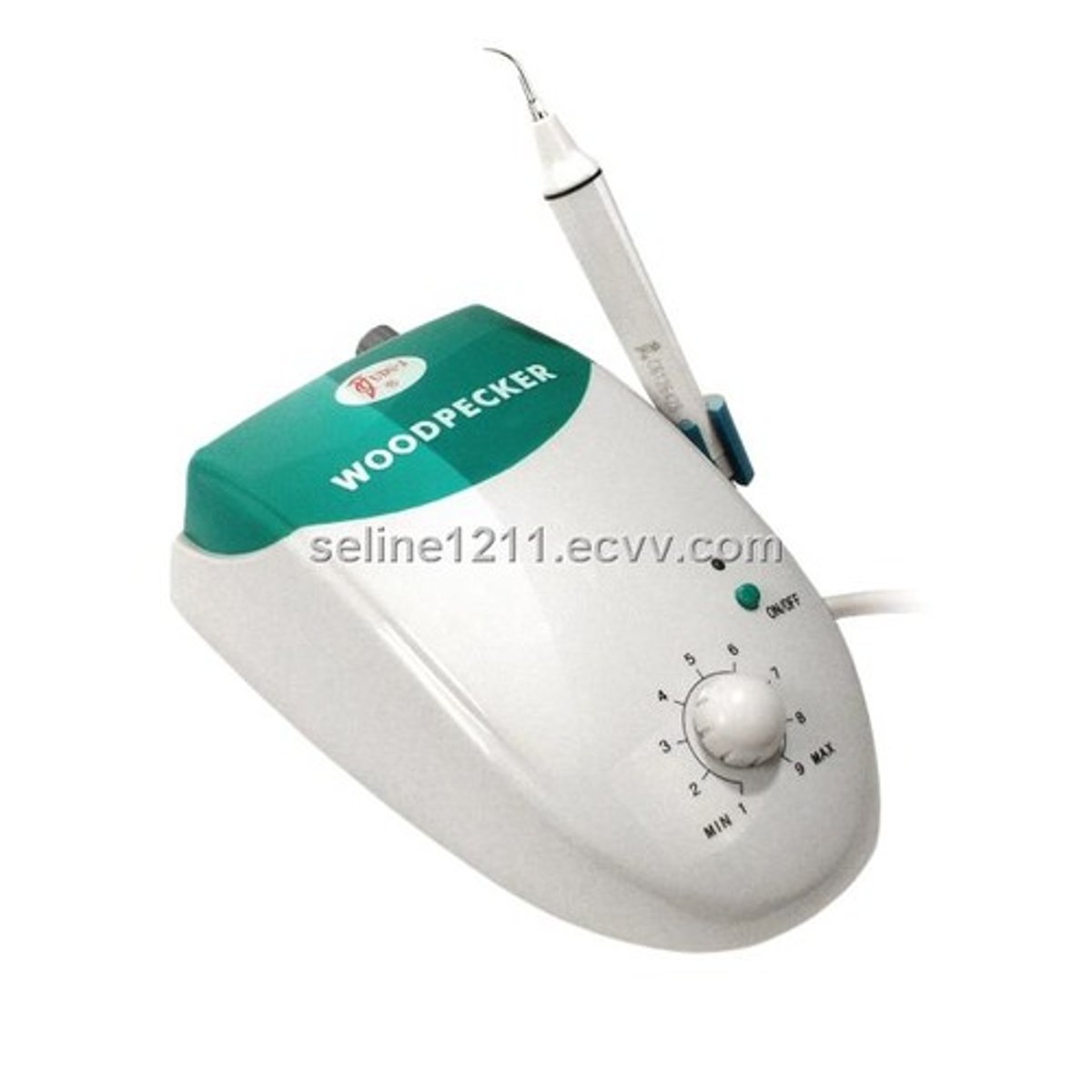
Dental scaler
removes plaque and smoothes the scaled tooth surface; used with prophy paste and done on slow speed (not faster than 1000 rpm or may cause thermal damage)
tooth diagram