Movement Science - The Knee
 Call Kai
 Learn
Learn Practice Test
 Spaced Repetition
 Match
Match Flashcards
 Knowt Play
1/37

There's no tags or description
Looks like no tags are added yet.
Name | Mastery | Learn | Test | Matching | Spaced | Call with Kai |
|---|
No analytics yet
Send a link to your students to track their progress
38 Terms
Tibiofemoral Joint
the point where the tibia meets with the femur
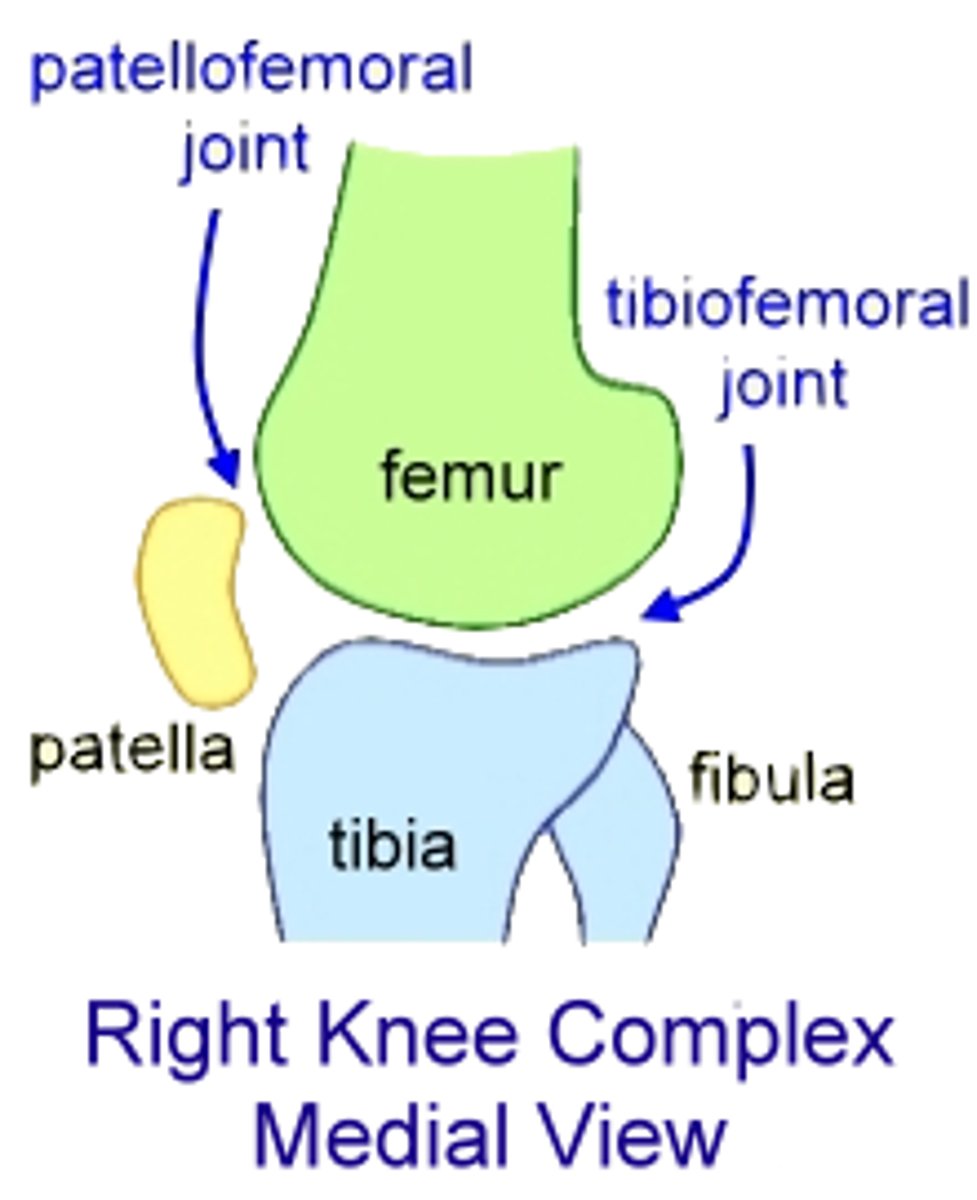
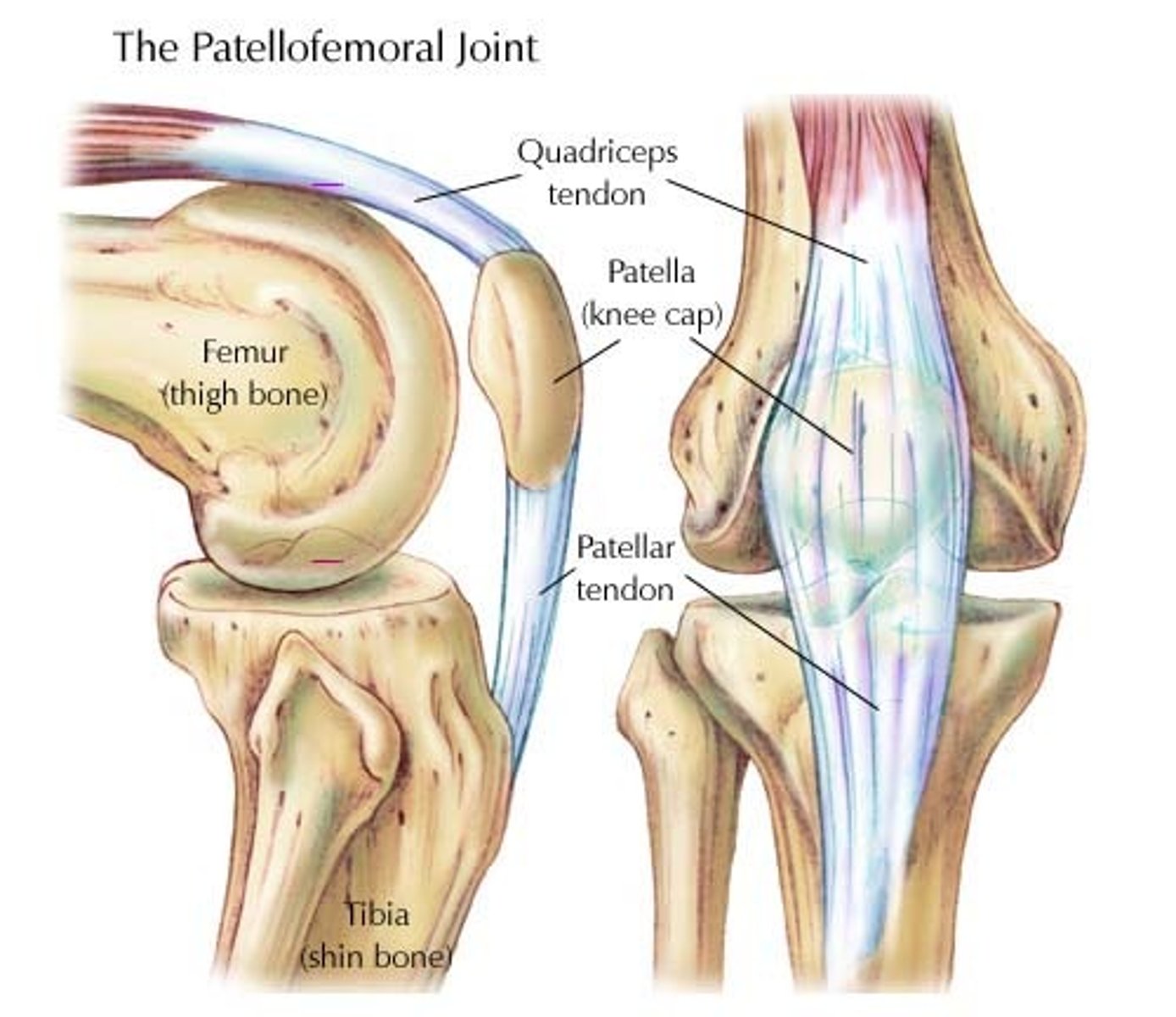
Patellofemoral Joint
the point where the kneecap and femur are connected in the trochlear groove
Tibiofemoral Alignment
- longitudinal axes normally form an angle medially of 180 to 185 degrees
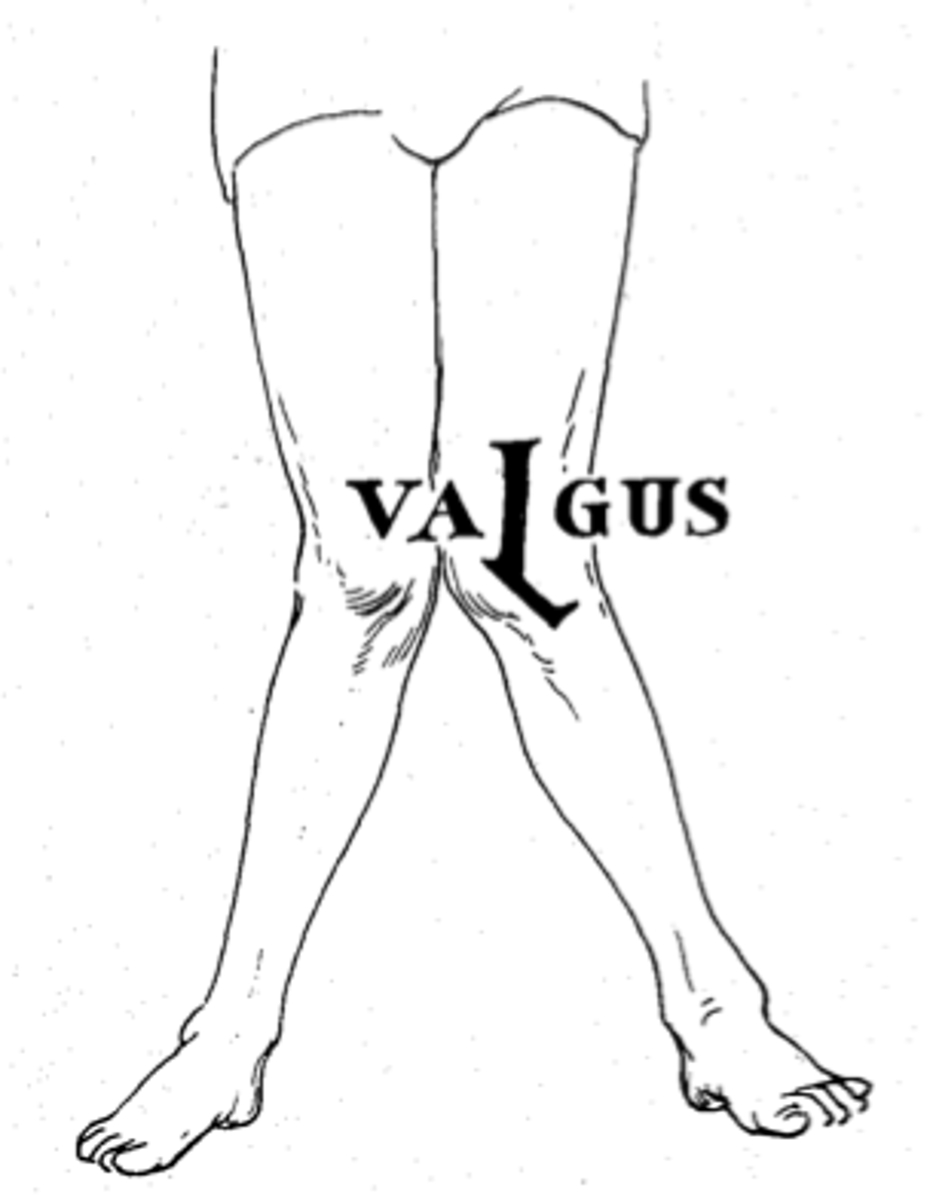
Genu Valgus
- knock knees
- greater than 185 degrees
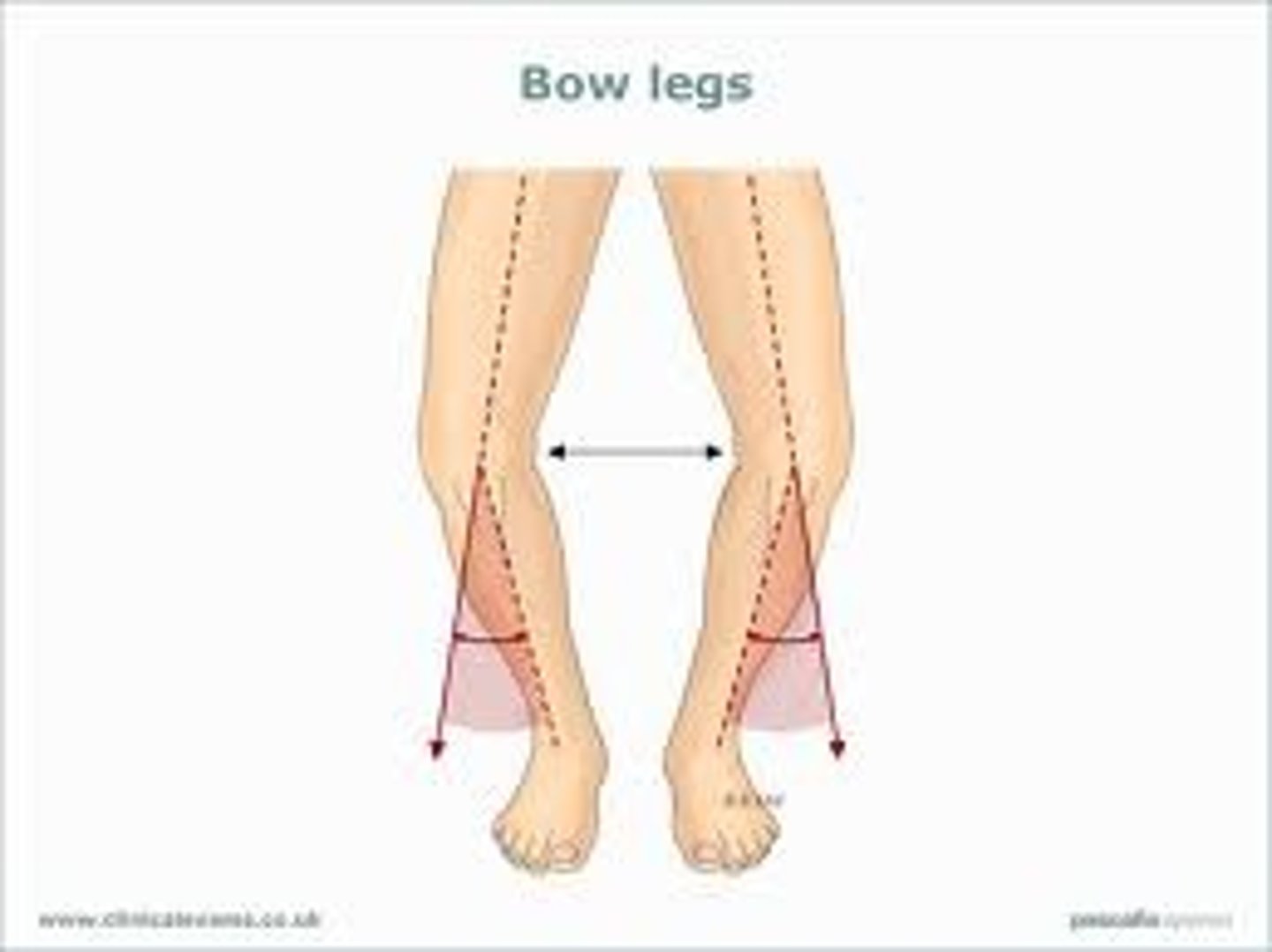
Genu Varus
- bow legs
- medial tibiofemoral less than 175 degrees
Which part of knee is most commonly arthritic?
- medial
Dynamic Valgus
- condition happens when person is moving "dynamic"
- happens during functional activities
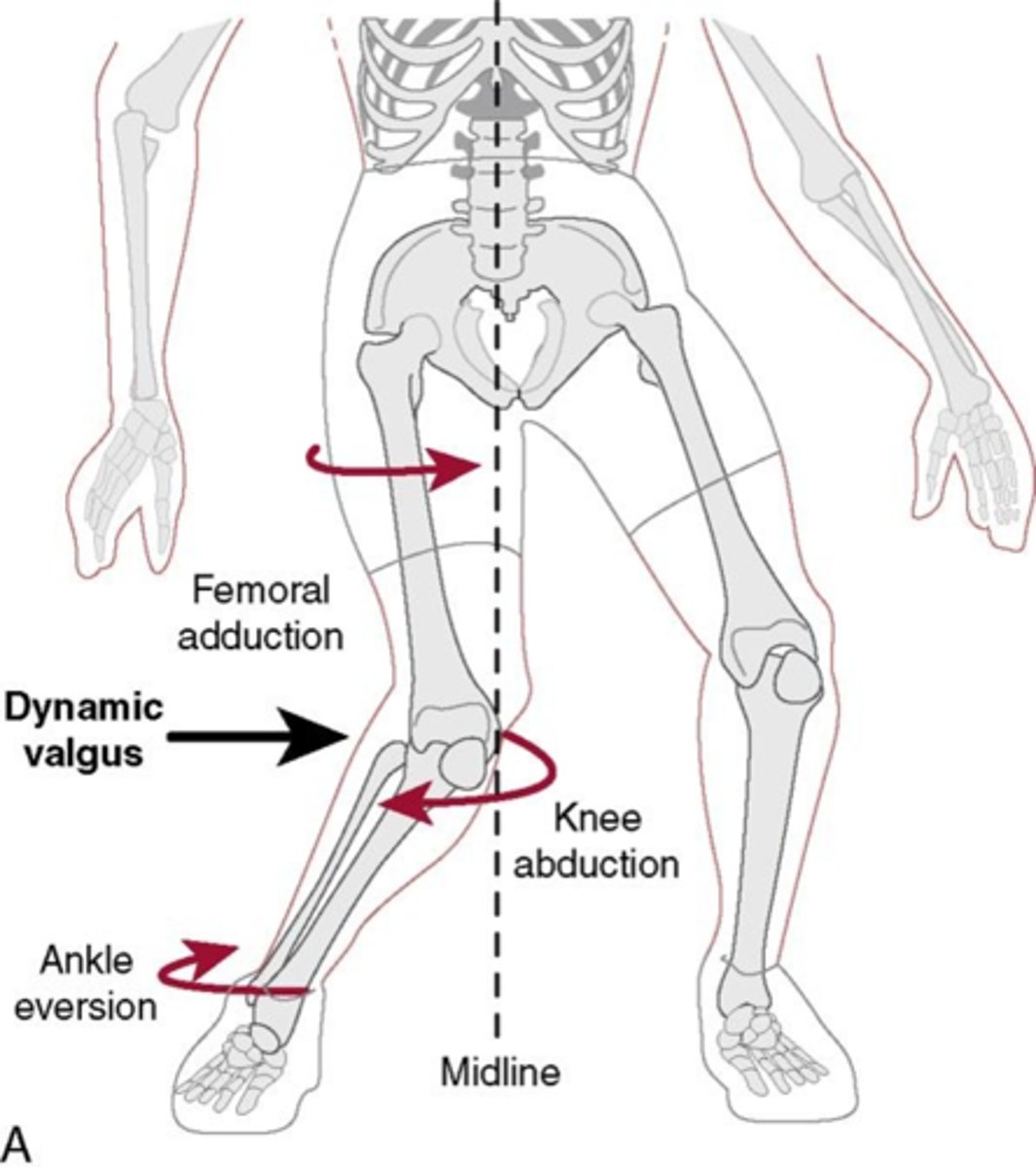
Where does Dynamic Valgus come from?
- weak glute med (prevents adduction in closed chain)
- the foot (arch)
- tight adductors
- MCL could be torn
- weak glute max

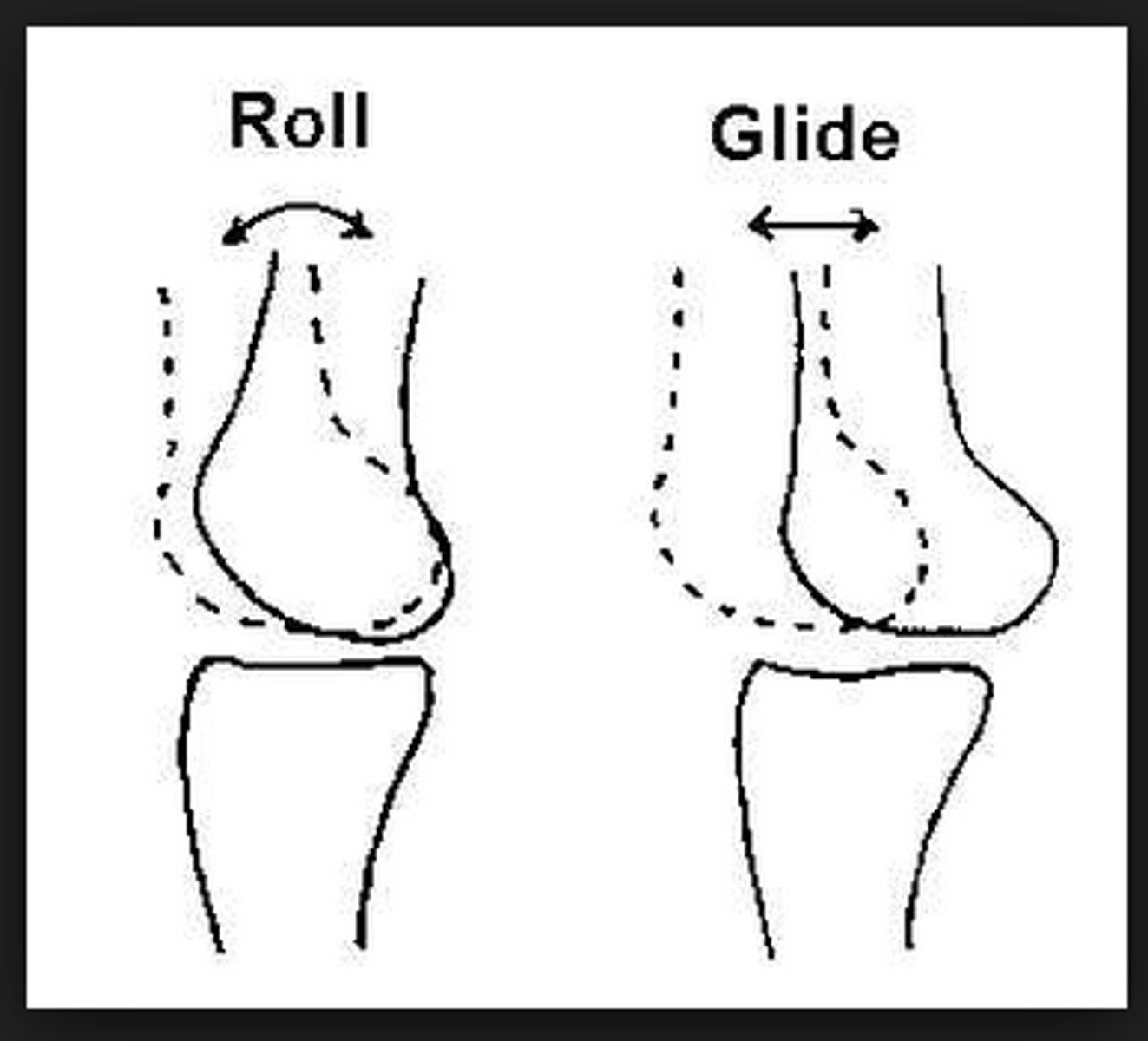
Arthrokinematics - Knee Flexion and Closed Chain
- primarily, rolling occurs (posteriorly) the first 15-25 degrees
- anterior glide then accompanies the rolling
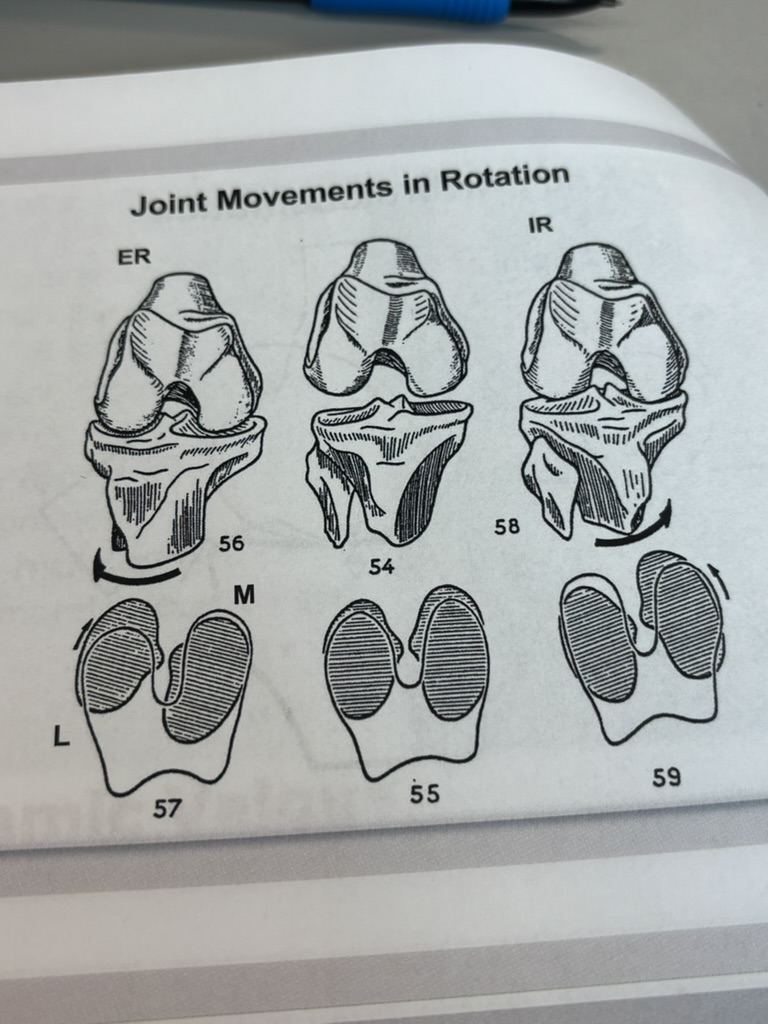
Joint Movements in Rotation
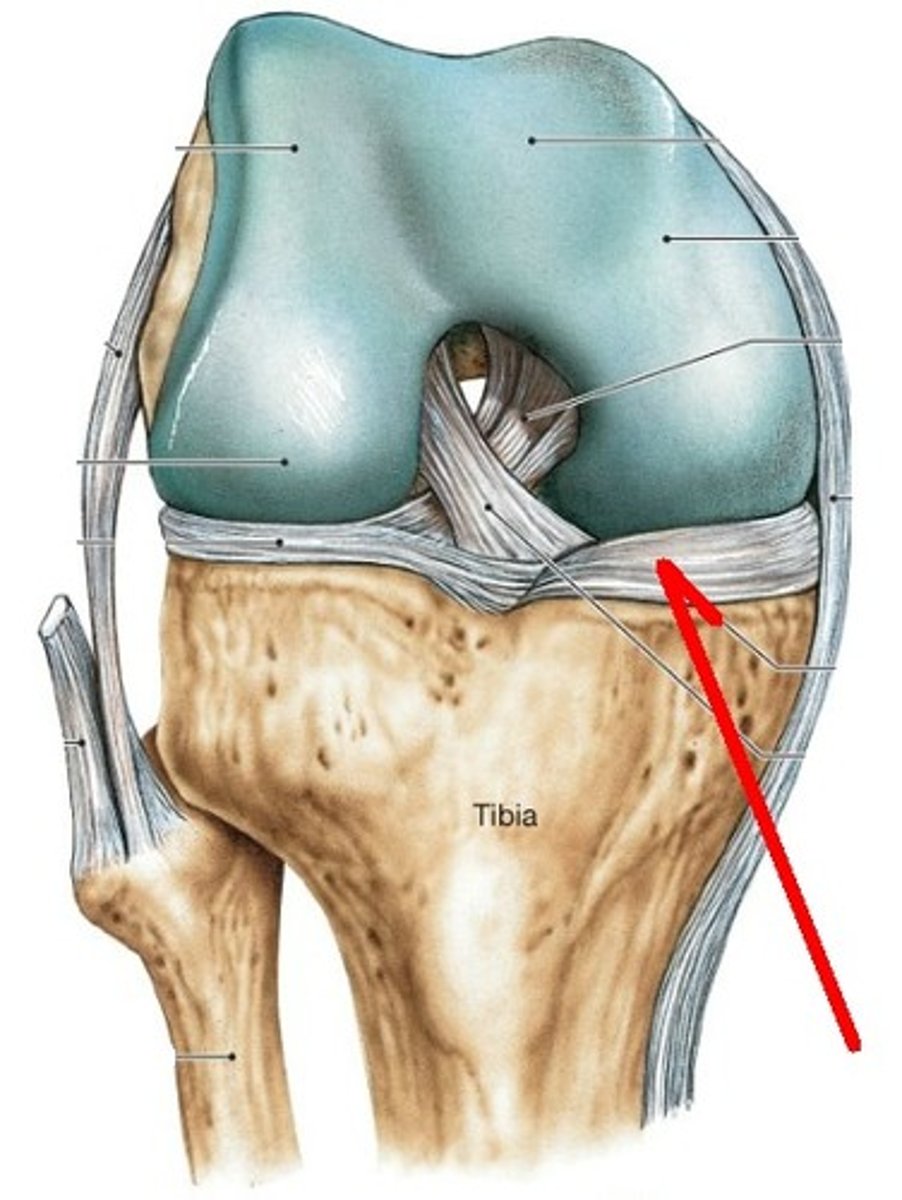
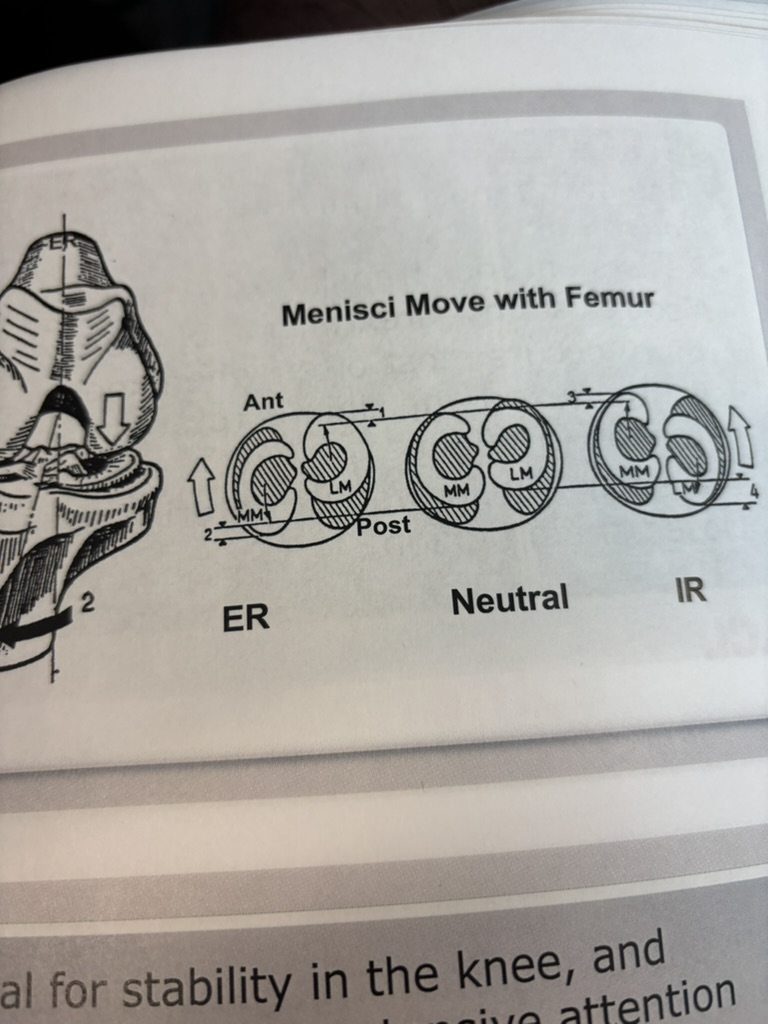
Meniscus
- weight bearing function
- reduce joint friction
- shock absorption
- lubrication
- both attach to tibial condyles
- attach to each other at anterior horns
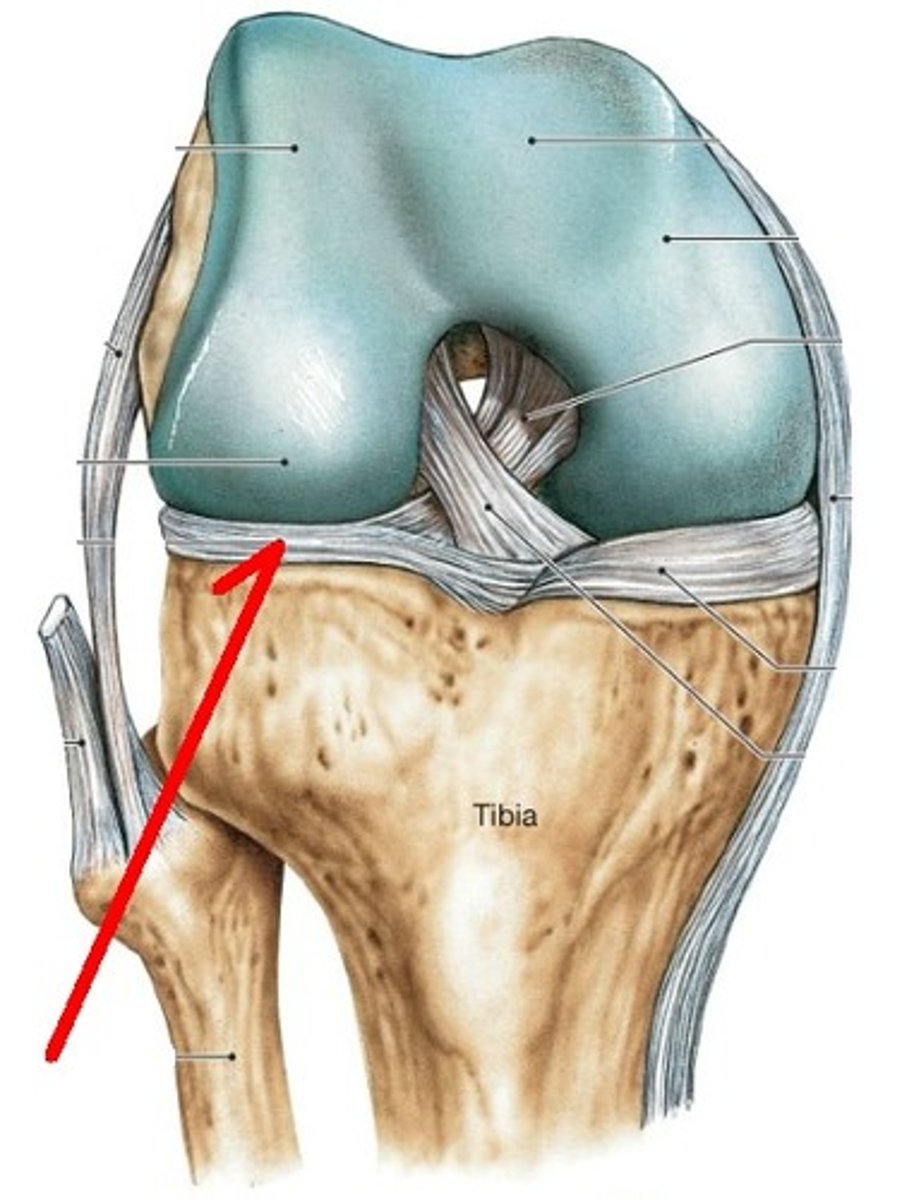
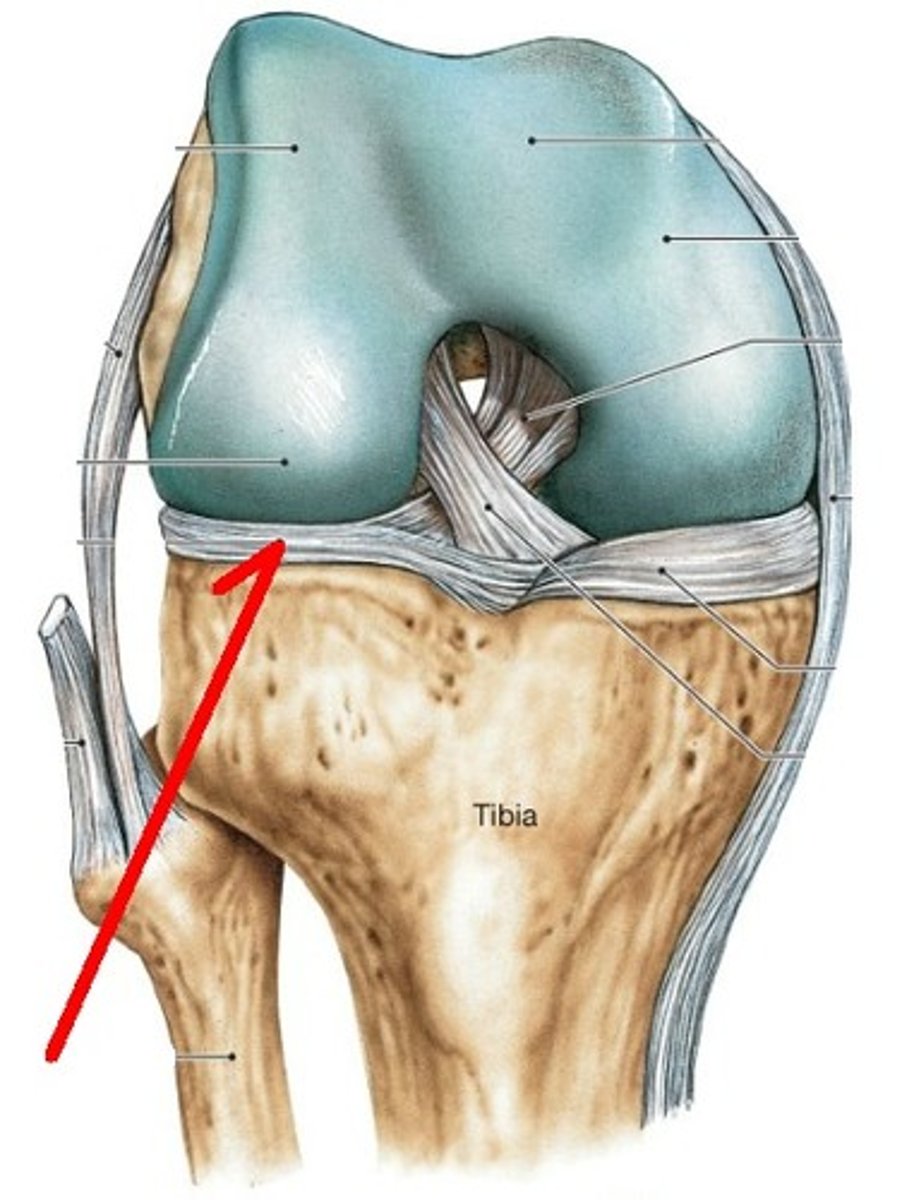
Medial Meniscus
- C shaped
- open toward eminence
- firmly attached
- peripheral (outer bands) vascularization
- attaches to MCL, semimembranosus & patella
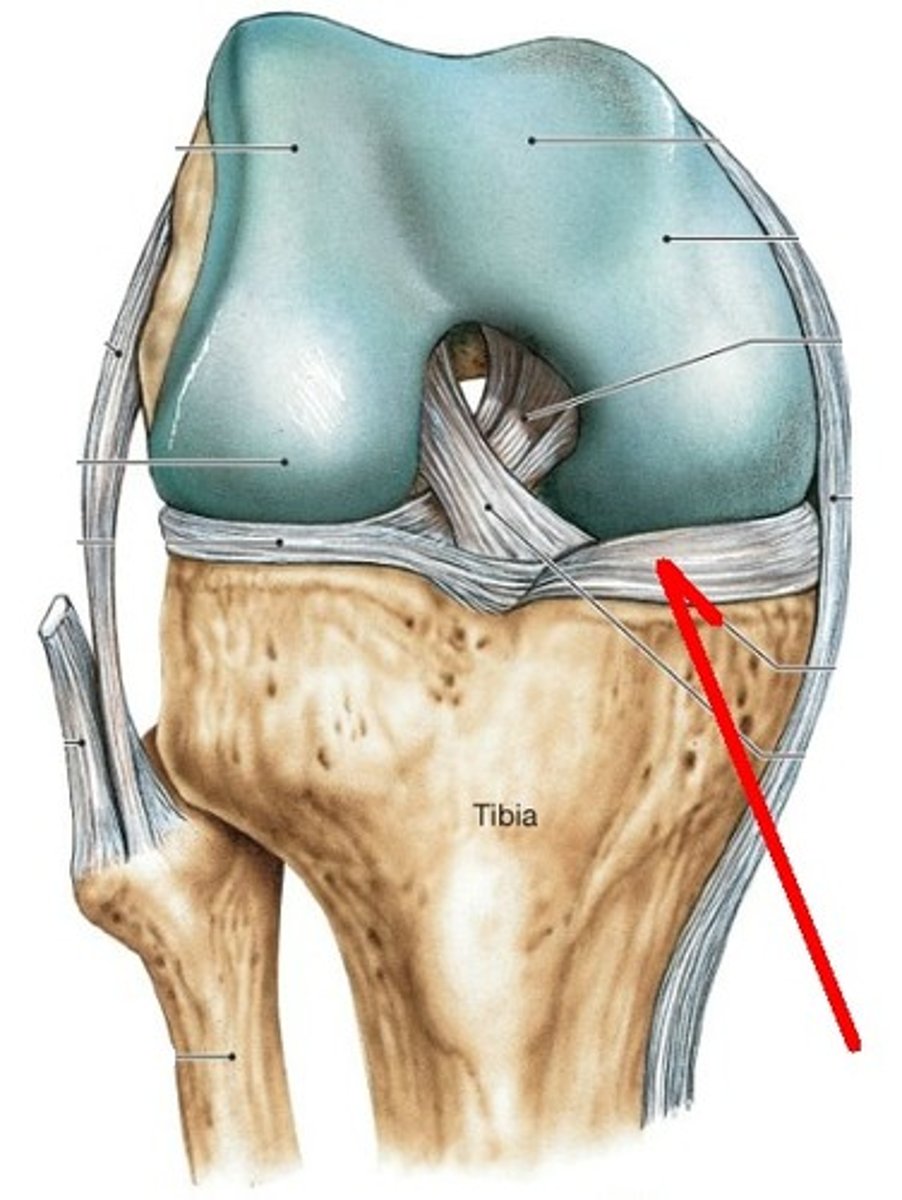
Lateral Meniscus
- O shaped
- Loose
- Posterior meniscofemoral fibers
- Attaches to PCL & popliteus
Menisci
- spread out forces across joint
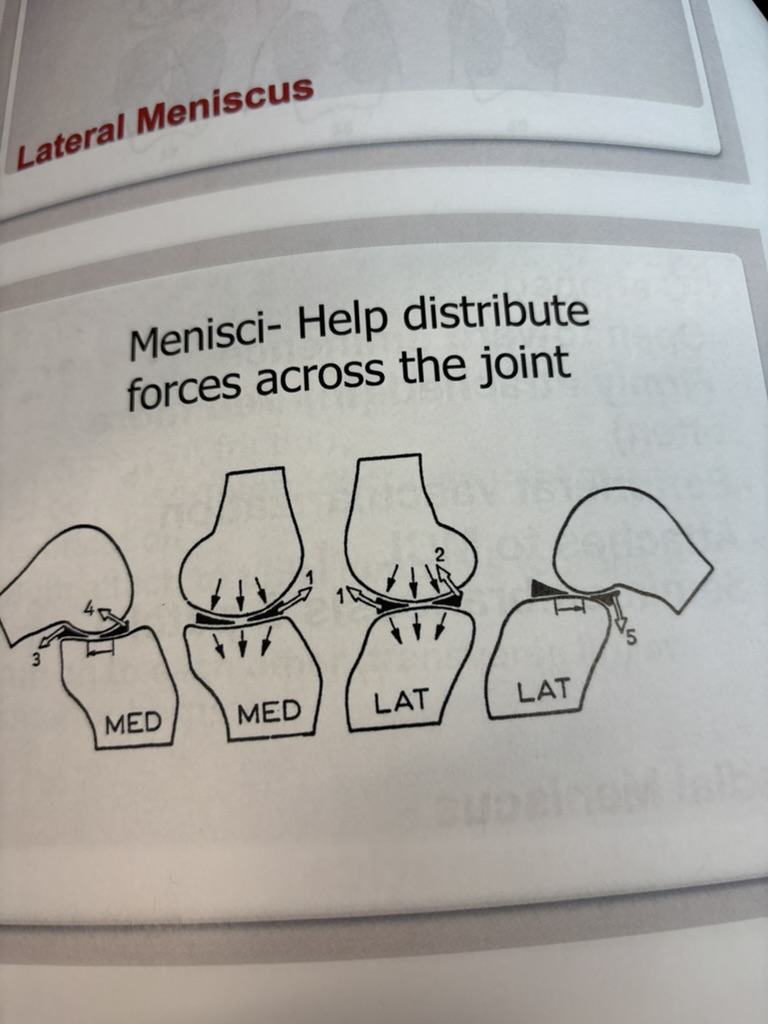
Menisci Move with Femur
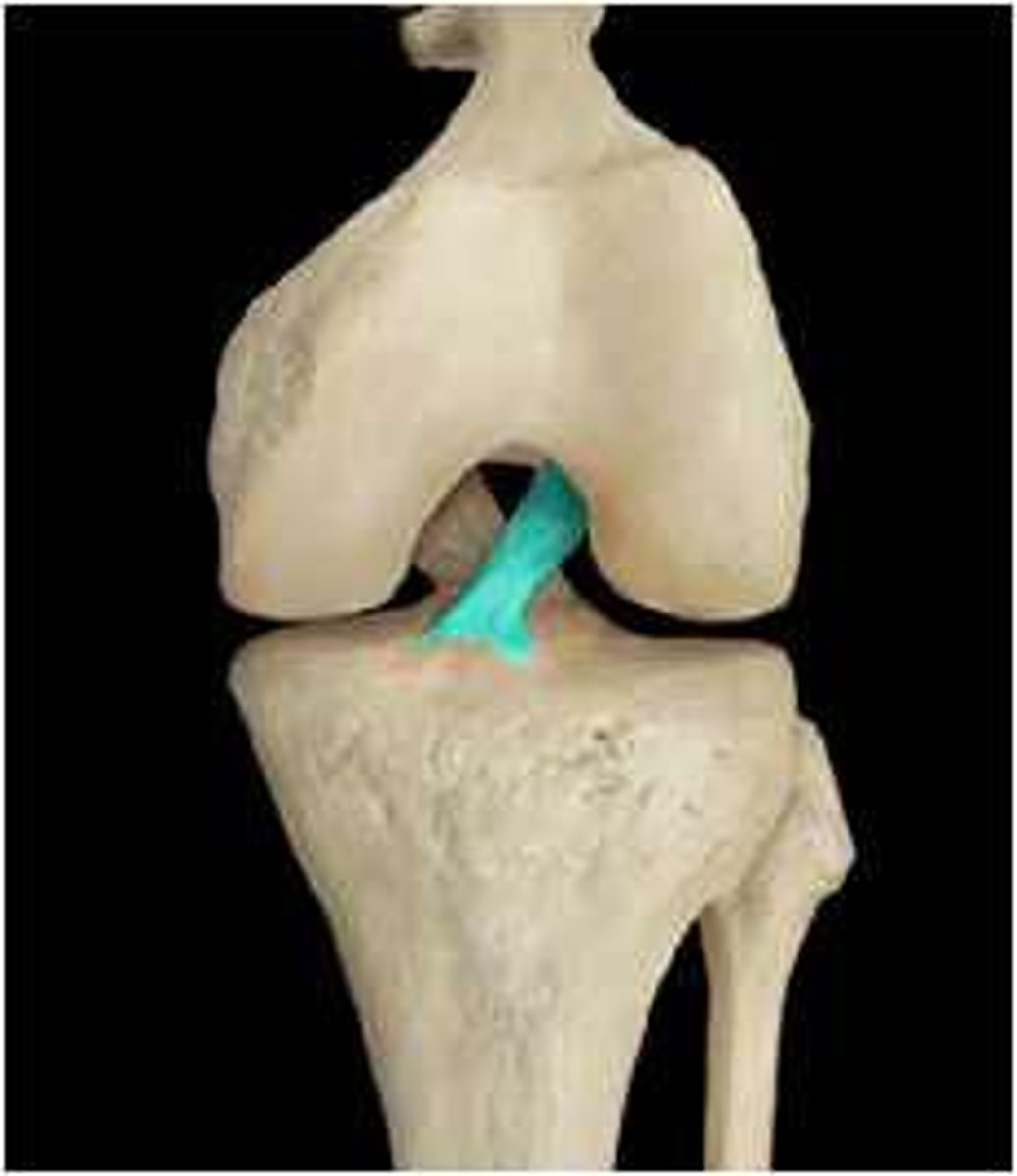
Cruciates
ACL, PCL
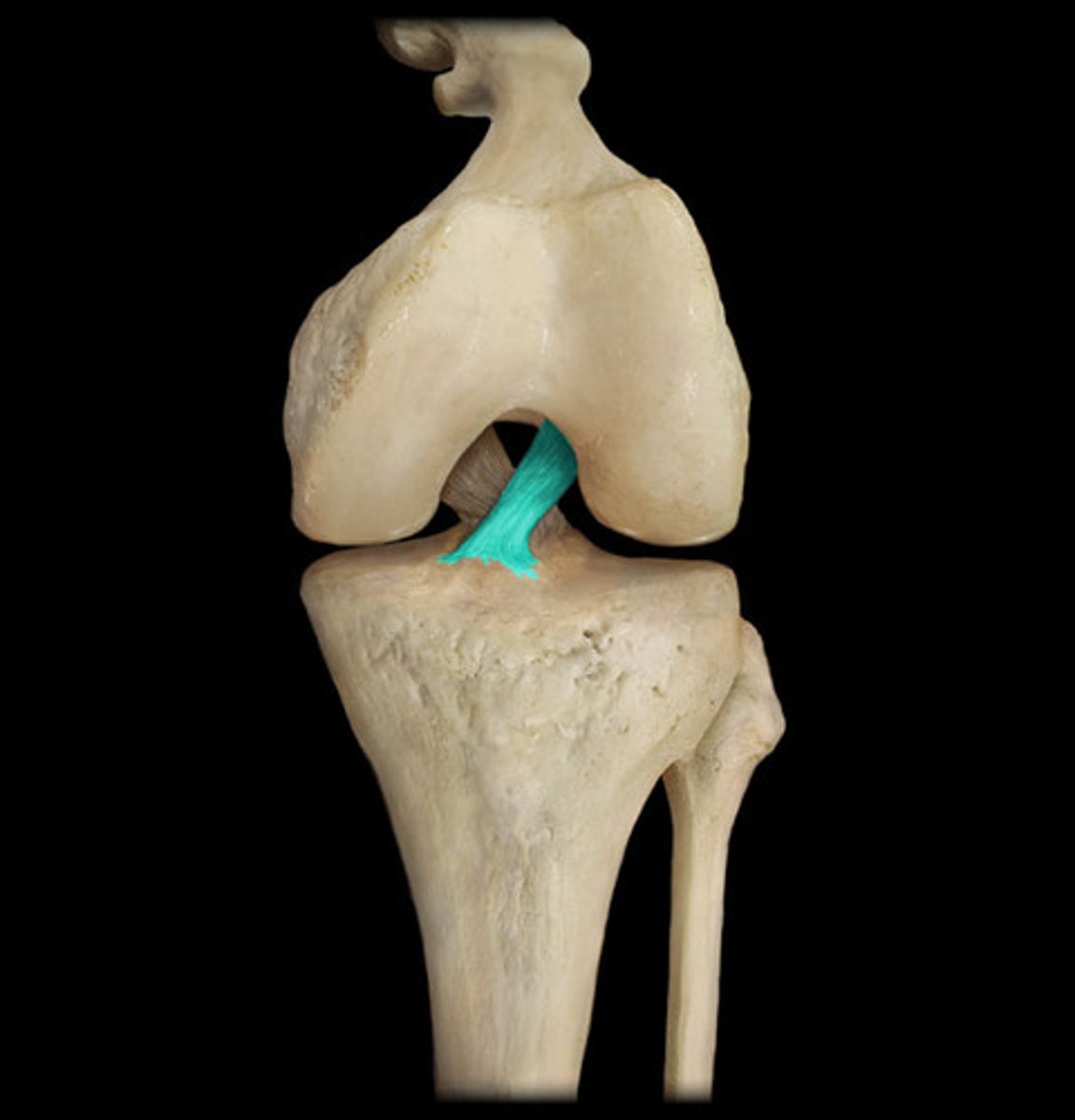
Collaterals
MCL, LCL
ACL
- commonly injured
- resists anterior translation of tibia
- resists hyperextension of the knee
- injury occurs most often when knee is slightly flexed and tibia is rotated either direction in Wb'ing
- assists w/ pulling femur anterior during closed chain flexion
Hamstring to Quadricep Relationship
- quads should be stronger than hamstrings
- ratio is 50-80% percent (hamstring:quad)
- elevated activity of vastus lateralis has increased risk
How does increased ham/quad ratio affect the knee?
- protective against ACL tears
- prevents tibia from moving anteriorly on femur
ACL Injury Risk
- knee valgus has been shown to be a significant predictor of ACL injury
- drop vertical jump is higher risk of valgus
- female are at higher risk
Landing Mechanics
- A) hip experiences more torque while landing
-B) more torque at knee, less torque at hip
Landing Mechanics PT.2
- A) Uses more glute max, glute min. Recovering from knee injury
- B) recovering from labral tear. Uses less hip and more knee
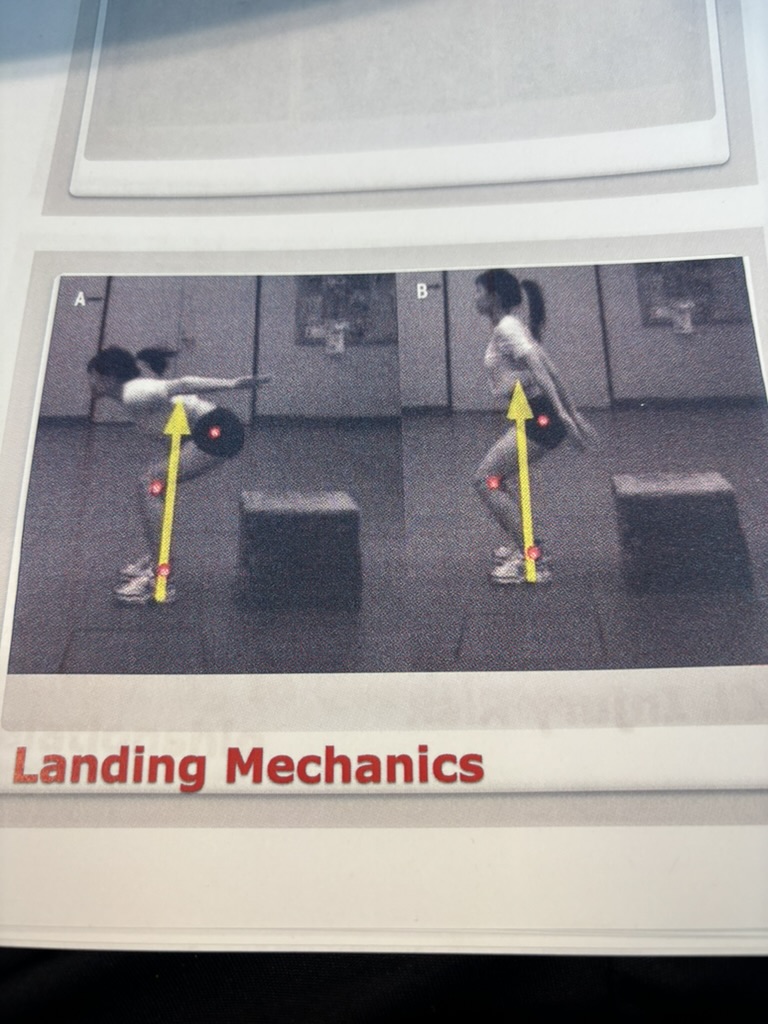
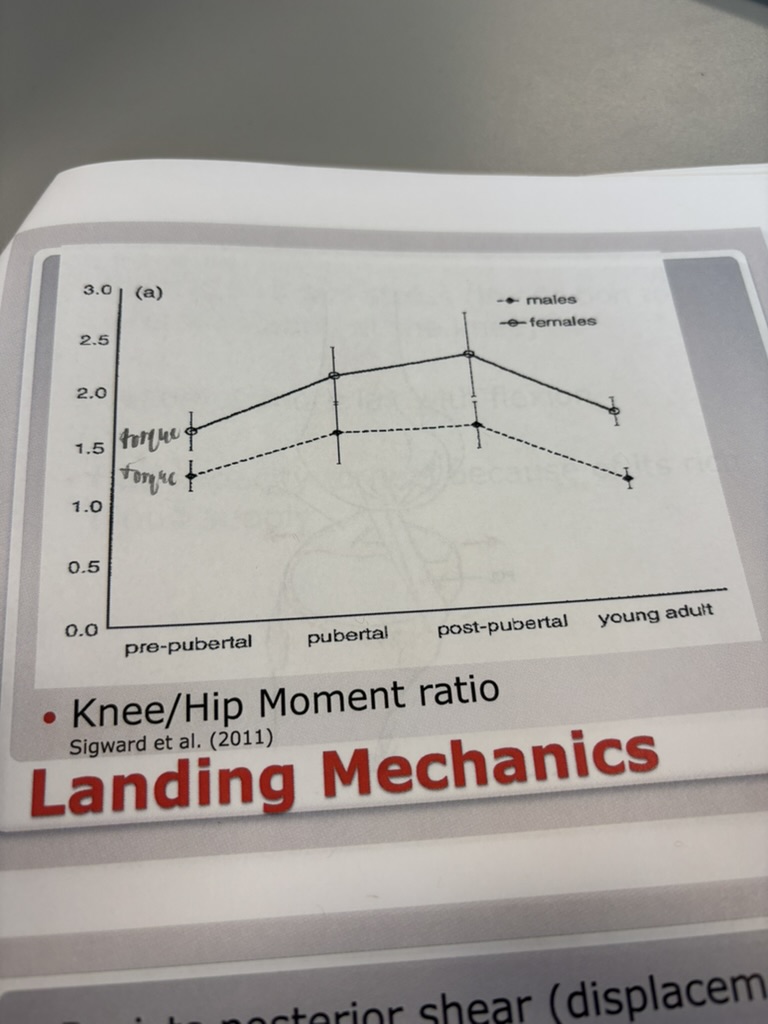
Knee/Hip Moment Ratio
- torque in female patients are higher than males
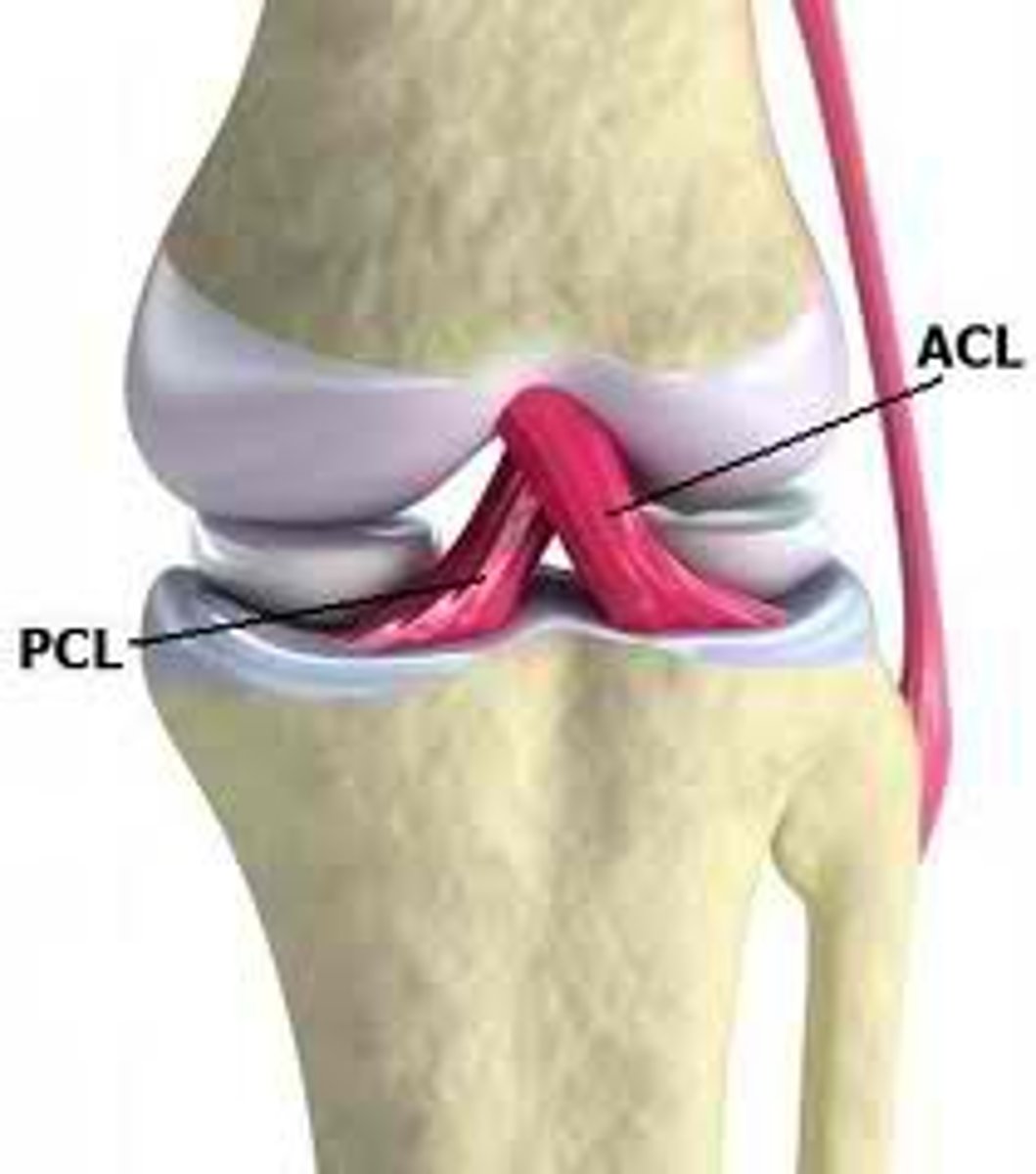
PCL
- resists posterior shear (displacement) of knee
- cross-sectional area 120%-150% that of ACL
- PCL restricts hyperflexion
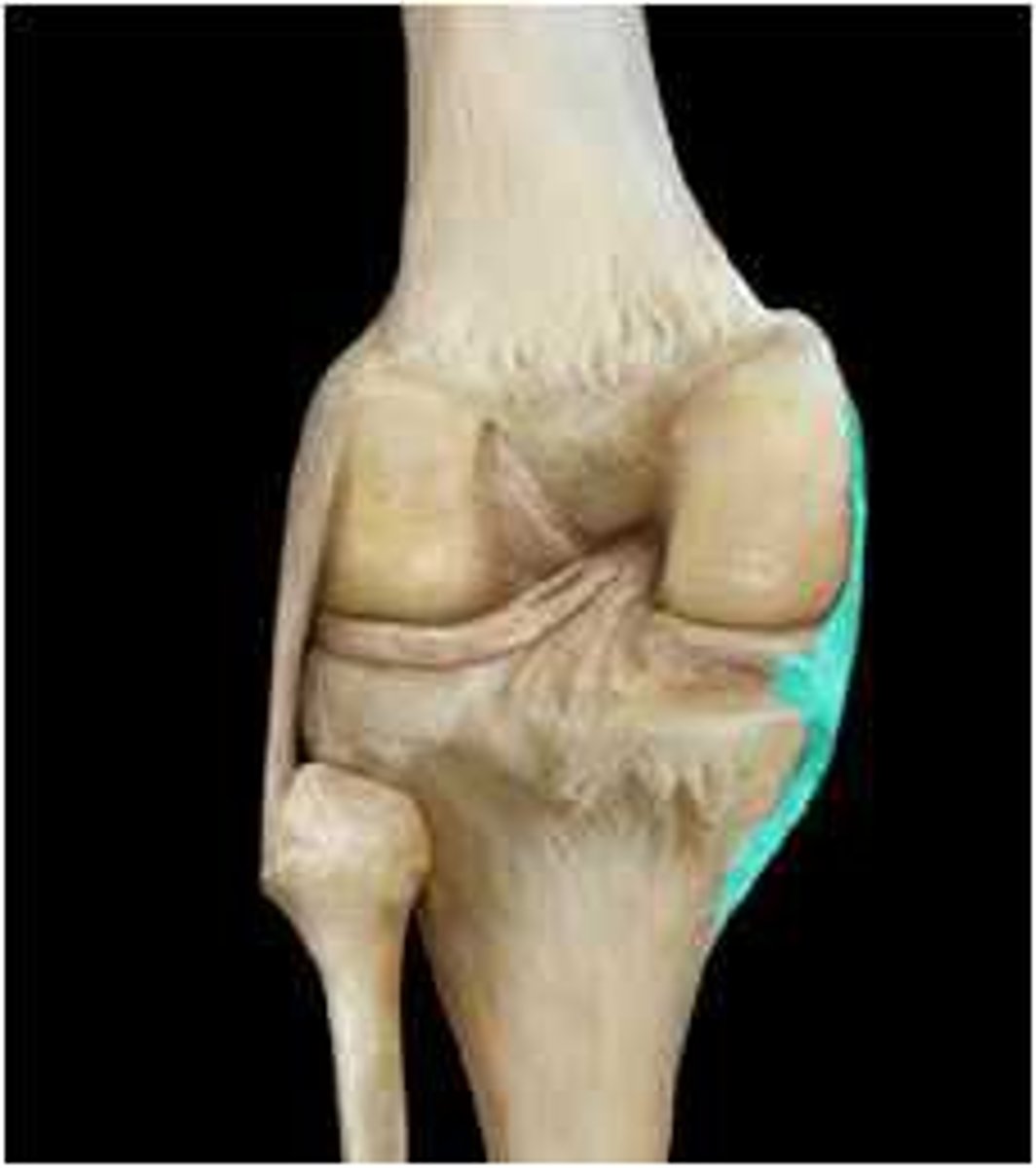
MCL
- restricts valgus stress
- becomes more lax with flexion
- has capacity to heal because if its rich blood supply
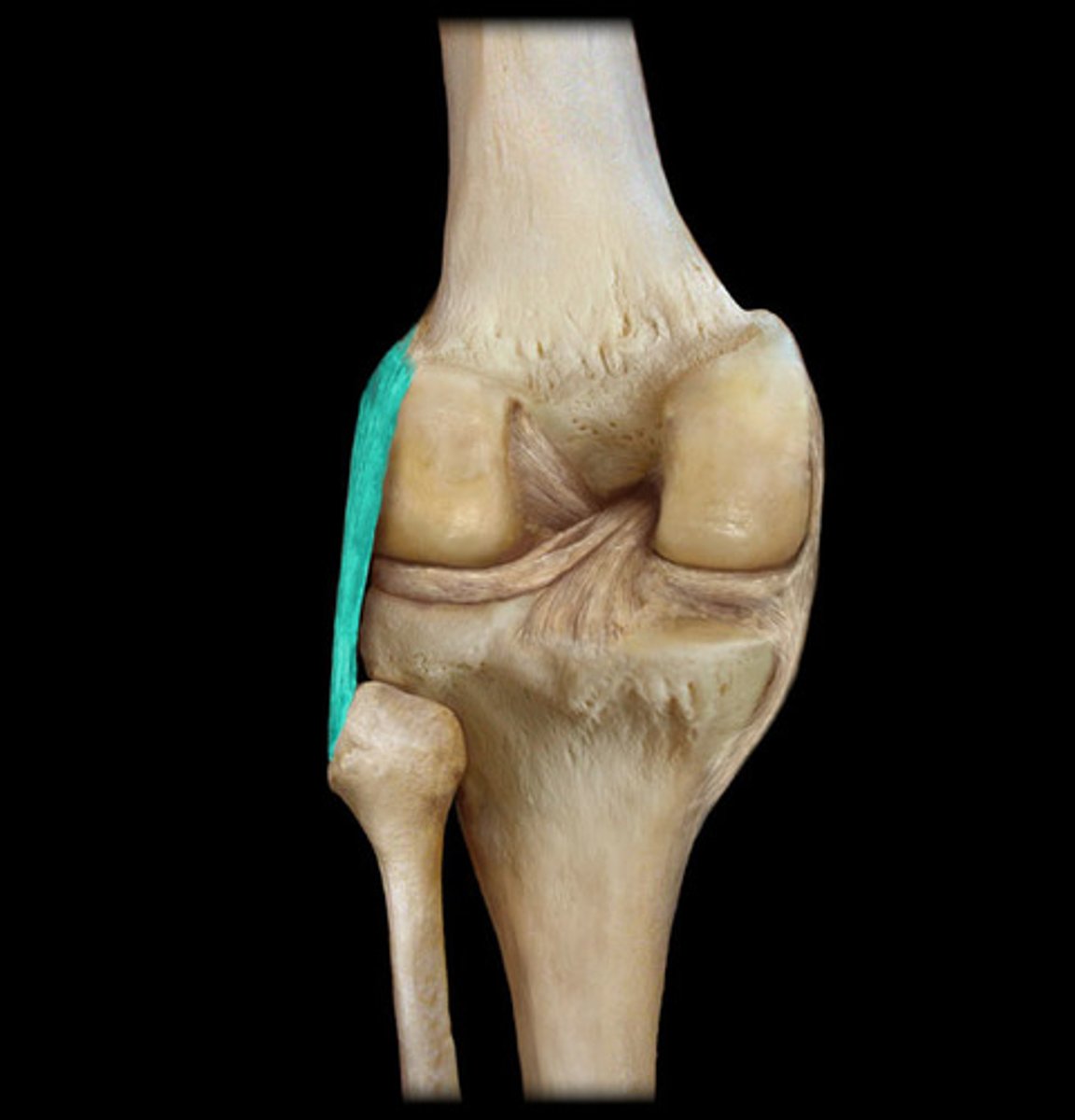
LCL
- resists varus stress
- also resists lateral rotation
- MCL is twice as strong as LCL
- only 2% of knee injuries are LCL
Tibia internally rotates
- stress acl and mcl
Tibia laterally rotates
- stresses mcl
Patellofemoral Joint Function
- anatomic pulley for the quad
- 3rd class level
- joint congruency (surface area of bone on bone contact) and compression is minimal in extension
- increases with flexion of knee
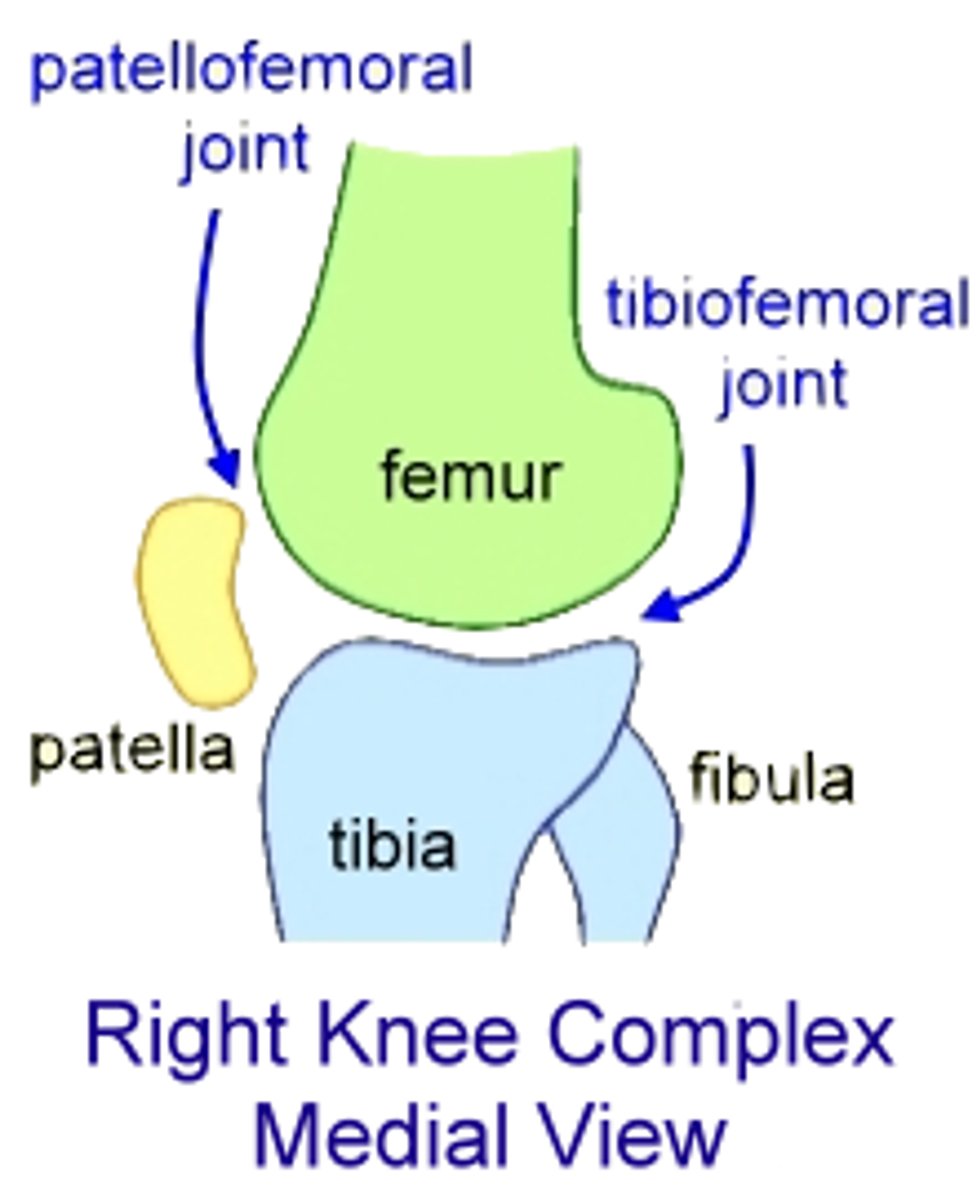
With flexion, the patella moves ________?
- distally
With extension, the patella moves _______?
- superiorly
Patellofemoral Kinematics
- area of contact moves proximally as the patella moves into flexion
- alters patellofemoral joint stress
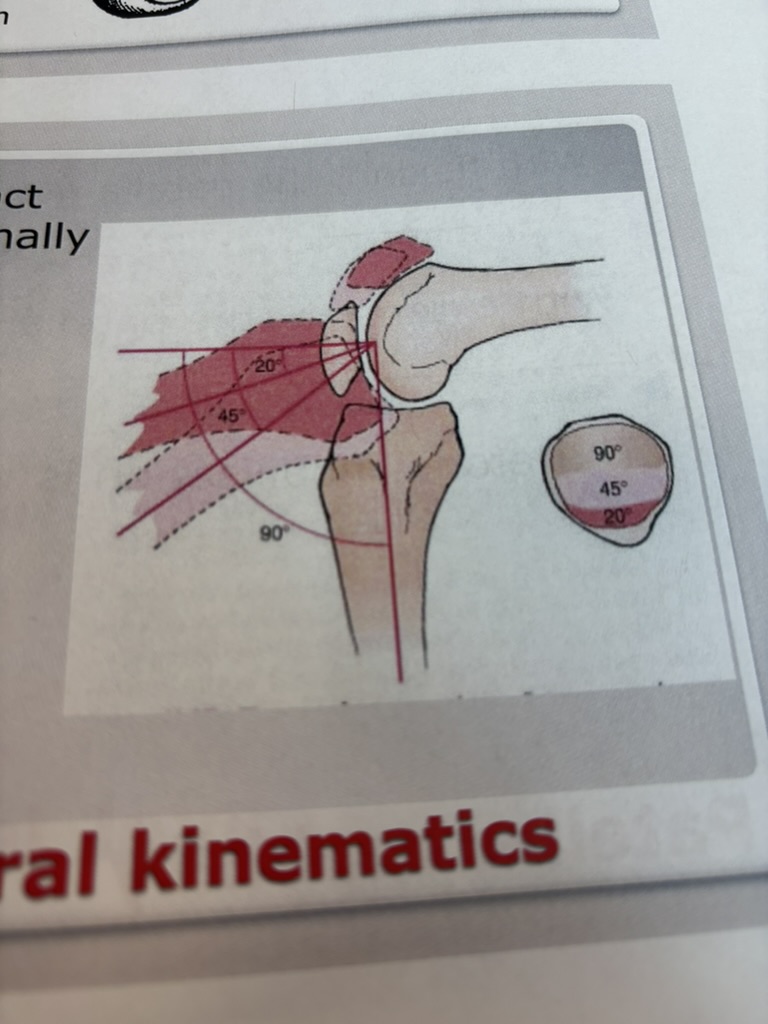
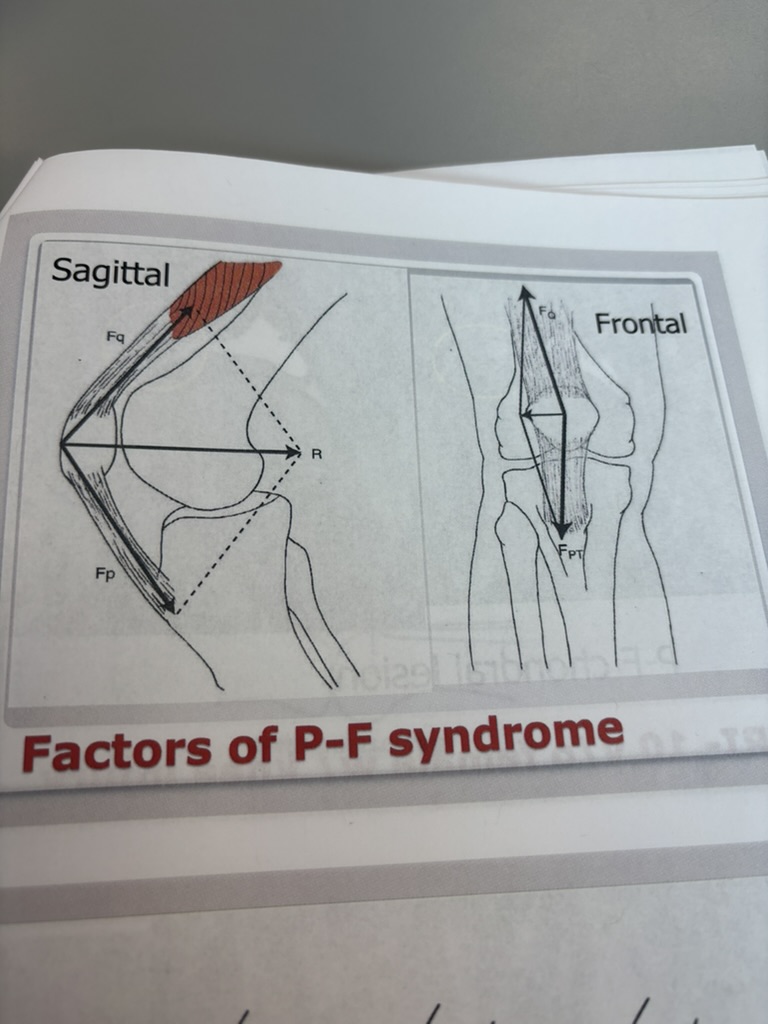
Patellofemoral Syndrome
- pain at the patella joint
Patella Baja
low riding patella
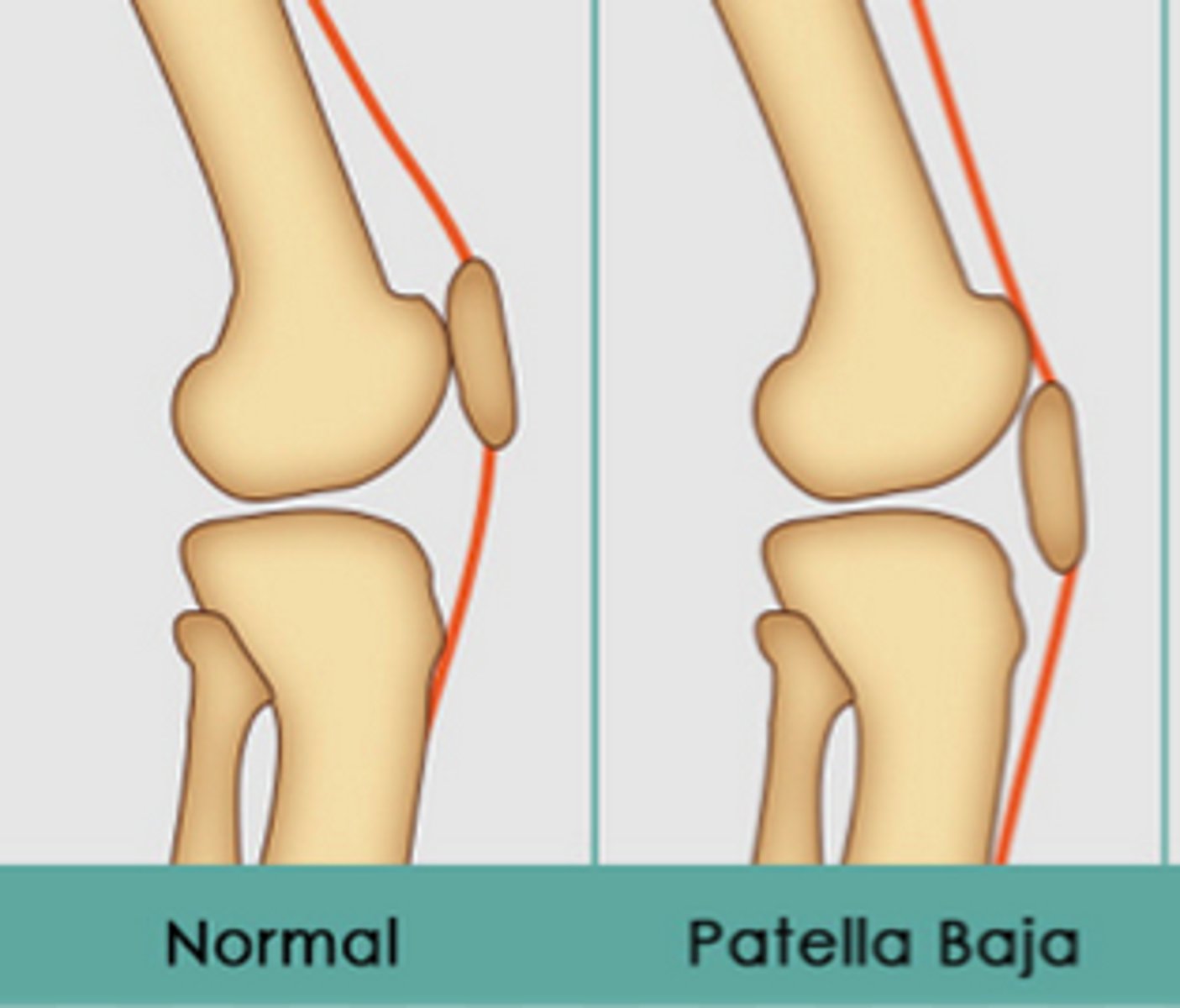
Patella Alta
high riding patella
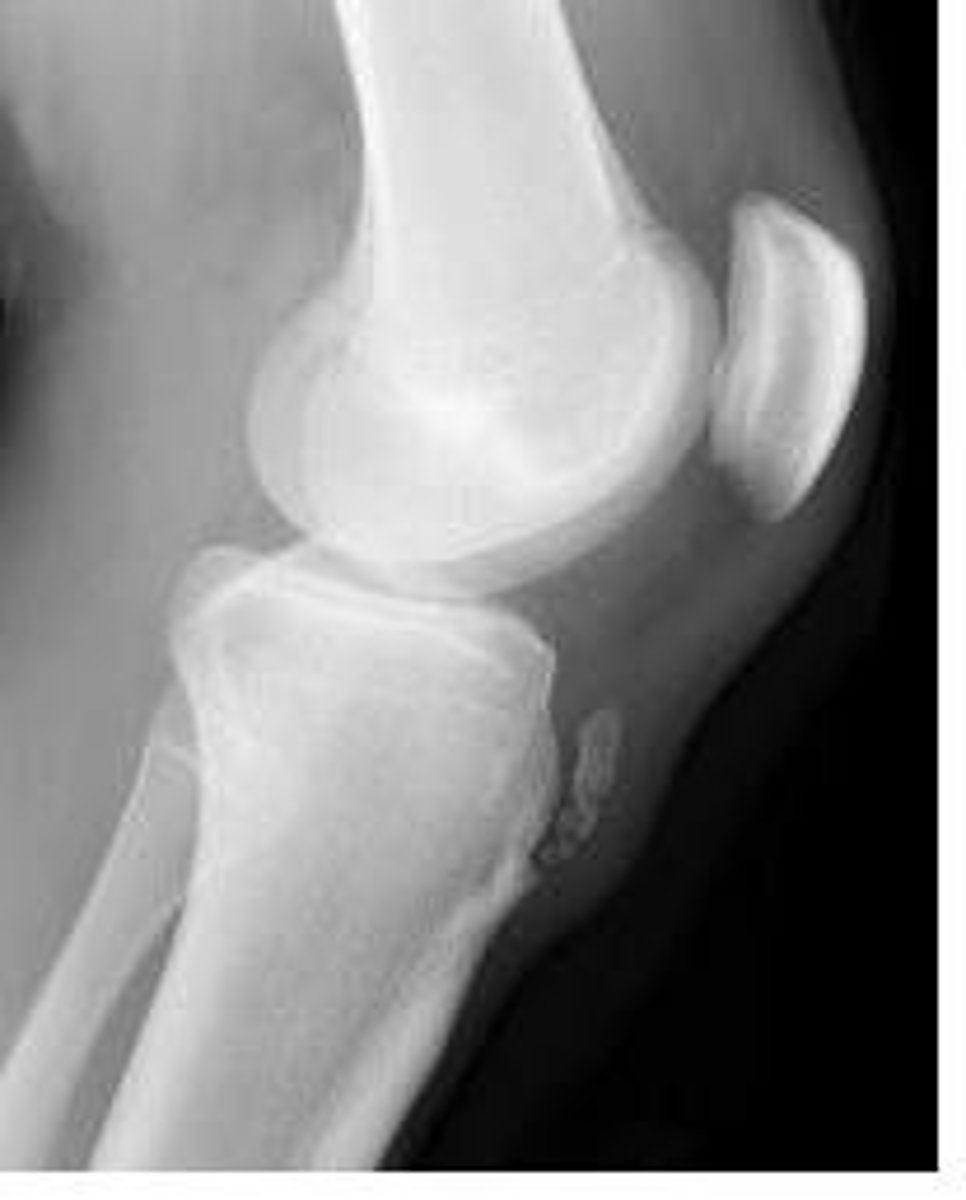
Mechanical Advantage
1) increase moment arm
2) changes direction of force
3) decreases friction on anterior joint
Patellofemoral Joint Reaction Force
- influenced by quad force and knee angle
- increases with the knee in a flexed position. decreases with extension position
- during normal walking, PF compressive force is 25-50%
- running can increase this to 5-6 times body weight