Foundations of Therapeutic Modalities: Cryotherapy
 Call Kai
 Learn
Learn Practice Test
 Spaced Repetition
 Match
Match Flashcards
 Knowt Play
1/59

There's no tags or description
Looks like no tags are added yet.
Name | Mastery | Learn | Test | Matching | Spaced | Call with Kai |
|---|
No analytics yet
Send a link to your students to track their progress
60 Terms
What is temperature?
Measure of average kinetic energy
Temperature as a sense is variable
- between individuals within certain limits
- within individuals based on environmental changes
What is the classification of very cold?
32° to 55°
What is the classification of cold?
55° to 65°
What is the classification of neutral?
80° to 92°
What is the classification of warm?
92° to 98°
What is the classification of hot?
98° to 104°
What is the classification of very hot?
>104°
Cryotherapy in PT is in what temperature range?
very cold to cold (32 ° to 65 °)
What is the mechanism of kinetic energy transfer in cryotherapy?
conduction
What are the hemodynamic effects of cryotherapy?
• Decreased blood flow
• Decrease osmotic pressure
• Hunting response
- Not a desired response
- Treatment time 15 - 20min.
What are the neuromuscular effects of cryotherapy?
• Decreased nerve conduction velocity (NCV)
• ↓ pain & ↑pain threshold
• Altered muscle strength
• Decreased spasticity
• Facilitation of muscle contraction
What are the effects of decreased nerve conduction velocity from cryotherapy?
• Large effect on A-delta NCV
• Takes about 5 min. to occur
• Duration of ↓ NCV varies based on the length of cooling (treatment
window)
What are the effects of altered muscle strength from cryotherapy?
• ≤ 5 min. mild ↑isometric strength
• > 5 min. ↓ muscle strength
• Timing of strength test
• Timing of necessary activity
What are cryotherapy indications?
• Inflammation control
• Edema control - during acute inflammatory response only
• Pain control
• Spasticity control
• Muscle Facilitation
• Cryokinetics - application of ice following progressive exercise
• Decreased DOMs for up to 96 hours following exercise
How does cryotherapy help with acute inflammation control?
• ↓ blood flow
- Vasoconstriction
- Blood viscosity
• ↓ capillary permeability
How long should cryotherapy be, and when should it be repeated for acute inflammation?
• Treatment time 15 min
• Repeat after region re-warms (1- 2 hours)
How does cryotherapy help with edema control?
secondary to acute inflammation
• ↓ blood flow
- Vasoconstriction
- Blood viscosity
• ↓ capillary permeability
• ↓ intravascular pressure → less "leakage" into interstitial tissue
How long should cryotherapy be for edema control?
Treatment time 15-20 min with elevation and compression
Will cryotherapy reduce edema outside of the acute inflammatory phase?
No
How does cryotherapy help with pain control?
10- 15 min → 60 minutes pain reduction (likely an effect on A-delta fibers)
• Control of acute inflammation will also lead to pain reduction
• "Intermittent" 10 min on 10 min off followed by 10 more min
may be more effective than 20 min straight for acute injuries
What are cryotherapy contraindications?
• Cold hypersensitivity
• Cold intolerance
• Cryoglobulinemia
• Paroxysmal cold hemoglobinuria
• Raynaud disease or phenomenon
• Regions of regenerating nerves
• Regions of impaired circulation
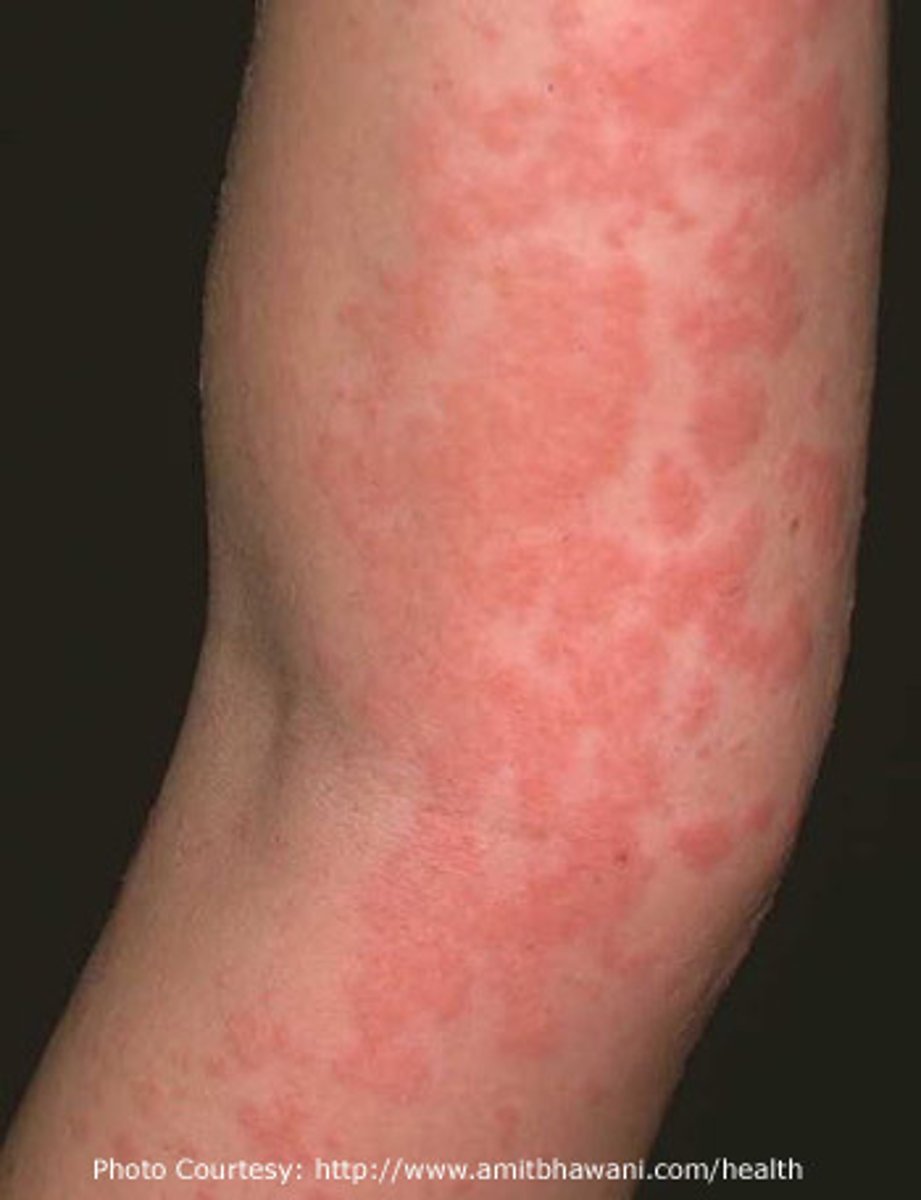
What is cold hypersensitivity?
• Familial or acquired hypersensitivity
• Cold-induced urticaria
What is cold intolerance?
• Severe pain & numbness
• Hx rheumatic disease
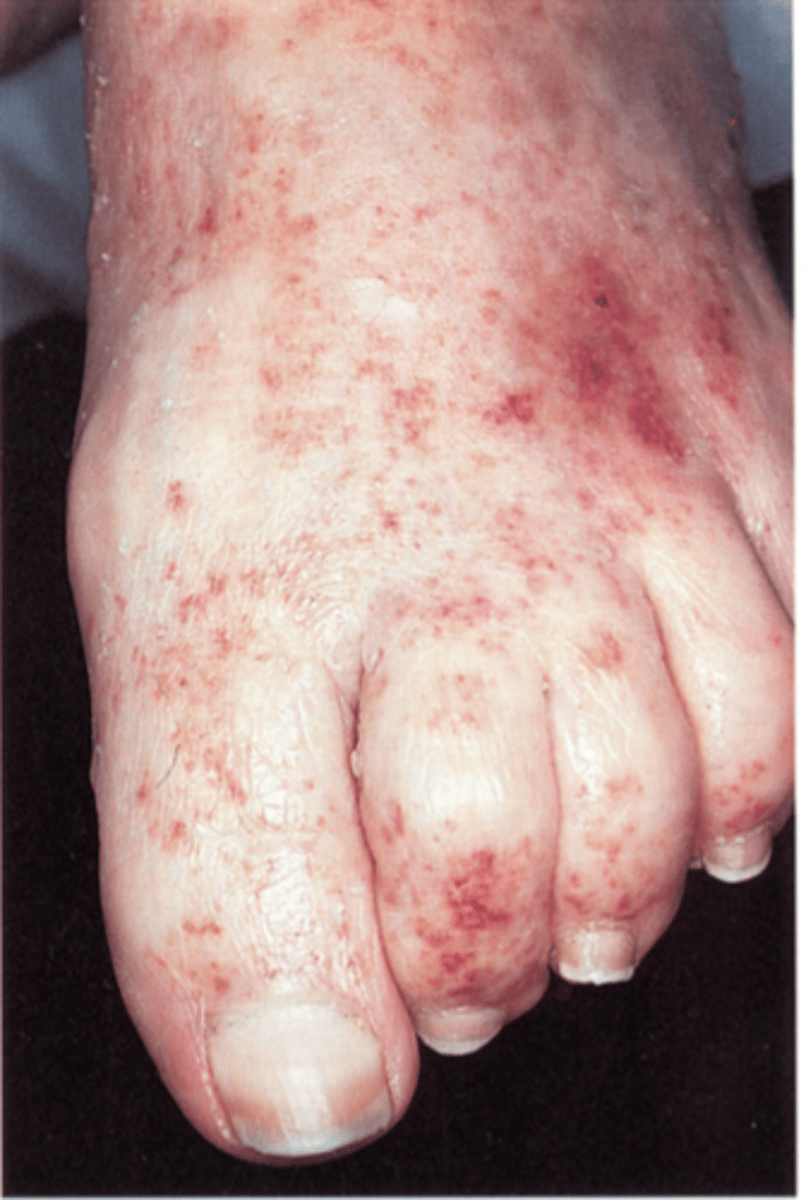
What is cryoglobulinemia?
Aggregation of serum proteins- impaired blood flow
• Medical HX ↑ risk
- Multiple myeloma
- SLE
- RA
What is paroxysmal cold hemoglobinuria?
Rare autoimmune hemolytic anemia
• Lysed RBC → hemoglobin → filtered out by kidneys → urine
What is Raynaud's disease or phenomenon?
• Pain, pallor, and cyanosis of digits when exposed to cold
• Often bilateral
• Cryotherapy application not on digits
What are cryotherapy precautions?
• Superficial nerves
• Open, deep wound
• Hypertension (vasoconstriction)
**Poor sensation in the region of application
**Poor mentation
**Very young and very old- thermoregulation is poorer
What are you looking for during cryotherapy screening?
• Unusual responses to cold?
• Rashes when exposed to cold?
• Significant pain, numbness, and color changes in fingers even it cold is not applied to hands?
• Nerve damage in region?
• Numbness in region?
• Circulation problems? Blood clots?
• Test sensation
• Inspect skin
• extremity pulses
What are the adverse reactions of cryotherapy?
• Frost Bite
• Nerve injury
• Urticaria - localized or systemic hives
In what order would you tell you pt to expect during cryotherapy?
1. cold
2. burning sensation
3. aching
4. analgesia and numbness
What are the application criteria of cold packs?
• Store in freezer (23o F)
• 30 min minimum between use- rotation
• Must have a cloth between pack and skin
• Cloth (towel) should be wet
What are the application criteria of ice packs?
• Don't overfill
• Remove air
• Do not need cloth between bag and skin
• If using a towel should be wet
• If using an alcohol ice mixture then need a barrier
• Time depends on the desired depth and adipose tissue
• Wet ACE wrap if want compression
What is the depth of cooling?
1 cm depth into muscle (1 cm subq)
What is the treatment time?
Treatment time 10- 20 min
What is a padded ice barrier?
Crushed or cubed ice in a thick towel or pre-made padded ice bag
What is the thermal conductivity of a padded ice barrier?
low (insulated)
What is the clinical effect of a padded ice barrier?
Slows heat transfer significantly--> gentler, safer cold
What is the best use for a padded ice barrier?
Good when longer-duration icing is needed or for sensitive patients
What is a dry wrap barrier?
Dry ace wrap or towel placed between skin and ice
What is the clinical thermal conductivity of a dry wrap barrier?
Moderate
What is the clinical effect of a dry wrap barrier?
Provides a basic protective barrier but limits cold intensity more than wet
What is the best use of a dry wrap barrier?
Safer than direct contact, but less efficient than a wet wrap
What is a wet wrap barrier?
Dampened towel or wet Ace wrap under the ice pack
What is the clinical thermal conductivity of a wet wrap barrier?
High
What is the clinical effect of a wet wrap barrier?
Maximizes cold transfer due to water's high thermal conductivity
What is the best use of a wet wrap barrier?
Ideal for acute injury, fast cooling, and short-duration application (10-15 mins)
What is the application of cold compression units?
• Fill unit with ice and water
• Apply sleeve
• Attach hose
What is the application of ice massage?
• Drape
• Rub in the local region until numb
• Area will turn red to white
• 5- 6 min
What are the considerations when deciding between heat and cold?
• Stage of tissue injury and healing
• Goal/purpose of intervention
What are the modifiers when deciding between heat and cold?
• Skin integrity
• Sensation
• Area of the body to be treated
• Depth of target tissue
• Co-morbidities, precautions, contraindications
• Patient preference
What do you use during the acute stage of tissue healing?
cold
What do you use during the subacute stage of tissue healing?
cold or heat
What do you use during the chronic stage of tissue healing?
cold or heat
What are the desired effects of cold?
- decreased pain
- decreased edema
- decreased acute inflammation
What are the undesired effects of cold?
- decreased tissue extensibility
- increased stiffness
What are the questions to ask before applying ice or heat? (yes = cold/ No = heat)
• Does the region feel warm to the touch?
• Is the injured region sensitive to light or moderate touch?
• Is swelling continuing to increase?
• Does swelling increase with activity?
• Does pain limit joint ROM?
• Is there active acute inflammation?
• Patient continues to improve with cold?
Neither whole body nor cold water immersion was more effective than _________ __________ at accelerating recovery following resistance training
placebo treatment
Whole body cryotherapy has a _________ impact on muscle function, perceptions of soreness, and several blood parameters compared to cold water immersion.
negative
What is PEACE & LOVE?
Protect
Elevate
Avoid anti-inflammatories
Compress
Educate
Load
Optimism
Vascularization
Exercise