Nursing assistant care, hartmans 5th edition chapter 3
 Call Kai
 Learn
Learn Practice Test
 Spaced Repetition
 Match
Match Flashcards
 Knowt Play
1/33

There's no tags or description
Looks like no tags are added yet.
Name | Mastery | Learn | Test | Matching | Spaced | Call with Kai |
|---|
No analytics yet
Send a link to your students to track their progress
34 Terms
Ethics
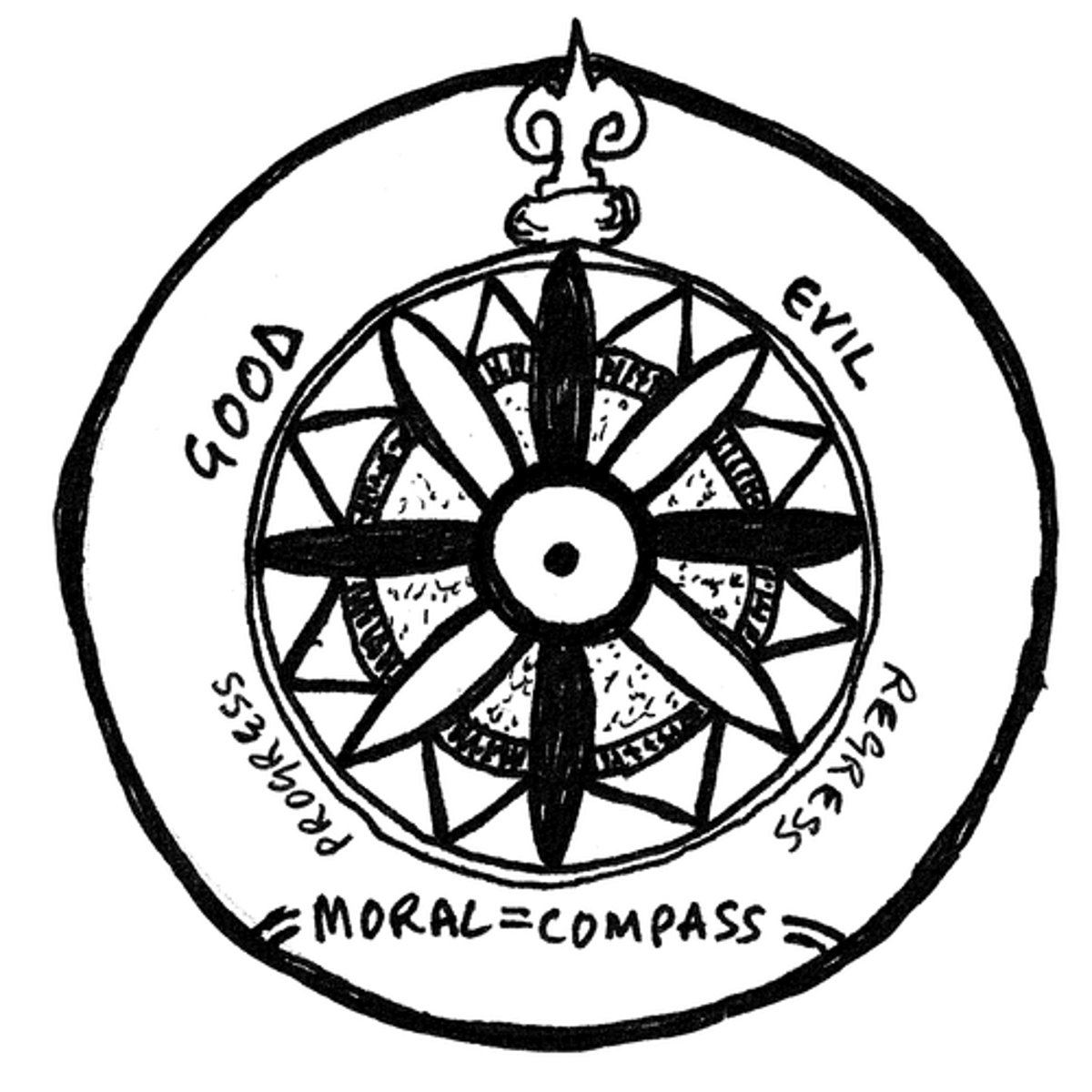
are the knowledge of right or wrong. what you should do
Laws
governments establish laws to help people live peacefully together and to unsure order and safety. what you must do
Omnibus Budget Reconciliation Act (OBRA)
law passed by the federal government that includes minimum standards for nursing assistant training, staffing requirements, resident assessment instructions, and information on rights for residents
minimum data set (MDS)
a detailed form with guidelines for assessing residents in long-term care facilities; also details what to do if resident problems are identified
Residents' Rights
specify how resident must be treated while living in a facility including: 1. Quality of life.
2. Services and activitis to maintin a high level of wellness.
3. The right to be fully informed about rights and services.
4. The right to participate in own care.
5. Right to make independent choices.
6. Right to privacy and confidentiality, dignity, respect and freedom, right to security of possessions. Right to complain, the right to visits.
informed consent
the process in which a person, with the help of a doctor, makes informed decisions about his or her health care
neglect
the failure to provide needed care that results in physical, mental, or emotional harm to a person
Negligence
actions, or the failure to act or provide proper care for a resident, resulting in unintended injury
Malpractice
occurs when a person is injured due to professional misconduct through negligence, carelessness, or lack of skill
abuse
purposeful mistreatment that causes physical, mental, or emotional pain or injury to someone
physical abuse
any treatment, intentional or not, that causes harm to a person's body
psychological abuse
emotional harm caused by threatening, scaring, humiliating, intimidating, isolating, or insulting a person, or by treating him as a child
verbal abuse
the use of spoken or written words, pictures, or gestures that threaten, embarrass, or insult a person
Assault
a threat to harm a person, resulting in the person feeling fearful that he or she will be harmed
Battery
the intentional touching of a person without his or her consent, which may or may not cause harm
sexual abuse
nonconsensual sexual contact of any type
financial abuse
the improper or illegal use of a person's money, possessions, property, or other assets
domestic violence
abuse by spouses, partners, or family members
physical, verbal, or sexual, or emotional
workplace violence
abuse of staff by other staff, residents, or visitors
verbal, physical, or sexual
False Imprisonment
unlawful restraint or restriction of a person's freedom of movement
involuntary seclusion
the separation of a person from others against the person's will
mandated reporters
people who are legally required to report suspected or observed abuse or neglect because they have regular contact with vulnerable populations, such as the elderly in care facilities
Ombudsman
person assigned by law as the legal advocate for residents
Confidentiality
the act of holding information in confidence, not to be released to unauthorized individuals
Protected Health Information (PHI)
information that can be used to identify a person and relates to his or her past, present, or future physical or mental condition, including any health care the patient has had, or payment for that health care
Electronic Health Record (EHR)
the health information technology for economic and clinical health (HITECH) was created to protect this.
advance directives
legal documents that allow people to choose what medical care they wish to have if they are unable to make those decisions themselves
living will
outlines the medical care a person wants, or does not want, in case he or she becomes unable to make those decisions
durable power of attorney for health care
a signed and dated legal document that appoints someone to make the medical decisions for a person in the event he or she becomes unable to do so
Physician Orders for Life-Sustaining Treatment (POLST)
this order specifies treatments to be used when a person is very ill
Do Not Resuscitate (DNR)
Instructs medical professionals not to perform cardiopulmonary resuscitation (CPR)
cardiopulmonary resuscitation (CPR)
medical procedures used when a person's heart or lungs have stopped working
Do Not Intubate (DNI)
a medical order that tells medical professionals not to place a breathing tube in a person.
Do Not Hospitalize (DNH)
a medical order that states that a person should not be sent to a hospital for treatment