A.3.2 Benefits to Health of Being Active
 Call Kai
 Learn
Learn Practice Test
 Spaced Repetition
 Match
Match Flashcards
 Knowt Play
1/10

Earn XP
Description and Tags
Adapted from class notes.
Name | Mastery | Learn | Test | Matching | Spaced | Call with Kai |
|---|
No analytics yet
Send a link to your students to track their progress
11 Terms
Benefits to an Active Lifestyle
Prevents diseases such as diabetes, heart disease, stroke, some cancer
Reduces risk of obesity
Improves mental health, symptoms of depression and anxiety
Improves cognitive ability
Improves sleep
Improves balance
Improves bone health
Immunity
Pathogens are disease causing microbes
Around 45 minutes of exercise regularly will support the immune system
Evolutionarily, short term stress increases preparation for danger/disease (increases immune function)
Norepinephrine, epinephrine, and cortisol signal leukocytes (WBCs) movement to the skin, intestines, lung, liver, lymph (places where pathogens might first enter the body)
Increased risk factors include intense training (and in the cold), travel, low energy, poor nutrition, psychological stress, lack of sleep, environmental extremes
Upper respiratory infections are common in athletes. Proper nutrition, sleep, and training loads are necessary
Models for Activity and Immunity
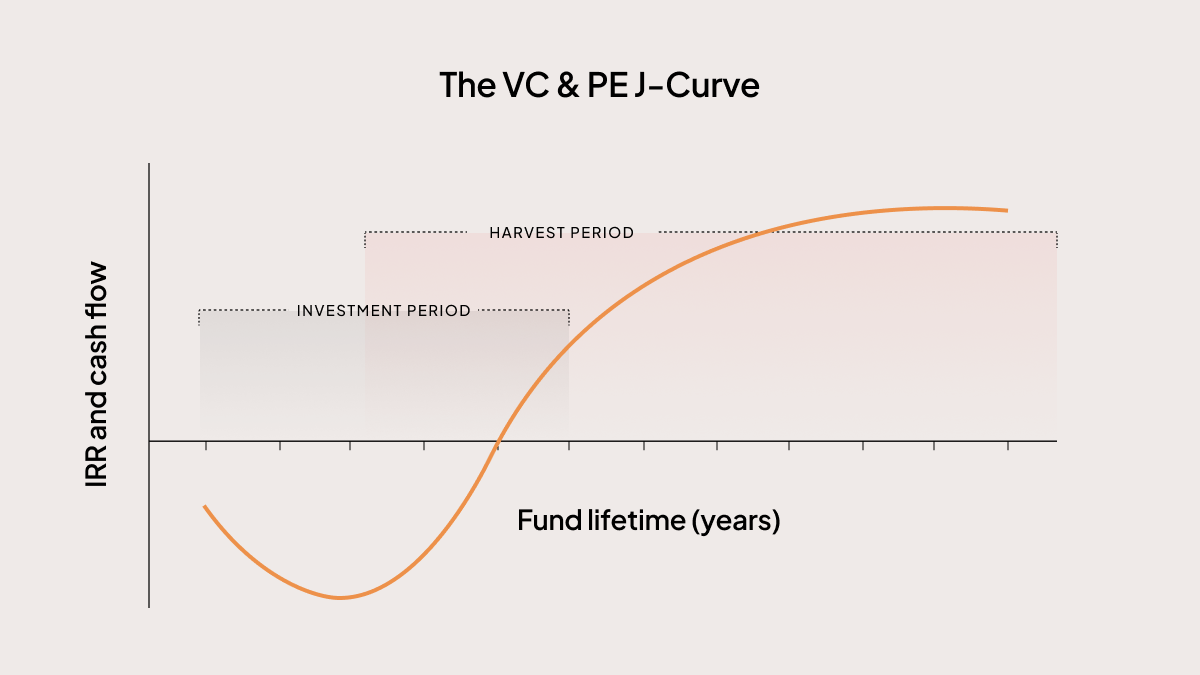
A j-curve graph shows the risk of upper respiratory tract infections with activity. Lowest at regular training, highest with overtraining, and inactivity is between them.
Example: 60 miles/week vs. 20 miles/week were twice as likely to have URTI
When elite athletes are considered, the J becomes an S curve
If inadequate recovery after periods of overreaching, the athlete is more susceptible to infection. “Open window” model
Recommendations for Healthy Immune Function
Effective management of training load
Have an easy workout following a difficult workout
Easy weeks every 2-3 weeks
Manage physical and psychological stress
Manage life demands
Mood, stress, anxiety
7 hours of sleep per night
Sleep hygiene
Dark sleep
Be mindful of heat and altitude
Short exposure to extreme environments
Eat enough
Balance of nutrition
Risks of Inactivity
Similar professions show that an inactive lifestyle are twice as likely to suffer heart disease (bus drivers vs bus conductors)
Hypokinetic disease - Associated with an inactive lifestyle
Cardiovascular disease, cancers, obesity, type 2 diabetes, osteoporosis, mental health disorders
More than one factor contributes to each of these beyond inactivity
Prevalence = people with disease/people in population
Incidence = estimation of new cases
Metabolic Equivalent of Task (MET)
1 MET is the oxygen consumption or energy expenditure at rest per unit of body mass
3.5mL O2 x kg-1 x min-1 or 1kcal x kg-1 x hr-1
A 100kg man running at 10 MET is consuming 3500mLO2 x min-1 or buring 1000kcal x hr-1
Higher MET is more vigorous exercise. 4-6 is moderate, >6 is vigorous
Cardiovascular Disease
Hypertension, coronary heart disease, stroke
Coronary heart disease was responsible for nearly 9 million deaths in 2019 (leading cause)
Stroke number 2 at over 6 million
Atherosclerosis - Hardening of arteries due to fat and cholesterol. These can cause a full blockage or break off and block somewhere else
Physical activity reduces modifiable risks through:
Increasing coronary artery size
Ability to vasodilate
Lowering incidence of obesity, diabetes, hypertension, cholesterol
High levels of HDL-cholesterol
Obesity
Excess body fat can potentially endanger health
BMI (body mass index) relates height to weight
Misleading because it doesn’t account for body composition, only mass. Meaning someonw with a large muscle mass would rank as overweight or even obese
For people who do not have excessive muscle mass, fairly useful
Too high (25 or over), or too low (under 18.5) shows an increased risk of CVD
Obesity prevalence is increasing worldwide, which is also increasing prevalence of other hypokinetic diseases
Energy Balance
Weight is largely determined by calories in/calories out
When intake is more than use, then weight gain
When use is more than intake, then weight loss
When use and intale are equal, then weight maintenance
More factors will influence weight such as:
Taking in fewer calories will eventually lead to lower metabolic rate
Ghrelin is a hormone that sitmulate hunger; Leptin is a hormone that suppresses hunger
Availability, desirability, and affordability also affect appetite
Physical activity increases the energy use part of the equation
ACSM recommmends 150-250 minutes of exercise/week is recommended for preventing obesity (others higher)
Individual differences (both genetically and environmentally) will affect speed of weight loss
Type 1 Diabetes and Type 2 Diabetes
Diabetes is characterized by high blood sugar (hyperglycaemia, >10mmol/L; normal ~5mmol/L)
Type 1 Diabetes is an autoimmune disease that is potentially hereditable in which immune cells destroy insulin producing cells of the pancreas
Type 2 Diabetes is a lifestyle disease (with genetic influence) mainly caused by insulin resistance due to low activity and consistent high blood sugar. Insulin resistance means that insulin is there, but cells don’t respond to it
Major risk factors - Obesity related to overeating/inactivity; certain ethnicities
Diabetes can cause risk to health such as:
Stroke
Retinopathy (damage to the light receptor cells)
Coronary heart disease
Nephropathy (kidney damage)
Peripheral vascular disease (narrowing of blood vessels)
Neuropathy (nerve damage)
Diabetic foot
Exercise increases insulin sensitivity, when cells respond more to insulin (insulin has a greater effect of lowering blood sugar)
Bones
Bones are a compromise of strength and lightness. Heavy bones would be too difficult to move
Bone mineral density (BMD) is the main determinant of bone strength. Peaks between 25-45 years
Bone density is lower in females, decreases (faster than in males) following menopause (low estrogen)
Low calcium intake causes calcium stores in the bones to be depleted, decreasing BMD and leading to osteoporosis
Osteoporosis is a severe loss of bone mass, making bone fractures more easy
Bones are naturally a lattice. Between osteoporosis and normal is osteopenia
Weight bearing exercise decreases demineralization