9- main medical emergencies
 Call Kai
 Learn
Learn Practice Test
 Spaced Repetition
 Match
Match Flashcards
 Knowt Play
1/34

There's no tags or description
Looks like no tags are added yet.
Name | Mastery | Learn | Test | Matching | Spaced | Call with Kai |
|---|
No analytics yet
Send a link to your students to track their progress
35 Terms
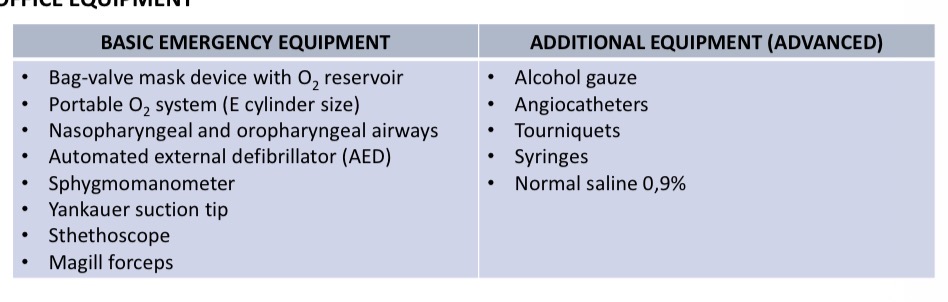
What basic vs advanced emergency equipment is included in an emergency kit?
Medical emergencies are…why do they occur?
Infrequent and unexpected
Patients take meds for underlying conditions + clinics can be a stressful environment
What 8 emergency drugs are part of the emergency kit?
Oxygen
Aromatic ammonia
Aspirin
Albuterol (bronchodilator)
Glucose
Nitroglycerine
Epinephrine
Diphenyhydramine
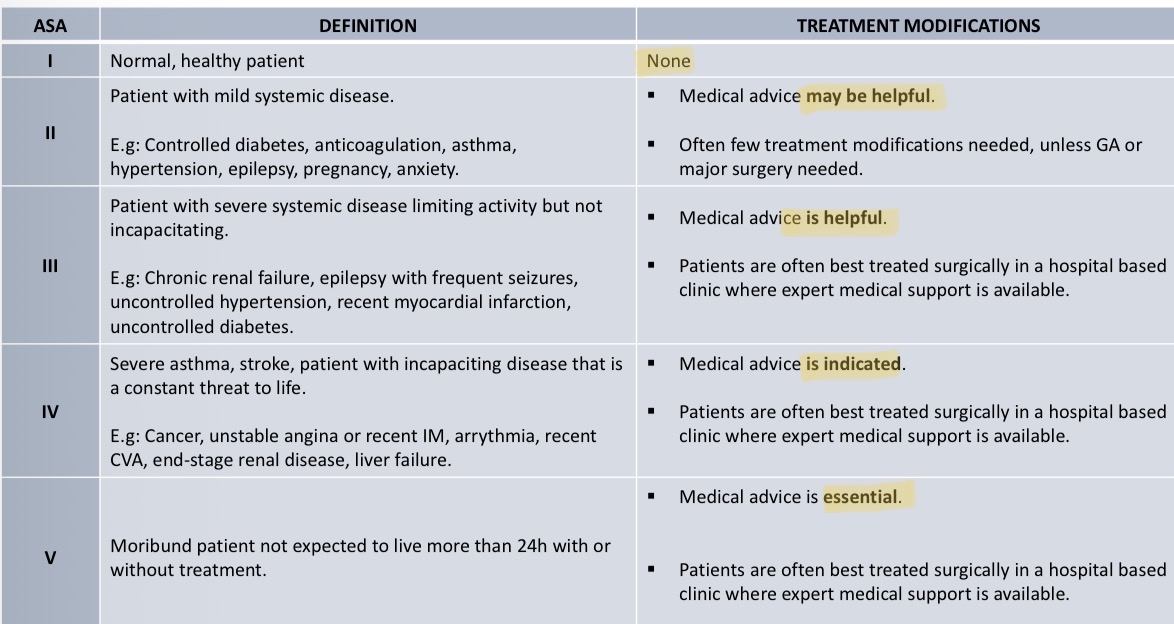
ASA classification of patients
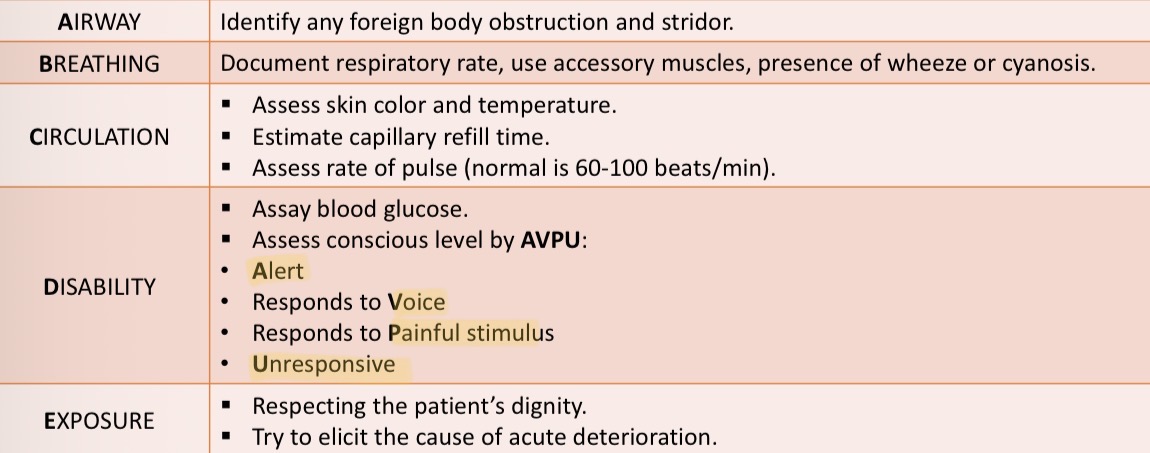
ABCDE assessment in emergencies
AIRWAY- Identify any foreign body obstruction and stridor
BREATHING- Check respiratory rate, use of accessory muscles, presence wheeze or cyanosis
CIRCULATION- Assess skin colour, temperatures estimate capillary refill time, assess pulse rate
DISABILITY- check blood glucose, assess consciousness (AVPU- alert, voice, painful stimulus, unresponsive)
EXPOSURE- respect dignity
What is syncope and its causes?
Sudden transient loss of consciousness caused by inadequate cerebral perfusion and oxygenation (hypoxia)
Low BP by vagal overactivity
Abrupt changes in posture
Anxiety/fear at sight of needle/injection
Extreme pain
Pregnancy
Prevention of syncope (4)
Talk to patient
Watch their face
Monitor level of anxiety
Encourage them to take time, slowly upright them
How to treat syncope?(11)
Immediately stop treatment
Remove everything from the patient’s mouth
Complete initial assessment- breathing, BP, pulse
Use ammonia inhalants to stimulate breathing and movement if unresponsive
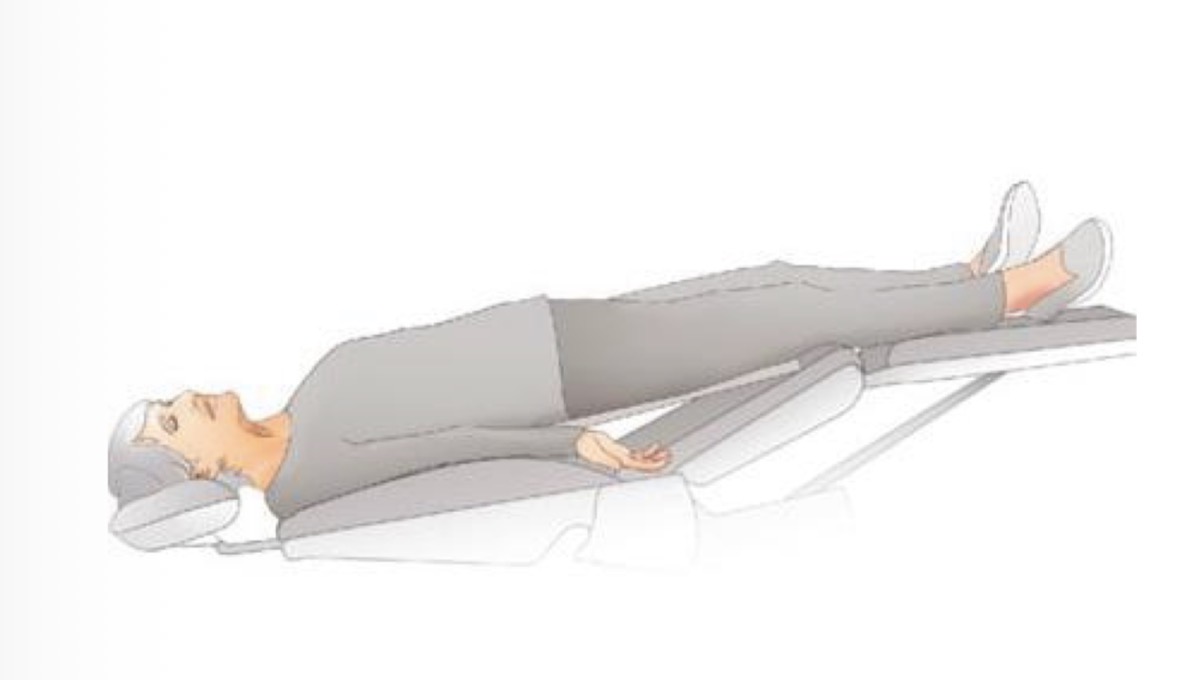
Place the patient in the Trendelemburg position
Administer O2 by nasal cannula (3-5L/min) or by mask (10L/min)
Loosen tight clothing
If the patient is unconscious for >1min, call 112
Start CPR if needed
Reassess the patient’s airway every 30sec
Refer to hospital
What is hypoglycemia and how do you treat it?
Low glucose levels- variable level at which it’s symptomatic- usually around 50mg/dl
More frequently in type 1 diabetics
Confirm diagnosis- measure blood glucose
If in early stages (cooperative, conscious, intact gag reflex)- give oral glucose like surgir, orange juice glucose tablets or gel or milk with sugar- repeat on 10-15min if needed
If severe- give o2, buccal glucose gel, IM glucagon
If worsens- IV 10% dextrose, call 112
What is Hyperglycaemia, etiology and treatment?
High glucose level- common in type 2 diabetics, develops slowly over days
Wrong med dose, excessive glucose intake
Insulin IV, saline solution, hospital
What is asthma and it’s triggering factors?
Inflammatory respiratory disease- attacks of spasms in bronchi in lungs causing difficulty breathing
Connected to allergic reaction or drugs
Anxiety, intense emotions, fear, infection
High risk asthmatics include those indivuals… (4)
Take oral meds in addition to inhaled β2 agonists and corticosteroids
Who regularly use a nebulizer at home
Needed oral steroids for their asthma within last yr
Been admitted to hospital with asthma within last yr
What is the treatment of acute vs severe asthma attack? Bronchospasm?
Stop all treatment immediately
Seat them upright
Use own inhaler first (salbutamol 100mg)
Admin of O2
Severe asthma if doesn’t respond, develops tachycardia, distressed/cyanosed, can’t complete sentence in 1 breath
10 activations of salbutamol inhaler- repeat every 10 min
Corticoids IV (hydrocortisone 100mg)
Bronchospasm- IM adrenaline
What are allergic reactions? Where do the lesions start?
Sensitivities to allergens- contact skin, nose, eyes, respiratory tract, GI tract
Drug allergies start on chest, spread to trunk and back- more significant on face
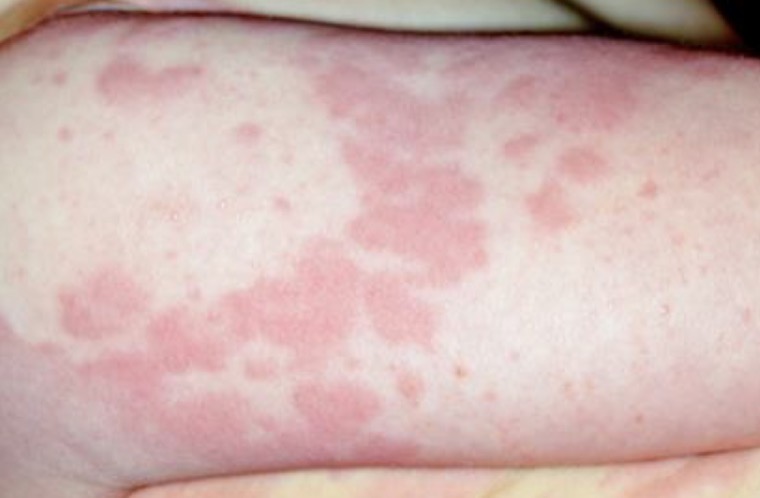
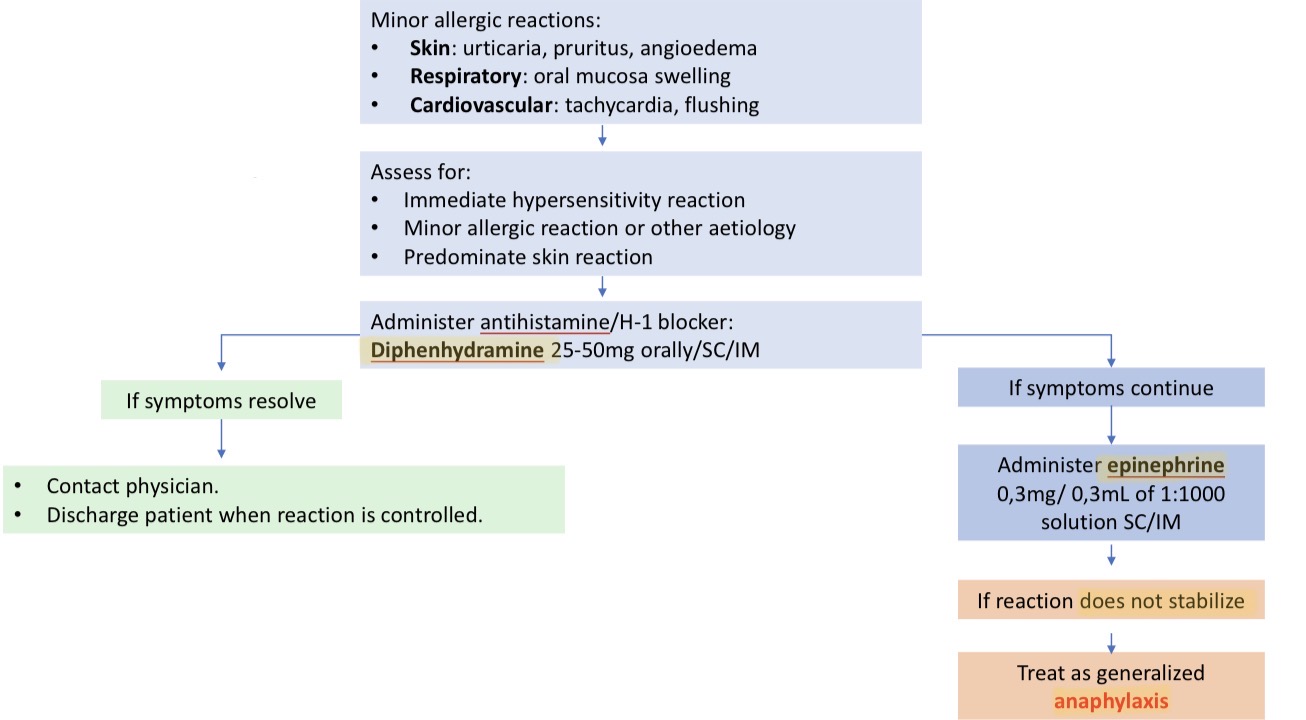
How do you treat MINOR allergic reactions?
Stop procedure
Position patient comfortably
Monitor vital signs- ABCDE
Use cool compresses
Follow algorithm for management of a mild allergic reaction
How do you mange mild allergic reaction?
What is anaphylaxis? Causes what? Avoid?
Life threatening, generalised or systemic type 1 hypersensitivity reaction
Rapidly developing problems- threaten ABC, skin/mucosal changes
Detail known allergies and severity, avoid allergens
What 7 causal agents may induce anaphylaxis?
Penicillins and other antimicrobials
Latex
Muscle relaxants
NSAIDs
Opioids
Benzodiazepines
Radiographic contrast media
STRICTLY AVOID
What is the treatment of anaphylaxis
More rapid onset= more serious
ABCDE
Tredelemburg position
Admin epinephrine 1:1000– repeat after 5 min if no improvement
If unresponsive to epinephrine- admin glucagon 1-2mg every 5 min (IM/IV)
Admin hydrocortisone 200mg
What is angina pectoris?caused by?
Severe chest pain caused by ischemic to heart
Caused by physical activity/stress/fear/pain— adrenal catecholamine release— causes tachycardia, VC, raised BP

How does angina pectoris present?
Central chest pain or pressure
Pain may radiate to neck, left arm or jaw
Relieved by rest or medication (glyceryl trinitrate (GTN))
Pain lasts 3-5 mins— up to 30 mins
How to treat angina pectoris?
Give o2
Sedatives and anxiolytics
Admin nitrates sublingually (GTN)
If pain doesn’t abate- consider myocardial infarction- give single dose of aspirin (300mg) and continue O2
What is myocardial infarction?
Myocardial cell death due to prolonged ischemia
Similar to angina but more severe and prolonged- partial or no repone to GTN
How does myocardial infarction present?
Severe persistent crushing pain substernal across chest
Radiate to shoulders left arm, neck, jaw and back
No relieve by rest or medication
Pain persists beyond 30 min
How to treat myocardial infarction?
Sublingual GTN spray
Breathlessness in sitting, if faint- lie flat
Give 300mg aspirin
Admin high flow o2
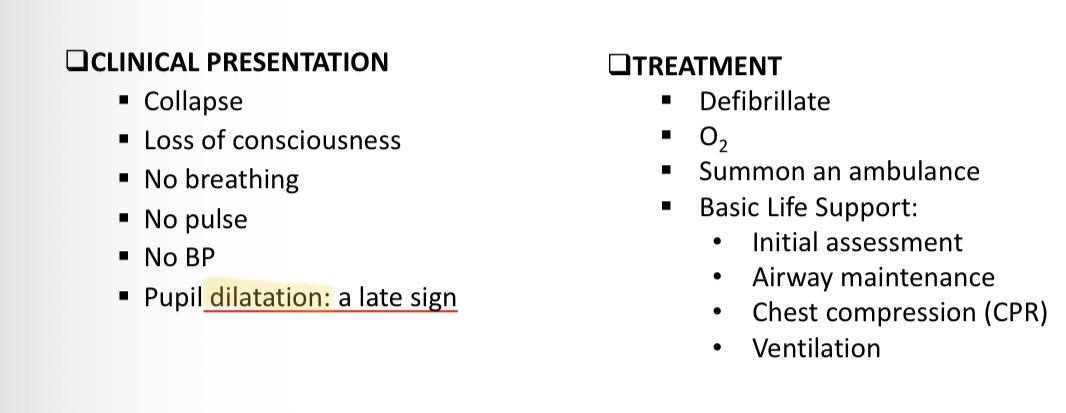
What is cardiac arrest- risk factors and causes?
Heart suddenly stops beating
History of ischemic heart disease, diabetics, older
Hypoxia, drug overdose, anaphylaxis, severe infection or hypotension
Clinical presentation and treatment of cardiac arrest
What is choking and its treatment?
Respiratory obstruction of upper airway by foreign body
Remove objects
If aspiration- cough if conscious
If unable to cough- sharp back blows
Heimlich if isn’t dislodged
What are epileptic seizures
Paroxismo, disturbance on consciousness, behaviour, motor activity
Associated with electrical abnormalities of brian
Epilepsy- chronic neurological condition that causes recurrent seizures
Seizures during fever, infection, toxic, metabolic are REACTIVE seizures
Clinical presentations of epileptic seizures?
Brief warning of aura
Sudden loss of consciousness
Tonic phase- rigid, cries out, cyanoses
Clonic phase- limbs jerk, tongue or lip bitten
Frothing + urinary incontinence
Treatment of epileptic seizure
Ensure not at risk to injury
Don’t put anything in mouth of insert oropharyngeal airway whilst they’re fitting
Put in supine position
Don’t restrain them
How do you provide supportive care for epileptic seizures?
Position on right side to limit aspiration
Remove prosthetics
Observed airway obstruction
Obtain viral signs
Admin o2
Concierge use of drug therapy if over 3 mins- 10mg diazepam, 2mg lorazepam, 2mg Midazolam
What is a stroke and its risk factors?
Cerebro vascular accident- blood supply to part of brain cut off
Over 55, family history, hypertensive individuals
Weakness/numbness/paralysis on 1 side
Slurred or loss of speech, vision disturbed, loss of coordination/consciousness
How to diagnose a stroke?
Ask them to smile, raise both arms, speak simple sentence
How to treat stroke patient?
Check the patient’s pulse:
If CPR is necessary, place the patient in a supine position.
Check patient’s BP and monitor vital signs- if high- lift patient’s head slightly
If the patient becomes unconscious, place him/her in a supine position.
Maintain the patient’s airway and support respiration.
Administer O2, record the vital signs.
Continue CPR or other supportive care until EMS arrive