Comprehensive Study of the Anatomy of the Brain and Cranial Nerves
 Call Kai
 Learn
Learn Practice Test
 Spaced Repetition
 Match
Match Flashcards
 Knowt Play
1/54

There's no tags or description
Looks like no tags are added yet.
Name | Mastery | Learn | Test | Matching | Spaced | Call with Kai |
|---|
No analytics yet
Send a link to your students to track their progress
55 Terms
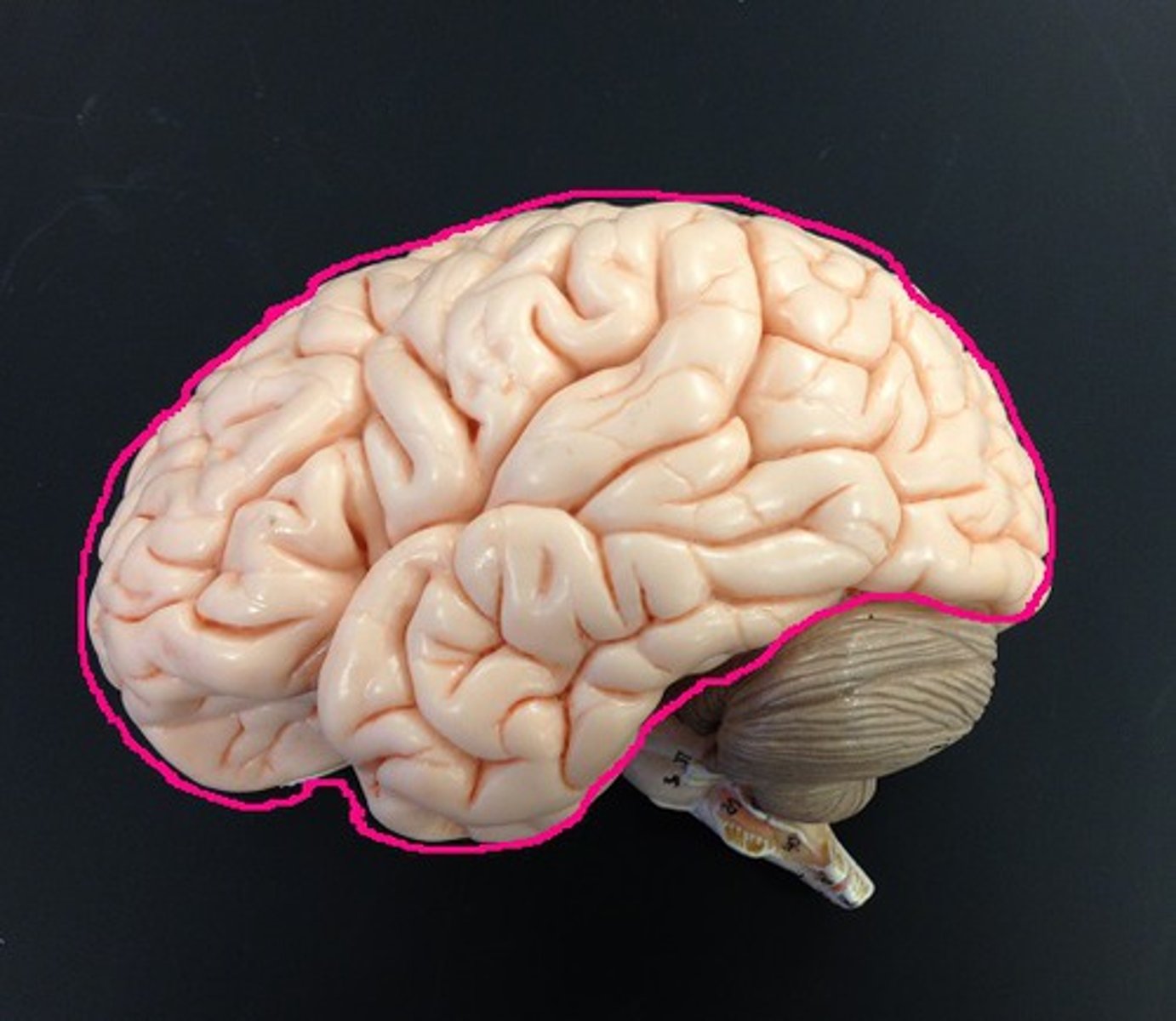
cerebrum
two cerebral hemispheres divided into four lobes
gyri
ridges or peaks of the brain
sulci
valleys of the brain
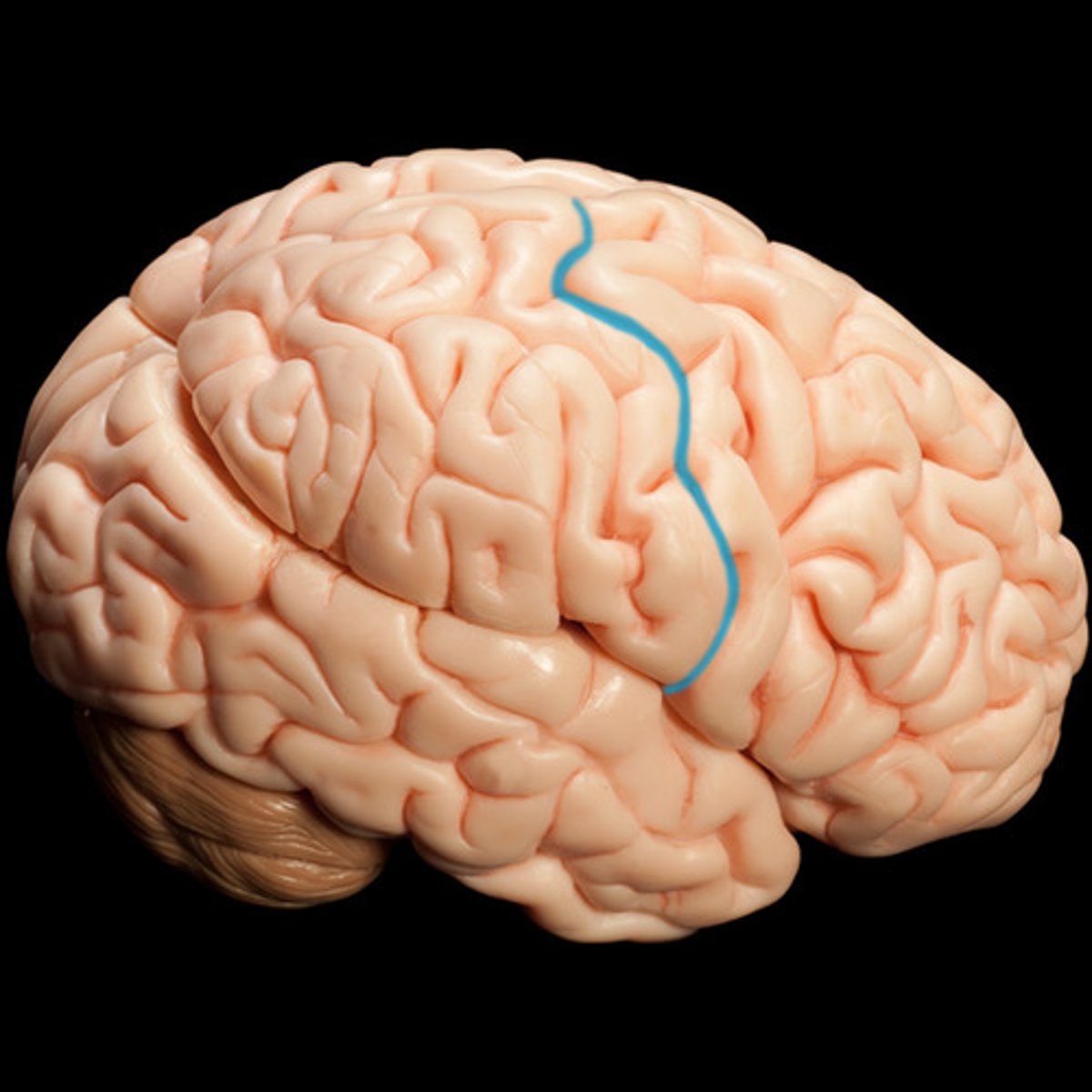
central sulcus
separates frontal and parietal lobes
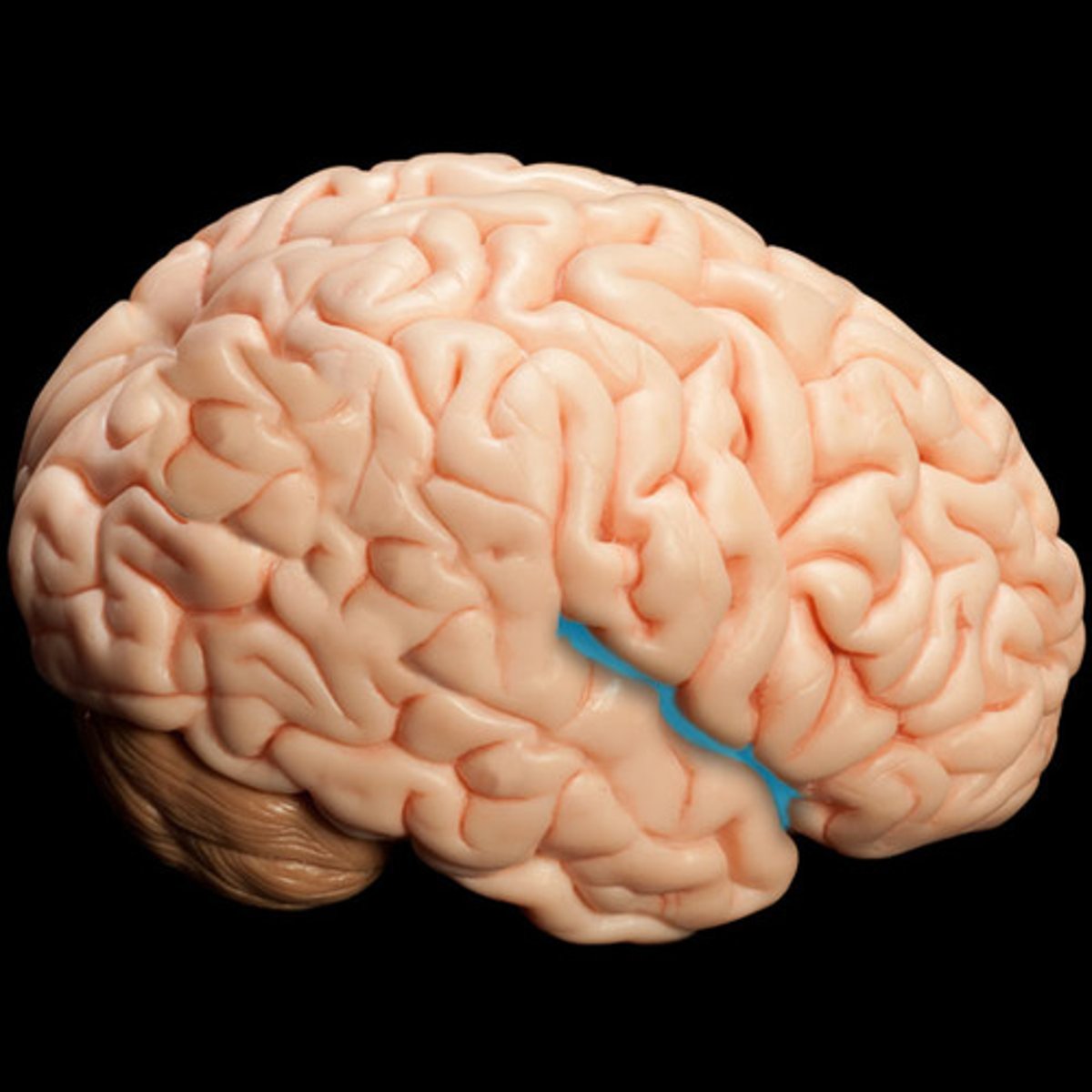
lateral sulcus
separates temporal lobe from frontal and parietal lobes
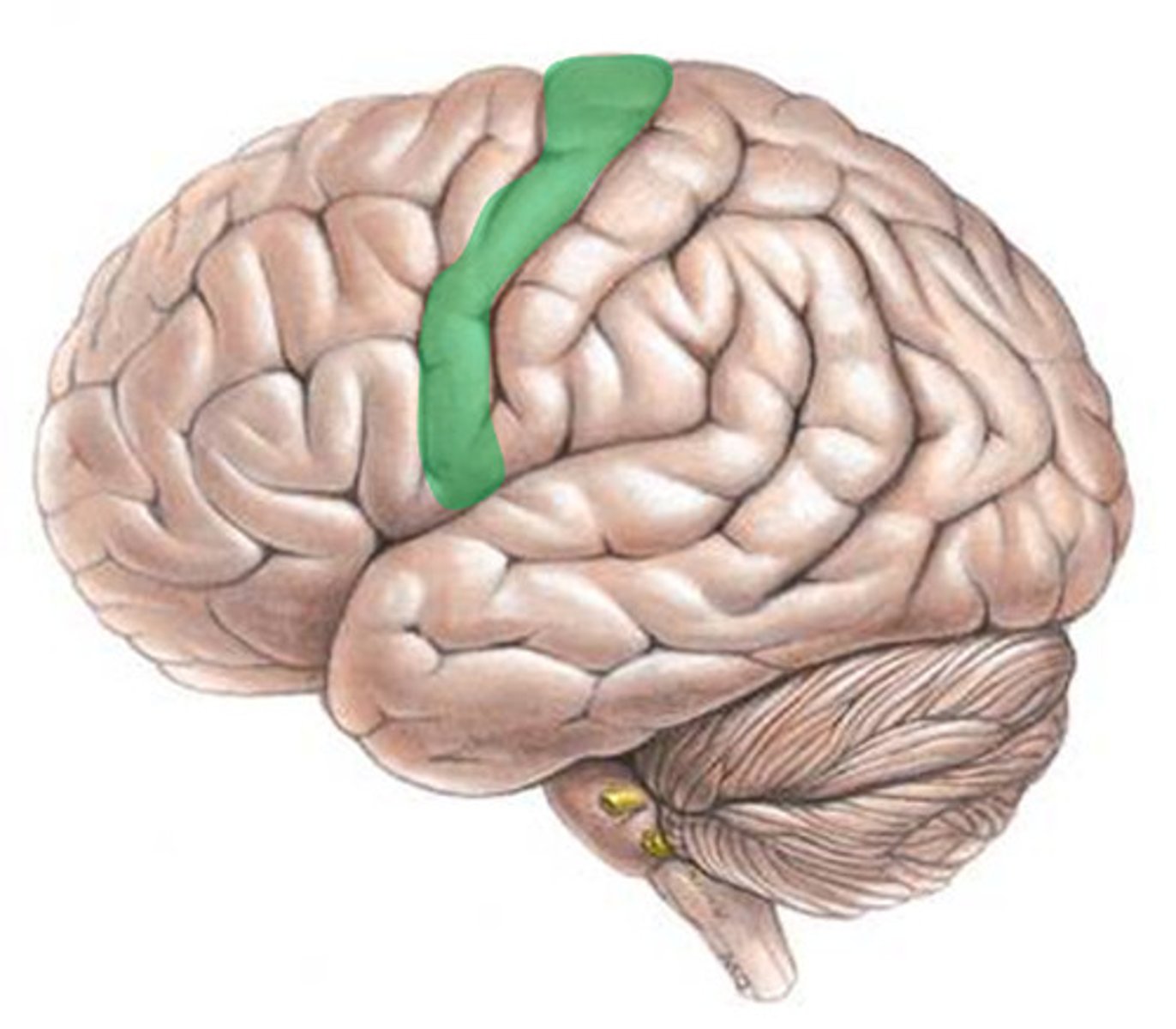
precentral gyrus
in frontal lobe; important for motor control
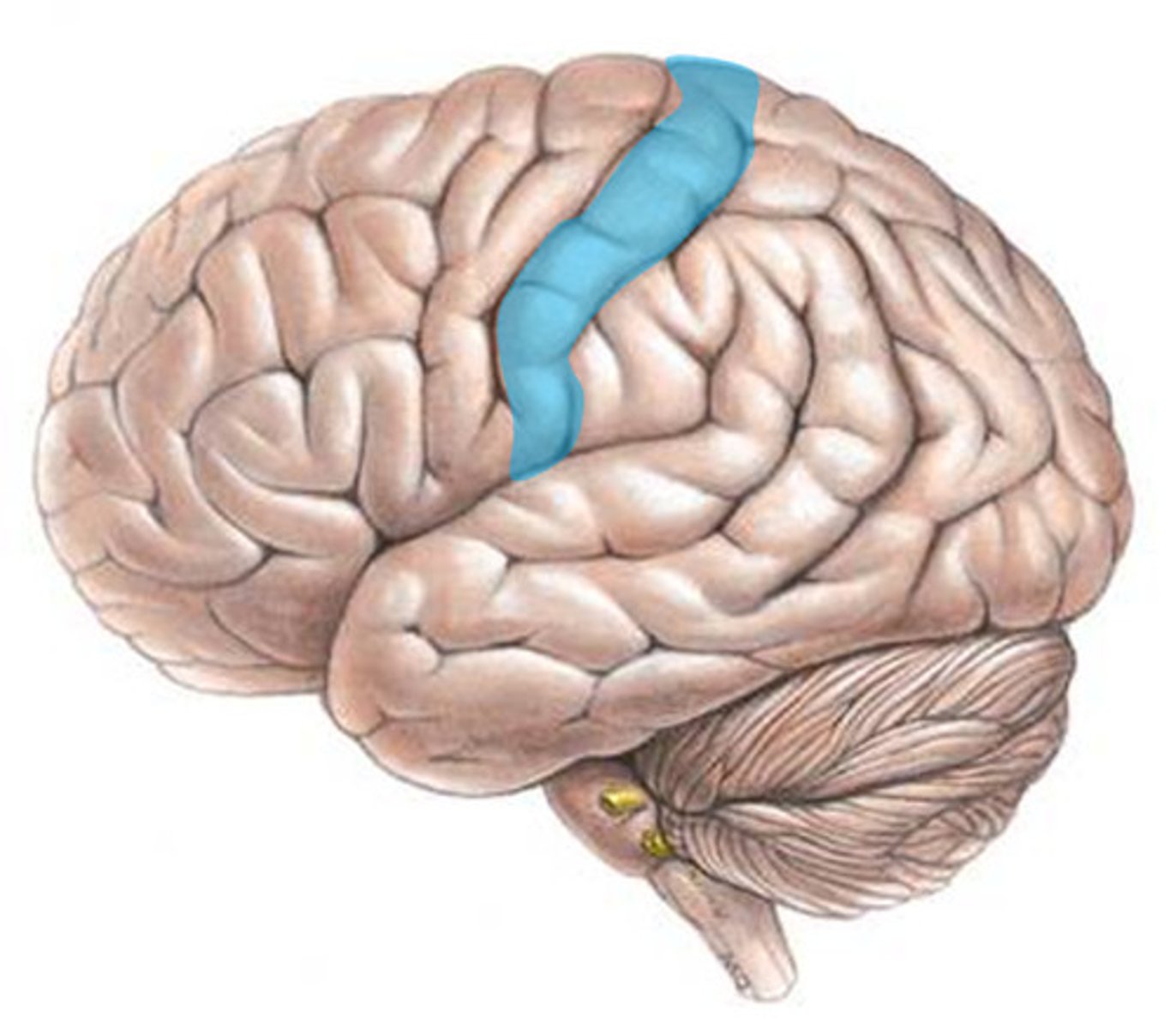
postcentral gyrus
in parietal lobe; important for receiving sensory information
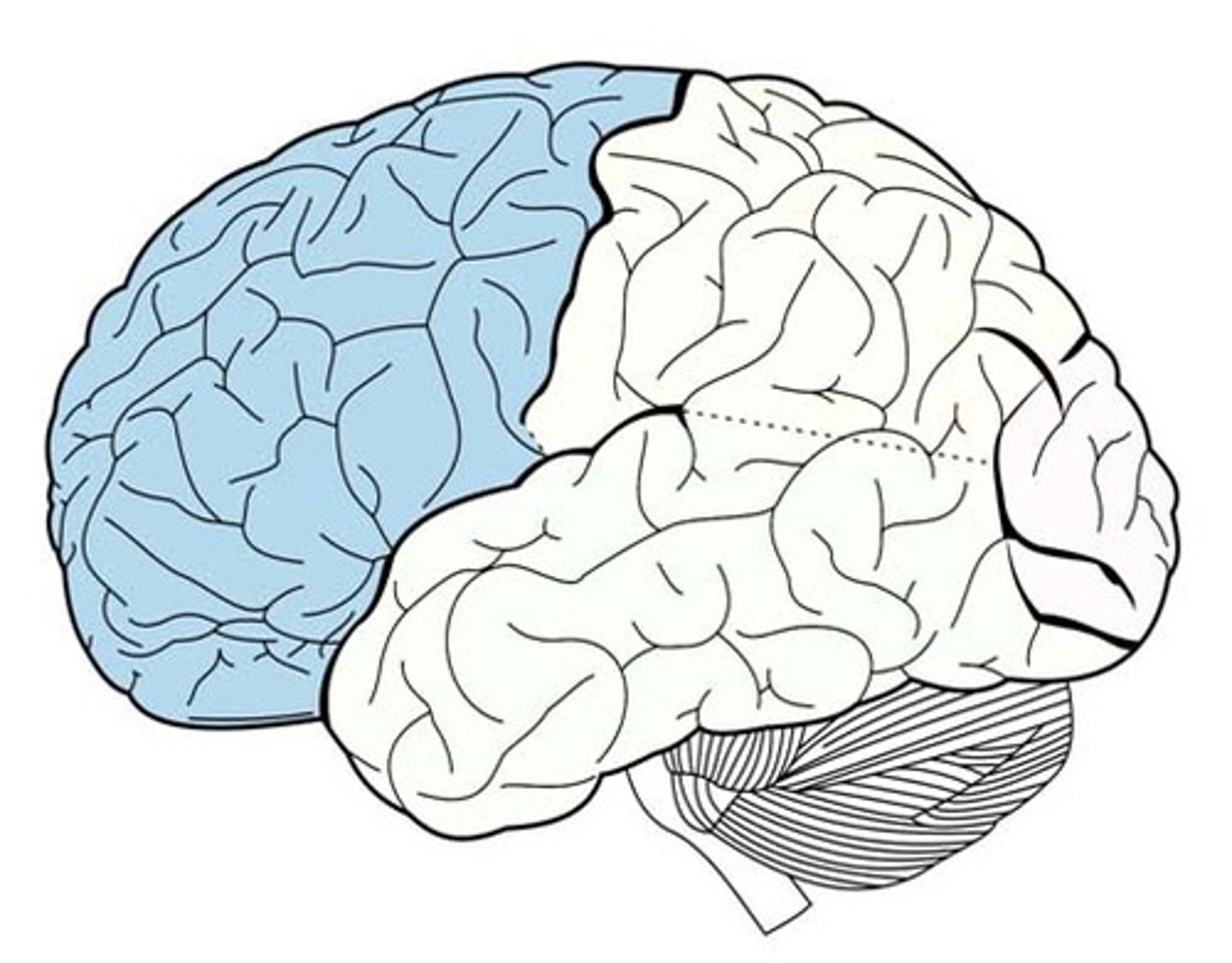
frontal lobe
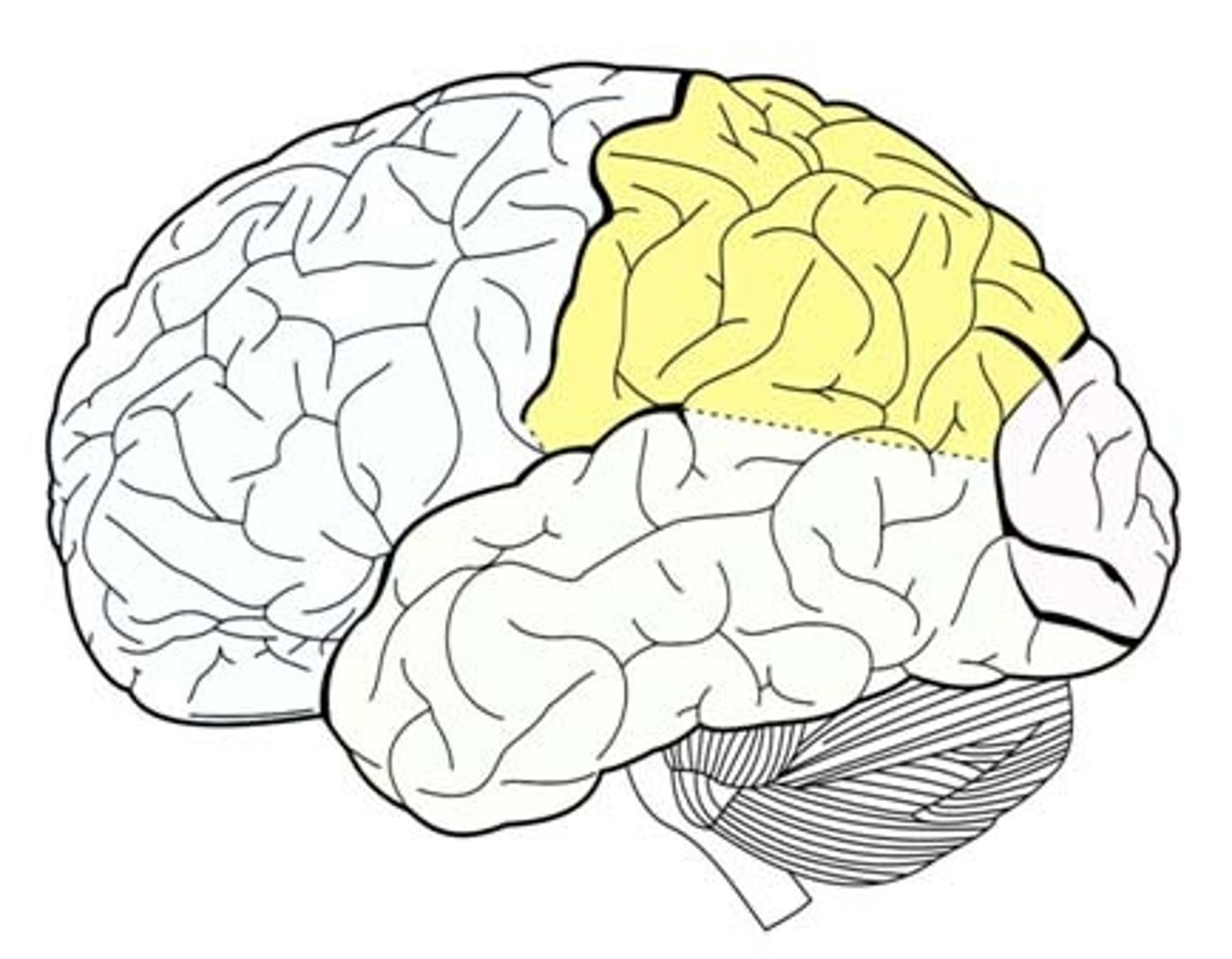
parietal lobe
occipital lobe
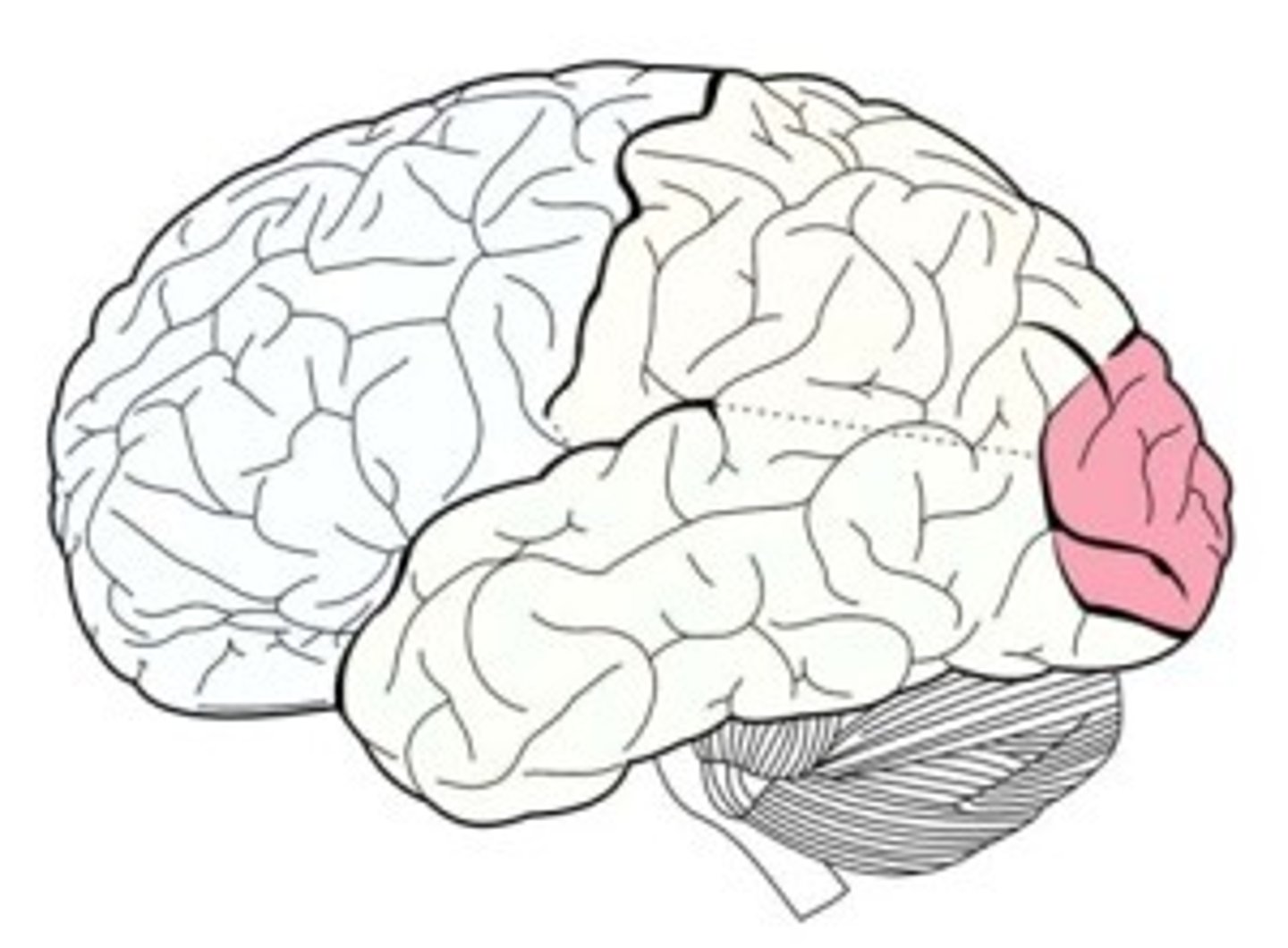
temporal lobe
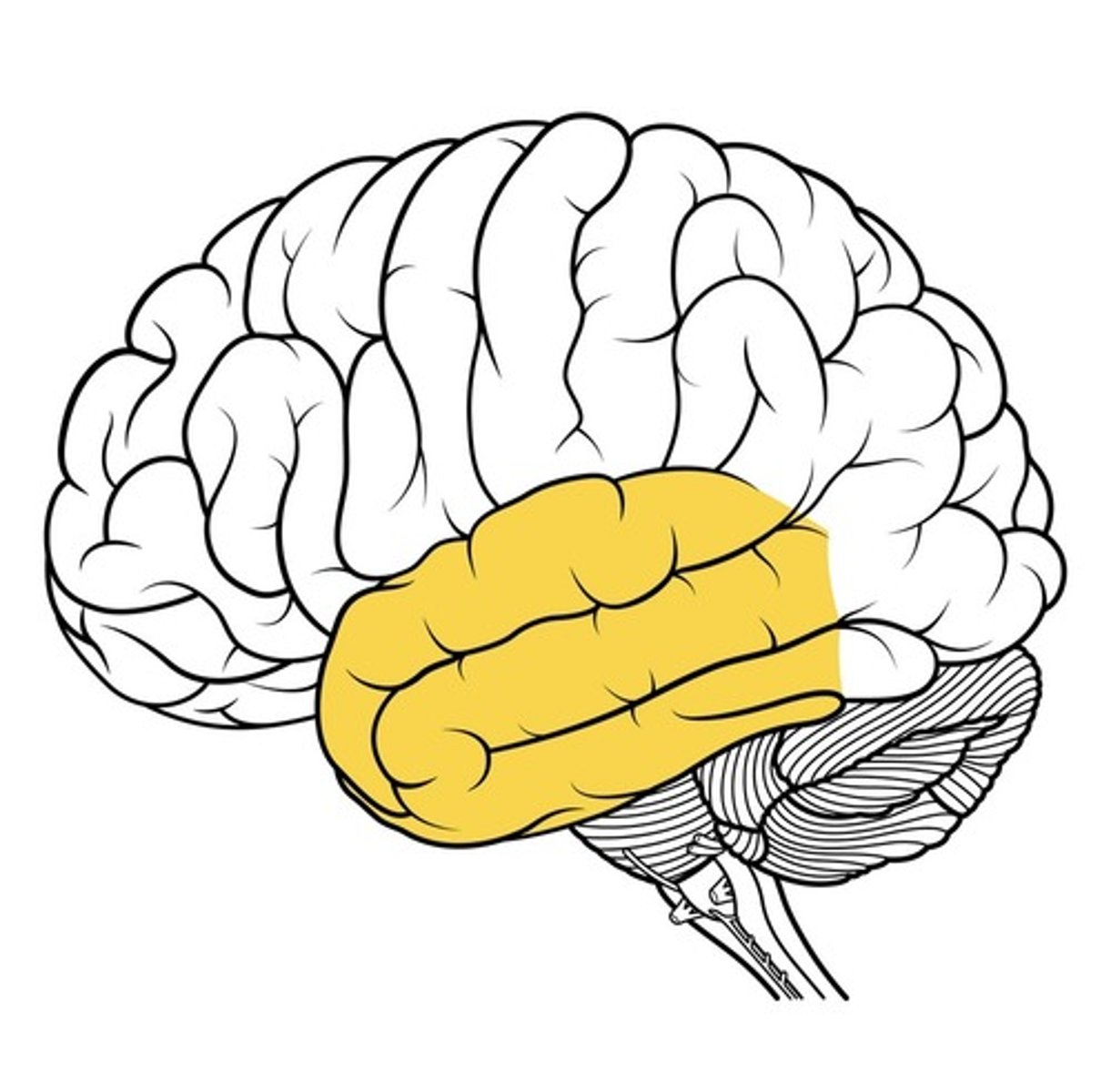
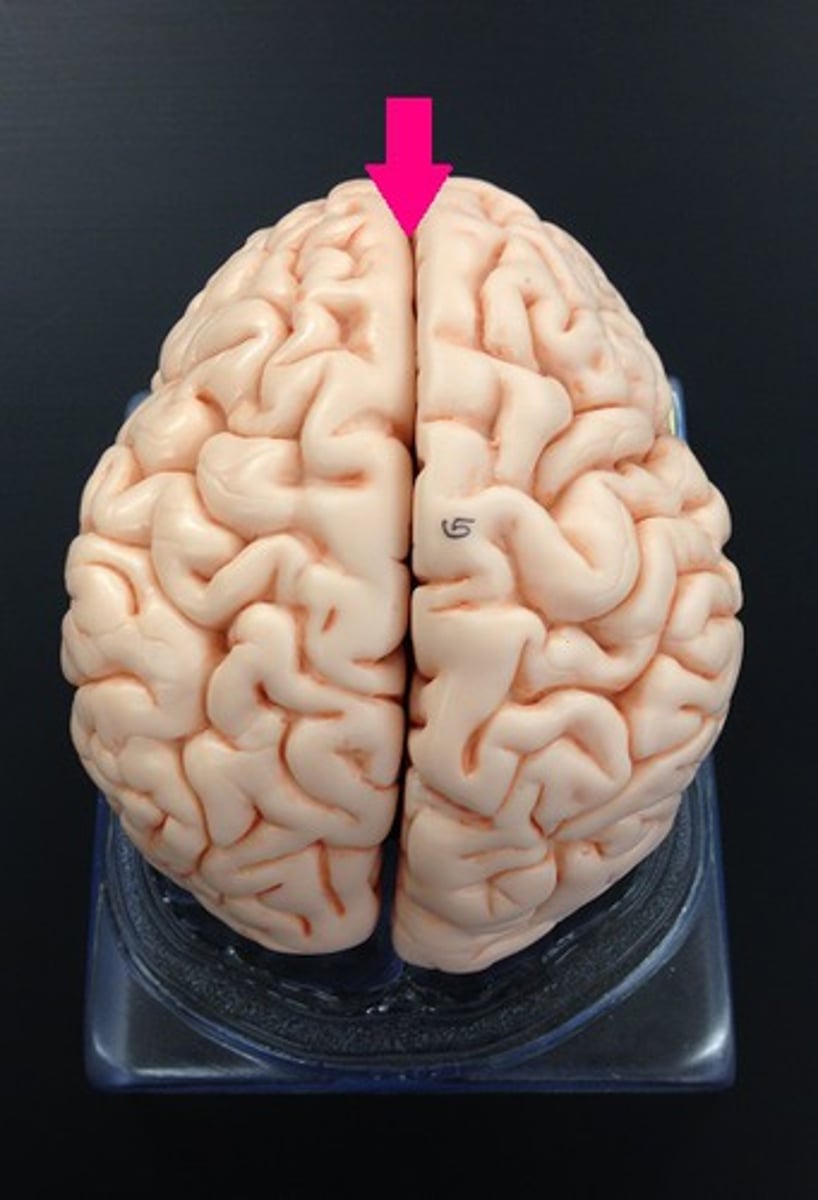
longitudinal cerebral fissure
separates two cerebral hemispheres; falx cerebri and superior and inferior sinuses run through fissure
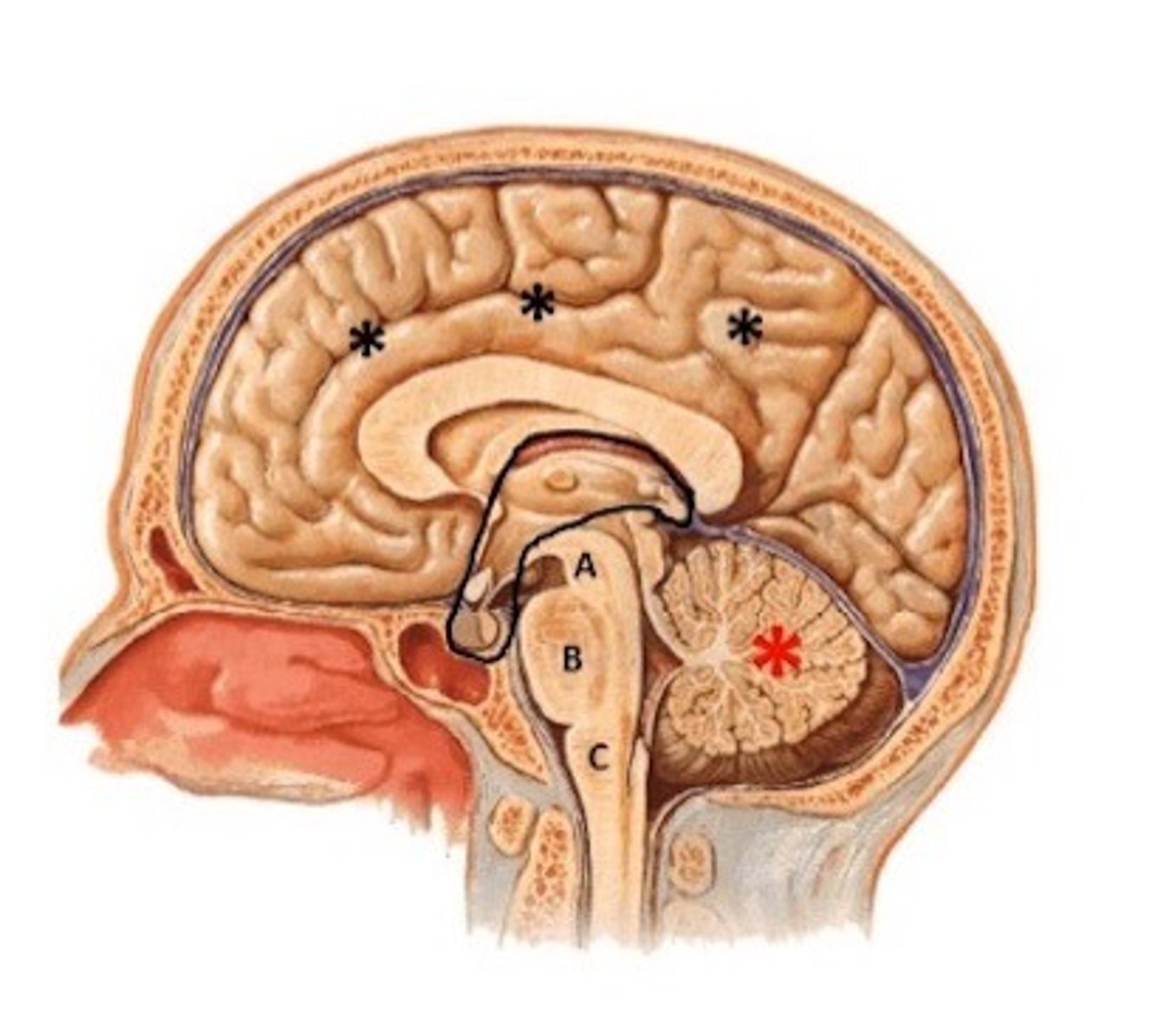
diencephalon
includes the epithalamus, thalamus, and hypothalamus; sits on the midbrain and is considered central core of the brain
corpus callosum
connects right and left hemispheres
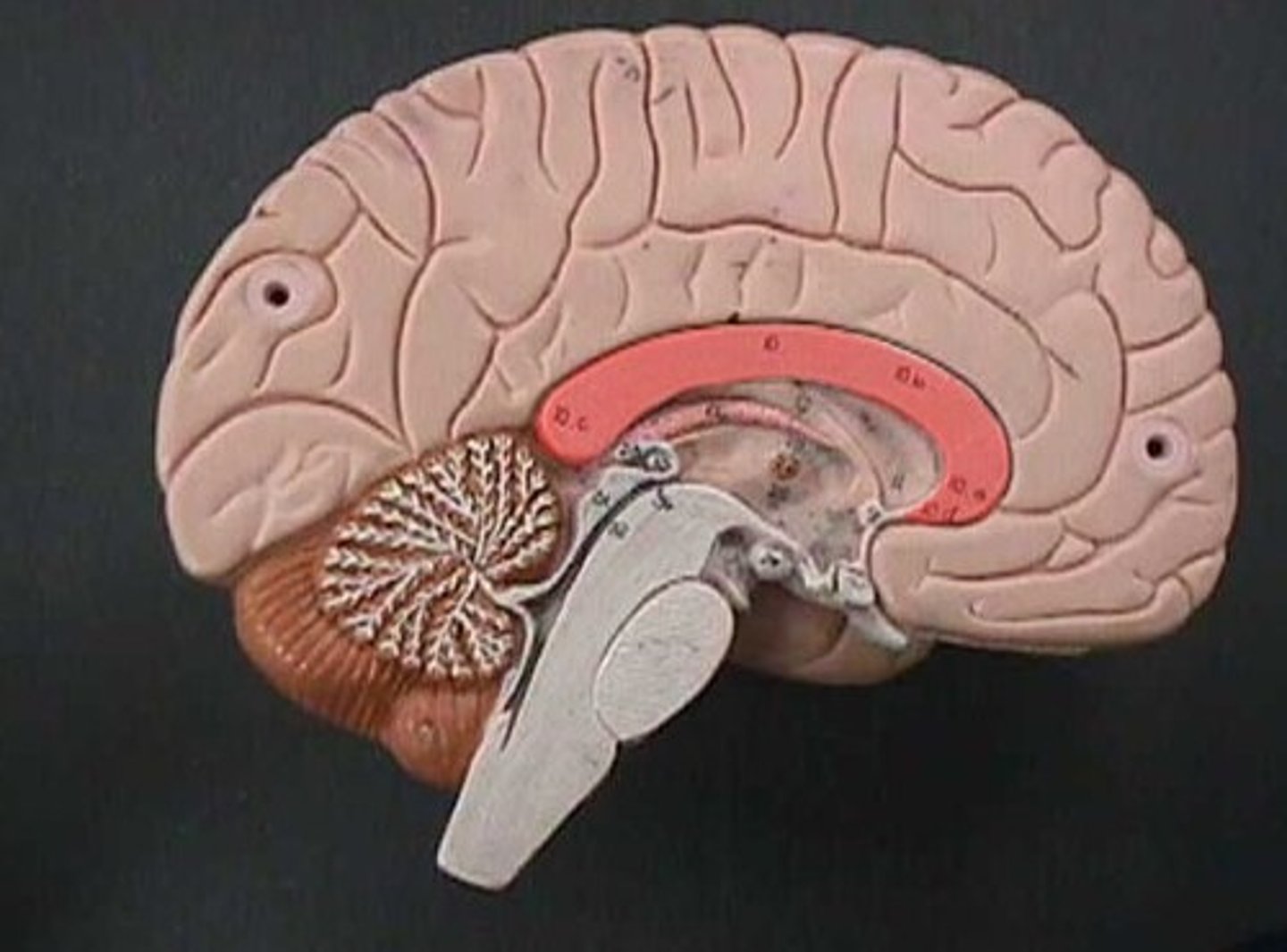
thalamus
encloses third ventricle; regulates autonomic nervous system
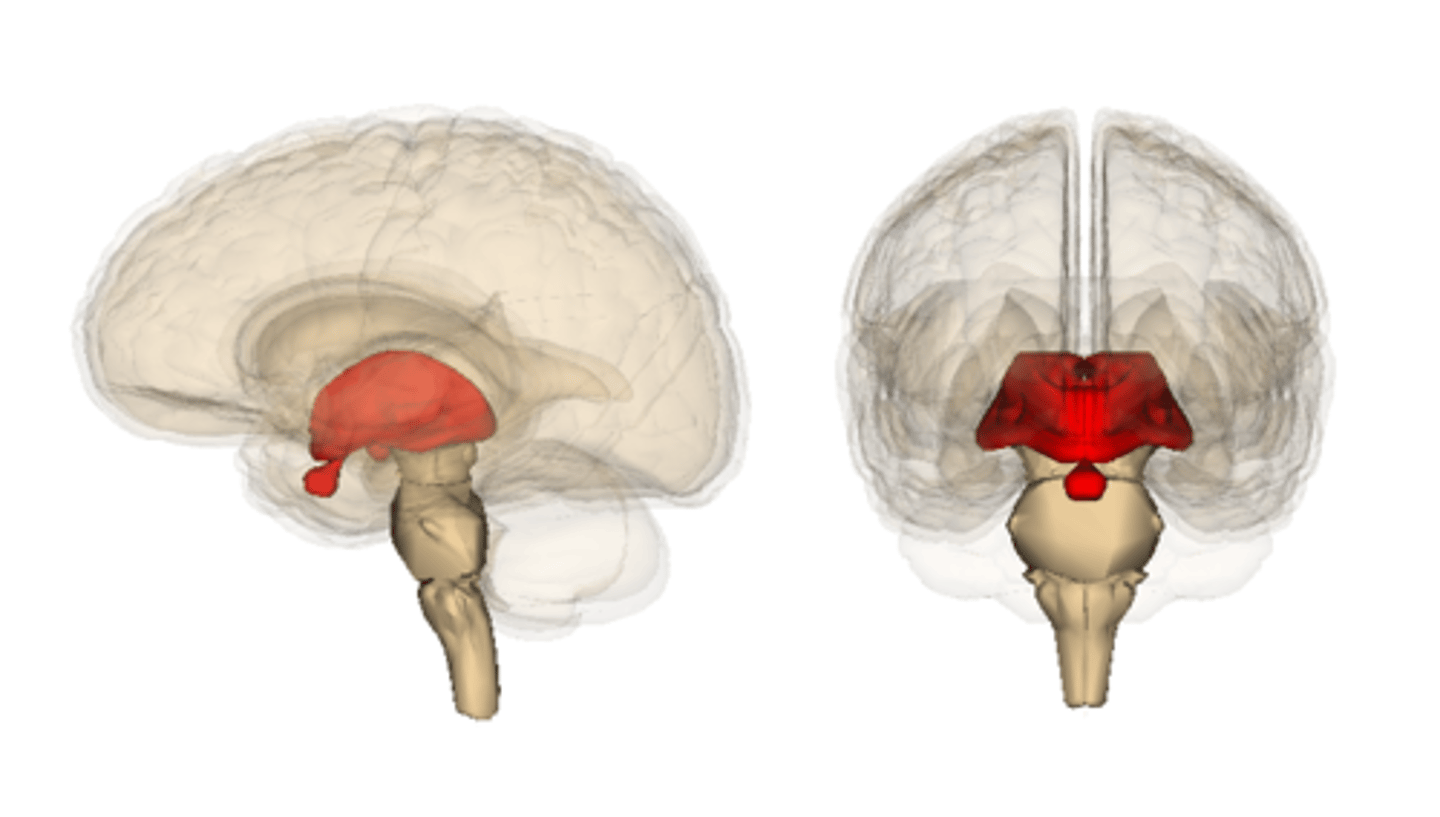
epithalamus
contains pineal gland that controls melatonin
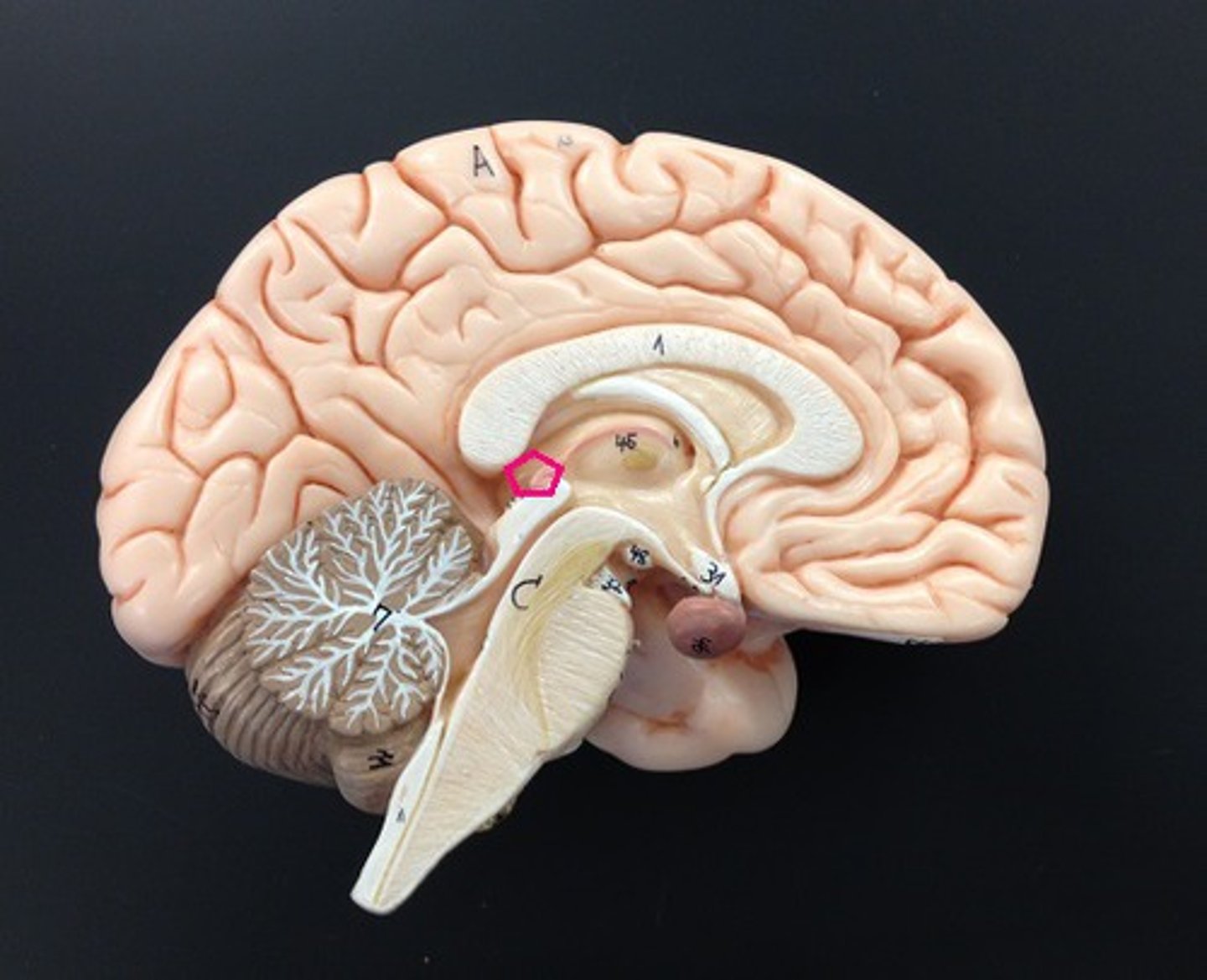
hypothalamus
controls autonomic nervous system and endocrine system
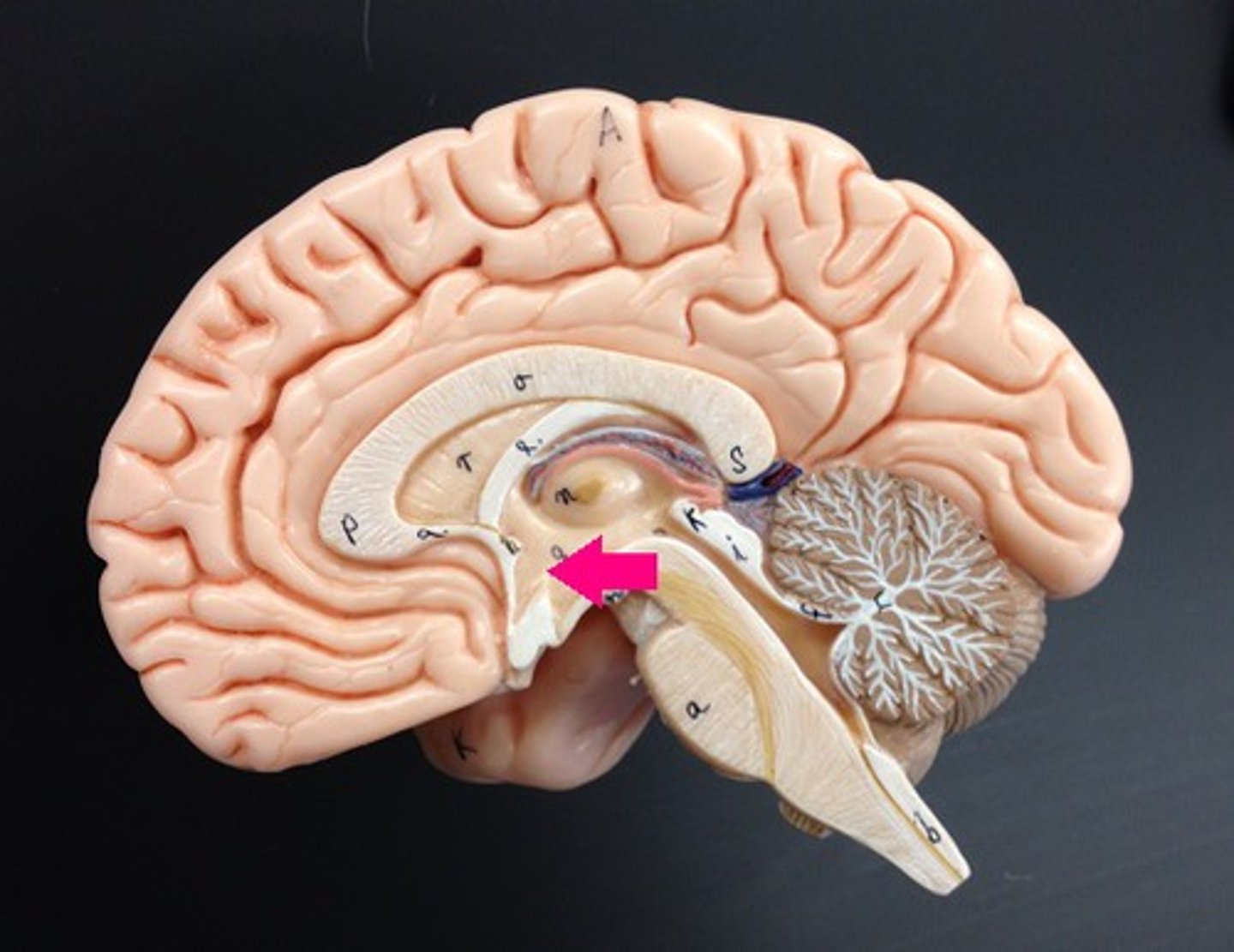
brainstem
consists of midbrain, pons, and medulla oblongata; oldest part and central core of the brain; responsible for automatic survival functions
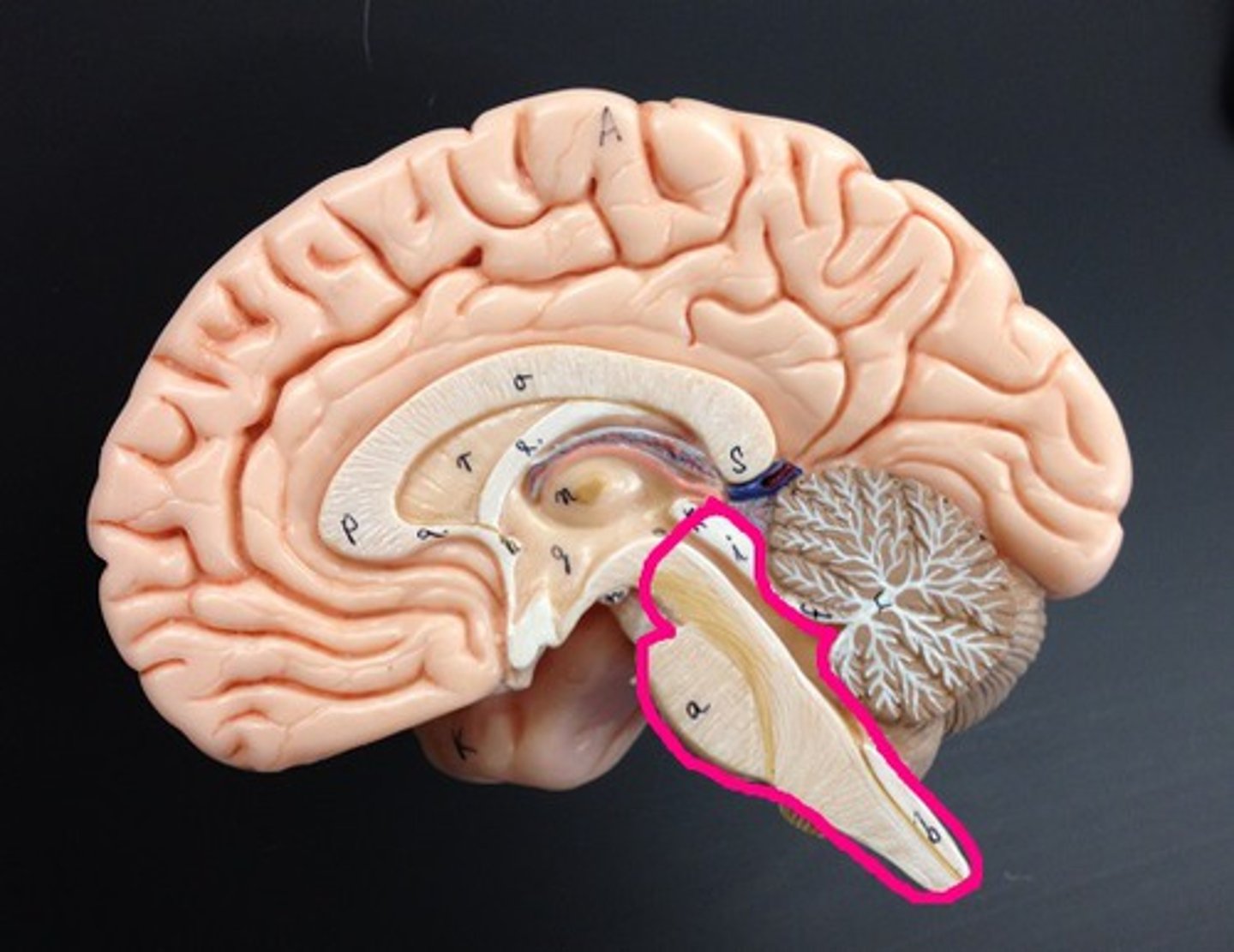
midbrain
frontal portion of brainstem; associated with CN III and IV
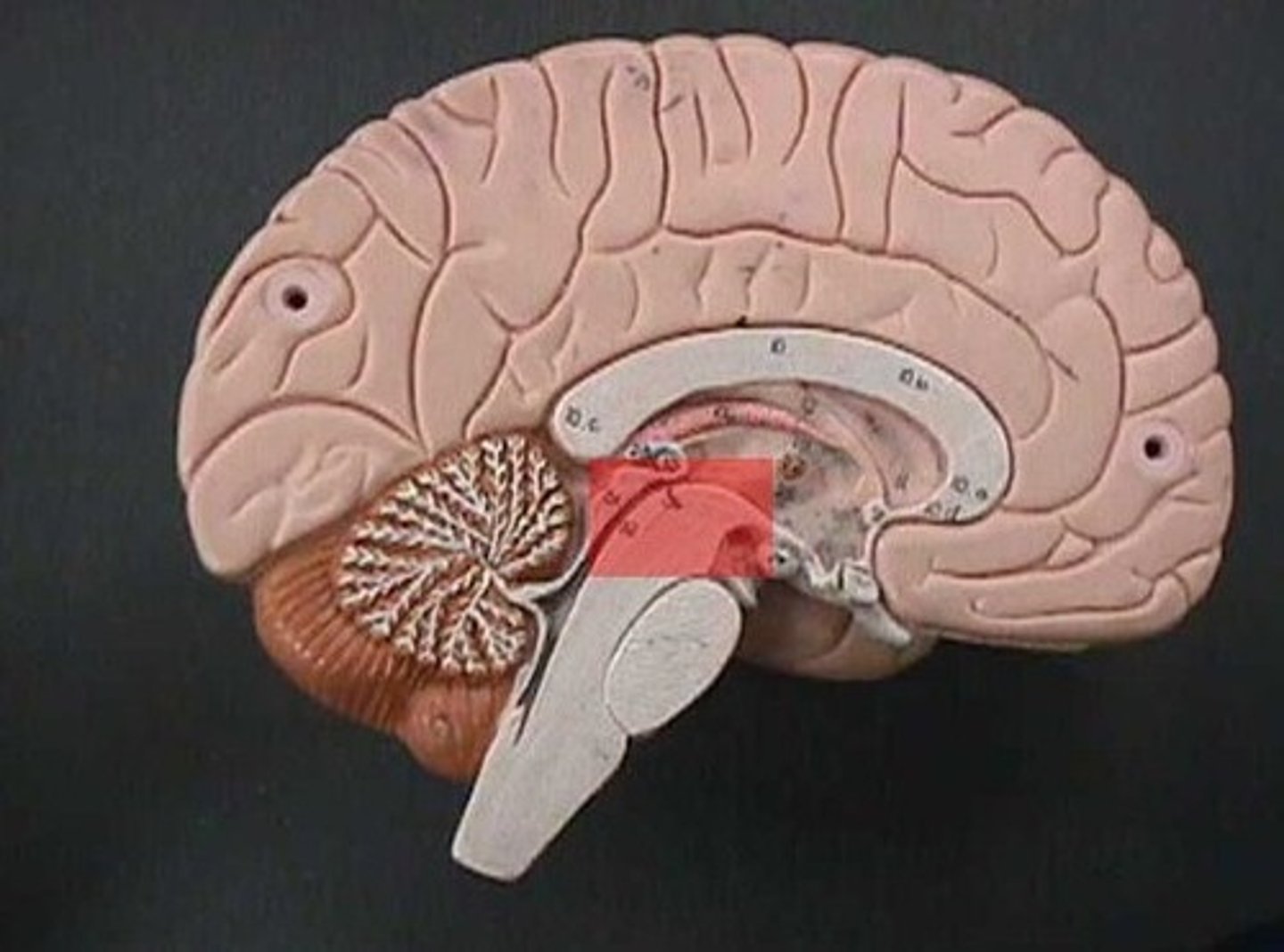
pons
between midbrain and medulla oblongata; part of brainstem; associated with CN V
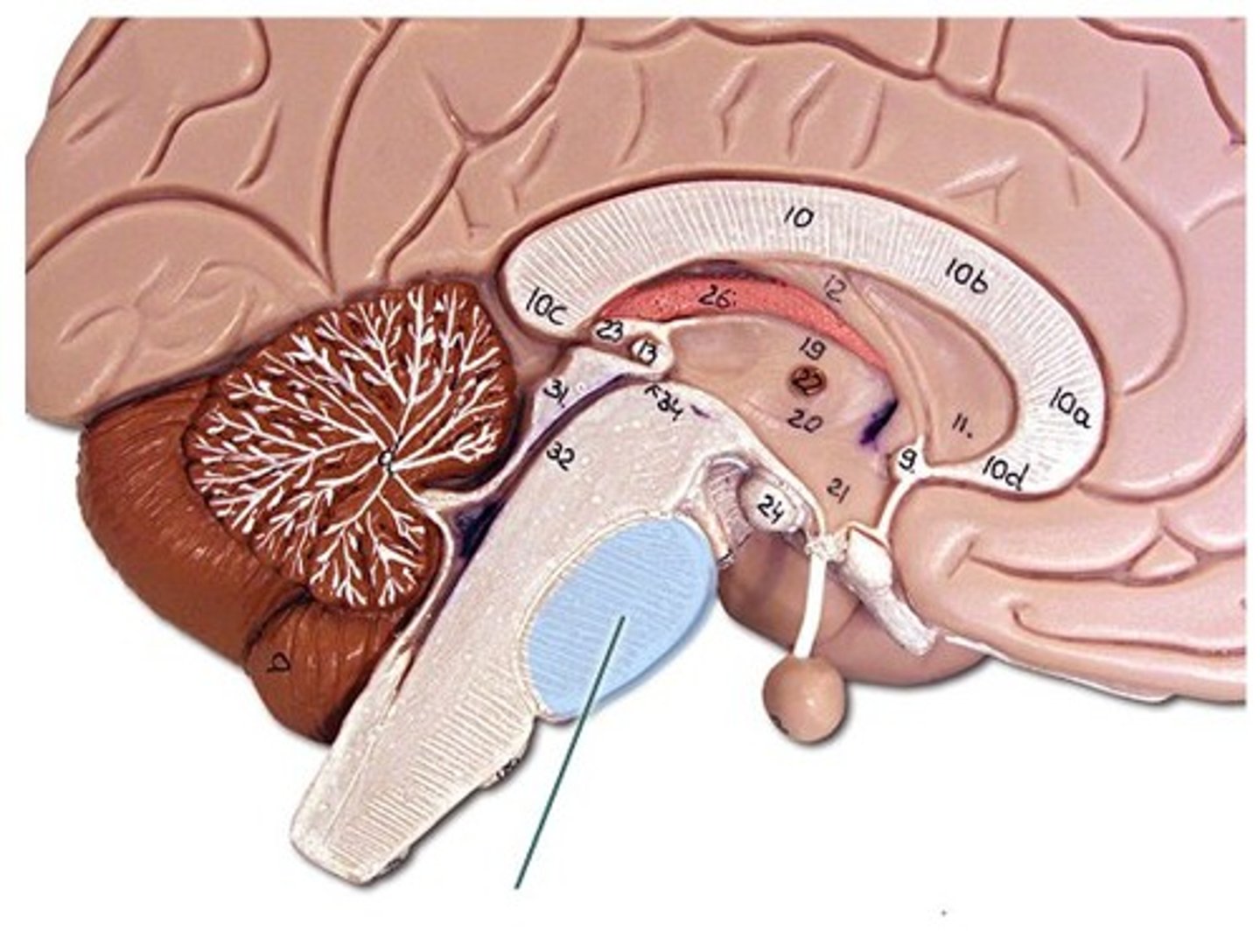
medulla oblongata
most caudal portion of brainstem; continuous with spinal cord; associated with CN IX, X, and XII
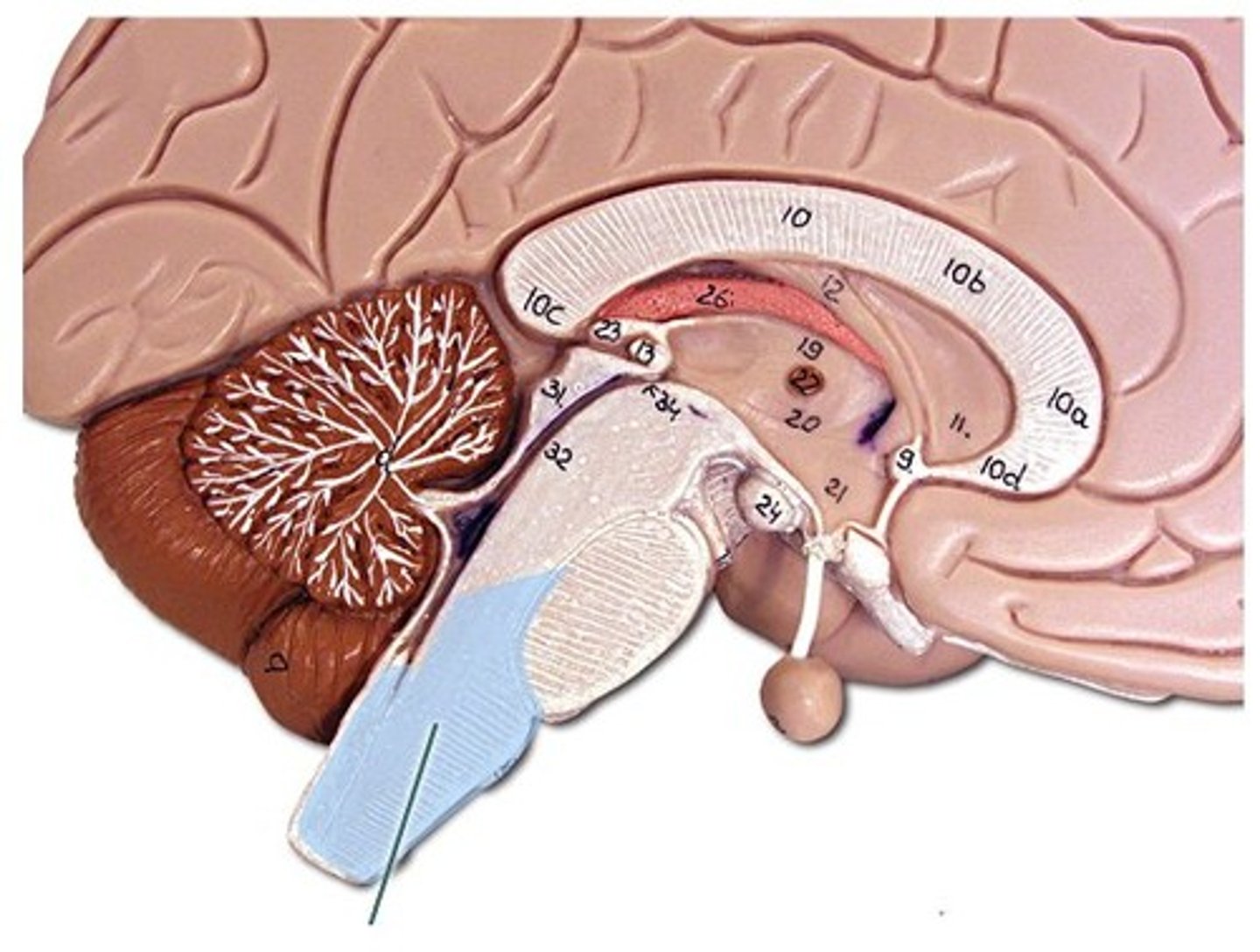
cerebellum
large brain mass posterior to pons and medulla, and inferior to posterior part of cerebrum; checks & balances for cerebrum's
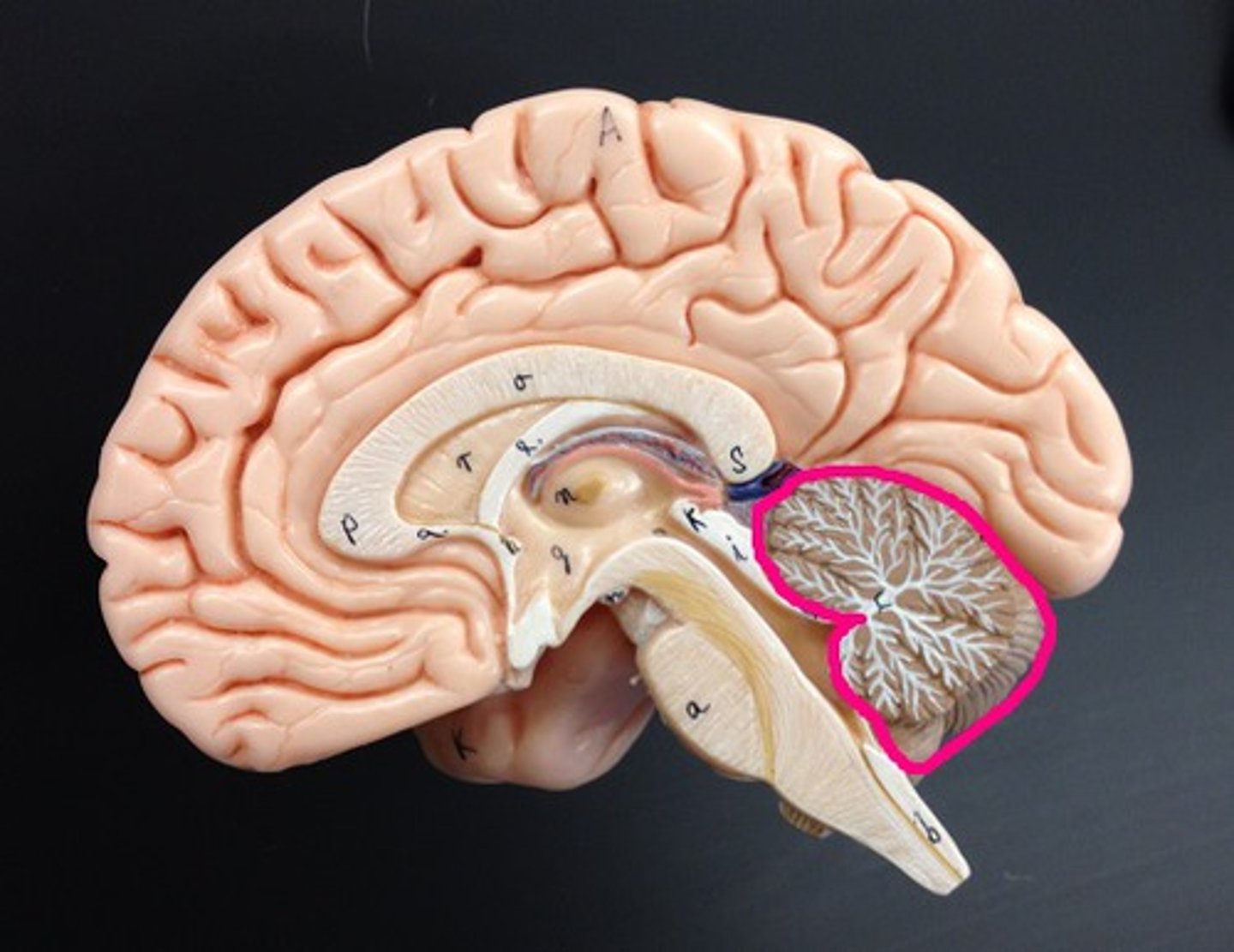
lateral ventricles
largest cavities of ventricular system; opens through interventricular foramen into 3rd ventricle
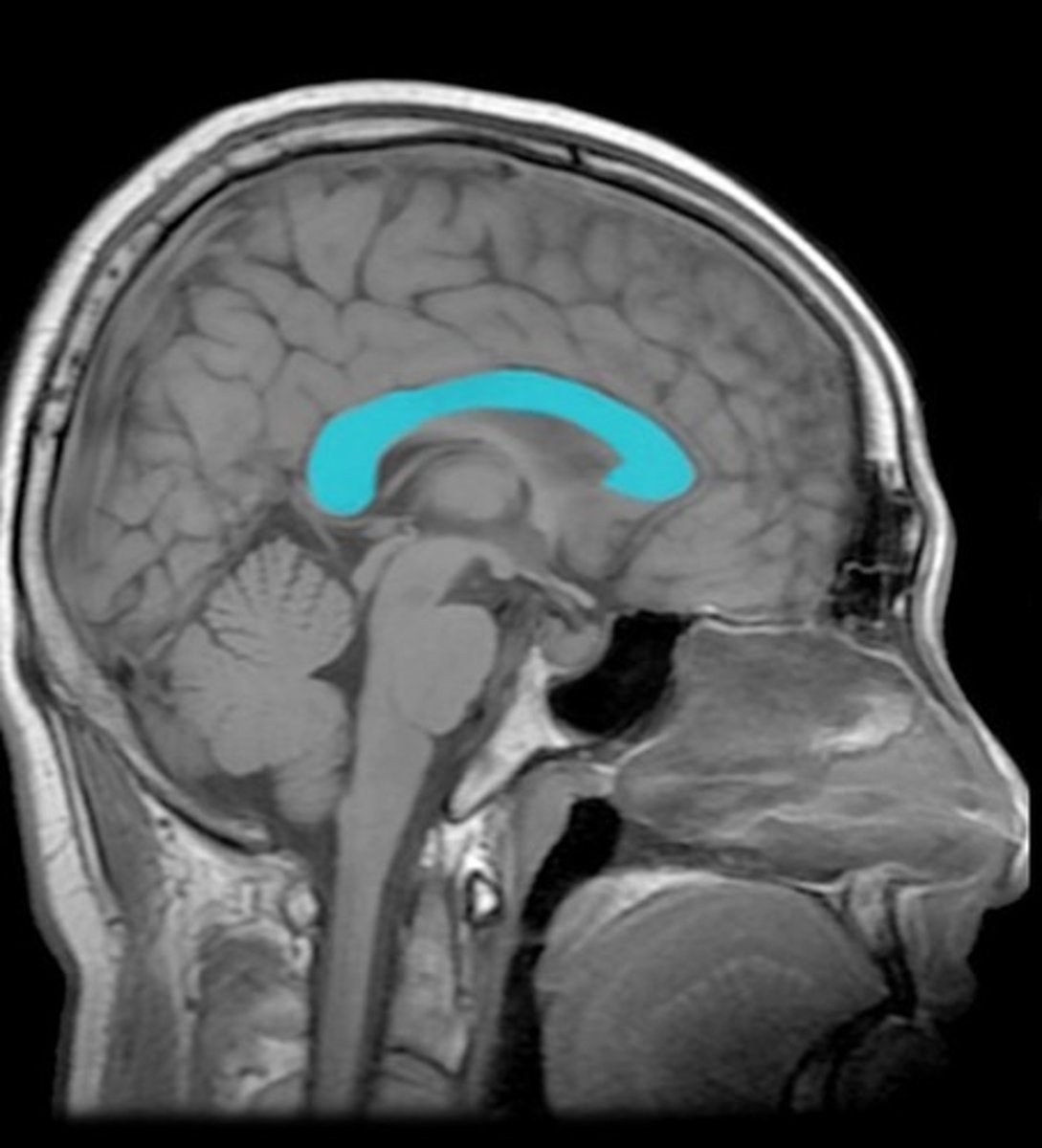
interventricular foramen
connects lateral ventricles to 3rd ventricle
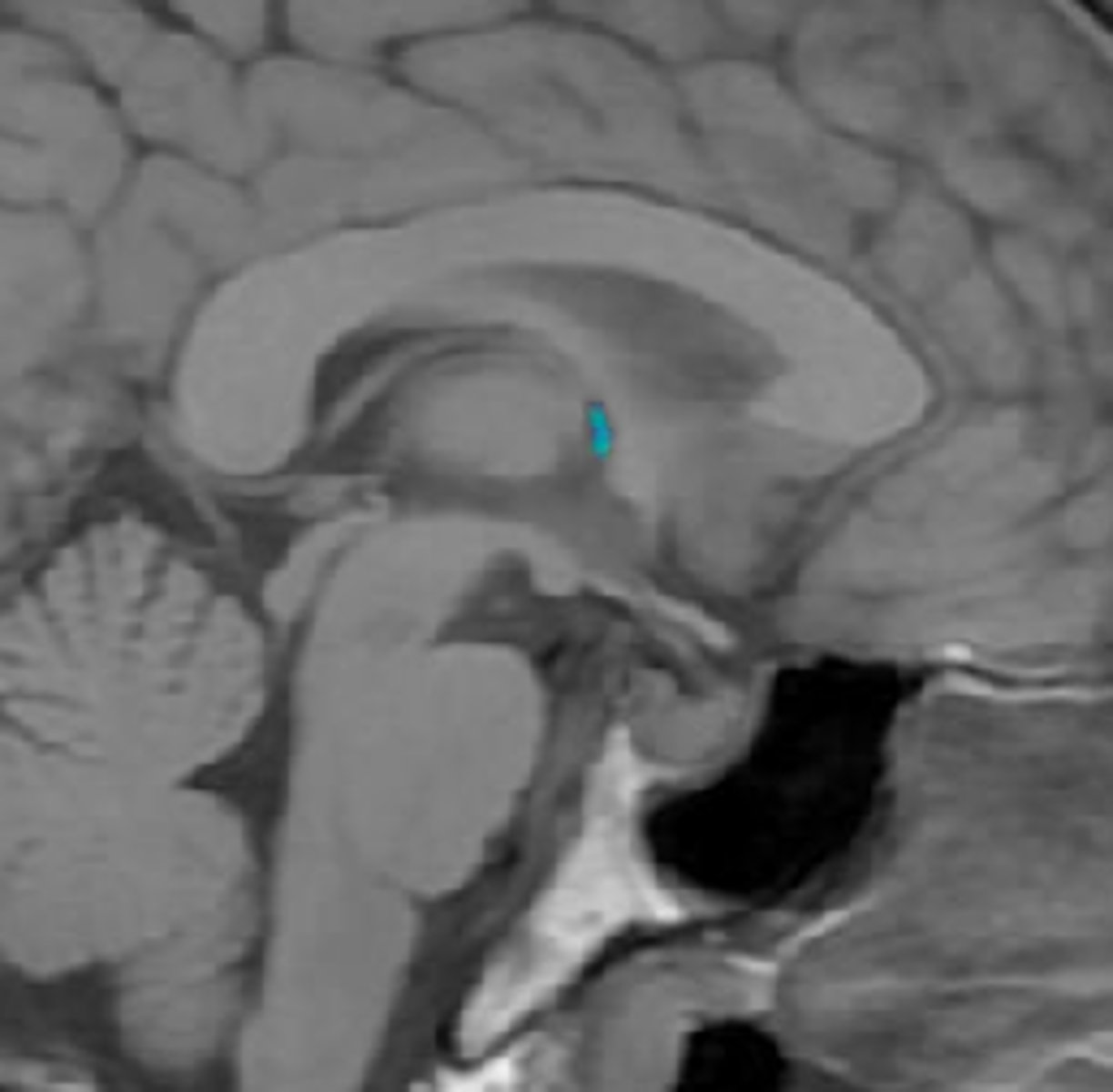
3rd ventricle
slit-like cavity between left and right halves of diencephalon and continues with cerebral aqueduct to connect with 4th ventricle
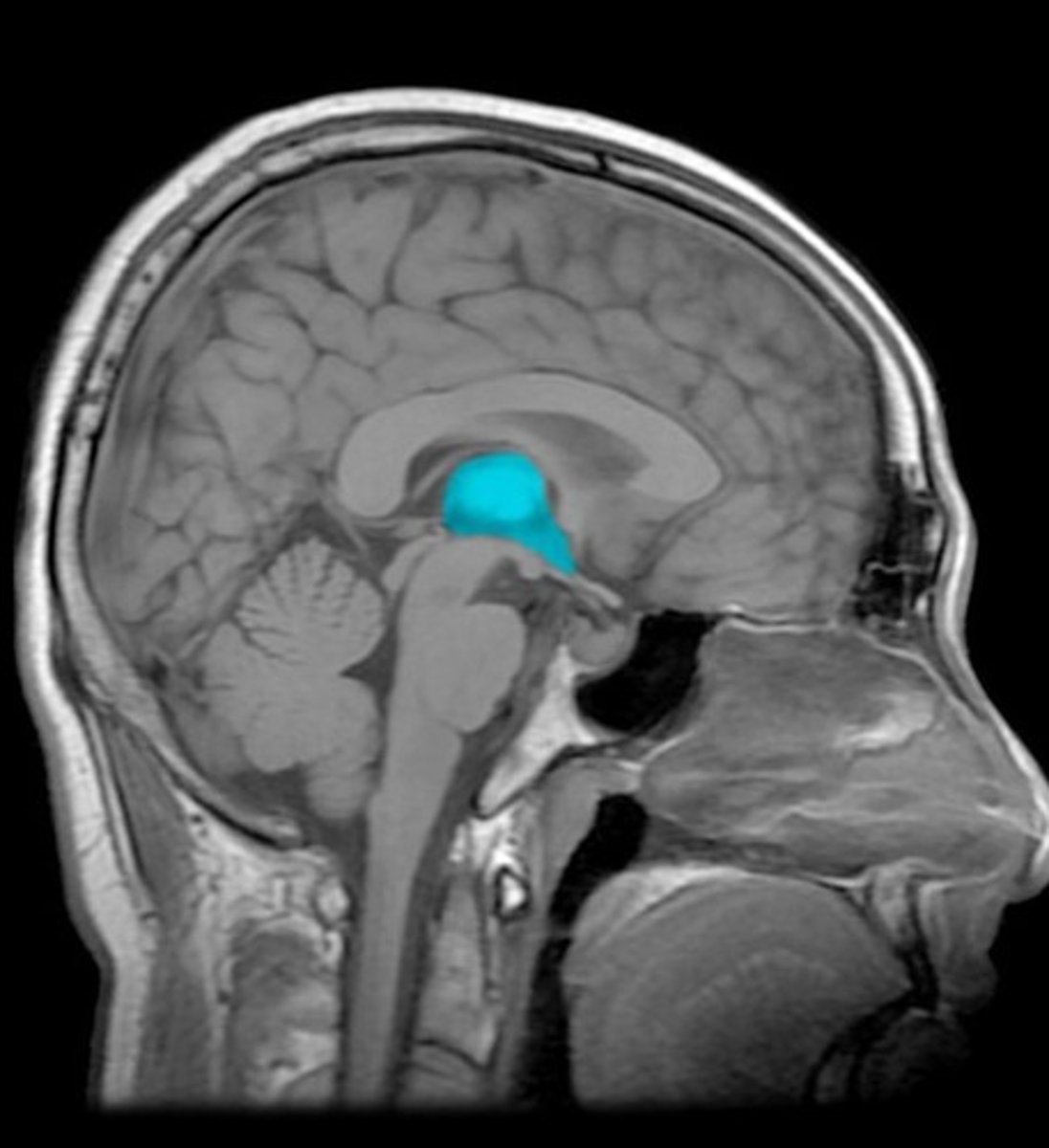
cerebral aqueduct
connects 3rd and 4th ventricles
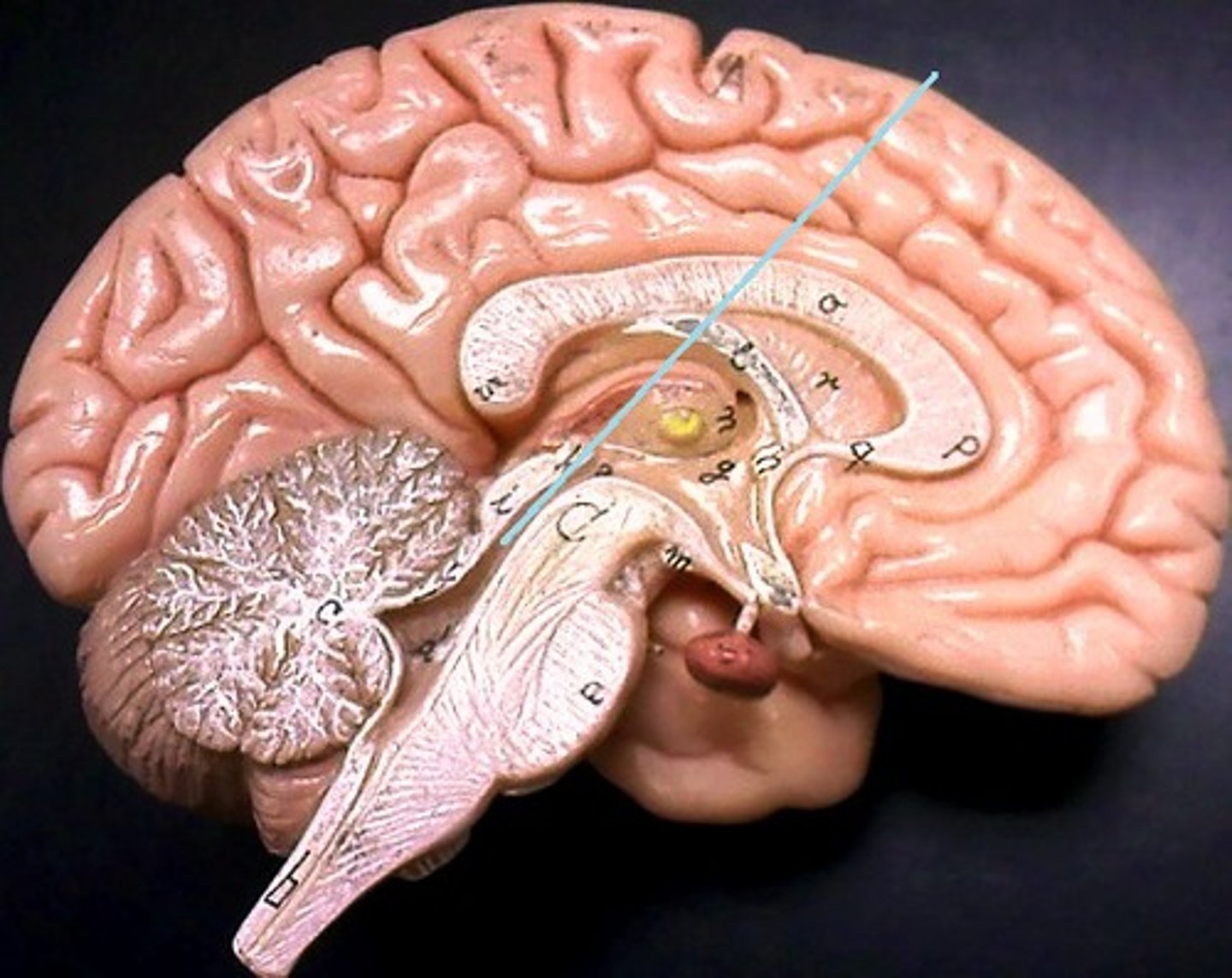
4th ventricle
pyramid-shaped in posterior part of pons and medulla; continues into cervical region of the spinal cord as central canal of spinal cord where CSF travels into subarachnoid space
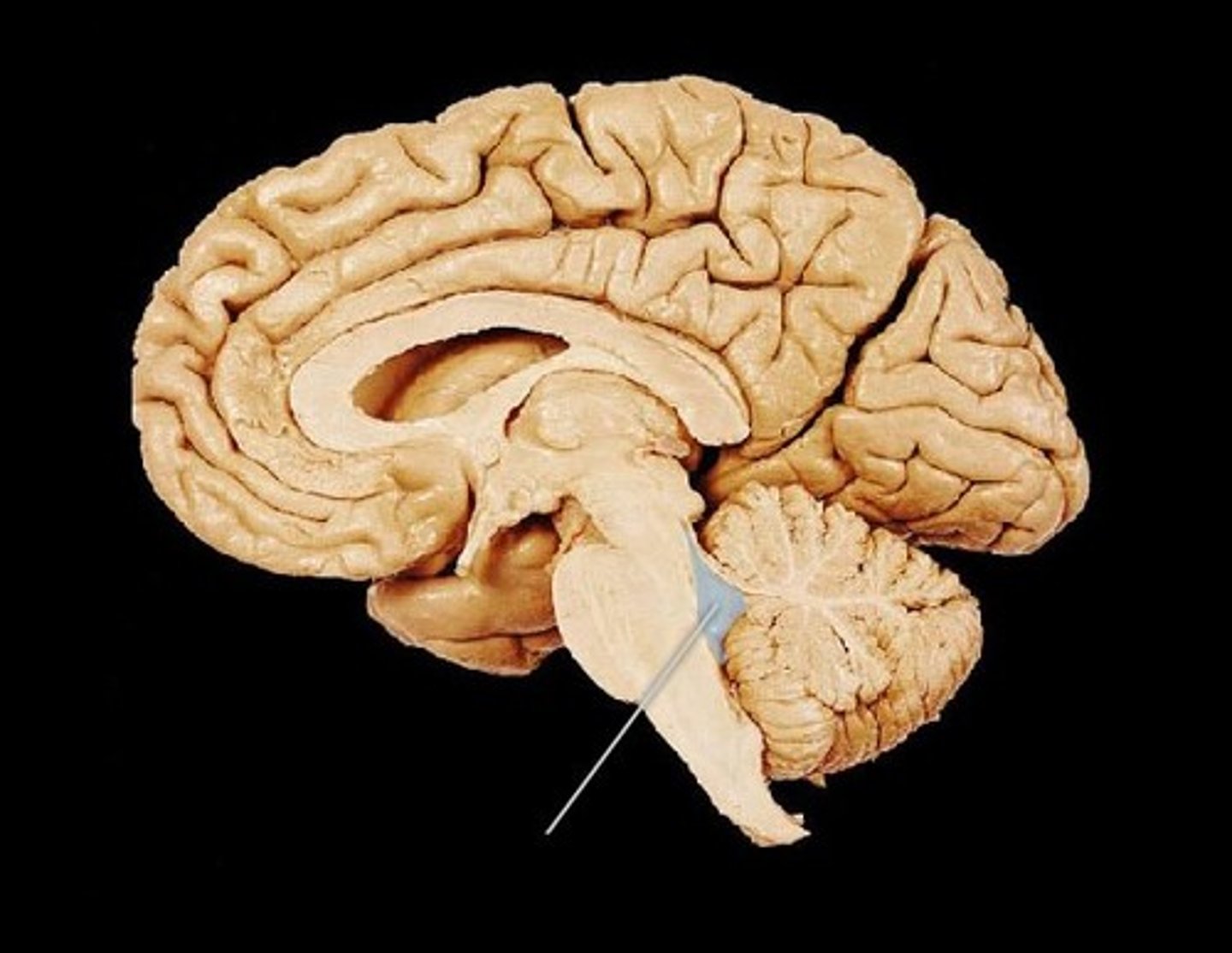
internal carotid arteries
enters through carotid canal from common carotid; travels through the petrous part of the temporal bone and cavernous sinus to provide anterior blood supply to the brain via the anterior and middle cerebral arteries
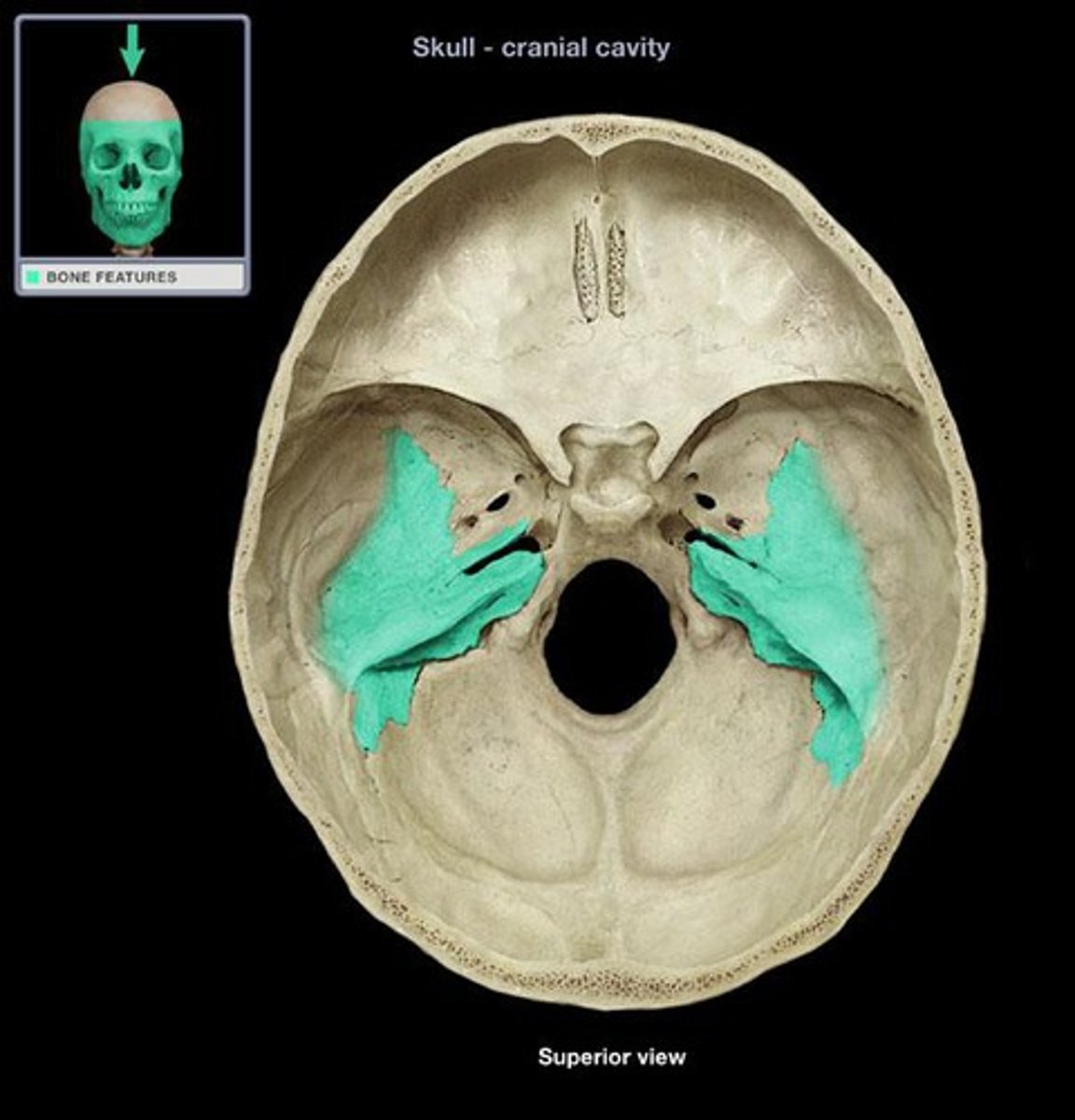
petrous part of temporal bone
internal carotid arteries pass through to turn through the cavernous sinus
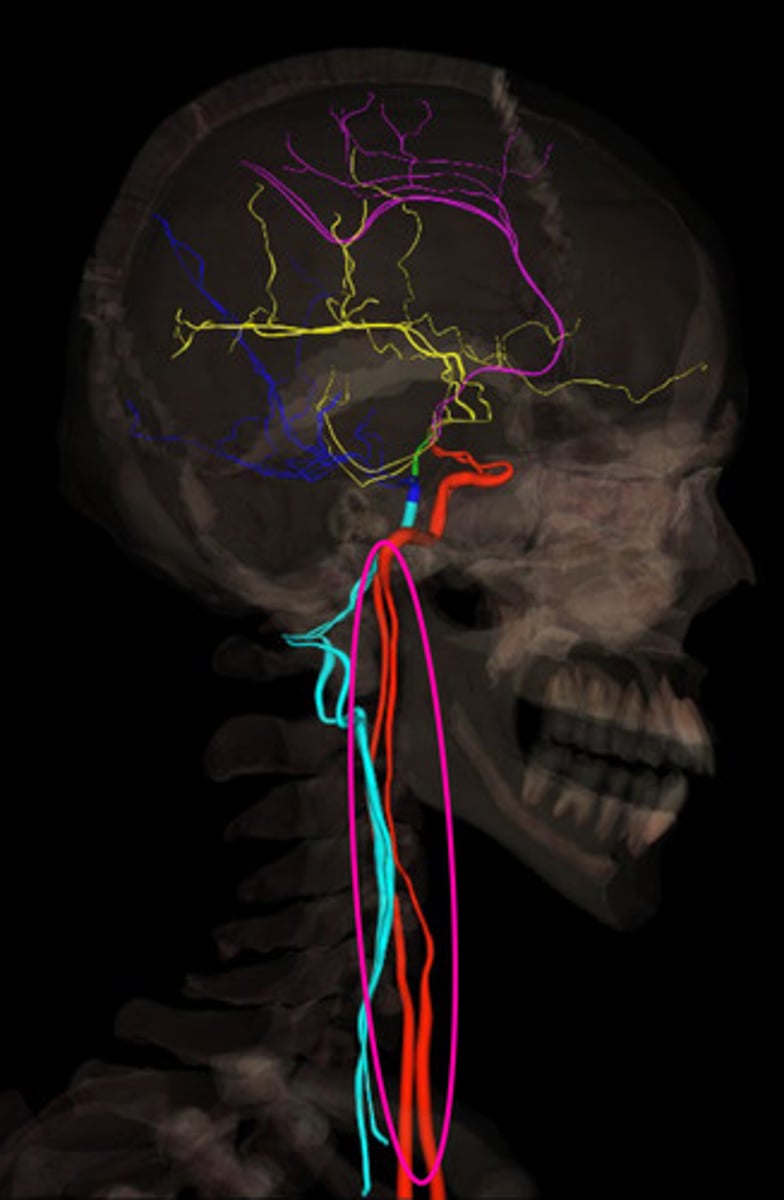
vertebral arteries
enters through transverse foramina of vertebrae and foramen magnum from common carotid to become the basilar artery
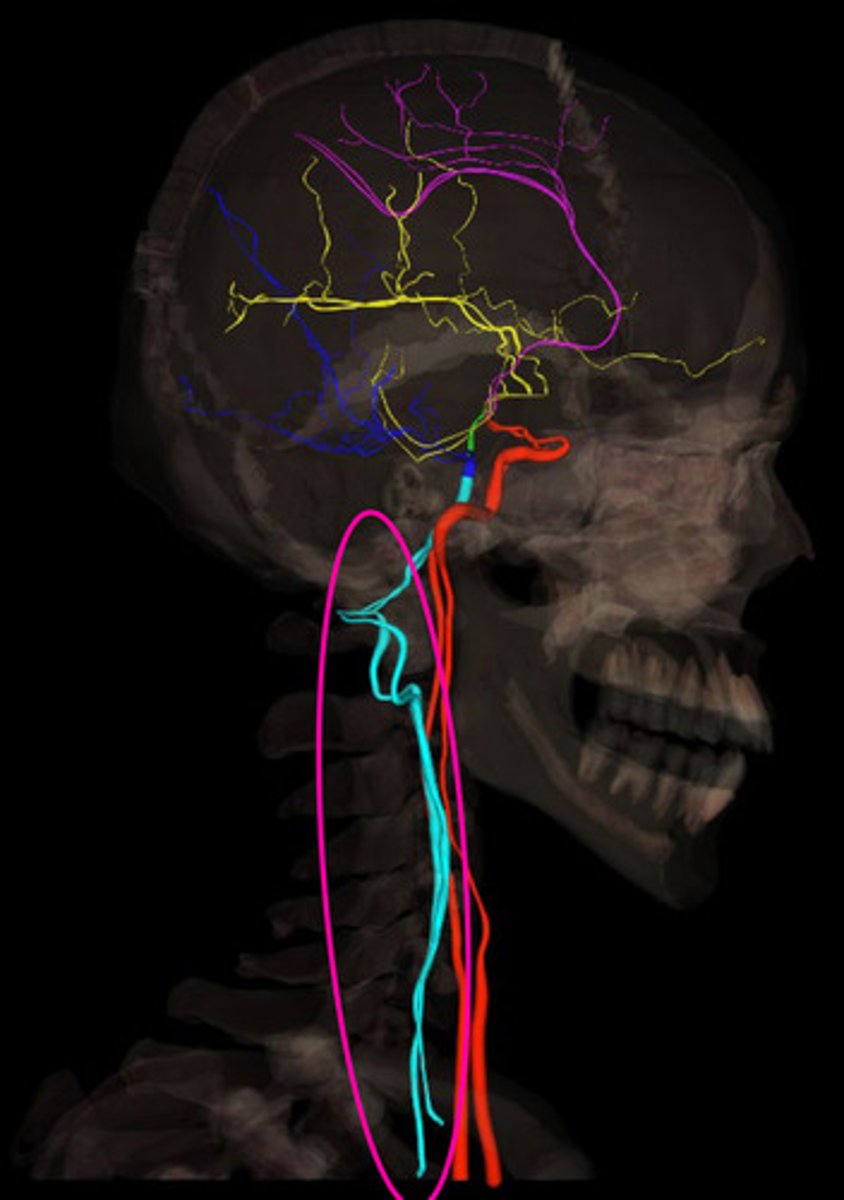
basilar artery
formed from the fusion of two vertebral arteries and later becomes the posterior cerebral arteries to provide posterior blood supply to the brain
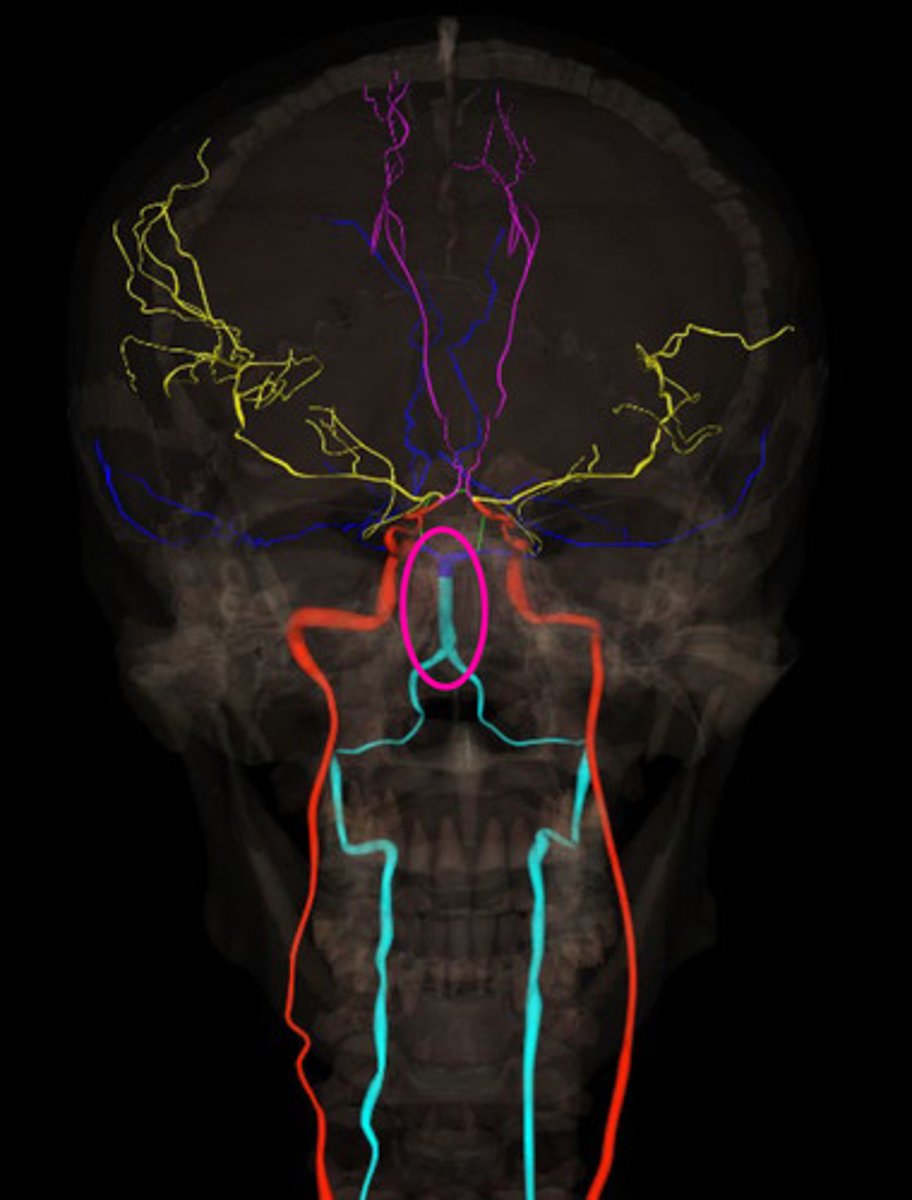
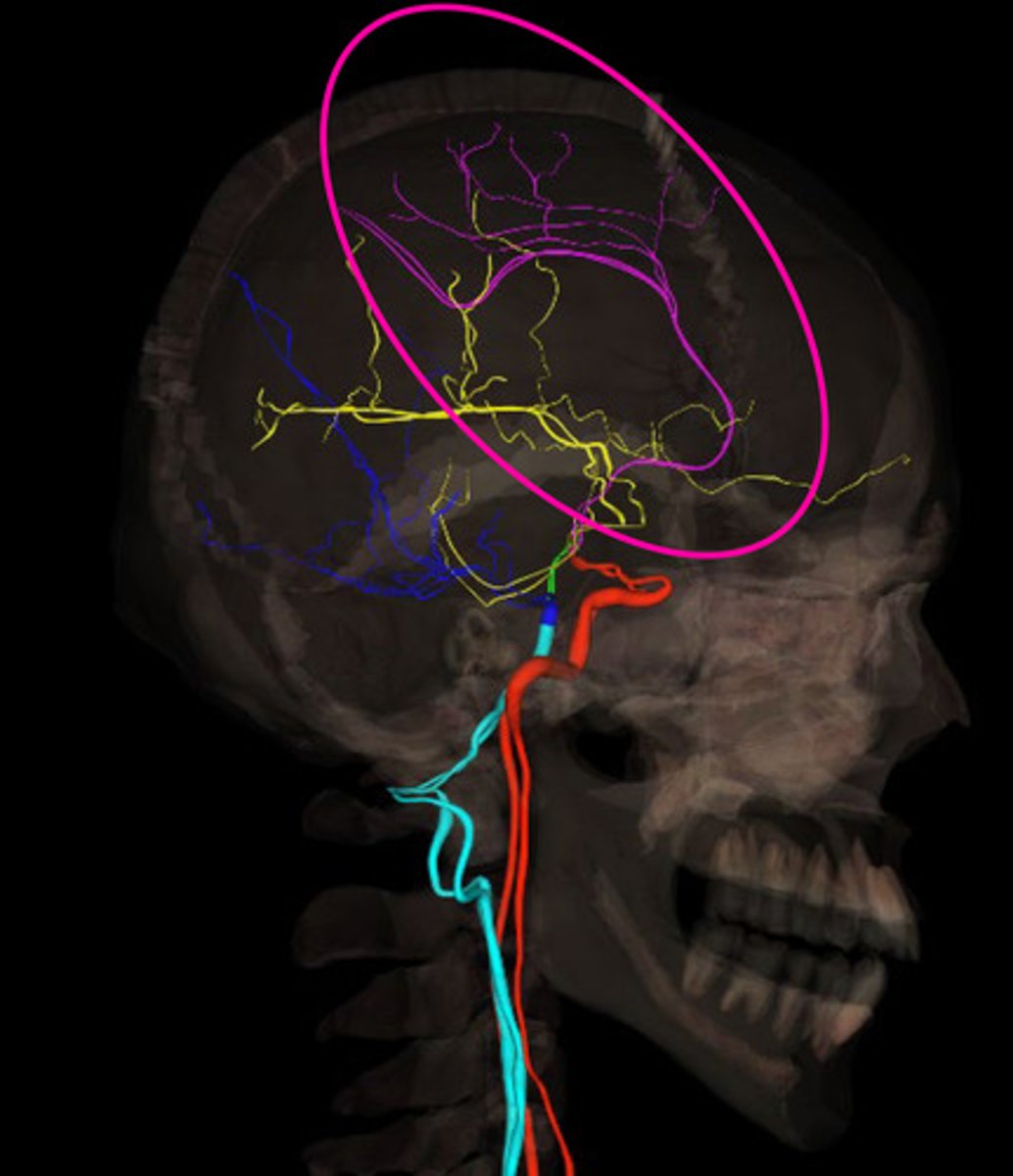
anterior cerebral arteries
supply blood to medial and superior surfaces of brain and frontal lobes
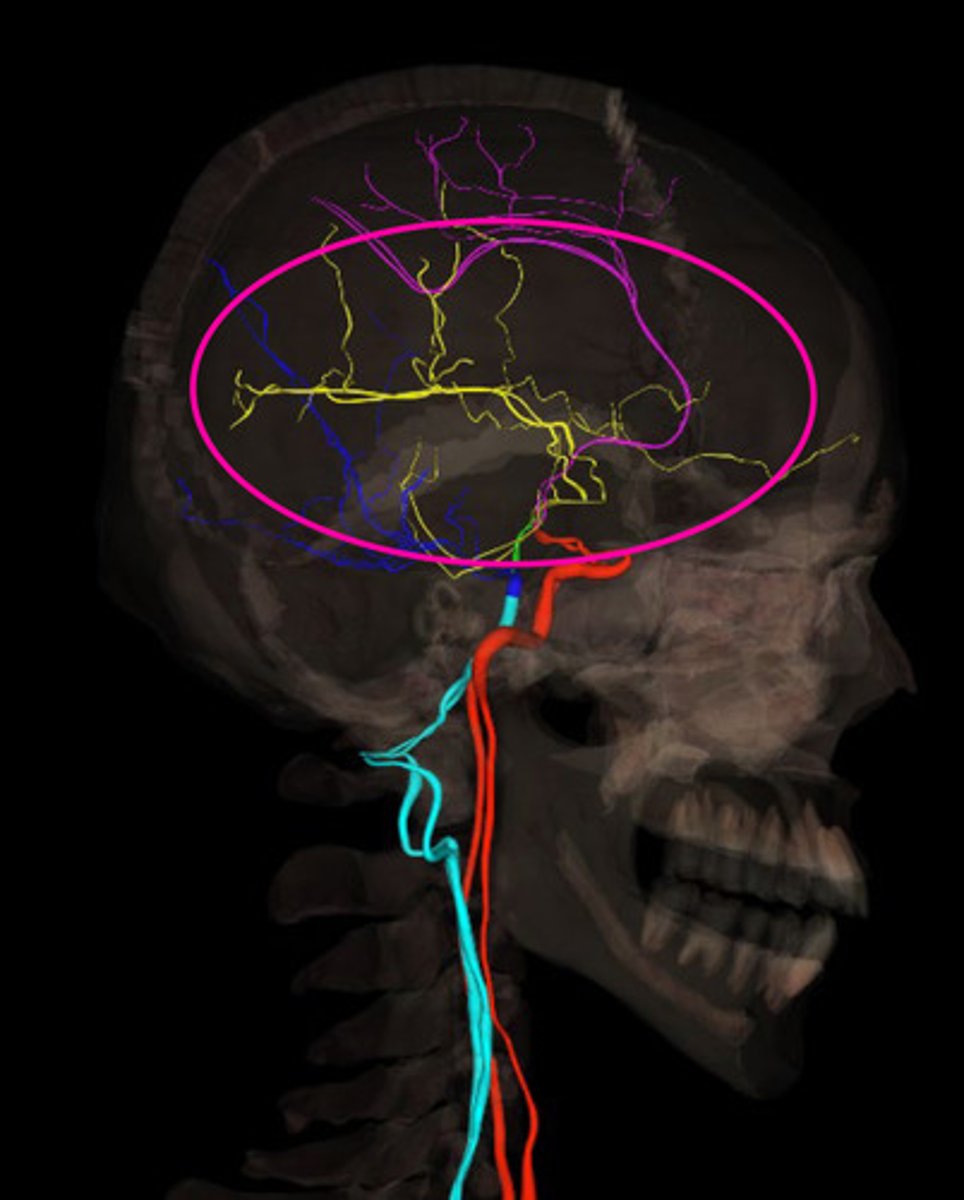
middle cerebral arteries
supply blood to lateral surface of the brain and temporal lobes
posterior cerebral arteries
supply blood to inferior surface of brain and occipital lobe
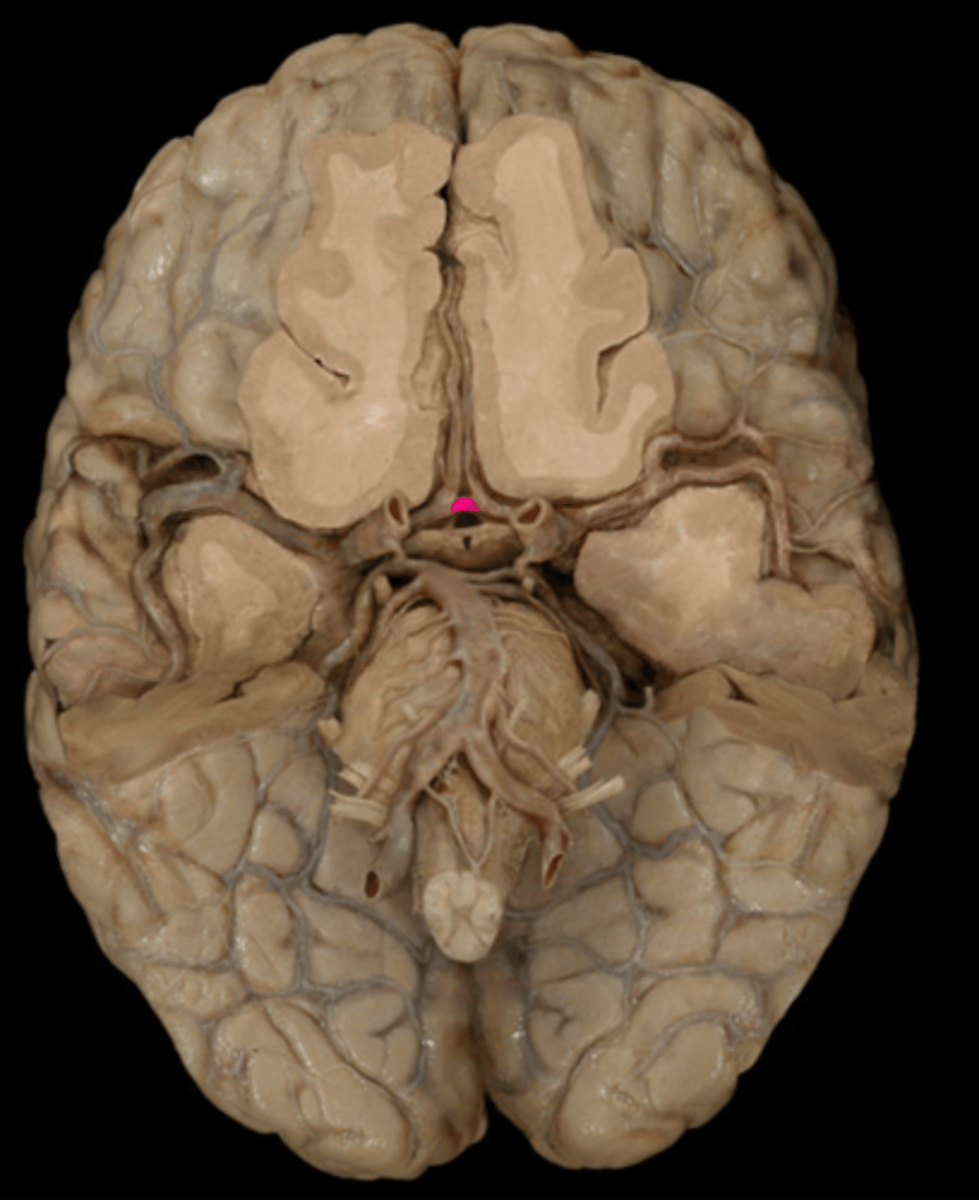
anterior communicating artery
connects anterior cerebral arteries
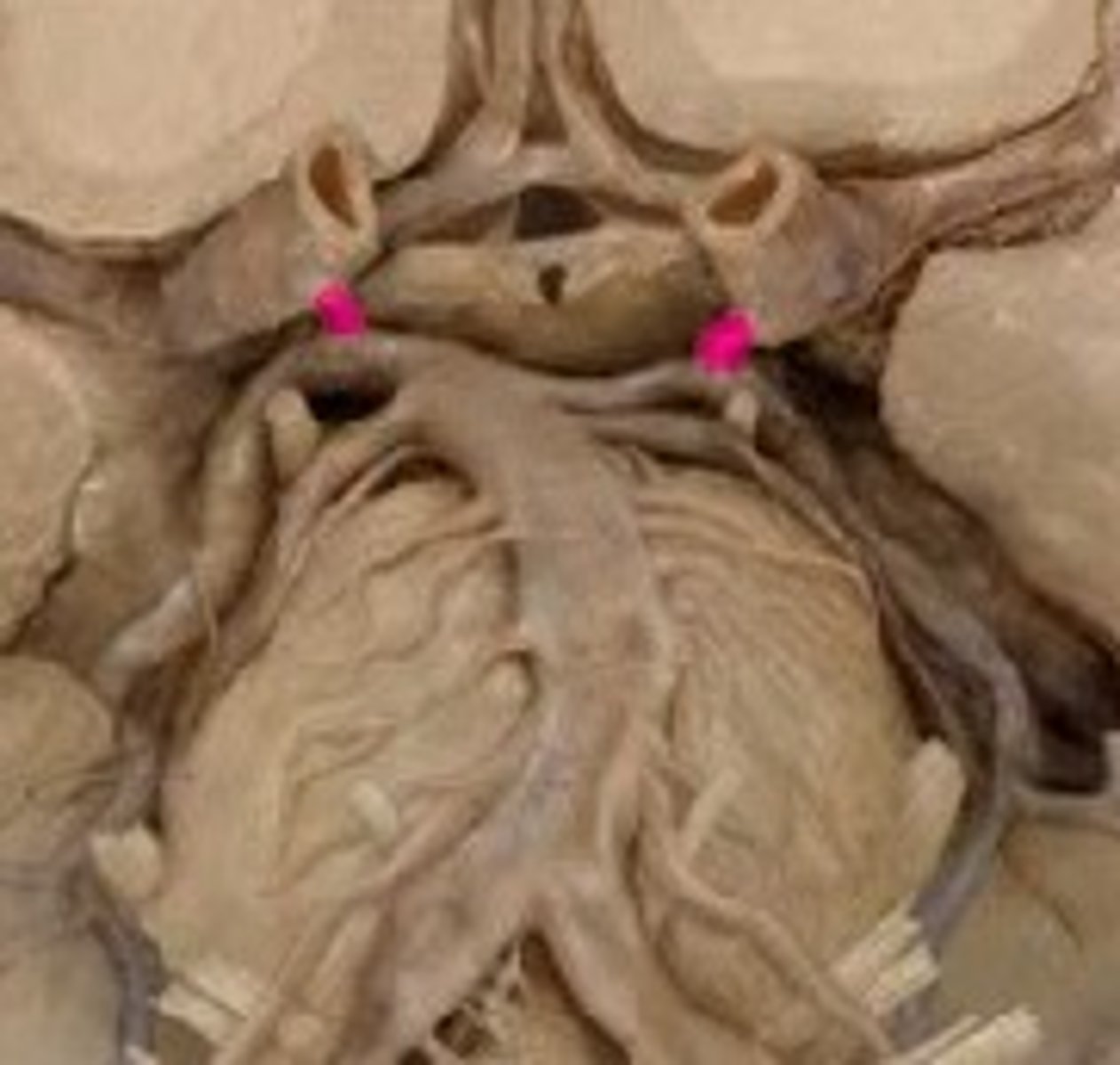
posterior communicating arteries
connects posterior cerebral arteries to internal carotid arteries
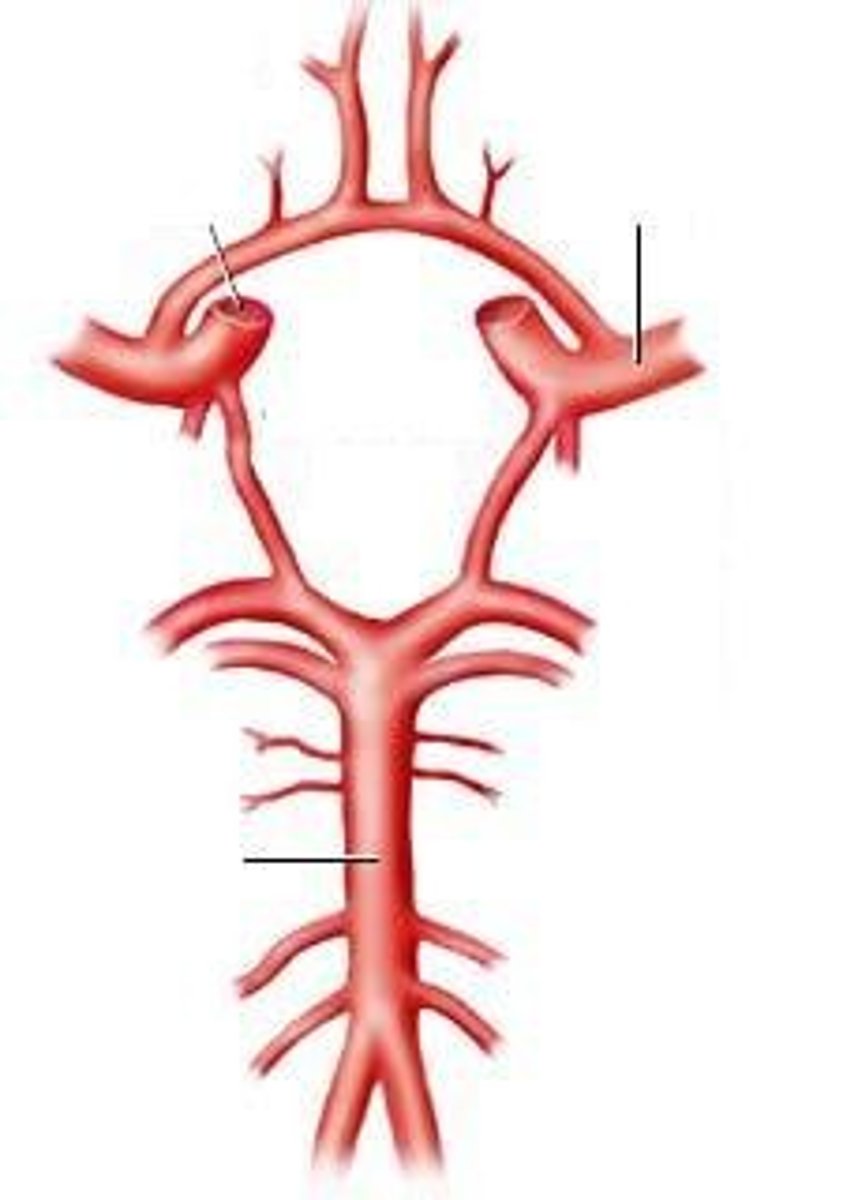
cerebral arterial circle
group of vessels on ventral surface of brain; formed by anterior communicating artery, anterior cerebral arteries, internal carotid arteries, posterior communicating artery, and posterior cerebral arteries
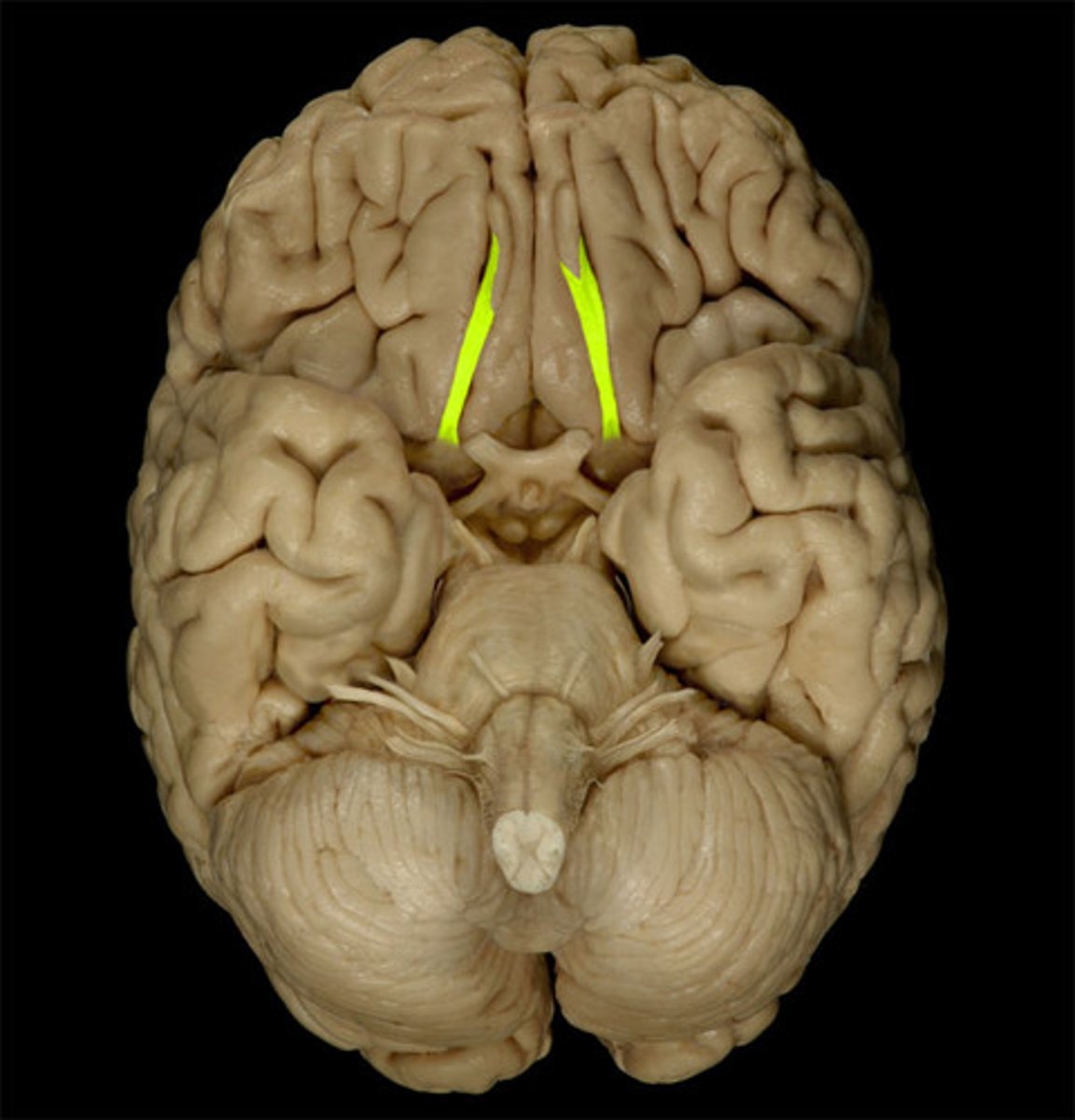
CN I
olfactory nerve
passageway: cribriform foramina of ethmoid bone (to olfactory bulbs)
function: detects sensation of smell
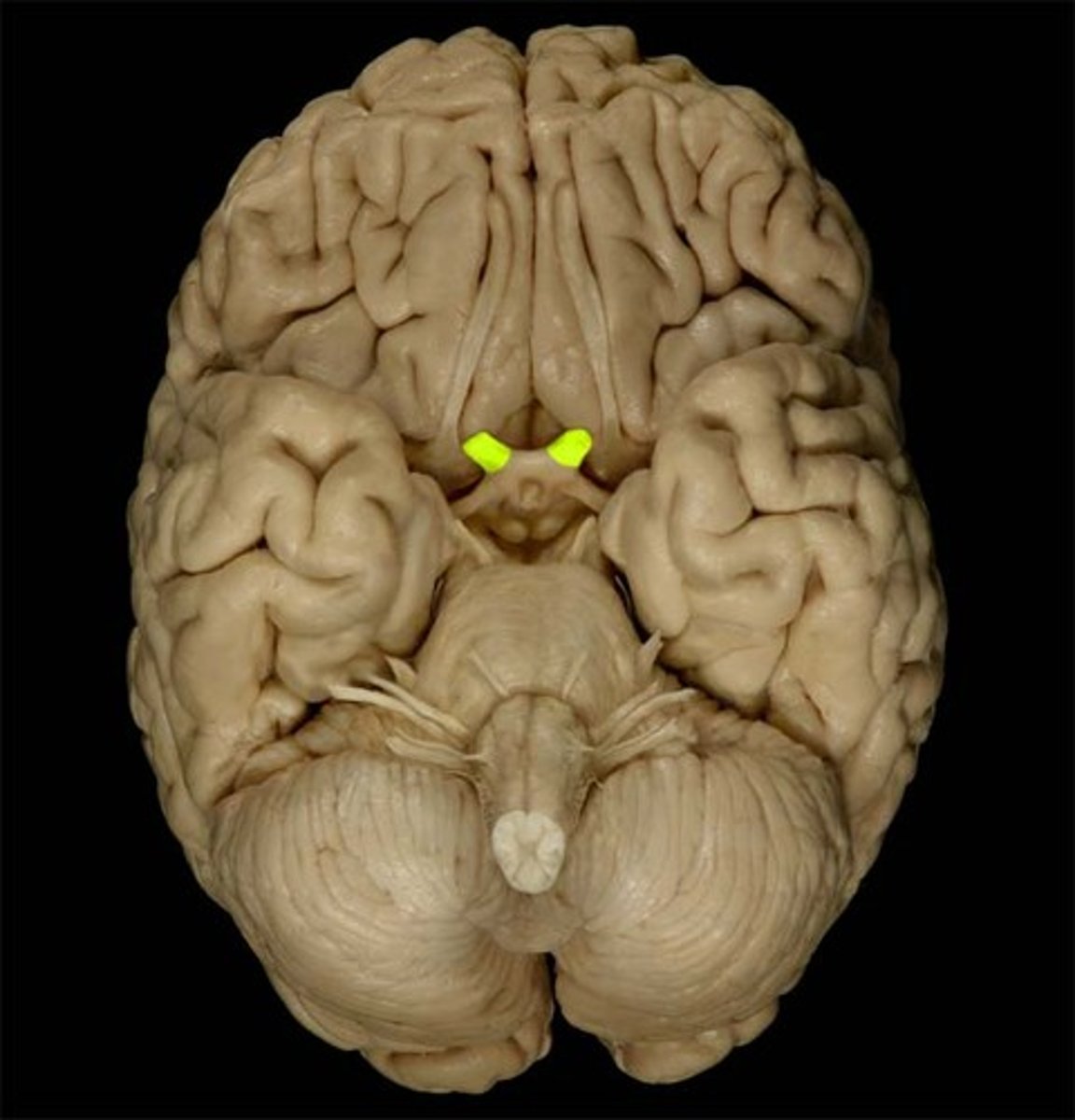
CN II
optic nerve
passageway: optic canal
function: sense sensory information from eyes
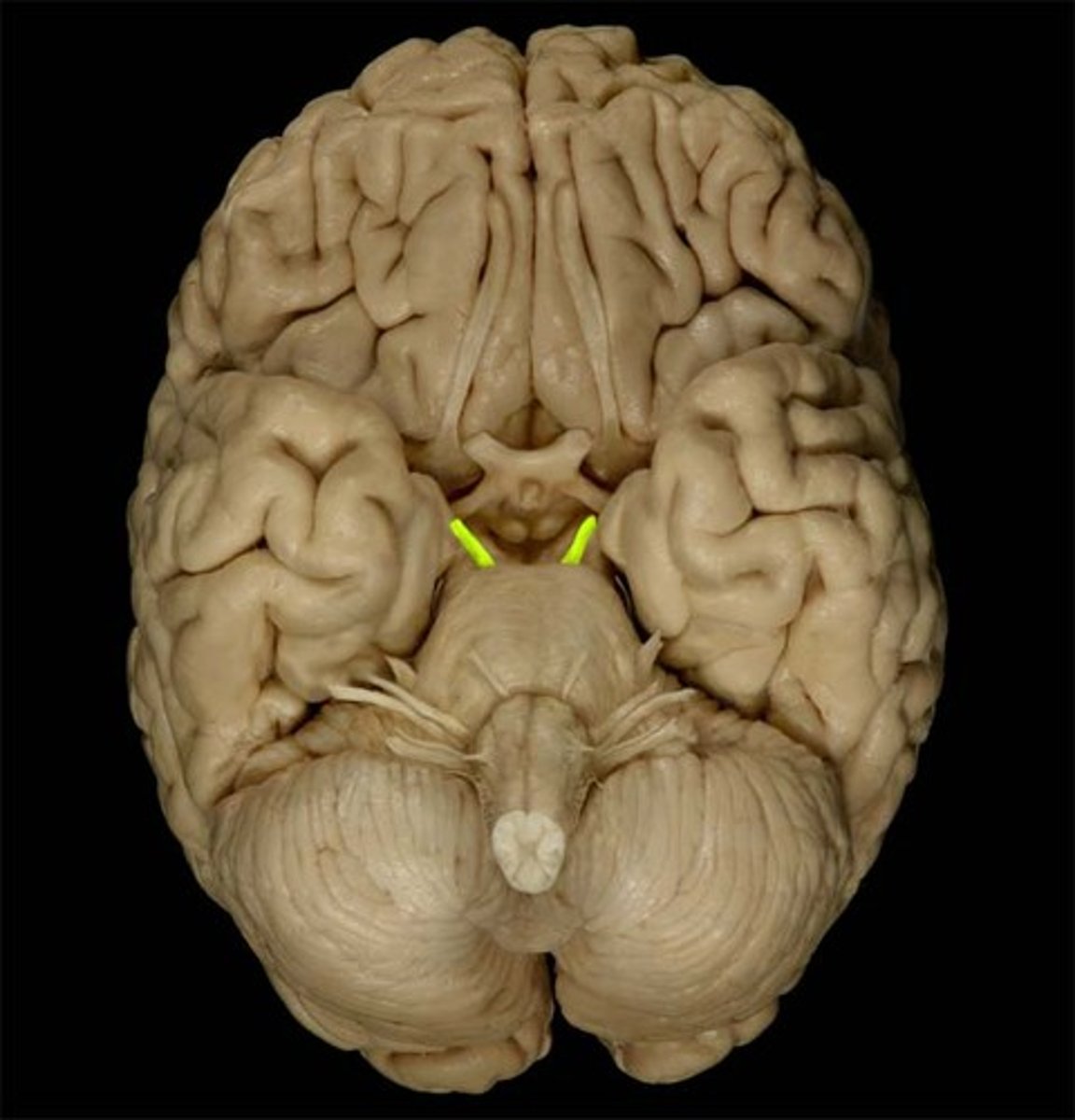
CN III
oculomotor nerve
passageway: superior orbital fissure
function: motor nerve that innervates 4 of 6 ocular muscles
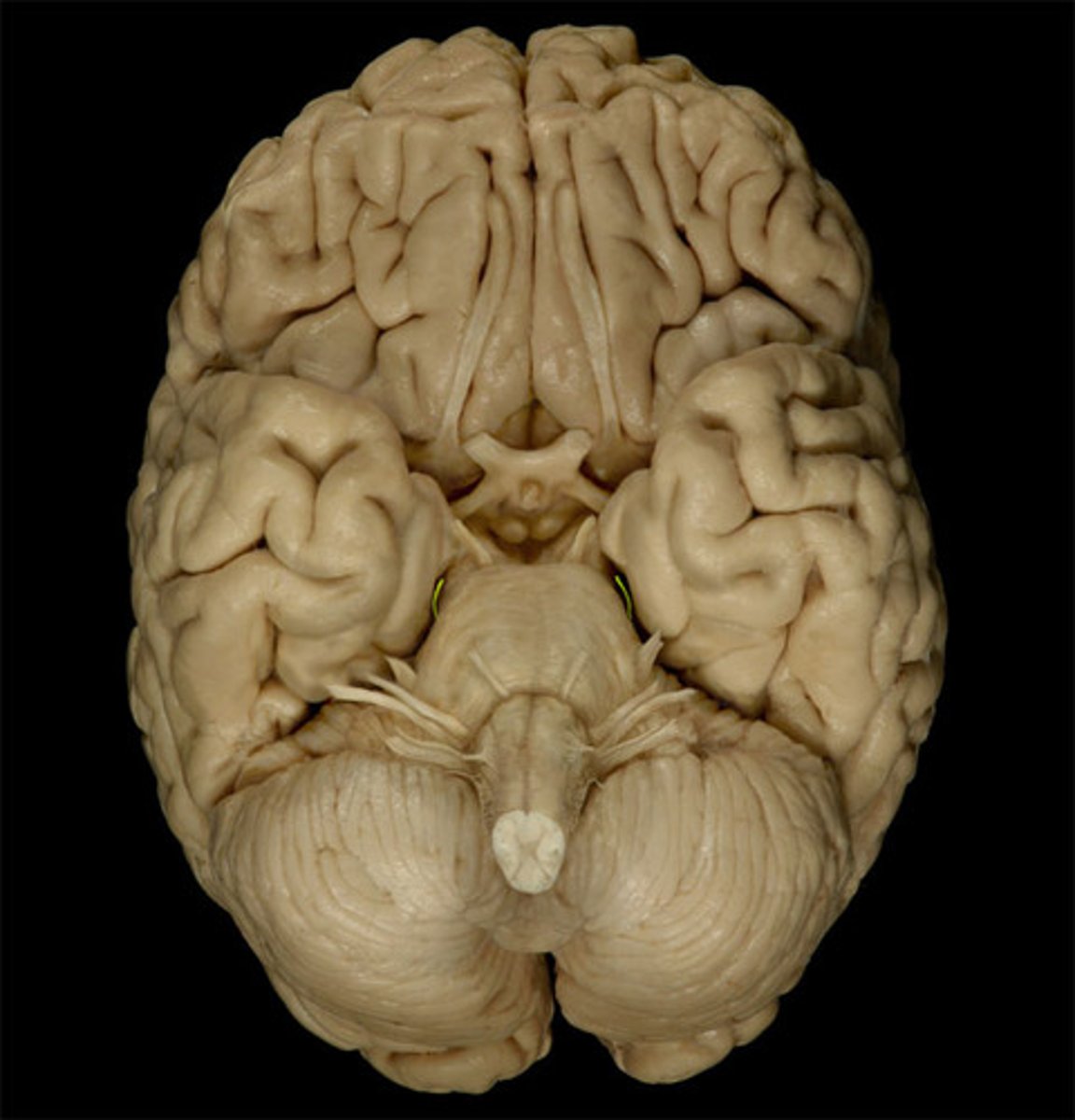
CN IV
trochlear nerve
passageway: superior orbital fissure
function: eye movements (ex. rotation)
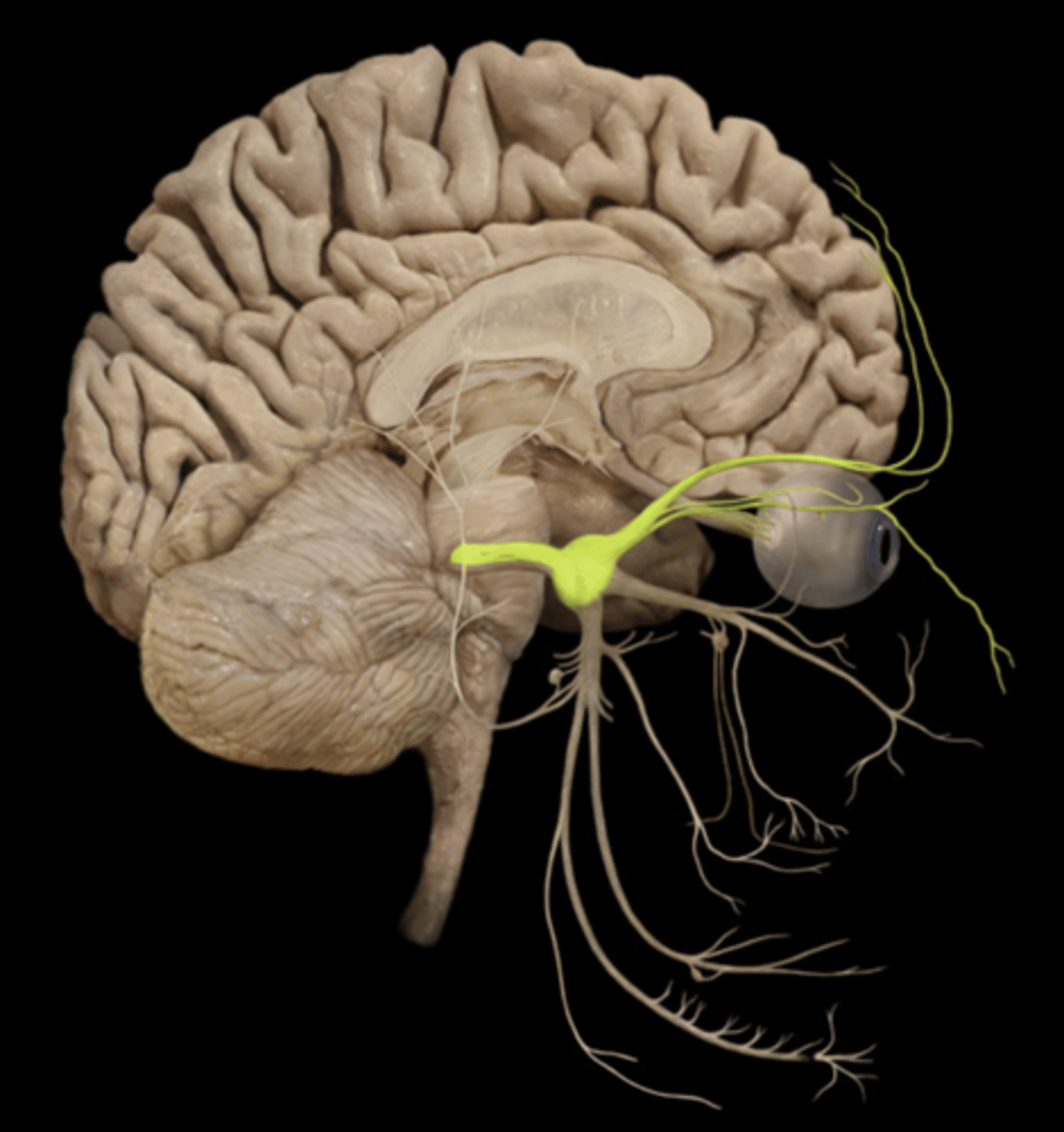
CN V1
ophthalmic nerve; first of three divisions of trigeminal nerve
passageway: superior orbital fissure
function: touch, temperature, and pain sensations from upper face
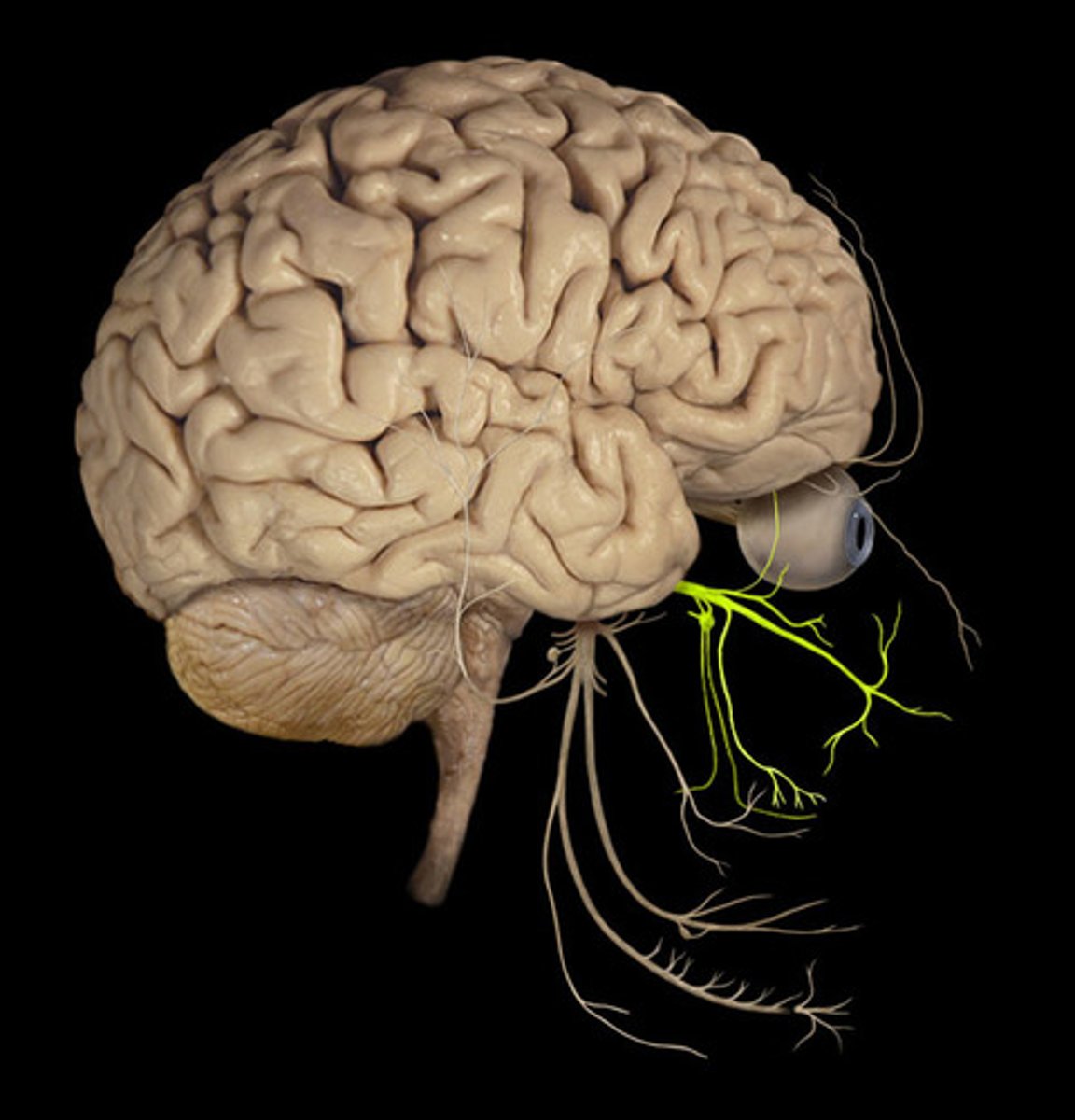
CN V2
maxillary nerve; second of three divisions of trigeminal nerve
passageway: foramen rotundum (and infraorbital foramen)
function: touch, temperature, and pain sensations from lower face in maxillary region
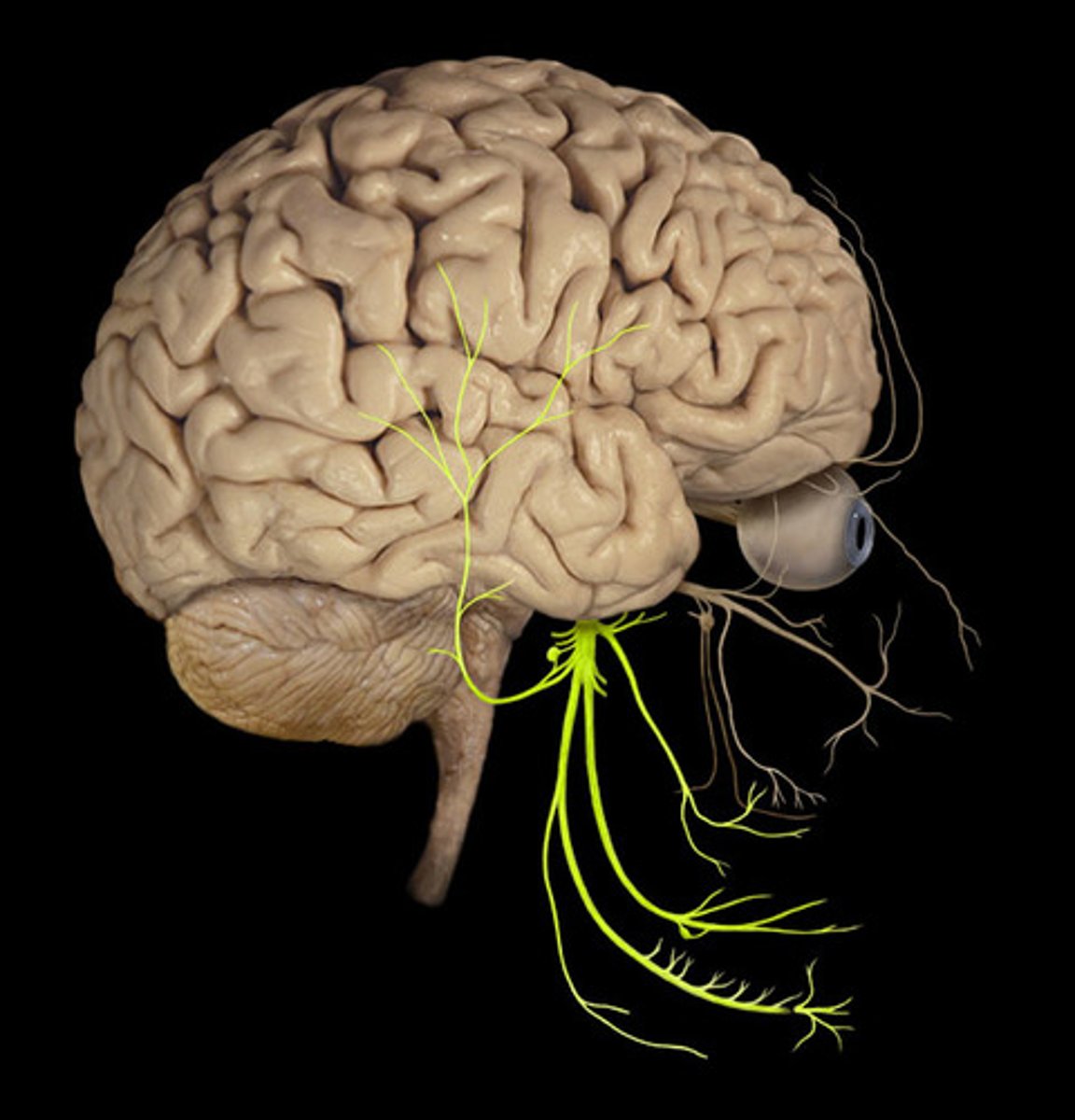
CN V3
mandibular nerve; third of three divisions of trigeminal nerve
passageway: foramen ovale
function: touch, temperature, and pain sensations from lower face in mandibular region (and mastication)
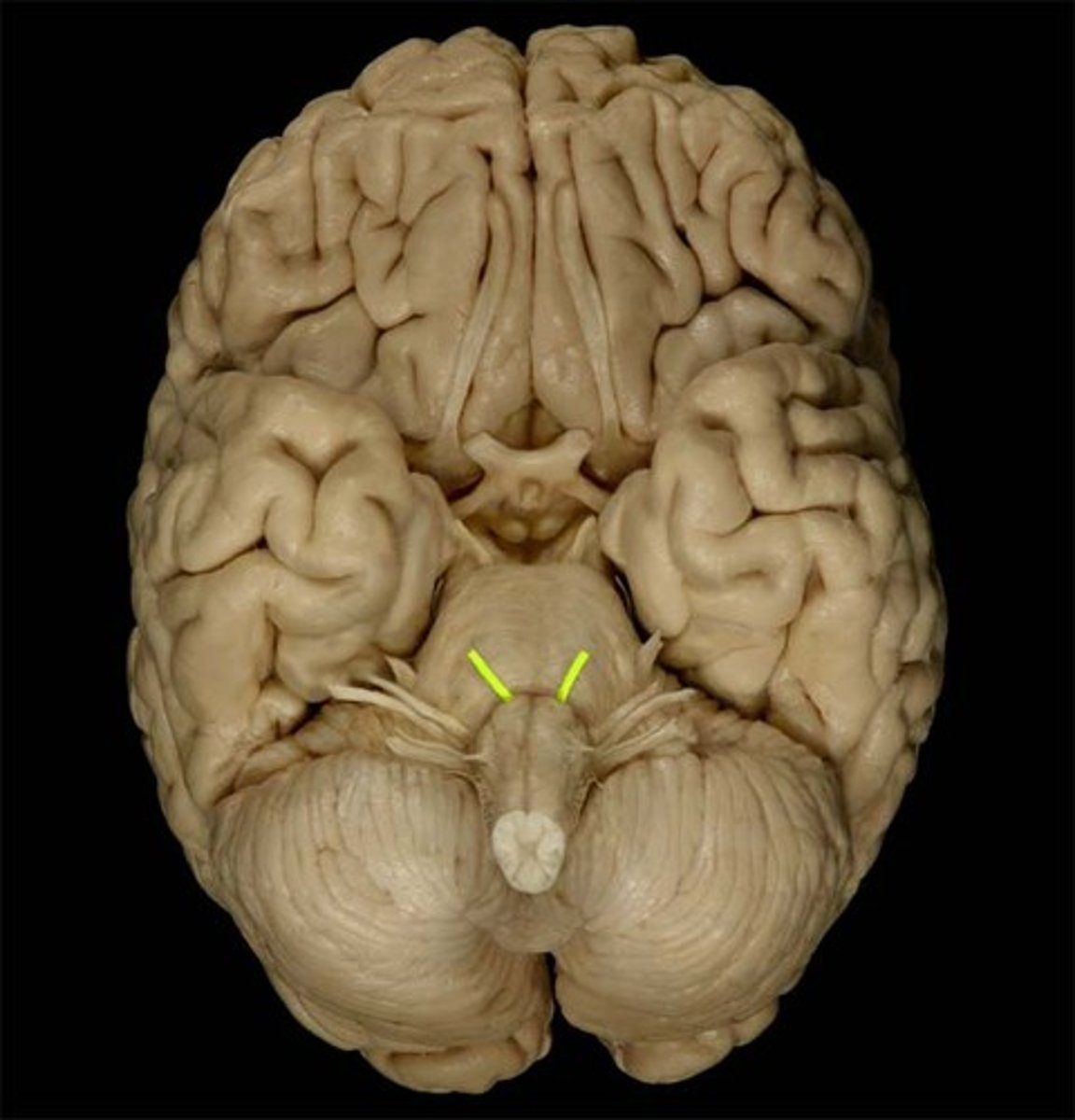
CN VI
abducens nerve
passageway: superior orbital fissure
function: allows for lateral eye movement
CN VII
facial nerve; has five branches (temporal, zygomatic, buccal, mandibular, cervical)
passageway: internal acoustic meatus (and stylomastoid foramen)
function: facial expression
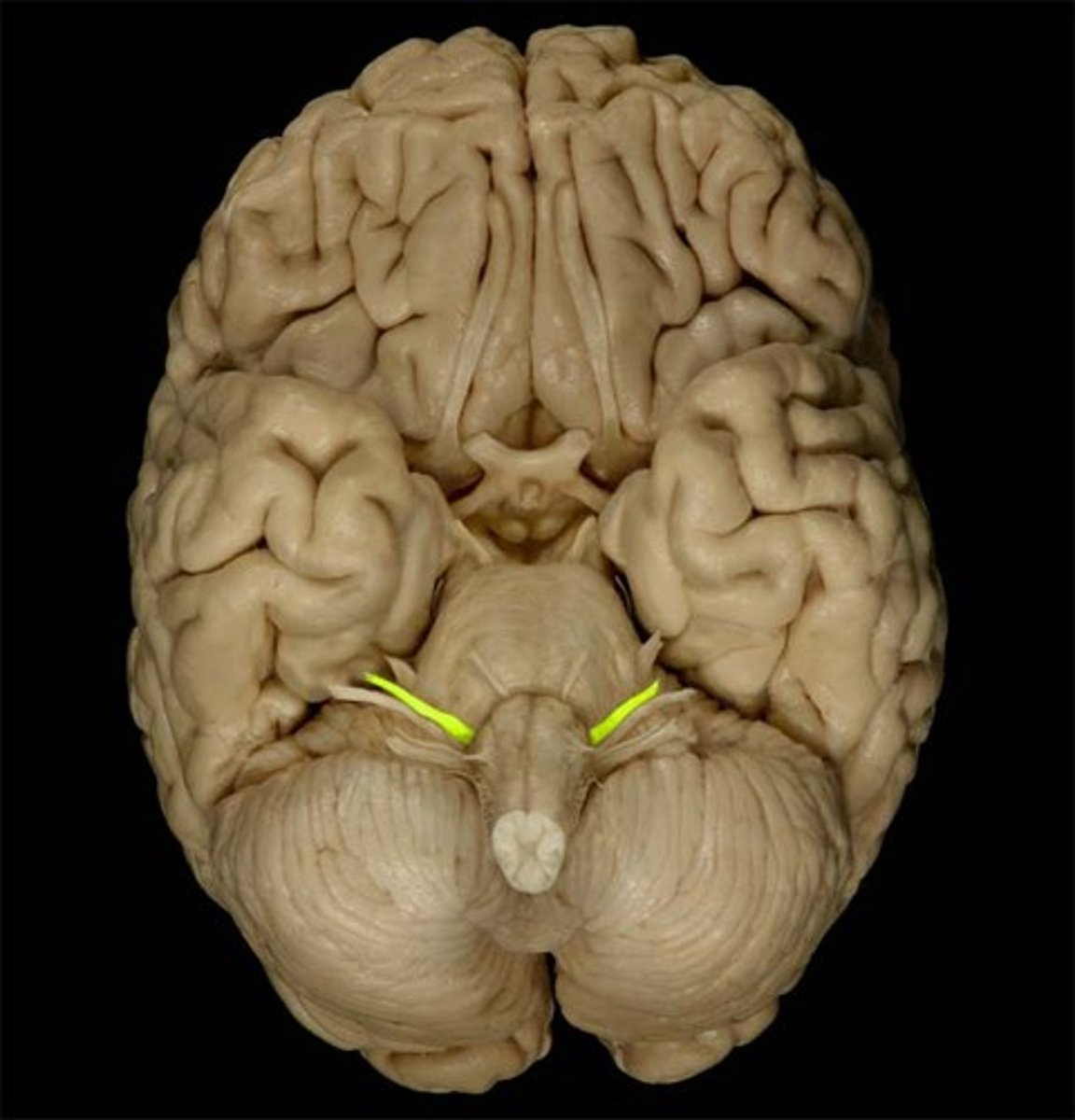
CN VIII
vestibulocochlear nerve
passageway: internal acoustic meatus
function: hearing and equilibrium
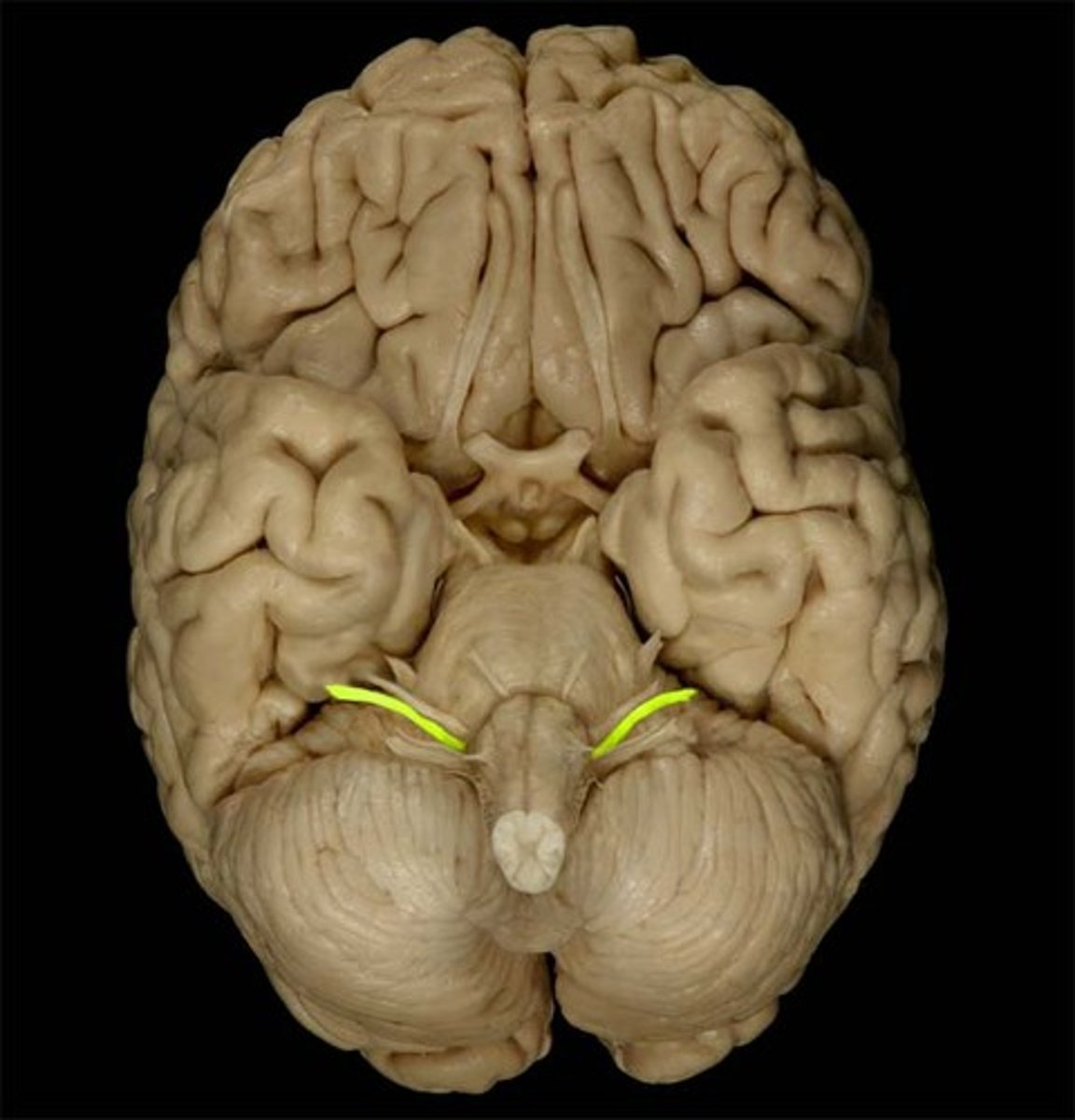
CN IX
glossopharyngeal nerve
passageway: jugular foramen
function: taste, touch, pressure, pain, and temperature sensations from tongue and swallowing
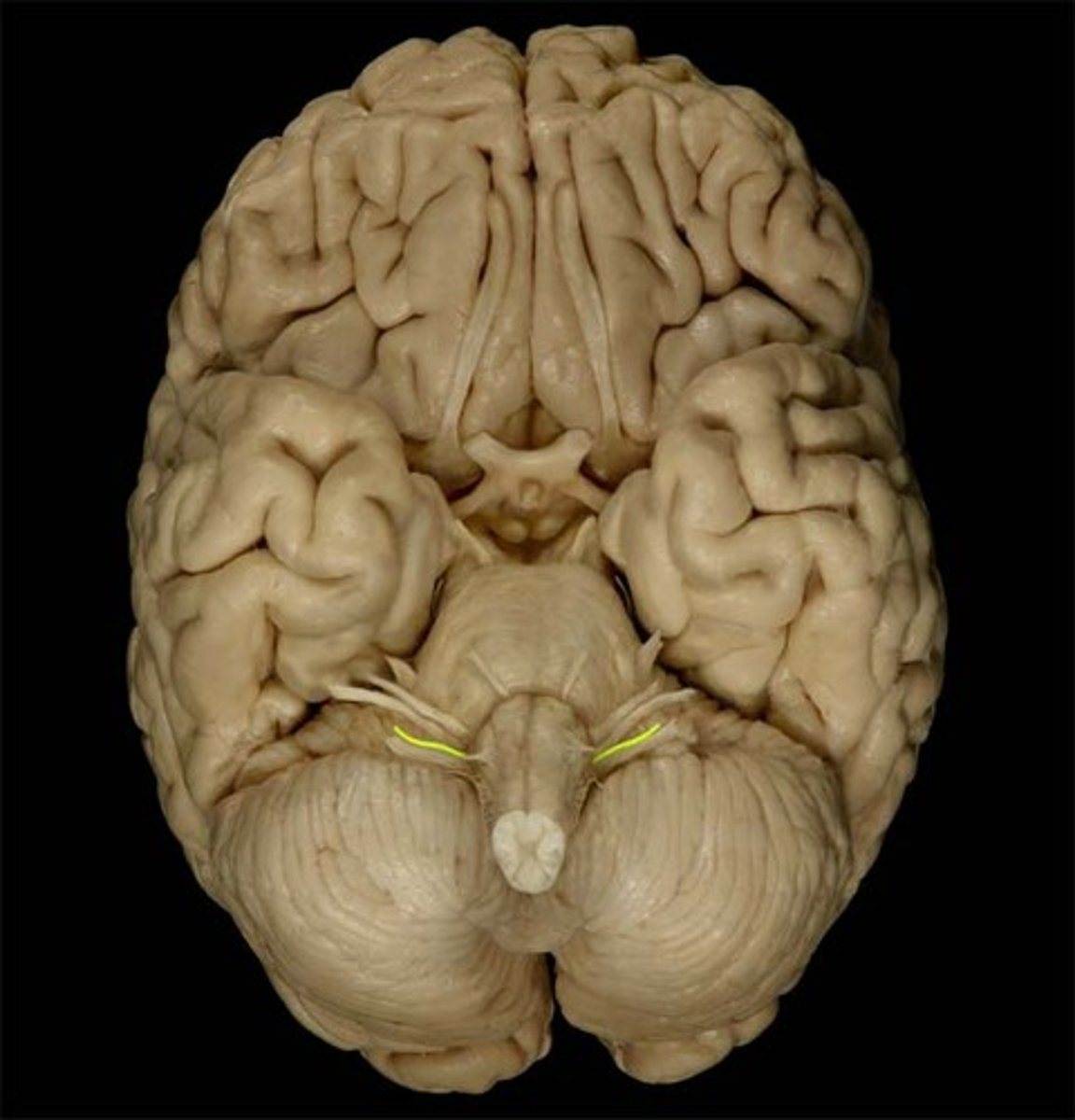
CN X
vagus nerve
passageway: jugular foramen down to thorax and abdomen
function: taste, hunger, fullness, gastrointestinal discomfort; parasympathetic nervous system
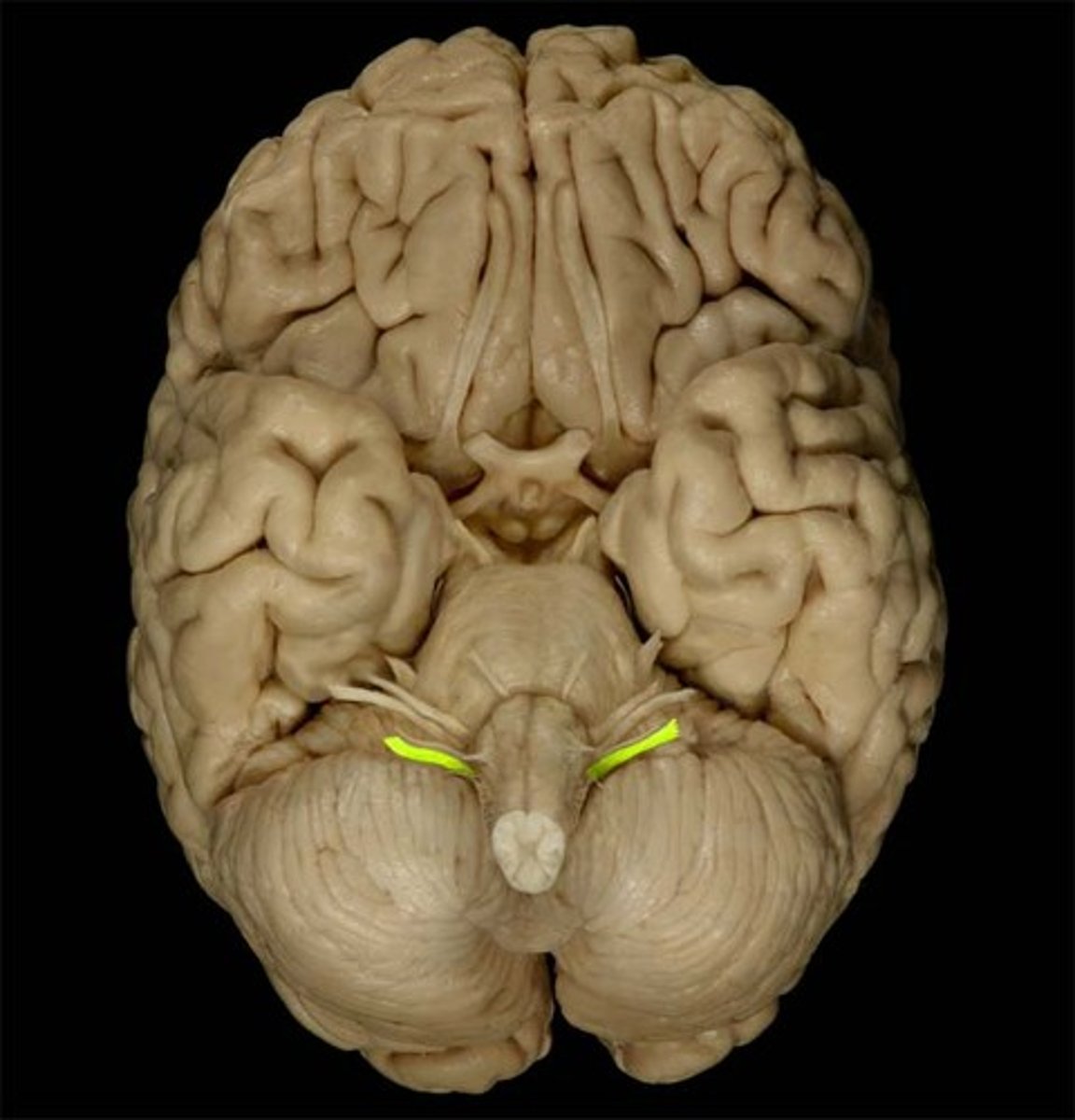
CN XI
accessory nerve
passageway: jugular foramen from cervical spine
function: swallowing, head / neck / shoulder movements
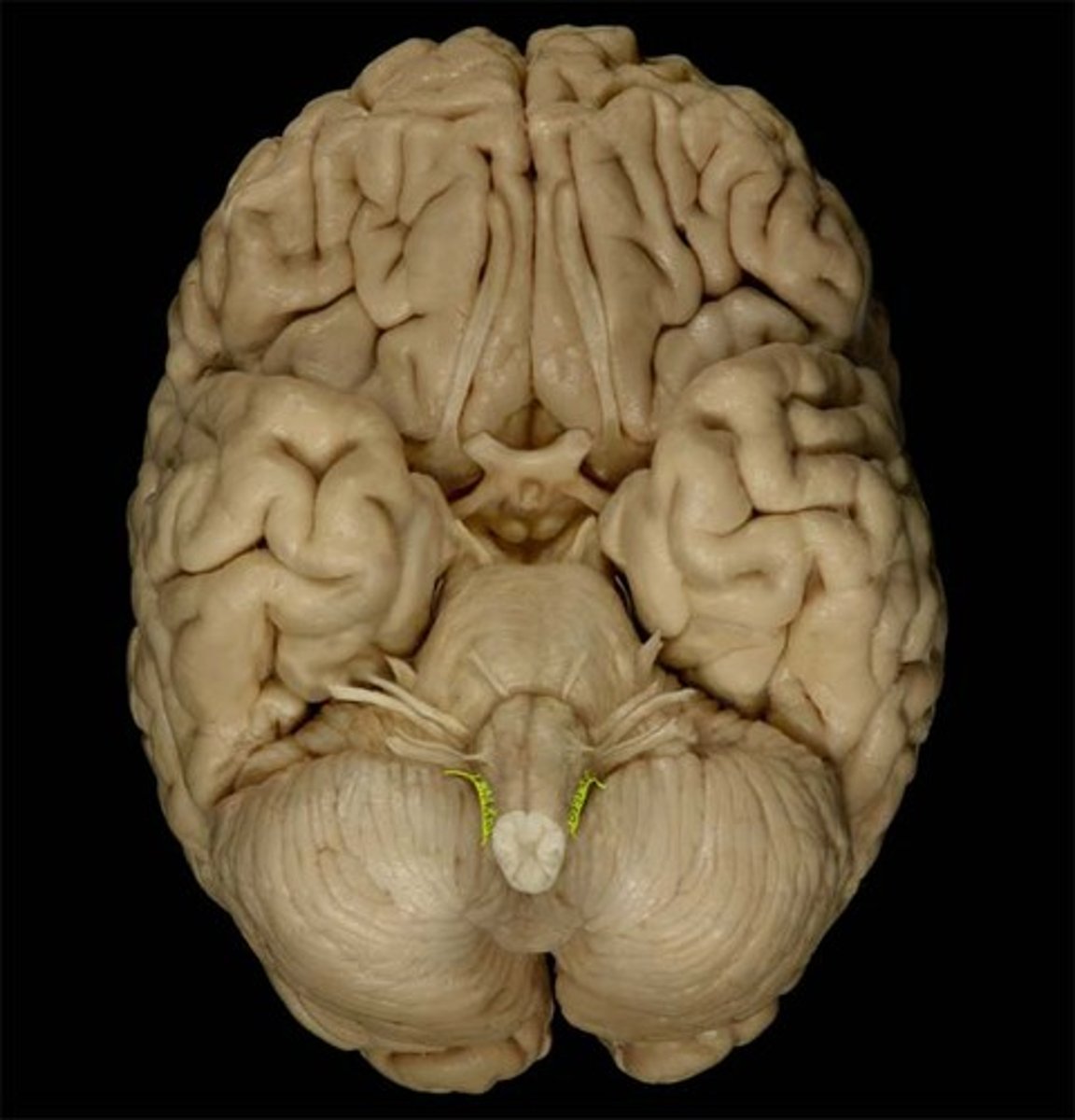
CN XII
hypoglossal nerve
passageway: hypoglossal canal
function: tongue movement
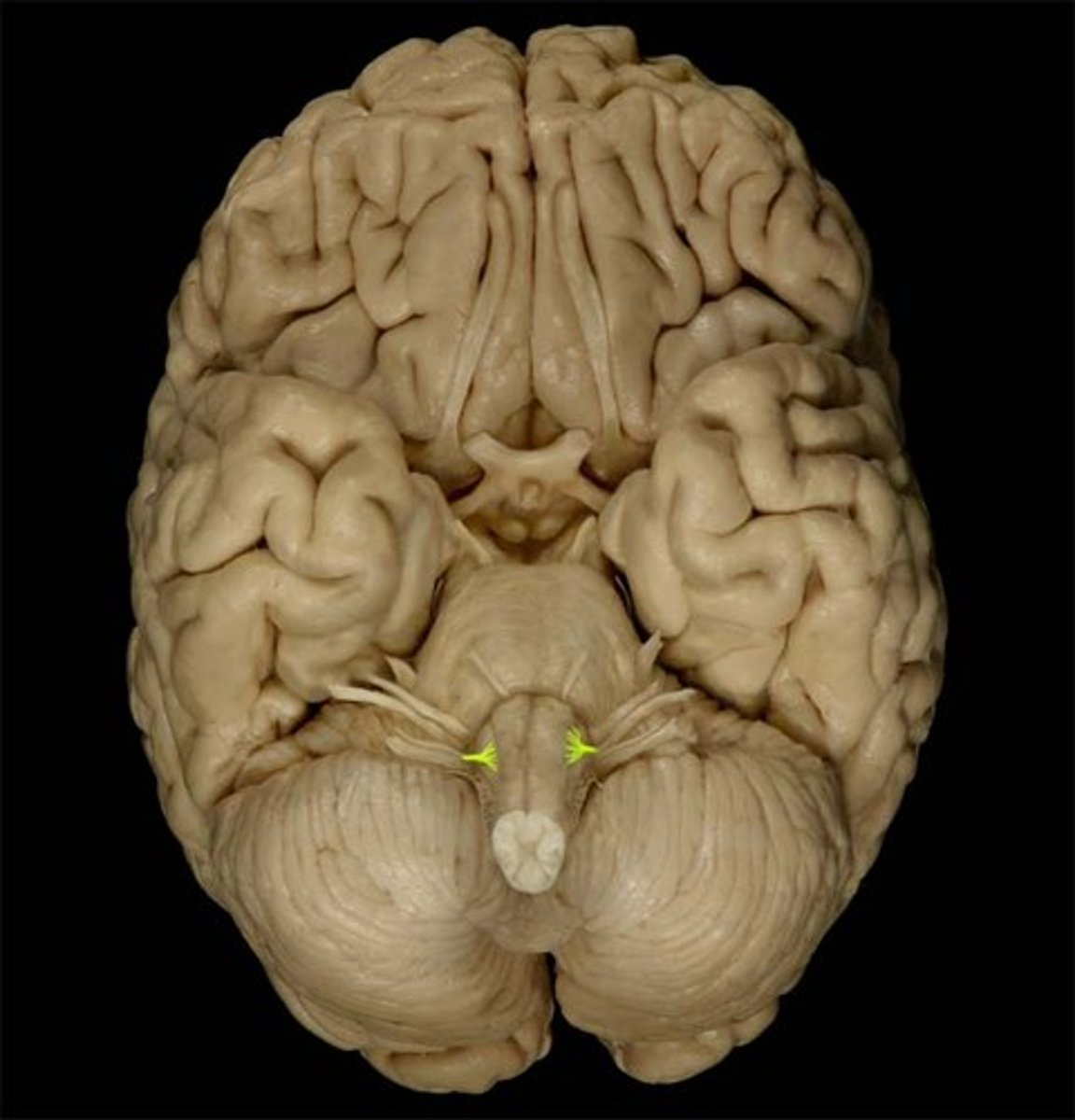
supraorbital nerve
innervates forehead, scalp, eyebrow, and upper eyelid
infraorbital nerve
innervates skin of lower eyelid, side of the nose, upper lip, and mouth
mental nerve
affects innervates skin of lower lip and chin
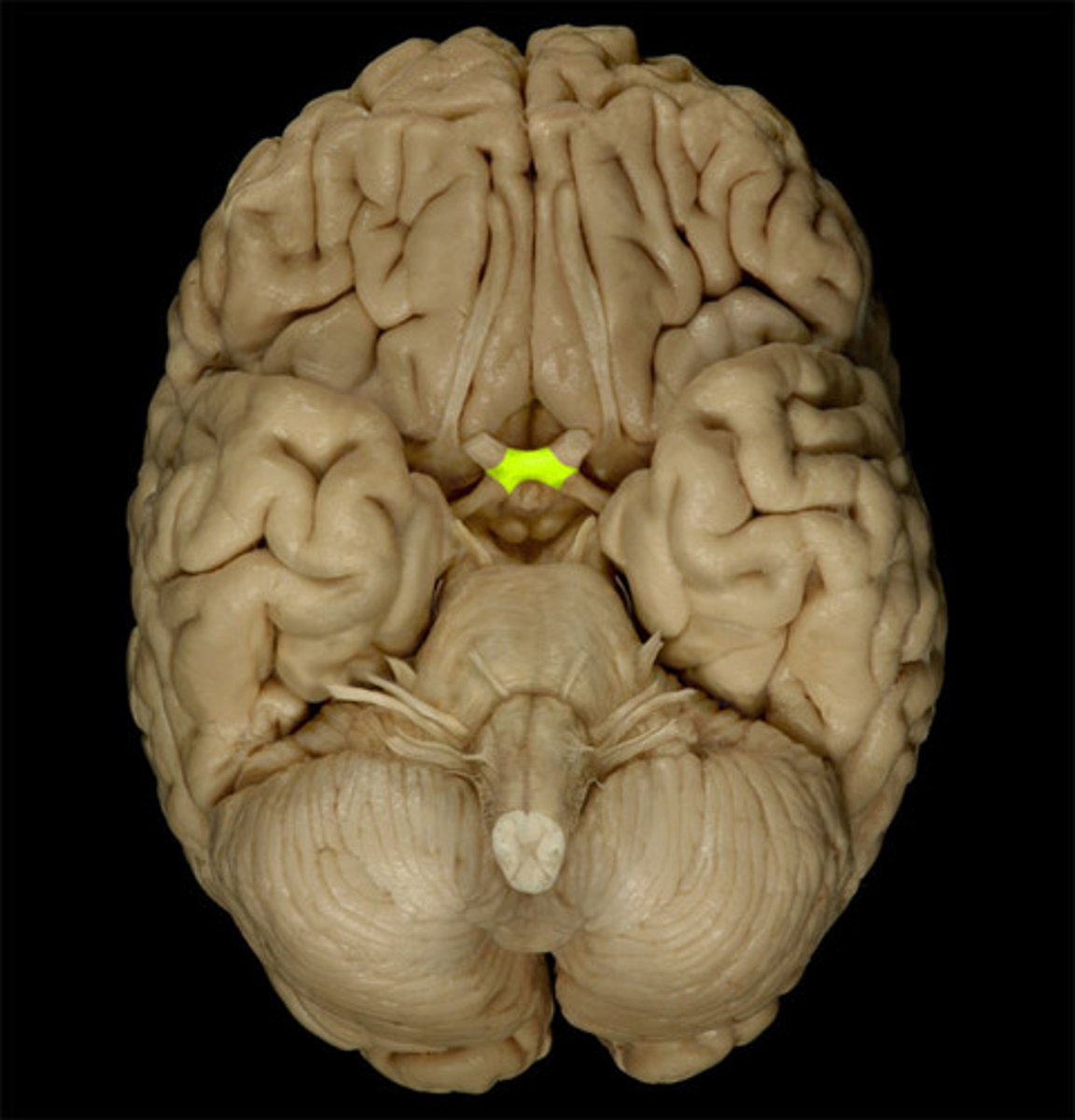
optic chiasm
point at which optic nerve fibers cross in the brain; in same area as cerebral arterial circle