Part 1: Nursing/Patient Care + General Side Effects of RTT
 Call Kai
 Learn
Learn Practice Test
 Spaced Repetition
 Match
Match Flashcards
 Knowt Play
1/41

There's no tags or description
Looks like no tags are added yet.
Name | Mastery | Learn | Test | Matching | Spaced | Call with Kai |
|---|
No analytics yet
Send a link to your students to track their progress
42 Terms
True or False: RTT may NOT legally diagnose patient
True. This duty belongs to the physician.
True or False: RTT may legally interpret images
False. They may not. This duty belongs to the physician.
True or False: RTT may legally reveal test results to patients
False: They may not. This duty belongs to the physician.
True or False: RTT may NOT legally prescribe drugs to patients
True. This duty belongs to the physician.
True or False: RTT may admit or discharge patients from the hospital
False. This duty belongs to the physician.
True or False: RTTs may legally order tests
False. This duty belongs to the physician.
True or False: Not all hospitals have comprehensive supportive care
True
What is the first thing you should do when retrieving a patient for treatment?
Be sure to properly check the patient’s ID
What is one benefit of waiting rooms?
Provide community & support
List some of the problems with waiting rooms:
Lack of modesty- main reason (e.g. Patient changes into a gown and then has to go back to main waiting room → Fix: second gown-waiting area)
Misinformation
Side effects talk, scaring other patients
What are the 3 general side effects of RTT
That can occur no matter the treatment site
Skin Reaction
Anorexia
Fatigue
General Side Effects of RTT: I. SKIN REACTION
I. SKIN REACTION
def. outer surface & leading to outer surface, also includes glandular tissues
term. epithelial cells
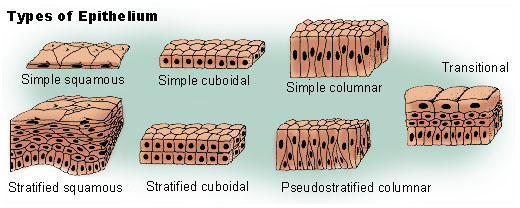
Why are epithelial cells really affected by radiation?
Epithelial cells have a rapid rate of reproduction
Radiation affects fast reproducing cells
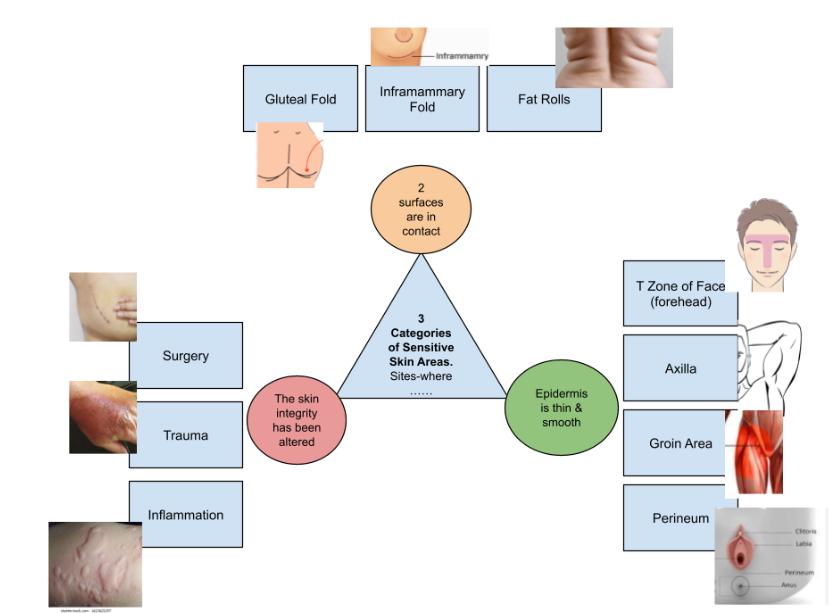
Name the 3 categories of sensitive skin areas:
2 epic interviews
What is an acute reaction?
short term
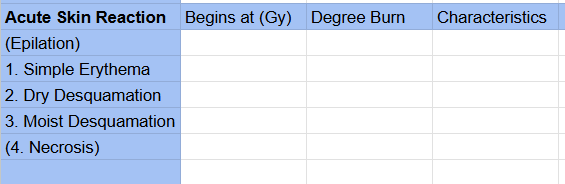
Name the 3 stages of acute skin reaction
simple erythema (aka erythema)
dry desquamation
moist desquamation
(Some list necrosis as a 4th stage)
What stage(s) of acute skin reaction are most patients in
simple erythema or dry desquamation
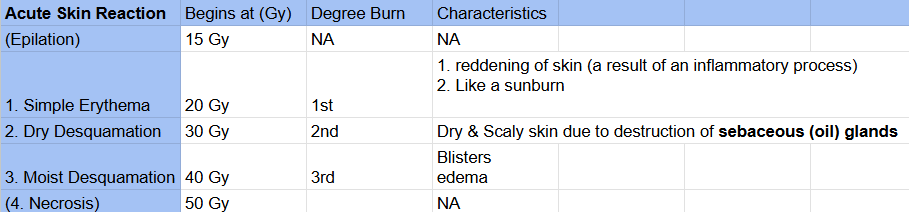
What causes the moistness in moist desquamation?
Buildup of serous fluid
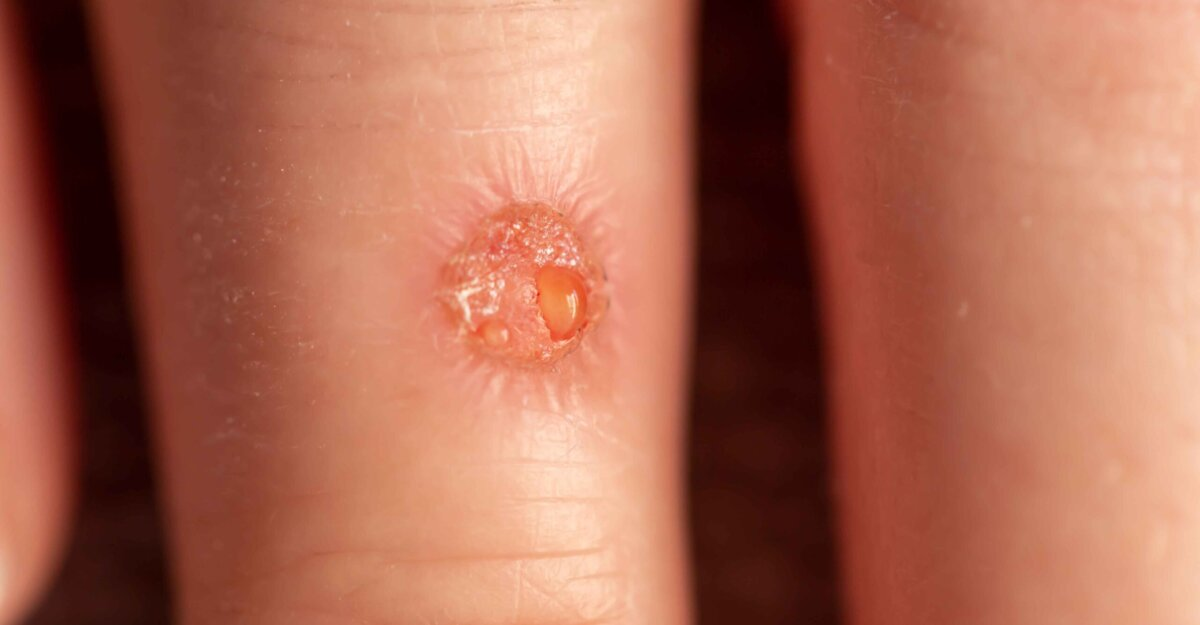
What is a late effect?
permanent/ semi-permanent
occur some time after treatment is finished
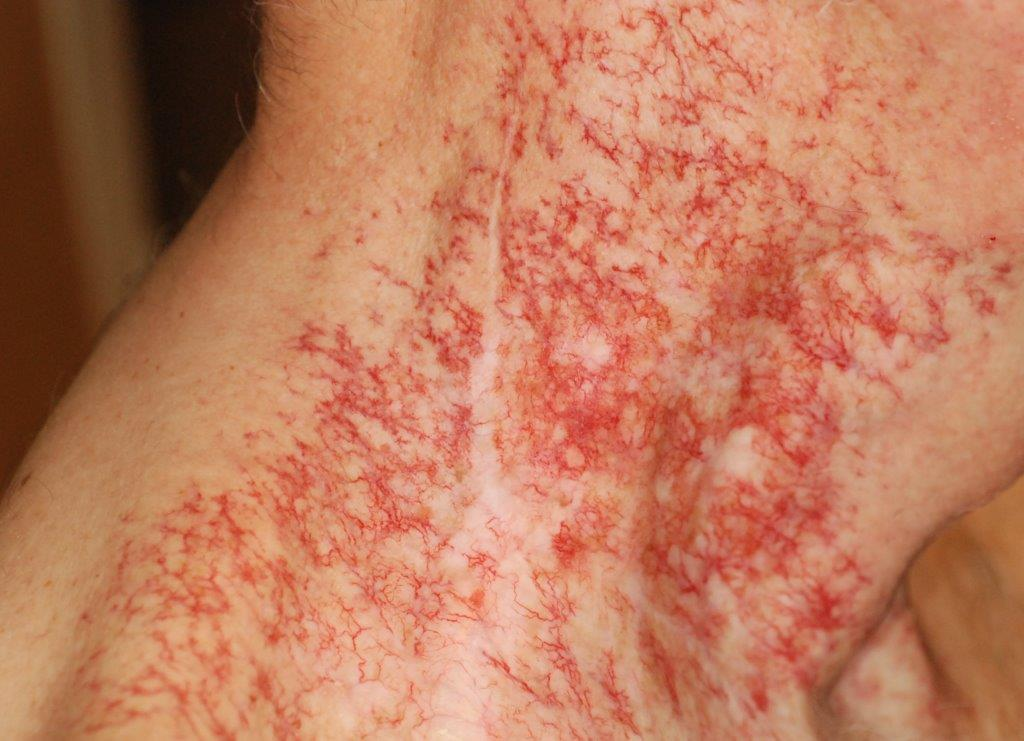
List the late effects of radiation on the skin
fibrosis/ atrophy (can cause edema)
telangiectasia
necrosis
extra:
tanned appearance
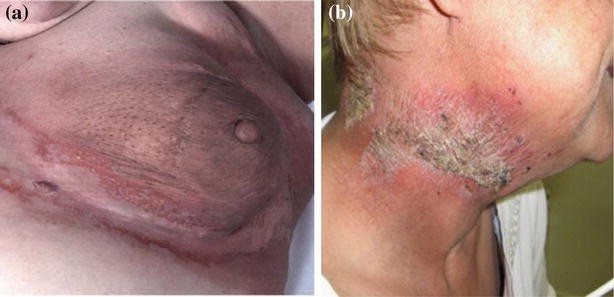
term. fibrosis/atrophy
skin becomes thick and leathery
Fibrosis can result in:
impairment of lymph drainage resulting in edema
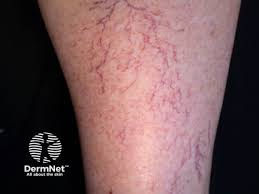
term. telangiectasia
def. bluish, purple lesions due to destruction of capillaries
True or False: Necrosis is a common late effect of radiation on the skin
False. It is rather rare
Commonly overlooked skin reactions
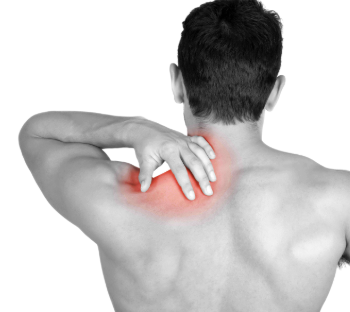
Upper back erythematous rxns for AP/PA chest (lung, esophagus CA)
Treating thru clothes creates bolus effect
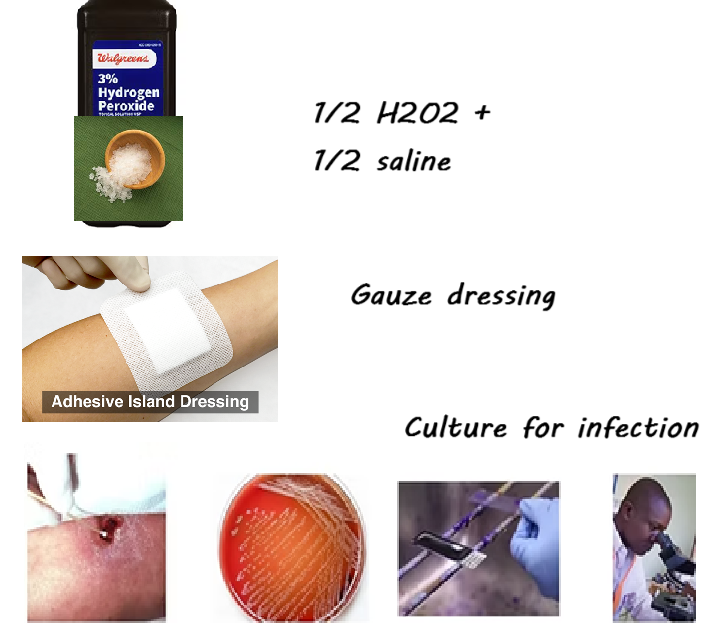
Skin care for Severe Skin Reactions (Moist Desquamation)
Cleanse area with: ½ Hydrogen Peroxide, ½ Saline (mix immediately prior to use)
Gauze dressings for wound area
Area may need to be cultured for infection (i.e. take bacteria culture)
Suggestions to all patients to minimize skin reactions:
(What would you recommend to patients with skin reactions or to help prevent skin reactions)
Weather stuff
Avoid extreme temperatures (hot or cold)
Avoid sun
Avoid swimming in chlorinated pools or ocean water
Shower Stuff
Use electric razor
Use mild soaps
Pat skin dry when coming out the shower, don’t rub
Wear breathable cotton
Avoid tight fitting clothes
Avoid deodorant
Avoid cosmetics
Ointments
Put ointments/ lotions AFTER treatments (specially talc)
Corticosteroid creams
Aquaphor
Aloe Vera
Cornstarch & water paste
Plain yogurt in infected areas
General Side Effects of RTT: II. ANOREXIA
II. ANOREXIA
What are the 3 general causes of anorexia
Pathophysiological process of cancer (fyi: cancer produces chemicals that decrease appetite. H/N cancers= side effects that cause difficulty eating)
Effects & Side Effects of treatment
Psychosocial impact of cancer (FYI: anxiety or shame decreases appetite)
PEP: cheerleaders
Other specific causes of anorexia:
fatigue
alterations in sense of taste
dry mouth
pain
stress/ anxiety
PS (its a) FAD
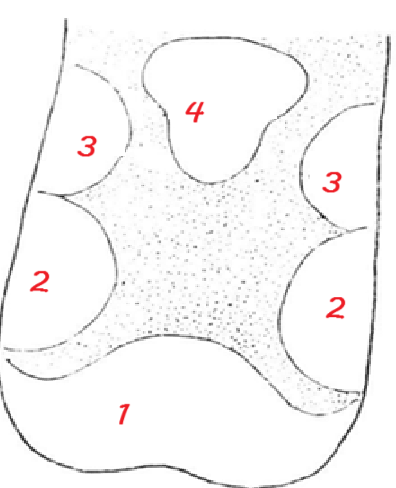
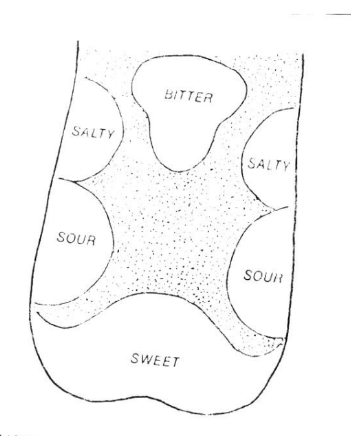
Lingual Taste Sensations:
Tip
Sides (Towards Tip)
Sides (Towards Back)
Back
`
Sweet
Sour
Salty
Bitter
`
General Side Effects of RTT: III. Fatigue
III. Fatigue
What is the most common radiation therapy side effect experienced?
Fatigue
General Advice when to deal with fatigue
Encourage pt to maintain a normal lifestyle as much as possible
Remind patient fatigue is NOT a sign of disease coming back
Possible Causes of Fatigue
Destruction of cells as a result of treatment & subsequent release of waste products into the bloodstream
Increase in BMR due to tumor having increase need for nutrients
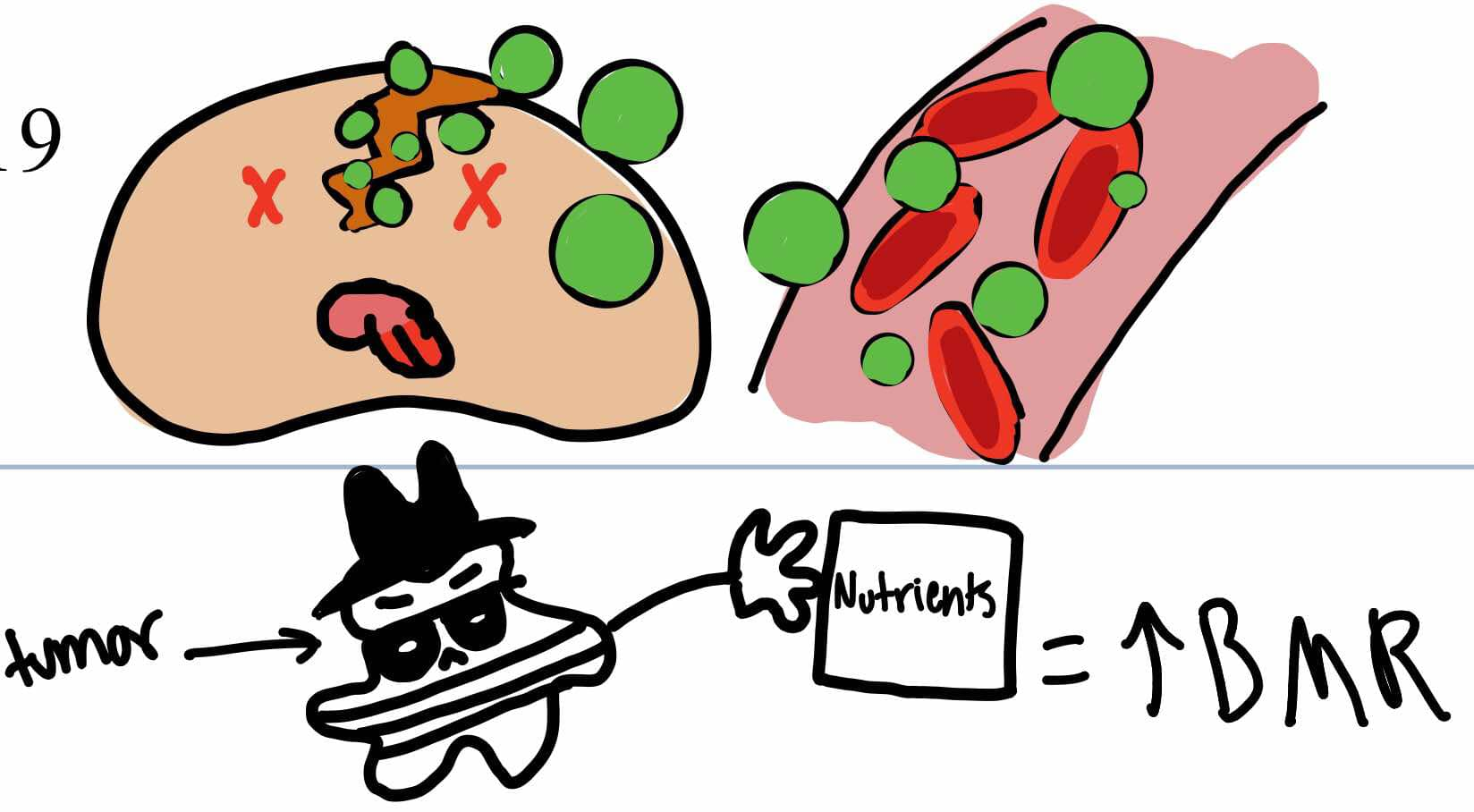
BMR stand for
Basal Metabolic Rate (i.e metabolism)
When does fatigue typically occur:
When does it start?
When does it go away?
Peaks 2 weeks into tx
Disappears 2 weeks AFTER tx finishes
Interventions for Fatigue:
Prescription
Procrit (injection)
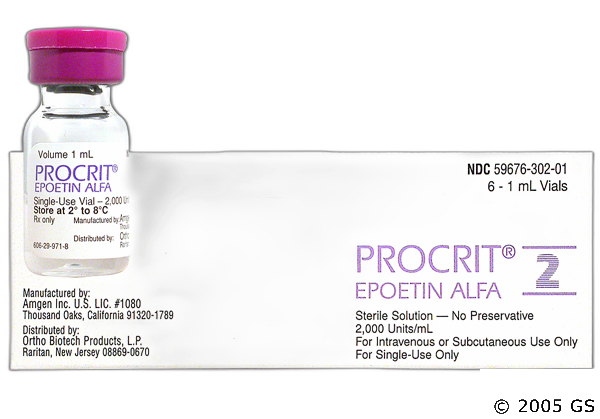
What does procrit do?
Boosts your body’s ability to make RBCs (red blood cells)
its pro RBC critters
General advice to patients concerned with fatigue
Lifestyle:
Conserve energy BUT maintain lifestyle (pace activities)
seek help with housekeeping/ chores
Help patient maintain adequate patterns of sleep, rest, exercise
Eat/ Drink:
force fluids: 3L/Day (UNLESS CONTRAINDICATED) to promote excretion of tumor waste products
Maintain good nutrition
Talk to patient:
Educate patient on possible causes of fatigue, explain they are only temporary
Help patient develop coping skills to alleviate stress
Medications:
Administer medicine to control pain and other symptoms
If prescribed, transfuse packed RBCs to improve erythrocyte count