Larynx
 Call Kai
 Learn
Learn Practice Test
 Spaced Repetition
 Match
Match Flashcards
 Knowt Play
1/26

There's no tags or description
Looks like no tags are added yet.
Name | Mastery | Learn | Test | Matching | Spaced | Call with Kai |
|---|
No analytics yet
Send a link to your students to track their progress
27 Terms
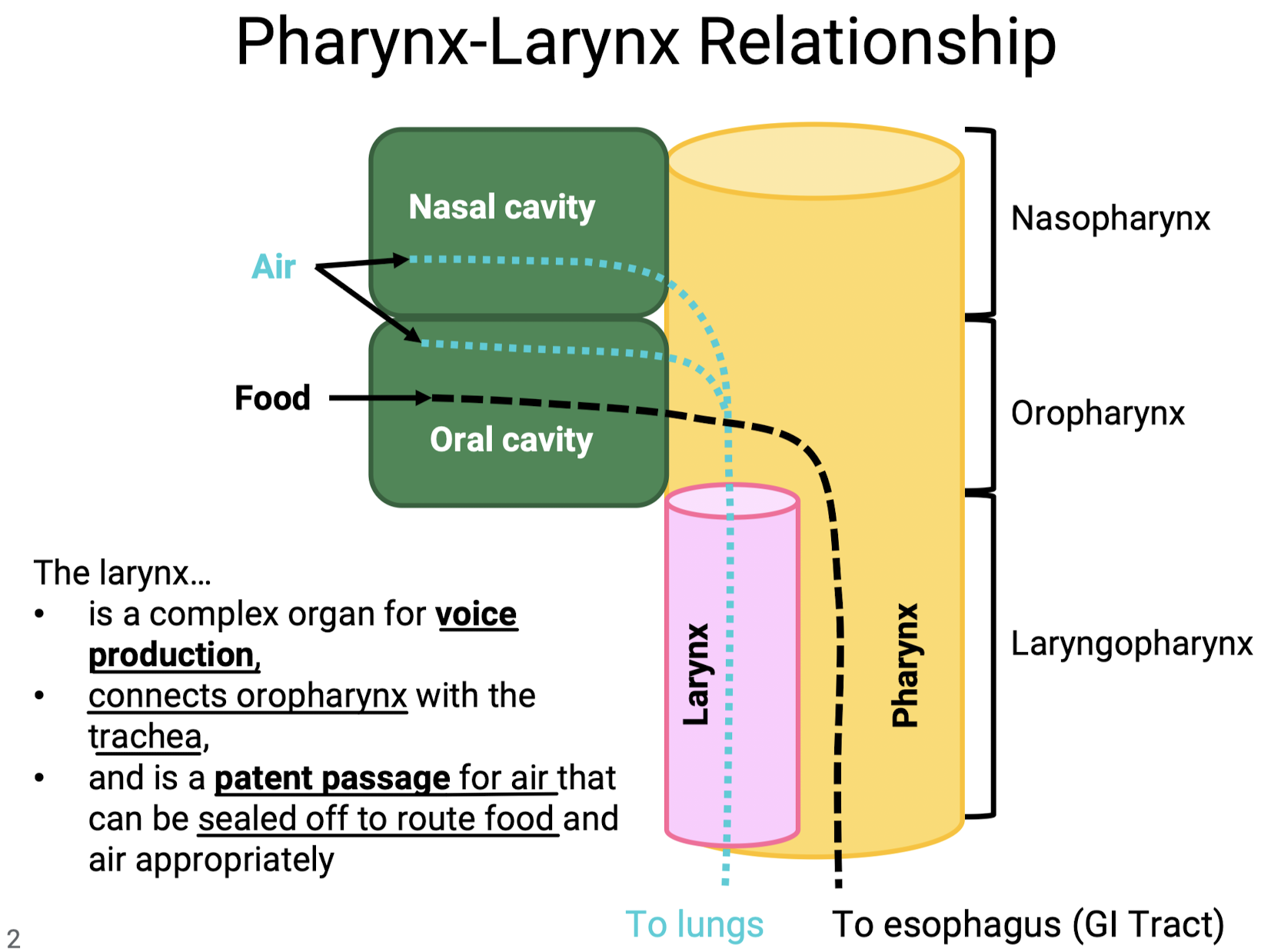
What is the function of the larynx?
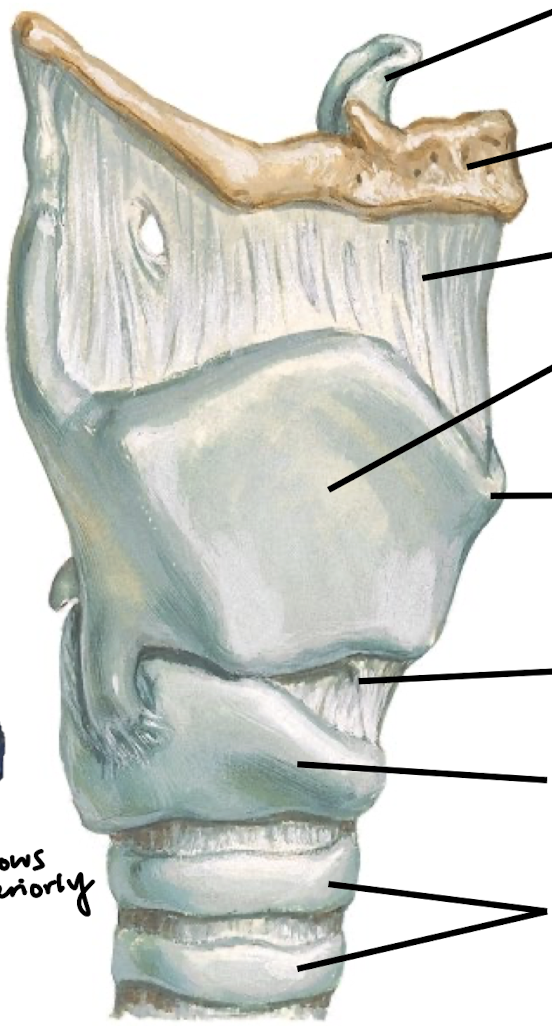
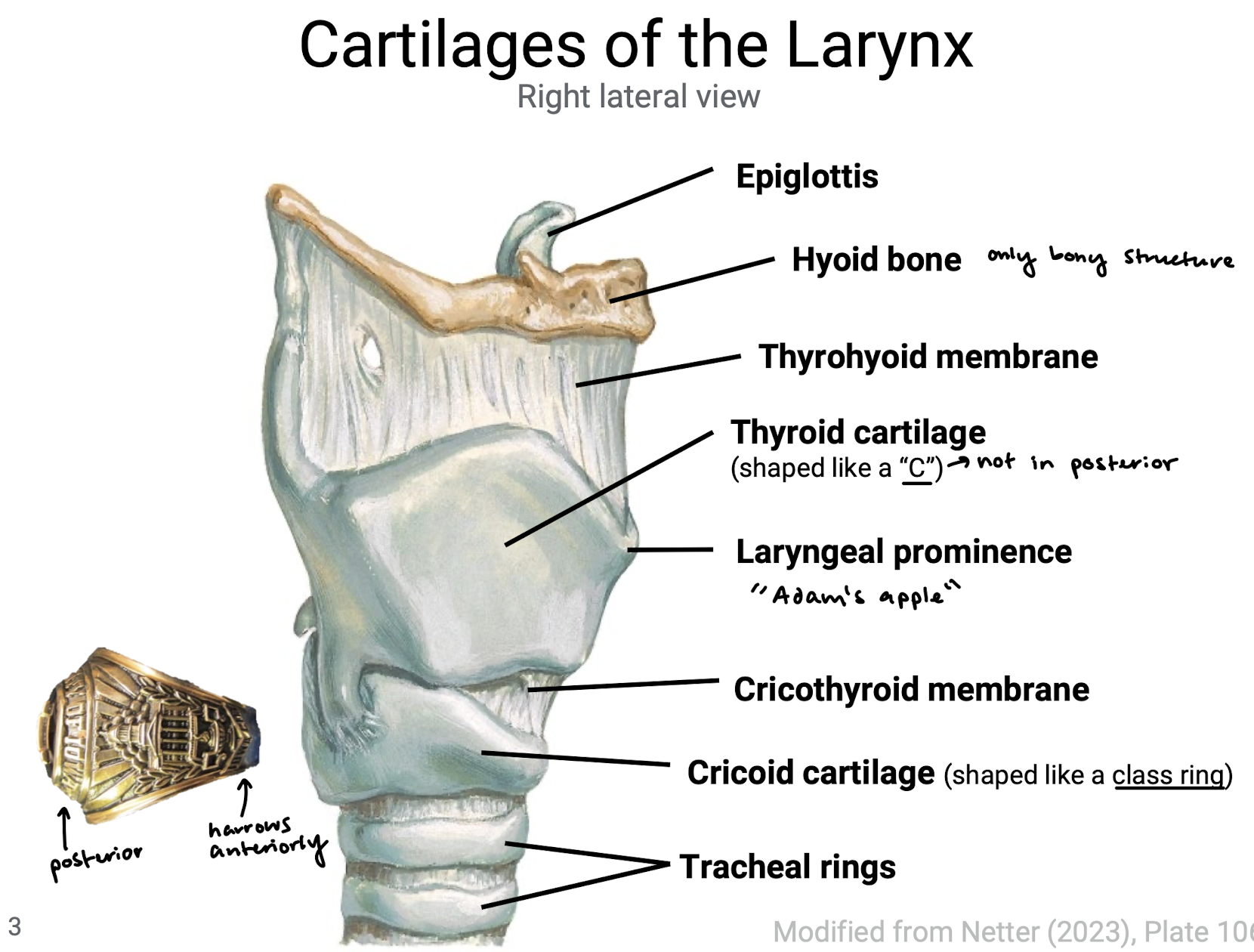
Review the components of the larynx from the anterior view.
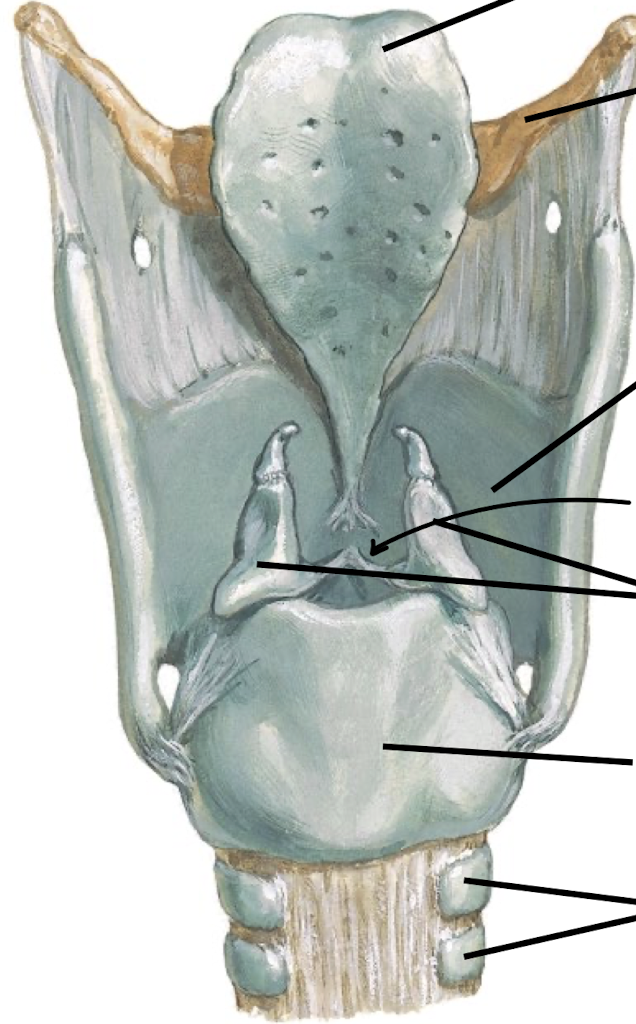
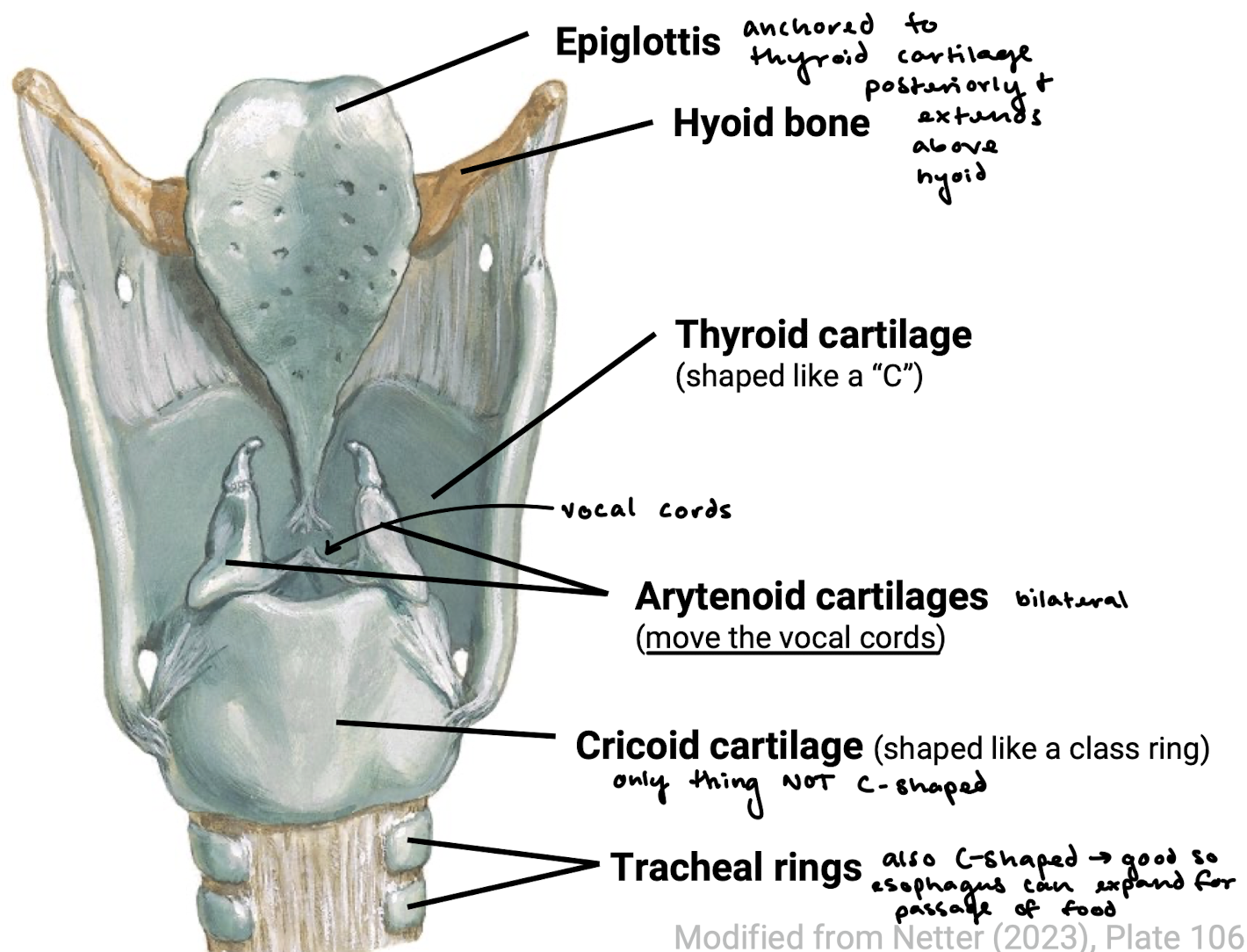
Know the components of the larynx from the posterior view.
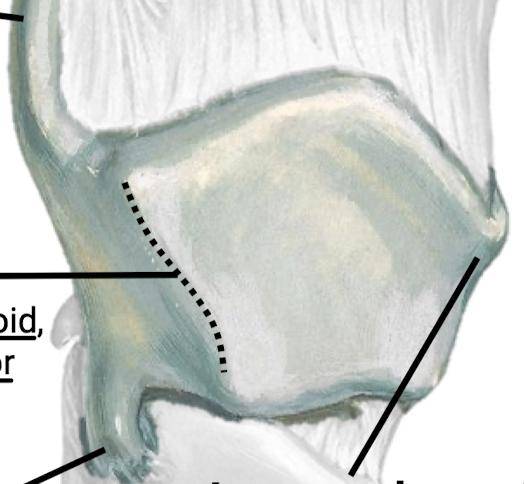
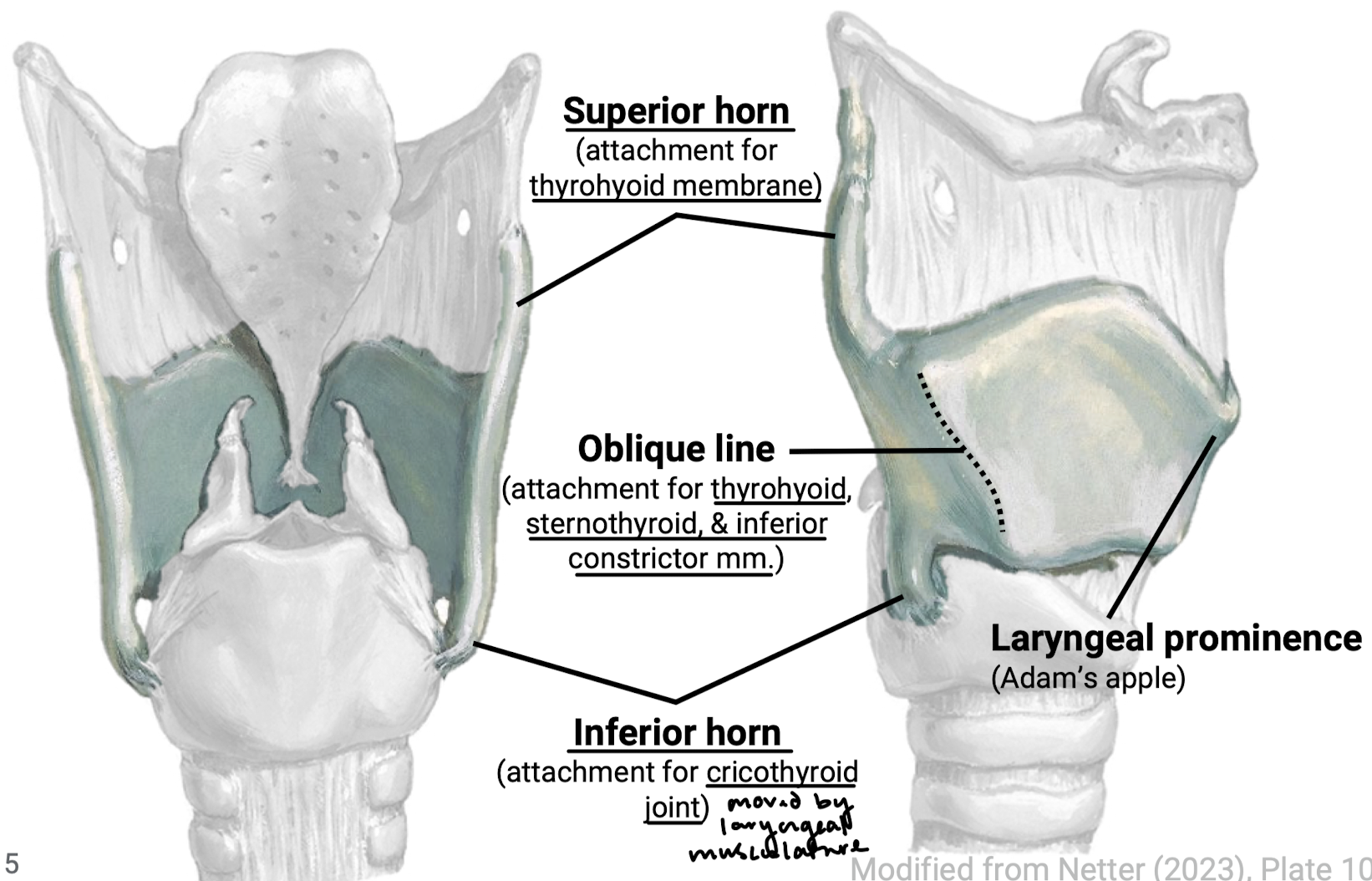
What are the different features of the thyroid cartilage? Include the significance of each feature (what attaches)

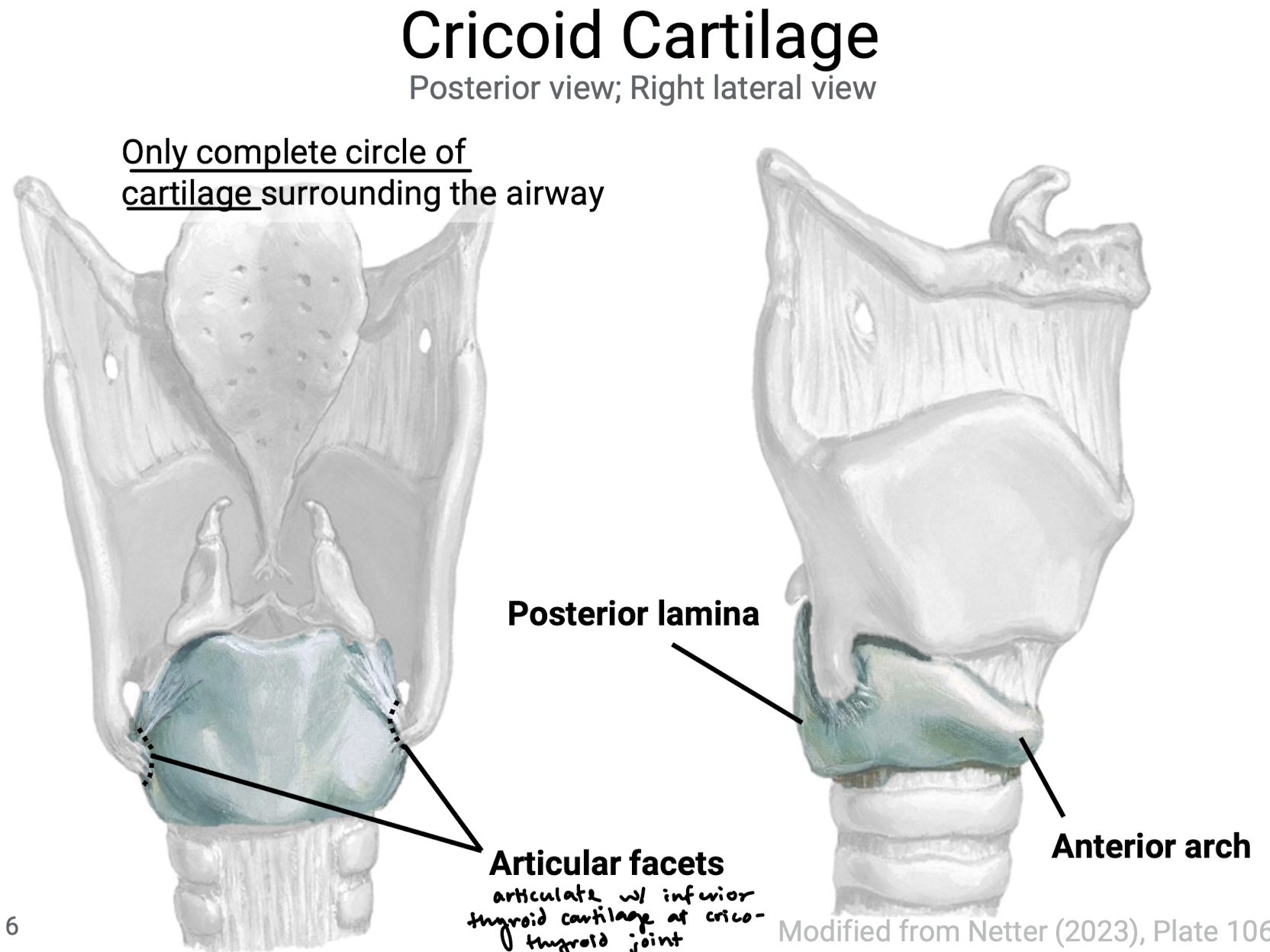
Know the different features of the cricoid cartilage and their significance.
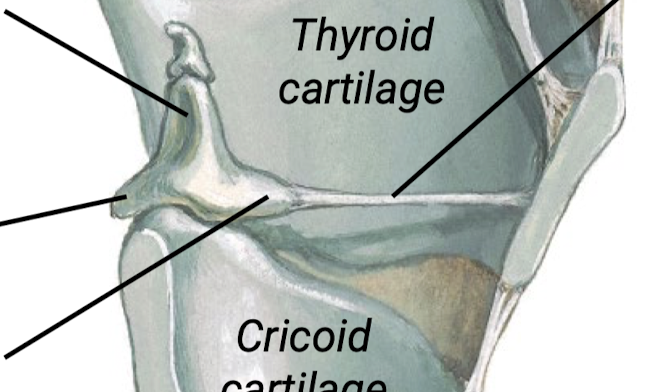
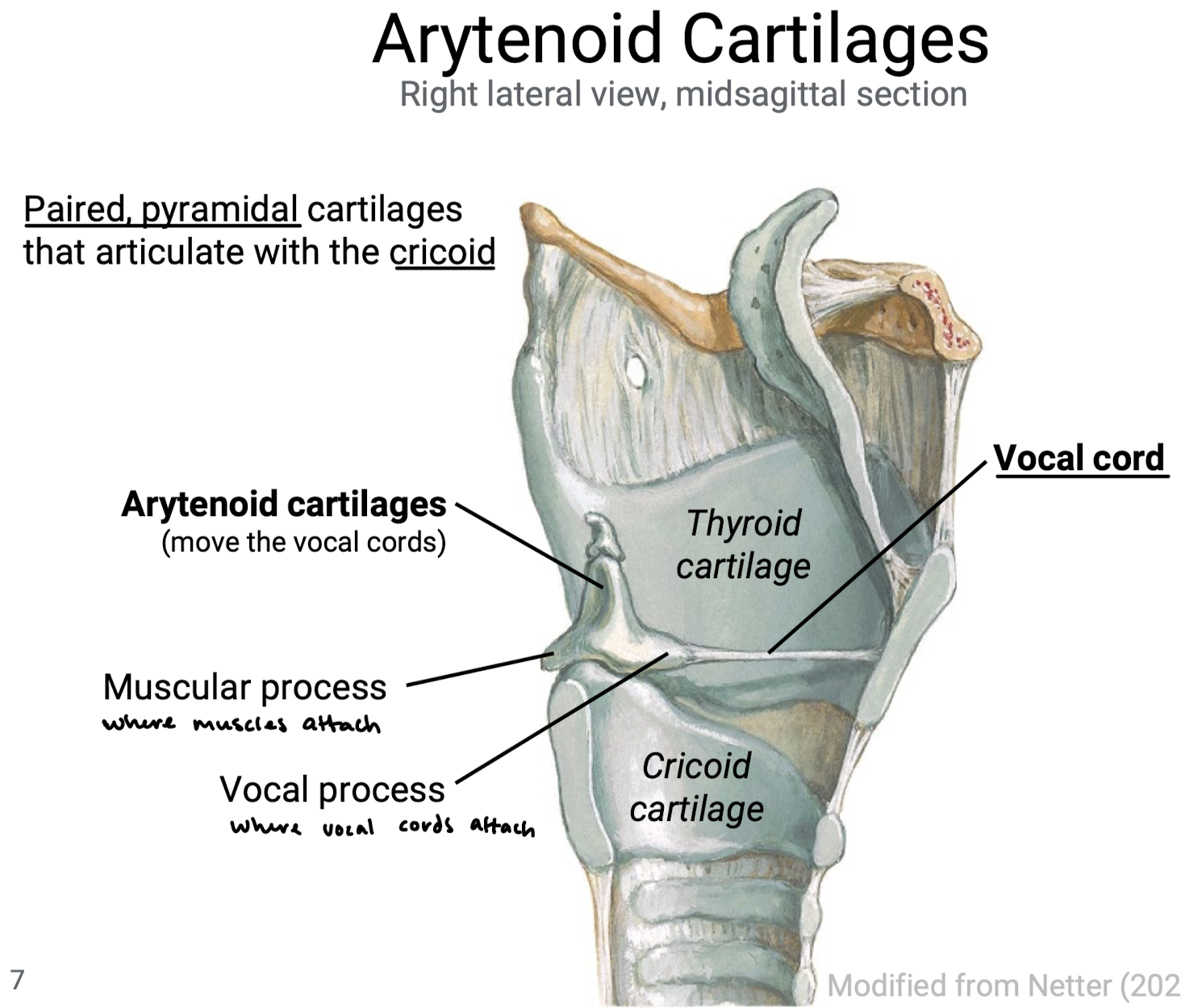
Know the different features of the arytenoid cartilage and their significance.
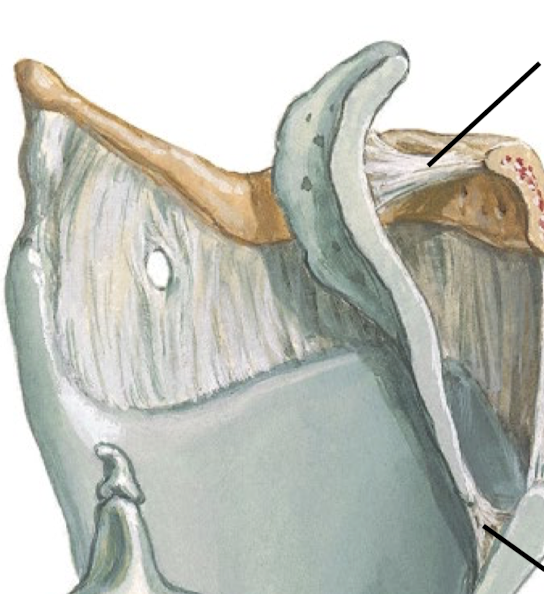
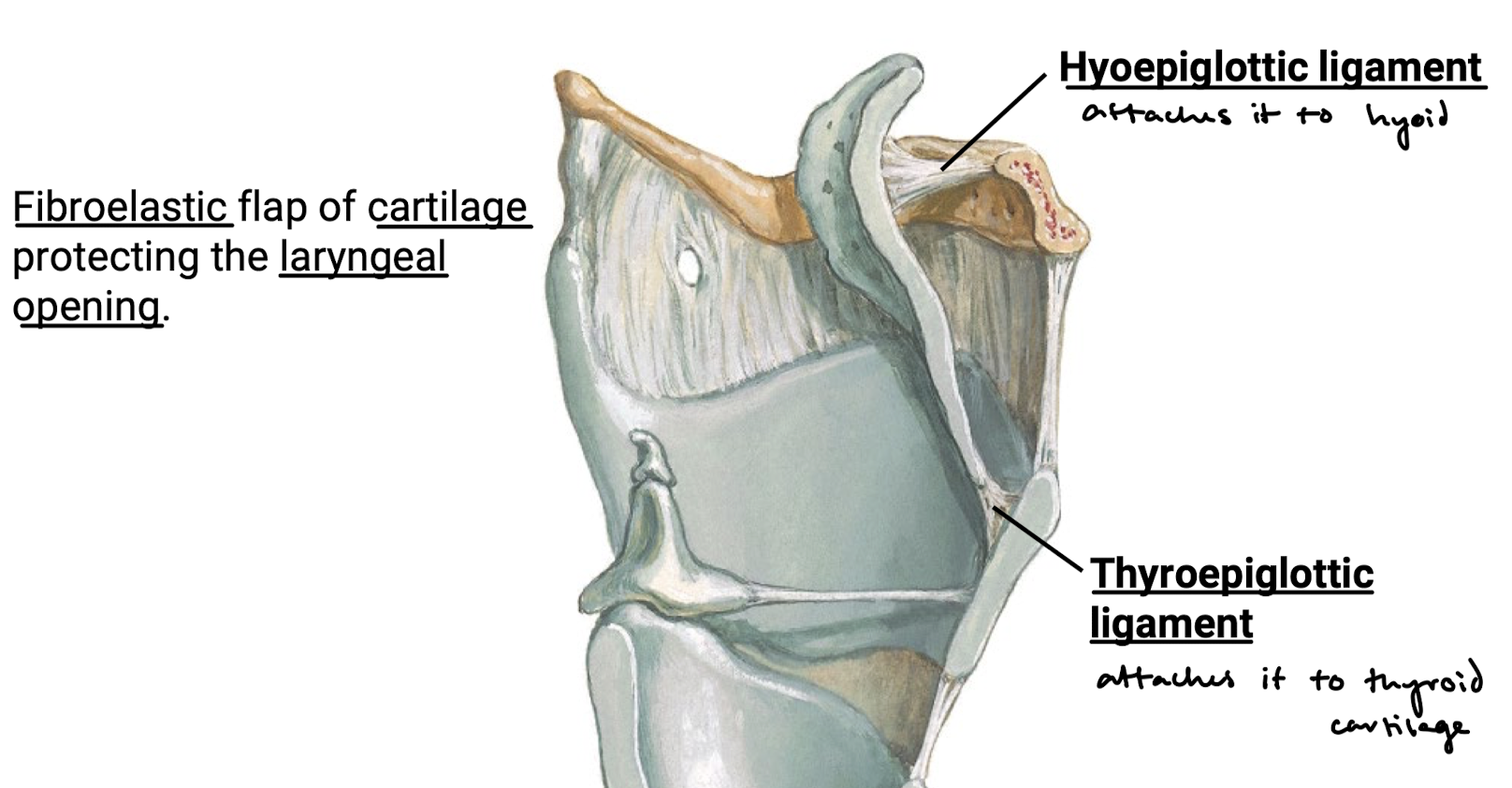
What is the function of the epiglottis? Know its ligaments/attachments.
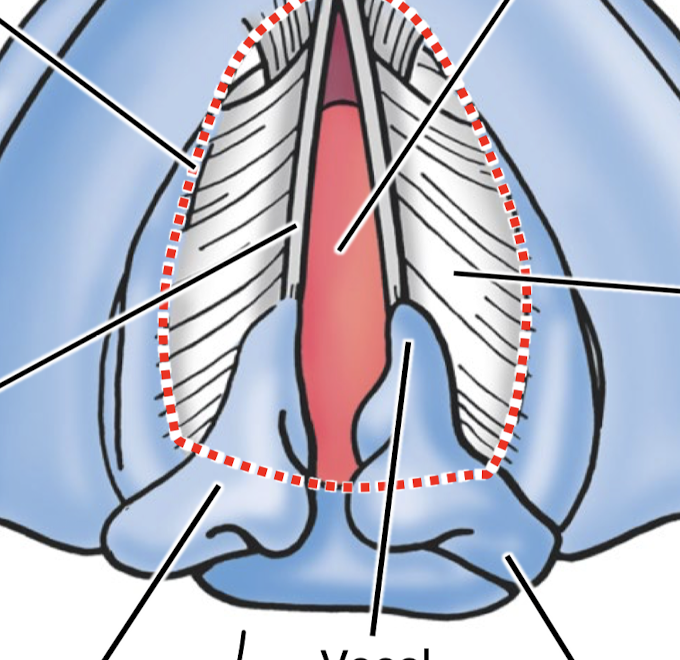
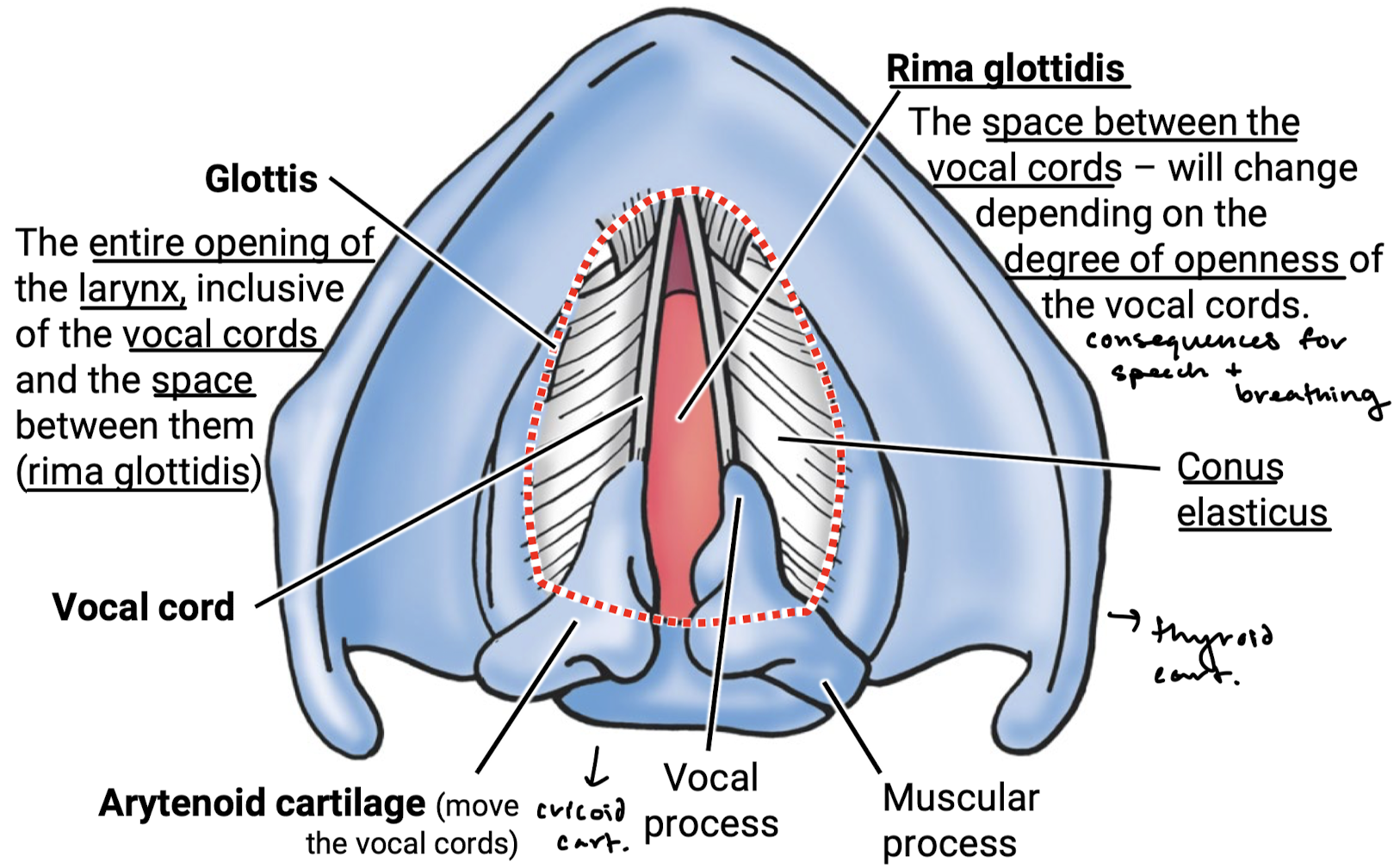
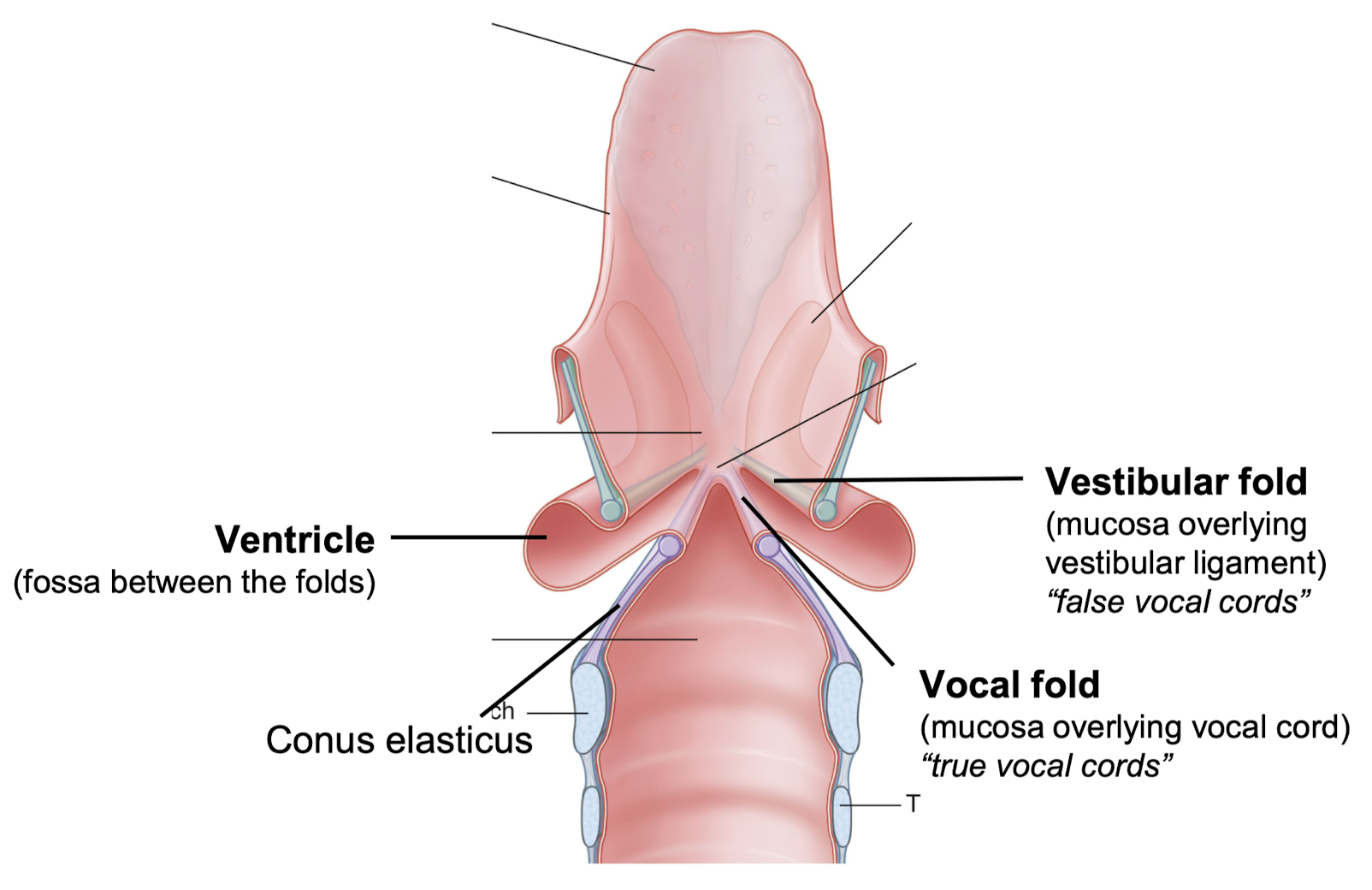
Know the different components around the vocal cords.
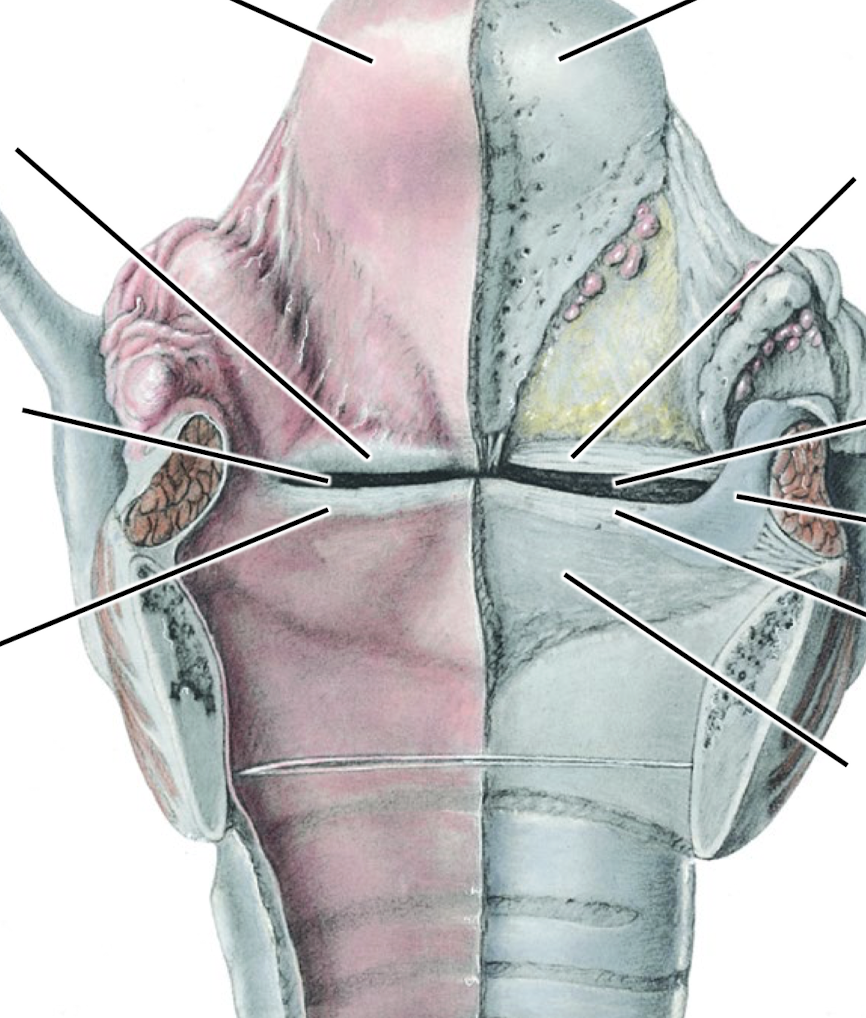
Know the different nomenclature for the features of the larynx when they are encased in mucosa versus not.
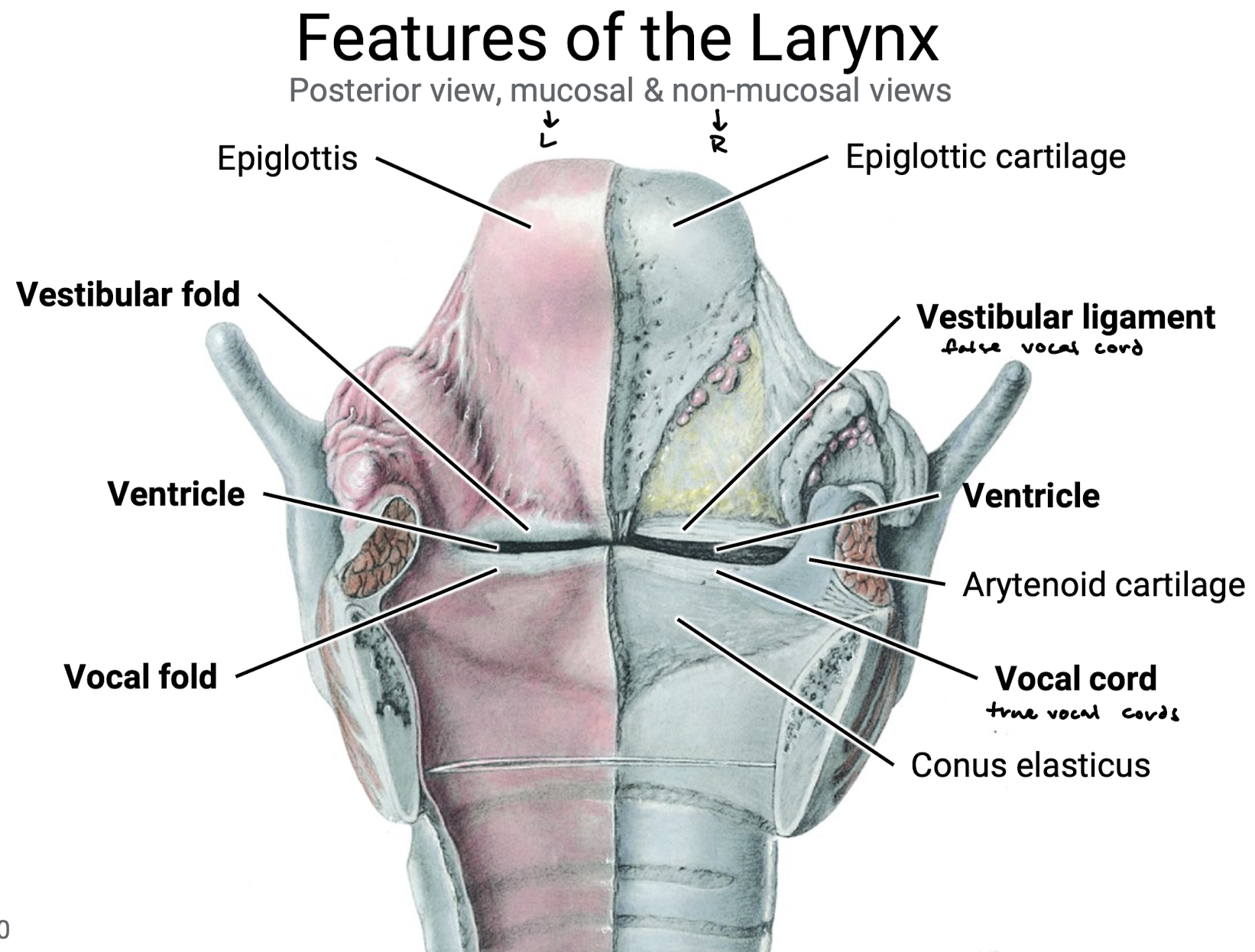
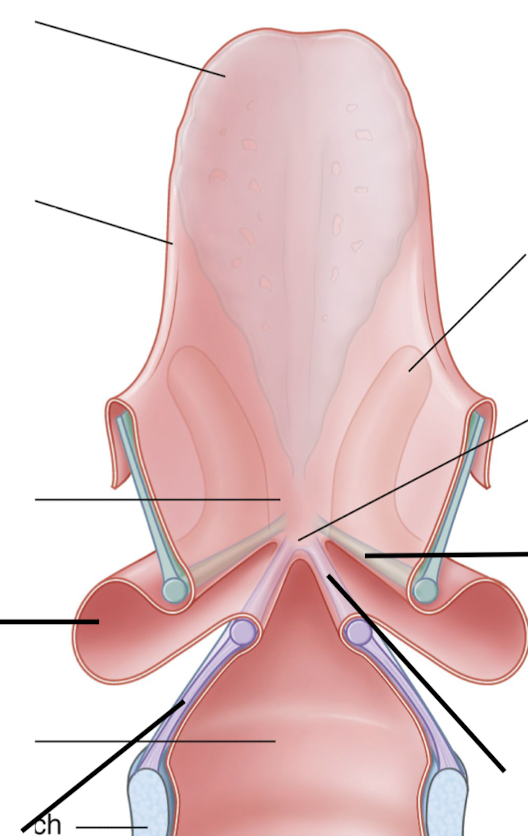
Posterior view of the ventricle.
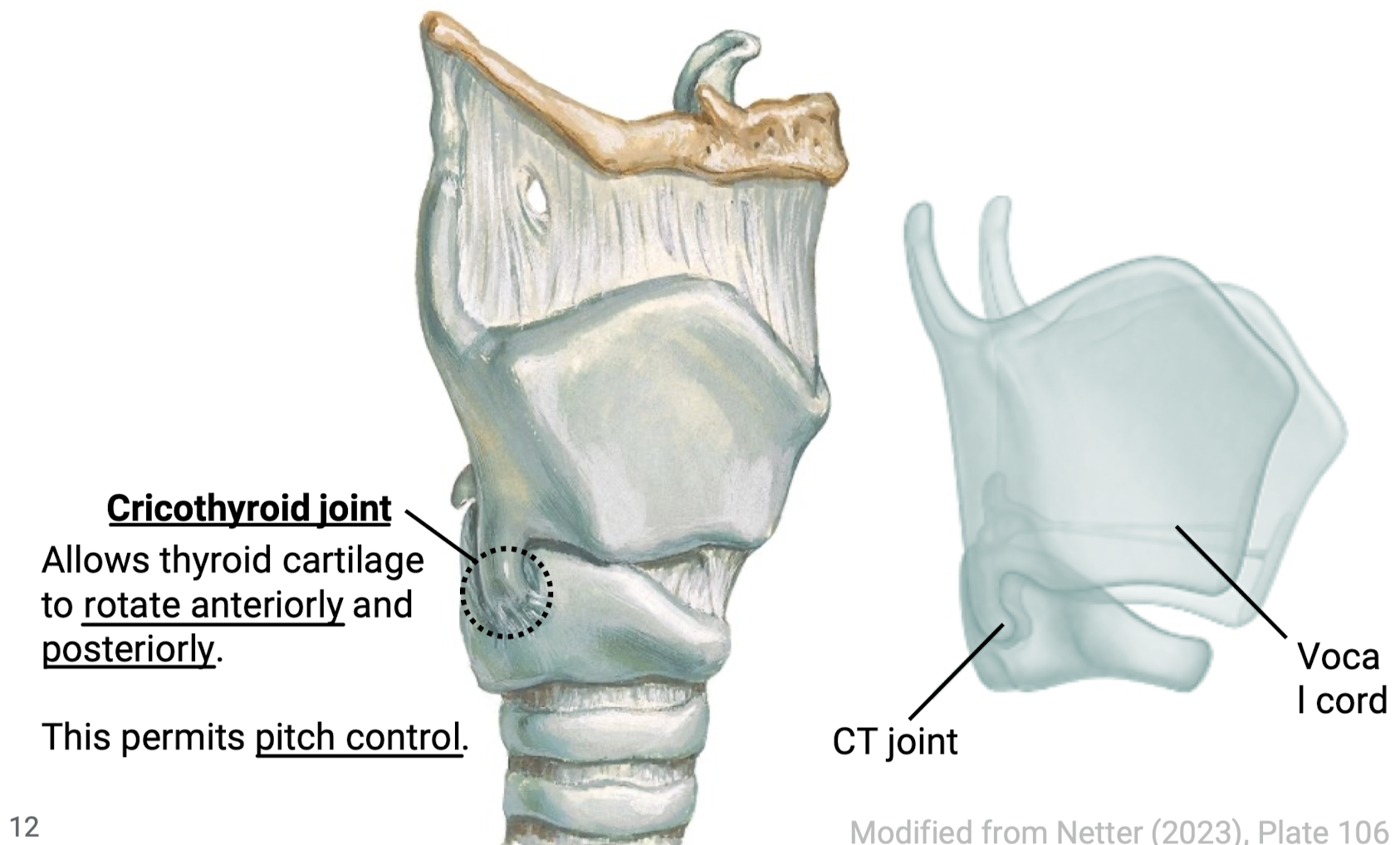
What allows for thyroid cartilage to rotate anteriorly and posteriorly, permitting pitch control?
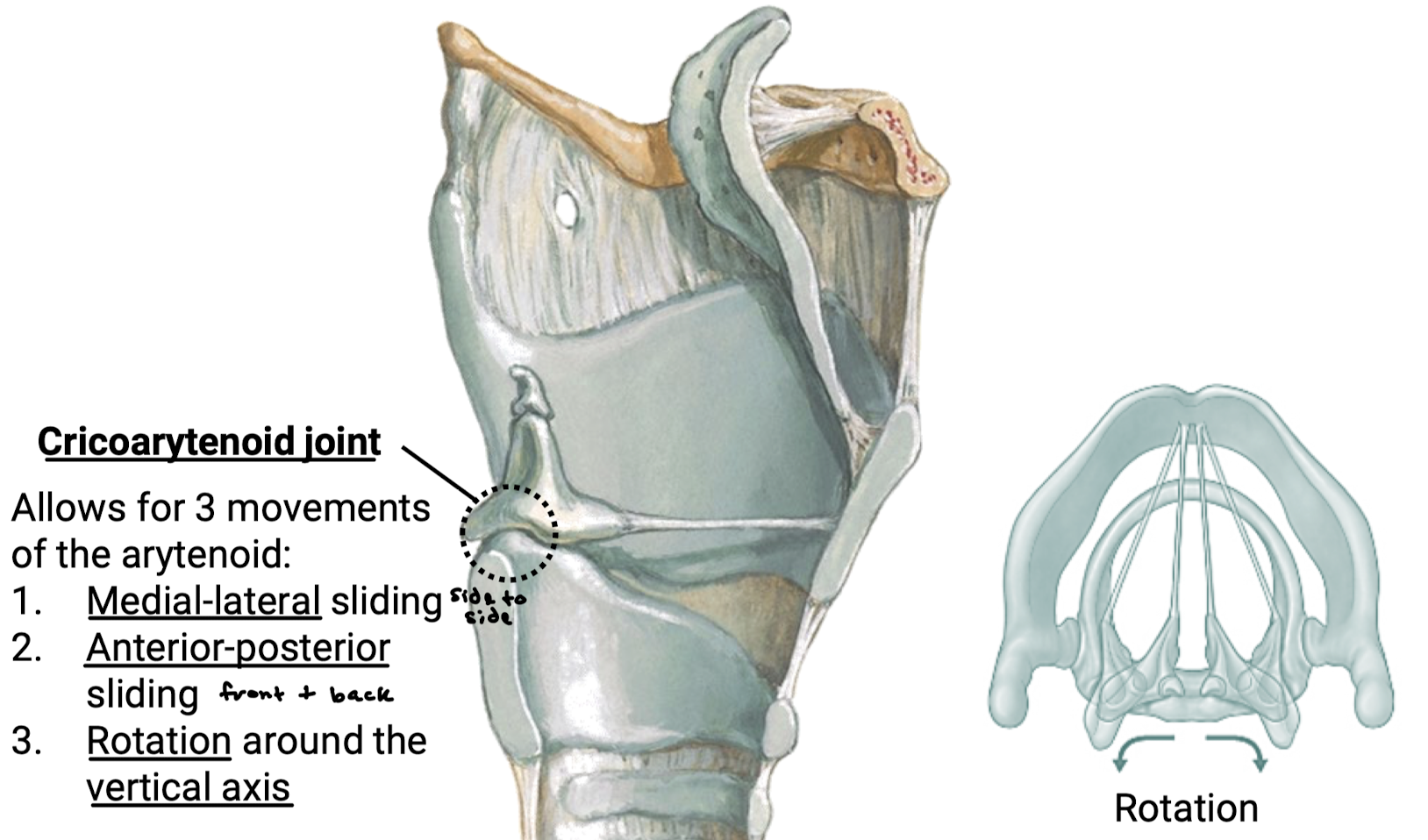
What are the 3 movements of the arytenoid allowed for by the cricoarytenoid joint?
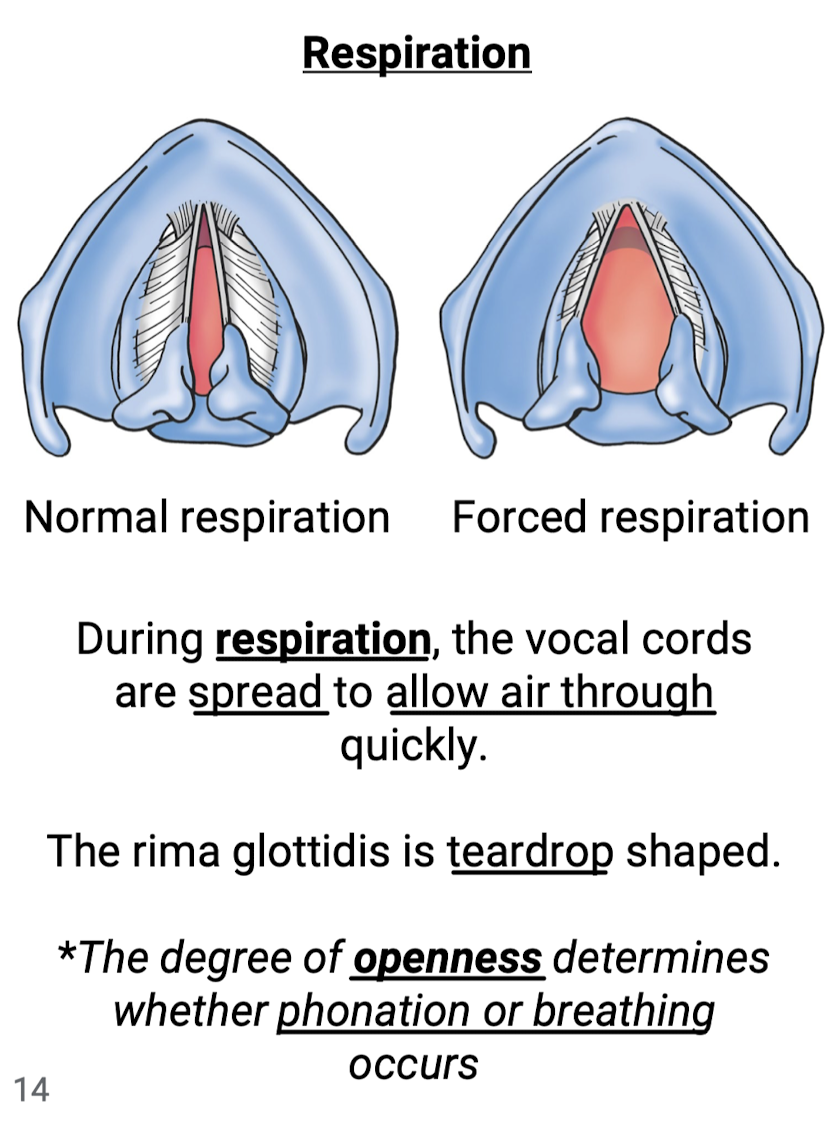
What happens to the vocal cords during respiration (normal and forced)? What is the shape of the rima glottidis? The degree of openness determines whether…
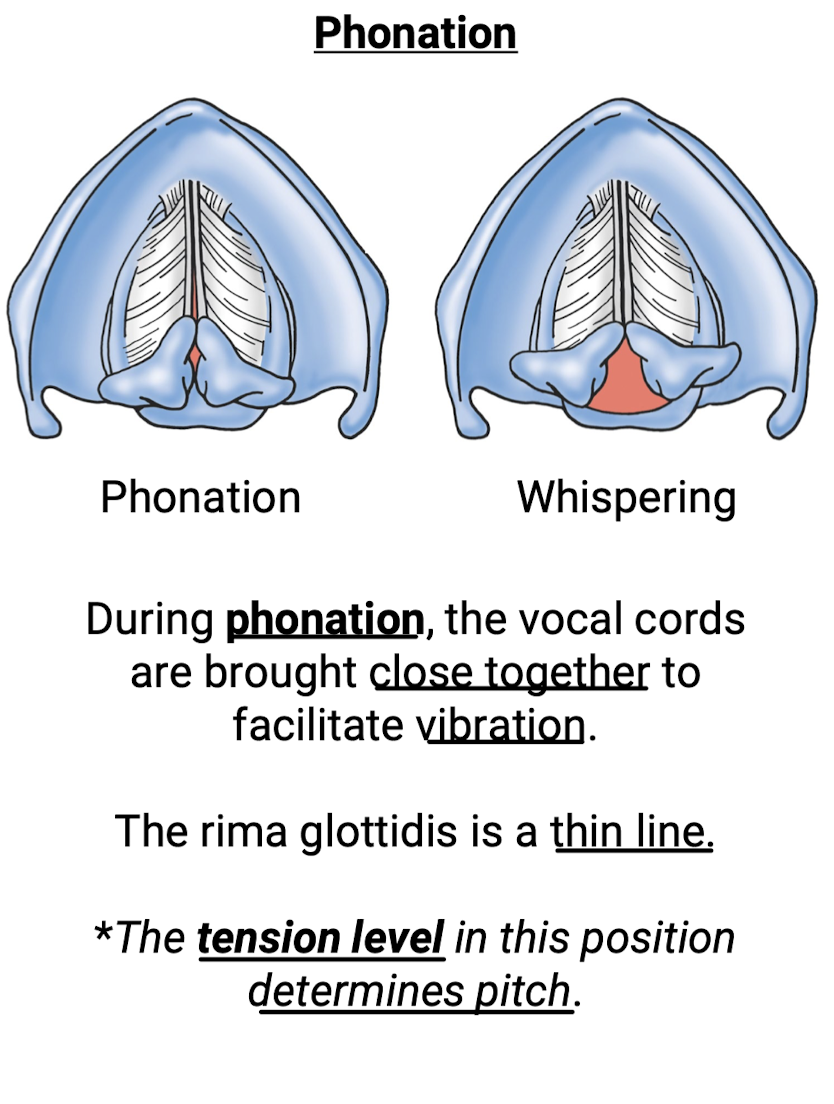
During phonation, what do the vocal cords do? What is the shape of the rima glottidis? The tension level determines what component of vocalization? Include also what the spaces look like when whispering.
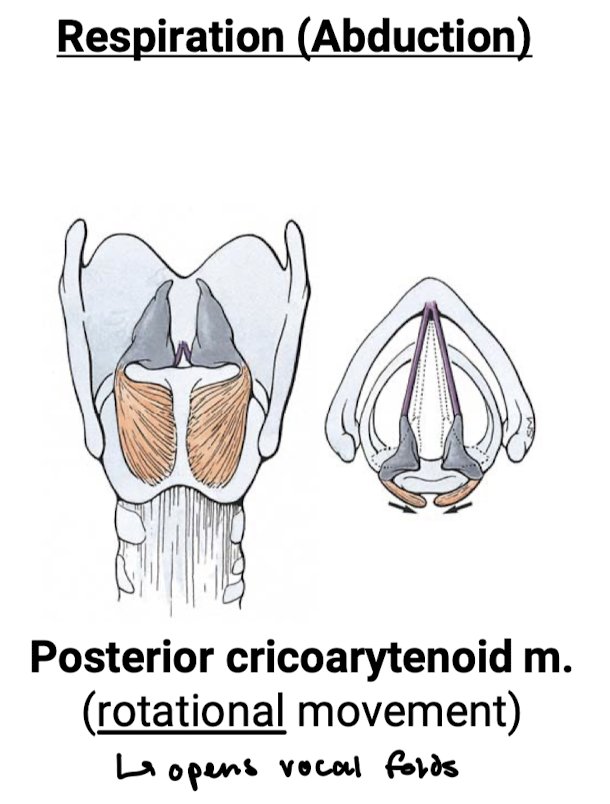
Which muscle is involved in respiration/abduction of the vocal folds? Include what movement of the arytenoid cartilage is involved.
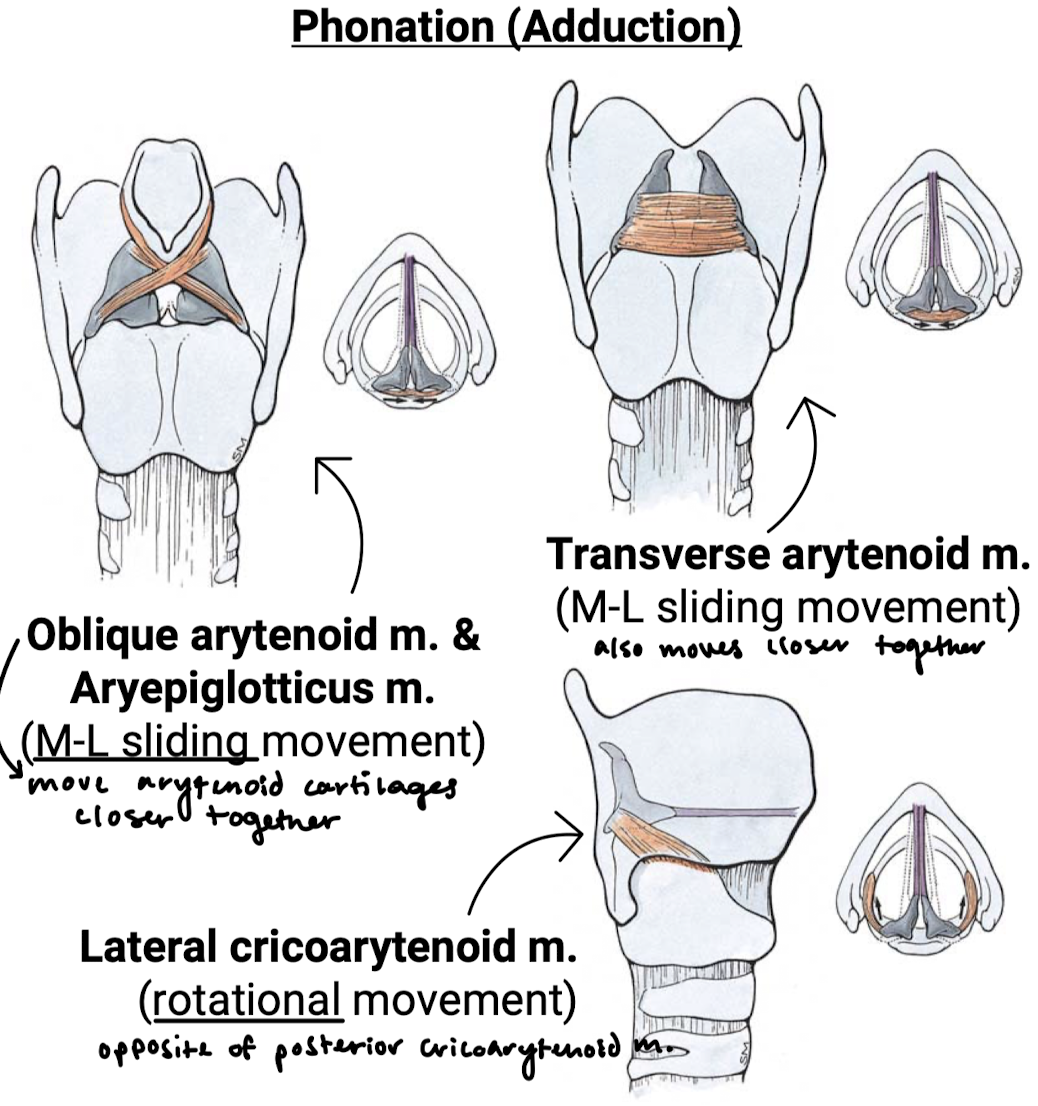
What muscles are involved in phonation (adduction)? Include what movement of the arytenoid cartilage is involved.
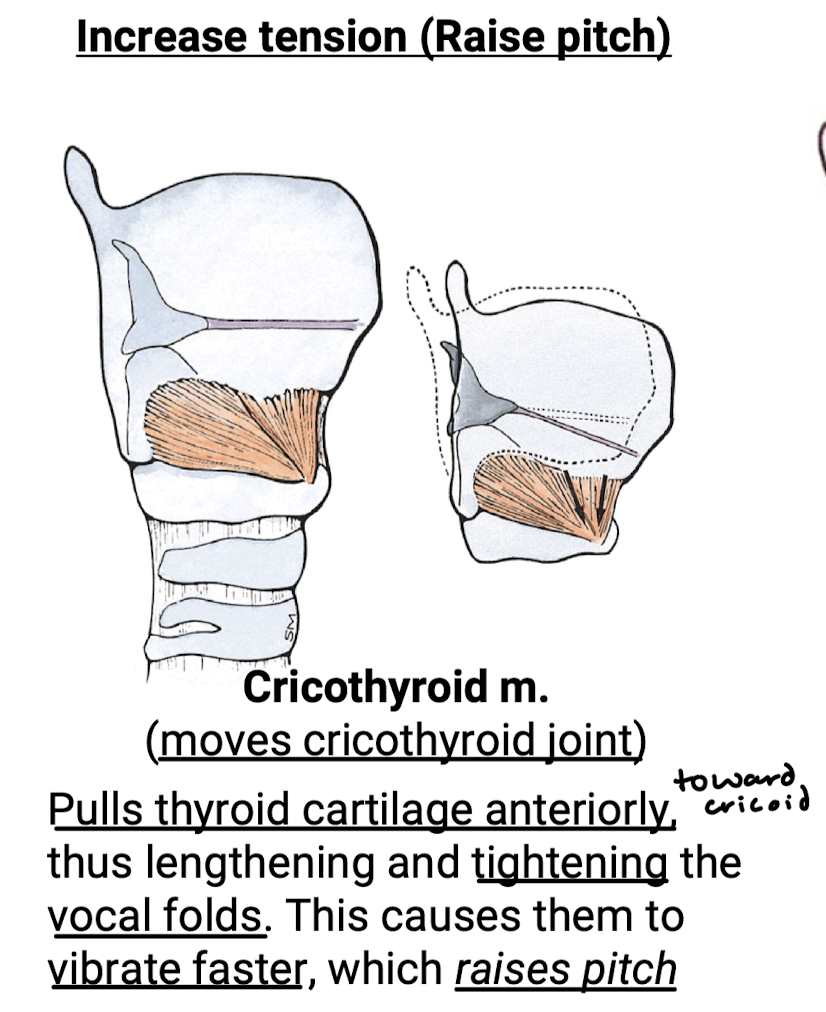
What muscle is involved in increasing tension/raising pitch?
Cricothyroid m.
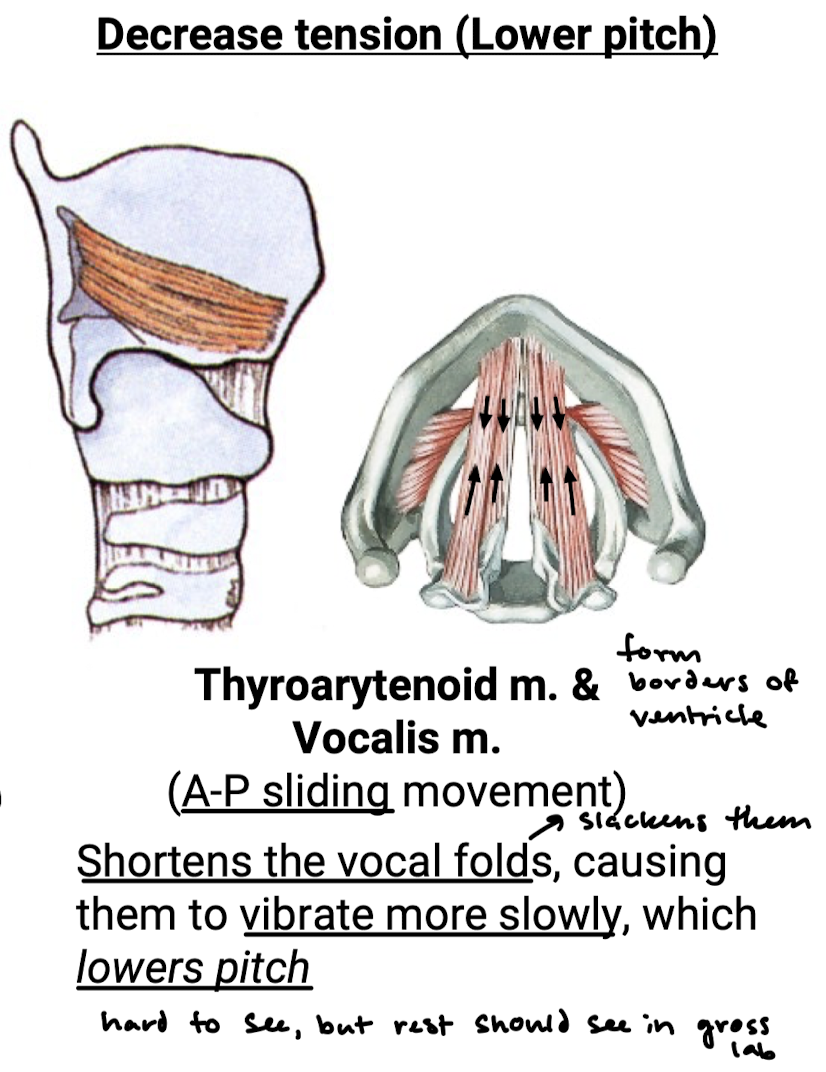
What muscles are involved in decreasing tension/lowering pitch?
Thyroarytenoid m. and vocalis m.
The larynx is elevated during swallowing by which pharyngeal muscles? Which laryngeal muscles are involved in depression of the epiglottis and closing of the laryngeal inlet (in combination with the mechanical weight of the bolus)?
Longitudinal pharyngeal mm.; aryepiglotticus, transverse arytenoid, and oblique arytenoid mm.
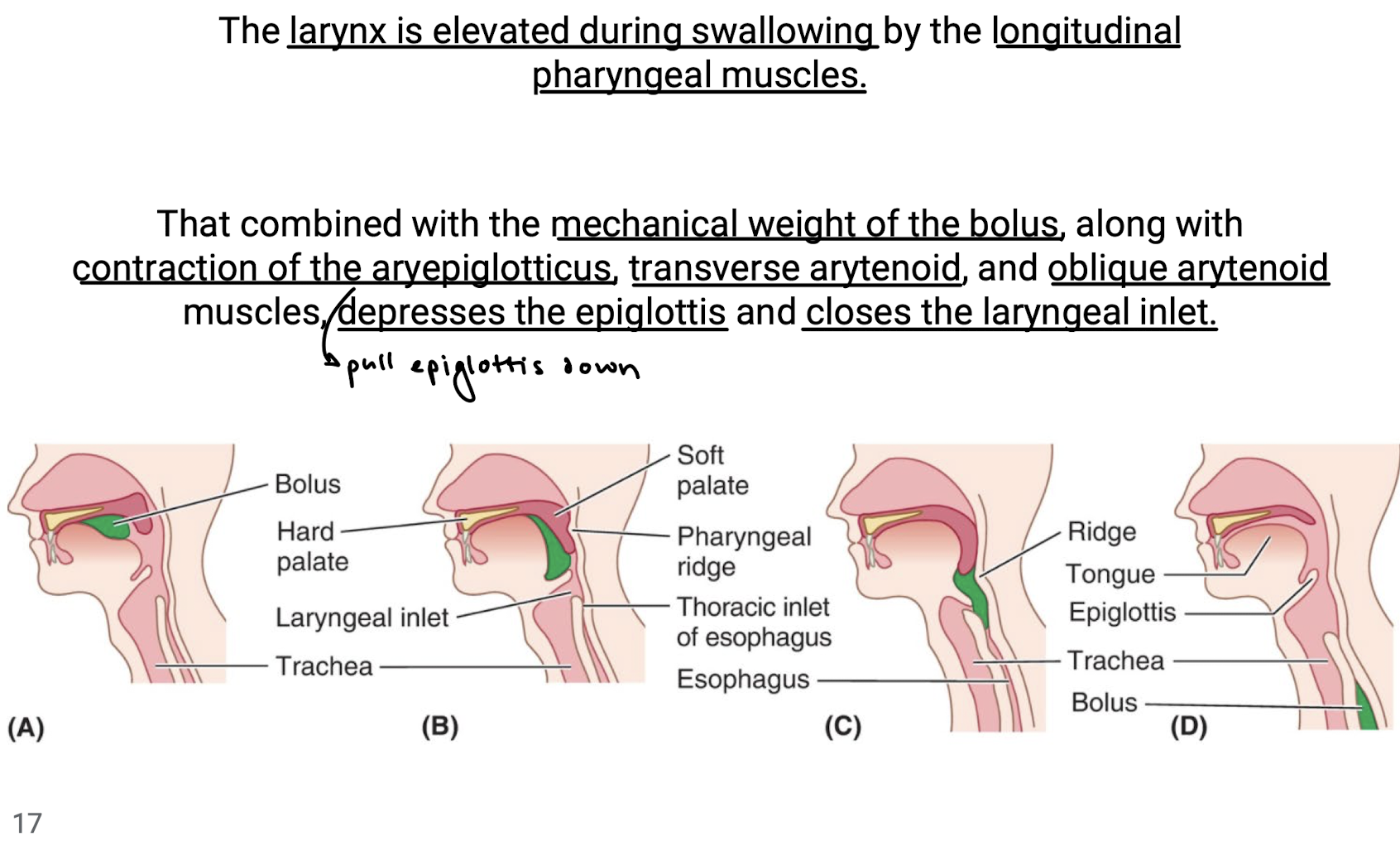
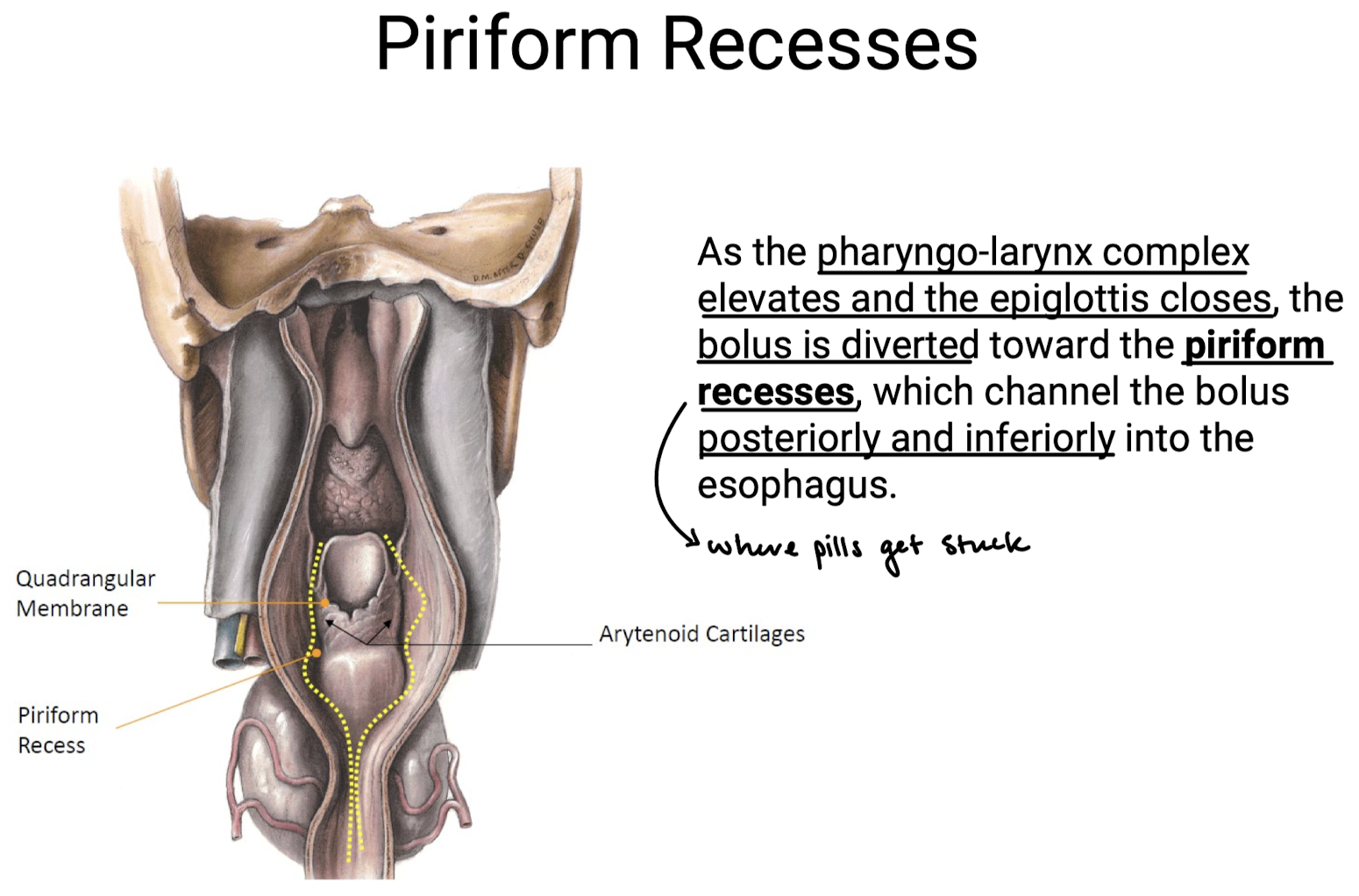
As the pharyngo-larynx complex elevates and the epiglottis closes, the bolus is diverted toward the ________ _______, which channel the bolus posteriorly and inferiorly into the esophagus.
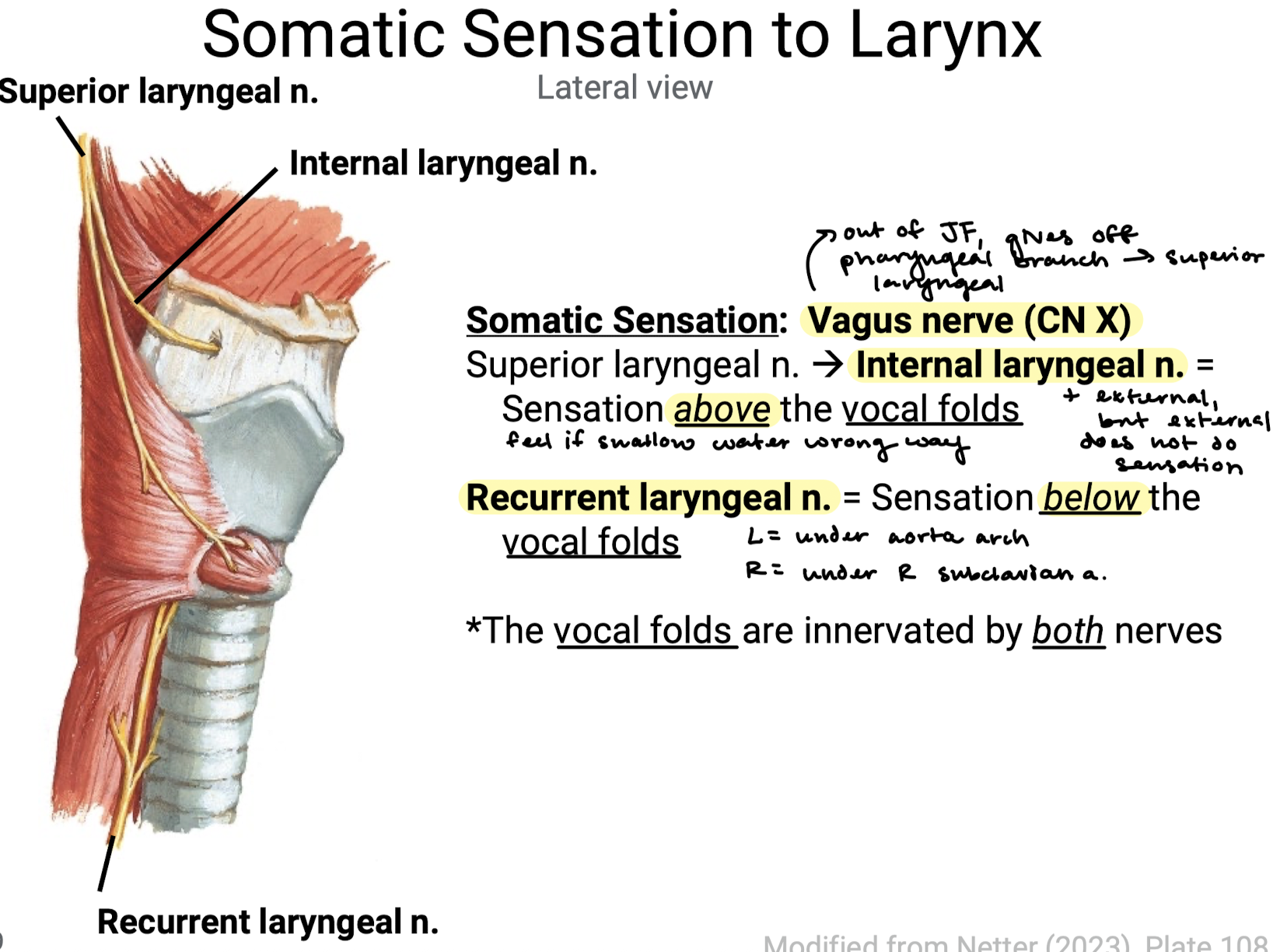
Know somatic sensation to the larynx both below and above the vocal folds.
Below = internal laryngeal n.
Above = recurrent laryngeal n.
Vocal folds = both
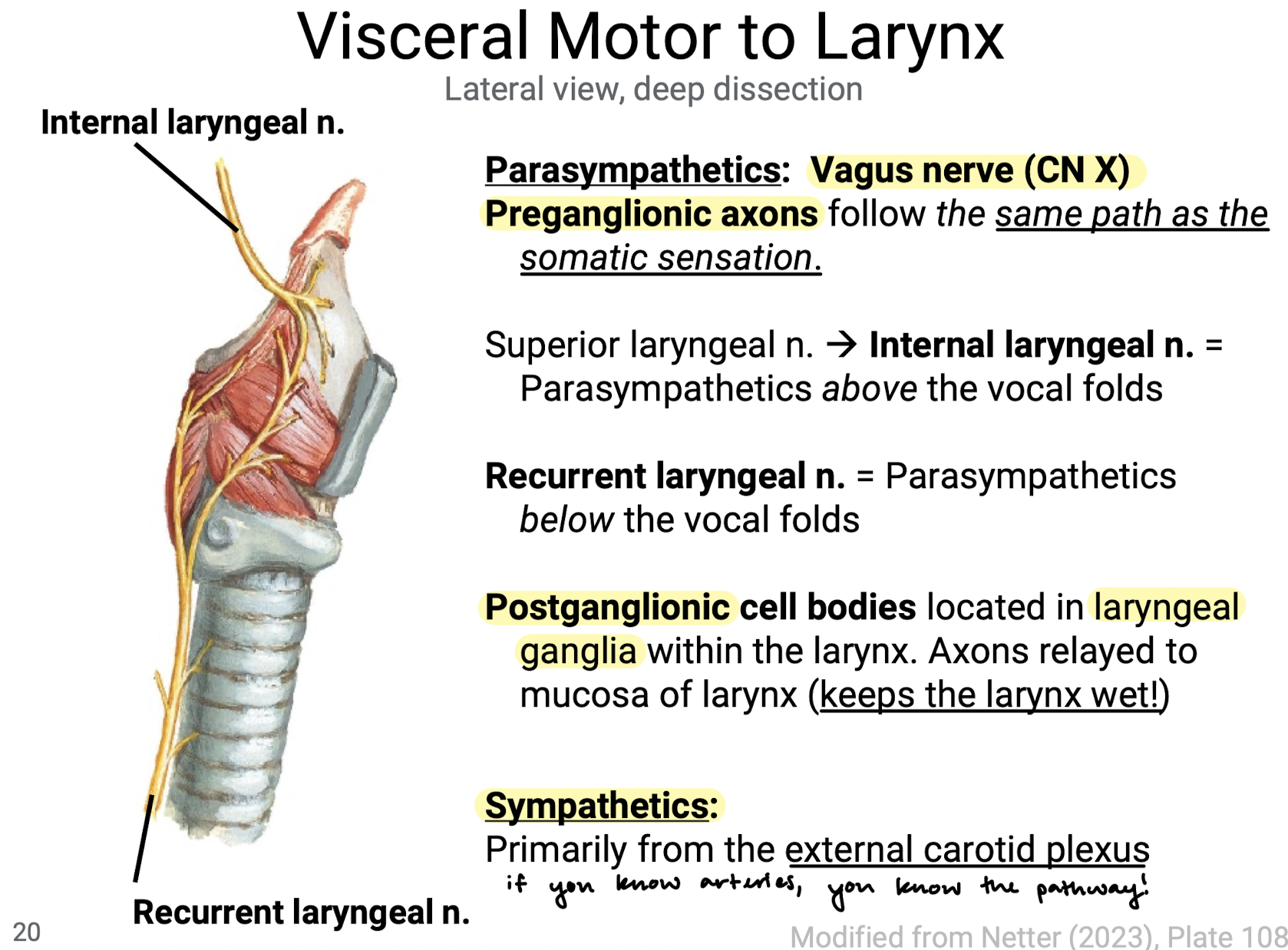
Know the visceral motor innervation of the larynx both below and above the vocal folds, for preganglionic and postganglionic parasympathetics. Know sympathetics as well.
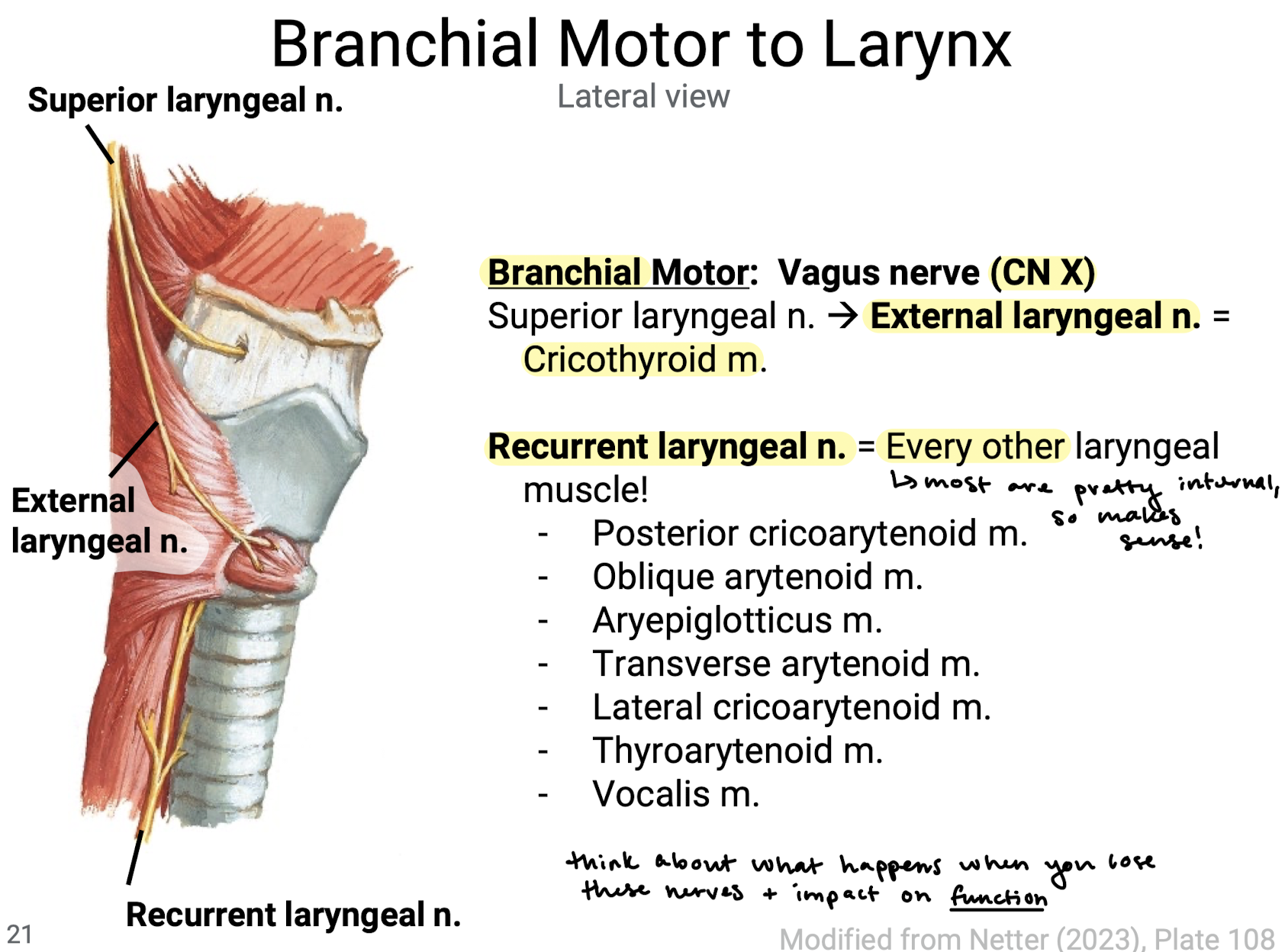
Know the branchial motor innervations to the larynx
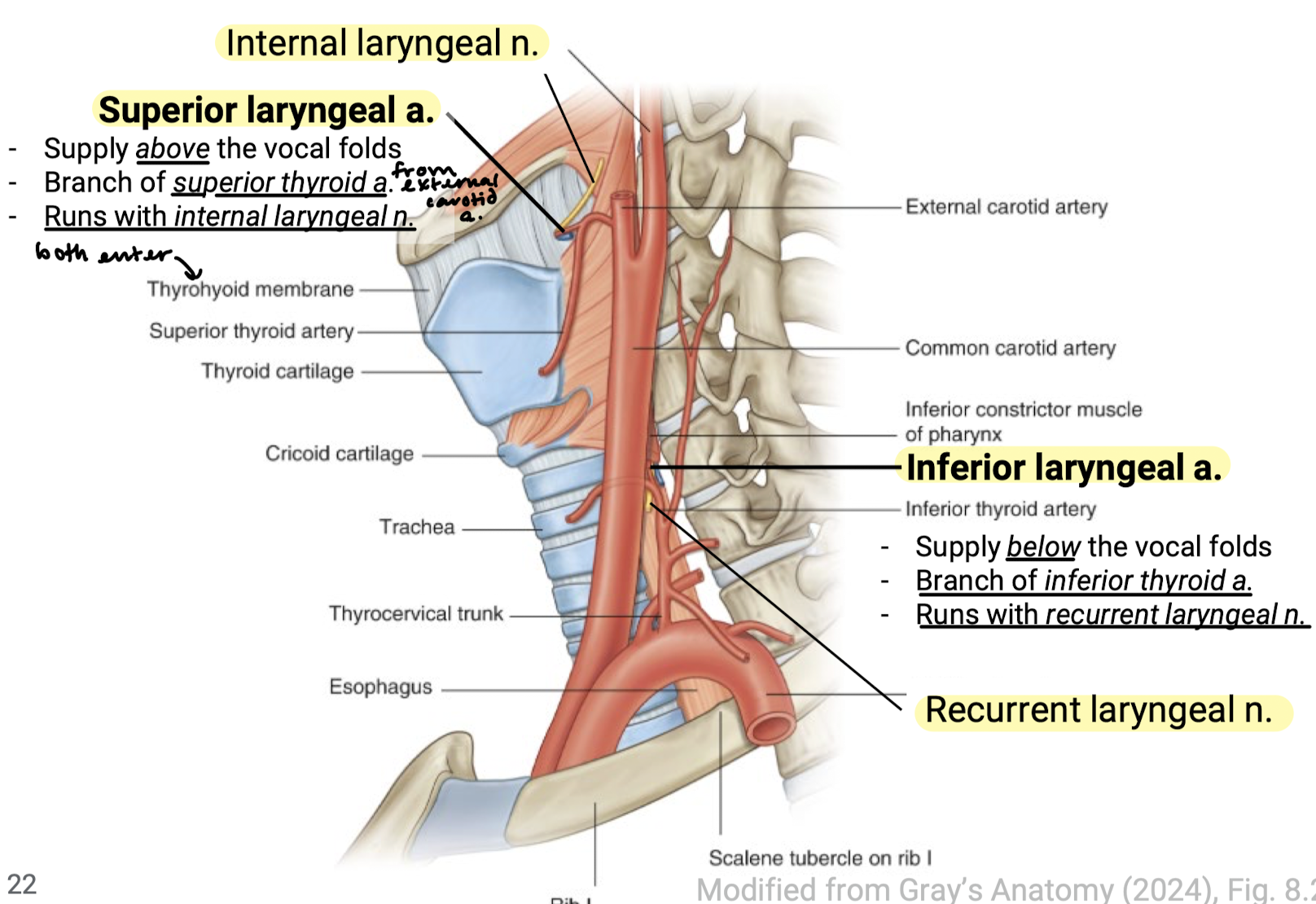
Know the main laryngeal vasculature both above and below the vocal folds. Know where each branch from and what nerve each runs with.
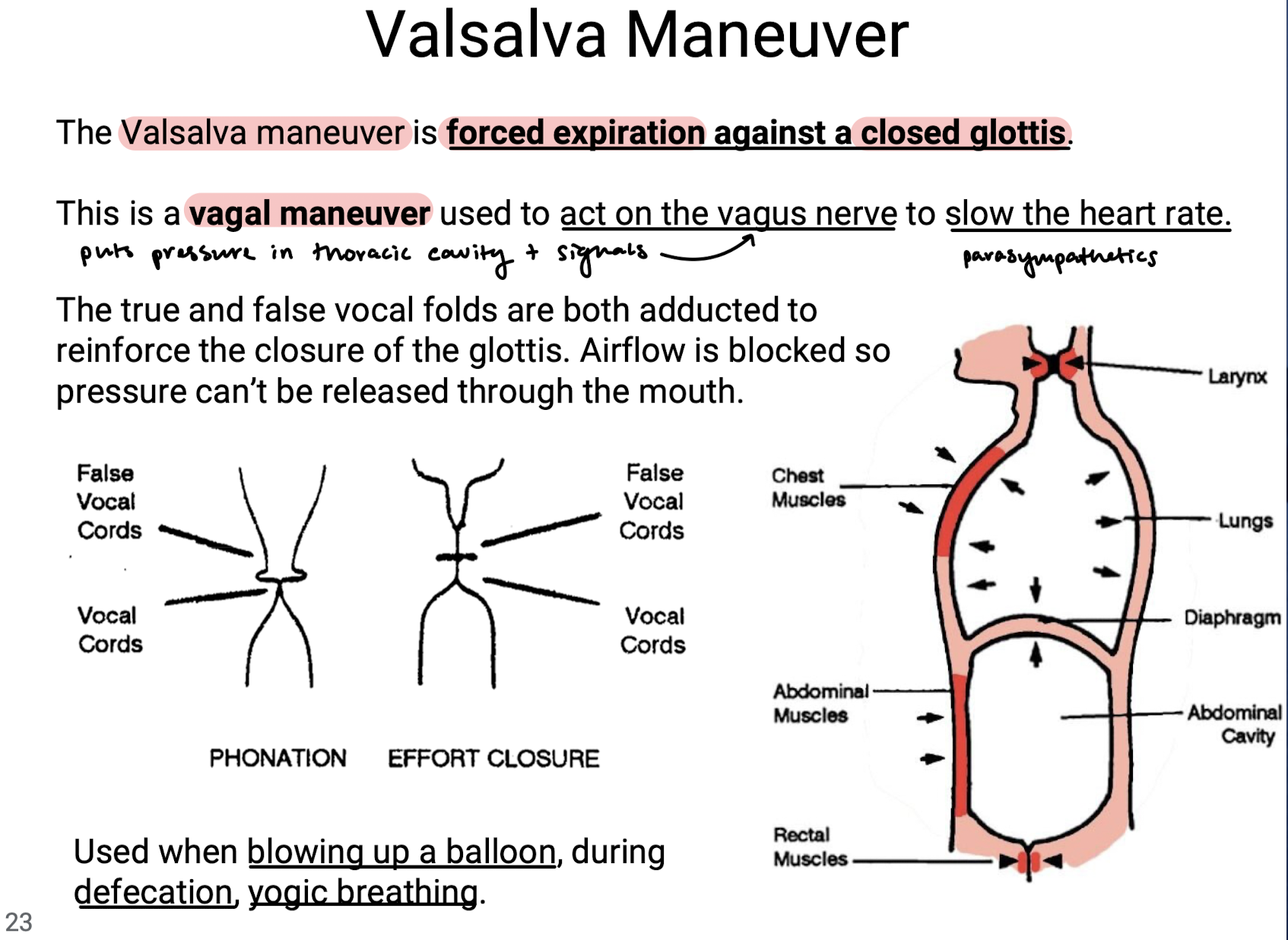
What is the valsalva maneuver?
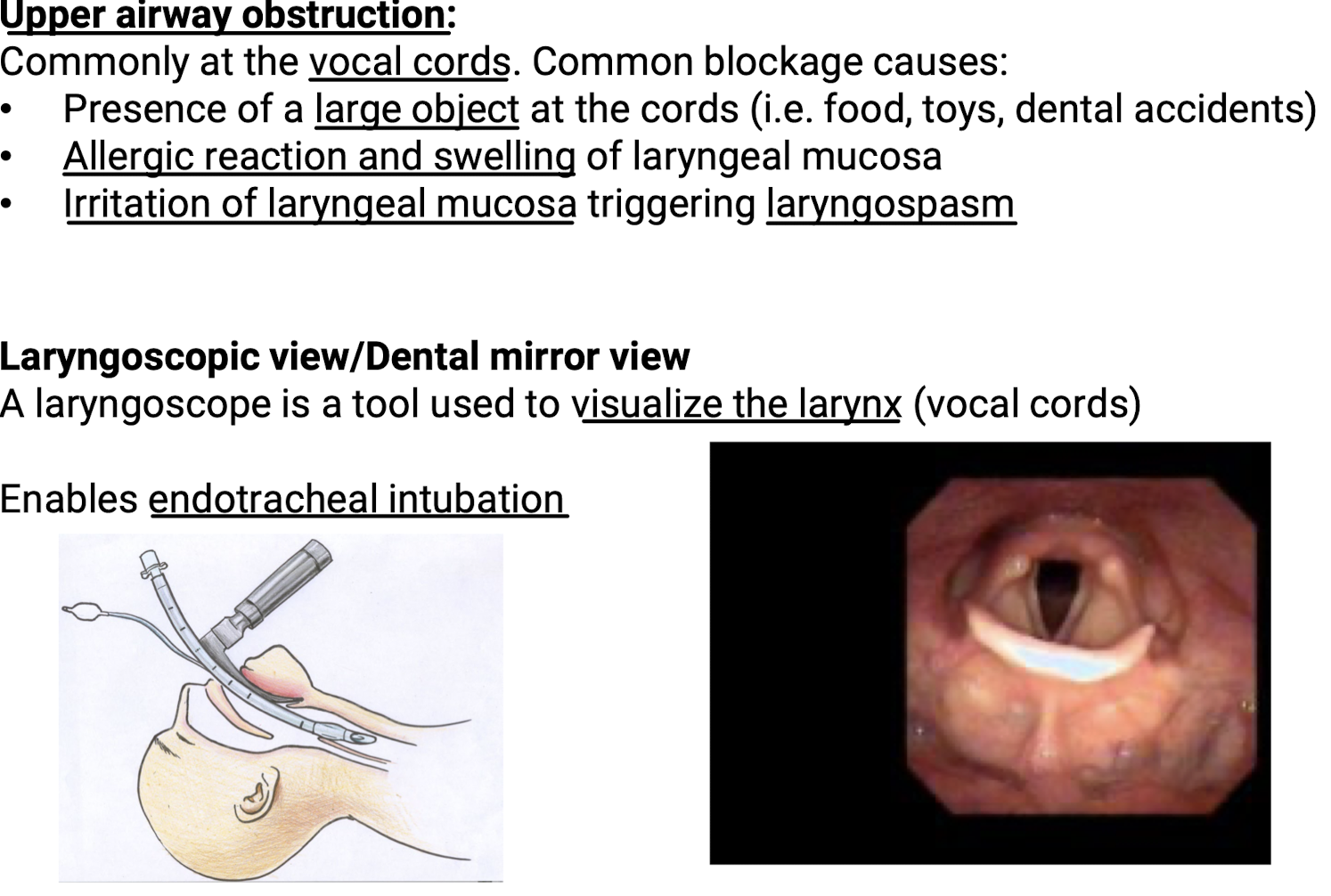
Where is common upper airway obstruction? What is a tool used to visualize the larynx and what procedure does it enable?
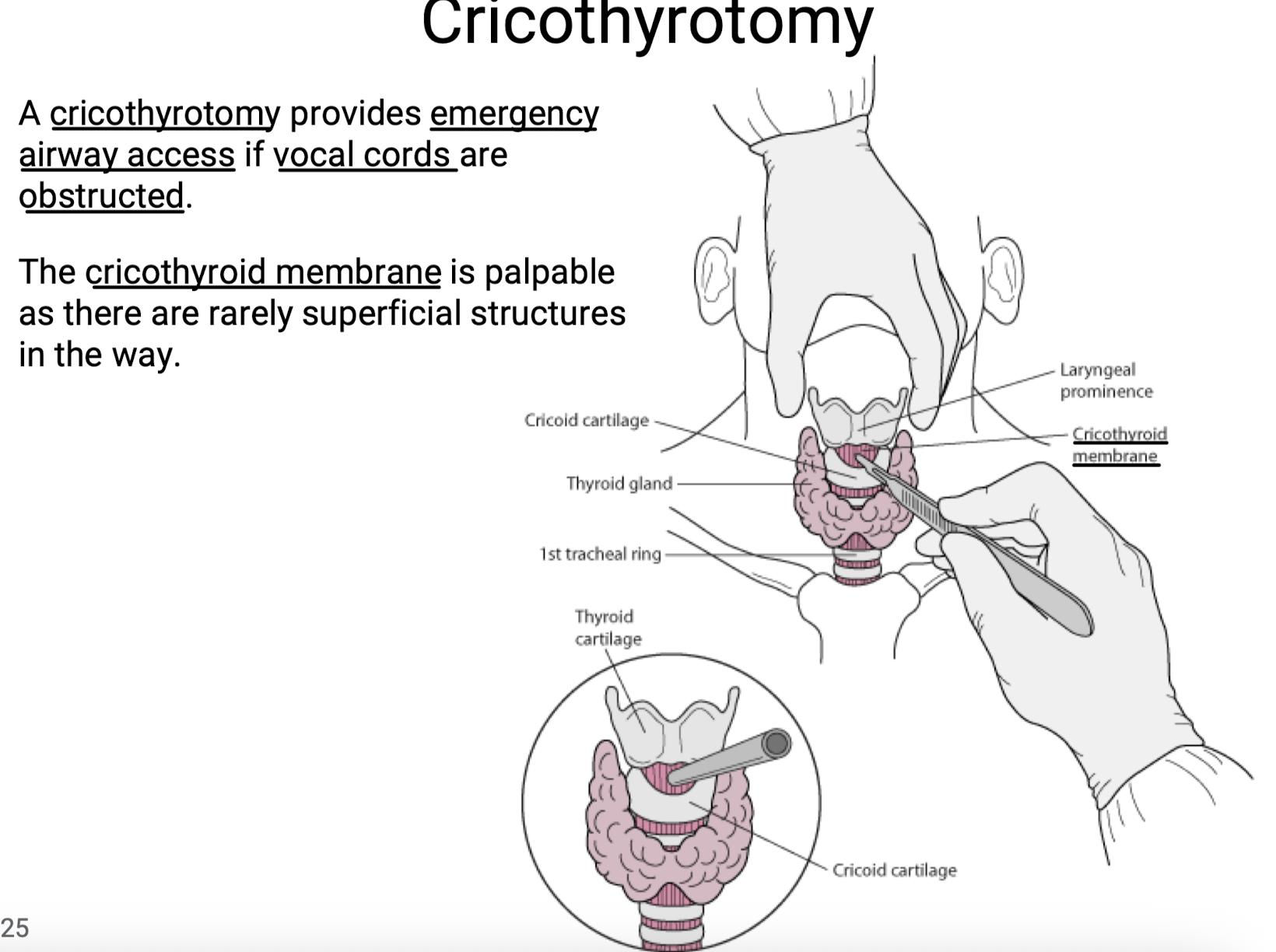
What is the procedure that supplies emergency airway access if vocal cords are obstructed? Where is the incision made?