Investment Portfolio Strategies and Investor Profiles for Long-Term Financial Goals
 Call Kai
 Learn
Learn Practice Test
 Spaced Repetition
 Match
Match Flashcards
 Knowt Play
1/52

There's no tags or description
Looks like no tags are added yet.
Name | Mastery | Learn | Test | Matching | Spaced | Call with Kai |
|---|
No analytics yet
Send a link to your students to track their progress
53 Terms
What is the investor personality type described as confident and entrepreneurial?
Active Accumulators
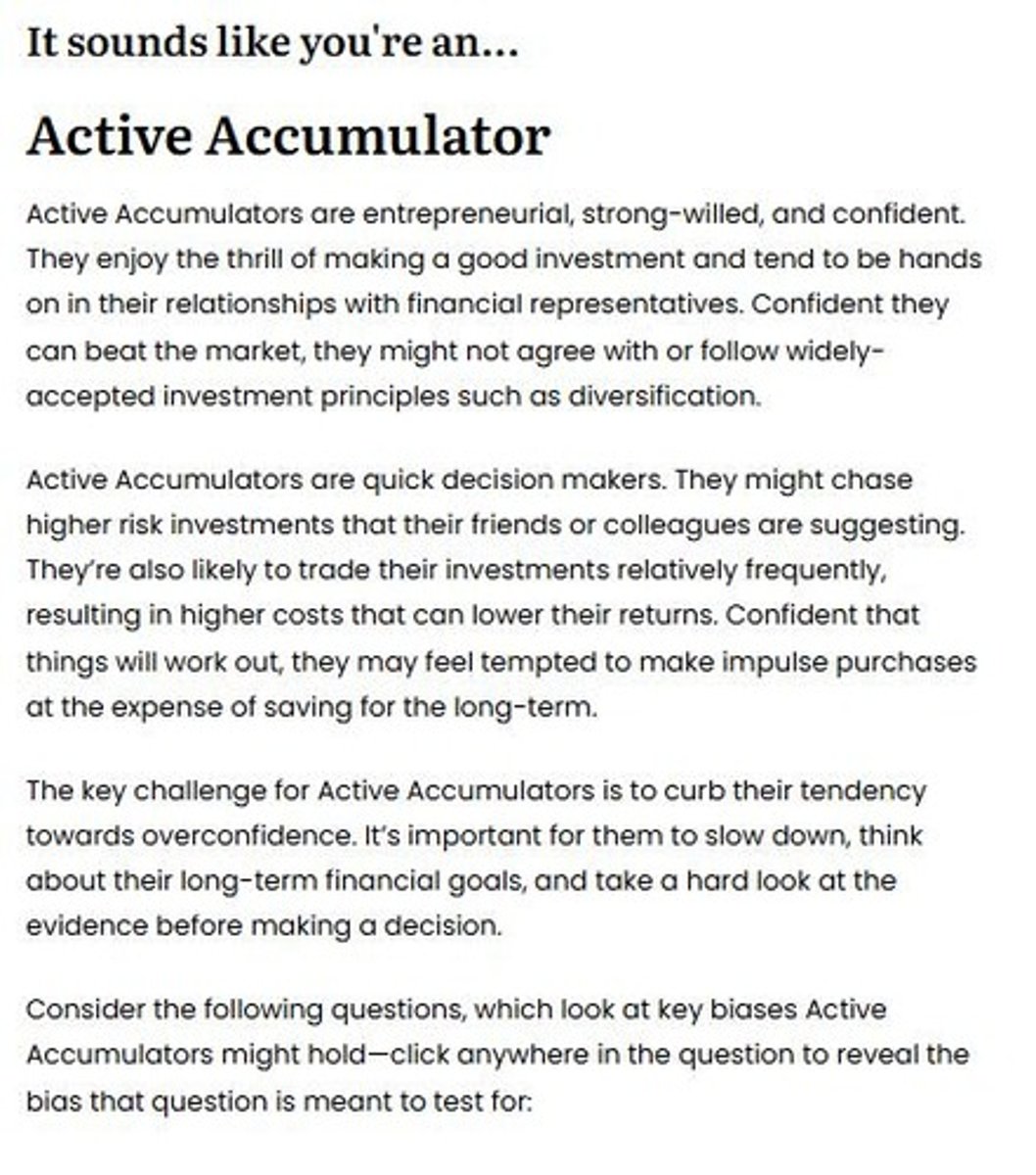
What are the characteristics of Active Accumulators?
They are hands-on, quick decision makers, and may not follow traditional investment principles like diversification.
What personality traits are associated with impulsive investors?
High agreeableness, lower emotional stability, lower conscientiousness, above average extroversion, and openness to experience.
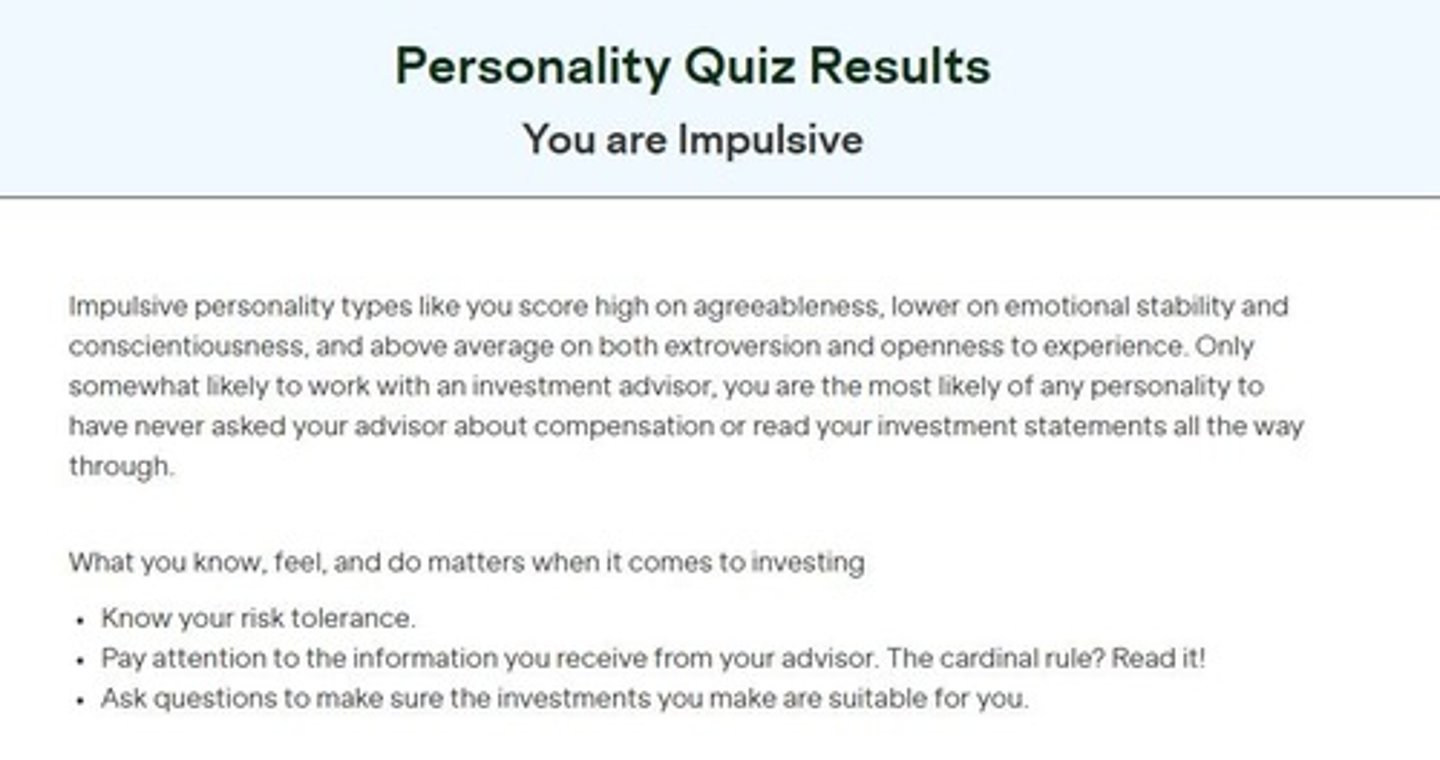
What is a key recommendation for impulsive investors regarding their advisors?
Read investment statements thoroughly and ask questions to ensure investments are suitable.
What is Maya's long-term financial goal?
To pay off her education debt at Toronto Metropolitan University.
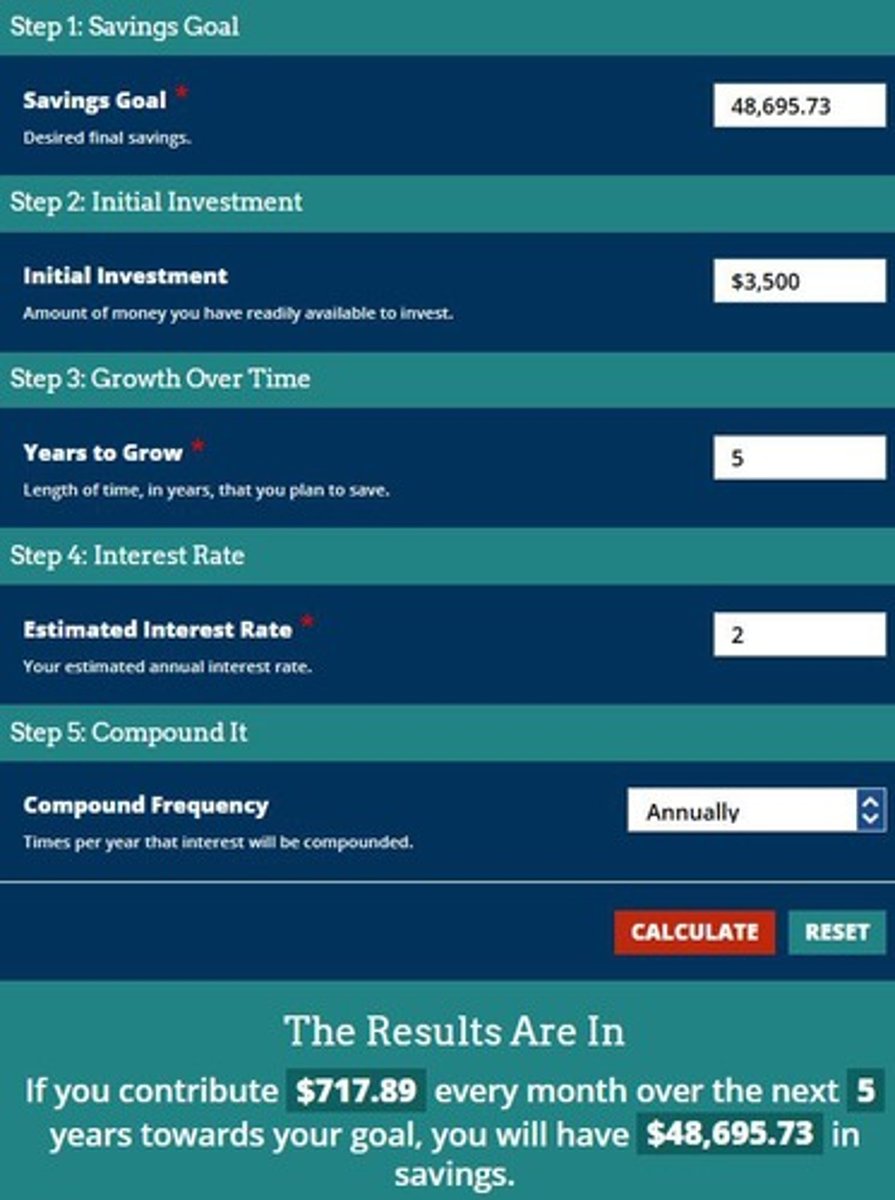
What is the total estimated student debt Maya plans to incur?
$48,695.73
How much does Maya need to contribute monthly to reach her investment goal, assuming a 2% interest rate?
$717.89
What is Maya's current part-time job and hourly wage?
Sterilization assistant at $20 per hour.
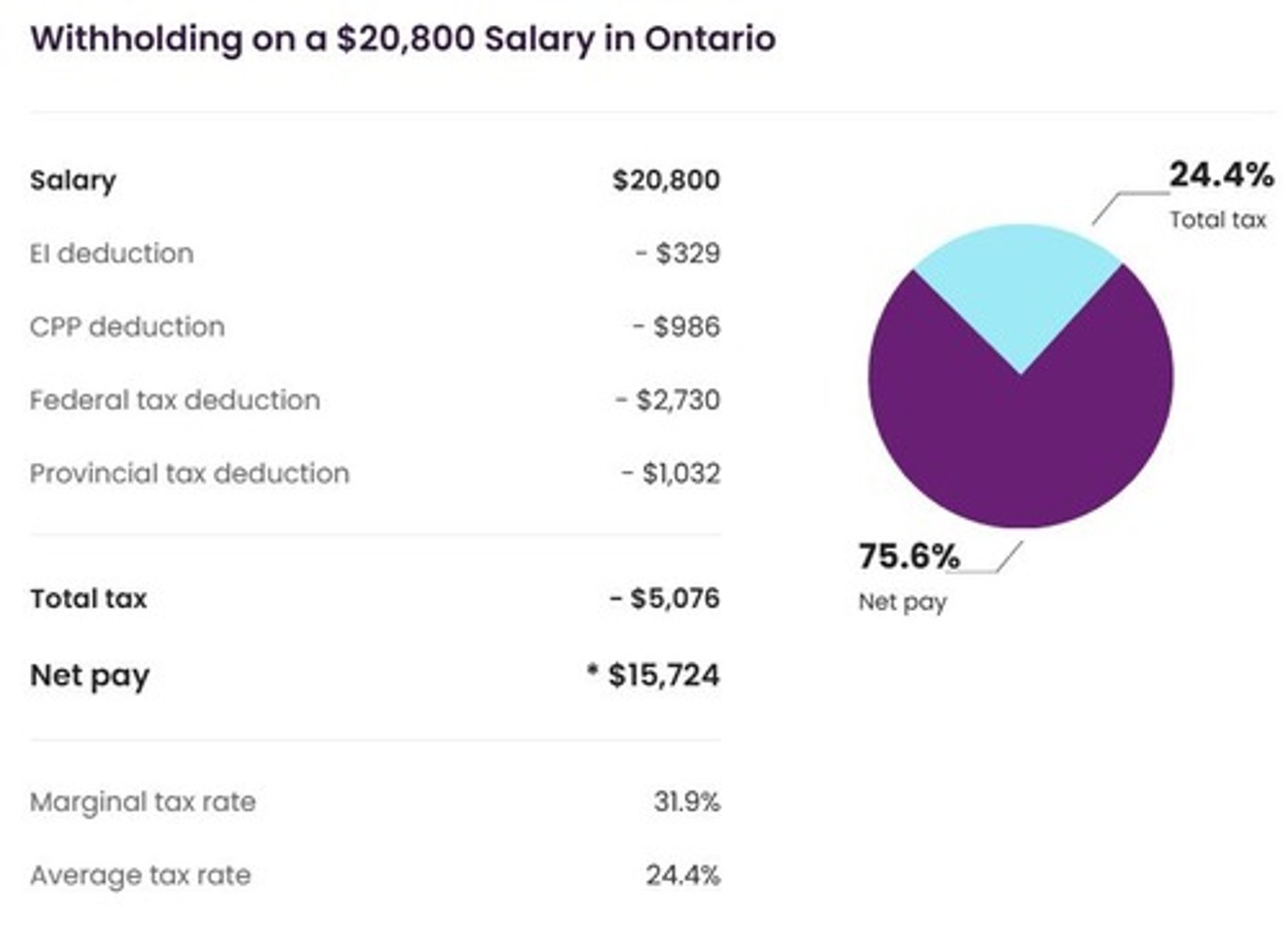
What is Maya's estimated yearly income from her part-time job?
$20,800
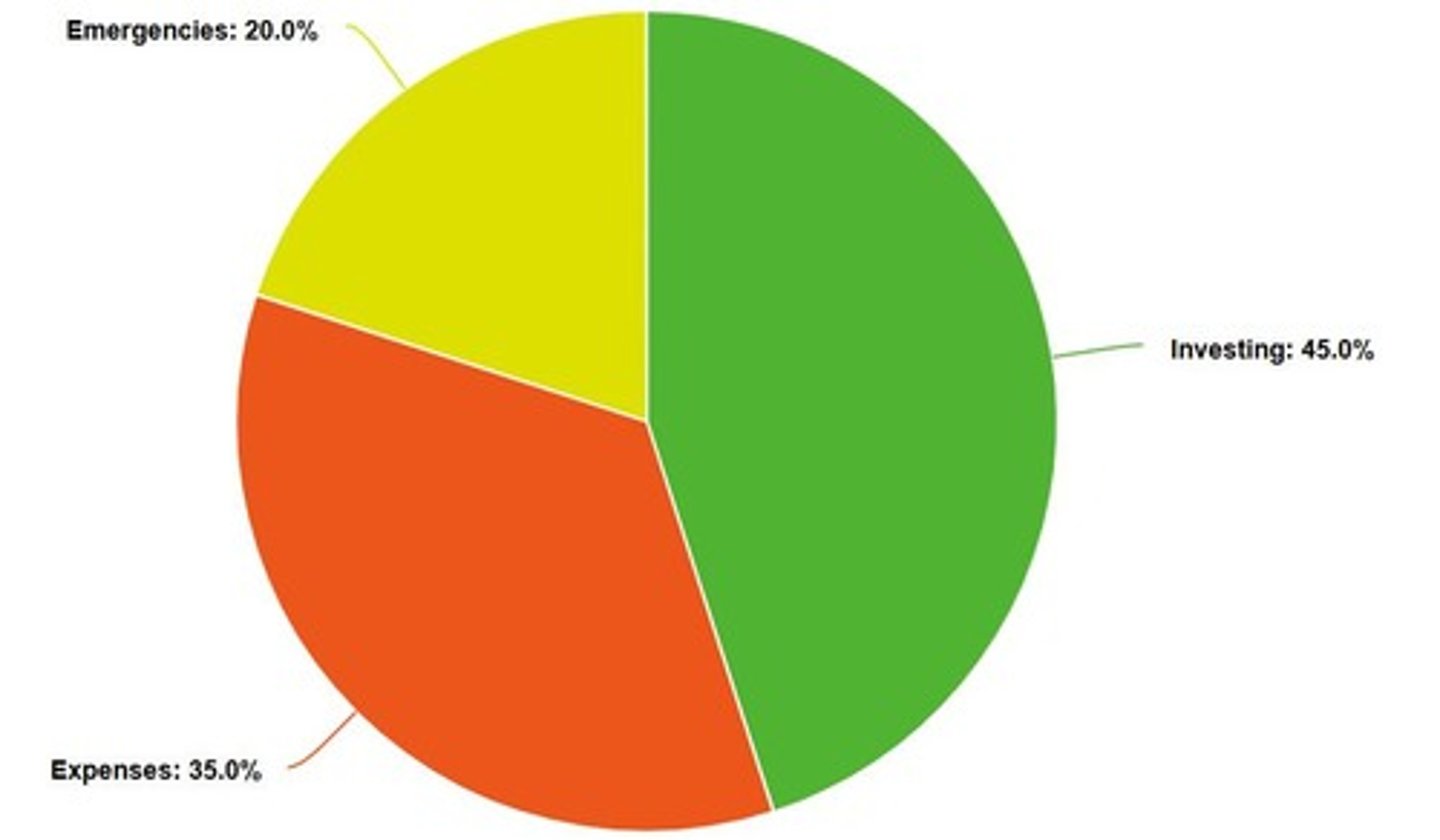
What percentage of Maya's income does she plan to allocate to investments?
45%
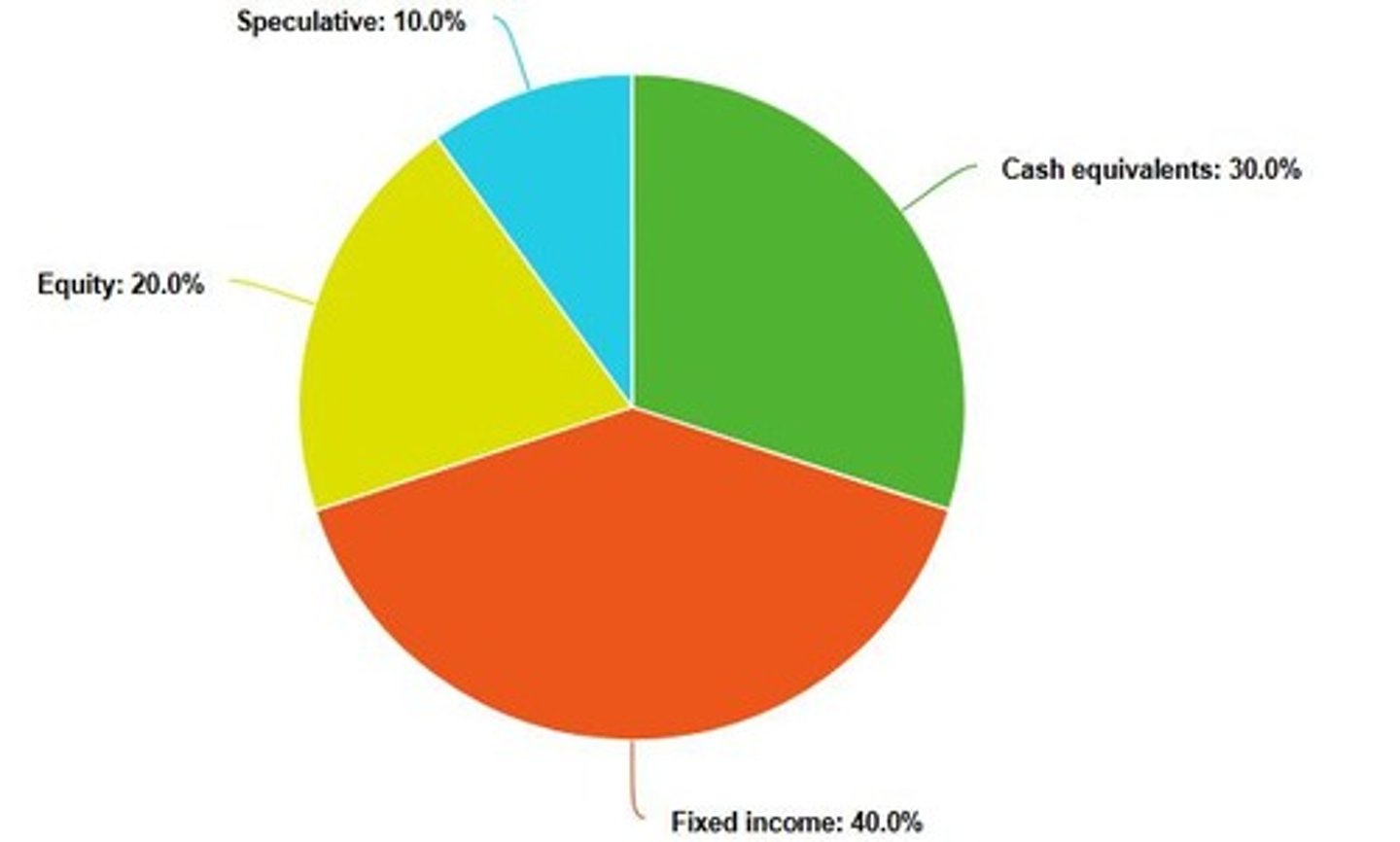
What is Maya's asset allocation model for her investments?
30% cash equivalents, 40% fixed income, 20% equity, and 10% speculative.
What are cash equivalents in Maya's investment strategy?
Demand deposits, commercial papers, money market funds, and treasury bills.
Why does Maya choose to invest in cash equivalents?
They are safe, provide liquidity, and are suitable for emergencies.
What does Maya plan to do with her income during her co-op experience?
Allocate funds towards her education and investments.
What is the anticipated annual salary for Maya after graduation as a Cybersecurity analyst?
$90,000
What is the estimated monthly income for Maya after deductions from her future job?
$5,302.416
What is the importance of listening to an advisor according to Maya?
To make informed decisions about larger investments and long-term financial goals.
What is Maya's approach to risk in her investment strategy?
She aims to balance risky investments with safer options to ensure financial stability.
What is the significance of the Get Smart About Money quiz for Maya?
It helped her understand her overconfidence and the risks associated with impulsive investing.
What does Maya plan to do with her savings from her part-time job?
Invest them to help pay off her student debt.
What is Maya's strategy for managing her university expenses?
Consider transportation and textbook costs when budgeting her investments.
What is the role of fixed income in Maya's investment portfolio?
To provide a stable return through investments like GICs and corporate bonds.
How does Maya view the relationship between risk and investment returns?
She believes in taking calculated risks to achieve higher returns while ensuring safety.
What is the potential downside of Maya's quick selling strategy?
It may prevent her from realizing larger gains over time.
What lesson did Maya learn from her insider trading assignment?
The importance of holding investments longer to maximize returns.
What is Maya's plan for her income allocation?
45% for investments, 35% for expenses, and 20% for emergencies.
What is the primary goal of investing in fixed incomes?
To ensure safety while reaching financial goals within a planned timeframe.
What percentage of the investment portfolio is allocated to equities?
20%
What types of stocks are included in the equity investment strategy?
Growth stocks, growth mutual funds, blue chip stocks, and common stocks.
What is the percentage allocation for speculative assets?
10%
What types of investments are considered speculative?
High yield bonds, futures, and emerging markets.
What is the purpose of investing in municipal money funds?
To invest in short-term funds with little to no risk.
What is the expected yield of the Schwab Municipal Money Fund?
1.75% 7-day yield.
How much is planned to be invested in the Schwab Municipal Money Fund?
$5000.
What is a Guaranteed Investment Certificate (GIC)?
A safe investment option that provides regular payments and low risk.
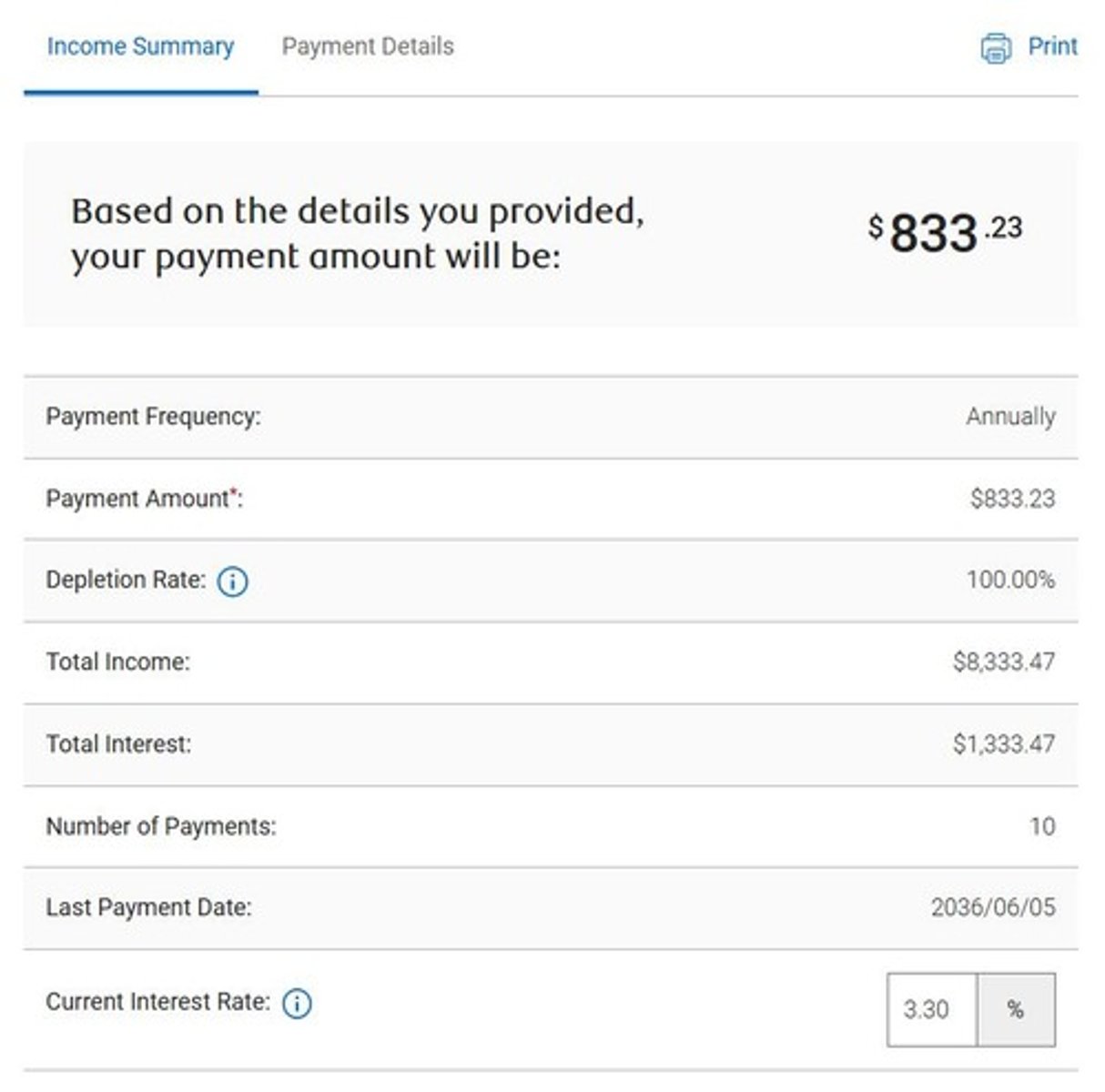
What is the interest rate for the RBC income builder GIC?
3.30%.
How much is intended to be invested in the GIC?
$7000.
What are blue-chip stocks?
Reliable stocks from reputable companies that are good for long-term investments.
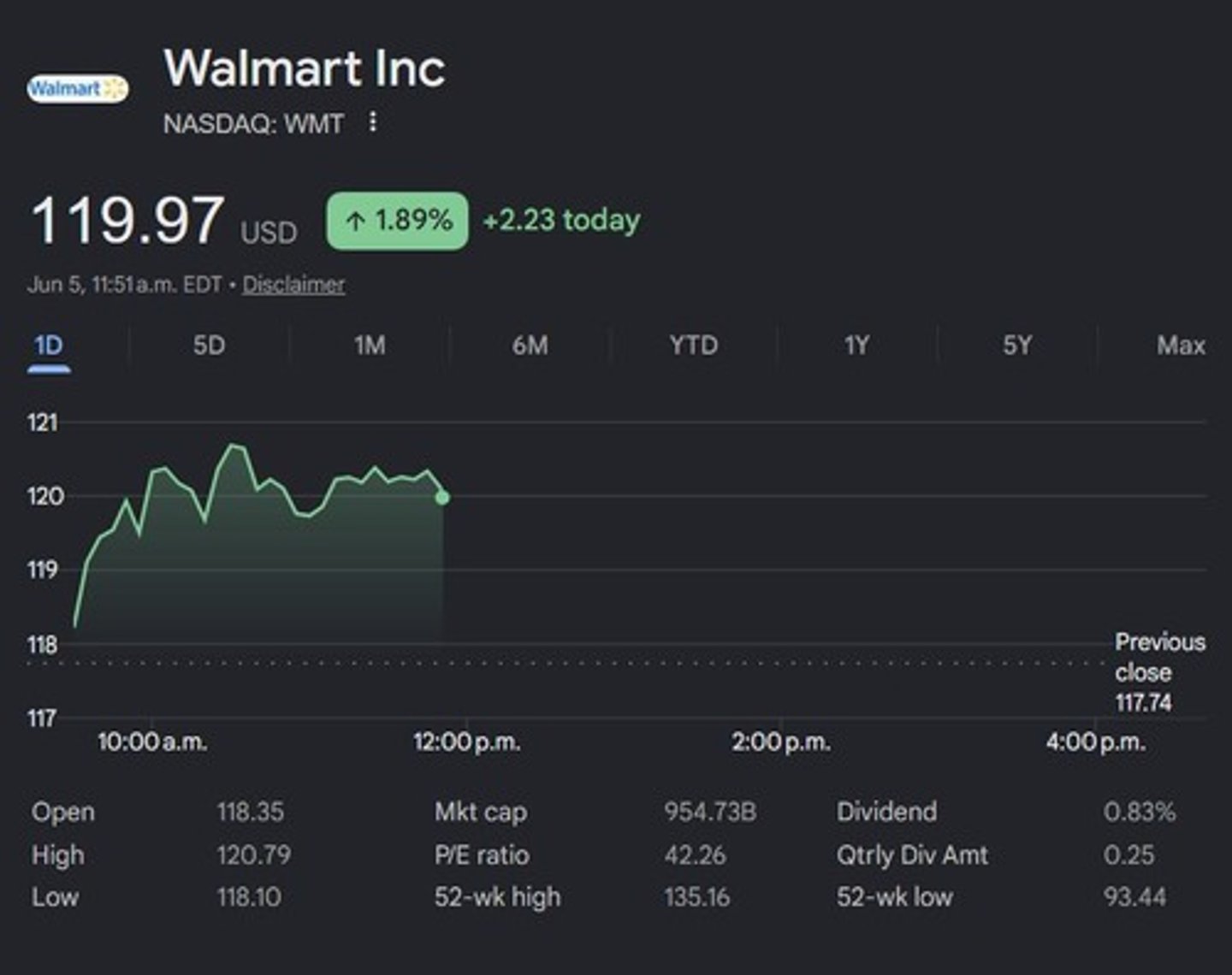
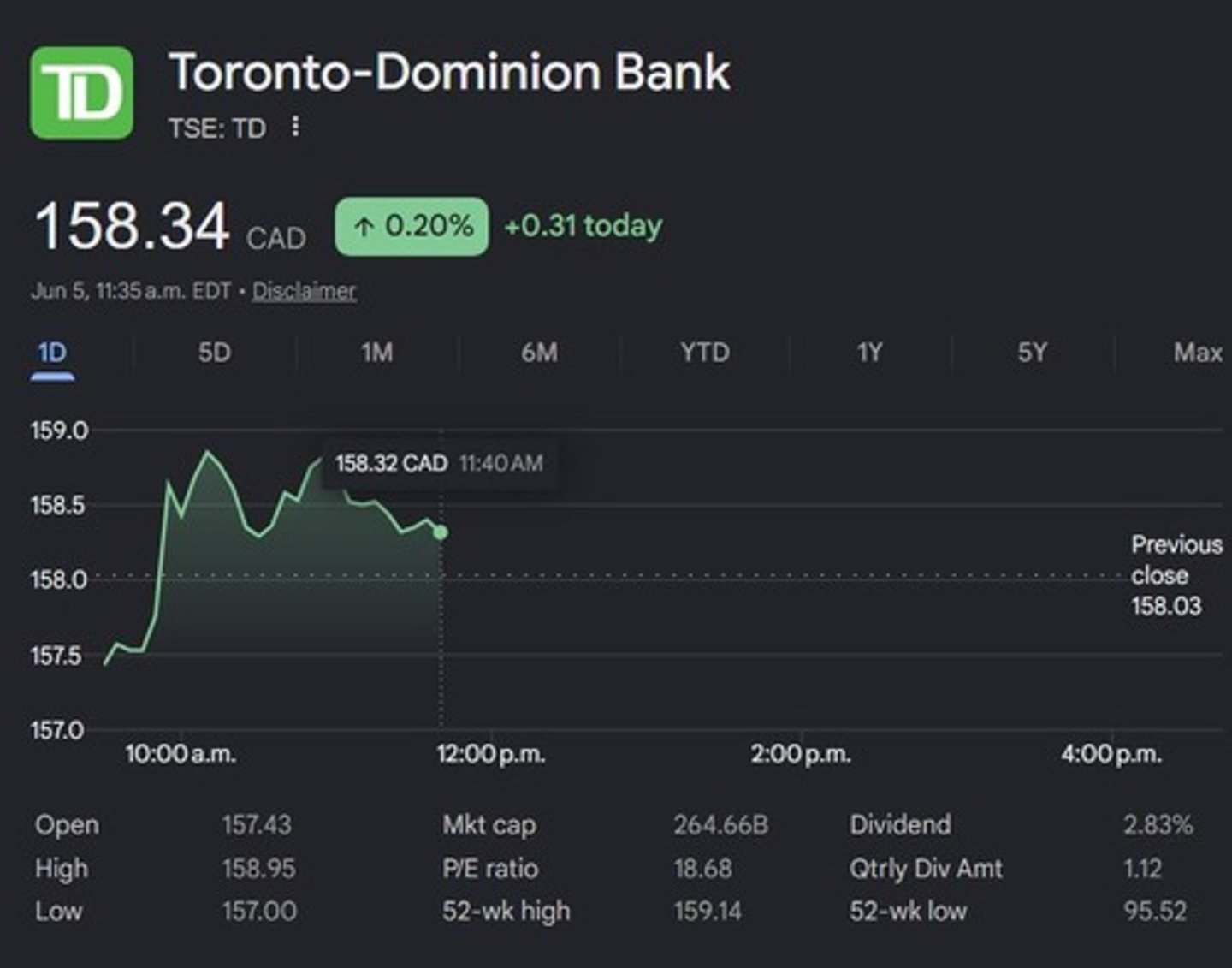
Name three companies targeted for blue-chip stock investments.
Toronto-Dominion Bank (TD), Walmart (WMT), and Enbridge Inc (ENB).
What is the investment strategy for emerging markets?
Investing in multiple companies in economies like China, Taiwan, India, and South Korea.
What is the name of the ETF planned for investment in emerging markets?
Vanguard FTSE Emerging Markets All Cap Index ETF (VEE).
How much is planned to be invested in the emerging markets ETF?
$600.
What app will be used to track investment goals?
Wealthica.
What is the significance of Wealthica in tracking investments?
It aggregates investments and provides insights into net worth and performance.
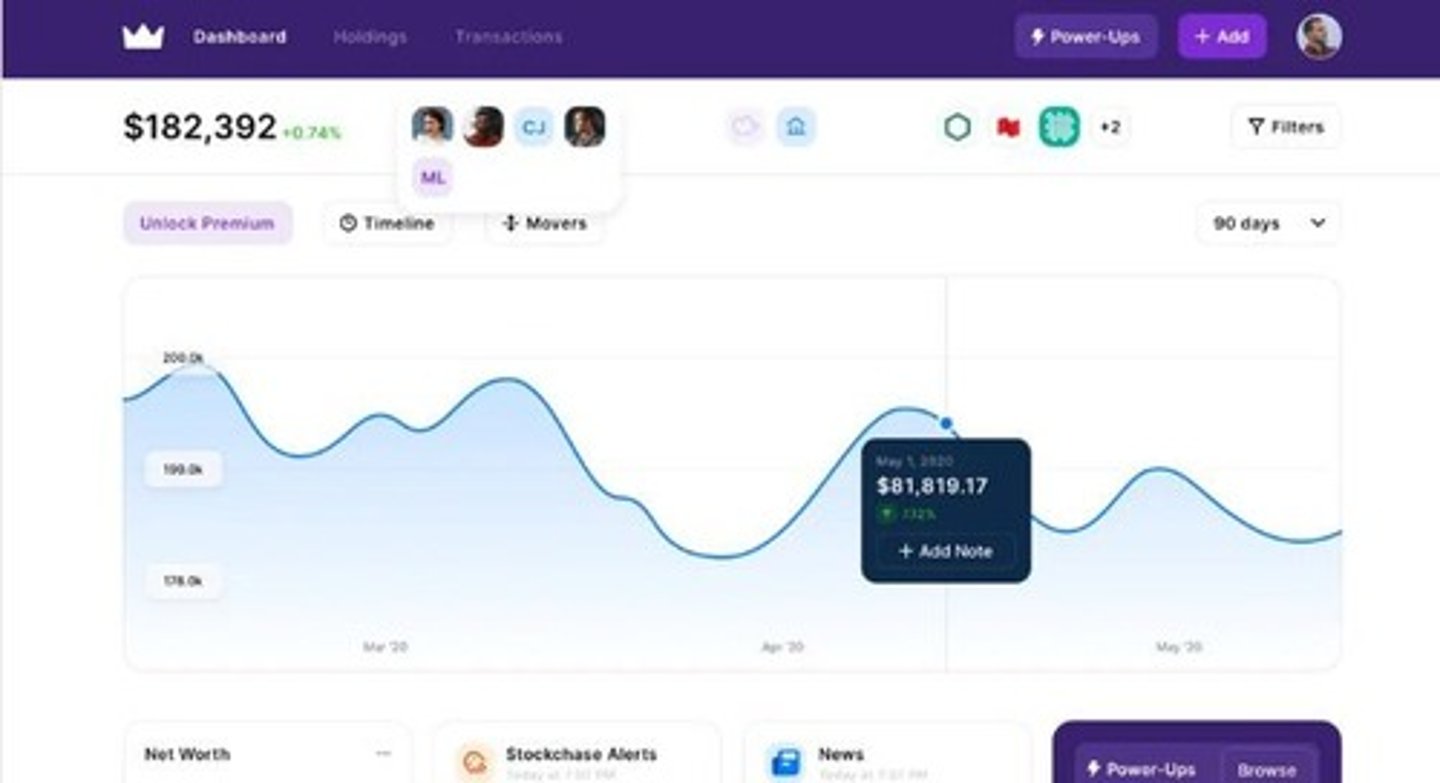
What is the free option available in Wealthica?
Manually tracking states and information.

What is the total amount expected from the GIC investment after 10 years?
$8,333.47.
What is the intended outcome of investing in fixed incomes?
To reach financial goals sooner while maintaining safety.
What is the risk associated with speculative investments?
Higher risk for the hope of big returns.
What is the purpose of diversifying investments?
To reduce risk by not putting all funds into one type of investment.
What is the expected return from the Schwab Municipal Money Fund?
$8750 after the investment term.
What is the main benefit of investing in blue-chip stocks?
Lower risk due to the reliability of the companies.
Why is it important to monitor investments regularly?
To make educated decisions and adjust strategies as needed.
What is the overall investment strategy for the next 10 years?
To balance safety with growth through fixed incomes, equities, and speculative assets.