Developmental Psychology Flashcards - Unit 7 Terms & Definitions
 Call Kai
 Learn
Learn Practice Test
 Spaced Repetition
 Match
Match Flashcards
 Knowt Play
1/63

There's no tags or description
Looks like no tags are added yet.
Name | Mastery | Learn | Test | Matching | Spaced | Call with Kai |
|---|
No analytics yet
Send a link to your students to track their progress
64 Terms
fetal alcohol syndrome
physical and cognitive abnormalities in children caused by a pregnant woman's heavy drinking
Teratogens
fetus
fetus
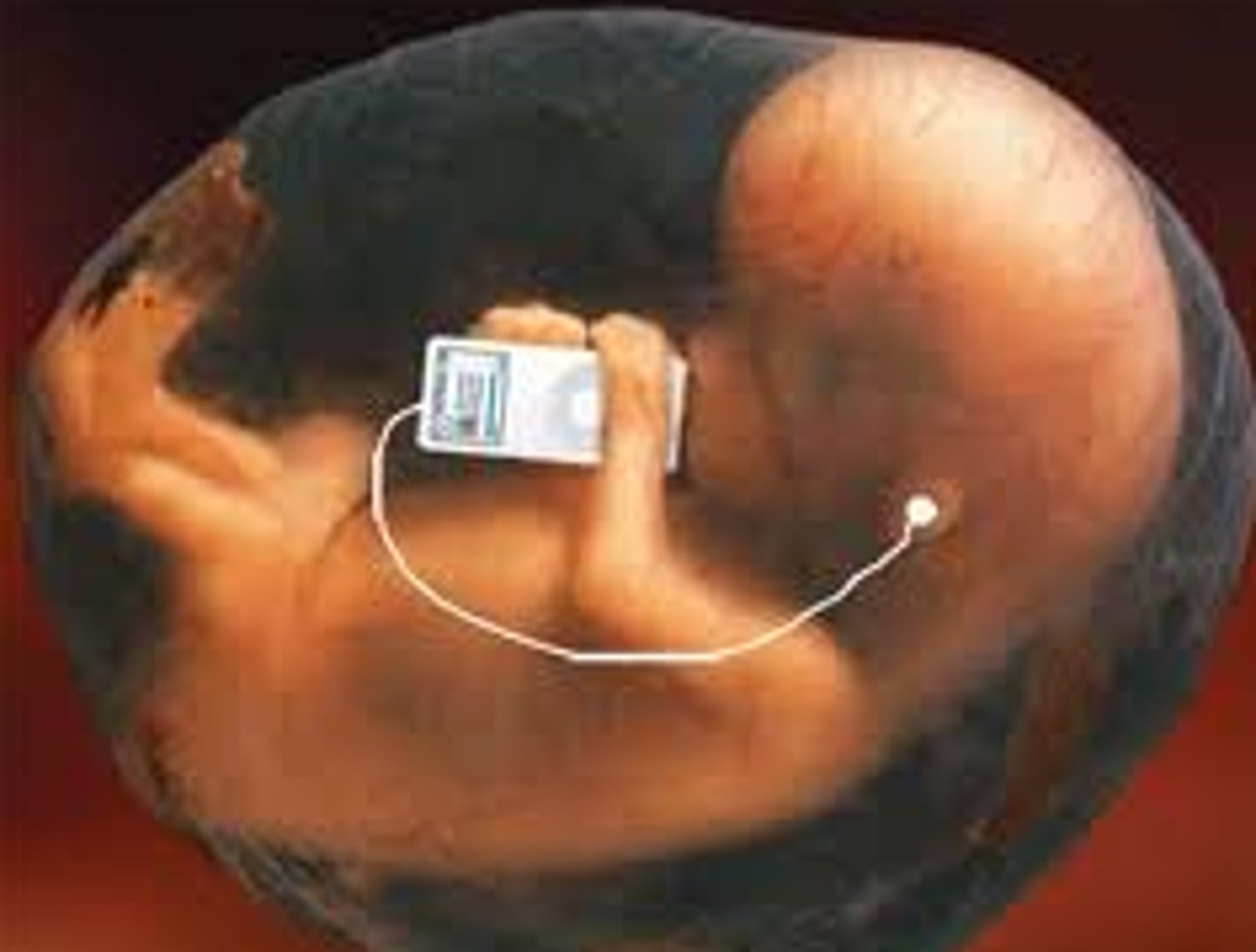
the developing human organism from 9 weeks after conception to birth
embryo
the developing human organism from about 2 weeks after fertilization through the second month
zygote
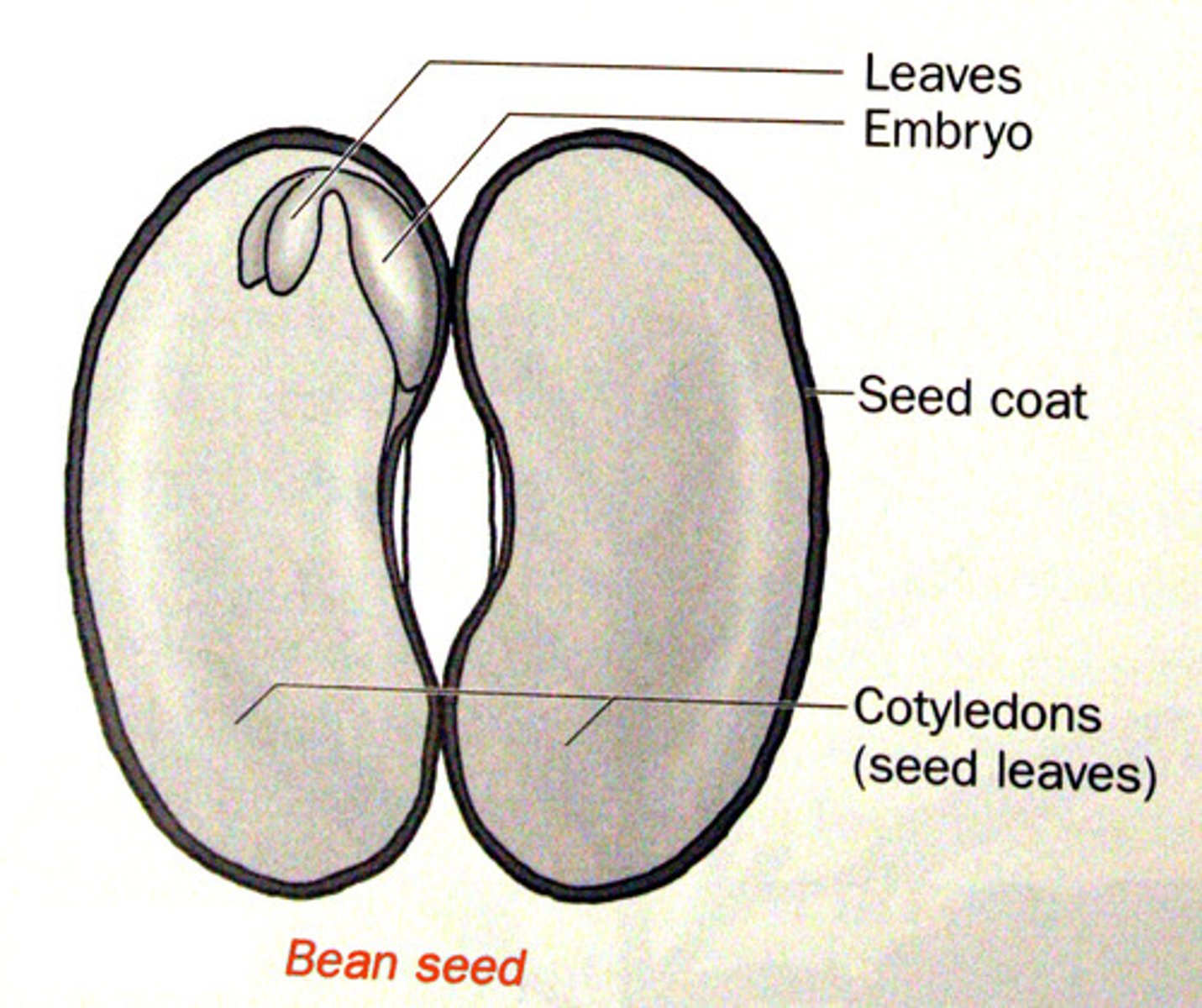
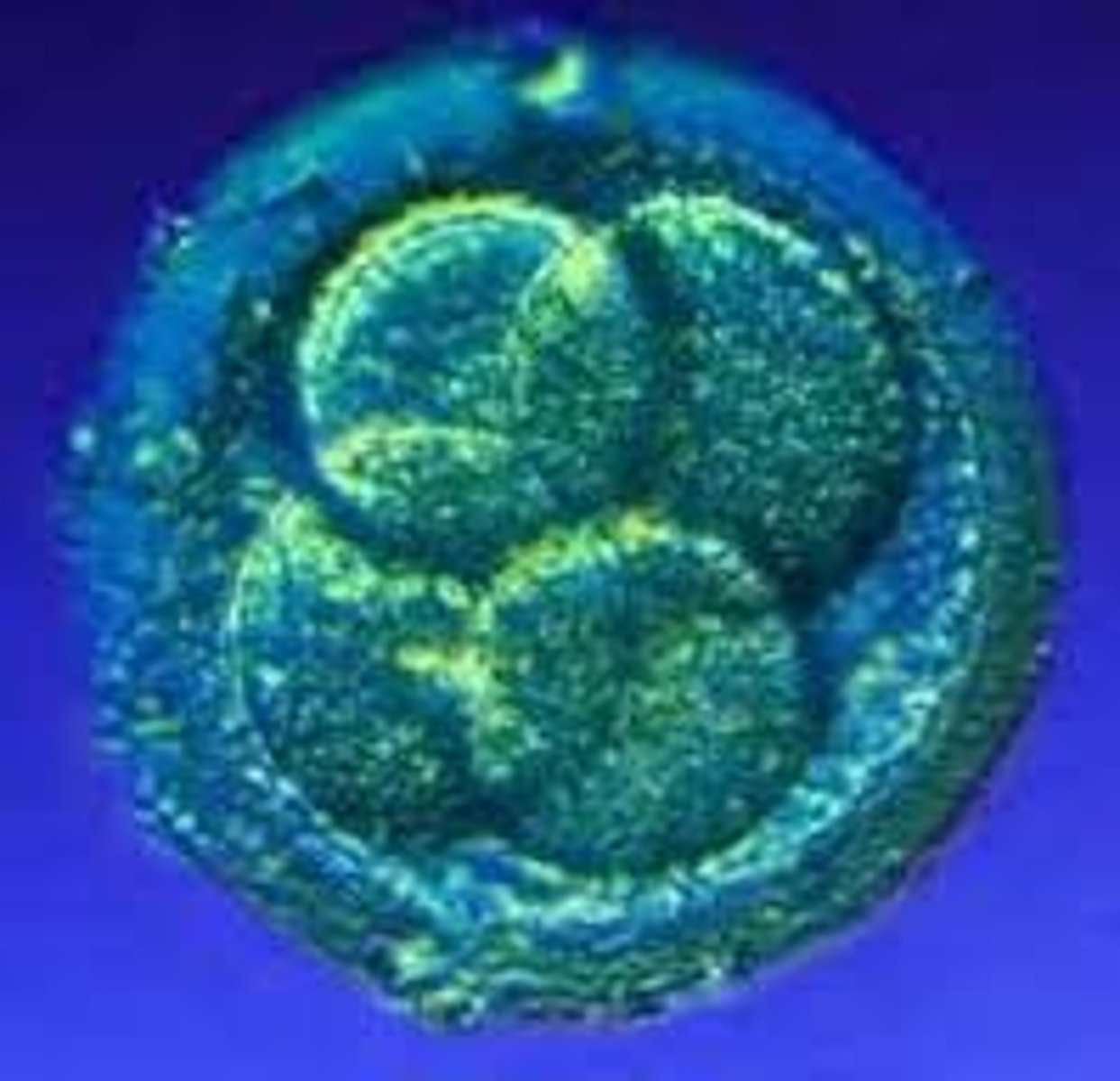
fertilized egg
developmental psychology
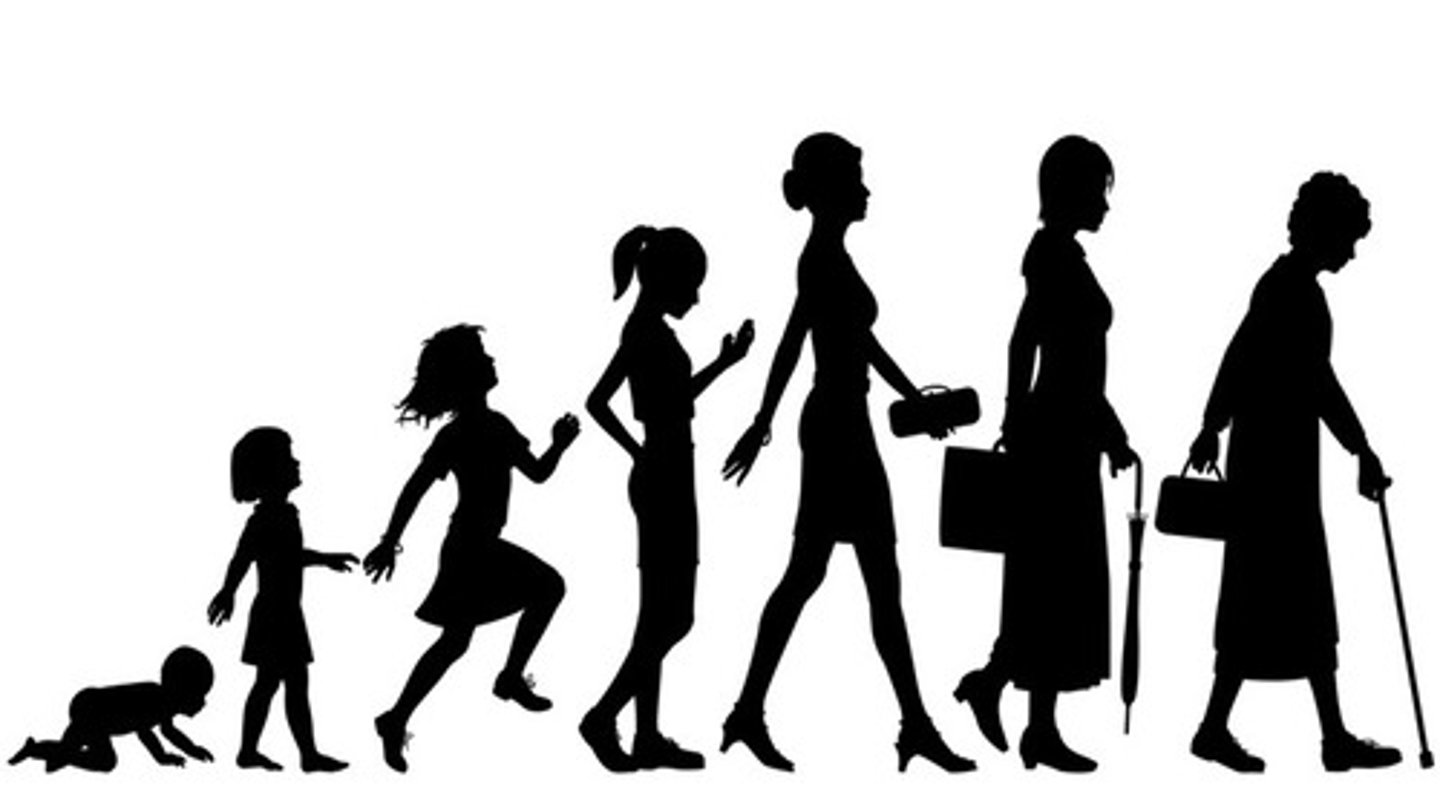
a branch of psychology that studies physical, cognitive, and social change throughout the life span
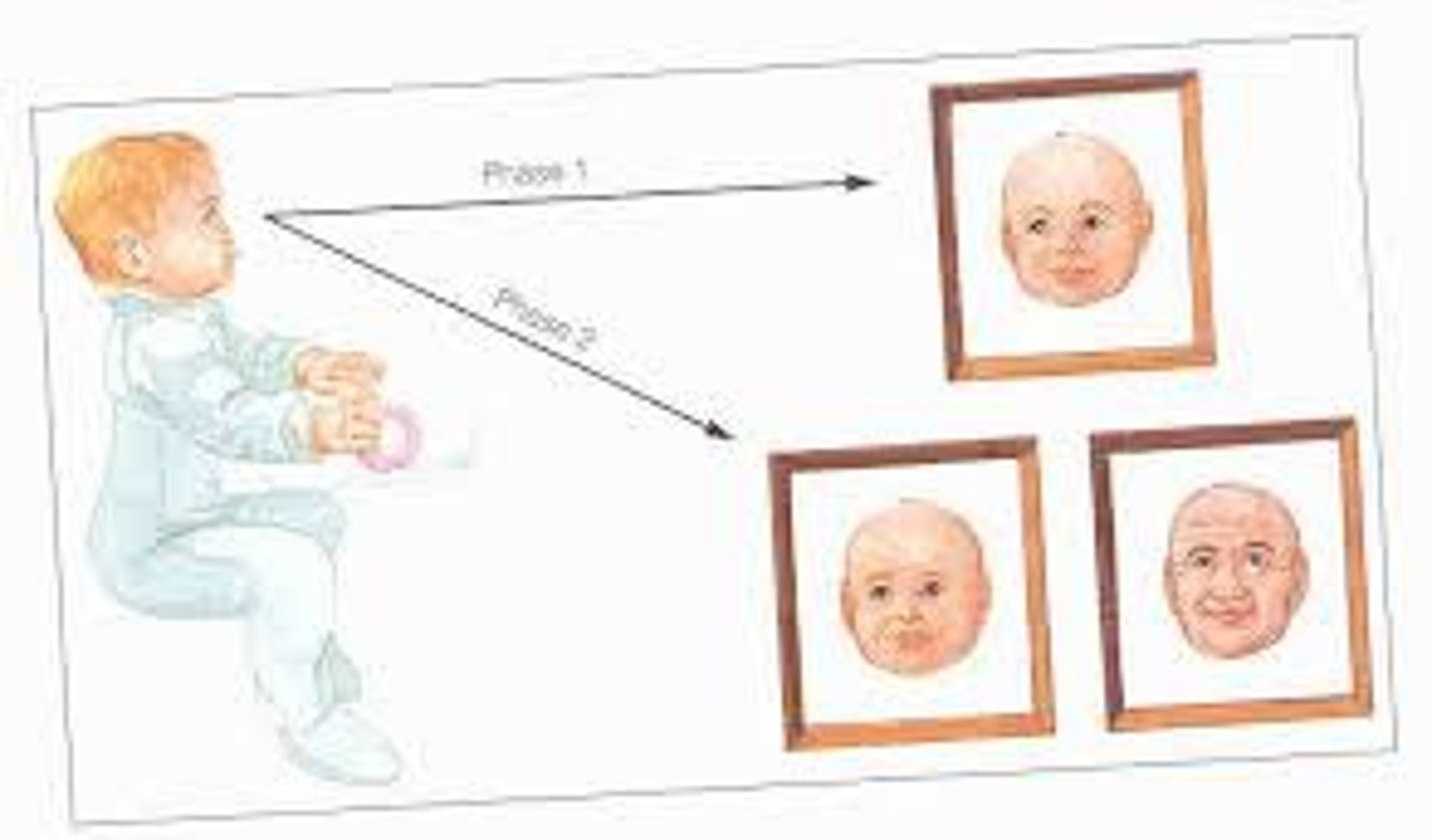
Habituation
decreasing responsiveness with repeated stimulation. As infants gain familiarity with repeated exposure to a visual stimulus, their interest wanes and they look away sooner.
Maturation
the internally programmed growth of a child

Cognition
the mental activities associated with thinking, knowing, remembering, and communicating
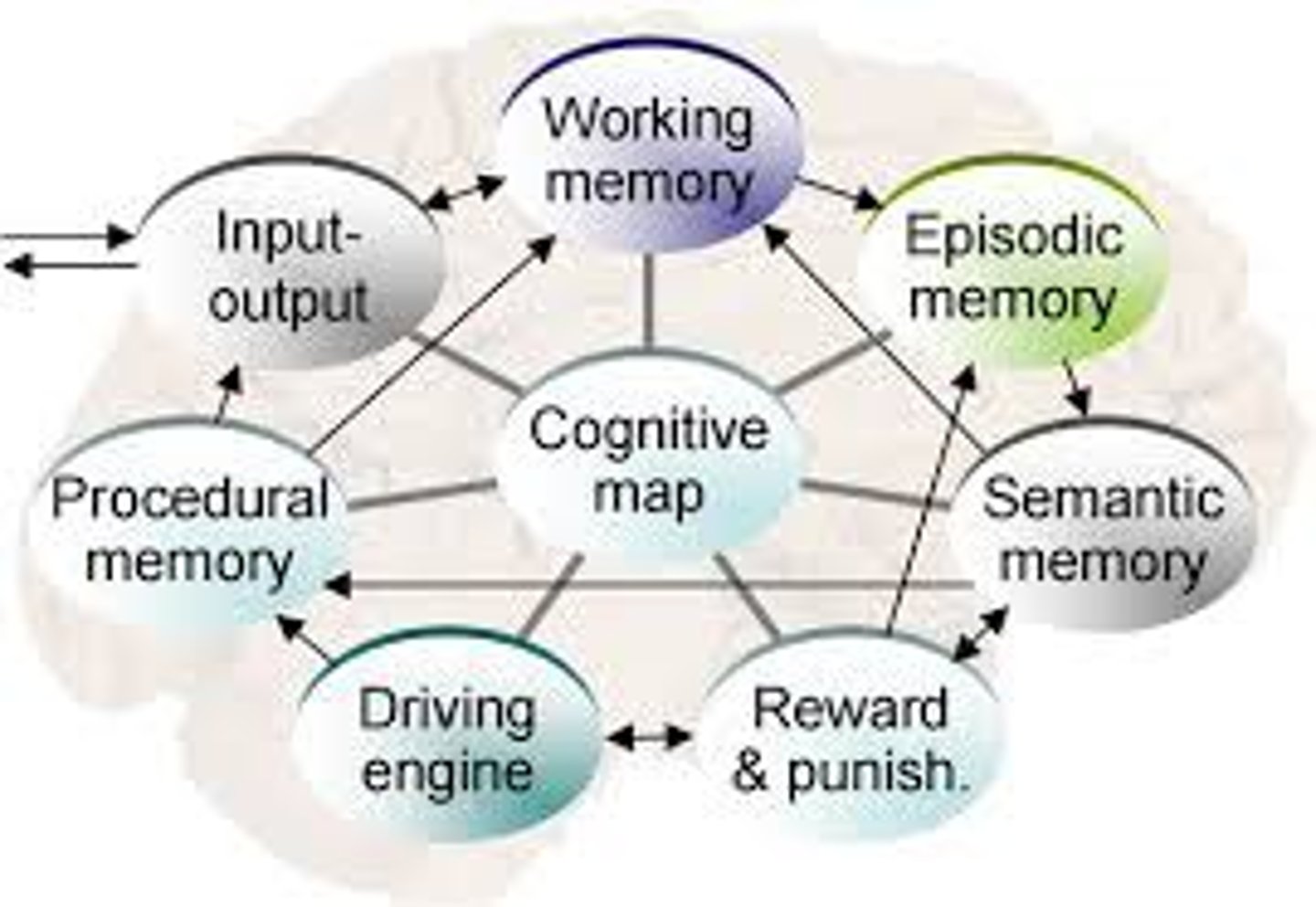
Schema
a conceptual framework a person uses to make sense of the world

Assimilation
interpreting one's new experience in terms of one's existing schemas

Sensorimotor Stage
in Piaget's theory, the stage (from birth to about 2 years of age) during which infants know the world mostly in terms of their sensory impressions and motor activities

Object Permanence
the awareness that things continue to exist even when not perceived

Preoperational Stage
in Piaget's theory, the stage (from about 2 to 6 or 7 years of age) during which a child learns to use language but does not yet comprehend the mental operations of concrete logic
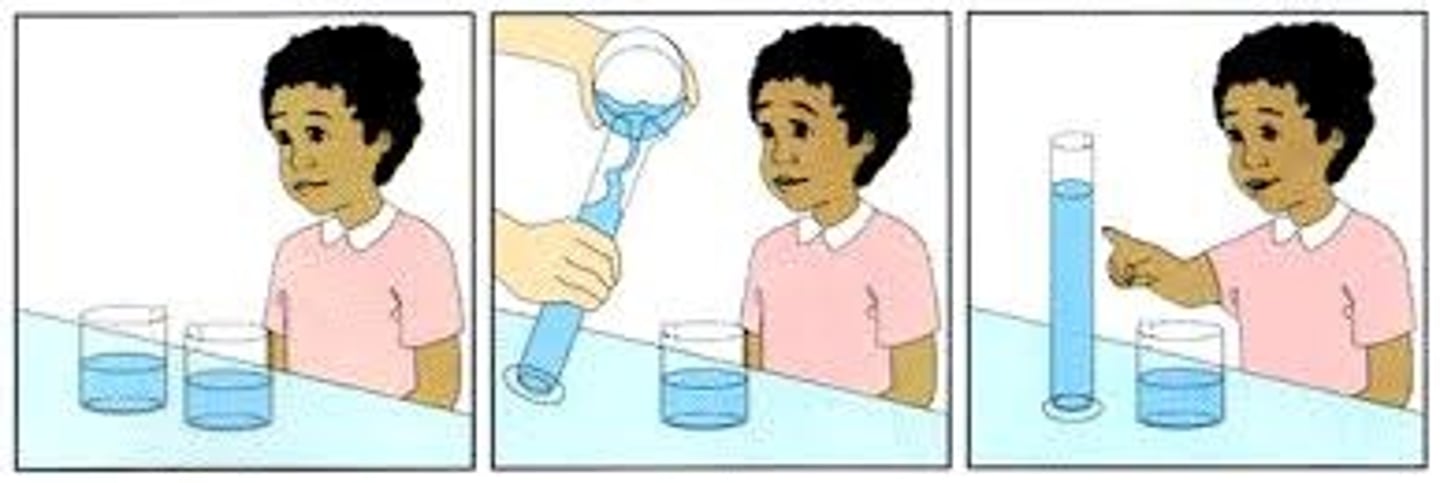
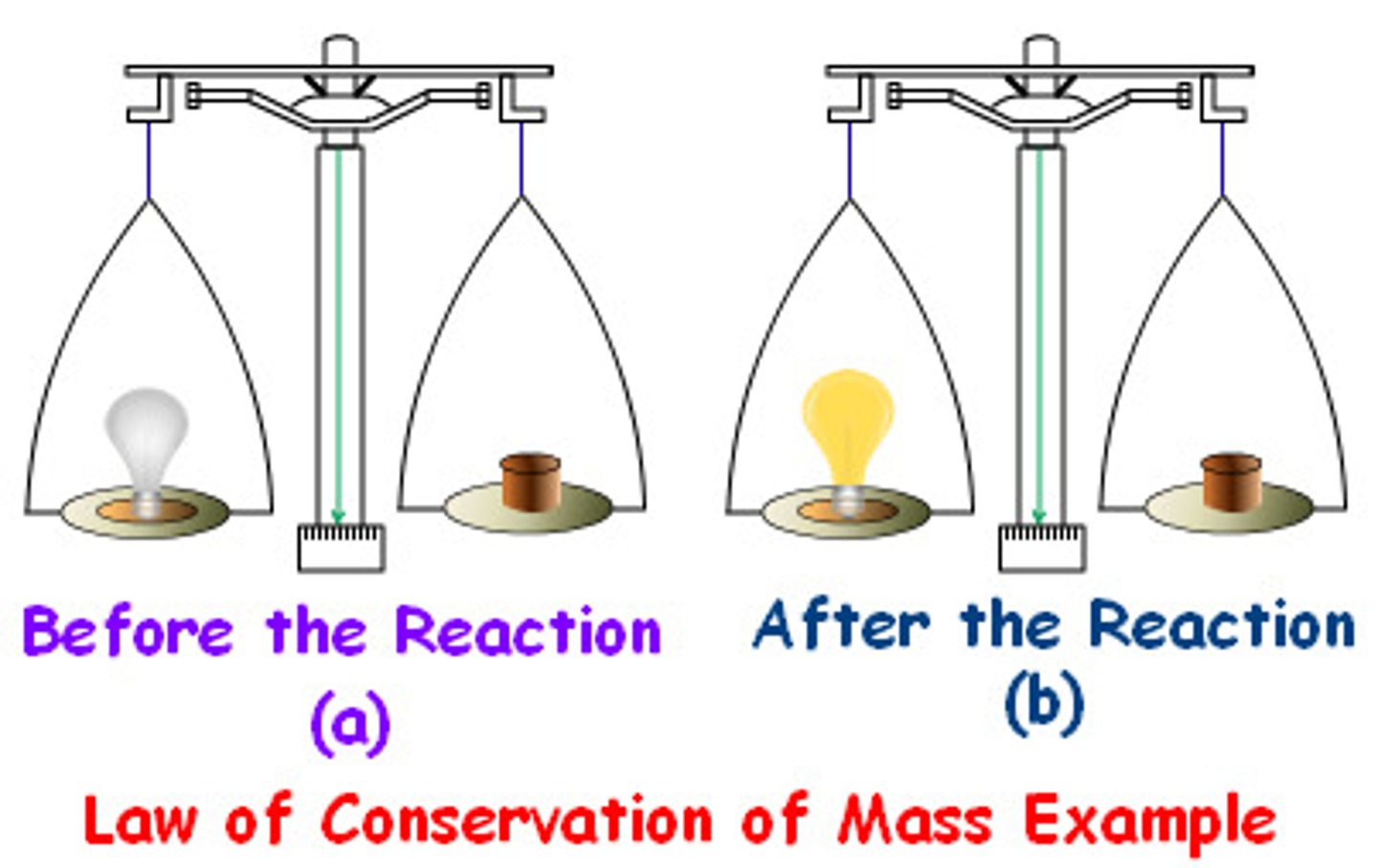
Conservation
the principle (which Piaget believed to be a part of concrete operational reasoning) that properties such as mass, volume, and number remain the same despite changes in the forms of objects
Egocentrism
in Piaget's theory, the preoperational child's difficulty taking another's point of view
Theory of Mind
people's ideas about their own and others' mental states—about their feelings, perceptions, and thoughts, and the behaviors these might predict.

Concrete Operational Stage
in Piaget's theory, the stage of cognitive development (from about 6 or 7 to 11 years of age) during which children gain the mental operations that enable them to think logically about concrete events

Formal Operational Stage
in Piaget's theory, the stage of cognitive development (normally beginning about age 12) during which people begin to think logically about abstract concepts
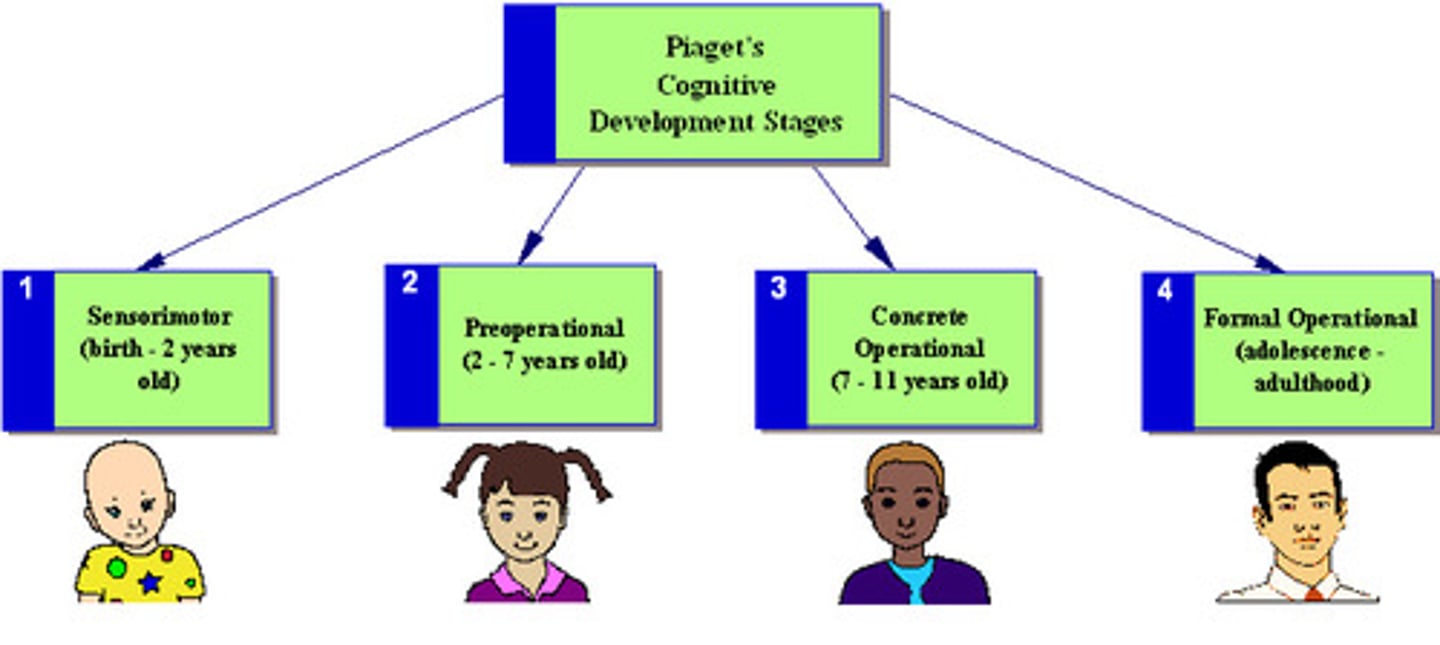
Scaffold
a framework that offers children temporary support as they develop higher levels of thinking
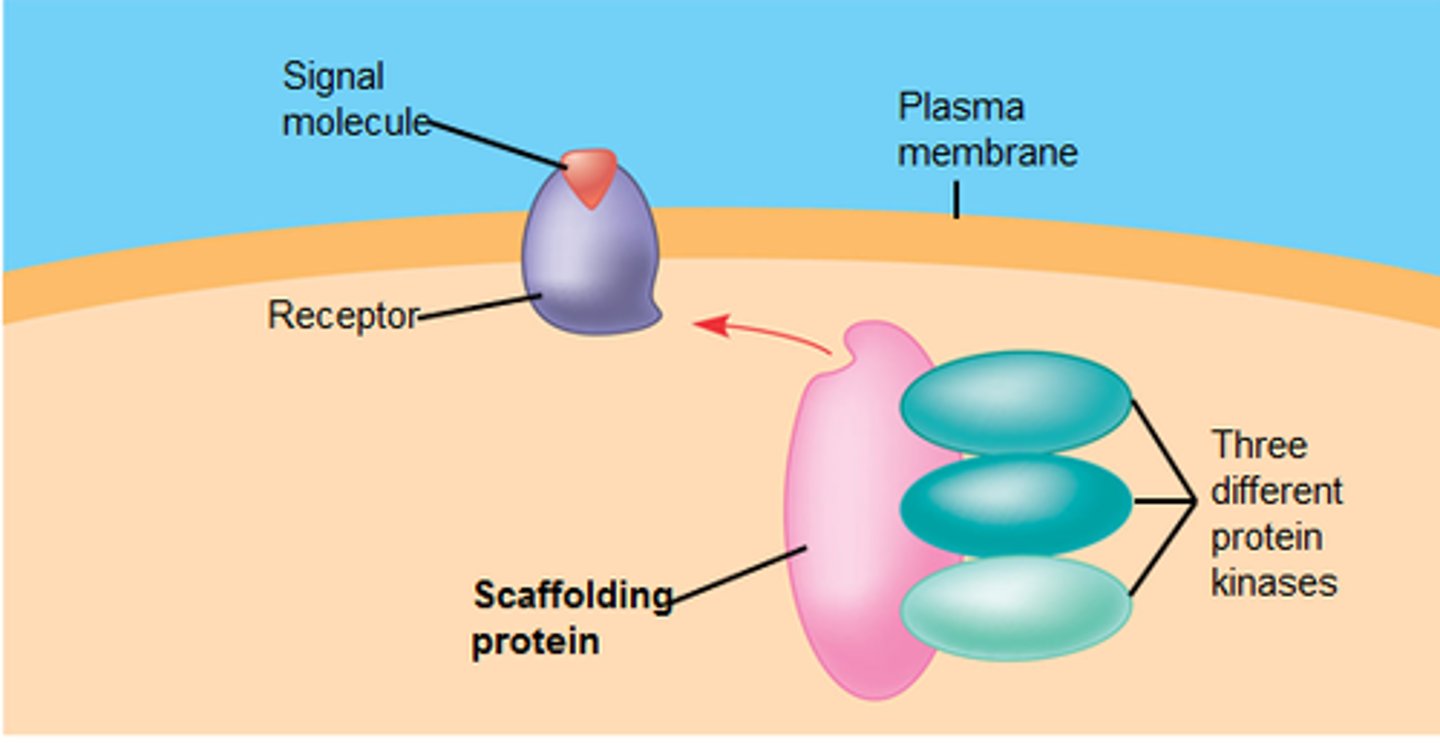
Autism Spectrum Disorder
a disorder that appears in childhood and is marked by significant deficiencies in communication and social interaction, and by rigidly fixated interests and repetitive behaviors
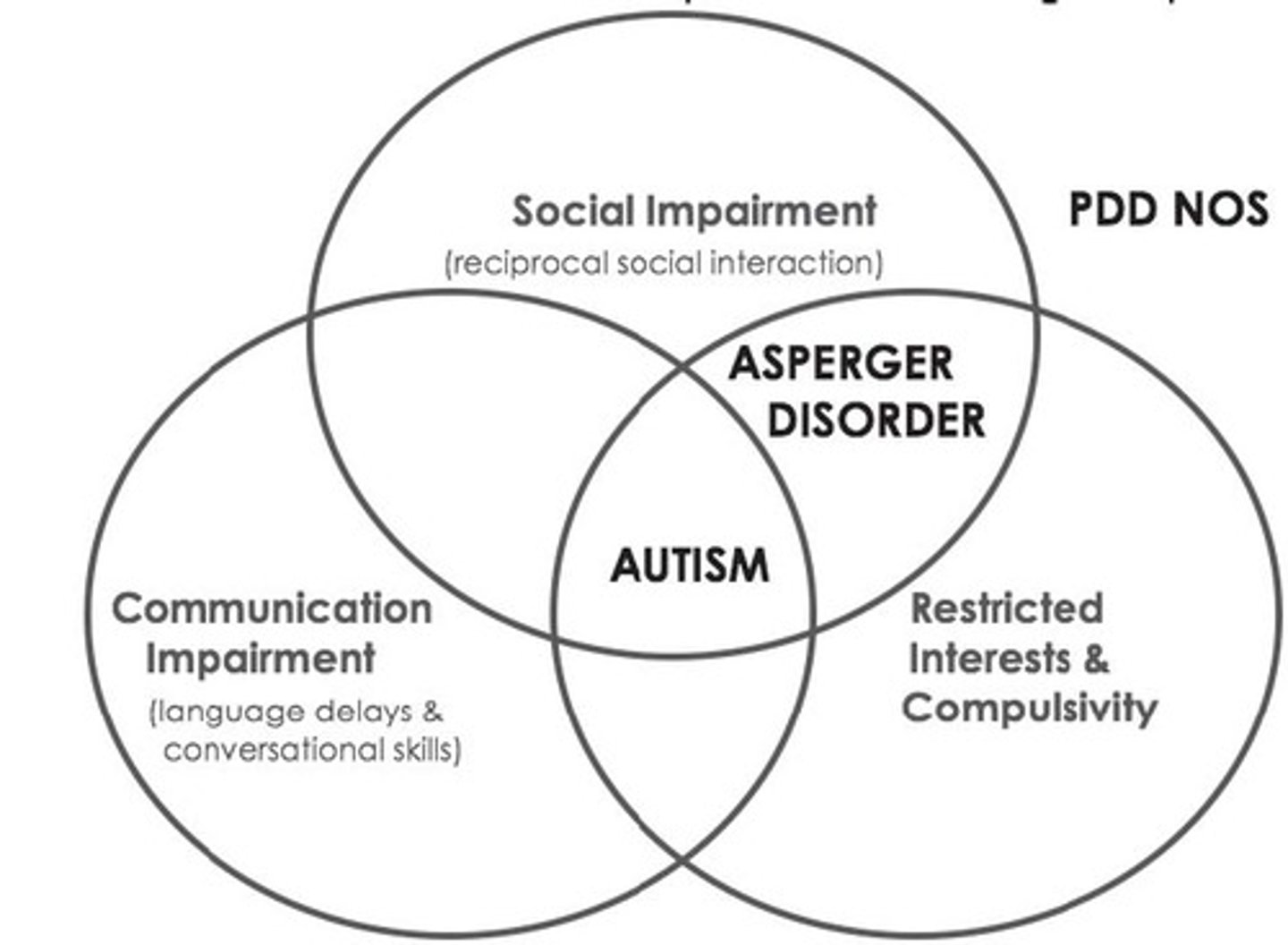
Stranger Anxiety
the fear of strangers that infants commonly display, beginning by about 8 months of age

Attachment
an emotional tie with another person; shown in young children by their seeking closeness to the caregiver and showing distress on separation
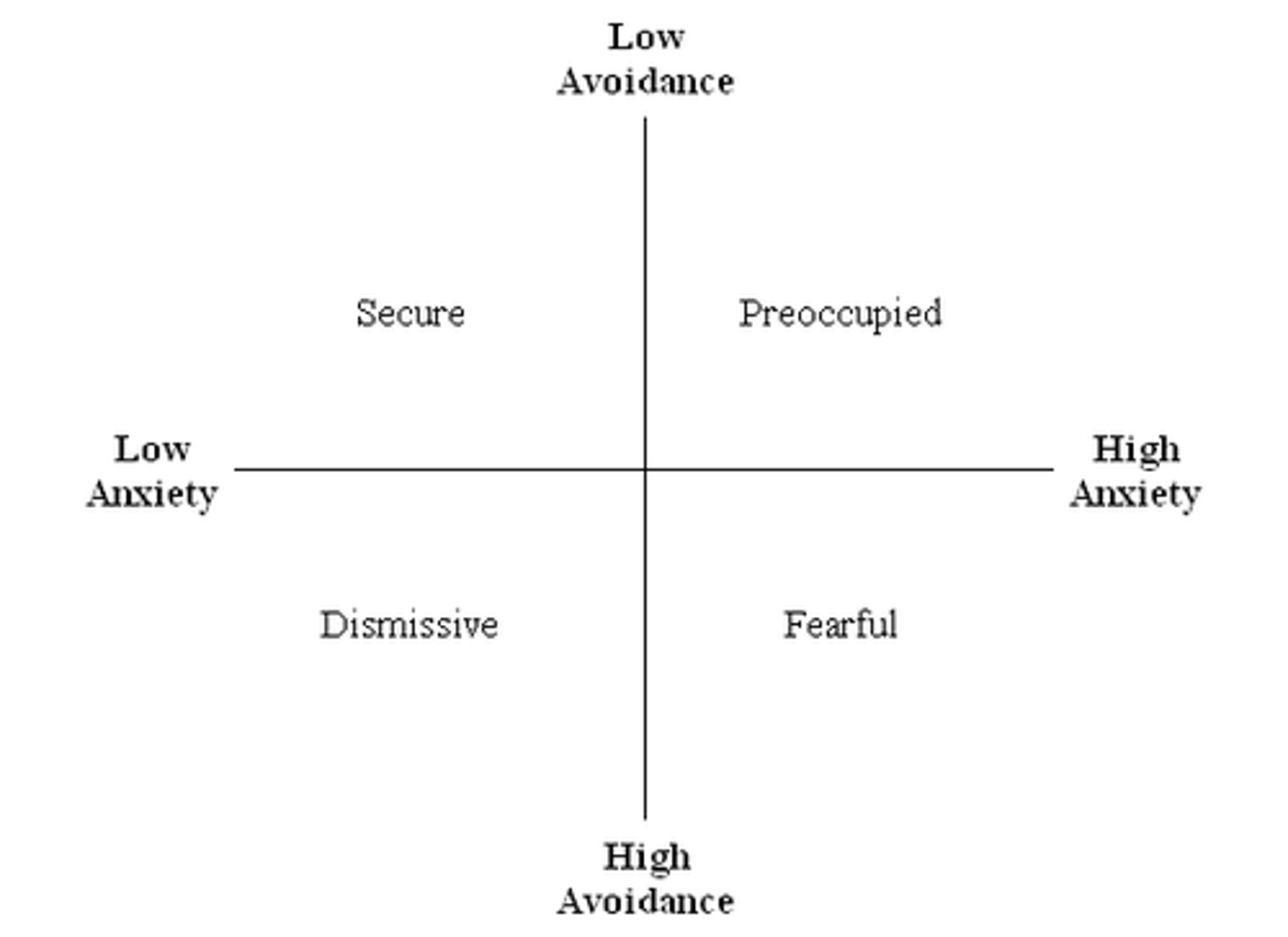
Critical Period
an optimal period shortly after birth when an organism's exposure to certain stimuli or experiences produces proper development

Imprinting
the process by which certain animals form attachments during a critical period very early in life
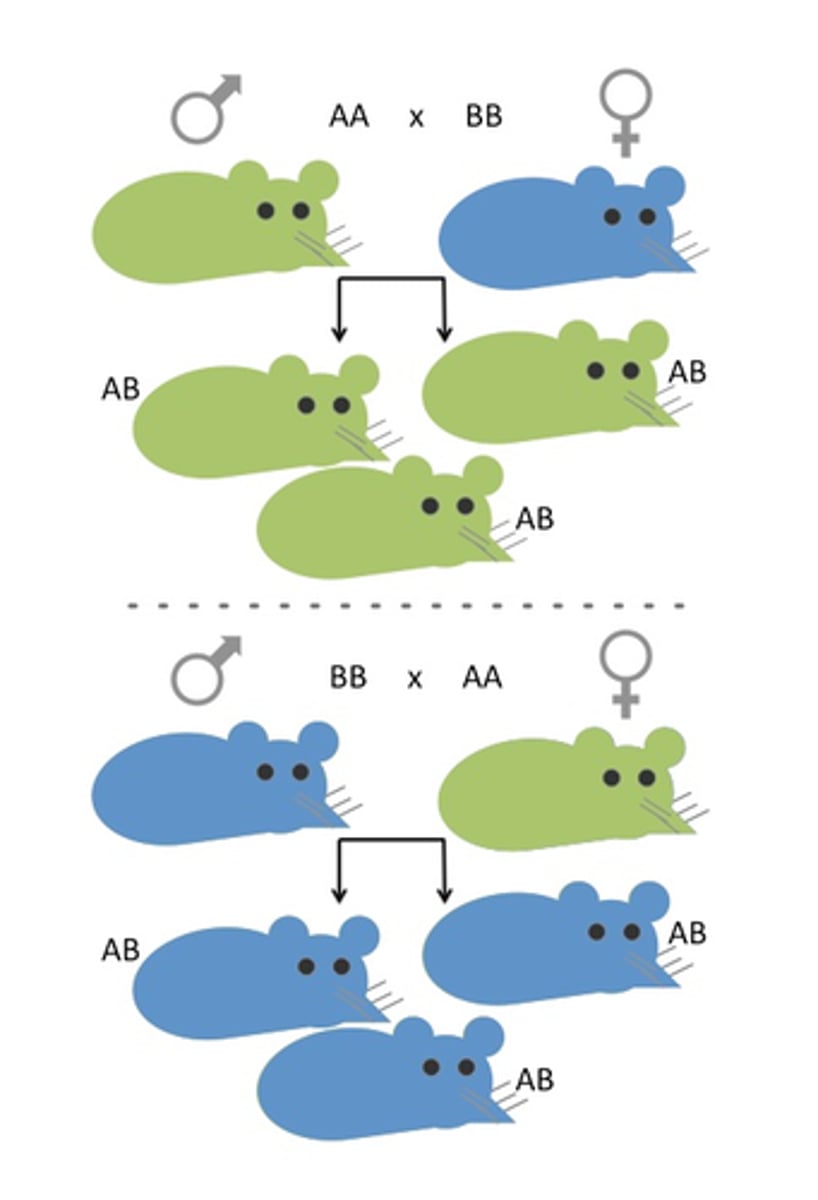
Strange Situation
a behavioral test developed by Mary Ainsworth that is used to determine a child's attachment style
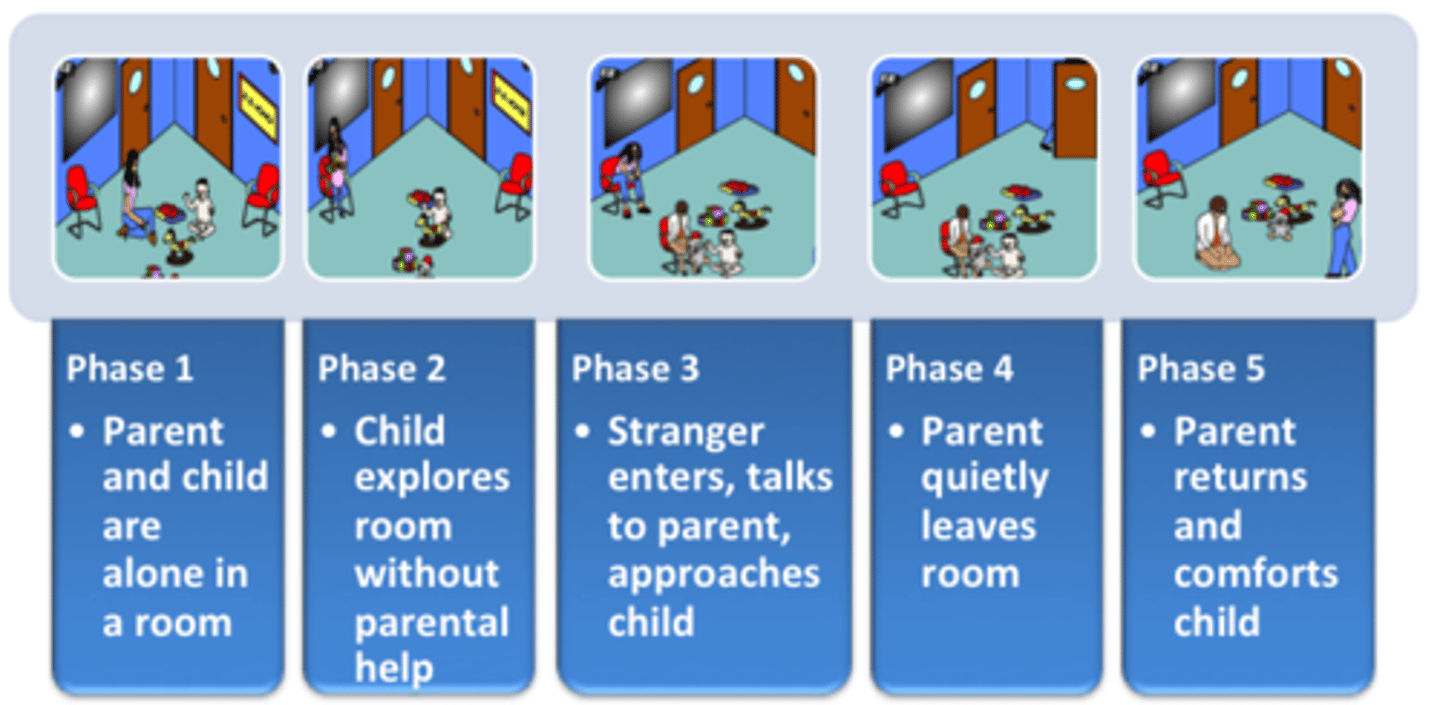
Secure Attachment
a relationship in which an infant obtains both comfort and confidence from the presence of his or her caregiver
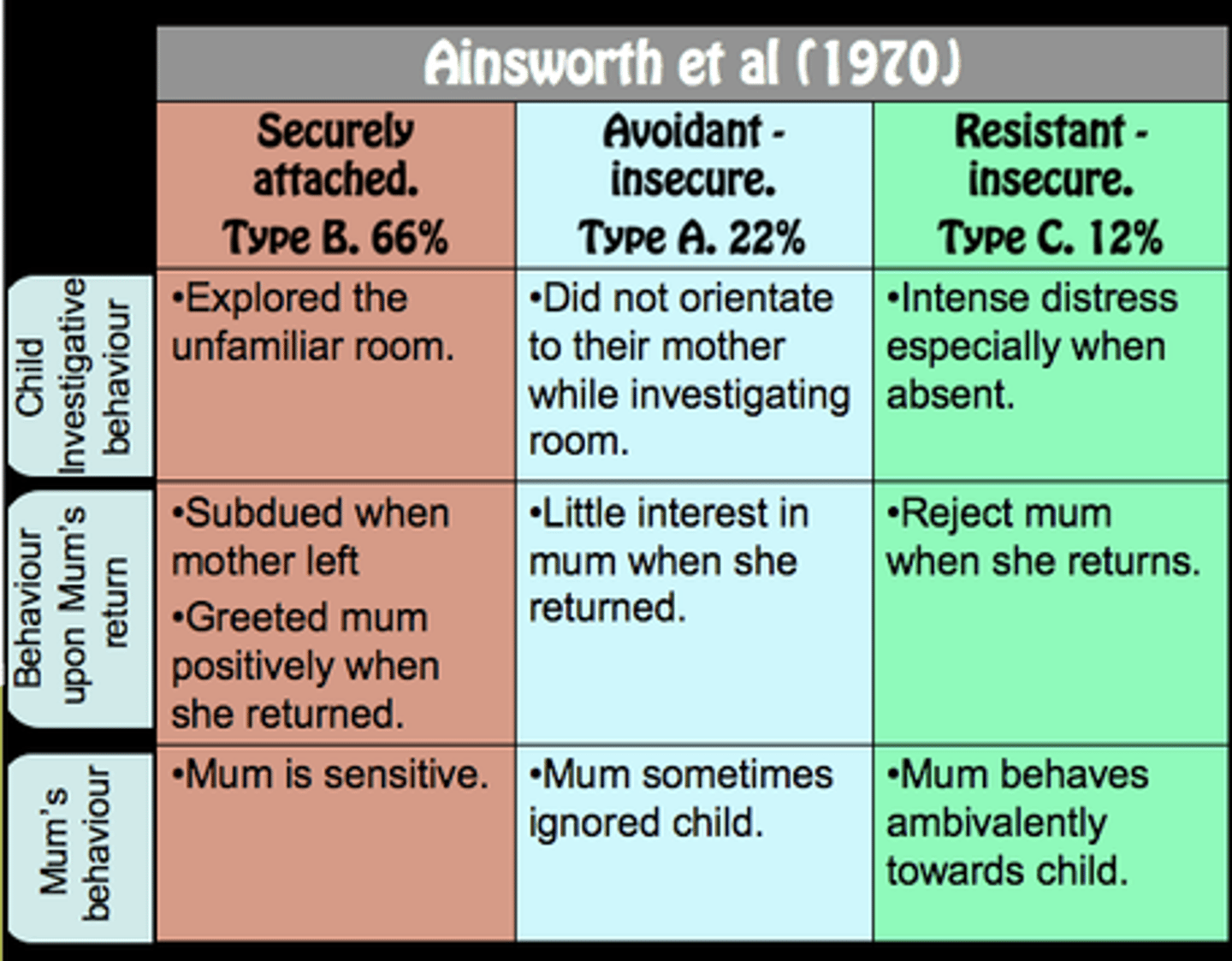
Insecure Attachment
attachments marked by anxiety or ambivalence

Gender Typing
the acquisition of a traditional masculine or feminine role
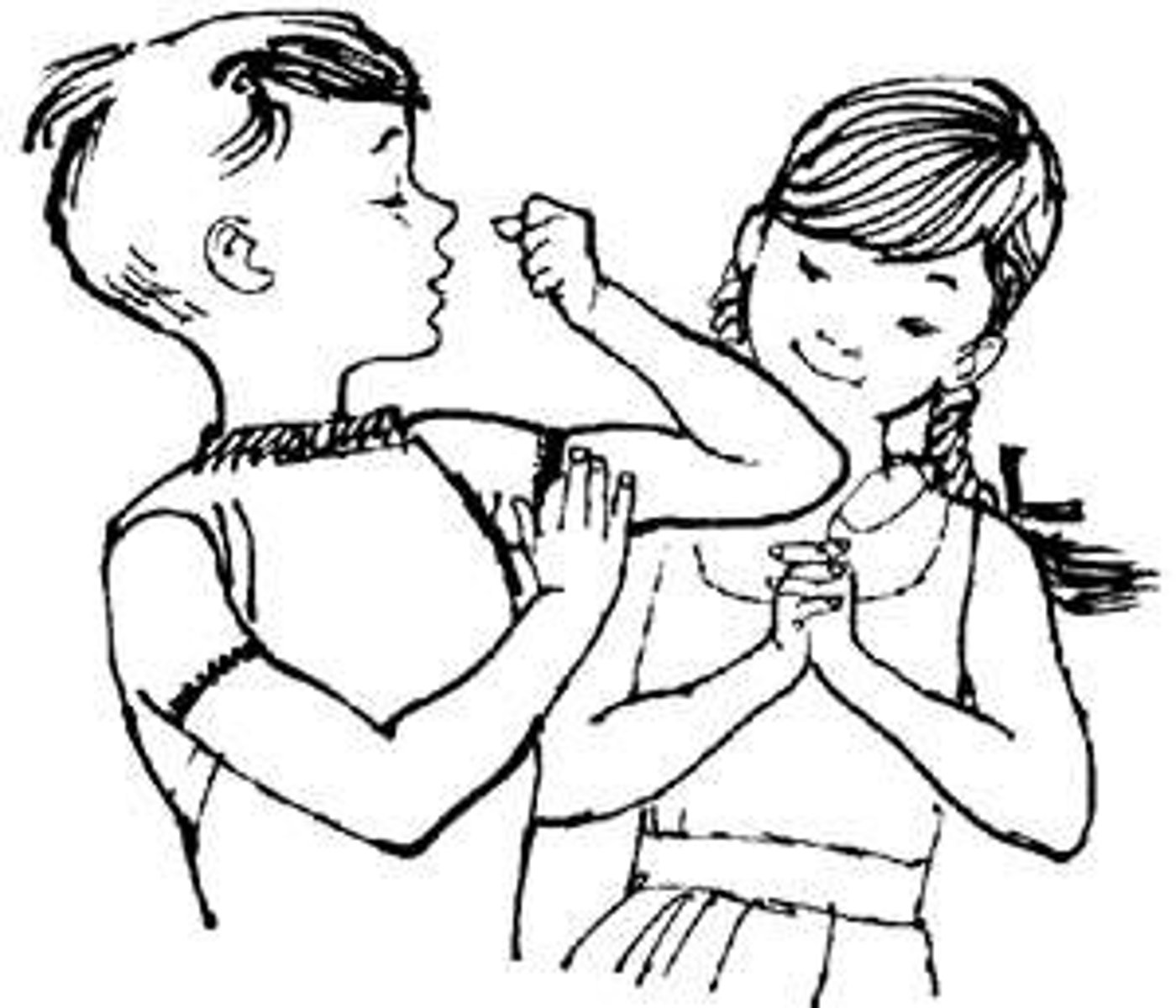
Androgyny
displaying both traditional masculine and feminine psychological characteristics

Transgender
an umbrella term describing people whose gender identity or expression differs from that associated with their birth sex
Puberty
the period of sexual maturation, during which a person becomes capable of reproducing
Temperament
a person's characteristic emotional reactivity and intensity

Basic Trust
according to Erik Erikson, a sense that the world is predictable and trustworthy; said to be formed during infancy by appropriate experiences with responsive caregivers

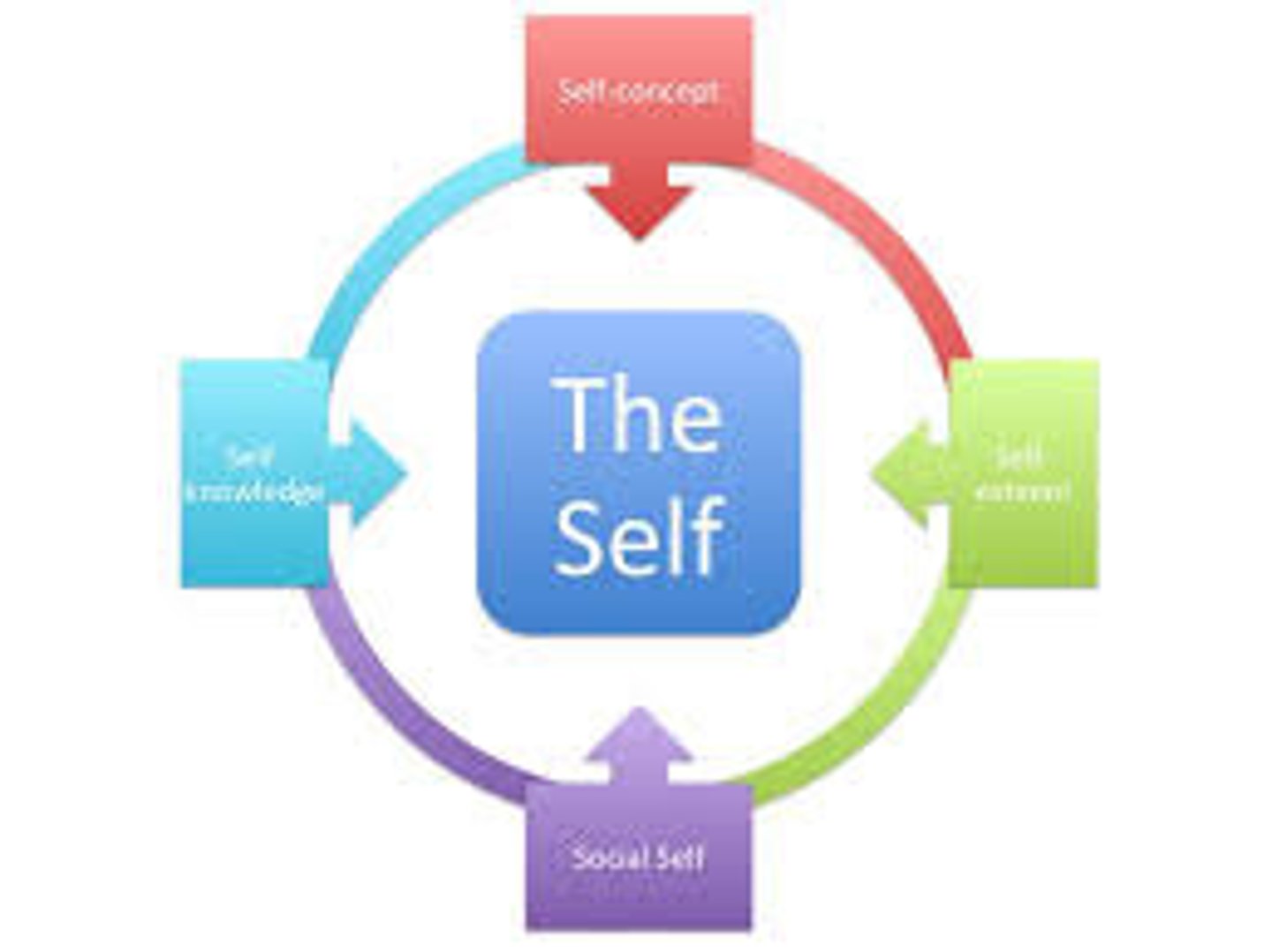
Self-Concept
all our thoughts and feelings about ourselves, in answer to the question, "Who am I?"
Sex
the biological distinction between females and males
Gender
in psychology, the biologically and socially influenced characteristics by which people define male and female

Aggression
any physical or verbal behavior intended to hurt or destroy

Relational Aggression
an act of aggression (physical or verbal) intended to harm a person's relationship or social standing

Role
a set of expectations (norms) about a social position, defining how those in the position ought to behave

Gender Role
a set of expected behaviors, attitudes, and traits for males or for females

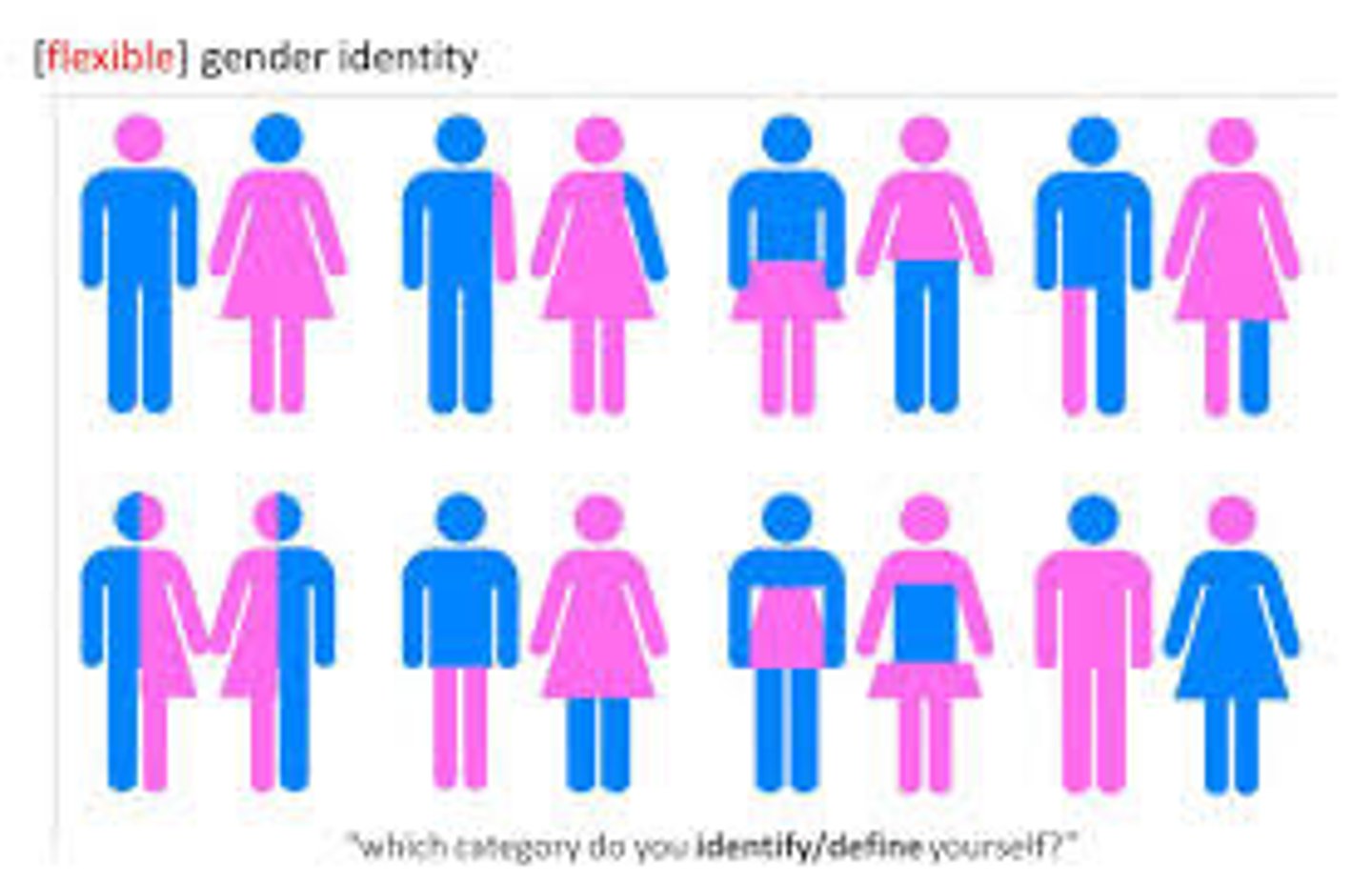
Gender Identity
our sense of being male or female
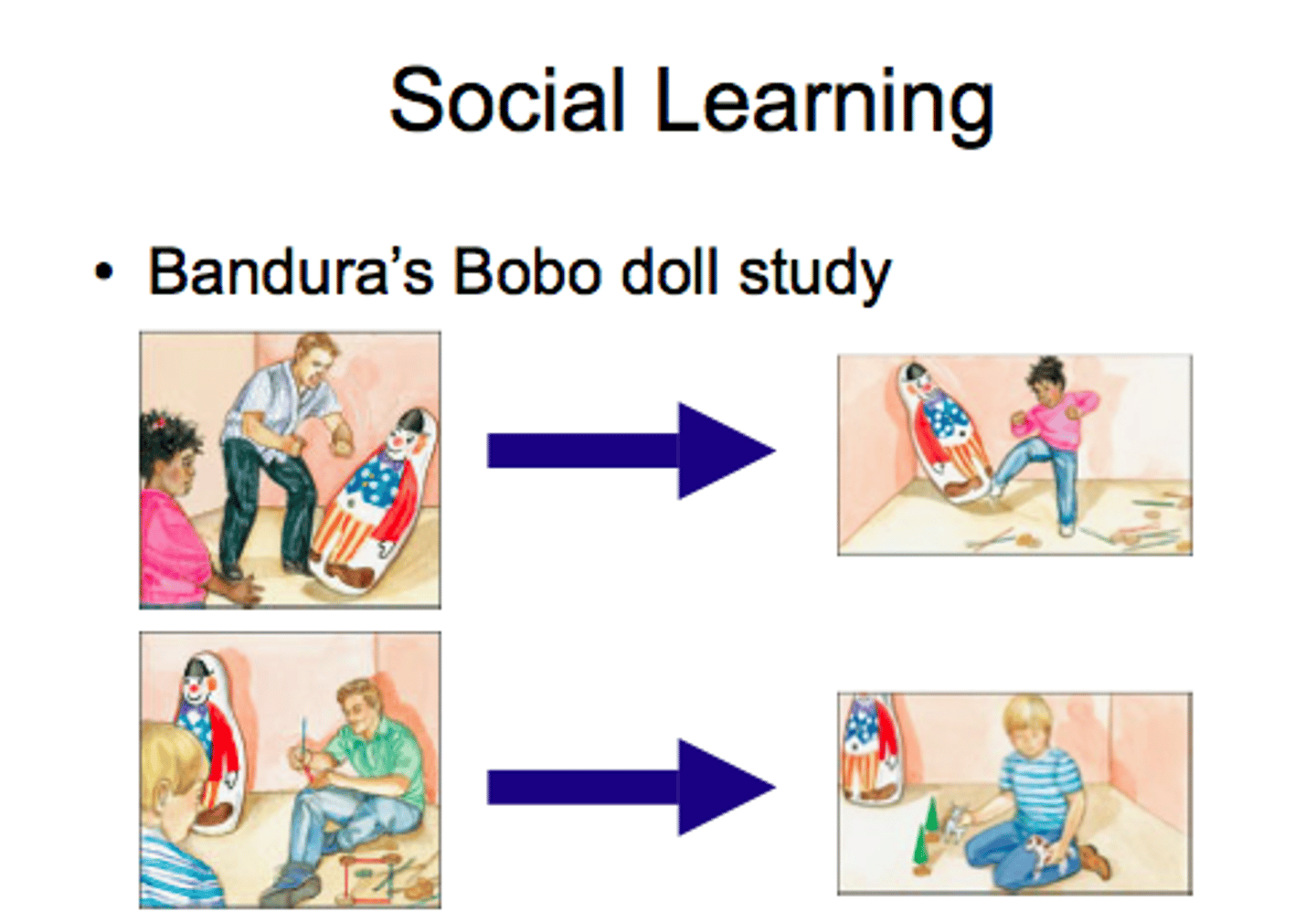
Social Learning Theory
the theory that we learn social behavior by observing and imitating and by being rewarded or punished
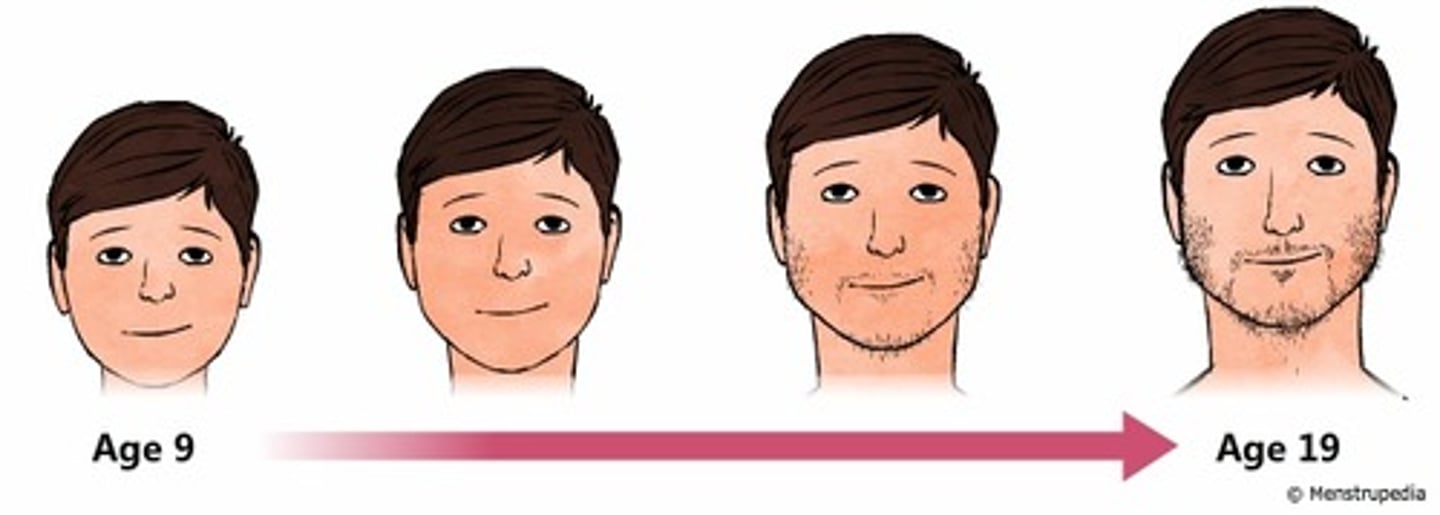
Adolescence
the transition period from childhood to adulthood, extending from puberty to independence
Puberty
the period of sexual maturation, during which a person becomes capable of reproducing
Identity
our sense of self; according to Erikson, the adolescent's task is to solidify a sense of self by testing and integrating various roles

Social Identity
the "we" aspect of our self-concept; the part of our answer to "Who am I?" that comes from our group memberships

Intimacy
in Erikson's theory, the ability to form close, loving relationships; a primary developmental task in late adolescence and early adulthood

Emerging Adulthood
for some people in modern cultures, a period from the late teens to mid-twenties, bridging the gap between adolescent dependence and full independence and responsible adulthood

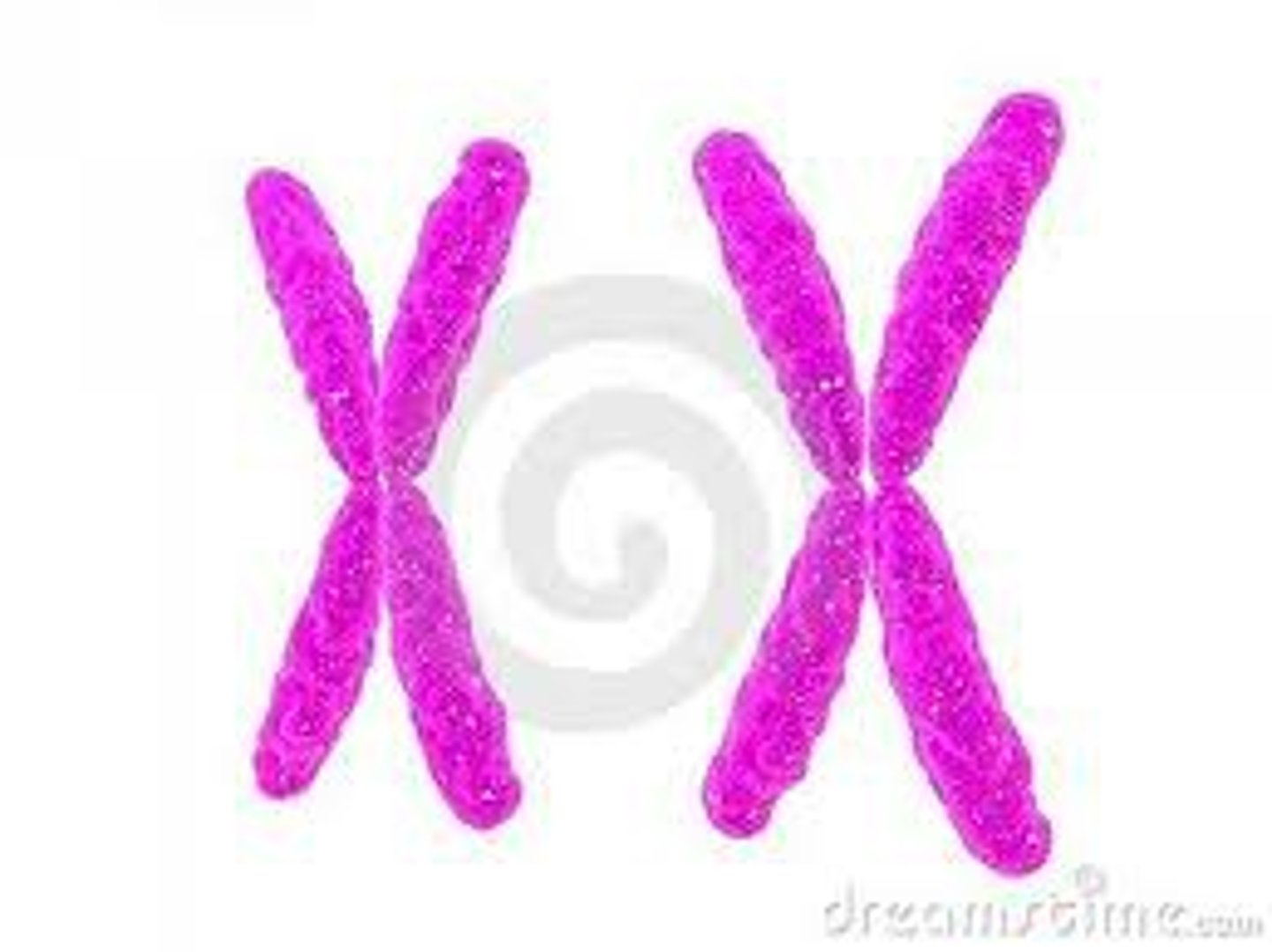
X Chromosome
The sex chromosome found in both men and women. Females have two X chromosomes; males have one. An X chromosome from each parent produces a female child.
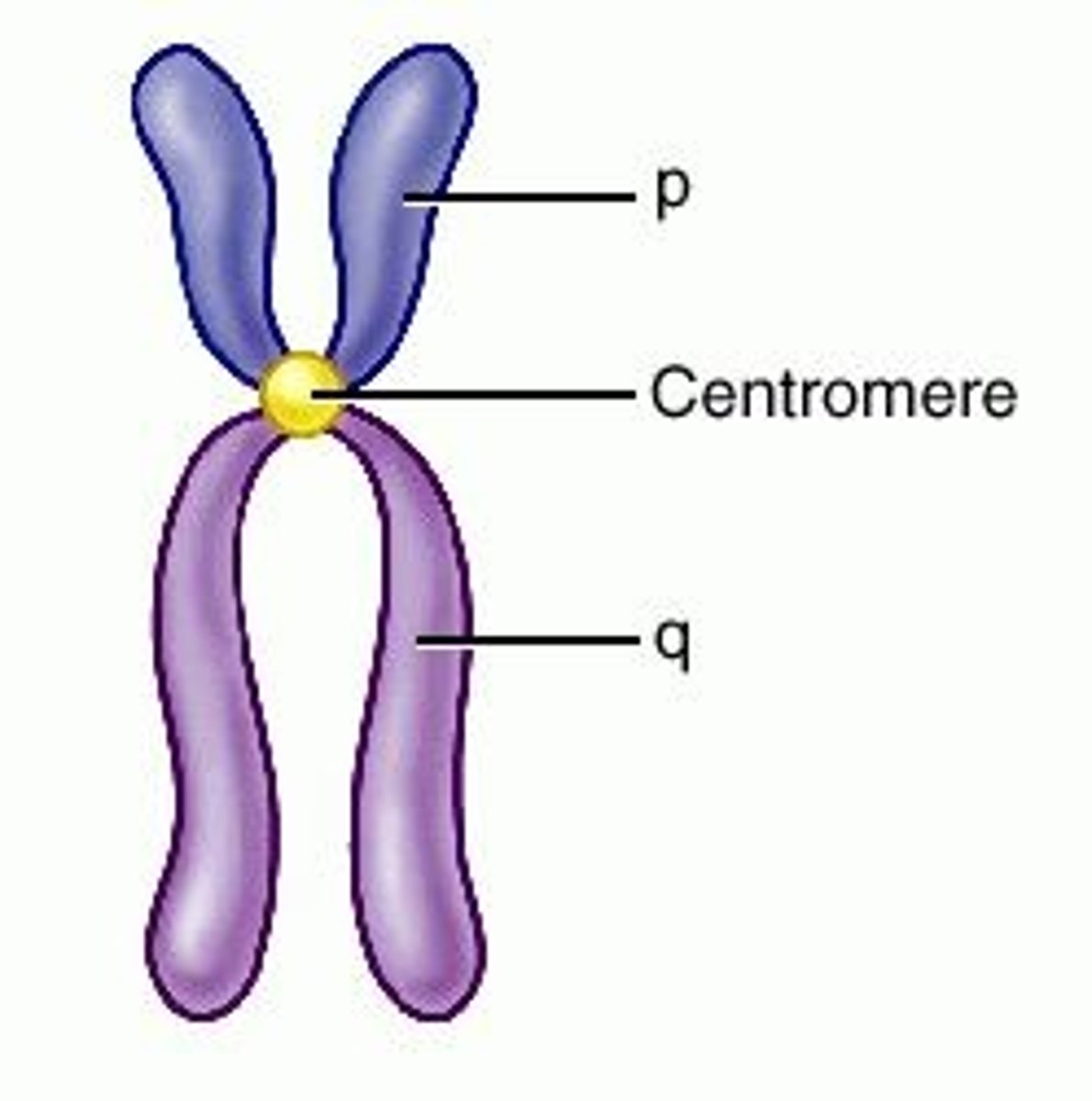
Y Chromosome
the sex chromosome found only in males. When paired with an X chromosome from the mother, it produces a male child.
Testosterone
Male sex hormone

Primary Sex Characteristics
the body structures (ovaries, testes, and external genitalia) that make sexual reproduction possible
Secondary Sex Characteristics
nonreproductive sexual characteristics, such as female breasts and hips, male voice quality, and body hair
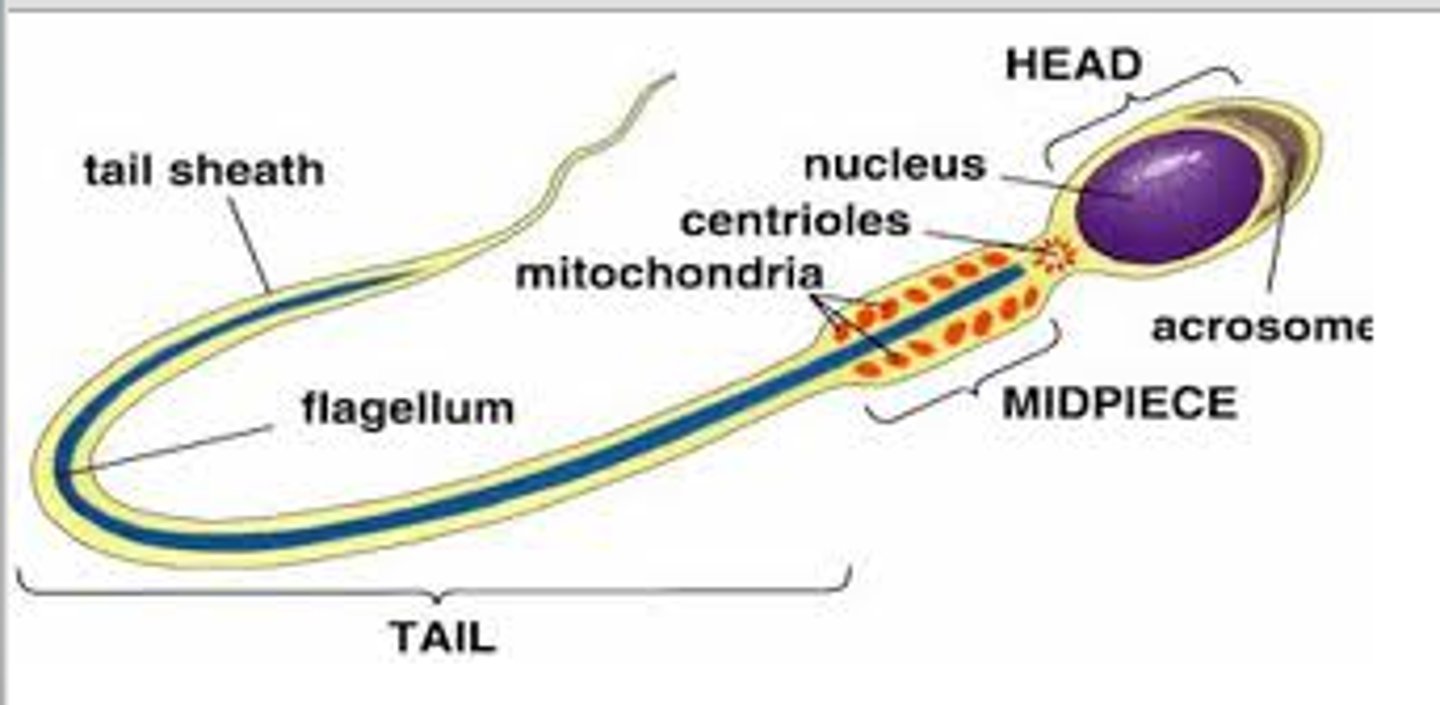
Spermarche
first ejaculation
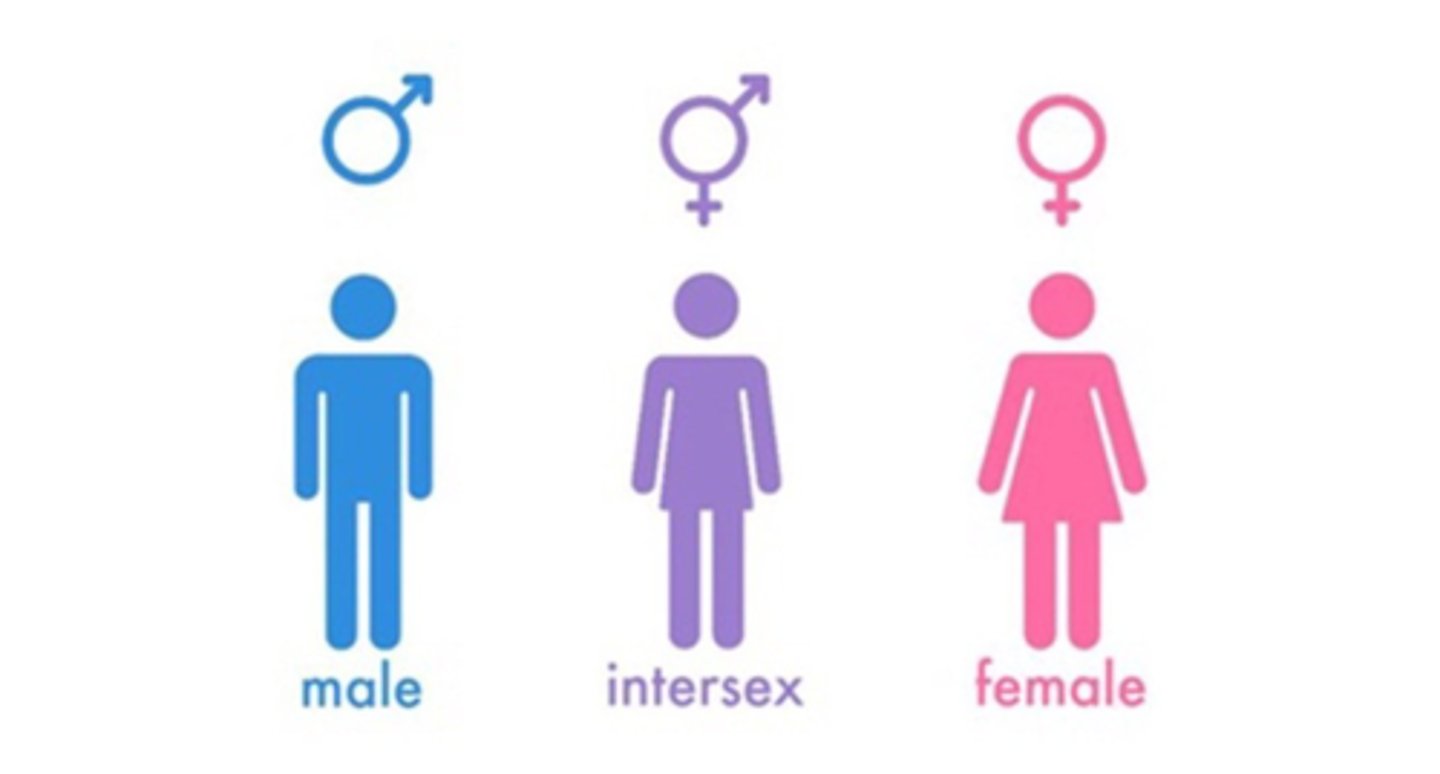
Intersex
possessing biological sexual characteristics of both sexes
Sexual Orientation
an enduring sexual attraction toward members of either one's own sex (homosexual orientation) or the other sex (heterosexual orientation)

AIDS
acquired immune deficiency syndrome
Menopause
the time of natural cessation of menstruation; also refers to the biological changes a woman experiences as her ability to reproduce declines

Cross-Sectional Study
a study in which people of different ages are compared with one another
Longitudinal Study
research in which the same people are restudied and retested over a long period
Neurocognitive Disorders
acquired (not lifelong) disorders marked by cognitive deficits; often related to Alzheimer's disease, brain injury or disease, or substance abuse. In older adults neurocognitive disorders were formerly called dementia
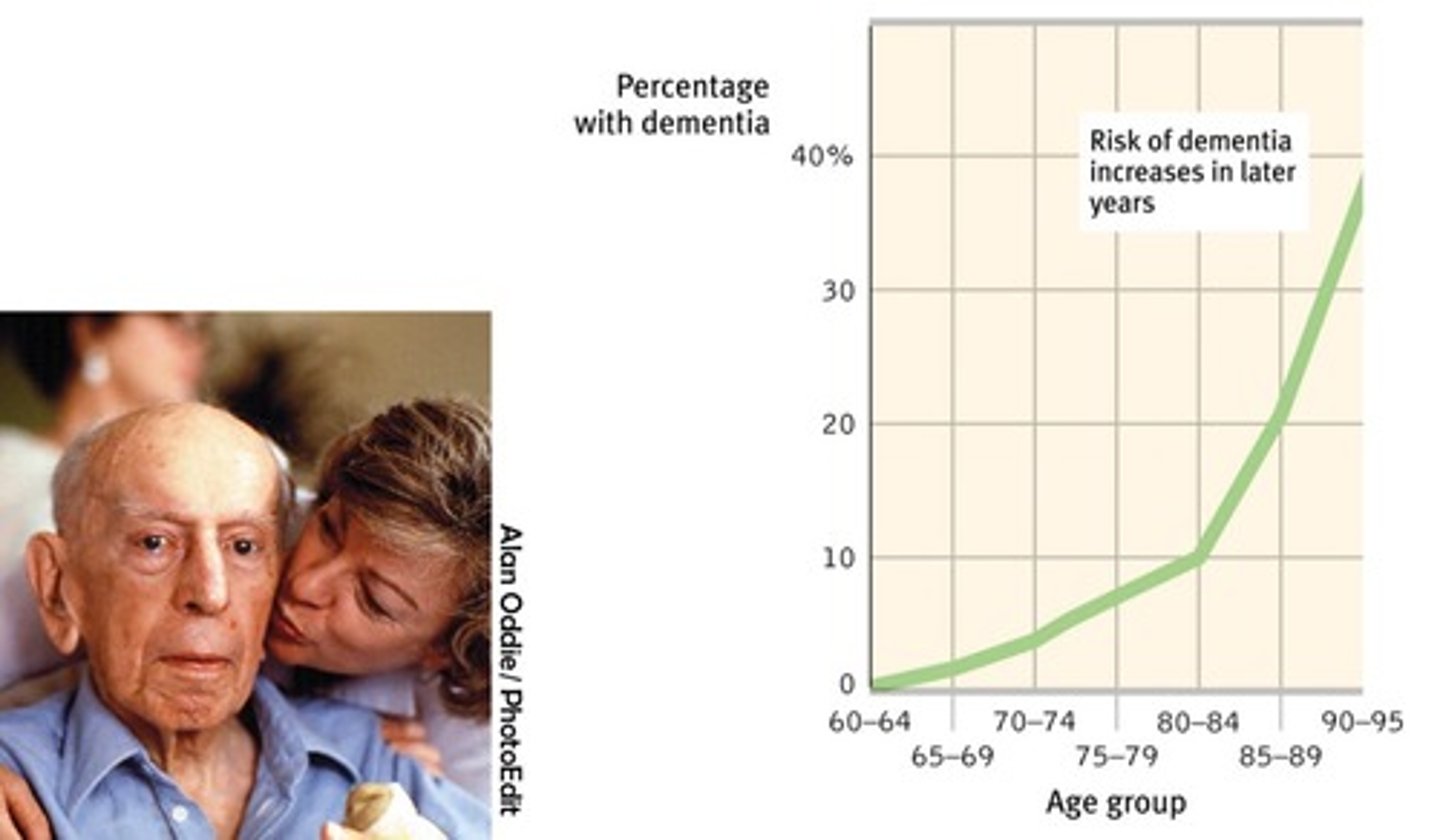
Alzheimer's Disease
a brain disorder that slowly destroys memory and thinking skills and, eventually, the ability to carry out the simplest tasks
Social Clock
the culturally preferred timing of social events such as marriage, parenthood, and retirement