Ancient Near Eastern Art
 Call Kai
 Learn
Learn Practice Test
 Spaced Repetition
 Match
Match Flashcards
 Knowt Play
1/45

There's no tags or description
Looks like no tags are added yet.
Name | Mastery | Learn | Test | Matching | Spaced | Call with Kai |
|---|
No analytics yet
Send a link to your students to track their progress
46 Terms
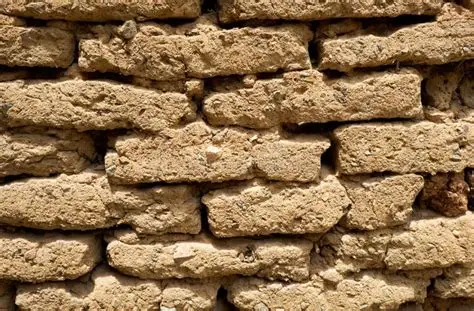
Mudbrick
Clay combined with vegetable matter so it does not crack when it dries
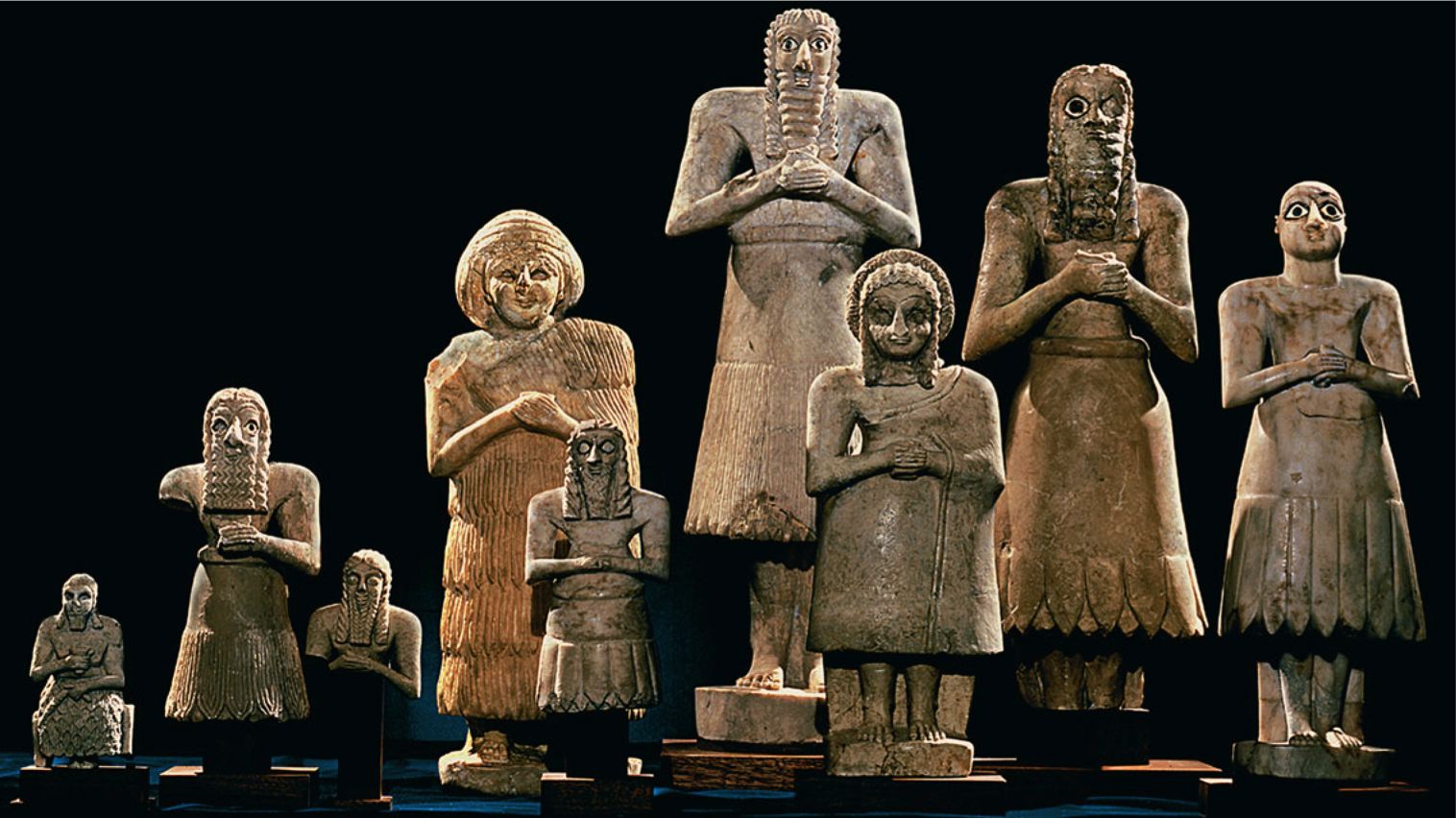
Tell Asmar
The archaeological site of a group of sculptures made of limestone, gypsum, and alabaster. They were first made 500 years after the Uruk head carving. Some are recognized as Abu, god of vegetation, and his consort. Due to their dress, others could likely represent priests. The eyes are thought to be atropaic devices
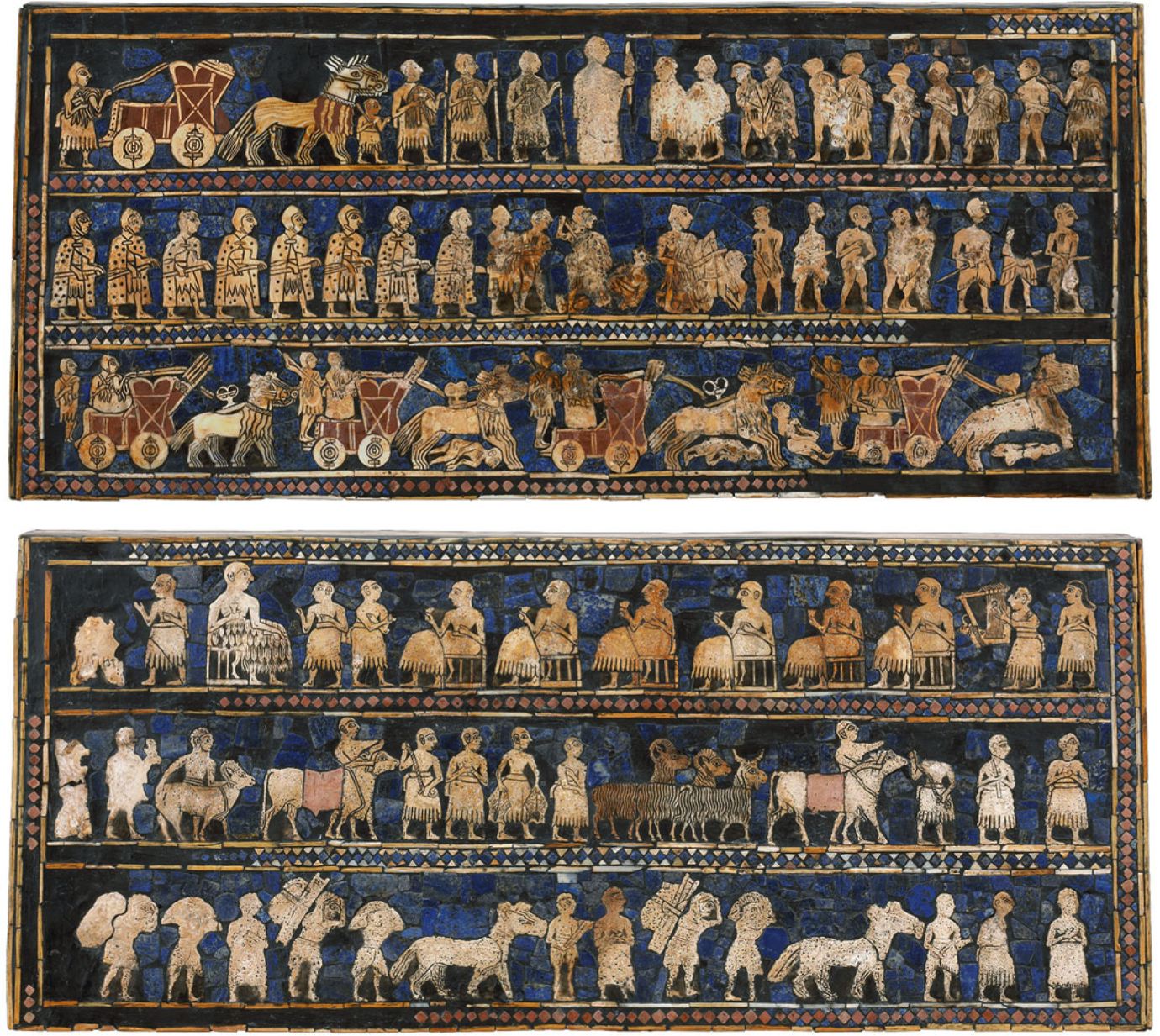
Register
A horizontal band containing decoration; used to distinguish between differing visual planes and time periods in visual narration
Hieratic style
An artistic technique in which the importance of figures is indicated by size, so that the most important figure is depicted as the largest; used in mesopotamian art to create visual narratives
Apotropaic device
An object deployed as a means of wording off evil. Often a figural image or a composite image inserted into an architectural setting.
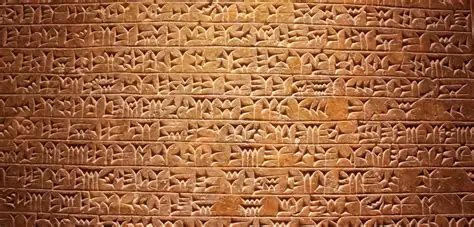
Cuneiform
The wedge-shaped characters made in clay by the ancient Mesopotamians as a writing system.
Mesopotamia
The land between the Tigris and Euphrates River
An (Anu)
Sky god and head pantheon
Inanna (Ishtar)
Queen of heaven, spouse of of Anu, goddess of fertility, love, and war
Abu
god of vegetation
Enki
god of wisdom
Enlil
“lord breath” god of atmosphere
Imdugud
storm god
Shamash
sun god
Sumerian city of Uruk emerges
3500 BCE
Mesopotamians begin to use cuneiform
2900 BCE
The Sumerian Standard of Ur
2600 BCE
Stele
upright stone marker
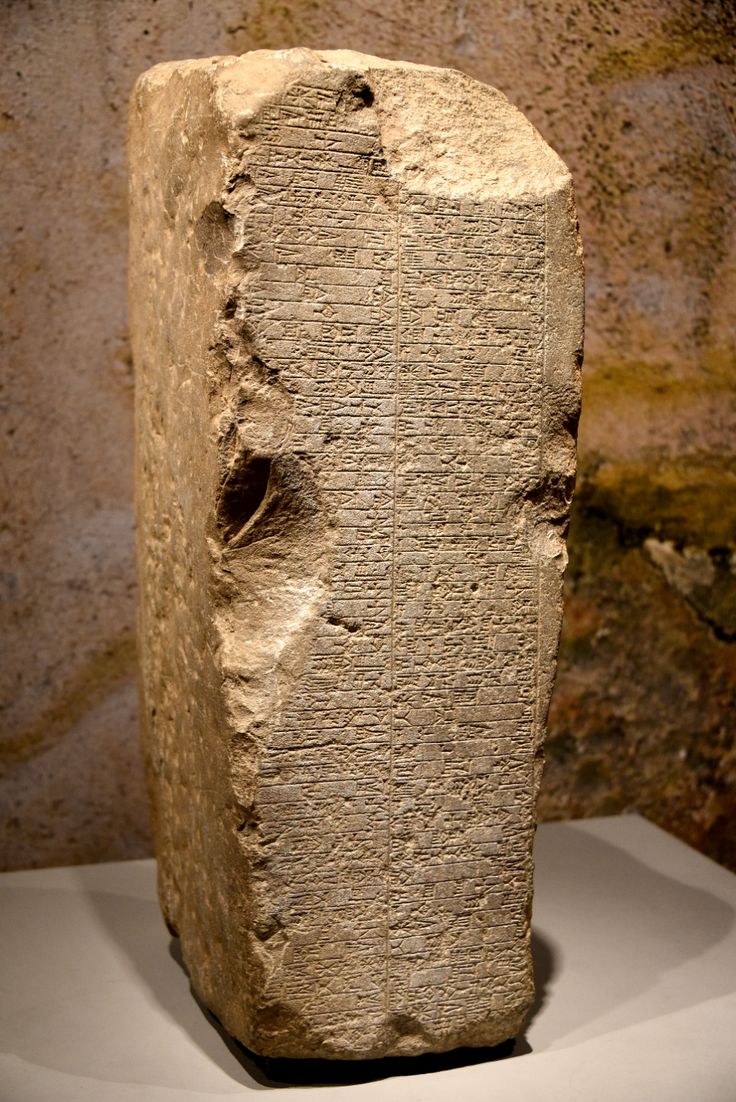
Frontality
Representation of an object in full frontal view
Gilgamesh
a king of Uruk. Carved his tale on a stone marker. The stone credits him with building the Uruk walls and the Eanna, Inanna temple. Earliest Epic Tablets 2150 BCE
Conflict between Sumerian city states over resources
2350
Buttress
Vertical supporting element
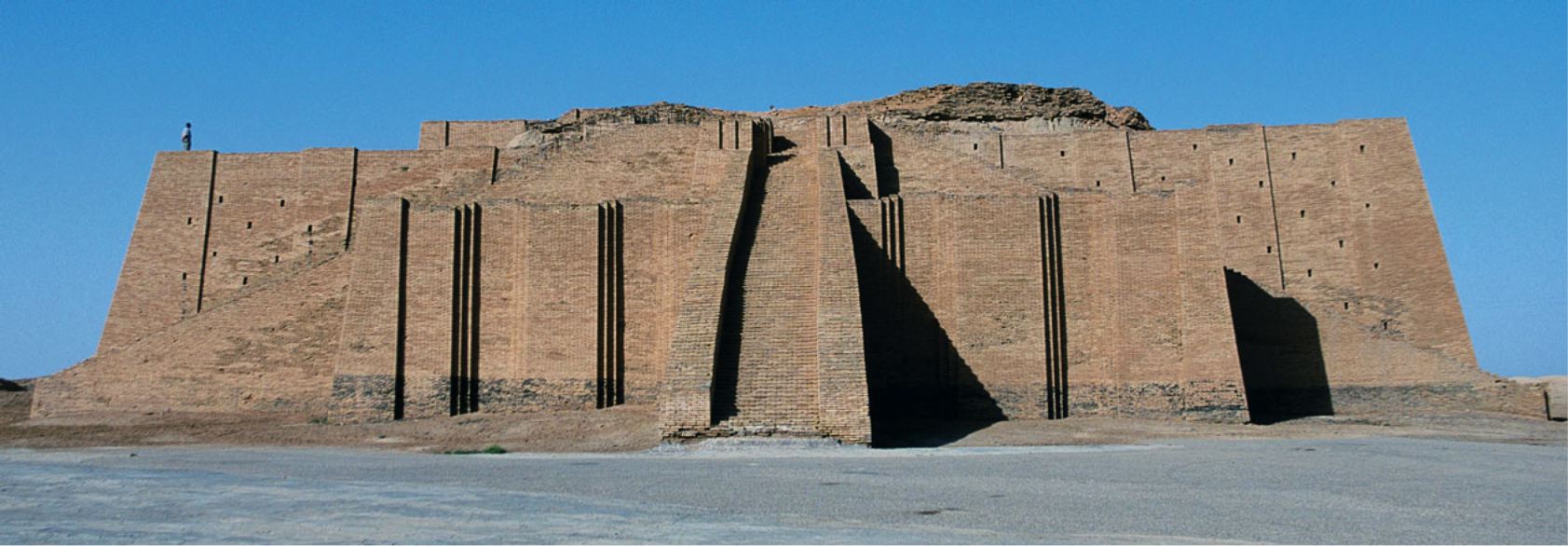
Ziggurat of Ur
2100 BCE. Dedicated to the moon god nanna. Base consisted of solid mudbrick faced with baked bricks set in bitumen.
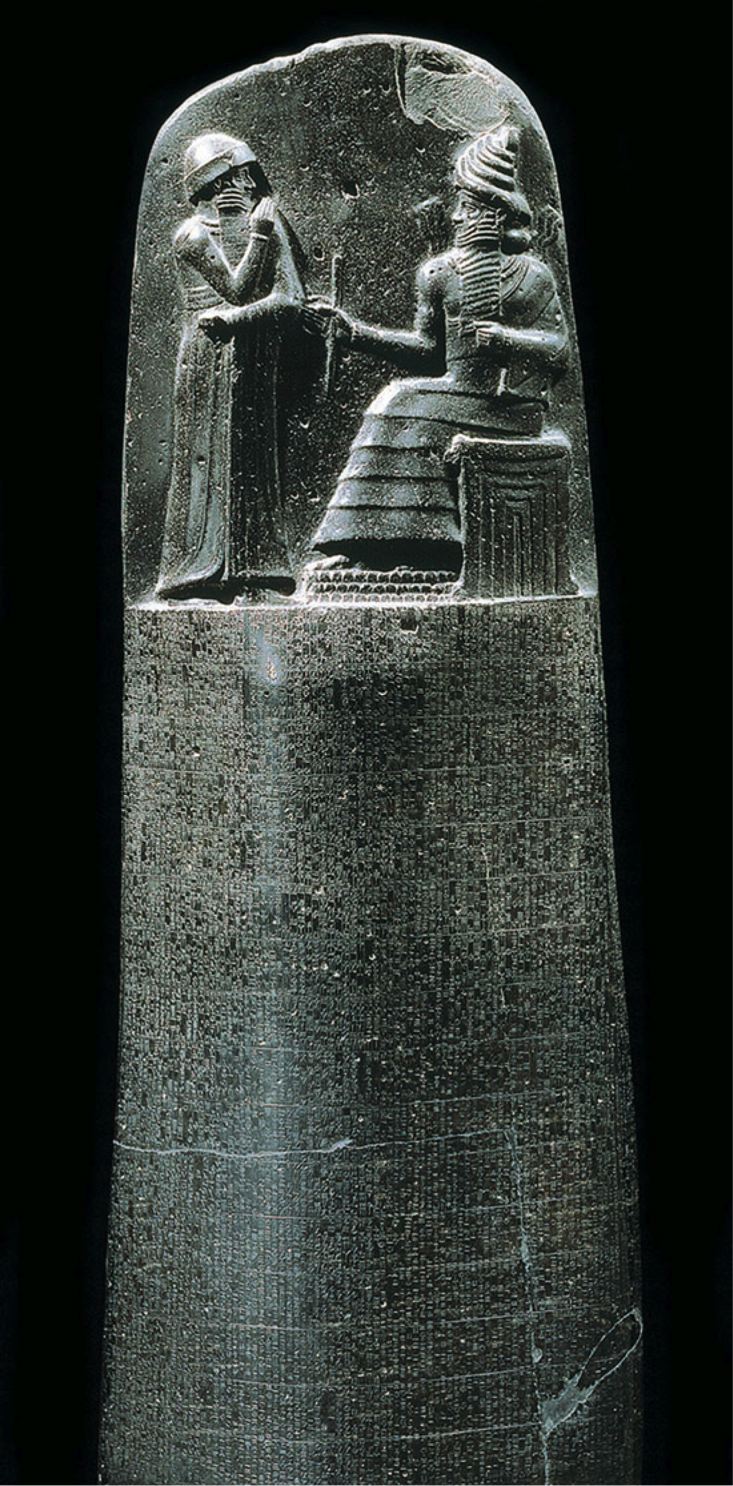
Code of Hammurabi
engraved on a black basalt stele reaching to over 7 feet in height. The text consists of 3,500 lines of Akkadian cuneiform, and begins with an account of the temples Hammurabi restored. Details penalties for law breakers. ca. 1760
Babylon ruled by Hammurabi
1792-1750 BCE
Relief
Any work in which the figures project from a supporting background, usually a plane surface.
Lamassu
wing headed bulls, guardian figures
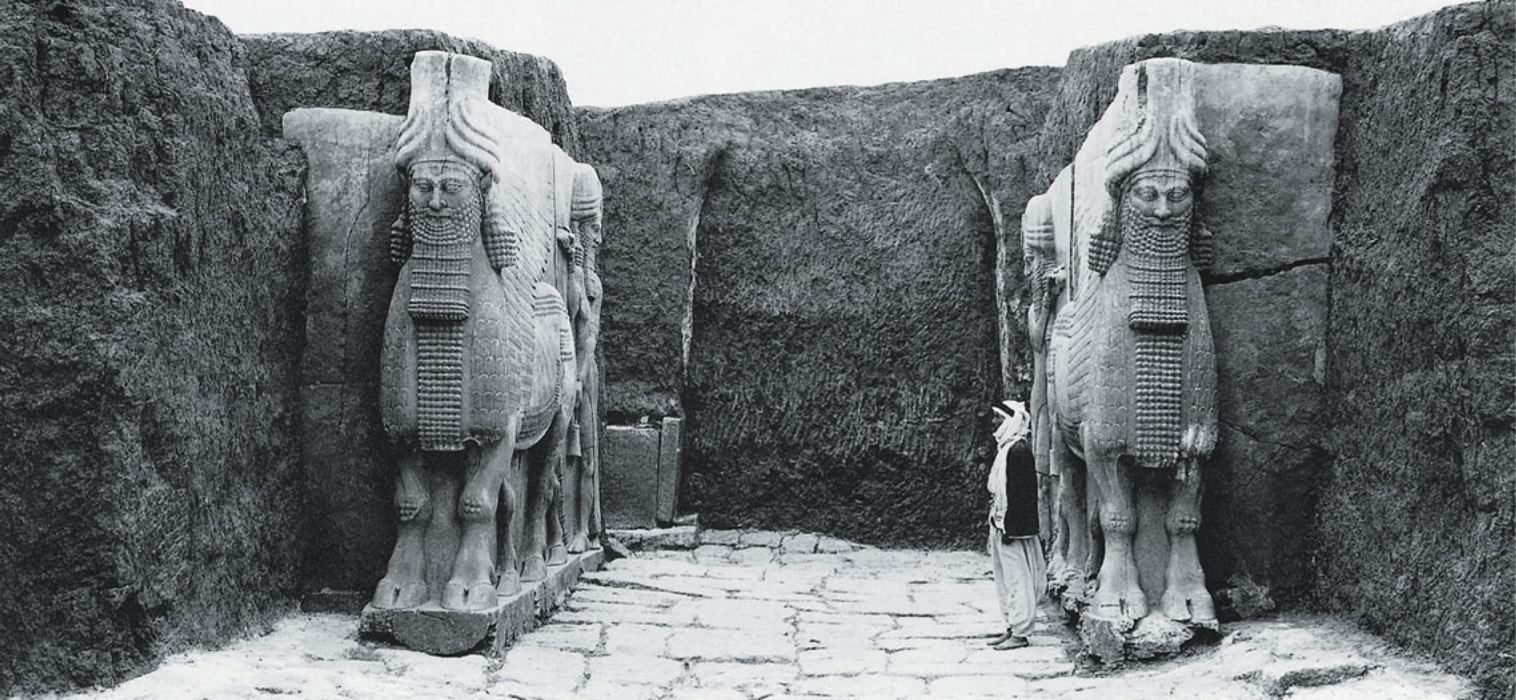
Assyrian construction of Ashurbanipal’s North Palace
688-627 BCE
Assyrian empire
Assyrians controlled southern Mesopotamia by the end of the millennium. Their home was the city-state of Assur. Ended with the fall of Ninevah to Medes and Babylonians in 612 BCE.
The Babylonian royal palace
Almost on scale with the Assyrian’s palaces. Numerous reception suites framing 5 huge courtyards. Used glazed brick
The Hittites Conquer Babylon
1595
Hittites
An Indo-European Speaking people. Adopted cuneiform. Preserved their history on clay tablets. Under Hattusilis I., they took over most of modern day Turkey and Syria. Used huge stones to build walls to protect their cities. Built lions made out of limestone and other guardian figures.
Phoenicians
Good seafarers and expanded to the North African coast and Spain. They were good at working with metal and ivory and making coloured glass. Took inspiration from Egyptian motifs
Apogee (peak) of the Hittite Empire
1400-1200 BCE
Reign of Babylonian Nebuchadnezzer II
604-562 BCE
Babylonian construction of Ishtar gate
575 BCE
Persepolis
Ancient city in Iran. Where Darius I. built his palace
Darius I and Xerxes
Darius (r. 521–486 BCE) was the ruler of the Persian Empire and Xerxes (r. 485–465 BCE) was his son. Their territory took up more land than the empire of the Egyptian and the Assyrian Empires combined. The empire lasted for two centuries.
Blind arcade
An arcade with no openings. The arches and supports are attached decoratively to the surface of a wall. Used in Persian King Shapur I’s palace
Alexander the Great
Burnt the palace at Persepolis when he conquered the Persians
(356–323 BCE).
Rule of Cyrus the Great, overthrow of the Medes
559-530 BCE
Construction of Persian Palace at Persepolis
518
Alexander the Great defeats the Persians
331 BCE
Rhyton
An ancient drinking or pouring vessel made from pottery, metal, or stone, and sometimes designed in a human or animal form.
Cella
The principal enclosed room of a temple used to house an image. Also called the naos.
Capital
The uppermost member of a column or pillar supporting the architrave.